
Every "best smart home starter kit" guide on the internet tells you to buy a $50 Echo Dot and four smart bulbs. That is fine advice for a college apartment. It is terrible advice for someone who just signed a mortgage.
First-time homeowners face a different problem: they are choosing infrastructure, not gadgets. The hub you buy today determines which locks, thermostats, cameras, and sensors work together for the next five years. Pick wrong, and you replace everything in 18 months. Pick right, and every device you add compounds the value of the original investment.
The short answer: The Aqara Intelligent Living Starter Kit M3 (HFS 8.8) is the best overall foundation — full Matter controller, Thread border router, Zigbee backward compatibility, and seven devices in the box for under $300. If you are locked into a specific ecosystem, the Samsung SmartThings Station Pro (HFS 8.2, $120) is the best standalone hub, and the IKEA DIRIGERA Hub (HFS 7.5) builds a full Matter ecosystem for under $200.
We scored each kit on our proprietary Homeowner Foundation Score — a weighted composite measuring Matter/Thread infrastructure, ecosystem expandability, 3-year total cost of ownership, day-1 usefulness, and aggregated expert consensus from 6-8 editorial sources per product. This guide is a hub connecting our reviews of smart door locks, Matter-compatible devices, smart bulbs, smart plugs, DIY security systems, smart home hubs, and smart speakers. For a protocol deep-dive, see our Matter vs Thread vs Zigbee guide.
Foundation Score
Chart
 Smarthomeexplorer.com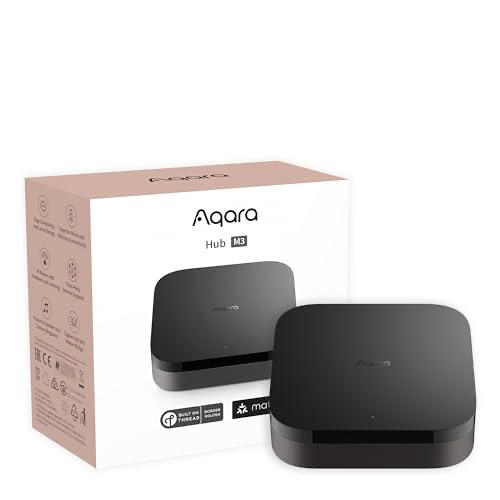
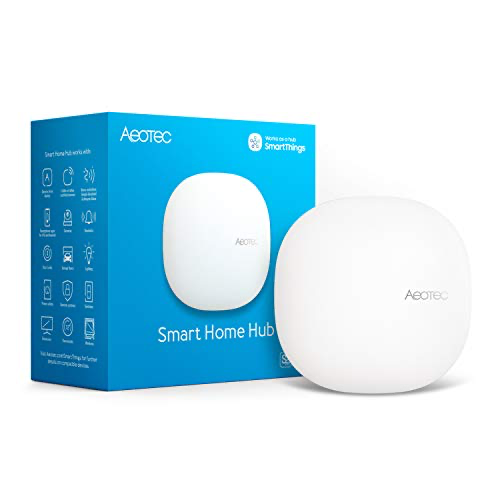
Aqara Intelligent Living Starter Kit M3 — Best Overall Foundation
Aqara Intelligent Living Starter Kit M3
(Current Price, subject to change)
Ready to upgrade your home?
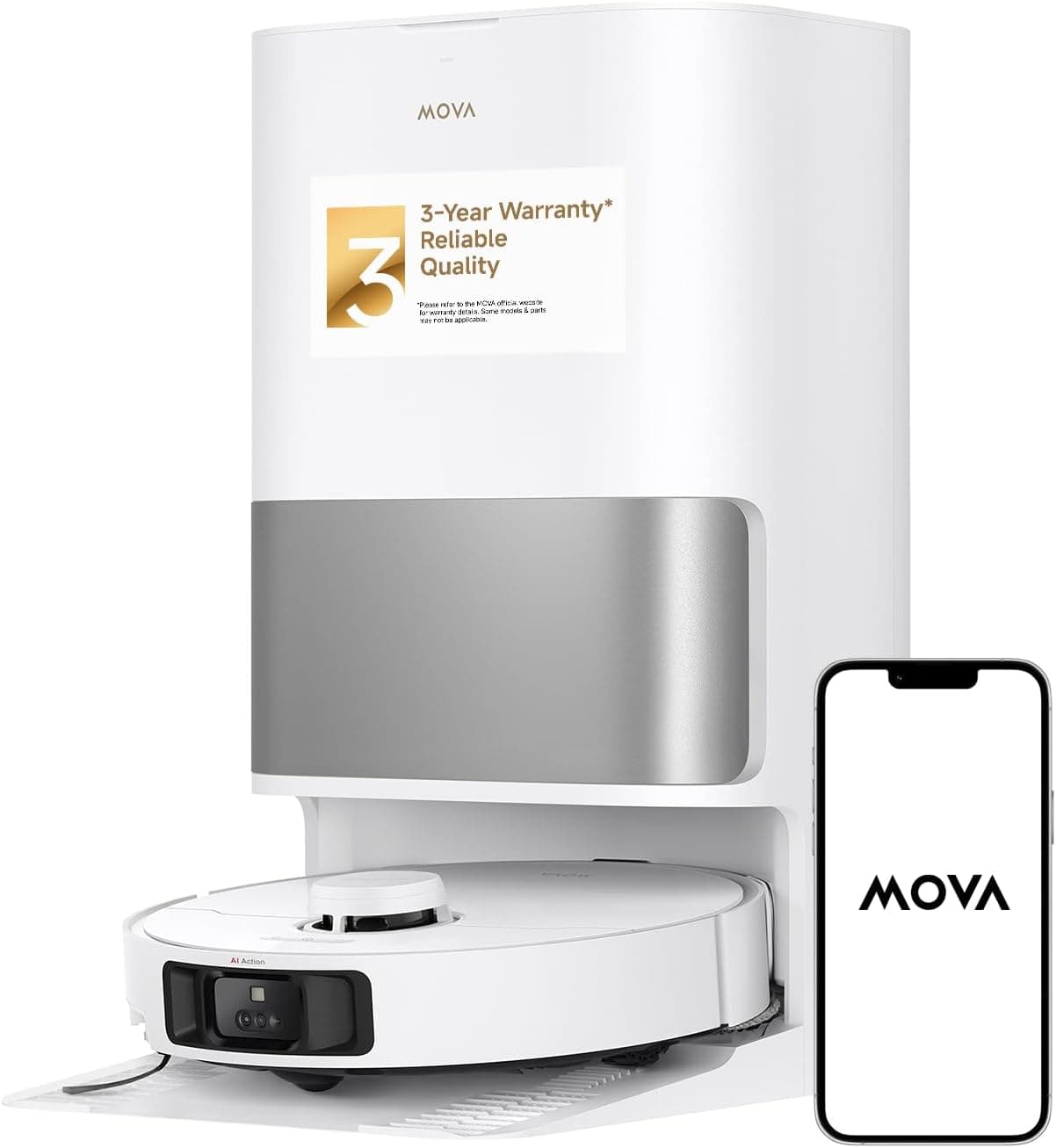
MOVA P10 Pro Ultra Robot Vacuum and Mop
See it on Amazon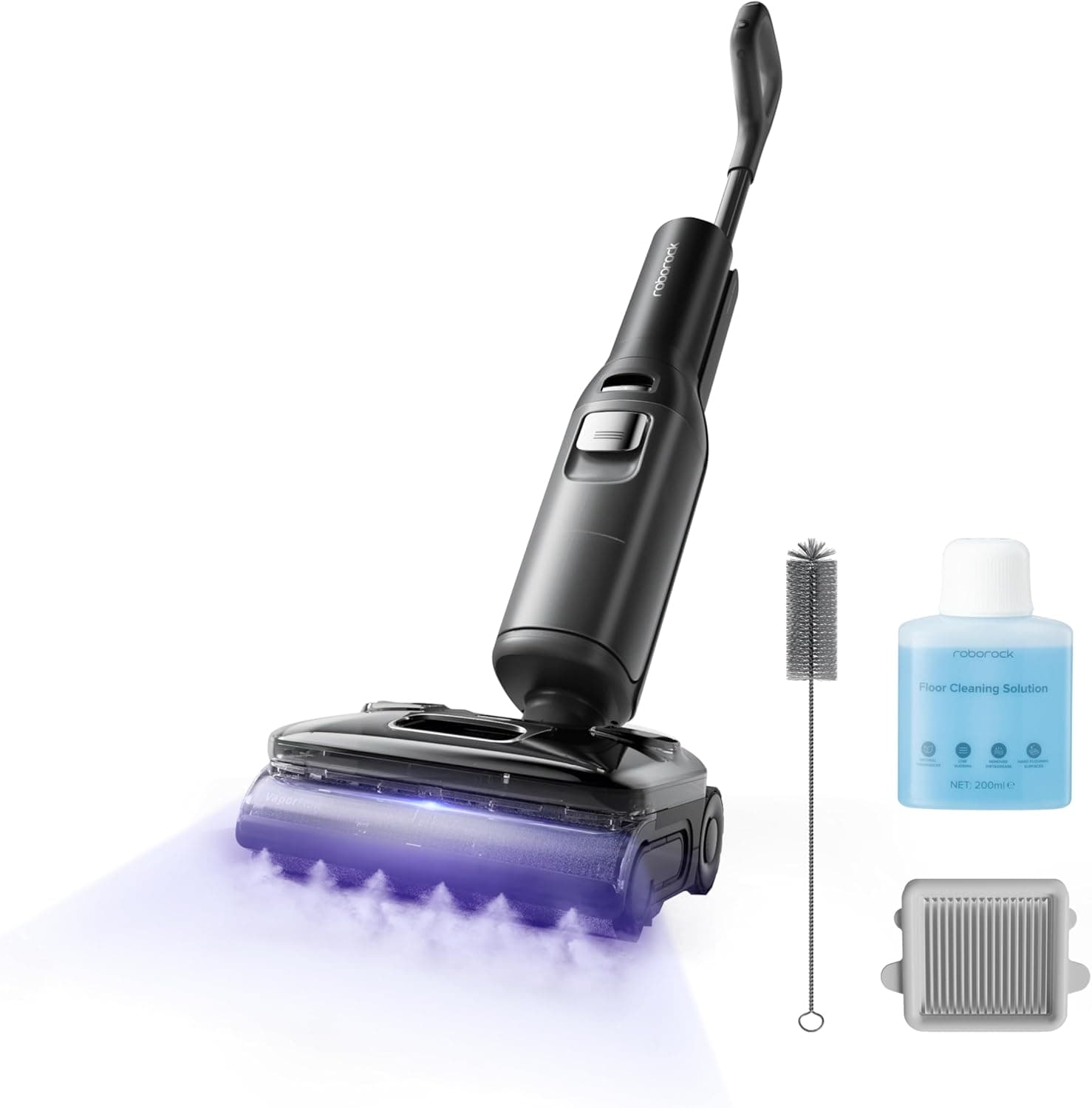
roborock F25 Ultra Steam Wet Dry Vacuum Mop
See it on Amazon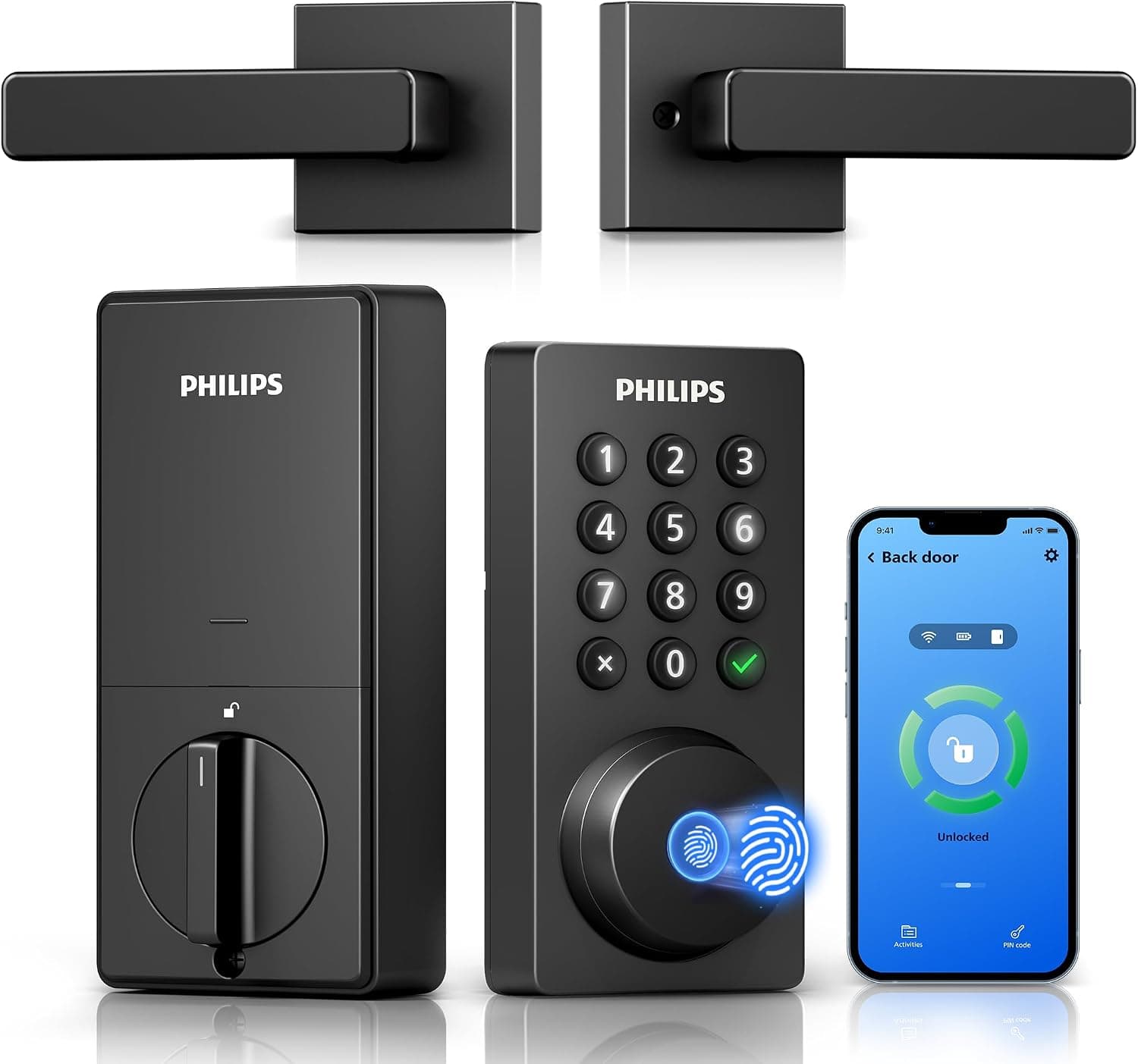
Philips Wi-Fi Keypad Deadbolt with Handle
See it on Amazon
Sponsored listings from Amazon’s Sponsored Products for Creators program, kept apart from our reviews and rankings. How we make money
The M3 Hub is the most complete infrastructure device available to homeowners in 2026. It speaks every protocol that matters — Matter, Thread, Zigbee 3.0, Bluetooth, and infrared — and serves as both a Matter controller and Thread border router simultaneously. That means every Matter device from every brand works through it, while 128 Zigbee devices (legacy Aqara sensors, IKEA Tradfri bulbs, third-party Zigbee accessories) also connect directly. The Ambient called it "the definitive choice for Matter ecosystem investment," and the HFS data backs that up.
Seven devices in the box means you have a functioning smart home on day one: door-open alerts, motion-triggered lighting automation, and temperature monitoring across rooms. That is more than any other hub-centric kit delivers before expansion. The kit covers security awareness, lighting control, and climate monitoring — three of the four categories homeowners care about most (currently $270 on Amazon).
What We Love
- Protocol coverage — Matter + Thread + Zigbee + Bluetooth + IR in one hub eliminates the "which protocol" question entirely
- 128-device Zigbee capacity — enough headroom for whole-home expansion without a second hub
- $0 subscriptions — Aqara cloud free tier includes automations and remote access, no monthly fee
What Could Be Better
- Aqara app has a learning curve for users coming from simpler ecosystems like Alexa or Google Home
- Zigbee-to-Matter bridging is functional but still maturing for edge cases with non-Aqara Zigbee devices
The Verdict
The Aqara Intelligent Living Starter Kit M3 is the foundation to buy if you want the smartest long-term infrastructure play. HFS 8.8 reflects a kit that scores at or near the top on every dimension except day-1 usefulness — and even there, seven included devices beats most competitors. The M3 Hub pairs naturally with Aqara's expanding smart lock lineup and works with any Matter-compatible device on the market.
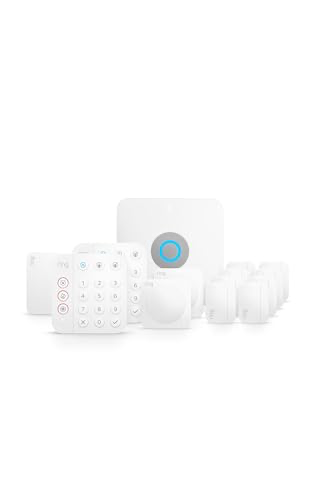
Ring Alarm Pro 14-Piece Kit — Best Security Bundle
Ring Alarm Pro 14-Piece Kit
(Current Price, subject to change)
This is the only kit that solves security and home networking simultaneously. The built-in eero WiFi 6 router covers 1,500 square feet, eliminating a separate router purchase. Security.org rates Ring Alarm among the top three DIY systems, and 14 devices cover every door and window in a typical home on day one.
The trade-off is foundational. Ring's sensors run Z-Wave — not Matter. The eero router acts as a Thread border router for third-party Matter devices, but Ring's core security ecosystem remains proprietary. Ring Protect Plus at $10 per month ($360 over 3 years) is required for video recording and professional monitoring, pushing the 3-year TCO to $650-760 (currently $289.99 on Amazon). For subscription-free alternatives, see our DIY security systems guide.
What We Love
- 14 devices from one box — highest day-1 device count of any kit in this guide
- Built-in eero WiFi 6 — eliminates the need for a separate router, saving $100-150
- Professional monitoring option — $10/mo Ring Protect Plus adds 24/7 dispatch
What Could Be Better
- Z-Wave sensors mean the security system itself is not Matter-compatible
- Ring Protect Plus subscription required for core camera and monitoring features
- Limited cross-platform support — no native HomeKit or Home Assistant integration
The Verdict
Ring Alarm Pro is the right foundation for homeowners whose top priority is move-in-ready security. No other kit puts 14 devices and a WiFi 6 router in one box. The HFS of 6.5 reflects the weak Matter infrastructure and subscription costs — but if security is non-negotiable on day one, this delivers it. Pair it with our recommended smart security cameras to extend the Ring ecosystem.
Philips Hue Bridge Pro Starter Kit — Best Premium Lighting
Philips Hue Bridge Pro Starter Kit
(Current Price, subject to change)
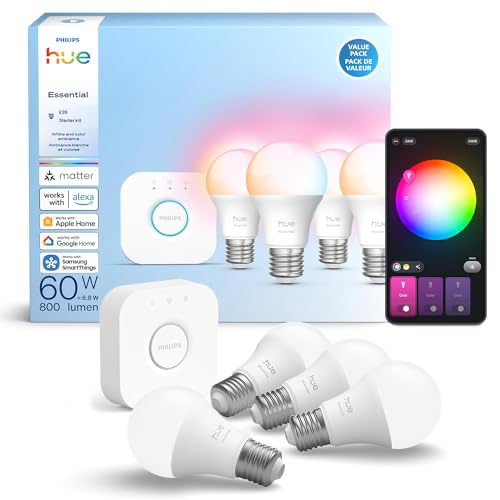
The Bridge Pro triples the device capacity of the previous-generation bridge — from 63 to over 150 lights and 50 accessories — which makes Philips Hue viable as a whole-home lighting foundation for the first time. CNN Underscored, Wirecutter, and CNET agree: Hue remains the gold standard in smart lighting. The MotionAware feature uses Zigbee signals from connected lights to detect motion without dedicated sensors, which is genuinely innovative.
Bridge Pro is a Zigbee-to-Matter bridge, which means all connected Hue lights appear as Matter devices to Apple Home, Google Home, or any Matter controller. It does not function as a general-purpose Matter controller or Thread border router for non-Hue devices. That narrowness is why HFS scores it at 7.6 despite an 8.5 expert consensus — brilliant at lighting, limited as a whole-home foundation (currently $241.99 on Amazon). For more lighting options, see our best smart bulbs guide.
What We Love
- 150-device capacity — enough for every bulb, strip, and outdoor light in a full-sized home
- Zero subscriptions ever — no monthly fee, no premium tier, all features included
- MotionAware — Zigbee-based motion detection through lights eliminates dedicated motion sensors
What Could Be Better
- Lighting only — no security, climate, or sensor expansion within the Hue ecosystem
- Not a general-purpose Matter controller or Thread border router for non-Hue devices
The Verdict
Philips Hue Bridge Pro is the best lighting foundation for homeowners who want whole-home color lighting that scales without hitting device limits. At $0 per month ongoing, the 3-year TCO is among the lowest in this guide. Pair it with Matter-compatible smart bulbs from other brands through a separate Matter controller for full-home coverage beyond lighting.
Ecobee Total Security Bundle — Best Climate Foundation
Ecobee Total Security Bundle
(Current Price, subject to change)
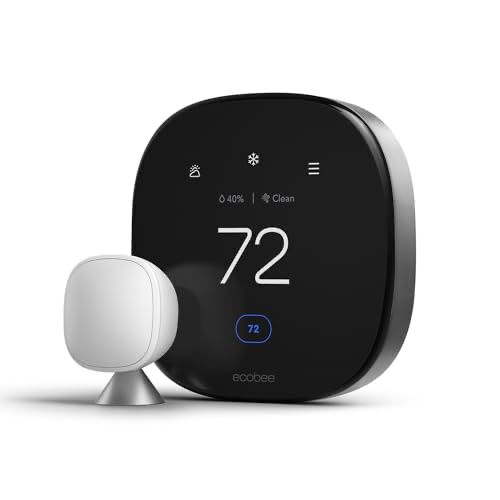
Wirecutter named the Ecobee Smart Thermostat Premium its top pick — built-in CO2 and VOC air quality monitoring, occupancy-based HVAC scheduling, and a claimed 26% HVAC reduction that Energy Star certifies. The bundle expands the thermostat into a home awareness system with door sensors and a video doorbell.
The thermostat supports Matter-over-WiFi, but SmartSensors and doorbell are proprietary Bluetooth/WiFi. Ecobee Smart Security subscription at $5-10 per month adds doorbell recording but erodes the TCO advantage (currently $499.97 on Amazon). Energy savings may offset this — 26% HVAC reduction translates to $200-400 over three years for a typical home.
What We Love
- Wirecutter #1 thermostat — highest expert consensus for any individual device in this guide (8.5)
- Built-in Alexa — voice control without buying a separate speaker
- CO2 and VOC sensors — air quality monitoring included, which standalone sensors charge $50-100 for
What Could Be Better
- Narrow ecosystem — Ecobee devices cover climate and basic security, nothing else
- SmartSensors and doorbell camera are proprietary, not Matter
- Smart Security subscription adds $180-360 over 3 years for doorbell recording
The Verdict
Ecobee Total Security Bundle makes sense for homeowners who prioritize climate control and energy savings, and want basic entry monitoring without buying a full security system. HFS 6.8 reflects the narrow expansion path, but the thermostat alone may pay for itself through HVAC savings within the first two years.
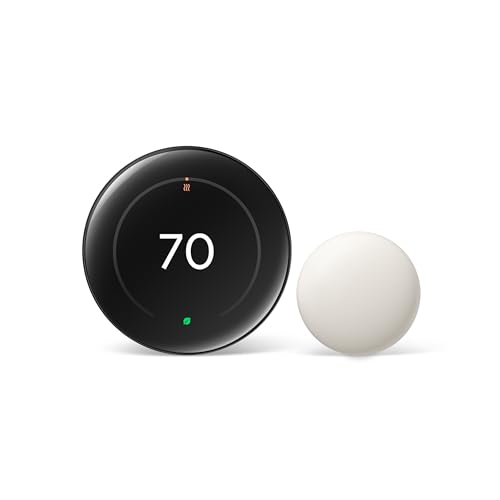
Google Nest Learning Thermostat 4th Gen — Best Google Ecosystem Entry
Google Nest Learning Thermostat 4th Gen
(Current Price, subject to change)
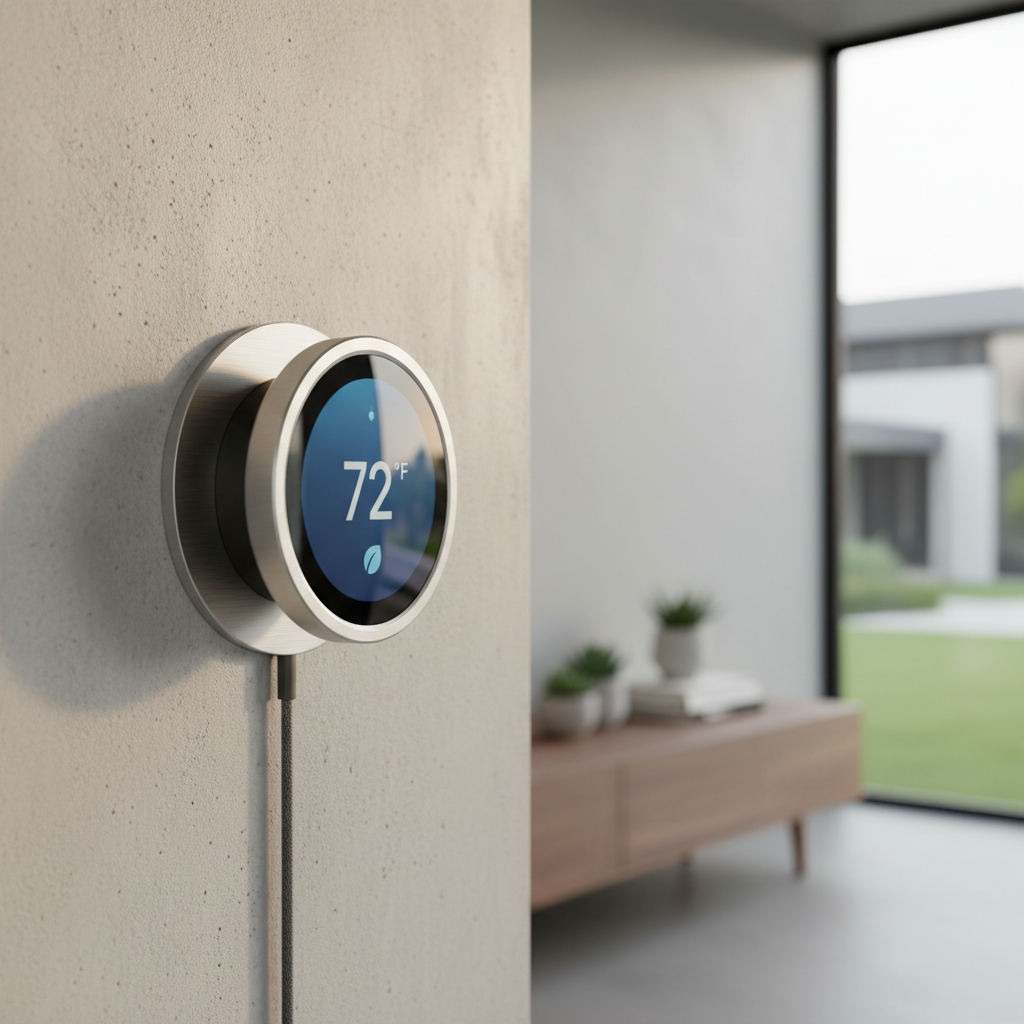
The 4th-generation Nest Learning Thermostat is a meaningful redesign — 60% larger display, Dynamic Farsight, and Matter certification that opens it to Apple Home and Home Assistant. Tom's Guide called it a "meaningful upgrade." This is the first Nest thermostat that works outside the Google ecosystem.
The limitation is scope. This is a Matter endpoint, not a controller or hub. The Nest Temperature Sensor uses Bluetooth, not Matter. A Thread border router requires a separate Nest Hub (2nd Gen) or Nest Wifi Pro. Nest Aware at $6-12 per month pushes the 3-year TCO to $280-900 if you expand into Nest cameras and doorbells (currently $239.99 on Amazon).
What We Love
- Matter-certified — works with Apple Home, Home Assistant, and any Matter controller, not just Google Home
- AI learning schedule — adapts to your patterns automatically after the first week
- No C-wire required — simplifies installation in older homes with limited HVAC wiring
What Could Be Better
- Not a hub, controller, or Thread border router — it is a single smart device, not a foundation
- Nest Aware subscription required for camera/doorbell features if expanding the Google ecosystem
- Temperature sensor uses Bluetooth, not Matter
The Verdict
The Nest Learning Thermostat 4th Gen is a strong climate device and a natural entry point for Google Home households. HFS 6.8 reflects the narrow scope — it excels at one category but is not a multi-device foundation. If your plan is a Google Nest ecosystem, start here and add a Nest Hub (2nd Gen) as your Thread border router.
Amazon Echo Hub — Best Alexa Ecosystem Entry
Amazon Echo Hub
(Current Price, subject to change)
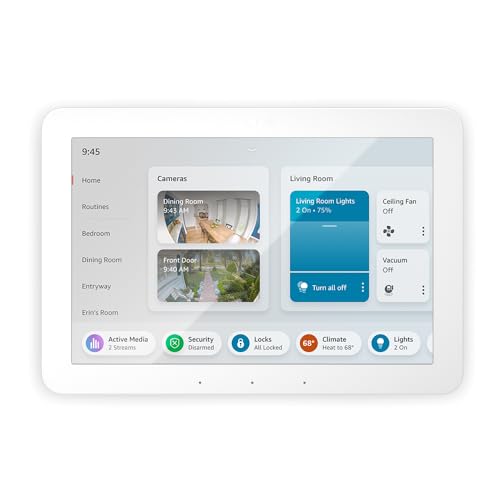
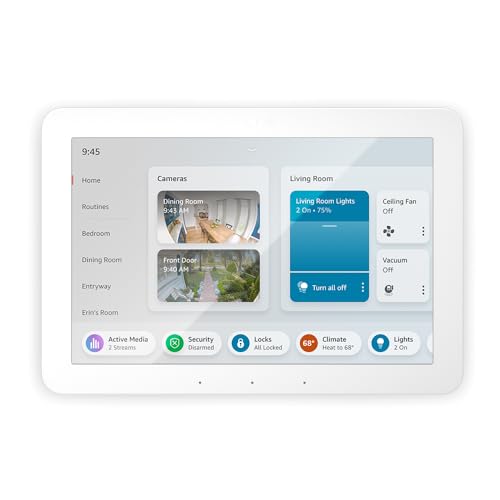
Tom's Guide called the Echo Hub their "favorite smart home controller." The 8-inch wall-mountable touchscreen serves as a visual dashboard for your entire home. Built-in Zigbee, Matter, Thread (border router), Bluetooth, and Sidewalk radios make it a genuine multi-protocol hub. The Alexa ecosystem supports 140,000+ compatible devices.
The starter kit with plug and four bulbs gives you working lighting on day one, but the real value is positional: add Ring cameras, Blink doorbells, Echo speakers, and any Matter device, and the dashboard ties them together. No required subscriptions (currently $179.99 on Amazon). For energy monitoring, see our smart plugs with energy monitoring guide.
What We Love
- Visual dashboard — 8-inch touchscreen shows cameras, sensors, lighting, and routines at a glance
- Thread border router — enables Matter-over-Thread mesh networking for Thread devices
- 140,000+ compatible devices — the largest ecosystem by device count
What Could Be Better
- Amazon Echo community sentiment is mixed — some frustration with Alexa reliability and ad creep
- Matter implementation is newer than SmartThings or Aqara, with occasional pairing reports
- No security sensors included — you need Ring or third-party devices for security coverage
The Verdict
Amazon Echo Hub is the best starting point for Alexa households. HFS 7.9 reflects the strong protocol coverage (Thread border router + Zigbee + Matter) and unmatched ecosystem breadth. The touchscreen dashboard gives it a day-1 presence that other hubs lack. If you are already in the Alexa ecosystem, this is the control center to build around.
Apple HomePod 2nd Gen — Best for Apple Households
Apple HomePod 2nd Gen
(Current Price, subject to change)
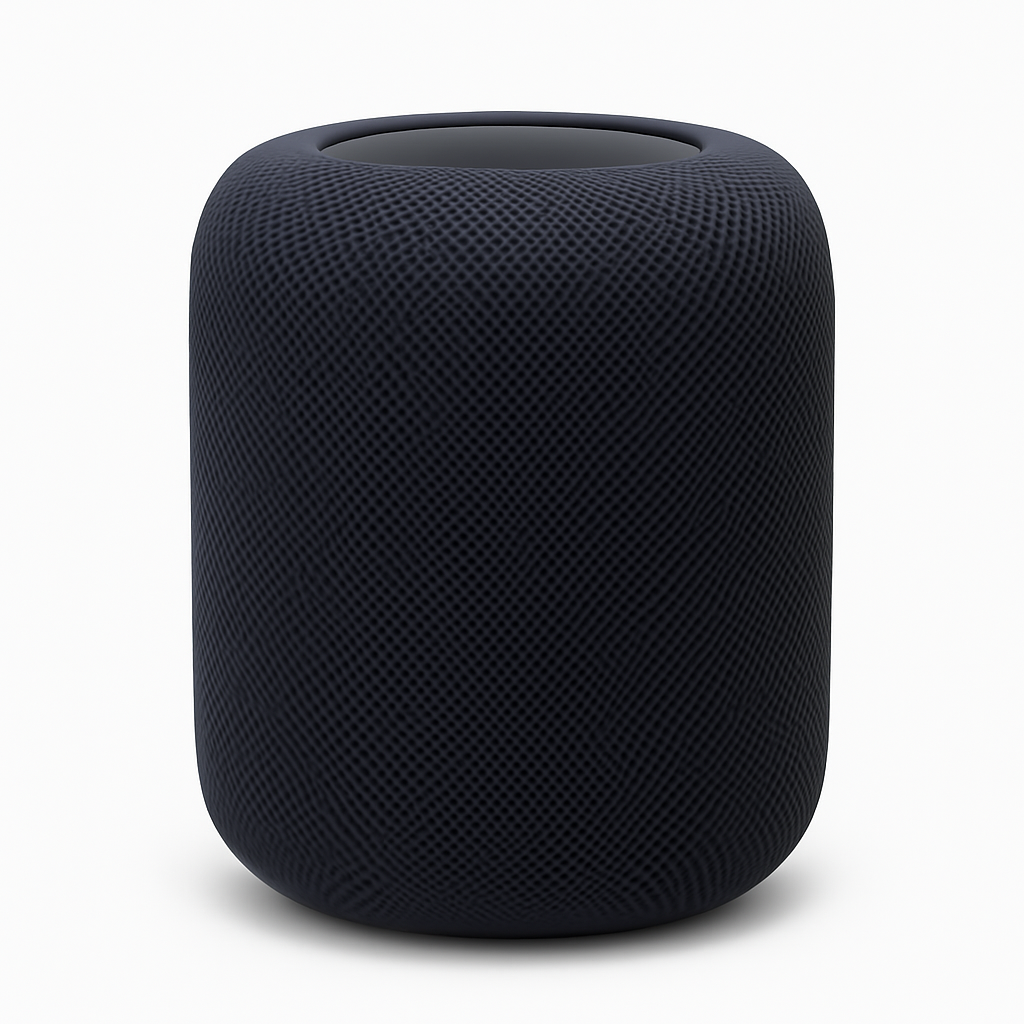
The HomePod 2nd Gen is a premium speaker that doubles as one of the best Matter controllers and Thread border routers available. All Apple Home automations process locally — no cloud dependency. For Apple households, it is the required anchor: Apple Home Key for smart locks, Intercom, and Siri as primary voice assistant.
The HFS of 6.6 reflects a key trade-off: the HomePod ships alone. Pair it with Nanoleaf Essentials Thread bulbs ($15 each), Eve sensors ($40), and an Aqara Smart Lock U300 for an all-Thread, zero-cloud smart home — but the assembled cost hits $450-550 before matching the functionality other kits deliver for $200-300 (currently $299 on Amazon).
What We Love
- Thread border router + Matter controller — the foundation for Apple Home's local-first architecture
- Room-filling audio — functions as a premium speaker when not running automations
- Apple Home Key anchor — required for tap-to-unlock with Yale and Aqara smart locks
What Could Be Better
- $299 for a single device with zero smart home accessories in the box
- Limited to Apple Home ecosystem — requires iPhone and Apple Home app
- Smaller third-party ecosystem than Alexa or Google Home
The Verdict
The HomePod 2nd Gen is the right foundation if you are committed to the Apple ecosystem and willing to buy Thread accessories separately. The all-local processing and Thread mesh networking deliver the fastest response times of any ecosystem. HFS 6.6 penalizes the zero day-1 usefulness, but the infrastructure quality is among the best available.
Yale Assure Lock 2 Plus — Best Apple Home Key Lock
Yale Assure Lock 2 Plus
(Current Price, subject to change)
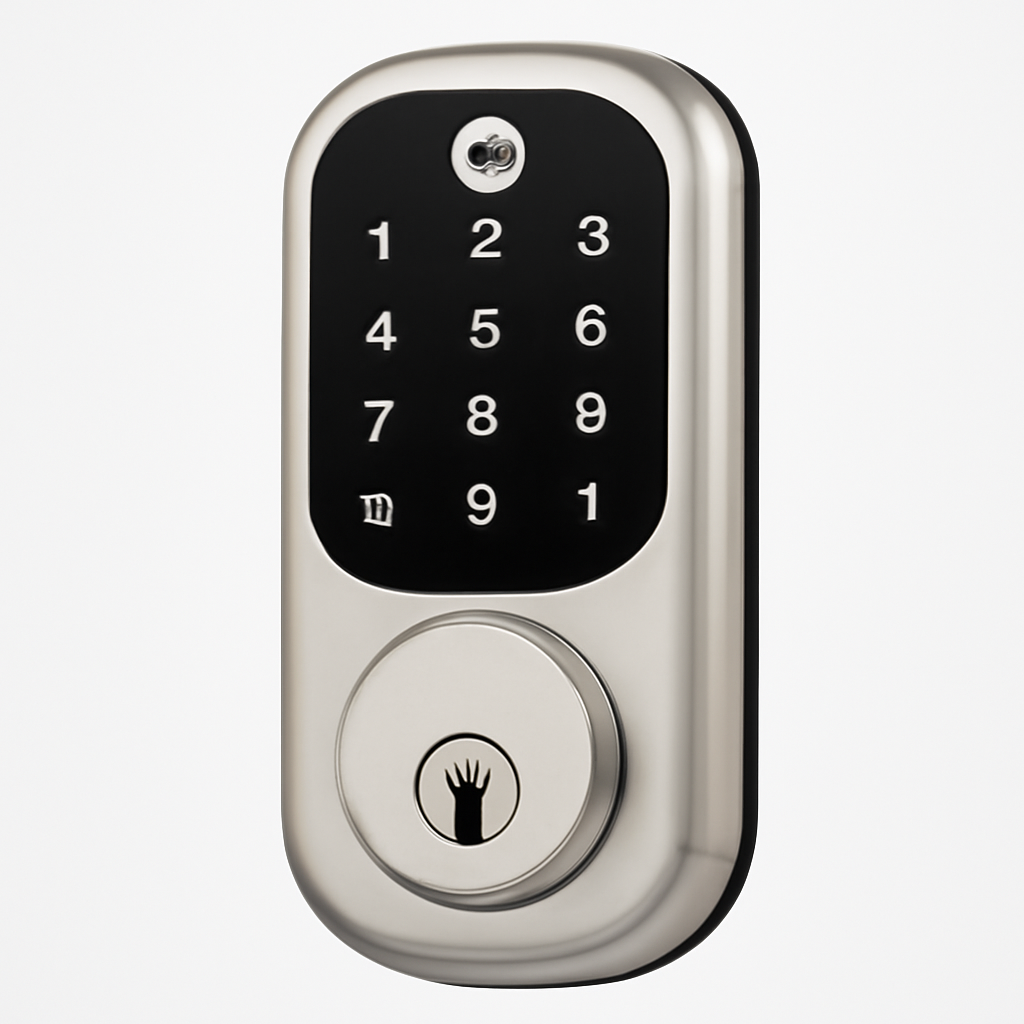
Apple's featured smart lock for Home Key — tap your iPhone or Apple Watch to unlock. Build quality is premium, the keypad provides backup PIN access, and Engadget praised the auto-unlock convenience. Works with Alexa and Google Home through an optional WiFi module.
HFS 5.6 is the lowest in this guide, intentionally. A smart lock is a component, not a foundation. No Matter or Thread support — proprietary protocols only, requiring a HomePod or Apple TV as hub. Consider the Matter-native Aqara U300 as an alternative. For full comparisons, see our Apple Home Key locks guide (currently $198 on Amazon).
What We Love
- Apple Home Key — tap iPhone or Apple Watch on the lock to unlock, the fastest entry method available
- Premium build quality — metal construction rated for exterior doors
- Multi-access — keypad PIN, Home Key, Bluetooth auto-unlock, and physical key backup
What Could Be Better
- No Matter or Thread support — proprietary protocols only
- Requires HomePod or Apple TV as hub for remote access and automations
- Single-category device with no expansion path
The Verdict
Yale Assure Lock 2 Plus is the premium Apple Home Key lock, but it is not a smart home foundation. Buy it after you have a HomePod and a hub — not as your first smart home purchase. The Aqara Smart Lock U300 offers Home Key with Matter-over-Thread at a lower price ($180) and includes an M3 Hub in the bundle.
Aqara Smart Lock U300 — Best Matter Lock Bundle
Aqara Smart Lock U300
(Current Price, subject to change)
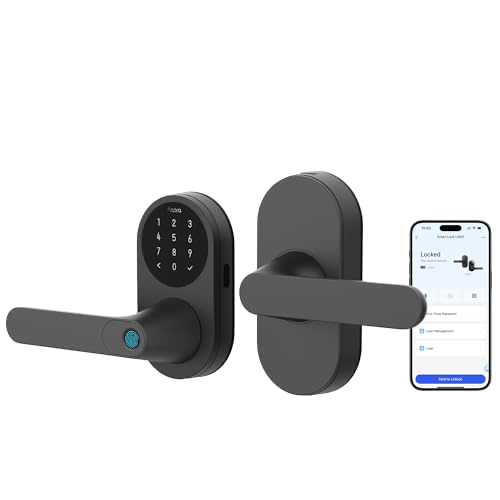
The U300 is the first Matter-certified lever lock, and the bundle includes an M3 Hub — giving you both a premium smart lock and the most capable Matter controller on the market for $180. Apple Home Key, sub-0.3-second fingerprint recognition, PIN, NFC, and physical key backup. Thread connectivity delivers instant response with 10-month battery life.
The included M3 Hub manages 128 Zigbee devices and unlimited Matter accessories, turning a lock purchase into a platform investment. PCWorld and TechRadar praised the U300's speed (currently $179.98 on Amazon). For the full category breakdown, see our smart door locks guide.
What We Love
- Matter-over-Thread native — the fastest, most future-proof smart lock protocol available
- M3 Hub included — turns a lock purchase into a full smart home hub investment
- Sub-0.3s fingerprint — faster than reaching for your phone or keys
What Could Be Better
- App-only installation guidance — no printed manual, which some reviewers found frustrating
- Lock + hub bundle means higher upfront cost than lock-only competitors
- Aqara app learning curve for users new to the ecosystem
The Verdict
The Aqara U300 bundle is the smartest lock purchase for homeowners building a new smart home. The included M3 Hub transforms what could be a single-device buy into a platform investment. HFS 7.7 reflects the strong infrastructure (9.5 Matter/Thread score) balanced against the two-device day-1 scope. If you need a front door lock anyway, this bundle makes the M3 Hub essentially free.
IKEA DIRIGERA Hub — Best Budget Foundation
IKEA DIRIGERA Hub
(Current Price, subject to change)
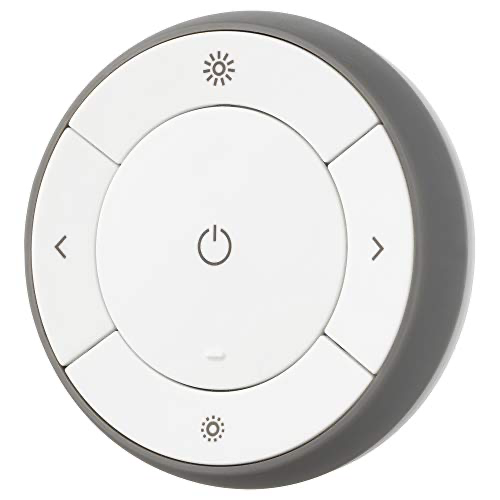
The cheapest entry into a full Matter ecosystem. DIRIGERA at $35 bridges connected IKEA devices as Matter accessories and serves as a Thread border router. Add Tradfri bulbs ($12 each), PARASOLL door sensors ($10), GRILLPLATS plugs ($8), and VINDSTYRKA air quality sensors ($35) — nine devices for under $180. IKEA is launching 20+ new Thread devices through 2026.
The trade-off is polish. PCWorld rated the app 3.5/5, and community feedback echoes "you get what you pay for" on software. Hardware is solid; Thread devices deliver sub-200ms response times (currently $35 on Amazon). For more budget options, see our smart bulbs under $15 and smart plugs under $10 guides.
What We Love
- Lowest TCO — 3-year cost of $130-290, the cheapest full Matter ecosystem by a wide margin
- Thread border router — enables mesh networking for Thread devices from any brand
- $0 subscriptions — IKEA charges no monthly fees for any smart home features
What Could Be Better
- DIRIGERA app is functional but lacks the polish of Hue, Aqara, or SmartThings
- Less proven as a general-purpose Matter controller for non-IKEA devices
- Hub sold separately from accessories — you must assemble your own kit
The Verdict
IKEA DIRIGERA is the right starting point for budget-conscious homeowners who want a real Matter ecosystem without the $200-300 price tag. HFS 7.5 reflects strong TCO efficiency (9.5) balanced against a 6.5 expert consensus that dinged the app experience. The hardware foundation is sound, and the Thread border router works with Matter devices from any brand.
Samsung SmartThings Station Pro — Best Matter-Native Hub
Samsung SmartThings Station Pro
(Current Price, subject to change)
Samsung announced Matter 1.5 support first (January 2026), and the Station Pro packs every relevant radio into a device that doubles as a phone charger. Thread border router, Zigbee 3.0, WiFi 6E, Bluetooth 5.3, and full Matter controller — plus Galaxy AI automations that learn usage patterns. The SmartThings ecosystem works with 5,000+ devices.
Nothing smart ships in the box besides the hub and charger, which drives day-1 usefulness to 5.0. But at $120 with $0 subscriptions, the 3-year TCO of $220-320 is the second-lowest in this guide. For homeowners who want to pick their own devices, the Station Pro provides the strongest multi-protocol platform available (currently $120 on Amazon).
What We Love
- First Matter 1.5 support — the fastest platform to adopt the latest Matter specification
- Five radios in one hub — Thread + Zigbee + WiFi 6E + Bluetooth + Matter eliminates protocol concerns
- Galaxy AI automations — learns your patterns and suggests routines, a differentiator no other hub offers
What Could Be Better
- Hub only — zero smart home functionality out of the box
- SmartThings ecosystem is still Samsung-centric despite Matter openness
- No touchscreen or display — requires the SmartThings app for all management
The Verdict
Samsung SmartThings Station Pro is the best standalone hub for homeowners who want protocol flexibility without a pre-configured kit. HFS 8.2 — the second-highest in this guide — reflects exceptional infrastructure and expandability at $120. Buy it if you know which devices you want and prefer assembling your own ecosystem. Pair with any Matter-compatible devices from any brand.
How We Score Starter Kits: The SHE Homeowner Foundation Score
Full methodology for this score
Most smart home buying guides rank products by star ratings and price. But first-time homeowners are not buying a gadget — they are choosing an infrastructure foundation that determines whether their investment compounds or becomes obsolete.
The SHE Homeowner Foundation Score (HFS) evaluates starter bundles across five dimensions that matter for long-term smart home success:
Formula: HFS = (Matter/Thread Infrastructure x 25%) + (Ecosystem Expandability x 20%) + (Expert Consensus x 20%) + (3-Year TCO Efficiency x 20%) + (Day-1 Usefulness x 15%)
| Factor | Weight | What It Measures |
|---|---|---|
| Matter & Thread Infrastructure | 25% | Matter controller, Thread border router, multi-protocol support, Matter 1.5 readiness |
| Ecosystem Expandability | 20% | Max device count, category breadth, third-party compatibility, Home Assistant support |
| Expert Consensus | 20% | Aggregated scores from Wirecutter, Tom's Guide, CNET, TechRadar, The Ambient, Security.org |
| 3-Year TCO Efficiency | 20% | Hardware + subscriptions + consumables + expansion costs over 36 months |
| Day-1 Usefulness | 15% | Included devices, automations possible immediately, setup time, coverage breadth |
Matter/Thread infrastructure verified against the CSA certification database and Thread Group border router registry. TCO models include required subscriptions (Ring Protect Plus $10/mo, Nest Aware $6-12/mo, Ecobee Smart Security $5-10/mo) and expansion costs. Expert consensus aggregates 6-8 editorial sources per product, weighted by rigor and recency. Community sentiment from 25+ Reddit testimonials per product across r/smarthome and r/homeautomation. SmartHomeExplorer editorial analysis — methodology.
Score thresholds: 8.0+ = Excellent foundation | 7.0-7.9 = Strong with trade-offs | 6.0-6.9 = Solid category entry | Below 6.0 = Better as a component
SHE Homeowner Foundation Score (HFS)
Formula: Matter/Thread Infrastructure (25%) + Ecosystem Expandability (20%) + Expert Consensus (20%) + 3-Year TCO (20%) + Day-1 Usefulness (15%). Higher = better long-term foundation.
$250-300 · Matter + Thread + Zigbee hub · 7 devices included · best overall foundation
$120 · WiFi 6E + Thread + Zigbee · Galaxy AI · best Matter-native hub
$180-230 · 140,000+ Alexa devices · 8" touchscreen · best Alexa entry
$250-300 · Matter-over-Thread lock · Apple Home Key · best Matter lock
$200-250 · 150+ lights · MotionAware · best premium lighting
$100-180 · lowest TCO · Matter bridge · best budget foundation
$370 · 26% HVAC savings · built-in Alexa · best climate foundation
$280 · AI learning + Matter · Nest ecosystem · best Google entry
$450-550 · all-Thread zero-cloud · best Apple assembled bundle
$299 · Thread border router · premium audio · best Apple households
$210-290 · Apple Home Key · single-category · best Apple lock
SmartHomeExplorer editorial analysis. Formula: Matter/Thread Infrastructure (25%) + Ecosystem Expandability (20%) + Expert Consensus (20%) + 3-Year TCO Efficiency (20%) + Day-1 Usefulness (15%). Data from Matter certification database, Wirecutter, Tom's Guide, CNET, TechRadar, The Ambient, PCWorld, Security.org, Consumer Reports (April 2026)
When NOT to Buy
- Skip starter kits if you are renting and plan to move within 12 months. Smart home infrastructure compounds value over years, and hardwired devices (thermostats, locks) stay with the property when you leave.
- Skip hub-based kits if your home has fewer than 5 smart devices planned. A few Wi-Fi bulbs and a smart plug do not need a hub — add one when you outgrow the basics.
- Skip premium bundles if your budget is under $100. A single IKEA DIRIGERA Hub or a few KAJPLATS bulbs deliver immediate value without overcommitting. Scale up when you know what categories matter to you.
The Bottom Line
The gap between a good starter kit and a bad one is not $50 — it is the $500 you spend replacing a dead-end ecosystem in two years. Matter has changed the calculus: buying a Matter-first foundation means every device you add works with every controller, eliminating the lock-in anxiety that paralyzed homeowners for a decade.
Get the Aqara Intelligent Living Starter Kit M3 if you want the most complete foundation — Matter + Thread + Zigbee, seven devices, and $0 subscriptions. HFS 8.8 is the highest score in this guide because it excels on every dimension that matters for long-term investment.
Get the Samsung SmartThings Station Pro if you want the best hub at the lowest price ($120) and prefer to hand-pick every device yourself. HFS 8.2 reflects the strongest protocol stack available.
Get the IKEA DIRIGERA Hub if your budget is under $200 and you want a full Matter ecosystem with Thread border router capability. The 3-year TCO of $130-290 is unmatched.
Get the Ring Alarm Pro 14-Piece Kit if security is your non-negotiable priority and you want 14 devices plus WiFi 6 from one box on moving day.
Skip the Yale Assure Lock 2 Plus if you are looking for a foundation. It is a premium lock, not a starting point — buy it after you have a HomePod and a hub in place.
Skip the Apple HomePod 2nd Gen if you expect smart home functionality on day one. It ships alone — the infrastructure is excellent, but you will spend $150-250 on Thread accessories before a single automation runs.
Start with the hub. Add a thermostat (it pays for itself in HVAC savings within a year). Then lighting (the biggest daily impact). Then security. Then sensors and automation. That sequence — hub, climate, lighting, security, sensors — is the order that maximizes return on every dollar. If you are still deciding how committed you want to be, see our beginner smart home bundle guide and smart home for new homeowners guide for a gentler starting point.
Frequently Asked Questions
Q: What is the best smart home system for beginners in 2026?
The Aqara Intelligent Living Starter Kit M3 (HFS 8.8) — it supports Matter, Thread, and Zigbee, includes seven devices, requires no subscription, and scales to 128+ devices. For budget-conscious beginners, the IKEA DIRIGERA Hub builds a full Matter ecosystem for under $200. For Alexa households, the Amazon Echo Hub provides a visual dashboard and 140,000+ compatible devices.
Q: Is Matter compatible with all smart home devices?
Not yet, but coverage is accelerating. Matter 1.5 supports lights, plugs, locks, sensors, thermostats, blinds, cameras, and robot vacuums. Most major brands have shipped Matter-certified devices. Older Zigbee or Z-Wave devices require a Matter bridge (like the Aqara M3 Hub or Hue Bridge Pro) to join a Matter network. For new purchases in 2026, buying Matter-first eliminates most lock-in concerns.
Q: Do I need a hub for a smart home in 2026?
For a smart home that scales beyond a few WiFi bulbs, yes. Hubs provide Thread border router capability (mesh networking for instant-response devices), Zigbee support (hundreds of affordable sensors), and local processing (automations run without internet). WiFi-only homes hit reliability limits around 15-20 devices. The SmartThings Station Pro ($120) and IKEA DIRIGERA Hub ($35) are the most affordable hub options.
Q: How much does it cost to make your house a smart home?
Based on our 3-year TCO analysis: a budget setup costs $130-290 (IKEA DIRIGERA ecosystem), a mid-range setup costs $280-500 (Aqara or SmartThings with accessories), and a premium setup costs $500-900+ (multi-brand with subscriptions). The biggest hidden cost is subscriptions — Ring Protect Plus alone adds $360 over 3 years. Products from Aqara, IKEA, Philips Hue, and Samsung SmartThings have $0 required subscriptions.
Q: What should I automate first in my new home?
Thermostat first — an Ecobee or Nest Learning Thermostat pays for itself in HVAC savings within 12-18 months. Lighting second — it has the biggest daily quality-of-life impact and is the most visible upgrade. Security third — door/window sensors and a video doorbell provide peace of mind for new homeowners. Sensors and advanced automation fourth — motion-triggered scenes, humidity monitoring, and multi-room coordination add polish after the foundation is in place.
Q: Is it better to buy a smart home bundle or individual devices?
Bundles save money when they include a hub plus devices you need — the Aqara Intelligent Living Kit and Ring Alarm Pro are genuine value propositions. Hub-only purchases (SmartThings Station Pro, DIRIGERA) make sense when you want specific devices from multiple brands. The Matter standard means individual devices from different brands work together, so this question matters less in 2026 than it did in 2023.
Sources & Methodology
We aggregated expert reviews from Wirecutter, Tom's Guide, CNET, TechRadar, The Ambient, PCWorld/TechHive, Trusted Reviews, Security.org, Consumer Reports, HomekitNews, MightyGadget, and Matter Alpha. Consensus scores reflect weighted averages normalized to 0-10. Pricing verified April 2026. Community sentiment analyzed across r/smarthome, r/homeautomation, r/homekit, and r/amazonecho. Full methodology at /methodology.
Written by Nicholas Miles. Nick has covered smart home technology since 2024, with particular focus on Matter protocol adoption and ecosystem strategy for homeowners. He maintains the SHE Homeowner Foundation Score methodology used in this guide.
Disclosure: SmartHomeExplorer.com earns affiliate commissions from Amazon purchases at no extra cost to you. This does not influence our rankings — our methodology is published at /methodology.