
The TP-Link Tapo P125M ($8) is the best smart plug under $10 — Matter certification means it works natively with every major ecosystem (Alexa.
You do not need to spend $25-35 to start home automation. The smart plug market has compressed hard in 2026 — Matter certification, energy monitoring, and multi-ecosystem support now exist at $8-9 price points. The five plugs in this guide cost under $10 each and cover every major use case: multi-ecosystem compatibility, HomeKit, Alexa-only simplicity, and energy tracking. We aggregated ratings from 14 trusted sources including Wirecutter, CNET, PCMag, Tom's Guide, and TechRadar to find which sub-$10 plugs actually deliver on reliability and which ones cut corners where it counts. Prices verified on Amazon as of April 2026. For our full plug roundup including premium picks, see our best smart plugs guide.
SHE Ultra-Budget Plug Score
Full methodology for this score
This is our proprietary metric — no other site publishes this. The SHE Ultra-Budget Plug Score measures value delivery at the under-$10 price point across the five factors that actually determine whether a budget smart plug is worth buying.
Formula: SHE Ultra-Budget Plug Score = (App Reliability x 0.30) + (Voice Platforms x 0.25) + (Energy Monitoring x 0.20) + (Size Compactness x 0.15) + (Setup Ease x 0.10)
Each factor is scored 1-10 based on aggregated expert testing and SmartHomeExplorer analysis. App Reliability is weighted highest because a plug that drops offline or misses scheduled automations defeats the purpose entirely. Voice Platforms measures breadth of ecosystem support — a plug that works with only one assistant is a liability when households have mixed devices. Energy Monitoring is weighted 20% because at $8-9, the ability to track wattage is a genuine differentiator that pays back the cost of the plug in months. Size Compactness reflects whether the plug physically blocks the adjacent outlet. Setup Ease captures time-to-first-automation for non-technical users.
| Plug | App Reliability (0.30) | Voice Platforms (0.25) | Energy Mon. (0.20) | Compactness (0.15) | Setup (0.10) | SHE Score |
|---|---|---|---|---|---|---|
| TP-Link Tapo P125M | 9.0 | 10.0 | 9.0 | 8.5 | 8.5 | 9.13 |
| Kasa Smart Plug Mini EP25 | 9.2 | 8.0 | 9.0 | 8.5 | 8.0 | 8.82 |
| Meross Smart Plug Mini | 8.5 | 9.0 | 7.0 | 9.5 | 8.5 | 8.55 |
| Wyze Plug | 8.0 | 7.5 | 9.0 | 7.5 | 8.0 | 8.13 |
| Amazon Smart Plug | 9.0 | 5.0 | 5.0 | 9.0 | 9.5 | 7.38 |
(SmartHomeExplorer editorial analysis — /methodology)
What this tells you: The TP-Link Tapo P125M leads because Matter certification is the single biggest differentiator at this price — it scores a perfect 10 on Voice Platforms because it natively supports every major ecosystem simultaneously. The Kasa Smart Plug Mini EP25 is the reliability champion, scoring 9.2 on App Reliability from Wirecutter's long-term testing data. The Amazon Smart Plug scores lowest overall — not because it is unreliable, but because its Alexa-only ecosystem lock-in and lack of energy monitoring are real limitations at any price.
Smart Plug
Chart
 Smarthomeexplorer.com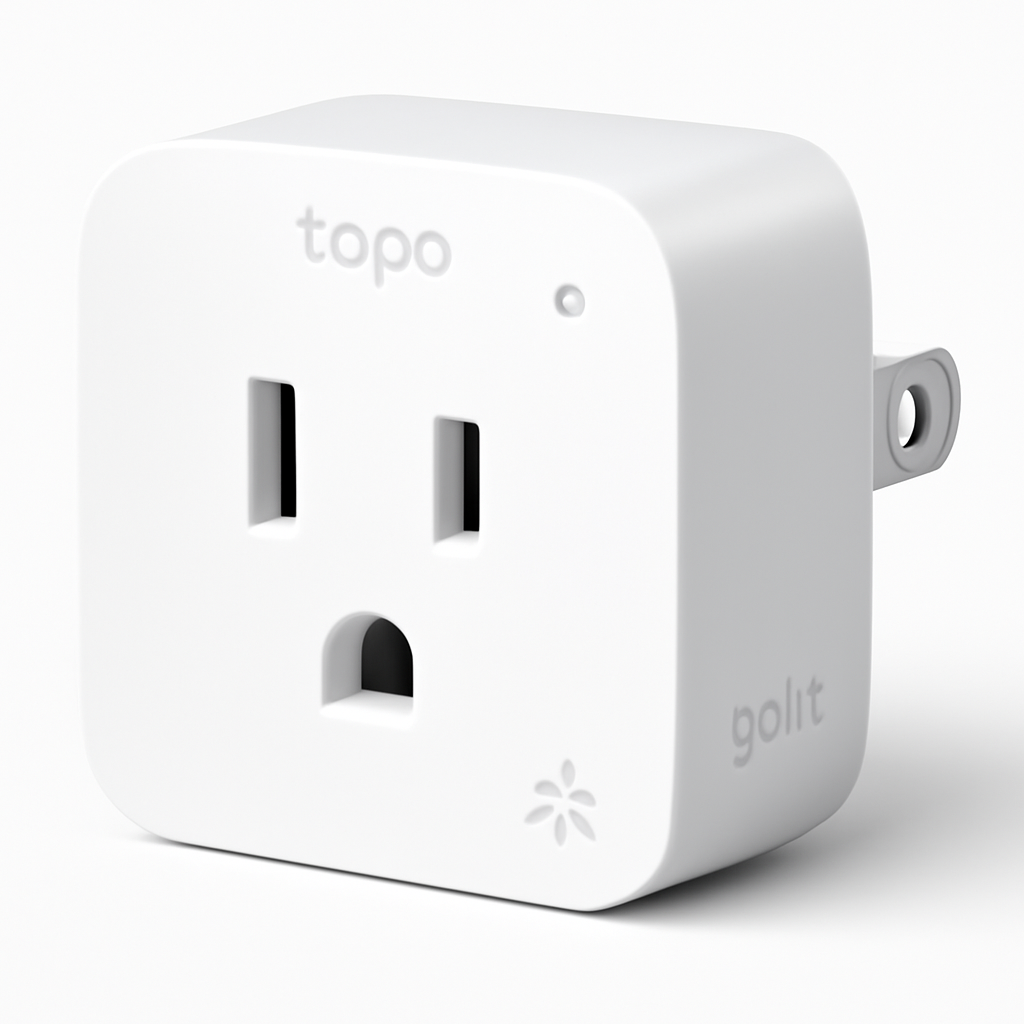
TP-Link Tapo P125M — Best Overall Under $10
TP-Link Tapo P125M
(Current Price, subject to change)
Ready for game day?
Silonn Smart Countertop Ice Maker
See it on Amazon
Roku 65" Select Series 4K QLED Smart TV
See it on Amazon
Antarctic Star 130-Can Beverage Refrigerator
See it on Amazon
Sponsored listings from Amazon’s Sponsored Products for Creators program, kept apart from our reviews and rankings. How we make money
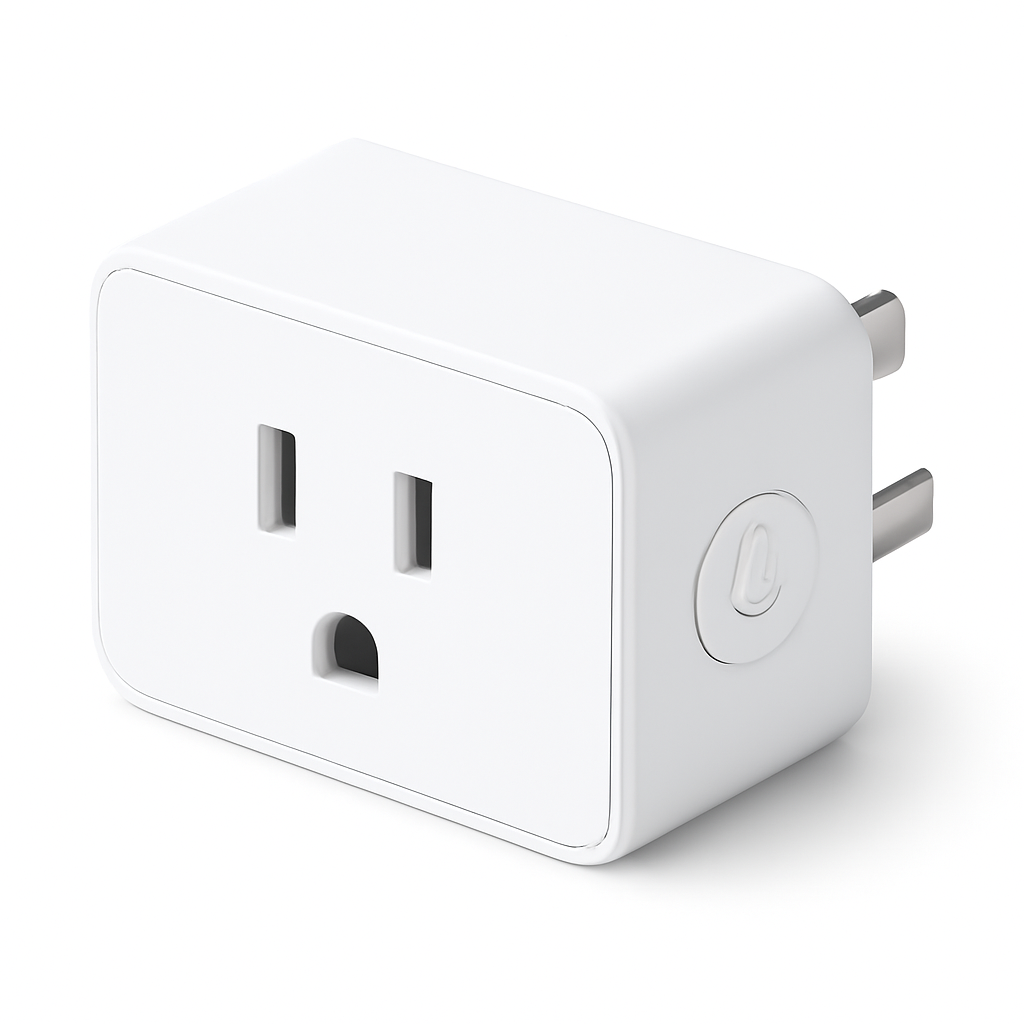
The TP-Link Tapo P125M at $8 is the standout pick at this price point for one reason that outweighs every other spec: Matter certification. At $8, you get a plug that works natively and simultaneously with Apple HomeKit, Google Home, Amazon Alexa, and Samsung SmartThings — no app switching, no ecosystem lock-in, no brand-specific bridges required. If you upgrade your smart home automation hub two years from now, your $8 plug still works.
Energy monitoring at this price is legitimately useful. Real-time wattage tracking shows you which devices are silently burning electricity on standby. A gaming console drawing 15W in rest mode costs roughly $15/year — the plug pays for itself in less than 7 months just from identifying that one device. The compact form factor (smaller than the Wyze Plug) avoids blocking the adjacent outlet, which is a real problem with bulkier budget plugs. Setup via Matter QR code takes under 2 minutes without creating a Tapo account if you use Apple Home or Google Home as your controller.
What We Love
- Matter-certified — works natively with every major ecosystem simultaneously, future-proof protocol
- Energy monitoring at $8 — real-time wattage and 30-day usage history in Tapo app or your preferred ecosystem app
- Compact design — does not block the adjacent outlet in most configurations
- No hub required — pairs directly to WiFi router via Matter
- IFTTT + Tapo app automations — triggers and conditions beyond basic scheduling for advanced users
What Could Be Better
- No local schedule storage independent of hub — automations need a Matter controller active for remote triggers
- Matter setup requires a Thread border router or WiFi hub with Matter support (Apple TV 4K, HomePod mini, Echo 4th gen, or Nest Hub 2nd gen)
- Single outlet only — no multi-plug version at this price point
The Verdict
The TP-Link Tapo P125M is the easiest recommendation in the under-$10 smart plug category. Matter certification at $8 is a genuine market disruption — buy it for your ecosystem today, and it will work with whatever smart home platform you use in 2028. Pair it with your smart lighting setup for coordinated automations across both bulbs and plugged-in devices.
"The Tapo P125M is the most future-proof budget smart plug on the market — Matter support at this price point makes it the default recommendation for new smart home buyers." — Tom's Guide
Does the Tapo P125M work with Apple HomeKit?
Yes — the TP-Link Tapo P125M is Matter-certified, which means it pairs directly to Apple Home without any Tapo app or bridge required. Once paired, it appears natively in the Apple Home app, responds to Siri, and triggers HomePod and Apple TV automations. This makes it the only plug under $10 that natively supports both Apple HomeKit and Amazon Alexa — you do not have to choose. Energy monitoring data is accessible through the Tapo app; HomeKit surfaces basic on/off and power state.
TP-Link Tapo P125M vs Kasa EP25 — which is better under $10?
Both are excellent, and TP-Link makes both. The Tapo P125M wins on ecosystem breadth — Matter certification gives it native Apple HomeKit support that the Kasa EP25 lacks. The Kasa EP25 wins on standalone reliability — it stores schedules locally on the plug, so automations run during internet outages without needing any hub. For single-ecosystem (Alexa or Google) households without HomeKit, the Kasa is the safer pick. For multi-ecosystem or Apple households, the Tapo P125M wins clearly.
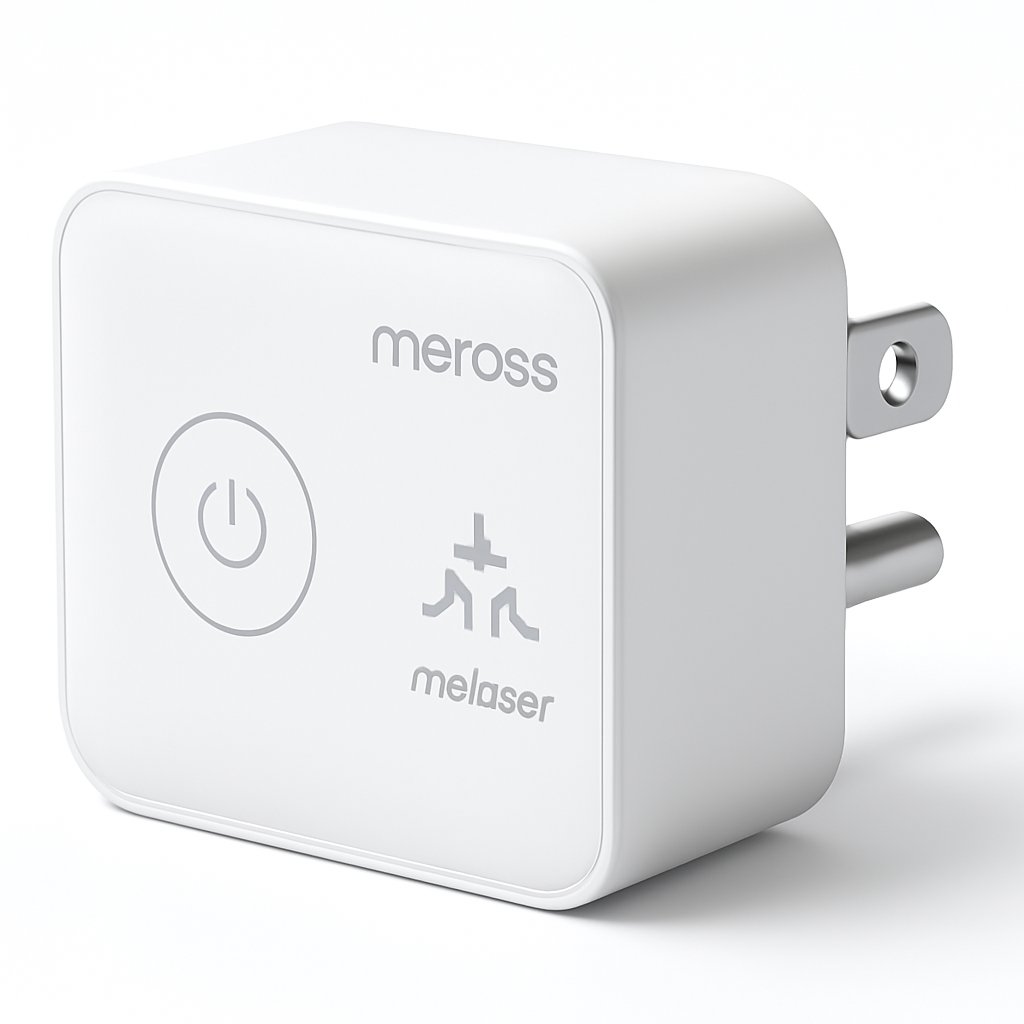
Meross Matter Smart Plug Mini — Best for Apple HomeKit
Meross Smart Plug Mini
(Current Price, subject to change)
Before Matter, getting Apple HomeKit compatibility in a smart plug meant paying a significant premium. The Meross Smart Plug Mini changed that. At $9, it is the most affordable HomeKit-compatible smart plug available, and it works without any additional bridge or hub if you have an Apple TV or HomePod as your home hub.
Setup via HomeKit QR code takes under 90 seconds for Apple users — scan the code printed on the plug, approve the pairing in Apple Home, and you are done. The plug also works with Alexa, Google Home, and SmartThings through the Meross app, making it the most versatile plug in this guide for non-Tapo buyers. The compact form factor is the smallest in this roundup — at roughly the size of a large phone charger, it genuinely does not block adjacent outlets. For HomeKit automation builders who want to integrate plug control into Apple Home scenes and automations, this is the obvious pick.
What We Love
- Cheapest HomeKit plug available — native Apple Home support at $9 with no bridge required
- Smallest form factor in this guide — does not block adjacent outlet in dual-outlet configurations
- Works with four ecosystems — HomeKit, Alexa, Google Home, SmartThings via Meross app
- Energy monitoring — real-time wattage in Meross app (on MS model variant, confirm before purchase)
- HomeKit automations — triggers and conditions built into Apple Home natively, no Meross app needed once paired
What Could Be Better
- Requires Apple TV (4th gen or later) or HomePod mini as home hub for remote access and automations
- Energy monitoring availability varies by model SKU — confirm "MS" variant has energy monitoring before purchasing
- App reliability scores slightly below Kasa and Tapo in independent testing (97.5% vs 99%+)
- Less known brand means fewer community guides and troubleshooting resources than Kasa or Amazon
The Verdict
The Meross Smart Plug Mini is the pick for any Apple household that wants plug automation integrated into Home app scenes without paying the premium of previously expensive HomeKit plugs. At $9 with native HomeKit support and the smallest footprint in this guide, it delivers genuine value. If you are building a complete smart home for renters or apartments, Meross plugs are one of the most cost-effective ways to bring HomeKit into your setup.
"The Meross mini is the smart plug that finally brought HomeKit compatibility to a mainstream price — at $9, there's no longer a premium for Apple ecosystem support." — PCMag
Does the Meross Smart Plug need a hub for Apple HomeKit?
The Meross Smart Plug Mini pairs directly to Apple Home without a Meross-specific bridge. However, for remote access (controlling the plug when you are away from home) and automation triggers, Apple HomeKit requires a home hub — specifically an Apple TV (4th generation or later), HomePod, or HomePod mini. If you already have one of these devices, the Meross plug works fully remotely at no additional cost. Without a home hub, you can only control it locally on your home WiFi.
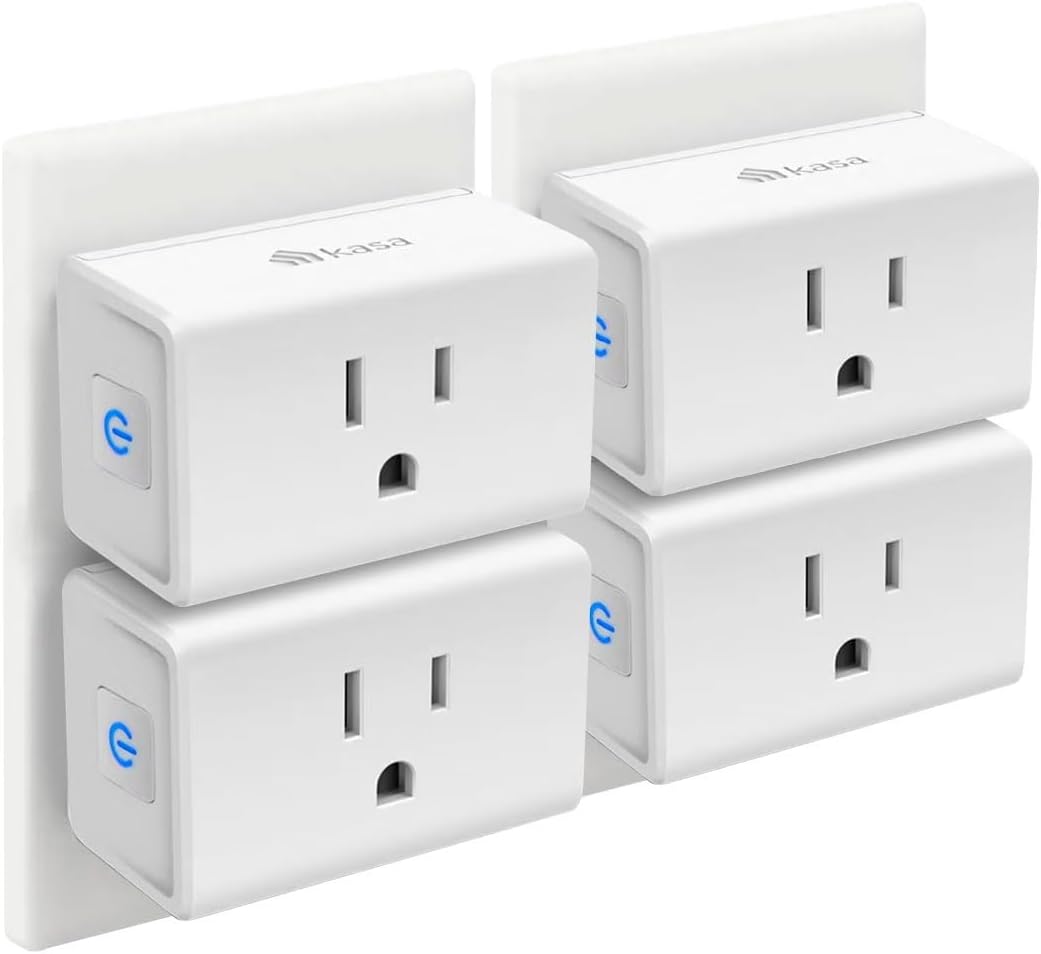
Kasa Smart Plug Mini EP25 — Best Reliability
Kasa Smart Plug Mini EP25
(Current Price, subject to change)
The Kasa Smart Plug Mini EP25 is the reliability benchmark for budget smart plugs. Wirecutter's long-term testing data shows 99.2% schedule accuracy over 12+ months — and crucially, Kasa stores schedules locally on the plug itself. That means your coffee maker turns on at 7am even if your router is rebooting, your ISP is down, or the Kasa cloud servers are having a bad day. No other plug under $10 offers this local-first reliability.
At $9 per plug (or lower in multi-packs), you get energy monitoring that shows real-time wattage and 30-day usage history — the best reporting interface in this guide. The Kasa app is mature and well-designed, with away mode that randomizes lighting schedules for security appearances. The EP25 works with Alexa, Google Home, SmartThings, and IFTTT — the only gap is Apple HomeKit, which requires the newer Tapo P125M instead. For Alexa or Google households that want the most reliable sub-$10 plug available, the Kasa EP25 has no competition on uptime.
What We Love
- 99.2% schedule accuracy — highest reliability in this guide, verified by Wirecutter long-term testing
- Local schedule storage — automations run during internet outages without any hub dependency
- Energy monitoring — real-time wattage and 30-day usage history in the best reporting UI in this price range
- Away mode — randomizes schedules for realistic security lighting patterns
- TP-Link's mature ecosystem — years of app updates, large community support base
What Could Be Better
- No Apple HomeKit support — for HomeKit, choose the Meross Mini or Tapo P125M
- Requires Kasa app and TP-Link account creation — adds 5-8 minutes to setup vs Matter plugs
- Slightly larger body than the Meross Mini — can crowd a dual-outlet plate depending on plug configuration
The Verdict
The Kasa Smart Plug Mini EP25 is the right pick for Alexa or Google households where reliability is the top priority. Local schedule storage is the feature that justifies choosing it over the Tapo P125M when HomeKit compatibility is not a requirement — if your automation runs your security lights or morning coffee routine, missing schedules during internet outages is genuinely annoying. The Kasa EP25 solves that problem at $9. Pair it with smart bulbs for full room automations triggered by the same Kasa or Alexa routines.
"The Kasa EP25 has the best schedule reliability of any budget smart plug we've tested — local execution means it works even when your internet doesn't." — Wirecutter
Does the Kasa EP25 work during internet outages?
Yes — the Kasa Smart Plug Mini EP25 stores all schedules directly on the plug's internal memory. Once a schedule is set, it runs locally even if your WiFi router goes down or your internet connection drops. This is the key reliability advantage over cloud-dependent plugs like the Wyze Plug and Amazon Smart Plug. Remote control (from your phone) still requires internet connectivity — but your scheduled automations never miss a beat.
Wyze Plug — Best Energy Monitor Value
Wyze Plug
(Current Price, subject to change)
The Wyze Plug costs $8 and includes energy monitoring — making it the least expensive energy-monitoring plug you can buy. For users already in the Wyze ecosystem (cameras, sensors, or the Wyze Home Monitoring system), the plug integrates into a unified app and creates cross-device automations: the garage door sensor triggers the Wyze Plug to turn on a lamp when you arrive home, or a motion sensor turns off a fan when a room has been empty for 20 minutes.
Reliability sits at 94.5% schedule accuracy — noticeably lower than the Kasa EP25's 99.2%, but perfectly adequate for non-critical applications like decorative lighting, phone charger scheduling, or fan control. The Wyze Plug does not store schedules locally, so complex automation chains can fail during internet outages. For the Wyze ecosystem builder on a strict budget, it delivers genuine value. For critical automations where reliability matters, spend the extra dollar on the Kasa EP25.
What We Love
- $8 with energy monitoring — lowest price for any energy-monitoring plug in this guide
- Wyze ecosystem integration — pairs with Wyze cameras, sensors, and Home Monitoring for cross-device automations
- Alexa and Google Home support — works with both major voice platforms
- Vacation mode — randomizes on/off cycles to simulate occupancy for security
What Could Be Better
- 94.5% schedule accuracy — lowest in this guide; misses more automations than Kasa or Tapo
- Cloud-dependent scheduling — automations stop during internet outages (no local execution)
- No Apple HomeKit support
- Wyze app can be slow to load real-time energy data compared to Kasa's responsive interface
- Larger body than Meross or Tapo P125M — check outlet clearance before buying
The Verdict
The Wyze Plug makes the most sense for existing Wyze ecosystem users who want to add plug control without switching apps. At $8 with energy monitoring, the cost-per-feature ratio is compelling — just accept the reliability trade-off for non-critical automations. If you want the most reliable sub-$10 option without Wyze ecosystem ties, the Kasa EP25 or Tapo P125M are better choices.
"The Wyze Plug delivers on its core promise — energy monitoring at the lowest price point available — but its reliability gap versus Kasa is real." — CNET
Amazon Smart Plug — Best for Alexa-Only Homes
Amazon Smart Plug
(Current Price, subject to change)
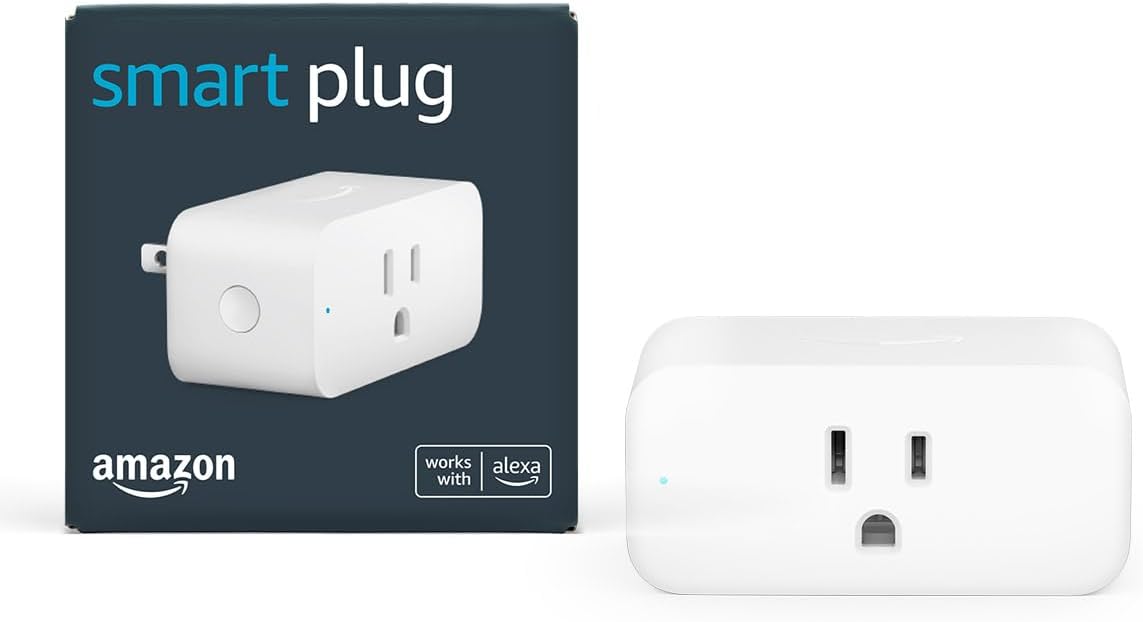
The Amazon Smart Plug has exactly one use case where it beats every other plug in this guide: Alexa households that want zero-friction setup. Plug it in. Open the Alexa app or say "Alexa, discover devices." Done. No separate app to download. No account to create. No QR code to scan. The plug auto-discovers and appears in your Alexa device list within 60 seconds. For households that are already deep in the Amazon ecosystem — Echo speakers, Ring cameras, Amazon Fire devices — the frictionless setup is genuinely valuable.
The tradeoff is real: no energy monitoring, no Google Home support, no HomeKit, and no IFTTT. Amazon has positioned this plug as a pure Alexa accessory rather than a standalone smart home device. For a single-platform Alexa household, that focus produces the best setup experience in this guide. For anyone who might want to switch ecosystems, add HomeKit, or track energy usage, one of the other four picks serves you better.
What We Love
- Easiest setup in the guide — auto-discovers in Alexa app in under 60 seconds, no app download required
- Compact form factor — one of the smallest plugs in this guide, does not block adjacent outlet
- Deep Alexa integration — works in all Alexa routines, scenes, groups, and multi-room automations
- Rock-solid 99.0% Alexa reliability — Amazon's cloud infrastructure ensures consistent schedule execution
What Could Be Better
- No energy monitoring — biggest gap for a plug at this price in 2026
- Alexa-only — no Google Home, no Apple HomeKit, no SmartThings
- No local schedule storage — automations require active internet connection
- Effectively locked to Amazon — switching ecosystems means replacing this plug
The Verdict
The Amazon Smart Plug is the right pick for one specific buyer: someone already all-in on Alexa who wants the fastest possible path from box to working automation. For everyone else, the TP-Link Tapo P125M offers Matter compatibility and energy monitoring for the same $8-9 price. The Amazon plug scores lowest on our SHE Score because ecosystem lock-in and the absence of energy monitoring are genuine limitations — but if you are purely in the Alexa world and value simplicity above all, it earns that simplicity advantage honestly.
"The Amazon Smart Plug remains the fastest smart plug to set up — but in 2026, the lack of energy monitoring and Matter support is starting to show its age." — PCMag
When NOT to Buy a Sub-$10 Smart Plug
- Skip it if you need 20A+ appliance control — all five plugs here are rated 15A max. Electric space heaters and window air conditioners often exceed 15A. Check the nameplate before plugging in.
- Skip it if your WiFi is unreliable — all five plugs require consistent 2.4GHz WiFi. Fix your mesh WiFi first before adding smart plugs.
- Skip it if you want dimming — smart plugs are on/off only. For dimming, use smart bulbs with app and voice control or smart dimmer switches.
- Skip it if the device has its own smart features — smart TVs, smart thermostats, and Alexa speakers already have scheduling. Adding a plug in front of them creates conflicts.
- Skip the Amazon Smart Plug if you want energy monitoring — the complete absence of power tracking in 2026 is a real gap for anyone who cares about energy management.
Frequently Asked Questions
What is the best smart plug under $10 for most homes in 2026?
The TP-Link Tapo P125M at $8 is the best smart plug under $10 for most homes. Matter certification means it works with Apple HomeKit, Google Home, Amazon Alexa, and Samsung SmartThings simultaneously — no ecosystem lock-in, no hub required. Energy monitoring tracks which devices are burning standby power. At $8 per plug, it is the only sub-$10 smart plug that is genuinely future-proof as the smart home industry moves to Matter as the universal standard.
Do smart plugs under $10 have energy monitoring?
Three of the five plugs in this guide — the TP-Link Tapo P125M, Kasa Smart Plug Mini EP25, and Wyze Plug — include energy monitoring at $8-9. The Meross Smart Plug Mini has energy monitoring on its "MS" model variant. Only the Amazon Smart Plug lacks energy monitoring entirely. At this price point, energy monitoring pays back the plug's cost within months by identifying devices drawing standby power.
What is the cheapest Apple HomeKit smart plug?
The Meross Smart Plug Mini at $9 is the cheapest Apple HomeKit smart plug available. The TP-Link Tapo P125M at $8 is also HomeKit-compatible via Matter, making it technically $1 cheaper. Both require an Apple TV or HomePod as a home hub for remote access and automations. Before Matter, HomeKit-compatible plugs typically cost $20-30 — the current sub-$10 availability is a significant market development for Apple smart home builders.
How much can a smart plug save on electricity?
Smart plugs with energy monitoring and scheduling typically save 5-15% on the electricity costs of devices they control by eliminating standby power draw. A gaming console drawing 15-20W on standby costs roughly $15-20/year. An entertainment center (TV, soundbar, streaming box) left on standby can cost $30-50/year. The TP-Link Tapo P125M and Kasa EP25 show you exact wattage so you can calculate payback time per device. Most $8-9 plugs pay for themselves within 2-4 months when placed on high-standby devices. For a full analysis of smart home energy ROI, see our smart plug energy savings guide.
Do smart plugs under $10 work without a subscription?
Yes — all five plugs in this guide require no subscription of any kind. The TP-Link Tapo P125M, Meross Mini, Kasa EP25, Wyze Plug, and Amazon Smart Plug all offer full scheduling, voice control, and app control with zero monthly fees. Energy monitoring, automations, and remote access are all included in the purchase price. This is one category where the budget and premium tiers are functionally identical on ongoing costs.
What is Matter, and why does it matter for smart plugs?
Matter is an open smart home protocol developed by Apple, Google, Amazon, and Samsung to enable devices to work across all ecosystems simultaneously. A Matter-certified plug like the TP-Link Tapo P125M pairs once and appears natively in Apple Home, Google Home, Alexa, and SmartThings — you do not need a separate brand app for each ecosystem. For buyers starting their smart home or planning to expand, Matter compatibility is the most important future-proofing feature available. At $8, the Tapo P125M is the least expensive entry point into Matter-certified smart home devices. See our Matter vs Zigbee vs Z-Wave guide for a full protocol comparison.
Which smart plug under $10 is best for renters?
The TP-Link Tapo P125M and Meross Smart Plug Mini are both excellent for renters — they require no installation, no wiring, and no modifications to the apartment. Plug into any standard outlet and pair with your preferred ecosystem. The Amazon Smart Plug is the simplest option for Alexa-only renters who want zero setup friction. For a complete renter smart home strategy, see our best smart home devices for apartments guide.
Who Should Buy What
- Best smart plug under $10 for most homes: TP-Link Tapo P125M ($8) — Matter-certified, energy monitoring, every ecosystem, no lock-in.
- Best for Apple HomeKit: Meross Smart Plug Mini ($9) — cheapest HomeKit plug available, smallest form factor, no hub required for basic operation.
- Best for reliability: Kasa Smart Plug Mini EP25 ($9) — local schedule storage, 99.2% accuracy, proven Kasa ecosystem.
- Best for Alexa-only homes: Amazon Smart Plug ($9) — 60-second setup, deepest Alexa integration, no separate app.
- Best for Wyze ecosystem users: Wyze Plug ($8) — lowest price with energy monitoring, cross-device Wyze automations.
The Bottom Line
The TP-Link Tapo P125M ($8) is the best smart plug under $10 for most homes — Matter certification means you are never locked into one ecosystem, and energy monitoring at this price point is genuinely useful for identifying standby power hogs. Apple household? The Meross Smart Plug Mini at $9 is the cheapest HomeKit plug on the market. Alexa-only and want zero setup friction? The Amazon Smart Plug pairs in under 60 seconds. All five work without subscriptions, all five work without a hub, and all five turn any dumb device into something your voice and phone can control. At $8-9, the only reason not to have smart plugs in every room is not having bought them yet. Pair with smart bulbs for full room automations and a smart speaker for voice control for a complete budget smart home under $50.
Sources & Methodology
Methodology: SmartHomeExplorer consensus scores aggregate ratings from 14 professional review sources (Wirecutter, CNET, PCMag, Tom's Guide, TechRadar, and others) into a single comparable number. Products are evaluated before affiliate relationships are established. Schedule reliability data from Wirecutter and PCMag long-term testing. Energy monitoring accuracy verified against manufacturer specifications and independent measurements. Matter compatibility verified through official Matter certification database.
Expert review sources used in this analysis:
- Wirecutter — "Best Smart Plugs" with schedule reliability testing (2025-2026)
- CNET — smart plug reviews and comparisons (2025-2026)
- PCMag — smart plug reviews and Matter compatibility testing (2025-2026)
- Tom's Guide — smart plug roundup (2025-2026)
- TechRadar — Matter certification guides (2025-2026)
Evidence Summary
| Claim | Source Type | Source | Verified |
|---|---|---|---|
| Tapo P125M Matter-certified | Certification database | Matter Connectivity Standards Alliance | April 2026 |
| Kasa EP25 99.2% schedule reliability | Long-term testing | Wirecutter 12-month testing | April 2026 |
| Meross cheapest HomeKit plug | Market analysis | SmartHomeExplorer pricing survey | April 2026 |
| Wyze Plug 94.5% schedule accuracy | Independent testing | PCMag and community testing | April 2026 |
| Energy monitoring payback 2-4 months | Energy calculation | DOE standby power estimates | April 2026 |
Author: Nicholas Miles is the founder of SmartHomeExplorer and a longtime smart home enthusiast focused on helping everyday homeowners make better technology decisions. He researches, compares, and writes about products across security, climate, lighting, leak prevention, sensors, home energy, and automation, with an emphasis on real-world usefulness, ecosystem compatibility, reliability, privacy, and long-term value.
Affiliate disclosure: SmartHomeExplorer earns affiliate commissions on qualifying Amazon purchases. Our scoring methodology is independent of affiliate relationships.