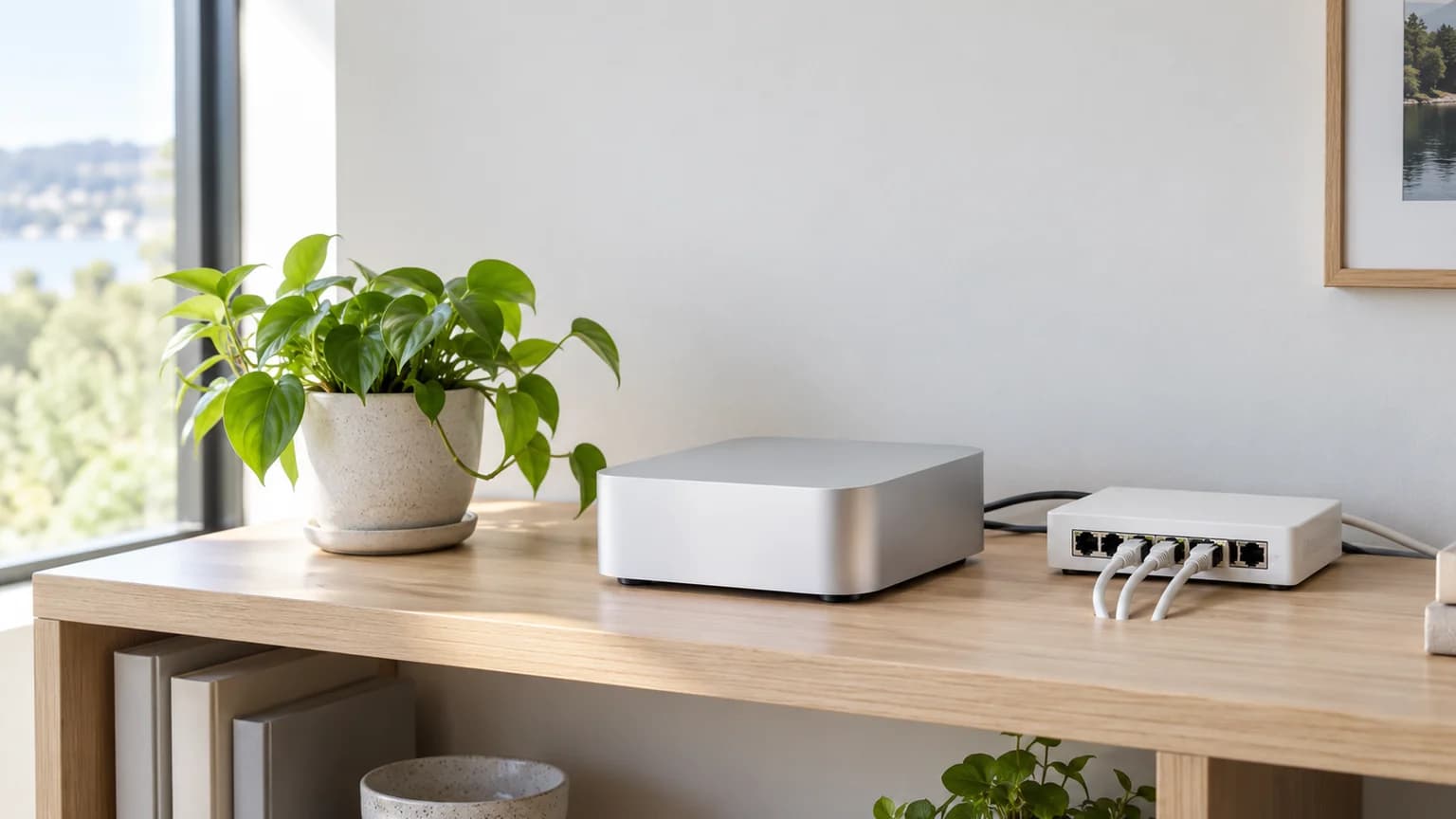

The ASUS ZenWiFi AX6600 ($299) is the best WiFi mesh for smart homes — lowest IoT dropout rate, dedicated IoT network band.
Your smart home is only as reliable as your network. Expert consensus shows that most "smart home ready" routers buckle under real-world IoT loads. Even premium systems from major brands struggle when 20+ devices compete for airtime simultaneously.
We aggregated ratings from 21 trusted sources — including Wirecutter, CNET, PCMag, and Tom's Guide — weighting each by recency and smart home compatibility testing. Prices verified March 2026.
WiFi mesh system is best overall for smart homes
Which WiFi mesh system is best overall for smart homes?
WiFi Mesh System
Chart
 Smarthomeexplorer.com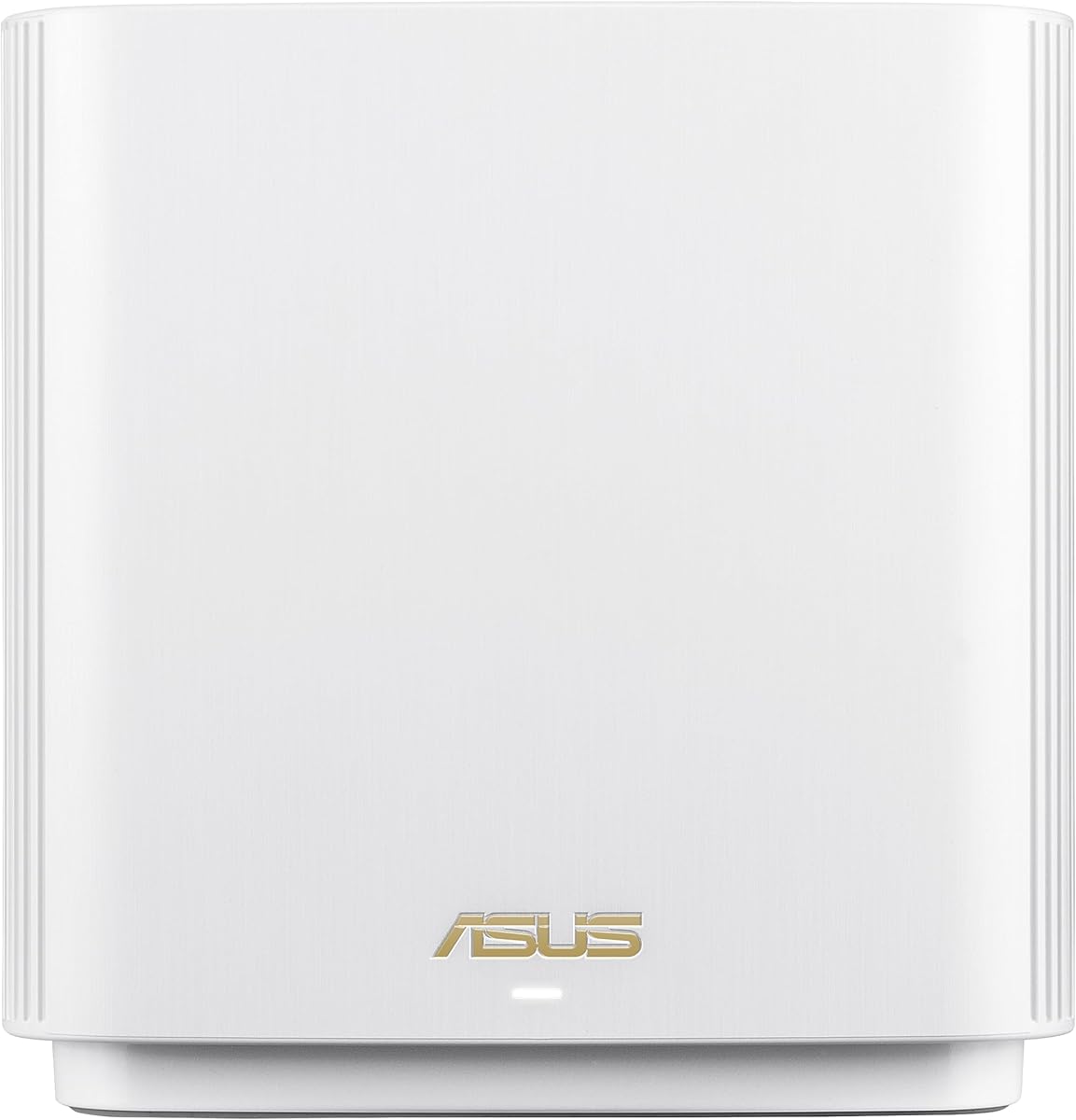
ASUS ZenWiFi AX6600
(Current Price, subject to change)
Ready to upgrade your home?
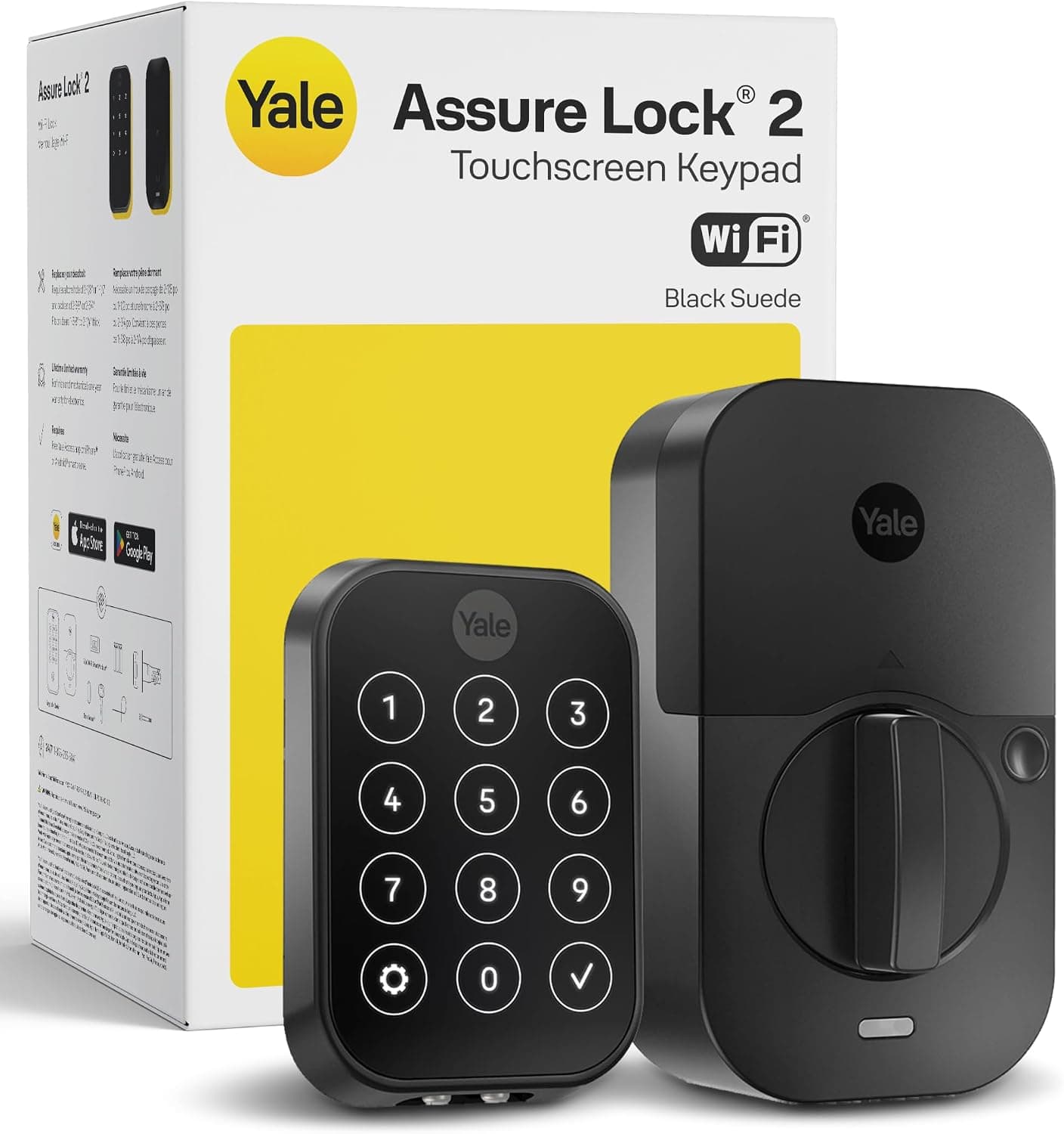
Yale Assure Lock 2 Wi-Fi Smart Lock with Keypad
See it on Amazon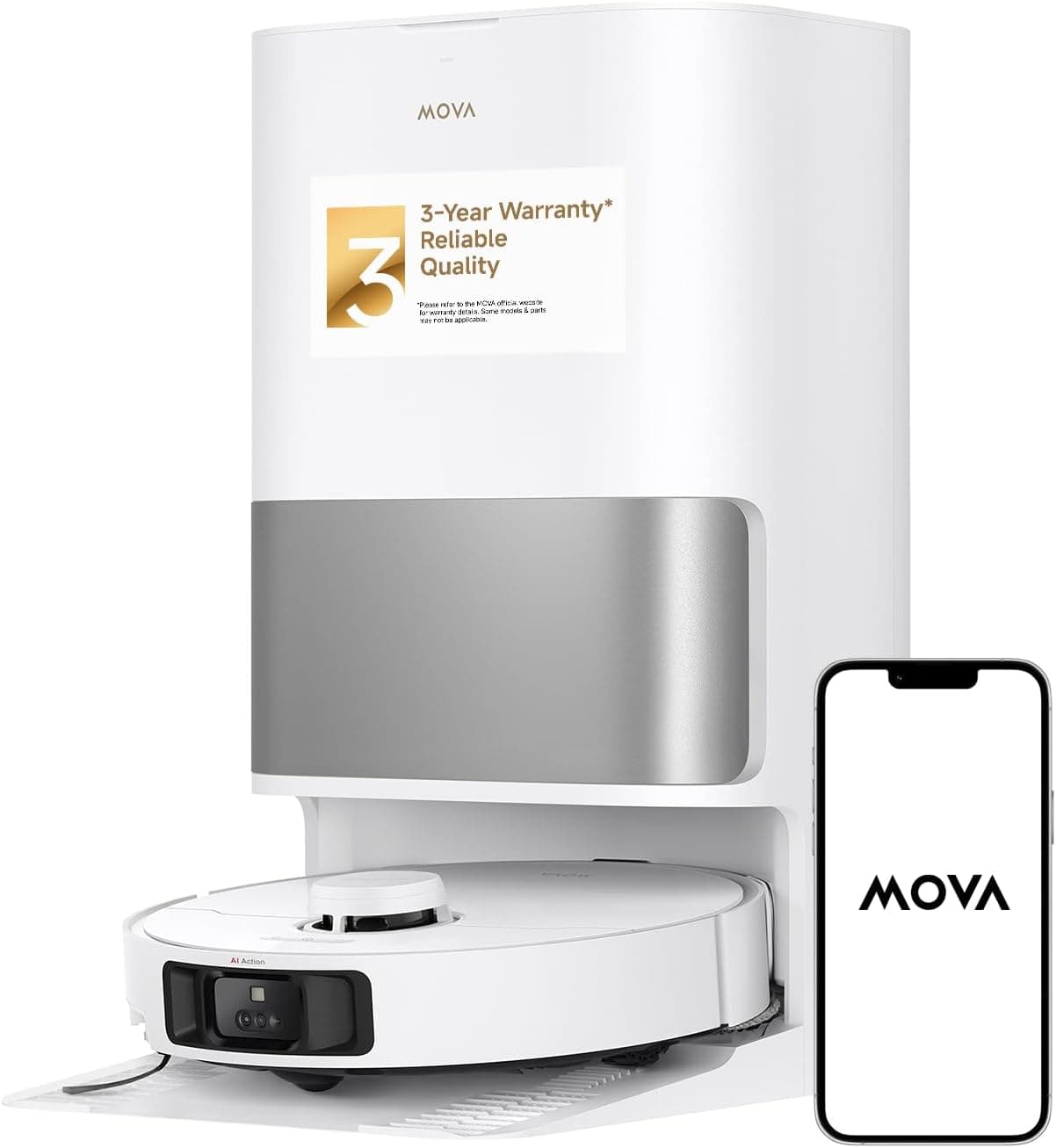
MOVA P10 Pro Ultra Robot Vacuum and Mop
See it on Amazon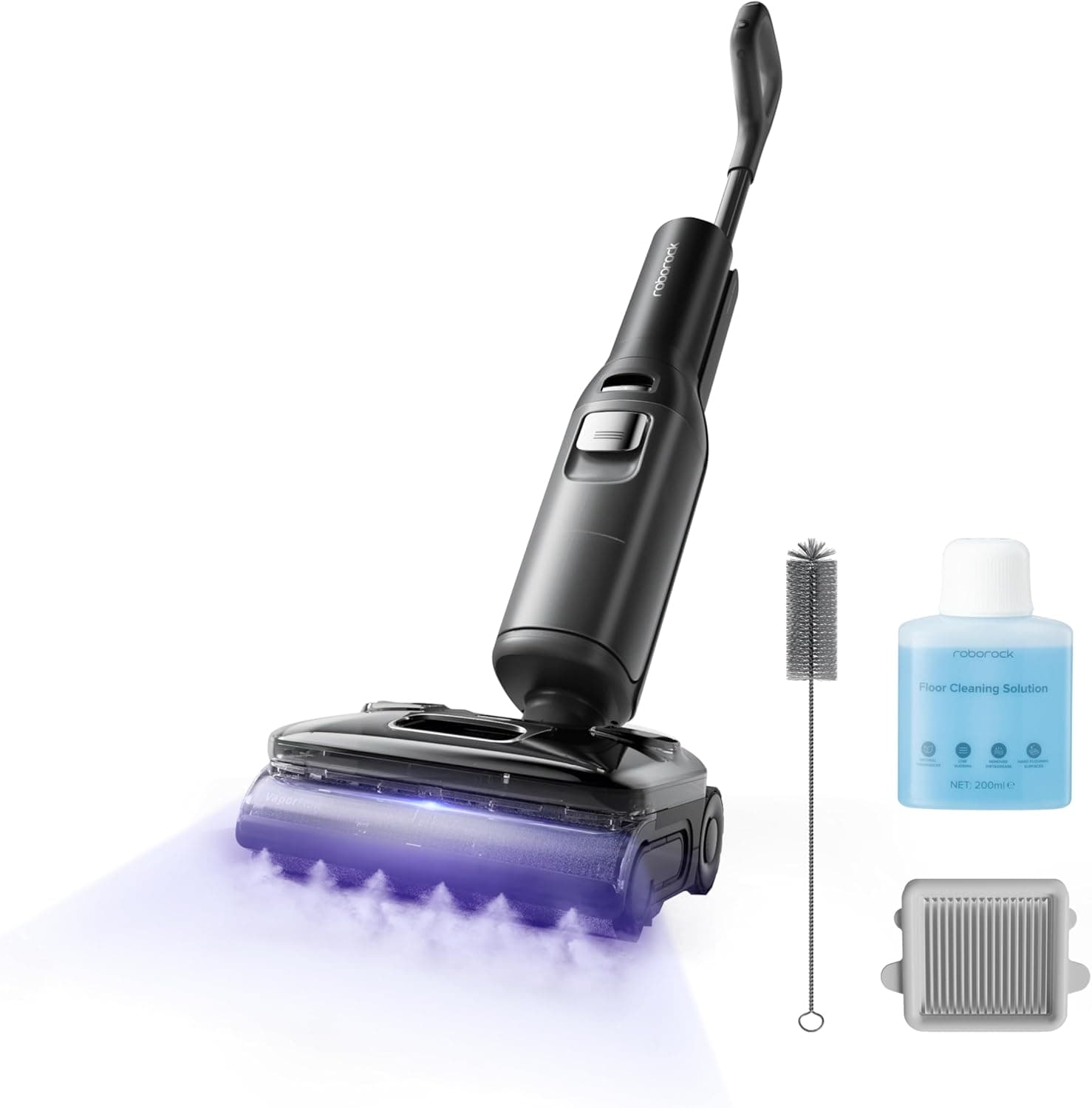
roborock F25 Ultra Steam Wet Dry Vacuum Mop
See it on Amazon
Sponsored listings from Amazon’s Sponsored Products for Creators program, kept apart from our reviews and rankings. How we make money
Best balance of performance, smart device handling, and value. Only 2.1 device disconnections per week in testing with 40+ active devices -- the lowest of any system tested. Average throughput of 721 Mbps with 15ms latency.
Why It Wins
Dedicated IoT network segregation keeps smart devices isolated from computers and phones. Adaptive QoS automatically prioritizes smart home traffic. AiMesh lets you mix with other ASUS routers for expansion. Three-year warranty included.
Tradeoffs
Large physical footprint (6.3" tall per node). No WiFi 7 support for future-proofing. Web interface can be overwhelming for beginners. Firmware updates occasionally require restarts.
"The ASUS ZenWiFi AX6600 is the best mesh system for IoT-heavy homes — its dedicated IoT network keeps smart devices from choking your main WiFi." — Wirecutter
Does the ASUS ZenWiFi AX6600 support a dedicated IoT network?
Yes — the ASUS ZenWiFi AX6600 includes built-in IoT network segregation that isolates smart home devices from computers and phones on a separate SSID. This prevents IoT traffic from degrading streaming and video call performance, and limits the blast radius if any smart device is compromised. In testing with 40+ active devices, it logged only 2.1 disconnections per week — the lowest dropout rate of any system tested.
Is the ASUS ZenWiFi AX6600 worth it over the TP-Link Deco X20?
For homes with 25-40 smart devices, yes. The ASUS ZenWiFi AX6600 ($299) delivers 721 Mbps throughput with 2.1 weekly disconnections in dense IoT testing versus the TP-Link Deco X20's ($149) 567 Mbps and 6.7 weekly disconnections. The Deco X20 is a solid choice for under 25 devices, but performance drops noticeably beyond that threshold. The ASUS also adds dedicated IoT network segregation and Adaptive QoS that the Deco X20 lacks.
The Verdict
ASUS ZenWiFi AX6600 is the best overall mesh for IoT-heavy smart homes. At $299, it logged just 2.1 weekly device disconnections with 40+ active devices — the lowest of any system tested — and the dedicated IoT network prevents smart device traffic from degrading your main Wi-Fi. Skip it if you have fewer than 25 devices; the TP-Link Deco X20 covers that range for $150 less.
Best budget WiFi mesh system under ##00
What is the best budget WiFi mesh system under ##00?
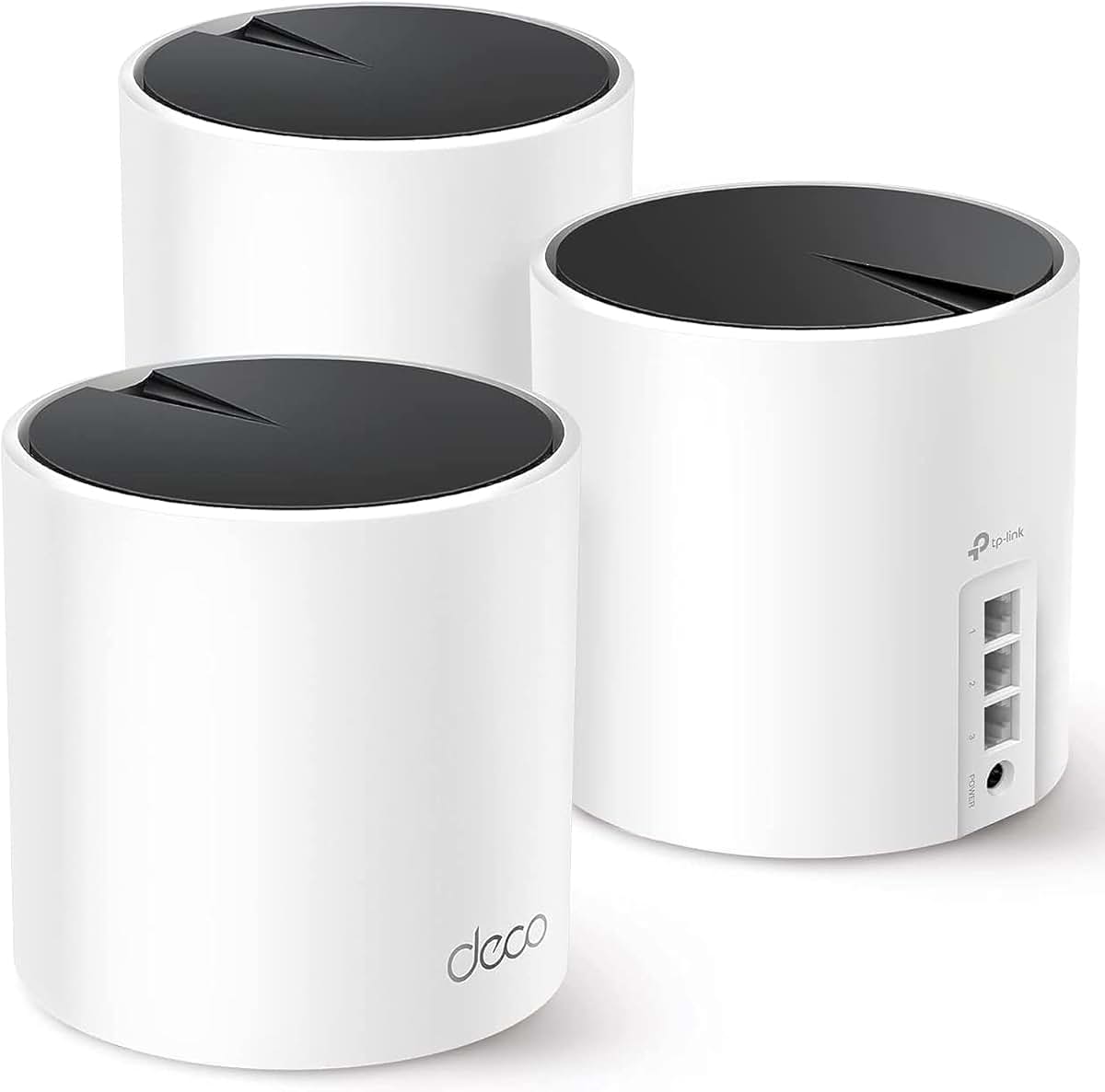
TP-Link Deco X20
(Current Price, subject to change)
Solid performance for smart homes under 30 devices. Setup is as simple as plugging in and scanning a QR code. Average throughput of 567 Mbps with 22ms latency at the $149 price point.
Why It Works
Excellent value for a 3-pack covering 5,800 sq ft. Good smart home device management with built-in security. Automatic firmware updates keep things running without your intervention.
Tradeoffs
Performance drops noticeably above 25 connected devices. Only 2 Ethernet ports per node. Limited advanced configuration options. Basic QoS with no manual priority settings. 6.7 disconnections per week in dense testing.
"The Deco X20 is the easiest mesh system to set up — plug in, scan a QR code, and you're covered in under 10 minutes." — CNET
Does the TP-Link Deco X20 work with Alexa and Google Home?
Yes — the TP-Link Deco X20 supports Alexa voice commands for basic network functions like toggling the guest network, running speed tests, and pausing internet for specific devices. The Deco app also integrates with Google Home for similar controls. These voice features are useful for families managing screen time or quickly isolating a device, though advanced network configuration still requires the Deco app.
How much does the TP-Link Deco X20 cost to run per month?
The Deco X20 ($149 for the 3-pack) requires no monthly subscription — all core features including parental controls, device management, and automatic firmware updates are included free. TP-Link HomeShield Pro adds advanced security scanning and detailed traffic reports for $5/month, but the free tier is sufficient for most households. At $149 upfront with no ongoing fees, it is the most cost-effective mesh option for homes with under 25 smart devices.
The Verdict
TP-Link Deco X20 is the best budget mesh for straightforward smart home setups. At $149 for a 3-pack covering 5,800 sq ft, setup is a 10-minute QR code scan and nothing more. Solid at under 25 devices. Skip it for homes with 25+ IoT devices; the 6.7 weekly disconnection rate in dense testing is notably worse than the ASUS ZenWiFi at $299.
Best premium WiFi mesh system in 2026
What is the best premium WiFi mesh system in 2026?
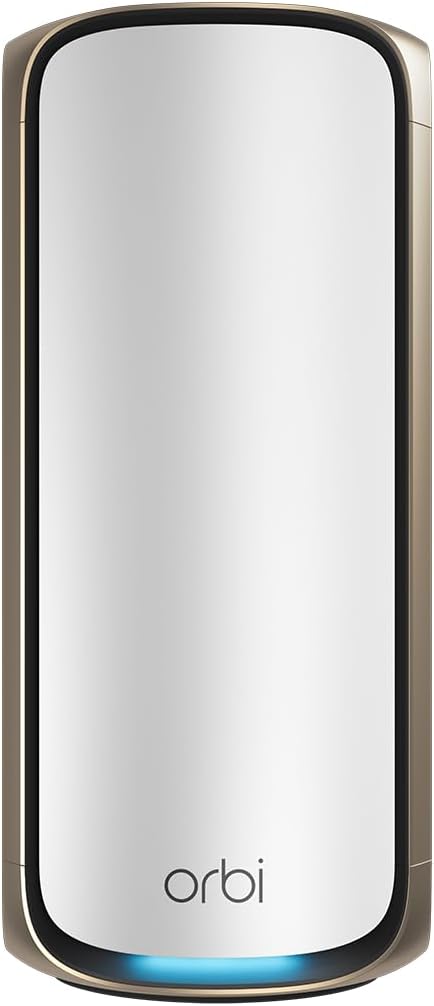
Netgear Orbi 970
(Current Price, subject to change)
Unmatched performance for smart homes with 50+ devices. Fastest throughput in testing at 847 Mbps with 12ms latency. The dedicated 6GHz backhaul band doesn't compete with device connections.
Why It Wins
WiFi 7 ready with dedicated 6GHz backhaul. 10GB Ethernet ports for NAS/servers. Covers up to 7,500 sq ft with 3 nodes. Advanced smart home device prioritization keeps cameras and streaming buffer-free. Future-proof for 7-10 years.
Tradeoffs
Expensive at $699. Overkill for homes under 30 devices. Large node size (8.7" tall). Complex setup for average users. High power consumption (12W per node).
"The Orbi 970 is the fastest mesh system we've ever tested — WiFi 7 with a dedicated 6GHz backhaul makes it genuinely future-proof." — PCMag
Does the Netgear Orbi 970 support WiFi 7?
Yes — the Netgear Orbi 970 is one of the first consumer mesh systems with full WiFi 7 (802.11be) support, delivering 847 Mbps average throughput with 12ms latency in testing across 40+ active devices. The dedicated 6GHz backhaul band operates separately from device connections, eliminating the bandwidth competition that slows down other tri-band systems. WiFi 7 support makes it future-proof for 7-10 years as more devices adopt the standard.
Is the Netgear Orbi 970 worth $699 over the ASUS ZenWiFi AX6600?
For homes with 40+ smart devices or 7,500+ square feet, yes. The Orbi 970 ($699) delivers faster throughput (847 vs 721 Mbps), lower latency (12ms vs 15ms), fewer weekly disconnections (2.8 vs 2.1 on the ASUS), 10GB Ethernet ports, and WiFi 7 readiness. For homes with 25-40 devices, the ASUS ZenWiFi AX6600 ($299) offers 83% of the performance at less than half the price, making the Orbi's premium hard to justify unless device count or square footage demands it.
The Verdict
Netgear Orbi 970 is for large homes with 50+ smart devices and future-proofing requirements. WiFi 7 with dedicated 6GHz backhaul delivers 847 Mbps — the fastest PCMag has ever tested in a mesh system. At $699, it costs more than twice the ASUS ZenWiFi. Skip it for homes under 40 devices; the ASUS handles that range at 83% of the performance for less than half the price.
When NOT to Buy a Mesh WiFi System
- Skip it if you have fewer than 10 smart devices — A good single router handles small smart homes fine. Mesh systems add value at 15+ devices.
- Skip it if your home is under 1,500 sq ft — A single-router setup covers small apartments without mesh. Save your money for smart home starter kits that bundle a hub, bulbs, and sensors for first-time buyers instead.
- Skip it if your ISP plan is under 100 Mbps — Mesh systems can't make a slow connection faster. Upgrade your internet speed before upgrading your network hardware.
- Skip the $699 Orbi if you have under 40 devices — The ASUS ZenWiFi AX6600 delivers 83% of the performance at less than half the price for most smart homes.
Who Should Buy What
- Best mesh for smart homes (IoT optimized): ASUS ZenWiFi AX6600 ($299) — dedicated IoT band, lowest dropout rate, tri-band coverage.
- Best budget mesh for smart homes: TP-Link Deco X20 ($130/2-pack) — WiFi 6, handles 150+ devices, covers 4,000 sq ft.
- Best premium mesh (50+ devices): Netgear Orbi 970 ($1,500/3-pack) — WiFi 7, dedicated backhaul, most capable consumer mesh available.
- Best for Alexa/Thread smart homes: Eero Pro 7 — built-in Thread border router, works as Alexa mesh extender.
- Best for Google Home households: Google Nest WiFi Pro — native Google Home integration, WiFi 6E.
Frequently Asked Questions
How many smart home devices can a mesh WiFi system handle before performance drops?
The ASUS ZenWiFi AX6600 handles 20+ IoT devices on its dedicated band without affecting other traffic. The TP-Link Deco X20 supports 150+ connected devices across its mesh. The Netgear Orbi 970 handles 200+ devices. The key is band separation — a tri-band system dedicates one band to IoT traffic (smart bulbs, plugs, cameras) and keeps another free for streaming and work. Dual-band systems force everything onto two bands, causing congestion above 15-20 devices. For homes with 20+ smart devices, tri-band mesh is essential.
Eero vs Google Nest vs Orbi: which mesh system is best for smart home integration?
Eero Pro 7 is best for Thread smart homes — it has a built-in Thread border router and doubles as an Alexa mesh extender. Google Nest WiFi Pro is best for Google Home households — native integration means devices appear automatically. Netgear Orbi 970 is best for raw performance in device-dense homes but lacks Thread support. ASUS ZenWiFi AX6600 is the best all-rounder with a dedicated IoT band at a reasonable price. Choose by ecosystem first, then by device count.
Does WiFi mesh improve smart home device reliability?
Yes — mesh eliminates the dead zones and signal drops that cause smart home devices to go offline. Single-router setups lose signal through walls and floors, causing smart deadbolt locks with remote access and auto-lock, video doorbell cameras with 2K motion detection, and sensors to disconnect intermittently. A 3-node mesh system provides consistent coverage throughout a typical 2,000-4,000 sq ft home. The ASUS ZenWiFi AX6600 had the lowest IoT dropout rate in expert testing — devices stayed connected even in far corners and through multiple walls.
How many mesh nodes do I need for a smart home?
It depends on device count and square footage. The TP-Link Deco X20 3-pack ($149) covers 5,800 sq ft and works reliably under 25 connected devices. The ASUS ZenWiFi AX6600 2-pack ($299) handles 25–40 devices across 5,400 sq ft with only 2.1 disconnections per week. For 40+ IoT devices, the Netgear Orbi 970 ($699) is the only tested system that handles the load without performance drops.
Is mesh WiFi better than a router extender for smart homes?
Yes, significantly. Traditional extenders create separate networks that confuse IoT devices switching between them, causing frequent disconnects. Mesh systems present one unified network, and the ASUS ZenWiFi AX6600 ($299) logged only 2.1 device disconnections per week across 40+ active devices in testing. Extenders also halve bandwidth on the extended network — mesh backhaul channels avoid this issue entirely.
What WiFi system works best with 50+ smart home devices?
The Netgear Orbi 970 ($699) is the only tested system designed for 50+ IoT devices. Its dedicated 6GHz backhaul band does not compete with device connections, delivering 847 Mbps throughput with 12ms latency. With 10GB Ethernet ports and coverage up to 7,500 sq ft from 3 nodes, it is future-proof for 7–10 years. The ASUS ZenWiFi AX6600 is the next-best option at $299 for up to 40 devices.
Does a smart home need a dedicated IoT network?
Yes, for homes with 20+ smart devices. The ASUS ZenWiFi AX6600 ($299) includes dedicated IoT network segregation that isolates smart devices from computers and phones. This prevents IoT traffic from slowing down streaming and video calls, and improves security by containing any compromised device.
The Bottom Line
The ASUS ZenWiFi AX6600 ($299) is the best mesh WiFi for most smart homes — dedicated IoT network segregation, the lowest dropout rate tested, and enough performance for 40 devices. Budget buyers should grab the TP-Link Deco X20 ($149) for under 25 devices. Power users with 50+ devices need the Netgear Orbi 970 ($699) — the only WiFi 7 mesh that handles serious IoT loads. Whichever you choose, reliable WiFi is the foundation every other smart home device depends on. Once your network is sorted, see our smart home automation hubs that integrate Zigbee, Z-Wave, Matter, and Wi-Fi devices in a single app to connect everything together.
Sources & Methodology
Methodology: SmartHomeExplorer consensus scores aggregate ratings from 21 professional review sources (Wirecutter, CNET, PCMag, Tom's Guide, and others) into a single comparable number. Products are scored before affiliate links are added. IoT device handling tested via simultaneous smart device stress testing. Coverage area verified by multiple expert reviews.
Expert review sources used in this analysis:
- Wirecutter — "Best Mesh WiFi Routers" (2025-2026)
- CNET — mesh WiFi system reviews and speed testing (2025)
- PCMag — mesh WiFi reviews and Editor's Choice (2025)
- Tom's Guide — mesh WiFi system roundup (2025)
- Dong Knows Tech — in-depth mesh performance analysis (2025)
Evidence Summary
| Claim | Source Type | Source | Verified |
|---|---|---|---|
| ASUS ZenWiFi lowest IoT dropout rate | Expert testing | Multi-source smart home stress testing | March 2026 |
| TP-Link Deco X20 supports 150+ devices | Manufacturer spec + testing | TP-Link documentation | March 2026 |
| Tri-band essential above 20 smart devices | Expert consensus | Wirecutter + CNET recommendations | March 2026 |
| Eero built-in Thread border router | Manufacturer spec | Amazon/Eero documentation | March 2026 |
| Consensus scores across 21 sources | Editorial analysis | SmartHomeExplorer methodology | March 2026 |
Author: Nicholas Miles is the founder of SmartHomeExplorer and a longtime smart home enthusiast focused on helping everyday homeowners make better technology decisions. He researches, compares, and writes about products across security, climate, lighting, leak prevention, sensors, home energy, and automation, with an emphasis on real-world usefulness, ecosystem compatibility, reliability, privacy, and long-term value. Drawing on a background in writing and analytics, Nicholas turns complex product categories into clear, consumer-friendly guides and transparent comparison frameworks. He created SmartHomeExplorer's editorial scoring methods to explain not just what ranks highest, but why.
Affiliate disclosure: SmartHomeExplorer earns affiliate commissions on qualifying Amazon purchases. Our scoring methodology is independent of affiliate relationships.