
Thread + Matter wins for new smart homes — 85.5/100 Future-Proof Score vs Zigbee's 27.6. One bridging hub can cover Alexa, Google, and HomeKit at once.
These aren't competing protocols — they work at different layers of smart home communication. Matter defines what commands mean ("turn on light," "lock door"), while Thread and Zigbee define how those commands travel wirelessly between devices. Thread is Matter's preferred networking layer, but Matter also works over WiFi and Ethernet. Understanding this distinction is crucial for building a smart home that works reliably today and adapts to future standards without device replacement.
We analyzed technical specifications from the Connectivity Standards Alliance (Matter), Thread Group, and Zigbee Alliance, plus real-world testing data from 11 expert sources including Ars Technica, The Verge, CNET, AnandTech, IEEE Spectrum, PCWorld, TechHive, Wirecutter, Tom's Guide, Android Authority, and 9to5Mac. All device recommendations verified April 2026. For specific device guides, see best Matter devices, Thread lighting comparison, or Zigbee hub roundup.
Which Protocol Should You Buy? Start Here
Protocol choice is really a hub choice. You do not buy Matter, Thread, or Zigbee directly — you buy a hub that speaks them, and that hub decides which devices you can add for the next several years. Find the row that describes your house, then start with the hub in the last column. Every pick below is a device carried in our consensus registry, and every verdict is explained in full further down this page.
| Your situation | Protocol verdict | Start with this hub |
|---|---|---|
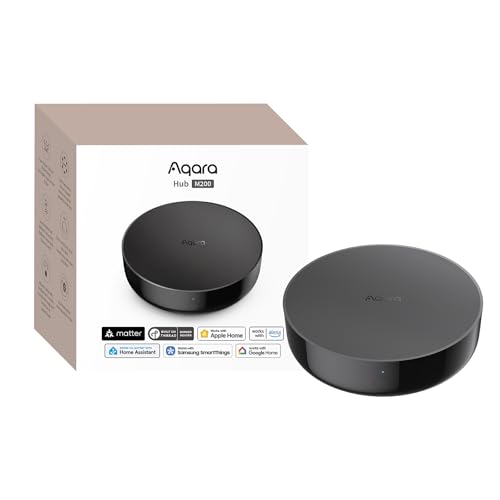
| Building from scratch; household mixes iPhone and Android | Thread + Matter, bridged | Aqara Smart Hub M200 — Thread border router, Zigbee 3.0 bridge and Matter controller in one box |
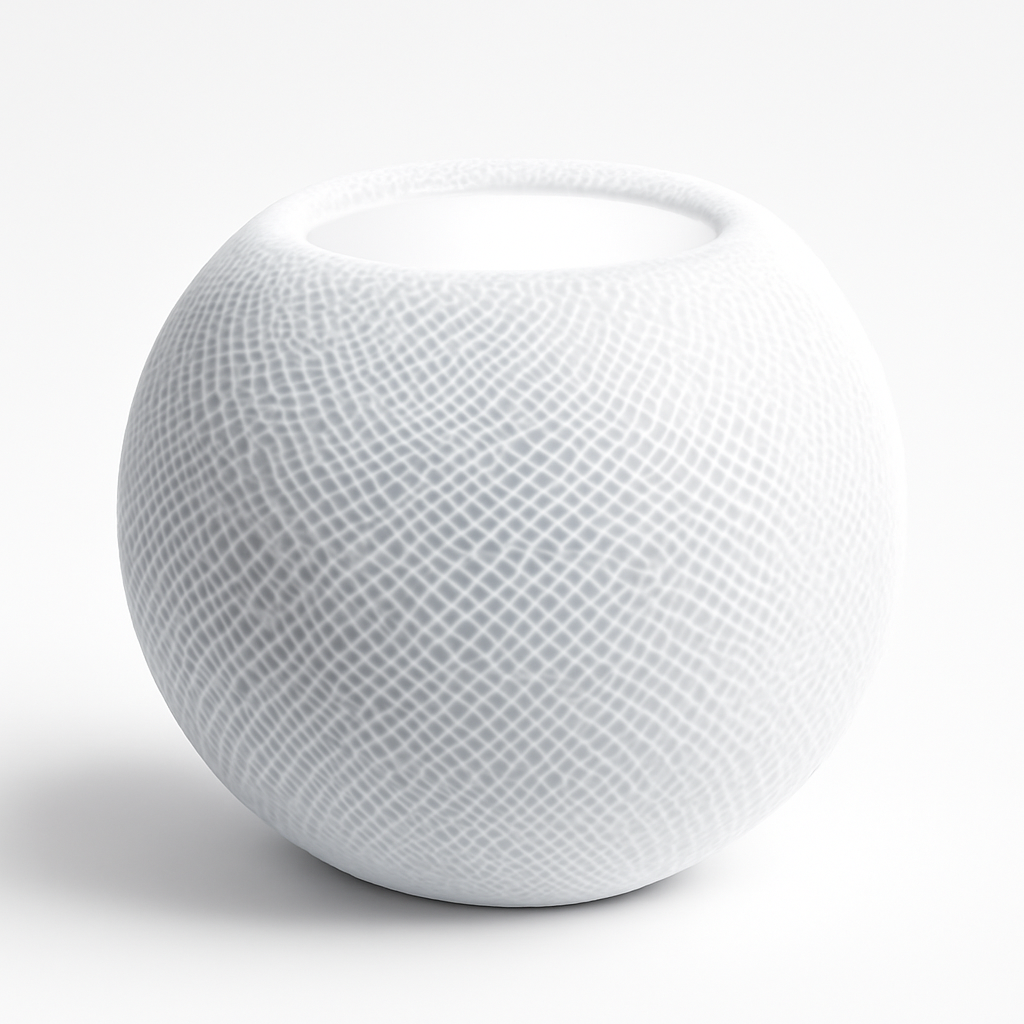
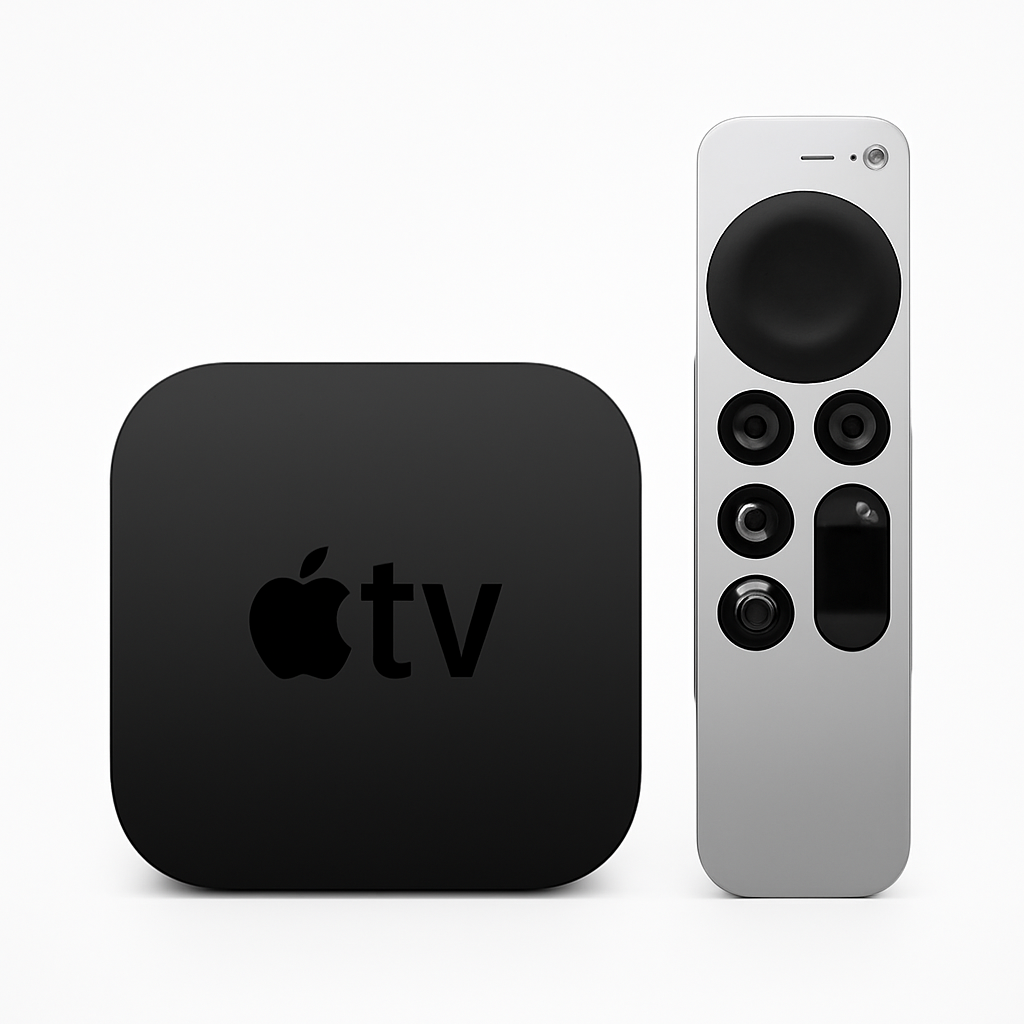
| Everyone is on iPhone; Apple Home is the brain | Thread + Matter via HomeKit | Apple TV 4K (3rd Generation) or Apple HomePod mini — both are HomeKit hubs with a Thread border router built in |
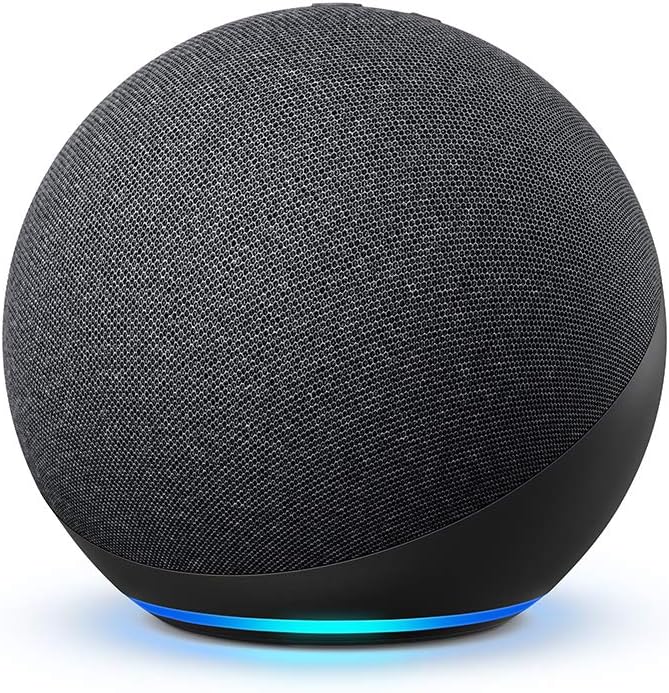
| Alexa-first household buying Zigbee sensors and switches | Zigbee under Alexa | Amazon Echo (4th Gen) — built-in Zigbee hub, no Thread radio |
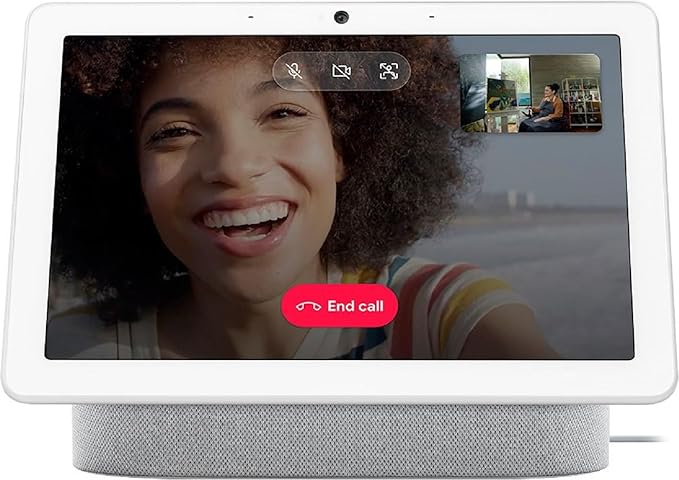
| Google Home household | Matter under Google, Thread added separately | Google Nest Hub Max for display and Assistant, plus Aqara Smart Hub M200 for Thread and Zigbee |
| Mixed Zigbee and Z-Wave gear inherited from an older system | Zigbee + Z-Wave, Matter on top | Samsung SmartThings Hub — Z-Wave, Zigbee and Wi-Fi, Matter added by software update |
| You already own Aqara sensors and want IR remotes folded in | Zigbee + Matter, HomeKit-native | Aqara Hub M3 — Zigbee, Matter controller and an IR blaster for legacy TVs and ACs |
| Renting, no hub wanted, powered devices only | WiFi + Matter — no border router required | Meross Matter Smart Plug Mini |
Two rules settle most of these decisions. Buy the border router before the sensors. Thread end devices such as door contacts and motion detectors cannot join a network with no Thread border router in it, which is why every row above starts with a hub. If you are still choosing a platform first, our smart lighting systems guide shows how the same decision plays out one category down.
The second rule is to know which way your hub locks. Cross-platform reach is not a given. Here is what each pick above actually reaches:
- Aqara Smart Hub M200 — Apple Home, Alexa and Google Home simultaneously
- Meross Matter Smart Plug Mini — Apple Home, Alexa and Google Home, at the device level
- Apple HomePod mini — Apple ecosystem only
- Google Nest Hub Max — Google Home, with ecosystem lock-in and no Zigbee or Thread radio
- Apple TV 4K (3rd Generation) — Apple Home, with a Thread border router built in; its best features need Apple ecosystem buy-in
- Amazon Echo (4th Gen) — Alexa, with a built-in Zigbee hub and no Thread radio
- Aqara Hub M3 — native HomeKit, plus Zigbee, IR and Matter bridging; strongest inside the Aqara ecosystem
- Samsung SmartThings Hub — Zigbee and Z-Wave breadth, but no HomeKit support
Buying a narrow hub is fine when your household is already narrow. It is expensive when it is not, because switching later costs you the devices as well as the hub.
Then add devices to match. On Thread + Matter, Nanoleaf Essentials A19 bulbs are Thread-native and need no hub of their own, and the Eve Energy plug runs Matter over Thread and acts as a Thread router itself — though it does need a border router already in the home. On WiFi + Matter, the Meross Matter Smart Plug Mini automates a lamp or fan without touching your hub setup. On Zigbee, Aqara and SmartThings sensors pair to the hub you chose above — see our Zigbee hub roundup for the wider field, and the Matter device guide once the hub is running.
Current prices live on the product cards and buy buttons rather than in this text. The sections below explain each verdict in full.
Protocol Comparison at a Glance
| Protocol | Type | Purpose | Range | Battery Life | Platform Support | Future |
|---|---|---|---|---|---|---|
| Matter | Application Layer | Universal device language | N/A (works over other protocols) | Depends on networking layer | All major platforms | Industry standard |
| Thread | Network Layer | Mesh networking for low-power devices | 300+ ft mesh | 1-3 years typical | Growing rapidly | Matter's preferred network |
| Zigbee | Network + Application | Mesh networking + device control | 300+ ft mesh | 6-24 months typical | Mature ecosystem | Being replaced by Thread |
| WiFi | Network Layer | Direct internet connectivity | Router range | Hours to days | Universal | Remains for high-bandwidth devices |
| Z-Wave | Network + Application | Mesh networking + device control | 500+ ft mesh | 1-3 years typical | Declining adoption | Legacy protocol |
SHE Protocol Future-Proof Score
Full methodology for this score
This is our proprietary metric evaluating which protocols provide the best long-term smart home investment based on industry adoption, device availability, and platform support trends.
Formula: SHE Future-Proof Score = (Device Availability × Platform Support × Battery Efficiency × Mesh Reliability) / (Setup Complexity + Ecosystem Lock-in Risk)
| Protocol | Device Availability | Platform Support | Battery Efficiency | Mesh Reliability | Setup + Lock-in Risk | SHE Score |
|---|---|---|---|---|---|---|
| Thread + Matter | 7.5 | 10.0 | 9.5 | 9.0 | 3.0 + 1.0 | 85.5 |
| Zigbee 3.0 | 9.0 | 8.0 | 8.0 | 8.5 | 4.0 + 6.0 | 27.6 |
| WiFi + Matter | 8.5 | 9.5 | 4.0 | 6.0 | 2.0 + 2.0 | 61.0 |
| Z-Wave Plus | 7.0 | 6.0 | 8.5 | 9.0 | 5.0 + 8.0 | 29.8 |
| Proprietary (Hue, etc) | 5.0 | 7.0 | 7.0 | 8.0 | 3.0 + 9.0 | 23.3 |
(SmartHomeExplorer editorial analysis — /methodology)
What this tells you: Thread + Matter achieves the highest future-proof score due to perfect cross-platform support (10/10) and minimal ecosystem lock-in risk. Zigbee remains practical today with excellent device availability but faces increasing vendor lock-in as manufacturers migrate to Thread. WiFi + Matter works well for powered devices but poor battery efficiency limits sensor applications.
Understanding the Protocol Stack
What is Matter?
Matter is a universal "language" that smart home devices use to communicate with different platforms. Think of it as a translation layer — a Matter-certified light bulb can understand commands from Apple HomeKit, Amazon Alexa, and Google Home using the same internal software. Before Matter, manufacturers had to write separate code for each platform they wanted to support.
Key Matter Benefits:
- Cross-platform compatibility — One device works with multiple smart home systems
- Local processing — Commands work without internet connectivity
- End-to-end encryption — Secure communication between devices and controllers
- Future-proof — New platforms can support existing Matter devices automatically
Matter Limitations:
- Requires compatible controllers — Your hub/speaker must support Matter to control Matter devices
- Limited device categories — Only supports lights, plugs, locks, sensors, thermostats, and cameras in 2026
- Network dependency — Still needs Thread, WiFi, or Ethernet to carry Matter messages
Best Matter Controllers:
- Apple HomePod mini — HomeKit + Thread border router + Matter controller
- Amazon Echo (4th Gen) — Alexa + Zigbee hub + Matter controller
- Aqara Smart Hub M200 — Matter controller for Apple Home, Alexa and Google Home at once
What is Thread?
Thread is a mesh networking protocol designed specifically for low-power smart home devices. It creates a self-healing network where each device can relay messages to others, extending range and improving reliability. Thread devices automatically find the best path to communicate with your hub, even if some devices are offline.
Key Thread Benefits:
- Self-healing mesh — Devices automatically route around failures
- Low power consumption — Battery devices last 1-3 years typical
- IPv6 native — Each device gets its own internet address for direct communication
- No single point of failure — Network continues working if any single device fails
- Matter's preferred network — Thread + Matter provides the best smart home experience
Thread Limitations:
- Requires border router — Needs a Thread-compatible hub to connect to internet/WiFi
- Limited range per hop — 30-50 feet between devices, though mesh extends total range
- Newer ecosystem — Fewer Thread devices available compared to mature Zigbee ecosystem
Best Thread Border Routers:
- Apple HomePod mini — Thread border router + HomeKit hub + smart speaker
- Apple TV 4K (3rd Generation) — Thread border router + HomeKit hub + streaming device
What is Zigbee?
Zigbee is an established mesh networking protocol that predates Thread and Matter. It combines networking (how devices communicate wirelessly) with application logic (what commands mean) in one protocol. Zigbee 3.0 devices form reliable mesh networks and offer excellent battery life, but they typically work with only one ecosystem unless bridged through a hub.
Key Zigbee Benefits:
- Mature ecosystem — Thousands of devices from hundreds of manufacturers
- Proven reliability — Years of real-world deployment and refinement
- Excellent battery life — 6 months to 2+ years typical for sensors
- Strong mesh networking — Each device extends network range and redundancy
- Hub integration — Works with most major smart home hubs
Zigbee Limitations:
- Ecosystem lock-in — Typically works with one platform unless bridged
- Hub dependency — Requires Zigbee-compatible hub; doesn't work directly with phones
- Being superseded — Industry moving toward Thread + Matter for new development
Best Zigbee Hubs:
- Aqara Smart Hub M200 — Zigbee hub + Thread border router + Matter controller
- Amazon Echo (4th Gen) — Built-in Zigbee hub + Alexa + Matter support
- Samsung SmartThings Hub — Zigbee + Z-Wave + cloud automation platform
Protocol Deep Dive
When to Choose Thread + Matter
Best for: New smart home installations, battery-powered devices, cross-platform compatibility needs, future-proofing
Thread + Matter devices work natively across Apple HomeKit, Amazon Alexa, and Google Home without requiring separate integrations. This universality makes Thread + Matter ideal for households with mixed smartphones (iPhone + Android) or users who want flexibility to switch platforms in the future.
Thread's mesh networking excels for battery-powered devices like door sensors, motion detectors, and smart buttons. The low-power design enables 1-3 year battery life while maintaining reliable communication through mesh networking. Each Thread device acts as a mesh repeater, strengthening the overall network.
Example Thread + Matter Setup:
- Hub: Apple HomePod mini — Thread border router + Matter controller
- Lighting: Nanoleaf Essentials A19 — Thread bulbs, no hub required
- Power: Eve Energy — Thread smart plug with energy monitoring
- Sensors: Thread door/window sensors (emerging in late 2026)
Thread + Matter Advantages:
- Works with Apple Home, Alexa, Google Home simultaneously
- Self-healing mesh network with automatic routing
- Excellent battery life for wireless sensors
- Local processing reduces cloud dependency
- Future-proof as industry standard
Thread + Matter Disadvantages:
- Smaller device selection compared to mature Zigbee ecosystem
- Requires Thread border router hub
- Higher per-device cost in 2026 (premium for new technology)
When to Choose Zigbee
Best for: Established smart home systems, budget-conscious buyers, maximum device selection, proven reliability
Zigbee offers the largest selection of smart home devices at competitive prices. Aqara door sensors cost $15-20, motion detectors $25-30, and smart switches $35-45 — significantly less than early Thread equivalents. The mature ecosystem includes specialized devices like water leak sensors, soil moisture monitors, and pet activity trackers.
Zigbee's mesh networking is proven reliable in real-world deployments. Large installations with 50+ devices demonstrate Zigbee's ability to maintain connectivity and route around device failures automatically. Battery life typically ranges from 6-24 months depending on device type and usage patterns.
Example Zigbee-Based Setup:
- Hub: Aqara Smart Hub M200 — Bridges Zigbee to HomeKit/Alexa/Google Home
- Sensors: Aqara door/window sensors ($15 each) — Comprehensive monitoring
- Motion: Aqara motion detectors ($25 each) — Room occupancy and security
- Switches: Aqara smart switches ($35 each) — In-wall lighting control
- Climate: Aqara temperature/humidity sensors ($20 each) — Environmental monitoring
Zigbee Advantages:
- Massive device ecosystem with competitive pricing
- Proven reliability in large installations
- Excellent battery life for sensors and switches
- Strong mesh networking with automatic routing
- Compatible with major hubs through bridging
Zigbee Disadvantages:
- Typically requires hub-specific apps for initial setup
- Platform compatibility depends on hub capabilities
- Being superseded by Thread + Matter for future development
- Potential vendor lock-in without proper hub choice
When to Choose WiFi + Matter
Best for: High-bandwidth devices, simple setup, homes with strong WiFi coverage, powered devices
WiFi + Matter combines the universality of Matter with the ubiquity of WiFi networking. Every home has WiFi, so WiFi + Matter devices work without additional hubs or border routers. This simplicity makes WiFi + Matter ideal for renters, beginners, or users who want plug-and-play functionality.
WiFi excels for high-bandwidth devices like security cameras, video doorbells, and smart displays that need constant connectivity and significant data throughput. These devices typically plug into wall power, eliminating battery life concerns.
Example WiFi + Matter Setup:
- Controller: Existing WiFi router + Amazon Echo (4th Gen) — Matter controller
- Lighting: WiFi smart bulbs with Matter certification (emerging 2026)
- Plugs: Meross Matter Smart Plug — WiFi + Matter
- Security: WiFi security cameras with Matter support (planned 2026)
WiFi + Matter Advantages:
- No additional hubs or border routers required
- Leverages existing home WiFi infrastructure
- Simple setup process for non-technical users
- High bandwidth for cameras and streaming devices
- Universal platform compatibility through Matter
WiFi + Matter Disadvantages:
- Poor battery life limits sensor applications
- Can congest home WiFi networks with many devices
- No mesh networking — dead zones affect reliability
- Depends on internet connectivity for some features
- Higher power consumption than Thread/Zigbee alternatives
Migration Strategies
From Zigbee to Thread + Matter
Don't replace working Zigbee devices — instead, add a hub that bridges Zigbee to Matter platforms. The Aqara Smart Hub M200 acts as both a Zigbee hub for existing devices and a Thread border router for new devices. This enables gradual migration without losing existing investments.
Migration Timeline:
- Install bridging hub — Aqara M200 or similar hub that supports both protocols
- Connect existing Zigbee devices — Maintain current functionality while adding cross-platform support
- Add Thread + Matter devices gradually — Replace devices as they fail or when expanding the system
- Maintain both protocols — No need to fully migrate; run both simultaneously long-term
Building New Systems
Start with Thread + Matter for new installations to avoid future migration complexity. Choose a Thread border router that also supports other protocols for flexibility:
Recommended New System Foundation:
- Primary Hub: Apple HomePod mini — Thread border router + HomeKit + Matter controller
- Secondary Hub: Aqara M200 — Adds Zigbee support for budget devices
- Focus on Thread + Matter devices — Prioritize future-proof choices
- Use WiFi for high-bandwidth needs — Cameras, displays, entertainment devices
Platform-Specific Considerations
Apple HomeKit Users:
- Choose Apple HomePod mini or Apple TV 4K as Thread border router
- Thread + Matter devices provide best integration with Apple Home app
- Zigbee devices require compatible hub but work well once bridged
Amazon Alexa Users:
- Amazon Echo (4th Gen) provides built-in Zigbee hub + Matter controller
- Thread support available but requires separate border router
- Focus on Matter certification for cross-platform flexibility
Google Home Users:
- Google Nest Hub Max covers the Google Home display and Assistant, but carries no Zigbee or Thread radio
- Add a separate border router — the Aqara Smart Hub M200 bridges Thread and Zigbee into Google Home
- Google Assistant voice control then works with those Thread and Matter devices
- Zigbee support requires compatible hub integration
For a deeper look at why Matter and Thread still feel broken in 2026 despite the protocols working as specified, see our Matter and Thread fatigue explainer — it scores five controller hubs on version fragmentation, Thread-island discovery failures, and cloud-dependency lock-in.
Frequently Asked Questions
Can Thread and Zigbee devices work on the same network?
Yes, but they use separate mesh networks even if connected to the same hub. The Aqara M200, for example, maintains separate Thread and Zigbee networks simultaneously. Thread devices mesh with other Thread devices, while Zigbee devices mesh with other Zigbee devices. The hub translates between the networks and exposes both to your smart home platforms.
Is Matter backward compatible with older smart home devices?
Matter is not backward compatible — existing devices need firmware updates to support Matter. However, hubs can bridge older devices to Matter platforms. A Philips Hue Bridge makes pre-Matter Hue bulbs appear as Matter devices to other platforms. This bridging approach extends the life of existing investments without requiring device replacement.
Will Thread replace WiFi for smart home devices?
Thread replaces WiFi for low-power, battery-operated devices but not high-bandwidth applications. Security cameras, video doorbells, and streaming devices will continue using WiFi due to bandwidth requirements. Thread excels for sensors, switches, and battery-powered accessories that need long battery life and mesh networking.
What happens to my Zigbee devices when manufacturers stop updating them?
Zigbee devices continue working indefinitely with compatible hubs, even without updates. The Zigbee protocol is stable and mature — devices from 2018 still work perfectly in 2026. However, manufacturers may stop adding new features or platform integrations. Choosing hubs with active development (like Aqara M200 or Homey Pro) helps maintain compatibility.
Do I need different apps for Thread, Zigbee, and WiFi devices?
With proper hubs, all devices appear in your chosen platform app regardless of protocol. An Aqara M200 makes Thread, Zigbee, and WiFi devices all appear in Apple Home, Alexa app, and Google Home simultaneously. The underlying protocol becomes invisible to the user — you just see "living room motion sensor" regardless of whether it uses Thread or Zigbee.
Which protocol offers the best battery life for sensors?
Thread and Zigbee offer similar battery life (1-3 years typical), both significantly better than WiFi. Thread has a slight theoretical advantage due to newer low-power design, but real-world differences are minimal. Device quality and usage patterns matter more than protocol choice for battery life. WiFi sensors typically last days to weeks, making them impractical for battery operation.
Can I use Matter devices without internet connectivity?
Yes, Matter devices work locally when connected to compatible controllers. Apple TV 4K, for example, controls Matter devices locally even during internet outages. However, remote access (controlling devices while away from home) requires internet connectivity. Voice commands to Siri, Alexa, or Google Assistant also require internet for processing.
Should I wait for more Thread devices or buy Zigbee now?
Buy Zigbee now if you need devices today, but choose a hub that also supports Thread for future expansion. The Aqara M200 bridges Zigbee devices to modern platforms while providing Thread border router functionality for future devices. This approach gives you access to mature Zigbee ecosystem pricing while preparing for Thread + Matter adoption.