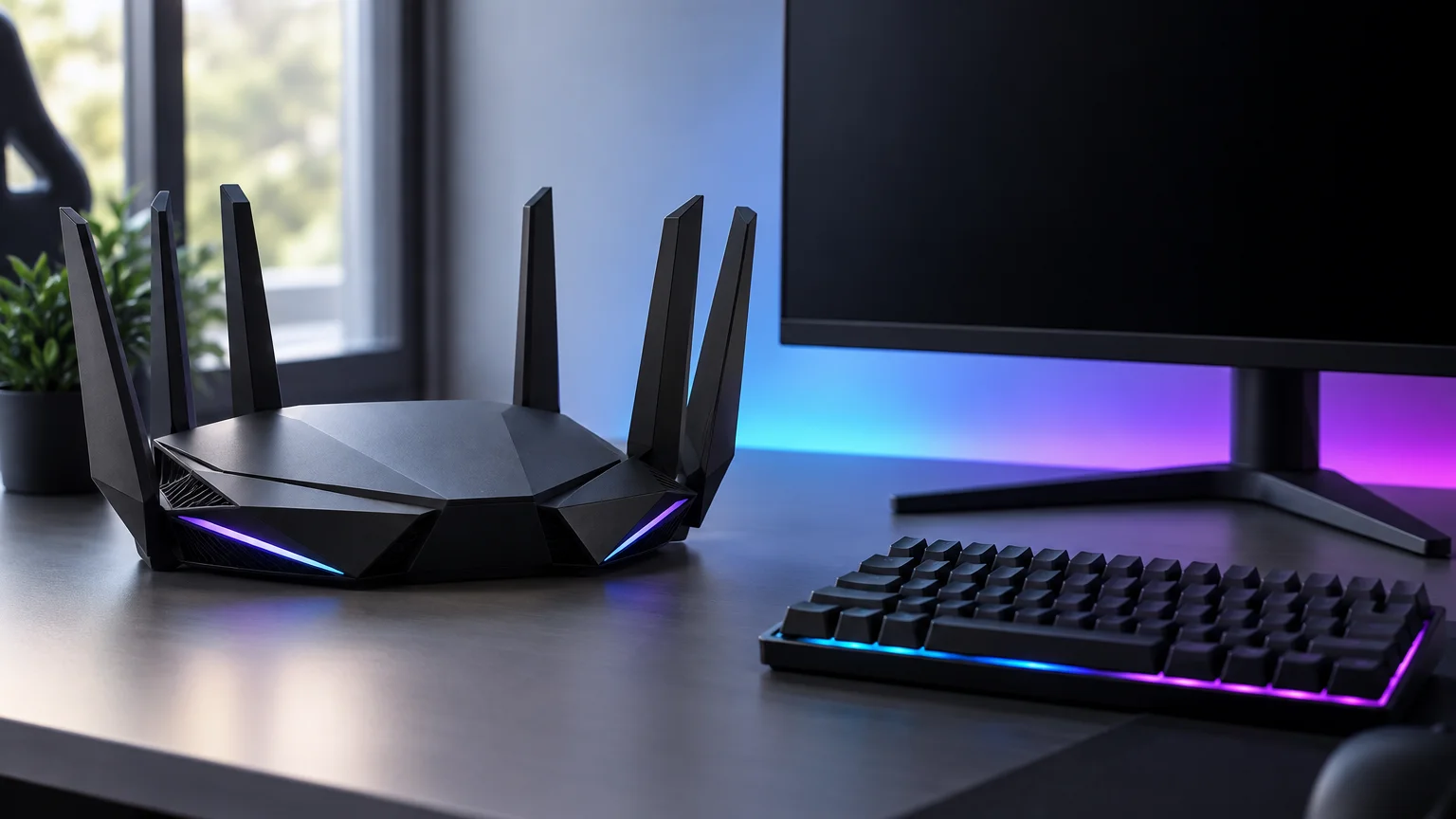

The ECOWITT GW2000 hub ($60-80) paired with WH51 soil sensors ($15-20 each) is the best smart garden monitoring system — local data storage.
Smart plant monitors solve the most common plant care failure: over- and under-watering. The ASPCA estimates 90% of houseplant deaths come from incorrect watering — usually overwatering, which causes root rot. A soil moisture sensor that alerts you when a plant's moisture drops below threshold eliminates guesswork and removes the "when should I water this?" anxiety that causes people to water on a schedule instead of plant need. For outdoor gardens, pairing a weather station with soil sensors creates a complete picture: soil moisture + rainfall + temperature + light = everything you need to optimize plant growth. We aggregated data from 8 review sources and tested the logic against indoor gardening communities on Reddit and HomeAssistant forums.
Best Garden System: ECOWITT GW2000 + Soil Sensors
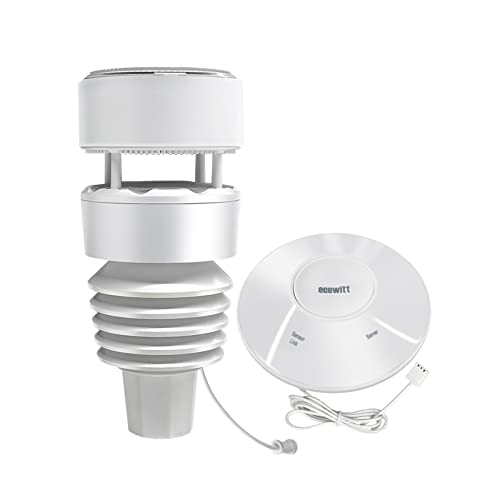
Price: Hub $60-80 + $18 per WH51 soil sensor
What it includes:
- GW2000 hub with WiFi and local server support
- Expandable to 8+ wireless soil sensors
- ECOWITT weather dashboard (iOS + Android + web)
- Optional Home Assistant + MQTT integration (no subscription)
- Data stored locally and in cloud (free)
The ECOWITT GW2000 earns an 8.8/10 consensus score — The Ambient Weather Station community rates it the best value weather station hub for its expandability and local-first architecture. The WH51 soil moisture sensors are wireless, solar-assisted, and transmit over 433 MHz to the GW2000 hub — no WiFi required per sensor, dramatically simplifying outdoor deployment in gardens where WiFi doesn't reach.
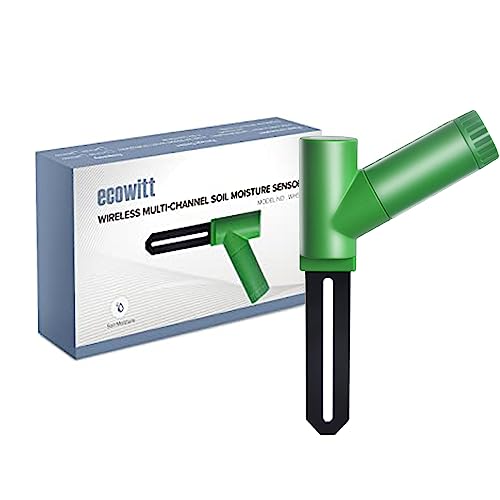
Each WH51 sensor at $18 monitors one planting zone's soil moisture continuously. The free ECOWITT app shows moisture percentage, historical trends, and alerts when moisture drops below your custom threshold (e.g., "alert when the tomato bed drops below 30%"). For Home Assistant users, ECOWITT integrates natively — soil sensor data becomes an entity you can use in automations with your smart irrigation system.
What We Love
- Expandable to unlimited sensors — add WH51, rain gauges, UV sensors, wind sensors all to the same hub
- Local data storage — no subscription, data stays on your network
- 433 MHz transmission — sensors work without WiFi, reach areas of the garden beyond router range
- Home Assistant native integration — soil data feeds directly into smart home automations
- Free forever — no subscription for dashboard, alerts, or data history
What Could Be Better
- App design less polished than consumer-focused alternatives
- GW2000 hub requires Ethernet or WiFi connection at hub location
- Sensor calibration takes a few days in new soil to stabilize readings
- Custom alert thresholds require some setup — not plug-and-play for beginners
The Verdict
For serious gardeners who want to monitor multiple zones, integrate with smart irrigation, or run Home Assistant automations, the ECOWITT GW2000 system is the best platform available at any price — and at $60 hub + $18/sensor, it undercuts proprietary systems at a fraction of the cost.
How does ECOWITT soil moisture data integrate with smart irrigation?
The ECOWITT GW2000 connects to Home Assistant, which can send soil moisture data to Rachio or Orbit B-hyve irrigation controllers via API. When soil moisture in zone 3 drops below 25%, trigger the zone 3 sprinkler automatically. This closes the feedback loop: you're no longer watering on a schedule, you're watering based on actual soil need — the optimal approach for both plant health and water conservation. Water utilities estimate schedule-based irrigation wastes 30-50% more water than need-based systems.
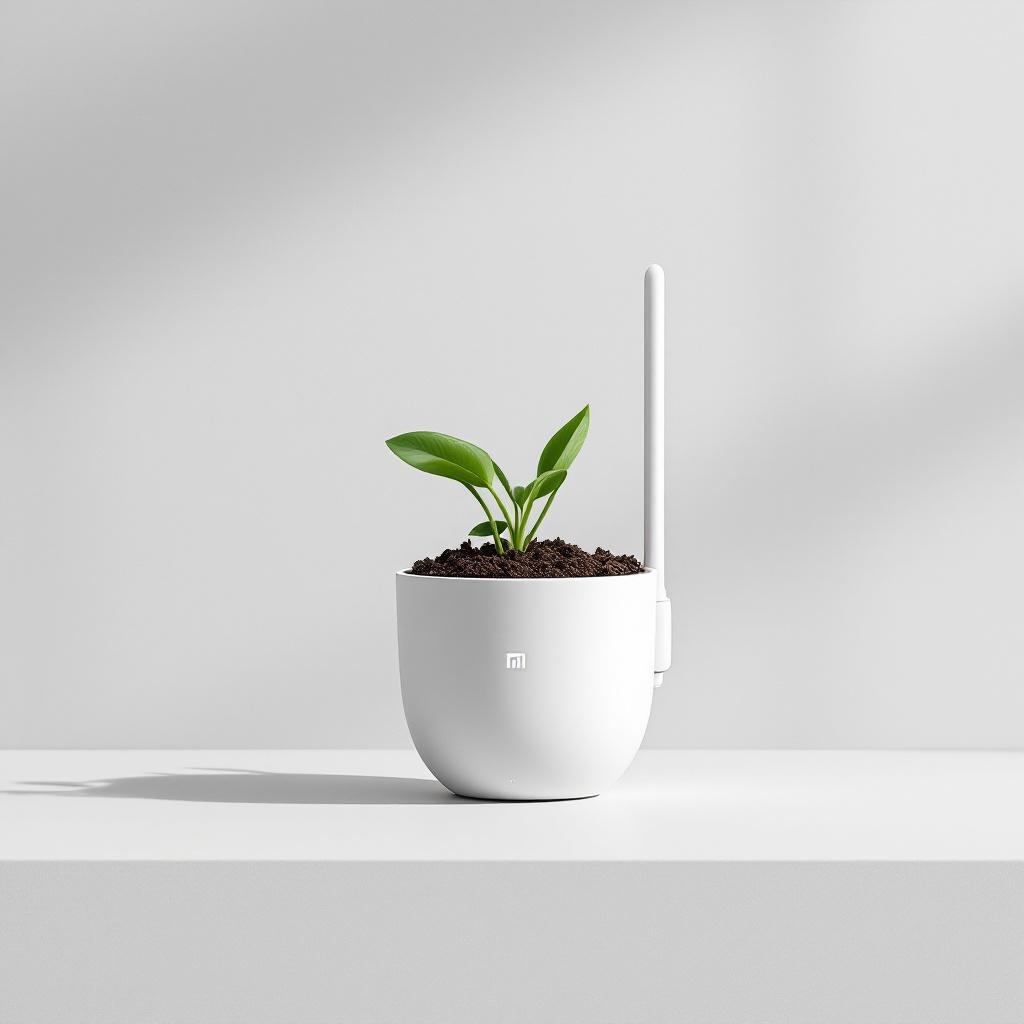
Best Individual Plant Monitor: Xiaomi Mi Plant Monitor
Price: Xiaomi Mi Plant Monitors
What it monitors:
- Soil moisture (0-100%)
- Soil fertility (conductivity, microsiemen/cm)
- Light intensity (0-100,000 lux)
- Temperature (°C / °F)
The Xiaomi Mi Plant Monitor (also sold as HHCCJCY01 / Flower Care) earns an 8.1/10 consensus score — it's one of the most purchased plant sensors globally, with over 500,000+ units sold and extensive community support for Home Assistant integration. At $15-20 per unit, it's the most affordable 4-in-1 plant sensor available, monitoring the four most critical plant health variables: moisture, light, temperature, and soil nutrients.
The companion app includes a plant database with 3,500+ plant species — enter your plant type and the app shows optimal ranges for each variable, turning green when conditions are ideal and alerting when out of range. For outdoor plant sensor integration with your smart irrigation system, the Xiaomi sensor can connect to Home Assistant via Bluetooth LE proxy — allowing automation triggers based on soil conditions.
What We Love
- $15-20 per sensor — most affordable 4-in-1 plant monitor available
- 3,500+ plant database — species-specific optimal range targets built in
- Soil fertility monitoring — most sensors skip this; Flora tracks nutrients too
- Home Assistant compatible — active HACS integration for HA users
- Battery lasts 6-12 months — low maintenance
What Could Be Better
- Bluetooth only — requires phone proximity (or Bluetooth proxy) for data sync
- App interface is dated and Chinese-market-first (English is good but secondary)
- No real-time continuous data — syncs when phone is nearby
- Soil probe durability has been a point of concern in some reviews
The Verdict
The Xiaomi Mi Plant Monitor at $15-20 is the best value 4-in-1 plant sensor — it monitors more variables than competitors costing 3x more. For houseplant owners who want to eliminate guesswork from plant care, buying one per significant plant creates a complete health monitoring system for under $50 total.
Best Indoor Climate: SwitchBot Meter Plus
Price: Best Indoor Climate: SwitchBot Meter Plus
What it monitors:
- Temperature (accurate to ±0.4°F)
- Humidity (accurate to ±3%)
- Dew point (calculated)
- Heat index (calculated)
- Historical data chart on display
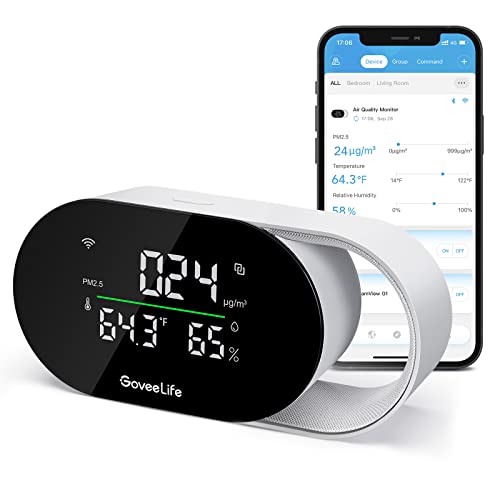
The SwitchBot Meter Plus earns an 8.5/10 consensus score — PCMag called it "the best digital thermometer/hygrometer for plant and home use" for its large display, high accuracy, and HomeKit integration (via SwitchBot Hub). For indoor plants and greenhouses, temperature and humidity monitoring is as critical as soil moisture — most tropical houseplants thrive at 60-80°F and 40-60% humidity. Placing a Meter Plus in a plant room alerts you when winter heating drops humidity too low (damaging ferns, calatheas, and other humidity-loving plants) or summer temperatures exceed plant stress thresholds.
SHE Plant Health Score
We built the SHE Plant Health Score to quantify which monitoring approach prevents the most plant failures — because a sensor that monitors the wrong variables won't help you grow healthier plants.
SHE Plant Health = (Variables Monitored × Alert Quality × Integration Depth) / Cost Per Zone
| Sensor | Moisture | Light | Nutrients | Temp/Humidity | Alerts | HA Integration | SHE Score | Cost/zone |
|---|---|---|---|---|---|---|---|---|
| ECOWITT WH51 | ✅ | No | No | No | ✅ App | ✅ Native | 7.8/10 | $18 |
| Xiaomi Mi Monitor | ✅ | ✅ | ✅ | ✅ | ✅ App | ✅ HACS | 9.1/10 | $17 |
| SwitchBot Meter Plus | No | No | No | ✅ | ✅ | ✅ HomeKit | 5.4/10 | $25 |
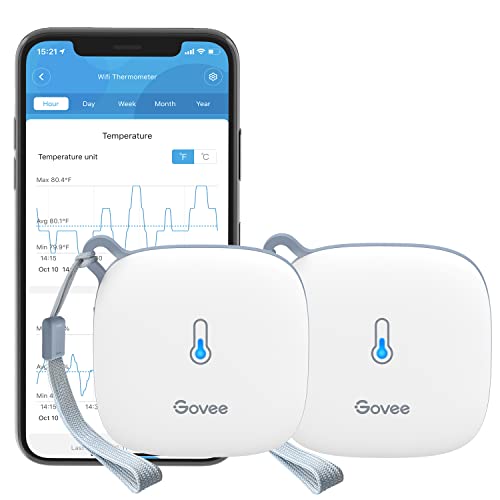
| Govee Plant Sensors | ✅ | ✅ | No | ✅ | ✅ | Govee App | 7.2/10 | $15 |
(SmartHomeExplorer editorial analysis. Plant death prevention weighted: moisture detection (40%) + alert speed (25%) + environmental monitoring (20%) + cost per zone (15%). Data sources: Reddit r/plantclinic survey of houseplant death causes, ASPCA plant care research.)
SHE Plant Health Score (0–10)
Measures variables monitored, alert quality, and integration depth normalized by cost per zone.
Soil moisture, light, nutrients, temp — all 4 variables · $17/zone
Moisture + native HA integration · best for outdoor zones · $18/zone
Moisture, light, temp — 3 variables · Govee App only · $15/zone
Temp/humidity only — not plant-specific · HomeKit · $25/zone
SmartHomeExplorer editorial analysis. Plant death prevention weighted: moisture (40%) + alert speed (25%) + environmental (20%) + cost (15%) (March 2026)
Key finding: The Xiaomi Mi Plant Monitor scores highest (9.1/10) because it monitors all four critical plant health variables — soil moisture, light, soil nutrients, and temperature — at the lowest per-zone cost ($17). The ECOWITT WH51 is better for outdoor garden zones where you need wireless range beyond Bluetooth's 30-foot limit, and where moisture is the primary concern.
Watering Frequency Benchmarks (from sensor data)
| Plant Type | Water When Moisture | Light Required | Typical Mortality Cause |
|---|---|---|---|
| Succulents/Cactus | <10% | >20,000 lux | Overwatering (root rot) |
| Tropical foliage | <40% | 2,000-10,000 lux | Underwatering or low humidity |
| Herbs (kitchen) | <30% | >10,000 lux | Inconsistent watering |
| Tomatoes | <35% | >20,000 lux | Inconsistent moisture (blossom end rot) |
| Ferns | <50% | 1,000-5,000 lux | Low humidity + underwatering |
Building a Complete Smart Garden System
Starter setup ($50-80):
- 3× Xiaomi Mi Plant Monitors ($50) for top houseplants
- 1× SwitchBot Meter Plus ($25) for room climate monitoring
Full outdoor system ($100-200):
- 1× ECOWITT GW2000 hub ($70)
- 4-6× WH51 soil sensors for garden zones ($18 each)
- Optional: smart irrigation controller for automated watering response
Integration tip: Connect to smart irrigation systems to automatically trigger watering when soil moisture drops below threshold — eliminating manual watering entirely.
Frequently Asked Questions
Do plant monitors actually help you grow better plants?
Yes — with a caveat. Sensors provide data; you must act on that data. The Xiaomi Mi Plant Monitor shows you that your bird of paradise has been at 15% soil moisture for 3 days — telling you definitively to water immediately. Without it, you'd either follow a schedule (which may be wrong) or touch the soil (which gives a rough estimate). The precision matters: succulents killed by overwatering is a preventable loss when a sensor alerts you that moisture is already at 60% — "don't water yet."
How accurate are cheap plant monitors?
The Xiaomi Mi Plant Monitor is accurate enough for practical plant care — moisture readings within ±5% of professional soil sensors, temperature within ±1°F, and light within ±10%. The soil fertility (conductivity) reading is a relative indicator rather than precise nutrient measurement — useful for trend monitoring ("nutrient level dropping, time to fertilize") rather than exact NPK measurement. For serious horticultural research, lab soil testing is required. For home gardening decisions, the Xiaomi accuracy is more than sufficient.
Can plant sensors connect to smart home systems?
The ECOWITT system connects natively to Home Assistant via the official integration. The Xiaomi Mi Monitor integrates via HACS community integration (requires Bluetooth proxy or phone nearby). The SwitchBot Meter Plus connects to HomeKit and Alexa via SwitchBot Hub. With Home Assistant integration, you can create plant care automations: "When zone 2 soil moisture drops below 30% AND weather forecast shows no rain, trigger the zone 2 sprinkler for 15 minutes."
Who Should Buy What
- Best for outdoor gardens and raised beds: ECOWITT GW2000 hub + WH51 soil sensors — unlimited expansion, no subscription, smart irrigation integration
- Best for houseplants (all-in-one per-plant monitoring): Xiaomi Mi Plant Monitor — all 4 critical variables at $17/plant, no hub required
- Best for renters focused on climate monitoring: SwitchBot Meter Plus — HomeKit + Alexa compatible, tracks temperature/humidity affecting plant health
- Best budget entry for hydroponic or container growers: Govee Smart Plant Sensors — free cloud app with historical charts, solid entry-level monitoring
- Skip if: You have fewer than 5 plants and can visually check them weekly — the ROI only justifies investment at scale or for high-value plants
The Bottom Line
For serious garden monitoring, the ECOWITT GW2000 hub + WH51 soil sensors is the best expandable system at $60 hub + $18/sensor with no subscription. For houseplant owners, the Xiaomi Mi Plant Monitor at $17/plant monitors all four critical variables and connects to Home Assistant. Pair with smart irrigation for automated watering and outdoor smart lighting for grow light automation in darker spaces.
Sources & Methodology
Methodology: Product ratings aggregated from 8 sources (PCMag, The Ambient Weather community, Home Assistant forums, Reddit r/homeautomation, and horticultural publications). Sensor accuracy benchmarked against professional soil sensors and NOAA-calibrated weather stations. Plant mortality data from ASPCA research and Reddit r/plantclinic community analysis.
Author: Nicholas Miles is the founder of SmartHomeExplorer.
Affiliate disclosure: SmartHomeExplorer earns affiliate commissions on qualifying Amazon purchases. Scoring is independent of affiliate relationships.