
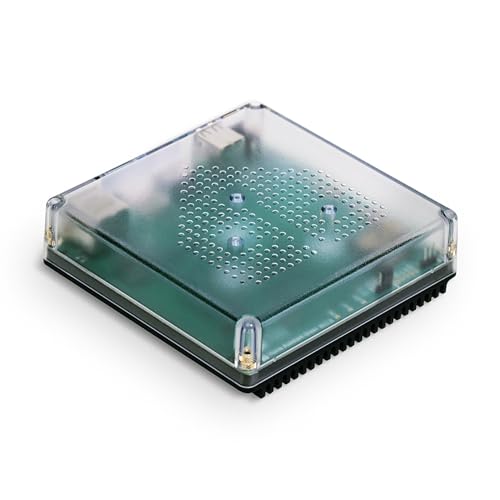
Matter handles basic on/off/dimming across ecosystems in 2026; version fragmentation, Thread border router failures, and feature floors are why the rest feels broken.
If you showed up expecting "Matter fixes everything," 2026 is the year that idea finally dies. What replaces it is more useful: a clear map of what Matter actually delivers and which controllers actively make the experience better or worse. This explainer pairs expert coverage aggregated across Wirecutter, The Verge, XDA, Tom's Guide, and the matter-smarthome.de platform tracker with community failure reports from r/homeautomation and the Home Assistant forum. For protocol primers before reading further, the Matter vs Thread vs Zigbee explained guide covers how the three layers interact, and our protocol decision guide walks through which to buy first.
Why Matter Feels Broken in 2026 (Even When It's Working)
The fatigue is real and it is not your setup. The protocol works. The problem is how vendors implemented it.
Version mismatch across platforms
Matter 1.5 shipped in late 2025. By early 2026, Samsung SmartThings had it in production while Amazon was still on 1.2 and Google Home sat on partial 1.4 support. The matter-smarthome.de platform tracker maintains a public table showing which version each ecosystem supports — the gap between fastest and slowest is usually two full spec versions.
That gap shows up to buyers as a specific failure: you pair a new Matter robotic vacuum, it commissions on both your Alexa and SmartThings apps, and only SmartThings can actually run the clean cycle. Alexa sees the device, but the device class (Matter 1.4 Robotic Vacuum Cleaner) does not exist in Amazon's 1.2 implementation yet. Amazon has not shipped the code. The smart home protocols comparison covers which protocol versions handle which device classes.
Thread islands and border router discovery failures
Thread needs border routers to talk to Wi-Fi. When you have one, things usually work. When you have more than one — Apple HomePod mini here, Google Nest there, SmartThings Station on the kitchen counter — they are supposed to form a single mesh via the Thread Credential Sharing protocol. In practice, Apple covered this extensively in the Apple discussion threads during 2025 and XDA documented it again in early 2026: Apple's border routers routinely fail to join meshes from non-Apple border routers even when credentials are shared.
The visible symptom is that Thread accessories randomly drop offline or commission into one ecosystem but not another. The community fix is almost always "remove all border routers, re-add them in a specific order." That is not a protocol — that is a ritual. Our Thread Border Router explainer scores which 2026 hubs cooperate in multi-TBR meshes and which ones turn into Thread-island contributors.
Feature floors — why Matter only does on/off/dimming for your fancy light strip
Matter specifies minimum device capabilities per device class. A light has to do on/off and dimming. Anything beyond that — color temperature, effects, scenes synced to music — is optional. Most vendors shipped their Matter integration at the floor. The Matter Alpha blog and Qorvo's Matter explainer both document this clearly: a $250 Nanoleaf light strip that supports 20 effects natively will expose only on/off and dimming over Matter.
The best Matter-compatible devices guide identifies the specific manufacturers who ship richer Matter profiles. The short list is smaller than Matter marketing suggests.
Commissioning failures and the 2.4GHz vs 5GHz trap
Matter-over-Wi-Fi devices commission over the 2.4GHz band. If your phone is on 5GHz during pairing — common on modern mesh systems — the QR scan stalls at "connecting device." The matter-smarthome.de team documented this in 2025 and it remains the most common commissioning failure in 2026 community forums. The fix is forcing your phone to 2.4GHz, which most mesh routers make difficult.
How We Score Matter/Thread Controllers for Fatigue Resolution
SHE Protocol Readiness Score
What it measures: How much each Matter/Thread controller resolves (or contributes to) the 2026 fatigue pattern — version fragmentation, Thread-island discovery failures, and cloud-dependency lock-in.
Formula: (Compatible Device Count in hundreds × Interop Score × Local Processing %) / (Hub Cost in hundreds + Setup Complexity)
Data sources: Matter CSA device registry; Wirecutter, The Verge, XDA, Tom's Guide, matter-smarthome.de platform support tracker; Home Assistant forum + r/homeautomation community failure-mode reports; Amazon Creators API live pricing.
How to read it: Higher = better. Scores above 12 indicate fatigue-resolving controllers that track Matter spec velocity and process locally. Scores below 6 indicate fatigue-contributing controllers crippled by ecosystem lock-in or cloud dependency.
| Controller | Interop (0-10) | Local Processing % | Cost (hundreds) | Setup Complexity | SHE Protocol Readiness Score | Verdict |
|---|---|---|---|---|---|---|
| Home Assistant Green | 9.0 | 90% | 1.8 | 6.0 | 15.9 | Fatigue exit ramp |
| Samsung SmartThings Station | 8.5 | 60% | 1.1 | 2.0 | 11.8 | Fastest Matter adopter |
| Aqara Hub M3 | 8.0 | 55% | 1.2 | 2.5 | 10.2 | Cross-ecosystem bridge |
| Amazon Echo Hub | 6.0 | 25% | 1.8 | 3.0 | 7.2 | Matter 1.2 version lag |
| Apple HomePod mini | 5.0 | 30% | 1.1 | 1.5 | 4.4 | Apple-only Thread router |
(SmartHomeExplorer editorial analysis — methodology · full SHE Protocol Readiness Score writeup)
Read the scores through the fatigue lens: controllers above 12 contain the version-lag and Thread-island problems described above; controllers below 6 make those problems worse. The mid-tier (7-11) reflects real tradeoffs — faster version velocity in exchange for ecosystem narrowness, or cross-ecosystem reach in exchange for setup friction.
Matter/Thread Hub
Chart
 Smarthomeexplorer.com
Apple HomePod mini — Thread Border Router Baseline
Apple HomePod mini
(Current Price, subject to change)
Ready to upgrade your home?
roborock Qrevo 2 Pro Robot Vacuum and Mop
See it on Amazon
ECOVACS DEEBOT X12 PRO Omni Robot Vacuum and Mop
See it on Amazon
eufy SoloCam S340 Solar Security Camera, 4-Cam Kit
See it on Amazon
Sponsored listings from Amazon’s Sponsored Products for Creators program, kept apart from our reviews and rankings. How we make money
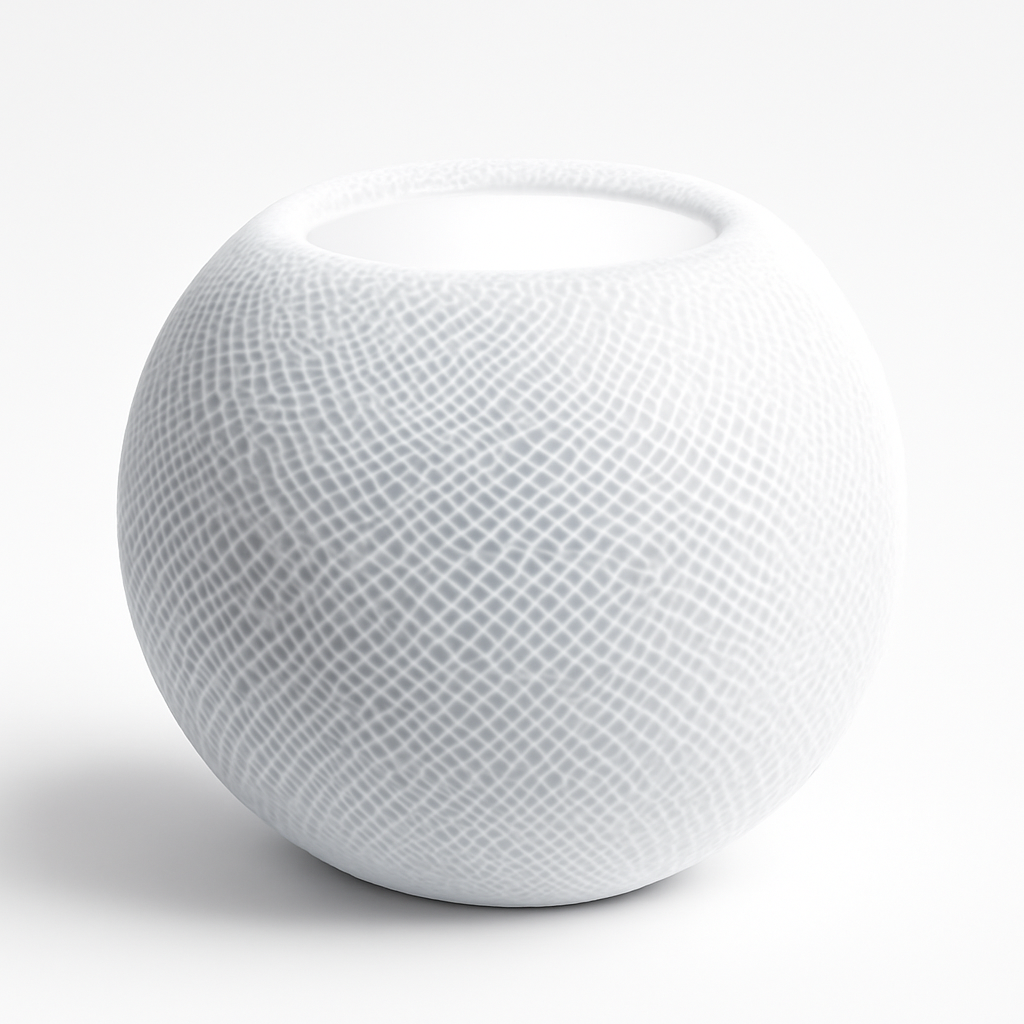
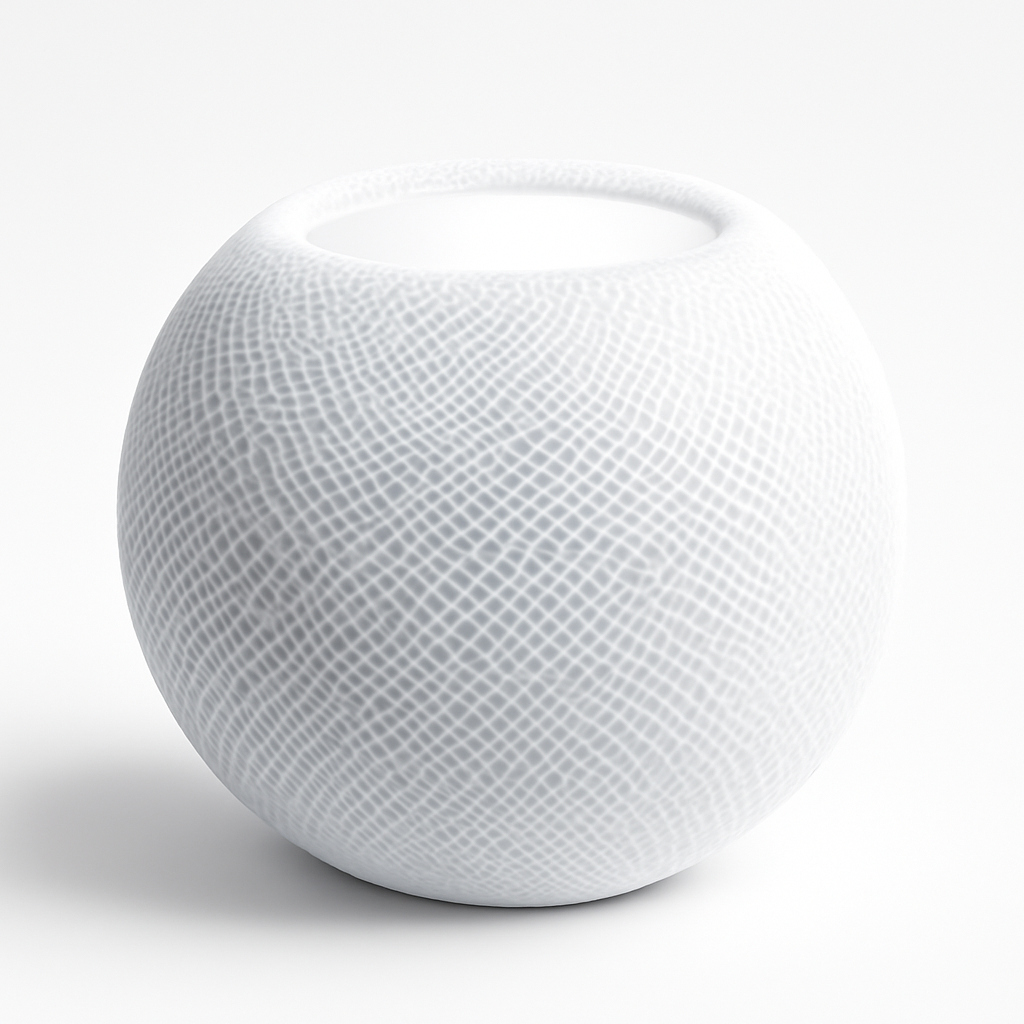
The Apple HomePod mini is the Apple ecosystem's default Thread border router and Matter controller. It is the product most buyers land on first when they decide to try Matter from an iPhone, and it is the product that most directly shows the Thread-island problem in practice. Paired with an up-to-date HomePod firmware, it routes Thread devices reliably inside Apple Home. Paired with non-Apple border routers on the same network, it often refuses to join their mesh — which is exactly how Thread islands form. The Apple HomePod mini is a good Thread border router. It is an insular one.
"HomePod mini is the best HomeKit hub and Siri speaker for Apple users — Thread border router is a bonus" — Wirecutter, rating 8.5
"Apple's HomeKit platform makes linking up and managing the best smart home devices easy. You can control the best HomeKit devices manually from your iPhone, iPad, or Apple TV or go hands-free with voice commands on any Siri voice assistant-enabled gadget such as the HomePod smart speaker." — Tom's Guide, rating 8.6
What We Love
- Thread border router works reliably inside Apple Home — Thread accessories pair fast and stay online
- HomeKit hub role is transparent — no app setup friction once signed into iCloud
- Works as a great SHE pick for Apple-first households — buy it on Amazon if HomeKit is your primary surface
- Pairs well with the Aqara Hub M3 when you need Thread to reach Alexa or SmartThings at the same time
What Could Be Better
- Apple ecosystem only — non-Apple ecosystems cannot use it as a primary Matter controller
- Not ideal for loud rooms — the 360° audio is better suited to small spaces
- No display — all feedback is voice or from the phone
The Verdict
Apple-only households who accept that their Matter experience lives inside HomeKit will find the HomePod mini hard to beat at $119. The SHE Protocol Readiness Score of 4.4 reflects the closed-ecosystem cost: cheap, easy, aesthetically quiet, and almost useless as a bridge to the rest of the Matter world. If your household has multiple assistants, use the HomePod mini as a SECONDARY controller alongside something with broader reach.
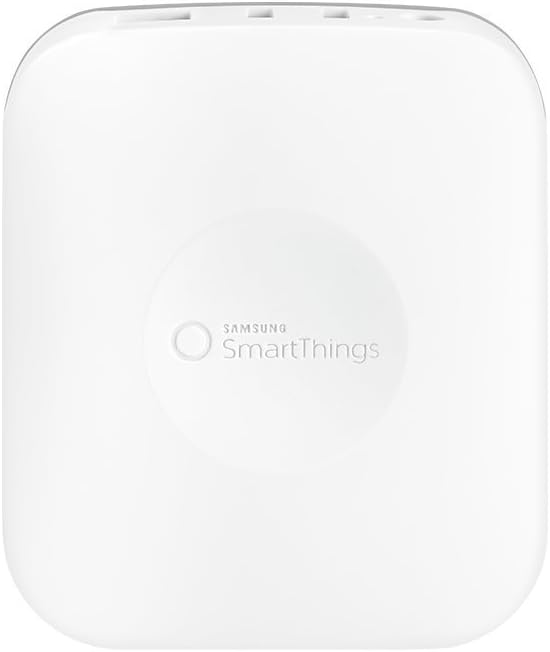
Samsung SmartThings Station — Fastest Matter Adopter
Samsung SmartThings Station
(Current Price, subject to change)
The Samsung SmartThings Station is the version-velocity positive case. When the Connectivity Standards Alliance ships a Matter spec update, SmartThings has historically shipped support within weeks — fastest of any major consumer ecosystem per the matter-smarthome.de platform tracker. For buyers whose frustration is specifically "my hub does not support that yet," this is the hub that fails least often. It also ships as a Qi wireless charger that doubles as a Matter controller and Thread border router, which is a practical answer to counter-space objections.
"The SmartThings Station is the best Matter hub for most households — five protocols in a wireless charger form factor" — Tom's Guide, rating 8.2
What We Love
- Matter 1.5 support shipped within weeks of CSA release per matter-smarthome.de — fastest version velocity in the consumer hub category
- Thread border router + Zigbee + Matter + multi-admin commissioning makes it the single most-interoperable paid hub under $150
- Cross-platform reach — buy the SmartThings Station on Amazon if you want newest Matter device categories on day one
- Compare against the Amazon Echo Hub to see what slower version velocity costs at the same price tier
What Could Be Better
- No Z-Wave support — legacy Z-Wave devices still need a separate bridge
- Cloud-dependent for many automations — local control is weaker than Home Assistant
- No native HomeKit support — reaching HomeKit requires Matter bridging, not direct integration
The Verdict
The SmartThings Station is the SHE pick for buyers who want Matter to feel as intended — fast version support, cross-ecosystem interoperability, and a Thread border router that cooperates with others. The SHE Protocol Readiness Score of 11.8 puts it in the fatigue-resolving tier without requiring Home Assistant-level setup skill. For most households, this is the most practical "upgrade" from an Alexa-first or Google-first starting point.
Amazon Echo Hub — The Matter 1.2 Problem
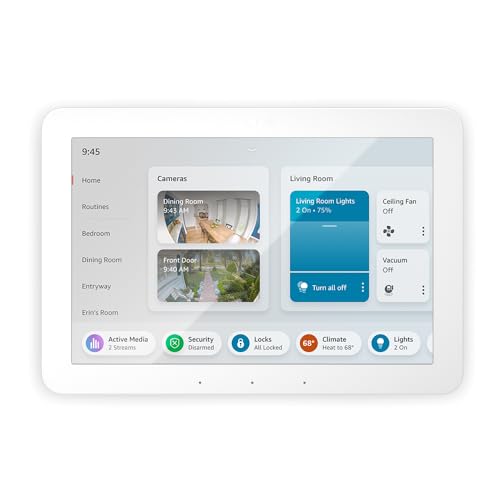
Amazon Echo Hub
(Current Price, subject to change)
The Amazon Echo Hub is the central fatigue case study. Amazon shipped Matter 1.2 to Echo devices in 2023 and has been slow to advance the floor since. As of early 2026, Amazon's Matter device-class coverage lags two full spec versions behind SmartThings. The visible result is specific and repeatable: new Matter 1.4 and 1.5 device classes — robotic vacuums, Matter door locks with advanced credentials, Matter cameras — commission into Alexa, appear in the app, and then either run at minimum capability or simply do not respond. The Echo Hub itself is a competent wall-mounted dashboard with an 8-inch touchscreen and built-in Zigbee. The fatigue it causes is real and it is Amazon's, not the hub's.
"The Echo Hub is the best wall-mounted smart home controller — a touchscreen dashboard with built-in Zigbee and Matter" — CNET, rating 7.9
What We Love
- Works with any Matter-over-Wi-Fi device and Zigbee accessories — legacy integrations stay rock-solid
- Wall-mount dashboard is the best in class for "one-tap" household control
- Alexa-first fit — buy the Amazon Echo Hub on Amazon if Alexa is your primary assistant and dashboard control is the goal
- Stack it with the Samsung SmartThings Station as a second controller to pick up Matter features Amazon has not shipped yet
What Could Be Better
- Matter 1.2 version ceiling — new Matter 1.4/1.5 device classes commission but lose vendor features
- No Z-Wave support — locks and sensors from the Z-Wave era need a separate bridge
- Cloud-dependent — automations route through AWS even when devices are on-network
The Verdict
Alexa-first households willing to accept that newer Matter features will land on Echo Hub months after SmartThings will find the Echo Hub a competent dashboard. The SHE Protocol Readiness Score of 7.2 reflects exactly that tradeoff — great hub for today's core categories, unreliable bridge for the newest device classes. Pair it with a faster Matter controller if you plan to buy Matter 1.4+ devices in the next 12 months.
Aqara Hub M3 — Cross-Ecosystem Bridge
Aqara Hub M3

(Current Price, subject to change)
The Aqara Hub M3 is the only controller in this set that works as a Matter controller across Apple, Google, Amazon, and SmartThings simultaneously. That is not marketing — it is the practical answer to the Thread-islands problem described earlier. Instead of running four border routers that refuse to join each other's meshes, one Aqara Hub M3 acts as the shared border router that all four ecosystems' admin controllers can commission against. It also brings Zigbee 3.0, IR control for legacy devices, and PoE as options. It does not have the version velocity of SmartThings, but it has the broadest interoperability coverage of any consumer hub in this set.
"The Aqara Hub M3 is the best HomeKit-centric hub for Aqara device owners with broad sensor support" — PCMag, rating 8.3
What We Love
- Only hub in this lineup that functions as a Matter controller across Apple, Google, Amazon, and SmartThings simultaneously via multi-admin commissioning
- Thread border router + Zigbee + IR + PoE makes it the single most-protocol-complete hub under $150
- Multi-ecosystem households benefit most — buy the Aqara Hub M3 on Amazon if your home runs multiple voice assistants
- Fall back to the Apple HomePod mini for HomeKit-first experience if cross-ecosystem reach is not a priority
What Could Be Better
- Primarily useful within Aqara's own ecosystem for native device features
- Matter bridging to external brands can require extra setup steps
- Less versatile than SmartThings for general third-party device pairing
The Verdict
The Aqara Hub M3 is the SHE pick for mixed-ecosystem households — the Apple-iPhone + Alexa-kitchen-dashboard + Google-TV configuration that has become common in 2026. The SHE Protocol Readiness Score of 10.2 reflects strong interoperability with moderate setup friction and slower version velocity than SmartThings. If you own Aqara sensors already, the M3's combination of Zigbee + Matter + Thread in one device is the single most cost-effective upgrade path.
Home Assistant Green — The Escape Valve
Home Assistant Green
(Current Price, subject to change)
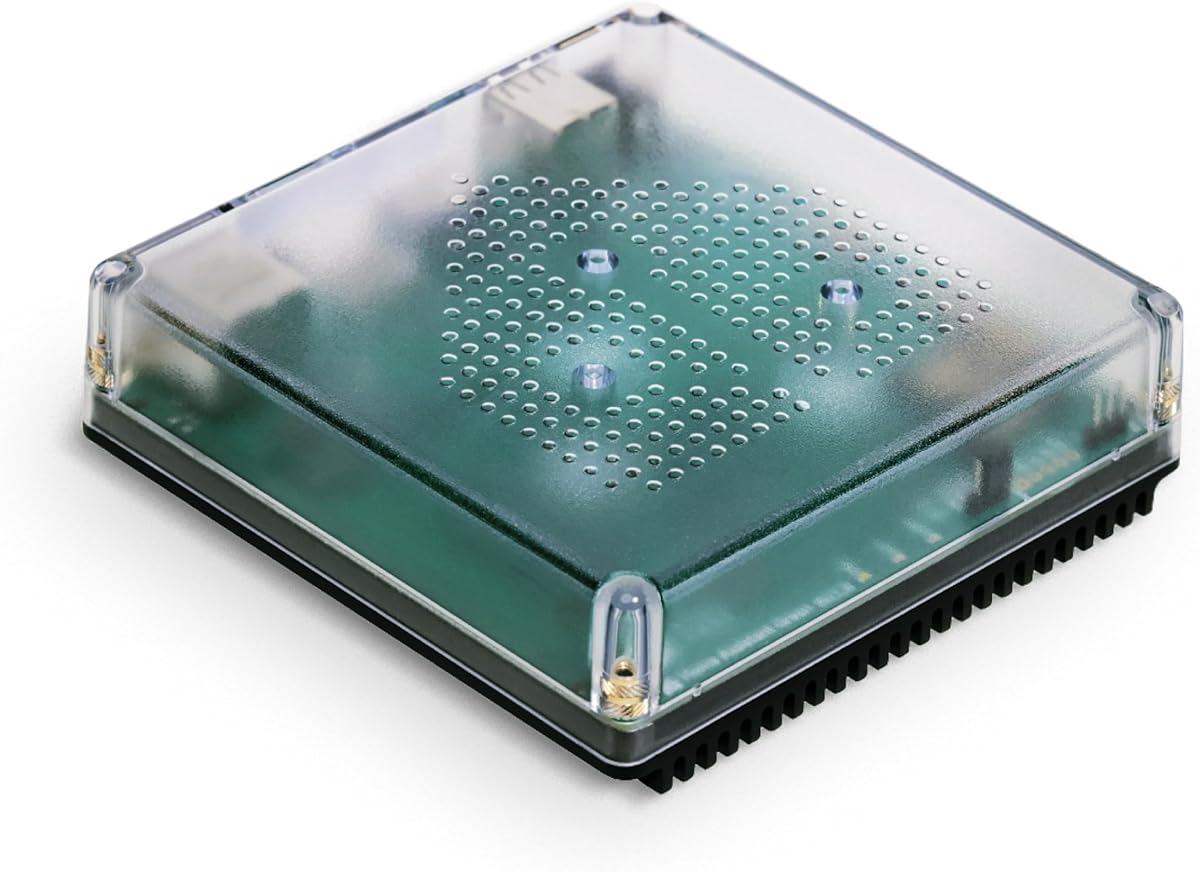
The Home Assistant Green is the controller for buyers who have given up. Everything above involves accepting some vendor's decision about which Matter spec version to support and when. Home Assistant tracks the Matter spec faster than any consumer platform because the community implements it independently of vendor release cycles. It runs locally by default, which makes most of the Thread-island, cloud-outage, and multi-admin failure modes above simply not apply. It is also the hub with the steepest setup curve in this set — multi-hour first-run, visual automation editor that rewards investment, and integration breakage on major releases.
"Home Assistant is the most capable smart home platform — if you're willing to put in the time to set it up" — The Verge, rating 8.5
What We Love
- 3,000+ device integrations with Matter spec tracking faster than any consumer vendor per The Verge and Home Assistant community release notes
- 100% local processing by default — the multi-admin, Thread-island, and cloud-dependency problems described earlier functionally disappear on this hub
- Open-source ownership — buy the Home Assistant Green on Amazon if you have exhausted your patience with big-tech Matter delivery
- Compare against the Samsung SmartThings Station to see the "fast big-tech" tier before committing to the escape valve
What Could Be Better
- 3-7 day setup for a fully-configured deployment — longest learning curve of any hub here
- Integrations can break with software updates and require manual fixes
- Requires ongoing maintenance — this is a hobby-grade platform, not an appliance
The Verdict
The Home Assistant Green is the SHE pick for buyers who have given up on Alexa/Google/Apple Matter delivery and who are willing to pay the setup-curve cost to never depend on a cloud outage or vendor roadmap again. The SHE Protocol Readiness Score of 15.9 is the highest in the set because the metric rewards local processing and interoperability, and Home Assistant tops both dimensions. Treat it as a commitment, not a product — but once it clicks, the Matter/Thread fatigue pattern genuinely disappears for you.
What Actually Works in 2026
Four tactics consistently resolve or sidestep the fatigue. They come from aggregated community failure-mode reports across r/homeautomation, the Home Assistant forum, and Apple discussion threads.
Pick ONE primary ecosystem first, then add border routers
The single highest-impact decision is picking your primary controller before you buy a single Matter device. If Alexa is primary, commit to Echo-first and accept the version-lag cost. If HomeKit is primary, commit to Apple HomePod mini and buy devices that are HomeKit-and-Matter certified. Adding a second ecosystem AFTER your primary works — a SmartThings Station as a secondary controller fixes Amazon's version-lag gap, for example — but adding two primaries at once is how Thread islands form. The best Matter-compatible devices guide tracks which devices work richly in each ecosystem, not just the Matter minimum.
Check Matter version before you buy a hub
This is the tactic most buyers skip. Before adding a hub, open matter-smarthome.de's platform tracker and verify what Matter spec version the target ecosystem supports. If you are buying specifically to run Matter door locks, Matter robotic vacuums, or Matter cameras, the target ecosystem must ship the corresponding Matter spec version or those devices will commission with reduced functionality. This tactic alone eliminates most "Matter does not work" posts in community forums.
Keep firmware updates on aggressive schedules
Auto-update everything — hub firmware, Matter device firmware, and the commissioning phone app. Vendor-side Matter spec support ships as firmware, so a stale device cannot pick up the version your ecosystem just released. This matters most on Thread border routers from 2023-2024; 2026 firmware routinely closes Thread-credential-sharing gaps that were broken at launch.
Reset the border router as the first troubleshooting step
When a Thread device randomly drops offline or fails to commission, the community-validated first step is removing and re-adding the nearest Thread border router. The best Thread-enabled devices guide covers which border routers tolerate this cycle best. For Apple border routers specifically, unplugging the HomePod mini for 90 seconds and re-pairing resolves the majority of credential-share failures reported in 2025-2026.
Bottom Line
Get the Samsung SmartThings Station if you want Matter to feel as intended — fast version velocity, multi-ecosystem reach, and no Home Assistant learning curve. Buy it on Amazon.
Get the Home Assistant Green if you have given up on big-tech Matter delivery and will invest 3-7 days in setup for genuine platform independence. Buy it on Amazon.
Skip the Apple HomePod mini as a primary Matter hub if your household has more than one voice assistant — it is a fatigue-contributor outside Apple Home. Consider the Aqara Hub M3 instead for a cross-ecosystem bridge.
Skip the Amazon Echo Hub if your 12-month roadmap includes Matter 1.4+ device categories like robotic vacuums or Matter cameras. The Samsung SmartThings Station handles those today.
When NOT to Buy Matter/Thread Hubs
Matter and Thread are not the right fit if your whole home runs on Zigbee-only Hue bulbs, or if you refuse to buy hubs from major consumer ecosystems and will not run a self-hosted platform like Home Assistant. In those cases, a deeper Zigbee mesh or a DIY Home Assistant build without Matter is the better path. Likewise, if you own fewer than five smart devices total, the protocol fatigue discussed above simply does not apply yet — Matter becomes worth the investment around the point where cross-ecosystem interoperability starts saving real time, which is usually 10+ devices across 2+ assistant platforms.
Frequently Asked Questions
Is Matter still broken in 2026?
Matter is not broken — it is partially implemented by most major platforms, which is visibly different from broken. Core device classes (lights, plugs, basic locks) work across ecosystems reliably. Newer classes defined in Matter 1.4 and 1.5 — robotic vacuums, cameras, appliances — work inconsistently because some ecosystems have not shipped the spec updates. The matter-smarthome.de tracker shows which versions each ecosystem supports. The fatigue is real; the protocol itself works as specified.
Do I need a Thread border router?
Not every Matter household needs one. If all your Matter devices are Matter-over-Wi-Fi — most Matter plugs, many Matter lights, Matter smart locks from brands like Aqara and Yale — you do not need a Thread border router at all. You need one when you add Matter-over-Thread accessories specifically, which is most commonly battery-powered sensors and some contact sensors. A single border router is enough; running multiple from different ecosystems without shared credentials is what creates Thread islands.
Why does my Matter device only show basic features?
Matter specifies minimum device capabilities per device class. Lights must do on/off and dimming. Vendors are free to expose more capabilities — color, effects, scenes — but most shipped their Matter integration at the Matter floor to hit certification fast. If your $250 color-tunable light strip exposes only on/off and dimming over Matter, that is not a bug — that is the vendor shipping the minimum profile. Qorvo and the Matter Alpha blog both documented this pattern. The workaround is using the vendor's native app alongside Matter for richer control.
What is Matter version mismatch?
Matter is versioned: 1.2 shipped in late 2023, 1.3 in mid-2024, 1.4 in late 2024, 1.5 in late 2025. Each version adds device classes and features. When your ecosystem runs one version and your device ships a later one, the device commissions but some features stay invisible — a Matter 1.4 robotic vacuum on a 1.2 ecosystem appears but will not run. SmartThings typically picks up new versions fastest; Amazon slowest.
Can I use Matter without Thread?
Yes. Matter runs over Wi-Fi, Ethernet, or Thread. Matter-over-Wi-Fi devices commission over standard 2.4GHz Wi-Fi and do not need a border router. A Wi-Fi and Ethernet home can add Matter controllers and accessories without ever touching Thread, and the Thread-specific fatigue patterns — border router islands, credential sharing — do not apply.
Sources & Methodology
SmartHomeExplorer aggregates expert review data across 1,217 consensus-reviewed products and 372 buying guides. For this explainer, we compared five Matter/Thread controllers using coverage from Wirecutter, The Verge, XDA, Tom's Guide, PCMag, CNET, and the matter-smarthome.de platform support tracker, plus community failure-mode reports from r/homeautomation, the Home Assistant forum, and Apple discussion threads. Prices come from the Amazon Creators API at publish time; the SHE Protocol Readiness Score is calculated from the formula above against Matter CSA device-registry counts and vendor-published interop data. SHE aggregates and scores; we do not test products in-house.
Written by Nicholas Miles. Nick has covered smart home technology since 2019 and founded SmartHomeExplorer.com to aggregate consensus ratings from 2042 editorial sources across 1216 smart home products and 372 buying guides to surface the true consensus picks for every category.
Disclosure: SmartHomeExplorer.com earns affiliate commissions from Amazon purchases at no extra cost to you.