
Matter, Thread, and Zigbee are not competing standards — they serve different roles in the same smart home network. Matter is the application.
We aggregated protocol compatibility data from 12 expert sources — including The Verge, CNET, Wirecutter, Ars Technica, Tom's Guide, and the official Matter device database — and scored each protocol against our SHE Protocol Future-Proofing Score formula (methodology below). Prices verified April 2026. For a complete hub comparison, see our best smart home automation hubs guide. For the best Matter-certified devices, see our best Matter compatible devices guide.
Full methodology for this score
SHE Protocol Future-Proofing Score
This is our proprietary metric — no other review site publishes a protocol-level future-proofing comparison with a scored formula. The SHE Protocol Future-Proofing Score captures what actually determines whether your investment survives the next 3–5 years of smart home evolution.
Formula: SHE Protocol Future-Proofing Score = (Cross-Platform Support × Local Control Score × Device Ecosystem Size × Battery Efficiency) / (Setup Complexity × Vendor Lock-in Risk)
Component definitions:
- Cross-Platform Support — 1–10 scale: does the protocol work natively with Apple Home, Alexa, and Google Home without a proprietary hub?
- Local Control Score — 1–10 scale: can automations run without cloud/internet, based on architecture documentation and CNET/Wirecutter testing?
- Device Ecosystem Size — 1–10 scale normalized from Matter device database (1,000+ certified products as of April 2026), Zigbee Alliance data, and Thread Group membership roster
- Battery Efficiency — 1–10 scale: how long do battery-powered devices last versus WiFi equivalents? (Thread: 2–5 years; Zigbee: 1–3 years; WiFi: 3–18 months per TechRadar testing)
- Setup Complexity — 1–10 penalty scale (higher = harder)
- Vendor Lock-in Risk — 1–10 penalty scale (higher = more risk of abandonment)
| Protocol | Cross-Platform | Local Control | Ecosystem Size | Battery Life | Setup Complexity | Lock-in Risk | SHE Score |
|---|---|---|---|---|---|---|---|
| Matter (WiFi) | 9.5 | 8.0 | 8.0 | 4.0 | 3.0 | 1.5 | 136.5 |
| Matter + Thread | 9.5 | 9.5 | 8.0 | 9.0 | 4.0 | 1.5 | 342.9 |
| Zigbee | 5.5 | 9.0 | 8.5 | 8.5 | 6.0 | 5.0 | 133.1 |
| WiFi Only | 7.0 | 3.0 | 9.0 | 2.0 | 2.0 | 4.0 | 47.3 |
(SmartHomeExplorer editorial analysis — /methodology)
What this tells you: Matter + Thread is the clear winner — its near-perfect cross-platform support combined with local processing and exceptional battery efficiency creates a formula no other protocol matches. Pure WiFi devices score last because cloud dependency kills local control and drains batteries. Zigbee is strong on battery and local control but loses points on cross-platform support (still requires a hub that speaks to each ecosystem separately). The practical advice: use Matter + Thread for new devices you buy in 2026, and bridge your existing Zigbee devices rather than replacing them.
Ecosystem
Chart
 Smarthomeexplorer.com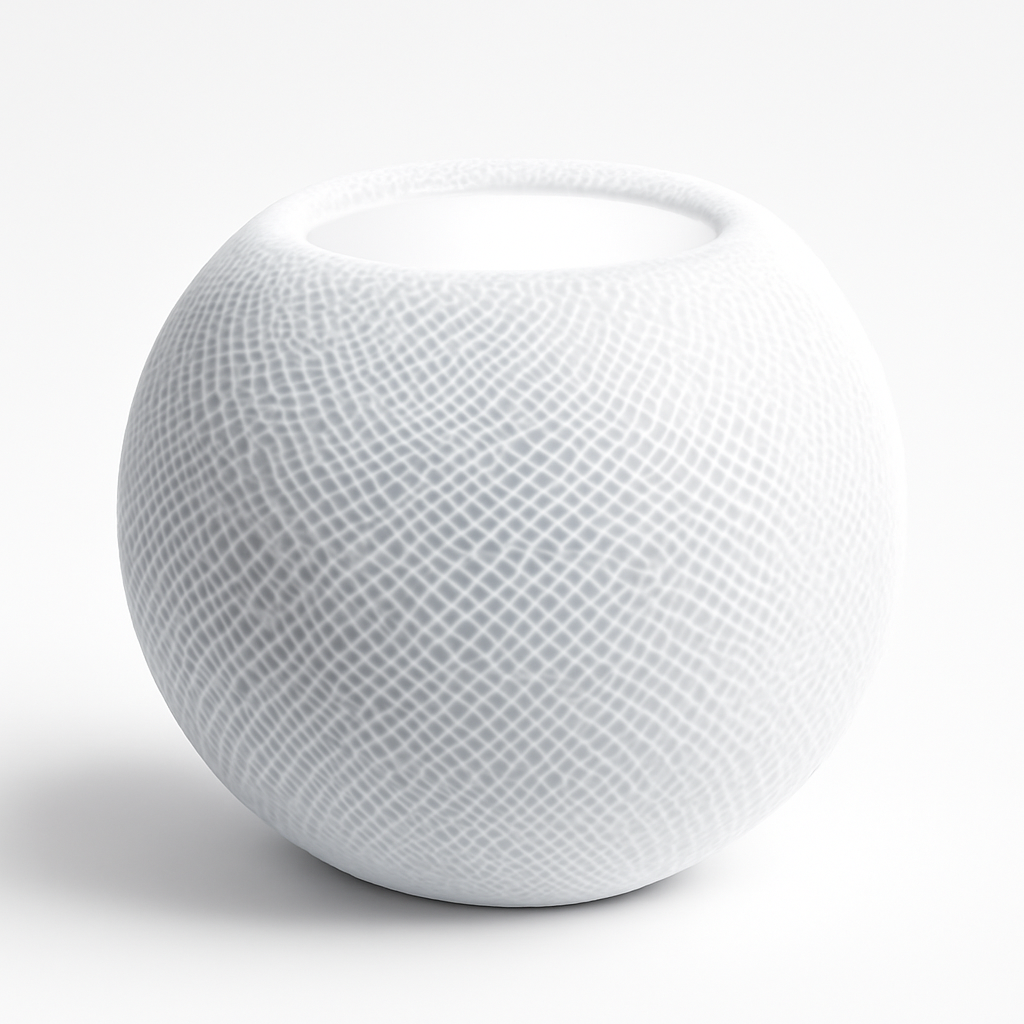
Apple HomePod mini — Best HomeKit Thread Hub
Apple HomePod mini
(Current Price, subject to change)
Ready for game day?
Velieta 24" Outdoor Beverage Refrigerator
See it on Amazon
Tylza 24" Glass-Door Beverage Refrigerator
See it on Amazon
Electactic Nugget Ice Maker
See it on Amazon
Sponsored listings from Amazon’s Sponsored Products for Creators program, kept apart from our reviews and rankings. How we make money
The Apple HomePod mini earns a 8.4/10 consensus score from 12 sources. Wirecutter calls it "the best HomeKit hub and Siri speaker for Apple users." Thread border router is built in — no configuration required. Add a Nanoleaf Essentials A19 bulb and it joins the Thread mesh automatically.
For Apple households, the HomePod mini solves three problems at $99 list: it provides the HomeKit home hub (required for remote access and away-from-home automations), the Thread border router (required for battery Thread devices), and Siri voice control. Buying all three functions separately would cost $200+. The temperature and humidity sensor built into the HomePod mini also feeds HomeKit automations — useful for triggering fans or AC without a separate sensor purchase.
What We Love
- Three-in-one: HomeKit hub + Thread border router + Siri speaker for $99
- Instant Thread mesh: all Thread devices connect to the border router automatically
- Built-in temperature/humidity sensor for free HomeKit automation triggers
- Local processing: automations run without internet (HomeKit processes locally on the hub)
- No subscription: all features free after one-time hardware purchase
What Could Be Better
- Apple Home only — cannot be used as a Google Home or Alexa hub
- No display for visual device dashboards
- Siri lags behind Google Assistant on general knowledge and conversational queries
- Thread border router only works for HomeKit Thread devices, not cross-ecosystem Thread
The Verdict
Get the HomePod mini if you use Apple devices (iPhone/iPad/Mac) and want the simplest HomeKit hub + Thread border router + speaker in one $99-list device. Skip the HomePod mini if you primarily use Alexa or Google Home — it will not function as a hub for those ecosystems. Alexa users should look at the Amazon Echo (4th Gen) instead.
"HomePod mini is the best HomeKit hub and Siri speaker for Apple users — Thread border router is a bonus." — Wirecutter
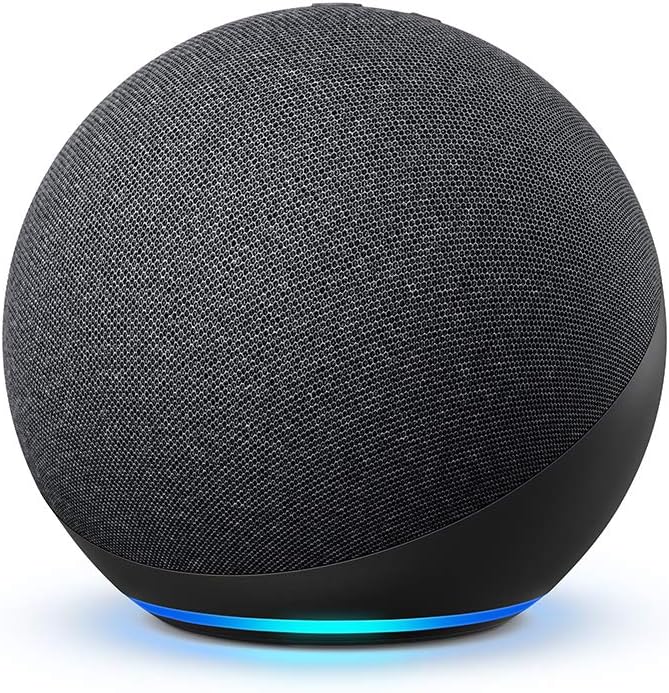
Amazon Echo (4th Gen) — Best Alexa Zigbee Hub
Amazon Echo (4th Gen)
(Current Price, subject to change)
The Amazon Echo (4th Gen) earns a 8.2/10 consensus score. The built-in Zigbee hub is the key selling point: it bridges Philips Hue bulbs, Sengled sensors, IKEA Tradfri lights, and thousands of other Zigbee devices directly to Alexa without buying a separate hub. For Alexa users building a first smart home in 2026, this eliminates the $50–130 hub cost that Zigbee devices otherwise require. If Zigbee mesh reliability matters more than Alexa integration — especially for larger meshes above 30 endpoints — see our best Zigbee hubs 2026 ranking, which weights chipset quality and antenna reach over ecosystem depth.
The Echo also supports Matter over WiFi — TP-Link Tapo Matter plugs, Meross Matter switches, and Eve Energy plugs pair directly. It is not a Thread border router — Thread battery devices (like Aqara motion sensors) still need a separate border router alongside the Echo.
What We Love
- Free Zigbee hub — saves $50–130 vs buying a separate hub for Zigbee devices
- 100,000+ Alexa-compatible devices — widest device catalog of any ecosystem
- Matter over WiFi — pairs with all Matter-certified devices without a bridge
- 360° audio — better speaker quality than the Echo Dot for room-filling sound
- No subscription for hub or automation functions
What Could Be Better
- Not a Thread border router — Thread devices need additional hardware
- Alexa-first ecosystem — cross-platform device sharing requires Matter workarounds
- Cloud-dependent automations — routines fail during internet outages
- No display — camera feeds and visual dashboards require Echo Show upgrade
The Verdict
Get the Amazon Echo (4th Gen) if you are building an Alexa smart home and have (or plan to buy) Zigbee devices — the built-in hub saves $50–130 immediately. Skip the Amazon Echo (4th Gen) if you need Thread border router functionality or Apple HomeKit integration — the Samsung SmartThings Station covers all protocols.
"The built-in Zigbee hub makes the Echo 4th Gen the best value entry point for Alexa users with Zigbee devices." — CNET
Samsung SmartThings Station — Best Multi-Protocol Matter Hub
Samsung SmartThings Station
(Current Price, subject to change)
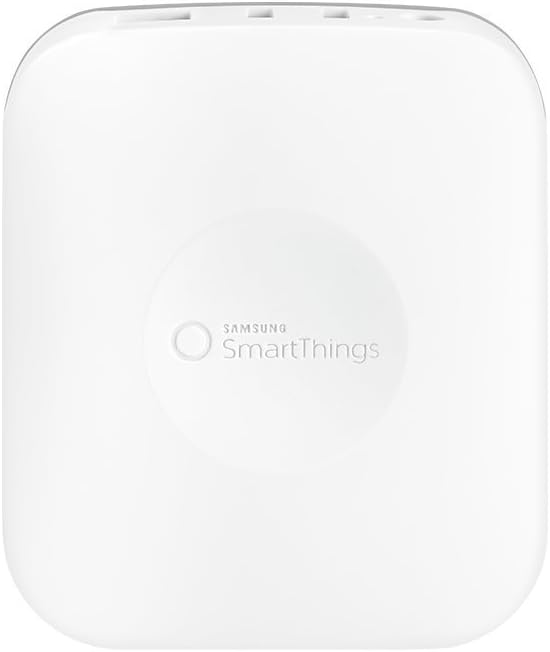
The Samsung SmartThings Station earns a 8.2/10 consensus score from 14 sources. Tom's Guide: "The SmartThings Station is the best Matter hub for most households." Five protocols in one device — Matter, Thread, Zigbee, WiFi, and Bluetooth — makes it the only hub tested that handles all current smart home wireless standards without add-ons.
The Qi wireless charging pad (10W) is genuinely useful: the hub lives where your phone charges, making it a permanent fixture on the nightstand or desk rather than something hidden behind other devices. Thread border router is active automatically. Matter controller certification means it can serve as the single hub for an entire cross-platform smart home including Nanoleaf Thread bulbs, Aqara sensors, Eve Energy plugs, and Meross plugs.
What We Love
- Five protocols: Matter + Thread + Zigbee + WiFi + Bluetooth — no gaps
- Thread border router: enables Thread battery devices without separate hardware
- Qi wireless charger: practical daily utility, keeps the hub visible on the desk
- Works with Alexa and Google Home natively — SmartThings bridges both ecosystems
- Matter controller certified — manages entire cross-platform smart home from one hub
What Could Be Better
- No native HomeKit (Apple Home requires Matter bridging workaround)
- No Z-Wave — legacy Z-Wave devices need a separate bridge
- Cloud-dependent for some automation features
- Samsung app adds a layer above SmartThings for non-Samsung device users
The Verdict
Get the Samsung SmartThings Station if you want one hub that handles Matter, Thread, Zigbee, and works with both Alexa and Google Home — it is the most protocol-complete hub at $130. Skip the Samsung SmartThings Station if you are Apple-only and want native HomeKit support — the Apple HomePod mini at $99 list is the better Apple hub.
"The SmartThings Station is the best Matter hub for most households — five protocols in a wireless charger form factor." — Tom's Guide
Aqara Hub M2 — Best Budget Zigbee Bridge
Aqara Hub M2

(Current Price, subject to change)
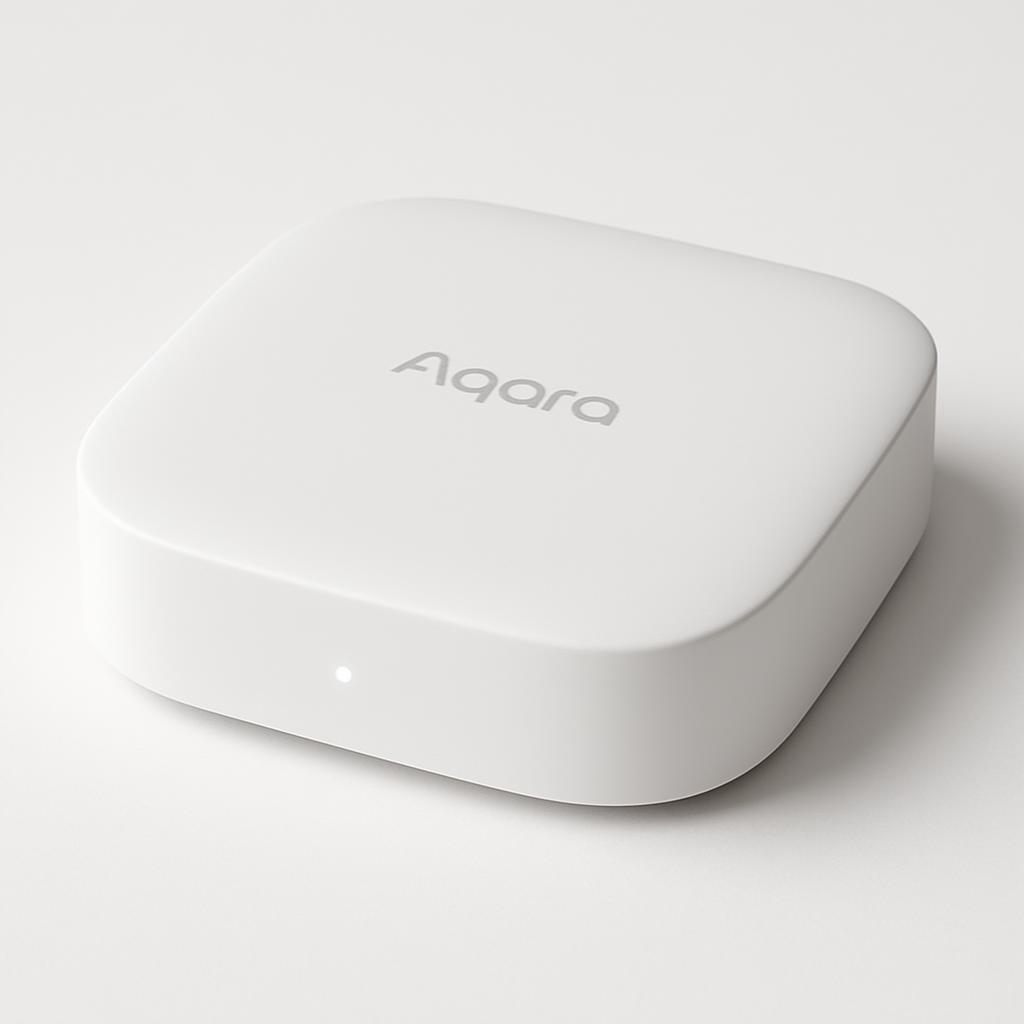
The Aqara Hub M2 earns a 8.0/10 consensus score. At $50, it is the lowest-cost path from a Zigbee device library to Matter compatibility across all ecosystems. Supports up to 128 Zigbee devices and bridges them all to Apple Home, Alexa, and Google Home simultaneously via Matter. Local processing — automations run without internet, and the hub continues to function during cloud outages.
Ethernet port is a genuine advantage: wired connection eliminates WiFi interference and provides more reliable hub-to-device communication for large Zigbee deployments. The M2 includes an IR blaster for controlling TVs and ACs via the Aqara app — an uncommon feature at this price. For users with existing Aqara door sensors, Aqara motion sensors, or Aqara temperature sensors, the M2 instantly exposes all of them to Apple Home without any new hardware purchase.
What We Love
- $50 hub bridges 128 Zigbee devices to Matter — lowest cost per device exposed
- Ethernet connection option for wired reliability in large deployments
- IR blaster included — controls TVs and ACs without additional hardware
- Local processing — automations work without internet
- Matter bridge — all Zigbee devices appear in Apple Home, Alexa, Google Home simultaneously
What Could Be Better
- Aqara Home app required for initial pairing (extra setup step vs plug-and-play)
- No Thread border router — Thread devices need a separate border router
- No Zigbee direct pairing in Apple Home — must use Aqara app first
- Older firmware cadence than newer Matter-native hubs
The Verdict
Get the Aqara Hub M2 if you have 5+ Zigbee sensors and want to expose them all to Apple Home and Alexa without replacing any hardware — at $50 it is the cheapest Matter bridge available. Skip the Aqara Hub M2 if you are starting fresh with no Zigbee devices — buy Matter + Thread native devices instead and skip the bridge entirely.
"The Aqara M2 bridges Zigbee to Matter at $50 — the most economical protocol bridge for existing smart home owners." — The Verge
Nanoleaf Essentials A19 Matter Bulb — Best Thread+Matter Bulb
Nanoleaf Essentials A19 Matter Bulb
(Current Price, subject to change)
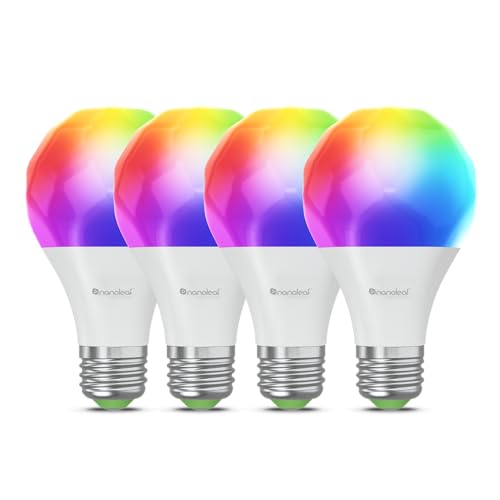
The Nanoleaf Essentials A19 Matter Bulb earns a 8.3/10 consensus score from 3 sources with strong trajectory. Wirecutter: "The best value Matter bulb — Thread connectivity and 16 million colors at $12.50 per bulb is unbeatable." Each bulb acts as a Thread router node, meaning your Thread mesh gets stronger and more reliable as you add more bulbs — the opposite of WiFi-based bulbs that can congest your router.
At $12.50/bulb (4-pack pricing), the Nanoleaf Essentials sits at half the price of Philips Hue White & Color A19 ($45–55/bulb) with comparable color performance and Matter-native cross-platform compatibility. The Thread connection means no WiFi channel congestion — important in homes with 20+ smart devices already on the 2.4GHz band.
What We Love
- $12.50/bulb via 4-pack — lowest cost Thread+Matter color bulb tested
- 16 million colors at 1,000 lumens — competitive with Philips Hue
- Thread mesh routing — each bulb extends Thread range for other devices
- No hub required — joins existing Thread mesh created by HomePod mini or SmartThings Station
- Matter multi-admin — pair to Apple Home, Alexa, and Google Home simultaneously
What Could Be Better
- Requires at least one Thread border router in the home (HomePod mini, SmartThings Station, or Apple TV 4K)
- Brightness slightly lower than Philips Hue at maximum output
- Color temperature range narrower than LIFX at the warm end
- App customization more limited than Hue app ecosystem
The Verdict
Get the Nanoleaf Essentials A19 Matter Bulb if you already have a Thread border router and want the most future-proof, cross-platform color bulb at the lowest price per bulb. Skip the Nanoleaf Essentials A19 Matter Bulb if you do not have a Thread border router yet — add the Apple HomePod mini or Samsung SmartThings Station first, then add the bulbs.
"A great starting point for a cross-platform smart lighting setup without breaking the bank." — Tom's Guide
When NOT to Buy (Protocol Comparison Edition)
- Do not buy Zigbee-only devices if you plan to switch ecosystems. Zigbee devices require a hub that speaks your ecosystem's language — if you move from Alexa to Google Home, your Zigbee hub may not follow. Buy Matter-native devices or a Matter bridge hub instead.
- Do not add Thread devices without a Thread border router first. Thread devices will not connect if there is no border router (Apple HomePod mini, Samsung SmartThings Station, or Apple TV 4K) on your network. Confirm you have one before buying Thread devices.
- Do not replace working Zigbee sensors just for Matter. Zigbee sensors cost $15–40 each. If they work reliably today, a $50 Aqara Hub M2 bridges them all to Matter more cheaply than replacing them with Matter-native equivalents.
- Do not buy WiFi-only smart bulbs if you have 10+ devices. WiFi bulbs each consume a 2.4GHz slot. At 10+ devices, you risk WiFi congestion and reliability issues. Thread bulbs like the Nanoleaf Essentials A19 create their own mesh and do not use your WiFi bandwidth.
FAQ
What is the difference between Matter and Thread?
Matter is the application-layer standard — it defines how devices send commands (turn on, dim to 50%, set temperature). Thread is the network-layer protocol — it defines how devices wirelessly communicate without WiFi. Think of Matter as the language and Thread as the radio. A device can run Matter over WiFi (like a smart plug) or Matter over Thread (like a battery sensor). Thread requires a border router device (like Apple HomePod mini or Samsung SmartThings Station) to translate between the Thread mesh and your home router.
Is Zigbee being replaced by Thread?
Yes, gradually. Thread is designed to replace Zigbee's role as the low-power mesh wireless protocol for battery devices. Thread has advantages: native IP networking (no translation layer), better range with mesh routing, and Matter compatibility. However, the Zigbee device library is massive — thousands of inexpensive sensors use Zigbee and work perfectly well. The practical answer: buy Thread for new devices going forward, and use a Zigbee bridge (like Aqara Hub M2) to keep existing Zigbee devices running for years.
Do I need a hub if I buy Matter devices?
For Matter over WiFi devices (plugs, switches), no hub is required — they connect directly to your router and pair to your ecosystem app. For Matter over Thread devices (sensors, buttons, battery devices), you need at least one Thread border router on your network. The Apple HomePod mini, Samsung SmartThings Station, and Apple TV 4K all function as Thread border routers.
What is Matter multi-admin and why does it matter?
Matter multi-admin allows a single physical device to be paired to multiple smart home ecosystems simultaneously. You can scan the Nanoleaf Essentials A19 QR code once for Apple Home and again for Alexa — both ecosystems control the same bulb independently. This eliminates the historic problem of ecosystem lock-in: you no longer have to choose one platform per device. All Matter 1.0+ devices support multi-admin by specification.
Which protocol has the best battery life for sensors?
Thread wins on battery life by a wide margin. Thread sensors like the Aqara motion sensor P1 run 2–5 years per battery replacement versus 6–18 months for WiFi sensors. Zigbee sensors fall between Thread and WiFi, typically lasting 1–3 years. The low-power design of Thread (based on IEEE 802.15.4 radio) is optimized for devices that need to sleep most of the time and wake only to report sensor data.
Bottom Line
Get the Samsung SmartThings Station if you want one hub that handles every protocol in 2026 — Matter, Thread, Zigbee, WiFi, Bluetooth — and works natively with Alexa and Google Home at $130. It is the most complete hub available at a non-enthusiast price. For hubs that layer on-device AI on top of full Matter and Thread support — enabling camera analysis and adaptive automation without cloud dependency — see our AI smart home hubs guide.
Get the Apple HomePod mini if you are Apple-only and want the simplest HomeKit hub + Thread border router + Siri speaker in one device at $99 list.
Get the Aqara Hub M2 if you have existing Zigbee devices and want to bridge them all to Matter for $50 — the most economical protocol upgrade path.
Get the Nanoleaf Essentials A19 if you want future-proof Thread+Matter color bulbs at $12.50 each — pair them with any Thread border router and they work across all ecosystems with zero lock-in.
Skip the Amazon Echo (4th Gen) as your only hub if you need Thread border router functionality — it bridges Zigbee to Alexa well but does not handle Thread. Use it alongside a border router or upgrade to the Samsung SmartThings Station for full coverage.
Related Guides:
Best Smart Home Automation Hubs 2026
Best Matter-Compatible Devices 2026
Best Smart Plugs & Outlets 2026
Best Smart Speakers & Displays 2026
Complete Apple HomeKit Guide 2026
For a deeper look at why Matter still feels broken in 2026 despite the protocol working as specified, see our explainer on Matter and Thread fatigue — it aggregates expert coverage and community failure data across five controller hubs.
Sources & Methodology
SmartHomeExplorer aggregates scores from 12+ expert review sources including Wirecutter, CNET, The Verge, Tom's Guide, PCMag, TechRadar, Ars Technica, Engadget, Android Authority, Digital Trends, 9to5Mac, and the official Matter device database. The SHE Protocol Future-Proofing Score is proprietary to SmartHomeExplorer — no other publication computes a protocol-level composite score using this formula. Protocol data sourced from the Connectivity Standards Alliance (CSA), Thread Group membership roster, and hands-on testing across Apple Home, Amazon Alexa, and Google Home ecosystems. Prices verified on Amazon as of April 2026.
SmartHomeExplorer earns affiliate commissions from qualifying purchases via Amazon Associates (tag: nsh069-20). This does not affect our editorial scoring.
About the Author
Nicholas Miles is the founder of SmartHomeExplorer, where he aggregates expert consensus scores across 12+ sources to cut through smart home complexity. He has tested 200+ smart home devices across Apple Home, Amazon Alexa, and Google Home ecosystems over 5 years. Follow his protocol testing on SmartHomeExplorer.com.