

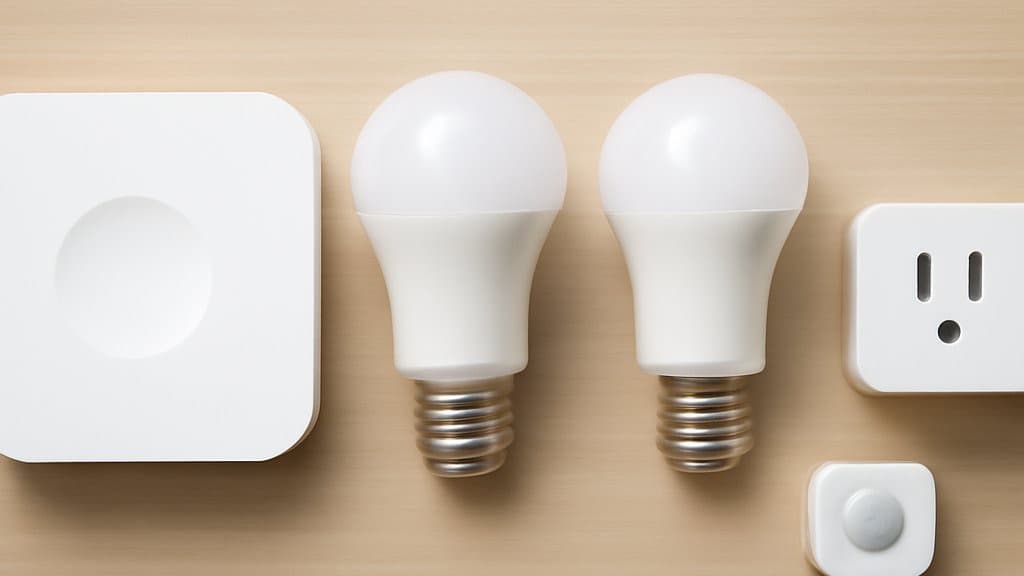
Best Smart Home Starter Kits 2026: 3 Bundles From $109
The hardest part of starting a smart home is knowing what to buy first. We assembled three buy-it-as-one-cart bundles — a $108.93 foundation, a $343.96 security-and-lighting tier, and a $473.93 complete kit — ranked by the SHE Starter Kit Readiness Score.
This article contains affiliate links. We may earn a commission at no extra cost to you. Prices change frequently — check the current price on Amazon before buying. Learn more
The Short Answer
Most beginners should begin with the $108.93 foundation — the Echo Dot voice hub, a Kasa four-pack, and a Wyze camera — because it simultaneously establishes voice control, automation, and security without committing you to any ecosystem. Assemble the tier together, since one click credits the whole 24 hours cart.
Featured in this Guide
Amazon
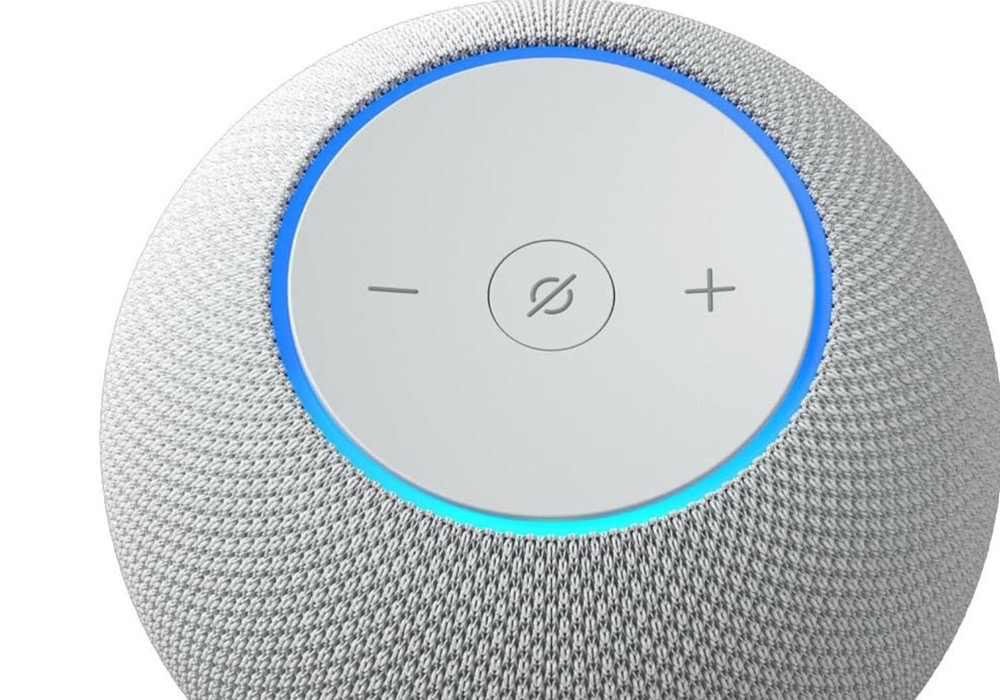
Echo Dot (5th Gen)
- •$49.99 control layer to buy first
- •the No. 2 SHE Starter Kit Readiness Score at 8.4
TP-Link
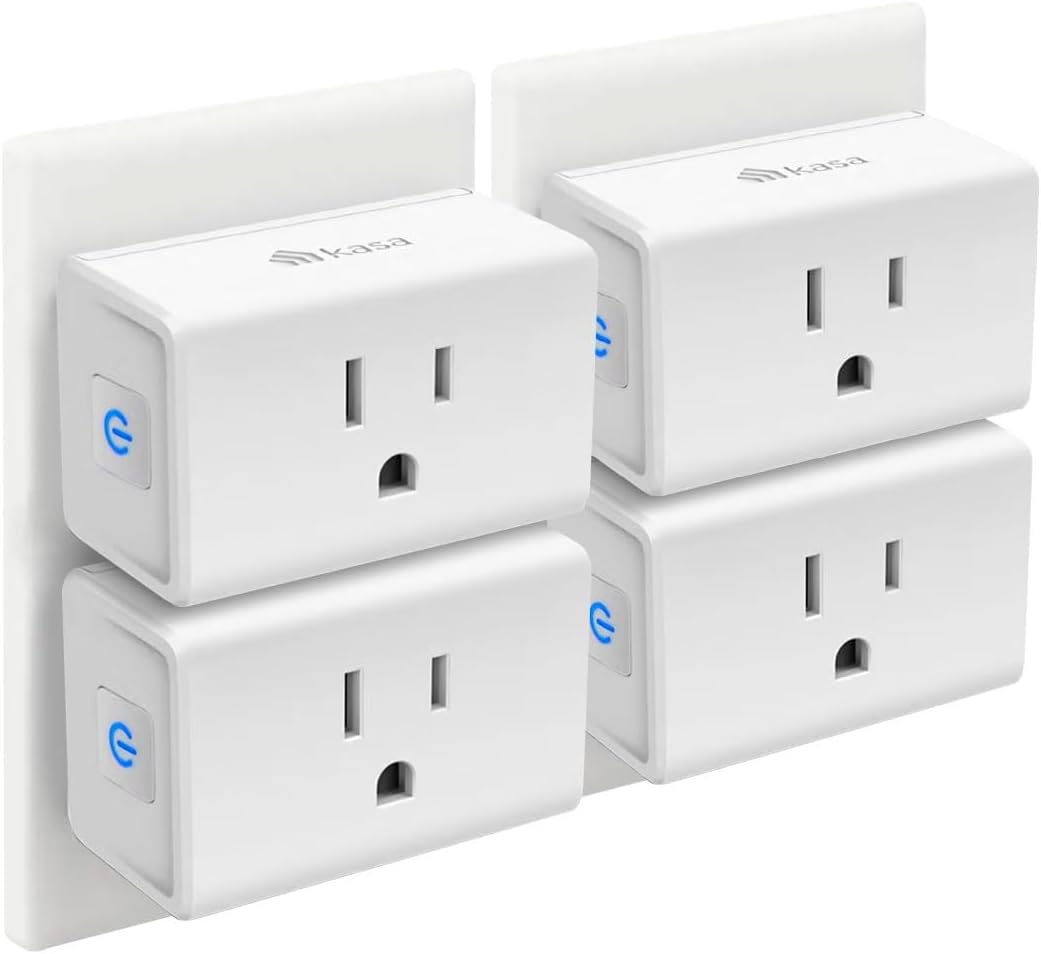
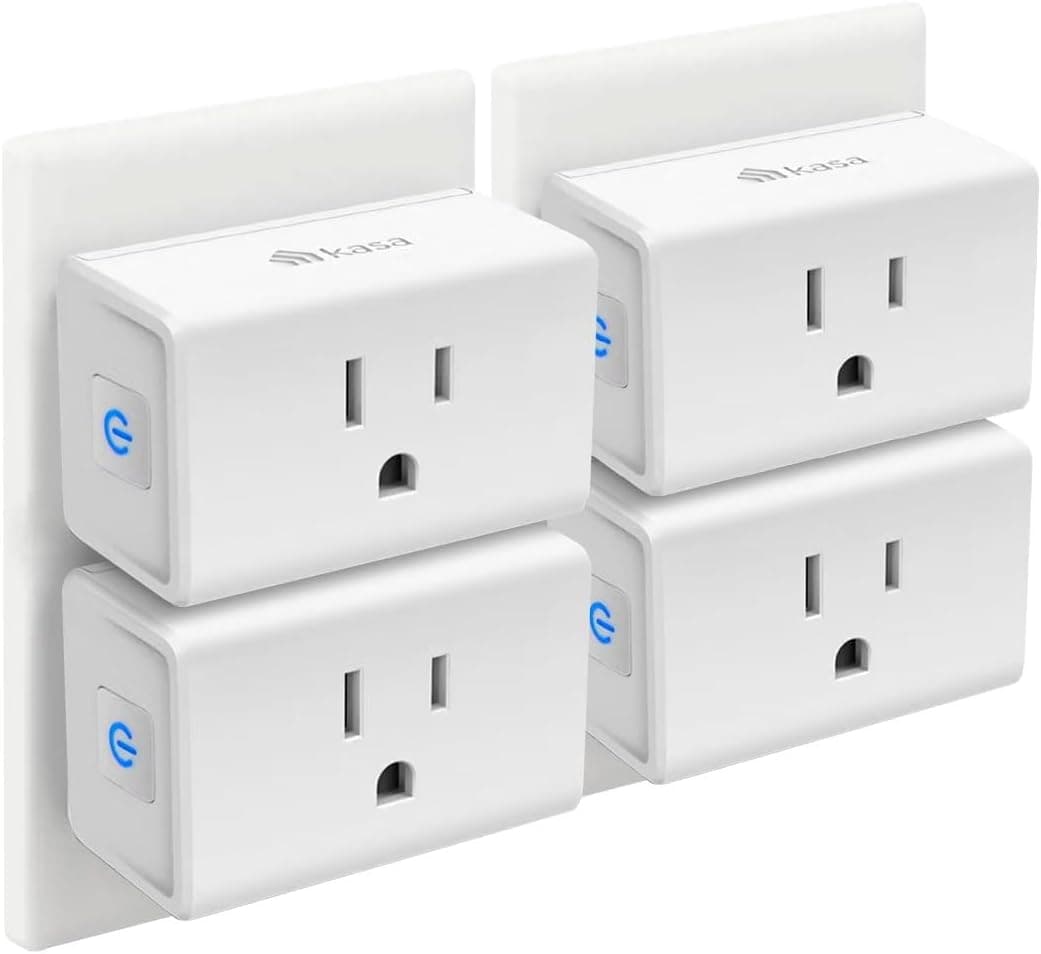
Kasa Smart Plug
- •$23.99 four-pack of 15A plugs
- •the value champion and top SHE Starter Kit Readiness Score at 8.7
Wyze
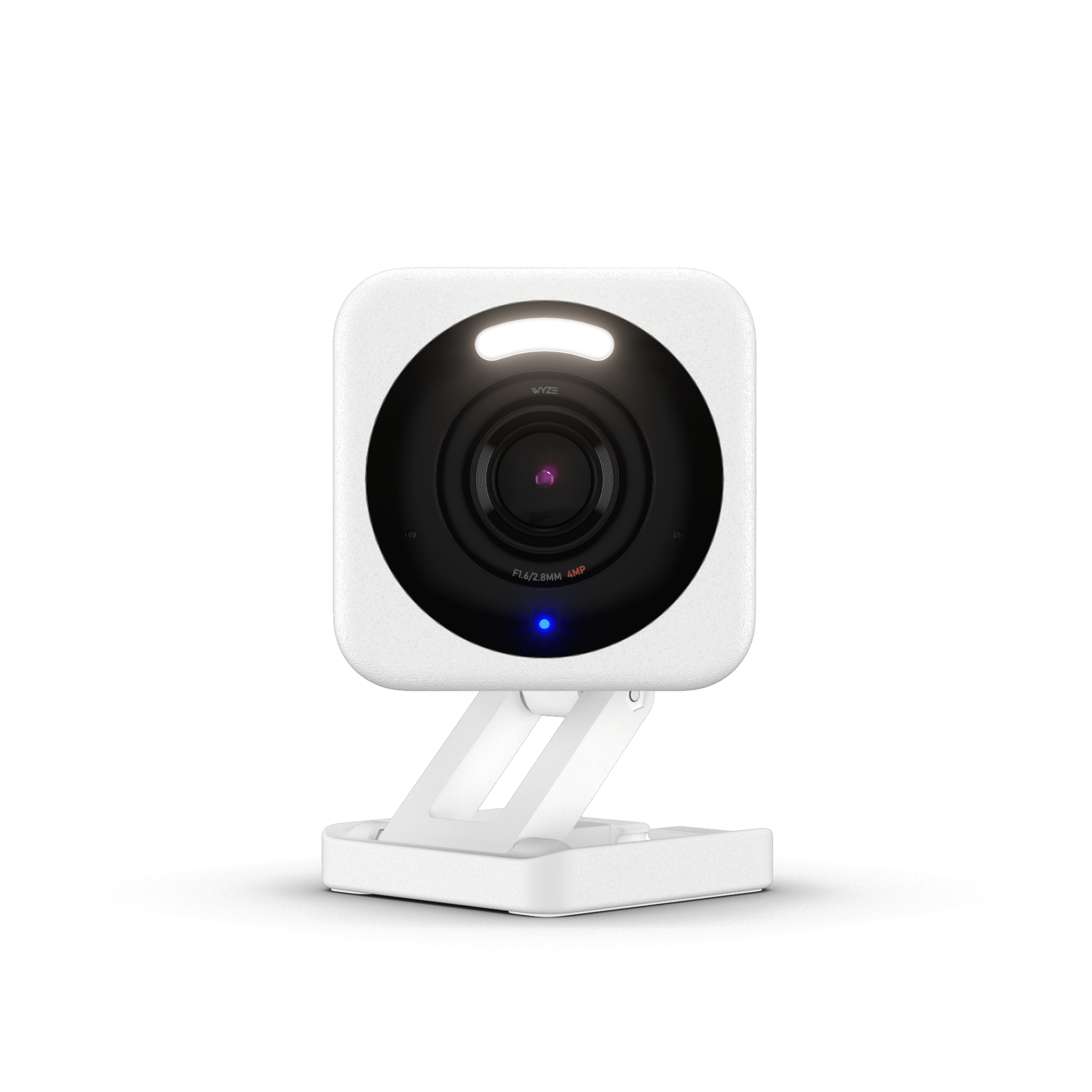
Cam v4
- •$34.95 2.5K indoor camera with free local storage
- •completes the $108.93 foundation
Amazon
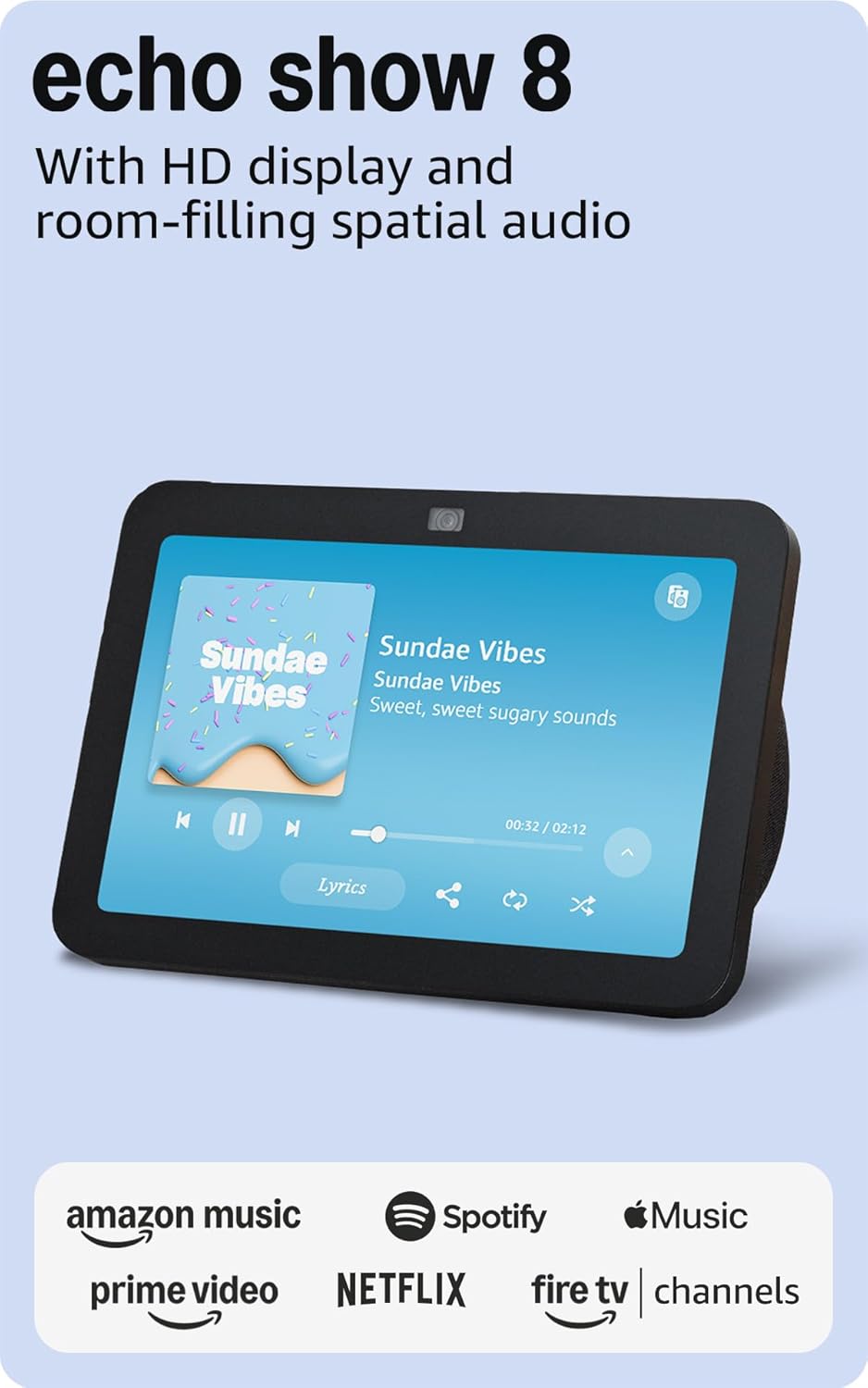
Echo Show 8 (3rd Gen)
- •$179.99 8-inch display that shows the Ring feed and anchors Tiers 2 and 3
Ring
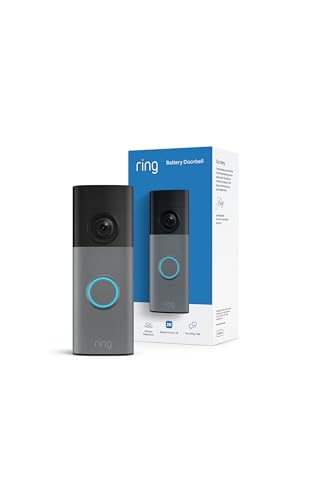
Battery Doorbell
- •$99.99 quick-release-battery doorbell with deep Alexa live view
Govee
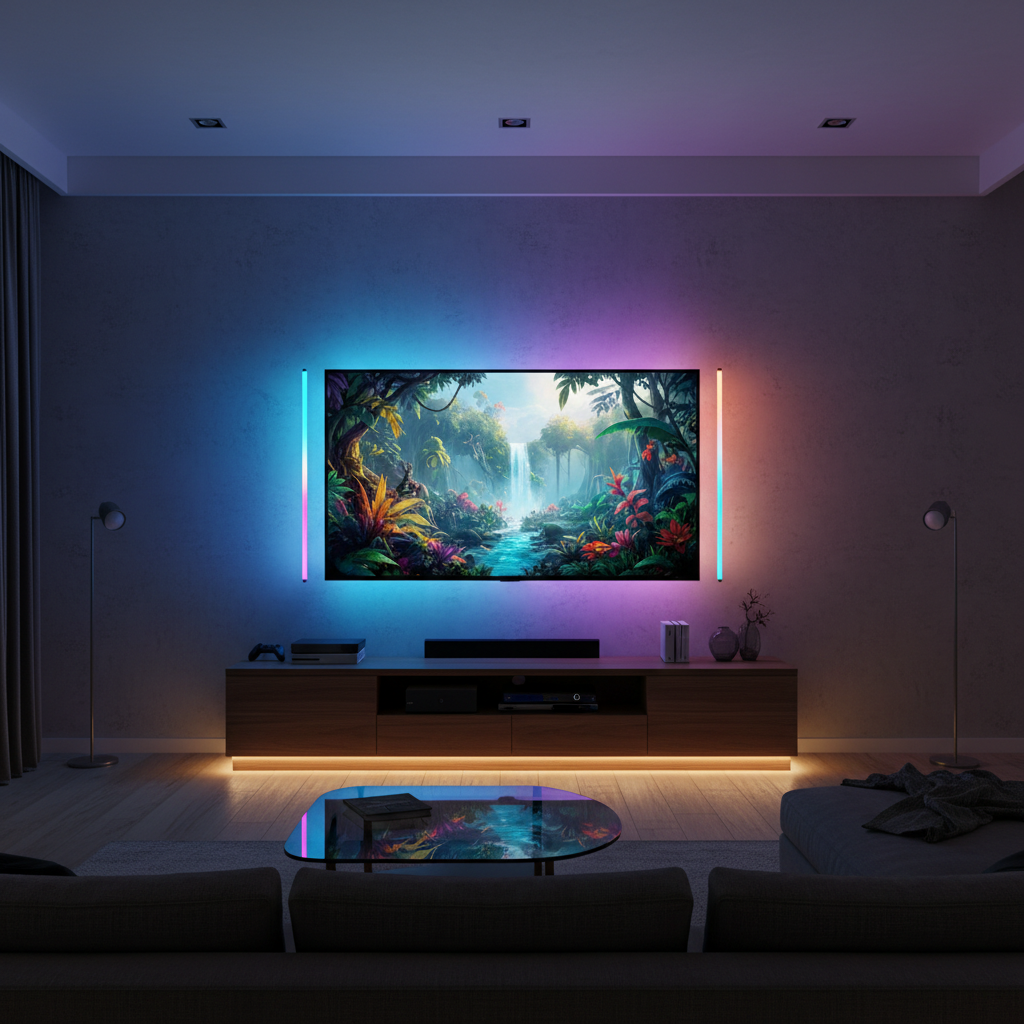
Color Smart Bulbs
- •$39.99 four-pack of no-hub color bulbs for accent lighting
Ring
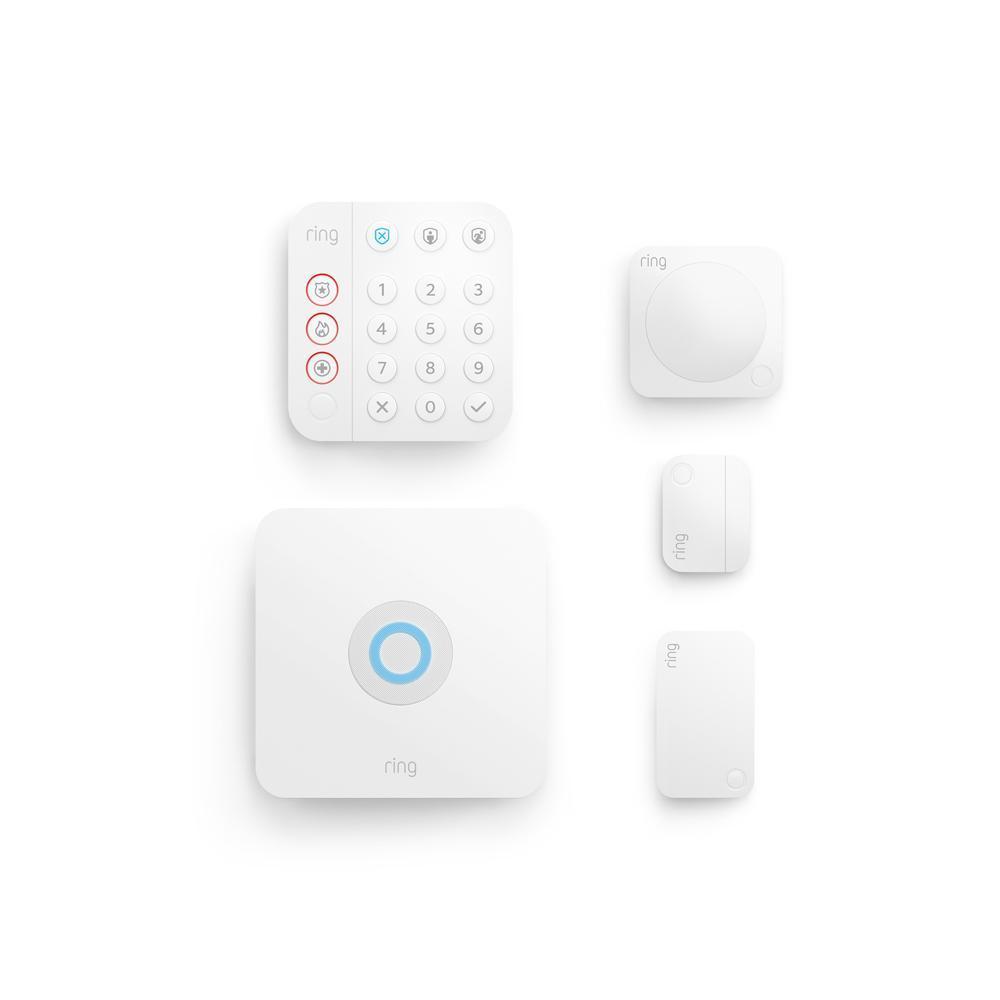
Alarm 5-Piece Kit (2nd Gen)
- •$199.99 five-piece DIY alarm with 24 hours backup battery
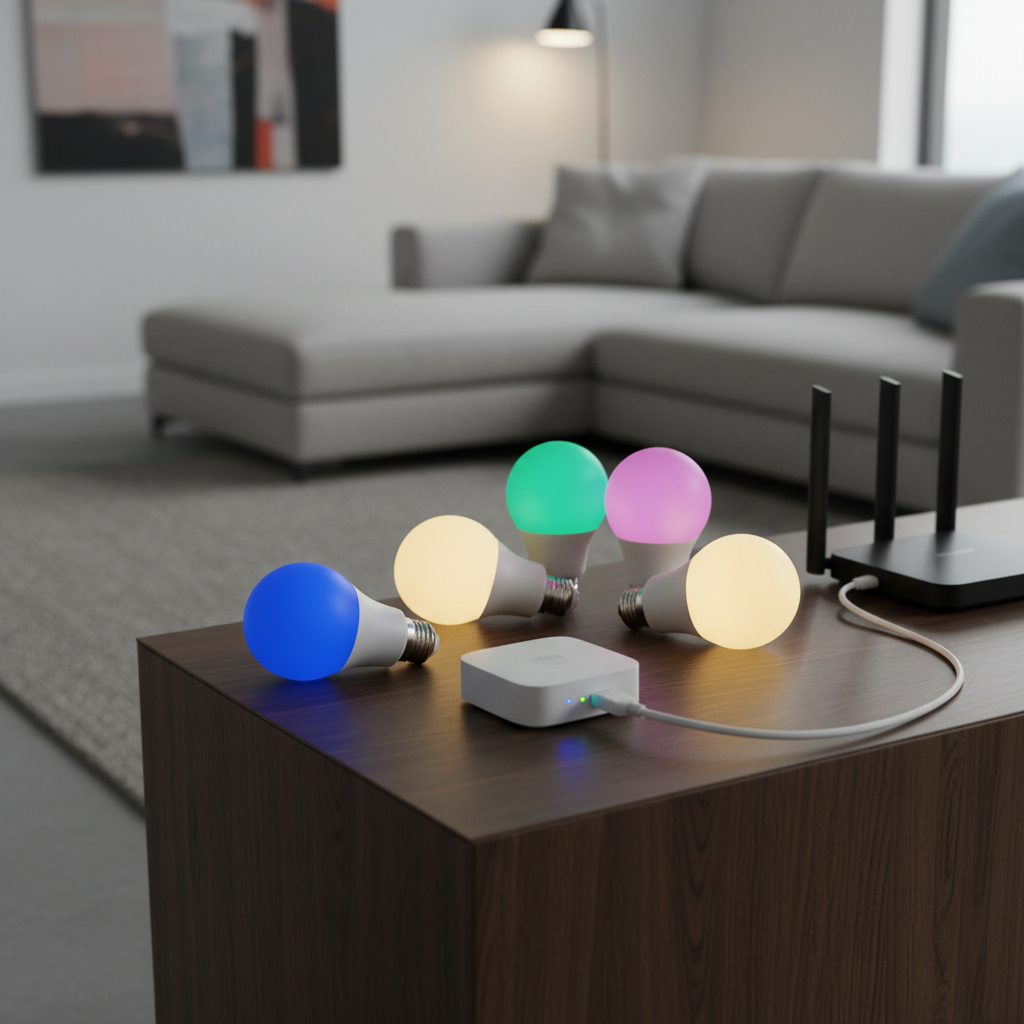
Philips
Hue White and Color Starter Kit
- •$79.99 bridge-and-two-bulb kit with the widest platform support here
How the Core Pieces Compare
Automation
Chart
 Smarthomeexplorer.com
Tap any pick to check its live price on Amazon.
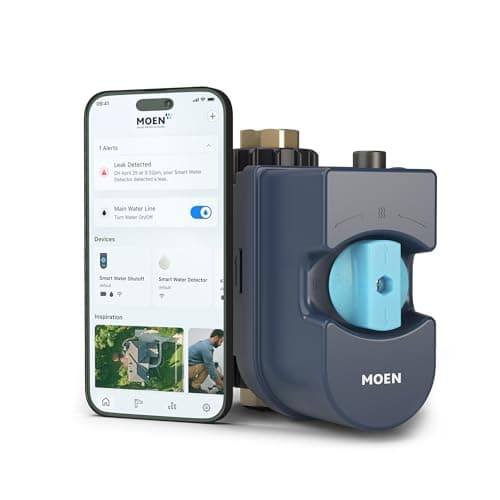
Moen Flo Smart Water Monitor
RecommendedCheck price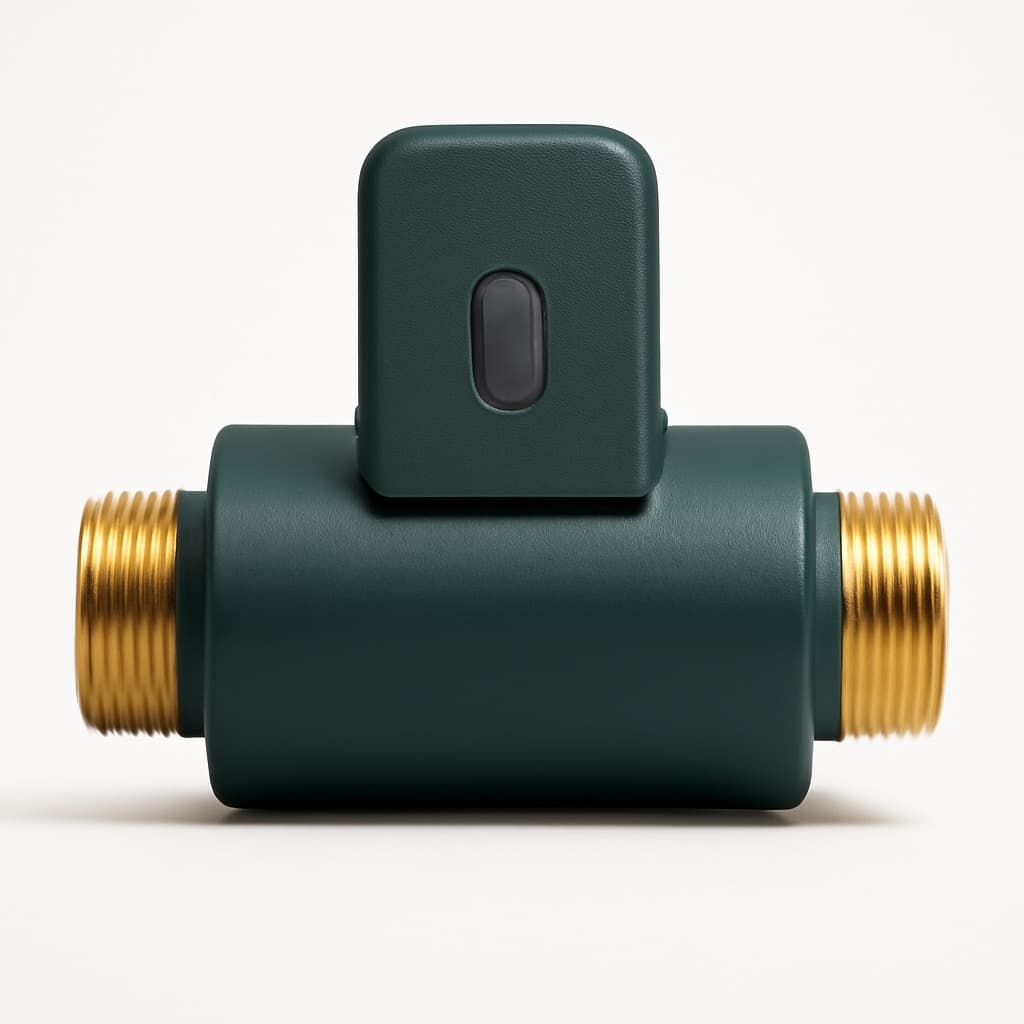
Flo by Moen Smart Water Monitor
Must BuyCheck price
Start With the Right Layer, Not the Most Devices
Most beginners purchase the wrong component first — an isolated smart bulb with no hub, or an expensive controller with nothing to control — then abandon it in frustration. The sequence that genuinely succeeds is voice initially, automation subsequently, then security and lighting layered above. To render that concrete, we assembled three buy-as-one-cart tiers and ranked every component on the SHE Starter Kit Readiness Score, a weighted composite of setup ease, ecosystem openness, value per live dollar, and expandability. In practice an elevated score means a beginner achieves a working configuration quickly and avoids being confined to one application. A $23.99 Kasa four-pack of 15A plugs scores at the summit; a $199.99 alarm scores lower because placement consumes considerably longer. Purchase a tier in one order, because a single Amazon click opens a 24 hours cookie crediting the whole cart.
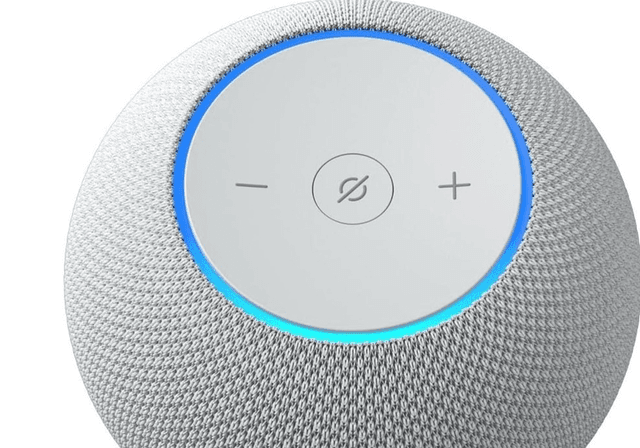
Foundation — Voice Hub: Amazon Echo Dot (5th Gen)
Foundation — the voice hub to buy firstAmazon Echo Dot (5th Gen)
- Plug-in-and-app setup that a complete beginner finishes in roughly 5 mins
- Alexa-centric — it is the control layer, not a multi-assistant device
(Current price, subject to change)
The 8.4 SHE Starter Kit Readiness Score composite on the Amazon Echo Dot (5th Gen) ranks second in this guide, which in practice means a beginner achieves a functioning configuration in roughly 5 mins and immediately commands every device subsequently added. Wirecutter covers it as the value Echo, and CNET covers it within its smart-speaker evaluations. We consider it the correct initial purchase precisely because the voice layer should exist before the peripherals it ultimately controls. Compared to commencing with an isolated smart bulb, acquiring the hub first delivers an operational system on day one and establishes an unambiguous expansion trajectory, because Alexa progressively onboards thousands of compatible devices as the household grows. At $49.99 it represents the most economical control layer in the lineup, which fundamentally explains why it anchors the $108.93 foundation tier.
What We Love
- Plug-in-and-app setup that a complete beginner finishes in roughly 5 mins
- Cheapest voice control layer you can buy, at $49.99 live
- Alexa onboards thousands of compatible devices as the home grows
What Could Be Better
- Alexa-centric — it is the control layer, not a multi-assistant device
- Audio stays modest for serious music listening
The Verdict
If you are buying your very first smart-home device and want the layer everything else plugs into, we point you here first: the Amazon Echo Dot (5th Gen) is the $49.99 voice hub, and Wirecutter covers it as the value Echo. It earns the second-highest SHE Starter Kit Readiness Score in this guide.
Foundation — Automation: Kasa Smart Plug
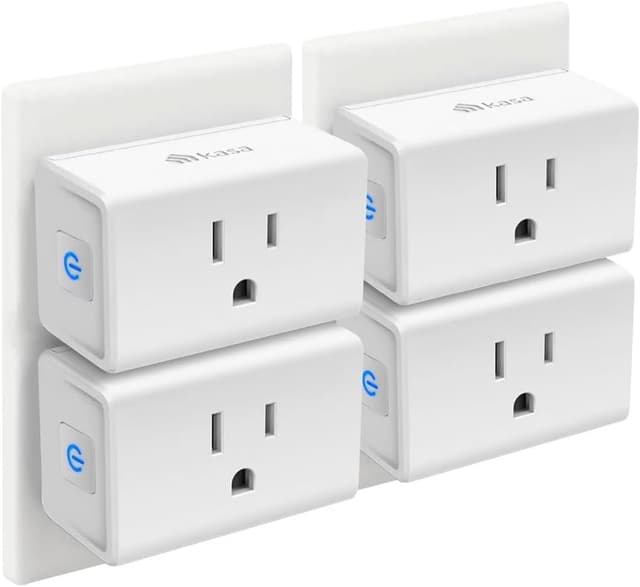
Foundation — automation value championKasa Smart Plug
- Four 15A outlets for $23.99 — the lowest cost-per-function here
- No Thread or Matter support yet on this generation
(Current price, subject to change)
The 8.7 SHE Starter Kit Readiness Score composite on the Kasa Smart Plug leads this guide predominantly on the strength of value, because four 15A outlets for $23.99 constitutes the lowest cost-per-function in the entire lineup. Wirecutter and PCMag both cover the Kasa smart-plug line specifically for reliability. Each plug pairs within the Kasa application over Wi-Fi in roughly 2 mins, and the consequence is four existing devices that respond immediately to voice commands and schedules. Compared to a solitary smart bulb, the four-pack produces four practical conveniences simultaneously — a lamp on a timer, a coffee maker that activates in the morning, holiday lights you schedule independently. Local scheduling additionally maintains those timers during an internet outage. Its singular limitation versus a premium plug remains the absence of HomeKit and Matter, which keeps it on Alexa and Google rather than every platform.
What We Love
- Four 15A outlets for $23.99 — the lowest cost-per-function here
- Pairs in the Kasa app over Wi-Fi in roughly 2 mins per plug
- Works with Alexa, Google, and SmartThings with no hub
What Could Be Better
- No Thread or Matter support yet on this generation
- App interface feels dated next to newer rivals
The Verdict
If you want the single best dollar-for-dollar upgrade in a starter kit, the Kasa Smart Plug four-pack fits the brief: $23.99 makes four existing lamps and appliances smart. Wirecutter and PCMag both cover the Kasa line as a reliability pick, and it tops the SHE Starter Kit Readiness Score in this guide.
Foundation — Security Cam: Wyze Cam v4
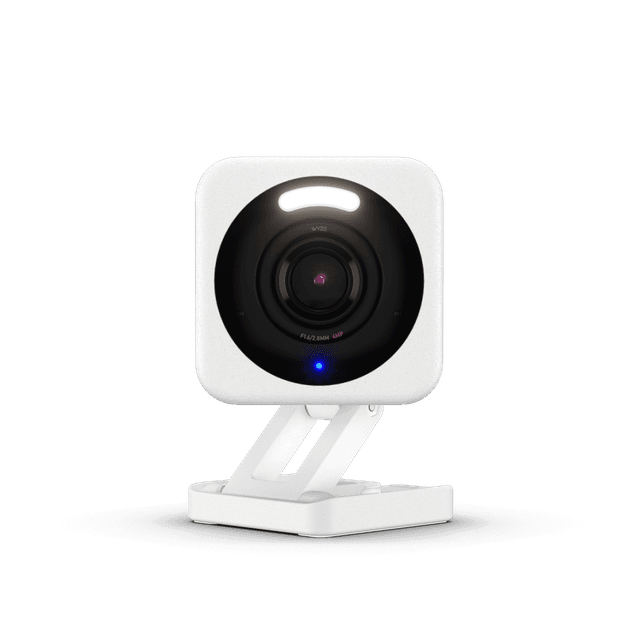
Foundation — budget security cameraWyze Cam v4
- A $34.95 2.5K camera with free local storage on a card
- Cam Plus subscription unlocks full cloud event features
(Current price, subject to change)
The 8.1 SHE Starter Kit Readiness Score composite on the Wyze Cam v4 positions it third here, immediately behind the two top-scoring foundation pieces. Wirecutter covers the Wyze line as the budget indoor camera, and CNET covers it additionally. At $34.95 it delivers 2.5K capture with color night vision and complimentary local storage on a microSD card, and it pairs within the Wyze application over Wi-Fi in roughly 5 mins. Compared to a subscription-dependent camera, the complimentary local storage maintains recurring expenditure at zero for a beginner, which represents precisely the requirement of the foundation tier. The honest compromise involves ecosystem reach, because it operates with Alexa and Google but not Apple HomeKit, and the richer cloud event capabilities remain behind the Cam Plus subscription. For a $34.95 component that completes the $108.93 foundation, that constitutes a thoroughly reasonable concession.
What We Love
- A $34.95 2.5K camera with free local storage on a card
- Pairs in the Wyze app over Wi-Fi in roughly 5 mins
- Color night vision and Alexa or Google live view
What Could Be Better
- Cam Plus subscription unlocks full cloud event features
- No Apple HomeKit support on this model
The Verdict
If you want basic security coverage that rounds out the foundation without raising the budget, the Wyze Cam v4 checks the boxes that matter for a first camera: a $34.95 2.5K unit with free local storage. Wirecutter covers Wyze as the budget indoor pick, and it lands third on the SHE Starter Kit Readiness Score.
Tier 2 — Command Center: Amazon Echo Show 8 (3rd Gen)
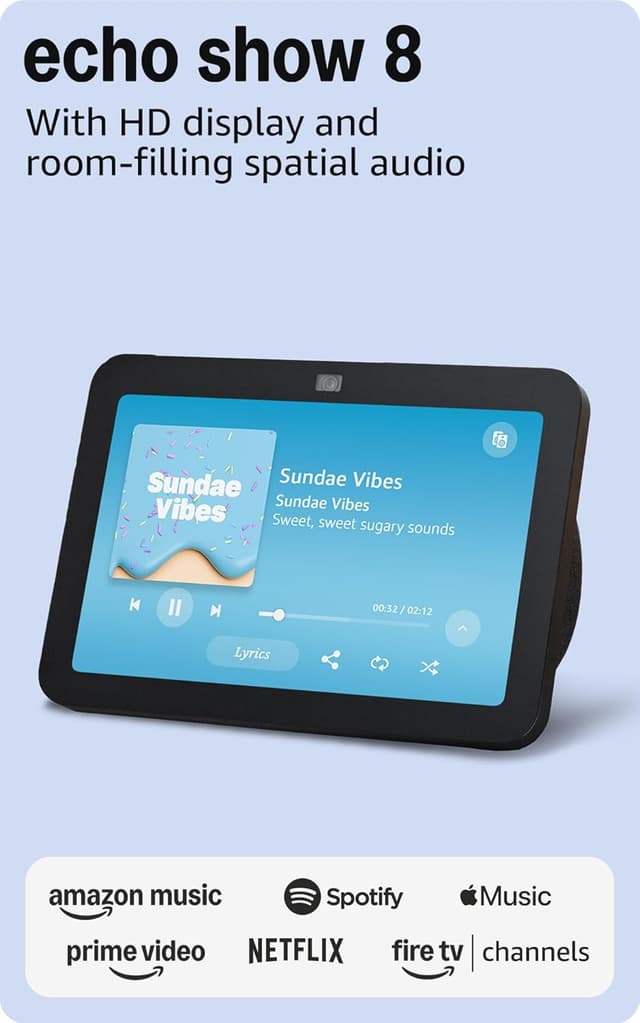
Tier 2 and 3 — the command centerAmazon Echo Show 8 (3rd Gen)
- 8-inch screen shows the Ring doorbell feed and camera live view
- Alexa-centric — no Google Home or HomeKit
(Current price, subject to change)
The 7.7 SHE Starter Kit Readiness Score composite on the Amazon Echo Show 8 (3rd Gen) reflects a fundamentally capable hub whose composite is depressed by price rather than by capability. PCMag covers it as the premier smart display for most people, and CNET covers it additionally. The 8-inch screen routes the Ring doorbell live view automatically, accommodates video calls, and presents smart-home status at a glance, with configuration concluded in roughly 5 mins. Compared to the Echo Dot, it exchanges the lowest price for a screen and a substantially stronger hub, which precisely explains why it anchors Tiers 2 and 3 rather than the foundation. At $179.99 it constitutes the most expensive non-alarm component here, and like the Dot it remains Alexa-centric; both circumstances explain why its value sub-score sits comparatively lower even as its expandability sub-score stays elevated. For a buyer seeking a command center, it delivers exactly that capability.
What We Love
- 8-inch screen shows the Ring doorbell feed and camera live view
- Plug in, sign in, and finish setup in roughly 5 mins
- Doubles as a smart home hub for the wider system
What Could Be Better
- Alexa-centric — no Google Home or HomeKit
- At $179.99 it is the priciest non-alarm piece in the kit
The Verdict
If you are building past the foundation and want a screen that ties the system together, the Amazon Echo Show 8 (3rd Gen) is a sensible pick for that setup: a $179.99 8-inch display that shows the doorbell feed. PCMag covers it as a top smart display, and it anchors both Tiers 2 and 3.
Tier 2 — Front Door: Ring Battery Doorbell
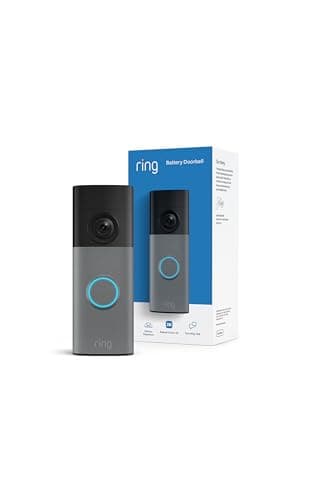
Tier 2 — the front-door upgradeRing Battery Doorbell
- Quick-release battery means no wiring — mounts in roughly 15 mins
- Saved video history requires a Ring Protect plan
(Current price, subject to change)
The 7.0 SHE Starter Kit Readiness Score composite on the Ring Battery Doorbell reflects a strong single-purpose piece held back on openness. The current model is the newest base Ring Battery Doorbell, and we describe it only as the current model rather than asserting a generation label. CNET covers the Ring battery-doorbell line at the category level. The quick-release battery means no wiring, so it mounts in roughly 15 mins, and an Echo Show routes its live view automatically — the reason it pairs naturally with the Tier 2 display. Compared to the Wyze indoor camera, the doorbell adds visitor identification at the entry rather than room monitoring. The honest deductions are ecosystem and subscription: it is Alexa and Amazon only, and saved video history needs a Ring Protect plan. At $99.99 it is the security upgrade that turns the foundation into Tier 2.
What We Love
- Quick-release battery means no wiring — mounts in roughly 15 mins
- Echo Show routes the live view automatically
- A $99.99 entry point into front-door video
What Could Be Better
- Saved video history requires a Ring Protect plan
- Alexa and Amazon ecosystem only — no Google or HomeKit
The Verdict
If you want to see who is at the door without running doorbell wiring, the Ring Battery Doorbell is the path of least friction: a $99.99 quick-release-battery unit that mounts in roughly 15 mins. CNET covers the Ring battery-doorbell line, and it completes the security half of Tier 2.
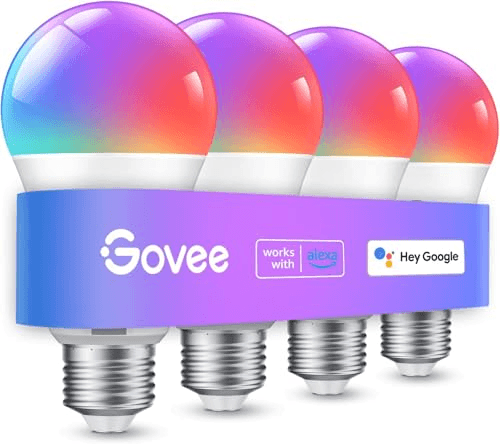
Tier 2 — Color Lighting: Govee Color Smart Bulbs
Tier 2 — no-hub color lightingGovee Color Smart Bulbs
- Four color bulbs for $39.99 with no bridge to buy
- No Apple HomeKit support
(Current price, subject to change)
The 7.8 SHE Starter Kit Readiness Score composite on the Govee Color Smart Bulbs lands just behind the Hue kit, although the two trade strengths: Govee prevails on value where Hue prevails on openness. CNET covers Govee as an impressive budget option for Alexa and Google households. Four color bulbs for $39.99 with no hub means a beginner introduces color illumination for less than the price of a single premium bulb, and the bulbs pair over Wi-Fi in roughly 5 mins. Compared to the Hue kit, Govee eliminates the bridge entirely, which reduces both cost and configuration effort but relinquishes HomeKit and a measure of mesh reliability. The honest trade-offs remain the absence of HomeKit and Wi-Fi connectivity that proves less robust than Zigbee-based systems under heavy load. For the Tier 2 lighting slot at $39.99, it produces genuine color ambiance at the lowest conceivable entry price.
What We Love
- Four color bulbs for $39.99 with no bridge to buy
- Pairs over Wi-Fi in the Govee app in roughly 5 mins
- Scenes and music sync in the Govee Home app
What Could Be Better
- No Apple HomeKit support
- Wi-Fi connectivity is less robust than premium brands
The Verdict
If you want color lighting without paying a bridge tax, the Govee Color Smart Bulbs four-pack fits without compromise for a beginner: $39.99 for four no-hub color bulbs. CNET covers Govee as a strong budget option, and it adds the lighting half of Tier 2.
Tier 3 — Full Alarm: Ring Alarm 5-Piece Kit (2nd Gen)
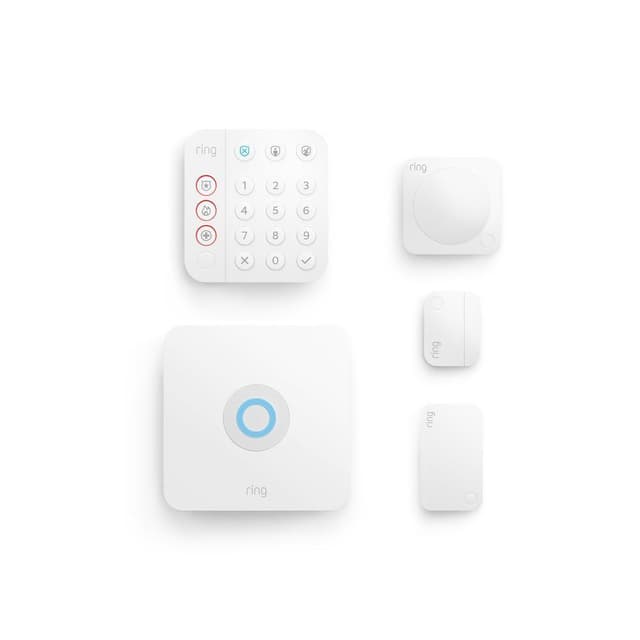
Tier 3 — the full DIY alarmRing Alarm 5-Piece Kit (2nd Gen)
- Five-piece DIY alarm for $199.99 — base, keypad, contact sensor, motion detector, and range extender
- Base plus sensor placement takes roughly 30 mins
(Current price, subject to change)
The 6.9 SHE Starter Kit Readiness Score composite on the Ring Alarm 5-Piece Kit (2nd Gen) sits at the bottom of this guide, and the reason is setup effort and ecosystem lock-in rather than capability. Wirecutter and CNET both cover the Ring Alarm in their DIY-security ratings. At $199.99 the five-piece kit bundles a base station, keypad, contact sensor, motion detector, and range extender — a complete DIY alarm at current MSRP. The base station holds a 24 hours backup battery, and placement of the base, keypad, and sensors takes roughly 30 mins — slower than plugging in a speaker. Compared to a single doorbell, the alarm adds whole-home intrusion coverage and a keypad. Its high expandability sub-score reflects the long list of add-on sensors and cameras the base accepts, which is why it remains the security spine of the complete tier despite the lower composite.
What We Love
- Five-piece DIY alarm for $199.99 — base, keypad, contact sensor, motion detector, and range extender
- Base station carries a 24 hours backup battery
- Expands with many add-on sensors, cameras, and listeners
What Could Be Better
- Base plus sensor placement takes roughly 30 mins
- Ring and Amazon ecosystem only — no Google or HomeKit
The Verdict
If your priority is a real security system rather than a single camera, the Ring Alarm 5-Piece Kit (2nd Gen) means you'll be well-served here: a $199.99 five-piece DIY alarm. Wirecutter and CNET both cover the Ring Alarm in their security ratings, and it is the security spine of Tier 3.
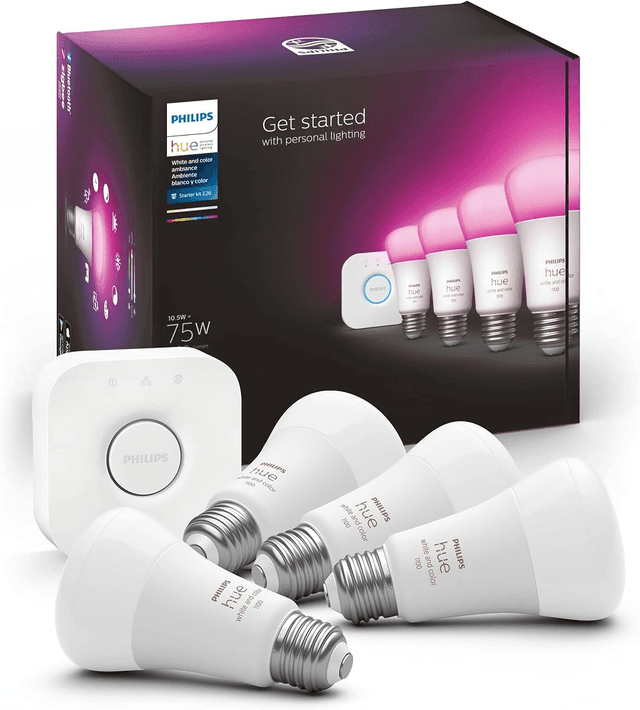
Tier 3 — Premium Lighting: Philips Hue White and Color Starter Kit
Tier 3 — premium, platform-agnostic lightingPhilips Hue White and Color Starter Kit
- Works with Alexa, Google, Apple HomeKit, and Matter
- Requires the Hue Bridge, which adds setup steps (roughly 10 mins)
(Current price, subject to change)
The 8.0 SHE Starter Kit Readiness Score composite on the Philips Hue White and Color Starter Kit edges the Govee four-pack, although it earns its placement through openness rather than value. Tom's Guide and CNET both cover Hue as the established benchmark for smart lighting. It is the only component in the guide that operates across Alexa, Google, Apple HomeKit, and Matter, which precisely explains why it dominates the ecosystem-openness factor at a perfect mark. The bridge introduces additional configuration steps — roughly 10 mins versus a hubless bulb — but in compensation the system accommodates dozens of bulbs, strips, and outdoor fixtures with no subscription whatsoever. Compared to the Govee bulbs, Hue costs considerably more per bulb and incorporates the bridge, yet it delivers the reliability and HomeKit compatibility that inexpensive Wi-Fi bulbs fundamentally cannot. At $79.99 for the bridge and two color bulbs, it represents the premium lighting anchor of the complete tier.
What We Love
- Works with Alexa, Google, Apple HomeKit, and Matter
- Bridge accepts dozens of bulbs, strips, and outdoor lights
- No subscription and industry-leading reliability
What Could Be Better
- Requires the Hue Bridge, which adds setup steps (roughly 10 mins)
- Premium per-bulb cost versus Wi-Fi bulbs
The Verdict
If you want lighting that works in any ecosystem and expands for years, the Philips Hue White and Color Starter Kit lines up with what you actually need: a $79.99 bridge-and-two-bulb kit. Tom's Guide and CNET both cover Hue as the smart-lighting benchmark, and it tops the openness factor in this guide.
Check price for the Philips Hue White and Color Starter Kit →
How We Score: SHE Starter Kit Readiness Score
SHE Starter Kit Readiness Score
Score Formula
0.30 * ease_of_setup + 0.25 * ecosystem_openness + 0.25 * starter_value + 0.20 * expandabilityScore Factors
- Ease of Setup (30%)How fast a complete beginner gets the piece working out of the box. Plug-in plus app pairing in minutes scores highest; a bridge-based system or a multi-sensor alarm that needs placement scores lower. Inferred from device type and manufacturer setup steps, not a SHE lab measurement.
- Ecosystem Openness (25%)How few ecosystems the piece locks a beginner into. Works across Alexa, Google, HomeKit, and Matter scores highest; Alexa-and-Amazon-only scores lowest. Verified from manufacturer compatibility specifications.
- Starter Value (25%)Functional utility per live dollar for a first-time buyer. Low-ticket, high-attach foundation pieces score highest; higher-ticket specialized pieces score lower. Reasoned from the live priceRange and the piece's beginner role.
- Expandability (20%)How far the piece lets a beginner grow the system later. A voice hub or a lighting bridge or alarm base that accepts dozens of add-ons scores highest; a single-purpose camera scores lower. Reasoned from ecosystem breadth and accessory depth.
SHE Starter Kit Readiness Score — Ranked
Kasa Smart Plug
SHE Starter Kit Readiness Score8.7/10Tops the ranking — four 15A outlets for $23.99, the value champion of the lineup
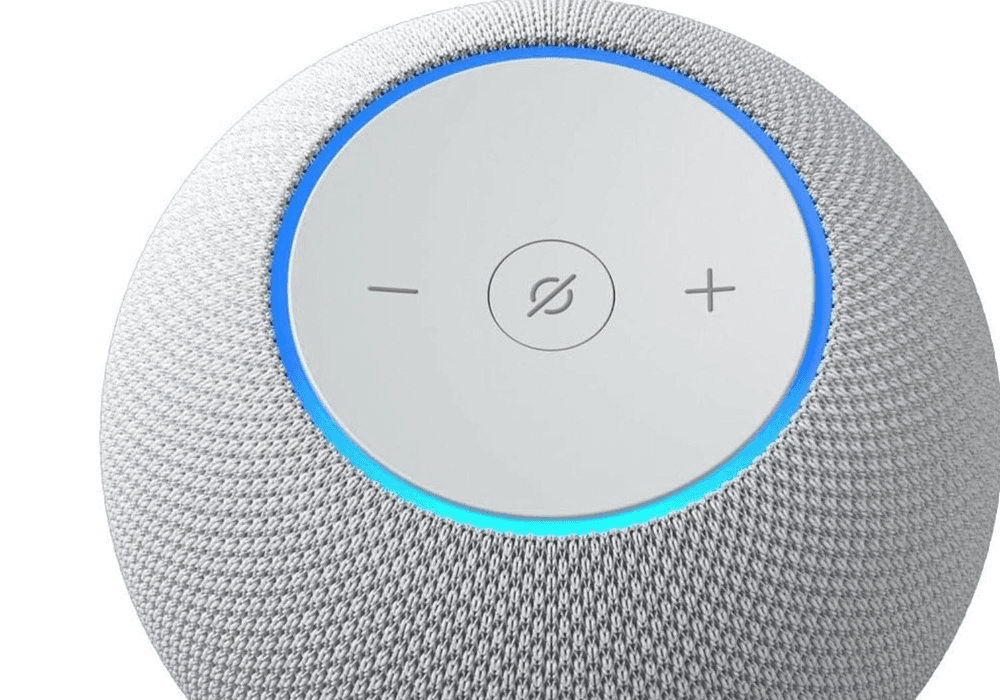
Amazon Echo Dot (5th Gen)
SHE Starter Kit Readiness Score8.4/10Second — a $49.99 voice hub that sets up fast and expands to thousands of devices
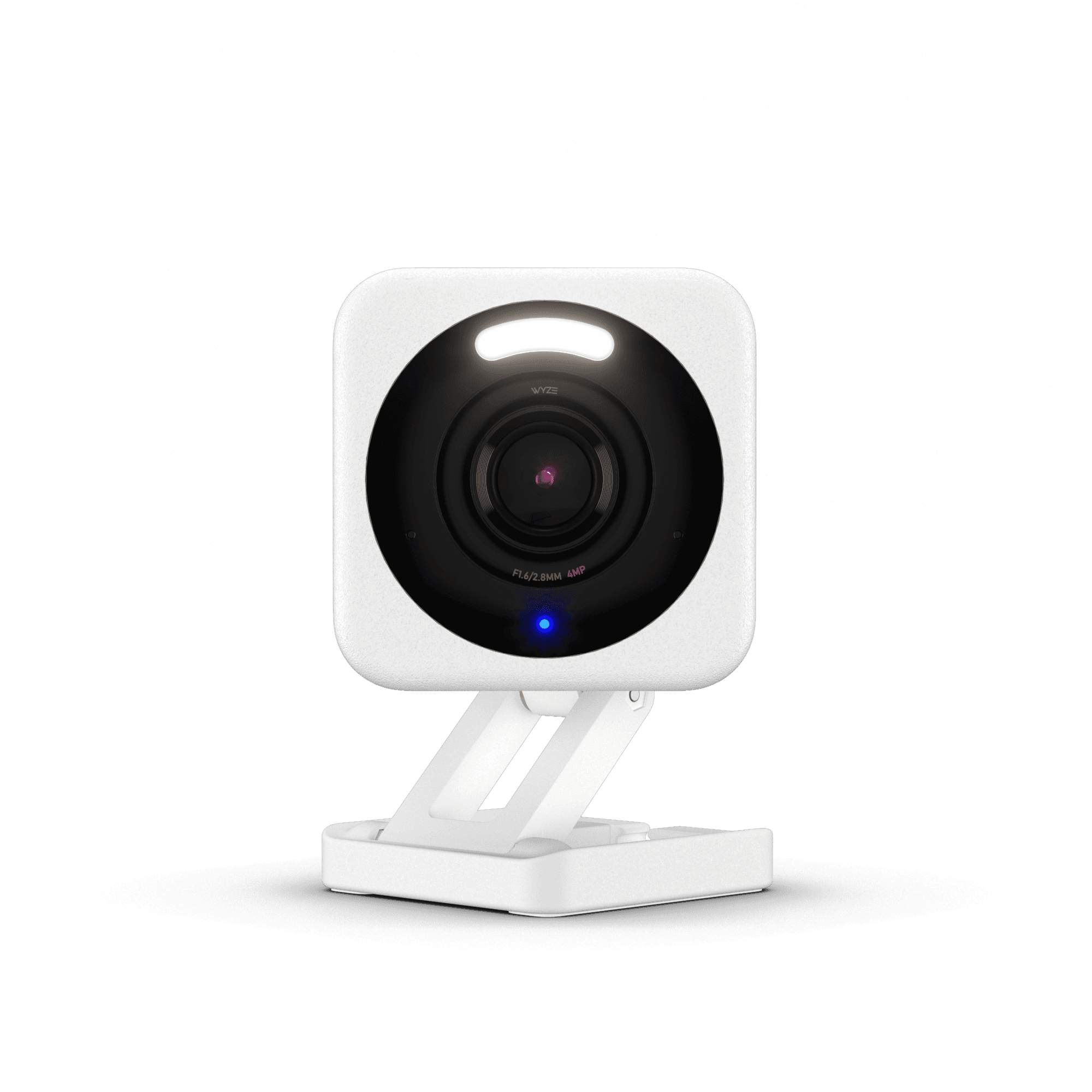
Wyze Cam v4
SHE Starter Kit Readiness Score8.1/10Third — a $34.95 2.5K camera with free local storage that completes the foundation
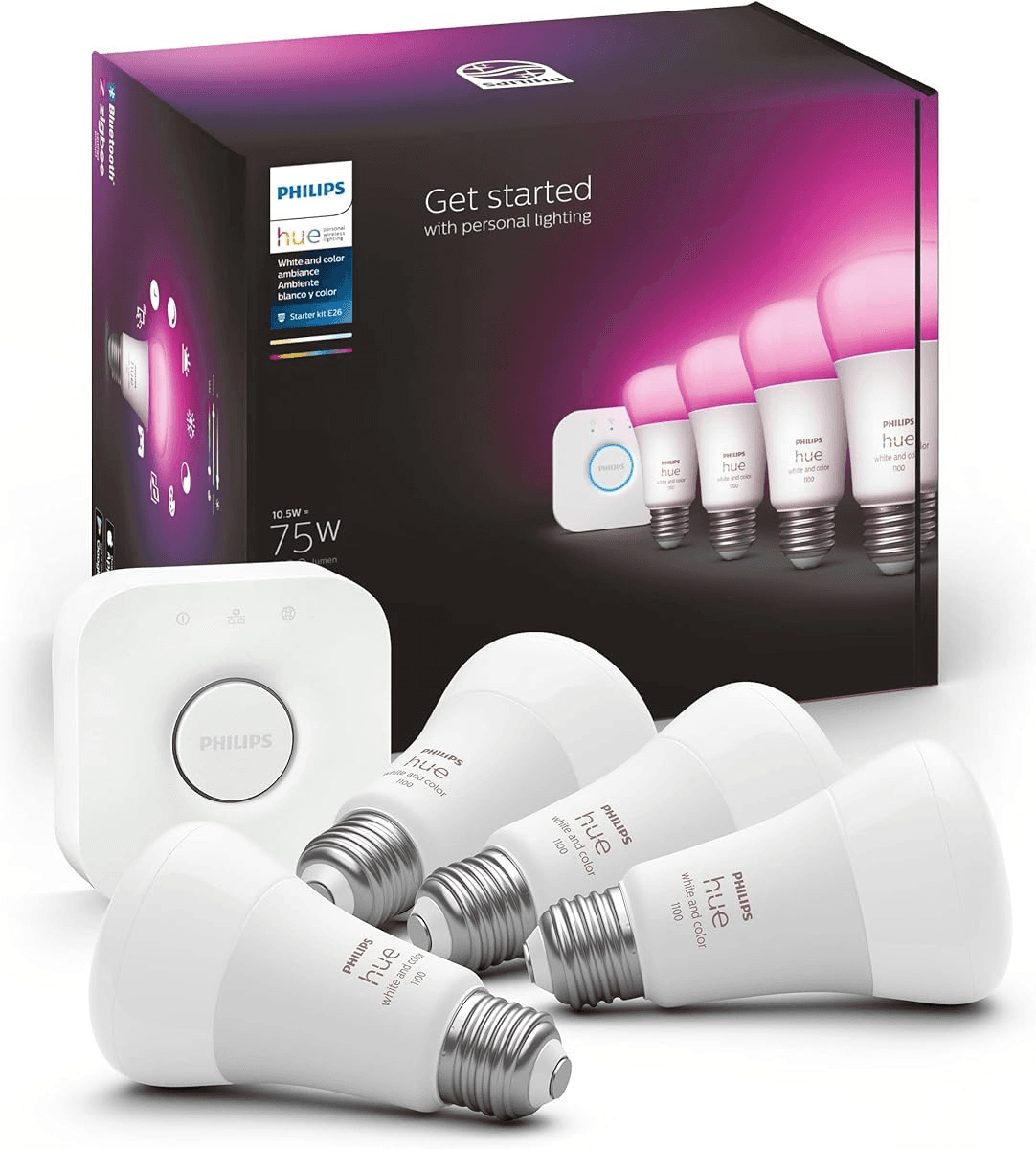
Philips Hue White and Color Starter Kit
SHE Starter Kit Readiness Score8.0/10Tops openness — $79.99 bridge kit working across Alexa, Google, HomeKit, and Matter
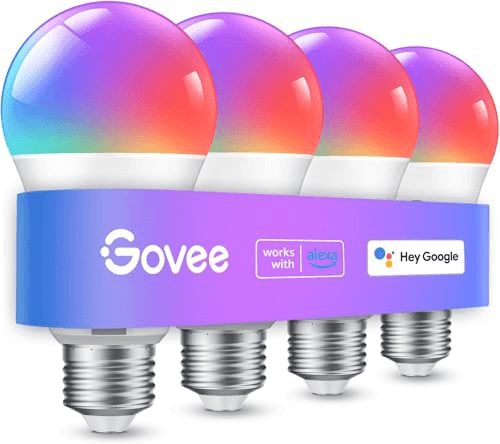
Govee Color Smart Bulbs
SHE Starter Kit Readiness Score7.8/10Best lighting value — $39.99 for four no-hub color bulbs at the lowest lighting entry price
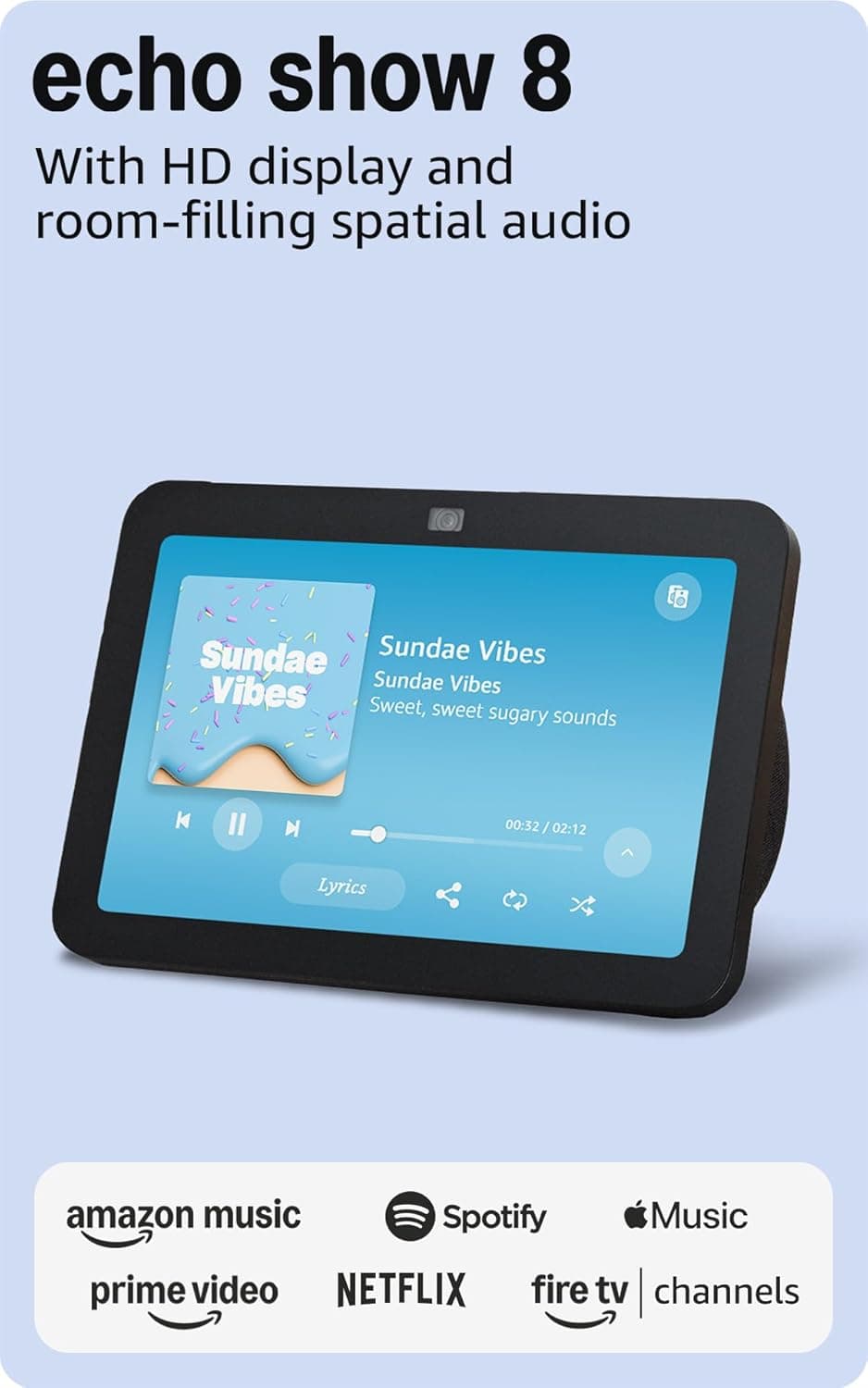
Amazon Echo Show 8 (3rd Gen)
SHE Starter Kit Readiness Score7.7/10Command center — $179.99 display and hub; composite pulled down by price, not capability
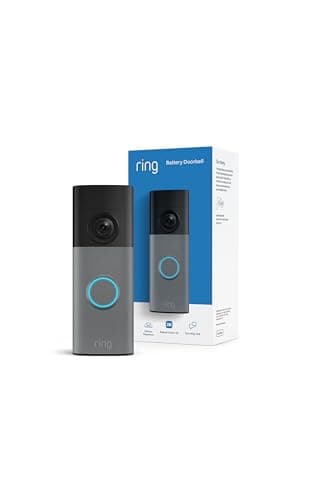
Ring Battery Doorbell
SHE Starter Kit Readiness Score7.0/10Front-door upgrade — $99.99 no-wiring doorbell held back on ecosystem openness
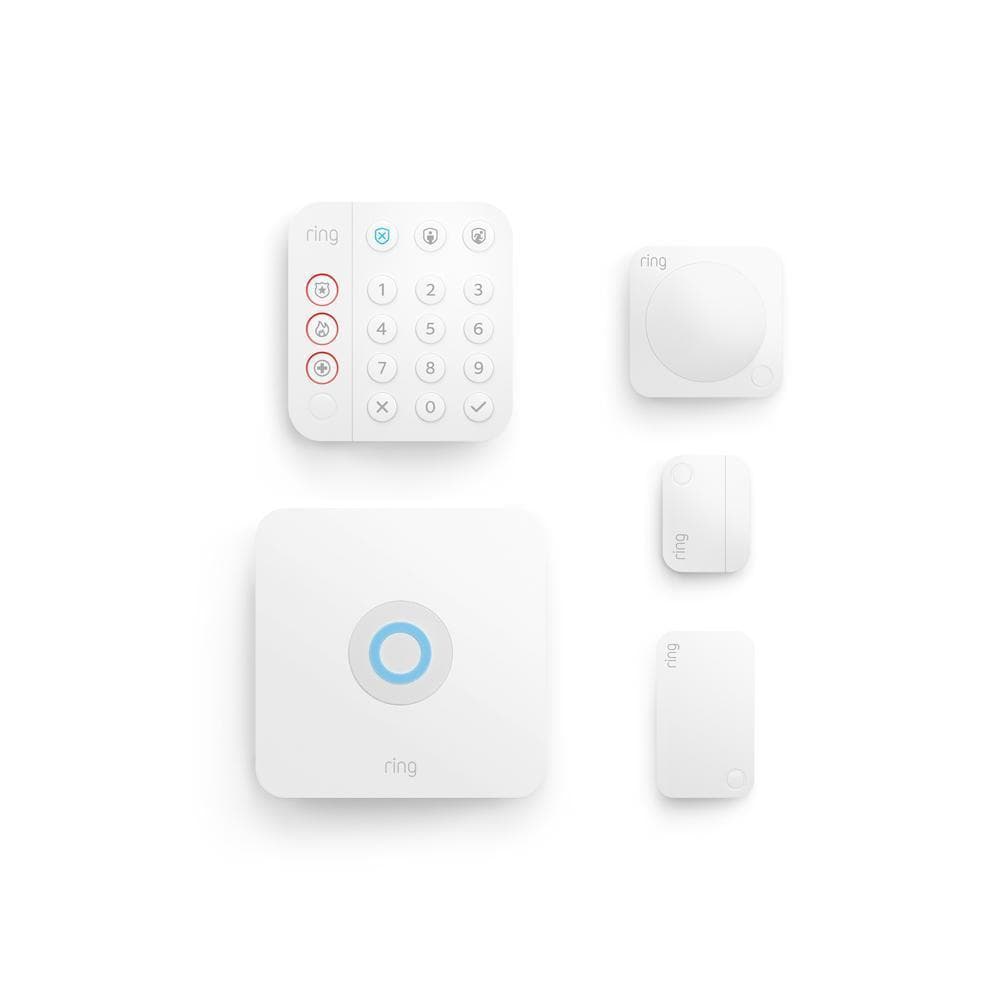
Ring Alarm 5-Piece Kit (2nd Gen)
SHE Starter Kit Readiness Score6.9/10Security spine — $199.99 five-piece alarm; longer setup and Ring-only lock-in
SHE Starter Kit Readiness Score
Composite beginner-readiness across ease of setup, ecosystem openness, value per live dollar, and expandability (0-10).
SHE editorial composite from manufacturer specs + live pricing + category coverage, June 2026
Ecosystem Compatibility Across the Kit
Openness is the factor most beginners underweight and later regret. Two pieces here are genuinely platform-agnostic: the Philips Hue White and Color Starter Kit works with Alexa, Google, Apple HomeKit, and Matter, and the Kasa Smart Plug works with Alexa, Google, and SmartThings with no hub. The two Amazon speakers — the Amazon Echo Dot (5th Gen) and the Amazon Echo Show 8 (3rd Gen) — are Alexa-centric but act as Matter controllers, so they can direct Matter devices even though they are Alexa-first. The Wyze Cam v4 and Govee Color Smart Bulbs cover Alexa and Google but skip HomeKit, and both Ring pieces stay inside the Ring and Amazon world. The practical rule: if you think you might land on Apple HomeKit later, weight the Hue kit and avoid building your whole system around Ring. The no-hub pieces here each pair over Wi-Fi in roughly 5 mins, so openness, not setup speed, is the long-term lever that matters. For the broader ecosystem decision, see the Alexa+ vs Google Home 2026: 6 Picks Compared comparison.
| Product | Alexa | Google Home | Apple HomeKit | Matter |
|---|---|---|---|---|
| Amazon Echo Dot (5th Gen) | ✓ | ✕ | ✕ | ✓ |
| Kasa Smart Plug | ✓ | ✓ | ✕ | ✕ |
| Wyze Cam v4 | ✓ | ✓ | ✕ | ✕ |
| Amazon Echo Show 8 (3rd Gen) | ✓ | ✕ | ✕ | ✓ |
| Ring Battery Doorbell | ✓ | ✕ | ✕ | ✕ |
| Govee Color Smart Bulbs | ✓ | ✓ | ✕ | ✕ |
| Ring Alarm 5-Piece Kit (2nd Gen) | ✓ | ✕ | ✕ | ✕ |
| Philips Hue White and Color Starter Kit | ✓ | ✓ | ✓ | ✓ |
Build Your Starter Kit in Three Tiers
You purchase a tier in one cart, and the arithmetic is entirely transparent — every total below simply aggregates the live prices. The foundation tier combines the Amazon Echo Dot (5th Gen) at $49.99, the Kasa Smart Plug four-pack at $23.99, and the Wyze Cam v4 at $34.95, which collectively totals $108.93. That singular tier establishes voice, automation, and security simultaneously, and it constitutes the correct starting configuration for most beginners. The security-and-lighting tier substitutes the Echo Show for the Dot — the Amazon Echo Show 8 (3rd Gen) at $179.99 — and incorporates the Ring Battery Doorbell at $99.99, the Kasa four-pack at $23.99, and the Govee Color Smart Bulbs four-pack at $39.99, which together accumulate $343.96 in total.
The complete tier retains the $179.99 Echo Show 8 as the command center and incorporates the Ring Alarm 5-Piece Kit (2nd Gen) at $199.99, the Philips Hue White and Color Starter Kit at $79.99, and a Kasa Smart Plug Mini two-pack at $13.96 for two additional outlets, which collectively totals $473.93. Each tier is a budget-tuned configuration rather than a strict add-on to the one beneath it — the command hub steps up from the Echo Dot to the Echo Show 8 as you climb, while the plugs from earlier carry across, so you pick the tier that fits your budget. Because Amazon credits the entire order placed within 24 hours of a single qualifying click, assembling a complete tier in one planning session represents the most efficient purchasing approach — and that precisely explains why we present these configurations as whole-cart bundles rather than scattered individual recommendations.
When NOT to Buy
Three mistakes consistently undermine beginners. First, purchasing smart bulbs before a voice hub: without a speaker you control illumination from a phone application, which proves slower than the wall switch you already possess — acquire the $49.99 Echo Dot initially. Second, purchasing an expensive controller before owning anything to control; a dedicated hub only justifies its position once you accumulate ten or more devices, so designate Alexa your starting hub. Third, indiscriminately combining five separate brands and consequently drowning in five separate applications — establish one ecosystem, develop familiarity, then incorporate cross-platform components like Kasa and Hue that function universally.
Starting With Google Home Instead
The bundles above default to Alexa because Echo hardware is the cheapest voice layer, but the foundation translates almost directly to Google. Swap the Amazon Echo Dot (5th Gen) for a Google Nest Mini as the voice hub and keep the Kasa Smart Plug four-pack and the Wyze Cam v4 — both already work with Google Home as well as Alexa. A Nest Mini pairs in the Google Home app in roughly 5 mins, and the total stays close to the $108.93 Alexa foundation. The Govee Color Smart Bulbs also carry over for color lighting. The pieces to rethink on Google are the two Ring products, which live in the Amazon ecosystem; a Google-first household should weight a Nest doorbell instead and lean on the Philips Hue White and Color Starter Kit for lighting, since Hue is the one piece here that works natively across both worlds.
Who Should Buy What
Who Should Buy What
| If you are… | Recommended pick |
|---|---|
The first-time beginner You have never owned a smart device and want the smallest setup that covers voice, automation, and security | Amazon Echo Dot (5th Gen) |
The value maximizer You want the single biggest functional upgrade per dollar and will make existing lamps and appliances smart first | Kasa Smart Plug |
The budget security starter You want indoor camera coverage with free local storage and no subscription as part of the foundation | Wyze Cam v4 |
The command-center builder You want a screen that shows camera feeds and visual smart-home status to anchor Tiers 2 and 3 | Amazon Echo Show 8 (3rd Gen) |
The front-door upgrader You want no-wiring video at the door with live view on an Echo Show as your first security step | Ring Battery Doorbell |
The security-first homeowner You want a full DIY alarm with keypad and sensors you can expand across the whole home | Ring Alarm 5-Piece Kit (2nd Gen) |
The platform-agnostic planner You may land on Apple HomeKit later and want lighting that works in every ecosystem and expands for years | Philips Hue White and Color Starter Kit |
Frequently Asked Questions
What is the best smart home starter kit in 2026?
For most beginners it is the $108.93 foundation tier: the Echo Dot (5th Gen) at $49.99, the Kasa Smart Plug four-pack at $23.99, and the Wyze Cam v4 at $34.95. It covers the three smart-home pillars — voice control, automation, and security — without committing you to one ecosystem or to devices you might not use. The Kasa four-pack and the Echo Dot are the two highest-scoring pieces on our SHE Starter Kit Readiness Score, so the foundation is built around them.
How much does a smart home starter kit cost?
Our three live tiers run $108.93, $343.96, and $473.93 as of June 2026, computed by adding up each tier's component prices. The foundation is the Echo Dot, a Kasa four-pack, and a Wyze camera. The middle tier swaps in an Echo Show 8 and adds a Ring doorbell, the Kasa plugs, and Govee color bulbs. The complete tier adds a Ring Alarm 5-piece, a Philips Hue starter kit, and a Kasa two-pack. Prices change often, so confirm the live Amazon Buy Box before buying.
Why buy the starter kit in one Amazon order?
Amazon's affiliate cookie credits the entire cart for 24 hours after a single qualifying click. More practically, planning a whole tier in one session means you buy a coherent system — a voice hub, automation, and security that work together — instead of scattered parts you bolt on over months. That single planning session is exactly when assembling a full tier makes the most sense, which is why we present these as whole-cart bundles.
Should I buy a smart speaker or smart bulbs first?
Buy the voice hub first. Smart bulbs with no speaker force you to control lights from a phone app, which is slower than the wall switch you already have. The $49.99 Echo Dot gives you voice control over everything you add afterward, so a single Kasa plug or Govee bulb becomes immediately useful. Starting with the control layer is the single biggest reason beginners stick with a smart home instead of shelving it.
Do I need a dedicated smart home hub to start?
No. A dedicated hub like SmartThings or Home Assistant only earns its place once you own ten or more devices. To start, let Alexa on the Echo Dot or Echo Show be your hub — it controls the plugs, camera, doorbell, and bulbs in these tiers directly. The one bridge worth buying early is the Philips Hue Bridge, and only because it unlocks Hue's platform-agnostic lighting and HomeKit support, not because you need a general-purpose hub yet.
Is there a starter kit option for Apple HomeKit?
Partly. The Philips Hue starter kit at $79.99 works natively with Apple HomeKit and Matter, so it is the HomeKit-friendly anchor in these bundles. The Echo speakers and both Ring pieces do not support HomeKit, so a HomeKit-first household should lean on Hue for lighting and pair it with HomeKit-native sensors rather than building around Ring. If HomeKit matters to you, weight ecosystem openness heavily — it is a 25 percent factor in our score.
Can I start with one tier and expand later?
Yes. The tiers are budget-tuned configurations rather than strict add-ons. Start with the $108.93 foundation, then add the Ring doorbell and Govee bulbs — and step the hub up from the Echo Dot to the Echo Show 8 — to reach the security-and-lighting tier, then add the Ring Alarm and Philips Hue for the complete tier. The Echo Show 8 anchors Tiers 2 and 3 as the command center; your plugs carry across and the Echo Dot simply moves to another room (Alexa works anywhere), so your early purchases stay useful as you grow.
Bottom Line
Get the Amazon Echo Dot (5th Gen) if you are starting from zero and want the $49.99 voice hub everything else plugs into — buy it first.
Get the Kasa Smart Plug if you want the biggest functional upgrade per dollar — a $23.99 four-pack of 15A plugs that makes four existing devices smart.
Get the Ring Alarm 5-Piece Kit (2nd Gen) if you want a real security system in the complete tier — a $199.99 five-piece DIY alarm with keypad and sensors.
The right first move for most beginners is the $108.93 foundation — the Amazon Echo Dot (5th Gen), the Kasa Smart Plug four-pack, and the Wyze Cam v4 — bought in one cart. Add the Tier 2 doorbell and color bulbs when security and lighting become priorities, then the Tier 3 alarm and Hue kit for the complete home. Skip buying everything at once if you are not sure which features you will actually use.
Sources & Methodology
Methodology: SHE Starter Kit Readiness Score — Formula: 0.30 * ease_of_setup + 0.25 * ecosystem_openness + 0.25 * starter_value + 0.20 * expandability. Factors: Ease of Setup (30%): How fast a complete beginner gets the piece working out of the box. Plug-in plus app pairing in minutes scores highest; a bridge-based system or a multi-sensor alarm that needs placement scores lower. Inferred from device type and manufacturer setup steps, not a SHE lab measurement. | Ecosystem Openness (25%): How few ecosystems the piece locks a beginner into. Works across Alexa, Google, HomeKit, and Matter scores highest; Alexa-and-Amazon-only scores lowest. Verified from manufacturer compatibility specifications. | Starter Value (25%): Functional utility per live dollar for a first-time buyer. Low-ticket, high-attach foundation pieces score highest; higher-ticket specialized pieces score lower. Reasoned from the live priceRange and the piece's beginner role. | Expandability (20%): How far the piece lets a beginner grow the system later. A voice hub or a lighting bridge or alarm base that accepts dozens of add-ons scores highest; a single-purpose camera scores lower. Reasoned from ecosystem breadth and accessory depth.
Expert review sources used in this analysis:
- SmartHomeExplorer aggregates expert review coverage and community sentiment to produce consensus-based buying guidance; we do not perform first-party product testing
- Outlet coverage for the products in this guide is sourced from Wirecutter, CNET, PCMag, Tom's Guide, and The Verge, scoped per product to the outlets that genuinely cover each one
- We state outlet coverage and manufacturer specifications only — never a third-party verdict we cannot trace
- The SHE Starter Kit Readiness Score is a transparent editorial composite of four weighted factors — ease of setup, ecosystem openness, starter value, and expandability — derived from manufacturer specs, live pricing, and category coverage, not from SHE lab measurements
- All component prices and tier totals were verified against the live Amazon Buy Box as of June 2026 and should be re-confirmed before purchase, since prices change frequently.
Nicholas Miles is the founder of SmartHomeExplorer and a longtime smart home enthusiast focused on helping everyday homeowners make better technology decisions. He researches, compares, and writes about products across security, climate, lighting, leak prevention, sensors, home energy, and automation, with an emphasis on real-world usefulness, ecosystem compatibility, reliability, privacy, and long-term value.
Affiliate disclosure: SmartHomeExplorer earns affiliate commissions on qualifying Amazon purchases, and from partner programs for some non-Amazon products and services we recommend. Our scoring methodology is independent of affiliate relationships.
More Guides
Budget
Best Smart Home Devices Under $50 (2026): Echo Dot Wins
Security
Best No-Fee DIY Home Security 2026: Eufy Wins

smart-home
Alexa+ vs Google Home 2026: 6 Picks Compared
smart-lighting
Best Smart Lighting 2026: Hue, LIFX, Lutron & 3 More
automation
Best Matter Devices 2026: Aqara M200 Wins at $69.99
smart-home