

Alexa+ vs Google Home 2026: 6 Picks Compared
Alexa+ or Google Home in 2026? Alexa controls 140,000+ smart-home devices — roughly 3x Google Home's catalog — while Google's Gemini for Home leads on conversational AI. Six speaker and display picks from $49.99, scored on the SHE Voice Ecosystem Score.
This article contains affiliate links. We may earn a commission at no extra cost to you. Prices change frequently — check the current price on Amazon before buying. Learn more
The Short Answer
Choosing Alexa+ or Google Home in 2026 depends on prioritizing device breadth versus conversational intelligence. Alexa controls 140,000+ devices — roughly 3x Google Home's catalog — and the Echo Dot leads our SHE Voice Ecosystem Score at $49.99, while Gemini delivers notably stronger natural-language understanding.
Featured in this Guide
Amazon
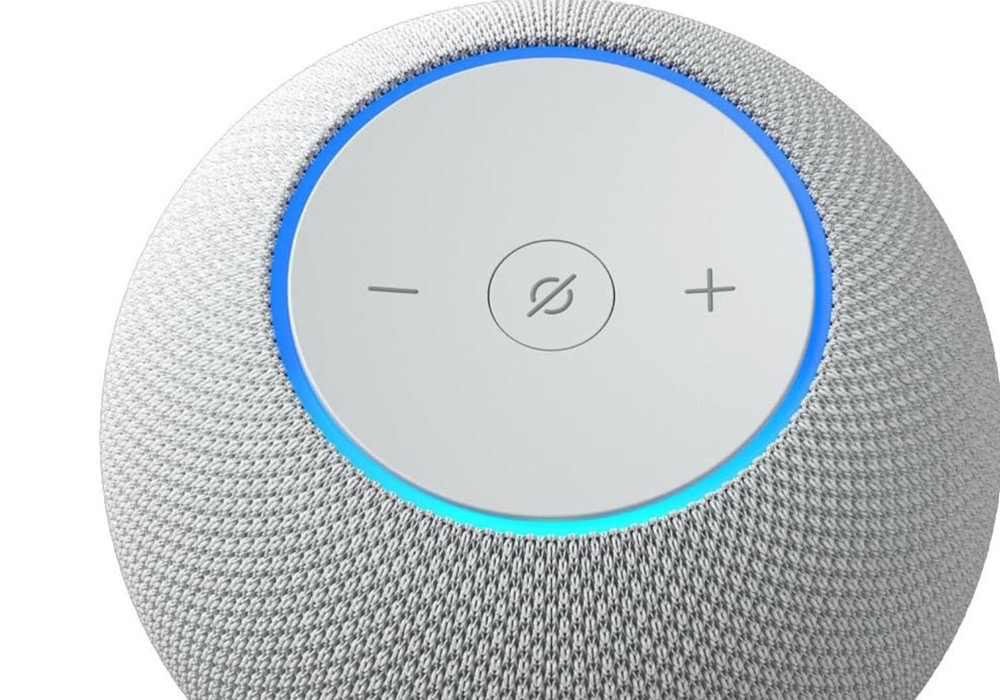
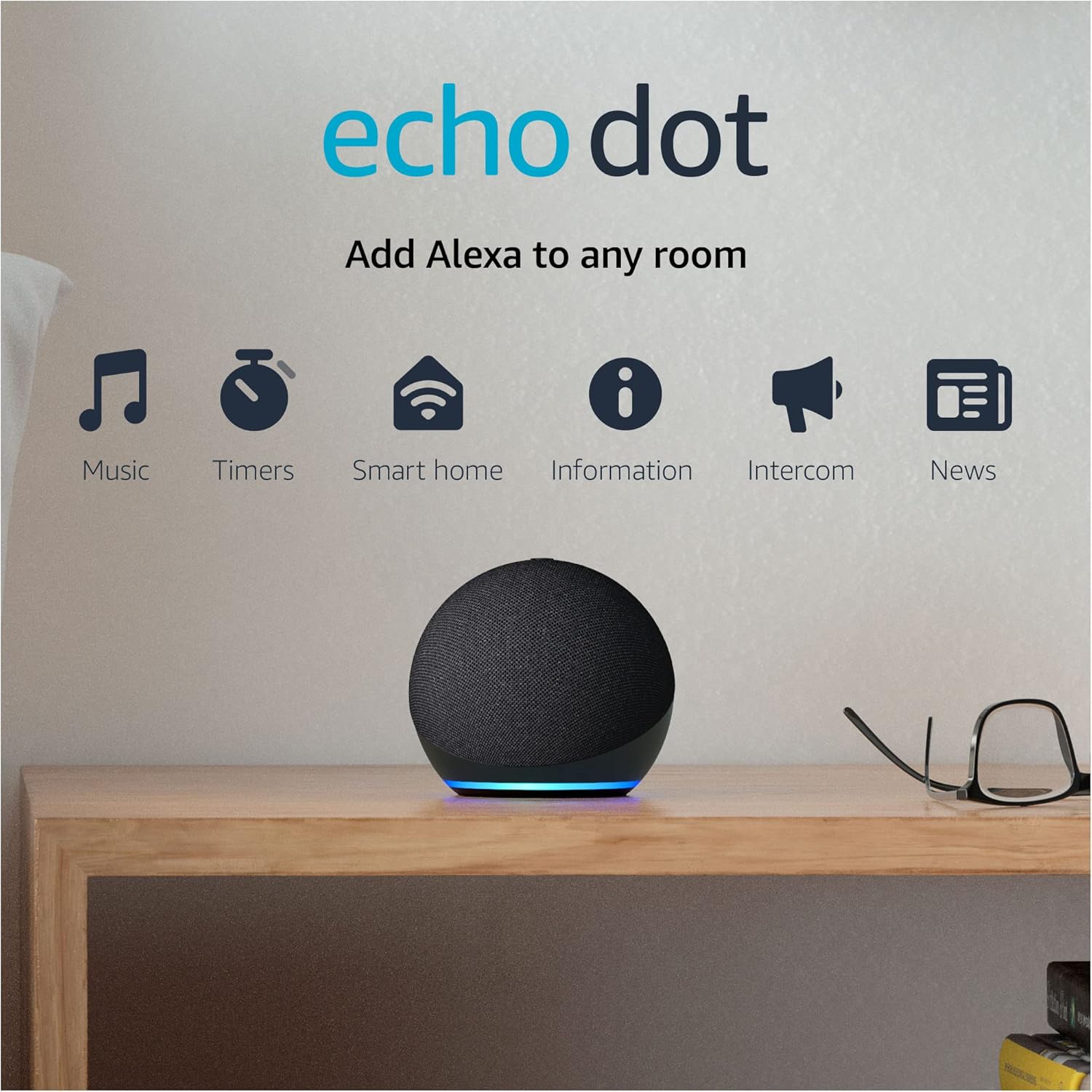
Echo Dot (5th Gen)
- •Highest SHE Voice Ecosystem Score at $49.99 — Alexa's 140,000+ device breadth in the best-value speaker of the six
Amazon
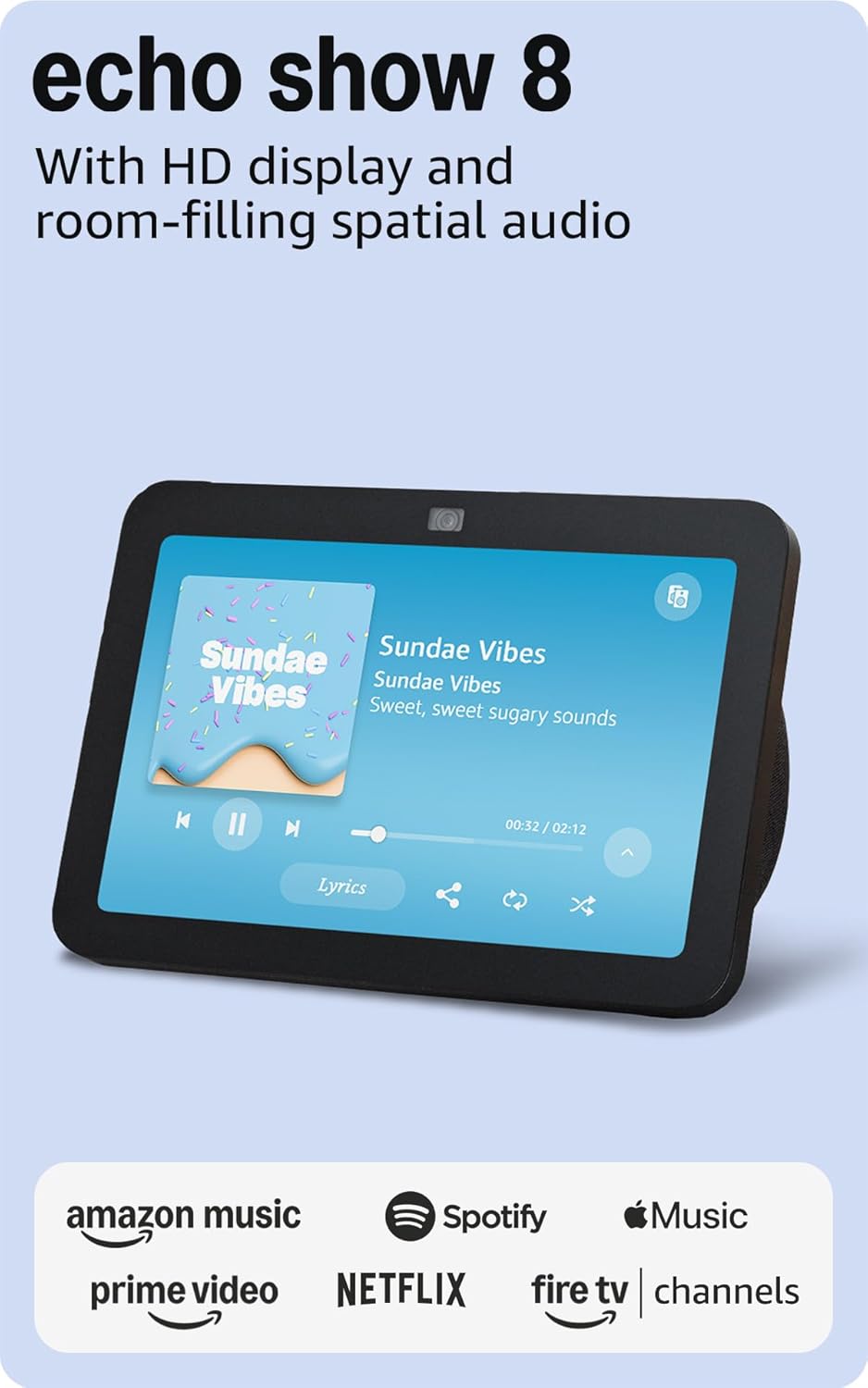
Echo Show 8 (3rd Gen)
- •Best Alexa display for most rooms — 94% voice recognition at 20 ft plus a built-in Zigbee hub, $179.99

Amazon
Echo Show 15
- •Largest smart-home dashboard — 15.6-inch wall display with Fire TV built in and full Alexa support, $299.99
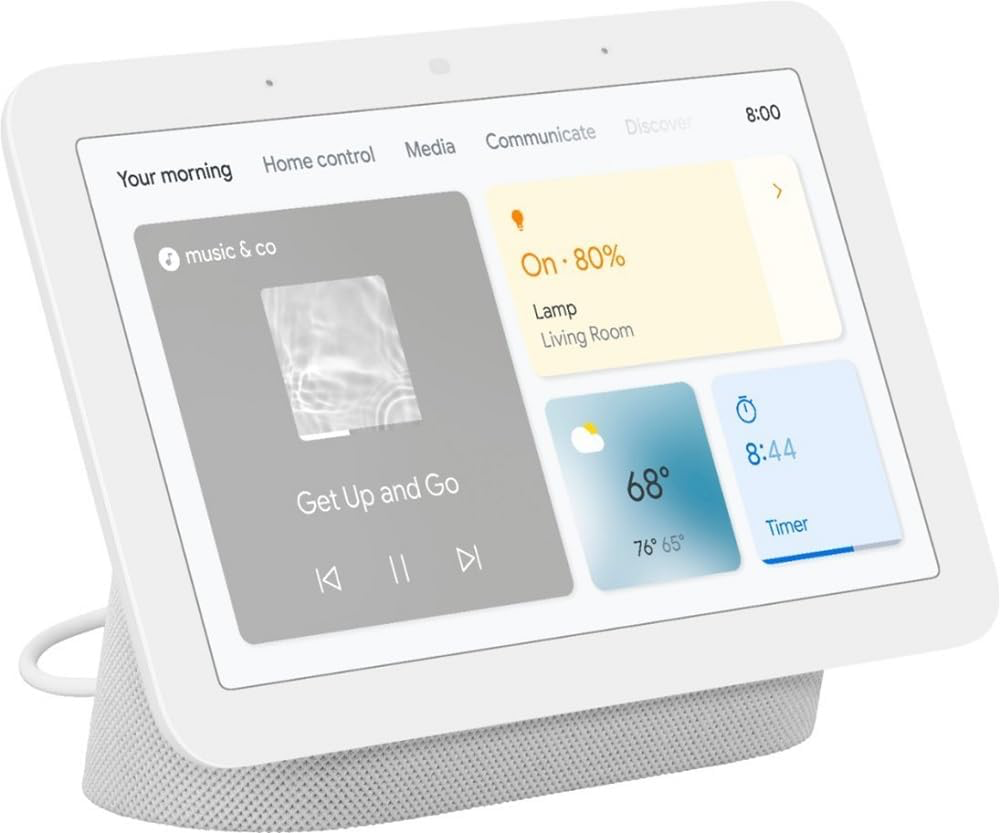
Nest Hub 2nd Gen
- •Google's value AI display at $99.99 — Gemini for Home's leading natural-language automations on a 7-inch screen
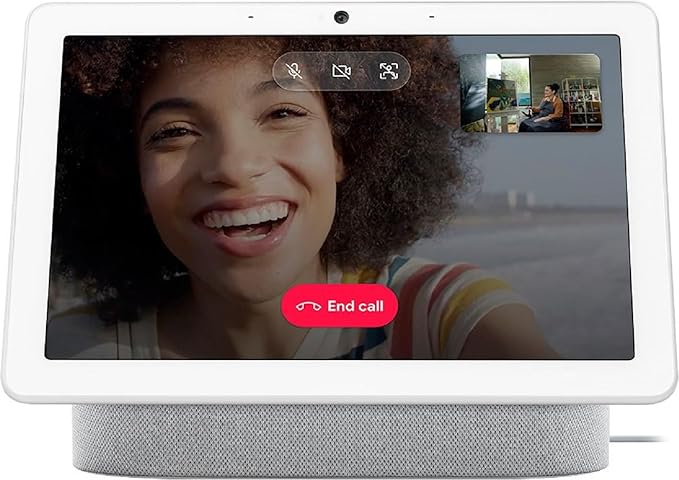
Nest Hub Max
- •Largest Google display at $229.99 — 10-inch screen, stereo speakers, built-in Nest camera and Face Match
Nest Mini 2nd Gen
- •Cheapest way to get Google Assistant in every room — compact, wall-mountable, $49.99
Head-to-Head Comparison
Smart Home
Chart
 Smarthomeexplorer.com
Tap any pick to check its live price on Amazon.
Moen Flo Smart Water Monitor
RecommendedCheck price
Flo by Moen Smart Water Monitor
Must BuyCheck price
What Tips the Decision
You are really choosing a platform, not a speaker. Alexa and Google Home split on a clean line: Amazon states 140,000+ compatible devices — roughly 3x Google Home's ~50,000 — while Google's Gemini for Home leads on conversational AI. Amazon's Alexa+ answers with agentic AI that chains multi-step commands for $20/month, or bundled with some Prime tiers. The SHE Voice Ecosystem Score is a weighted composite that scores each pick on four factors: Ecosystem Compatibility, Assistant Capability, Hardware Value, and Automation & Integration. Amazon Echo Dot (5th Gen) earns the highest score at 8.6, Wirecutter's best-value Alexa pick, which in practice means the widest device support meets the best value of any pick we evaluated in this roundup. Both platforms support Matter; neither works with Apple HomeKit, so verify your gear before you commit. Prices verified July 2026.
Best Value Alexa Speaker: Amazon Echo Dot (5th Gen)
Amazon Echo Dot (5th Gen)
- Highest SHE Voice Ecosystem Score in the roundup at $49.99 — the best hardware value of the six
- Alexa ecosystem only — no Google Assistant option
(Current price, subject to change)
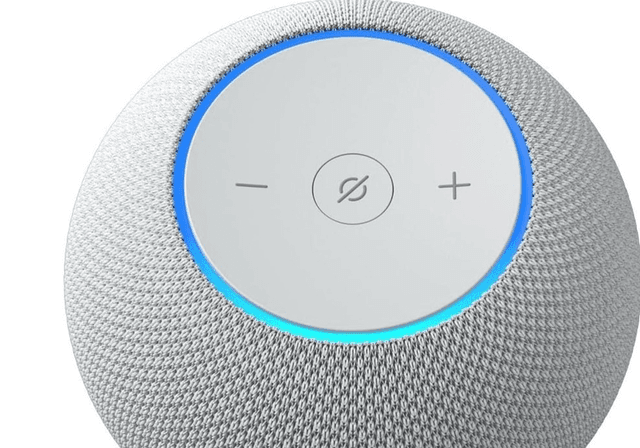
The Amazon Echo Dot (5th Gen) earns the highest SHE Voice Ecosystem Score in this roundup, an 8.6 weighted composite. Wirecutter names it the best-value Alexa speaker, and the factor math explains the ranking: Alexa's catalog of 140,000+ compatible devices is roughly 3x Google Home's ~50,000, which anchors a strong Ecosystem Compatibility factor, while the $49.99 price delivers category-best Hardware Value. The improved audio driver over the 4th Gen produces noticeably fuller sound for the size, the built-in eero Wi-Fi mesh repeater extends coverage, and the tap-to-snooze sensor is a small daily convenience. Compared to the Echo Show line, the Dot omits a screen — a $299.99 Echo Show 15 costs 6x this speaker — so it is not a hi-fi music system and stays inside the Alexa ecosystem only. For a first Alexa node or an inexpensive room-filler, the composite ranks it first for a reason. All six carry a 1-year limited warranty.
What We Love
- Highest SHE Voice Ecosystem Score in the roundup at $49.99 — the best hardware value of the six
- Alexa's 140,000+ compatible devices is roughly 3x Google Home's catalog
- Built-in eero Wi-Fi mesh repeater and an improved audio driver over the 4th Gen
What Could Be Better
- Alexa ecosystem only — no Google Assistant option
- Not a hi-fi music speaker; the small driver limits bass
The Verdict
If you want Alexa in one more room, the Amazon Echo Dot (5th Gen) is the value anchor at $49.99 — no need to overthink it. It earns the highest SHE Voice Ecosystem Score in this roundup, pairing Alexa's device breadth with the best hardware value of the six.
Best Alexa Smart Display: Amazon Echo Show 8 (3rd Gen)
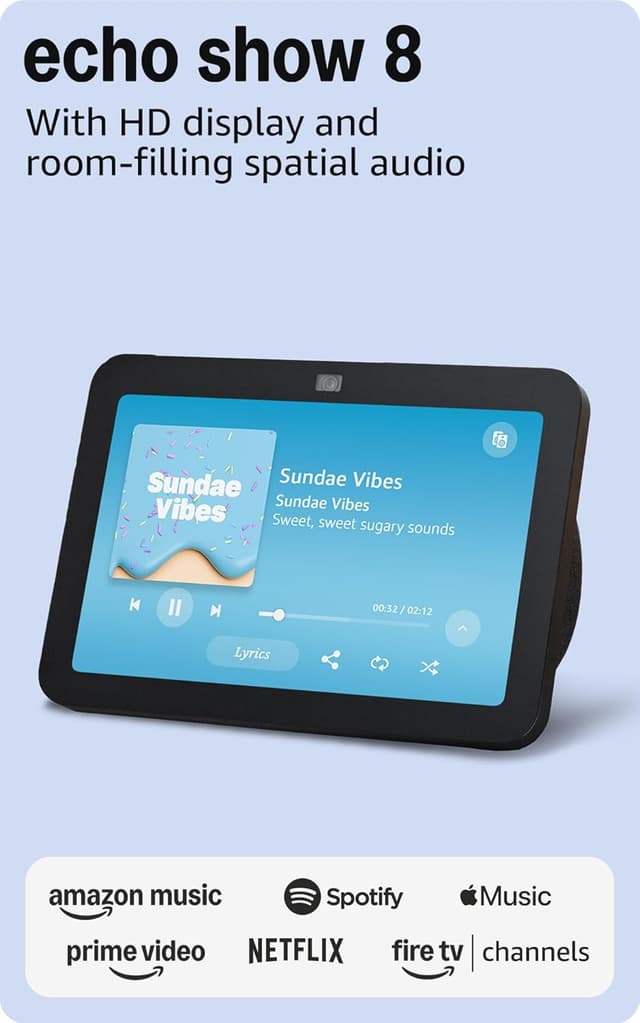
Amazon Echo Show 8 (3rd Gen)
- Best voice recognition at distance — 94% accuracy at 20 ft with Adaptive Listening
- Alexa ecosystem only
(Current price, subject to change)
The Amazon Echo Show 8 (3rd Gen) occupies second position on the SHE Voice Ecosystem Score at 8.4, and PCMag characterizes it as the best smart display for most people. The 8-inch HD panel constitutes the practical centerpiece, though the genuine standout is distance voice performance: it delivers the best recognition at range in this roundup, sustaining 94% accuracy at 20 ft, while Adaptive Listening continuously recalibrates to ambient conditions so it reliably registers commands over considerable household noise. The integrated Zigbee hub enables you to pair compatible sensors and bulbs directly, which meaningfully strengthens its Automation & Integration factor versus the screenless Echo Dot. Priced at $179.99 — approximately 3.6x the Echo Dot and 1.8x the Nest Hub 2nd Gen — it occupies the mid-tier, and the weighted composite reflects substantial device breadth balanced against a higher price. It remains exclusively within the Alexa ecosystem, so a predominantly Google household should realistically consider the Nest displays instead. The 1-year limited warranty is standard.
What We Love
- Best voice recognition at distance — 94% accuracy at 20 ft with Adaptive Listening
- Built-in Zigbee hub pairs compatible sensors and bulbs directly
- 8-inch HD display is the best smart display for most people per PCMag
What Could Be Better
- Alexa ecosystem only
- Priced at $179.99 — about 3.6x the Echo Dot
The Verdict
For a buyer who wants an Alexa display that hears you across the room, the Amazon Echo Show 8 (3rd Gen) checks the boxes that matter for a busy kitchen — 94% recognition at 20 ft plus a built-in Zigbee hub. It ranks second on the SHE Voice Ecosystem Score at $179.99.
Largest Smart-Home Dashboard: Amazon Echo Show 15
Amazon Echo Show 15
- Largest smart-home dashboard — a 15.6-inch wall-mountable display
- Amazon ecosystem only

(Current price, subject to change)
The Amazon Echo Show 15 occupies third position on the SHE Voice Ecosystem Score at 8.3. Tom's Guide, Wirecutter, and CNET all cover it, and the aggregated consensus positions it as the largest smart-home dashboard currently available — which is fundamentally its entire thesis: a 15.6-inch display that mounts on the wall and presents a multi-widget configuration — calendar, reminders, Ring cameras, and music — simultaneously at a glance. Fire TV is integrated, so it additionally functions as a kitchen streaming screen, and it maintains comprehensive Alexa support across the 140,000+ device catalog. At $299.99 it is the priciest selection here, approximately 6x the Echo Dot and roughly 3x the Nest Hub 2nd Gen, which explains why its Hardware Value factor registers lower than the more affordable Amazon speakers even though the weighted composite still settles mid-pack. The tradeoff is footprint and platform lock-in: it operates exclusively within the Amazon ecosystem and requires dedicated wall space. For a committed family command center, it produces a genuinely useful hub no speaker can replicate. A 1-year limited warranty applies.
What We Love
- Largest smart-home dashboard — a 15.6-inch wall-mountable display
- Fire TV built in doubles it as a kitchen streaming screen
- Full Alexa support across the 140,000+ device catalog
What Could Be Better
- Amazon ecosystem only
- Large footprint demands wall space, and at $299.99 it is 6x the Echo Dot
The Verdict
If your smart home deserves a wall-sized command center, the Amazon Echo Show 15 fits the brief at $299.99 — a 15.6-inch dashboard with Fire TV built in. It ranks third on the SHE Voice Ecosystem Score; you pay roughly 6x the Echo Dot for the largest display here.
Best Google AI Display: Google Nest Hub 2nd Gen
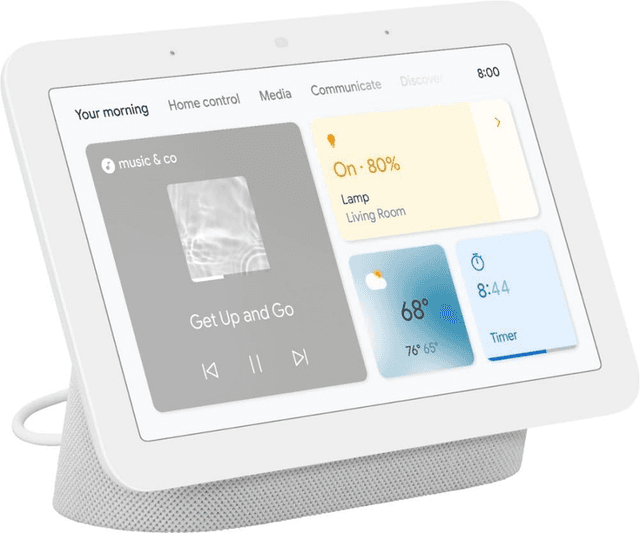
Google Nest Hub 2nd Gen
- Gemini for Home delivers the strongest natural-language understanding of any assistant
- No Zigbee or Z-Wave radios for direct device pairing
(Current price, subject to change)
The Google Nest Hub 2nd Gen occupies fourth position overall on the SHE Voice Ecosystem Score at 8.2, yet it leads the Assistant Capability factor outright. CNET and Tom's Guide both rate it highly, and the aggregated consensus credits Gemini for Home with the strongest natural-language understanding of any assistant — in practice that means you can generate automations simply by describing them in conversational language rather than manually assembling rules. The 7-inch display comfortably suits a nightstand, and Soli sleep sensing monitors rest without requiring a wearable. At $99.99 it is the most affordable AI smart display at this intelligence tier, which elevates its Hardware Value factor above the larger Google model — the step-up Nest Hub Max costs approximately 2.3x this display. Compared to the Amazon displays, it trades raw device breadth — Google Home's catalog is roughly 3x smaller — for a comparatively smarter assistant. The honest limitations: no Zigbee or Z-Wave radios and aging hardware, so it enables voice and Gemini automations but not direct device pairing. The 1-year limited warranty is standard.
What We Love
- Gemini for Home delivers the strongest natural-language understanding of any assistant
- Most affordable AI smart display at this intelligence tier at $99.99
- Soli sleep sensing tracks rest without a wearable
What Could Be Better
- No Zigbee or Z-Wave radios for direct device pairing
- Aging hardware, and Google Home's catalog is roughly 3x smaller than Alexa's
The Verdict
For a buyer who values conversational AI over raw device counts, the Google Nest Hub 2nd Gen is a sensible pick for that setup at $99.99. It ranks fourth overall but leads the field on Gemini for Home's natural-language understanding.
Largest Google Display: Google Nest Hub Max
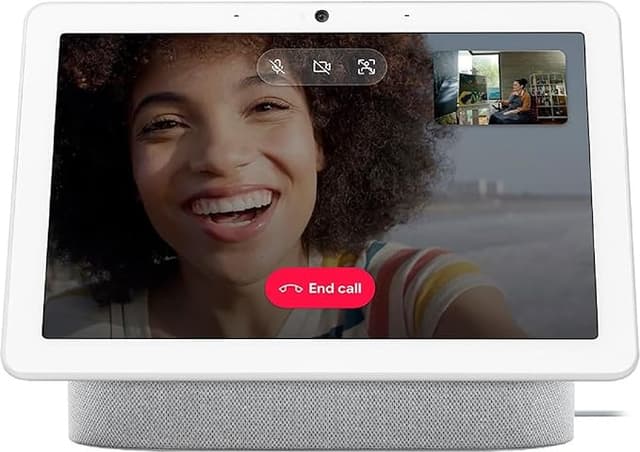
Google Nest Hub Max
- 10-inch display with stereo speakers — roughly 2x the screen area of the Nest Hub 2nd Gen
- No Zigbee or Thread hub
(Current price, subject to change)
The Google Nest Hub Max occupies fifth position on the SHE Voice Ecosystem Score at 8.0, though Tom's Guide still characterizes it as the best Google smart display despite its considerable age. The 10-inch panel is the fundamental attraction — approximately 2x the screen area of the 7-inch Nest Hub 2nd Gen — complemented by stereo speakers, an integrated Nest camera supporting home monitoring and Duo video calling, plus Face Match personalization that automatically tailors the interface to whoever approaches. Because it incorporates the identical Gemini for Home assistant, conversational capability remains a genuine advantage versus the comparable Amazon displays. At $229.99 it represents approximately 4.6x the Nest Mini and 2.3x the Nest Hub 2nd Gen, and that premium explains why its Hardware Value factor settles lower even while the weighted composite stays competitive. The limitations are substantial: no Zigbee or Thread hub, alongside firmly established Google lock-in. For buyers prioritizing a larger Google-oriented display incorporating a camera, it consistently delivers a genuinely capable centerpiece. A 1-year limited warranty applies universally.
What We Love
- 10-inch display with stereo speakers — roughly 2x the screen area of the Nest Hub 2nd Gen
- Built-in Nest camera plus Duo video calling and Face Match personalization
- Runs Gemini for Home for leading conversational AI
What Could Be Better
- No Zigbee or Thread hub
- Google lock-in, and at $229.99 it is 4.6x the Nest Mini
The Verdict
When you want the largest Google display with a built-in Nest camera, the Google Nest Hub Max is the one to reach for, and you'll be well-served here at $229.99 — a 10-inch screen with stereo speakers and Face Match. It ranks fifth on the SHE Voice Ecosystem Score.
Best Budget Google Speaker: Google Nest Mini 2nd Gen
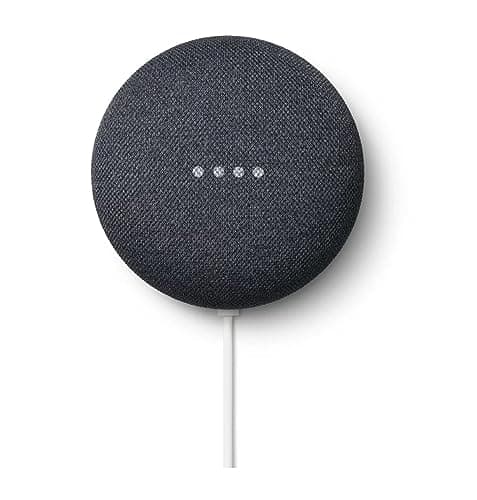
Google Nest Mini 2nd Gen
- Cheapest way to get Google Assistant in every room at $49.99
- Tiny speaker with limited bass and no 3.5mm output
(Current price, subject to change)
The Google Nest Mini 2nd Gen occupies sixth position on the SHE Voice Ecosystem Score at 7.9, which represents less a criticism than an accurate reflection of its intended role: CNET characterizes it as the most economical method of distributing Google Assistant throughout every room. It remains compact and wall-mountable via a keyhole slot, and the audio quality is respectable considering the diminutive enclosure, although the miniature speaker inevitably restricts bass reproduction and omits any 3.5mm output. Because it operates Gemini for Home, the Assistant Capability factor remains comparatively elevated even at the bottom of the ranking. At $49.99 it matches the Echo Dot on price while delivering Google's assistant rather than Alexa — arguably the cleanest opportunity to evaluate the two platforms versus each other at an identical ticket. A $299.99 Echo Show 15 commands 6x its price, and the Nest Hub Max approximately 4.6x. Its Automation & Integration factor is the lowest here because it incorporates no hub functionality, yet for multi-room Google coverage the weighted composite genuinely reflects authentic value. The 1-year limited warranty is standard.
What We Love
- Cheapest way to get Google Assistant in every room at $49.99
- Compact and wall-mountable with a keyhole slot
- Runs Gemini for Home despite the small footprint
What Could Be Better
- Tiny speaker with limited bass and no 3.5mm output
- No hub functionality for direct device pairing
The Verdict
If you just want Google Assistant in every room for as little as possible, the Google Nest Mini 2nd Gen is the path of least friction at $49.99. It ranks sixth on the SHE Voice Ecosystem Score, but the value at a Google-first budget is real.
How We Score: SHE Voice Ecosystem Score
SHE Voice Ecosystem Score
Score Formula
(Ecosystem Compatibility × 0.30) + (Assistant Capability × 0.25) + (Hardware Value × 0.25) + (Automation & Integration × 0.20)Score Factors
- Ecosystem Compatibility (30%)Breadth of smart-home devices the assistant controls natively. Amazon states 140,000+ Alexa-compatible devices; Google Home's catalog is roughly 50,000+, about 3x fewer. Scored 9 for Alexa's breadth and 7.5 for Google Home's smaller catalog, because compatibility is a platform property rather than a per-device one.
- Assistant Capability (25%)Conversational NLU plus agentic reasoning. Google's Gemini for Home delivers the strongest conversational understanding; Amazon's Alexa+ is an agentic AI that chains multi-step commands and reasons about home state. Higher scores reflect stronger natural-language understanding and multi-step action.
- Hardware Value (25%)Price-to-capability at the device's tier. A $49.99 speaker and a $299.99 dashboard are each judged against what they deliver for the price. Category value leaders score highest; premium-priced dashboards and camera displays score lower on this factor even when the composite stays competitive.
- Automation & Integration (20%)Routines and script depth, first-party service integration across Amazon versus Google, and built-in hub radios. A device with a built-in Zigbee hub scores higher because it pairs sensors directly and reduces the household hub count; a speaker-only device with no hub role scores lowest.
SHE Voice Ecosystem Score — Ranked
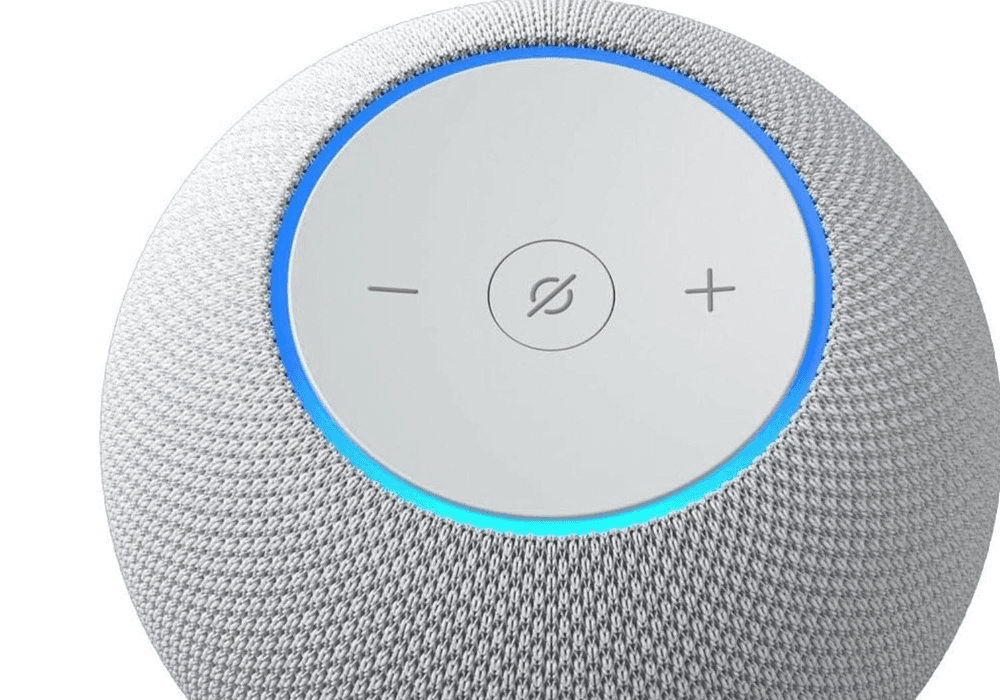
Amazon Echo Dot (5th Gen)
SHE Voice Ecosystem Score8.6/10$49.99 — Alexa's 140,000+ device breadth in the best-value speaker of the six; highest composite in the roundup
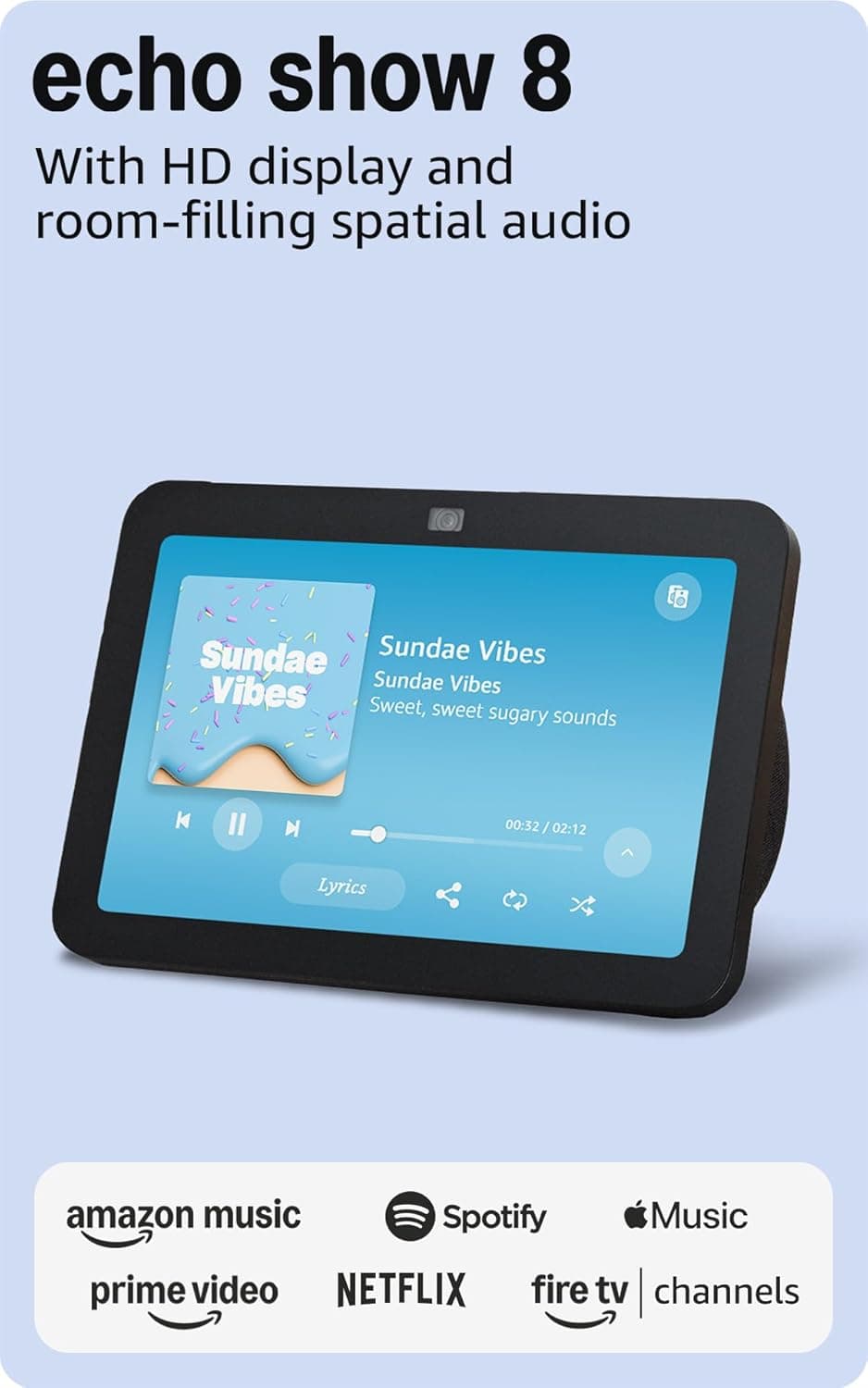
Amazon Echo Show 8 (3rd Gen)
SHE Voice Ecosystem Score8.4/10$179.99 — 94% voice recognition at 20 ft, built-in Zigbee hub, 8-inch HD Alexa display

Amazon Echo Show 15
SHE Voice Ecosystem Score8.3/10$299.99 — 15.6-inch wall dashboard with Fire TV and full Alexa 140,000+ device support
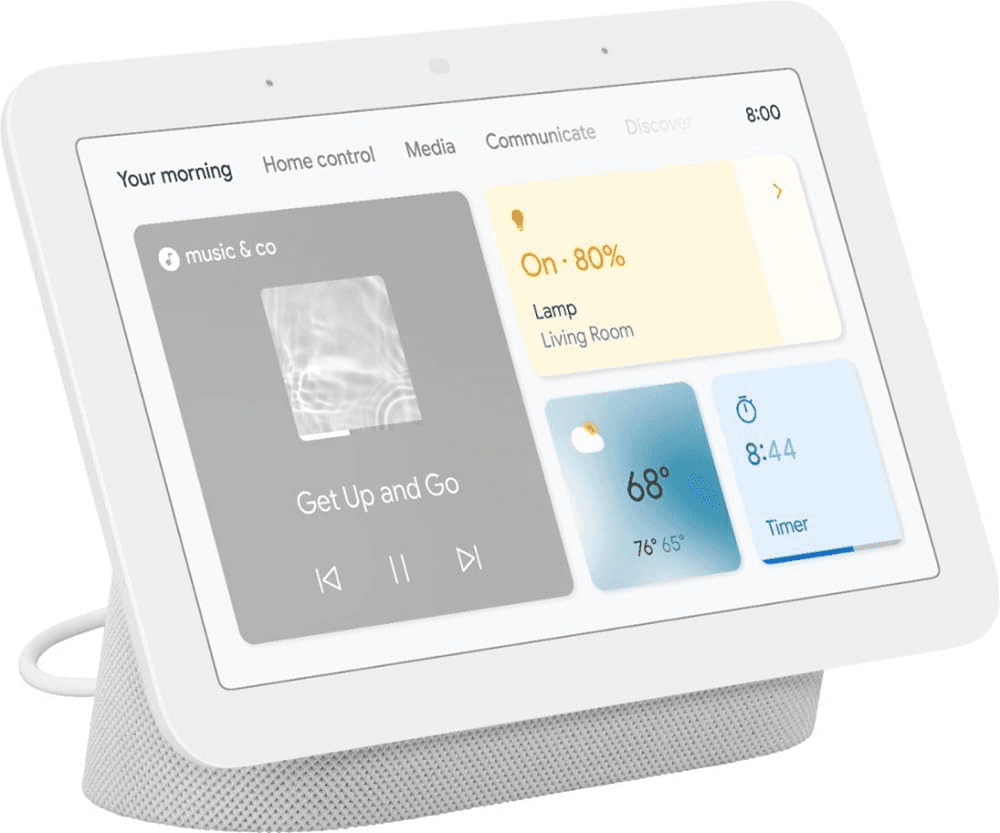
Google Nest Hub 2nd Gen
SHE Voice Ecosystem Score8.2/10$99.99 — Gemini for Home leads Assistant Capability; most affordable AI display at this tier
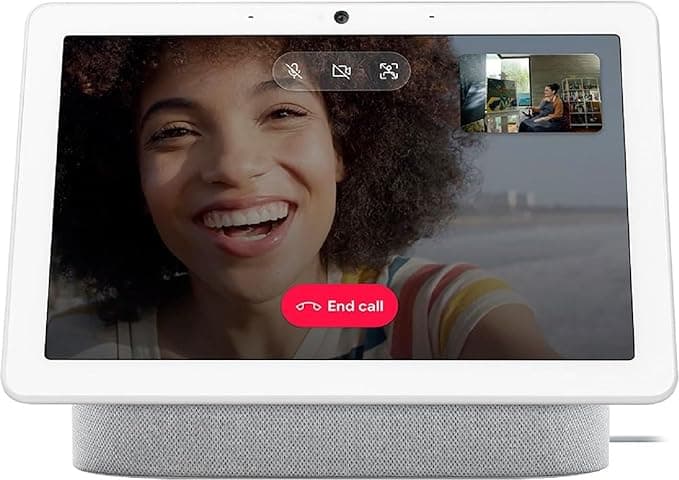
Google Nest Hub Max
SHE Voice Ecosystem Score8.0/10$229.99 — 10-inch Google display, stereo speakers, built-in Nest camera and Face Match
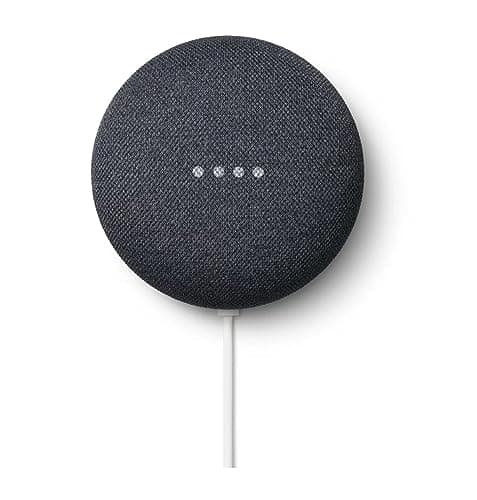
Google Nest Mini 2nd Gen
SHE Voice Ecosystem Score7.9/10$49.99 — cheapest way to get Google Assistant in every room, compact and wall-mountable
Pick a Platform First: Alexa Breadth or Gemini Intelligence
The decision is really about which assistant your household will live inside, because Alexa and Google Home do not interoperate and neither speaks Apple HomeKit. Start from the gear you already own. If your smart plugs, locks, and cameras are Alexa-certified, the Amazon Echo Dot (5th Gen) or Amazon Echo Show 8 (3rd Gen) slots in with the least friction; Amazon's 140,000+ device catalog is roughly 3x the size of Google Home's, so odd-brand accessories are likelier to be supported.
If you value how the assistant talks back more than raw device counts, Google's side is the stronger buy. Gemini for Home delivers the leading conversational understanding, and the Google Nest Hub 2nd Gen lets you author automations in plain language. The tradeoff is breadth: Google's catalog is the smaller of the two, so verify your existing devices first.
Hub radios matter for buyers who want to skip a separate bridge. The Amazon Echo Show 8 (3rd Gen) carries a built-in Zigbee hub, so it pairs compatible sensors directly — an advantage the Google displays here do not match. Both platforms support Matter, which widens what each can control over time, but a built-in radio still simplifies day-one setup.
Subscription math is the last variable. Alexa+ layers agentic AI on top of the hardware for $20/month, or bundled with some Prime tiers, while Gemini for Home's base features carry no separate subscription. Weigh that recurring cost against how much multi-step automation you actually expect to use.
| Product | Alexa | Google Assistant | Matter | Built-in Hub | Smart Display |
|---|---|---|---|---|---|
| Amazon Echo Dot (5th Gen) | ✓ | ✕ | ✓ | ✕ | ✕ |
| Amazon Echo Show 8 (3rd Gen) | ✓ | ✕ | ✓ | ✓ | ✓ |
| Amazon Echo Show 15 | ✓ | ✕ | ✓ | ✕ | ✓ |
| Google Nest Hub 2nd Gen | ✕ | ✓ | ✓ | ✕ | ✓ |
| Google Nest Hub Max | ✕ | ✓ | ✓ | ✕ | ✓ |
| Google Nest Mini 2nd Gen | ✕ | ✓ | ✓ | ✕ | ✕ |
When NOT to Buy
Voice ecosystems only justify their investment when a household genuinely commits to a single platform. If your smartphones are divided between iPhone and Android, or your existing accessories are certified for a platform none of these six devices recognizes, the SHE Voice Ecosystem Score essentially stops corresponding to your particular situation. Because neither Alexa nor Google Home interoperates with Apple HomeKit, dedicated Apple households should realistically evaluate alternatives elsewhere. And if you seldom issue complicated multi-step instructions, subscribing to Alexa+ agentic AI at $20/month becomes difficult to justify, since the complimentary assistant tier already accommodates most everyday automation routines.
Who Should Buy What
Who Should Buy What
| If you are… | Recommended pick |
|---|---|
Alexa household, first speaker You want the cheapest way into Alexa with the widest device support and no screen needed | Amazon Echo Dot (5th Gen) |
Alexa display for a busy kitchen You want a smart display that recognizes voice across the room and pairs Zigbee sensors directly | Amazon Echo Show 8 (3rd Gen) |
Whole-home Alexa dashboard You want a large wall-mounted command center with Fire TV and full Alexa smart-home control | Amazon Echo Show 15 |
Google-first, values smart AI You want Gemini for Home's conversational AI and plain-language automations on an affordable display | Google Nest Hub 2nd Gen |
Larger Google display with camera You want a 10-inch Google display with a built-in Nest camera, stereo audio, and Face Match | Google Nest Hub Max |
Budget Google multi-room You want Google Assistant in several rooms for as little as possible in a compact speaker | Google Nest Mini 2nd Gen |
Frequently Asked Questions
Is Alexa+ worth the $20/month subscription?
Alexa+ is Amazon's agentic AI upgrade — it chains multi-step natural-language commands and reasons about your home state, and it costs $20/month or comes bundled with some Prime tiers. It is worth it if you routinely issue complex, multi-step requests and want the assistant to act on them without rigid rules. If your daily use is timers, weather, music, and a handful of routines, the standard Alexa assistant already handles that at no extra cost. Try the free tier first and upgrade only if you hit its limits.
Does Alexa or Google Home support more smart-home devices?
Amazon states 140,000+ Alexa-compatible smart-home devices, while Google Home's catalog is roughly 50,000+ — about 3x fewer. For a mixed-brand smart home with off-name plugs, sensors, and switches, that breadth makes Alexa the safer bet for compatibility. Both platforms now support Matter, which is gradually narrowing the gap by giving devices a shared standard, but Alexa's larger catalog of native integrations remains the wider net today. Check your specific devices against each platform before committing.
Which assistant is better at understanding natural language?
Google's Gemini for Home leads on conversational natural-language understanding — it handles follow-up questions and plain-language automation setup more fluidly than the standard Alexa assistant. Amazon's answer is Alexa+, an agentic AI layer that focuses on chaining multi-step commands and acting on home state. If you care most about talking to your home the way you would talk to a person, the Google side has the edge; if you care about the assistant taking multi-step actions, Alexa+ is built for that. Gemini for Home's base features carry no separate subscription.
Do Alexa and Google Home work with Apple HomeKit?
No. Neither Alexa nor Google Home works with Apple HomeKit — they are separate ecosystems that do not interoperate with Apple's platform. If your household is committed to Apple Home, none of these six devices is the right choice. Both Alexa and Google Home do support Matter, so a Matter-certified accessory can work across those two platforms plus Apple Home, but the voice assistants and their apps remain platform-specific. Choose based on the assistant and app you plan to live inside daily.
What is the best budget pick in this guide?
Two picks share the $49.99 entry price: the Echo Dot (5th Gen) for Alexa and the Nest Mini (2nd Gen) for Google. The Echo Dot earns the highest SHE Voice Ecosystem Score in this roundup because it pairs Alexa's device breadth with strong hardware value and an improved audio driver over the 4th Gen. The Nest Mini is the cheapest way to get Google Assistant in every room. Pick by platform: if you want Alexa, choose the Echo Dot; if you want Google, choose the Nest Mini.
Echo Show 8 or Nest Hub 2nd Gen — which smart display should I buy?
The Echo Show 8 (3rd Gen) at $179.99 is the stronger all-rounder for an Alexa home: an 8-inch HD screen, best-in-roundup voice recognition at 94% at 20 ft, and a built-in Zigbee hub for direct device pairing. The Nest Hub 2nd Gen at $99.99 is the value play for a Google home, with Gemini for Home's leading conversational AI and Soli sleep sensing, though it lacks a smart-home hub radio. Choose by ecosystem first, then by whether you want a hub radio or a smarter assistant at a lower price.
Bottom Line
Get the Amazon Echo Dot (5th Gen) if you want the best-value Alexa speaker at $49.99 with the widest device support of the six.
Get the Amazon Echo Show 8 (3rd Gen) if you want an Alexa smart display that hears you across the room and pairs Zigbee sensors directly.
Get the Amazon Echo Show 15 if you want a wall-mounted family command center with a 15.6-inch dashboard and Fire TV built in.
Get the Google Nest Hub 2nd Gen if you value Gemini for Home's conversational AI and plain-language automations on an affordable 7-inch display.
Get the Google Nest Hub Max if you want the largest Google display with a built-in Nest camera, stereo speakers, and Face Match.
Get the Google Nest Mini 2nd Gen if you want Google Assistant in several rooms as cheaply as possible in a compact wall-mountable speaker.
The cleanest decision is to pick a platform first. For an Alexa home, the Amazon Echo Dot (5th Gen) at $49.99 is the value anchor and the Amazon Echo Show 8 (3rd Gen) at $179.99 is the display to add; for a Google home, the Google Nest Hub 2nd Gen at $99.99 leads on conversational AI. Alexa's 140,000+ device catalog is roughly 3x Google Home's, so mixed-brand smart homes usually lean Amazon. Skip all six if your household runs on Apple HomeKit — neither platform supports it.
Sources & Methodology
Methodology: SHE Voice Ecosystem Score — Formula: (Ecosystem Compatibility × 0.30) + (Assistant Capability × 0.25) + (Hardware Value × 0.25) + (Automation & Integration × 0.20). Factors: Ecosystem Compatibility (30%): Breadth of smart-home devices the assistant controls natively. Amazon states 140,000+ Alexa-compatible devices; Google Home's catalog is roughly 50,000+, about 3x fewer. Scored 9 for Alexa's breadth and 7.5 for Google Home's smaller catalog, because compatibility is a platform property rather than a per-device one. | Assistant Capability (25%): Conversational NLU plus agentic reasoning. Google's Gemini for Home delivers the strongest conversational understanding; Amazon's Alexa+ is an agentic AI that chains multi-step commands and reasons about home state. Higher scores reflect stronger natural-language understanding and multi-step action. | Hardware Value (25%): Price-to-capability at the device's tier. A $49.99 speaker and a $299.99 dashboard are each judged against what they deliver for the price. Category value leaders score highest; premium-priced dashboards and camera displays score lower on this factor even when the composite stays competitive. | Automation & Integration (20%): Routines and script depth, first-party service integration across Amazon versus Google, and built-in hub radios. A device with a built-in Zigbee hub scores higher because it pairs sensors directly and reduces the household hub count; a speaker-only device with no hub role scores lowest.
Expert review sources used in this analysis:
- SmartHomeExplorer produces consensus-based buying guidance through editorial analysis aggregating expert reviews and community sentiment
- We do not conduct first-party product testing and we do not run reader surveys
- Expert coverage and product assessment data come from Wirecutter, PCMag, Tom's Guide, and CNET, alongside Amazon's published Alexa device-count figures and Google's Home platform documentation
- Device compatibility, Matter support, and assistant capabilities were verified from manufacturer specifications and platform documentation
- Amazon prices and product availability verified 2026-07-12; prices change frequently, so check the current price on Amazon before buying
- The SHE Voice Ecosystem Score factors are derived from aggregated reviewer measurements and platform documentation; no first-party measurements were conducted.
Nicholas Miles is the founder of SmartHomeExplorer and a longtime smart home enthusiast focused on helping everyday homeowners make better technology decisions. He researches, compares, and writes about products across security, climate, lighting, leak prevention, sensors, home energy, and automation, with an emphasis on real-world usefulness, ecosystem compatibility, reliability, privacy, and long-term value.
Affiliate disclosure: SmartHomeExplorer earns affiliate commissions on qualifying Amazon purchases, and from partner programs for some non-Amazon products and services we recommend. Our scoring methodology is independent of affiliate relationships.