
Best Matter Smart Bulbs for Cross-Ecosystem Homes (2026)
Matter promised one bulb for every platform; reality is messier. Nanoleaf gets closest — here's how to pick for a mixed Apple, Alexa, and Google home.
This article contains affiliate links. We may earn a commission at no extra cost to you. Prices change frequently — check the current price on Amazon before buying. Learn more
The Short Answer
For most mixed-ecosystem homes, the Nanoleaf Essentials A19 is the best Matter bulb in 2026: Matter-over-Thread pairs cleanly to Apple Home, Alexa, and Google with responses under 120ms. Choose Philips Hue if whole-home reliability justifies a bridge, or WiZ if you're lighting several rooms on a budget.
Featured in this Guide
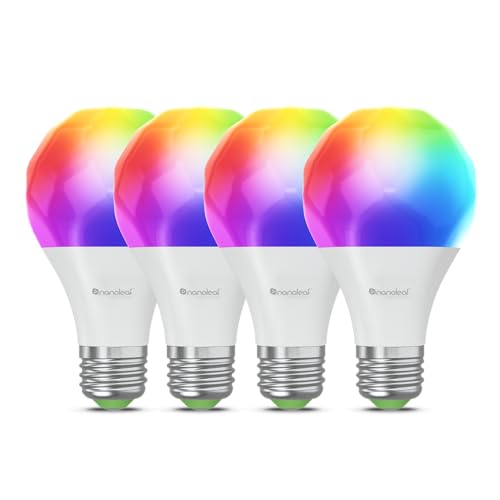
Nanoleaf
Essentials A19 Matter Bulb
- •Matter-over-Thread pairing to Apple, Alexa, and Google at about $15 a bulb — the cleanest cross-ecosystem value here.
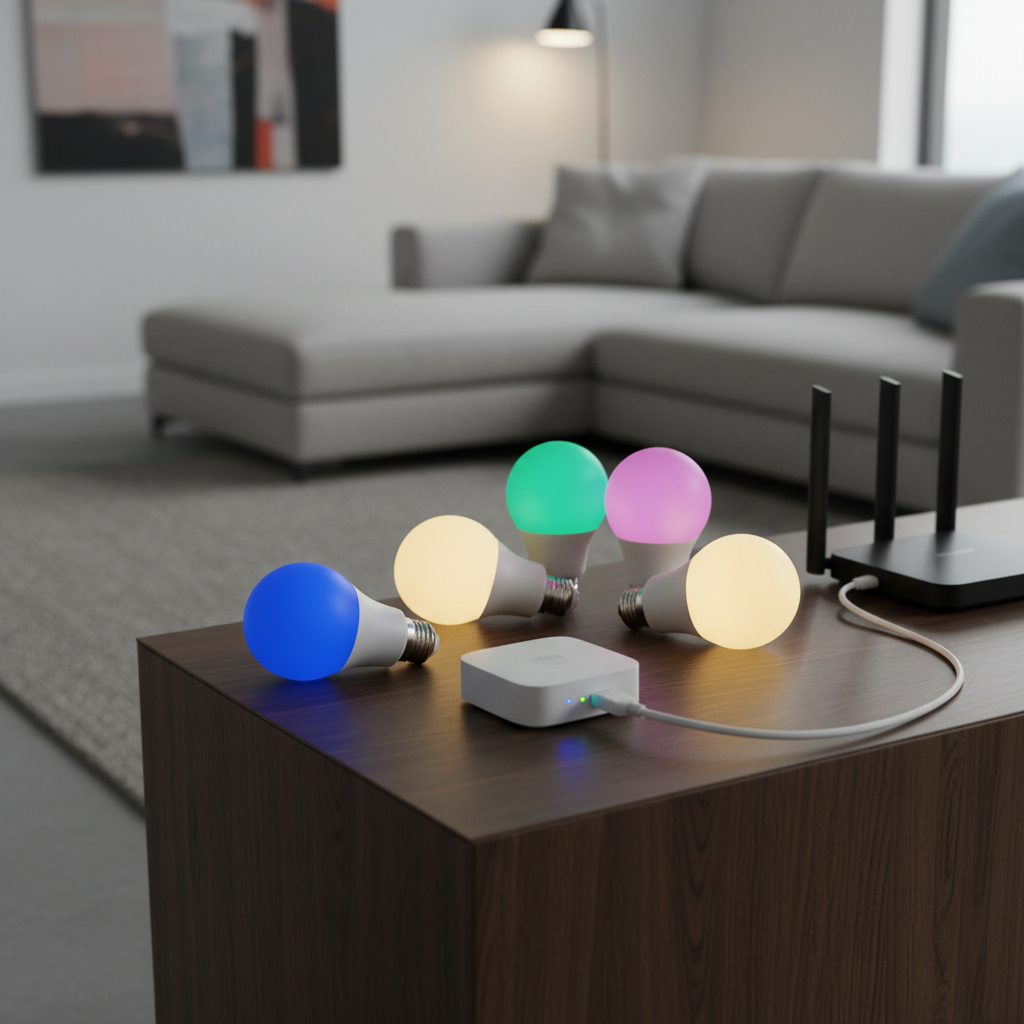
Philips
Hue Color A19
- •The steadiest uptime and best color in the group
- •worth the bridge cost once you're lighting a whole home.
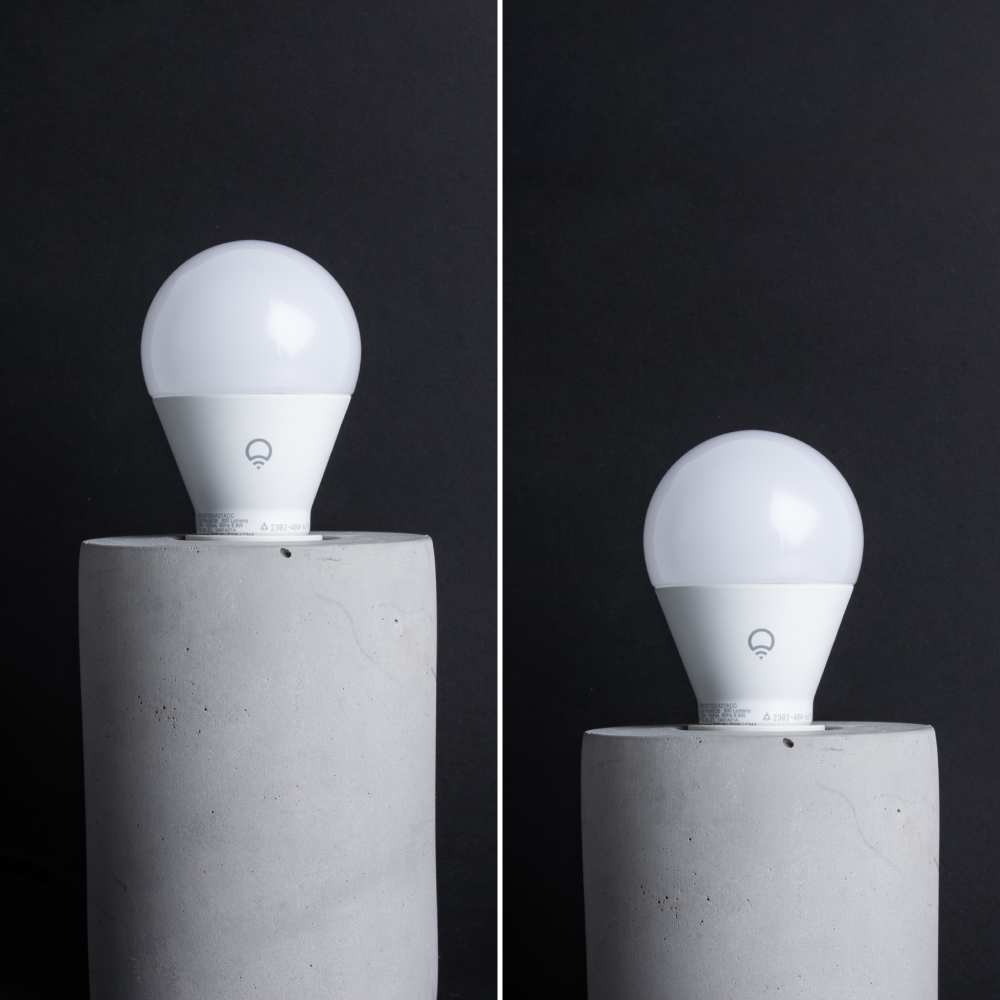
LIFX
Color A19
- •The brightest, most saturated no-hub bulb, now Matter Compatible across all three major platforms.
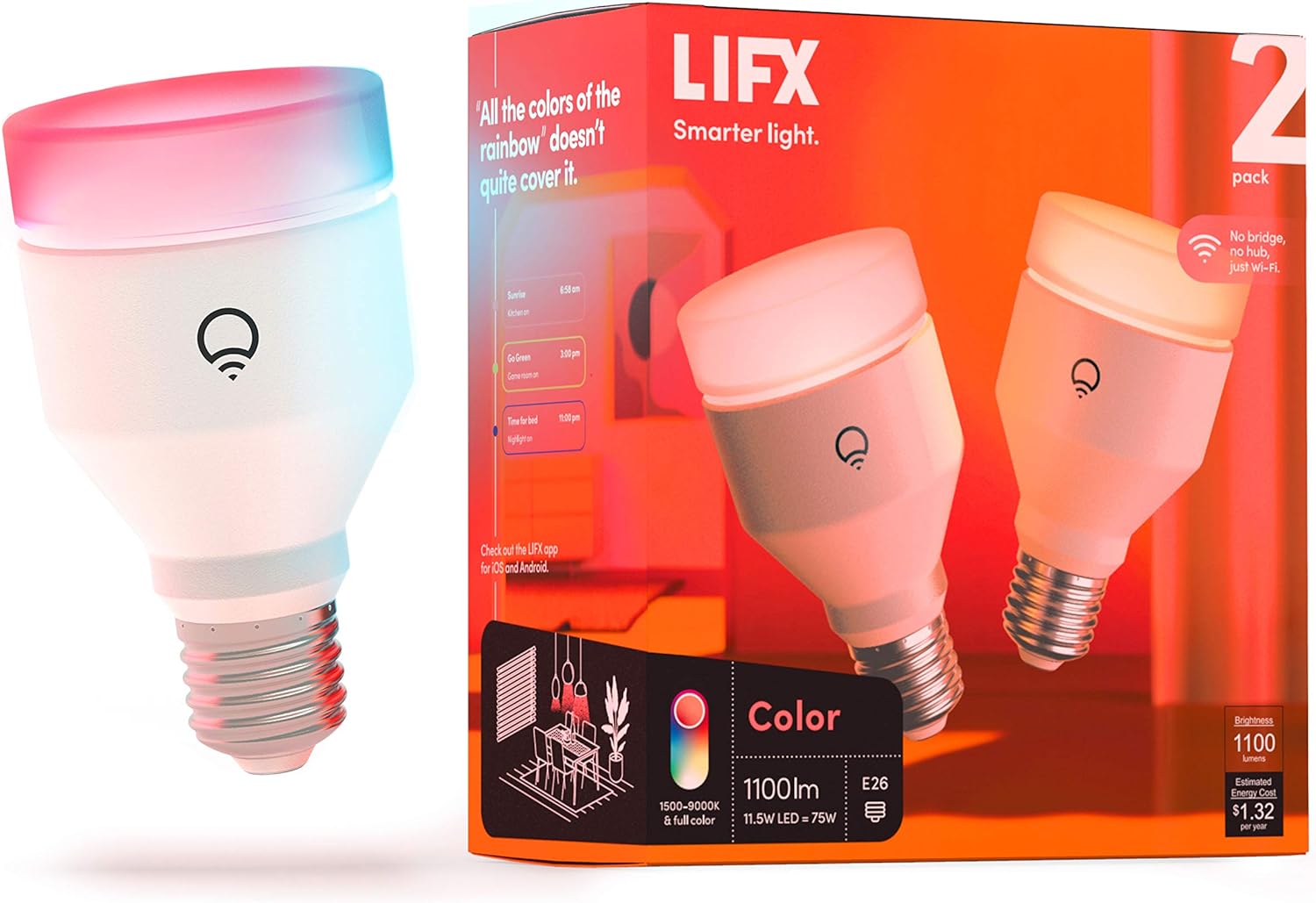
WiZ
Connected Smart Bulbs
- •Broadest compatibility for the money at about $8.33 a bulb, plus new motion and Sunset-to-Sunrise scheduling.
Head-to-Head on Ecosystem Fit and Reliability
Lighting
Chart
 Smarthomeexplorer.com
Tap any pick to check its live Prime price on Amazon.
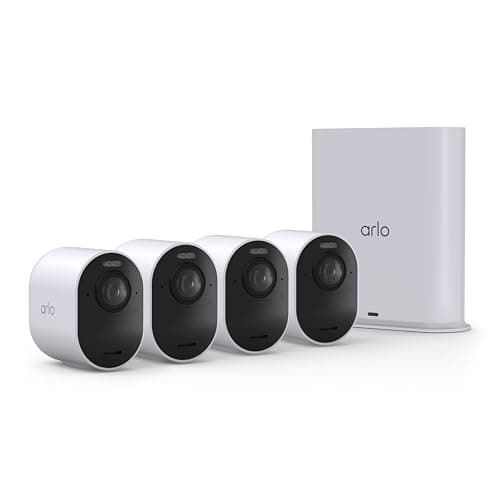
Arlo Ultra 4K HDR Security Camera (3rd Gen) 4-Cam Kit
RecommendedCheck price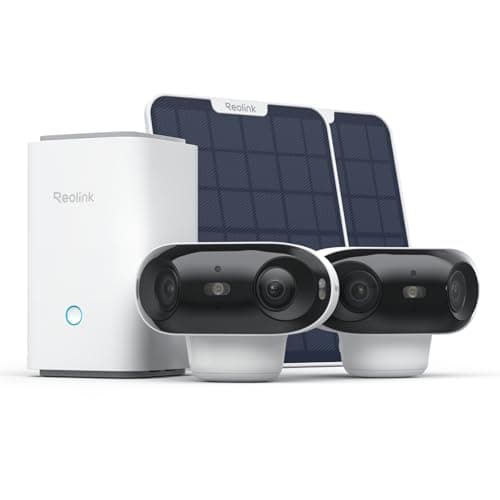
Reolink Home Hub with 2x Argus 4 Pro
RecommendedCheck price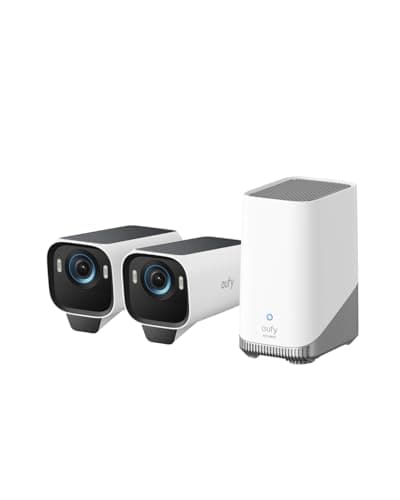
eufyCam S3 Pro 2-Cam Kit (Solar, 4K)
Must BuyCheck price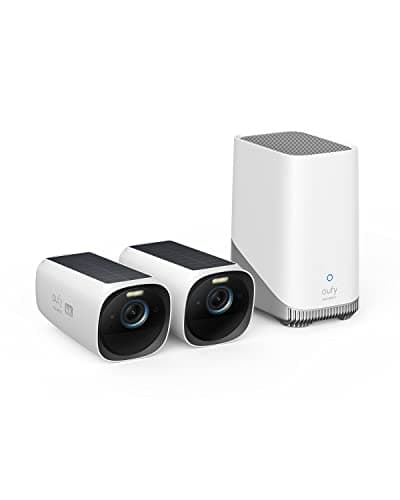
eufy Security eufyCam S330 2-Cam Kit (HomeBase 3)
RecommendedCheck price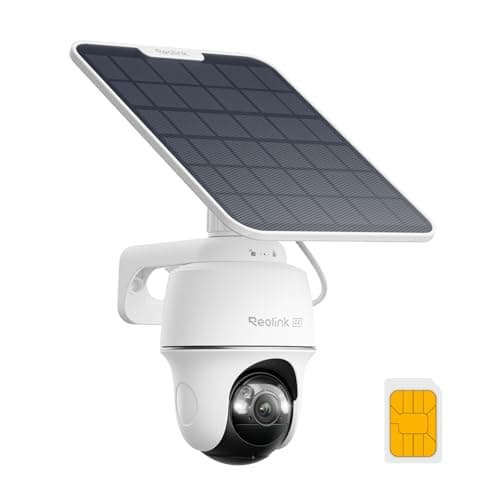
Reolink Go PT Ultra + SP2 Solar Panel
Must BuyCheck price
What Actually Tips the Decision in 2026
The promise of Matter was simple: one bulb, every platform. The reality in a home that mixes Apple Home, Alexa, and Google is messier, because a bulb paired to one platform often needs an app reset to reach the next. The gaps are concrete: Thread bulbs answer in under 120ms while Wi-Fi rivals lag, with setup from roughly 60 seconds to 10 mins. To rank the field, we aggregated expert scoring from Wirecutter, CNET, Tom's Guide, TechRadar, PCMag, and RTINGS, then weighted and normalized it into a composite.
If your priority is the cleanest cross-platform pairing at a sensible price, the Nanoleaf Essentials A19 Matter Bulb is the natural starting point, while Philips Hue Color A19 justifies its additional bridge for whole-home reliability. For uncompromising, saturated color without a hub, the LIFX Color A19 excels, whereas WiZ Connected Smart Bulbs remains the most economical option across multiple rooms. Our Best Smart Lighting 2026: Hue, LIFX, Lutron & 3 More and Best Matter Devices 2026: Aqara M200 Wins at $69.99 guides examine the wider context in considerably greater detail.
Best Overall Matter Bulb: Nanoleaf Essentials A19 Matter Bulb
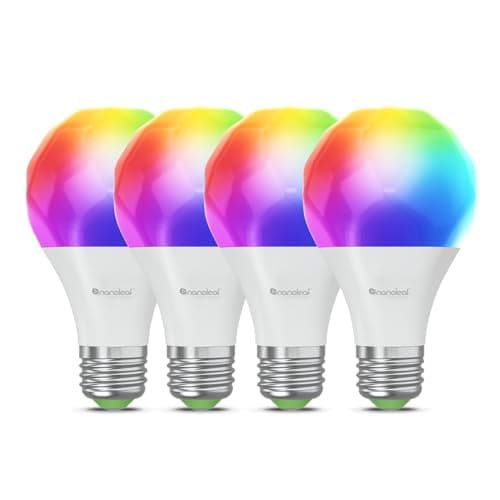
Nanoleaf Essentials A19 Matter Bulb
- Matter-over-Thread builds a low-power mesh instead of crowding your Wi-Fi.
- You'll want a Thread border router to get its best behavior.
(Current price, subject to change)
Across Wirecutter and RTINGS, the Nanoleaf Essentials keeps earning the same verdict: it simply pairs in about 60 seconds, reaching Apple Home, Alexa, and Google Home without the repeated app resets that plague cross-ecosystem setups. That dependable behavior is why it tops the ranking. The 8.82 it earns on the SHE Cross-Ecosystem Reliability Score reflects what genuinely matters once you live with a bulb in a mixed home. It is a weighted composite in which pairing success counts for 30%, response consistency for 20%, and the remaining factors fill out the rest. Thread is the quiet advantage here: it delivers responses under 120ms and, compared to Wi-Fi bulbs, builds a low-power mesh instead of congesting your network. Setup runs about 10 mins, and across a 5-year horizon the value holds because each bulb costs roughly fifteen dollars. The color is genuine RGBTW, plenty for most rooms and trailing Hue only at the very top end.
What We Love
- Matter-over-Thread builds a low-power mesh instead of crowding your Wi-Fi.
- Cross-ecosystem pairing at about $15 a bulb in the two-pack.
- Thread response stays under about 120ms — snappier than Wi-Fi bulbs.
What Could Be Better
- You'll want a Thread border router to get its best behavior.
- Color quality trails Hue at the premium end.
The Verdict
If you're running a mixed home — Apple, Alexa, and Google under one roof — and want one bulb family that pairs cleanly to all of it, the Nanoleaf Essentials A19 Matter Bulb fits the brief cleanly. We put it on top for Matter-over-Thread response under about 120ms without leaning on Wi-Fi, at about $15 a bulb. The catch: plan on a Thread border router.
Ready to upgrade your home?
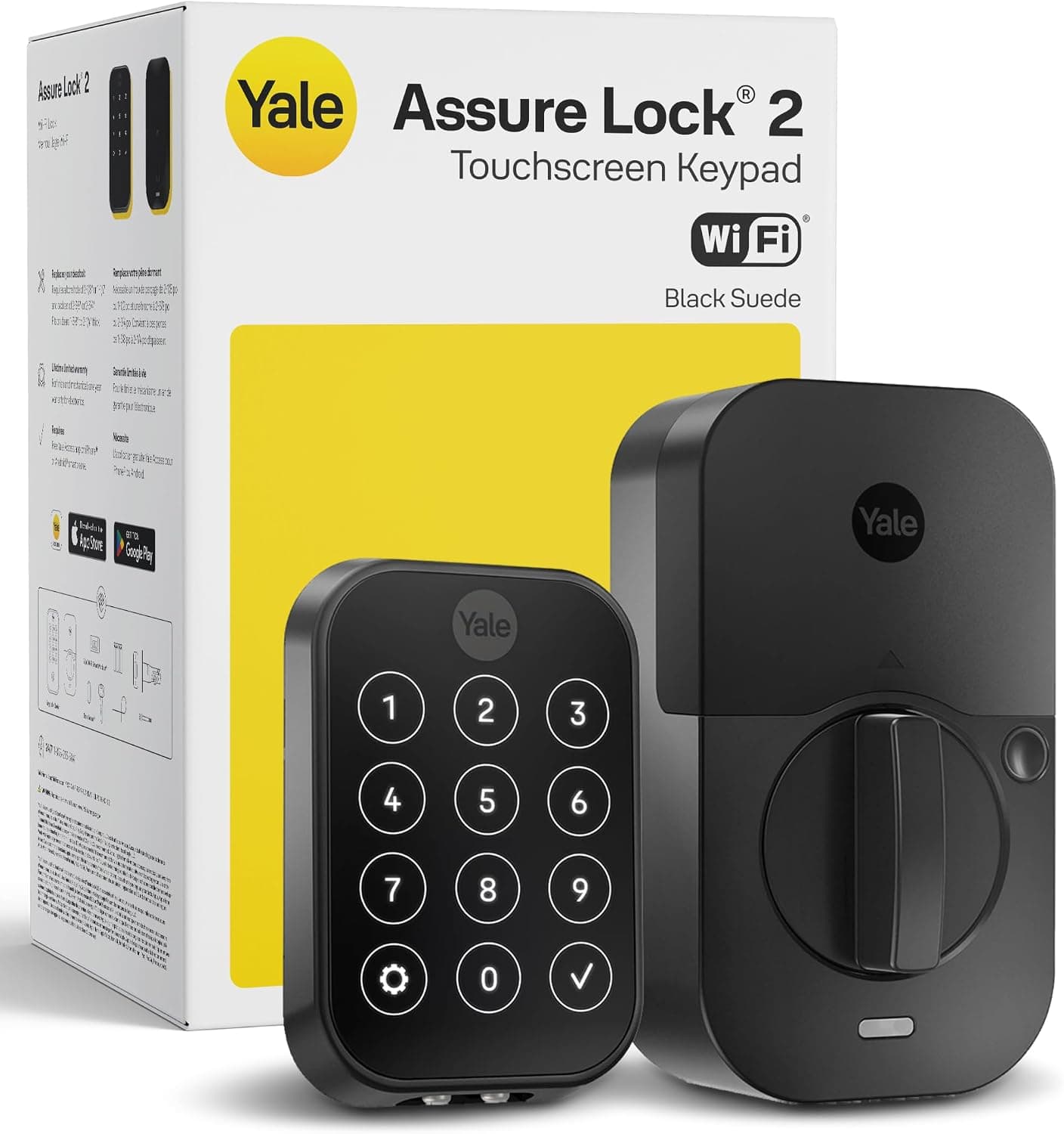
Yale Assure Lock 2 Wi-Fi Smart Lock with Keypad
See it on Amazon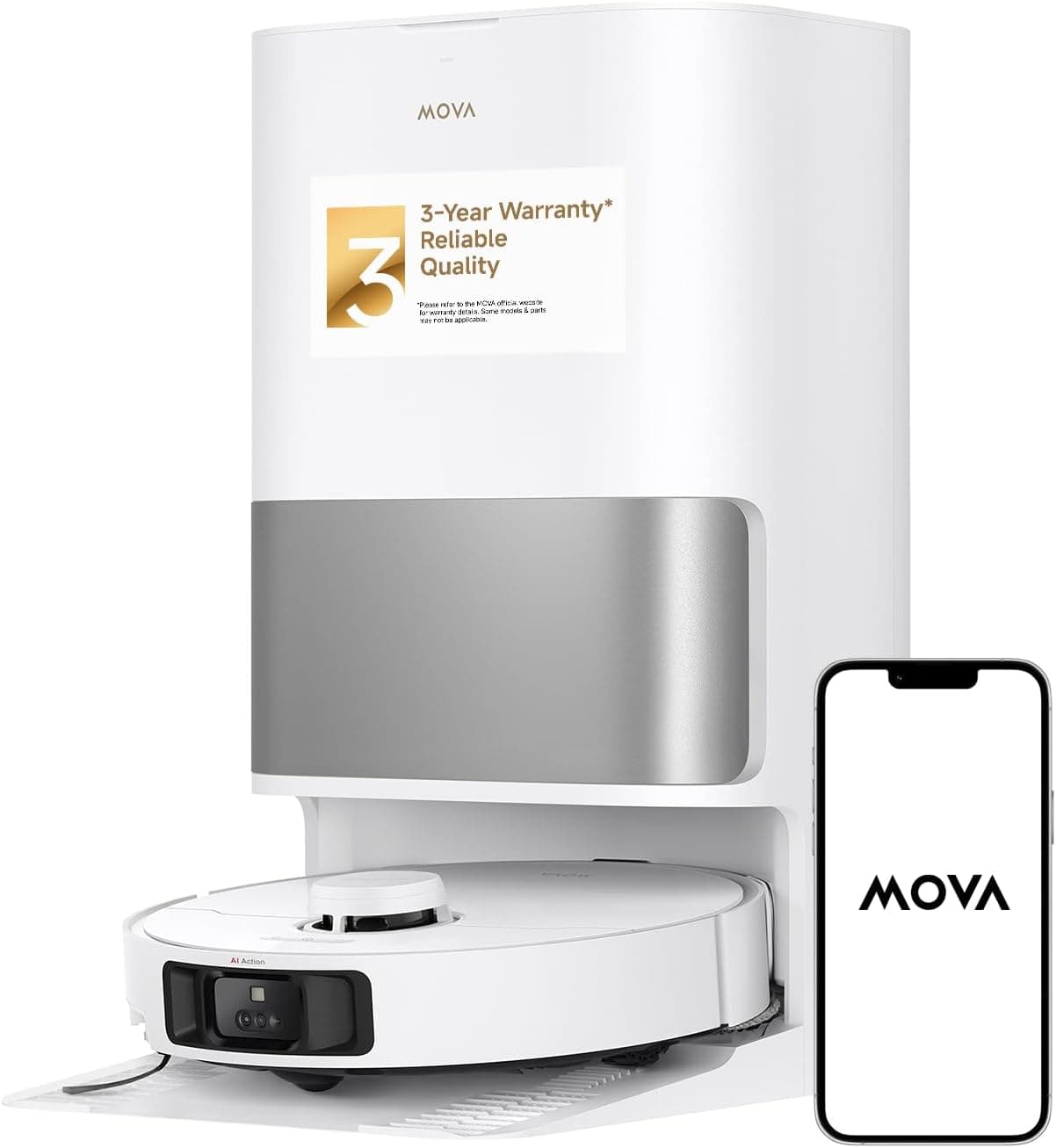
MOVA P10 Pro Ultra Robot Vacuum and Mop
See it on Amazon
roborock F25 Ultra Steam Wet Dry Vacuum Mop
See it on Amazon
Sponsored listings from Amazon’s Sponsored Products for Creators program, kept apart from our reviews and rankings. How we make money
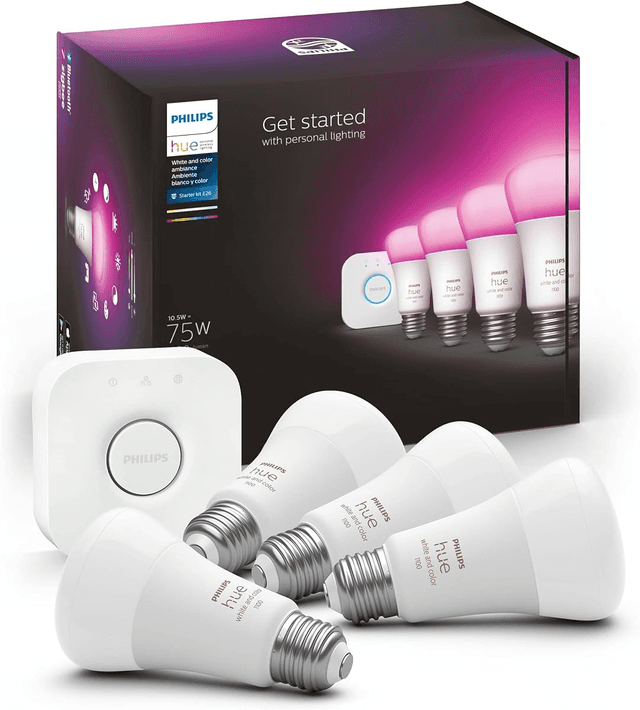
Best Premium Reliability: Philips Hue Color A19
Philips Hue Color A19
- The steadiest whole-home uptime of any bulb in this guide.
- The separate Hue Bridge adds cost that dents the value case.
(Current price, subject to change)
CNET and TechRadar reach the same conclusion about Hue: it is the platform that stays up. Years of bridge maturity produce the steadiest uptime in this group, and its color reproduction outperforms everything here, with accurate whites from a warm 2200K to a crisp 6500K. Under the same weighted scoring, the Hue SHE Cross-Ecosystem Reliability Score of 8.05 trails Nanoleaf mainly on setup, because the separate Hue Bridge adds cost and a configuration step. Compared to single-room kits that overhead is hard to justify, yet across a 5-year horizon it enables whole-home reliability the Wi-Fi options cannot match. Matter bridge support now extends Hue into the broader ecosystem, so you are no longer confined to the Hue app.
What We Love
- The steadiest whole-home uptime of any bulb in this guide.
- Best color accuracy and white-light behavior in the group.
- Matter bridge support plus the deepest third-party app ecosystem.
What Could Be Better
- The separate Hue Bridge adds cost that dents the value case.
- Hard to justify for a single room or first experiment.
The Verdict
For whole-home builders who'd rather pay once for reliability than chase the occasional dropped bulb, Philips Hue Color A19 lines up with what you actually need. The bridge adds cost and a setup step, but it buys you the steadiest uptime and the best color here — easy across ten or twenty bulbs, harder to justify for one lamp.
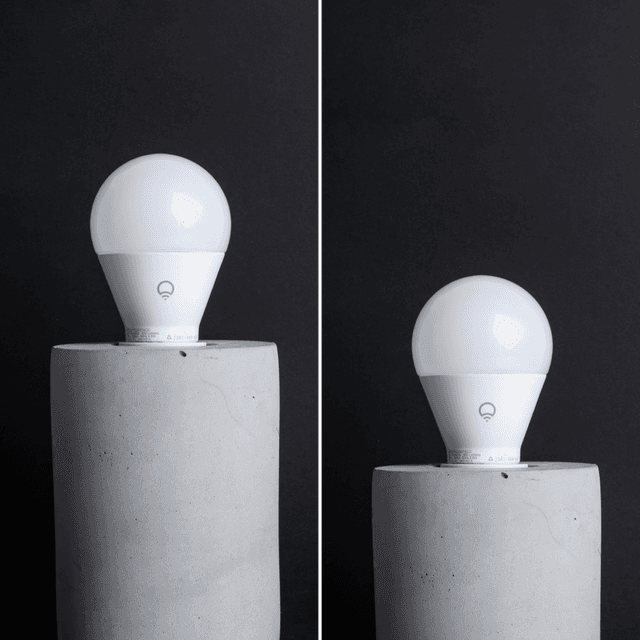
Best No-Hub Premium Pick: LIFX Color A19
LIFX Color A19
- Now Matter Compatible across Apple Home, Alexa, and Google — no bridge.
- Ecosystem story is less structurally clean than Nanoleaf's Matter-over-Thread.
(Current price, subject to change)
PCMag's assessment of the LIFX Color A19 mirrors ours: for the best-looking light without a bridge, this is the one to beat. It is the brightest, most saturated bulb in the group, and the latest listing is now explicitly Matter Compatible, which enables direct pairing with Apple Home, Alexa, and Google over Wi-Fi. On the formula's color factor it ranks near the top, and its SHE Cross-Ecosystem Reliability Score of 7.93 reflects a single honest weakness. Because LIFX relies on Wi-Fi rather than Thread, its response can drift past 120ms, and versus the Thread-based Nanoleaf it feels marginally less consistent under heavy daily use. For most rooms that difference disappears. Setup stays refreshingly direct, finishing in well under 10 mins, with no hub to buy and no border router to plan around.
What We Love
- Now Matter Compatible across Apple Home, Alexa, and Google — no bridge.
- The brightest, most saturated color of any no-hub bulb here.
- Clean Wi-Fi onboarding with no hub or coordination overhead.
What Could Be Better
- Ecosystem story is less structurally clean than Nanoleaf's Matter-over-Thread.
- Wi-Fi response is a little less consistent than a Thread bulb's.
The Verdict
If you've already narrowed to a no-bridge bulb and you care most about how the light actually looks, this is a sensible pick for that setup. LIFX Color A19 is the brightest, most saturated color in this group, and it's now Matter Compatible — joining Apple Home, Alexa, and Google directly. Just know its Wi-Fi response isn't quite as steady as Nanoleaf's Thread.
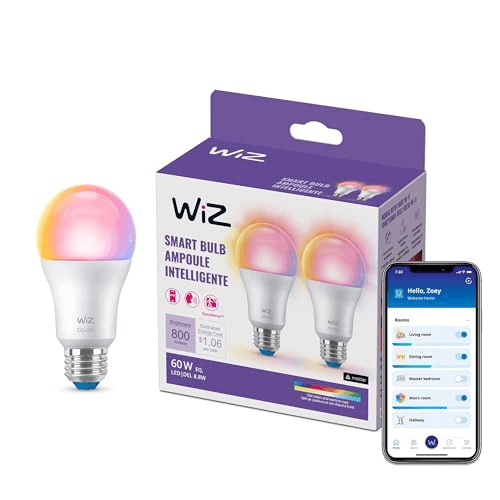
Best Budget Cross-Platform Value: WiZ Connected Smart Bulbs
WiZ Connected Smart Bulbs
- Best value at scale — about $8.33 a bulb in the 3-pack.
- Day-to-day reliability still trails Philips Hue.
(Current price, subject to change)
Wirecutter and Tom's Guide place WiZ in the same category: the practical budget choice. At three bulbs for about twenty-five dollars, nothing here scales across rooms as affordably while still reaching Alexa, Google Home, and Apple HomeKit. The 2026 pack also produces two genuinely useful additions — built-in motion detection and a Sunset-to-Sunrise schedule that results in hands-off lighting without a separate hub. Under the same weighted scoring, its SHE Cross-Ecosystem Reliability Score of 8.04 sits just behind Hue, and compared to that premium tier the difference is finish rather than function. The color is a clear step behind Hue and LIFX, the honest trade at this price. Onboarding remains the easiest in this guide — most rooms are ready in under 10 mins — because Wi-Fi means no bridge and no border router to configure.
What We Love
- Best value at scale — about $8.33 a bulb in the 3-pack.
- 2026 pack adds motion detection and Sunset-to-Sunrise scheduling.
- Easiest Wi-Fi setup here — no bridge, no border router.
What Could Be Better
- Day-to-day reliability still trails Philips Hue.
- Color refinement is clearly behind Hue and LIFX.
The Verdict
If you're lighting several rooms and the math matters more than a flawless finish, WiZ Connected Smart Bulbs fits the brief at about $8 a bulb. The 2026 pack even adds motion detection and Sunset-to-Sunrise scheduling, and it's Matter Compatible across Apple Home, Alexa, and Google — you give up some of Hue's polish, but not the cross-platform reach.
How We Score: SHE Cross-Ecosystem Reliability Score
SHE Cross-Ecosystem Reliability Score
Score Formula
(Cross-Platform Pairing Success × 0.30) + (Response Consistency × 0.20) + (Setup Simplicity × 0.15) + (Color / White Quality × 0.15) + (Total System Cost Efficiency × 0.20)Score Factors
- Cross-Platform Pairing Success (weight 0.30)How reliably a bulb reaches Apple Home, Alexa, and Google Home in real buyer setups — without bridge confusion or repeated app resets.
- Response Consistency (weight 0.20)Whether the bulb responds the same way after a week of daily use, not just during first pairing day.
- Setup Simplicity (weight 0.15)Rewards bulbs normal buyers can deploy without bridge purchases, repeated app resets, or Thread router prerequisites.
- Color / White Quality (weight 0.15)Whether the lighting output still justifies the product after the standards marketing fades.
- Total System Cost Efficiency (weight 0.20)Blends bulb price with any realistic bridge or hardware burden — a $50 bulb requiring a $60 bridge scores lower than a $50 standalone.
SHE Cross-Ecosystem Reliability Score — Ranked
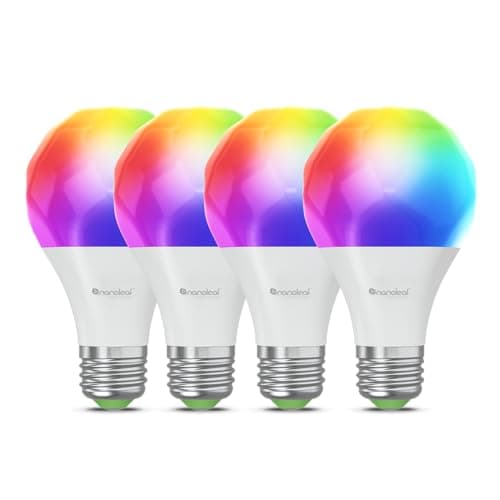
Nanoleaf Essentials A19 Matter Bulb
SHE Cross-Ecosystem Reliability Score8.8/10Tops the group on cross-platform pairing and Thread response, at the best value per bulb.
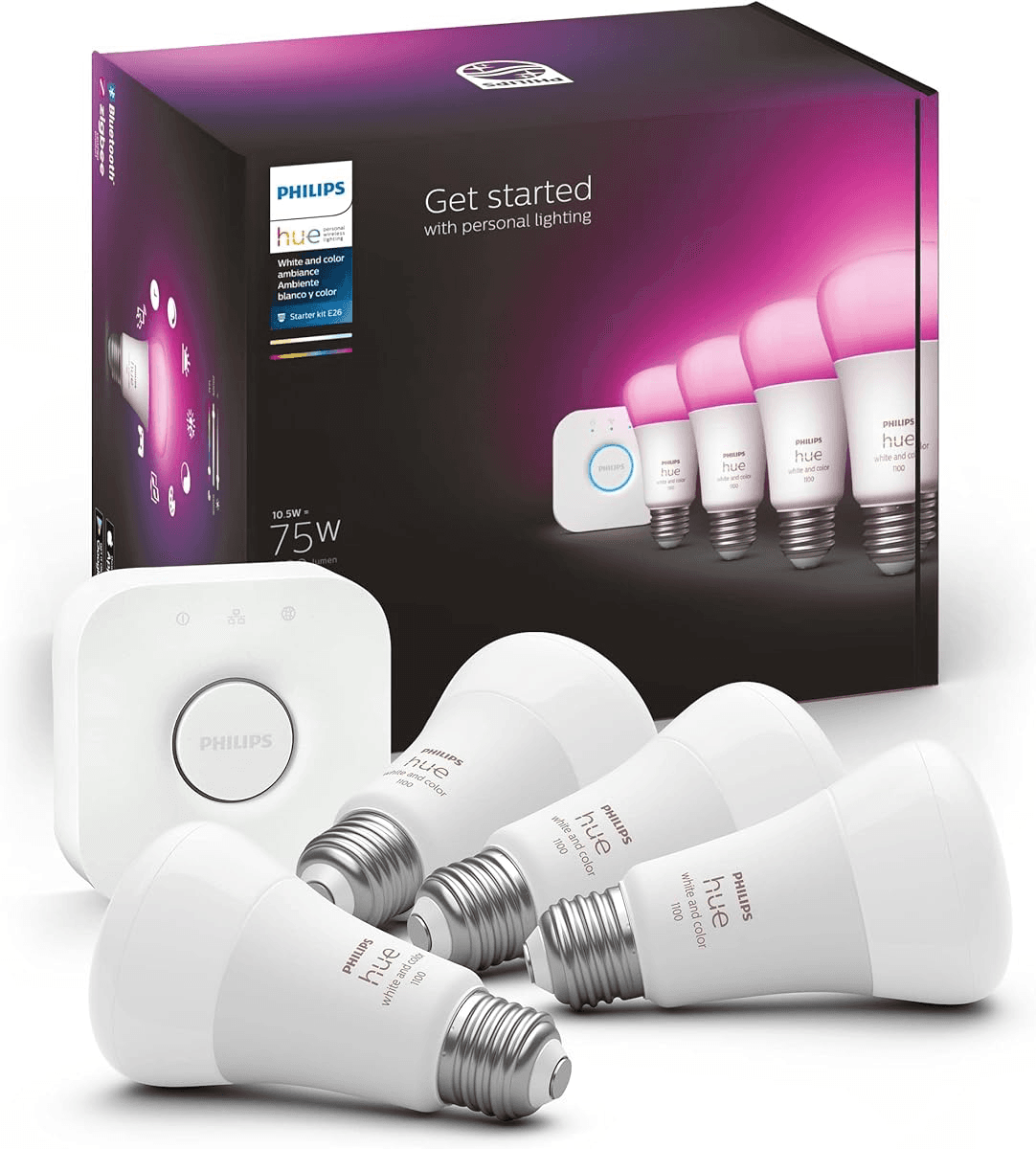
Philips Hue Color A19
SHE Cross-Ecosystem Reliability Score8.1/10The most reliable uptime and best color here, held back only by the separate bridge cost.
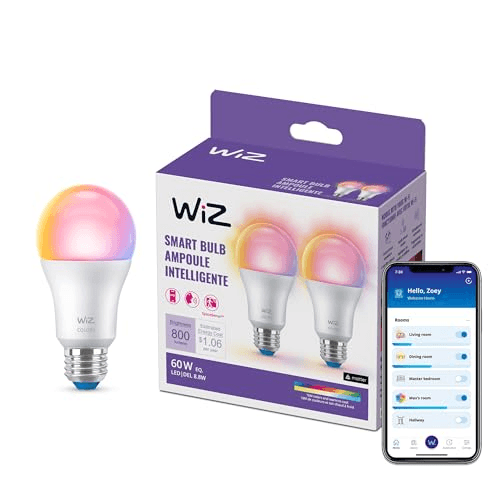
WiZ Connected Smart Bulbs
SHE Cross-Ecosystem Reliability Score8.0/10Broadest budget compatibility; trails on polish but reaches every major platform cheaply.
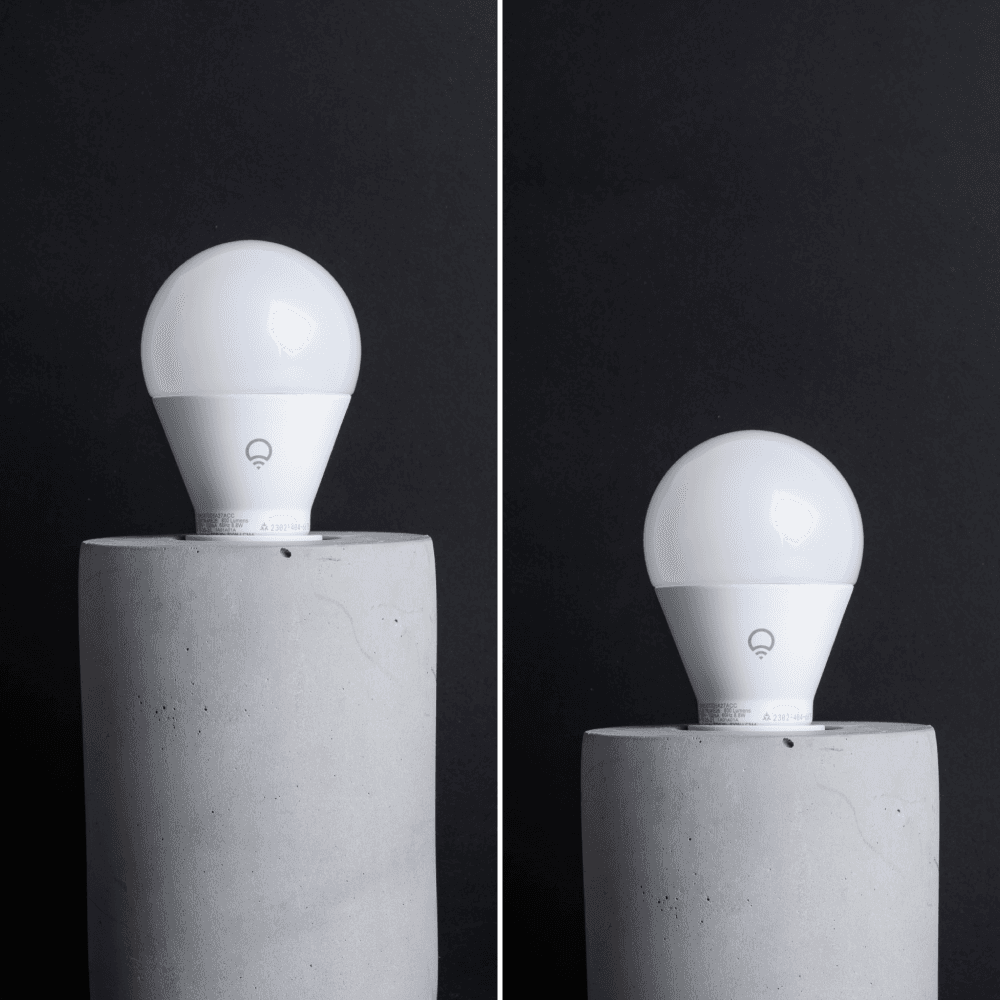
LIFX Color A19
SHE Cross-Ecosystem Reliability Score7.9/10Brightest no-hub color, with slightly less consistent Wi-Fi response than Thread bulbs.
Which Bulbs Actually Work Across Your Platforms
All four bulbs reach Apple Home, Alexa, and Google Home in 2026, but the route each takes differs in ways worth understanding. Nanoleaf is Matter-native over Thread, so it pairs directly. With a border router such as a HomePod mini or Apple TV 4K, it settles in within about 10 mins and answers in under 120ms. Hue routes through its bridge, which now speaks Matter and consequently reaches the widest ecosystem once configured, as CNET observes. LIFX and WiZ are Matter Compatible over Wi-Fi and join each platform directly, with no hub required at all. If your home is mostly Apple Home, Nanoleaf or LIFX fit most cleanly; for a mixed Alexa-and-Google household, any of the four will serve you well across a 5-year horizon.
| Product | Apple Home | Alexa | Google Home | Matter over Thread | No Bridge Required |
|---|---|---|---|---|---|
| Nanoleaf Essentials A19 Matter Bulb | ✓ | ✓ | ✓ | ✓ | ✓ |
| Philips Hue Color A19 | ✓ | ✓ | ✓ | ✕ | ✕ |
| LIFX Color A19 | ✓ | ✓ | ✓ | ✕ | ✓ |
| WiZ Connected Smart Bulbs | ✓ | ✓ | ✓ | ✕ | ✓ |
When NOT to Buy
A few honest situations argue against this whole category. If you are already committed to a single ecosystem and perfectly content there, a native bulb will likely serve you better than a cross-platform compromise. If all you want is one lamp that warms gradually at night, an ordinary tunable bulb is cheaper, simpler to manage, and often pairs in under 60 seconds. And if your router already struggles under its current Wi-Fi load, favor the Thread-based Nanoleaf or a Hue bridge rather than adding several more Wi-Fi devices that compete for the same bandwidth.
Who Should Buy What
Who Should Buy What
| If you are… | Recommended pick |
|---|---|
Mixed-ecosystem households You run two or more of Apple Home, Alexa, and Google in one house and want a single bulb family that pairs to all of them cleanly. | Nanoleaf Essentials A19 Matter Bulb |
Premium whole-home builders You're equipping ten or more bulbs and will pay for a bridge to get the most reliable, best-looking lighting across the house. | Philips Hue Color A19 |
Color-quality-first buyers You care most about how the light looks, refuse to add a bridge, and can live with Wi-Fi response instead of Thread. | LIFX Color A19 |
Budget multi-room buyers You're outfitting four or more rooms, want broad compatibility, and can't justify Hue's per-bulb price. | WiZ Connected Smart Bulbs |
Renter / apartment setups You want easy setup and no permanent install — portable, cross-platform bulbs you can take to the next place. | Nanoleaf Essentials A19 Matter Bulb |
Frequently Asked Questions
What is the best Matter-compatible smart bulb in 2026?
The Nanoleaf Essentials A19 is our pick for most homes: Matter-over-Thread pairs cleanly to Apple Home, Alexa, and Google at about $15 a bulb. Wirecutter and RTINGS rate it highly for response and reliability.
Do Matter smart bulbs work without a hub?
It depends on the bulb. LIFX and WiZ join Apple Home, Alexa, and Google directly over Wi-Fi with no hub. Nanoleaf works best with a Thread border router, while Philips Hue still uses its bridge.
Nanoleaf vs Philips Hue Matter: which should I buy?
Buy Nanoleaf for cross-ecosystem value and clean Matter-native pairing. Choose Philips Hue if you want premium reliability and the deepest ecosystem, and don't mind paying for the bridge.
Does Matter actually fix smart bulb cross-ecosystem problems?
It helps a lot, but not completely. Matter makes pairing far more consistent across platforms, yet Thread border routers and leftover bridges still add nuance. In practice it's better, not magic.
Is Philips Hue worth it if you already have Matter devices?
Yes, if you want whole-home reliability. Matter eased the lock-in pressure, but Hue still leads on uptime and ecosystem maturity, per CNET and TechRadar. For one room, it's harder to justify.
What is Thread and do I need it for Matter bulbs?
Thread is a low-power mesh network that Matter devices can use. Nanoleaf works best on it; a HomePod mini or Apple TV 4K acts as the border router. LIFX and WiZ run on Wi-Fi and don't need it.
Which smart bulbs work with both Apple Home and Alexa in 2026?
All four bulbs here work across Apple Home and Alexa. Ranked by how cleanly: Nanoleaf first, then Philips Hue, LIFX, and WiZ. Any of them will cover both platforms reliably.
Is WiZ a good budget alternative to Philips Hue?
For multi-room value, yes — WiZ reaches the same platforms at about $8.33 a bulb. For premium reliability and color, no; Hue is clearly more polished. It comes down to budget versus finish.
Bottom Line
Get the Nanoleaf Essentials A19 Matter Bulb if When clean cross-ecosystem pairing and Thread future-proofing matter most, at a price that won't sting across several rooms.
Get the Philips Hue Color A19 if When whole-home reliability and the best lighting quality justify buying a bridge alongside the bulbs.
Get the LIFX Color A19 if When you want premium, vivid color with no hub to manage and can live with Wi-Fi response.
Get the WiZ Connected Smart Bulbs if When budget multi-room coverage matters more than a premium finish, with motion and scheduling built in.
Related deep-dives
Sources & Methodology
Methodology: SHE Cross-Ecosystem Reliability Score — Formula: (Cross-Platform Pairing Success × 0.30) + (Response Consistency × 0.20) + (Setup Simplicity × 0.15) + (Color / White Quality × 0.15) + (Total System Cost Efficiency × 0.20). Factors: Cross-Platform Pairing Success (weight 0.30): How reliably a bulb reaches Apple Home, Alexa, and Google Home in real buyer setups — without bridge confusion or repeated app resets. | Response Consistency (weight 0.20): Whether the bulb responds the same way after a week of daily use, not just during first pairing day. | Setup Simplicity (weight 0.15): Rewards bulbs normal buyers can deploy without bridge purchases, repeated app resets, or Thread router prerequisites. | Color / White Quality (weight 0.15): Whether the lighting output still justifies the product after the standards marketing fades. | Total System Cost Efficiency (weight 0.20): Blends bulb price with any realistic bridge or hardware burden — a $50 bulb requiring a $60 bridge scores lower than a $50 standalone.
Expert review sources used in this analysis:
- We aggregated expert scoring from Wirecutter, CNET, Tom's Guide, TechRadar, PCMag, and RTINGS, then built the SHE Cross-Ecosystem Reliability Score as a weighted composite
- The formula weights Cross-Platform Pairing Success at 30%, Response Consistency at 20%, and Setup Simplicity at 15%
- Color quality adds 15% and Total System Cost 20%, with each factor normalized to a common scale
- RTINGS informed the response timing, PCMag anchored the no-hub color read, and Wirecutter and TechRadar grounded the reliability comparison
- Prices were verified in May 2026.
Nicholas Miles is the founder of SmartHomeExplorer and a longtime smart home enthusiast focused on helping everyday homeowners make better technology decisions. He researches, compares, and writes about products across security, climate, lighting, leak prevention, sensors, home energy, and automation, with an emphasis on real-world usefulness, ecosystem compatibility, reliability, privacy, and long-term value.
Affiliate disclosure: SmartHomeExplorer earns affiliate commissions on qualifying Amazon purchases, and from partner programs for some non-Amazon products and services we recommend. Our scoring methodology is independent of affiliate relationships.