

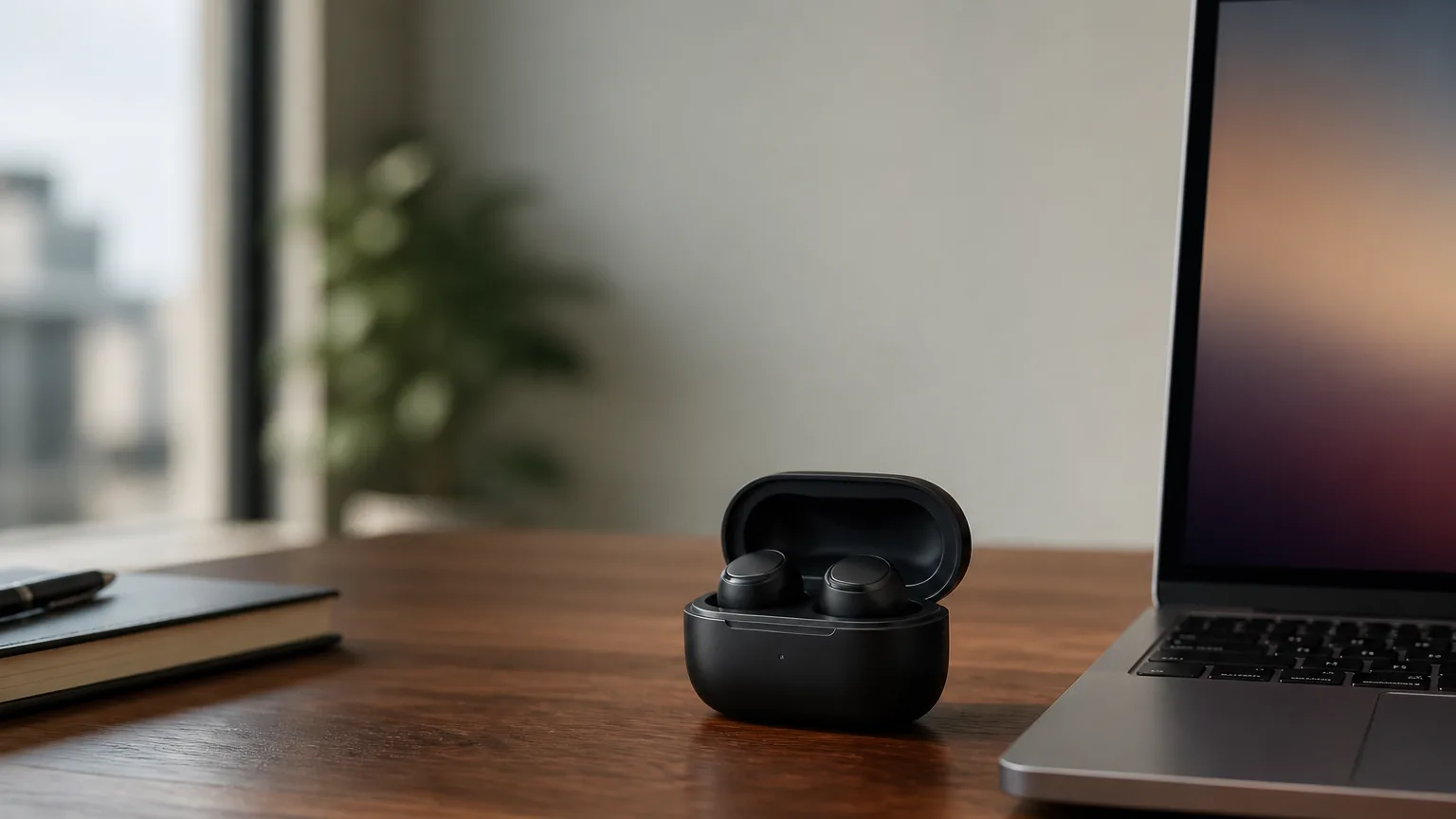
Best Noise-Cancelling Earbuds for the Office in 2026
The Sony WF-1000XM6 attains the highest SHE Office Audio Score here, because it is the only pick pairing an eight-hour cancelling charge with multipoint that carries no brand condition. Five earbuds, every specification read from its own listing in September 2026.
This article contains affiliate links. We may earn a commission at no extra cost to you. Prices change frequently — check the current price on Amazon before buying. Learn more
The Short Answer
The Sony WF-1000XM6 accumulates the highest composite in this guide, because it is the only pick pairing 8 hours of cancelling per charge with multipoint that carries no brand condition. Every other pick concedes one of those two, and in an office both of them matter every single day.
Featured in this Guide
Sony
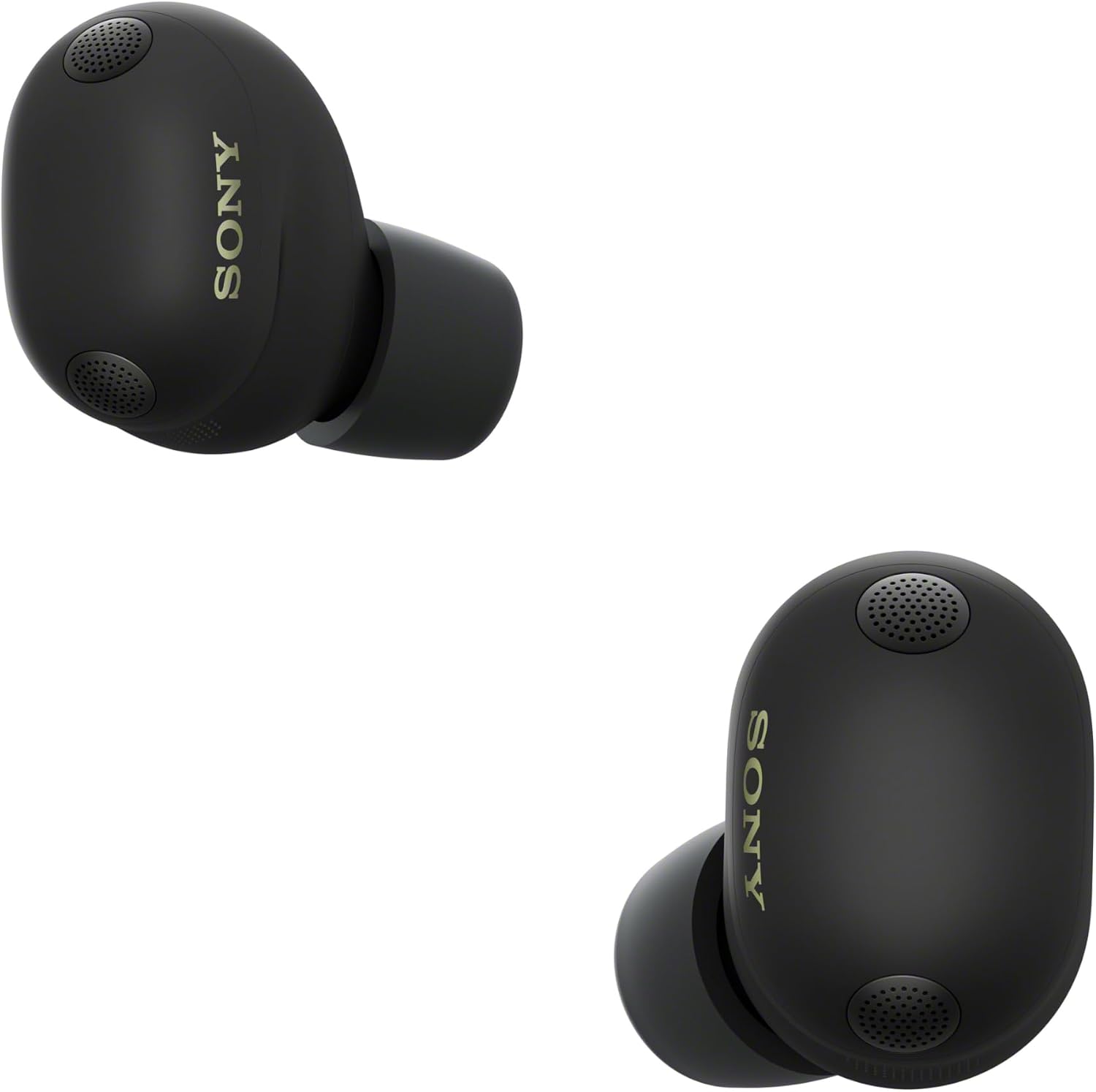
WF-1000XM6
- •Eight hours of cancelling per charge, multipoint with no brand condition attached, and the only bone conduction call sensor in this guide
Apple
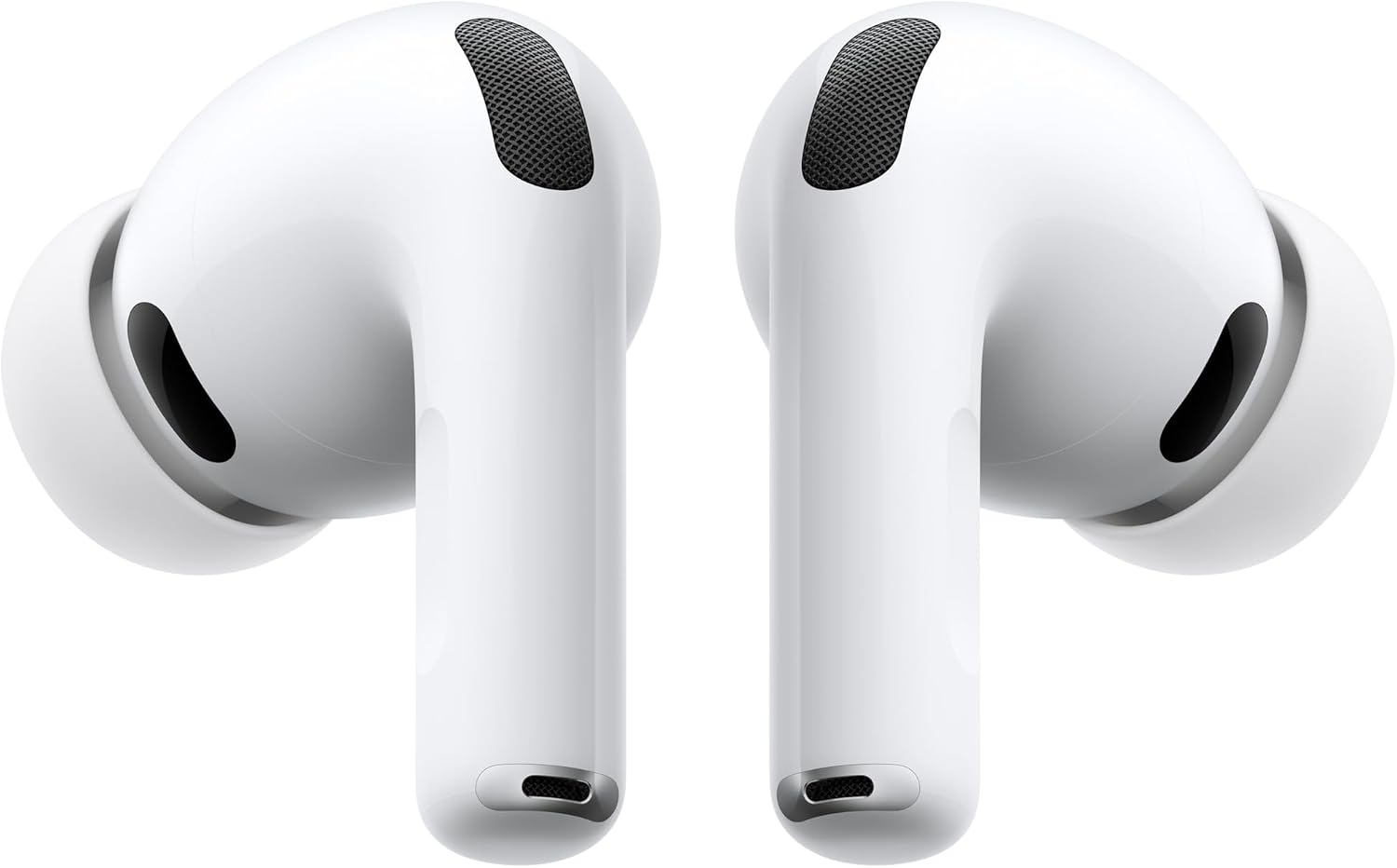
AirPods Pro 3
- •The same eight-hour charge, five eartip sizes, and the only ingress rating here that covers the charging case as well as the earbuds
Bose
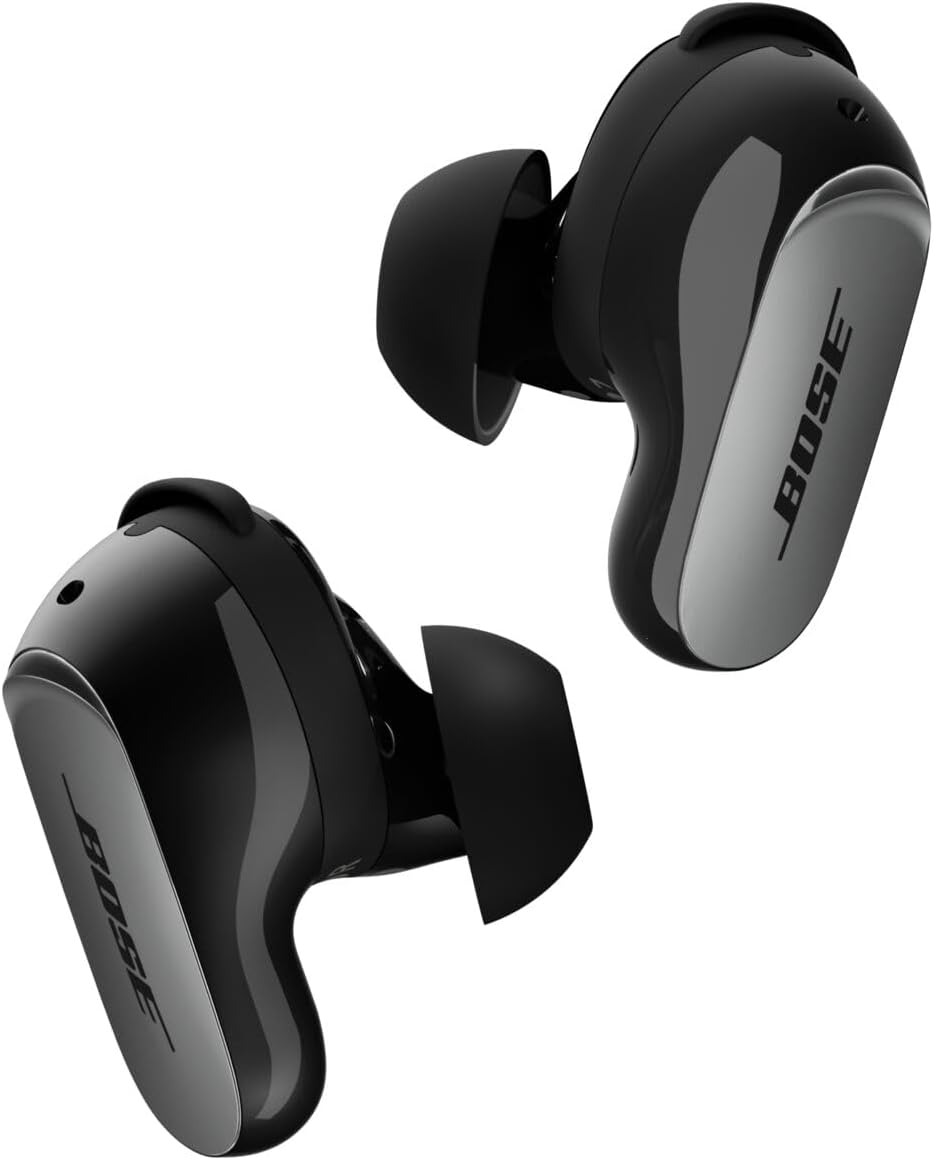
QuietComfort Ultra Earbuds (2nd Gen)
- •Unconditioned multipoint, nine fit combinations, and a case that will charge on a third-party wireless pad
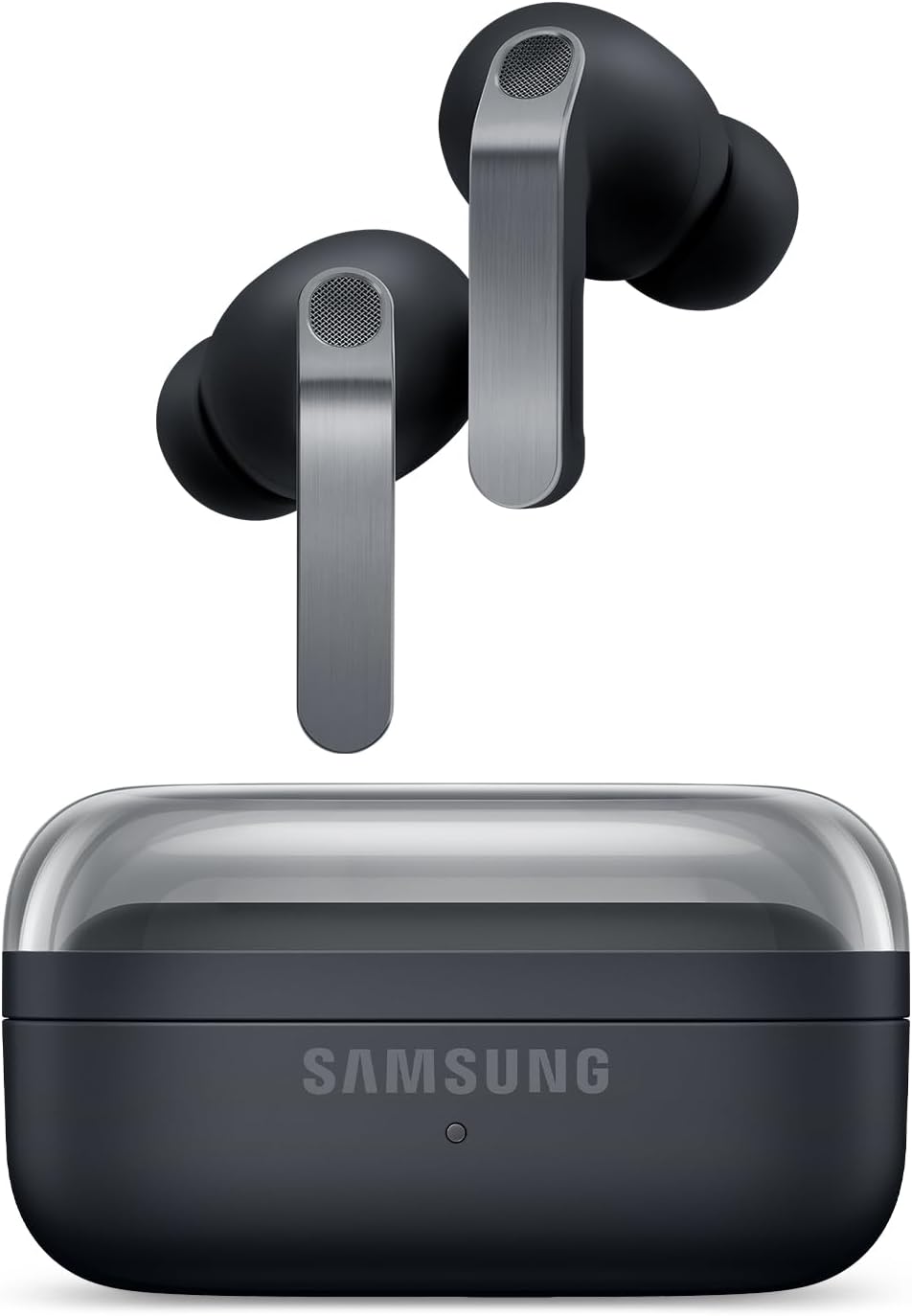
Samsung
Galaxy Buds4 Pro
- •A dust-rated build and the longest warranty published here, provided your phone and your laptop both wear a Samsung badge
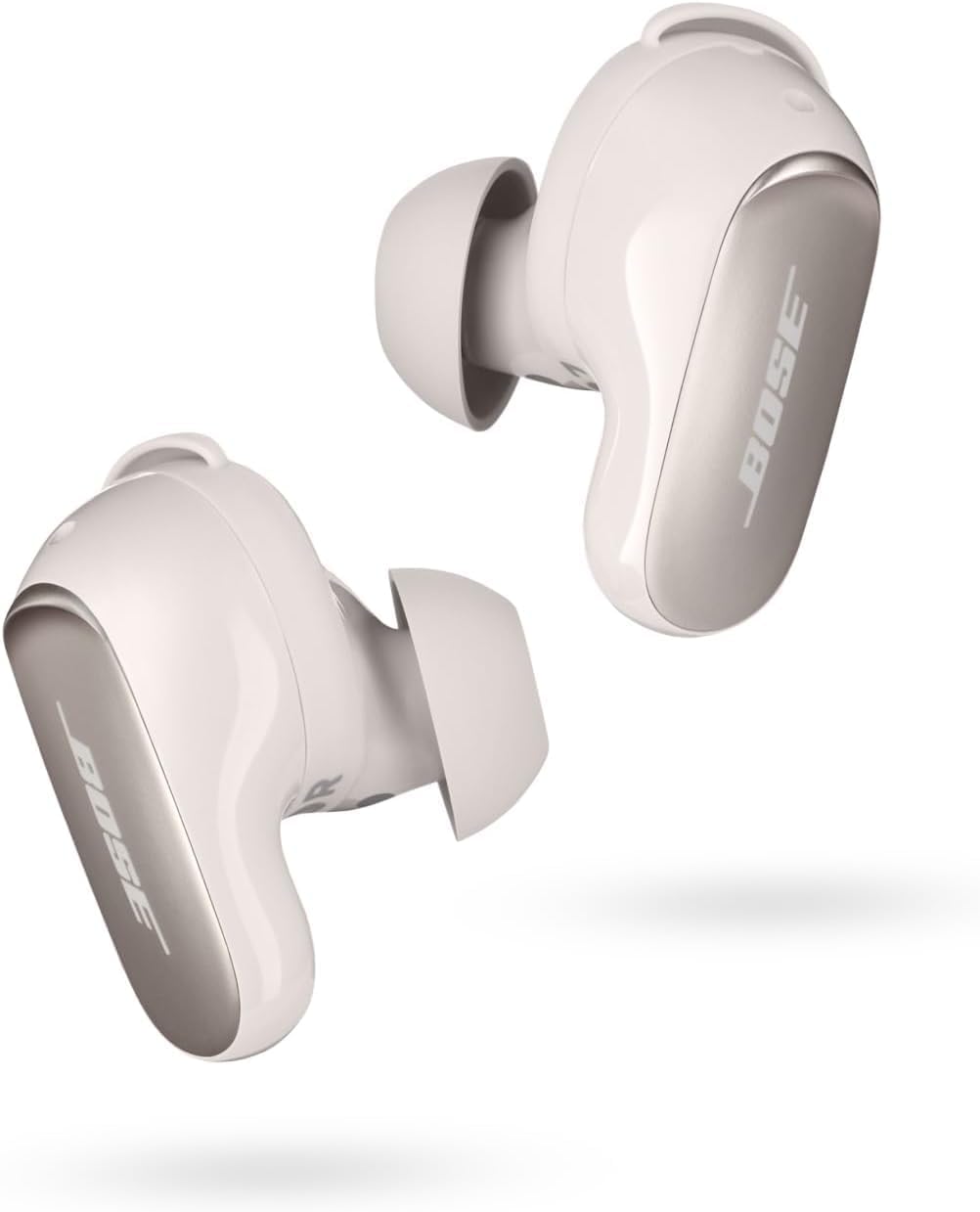
Bose
QuietComfort Ultra Earbuds
- •Unconditioned multipoint, nine fit combinations, and a case that will charge on a third-party wireless pad
Head-to-Head: Runtime, Switching and the Published Call Path
Office
Chart
 Smarthomeexplorer.com
XGIMI HORIZON 20 4K RGB Triple Laser Home Projector
Check price
SofaBaton X1S Universal Remote (with Hub)
Check price
VTOMAN X7 4250A Jump Starter with 160PSI Air Compressor
Check price
What Office Listening Actually Demands That Commuting Never Does
Office earbuds fail in ways commuting earbuds never do. The charge must outlast an entire working day, the connection must follow you from laptop to phone mid-sentence, and the microphone must remain intelligible inside an open-plan environment. The SHE Office Audio Score is weighted toward those three requirements, with published fit and durability options normalized as the counterweight. In practice that means a highly-placed pick delivers an entire afternoon requiring no intervention from the charging case, and answers incoming calls without demanding you manually re-pair anything. Two picks in this roundup publish 8 hours of cancelling playback; the remaining three publish 6 hours. Every specification was read directly from that product's own Amazon listing, or from its manufacturer's published specification page, during September 2026. Our best smart home office 2026 hub covers the surrounding desk configuration.
Best Overall for Office Use: Sony WF-1000XM6
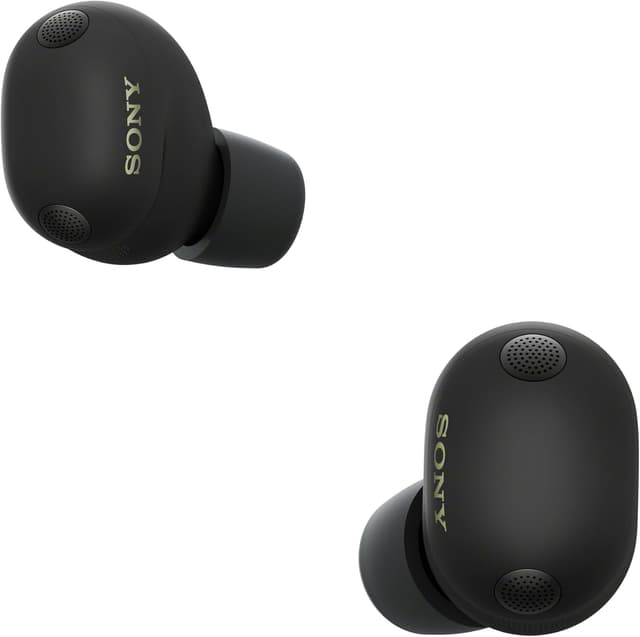
Sony WF-1000XM6
- Eight hours of cancelling per charge, tied for the longest published in this guide
- IPX4 covers splashes only, and no dust rating is published
(Current price, subject to change)
GSMArena publishes the specification detail Sony's own listing leaves out, and RTINGS covers this exact model. The runtime factor lands at the maximum: 8 hours of playback with cancelling running, and 16 hours more waiting in the case.
The call path is what differentiates it. Four microphones per earbud, a bone conduction sensor monitoring your jaw rather than the surrounding environment, and AI noise reduction additionally. Collectively those elements produce one of three complete complements of documented call hardware in this evaluation, alongside Apple and Samsung. What actually produces the lead is pairing that with unconditioned switching and a charge tied for the longest here. Sony publishes the QN3e processor as 3x faster than the QN2e preceding it. GSMArena separately records a claimed 25% improvement through the mid and high frequencies.
The compromise is protection. IPX4 accommodates splashes and nothing further, so it concedes the durability factor to two competitors publishing genuine dust ratings. Four eartip sizes additionally represents the narrower fit range compared to Apple's five.
What We Love
- Eight hours of cancelling per charge, tied for the longest published in this guide
- Multipoint over Bluetooth 5.3 LE, with no brand condition attached to it
- The only bone conduction call sensor here, alongside four microphones per earbud
- Adaptive NC Optimizer retunes the cancelling profile as the room around you changes
What Could Be Better
- IPX4 covers splashes only, and no dust rating is published
- Four eartip sizes, against the five Apple supplies
- The highest list price of anything in this roundup
The Verdict
If the working day is the constraint and the laptop is not an Apple one, Sony WF-1000XM6 checks the boxes that matter for that job — a cancelling charge tied for the longest here, switching that asks nothing about which badge your hardware wears, and one of only three fully documented call paths here.
Ready for game day?
Roku 65" Select Series 4K QLED Smart TV
See it on Amazon
Antarctic Star 130-Can Beverage Refrigerator
See it on Amazon
SYLVOX 65" Outdoor 4K TV
See it on Amazon
Sponsored listings from Amazon’s Sponsored Products for Creators program, kept apart from our reviews and rankings. How we make money
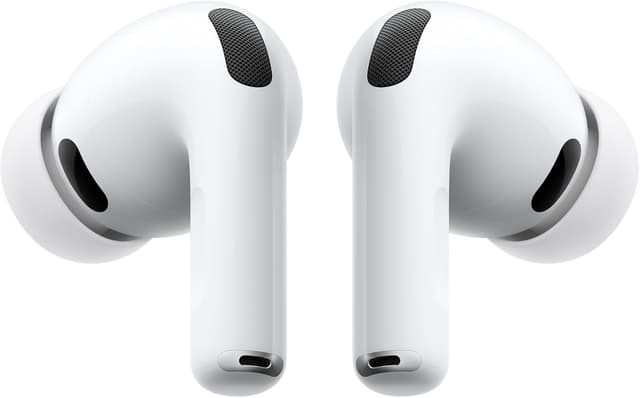
Best for an Apple-Only Desk: Apple AirPods Pro 3
Apple AirPods Pro 3
- IP57 dust and water resistance covering the charging case, not only the earbuds
- Apple publishes no Bluetooth multipoint, so a Windows laptop and an Android phone cannot share it
(Current price, subject to change)
SoundGuys reviews this exact model, scores it 7.8 out of 10, and calls its cancelling among the best it has tested. That same review measures outside noise dropping by an average of 90%. RTINGS covers it as well.
Two factors reach the maximum. Apple publishes 8 hours of listening with cancelling enabled and 24 hours in total, and SoundGuys independently measured 8 hours and 42 minutes, comfortably above the claim. The documented call path is complete: a named beamforming array, a dedicated speech-detecting accelerometer, and Voice Isolation processing by name.
What costs it the lead is switching. Automatic Switching is genuinely instantaneous and genuinely restricted to Apple hardware. Because no multipoint is published anywhere, the freedom factor is halved relative to the Sony and both Bose generations.
What We Love
- IP57 dust and water resistance covering the charging case, not only the earbuds
- Five silicone eartip sizes, more than either Sony or Samsung publishes
- Dual beamforming microphones, a speech-detecting accelerometer and Voice Isolation
- Automatic Switching moves audio between Apple devices with nothing to re-pair
What Could Be Better
- Apple publishes no Bluetooth multipoint, so a Windows laptop and an Android phone cannot share it
- SoundGuys records audible crackling from Voice Isolation in wind
- No manufacturer warranty term appears on the Amazon listing
The Verdict
If every device on your desk carries an Apple logo, Apple AirPods Pro 3 fits without compromise for that setup — the same eight-hour cancelling charge as the leader, five eartip sizes, and the only ingress rating here that protects the case as well as the buds.
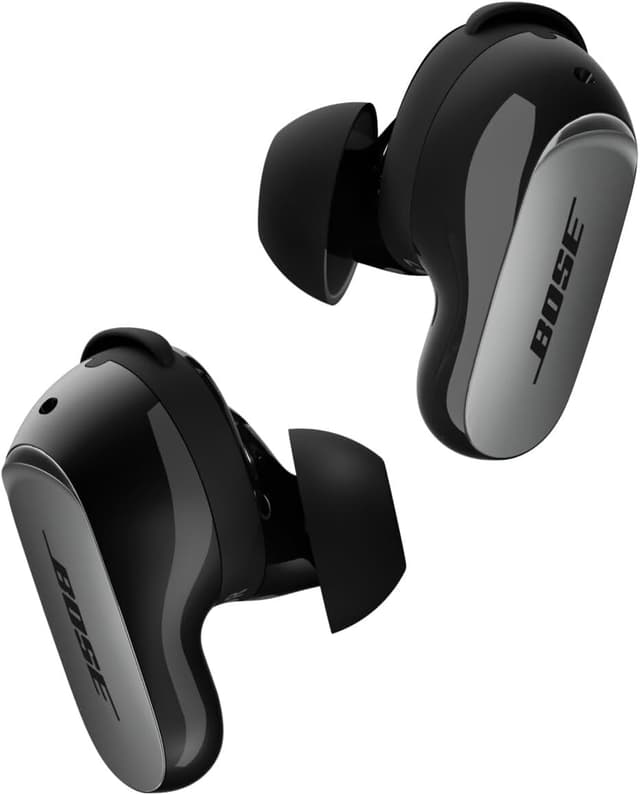
Best for Constant Device Switching: Bose QuietComfort Ultra Earbuds (2nd Gen)
Bose QuietComfort Ultra Earbuds (2nd Gen)
- Multipoint published with no brand condition, on Bluetooth 5.3
- Six hours per charge, and four with Immersive Audio running
(Current price, subject to change)
RTINGS covers this exact second-generation model. Bose documents something most manufacturers here do not: nine separate combinations of eartip and stability band, with XS, XL and two additional band sizes purchasable independently. Consequently the fit component of its durability factor reaches maximum.
The genuine generational advancement is the call path. SpeechClarity is characterised by Bose as filtering your surroundings and prevailing wind out of your voice. Significantly, it represents the first individually named call technology the QuietComfort Ultra line has carried. Wireless charging capability is similarly introduced here.
Runtime nonetheless establishes the ceiling on its composite. The listing publishes 6 hours in Quiet or Aware Mode, and 4 hours with Immersive Audio operating, versus the 8 hours that the Sony and Apple recommendations both publish. That individual factor represents most of the separation between this pick and the leading two, and no quantity of switching freedom compensates for it.
What We Love
- Multipoint published with no brand condition, on Bluetooth 5.3
- SpeechClarity is a named call technology, which its predecessor never had
- Nine eartip and stability band combinations, with four further sizes sold separately
- The case takes a third-party wireless charger as well as USB-C
What Could Be Better
- Six hours per charge, and four with Immersive Audio running
- IPX4 splash resistance, with no dust rating published
- Bose publishes no microphone count for the call array
The Verdict
If your day is a constant handoff between a work laptop and a personal phone regardless of who made either, Bose QuietComfort Ultra Earbuds (2nd Gen) is a sensible pick for that setup — unconditioned multipoint, the nine fit combinations both Bose generations share, and a case that simply sits on a charging pad.
Check price for the Bose QuietComfort Ultra Earbuds (2nd Gen) →
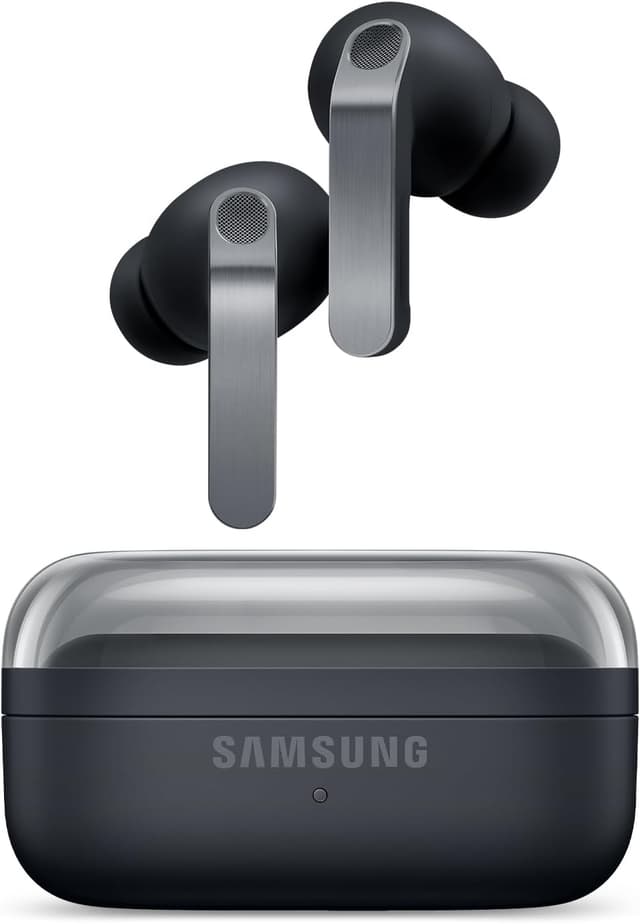
Best for a Galaxy Phone: Samsung Galaxy Buds4 Pro
Samsung Galaxy Buds4 Pro
- IP57 dust and water resistance on the earbuds
- GSMArena finds the multipoint works only between a Samsung phone and a Samsung laptop
(Current price, subject to change)
GSMArena reviews this exact model and RTINGS covers it. Its review is also the reason the switching factor is halved. The multipoint is real, but operates only between a Samsung phone and a Samsung laptop, a condition neither Samsung nor the Amazon listing states anywhere.
The construction is the argument for these. IP57 protects against dust as well as water, which only one other recommendation here matches, and the 2-year warranty doubles what any other listing publishes. The listing's own comparison table publishes 3 microphones and a voice pickup unit, and GSMArena credits the stem microphone, positioned outside the ear entirely, with noticeably superior voice pickup.
That documented call path is complete, which lifts this composite into a tie with the second-generation Bose. What holds it there is everything else. The listing publishes 6 hours of playback with cancelling operating. Three eartip sizes with no stability bands additionally represents the narrowest fit adjustment anywhere in this roundup compared to everything else evaluated.
What We Love
- IP57 dust and water resistance on the earbuds
- A 2-year manufacturer warranty, where every other listing here publishing one gives a single year
- Three microphones and a voice pickup unit published on the listing, one sited outside the ear
- Adaptive ANC 2.0 alongside a two-way driver carrying its own tweeter and woofer
What Could Be Better
- GSMArena finds the multipoint works only between a Samsung phone and a Samsung laptop
- Three eartip sizes and no stability bands, the narrowest fit adjustment in this guide
- The charging case itself carries no water resistance rating
The Verdict
If a Galaxy phone is the device you actually work from, Samsung Galaxy Buds4 Pro lines up with what you actually need in that setup — a dust-rated build, the longest published warranty in this roundup, and a microphone that sits outside the ear where your voice actually is.
The Prior Bose Generation, Disclosed: Bose QuietComfort Ultra Earbuds
Bose QuietComfort Ultra Earbuds
- Multipoint published with no brand condition, exactly as on its successor
- No named call technology is published for this generation at all
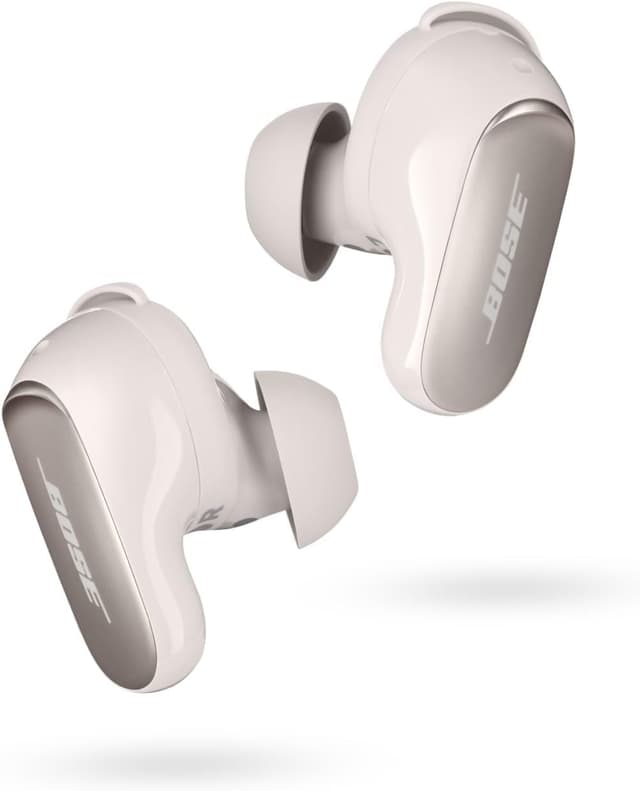
(Current price, subject to change)
RTINGS covers this first-generation model. It earns its place on a narrow argument. Bose lists it at the identical price to the second generation, and it was selling 43% beneath that in September 2026.
Where it matches its successor it matches precisely. Multipoint carries no brand condition whatsoever, and the nine eartip and stability band combinations are identical, so the fit component of its durability factor similarly reaches maximum.
Where it does not match, it does not match whatsoever. The call factor scores zero, because Bose documents no microphone count, no voice sensor and no processing technology for this particular generation; SpeechClarity belongs exclusively to the newer model. The listing publishes Water Resistance Level: Not Water Resistant, so the ingress half scores zero as well. Those two together produce the lowest composite in this evaluation.
What We Love
- Multipoint published with no brand condition, exactly as on its successor
- Nine eartip and stability band combinations, matching the newer model
- CustomTune measures each ear on insertion and adapts the cancelling to it
- A 20 minute charge returns up to 2 hours of playback
What Could Be Better
- No named call technology is published for this generation at all
- The listing publishes Water Resistance Level: Not Water Resistant
- The case has no wireless charging, unlike its replacement
The Verdict
If you are shopping the shelf price rather than the sticker and can live with a call path Bose never documented, Bose QuietComfort Ultra Earbuds fits the brief on that basis alone — the same unconditioned multipoint and the same nine fit combinations as the model that replaced it.
How We Score: SHE Office Audio Score
SHE Office Audio Score
Score Formula
(All-Day Runtime × 0.30) + (Multi-Device Freedom × 0.30) + (Published Call Hardware × 0.25) + (Fit and Durability Options × 0.15)Score Factors
- All-Day Runtime (30%)Published noise-cancelling playback on a single charge, scored as hours minus four, multiplied by two and a half, and capped at ten. Weighted heaviest alongside switching because the office question is whether a pair outlasts the working day, not whether it outlasts a commute.
- Multi-Device Freedom (30%)Ten where Bluetooth multipoint is published with no brand condition attached; five where cross-device switching is published but restricted to one maker's own hardware; zero where nothing is published at all. Credited from the Amazon listing, the manufacturer's specification page, or an outlet covering that exact model.
- Published Call Hardware (25%)Ten divided across three documented elements of the call path: a stated microphone count or a named beamforming array, a dedicated voice sensor separate from the ambient microphones, and a named voice-isolation or speech-clarity technology. This measures what a maker documents, not measured call quality, which no outlet publishes comparably across these five.
- Fit and Durability Options (15%)Half from published fit options, being ten for nine or more eartip and band combinations or five or more tip sizes, six for four sizes and three for three sizes. Half from the published ingress rating, being ten for a rating covering dust and water, six for water alone, and zero where none is published.
SHE Office Audio Score — Ranked
Scored against Amazon listings, manufacturer specification pages and outlet reviews read in September 2026. This composite measures published office capability and documentation, not measured cancelling depth, which no outlet publishes comparably across all five.
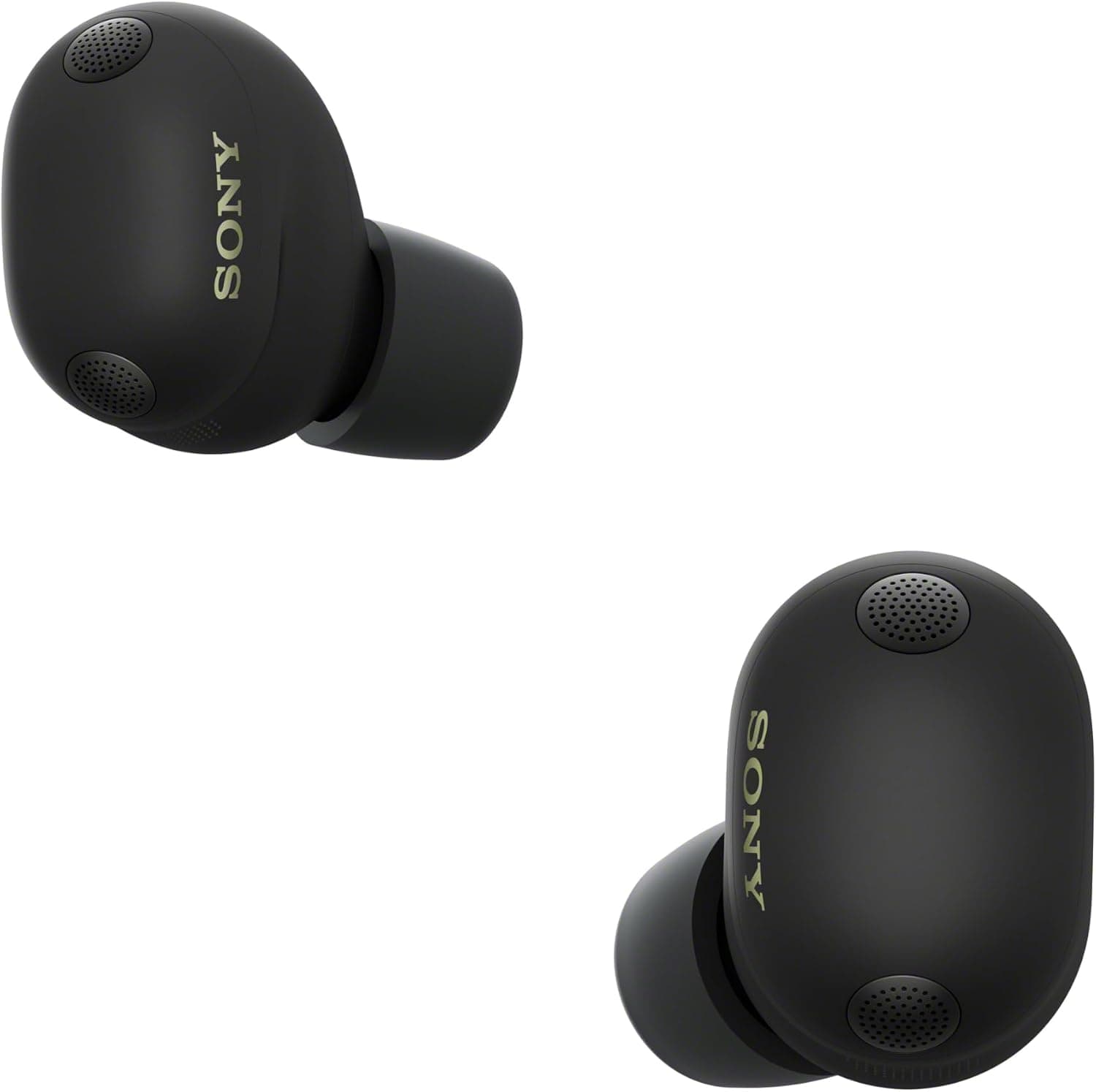
Sony WF-1000XM6
SHE Office Audio Score9.4/10The only pick pairing the longest published charge with switching that carries no brand condition, and a fully documented call path
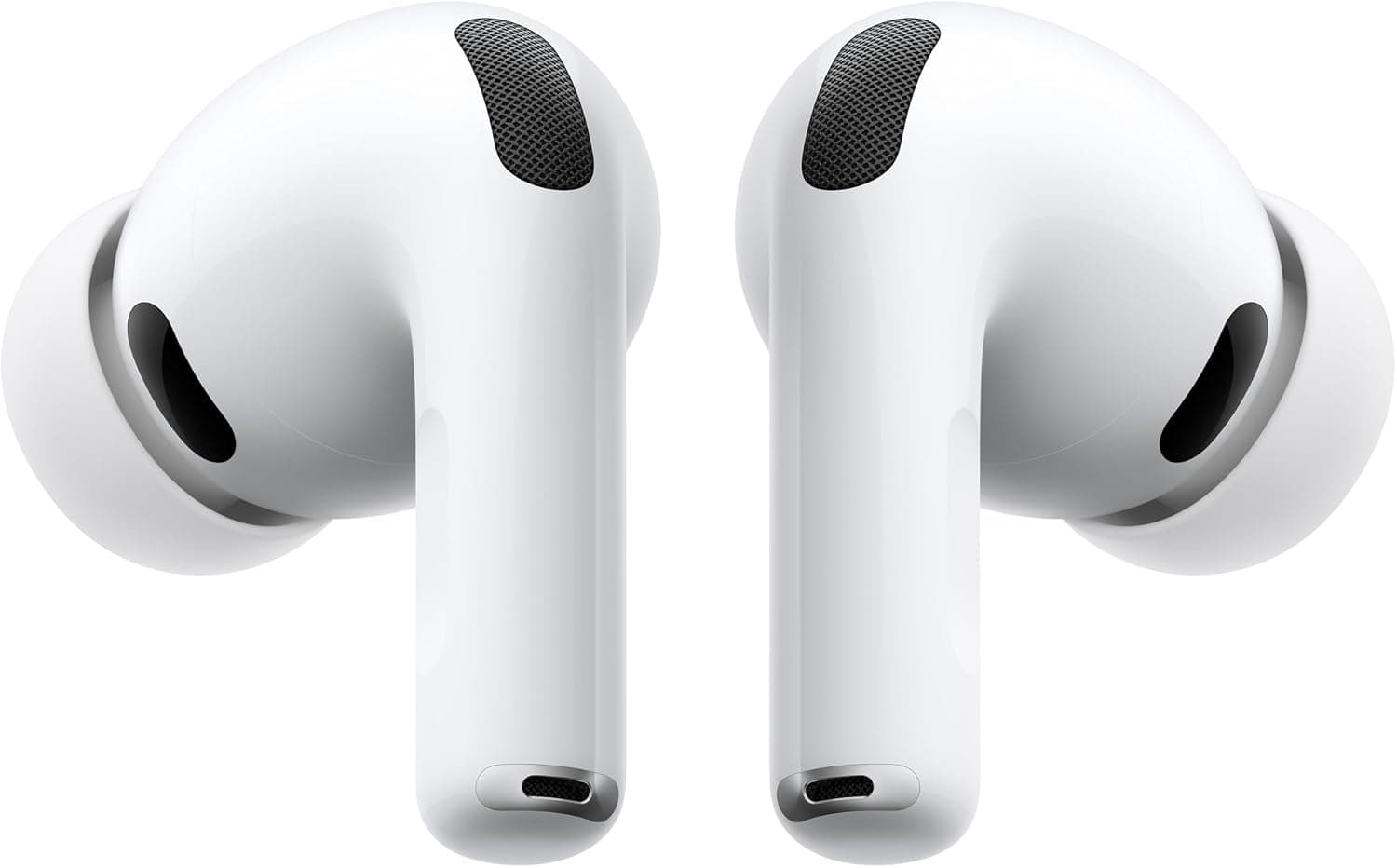
Apple AirPods Pro 3
SHE Office Audio Score8.5/10Matches the leader on runtime and call documentation, and gives back half the switching factor to Apple-only hardware
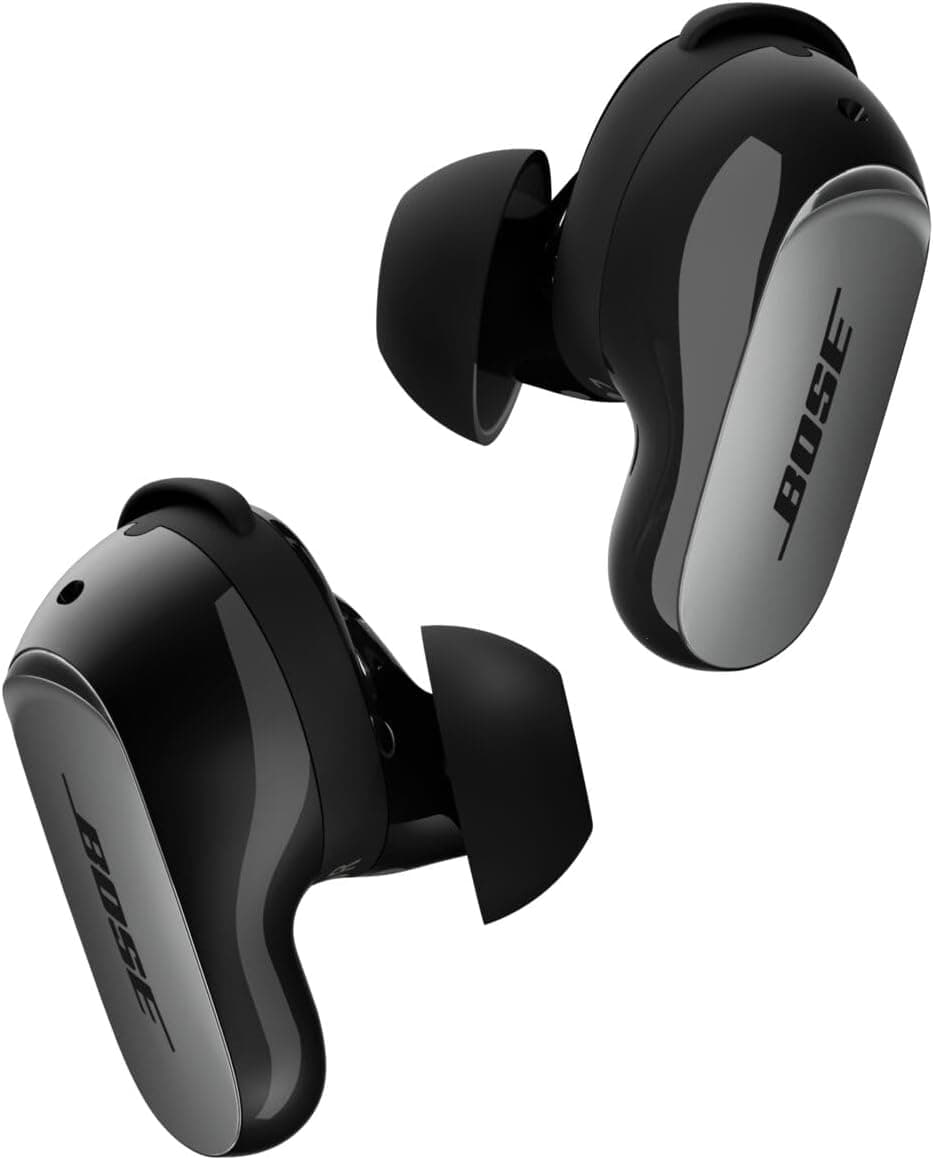
Bose QuietComfort Ultra Earbuds (2nd Gen)
SHE Office Audio Score6.5/10Unconditioned switching and nine fit combinations, held back by six hours per charge and a call array Bose never counts; ties Samsung here
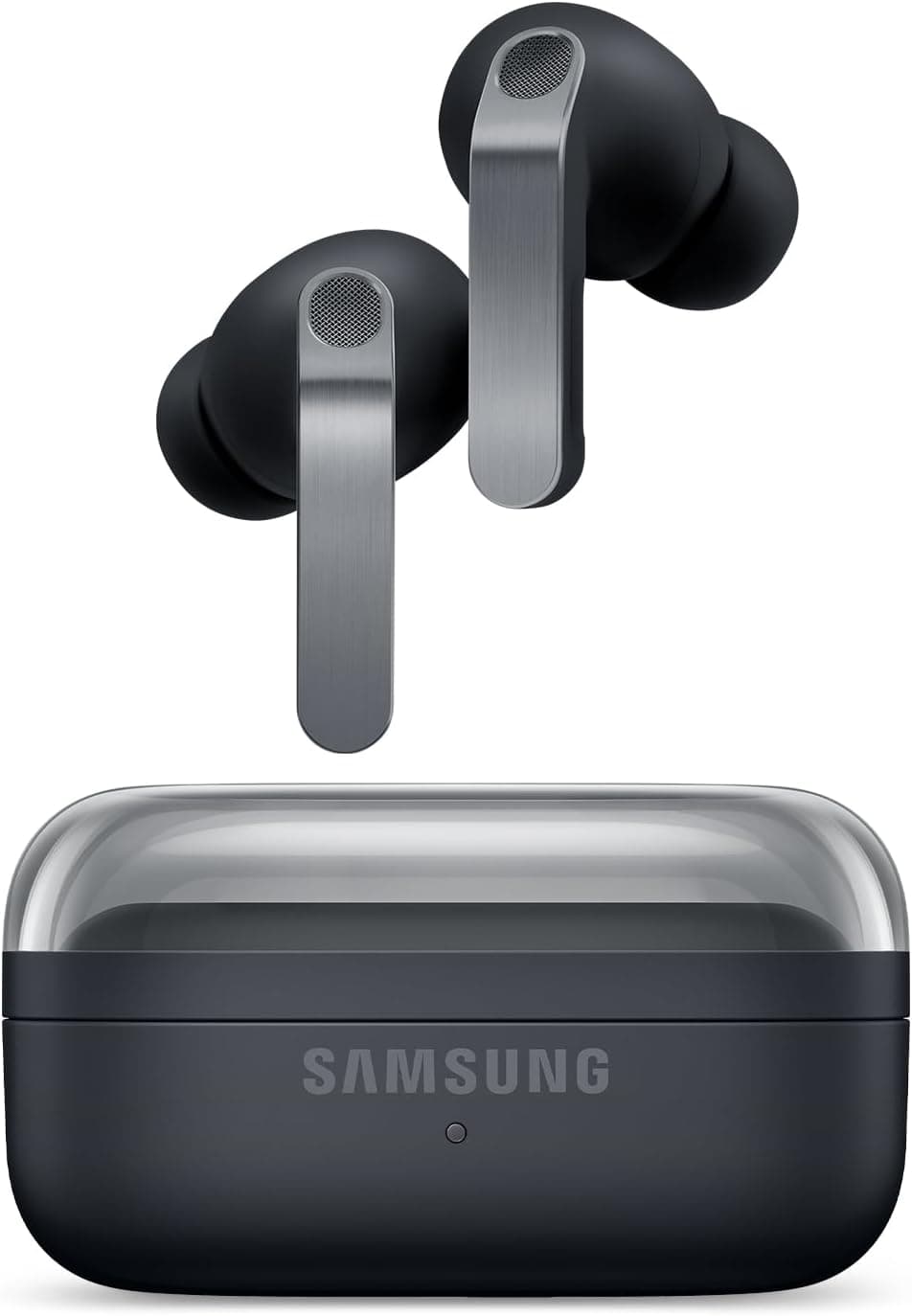
Samsung Galaxy Buds4 Pro
SHE Office Audio Score6.5/10Matches the second-generation Bose's composite by publishing a full call array, a dust rating and the longest warranty here, then gives it back on switching
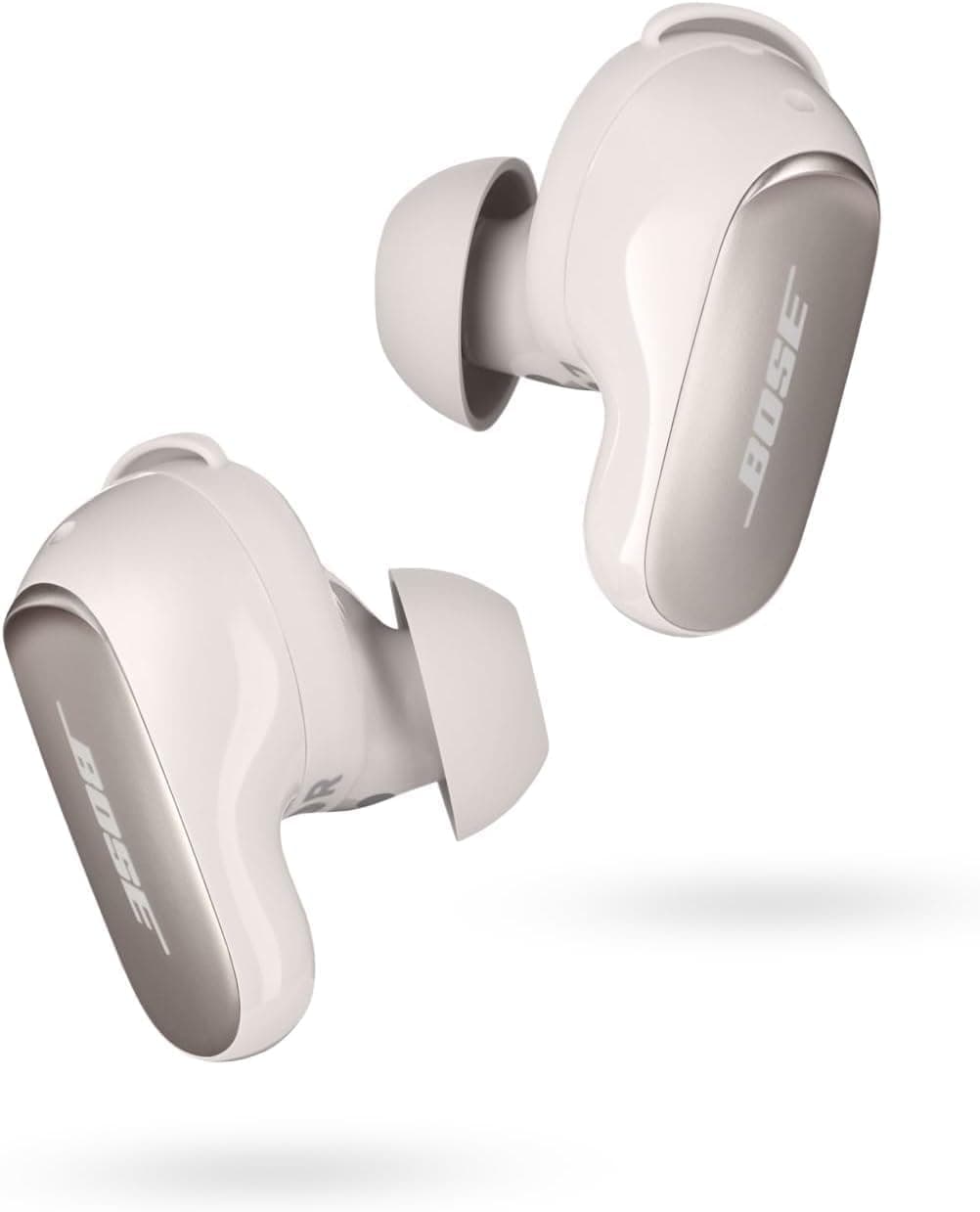
Bose QuietComfort Ultra Earbuds
SHE Office Audio Score5.3/10Identical switching and fit to its successor, and the only pick whose maker documents nothing about the call path
Connectivity Requirements, and the Conditions Manufacturers Attach
Switching is the factor most frequently determining this particular purchase, and it is simultaneously the capability most frequently described imprecisely by manufacturers. Three of the five recommendations publish Bluetooth multipoint with absolutely no condition attached, specifically the Sony and both Bose generations. Apple instead publishes Automatic Switching, which operates comparatively faster than conventional multipoint but functions exclusively across Apple devices signed into a single iCloud account. Samsung publishes neither capability unambiguously, and GSMArena's independent testing produces the particular limitation that genuinely matters, namely that its multipoint holds only between a Galaxy phone and a Samsung laptop. Where your laptop and telephone originate from different manufacturers, that distinction constitutes the entire decision, and the SHE Office Audio Score weights it accordingly.
Codec compatibility divides these recommendations along a secondary dimension that materialises only on particular hardware. The Sony incorporates LDAC, LC3, AAC and SBC, establishing it as the most accommodating of the codec sets actually published here for an Android telephone paired to a Windows machine. Apple operates AAC universally, which satisfies an iPhone entirely but remains comparatively restrictive everywhere else. Both Bose generations document Bluetooth 5.3 and operate their application identically on iOS and Android. Samsung reserves its 24-bit codec exclusively for Galaxy hardware, the identical ecosystem boundary our smart home automation hubs guide documents across the wider platform. None of this alters the ranking, because the SHE Office Audio Score deliberately weights whether the connection genuinely follows you, rather than how agreeable it sounds when it eventually does.
Fit represents the quieter compatibility question, and it determines considerably more returns than codec compatibility ever will. Both Bose generations publish nine combinations of eartip and stability band, whereas Apple publishes five individual tip sizes, Sony four and Samsung three. An acoustic seal that fails to hold undermines the cancellation regardless of whatever the processor internally achieves. Consequently the fit component of that factor constitutes a genuine purchasing input rather than a specification technicality. Runtime interacts similarly: the 8 hours Apple publishes becomes considerably less relevant if the earbuds themselves repeatedly loosen. Our sound isolation pods for home offices guide covers the acoustic tier above earbuds, and our editorial methodology explains precisely how these constraints are weighted.
What These Earbuds Cost You After the Purchase
None of the five carries a subscription for any of the capability described in this guide. Every maker here ships a free companion app, and the cancelling, the switching and the call processing all work without an account beyond pairing. That is worth stating because the category convention is to imply otherwise. What does vary is what happens when something fails. Samsung publishes a 2-year manufacturer warranty, Sony and both Bose generations publish one year each, and Apple's listing publishes no term at all.
Price is the genuinely unstable variable in this category, and it deserves an explicit caveat. Three of the five listings were discounted when this roundup was written, and one of them substantially so. That discount is the entire reason the older Bose generation earns a place at all: undiscounted, it costs precisely what its own replacement does while documenting less. Prices change frequently — check the current price on Amazon before buying.
When NOT to Buy
Skip premium cancelling earbuds if you work alone in a quiet room, because you are paying for a capability the room already provides. Skip them if calls are genuinely your whole day and comfort matters more than portability, since over-ear headphones seal better and rest on your head rather than inside your ear. Skip them entirely if ANC pressure aggravates an existing ear condition, and talk to an audiologist before spending anything.
What Changed in This Roster, and Why
Four products recommended in the previous version of this guide are no longer linked anywhere. The Apple AirPods Pro 2 listing on Amazon is a Renewed one, so the current generation replaces it entirely. Every claim formerly describing the Pro 2 was rewritten against the Pro 3's own specification page. The Jabra Elite 10 currently carries no new offer whatsoever, so it is identified here and linked nowhere. The Samsung Galaxy Buds3 Pro is superseded entirely by the Buds4 Pro. The Sony WF-1000XM5 remains considerably the harder judgement. It is genuinely live and genuinely new, but the seller on its listing was a third-party reseller on two separate readings during September 2026. Consequently the current WF-1000XM6 carries the recommendation, and its predecessor is disclosed here rather than recommended.
The formula was rebuilt from the ground up rather than re-weighted. The previous version multiplied a cancelling-depth figure by call clarity and comfort, then divided by a price term. Each product carried an attenuation figure between 29dB and 40dB attributed to independent test data. RTINGS does publish a review of every product on both the old roster and this one. No band-specific figure of that kind could be read from any of those pages, and the surrounding text claimed further derived gaps between products. That entire column was removed rather than re-sourced, along with the reviewer-rating composites beneath it. The price term went too, because a factor built on price makes every score move whenever a price does.
One correction particularly deserves individual identification. The previous version penalised the Bose QuietComfort Ultra Earbuds for lacking multipoint, and additionally asserted that no firmware update had introduced it. Bose publishes Bluetooth multipoint for that exact listing today, so the penalty positioning it fourth was demonstrably incorrect on its own terms. The replacement formula consequently credits both Bose generations the maximum available on that particular factor.
Who Should Buy What
Who Should Buy What
| If you are… | Recommended pick |
|---|---|
Open-plan worker on mixed hardware The day runs long, the laptop and the phone come from different makers, and the connection has to follow you between them without a setting being touched | Sony WF-1000XM6 |
All-Apple desk iPhone, Mac and iPad are the whole estate, switching should be invisible, and an unusual ear shape needs the widest choice of tip sizes available | Apple AirPods Pro 3 |
Serial device-switcher who needs fit options Handoffs between two devices happen dozens of times daily on mixed hardware, and eartips alone have never produced a seal that holds for you | Bose QuietComfort Ultra Earbuds (2nd Gen) |
Galaxy-first professional A Galaxy phone is the working device, the environment is dusty rather than merely indoors, and a longer warranty term is worth more than an extra hour of runtime | Samsung Galaxy Buds4 Pro |
Value buyer who rarely takes calls The current discount is the entire reason for looking, listening rather than talking is the job, and an undocumented call path is an acceptable trade | Bose QuietComfort Ultra Earbuds |
Frequently Asked Questions
Why does this guide publish no noise-cancellation decibel figures?
Because none could be verified in a form comparable across these five products. The previous version of this page gave each product a figure between 29 and 40 decibels of attenuation in the 100Hz to 2kHz band, attributed that whole column to independent test data, then built further claims on top about one product cancelling 8 to 12 decibels more than another. RTINGS does publish a review of every product on that roster and on this one, but its measurements are rendered in the browser rather than in the page source, so none of those figures could actually be read. The column was removed rather than re-sourced from somewhere else, and the ranking was rebuilt entirely from specifications each maker publishes about its own hardware.
Do the Bose QuietComfort Ultra Earbuds support Bluetooth multipoint?
Yes, both generations do, and the earlier version of this guide said otherwise. That version ranked the first-generation Ultra fourth largely on a switching penalty, stating that only one device could be connected at a time and that no firmware update had added multipoint. Bose's own manufacturer copy on the live Amazon listing for the first generation now reads that Bluetooth multipoint lets you switch between your phone, your laptop and other devices, and Bose publishes the same capability for the second generation on its own product page. Bose's separate specification support page could not be checked against it: that page returns almost no text to a fetcher, the same reason no RTINGS measurement appears here. The listing is what we credit, because it is the page a buyer reads.
Why are two generations of the same Bose earbuds both in this guide?
Because Amazon sells both at the same list price of $299.00, which makes the choice between them a genuine question rather than an obvious one. At list price the second generation wins without argument: it adds a named call technology, a wireless charging case and an IPX4 rating, and the first generation adds nothing in return. The first generation is here because it was selling well below that list price when this guide was written, and at a real discount the calculation changes for someone who mostly listens rather than talks. If both are at list price when you look, buy the newer one.
Why is the Jabra Elite 10 no longer recommended?
Because there is no new offer on Amazon to send you to. The Elite 10 was the previous version's call-quality pick, and it remains a well-regarded piece of hardware built by a company whose main business is enterprise communications. What changed is availability rather than quality: the only offers on its Amazon listing are used ones, and this site does not link a listing that cannot be bought new. It is named here for exactly that reason and linked nowhere. If a new offer returns we will reassess it against the current roster on the same criteria as everything else in this guide.
Should I buy the older Sony WF-1000XM5 instead of the WF-1000XM6?
It is a reasonable instinct and this guide deliberately does not link it. The WF-1000XM5 is still sold new on Amazon and costs less than its replacement, but on two separate checks in September 2026 the seller on its listing was a third-party reseller rather than Amazon itself. We only recommend listings Amazon is selling directly, so the current WF-1000XM6 carries the recommendation instead. On the hardware, Sony publishes the newer QN3e processor as three times faster than the QN2e in the WF-1000XM5, and adds microphones to the array. If you find the XM5 sold by Amazon at a real saving, it remains a capable pair.
Will the AirPods Pro 3 work with a Windows work laptop?
They will pair and play audio, and that is roughly the extent of it. Apple publishes no Bluetooth multipoint for the AirPods Pro 3, and Automatic Switching is defined as moving audio between your Apple devices, so a Windows laptop sits outside the mechanism entirely. In practice that means manually disconnecting from the phone and reconnecting to the laptop every time a meeting starts, which is precisely the friction the switching factor in our score exists to measure. If a Windows or Linux machine is your working computer, the Sony or either Bose generation will serve you considerably better, because all three publish multipoint without conditions.
Does eartip size really change how well noise cancellation works?
It changes the seal, and the seal is what the cancelling builds on. Every maker in this guide ships multiple tip sizes for that reason, and two of them go further: Bose supplies stability bands in three sizes alongside three eartip sizes, giving nine combinations, and sells four more sizes separately. Apple supplies five tip sizes, Sony four and Samsung three. If a pair feels like it is falling out, or the cancelling seems weaker than reviews suggest, changing the tip size is the first thing to try rather than the last. It costs nothing and it is the single most common fixable cause of disappointing performance.
Bottom Line
Get the Sony WF-1000XM6 if the day runs long, your hardware comes from more than one maker, and you want the call path documented rather than assumed.
Get the Apple AirPods Pro 3 if every device you use is an Apple one, and you want the most tip sizes here and the only ingress rating that covers the case.
Get the Bose QuietComfort Ultra Earbuds (2nd Gen) if you hand off between devices constantly on mixed hardware and fit adjustment matters more than an extra two hours of runtime.
Get the Samsung Galaxy Buds4 Pro if a Galaxy phone is your working device and you want a dust rating and the longest warranty published in this guide.
Get the Bose QuietComfort Ultra Earbuds if the current discount is the whole argument, you mostly listen rather than talk, and an undocumented call path is acceptable.
Skip the category if you work alone in a quiet room, or if calls are your entire day and over-ear headphones would seal better and wear more comfortably.
Sources & Methodology
Methodology: SHE Office Audio Score — Formula: (All-Day Runtime × 0.30) + (Multi-Device Freedom × 0.30) + (Published Call Hardware × 0.25) + (Fit and Durability Options × 0.15). Factors: All-Day Runtime (30%): Published noise-cancelling playback on a single charge, scored as hours minus four, multiplied by two and a half, and capped at ten. Weighted heaviest alongside switching because the office question is whether a pair outlasts the working day, not whether it outlasts a commute. | Multi-Device Freedom (30%): Ten where Bluetooth multipoint is published with no brand condition attached; five where cross-device switching is published but restricted to one maker's own hardware; zero where nothing is published at all. Credited from the Amazon listing, the manufacturer's specification page, or an outlet covering that exact model. | Published Call Hardware (25%): Ten divided across three documented elements of the call path: a stated microphone count or a named beamforming array, a dedicated voice sensor separate from the ambient microphones, and a named voice-isolation or speech-clarity technology. This measures what a maker documents, not measured call quality, which no outlet publishes comparably across these five. | Fit and Durability Options (15%): Half from published fit options, being ten for nine or more eartip and band combinations or five or more tip sizes, six for four sizes and three for three sizes. Half from the published ingress rating, being ten for a rating covering dust and water, six for water alone, and zero where none is published.
Expert review sources used in this analysis:
- SmartHomeExplorer aggregates published expert review coverage and manufacturer specifications
- No first-party earbud testing was conducted for this guide, and none is implied anywhere on this page
- Three outlets are credited here and every page was fetched directly while this guide was written
- SoundGuys reviews the Apple AirPods Pro 3 and scores it 7.8 out of 10
- That review measures 8 hours and 42 minutes of playback with cancelling enabled, and reports outside noise reduced by 90 percent on average
- GSMArena covers the Sony WF-1000XM6 specification set and separately reviews the Samsung Galaxy Buds4 Pro
- Its Buds4 Pro review is the only source found for the Samsung-only multipoint limitation, which neither Samsung nor the Amazon listing states
- RTINGS publishes a review of all five products and each page was confirmed live
- Its measurements are rendered in the browser rather than served in the page, so RTINGS is credited for coverage only
- No RTINGS figure appears anywhere on this page
- Two negative receipts belong here
- The What Hi-Fi review of the second-generation Bose returned navigation rather than article text when fetched, so What Hi-Fi is credited nowhere
- An ecoustics review of the same product was fetched successfully, but states a Bluetooth version and a battery total that Bose's own specification page contradicts
- It is credited nowhere either, and Bose's own figures were used instead
- Every price, battery figure, ingress rating, eartip count, Bluetooth version, warranty term and box contents figure in this guide was read on 1 September 2026
- Each came from the product's own Amazon listing or the manufacturer's own specification page
- All five picks showed as new and sold by Amazon at that time
- Three of the five listings were discounted when they were read, and those discounts are described in the sections above
- Prices change frequently — check the current price on Amazon before buying
- The SHE Office Audio Score is our own composite and is attributable to no outlet
- Its four factors, their weights and the normalization applied to each are published in the scoring block above and on the metric page
- The factor set was rebuilt completely for this version and no score was carried across from the previous roster.
Nicholas Miles is the founder of SmartHomeExplorer and a longtime smart home enthusiast focused on helping everyday homeowners make better technology decisions. He researches, compares, and writes about products across security, climate, lighting, leak prevention, sensors, home energy, and automation, with an emphasis on real-world usefulness, ecosystem compatibility, reliability, privacy, and long-term value.
Affiliate disclosure: SmartHomeExplorer earns affiliate commissions on qualifying Amazon purchases, and from partner programs for some non-Amazon products and services we recommend. Our scoring methodology is independent of affiliate relationships.
More Guides
Office
Best Smart Home Office 2026: 6-Product WFH Stack
smart-speakers
Best Smart Speakers and Displays 2026: Echo, Nest, HomePod
Lifestyle
Best Smart Desk Accessories for Home Offices 2026
Lifestyle
Best Smart Standing Desks 2026: 5 Ranked, Top Pick
office
Best Smart Sound Isolation Pods for Home Offices in 2026
smart-plugs