
Best Water Softeners 2026: Salt-Free, Digital & Well Water
SpringWell's FutureSoft leads the salt-free tier at zero ongoing cost, while the SoftPro Elite leads genuine salt-based softening for well water. Five systems, ranked on capacity, efficiency, and serviceability.
This article contains affiliate links. We may earn a commission at no extra cost to you. Prices change frequently — check the current price on Amazon before buying. Learn more
The Short Answer
Buy the SpringWell FutureSoft for salt-free scale prevention at 0 lbs of annual salt use — the right default under 25 GPG hardness. Buy the SoftPro Elite instead for well water or elevated iron. See our dedicated SoftPro-vs-Fleck comparison for the full salt-based decision.
Featured in this Guide

Ring
SpringWell FutureSoft Salt-Free
- •No salt, no waste water, lifetime warranty, and NSF/ANSI 61 certification for most hardness under 25 GPG

SoftPro
Elite Water Softener
- •Upflow regeneration and true ion-exchange softening rated for well water and elevated iron

Fleck
5600SXT Digital
- •The most-installed control valve in North America, fully rebuildable for decades of service

Whirlpool
WHESFC Pro
- •A 2-in-1 softener and carbon filter from a major appliance brand at the category's lowest entry price

Aquasure
Harmony Series
- •Compact footprint and metered regeneration sized for 1-2 person households and small utility closets
Head-to-Head: Effectiveness, Efficiency, and Cost
Appliances
Chart
 Smarthomeexplorer.com
Tap any pick to check its live price on Amazon.
Samsung NV51K7770DG 30" Smart Double Wall Oven with Flex Duo and Steam Cook
Check price
Samsung NV51K6650DG 30" Smart Double Wall Oven with Steam Cook and Wi-Fi
Check price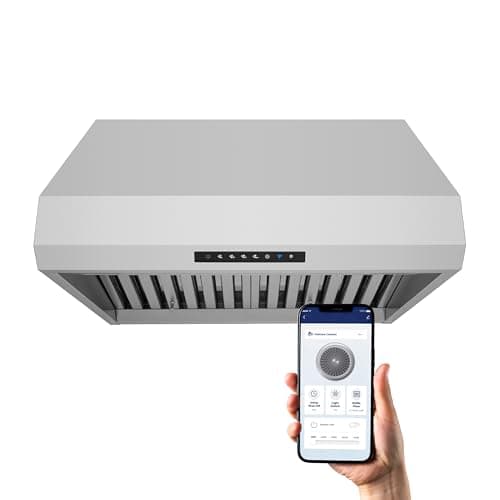
Hauslane PRO500 36-inch Smart Range Hood
Check price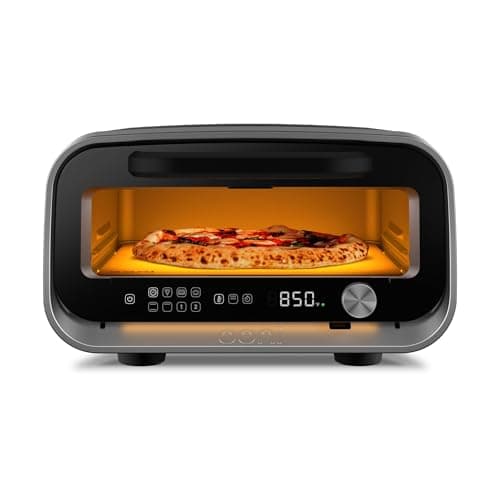
Ooni Volt 2
Check price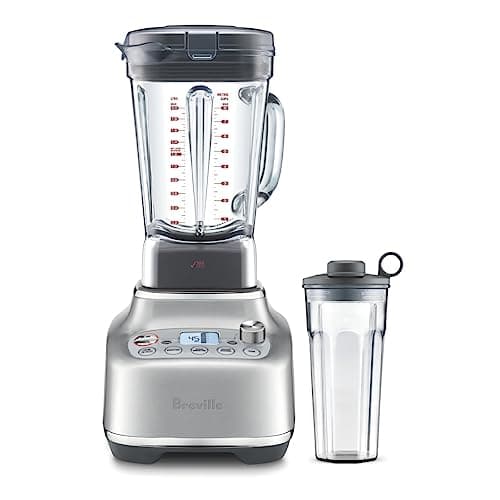
Breville Super Q
Check price
Softening vs Conditioning: The Choice Underneath Every Pick
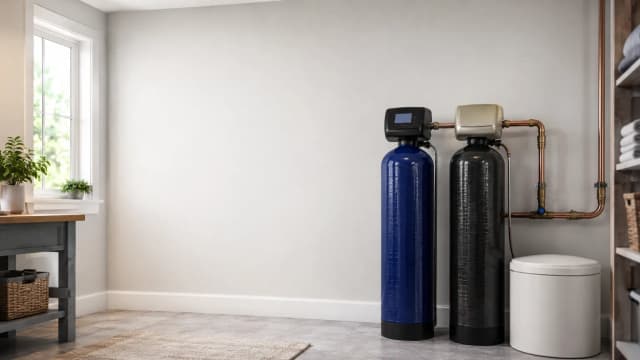
Every system here falls into one of two categories, and This Old House and Bob Vila both frame that distinction as the one that matters most. Salt-based ion exchange, used by the SoftPro Elite, Fleck 5600SXT, Whirlpool WHESFC Pro, and Aquasure Harmony, genuinely removes calcium and magnesium and produces measurably softer water in 2-4 hours of install time. Salt-free conditioning, used by the SpringWell FutureSoft, resists scale at 0 lbs of annual salt consumption, without reducing measured hardness.
In this guide we evaluated all five systems on the weighted SHE Water Treatment Score, a composite spanning treatment effectiveness, capacity fit, efficiency, smart features, and serviceability, verified as of July 2026. Readers deciding between salt-based systems should see our dedicated SoftPro Elite vs Fleck 5600SXT Water Softener 2026 comparison, which yields substantially deeper cost analysis.
Best Salt-Free / Zero Ongoing Cost: SpringWell FutureSoft Salt-Free
SpringWell FutureSoft Salt-Free
- Zero ongoing cost — no salt, no waste water, no electricity required
- Does not reduce measured hardness — prevents scale rather than softening

(Current price, subject to change)
The SpringWell FutureSoft Salt-Free earns 8.0 on the weighted SHE Water Treatment Score, a composite that rewards its category-leading efficiency while comparatively discounting its treatment-effectiveness sub-score. Template-assisted crystallization transforms dissolved calcium and magnesium into microscopic crystals that flow through plumbing without depositing scale, rather than removing the minerals through ion exchange — installation itself takes 2-4 hours and produces zero ongoing consumable cost, a meaningful outcome for a whole-home system. This Old House's water-treatment coverage identifies salt-free conditioning as an effective scale-prevention approach for moderate hardness within a 10-year to 15-year tank lifespan, and Bob Vila's softener buying guidance corroborates the category's zero-consumable operating-cost advantage; neither outlet reviews this exact SKU.
Because the FutureSoft consumes 0 lbs of salt, 0 gallons of discharge water, and no electricity during operation, its 5-year cost achieves a total near the $800-$1,100 hardware price alone — a meaningfully different total-cost profile than any salt-based system in this roundup, all of which add ongoing consumable expense that yields a materially higher 5-year number.
What We Love
- Zero ongoing cost — no salt, no waste water, no electricity required
- Lifetime warranty on tanks and valves, the longest coverage evaluated in this category
- NSF/ANSI 61 certified for drinking-water system components
- No maintenance schedule — the system operates passively once installed
What Could Be Better
- Does not reduce measured hardness — prevents scale rather than softening
- Less effective above roughly 25 GPG hardness
- No app connectivity in the base unit
The Verdict
For most households under 25 GPG hardness, the SpringWell FutureSoft Salt-Free fits the brief without compromise. The 8.0 on our SHE Water Treatment Score reflects a perfect efficiency sub-score offset by treatment effectiveness that stops short of genuine softening. Households wanting true mineral reduction should look at the SoftPro Elite instead.
Ready for game day?

SYLVOX 65" Outdoor 4K TV
See it on Amazon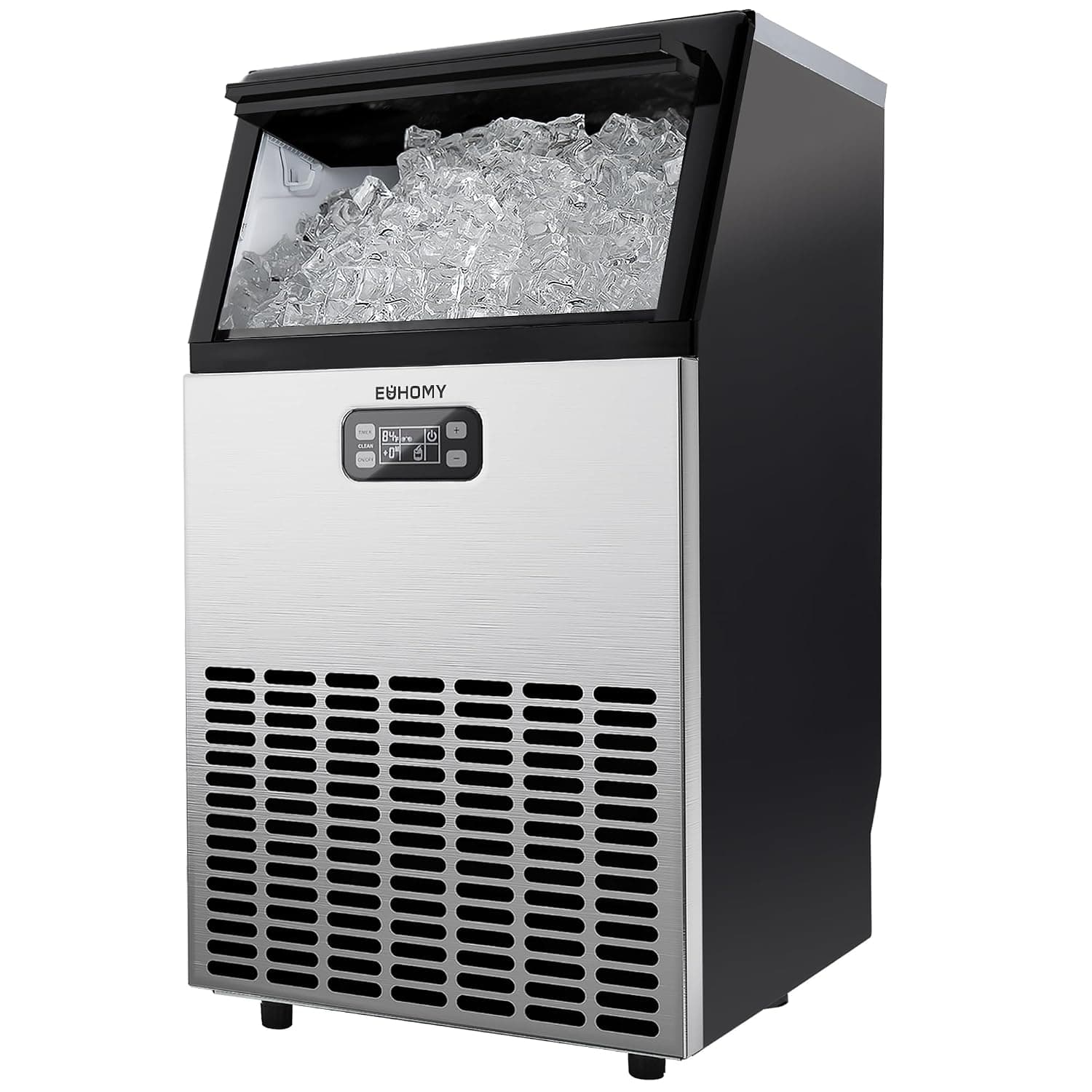
EUHOMY Commercial Ice Maker, 100 lb/day
See it on Amazon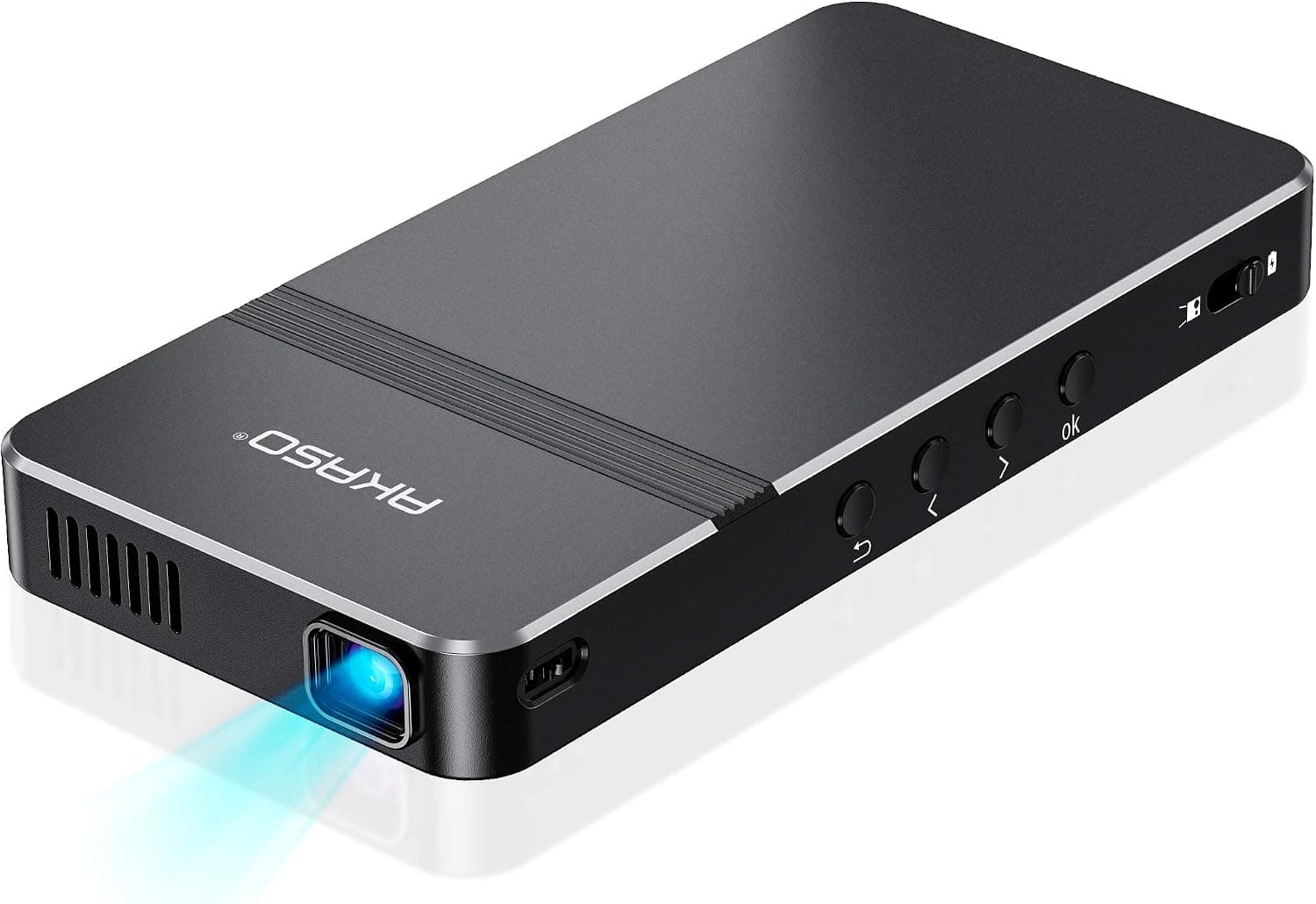
AKASO Mini Projector
See it on Amazon
Sponsored listings from Amazon’s Sponsored Products for Creators program, kept apart from our reviews and rankings. How we make money
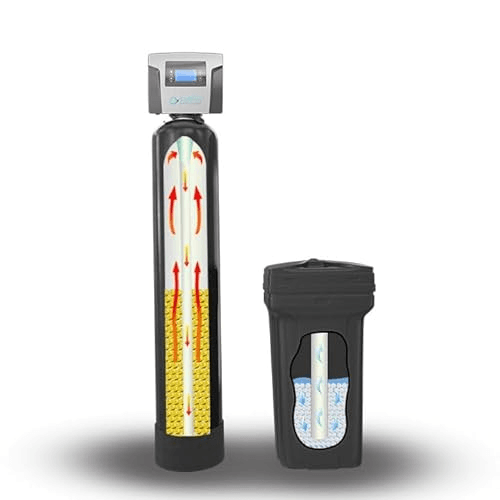
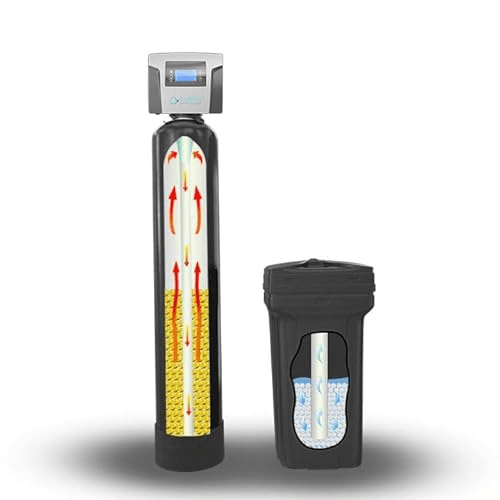
Best Overall / Best for Well Water: SoftPro Elite Water Softener
SoftPro Elite Water Softener
- Upflow regeneration substantially reduces salt consumption versus a comparable downflow system
- Costs nearly double the Fleck upfront
(Current price, subject to change)
The SoftPro Elite Water Softener earns 8.5 on the weighted SHE Water Treatment Score, the highest composite of the five systems evaluated in this roundup, reflecting a treatment-effectiveness and capacity combination that no salt-free or lower-capacity salt-based system here matches. This exact 64,000-grain listing consumes 4-6 lbs of salt per cycle and delivers a Bluetooth app with roughly 30 ft of range for usage alerts, which produces measurably softer water within a 2-4 hour install. This is a summary treatment only — readers deciding specifically between the SoftPro Elite and the Fleck 5600SXT should read our dedicated SoftPro Elite vs Fleck 5600SXT Water Softener 2026 comparison, which yields substantially more depth on 5-year total cost than a five-product roundup allows.
Family Handyman's water-treatment coverage documents upflow regeneration as more salt-efficient than traditional downflow valves consuming 8-12 lbs per cycle, and This Old House's buying guidance identifies capacity headroom as the primary driver of long-term softener performance across a 10-year resin lifespan; neither outlet reviews this exact bundled configuration.
What We Love
- Upflow regeneration substantially reduces salt consumption versus a comparable downflow system
- 64,000-grain capacity in this configuration is rated for well water and elevated iron
- Bluetooth app adds usage monitoring and brine alerts
- Genuine ion-exchange softening for households that want measurably softer water
What Could Be Better
- Costs nearly double the Fleck upfront
- Bluetooth range limited to roughly 30 ft
- Ongoing salt purchases, unlike the SpringWell
The Verdict
If you're on well water or want genuinely softer water for laundry and skin, the SoftPro Elite Water Softener fits without compromise at $1,529. The 8.5 is the highest composite in this roundup, driven by a treatment-effectiveness and capacity combination no other system here matches. A full head-to-head against the Fleck 5600SXT lives in our dedicated comparison guide.
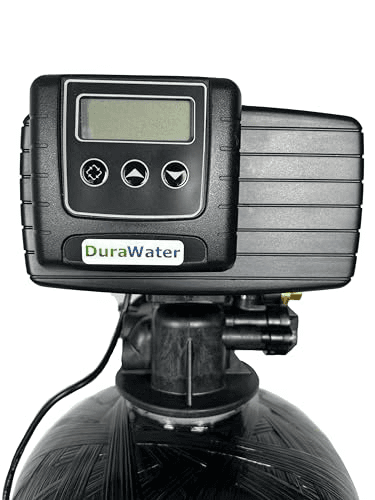
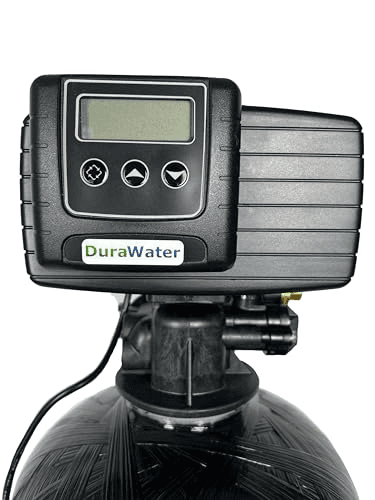
Best DIY / Most Serviceable: Fleck 5600SXT Digital
Fleck 5600SXT Digital
- Most-installed control valve platform in North America — parts and service are universally available
- No Bluetooth, WiFi, or app connectivity
(Current price, subject to change)
The Fleck 5600SXT Digital earns 7.5 on the weighted SHE Water Treatment Score in this roundup's formula, a composite that credits its serviceability strength while discounting its regeneration efficiency relative to the SoftPro Elite's upflow design. This 48,000-grain configuration consumes 8-12 lbs of salt per cycle and takes roughly 20 mins to program on a first install, a setup cost that produces decades of parts availability in return. Family Handyman covers the Fleck platform's reliability record across a 30-year parts-compatibility history, and Bob Vila's water-treatment guidance corroborates its capacity sizing for households up to 6 people, though neither outlet reviews this exact bundled kit. For the full head-to-head against the SoftPro Elite — 5-year cost, salt consumption per cycle, and capacity fit — see our SoftPro Elite vs Fleck 5600SXT Water Softener 2026 comparison, which this roundup intentionally does not duplicate.
The platform's defining strength remains that it isn't proprietary: parts compatibility has held for more than 30 years, so any water-treatment technician, not just the original installer, achieves a working repair going forward.
What We Love
- Most-installed control valve platform in North America — parts and service are universally available
- Fully rebuildable and serviceable by any licensed plumber for decades
- 48,000-grain capacity comfortably handles municipal households up to 6 people
- $789.99 entry price is substantially below the SoftPro Elite
What Could Be Better
- No Bluetooth, WiFi, or app connectivity
- Uses more salt per cycle than an upflow design
- Programming takes 20 mins on a first install
The Verdict
For a standard municipal-water household that wants the deepest parts ecosystem and lowest total cost among salt-based systems, the Fleck 5600SXT Digital is a sensible pick for that setup at $789.99. The 7.5 trails the SoftPro Elite mainly on regeneration efficiency. Our dedicated comparison guide walks through the full 5-year cost math against the SoftPro.
Best Budget Combo Unit: Whirlpool WHESFC Pro
Whirlpool WHESFC Pro
- 2-in-1 softener plus carbon filter eliminates a separate whole-home filter purchase
- 31,000-grain capacity is the smallest here

(Current price, subject to change)
The Whirlpool WHESFC Pro earns 6.5 on the weighted SHE Water Treatment Score, a composite that credits its combination softener-plus-filter design while discounting its comparatively thin 31,000-grain capacity. Consumer Reports covers combination softener-filter units broadly and corroborates the value proposition at this $400-$500 price tier for moderate-hardness households within a 2-year warranty window, though it has not published a review of this exact configuration. The demand-initiated regeneration controller tracks actual water usage via a flow meter and achieves regeneration only when needed rather than on a fixed calendar schedule, a design that yields comparatively lower salt consumption than a time-clock-based system over a typical 3-5 hour install.
What We Love
- 2-in-1 softener plus carbon filter eliminates a separate whole-home filter purchase
- Substantially below dedicated premium softeners on price
- Whirlpool brand means parts and service are available at Lowe's nationally
- Demand-initiated regeneration conserves salt versus a fixed schedule
What Could Be Better
- 31,000-grain capacity is the smallest here
- No app or voice-assistant integration
- Less efficient than the SoftPro's upflow design
The Verdict
For a 1-3 bathroom home at moderate hardness, the Whirlpool WHESFC Pro checks the boxes that matter for a budget combo purchase. The 6.5 reflects genuine ion-exchange softening plus integrated filtration, capped by the category's smallest capacity.
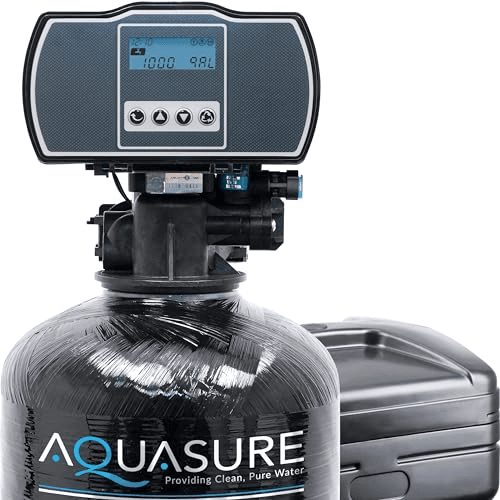
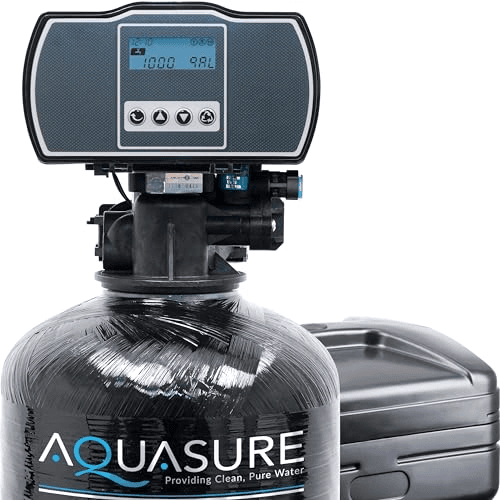
Best Compact / Apartment: Aquasure Harmony Series
Aquasure Harmony Series
- Compact footprint fits utility closets and under-sink spaces standard softeners cannot
- 32,000-grain maximum limits larger households
(Current price, subject to change)
The Aquasure Harmony Series earns 6.3 on the weighted SHE Water Treatment Score, a composite that credits genuine ion-exchange softening in a compact footprint while discounting its capacity ceiling relative to full-size systems, at a 32,000-grain capacity that installs in under 2 hours. Bob Vila's small-space water-treatment coverage recommends compact softeners for condo and apartment installations broadly within the $500-$700 price band, though it has not reviewed this exact Harmony configuration. The overflow-protected brine tank achieves a meaningful safety outcome specifically because compact installs frequently sit inside living spaces rather than a dedicated utility room, consuming roughly 5-10 lbs of salt monthly for a typical 1-2 person household.
What We Love
- Compact footprint fits utility closets and under-sink spaces standard softeners cannot
- Overflow protection on the brine tank reduces flood risk in living spaces
- Metered digital regeneration triggers only when capacity is actually consumed
- 32,000-grain capacity is right-sized for 1-2 person households
What Could Be Better
- 32,000-grain maximum limits larger households
- No app or smart home connectivity
- Thinner parts ecosystem than Fleck's
The Verdict
For apartments and small homes where space is the primary constraint, the Aquasure Harmony Series checks the boxes that matter for that footprint. The 6.3 reflects genuine softening performance sized appropriately for 1-2 person households, not a penalty on core treatment quality.
How We Score: SHE Water Treatment Score
SHE Water Treatment Score
Score Formula
Treatment_Effectiveness * 0.35 + Capacity_Fit * 0.20 + Efficiency * 0.20 + Smart_Features * 0.10 + Serviceability * 0.15Score Factors
- Treatment Effectiveness (35%)Whether the system genuinely reduces measured hardness (ion exchange) or only prevents scale formation (conditioning). The single most heavily weighted factor in the composite formula.
- Capacity & Sizing Fit (20%)Grain capacity normalized against typical household size and water-source demands, derived from manufacturer specifications.
- Efficiency (20%)Salt and water consumed per regeneration cycle, or zero consumption for salt-free conditioning systems, based on manufacturer testing data.
- Smart Features (10%)App connectivity, usage monitoring, and remote alerting capability beyond the control head itself.
- Serviceability (15%)Parts-ecosystem depth, warranty terms, and dealer or retailer availability.
SHE Water Treatment Score — Ranked
SoftPro Elite Water Softener
SHE Water Treatment Score8.5/10$1,529 — the highest composite; upflow salt-based softening rated for well water and elevated iron

SpringWell FutureSoft Salt-Free
SHE Water Treatment Score8.0/10$800-$1,100 — zero ongoing cost salt-free conditioning; best for hardness under 25 GPG
Fleck 5600SXT Digital
SHE Water Treatment Score7.5/10$789.99 — most-installed control valve platform in North America; best for DIY serviceability

Whirlpool WHESFC Pro
SHE Water Treatment Score6.5/10$400-$500 — 2-in-1 combo unit; the category's smallest capacity
Aquasure Harmony Series
SHE Water Treatment Score6.3/10$500-$700 — compact footprint sized for 1-2 person apartments and small homes
SHE Water Treatment Score
Composite of treatment effectiveness, capacity fit, efficiency, smart features, and serviceability (0-10).
SHE editorial composite from manufacturer specifications and registered-outlet category coverage, July 2026
Match the System to Your Water Source
None of these five systems is a connected smart-home device — the fit that matters is plumbing and water source, not app ecosystem. All four salt-based systems install on a standard main line with an included bypass valve; the SpringWell installs the same way but skips the brine tank entirely.
| Product | Salt-Based (True Softening) | Well Water / High Iron Rated | Brine Tank Required | App or Bluetooth Monitoring |
|---|---|---|---|---|
| SpringWell FutureSoft Salt-Free | ✕ | ✕ | ✕ | ✕ |
| SoftPro Elite Water Softener | ✓ | ✓ | ✓ | ✓ |
| Fleck 5600SXT Digital | ✓ | ✕ | ✓ | ✕ |
| Whirlpool WHESFC Pro | ✓ | ✕ | ✓ | ✕ |
| Aquasure Harmony Series | ✓ | ✕ | ✓ | ✕ |
When NOT to Buy
Skip a softener if hardness measures below 7 GPG, or if you're renting and cannot modify the main line. Choose the salt-free SpringWell over any salt-based pick here if your municipality restricts brine discharge, which several Southern California jurisdictions do.
Who Should Buy What
Who Should Buy What
| If you are… | Recommended pick |
|---|---|
Most households under 25 GPG hardness You want whole-home scale protection with zero ongoing cost and no salt or brine to manage | SpringWell FutureSoft Salt-Free |
Well water & high-iron households Your water source is a private well, or a test shows elevated iron, and you want genuine mineral reduction | SoftPro Elite Water Softener |
DIY plumbers wanting deep serviceability You're comfortable programming a touchpad valve and want the platform with the deepest parts ecosystem | Fleck 5600SXT Digital |
Budget-conscious 1-3 bathroom homes You want a single combined softener-and-filter unit at the category's lowest price point | Whirlpool WHESFC Pro |
Frequently Asked Questions
What is the best water softener in 2026?
It depends on your water source and priorities. The SpringWell FutureSoft is the best salt-free option for most households under 25 GPG hardness, at zero ongoing cost. The SoftPro Elite is the best salt-based option overall, earning the highest SHE Water Treatment Score at 8.5, and is specifically rated for well water and elevated iron in this configuration.
Should I get a salt-free conditioner or a salt-based softener?
Salt-based systems like the SoftPro Elite and Fleck 5600SXT genuinely remove calcium and magnesium, producing measurably softer water for laundry and skin. Salt-free conditioners like the SpringWell FutureSoft prevent scale formation without reducing measured hardness, at zero ongoing salt or water cost. Choose salt-based for genuinely softer water; choose salt-free for scale prevention with no consumable expense.
Should I buy the SoftPro Elite or the Fleck 5600SXT?
This roundup covers both briefly, but the decision deserves a deeper look — see our dedicated SoftPro Elite vs Fleck 5600SXT comparison, which evaluates 5-year total cost, regeneration efficiency, and capacity fit between the two systems specifically. The short version: well water or elevated iron favors the SoftPro; standard municipal water favors the Fleck on total cost.
What grain capacity water softener do I need?
Multiply household daily water usage (roughly 75 gallons per person) by hardness in GPG, then by 7 for weekly grain removal. A 4-person household at 15 GPG needs to remove 4 x 75 x 15 x 7 = 31,500 grains per week — the Whirlpool's 31,000-grain capacity is at the edge; the Fleck's 48,000 grains or the SoftPro's 64,000 grains add comfortable headroom.
Can I add smart-home monitoring to a non-connected water softener?
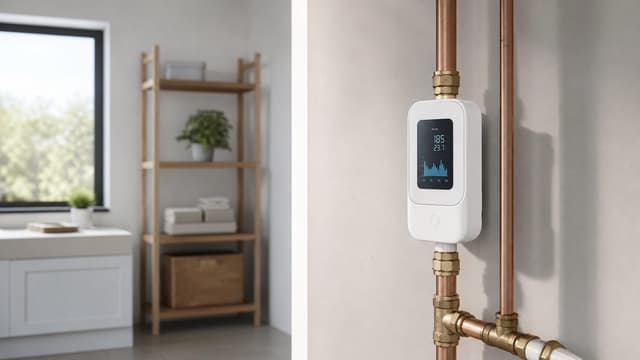
Yes. Pair any of these systems with an upstream whole-home water monitor on the main supply line ahead of the softener for usage tracking, leak detection, and Alexa or Google Home integration — see our best smart home water systems hub for the full monitor comparison. This adds a monitoring layer without modifying the softener itself.
Bottom Line
Get the SpringWell FutureSoft Salt-Free if you want whole-home scale protection with zero ongoing cost and hardness under 25 GPG.
Get the SoftPro Elite Water Softener if you're on well water, have elevated iron, or want genuinely softer water above all else.
Get the Fleck 5600SXT Digital if you want the most serviceable, DIY-friendly platform at the lowest salt-based entry price.
The right default for most households is the SpringWell FutureSoft Salt-Free — zero ongoing cost and a lifetime warranty. Well water or elevated iron changes the answer to the SoftPro Elite Water Softener. For the full SoftPro-vs-Fleck decision, read our dedicated comparison guide rather than relying on this roundup's brief summary.
Sources & Methodology
Methodology: SHE Water Treatment Score — Formula: Treatment_Effectiveness * 0.35 + Capacity_Fit * 0.20 + Efficiency * 0.20 + Smart_Features * 0.10 + Serviceability * 0.15. Factors: Treatment Effectiveness (35%): Whether the system genuinely reduces measured hardness (ion exchange) or only prevents scale formation (conditioning). The single most heavily weighted factor in the composite formula. | Capacity & Sizing Fit (20%): Grain capacity normalized against typical household size and water-source demands, derived from manufacturer specifications. | Efficiency (20%): Salt and water consumed per regeneration cycle, or zero consumption for salt-free conditioning systems, based on manufacturer testing data. | Smart Features (10%): App connectivity, usage monitoring, and remote alerting capability beyond the control head itself. | Serviceability (15%): Parts-ecosystem depth, warranty terms, and dealer or retailer availability.
Expert review sources used in this analysis:
- SmartHomeExplorer aggregates expert review data and manufacturer specifications to produce consensus-based buying guidance
- We do not perform first-party product testing
- This Old House and Bob Vila both cover water-treatment buying guidance broadly; Family Handyman covers DIY installation and control-valve reliability; Consumer Reports covers combination softener-filter units
- No outlet has published a review of the SpringWell FutureSoft's exact tank configuration, the SoftPro Elite's 64,000-grain well-water listing, the Fleck 5600SXT's bundled kit, the Whirlpool WHESFC Pro, or the Aquasure Harmony Series specifically — specifications for all five come from manufacturer documentation and Amazon listing data, and no third-party verdict is transcribed for any of them
- Amazon prices were verified via the Amazon Creators API on 2026-07-27: SoftPro Elite (64,000 grain, well water) $1,529.00 sold by Softpro Water Systems, Fleck 5600SXT $789.99 sold by AFWFilters
- The SHE Water Treatment Score weights treatment effectiveness (35%), capacity and sizing fit (20%), efficiency (20%), smart features (10%), and serviceability (15%); factor sub-scores are set-relative within this 5-product roster and derive from manufacturer specifications, disclosed per product in the comparison chart
- This metric is distinct from the narrower SHE Softener Total-Cost Score used on our dedicated SoftPro-vs-Fleck comparison, which weighs 5-year total cost more heavily for that head-to-head decision.
Nicholas Miles is the founder of SmartHomeExplorer and a longtime smart home enthusiast focused on helping everyday homeowners make better technology decisions. He researches, compares, and writes about products across security, climate, lighting, leak prevention, sensors, home energy, and automation, with an emphasis on real-world usefulness, ecosystem compatibility, reliability, privacy, and long-term value.
Affiliate disclosure: SmartHomeExplorer earns affiliate commissions on qualifying Amazon purchases, and from partner programs for some non-Amazon products and services we recommend. Our scoring methodology is independent of affiliate relationships.