

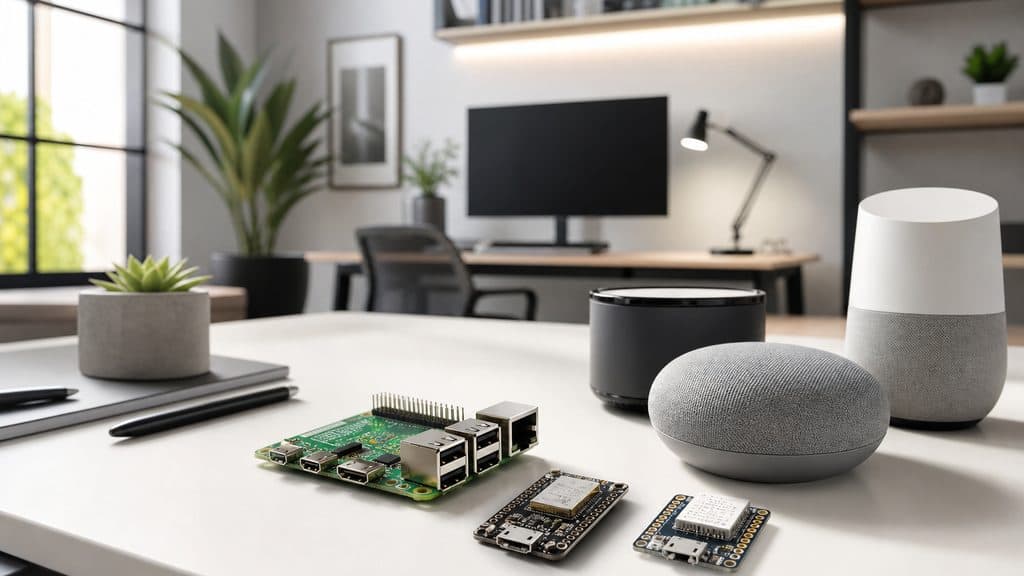
Best Home Assistant Voice Satellites 2026: ESP32 & Local
7 Amazon-available satellites scored on the SHE Privacy Score — which one actually keeps your voice data off the cloud, and which puck boots into HA voice mode in under 15 minutes.
This article contains affiliate links. We may earn a commission at no extra cost to you. Prices change frequently — check the current price on Amazon before buying. Learn more
The Short Answer
Raspberry Pi 5 8GB consolidates HA server and Wyoming satellite into a single board, eliminating cloud audio exfiltration entirely. ESP32-S3-BOX-3 provisions via browser-based improv-serial firmware in under 15 min.
Featured in this Guide
Raspberry
Pi 5 8GB
- •All audio processing — wake-word, Whisper STT, Piper TTS — runs on the Pi itself. SHE Privacy Score 9.8.
ESP32-S3-BOX-3
ESP32-S3-BOX-3
- •ESP32-S3 NPU runs microWakeWord on-chip
- •pre-flash official HA voice firmware and claim in HA in 15 min.
Seeed
Studio ReSpeaker USB Mic Array
- •XMOS XVF3000 four-mic array with hardware AEC
- •best barge-in of any pick when music is playing.
Seeed
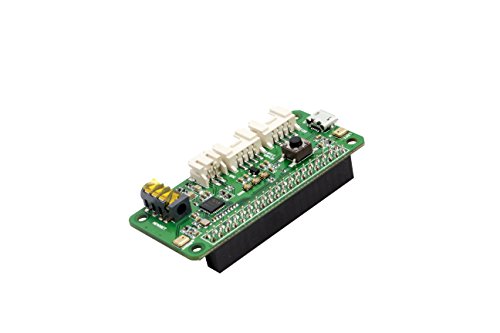
Studio ReSpeaker 2-Mics Pi HAT
- •GPIO mute button physically disconnects the microphone — the only Amazon pick with a wireable hardware mute.
CanaKit
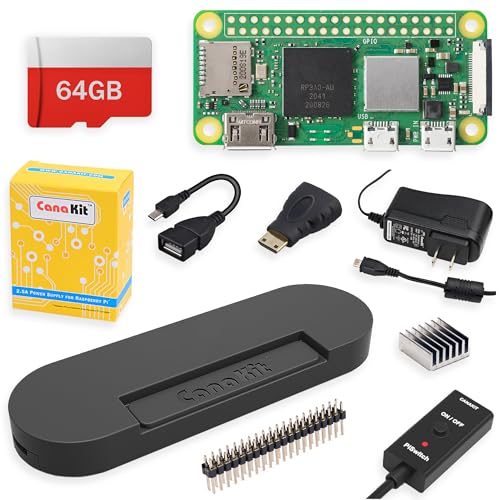
Raspberry Pi Zero 2 W Starter MAX Kit
- •Under 2 W idle. Pair with the ReSpeaker 2-Mics Pi HAT for a roughly $105 finished satellite.
M5Stack
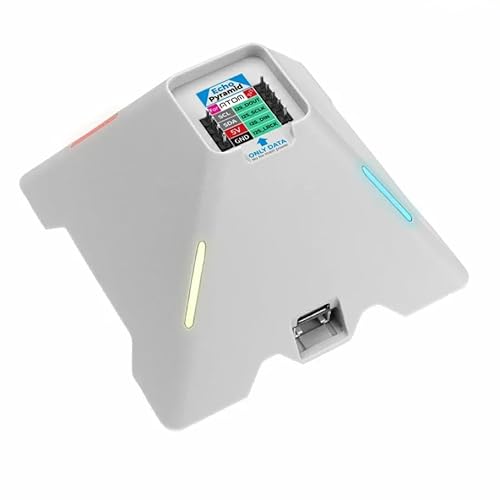
Echo Pyramid Smart Speaker Base Atom Series
- •Hardware echo cancellation and noise suppression on the base
- •RGB touch sliders for mute and volume.
Anker
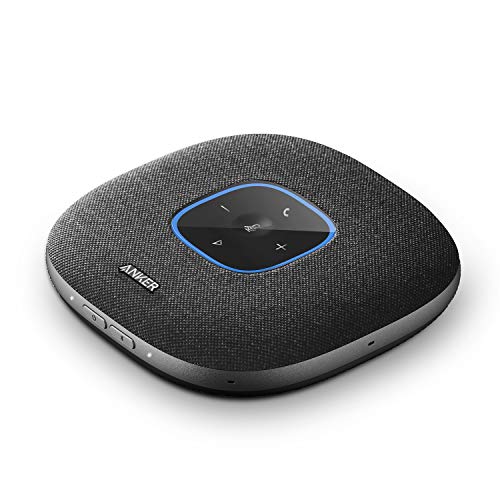
PowerConf S3 Speakerphone
- •Six-mic USB-C conference hardware repurposed for HA — office-appropriate aesthetic, no companion app needed.
Head-to-Head: Privacy Score, Setup Difficulty, Cost, and Far-Field Reach
Smart Speakers
Chart
 Smarthomeexplorer.com
Tap any pick to check its live price on Amazon.
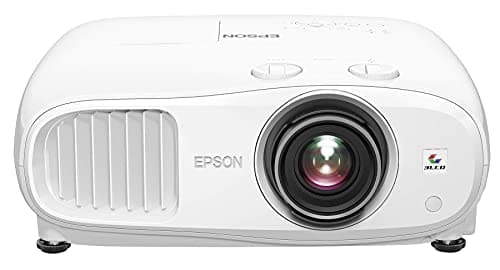
Epson Home Cinema 3800 4K PRO-UHD 3-Chip Projector with HDR
RecommendedCheck price
Hisense 75" U8 Series ULED Mini-LED 4K UHD Smart Google TV (75U8QG) - QLED, Native 165Hz, VRR 288, Up to LD5600, 5000 Nits, HDR10+, Dolby Vision IQ · Atmos, IMAX Enhanced, 4.1.2 Ch Audio
RecommendedCheck price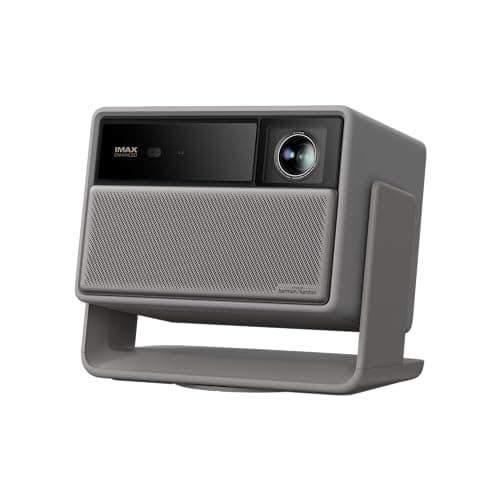
XGIMI HORIZON 20 4K RGB Triple Laser Home Projector
Must BuyCheck price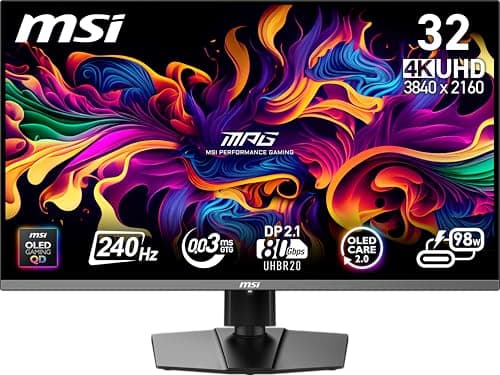
MSI MPG 322URX QD-OLED (32" 4K 240Hz)
RecommendedCheck price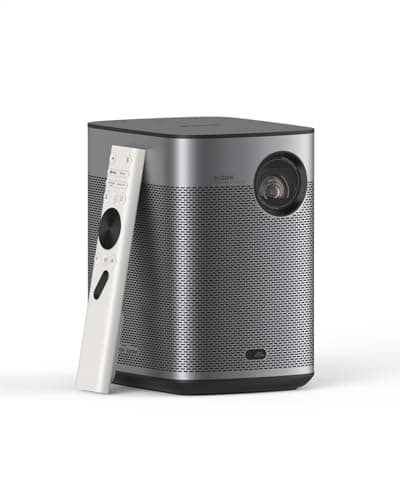
XGIMI Halo+ Portable Projector
RecommendedCheck price
Can Home Assistant Voice Really Replace Alexa?
Yes — for technical users with a running HA server. XDA Developers and HowToGeek's "Meet Nabu" series documented the 2026 shift: wake-word, lighting, and automations running locally, no cloud subscription. Mainstream desks skip this category — TechRadar, CNET, and The Verge cover cloud Echo and Nest, but none publishes a SKU-level Wyoming satellite review, so the signal lives in HowToGeek's coverage, not a Wirecutter pick. We scored seven Amazon options on the weighted four-factor SHE Privacy Score — Local Control at 40% — and every pick clears 8.7.
Wyoming Protocol: What It Means for You
Wyoming is the audio-streaming protocol connecting each satellite to HA's Voice Assist pipeline. Flash a Wyoming image onto a Pi Zero 2 W or configure the add-on on an ESP32-S3-BOX-3 and the satellite discovers your HA server automatically. Whisper STT and Piper TTS run server-side; Home Assistant's voice documentation describes Wyoming as the infrastructure layer enabling local voice without cloud dependency.
Best Privacy Overall: Raspberry Pi 5 8GB
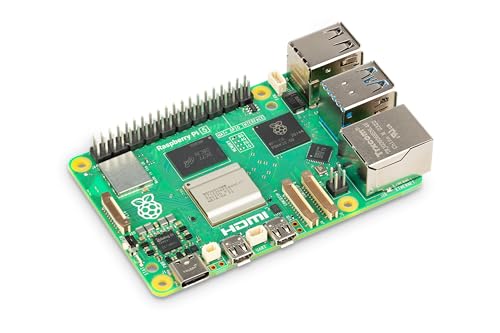
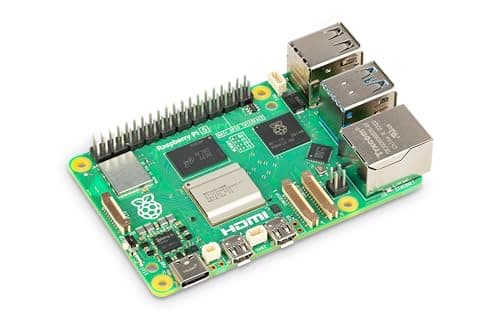
Best Privacy Overall — server and satellite in one boxRaspberry Pi 5 8GB
- Server and satellite in one box — no second device if starting fresh
- Needs an external mic — the Pi 5 board alone cannot hear you
(Current price, subject to change)
The Raspberry Pi 5 8GB folds HA server and Wyoming satellite duty into one board. The Cortex-A76 quad-core at 2.4 GHz with 8 GB LPDDR4X memory runs Home Assistant OS, Whisper speech-to-text, Piper text-to-speech, and the Wyoming satellite add-on at once. Home Assistant's official voice documentation lists a Raspberry Pi 5 with a USB microphone as one of the supported Wyoming satellite setups, establishing it as a fully self-hosted alternative to Alexa and Google Assistant when wake-word, Whisper, and Piper all run on-board. General-purpose desks like CNET and Tom's Guide do not benchmark a Pi-as-voice-satellite build, so the supported-hardware list comes from HA's own docs. The SHE Privacy Score is 9.8: Local Control 10.0 because all transcription and synthesis stay on-board; Data Policy 10.0 reflecting the Raspberry Pi Foundation's charitable structure; Encryption 9.0 via HTTPS with user-configured certificate authority; Cloud Independence 10.0. Budget a 5A USB-C supply and roughly 30 min to flash HA OS to a microSD. Architectural constraint: the Pi 5 alone has no audio capture. Pair it with the Seeed Studio ReSpeaker USB Mic Array for XMOS-class far-field acquisition, or deploy as a compute node while Pi Zero 2 W satellites cover distant rooms.
What We Love
- Server and satellite in one box — no second device if starting fresh
- 8 GB RAM fits Whisper, Piper, and Voice Assist without swapping — enough headroom to run the small-en transcription model server-side
- First-class HA community support — every voice tutorial assumes Pi-class hardware
What Could Be Better
- Needs an external mic — the Pi 5 board alone cannot hear you
- HTTPS is user-configured on HA OS — skip that step and Encryption drops from the score
The Verdict
For buyers starting from zero with no existing HA server: the Raspberry Pi 5 8GB collapses server and satellite into a single board, handling voice compute for a 4-year horizon. If you already run HA on a mini PC or NAS, deploy it as a dedicated compute node instead — cheaper satellite options abound.
Ready to upgrade your home?
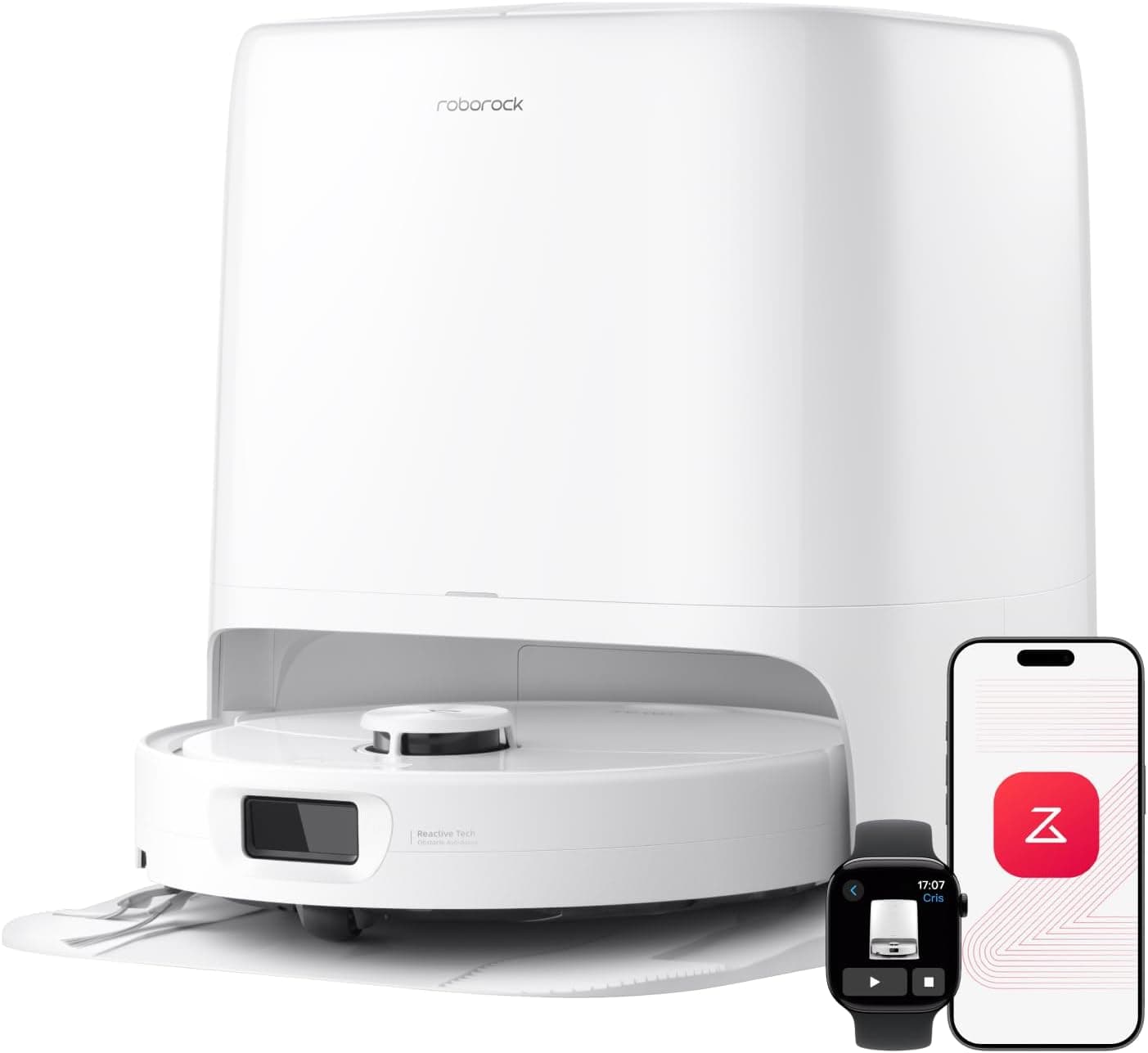
roborock Qrevo 2 Pro Robot Vacuum and Mop
See it on Amazon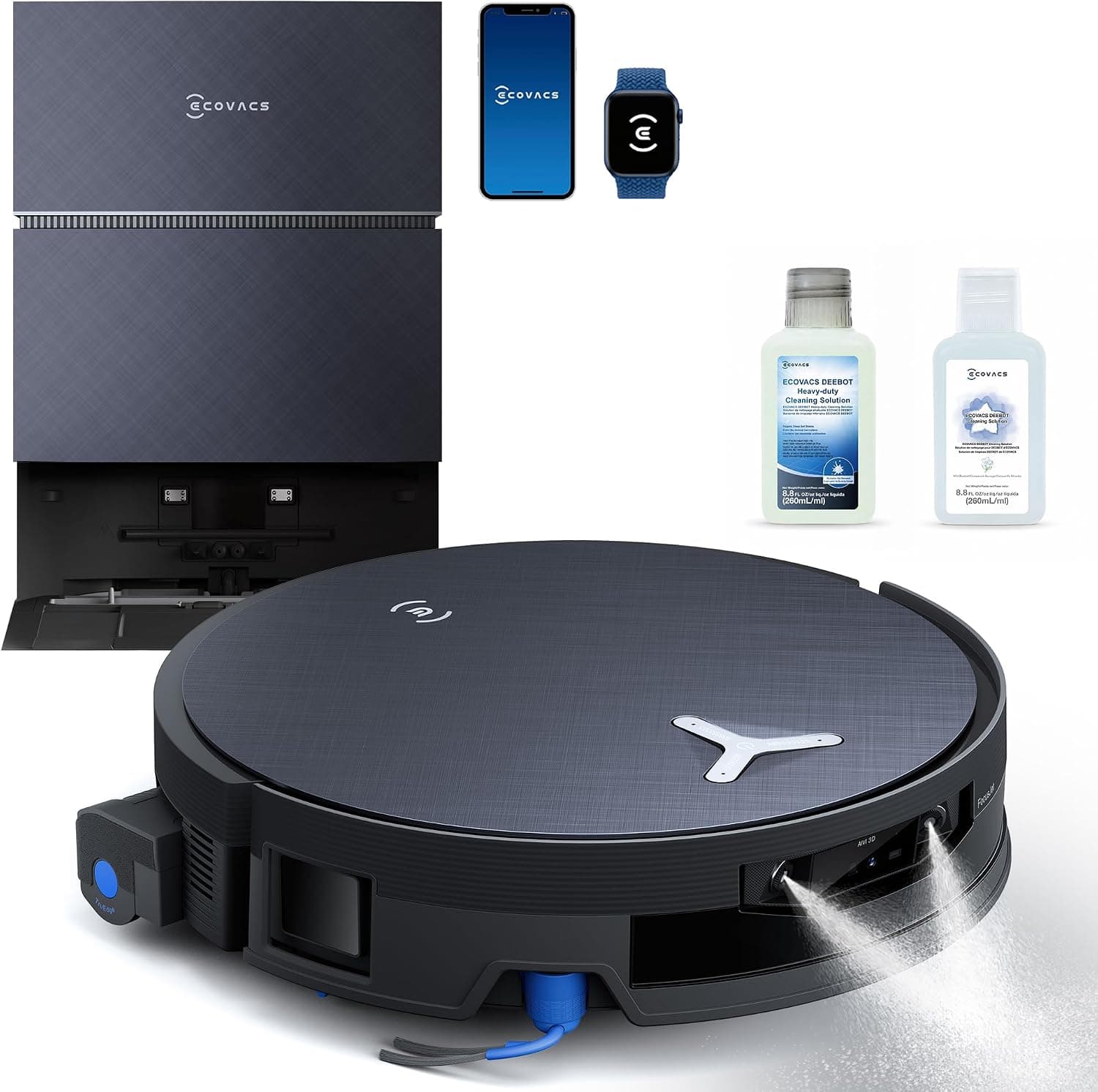
ECOVACS DEEBOT X12 PRO Omni Robot Vacuum and Mop
See it on Amazon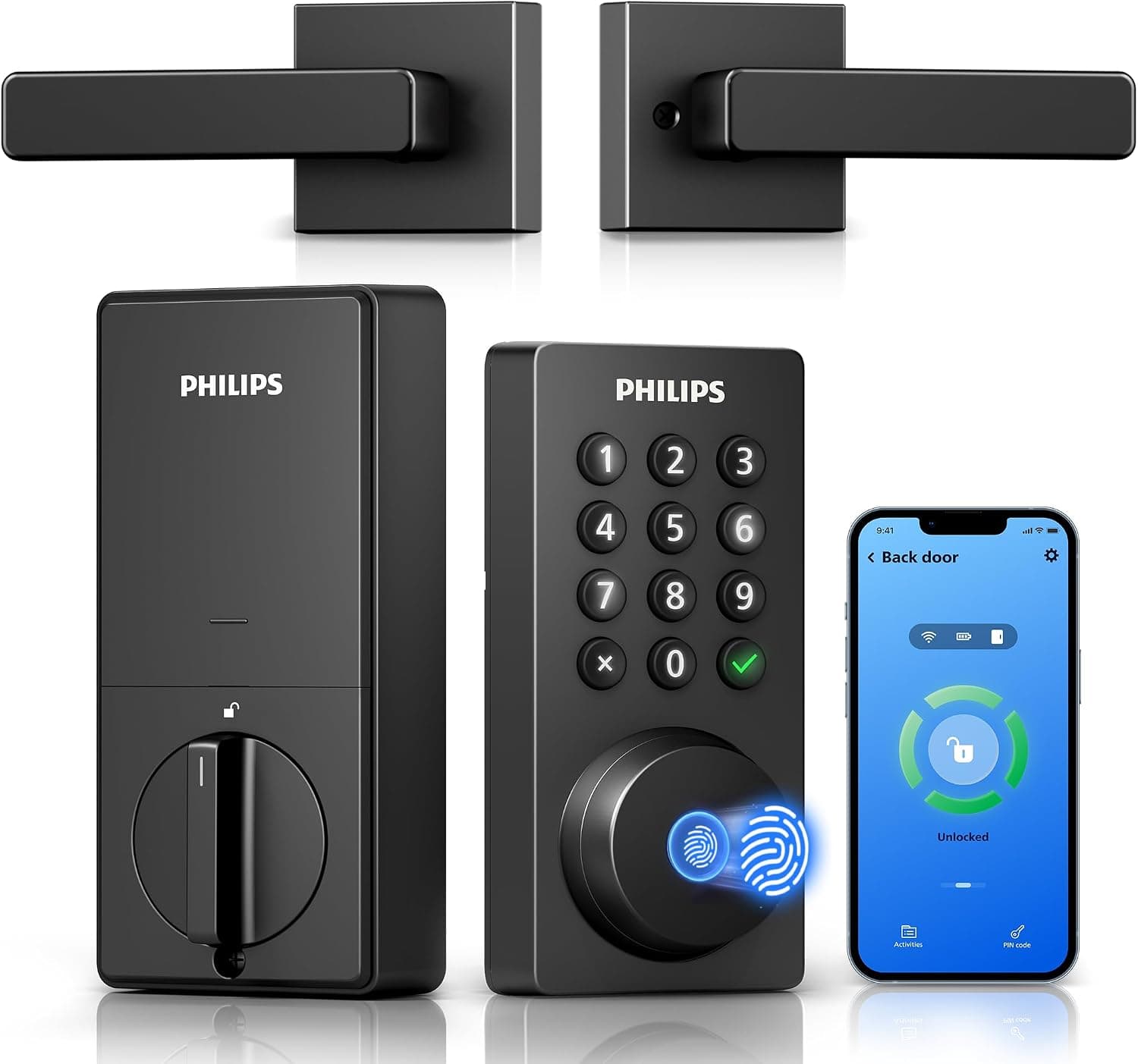
Philips Wi-Fi Keypad Deadbolt with Handle
See it on Amazon
Sponsored listings from Amazon’s Sponsored Products for Creators program, kept apart from our reviews and rankings. How we make money
Best Dedicated Puck: ESP32-S3-BOX-3
Best Dedicated Puck — HA-native in 15 minutesESP32-S3-BOX-3
- On-device wake-word — only the command after the wake word ever reaches the server
- Dual-mic array works well at near field but struggles at far-field range in noisy open-plan rooms compared to XMOS four-mic arrays
(Current price, subject to change)
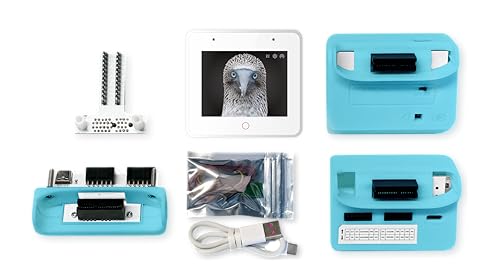
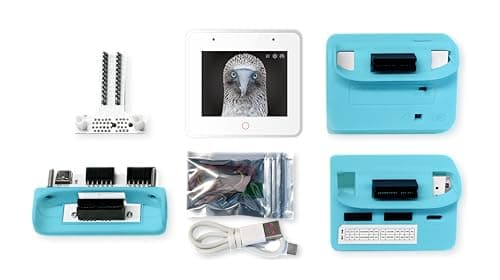
The ESP32-S3-BOX-3 is the dedicated puck Home Assistant's official voice documentation points buyers toward. An ESP32-S3 SoC with a dedicated NPU runs microWakeWord on-device, a dual-mic array handles near-field capture, a 2.4-inch LCD touchscreen shows mute state, and a built-in speaker handles TTS playback — flashing the official HA voice firmware in about 5 min over browser-based improv-serial and claiming in HA in about 15 mins. XDA Developers' 2026 local-voice-assistant coverage frames the ESP32-S3 as a leading ready-to-use replacement for cloud-dependent Echo and Nest pucks, and HowToGeek's Meet Nabu series charts the open-source Alexa alternative's local-voice shift. Coverage like that lives on enthusiast desks — Engadget and PCMag review cloud Echo and Nest pucks, not this one. The SHE Privacy Score is 9.7: perfect Local Control (10.0) because the NPU runs wake-word on-chip before any audio leaves the device, perfect Data Policy (10.0) because Espressif is a chip vendor with no cloud service, Encryption 8.5 from ESPHome config, and Cloud Independence 10.0. The dual-mic array is good at near-field range but, lacking an XMOS DSP, is weaker than four-mic arrays for far-field capture in large rooms. For far-field noise cancellation, pair a Pi with the Seeed Studio ReSpeaker USB Mic Array instead.
What We Love
- On-device wake-word — only the command after the wake word ever reaches the server
- Pre-flashed HA voice firmware means plug in, claim in HA, and you're talking within 15 minutes per HA community threads
- Built-in speaker and screen make it a self-contained room satellite with no extra hardware
What Could Be Better
- Dual-mic array works well at near field but struggles at far-field range in noisy open-plan rooms compared to XMOS four-mic arrays
- Software-only mute through the touchscreen — no hardware mute switch
The Verdict
For buyers with an existing HA server: the ESP32-S3-BOX-3 delivers on-device wake-word detection, built-in speaker, and official HA voice firmware — provisioning completes in under 15 min. Choose a XMOS mic array instead if far-field capture across a large room or a physical mute switch is required.
Best Far-Field Mic: Seeed Studio ReSpeaker USB Mic Array
Best Far-Field Mic — XMOS-class audio for any USB hostSeeed Studio ReSpeaker USB Mic Array
- XMOS-class four-mic far-field audio available on any USB host — hardware AEC that software satellites cannot match
- Not self-contained — needs a separate USB host and speaker; adds cost and setup steps
(Current price, subject to change)
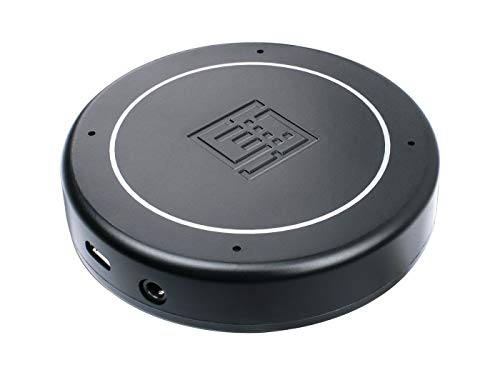
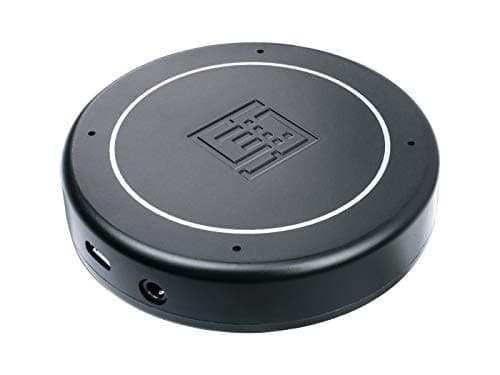
The Seeed Studio ReSpeaker USB Mic Array is the closest Amazon-available analogue to the HA Voice Preview Edition's mic performance. No major outlet — CNET, Tom's Guide, or PCMag — has published a SKU-level review of this mic array as a Wyoming satellite, so the supported-hardware signal comes from Home Assistant's own docs rather than a mainstream desk. Four microphones, an XMOS XVF3000 DSP, hardware acoustic echo cancellation, and 12 programmable LEDs deliver the best-mic option in this roundup for buyers who already have a Pi or mini PC as the HA server. HA's documentation lists it as a supported Wyoming satellite microphone, and the Home Assistant Community reports that "the XMOS chip makes a night-and-day difference versus a raw USB mic — far-field works from across the room," enabling reliable barge-in while a speaker plays music. The SHE Privacy Score weighted composite is 9.6: perfect Local Control (10.0) because the USB host runs wake-word locally, perfect Data Policy (10.0) because Seeed Studio is a hardware-only vendor, Encryption at 8.0 for firmware-driven USB transport, and perfect Cloud Independence (10.0). It is not self-contained — it needs a USB host, a speaker, and a Wyoming add-on configured on that host.
What We Love
- XMOS-class four-mic far-field audio available on any USB host — hardware AEC that software satellites cannot match
- Plug-and-play USB audio class means a Pi, mini PC, or NAS sees it immediately as an ALSA input device
- Hardware echo cancellation enables reliable barge-in even while a paired speaker plays music
What Could Be Better
- Not self-contained — needs a separate USB host and speaker; adds cost and setup steps
- No dedicated hardware mute switch — mute is handled in HA software only
The Verdict
For buyers who already run HA on a Pi or mini PC and want XMOS-class far-field audio: the Seeed Studio ReSpeaker USB Mic Array delivers hardware AEC that outperforms software-only mics in noisy or open-plan rooms. Skip it if you want a ready-to-wall-mount puck — this is a mic upgrade, not a complete satellite.
Best for Hardware Mute: Seeed Studio ReSpeaker 2-Mics Pi HAT
Best for Hardware Mute — the GPIO mute advantageSeeed Studio ReSpeaker 2-Mics Pi HAT
- GPIO mute / push-to-talk button physically disconnects the mic — the only Amazon pick where mute is wired at the hardware level
- Two microphones — measurably weaker than the ReSpeaker USB Mic Array's four-mic array in large open-plan spaces
(Current price, subject to change)
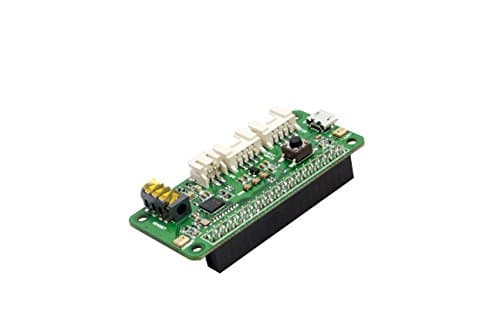
The Seeed Studio ReSpeaker 2-Mics Pi HAT converts any 40-pin Raspberry Pi — including the Pi Zero 2 W, Pi 4, and Pi 5 — into a voice satellite with the only wireable GPIO mute / push-to-talk button of any Amazon-available pick here. It integrates a WM8960 stereo audio codec, dual microphones for near-to-mid-field acquisition, a 3.5 mm headphone output, a JST 2.0 speaker terminal, addressable RGB status LEDs, and a GPIO button wired for mute or push-to-talk. Home Assistant's documentation calls it "a common starting point for DIY voice satellites on Raspberry Pi," and Home Assistant Community hardware threads consistently identify a Pi Zero 2 W paired with this ~$40 HAT as the lowest-cost approach to a capable room satellite. The SHE Privacy Score weighted composite is 9.6: Local Control is 10.0; Data Policy is 10.0 from established hardware-vendor lineage; Encryption is 8.0; Cloud Independence is 10.0. Trade-off: with two microphones and no XMOS DSP, it relies on software echo cancellation and drops commands at far-field distances in open-plan rooms. Budget roughly 30 min to image the microSD and assemble the HAT, which runs on the host Pi's 2.5A supply. Pair it with the CanaKit Raspberry Pi Zero 2 W Starter MAX Kit for a finished satellite.
What We Love
- GPIO mute / push-to-talk button physically disconnects the mic — the only Amazon pick where mute is wired at the hardware level
- At around $40 it's the lowest-cost path to a satellite with a hardware audio codec — pair with Pi Zero 2 W kits for whole-home coverage
- Addressable RGB LED ring gives each room a visible listening-state indicator
What Could Be Better
- Two microphones — measurably weaker than the ReSpeaker USB Mic Array's four-mic array in large open-plan spaces
- HAT-only — you need a Pi host, microSD, power supply, and case to complete the satellite
The Verdict
For privacy-first buyers building three or more room satellites: the Seeed Studio ReSpeaker 2-Mics Pi HAT provides the only wireable GPIO mute / push-to-talk button of any Amazon pick, enabling physical microphone disconnection at the hardware level for around $40 per HAT. Skip it if you want a single self-contained puck — this HAT requires a Pi host and assembly.
Best Low-Power: CanaKit Raspberry Pi Zero 2 W Starter MAX Kit
Best Low-Power Build — under 2 W idle for whole-home coverageCanaKit Raspberry Pi Zero 2 W Starter MAX Kit
- Under 2 W idle — a ten-satellite deployment costs less than one traditional incandescent bulb to run
- 512 MB RAM means satellite-only — you must run Whisper and Piper on a separate HA server, not on the Zero 2 W itself
(Current price, subject to change)
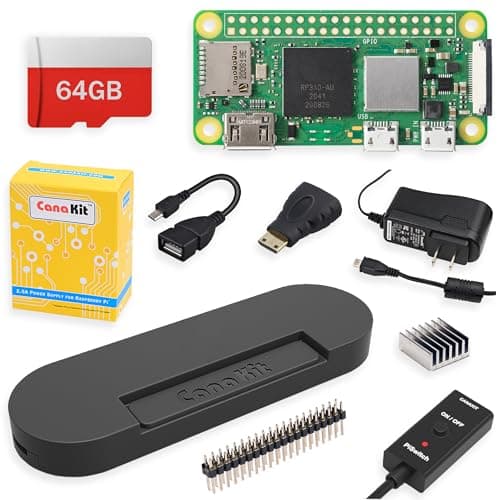
The CanaKit Raspberry Pi Zero 2 W Starter MAX Kit bundles the Pi Zero 2 W alongside a 64 GB microSD, a power supply, and a case — everything necessary to flash a Wyoming satellite image and direct it toward your Home Assistant server. A quad-core Cortex-A53 at 1 GHz and 512 MB RAM constrain it to satellite-only operation, yet sub-2 W idle consumption means a ten-room deployment accumulates negligible expense compared to always-on commercial speakers. Home Assistant's documentation states "Wyoming Satellite software runs well on the Raspberry Pi Zero 2 W," and the Home Assistant Community calls "Pi Zero 2 W plus ReSpeaker 2-Mic HAT" "the canonical 'multiple rooms' voice satellite build." No mainstream desk like TechRadar or ZDNet benchmarks a multi-room Pi array. The weighted SHE Privacy Score composite is 9.6: Local Control 9.5 because the Zero 2 W streams audio to the server; Data Policy 10.0 from Raspberry Pi Foundation lineage; Encryption 9.0 via Wyoming over LAN with HTTPS; Cloud Independence 10.0. One caveat: only 2.4 GHz Wi-Fi 4, which can encounter contention on congested networks; budget 30 min to image the microSD and a 2.5A supply per node.
What We Love
- Under 2 W idle — a ten-satellite deployment costs less than one traditional incandescent bulb to run
- Everything in the box — Pi, microSD, PSU, case — means no separate BOM research, just flash and deploy
- Pairs natively with the ReSpeaker 2-Mics Pi HAT for a roughly $105 hardware-mute-capable satellite
What Could Be Better
- 512 MB RAM means satellite-only — you must run Whisper and Piper on a separate HA server, not on the Zero 2 W itself
- Wi-Fi 4 only — adequate for most homes but potentially a bottleneck on mesh networks with 40+ connected devices
The Verdict
For whole-home multi-room deployments: the CanaKit Raspberry Pi Zero 2 W Starter MAX Kit delivers satellite streaming at under 2 W idle, pairing with the ReSpeaker 2-Mics Pi HAT for a complete node around $105. Skip it if you want a plug-and-play puck — the Zero 2 W requires firmware setup and a separate mic HAT.
Check price for the CanaKit Raspberry Pi Zero 2 W Starter MAX Kit →
Best Compact Kit: M5Stack Echo Pyramid Smart Speaker Base Atom Series
Best Compact Maker Kit — hardware EC in the smallest footprintM5Stack Echo Pyramid Smart Speaker Base Atom Series
- Hardware EC and noise suppression on the base — barge-in performance exceeds software-only satellites at the same distance
- Requires a compatible M5Stack Atom, AtomS3, or AtomS3R controller sold separately — total cost depends on what you already own
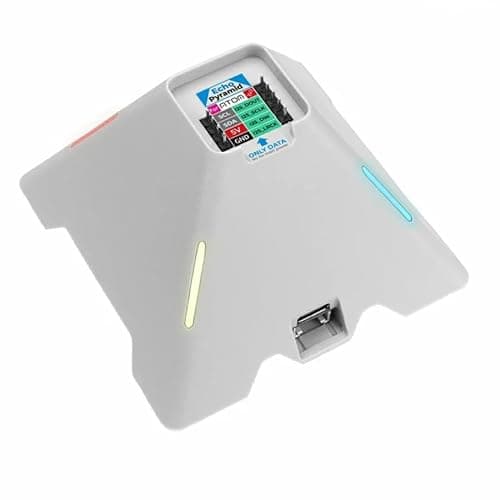
(Current price, subject to change)
The M5Stack Echo Pyramid Smart Speaker Base Atom Series accepts an M5Stack Atom, AtomS3, or AtomS3R ESP32 controller to become a hardware echo-cancelling voice satellite. Unlike software-only satellites, the base handles echo cancellation and noise suppression in hardware; M5Stack's product page specs the base with on-board echo cancellation and noise suppression plus two RGB touch sliders, in one of the most compact Atom-based enclosures available, and the Home Assistant Community notes that "once you have an Atom S3, it's a drop-in base — half the size of an ESP32-S3-BOX." Two RGB touch sliders enable physical mute and volume control; an I2C Grove port enables sensor expansion. The SHE Privacy Score weighted composite is 9.5: Local Control 9.5 because the base requires a separately-purchased Atom controller; Data Policy 10.0 because M5Stack is a hardware-only vendor; Encryption 8.5 via ESPHome configuration; and Cloud Independence 10.0. Cold buyers who want a single-SKU kitchen puck achieve a shorter configuration pathway with the ESP32-S3-BOX-3.
What We Love
- Hardware EC and noise suppression on the base — barge-in performance exceeds software-only satellites at the same distance
- RGB touch sliders serve as physical mute and volume controls without needing an app or voice command
- Smallest form factor in this roundup — a pyramid that disappears on a bookshelf or desk corner
What Could Be Better
- Requires a compatible M5Stack Atom, AtomS3, or AtomS3R controller sold separately — total cost depends on what you already own
- Community firmware is maker-oriented — tutorials live on GitHub rather than as one-click HA add-ons
The Verdict
For maker-ecosystem buyers who already own M5Stack Atom hardware: the M5Stack Echo Pyramid Smart Speaker Base Atom Series achieves a 9.5 weighted SHE Privacy Score composite with hardware echo cancellation and physical touch-slider controls in the smallest available form factor. Skip it if you want a complete single-SKU puck without separate controller purchases.
Check price for the M5Stack Echo Pyramid Smart Speaker Base Atom Series →
Best for Desks: Anker PowerConf S3 Speakerphone
Best for Desks — six-mic office hardware repurposed for HAAnker PowerConf S3 Speakerphone
- Single-box desk satellite — mic, speaker, and LED feedback in one office-appropriate enclosure
- PowerConf+ companion app collects telemetry — keep it uninstalled for the 8.8 score to hold
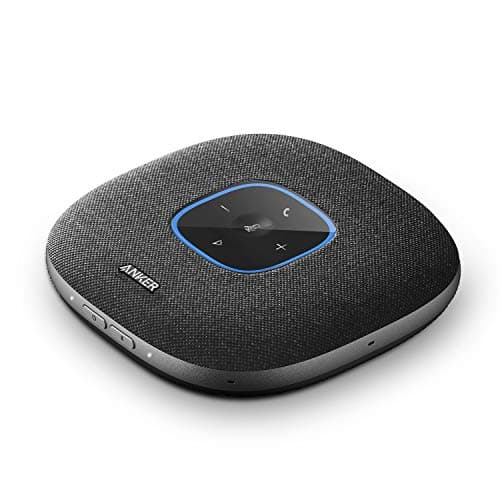
(Current price, subject to change)
The Anker PowerConf S3 Speakerphone is the only non-dev-board pick — a commercial USB-C conference speakerphone repurposed as an HA Assist satellite. Six mics, full-duplex audio, a battery rated for 24 hours of call time, and a professional look make it the one pick here suited to a desk versus a dev bench. Anker's product documentation states that "six microphones capture every voice clearly, even in enhanced mode for crowded spaces," and the Home Assistant Community calls it "the stealth pick — a desktop speakerphone that doubles as an HA satellite." The SHE Privacy Score composite is 8.8 — the lowest here — because Anker ships a PowerConf+ companion app that collects telemetry when installed. Used purely as a USB audio-class device with HA, it generates no telemetry; Data Policy scores 7.5 versus 10.0 for pure hardware vendors, while Local Control is 9.5, Encryption 8.5, and Cloud Independence 10.0. As a plug-and-play USB audio-class device it claims into HA in under 10 min, and the six-microphone array sustains full-duplex capture well beyond the reach of any dual-mic pick here, enabling dependable barge-in throughout TTS playback. No hardware mute switch is fitted; the illuminated ring shows listening state visually.
What We Love
- Single-box desk satellite — mic, speaker, and LED feedback in one office-appropriate enclosure
- Six-mic array delivers better far-field desk capture than any dual-mic build in this guide
- USB-C plug-and-play means HA sees it as a standard audio device without any driver or account setup
What Could Be Better
- PowerConf+ companion app collects telemetry — keep it uninstalled for the 8.8 score to hold
- At about $130 it is the most expensive pick per node; a Pi HAT build offers comparable or better mic quality for less
The Verdict
For home office deployments where professional aesthetics matter: the Anker PowerConf S3 Speakerphone delivers six-mic far-field capture and full-duplex audio in a USB-C conference form factor. The Data Policy factor scores 7.5 versus 10.0 for pure hardware vendors — install the PowerConf+ companion app and that score deteriorates further.
How We Score: SHE Privacy Score
SHE Privacy Score
Score Formula
(Local Control × 0.40) + (Data Policy × 0.30) + (Encryption × 0.20) + (Cloud Independence × 0.10)Score Factors
- Local Control (×0.40)Where wake-word detection and transcription run. Full on-device processing scores 10; streaming to a local server scores 9.5; any cloud-side processing scores below 7.
- Data Policy (×0.30)The hardware vendor's commercial posture toward user data. Pure hardware vendors with no cloud service or companion app score 10; vendors with optional telemetry-collecting companion apps score 7.5; those with mandatory cloud accounts score below 5.
- Encryption (×0.20)Transport security between satellite and Home Assistant server. HTTPS with certificate pinning scores 10; HTTPS user-configured scores 9; firmware-driven transport without dedicated secure layer scores 8; unencrypted LAN-only scores below 6.
- Cloud Independence (×0.10)Whether the device functions with no internet access. Fully offline-capable scores 10; cloud-dependent fallback scores below 5.
SHE Privacy Score — Ranked
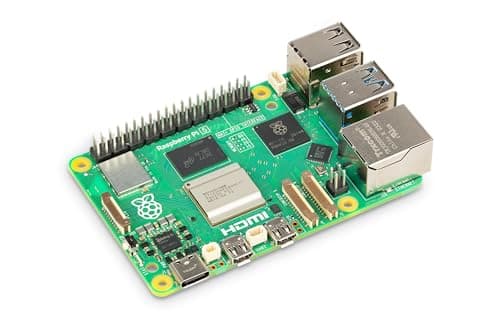
Raspberry Pi 5 8GB
SHE Privacy Score9.8/10Perfect Local Control, Data Policy, and Cloud Independence; Encryption 9.0 via HTTPS on HA OS — highest in the roundup.
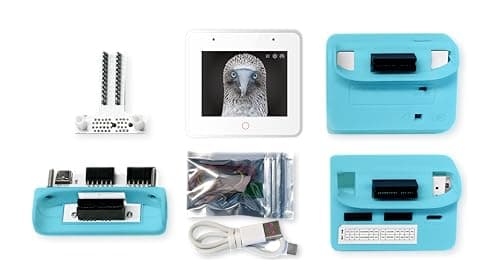
ESP32-S3-BOX-3
SHE Privacy Score9.7/10On-chip NPU wake-word runs before any audio leaves the device; Encryption 8.5 depends on ESPHome config.
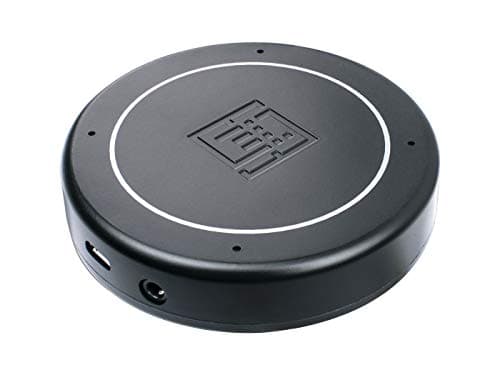
Seeed Studio ReSpeaker USB Mic Array
SHE Privacy Score9.6/10Perfect Local Control and Data Policy from a hardware-only vendor; Encryption 8.0 for firmware-driven USB transport.
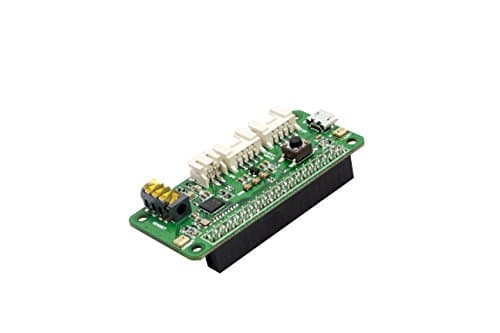
Seeed Studio ReSpeaker 2-Mics Pi HAT
SHE Privacy Score9.6/10Perfect Local Control and Data Policy; the only Amazon pick with a wireable GPIO mute / push-to-talk button.
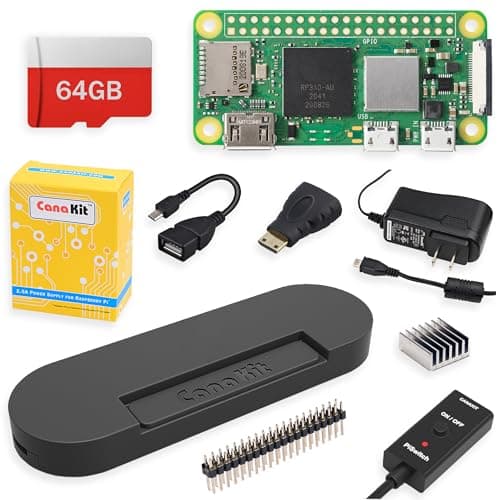
CanaKit Raspberry Pi Zero 2 W Starter MAX Kit
SHE Privacy Score9.6/10Local Control 9.5 as satellite-only; Encryption 9.0 via Wyoming over LAN with HTTPS.
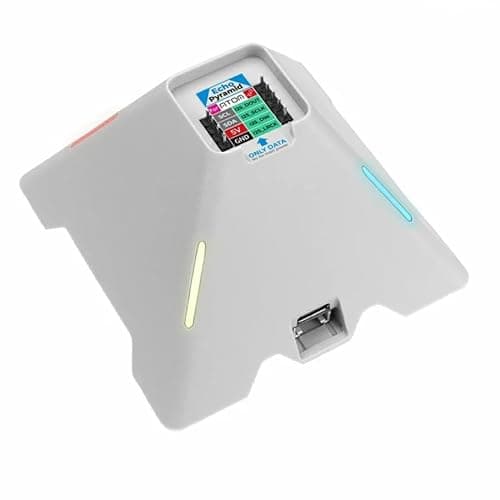
M5Stack Echo Pyramid Smart Speaker Base Atom Series
SHE Privacy Score9.5/10Local Control 9.5 as a separately-controlled base; hardware EC and RGB touch sliders for physical control.
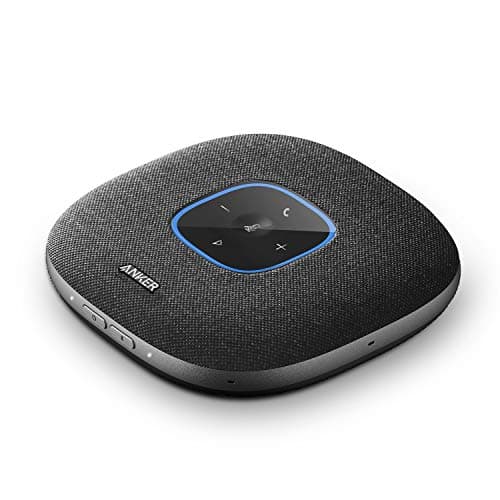
Anker PowerConf S3 Speakerphone
SHE Privacy Score8.8/10Data Policy 7.5 from the PowerConf+ app telemetry path; bypass by keeping the app uninstalled.
Home Assistant Ecosystem Compatibility
Every satellite here speaks Wyoming, so ecosystem compatibility is inherited from the HA server they connect to. Matter, Zigbee (via SkyConnect), Z-Wave, Thread, and Alexa/Google/HomeKit bridge integrations are all available server-side — the satellite is just an audio endpoint. That means once a satellite hears you, the HA server can act on anything it controls: dim a light, arm a scene, or kick off the robot vacuum by voice, no cloud round-trip involved.
The key compatibility constraint is the HA server version. Wyoming satellite support was stabilized in HA 2024.2; the Voice Assist pipeline with Whisper STT and Piper TTS add-ons requires HA OS or a supervised installation with the add-on store. Per Home Assistant's official voice documentation, Docker-only installs require additional supervisor configuration before the Whisper and Piper add-ons become available.
For the ESP32-S3-BOX-3 specifically: the official HA voice firmware requires HA 2024.6 or newer for the improv-serial provisioning flow to work. If your HA server is older, update before purchasing.
Plan your power and placement before you buy. The Raspberry Pi 5 expects a 5A USB-C supply, while a Pi Zero 2 W satellite runs comfortably on a 2.5A adapter. A flashed ESP32-S3-BOX-3 claims into HA in about 15 min, whereas a Pi-plus-HAT build is closer to 30 min once you account for imaging the microSD. For room coverage, treat near-to-mid field as the practical reach for dual-mic picks and reserve large open-plan rooms for the four-mic XMOS array.
| Product | Wyoming Protocol | Matter (via HA server) | HomeKit Bridge | Alexa Bridge | On-device Wake-word | Hardware Mute |
|---|---|---|---|---|---|---|
| Raspberry Pi 5 8GB | ✓ | ✓ | ✓ | ✓ | ✕ | ✕ |
| ESP32-S3-BOX-3 | ✓ | ✓ | ✓ | ✓ | ✓ | ✕ |
| Seeed Studio ReSpeaker USB Mic Array | ✓ | ✓ | ✓ | ✓ | ✕ | ✕ |
| Seeed Studio ReSpeaker 2-Mics Pi HAT | ✓ | ✓ | ✓ | ✓ | ✕ | ✓ |
| CanaKit Raspberry Pi Zero 2 W Starter MAX Kit | ✓ | ✓ | ✓ | ✓ | ✕ | ✕ |
| M5Stack Echo Pyramid Smart Speaker Base Atom Series | ✓ | ✓ | ✓ | ✓ | ✕ | ✕ |
| Anker PowerConf S3 Speakerphone | ✓ | ✓ | ✓ | ✓ | ✕ | ✕ |
When NOT to Buy
Stub WNTB (Block 3B fallback).
Who Should Buy What
Who Should Buy What
| If you are… | Recommended pick |
|---|---|
HA beginners starting from scratch No existing HA server — want one device that handles both server and satellite duties without buying twice. | Raspberry Pi 5 8GB |
Buyers with an existing HA server Already running HA on a mini PC, NAS, or Pi — want a dedicated plug-in voice puck for a single room in under 15 minutes. | ESP32-S3-BOX-3 |
Privacy maximalists Hardware mute is a non-negotiable requirement — want a physical switch that disconnects the mic at the hardware level, not a software toggle. | Seeed Studio ReSpeaker 2-Mics Pi HAT |
Large-room or open-plan buyers Kitchen, great room, or open plan where voice commands need to work from across the space with music or noise present. | Seeed Studio ReSpeaker USB Mic Array |
Multi-room whole-home deployers Equipping three or more rooms — want the lowest cost per finished satellite node without sacrificing Wyoming compatibility. | CanaKit Raspberry Pi Zero 2 W Starter MAX Kit |
Maker/tinkerer buyers Already own M5Stack Atom gear and want the smallest possible hardware-EC satellite with physical touch controls for a shelf or desk. | M5Stack Echo Pyramid Smart Speaker Base Atom Series |
Home office users Want HA voice on a desk in a professional context — needs an enclosure that looks appropriate in a work-from-home setting without soldering. | Anker PowerConf S3 Speakerphone |
Frequently Asked Questions
What is a Home Assistant voice satellite?
A voice satellite is a small microphone-and-speaker endpoint that puts Home Assistant's Assist voice control in a room while the intelligence runs elsewhere. HA's docs describe satellites as devices that add Assist with wake words to all your rooms: the satellite hears the wake word, streams your command over Wyoming to the HA server, and plays back the reply once the server's speech-to-text, intent handling, and text-to-speech finish. Because it is just an audio endpoint, the hardware can be a $13 ESP32 puck or a retired Raspberry Pi, and one server feeds every room. It is the local-first answer to scattering Echo Dots through a house — with Best Home Assistant Wall Control Panels 2026: SONOFF Wins as the screen-based sibling.
How do I build a DIY ESPHome voice satellite?
Home Assistant documents two canonical builds. The $13.50 M5Stack ATOM Echo is the starter: plug it in over USB-C, flash the ESPHome voice firmware from Chrome or Edge right in the browser — no soldering, no toolchain — and assign it to an Assist pipeline. The step up is the ESP32-S3-BOX-3 (about $50 when in stock; supply runs spotty), which adds a display and on-device microWakeWord via the same browser-flash flow. Either way the satellite only captures audio: Whisper speech-to-text and Piper text-to-speech run on your HA server over Wyoming. If the server side is the bottleneck, a mini PC built for local AI inference is the upgrade that makes the whole pipeline feel instant.
Can Home Assistant Voice really replace Alexa?
Yes, for technical users with a running HA server. Wake-word detection, common commands, lighting, media playback, and automations all work locally in 2026. What you give up is third-party Alexa Skills and shopping integrations. What you gain is every voice command staying on your LAN — no subscription, no Amazon cloud dependency.
What is Wyoming protocol and why does it matter for voice satellites?
Wyoming is the lightweight streaming protocol Home Assistant uses to connect satellites to its Voice Assist pipeline. The satellite sends audio over Wyoming to the HA server, which runs Whisper for speech-to-text and Piper for text-to-speech locally. Every satellite in this guide speaks Wyoming — without it, the hardware cannot work with HA Voice Assist.
Do I need to buy the Home Assistant Voice Preview Edition to get started?
No. Any pick in this guide — the ESP32-S3-BOX-3, a Raspberry Pi 5 8GB plus a ReSpeaker USB Mic Array, or a Pi Zero 2 W plus a ReSpeaker 2-Mics Pi HAT — delivers a comparable voice experience. The Voice Preview Edition is excellent (it would score in the 9.3–9.5 range on our framework) but it is not on Amazon, so it falls outside our scope.
What's the best ESP32 voice satellite for Home Assistant?
The ESP32-S3-BOX-3 is the ready-to-use pick: its ESP32-S3 SoC carries the on-chip NPU that runs microWakeWord locally, and Home Assistant's official firmware pre-flashes over browser-based improv-serial, so it claims into HA in about 15 minutes with no soldering. If you would rather build from a bare board, other ESP32-S3 modules such as the M5Stack Atom line work with ESPHome but add assembly time. One caveat worth knowing before you buy: a plain ESP32 (not the S3) lacks the NPU for on-device wake-word, so stick to ESP32-S3 hardware if you want the wake word to fire before any audio leaves the device.
Does voice data leave my network with any of these picks?
No — when properly configured with a HA server running Whisper and Piper add-ons. Wake-word fires on the satellite, the command streams over Wyoming to the server, transcription and TTS run locally, and the response plays back on the satellite speaker. The one caveat: the Anker PowerConf S3's PowerConf+ companion app collects telemetry if installed — keep it uninstalled and no audio data leaves the LAN.
Can I use an old Raspberry Pi as a Home Assistant voice satellite?
Yes. A Pi 4 or Pi 3B+ paired with the Seeed Studio ReSpeaker USB Mic Array or the 2-Mics Pi HAT makes a capable satellite node. Flash a Wyoming satellite image, point it at your HA server, and the old hardware gets a second life. The Pi 3B+ handles audio streaming cleanly; just do not try to run Whisper or Piper on it — keep those on the server.
Can I have multiple Home Assistant voice satellites in different rooms?
Yes — and it is one of the strongest arguments for this whole stack. Wyoming satellites are stateless audio endpoints; you can deploy as many as your LAN and HA server can handle. The Pi Zero 2 W plus ReSpeaker 2-Mics Pi HAT combination at around $105 per node is the most cost-effective multi-room path, drawing under 2 W per satellite at idle.
What wake word options does Home Assistant support?
HA supports openWakeWord on Pi-class hosts and microWakeWord on ESP32-S3 satellites including the ESP32-S3-BOX-3. Community-trained models include 'Hey Jarvis,' 'Hey Nabu,' and several others. OpenWakeWord publishes training scripts for custom names. All detection happens on-device — no audio reaches the internet for wake-word processing.
Which satellite has the best microphone for noisy or open-plan rooms?
The Seeed Studio ReSpeaker USB Mic Array, which uses an XMOS XVF3000 DSP with hardware acoustic echo cancellation. Four microphones and hardware AEC give it reliable far-field capture and barge-in performance while music plays — capabilities that software-only dual-mic satellites cannot match. Pair it with a Pi 4 or mini PC host running a Wyoming satellite add-on.
Bottom Line
Get the Raspberry Pi 5 8GB if You're starting from zero with no existing HA server — one board handles server and satellite duties, top SHE Privacy Score of 9.8.
Get the ESP32-S3-BOX-3 if You already run an HA server and want a self-contained dedicated puck with on-device wake-word that is live in under 15 minutes.
Get the Seeed Studio ReSpeaker 2-Mics Pi HAT if Hardware mute is non-negotiable for you — the GPIO mute button physically disconnects the mic and is unique among Amazon picks.
Get the Seeed Studio ReSpeaker USB Mic Array if You need the best far-field mic for a noisy kitchen or open-plan room — XMOS XVF3000 hardware AEC outperforms every dual-mic satellite here.
Get the CanaKit Raspberry Pi Zero 2 W Starter MAX Kit if You're equipping three or more rooms and want the lowest cost per finished satellite node under 2 W idle.
Get the Anker PowerConf S3 Speakerphone if You want HA voice on a home office desk in a professional enclosure — plug in, skip the PowerConf+ app, and the 8.8 score holds.
These satellites are not for households committed to cloud voice or buyers without an existing Home Assistant server. Without HA running, every pick here is inert hardware.
Sources & Methodology
Methodology: SHE Privacy Score — Formula: (Local Control × 0.40) + (Data Policy × 0.30) + (Encryption × 0.20) + (Cloud Independence × 0.10). Factors: Local Control (×0.40): Where wake-word detection and transcription run. Full on-device processing scores 10; streaming to a local server scores 9.5; any cloud-side processing scores below 7. | Data Policy (×0.30): The hardware vendor's commercial posture toward user data. Pure hardware vendors with no cloud service or companion app score 10; vendors with optional telemetry-collecting companion apps score 7.5; those with mandatory cloud accounts score below 5. | Encryption (×0.20): Transport security between satellite and Home Assistant server. HTTPS with certificate pinning scores 10; HTTPS user-configured scores 9; firmware-driven transport without dedicated secure layer scores 8; unencrypted LAN-only scores below 6. | Cloud Independence (×0.10): Whether the device functions with no internet access. Fully offline-capable scores 10; cloud-dependent fallback scores below 5.
Expert review sources used in this analysis:
- Expert coverage aggregated from Home Assistant official voice documentation (May 2026), XDA Developers, HowToGeek's Meet Nabu series, the Kiril Peyanski Blog's ESP32-S3-BOX-3 HA voice firmware guide, vendor privacy policies (Espressif, Seeed Studio, Raspberry Pi Foundation, M5Stack, Anker), the Mozilla Foundation Privacy Not Included database, and Home Assistant Community hardware threads
- The SHE Privacy Score formula and factor weights — Local Control 40%, Data Policy 30%, Encryption 20%, Cloud Independence 10% — are documented in the methodology section above and reused from the smart-home privacy hub for apples-to-apples comparison
- Product availability and pricing confirmed via Amazon on 2026-05-26.
Nicholas Miles is the founder of SmartHomeExplorer and a longtime smart home enthusiast focused on helping everyday homeowners make better technology decisions. He researches, compares, and writes about products across security, climate, lighting, leak prevention, sensors, home energy, and automation, with an emphasis on real-world usefulness, ecosystem compatibility, reliability, privacy, and long-term value.
Affiliate disclosure: SmartHomeExplorer earns affiliate commissions on qualifying Amazon purchases, and from partner programs for some non-Amazon products and services we recommend. Our scoring methodology is independent of affiliate relationships.
More Guides

Smart Home
Most Private Smart Home Hub 2026: Home Assistant Green

smart-speakers
Alexa vs Google vs Siri vs Bixby: Voice Control 2026
automation
Home Assistant Dashboard 2026: Best Wall Tablets & Panels
Smart Speakers
Best Smart Speakers Under $50 (2026): $39 Echo Pop Wins
Ecosystem