
Best Fire TV Streaming Devices 2026
The Fire TV Stick 4K Max is the strongest stick overall — full Dolby Vision, Wi-Fi 6E, 16GB. The cheaper 4K Select runs Vega OS and quietly cuts the app catalog.
This article contains affiliate links. We may earn a commission at no extra cost to you. Prices change frequently — check the current price on Amazon before buying. Learn more
The Short Answer
The Fire TV Stick 4K Max is the strongest stick overall through full Dolby Vision, Wi-Fi 6E, and 2x the storage of the budget sticks. The economical 4K Plus delivers superior value for most 4K televisions. Buy the Cube only for hands-free Alexa, and avoid the 4K Select unless your television lacks Dolby Vision.
Featured in this Guide
Amazon
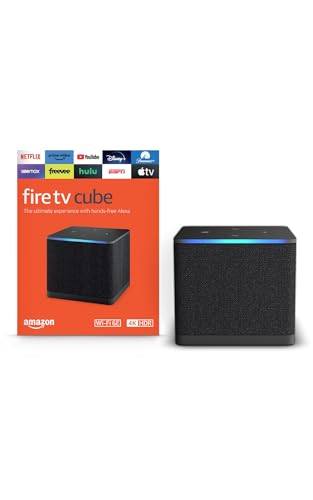
Fire TV Cube
- •Hands-free Alexa, 100Mbps Ethernet, HDMI input and octa-core power — the smart-home streamer at $89.99
Amazon
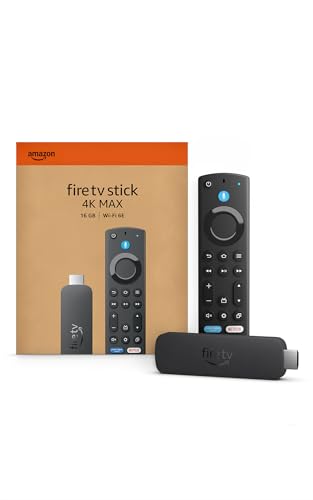
Fire TV Stick 4K Max
- •Full Dolby Vision, Wi-Fi 6E, 2.0GHz quad and 16GB at $49.99 — the stick that stays fast for years
Amazon
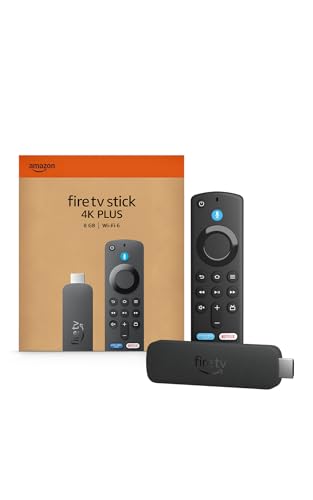
Fire TV Stick 4K Plus
- •Dolby Vision plus Atmos plus Wi-Fi 6 and full Fire OS at $39.99 — the better capability-per-dollar of the two full-Fire-OS 4K sticks
Amazon
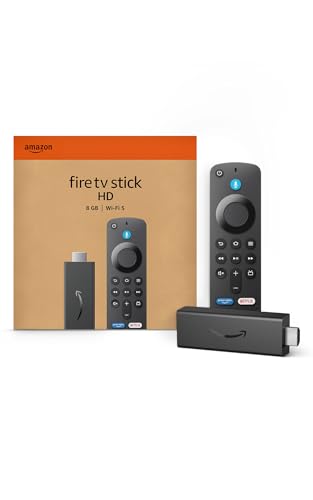
Fire TV Stick HD
- •Full Fire OS app flexibility at $17.99 for a 1080p TV — and it edges the $19.99 4K Select, 5.86 to 5.78
Amazon
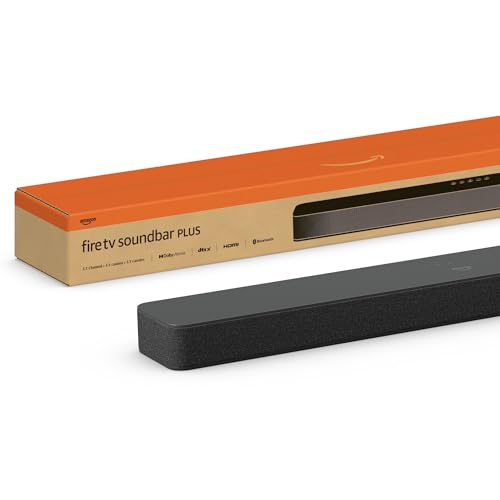
Fire TV Soundbar Plus
- •3.1-channel virtual Atmos with a center dialogue channel — pair WITH a stick, never instead of one
Amazon
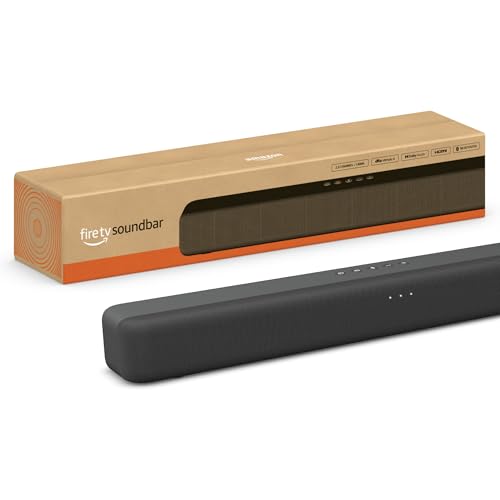
Fire TV Soundbar
- •3.1-channel virtual Atmos with a center dialogue channel — pair WITH a stick, never instead of one
Head-to-Head: Formats, Hardware, Smart Home, and the SHE Score
Entertainment
Chart
 Smarthomeexplorer.com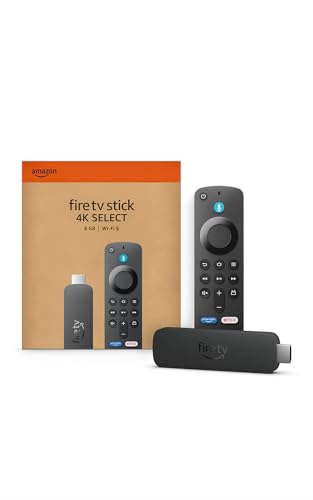
SofaBaton X1S Universal Remote (with Hub)
Check price
VTOMAN X7 4250A Jump Starter with 160PSI Air Compressor
Check price
Which Fire Stick Should You Actually Buy?
Amazon distributes five near-identically-named Fire TV streaming devices alongside two soundbar companions across the 2026 catalog. The nomenclature is deliberately disorienting, and Amazon quietly bifurcated the lineup across two operating systems. The economical 4K Select stick now runs the unfamiliar Vega OS architecture rather than conventional Fire OS. That substitution forfeits the comprehensive application catalog and Dolby Vision compatibility.
In this guide we evaluated all seven devices through one weighted composite, the SHE Fire TV Streaming Value Score. The methodology applies a normalized formula across six factors, with playback format ceiling the dominant coefficient. At $17.99 the 1080p Stick HD now posts the strongest capability-per-dollar in the set. Every stick installs in under 2 mins, while the soundbar companions register 1.56 to 2.47 because their architecture incorporates zero streaming silicon. Buy the device suiting a 5-yr ownership window. Tom's Guide and RTINGS corroborate the disparities driving every composite.
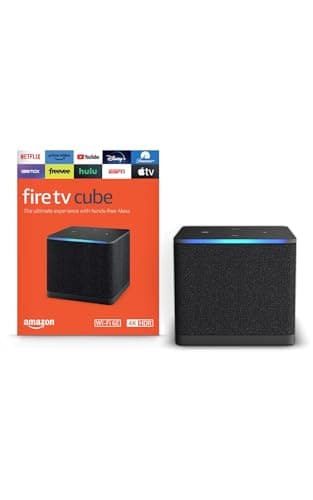
Best Premium: Amazon Fire TV Cube
Best Premium / Smart HomeAmazon Fire TV Cube
- Only streamer here with hands-free far-field Alexa — control the TV with the TV off
- At $89.99 it is 1.8x the price of the 4K Max
(Current price, subject to change)
The Amazon Fire TV Cube earns the top composite of 9.31 on the SHE Fire TV Streaming Value Score, the highest mark here. Its far-field microphones and integrated speaker run hands-free Alexa even with the television deactivated. You command playback, illumination, and security devices entirely by voice. Tom's Guide considers it the most powerful Fire TV streamer available, and its octa-core processor produces a roughly 20% performance improvement over the previous-generation configuration.
Its connectivity architecture is the decisive differentiator, because no Fire stick incorporates a wired alternative. The Cube delivers built-in 100Mbps Ethernet for a stable backhaul, the lineup's only HDMI input, plus an infrared blaster commanding receivers and cable equipment. CNET emphasizes this enables a genuine whole-room hub rather than a rudimentary application launcher. The format ceiling reaches maximum: 4K resolution with Dolby Vision, HDR10+, HLG, and Atmos decode capability. It carries 2x the storage of the budget sticks.
Compared to the Amazon Fire TV Stick 4K Max, the Cube incorporates hands-free voice, Ethernet, and HDMI input across a 5-yr ownership horizon. The Max matches its format ceiling for $40 less, so the Cube justifies its premium exclusively when households actively utilize the smart-home capabilities.
What We Love
- Only streamer here with hands-free far-field Alexa — control the TV with the TV off
- 2.0GHz octa-core delivers a roughly 20% speed boost over the prior generation
- Built-in 100Mbps Ethernet enables a wired backhaul that no Fire stick offers
- The line's only HDMI input plus an IR blaster route a cable box through one device
What Could Be Better
- At $89.99 it is 1.8x the price of the 4K Max
- Box form factor needs a shelf, unlike the tuck-behind sticks
- Overkill if you never use hands-free voice or a wired connection
The Verdict
If you run Alexa across the house and want voice TV control without picking up a remote, the Amazon Fire TV Cube fits the brief without compromise. The 9.31 reflects what matters when the TV is part of your smart home: hands-free far-field mics, a wired Ethernet backhaul, and an HDMI input that routes your cable box through one device. No stick replicates that setup.
Ready to upgrade your home?
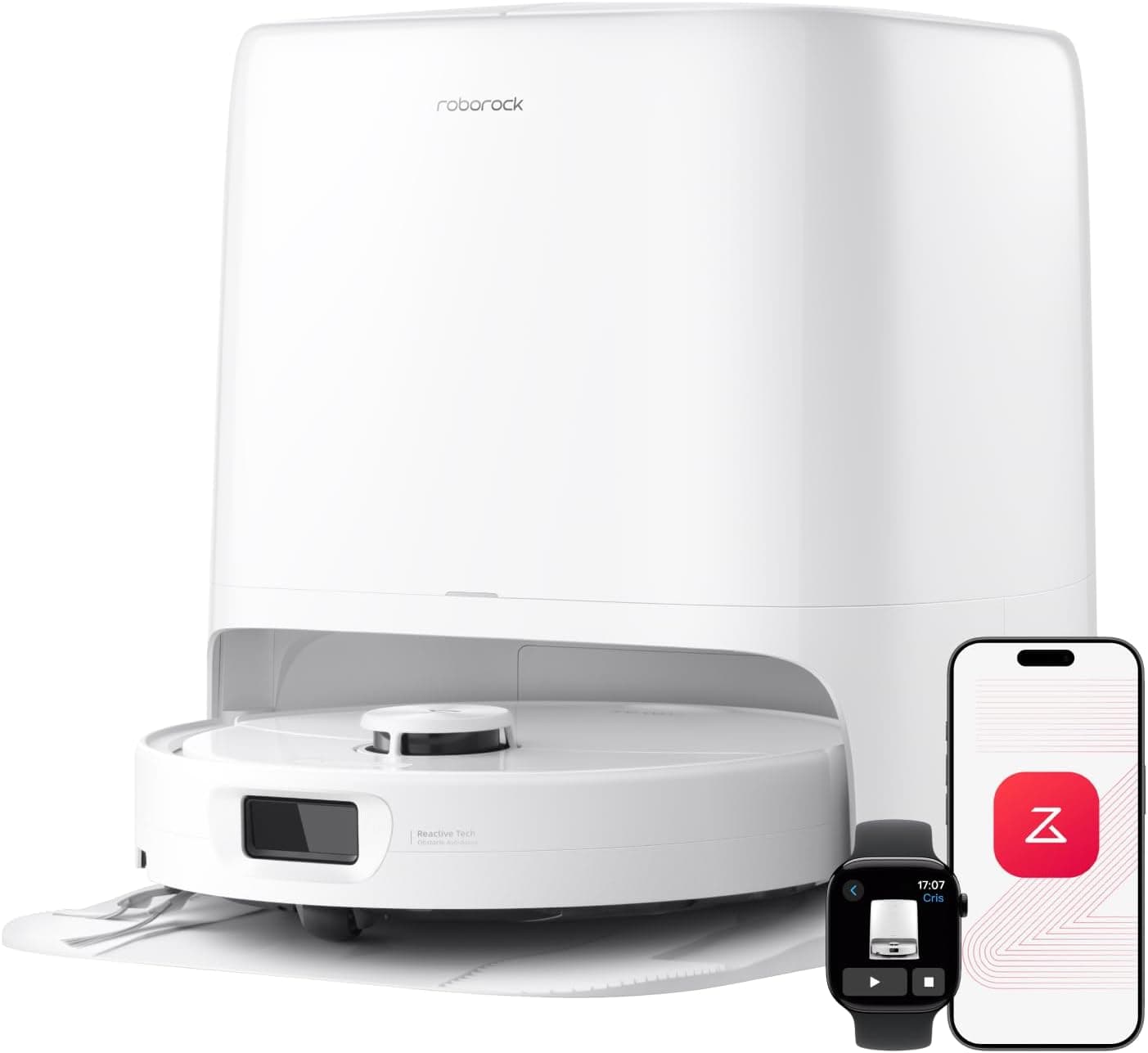
roborock Qrevo 2 Pro Robot Vacuum and Mop
See it on Amazon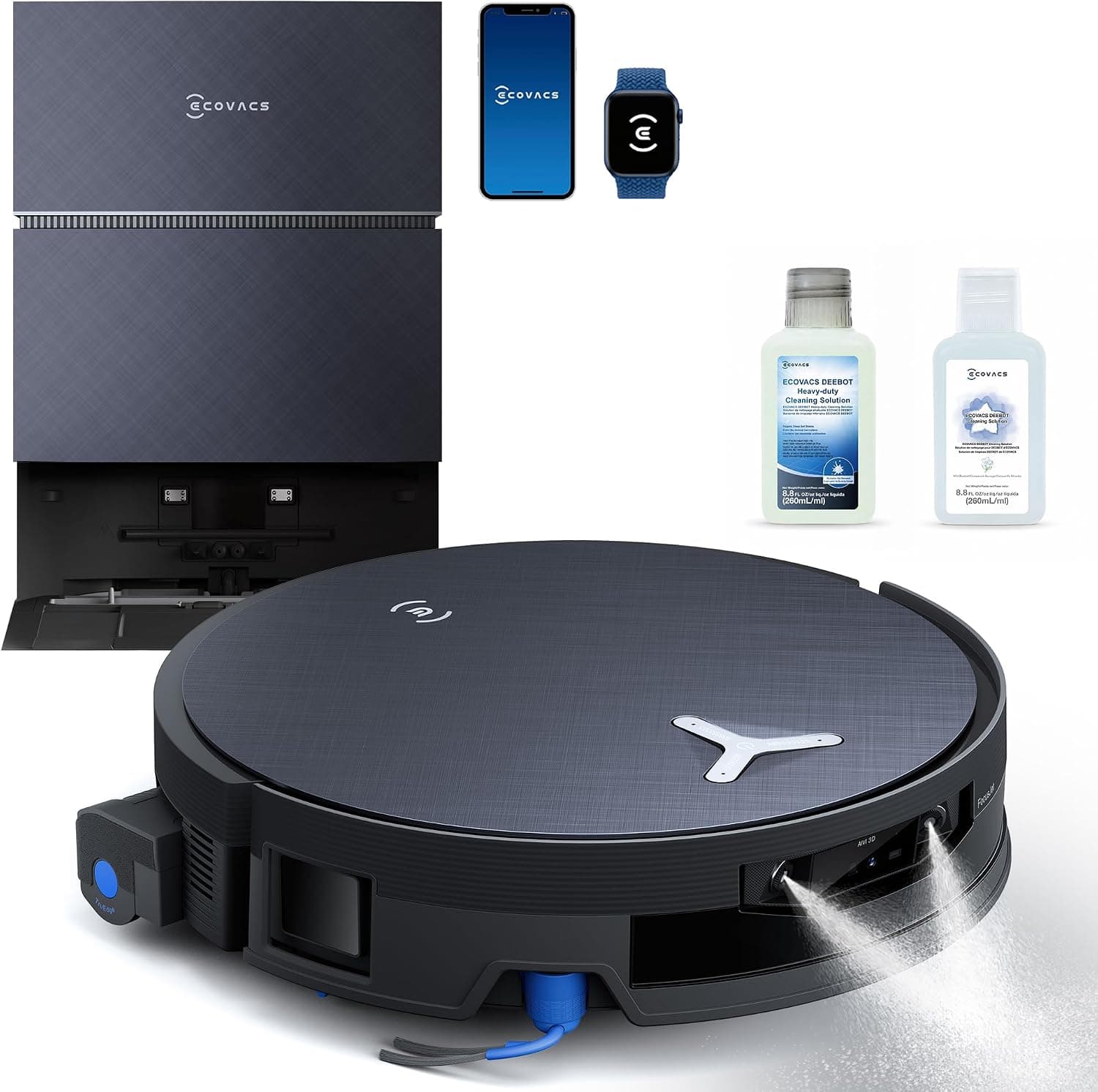
ECOVACS DEEBOT X12 PRO Omni Robot Vacuum and Mop
See it on Amazon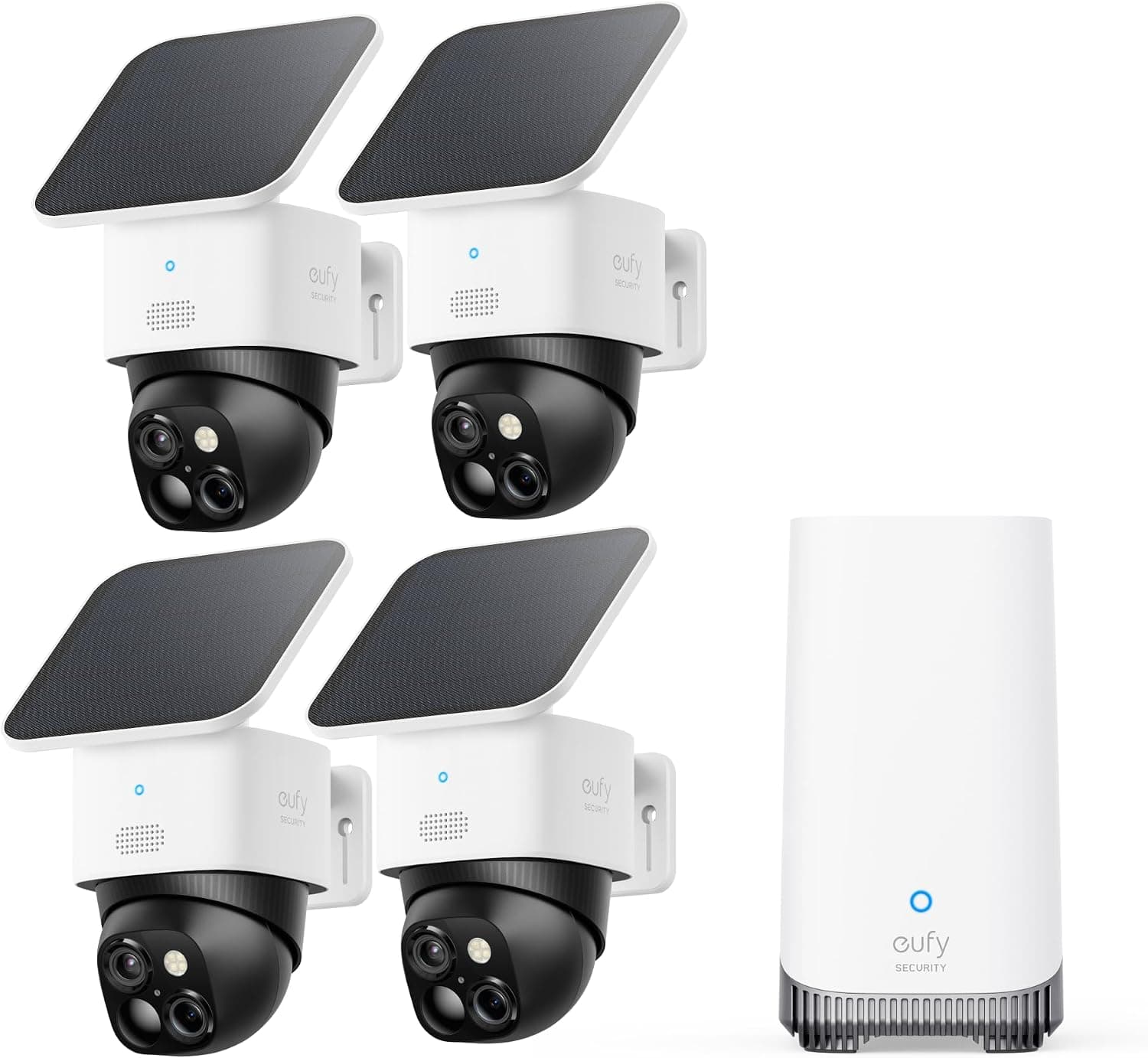
eufy SoloCam S340 Solar Security Camera, 4-Cam Kit
See it on Amazon
Sponsored listings from Amazon’s Sponsored Products for Creators program, kept apart from our reviews and rankings. How we make money
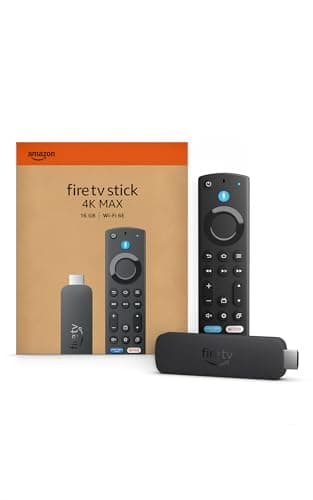
Best Overall (Stick): Amazon Fire TV Stick 4K Max
Amazon Fire TV Stick 4K Max
- Full format ceiling: 4K Dolby Vision plus HDR10+, Atmos decode, and AV1
- Ambient Experience screensaver widgets are mostly gimmicks
(Current price, subject to change)
The Amazon Fire TV Stick 4K Max earns a composite of 8.78 on the SHE Fire TV Streaming Value Score, second only to the Cube and the highest-scoring stick. Your television receives the complete format ceiling without compromise: 4K Dolby Vision, HDR10+, HLG, Atmos decode, plus AV1. Tom's Guide characterizes navigation as exceptionally responsive thanks to the quad-core processor and Wi-Fi 6E tri-band networking, which collectively future-proof the configuration across a multi-yr ownership window.
Its hardware headroom constitutes the value proposition, because storage capacity and memory determine longevity. The Max incorporates 16GB storage, 2x the allocation on the 4K Plus and Stick HD, plus 2GB RAM enabling fluid multitasking across numerous installed applications. Tom's Guide categorizes the Ambient Experience widgets as predominantly superfluous, so the substantive justification remains the silicon. Its capability-per-dollar factor scores 6.05 within our formula, behind the far cheaper Stick HD.
Compared to the Amazon Fire TV Stick 4K Plus, the Max incorporates Wi-Fi 6E, accelerated processor performance, and 2x the storage. The 25% price increment delivers genuine headroom for dedicated streamers maintaining numerous installed applications.
What We Love
- Full format ceiling: 4K Dolby Vision plus HDR10+, Atmos decode, and AV1
- 2.0GHz quad-core plus Wi-Fi 6E keep navigation fast and future-proof
- 16GB storage is double the 8GB sticks — room for many apps
- Fits behind the TV with no shelf, unlike the Cube
What Could Be Better
- Ambient Experience screensaver widgets are mostly gimmicks
- No Ethernet or HDMI input like the Cube offers
- Push-to-talk remote, not the Cube's hands-free far-field mics
The Verdict
If you want the fastest stick that will not feel slow in 2028, the Amazon Fire TV Stick 4K Max lines up with what you actually need. The 8.78 reflects the full Dolby Vision and Atmos format ceiling, Wi-Fi 6E, and double the storage of the cheaper sticks. Buy it for the silicon and the 16GB, not the screensaver — that is where your $49.99 actually goes.
Best Value: Amazon Fire TV Stick 4K Plus
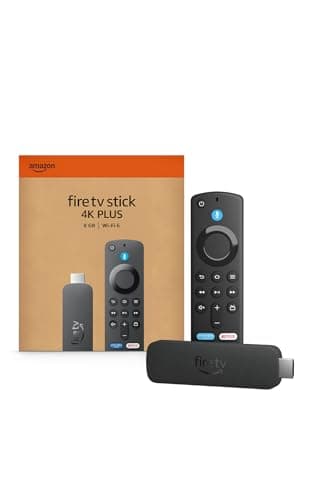
Amazon Fire TV Stick 4K Plus
- Dolby Vision plus Atmos plus Wi-Fi 6 and full Fire OS at $39.99
- Wi-Fi 6, not the 4K Max's faster Wi-Fi 6E
(Current price, subject to change)
The Amazon Fire TV Stick 4K Plus earns a composite of 7.65 on the SHE Fire TV Streaming Value Score, and among the two full-Fire-OS 4K sticks it registers the better capability-per-dollar factor. Your television receives comprehensive Dolby Vision, HDR10+, and Atmos decode, where the economical 4K Select forfeits both Dolby Vision and onboard audio decoding. TechRadar characterizes this step up as the highest-value transition in the lineup, and our formula concurs: the composite escalates 32% from 5.78 to 7.65.
Its hardware occupies the mainstream equilibrium, since 2GB RAM and Wi-Fi 6 accommodate real-world streaming comfortably. The 4K Select operates on merely 1GB RAM and Wi-Fi 5, so the Plus navigates appreciably more fluidly. It retains the complete Fire OS Appstore with APK sideloading, which Tom's Guide identifies as the catalog the Vega OS Select cannot replicate. That application flexibility is precisely what cord-cutters genuinely require.
Compared to the Amazon Fire TV Stick 4K Select, the Plus incorporates Dolby Vision, Atmos decode, Wi-Fi 6, 2x the memory, and the comprehensive application catalog. A $20 increase eliminates every Vega OS compromise simultaneously across a 5-yr horizon.
What We Love
- Dolby Vision plus Atmos plus Wi-Fi 6 and full Fire OS at $39.99
- Better capability-per-dollar than the 4K Max among the full-Fire-OS sticks
- 2GB RAM keeps navigation smooth where the 4K Select has only 1GB
- The $20 step up from the Select buys the biggest single capability jump
What Could Be Better
- Wi-Fi 6, not the 4K Max's faster Wi-Fi 6E
- 8GB storage versus the 4K Max's 16GB
- 1.7GHz quad-core trails the Max's 2.0GHz silicon
The Verdict
If you have a 4K Dolby Vision TV and want the smartest spend, the Amazon Fire TV Stick 4K Plus is a sensible pick for that setup. The 7.65 reflects what $39.99 buys: Dolby Vision, Atmos, Wi-Fi 6, and the full Fire OS catalog, at better capability-per-dollar than the 4K Max. The $20 step from the 4K Select to this buys the largest capability jump in the lineup — no need to overthink it.
Best Budget: Amazon Fire TV Stick HD
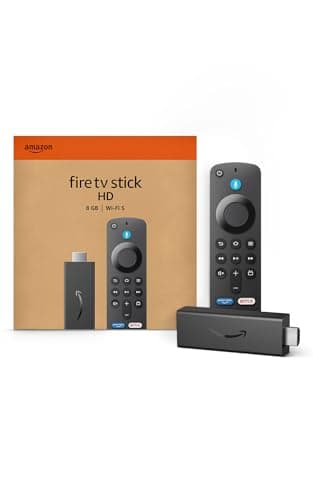
Amazon Fire TV Stick HD
- Full Fire OS app flexibility at just $17.99
- 1080p only — no 4K, so it is wrong for a flagship TV
(Current price, subject to change)
The Amazon Fire TV Stick HD earns a composite of 5.86 on the SHE Fire TV Streaming Value Score, 0.08 ahead of the slightly costlier 4K Select. A 1080p bedroom or kitchen television receives comprehensive Fire OS application flexibility, representing the most economical entry positioning in the lineup. CNET characterizes it as the appropriate selection for a secondary display where 4K resolution would be squandered on a diminutive panel.
The justification for surpassing the Select is the operating system, not the resolution differential. The Stick HD retains the complete Fire OS Appstore with APK sideloading, whereas the pricier 4K Select runs Vega OS, serving merely an Amazon Appstore subset. Tom's Guide documents that catalog reduction, and our formula rewards application flexibility sufficiently to offset the Select's 4K advantage. It installs in under 2 mins, and the Stick HD does operate on 1GB RAM and Wi-Fi 5, the entry-tier specification.
Compared to the Amazon Fire TV Stick 4K Select, the Stick HD relinquishes 4K for comprehensive application flexibility and a 10% lower expenditure. That compromise proves rational exclusively on a 1080p television, where the resolution disparity remains imperceptible.
What We Love
- Full Fire OS app flexibility at just $17.99
- Edges the $19.99 4K Select on our composite, 5.86 to 5.78, despite the lower resolution
- Alexa Voice Remote with the full Fire OS smart-home dashboard
- The simplest, cheapest install for a secondary 1080p TV
What Could Be Better
- 1080p only — no 4K, so it is wrong for a flagship TV
- 1GB RAM and Wi-Fi 5 are the entry-tier networking and memory
- No Dolby Vision, though that matters less at 1080p
The Verdict
If you need a cheap, competent stick for a 1080p bedroom or kitchen TV, the Amazon Fire TV Stick HD checks the boxes that matter for that setup. The 5.86 reflects honest entry-tier value, and here is the wrinkle: at $17.99 it edges the $19.99 4K Select on our composite by 5.86 to 5.78, because full Fire OS app flexibility outweighs the Select's 4K bump once Vega OS cuts the catalog.
Avoid Unless It Fits: Amazon Fire TV Stick 4K Select
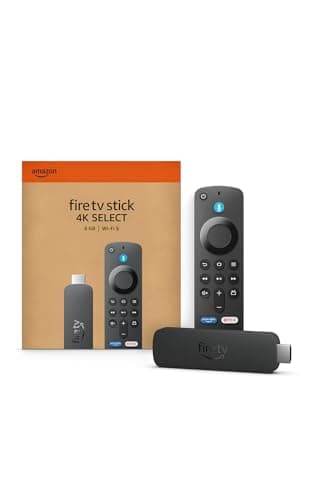
Amazon Fire TV Stick 4K Select
- Cheapest 4K stick in the lineup at $19.99
- Runs Vega OS, not Fire OS — reduced catalog, no sideloading
(Current price, subject to change)
The Amazon Fire TV Stick 4K Select earns a composite of 5.78 on the SHE Fire TV Streaming Value Score, just behind the $17.99 Stick HD. At $19.99 it leads every 4K stick on price-to-capability, 9.03, but that factor weighs 10%. The complication is the operating system, because this is the inaugural Fire device running Vega OS instead of Fire OS. Tom's Guide characterizes it as a sidegrade, not the necessary upgrade, and Digital Trends documents the identical reduced catalog and absent Dolby Vision.
Vega OS transforms what you can install and watch. It serves merely an Amazon Appstore subset, prohibits sideloading entirely, and eliminates Dolby Vision, so HDR culminates at HDR10+ and HLG. Audio remains pass-through exclusively rather than onboard decode, so Alexa responses interrupt video. The MediaTek MT8698 quad-core operates on just 1GB RAM and Wi-Fi 5, the entry-tier specification. Tom's Guide observes these reductions render the $20 transition to the 4K Plus the superior expenditure for most purchasers.
Compared to the Amazon Fire TV Stick 4K Plus, the Select saves $20 but forfeits Dolby Vision, Atmos decode, Wi-Fi 6, half its memory allocation, and the comprehensive catalog. The Plus carries 2x the RAM, which is why our formula positions the Select just beneath the 1080p Stick HD.
What We Love
- Cheapest 4K stick in the lineup at $19.99
- AI-powered Fire TV Search with Alexa+ show discovery
- Compact stick form factor that installs in minutes
- Fine for a TV that already lacks Dolby Vision
What Could Be Better
- Runs Vega OS, not Fire OS — reduced catalog, no sideloading
- No Dolby Vision and pass-through-only audio, not onboard decode
- Only 1GB RAM and Wi-Fi 5 hold back day-to-day navigation
The Verdict
If your TV already lacks Dolby Vision and you never sideload apps, the Amazon Fire TV Stick 4K Select is a sensible pick for that setup. The 5.78 reflects the Vega OS compromises honestly: reduced catalog, no sideloading, no Dolby Vision. For most buyers the $20 step to the 4K Plus removes all of that, so we'd point you there first.
Best Audio Add-On: Amazon Fire TV Soundbar Plus
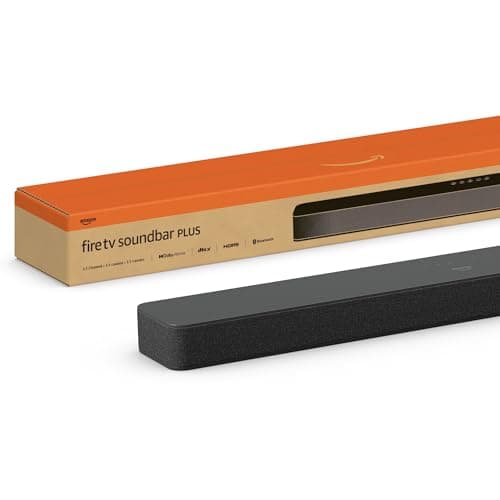
Amazon Fire TV Soundbar Plus
- 3.1-channel rendered audio with a dedicated center dialogue channel
- Virtual Atmos only — no physical height drivers
(Current price, subject to change)
The Amazon Fire TV Soundbar Plus earns a composite of 2.47 on the SHE Fire TV Streaming Value Score, and that diminished figure is intentional. The most consequential consideration is that its architecture incorporates zero streaming hardware. It functions as an audio companion, not a streamer, so we evaluate it on rendered acoustics rather than a video pipeline. RTINGS confirms the 3.1-channel configuration with a dedicated center channel plus an integrated subwoofer.
Its competency is dialogue, because the center channel and intelligibility mode raise speech above the surrounding mix. RTINGS observes the Dolby Atmos and DTS:X support constitutes virtual processing exclusively, without physical height drivers, so it broadens the soundstage absent genuine overhead effects. Volume rides the paired Fire TV remote across HDMI-CEC, which is why TechRadar characterizes it as a companion device. It pairs in under 2 mins through HDMI eARC plus Bluetooth.
Compared to the Amazon Fire TV Soundbar, the Plus incorporates a center dialogue channel, a subwoofer, and virtual Atmos across a 5-yr ownership window. Both function as pairings for a streamer, never a substitute for one.
What We Love
- 3.1-channel rendered audio with a dedicated center dialogue channel
- Built-in subwoofer adds low-end without a separate box
- Clear dialogue mode is where RTINGS says it shines
- Pairs cleanly with any Fire stick over HDMI eARC and CEC
What Could Be Better
- Virtual Atmos only — no physical height drivers
- Has zero streaming hardware, so it is a companion not an alternative
- At $249.99 it is the priciest device in this guide
The Verdict
If your TV speakers are thin and you want one-brand simplicity to pair WITH a stick, the Amazon Fire TV Soundbar Plus is a sensible pick for that setup. The 2.47 is by design — it is an audio companion with zero streaming hardware, scored on rendered sound, not video. The 3.1-channel center dialogue channel is where it earns its keep, so add it to a stick, never instead of one.
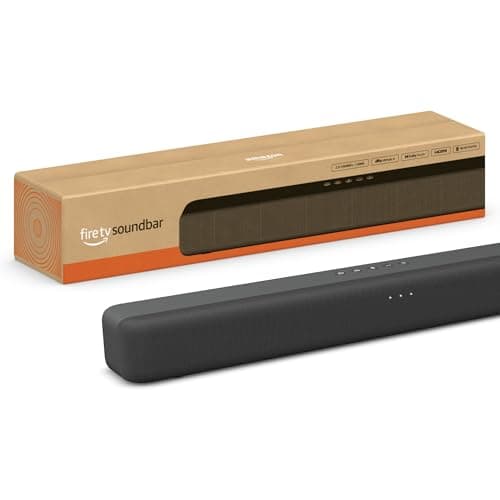
Best Compact Audio Add-On: Amazon Fire TV Soundbar
Amazon Fire TV Soundbar
- Simple 2.0-channel upgrade over thin TV speakers
- Only 2.0 channels with no dedicated center or subwoofer
(Current price, subject to change)
The Amazon Fire TV Soundbar earns a composite of 1.56 on the SHE Fire TV Streaming Value Score, the lowest throughout the guide and entirely intentional. The essential consideration mirrors the Plus: its architecture incorporates zero streaming hardware, so it pairs with a streamer rather than replacing one. We evaluate it on rendered acoustics, and this represents the compact 2.0-channel alternative for a diminutive environment.
Its processing performs the substantive work, since neither subwoofer nor center channel exists. DTS Virtual:X and Dolby Audio broaden a modest soundstage, which TechRadar characterizes as a meaningful improvement over anemic integrated television speakers. Volume rides the paired Fire TV remote across HDMI-CEC, and it pairs in under 2 mins through HDMI ARC plus Bluetooth. It represents the most economical audio companion configuration across a 5-yr horizon.
Compared to the Amazon Fire TV Soundbar Plus, the base Soundbar eliminates the center channel, the subwoofer, and virtual Atmos. Select it exclusively for a compact environment where the simpler 2.0-channel configuration proves sufficient.
What We Love
- Simple 2.0-channel upgrade over thin TV speakers
- DTS Virtual:X widens the soundstage in a small room
- Compact single-bar form factor needs little space
- Lowest soundbar entry price at $119.99
What Could Be Better
- Only 2.0 channels with no dedicated center or subwoofer
- Dolby Audio, not Dolby Atmos like the Plus
- Has zero streaming hardware — a companion, not a streamer
The Verdict
If you have a small room and want a simple, affordable audio bump, the Amazon Fire TV Soundbar is the path of least friction. The 1.56 is by design — it is a 2.0-channel companion with zero streaming hardware, not a stick alternative. For better dialogue and a subwoofer, step up to the Soundbar Plus; otherwise pair this one with a stick and call it done.
How We Score: SHE Fire TV Streaming Value Score
SHE Fire TV Streaming Value Score
Score Formula
(Playback Format Ceiling × 0.25) + (Hardware Headroom × 0.20) + (Connectivity × 0.15) + (Smart Home Command × 0.20) + (App Ecosystem × 0.10) + (Price-to-Capability × 0.10)Score Factors
- Playback Format Ceiling (25%)Maximum playback formats per Amazon's official device-spec table, weighted highest. 4K plus Dolby Vision, HDR10+, HLG, Atmos decode, and AV1 tops the scale; the 4K Select scores lower for missing Dolby Vision and pass-through-only audio; the Stick HD caps at 1080p. Soundbars score on rendered audio: 3.1-channel virtual Atmos with a center channel beats a 2.0-channel Dolby Audio bar.
- Hardware Headroom (20%)Processor class, RAM, and storage from official specs, since they determine how the device ages. The Cube's 2.0GHz octa-core, 2GB, and 16GB top the scale; the 4K Max's 2.0GHz quad with 16GB is close behind; the 4K Select's 1GB RAM holds it down. Soundbars score zero — they carry no streaming SoC.
- Connectivity (15%)Network and I/O from official specs. Wi-Fi 6E plus 100Mbps Ethernet, an HDMI input, and an IR extender (the Cube) tops the scale; Wi-Fi 6E tri-band (4K Max) is next; Wi-Fi 6 (4K Plus), then Wi-Fi 5 (Stick HD, 4K Select). Soundbars rate low — HDMI eARC or ARC plus Bluetooth with no streaming radio.
- Smart Home Command (20%)Depth of Alexa and smart-home control. Built-in far-field mics plus a speaker for hands-free Alexa with the TV off, plus an IR blaster, top the scale (the Cube); a push-to-talk Alexa remote with the full Fire OS dashboard is mid; Vega OS reduces the Select's smart-home app surface; soundbars have no microphones.
- App Ecosystem (10%)App catalog breadth and installability. The full Android-based Fire OS Appstore with APK sideloading tops the scale; Vega OS on the 4K Select serves only an Amazon Appstore subset with no sideloading; soundbars have no app platform at all.
- Price-to-Capability (10%)Derived, not assigned: the renormalized capability subtotal divided by the price this page's product cards show, scaled so the best ratio in the set equals 10. Those prices are $17.99 Stick HD, $19.99 4K Select, $39.99 4K Plus, $49.99 4K Max, $89.99 Cube, $119.99 Soundbar, $249.99 Soundbar Plus. We re-checked all seven on 2026-08-29, and each card carries the date its own figure last changed. At those prices the Stick HD sets the ceiling at 10. The 4K Select is the strongest 4K stick on this one factor at 9.03, ahead of the 4K Plus at 6.48 and the 4K Max at 6.05. The Cube at 3.68 and both soundbars score lower, because their premium features carry a premium price.
SHE Fire TV Streaming Value Score — Ranked
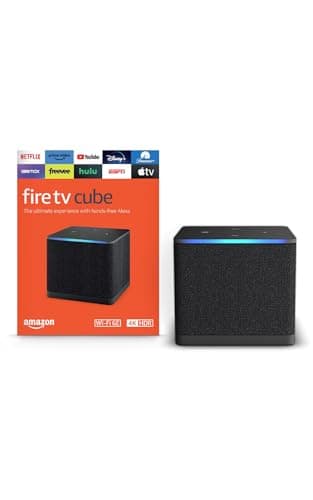
Amazon Fire TV Cube
SHE Fire TV Streaming Value Score9.3/10$89.99 — most capable streamer: hands-free Alexa, Ethernet, HDMI input, octa-core
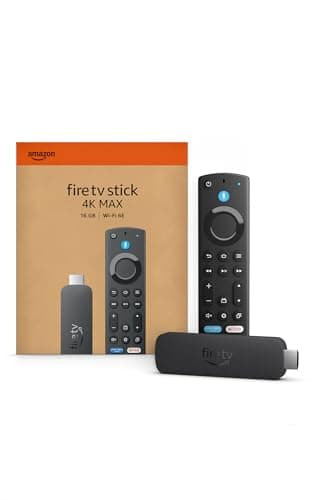
Amazon Fire TV Stick 4K Max
SHE Fire TV Streaming Value Score8.8/10$49.99 — best stick: full Dolby Vision, Wi-Fi 6E, 16GB, the most hardware headroom
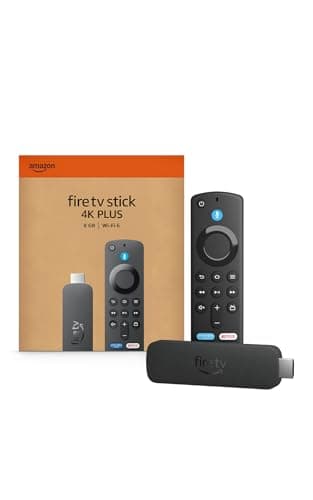
Amazon Fire TV Stick 4K Plus
SHE Fire TV Streaming Value Score7.7/10$39.99 — best value: Dolby Vision, Atmos, Wi-Fi 6, full Fire OS at the smartest price
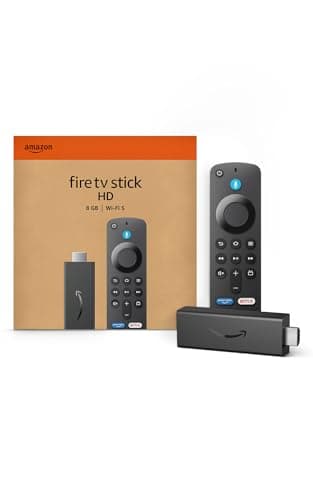
Amazon Fire TV Stick HD
SHE Fire TV Streaming Value Score5.9/10$17.99 — 1080p budget pick; full Fire OS app flexibility edges the 4K Select, 5.86 to 5.78
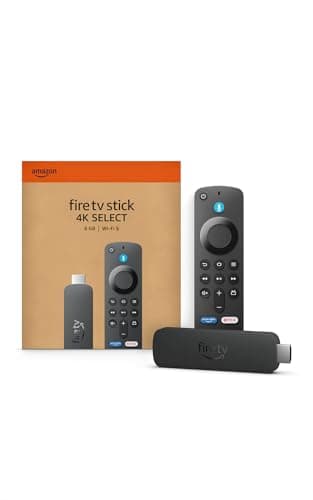
Amazon Fire TV Stick 4K Select
SHE Fire TV Streaming Value Score5.8/10$19.99 — Vega OS cuts the catalog and Dolby Vision; the $20 step to the Plus is better
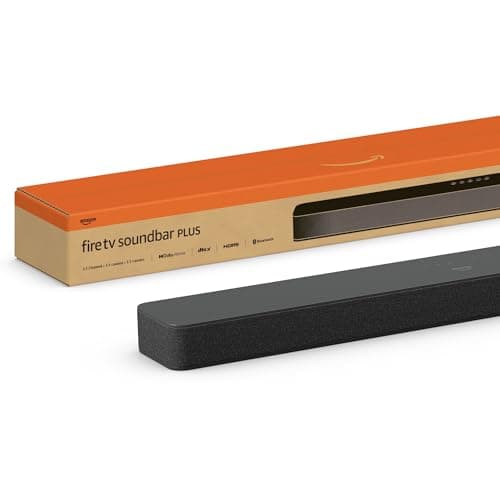
Amazon Fire TV Soundbar Plus
SHE Fire TV Streaming Value Score2.5/10$249.99 — 3.1-channel virtual Atmos companion; zero streaming hardware, pair with a stick
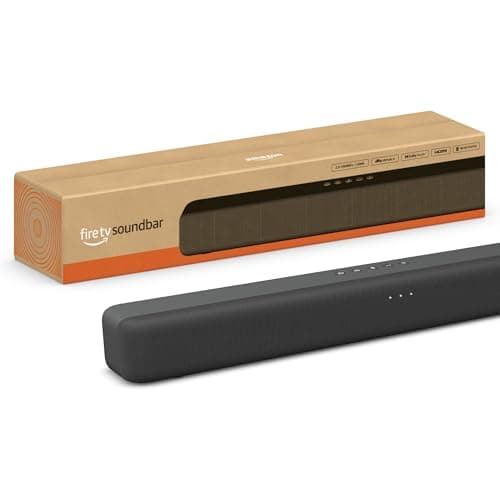
Amazon Fire TV Soundbar
SHE Fire TV Streaming Value Score1.6/10$119.99 — 2.0-channel compact companion; no streamer, add to a stick for small rooms
Fire OS vs Vega OS: The 2026 Split
The single most useful thing to understand before buying is that Amazon now ships Fire TV devices on two different operating systems. That difference decides whether the apps you want will install. Six of the seven devices here run Fire OS, the Android-based platform with the full Amazon Appstore and APK sideloading. The cheapest 4K stick, the 4K Select, runs the new Linux-based Vega OS instead. Tom's Guide calls it a sidegrade, and Digital Trends documents the same reduced catalog. Vega OS serves only an Amazon Appstore subset, blocks sideloading entirely, drops Dolby Vision, and decodes audio pass-through only, so Alexa responses pause your video.
The smart-home story splits along similar lines. Every Fire TV device is Alexa-native, but only the Amazon Fire TV Cube has built-in far-field mics and a speaker for true hands-free voice with the TV off. The sticks rely on a push-to-talk Alexa Voice Remote, and they all surface the full Fire OS smart-home dashboard for cameras, lights, and locks. The 4K Select's Vega OS reduces that smart-home app surface, one more reason our formula scores it below even the 1080p Stick HD. CNET frames the Cube's IR blaster and 100Mbps Ethernet as the wired backhaul that turns a TV into a genuine smart-home hub.
The soundbars are the other compatibility trap, because neither has Fire TV built in. The Amazon Fire TV Soundbar Plus and base Amazon Fire TV Soundbar are HDMI eARC or ARC plus Bluetooth audio devices designed to pair with a stick or Cube. RTINGS confirms volume rides the Fire TV remote over HDMI-CEC. The right mental model for most buyers is a 2-item cart: one stick for the apps and one soundbar for the sound. Buy the operating system that runs your apps over a 5-yr ownership window, then add audio if your TV speakers are thin. Skip paying for a Cube you will not fully use.
| Product | Fire OS | Dolby Vision | Hands-Free Alexa | Wi-Fi 6/6E | Ethernet | Sideloading |
|---|---|---|---|---|---|---|
| Amazon Fire TV Cube | ✓ | ✓ | ✓ | ✓ | ✓ | ✓ |
| Amazon Fire TV Stick 4K Max | ✓ | ✓ | ✕ | ✓ | ✕ | ✓ |
| Amazon Fire TV Stick 4K Plus | ✓ | ✓ | ✕ | ✓ | ✕ | ✓ |
| Amazon Fire TV Stick HD | ✓ | ✕ | ✕ | ✕ | ✕ | ✓ |
| Amazon Fire TV Stick 4K Select | ✕ | ✕ | ✕ | ✕ | ✕ | ✕ |
| Amazon Fire TV Soundbar Plus | ✕ | ✕ | ✕ | ✕ | ✕ | ✕ |
When NOT to Buy
A new Fire stick is not automatically the appropriate decision. If your television is a contemporary smart model already operating Fire OS, Google TV, or Roku, an external streamer may prove redundant. That applies to the sets ranked in our Best Smart TVs Under $1,000 (2026): 7 Picks roundup, unless the integrated software has degraded into sluggishness. And avoid purchasing a soundbar anticipating streaming functionality, because neither Fire TV Soundbar incorporates streaming hardware. They depend entirely on a separate streamer. The genuine trap to circumvent is the 4K Select: its economical positioning resembles the value selection. Yet the Vega OS catalog reductions and absent Dolby Vision render the $20 transition to the 4K Plus the superior expenditure for almost everyone. Match the device to your television and applications, and decline the Cube's premium unless hands-free Alexa or Ethernet genuinely justifies its position.
Who Should Buy What
Who Should Buy What
| If you are… | Recommended pick |
|---|---|
Alexa smart-home households You run Alexa across the house and want hands-free voice TV control, a wired Ethernet backhaul, and an HDMI input for AV gear | Amazon Fire TV Cube |
Heavy 4K streamers You have a 4K Dolby Vision TV and want the fastest stick with Wi-Fi 6E and 16GB storage that stays quick for years | Amazon Fire TV Stick 4K Max |
Mainstream 4K upgraders You have a 4K Dolby Vision TV and want full Fire OS, Dolby Vision, and Atmos at the better capability-per-dollar of the two full-Fire-OS 4K sticks | Amazon Fire TV Stick 4K Plus |
Budget secondary-TV buyers You have a 1080p bedroom or kitchen TV and want the cheapest competent stick with the full Fire OS app catalog | Amazon Fire TV Stick HD |
Audio upgraders Your TV speakers are thin and you want a one-brand 3.1-channel soundbar to pair with a Fire stick | Amazon Fire TV Soundbar Plus |
Frequently Asked Questions
Which Fire TV Stick should I buy in 2026?
For most 4K TVs, the Fire TV Stick 4K Plus at $39.99 is the smartest buy — it has Dolby Vision, Atmos, Wi-Fi 6, and the full Fire OS app catalog, and the better capability-per-dollar of the two full-Fire-OS 4K sticks. Heavy streamers should step up to the $49.99 4K Max for Wi-Fi 6E and 16GB storage. For a 1080p secondary TV, the $17.99 Stick HD is the cheapest competent pick. Skip the 4K Select unless your TV lacks Dolby Vision and you never sideload apps.
Fire TV Stick 4K Select vs 4K Plus — what is the difference?
The $19.99 4K Select runs the new Vega OS, which serves only an Amazon Appstore subset, blocks sideloading, drops Dolby Vision, and uses pass-through-only audio. The $39.99 4K Plus runs full Fire OS with Dolby Vision, Atmos decode, Wi-Fi 6, and 2GB RAM (double the Select's 1GB). Tom's Guide calls the Select a sidegrade. The $20 step to the 4K Plus buys the biggest single capability jump in the lineup, so it is the better spend for almost everyone.
What is Vega OS, and which Fire TV devices use it?
Vega OS is Amazon's new Linux-based operating system that replaces the Android-based Fire OS on the Fire TV Stick 4K Select. The trade-off is real: a reduced app catalog (Amazon Appstore subset only), no APK sideloading, no Dolby Vision, and pass-through-only audio that pauses video during Alexa responses. Every other 2026 Fire TV device — the Stick HD, 4K Plus, 4K Max, and Cube — still runs full Fire OS with the complete app catalog and sideloading.
Is the Fire TV Cube worth $90 over a stick?
Only if you use its smart-home features. The Cube adds hands-free far-field Alexa (control the TV with it off), 100Mbps Ethernet, the line's only HDMI input, an IR blaster for AV gear, and a 2.0GHz octa-core processor. CNET rates it the most powerful Fire TV streamer. But the $49.99 4K Max matches its format ceiling — 4K Dolby Vision plus Atmos — for $40 less. If you only stream apps and never use hands-free voice or Ethernet, the Max is the better value.
Is the Fire TV Soundbar a streaming device?
No. Neither the Fire TV Soundbar nor the Soundbar Plus has any streaming hardware — they are audio companions, not Fire TV devices. They connect by HDMI eARC or ARC plus Bluetooth, and volume rides the paired Fire TV remote over HDMI-CEC. You still need a Fire stick or Cube to feed them. The right setup is a 2-item cart: a stick for the apps and a soundbar for the sound. Treat them as a pairing, never a substitute for a streamer.
Fire TV Stick 4K Plus vs 4K Max — is the upgrade worth it?
Both have the same 4K Dolby Vision and Atmos format ceiling, so picture and sound match. The $49.99 4K Max adds Wi-Fi 6E (versus Wi-Fi 6), a faster 2.0GHz processor (versus 1.7GHz), and 16GB storage (double the Plus's 8GB). For a heavy streamer who keeps many apps installed and wants the snappiest navigation for years, the $10 upgrade is worth it. For a typical 4K TV, the $39.99 4K Plus is plenty and posts the better capability-per-dollar.
Fire TV Soundbar vs Soundbar Plus — which should I pair with my stick?
The $119.99 base Soundbar is a 2.0-channel bar with DTS Virtual:X and Dolby Audio — a simple step up from thin TV speakers for a small room. The $249.99 Soundbar Plus is a 3.1-channel system with a dedicated center dialogue channel, a built-in subwoofer, and virtual Dolby Atmos. RTINGS says dialogue clarity is where the Plus shines. Choose the Plus if dialogue and bass matter, or the base Soundbar for a compact, budget audio bump.
Bottom Line
Get the Amazon Fire TV Stick 4K Max if you want the fastest stick with full Dolby Vision, Wi-Fi 6E, and 16GB that stays quick for years.
Get the Amazon Fire TV Stick 4K Plus if you have a 4K Dolby Vision TV and want the better capability-per-dollar of the two full-Fire-OS 4K sticks at $39.99.
Get the Amazon Fire TV Cube if your TV is part of an Alexa smart home and you want hands-free voice, Ethernet, and an HDMI input.
Get the Amazon Fire TV Stick HD if you have a 1080p secondary TV and want the cheapest competent stick with full Fire OS.
Get the Amazon Fire TV Soundbar Plus if your TV speakers are thin and you want a 3.1-channel audio companion to pair with a stick.
The right call for most 4K TVs is the Amazon Fire TV Stick 4K Plus at $39.99 — full Fire OS, Dolby Vision, and the better capability-per-dollar of the two full-Fire-OS 4K sticks. Heavy streamers should step up to the Amazon Fire TV Stick 4K Max for Wi-Fi 6E and 16GB. Avoid the 4K Select: Vega OS quietly cuts the app catalog and drops Dolby Vision, so the $20 step to the 4K Plus is the better spend.
Sources & Methodology
Methodology: SHE Fire TV Streaming Value Score — Formula: (Playback Format Ceiling × 0.25) + (Hardware Headroom × 0.20) + (Connectivity × 0.15) + (Smart Home Command × 0.20) + (App Ecosystem × 0.10) + (Price-to-Capability × 0.10). Factors: Playback Format Ceiling (25%): Maximum playback formats per Amazon's official device-spec table, weighted highest. 4K plus Dolby Vision, HDR10+, HLG, Atmos decode, and AV1 tops the scale; the 4K Select scores lower for missing Dolby Vision and pass-through-only audio; the Stick HD caps at 1080p. Soundbars score on rendered audio: 3.1-channel virtual Atmos with a center channel beats a 2.0-channel Dolby Audio bar. | Hardware Headroom (20%): Processor class, RAM, and storage from official specs, since they determine how the device ages. The Cube's 2.0GHz octa-core, 2GB, and 16GB top the scale; the 4K Max's 2.0GHz quad with 16GB is close behind; the 4K Select's 1GB RAM holds it down. Soundbars score zero — they carry no streaming SoC. | Connectivity (15%): Network and I/O from official specs. Wi-Fi 6E plus 100Mbps Ethernet, an HDMI input, and an IR extender (the Cube) tops the scale; Wi-Fi 6E tri-band (4K Max) is next; Wi-Fi 6 (4K Plus), then Wi-Fi 5 (Stick HD, 4K Select). Soundbars rate low — HDMI eARC or ARC plus Bluetooth with no streaming radio. | Smart Home Command (20%): Depth of Alexa and smart-home control. Built-in far-field mics plus a speaker for hands-free Alexa with the TV off, plus an IR blaster, top the scale (the Cube); a push-to-talk Alexa remote with the full Fire OS dashboard is mid; Vega OS reduces the Select's smart-home app surface; soundbars have no microphones. | App Ecosystem (10%): App catalog breadth and installability. The full Android-based Fire OS Appstore with APK sideloading tops the scale; Vega OS on the 4K Select serves only an Amazon Appstore subset with no sideloading; soundbars have no app platform at all. | Price-to-Capability (10%): Derived, not assigned: the renormalized capability subtotal divided by the price this page's product cards show, scaled so the best ratio in the set equals 10. Those prices are $17.99 Stick HD, $19.99 4K Select, $39.99 4K Plus, $49.99 4K Max, $89.99 Cube, $119.99 Soundbar, $249.99 Soundbar Plus. We re-checked all seven on 2026-08-29, and each card carries the date its own figure last changed. At those prices the Stick HD sets the ceiling at 10. The 4K Select is the strongest 4K stick on this one factor at 9.03, ahead of the 4K Plus at 6.48 and the 4K Max at 6.05. The Cube at 3.68 and both soundbars score lower, because their premium features carry a premium price.
Expert review sources used in this analysis:
- SmartHomeExplorer aggregates expert review data and manufacturer specifications to produce consensus-based buying guidance
- We do not perform first-party product testing
- Processor, RAM, storage, format, and connectivity rows are drawn from Amazon's official Fire TV device-spec table
- They are corroborated against Fire TV coverage from Tom's Guide, RTINGS, CNET, TechRadar, and Digital Trends
- Tom's Guide and Digital Trends document the Vega OS catalog cuts on the 4K Select; RTINGS confirms the Soundbar Plus's 3.1-channel virtual Atmos
- Amazon prices and availability verified 2026-06-09, and re-verified 2026-08-29
- The SHE Fire TV Streaming Value Score weights playback format ceiling, hardware headroom, connectivity, smart-home command, app ecosystem, and price-to-capability from aggregated specs and reviewer reports
- No first-party measurements were conducted
- Changed 2026-08-29: four prose figures here were Amazon list prices, each one tier above the price the same page's card shows
- The four were the 4K Select, the 4K Plus, the 4K Max and the Cube
- Every price printed on this page now matches its own product card
- They are Stick HD $17.99, 4K Select $19.99, 4K Plus $39.99, 4K Max $49.99, Cube $89.99, Soundbar $119.99, and Soundbar Plus $249.99 respectively
- We re-checked all seven on 2026-08-29, and each card carries the date its own figure last changed
- The Stick HD figure sits on the replacement listing Amazon moved the device to on 2026-08-28, after Amazon retired the old one
- That retired listing had carried $34.99
- Price-to-capability is a real 10% factor rather than a label, so every composite was recomputed on the corrected prices
- Nothing about any device changed, so the five capability factors were held fixed and only the price input moved
- That factor is scaled so the best ratio in the set equals 10, and at $17.99 the Stick HD sets that ceiling
- The factor now reads: Stick HD 10.00, 4K Select 9.03, 4K Plus 6.48, 4K Max 6.05, Cube 3.68, Soundbar 0.47, Soundbar Plus 0.36
- Composites move as follows
- Cube 9.18 to 9.31
- 4K Max 8.68 to 8.78
- 4K Plus 7.52 to 7.65
- 4K Select 5.33 to 5.78
- Stick HD 5.86, Soundbar Plus 2.47 and Soundbar 1.56 are unchanged
- The ranking order is unchanged and no pick moved
- One claim did change
- The Stick HD edges the 4K Select by 5.86 to 5.78, a narrower margin than the superseded figure implied.
Nicholas Miles is the founder of SmartHomeExplorer and a longtime smart home enthusiast focused on helping everyday homeowners make better technology decisions. He researches, compares, and writes about products across security, climate, lighting, leak prevention, sensors, home energy, and automation, with an emphasis on real-world usefulness, ecosystem compatibility, reliability, privacy, and long-term value.
Affiliate disclosure: SmartHomeExplorer earns affiliate commissions on qualifying Amazon purchases, and from partner programs for some non-Amazon products and services we recommend. Our scoring methodology is independent of affiliate relationships.