

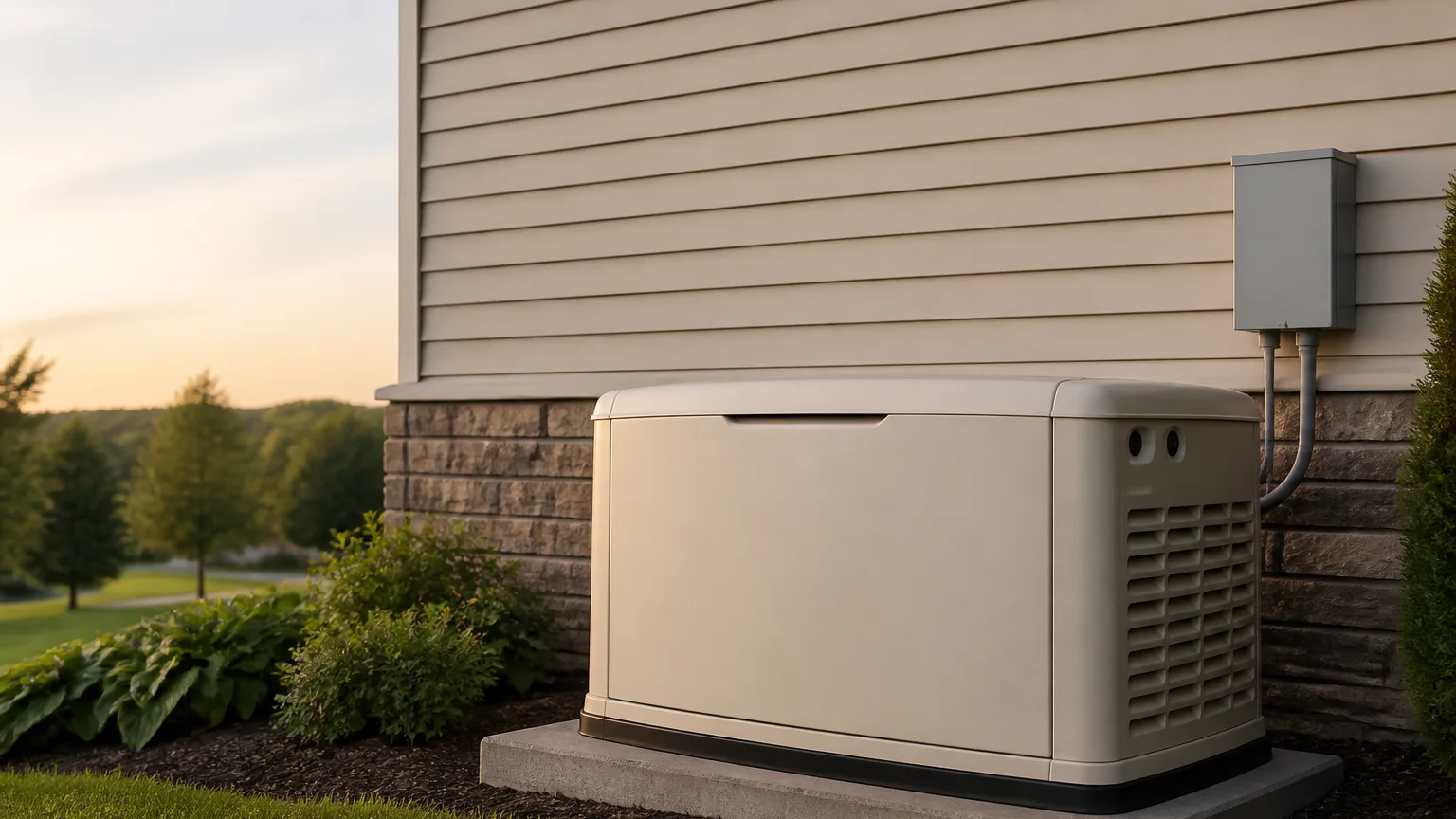
Best Home Standby Generators in 2026: 5 Ranked
The Generac Guardian 26kW publishes 26kW and a 200A automatic transfer switch, but Amazon lists it temporarily out of stock. Best Overall goes to the 22kW, publishing the same 200A switch from stock.
This article contains affiliate links. We may earn a commission at no extra cost to you. Prices change frequently — check the current price on Amazon before buying. Learn more
The Short Answer
The Generac Guardian 26kW publishes the highest output here alongside a 200A automatic transfer switch, but Amazon lists it temporarily out of stock. Our Best Overall therefore goes to the 22kW, publishing the identical 200A rating from stock. Two listings publish no switch whatsoever.
Featured in this Guide
Generac
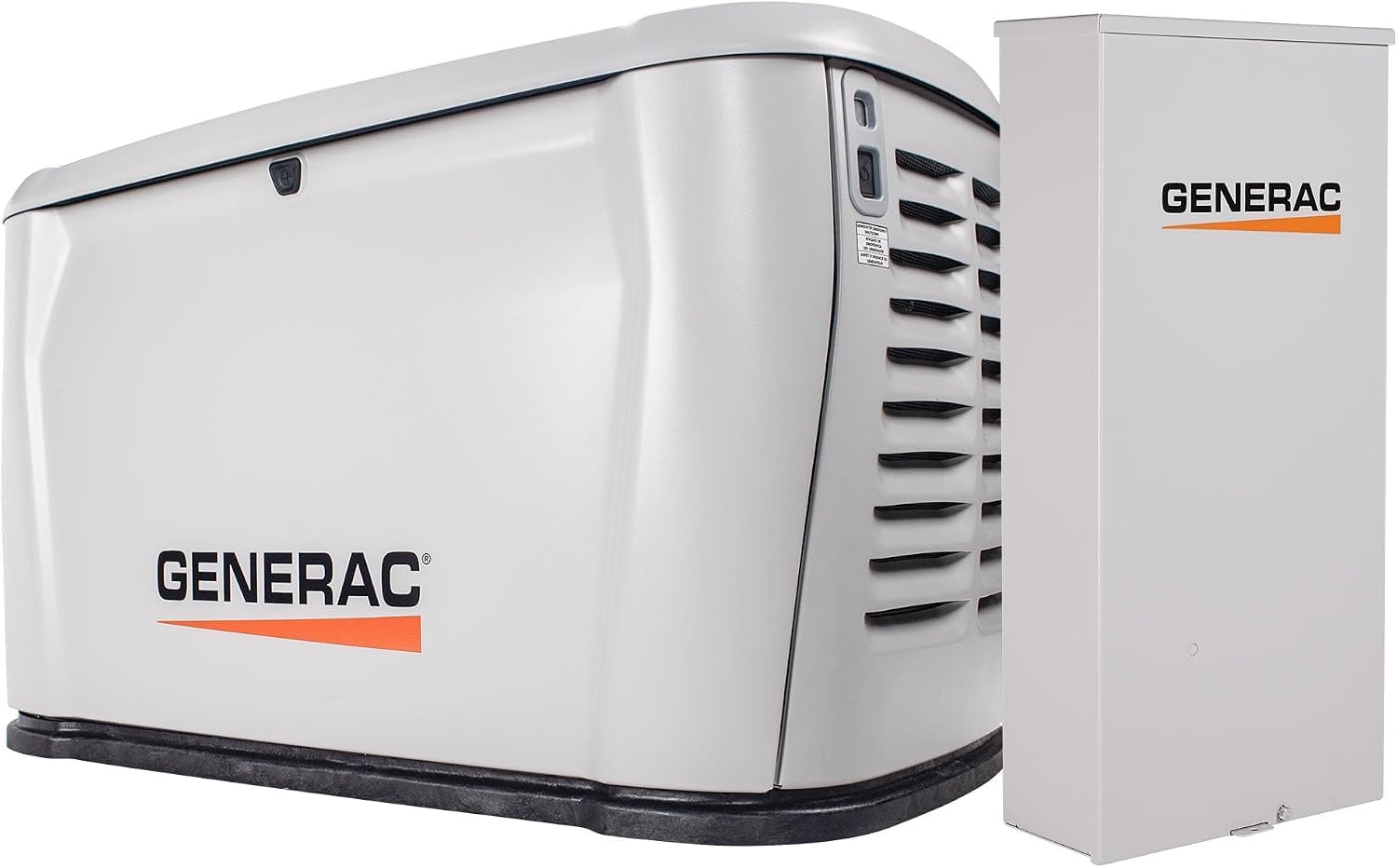
22kW Whole Home Generator with 200 Amp Transfer Switch (model 7325)
- •The highest composite here, and it ships: 22kW with a 200A automatic transfer switch in its published contents and a published delivery date
Generac
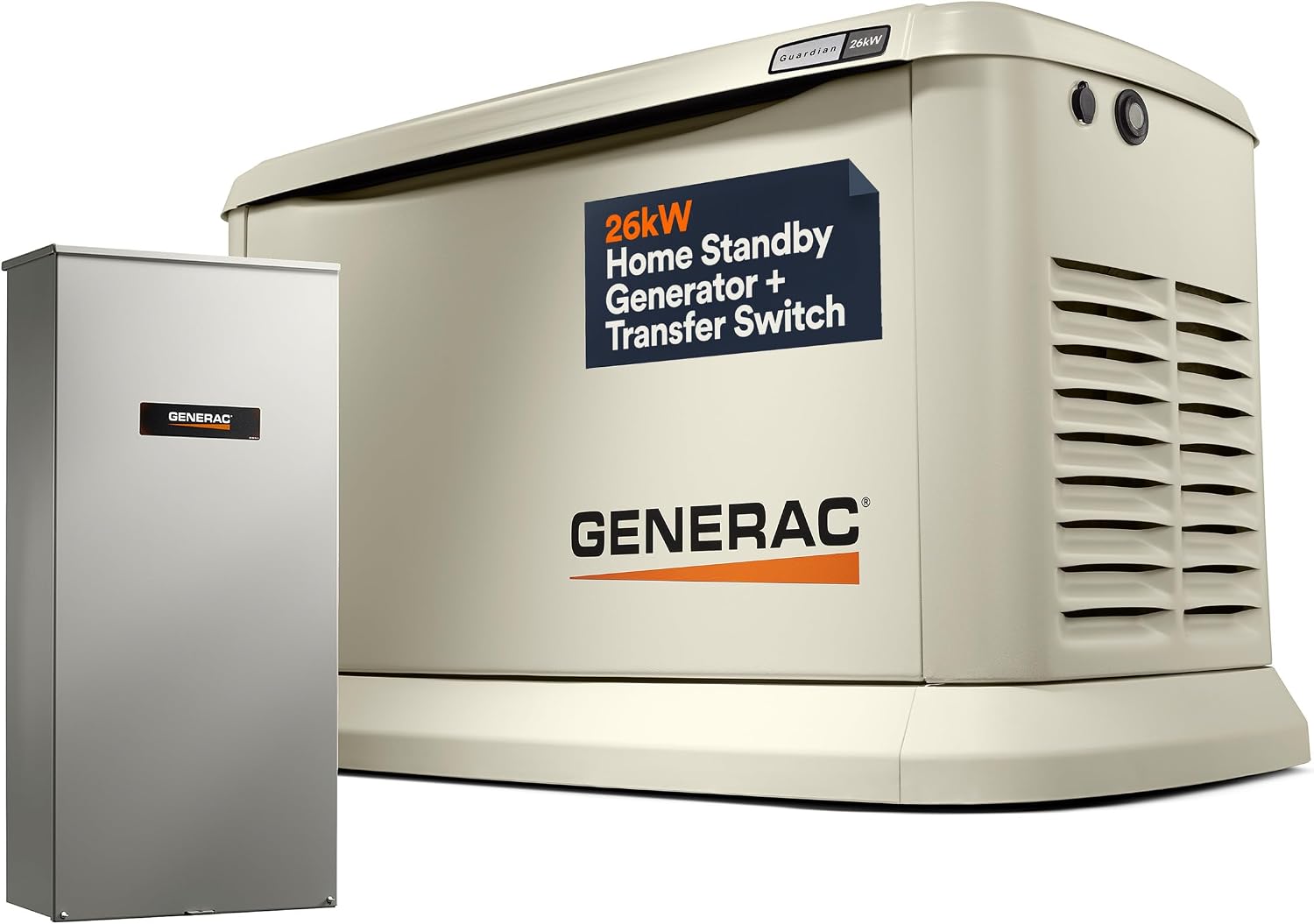
Guardian 26kW Home Standby Generator with 200A Transfer Switch (7291)
- •26kW with a 200A switch in its contents, but temporarily out of stock with no delivery date published
Generac
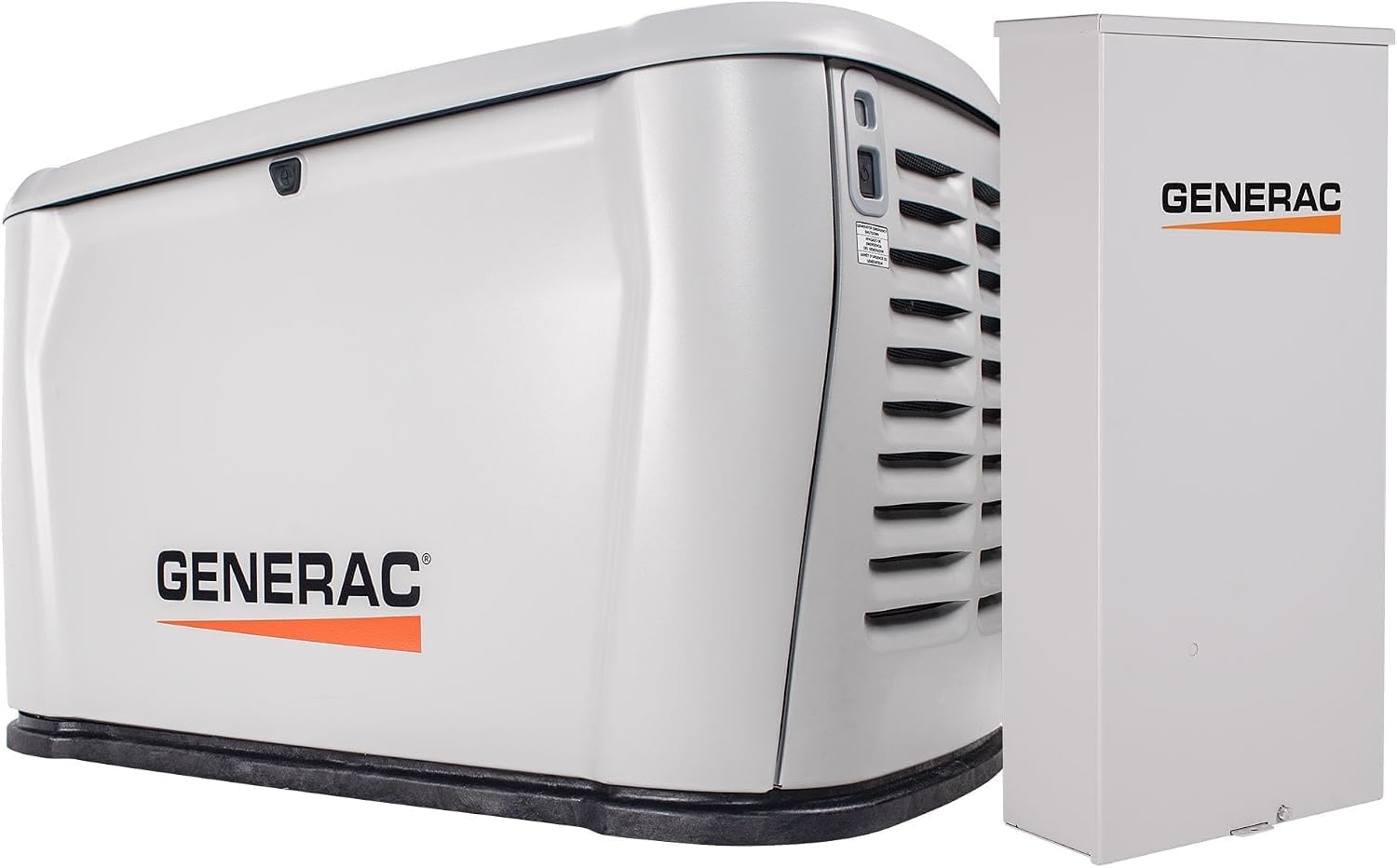
14kW Whole Home Generator with 200 Amp Transfer Switch (7323)
- •The same published 200A switch on the lightest unit ranked here at 391 lbs, usually shipping within 2 to 3 days
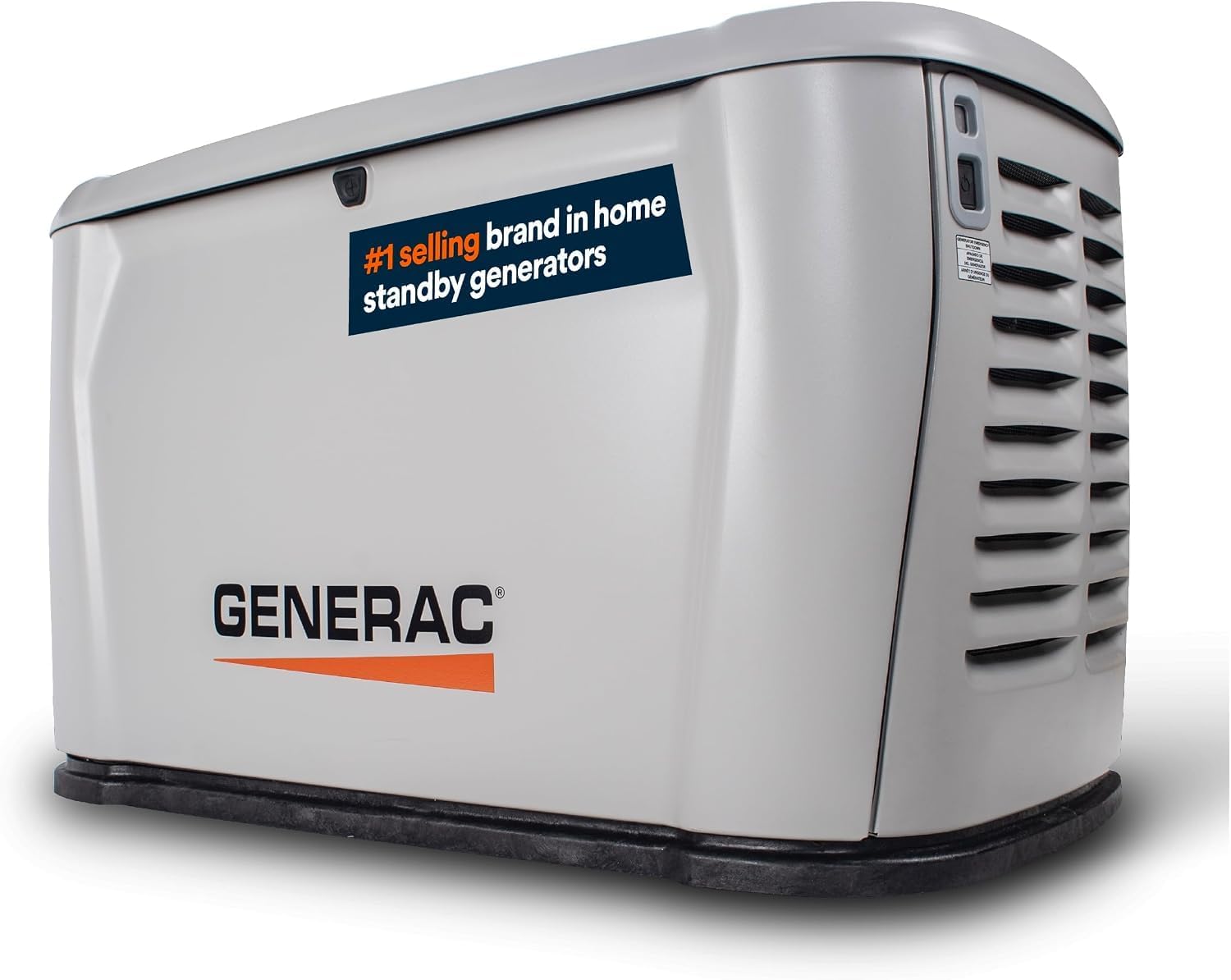
Generac
24kW Whole Home Generator, Cellular Capability (7261)
- •24kW published output, in stock on our September 8 read, for households whose electrician is supplying the transfer switch
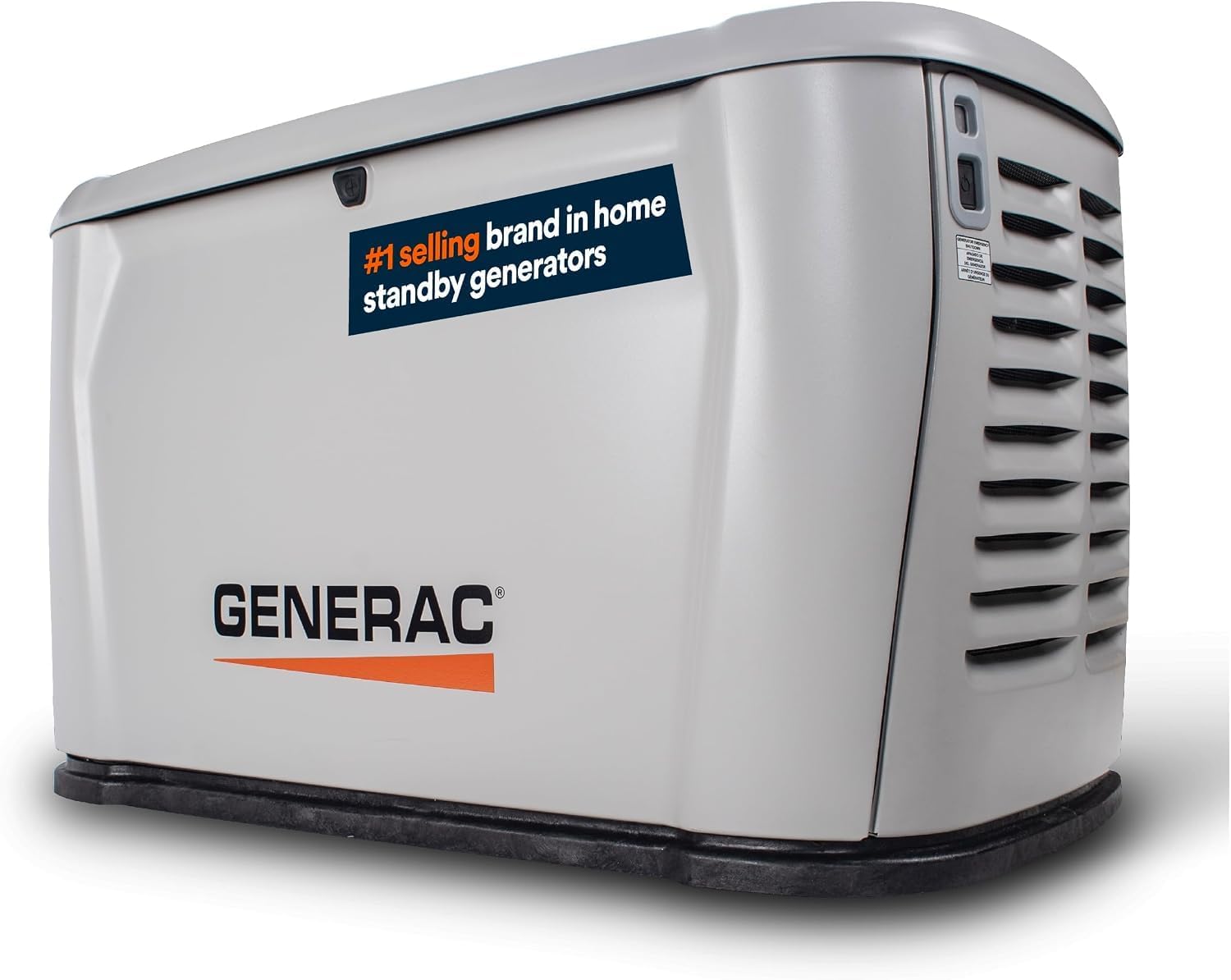
Generac
18kW Whole Home Generator, Cellular Capability (7259)
- •18kW published output at the lowest list price in this guide, again with no transfer switch published on the listing
Head-to-Head: Published Switch, Output and Availability
Energy
Chart
 Smarthomeexplorer.com
Big Ass Fans Haiku L 52-Inch Smart Ceiling Fan
Check price
AlorAir Sentinel HDi90 Basement/Crawlspace Dehumidifier with Pump
Check price
AC Infinity CLOUDWAY T12 Whole House Fan
Check price
LG Dual Inverter Smart WiFi Window AC (10,000 BTU)
Check price
Midea U Smart Inverter Window AC (12,000 BTU)
Check price
Mysa Smart Thermostat for Electric Baseboard Heaters (V2)
Check price
Why the Automatic Transfer Switch Determines This Purchase Before Generator Capacity
Three of the five listings here name a transfer switch, the 26kW and the 22kW in their published contents and the 14kW in its title and model name. All three publish the same amperage: 200A. The remaining two publish generators independently, so the switch becomes a separate conversation with your electrician. That distinction carries the heaviest weight in the SHE Standby Transfer Readiness Score, because a generator without a switch cannot start unattended. Consumer Reports, Bob Vila and Family Handyman all cover this category, and, as of September 2026, none covers these exact listings. Sizing first? Our best whole home energy monitors guide measures genuine demand.
Best Overall: Generac 22kW Whole Home Generator with 200 Amp Transfer Switch (model 7325)
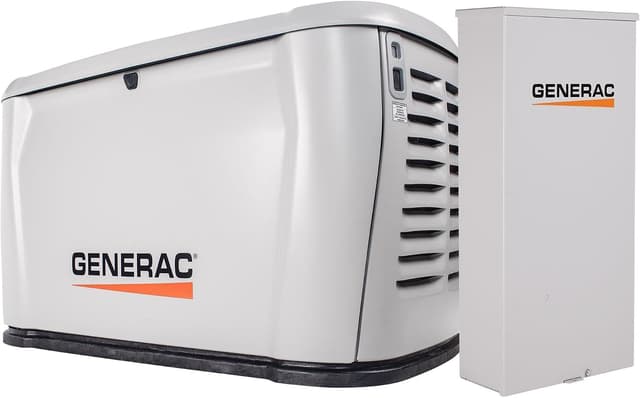
Generac 22kW Whole Home Generator with 200 Amp Transfer Switch (model 7325)
- One of three listings here publishing a 200A automatic transfer switch
- Generac conditions the Mobile Link app on a premium subscription
(Current price, subject to change)
This listing replaces the Honeywell 22kW this guide previously ranked. Amazon publishes no 22kW Honeywell whatsoever: that page now resolves to a Honeywell 14kW, and the Honeywell storefront carries only 14kW and 18kW configurations, neither naming a transfer switch.
It matches the 26kW on the heaviest-weighted factor and trails it on published output. The detail table enumerates "Owner's Manual, Transfer Switch" among its included components, and both the model name and the item highlight rate that switch at 200 Amp. That earns the maximum transfer factor, relative to the 6 the Honeywell accumulated for a switch publishing no amperage. Compared to the Generac 24kW Whole Home Generator, Cellular Capability (7261) further down, which publishes no switch whatsoever, this configuration eliminates an entire negotiation from the installation.
Monitoring is where it concedes ground to the 26kW. Generac's own bullet conditions Mobile Link remote monitoring on a premium subscription, normalizing to 7 where the 26kW earns 10. What carries it past the 26kW is the factor the 26kW loses, which is order readiness. Amazon published a delivery date eight days out on September 8, where the 26kW takes an order with no delivery date at all.
What We Love
- One of three listings here publishing a 200A automatic transfer switch
- 22kW published output, second only to the 26kW on this roster
- In stock with a published delivery date, rather than an open-ended order
- 451 lbs, lighter than both the 24kW and the 26kW
What Could Be Better
- Generac conditions the Mobile Link app on a premium subscription
- No outlet we track has published a review of this exact model
- The detail table publishes a starting wattage identical to its running wattage
- Installation still belongs to a licensed electrician, at a cost the price excludes
The Verdict
If you want the transfer switch arriving in the same order as the generator, and you want it to actually ship, Generac 22kW Whole Home Generator with 200 Amp Transfer Switch (model 7325) lines up with what you actually need — the identical published 200A automatic transfer switch as the 26kW, on 22kW of output, from stock.
Check price for the Generac 22kW Whole Home Generator with 200 Amp Transfer Switch (model 7325) →
Ready to upgrade your home?
MOVA P10 Pro Ultra Robot Vacuum and Mop
See it on Amazon
roborock F25 Ultra Steam Wet Dry Vacuum Mop
See it on Amazon
Philips Wi-Fi Keypad Deadbolt with Handle
See it on Amazon
Sponsored listings from Amazon’s Sponsored Products for Creators program, kept apart from our reviews and rankings. How we make money
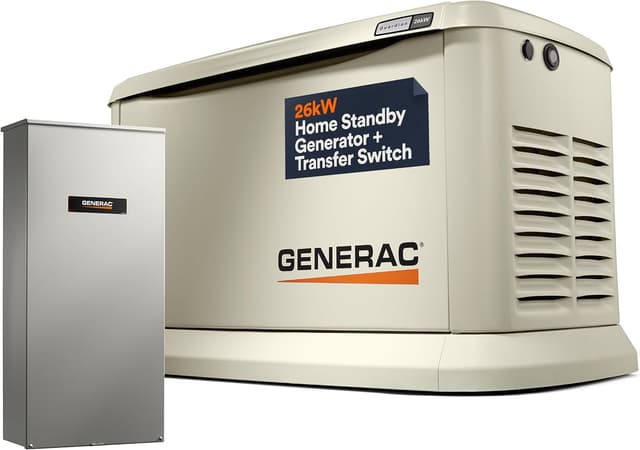
Highest Capacity, Out of Stock but Orderable: Generac Guardian 26kW Home Standby Generator with 200A Transfer Switch (7291)
Generac Guardian 26kW Home Standby Generator with 200A Transfer Switch (7291)
- 26kW, the highest published output of the five ranked here
- Amazon shows it temporarily out of stock, with no delivery estimate published
(Current price, subject to change)
Its SHE Standby Transfer Readiness Score is the second highest calculated in this guide, behind only the 22kW that ships. In practice it publishes considerably more of what the category is genuinely purchased for than anything else ranked, and only a single factor operates against it.
It attains the maximum published-transfer-switch factor, the heaviest-weighted component, and repeats that maximum on output capacity. Generac names a 200A automatic transfer switch within the published contents, alongside 26kW on natural gas or LP gas. Compared to the two listings publishing no switch whatsoever, that eliminates an entire negotiation from the installation. Family Handyman recommends a different Generac model in its brand roundup and covers nothing here.
The factor genuinely penalizing it is order readiness. Read twice on September 1, 2026, Amazon displayed this listing as temporarily out of stock. It still accepts the order, states that it will email a delivery date once one exists, and charges nothing until it ships. An order with no delivery date attached normalizes to 2 out of 10. That single factor is the whole of the gap between its 8.4 and the 22kW above it.
What We Love
- 26kW, the highest published output of the five ranked here
- A 200A automatic transfer switch listed among the contents rather than sold onward
- The only listing here publishing app monitoring with no subscription condition attached
- True Power published at under 5% harmonic distortion, on natural gas or LP gas
What Could Be Better
- Amazon shows it temporarily out of stock, with no delivery estimate published
- No outlet we track has published a review of this exact model
- The highest list price in this guide by a clear margin
- 518 lbs, needing a pad and professional installation this price excludes
The Verdict
If you want the whole house carried and you would rather the switch arrived with the generator than became a second decision, Generac Guardian 26kW Home Standby Generator with 200A Transfer Switch (7291) is where you stop the search here — provided the temporary stock status does not rule it out.
Check price for the Generac Guardian 26kW Home Standby Generator with 200A Transfer Switch (7291) →
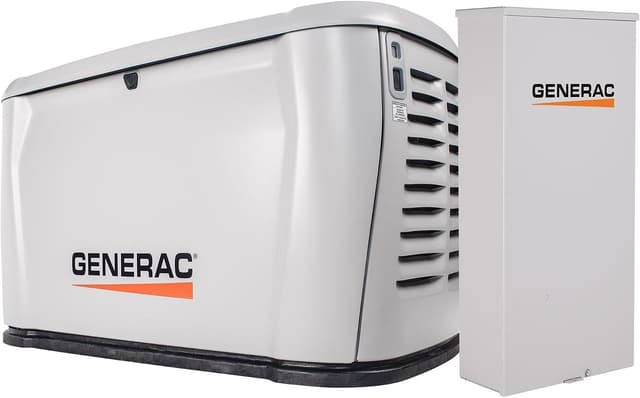
Best for a Lighter Install: Generac 14kW Whole Home Generator with 200 Amp Transfer Switch (7323)
Generac 14kW Whole Home Generator with 200 Amp Transfer Switch (7323)
- One of three listings here publishing a 200A automatic transfer switch
- 14kW is the smallest published output of the five ranked here
(Current price, subject to change)
This configuration matches the 26kW and the 22kW on the heaviest-weighted factor and trails both on output. Generac names an automatic 200 Amp transfer switch in both the listing title and the model name, which yields the identical maximum transfer factor.
Where these configurations genuinely diverge is capacity. 14kW normalizes to 2.5 against 26kW at the top of the scale, and that individual factor produces most of the separation between the composites. Set against that, it represents the lightest installation ranked here at 391 lbs. It additionally publishes the most explicit shipping window on this page, "usually ships within 2 to 3 days." Bob Vila's standby roundup covers Generac among other manufacturers, and covers none of these particular listings.
One published condition deserves reading before you buy. Generac's own bullet states that Mobile Link remote monitoring requires a premium subscription. That is a recurring cost the hardware price excludes, and the monitoring factor accounts for it directly.
What We Love
- One of three listings here publishing a 200A automatic transfer switch
- Usually ships within 2 to 3 days, the clearest shipping window published here
- 391 lbs, the lightest unit ranked in this guide
- Built-in cellular, so monitoring does not depend on Wi-Fi reaching the pad
What Could Be Better
- 14kW is the smallest published output of the five ranked here
- Generac conditions the Mobile Link app on a premium subscription
- No outlet we track has published a review of this exact model
- Installation still belongs to a licensed electrician, at a cost the price excludes
The Verdict
If 14kW covers the circuits that actually matter in your household, Generac 14kW Whole Home Generator with 200 Amp Transfer Switch (7323) lines up with what you actually need — the identical published 200A switch as the two higher-scoring configurations above it, on the lightest unit ranked in this guide.
Check price for the Generac 14kW Whole Home Generator with 200 Amp Transfer Switch (7323) →
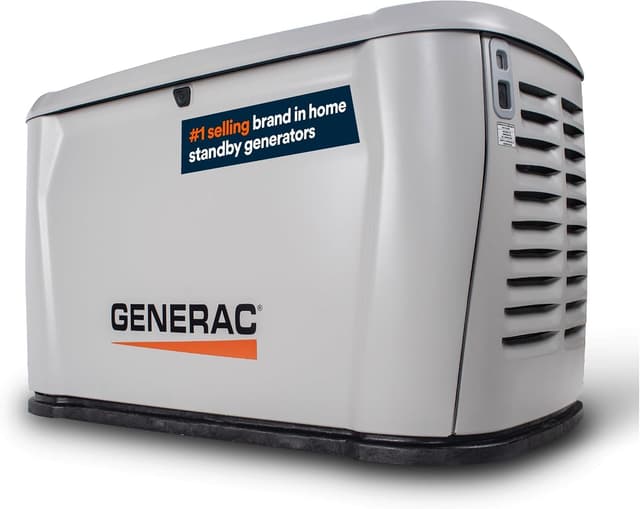
Best Output Without a Bundled Switch: Generac 24kW Whole Home Generator, Cellular Capability (7261)
Generac 24kW Whole Home Generator, Cellular Capability (7261)
- 24kW, the second-highest published output ranked in this guide
- No transfer switch appears anywhere in this listing's published contents
(Current price, subject to change)
This pick achieves the maximum order-readiness factor and normalizes second on output, which is precisely why it still finishes mid-table. The factor it earns nothing on is the heaviest one in the formula.
We read the listing's own published contents, its title and its detail table, and no automatic transfer switch appears in any of them. Every transfer-switch string elsewhere on the page belongs to a different product in the cross-sell carousel or to a customer video about another model. Compared to its own 14kW, 22kW and 26kW siblings, which name a 200A switch outright, the omission looks deliberate rather than accidental. Confirm the switch with your installer before ordering. Consumer Reports rates generators behind a membership wall we could not read.
Everything else here is straightforward. 24kW normalizes to 8.8, the warranty is the same 5-year limited term as its siblings, and the enclosure is aluminum and steel at 461 lbs.
What We Love
- 24kW, the second-highest published output ranked in this guide
- In stock on our September 8 read, though Amazon showed only one unit remaining
- Published as natural gas or propane ready, with built-in cellular monitoring
- 5-year limited warranty, matching every other Generac unit here
What Could Be Better
- No transfer switch appears anywhere in this listing's published contents
- Generac conditions the Mobile Link app on a premium subscription
- No outlet we track has published a review of this exact model
- 461 lbs, requiring a pad and a licensed electrician the price excludes
The Verdict
You've shortlisted this because you want serious output and your electrician is already quoting the switch separately, and on that understanding you'll be well-served here — Generac 24kW Whole Home Generator, Cellular Capability (7261) publishes 24kW and was in stock when we read it.
Check price for the Generac 24kW Whole Home Generator, Cellular Capability (7261) →
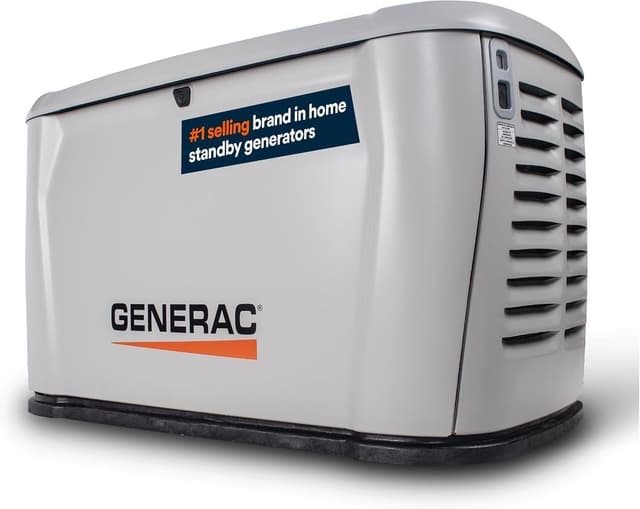
Lowest List Price Here: Generac 18kW Whole Home Generator, Cellular Capability (7259)
Generac 18kW Whole Home Generator, Cellular Capability (7259)
- The lowest list price of the five ranked in this guide
- No transfer switch appears anywhere in this listing's published contents
(Current price, subject to change)
This unit finishes last in the roundup, and the explanation is arithmetic rather than damning. It normalizes identically to the 14kW, 22kW and 24kW on monitoring, warranty and order readiness. Two factors separate it from them.
The initial separation is the transfer switch, where it accumulates nothing whatsoever. Its published contents enumerate an owner's manual, precisely as the 24kW listing does. The subsequent separation is capacity: 18kW normalizes to 5.0, considerably beneath the 22kW, the 24kW and the 26kW. Those factors together produce a composite of 5.2, the lowest calculated in this roundup.
What it genuinely delivers that nothing else here matches is the lowest list price, on an authentic 18kW unit rather than a diminished one. Its enclosure combines aluminum and stainless steel, the warranty repeats the identical 5-year limited term, and and its cellular connectivity is published in the same terms as its siblings.
What We Love
- The lowest list price of the five ranked in this guide
- 18kW published output, sitting between the 14kW and 24kW units here
- Usually ships within 2 to 3 days, matching the 14kW
- Aluminum and stainless enclosure with the same 5-year limited warranty
What Could Be Better
- No transfer switch appears anywhere in this listing's published contents
- Generac conditions the Mobile Link app on a premium subscription
- No outlet we track has published a review of this exact model
- The lowest composite here, because output and the absent switch both weigh against it
The Verdict
If the budget sets the ceiling and your electrician is quoting the transfer switch as part of the job anyway, Generac 18kW Whole Home Generator, Cellular Capability (7259) checks the boxes that matter for that plan — 18kW at the lowest list price ranked here.
Check price for the Generac 18kW Whole Home Generator, Cellular Capability (7259) →
How We Score: SHE Standby Transfer Readiness Score
SHE Standby Transfer Readiness Score
Score Formula
(Published Transfer Switch × 0.30) + (Published Output Capacity × 0.25) + (Published Monitoring Access × 0.20) + (Order Readiness × 0.20) + (Published Warranty × 0.05)Score Factors
- Published Transfer Switch (30%)Ten where the listing names an automatic transfer switch among its published contents with an amperage rating, six where it names one without an amperage rating, zero where none appears. Deliberately the heaviest weight: a standby generator with no switch cannot start on its own when the utility fails, which is the entire premise of the purchase.
- Published Output Capacity (25%)The manufacturer-published continuous output, normalized linearly from a 10kW floor to the highest figure on this roster, so 26kW scores ten and 14kW scores 2.5. Rounded to one decimal place. This factor deliberately says nothing about whether that output suits your house, which only a measured demand profile can answer.
- Published Monitoring Access (20%)Ten where the listing publishes app-based remote monitoring with no subscription condition, seven where it publishes the same app subject to a stated premium subscription, three where it names only an on-unit controller. Credited from the listing's own wording for that exact model, including its footnotes.
- Order Readiness (20%)Ten where the listing shows in stock with a published window of days, four where it shows in stock with a window of months, two where it shows temporarily out of stock and fills the order as a backorder with no published delivery estimate. Weighted seriously rather than as a footnote, because a generator bought against a storm season that cannot arrive before it is a different product.
- Published Warranty (5%)Ten for a 5-year limited term and six for a 3-year limited term, read from each listing's own warranty field. Weighted lightest because four of the five publish the identical term, so the factor separates almost nothing on this particular roster.
SHE Standby Transfer Readiness Score — Ranked
Scored against Amazon listings read in September 2026; the Generac 22kW was read on September 8, when it replaced a Honeywell Amazon no longer lists. The composite measures published capability and availability, not measured performance, which no outlet publishes comparably here.
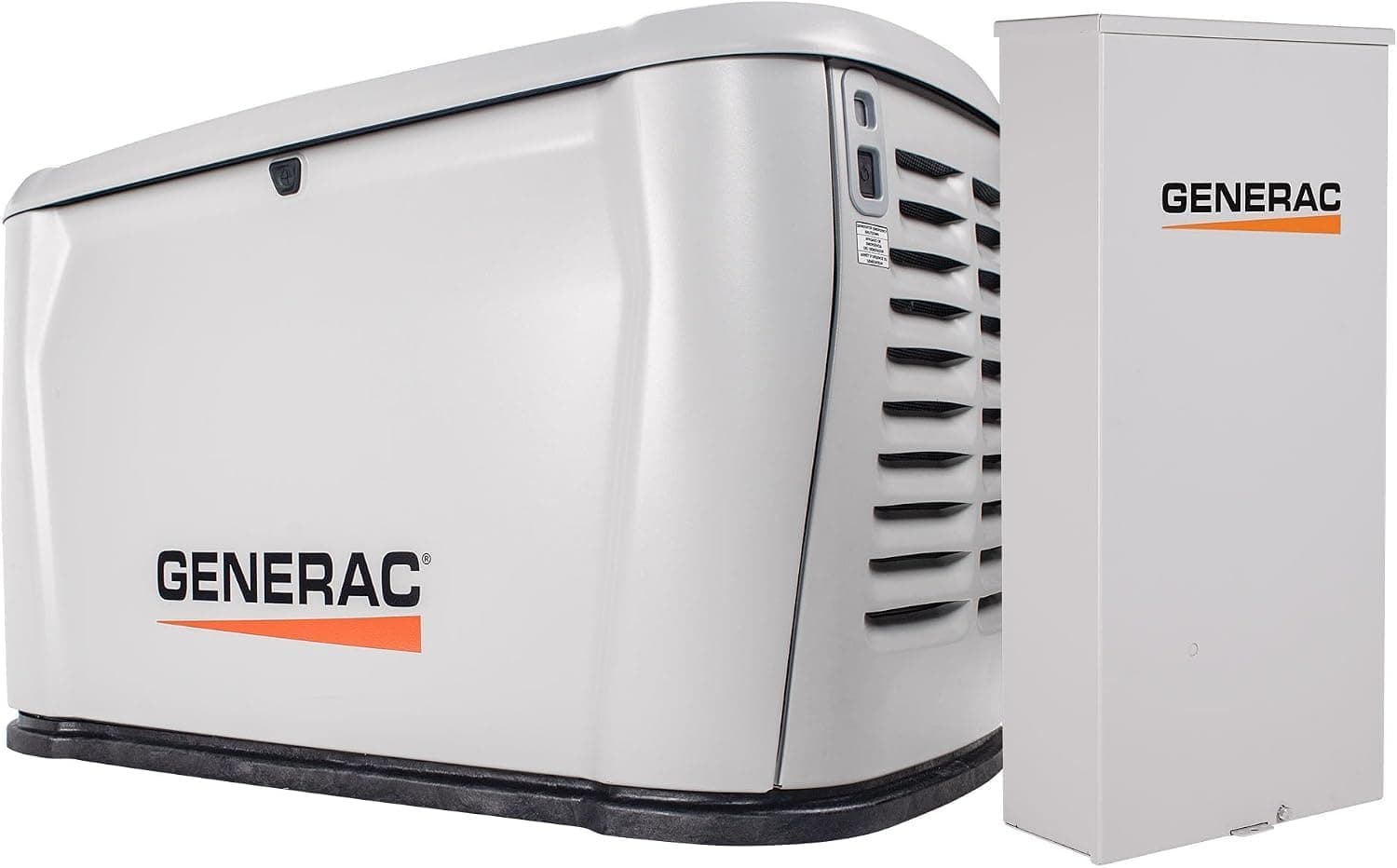
Generac 22kW Whole Home Generator with 200 Amp Transfer Switch (model 7325)
SHE Standby Transfer Readiness Score8.8/10A 200A switch in its published contents on 22kW of output, and the only switch-included listing here with a published delivery date
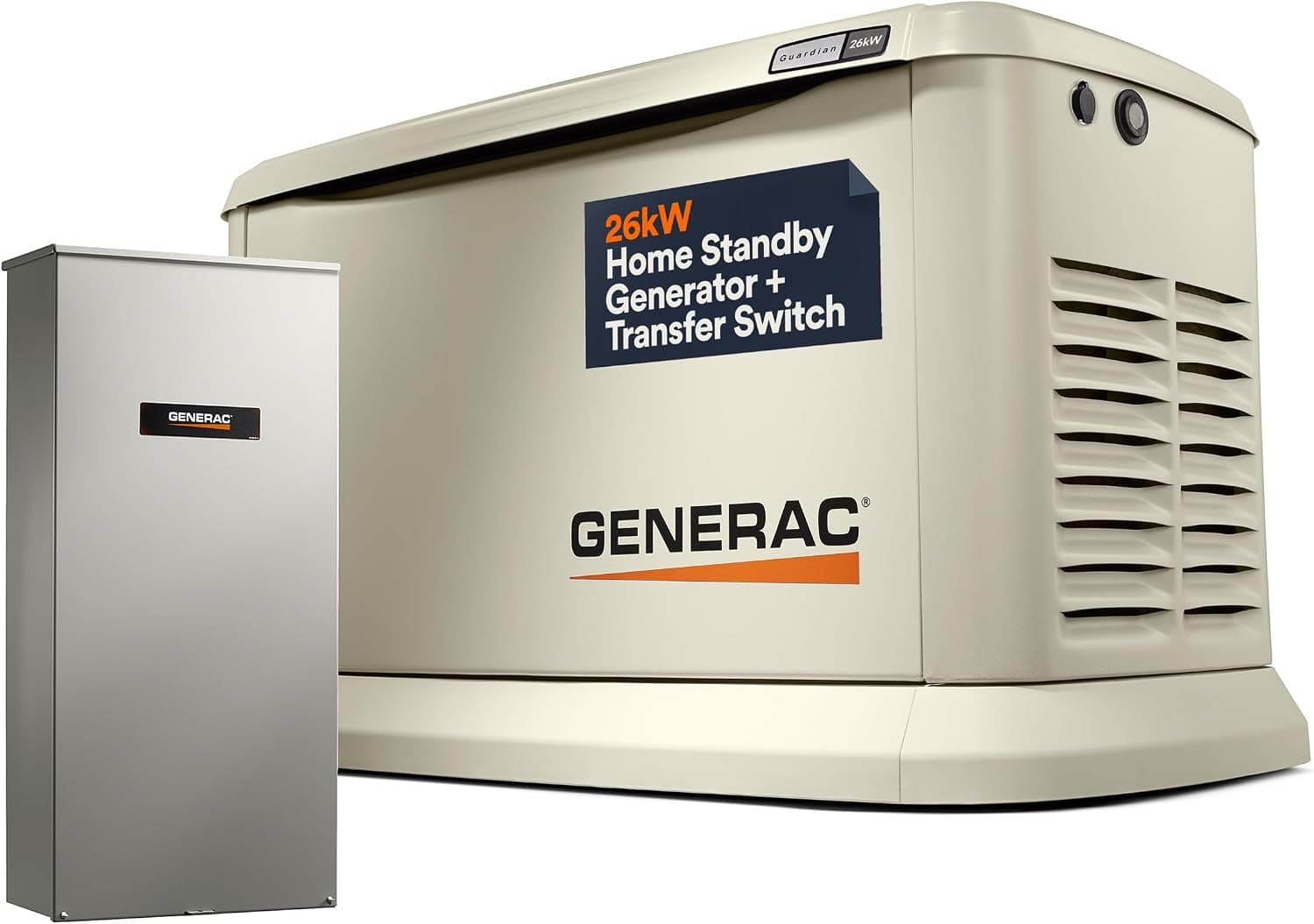
Generac Guardian 26kW Home Standby Generator with 200A Transfer Switch (7291)
SHE Standby Transfer Readiness Score8.4/10The highest published output here with a 200A switch in its contents, held back only by an out-of-stock listing
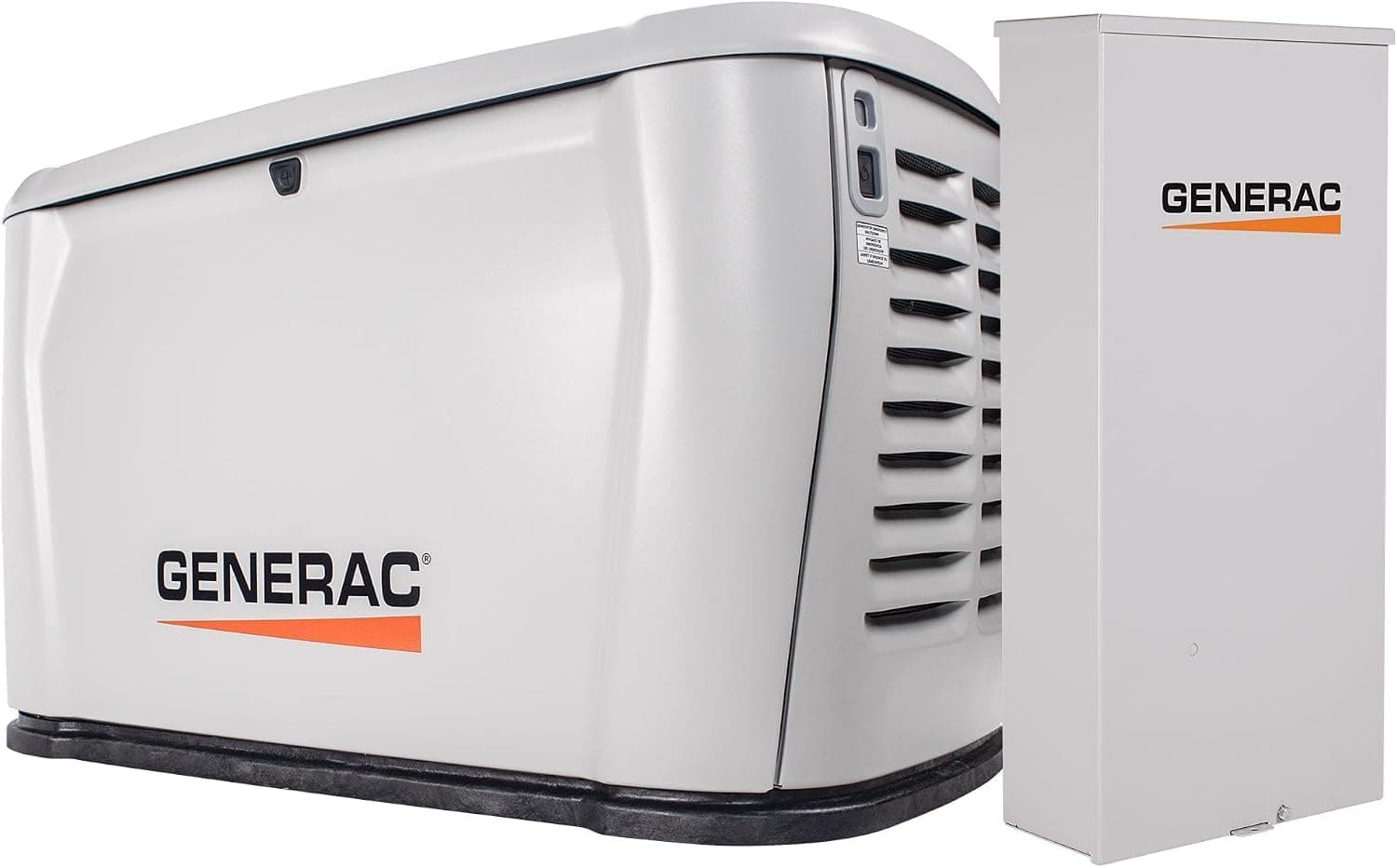
Generac 14kW Whole Home Generator with 200 Amp Transfer Switch (7323)
SHE Standby Transfer Readiness Score7.5/10The same published 200A switch on the lightest unit here, at the smallest output ranked
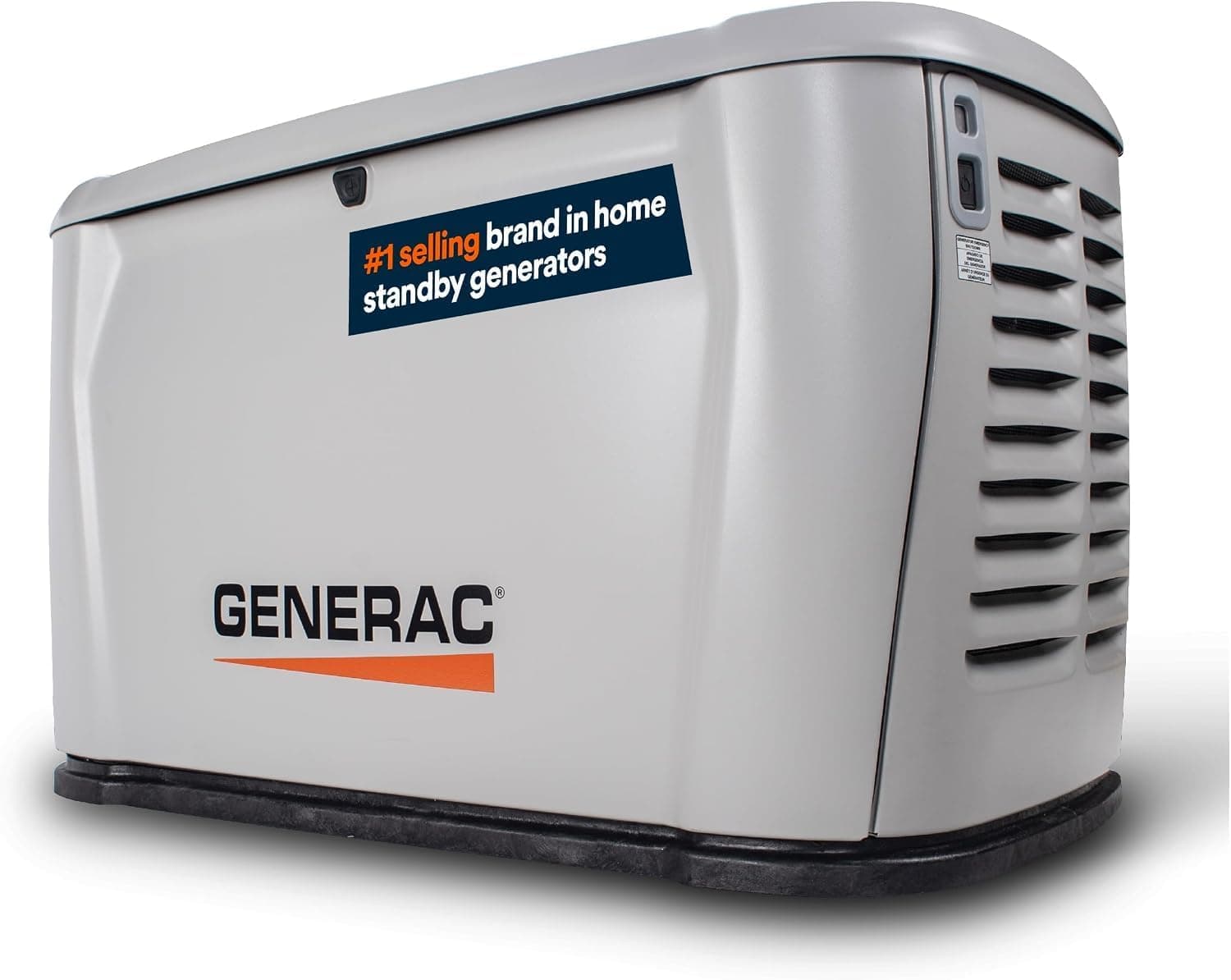
Generac 24kW Whole Home Generator, Cellular Capability (7261)
SHE Standby Transfer Readiness Score6.1/10Second-highest output, with no transfer switch published on the listing
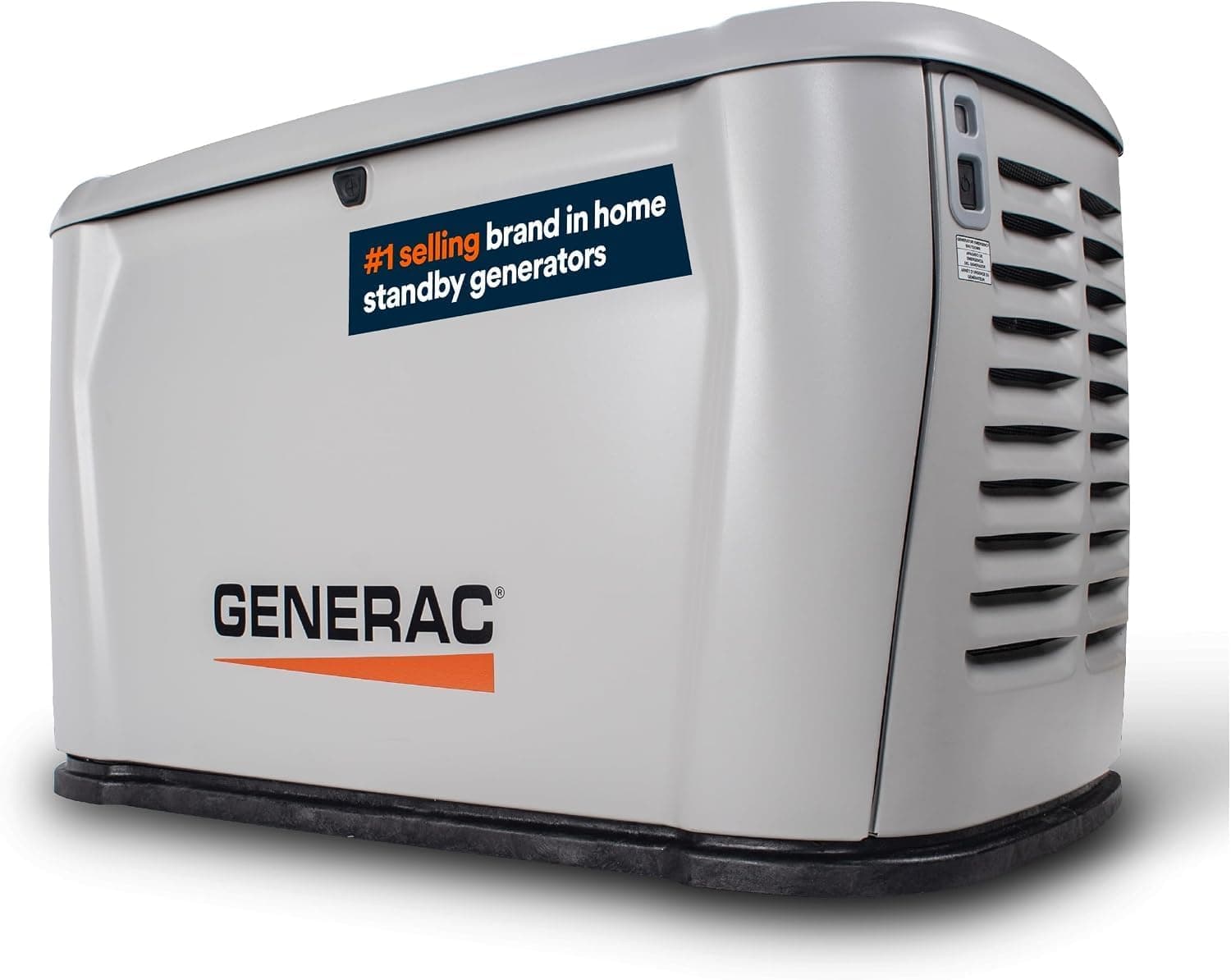
Generac 18kW Whole Home Generator, Cellular Capability (7259)
SHE Standby Transfer Readiness Score5.2/10The lowest list price here, with neither a published switch nor the output of its larger siblings
What Your Fuel Supply and Your Panel Actually Determine
Fuel eliminates candidates here before price does, and confirming it beforehand is genuinely worthwhile. Every unit ranked operates on natural gas or propane, though the listings publish that differently. Natural gas or propane covers the 26kW, gas or propane the 22kW and the 14kW, and natural gas or propane ready the 24kW and the 18kW. Where a house has neither a gas meter nor room for a propane tank, none of these five is purchasable at any budget. A home battery system becomes the honest alternative.
The transfer switch is the second constraint, and it is the one this guide exists to make visible. Three listings publish a 200A switch — the 26kW, the 22kW and the 14kW — and the 24kW and 18kW publish neither. A switch is sized against your service, not against the generator, so a 200A switch presumes 200A service. That comparison belongs to your electrician rather than to this page, and our best smart electrical panels guide covers the panel-side hardware separately. The SHE Standby Transfer Readiness Score credits a published amperage precisely because it tells your installer something the phrase whole-house does not.
Monitoring is the last consideration, and it separates the roster more than the badges do. Generac publishes Mobile Link across all five units here, conditioned on a premium subscription for the four cellular models. Only the 26kW publishes its Wi-Fi monitoring with no subscription condition attached. Relative to a smart home where you expect a phone notification when the power fails, that difference is a recurring bill rather than a specification detail. For monitoring the consumption these units would have to carry, our best whole home energy monitors guide covers circuit-level hardware, and our editorial methodology explains how these constraints are weighted.
What These Cost You Beyond the Listed Price
Every price on this page is hardware only, and none of these is a weekend project. Generac's own listing states that the generator should be installed by a certified and licensed electrician, and this guide publishes no installation or gas-connection instructions of any kind. Labor, the pad, the gas connection and the permit are genuine costs. They fluctuate enormously by region and by the condition of your existing service, which is precisely why the composite excludes them. A denominator that swings by a factor of three between markets produces a ranking that measures your zip code rather than the hardware.
Two recurring obligations are worth calculating before comparing sticker prices. Generac states that Mobile Link remote monitoring requires a premium subscription on the four cellular listings, so the monitoring most buyers assume is included carries an ongoing cost. Only the 26kW publishes Wi-Fi monitoring with no subscription condition on its listing. Fuel is the second: a standby generator on natural gas consumes utility gas whenever it runs, including the weekly self-test that Quiet-Test performs at reduced engine speed.
Incentives and rebates are the offset buyers ask about most, and the honest answer is that this guide will not quantify them. Utility and state programs for backup power vary by jurisdiction and by year, and eligibility rules change more often than a buying guide is refreshed. Confirm your own position with your utility and a tax professional before treating any credit as part of the calculation. Our smart home energy audit guide covers the wider savings case.
When NOT to Buy
Skip this category if you rent, because all of it modifies the landlord's gas and electrical service permanently. Skip it if your outages are brief, because a UPS battery backup or a portable power station covers a short interruption without a permit or a pad. The composites here span 5.2 to 8.8, a narrower range than the prices suggest.
What Changed in This Roster, and Why
Four of the five picks the previous version recommended are gone, and the reasons are concrete rather than editorial. The Generac Guardian 14kW and Kohler 20RESCL listings it pointed at both show as currently unavailable when fetched. The Champion 14kW aXis listing is live, but the seller on that listing is a third party rather than Amazon. We therefore name it and link nothing. An Amazon search for the Briggs & Stratton PowerProtect 20kW returns a storage cover and a cold-weather kit for it rather than the generator itself. Our best smart home backup power systems guide compares the wider tier of options.
All five listings ranked now carry the Generac badge. The Honeywell 22kW that previously held fourth place named Generac as its manufacturer in Amazon's own detail table, and Amazon has since rolled that listing into a Honeywell 14kW. That is not a market survey and this guide will not present it as one. It is what remains once the roster is restricted to standby generators sold by Amazon in new condition, which is the only inventory we cover. Consumer Reports, Bob Vila and Family Handyman all publish standby generator coverage naming Kohler, Champion and Briggs & Stratton alongside Generac. The difference between their rosters and ours is a purchasing-channel difference rather than a quality judgement.
The score itself was rebuilt from the formula upward. The previous version's composite weighted transfer speed, fuel efficiency and noise level, three factors whose underlying figures came from ratings we could not verify against any published page. Five Consumer Reports quotes and ratings were attributed across that roster. Those generator ratings sit behind a membership wall, so none could be checked and all were removed rather than restated. Every factor in the SHE Standby Transfer Readiness Score is read directly from a listing, and no score was carried across.
Who Should Buy What
Who Should Buy What
| If you are… | Recommended pick |
|---|---|
Owner covering the whole house You want the highest published output here with a 200A automatic transfer switch in the same order, and ordering ahead of a delivery date Amazon has not yet published is acceptable | Generac Guardian 26kW Home Standby Generator with 200A Transfer Switch (7291) |
Buyer sizing between the extremes You want the same published 200A transfer switch as the 26kW on a unit sized for a normal house rather than the largest one ranked, from a listing that publishes a delivery date | Generac 22kW Whole Home Generator with 200 Amp Transfer Switch (model 7325) |
Buyer avoiding a subscription app You want monitoring that carries no premium subscription, which on this roster only the 26kW listing publishes, and ordering ahead of a delivery date Amazon has not yet published is acceptable | Generac Guardian 26kW Home Standby Generator with 200A Transfer Switch (7291) |
Buyer who needs hardware this week You want the transfer switch included and the generator actually shipping within days, and 14kW genuinely covers the circuits that must stay powered in your house | Generac 14kW Whole Home Generator with 200 Amp Transfer Switch (7323) |
Owner whose electrician supplies the switch Your installer is specifying and quoting the transfer switch as a separate line, and you want the most published output from a listing that is in stock | Generac 24kW Whole Home Generator, Cellular Capability (7261) |
Owner working to a firm budget ceiling You want the lowest list price ranked here on a genuine 18kW unit, and the transfer switch is already part of your electrician's quote | Generac 18kW Whole Home Generator, Cellular Capability (7259) |
Frequently Asked Questions
Which of these generators actually include an automatic transfer switch?
Three of the five, and all three publish the same amperage. The Generac Guardian 26kW names a 200A automatic transfer switch in its published contents. The Generac 22kW names a transfer switch among its included components, and rates it at 200 Amp in both its model name and its item highlight. The Generac 14kW names an automatic 200 Amp transfer switch in both its listing title and its model name. The Generac 24kW and the Generac 18kW publish an owner's manual as their only included component, and no transfer switch appears in their titles, their contents or their detail tables. Because the switch is what lets a standby generator start unattended, confirm it with your installer before ordering either of those two.
Why is nearly every pick in this guide a Generac?
Because of what Amazon sells rather than what the category contains. This guide covers standby generators sold by Amazon in new condition, and once that restriction is applied the remaining inventory is Generac. The previous version ranked a Honeywell 22kW fourth, but Amazon's own detail table named Generac as its manufacturer, and that listing has since rolled into a Honeywell 14kW. Kohler, Champion and Briggs & Stratton all make competitive standby generators and are covered by Consumer Reports, Bob Vila and Family Handyman. They are not ranked here because we could not verify a listing for them sold by Amazon in new condition. Read this page as a shortlist of what is purchasable on one retailer, never as a survey of the market.
Why does this guide quote no expert reviews?
Because none of the five listings has a published review from any outlet we track, and we would rather say so than attach a plausible verdict to a publication that never wrote one. The outlets that cover this category do exist. Bob Vila publishes a standby generator roundup, Family Handyman recommends the Generac Guardian 22kW in its generator brand guide, and Consumer Reports maintains generator ratings. None of them covers these exact models, and the Consumer Reports ratings sit behind a membership wall we cannot read. The previous version of this page carried five direct quotes and five numeric ratings attributed to Consumer Reports on a scoring scale we could not verify against any published page. All of them were removed rather than restated.
Does the smartphone monitoring on these generators cost extra?
On four of the five, the listing says it does. The 14kW, 18kW, 22kW and 24kW all publish built-in cellular connectivity for the Mobile Link app, and each carries a footnote on that same bullet stating it requires a Mobile Link premium subscription. Only the Generac Guardian 26kW publishes Mobile Link Wi-Fi with no subscription condition on its listing. Our score treats a subscription-conditioned app as less accessible than an unconditioned one, which is why the 26kW earns the highest monitoring factor and every other unit here earns seven. Confirm current terms with Generac before buying, because that service's pricing is outside anything a listing publishes.
What size standby generator does my house actually need?
That is a measurement question rather than a shopping question, and this guide deliberately will not answer it from your square footage. The units here span 14kW to 26kW, and the difference between them is which loads can run at once rather than whether the lights come on. The reliable method is to measure your real demand before choosing: a whole home energy monitor records actual peak draw over a few weeks, and your electrician sizes the generator and the transfer switch against that figure and against your service rating. Our best whole home energy monitors guide covers the hardware that produces the measurement. Sizing by rule of thumb is how households end up with a generator that load-sheds every time the air conditioning starts.
Can I install one of these myself?
This guide will not tell you how, and we would encourage you not to. Generac's own listing states that the generator should be installed by a certified and licensed electrician, and the job involves both a gas connection and a permanent connection to your electrical service. The lightest unit ranked here weighs 391 lbs and the heaviest weighs 518 lbs, so placement alone is not a one-person task. Most jurisdictions require a permit and an inspection for work of this kind, and requirements differ by locality in ways no buying guide should summarize. Hire a licensed electrician and, where the fuel connection requires it, a licensed gas fitter. That cost is real, it is excluded from every price on this page, and it is why the score excludes it too.
Why isn't the highest-capacity generator your Best Overall pick?
Because a recommendation you cannot receive is a poor default. The Generac Guardian 26kW leads on output, a 200A transfer switch in its contents, and app monitoring with no subscription condition. What it cannot do is ship from stock. Read twice on September 1, 2026, Amazon showed it temporarily out of stock. It still takes the order, promises to email a delivery date once one exists, and charges nothing until it ships. That costs it the order-readiness factor, at 2 out of 10, and drops it to 8.4. Best Overall goes to the Generac 22kW, which publishes the identical 200A switch, is sold by Amazon in new condition, and published a delivery date when we read it on September 8, 2026.
Are the prices shown here list prices or sale prices?
Four of the five publish a strike-through list price alongside a lower current price: the 22kW at $7,229.00 list, the 24kW at $6,599.00 list, the 14kW at $5,839.00 list and the 18kW at $5,599.00 list, each discounted 10 percent when we read them. The Generac Guardian 26kW publishes no strike-through price at all, which means the figure shown on that listing is itself the list price. Generator pricing moves, so check the current price on Amazon before buying rather than treating any figure here as today's number.
Bottom Line
Get the Generac 14kW Whole Home Generator with 200 Amp Transfer Switch (7323) if you want a published 200A transfer switch in the same order, on the lightest unit ranked here, shipping from stock within 2 to 3 days.
Get the Generac Guardian 26kW Home Standby Generator with 200A Transfer Switch (7291) if you want the highest published output here with a 200A transfer switch included, and ordering ahead of an unpublished delivery date is acceptable.
Get the Generac 24kW Whole Home Generator, Cellular Capability (7261) if your electrician is supplying the transfer switch and you want 24kW of published output from a listing in stock.
Get the Generac 22kW Whole Home Generator with 200 Amp Transfer Switch (model 7325) if you want the same published 200A switch as the 26kW on 22kW of output, from a listing that ships.
Get the Generac 18kW Whole Home Generator, Cellular Capability (7259) if the budget sets the ceiling and the transfer switch is already a line on your electrician's quote.
Skip the category if you rent, or if your outages are short enough that a UPS or a portable power station covers them.
Sources & Methodology
Methodology: SHE Standby Transfer Readiness Score — Formula: (Published Transfer Switch × 0.30) + (Published Output Capacity × 0.25) + (Published Monitoring Access × 0.20) + (Order Readiness × 0.20) + (Published Warranty × 0.05). Factors: Published Transfer Switch (30%): Ten where the listing names an automatic transfer switch among its published contents with an amperage rating, six where it names one without an amperage rating, zero where none appears. Deliberately the heaviest weight: a standby generator with no switch cannot start on its own when the utility fails, which is the entire premise of the purchase. | Published Output Capacity (25%): The manufacturer-published continuous output, normalized linearly from a 10kW floor to the highest figure on this roster, so 26kW scores ten and 14kW scores 2.5. Rounded to one decimal place. This factor deliberately says nothing about whether that output suits your house, which only a measured demand profile can answer. | Published Monitoring Access (20%): Ten where the listing publishes app-based remote monitoring with no subscription condition, seven where it publishes the same app subject to a stated premium subscription, three where it names only an on-unit controller. Credited from the listing's own wording for that exact model, including its footnotes. | Order Readiness (20%): Ten where the listing shows in stock with a published window of days, four where it shows in stock with a window of months, two where it shows temporarily out of stock and fills the order as a backorder with no published delivery estimate. Weighted seriously rather than as a footnote, because a generator bought against a storm season that cannot arrive before it is a different product. | Published Warranty (5%): Ten for a 5-year limited term and six for a 3-year limited term, read from each listing's own warranty field. Weighted lightest because four of the five publish the identical term, so the factor separates almost nothing on this particular roster.
Expert review sources used in this analysis:
- SmartHomeExplorer aggregates published expert review coverage and manufacturer specifications
- No first-party testing of generators or electrical equipment was conducted for this guide, and none is implied anywhere on this page
- The most important disclosure here is a negative one
- None of the five ranked listings has a published review from any outlet we track
- Bob Vila publishes a standby generator roundup and Family Handyman recommends the Generac Guardian 22kW in its generator brand guide, and neither page covers any of these five models
- The Consumer Reports generator ratings are behind a membership wall, so nothing in them could be read or verified
- The previous version of this page attributed five direct quotes and five numeric ratings to Consumer Reports across a different roster
- None could be verified against a page we can read, so all ten attributions were removed rather than restated
- Every price, wattage, fuel type, transfer switch claim, weight, enclosure material, warranty term and shipping window here was read from the product's own Amazon listing
- The four returning listings were read on September 1, 2026, and the figures published for them are those readings
- The Generac Guardian 26kW showed temporarily out of stock, still accepting orders, with no delivery date published and no charge until it ships
- That listing was read twice, hours apart, and both reads agreed
- The Generac 22kW joined this roster on September 8, 2026, replacing a Honeywell 22kW that Amazon no longer lists
- Its own reading is separate: featured New, sold by Amazon.com, $6,506.10 against a $7,229.00 strike-through list, and "Only 6 left in stock" with a delivery date eight days out
- Four listings publish a strike-through list price alongside a 10 percent discount: the 22kW at $7,229.00, the 24kW at $6,599.00, the 14kW at $5,839.00 and the 18kW at $5,599.00
- The Generac Guardian 26kW publishes no strike-through price, so the figure shown on that listing is itself the list price
- Seller identity and stock on the four returning listings are re-checked on their own cadence rather than by this page
- Check the current price on Amazon before buying
- Several figures published in these listings' detail tables were read and deliberately not used
- The 18kW table publishes a starting wattage of 180,000 watts, an order of magnitude above its own 18kW rating
- The 26kW table publishes a runtime of 12 minutes and ten power outlets, neither of which describes a hard-wired standby generator
- The 22kW table publishes a starting wattage identical to its running wattage, which is not how a standby generator's surge rating works
- None of those figures appears anywhere on this page or in the score
- The four products the previous version recommended and this one does not were each checked directly
- The Generac Guardian 14kW and Kohler 20RESCL listings it linked both returned currently unavailable
- The Champion 14kW aXis listing is live, with a third-party seller shown on it rather than Amazon
- An Amazon search for the Briggs & Stratton PowerProtect 20kW returned a storage cover and a cold-weather kit for that model rather than the generator
- All four are named in this guide and linked nowhere in it
- This guide publishes no installation, permitting or gas-connection instructions, and no code compliance claims
- Generac's own listing directs installation to a certified and licensed electrician, and that is the only installation guidance on this page
- The SHE Standby Transfer Readiness Score is our own composite and is attributable to no outlet
- Its five factors, their weights and the normalization applied to each are published in the scoring block above and on the metric page
- The factor set was rebuilt entirely for this version, and no score was carried across from the earlier roster.
Nicholas Miles is the founder of SmartHomeExplorer and a longtime smart home enthusiast focused on helping everyday homeowners make better technology decisions. He researches, compares, and writes about products across security, climate, lighting, leak prevention, sensors, home energy, and automation, with an emphasis on real-world usefulness, ecosystem compatibility, reliability, privacy, and long-term value.
Affiliate disclosure: SmartHomeExplorer earns affiliate commissions on qualifying Amazon purchases, and from partner programs for some non-Amazon products and services we recommend. Our scoring methodology is independent of affiliate relationships.
More Guides
Sensors
Best Whole-Home Energy Monitors 2026: 5 Ranked
Energy
Best Smart Home Backup Power Systems 2026
Energy
Best Smart Portable Power Stations for Home Backup 2026
Networking
Best Smart UPS Battery Backup 2026: 5 for Home Networks
Energy
Best Smart Electrical Panels in 2026: 5 Picks Ranked
energy