

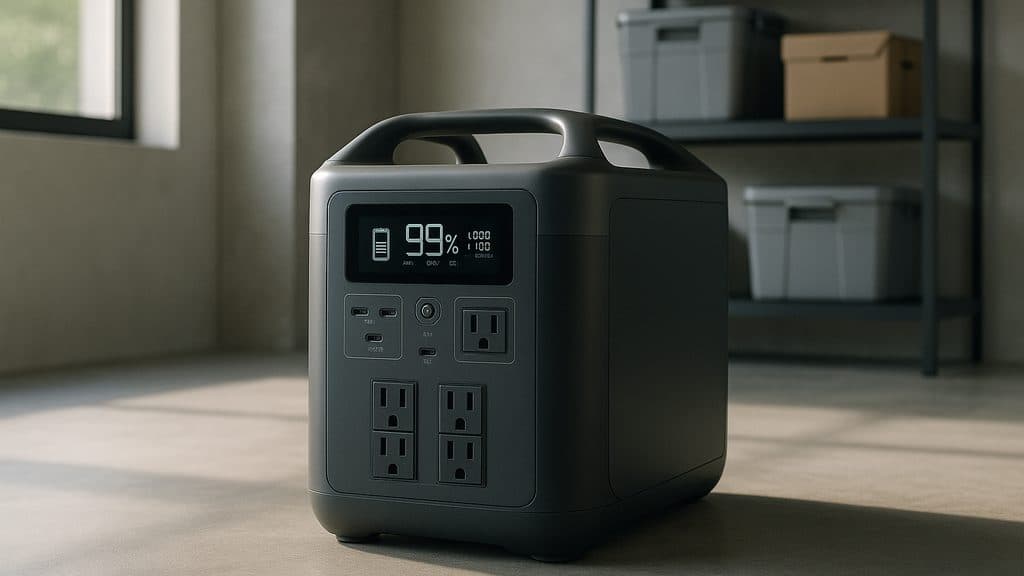
Best Smart Home Backup Power Systems 2026
The average US home lost grid power 5.5 hours in 2023. These five LFP battery stations — $749 to $3,784, all buyable on Amazon today — keep the fridge cold, the sump running, and your network online when it does.
This article contains affiliate links. We may earn a commission at no extra cost to you. Prices change frequently — check the current price on Amazon before buying. Learn more
The Short Answer
Our weighted resilience ranking places the EcoFlow Delta Pro Ultra first, delivering 7.2 kW continuous output expandable to 90kWh; the Delta Pro 3 is the practical 240V alternative. Versus those, the affordable 120V Jackery and Bluetti prioritize portability above expandability.
Featured in this Guide
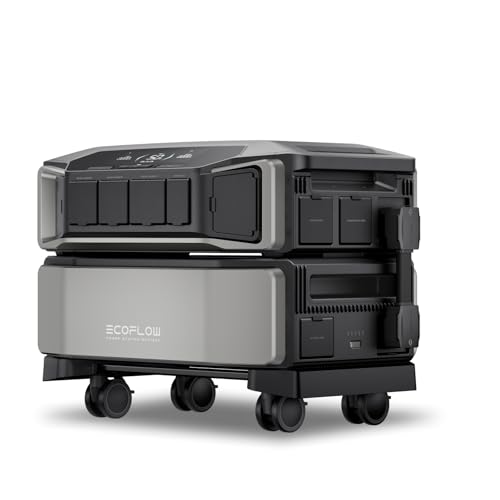
EcoFlow
Delta Pro Ultra
- •6.1 kWh LFP base, 7.2 kW continuous, 0ms online UPS
- •expandable to 90kWh at $3,784
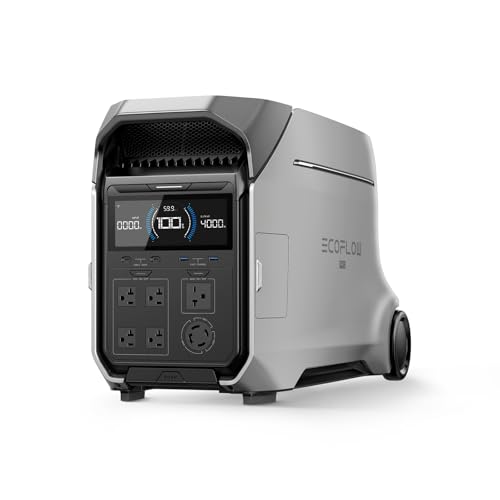
EcoFlow
DELTA Pro 3
- •4 kW 120/240V split-phase, 10ms EPS, expandable to 48kWh
- •no installer needed at $2,599
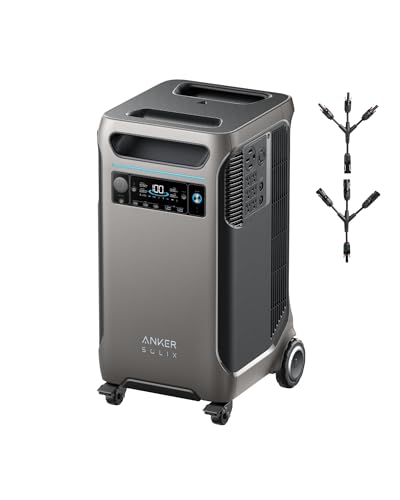
Anker
SOLIX F3800
- •6 kW continuous via NEMA 14-50
- •20ms UPS on 120V only
- •132 lbs at $1,999.99 list
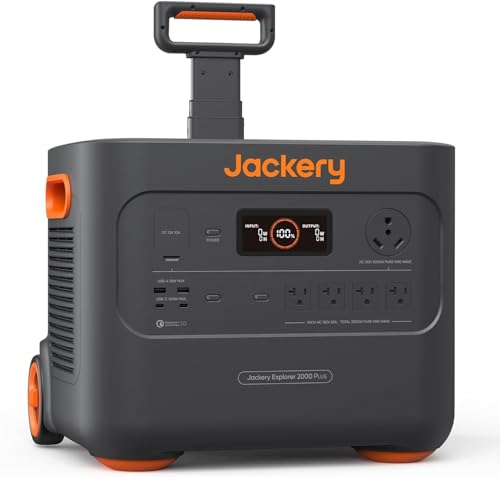
Jackery
Explorer 2000 Plus
- •2,042Wh LFP, 3 kW (6 kW with a second pack), 61.5 lbs
- •120V only at $1,999.00 list
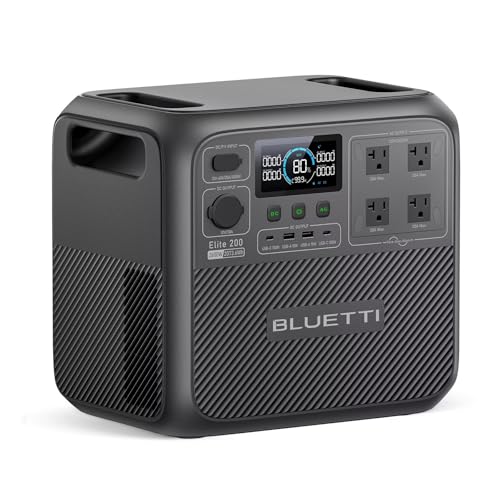
BLUETTI
Elite 200 V2 Portable Power Station
- •2,073.6Wh LFP, 6,000+ cycles, 2.6 kW, 53.4 lbs
- •120V only at $749 list
Head-to-Head: Ecosystem, Setup, Output, Transfer, and SHE Score
Energy
Chart
 Smarthomeexplorer.com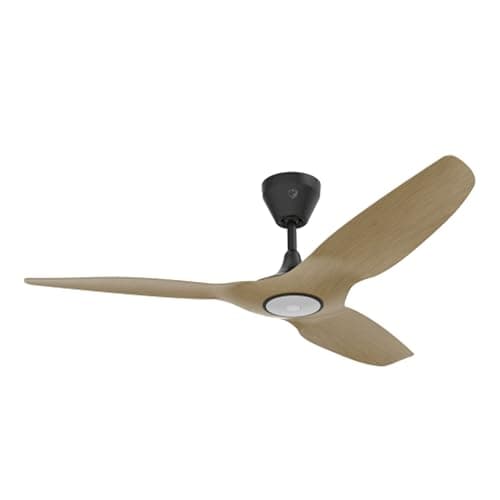
Big Ass Fans Haiku L 52-Inch Smart Ceiling Fan
Check price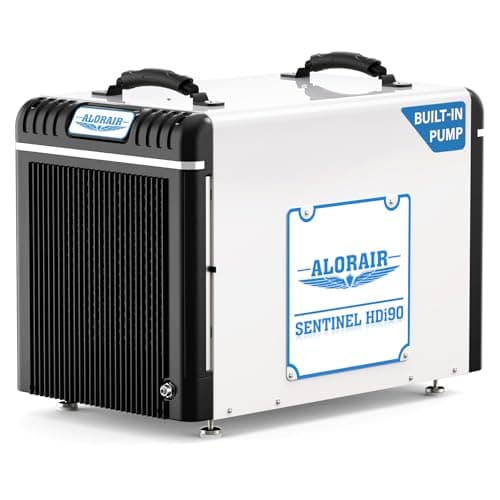
AlorAir Sentinel HDi90 Basement/Crawlspace Dehumidifier with Pump
Check price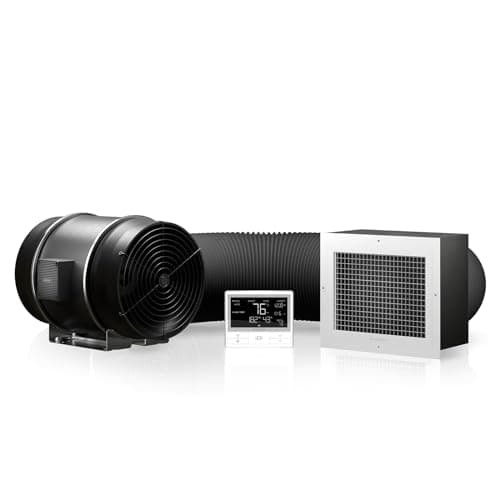
AC Infinity CLOUDWAY T12 Whole House Fan
Check price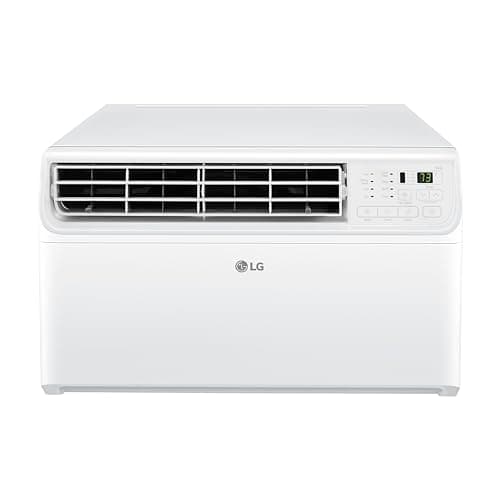
LG Dual Inverter Smart WiFi Window AC (10,000 BTU)
Check price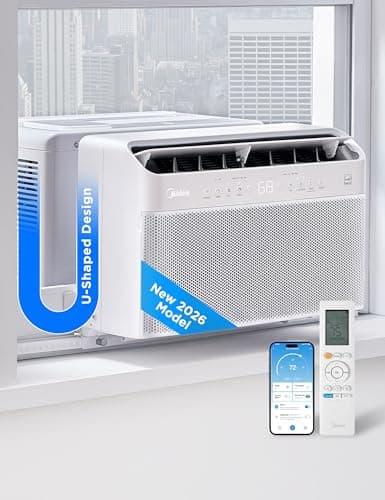
Midea U Smart Inverter Window AC (12,000 BTU)
Check price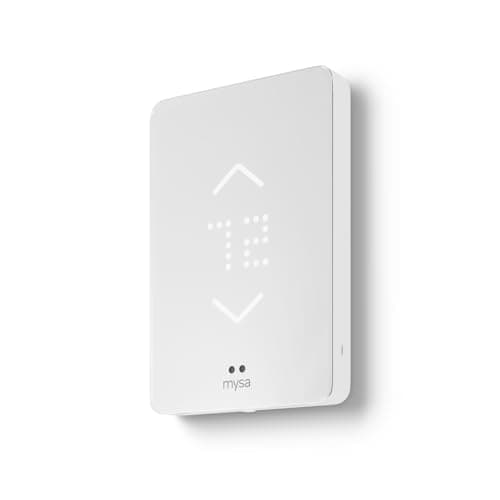
Mysa Smart Thermostat for Electric Baseboard Heaters (V2)
Check price
Which Backup Power System Is Right for Your Home?
A single 24-hour outage spoils a fridge of food, stalls a sump pump, and risks frozen pipes, so backup power functions as preventive infrastructure. Every system here is a buyable lithium-iron-phosphate station — no installer, no gas line. The SHE Backup Power Resilience Score is a weighted six-factor composite where a higher number delivers more household coverage through a longer outage with less setup burden. Compared to a standby generator, an LFP station yields silent operation and zero fuel; the trade-off is finite capacity. The split that matters most is 240V: the Delta Pro Ultra and Delta Pro 3 run a 240V well pump, while the Jackery and Bluetti are 120V only. Coverage draws on TechRadar, Trusted Reviews, Digital Trends, OutdoorGearLab, and AppleInsider, verified as of June 2026.
Best for Solar Homes: EcoFlow Delta Pro Ultra
EcoFlow Delta Pro Ultra
- 6.1 kWh LFP base, 7.2 kW continuous and 10.8 kW surge — starts any household appliance
- 70 lbs per inverter plus 111.8 lbs per battery — a fixed garage or utility-room installation

(Current price, subject to change)
The EcoFlow Delta Pro Ultra is the only system here engineered for multi-day outages rather than a few critical hours. The 6.1 kWh LFP base pairs with a 7.2 kW inverter rated at 10.8 kW surge, so it starts central air conditioners, well pumps, and induction cooktops without tripping. Stack additional batteries and the system scales to 90kWh — genuinely multi-day runtime with no fuel tank. Each inverter weighs 70 lbs and each battery adds 111.8 lbs, so plan a permanent installation for it. Trusted Reviews recorded 89.29% inverter efficiency at a 2000W draw.
Transfer is its other strength: 0ms in online-UPS mode, with sub-20ms in backup mode, so connected electronics experience no interruption on grid loss. Note that the newer Delta Pro Ultra X — a separate model — is the one that earned a CES 2026 award; this unit did not, and we do not claim it. Connect the optional Smart Home Panel 2 and the system enables automatic whole-home transfer. Within our weighted SHE Backup Power Resilience Score, its dominant output factor and unmatched duration normalized against the comparison produce the highest composite here, which means it delivers substantially more multi-day resilience than competing portables. For circuit-level visibility, see Best Whole-Home Energy Monitors for Solar Panel Owners 2026.
What We Love
- 6.1 kWh LFP base, 7.2 kW continuous and 10.8 kW surge — starts any household appliance
- Expandable to 90kWh across stacked batteries — the only pick built for multi-day outages
- 0ms online UPS pass-through, with sub-20ms backup-mode transfer
What Could Be Better
- 70 lbs per inverter plus 111.8 lbs per battery — a fixed garage or utility-room installation
- Whole-home automatic transfer requires the separate Smart Home Panel 2 accessory
The Verdict
If your home has solar and you want storage that scales to multi-day coverage, the EcoFlow Delta Pro Ultra lines up with what you actually need. Trusted Reviews measured 89.29% inverter efficiency at a 2000W draw, and the 7.2 kW ceiling starts loads no other portable here touches. The trade-off is weight and a $3,784 base price.
Ready to upgrade your home?
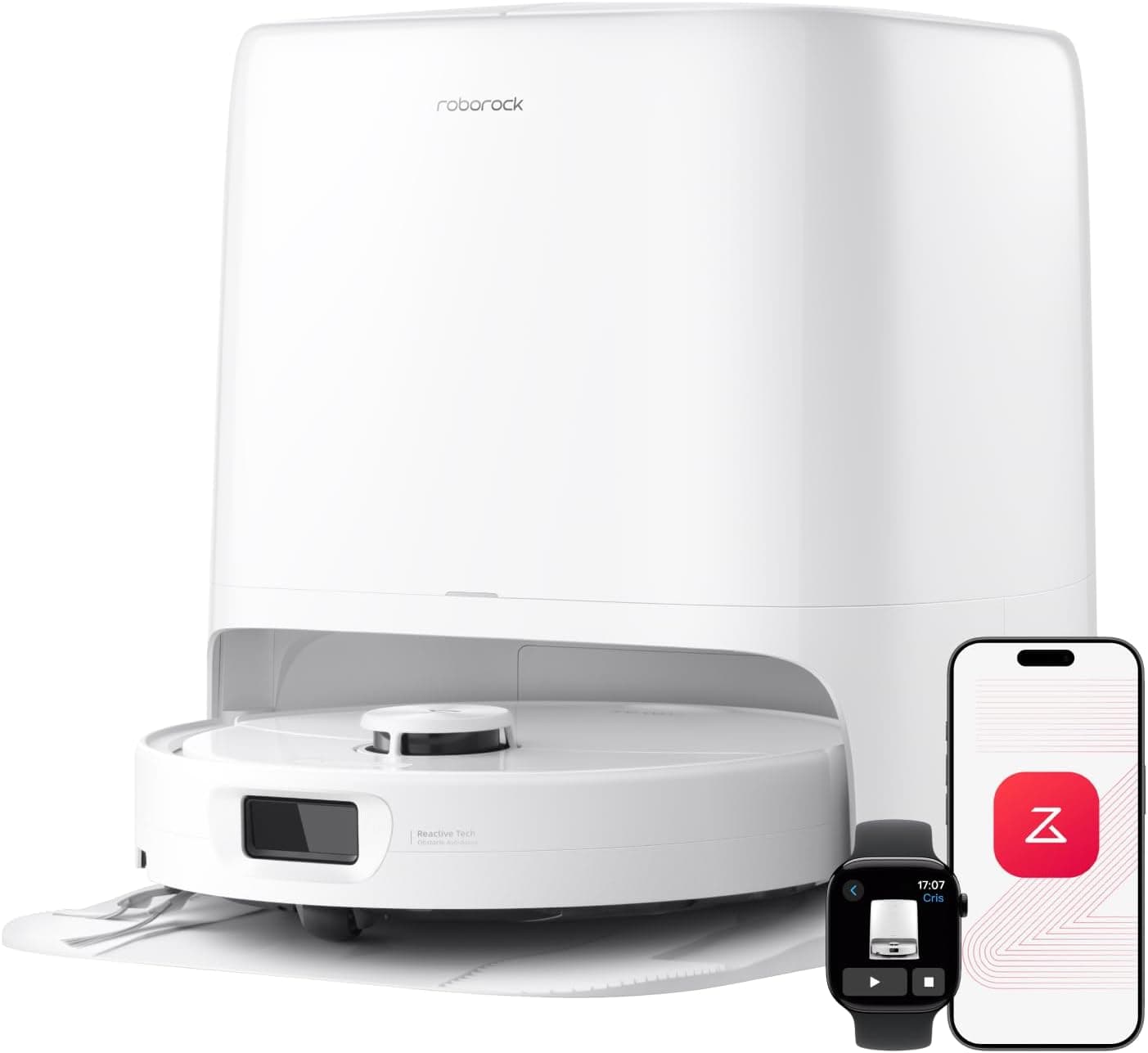
roborock Qrevo 2 Pro Robot Vacuum and Mop
See it on Amazon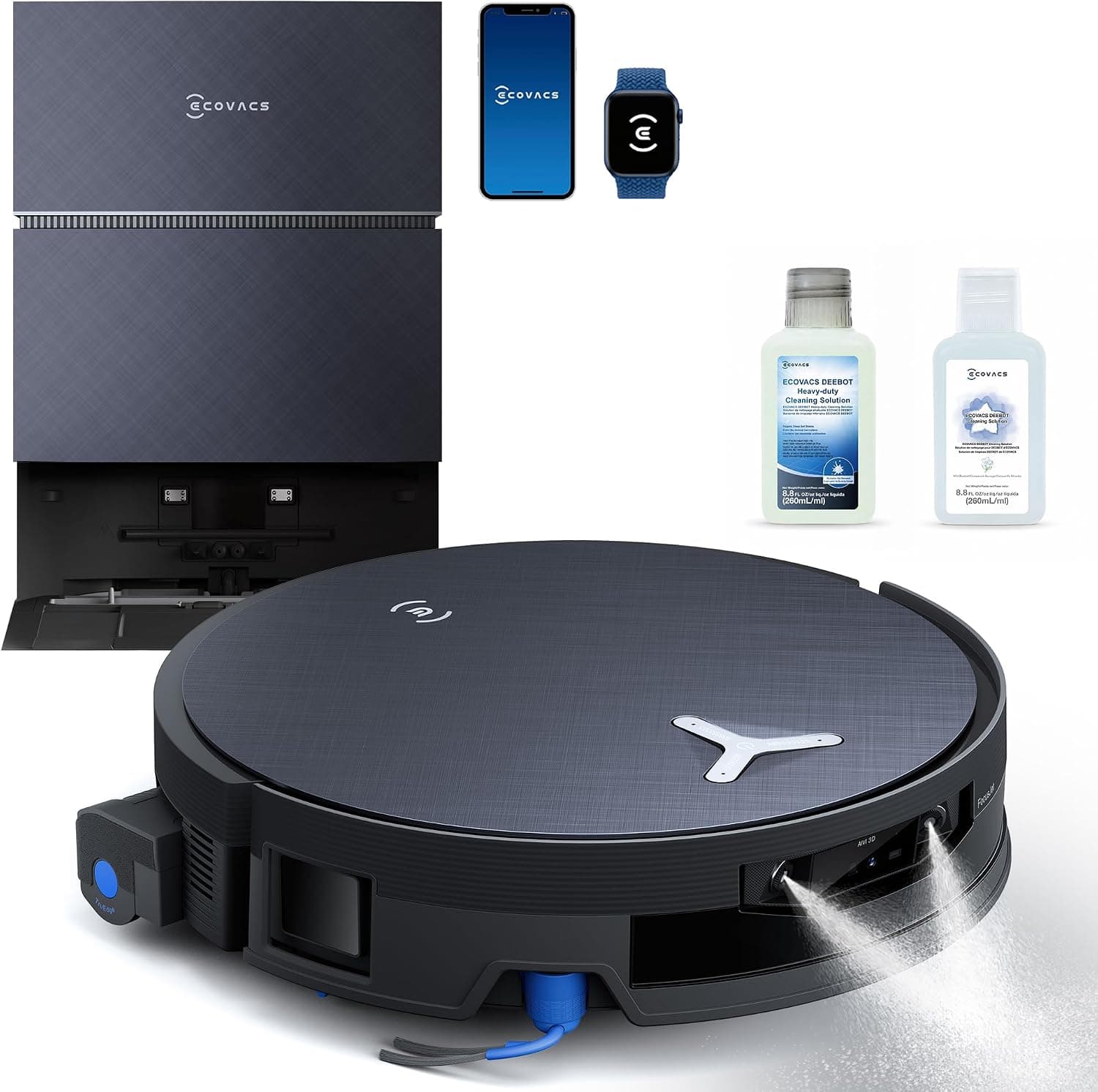
ECOVACS DEEBOT X12 PRO Omni Robot Vacuum and Mop
See it on Amazon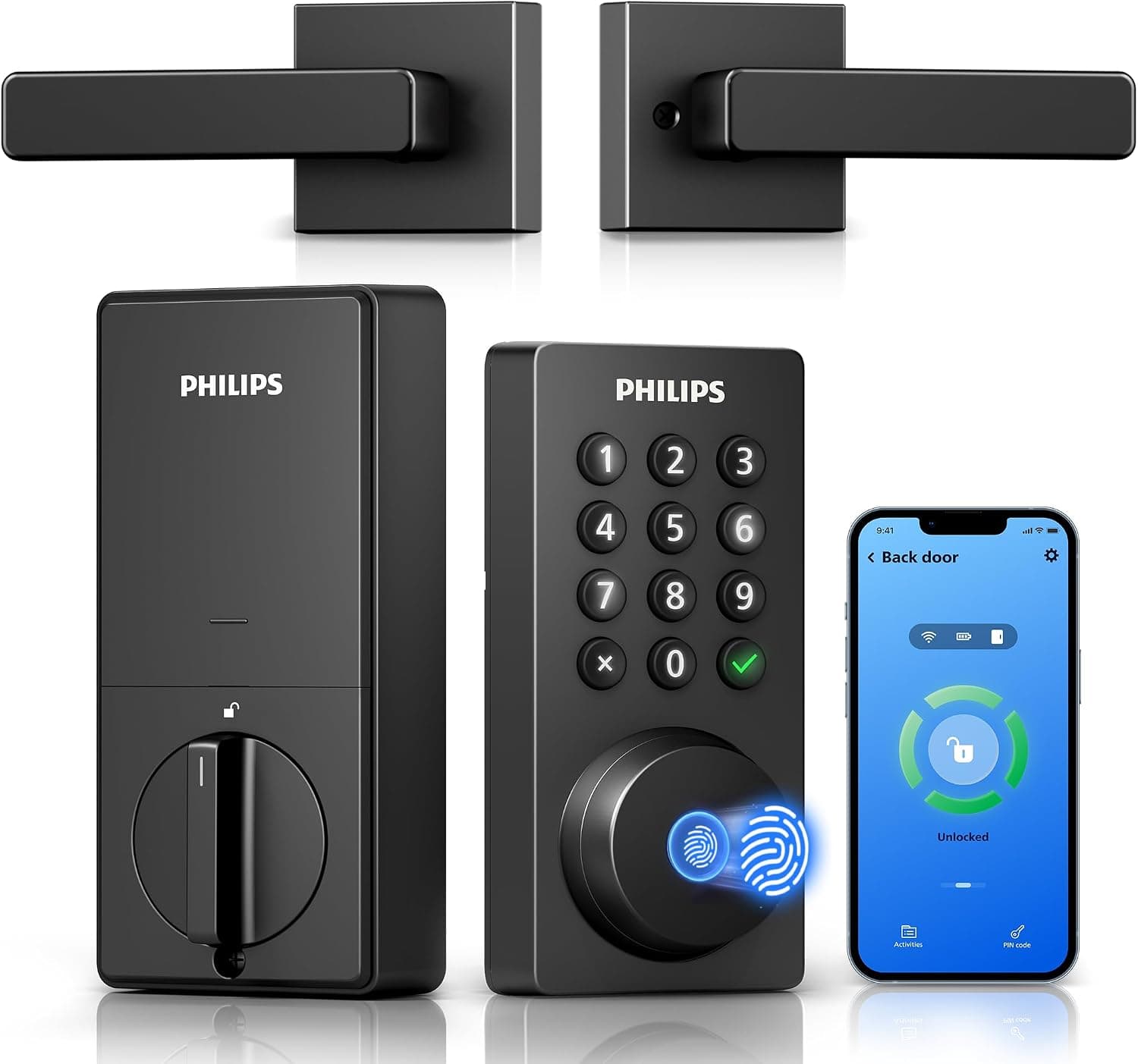
Philips Wi-Fi Keypad Deadbolt with Handle
See it on Amazon
Sponsored listings from Amazon’s Sponsored Products for Creators program, kept apart from our reviews and rankings. How we make money
Best 240V Portable: EcoFlow DELTA Pro 3
EcoFlow DELTA Pro 3
- 4 kW continuous, 8 kW surge, true 120/240V split-phase — runs a well pump or electric dryer
- 114.1 lbs is a two-person lift up stairs even with the wheel kit

(Current price, subject to change)
The EcoFlow DELTA Pro 3 is the sweet-spot pick for households that want meaningful outage backup without installer-class hardware. The 4,096Wh LFP base runs a full-size refrigerator for over a day, and the 4 kW continuous output with 8 kW surge handles microwaves, space heaters, and induction loads. What separates it from standard portables is the true 120/240V split-phase output: it powers well pumps, electric dryers, and central-air handlers that 120V-only units cannot. The unit weighs 114.1 lbs, so the wheel kit is essential for moving it.
TechRadar named the DELTA Pro 3 an Editor's Choice for home backup, and Digital Trends includes it in its recommended-battery coverage — the 240V capability is the recurring reason. The expansion ecosystem scales from a day-one portable to multi-day backup: Smart Extra Batteries reach 48kWh, covering critical loads across a three-day outage. Transfer runs at 10ms EPS, fast enough to keep a CPAP and networking gear online through a cutover. For deciding which circuits to prioritize, see Best Smart Electrical Panels in 2026: 5 Picks Ranked.
What We Love
- 4 kW continuous, 8 kW surge, true 120/240V split-phase — runs a well pump or electric dryer
- Expandable to 48kWh via Smart Extra Batteries; scales from day-one portable to multi-day backup
- Alexa and Google Home control confirmed; 10ms EPS transfer for sensitive loads
What Could Be Better
- 114.1 lbs is a two-person lift up stairs even with the wheel kit
- Whole-home automatic transfer requires the optional Smart Home Panel 2
The Verdict
If you want backup that handles 240V loads without an installer, the EcoFlow DELTA Pro 3 checks the boxes that matter for that setup. TechRadar named it an Editor's Choice for home backup, and Digital Trends lists it among recommended batteries. The 4 kW split-phase output runs appliances most portables cannot, and the EMS extends it into daily solar storage.
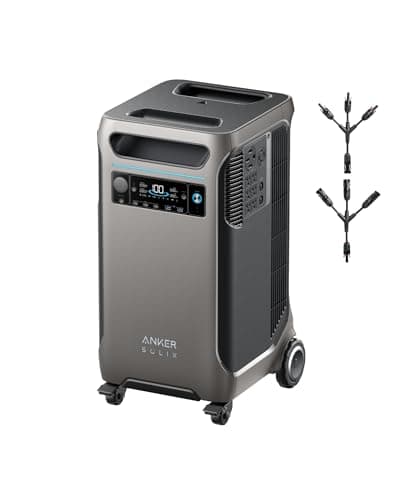
Highest Output: Anker SOLIX F3800
Anker SOLIX F3800
- 6 kW continuous — the highest portable output ceiling in this comparison
- 240V ports do NOT pass through in UPS mode — only the three 120V outlets are UPS-protected

(Current price, subject to change)
The Anker SOLIX F3800 has the highest output ceiling of any portable here: 6 kW continuous, delivered through a NEMA 14-50 outlet for 120V and 240V loads. The 3,840Wh LFP base expands to 26.9kWh, giving it real runtime headroom for back-to-back outages. At 132 lbs it is the heaviest unit in this roundup, so caster wheels help but it stays put once positioned. TechRadar reviewed it as a high-output home backup station, and AppleInsider covers it in its portable power station coverage.
The one caveat that matters for sensitive equipment: the 240V ports do not operate in UPS mode. Only the three 120V outlets are UPS-protected at 20ms, so a 240V well pump on this unit experiences a full transfer gap rather than a seamless cutover. For 120V servers, a NAS, or networking gear, the 20ms switchover is fine. Within our weighted SHE Backup Power Resilience Score, its leading output factor is offset by a transfer penalty and considerable weight, which normalized against the field yields a mid-pack composite. Compared to the EcoFlow units, voice-assistant support is unconfirmed, so this remains an app-controlled device rather than a deeply integrated one.
What We Love
- 6 kW continuous — the highest portable output ceiling in this comparison
- 120/240V split-phase via a NEMA 14-50 outlet for high-draw appliances
- Expandable to 26.9kWh, with 20ms UPS on its 120V outlets
What Could Be Better
- 240V ports do NOT pass through in UPS mode — only the three 120V outlets are UPS-protected
- 132 lbs is the heaviest unit here, and Alexa or Google support is not confirmed
The Verdict
If you want the highest portable output and can live with a UPS caveat, the Anker SOLIX F3800 is a sensible pick for that setup. TechRadar and AppleInsider both cover it as a high-output home backup station. Its 6 kW ceiling tops this group — just know that the 240V outlets are not UPS-protected, only the 120V ones are.
Best Value: Jackery Explorer 2000 Plus
Jackery Explorer 2000 Plus
- 2,042Wh LFP at $899 — the cheapest serious-capacity entry in this roundup
- Single-phase 120V output only — cannot run a well pump, electric dryer, or central AC

(Current price, subject to change)
The Jackery Explorer 2000 Plus is the value entry point for most home-backup buyers. At $899 the 2,042Wh LFP base covers a refrigerator for most of a day, a CPAP for a couple of nights, or essential lights and networking for a full day. The 3 kW pure sine wave output handles microwaves, toaster ovens, and space heaters, and a second battery pack pushes continuous output to 6 kW while extending capacity toward 24kWh. At 61.5 lbs it is the second-lightest unit here, so one person can reposition it.
OutdoorGearLab scored the Explorer 2000 Plus 81 out of 100 and noted it has been superseded by the 2000 v2, so check which generation a listing reflects before buying. AppleInsider includes it in its home backup roundup. The hard limit is voltage: this is a single-phase 120V unit, so a 240V well pump, electric dryer, or central-air handler is out of reach without a step-up transformer. Transfer is roughly 30ms — an approximate figure rather than a published UPS spec — which is fine for a home office but not certified for medical-grade continuity.
What We Love
- 2,042Wh LFP at $899 — the cheapest serious-capacity entry in this roundup
- 3 kW continuous, rising to 6 kW with a second battery pack attached
- 61.5 lbs makes it the second-lightest unit here and genuinely carryable
What Could Be Better
- Single-phase 120V output only — cannot run a well pump, electric dryer, or central AC
- Roughly 30ms transfer is approximate, and voice integration is not confirmed
The Verdict
If you don't need 240V output, the Jackery Explorer 2000 Plus fits the brief for essential-load backup. OutdoorGearLab scored it 81 out of 100 — noting it has been superseded by the 2000 v2 — and AppleInsider includes it in its backup roundup. At $1,999.00 list for 2,042Wh of LFP capacity, it is the value floor here.
Longest Lifespan: BLUETTI Elite 200 V2 Portable Power Station
BLUETTI Elite 200 V2 Portable Power Station
- 6,000+ cycle LFP — roughly double most rivals, about a 17 yr daily-use estimate
- Single-phase 120V output only, and not expandable — fixed at 2,073.6Wh

(Current price, subject to change)
The BLUETTI Elite 200 V2 Portable Power Station is the longevity-and-value pick. Its 2,073.6Wh LFP pack is rated for 6,000+ cycles — approximately double most competing rivals — which Bluetti estimates at roughly 17 yr of daily operation, so it comfortably outlasts most appliances it backs up. At 53.4 lbs it represents the lightest unit in this comparison and the easiest to reposition single-handedly. The 2.6 kW continuous output covers a refrigerator, lighting, and networking, supplemented by a 3.9 kW lifting surge for momentarily starting higher-draw appliances.
TechRadar tested the Elite 200 V2 over 160 days and rated it a durable, well-built station, while Trusted Reviews highlighted its 6,000-cycle durability and strong value. Two limits define it: there is no 240V output and no expansion path, so it remains permanently fixed at 2,073.6Wh of 120V capacity. Transfer runs at sub-20ms, fast enough to keep networking gear and a CPAP continuously online. Within our weighted SHE Backup Power Resilience Score, exceptional longevity and the lightest weight cannot fully offset the lowest output factor, which normalized against the comparison produces its modest composite. Compared to the expandable platforms, it nonetheless delivers the strongest value per dollar. Alexa and Google support is unconfirmed, though Home Assistant enables self-hosted automation.
What We Love
- 6,000+ cycle LFP — roughly double most rivals, about a 17 yr daily-use estimate
- 53.4 lbs makes it the lightest unit in this roundup
- Sub-20ms transfer keeps networking gear and a CPAP online through a cutover
What Could Be Better
- Single-phase 120V output only, and not expandable — fixed at 2,073.6Wh
- 2.6 kW continuous is the lowest sustained output rating here
The Verdict
If you want the longest-lived battery at the lowest price, the BLUETTI Elite 200 V2 Portable Power Station is a sensible pick for that setup. TechRadar tested it over 160 days, and Trusted Reviews highlighted its 6,000-cycle durability and value. At $749 and 53.4 lbs, it is the cheapest and lightest unit here — just don't expect 240V or an expansion path.
Check price for the BLUETTI Elite 200 V2 Portable Power Station →
How We Score: SHE Backup Power Resilience Score
SHE Backup Power Resilience Score
Score Formula
(Power Output × 0.25) + (Resilience Duration × 0.20) + (Transfer Reliability × 0.20) + (Smart Oversight × 0.20) + (Portability and Acoustic × 0.10) + (5-Year Value × 0.05)Score Factors
- Power Output (25%)Continuous output in kW normalized to the highest in this comparison — how much household load the unit carries, and whether it reaches 240V appliances
- Resilience Duration (20%)Base capacity plus expandable runtime at a 1.5 kW critical-load draw — a non-expandable unit is capped at its base, an expandable one scales
- Transfer Reliability (20%)Switchover time from grid loss to backup, normalized in ms, plus whether 240V loads share the UPS path or fall outside it
- Smart Oversight (20%)App quality, confirmed voice-assistant support, monitoring depth, and home-automation integration such as Home Assistant
- Portability and Acoustic (10%)Weight in lbs and handling — a 53.4 lb unit scores higher than a 70 lb fixed inverter; all LFP stations run silently
- 5-Year Value (5%)Hardware price normalized against delivered and expandable capacity — value per usable kWh over a five-year horizon
SHE Backup Power Resilience Score — Ranked

EcoFlow Delta Pro Ultra
SHE Backup Power Resilience Score8.8/10Leads on output and duration; expandable to 90kWh, but the heaviest and most expensive pick

EcoFlow DELTA Pro 3
SHE Backup Power Resilience Score8.4/10Strongest all-rounder — 240V output, confirmed voice control, and 48kWh expandability
Anker SOLIX F3800
SHE Backup Power Resilience Score7.5/10Highest raw output, but the 240V UPS caveat and 132 lbs weigh on transfer and portability

Jackery Explorer 2000 Plus
SHE Backup Power Resilience Score6.9/10Best value and carryable, but 120V-only output and approximate transfer cap the composite

BLUETTI Elite 200 V2 Portable Power Station
SHE Backup Power Resilience Score6.5/10Longest cycle life and lightest, but the lowest output and no expansion pull the score down
Smart Home Ecosystem Compatibility
Backup power and smart home platforms intersect at status monitoring, automation triggers, and voice queries. The EcoFlow DELTA Pro 3 leads on confirmed integration — it supports Alexa and Google Home, so you can voice-query its state of charge or trigger automations when it switches to battery. The EcoFlow Delta Pro Ultra uses the EcoFlow app with WiFi monitoring, and its Smart Home Panel 2 adds circuit-level automation.
The BLUETTI Elite 200 V2 Portable Power Station is app-controlled and supports Home Assistant, which is the cleanest path for self-hosted automation among the budget units. The Anker SOLIX F3800 and Jackery Explorer 2000 Plus are app-controlled, but neither confirms Alexa or Google support — treat both as monitored-but-not-voice-integrated. For buyers who want backup woven into a broader automation stack, EcoFlow's confirmed voice support and Bluetti's Home Assistant path are the differentiators here.
When NOT to Buy
Stub WNTB (Block 3B fallback).
DELTA Pro 3 vs SOLIX F3800: The $2K Decision
These two units dominate the roughly $2,000 backup tier, so most serious buyers ultimately cross-shop them directly before committing. On ecosystem fit the EcoFlow DELTA Pro 3 pulls comparatively ahead: it confirms Alexa and Google Home integration, whereas the Anker SOLIX F3800 remains app-controlled with voice support unconfirmed. Setup handling favors EcoFlow as well — 114.1 lbs is meaningfully easier to reposition than the Anker's 132 lbs. On raw capacity the F3800 base holds 3,840Wh against the DELTA Pro 3's 4,096Wh, yet the Anker delivers 50% more continuous output, 6 kW versus 4 kW, which genuinely matters for a workshop or a heavily loaded 120V panel.
Expansion is closer than the datasheets initially suggest. The DELTA Pro 3 scales to 48kWh through its Smart Extra Batteries, while the F3800 reaches 26.9kWh on a single unit or 53.8kWh across two linked units. Charge speed is where EcoFlow separates decisively: X-Stream AC input drives the DELTA Pro 3 to 80% in 50 mins, whereas the F3800 caps AC intake at 1800W for a substantially slower wall recharge. Within our weighted SHE Backup Power Resilience Score the DELTA Pro 3 composite of 8.40 edges the F3800's 7.48, which means Anker's leading wattage is ultimately offset because its 240V outlets fall outside the UPS path. For $600 less at $1,999 the F3800 wins purely on continuous watts; for confirmed voice control, uninterrupted 240V transfer, and faster recharging, the DELTA Pro 3 justifies its $2,599.
Who Should Buy What
Who Should Buy What
| If you are… | Recommended pick |
|---|---|
Solar homeowners You have solar and want LFP storage that scales to whole-home, multi-day coverage without a fuel line or permit-heavy installation. | EcoFlow Delta Pro Ultra |
240V appliance households You need to run a well pump, electric dryer, or central-air handler on backup and want confirmed voice control without installer overhead. | EcoFlow DELTA Pro 3 |
High-output 120V users You want the highest continuous output here for a workshop or heavy 120V loads and can run any 240V appliances on non-UPS power. | Anker SOLIX F3800 |
Value-first essential-load buyers You want the cheapest serious LFP capacity for fridge, CPAP, and networking, in a carryable unit, and don't need 240V. | Jackery Explorer 2000 Plus |
Longevity-focused buyers You want the longest cycle life and the lightest unit for 120V essentials, and value durability over output or expandability. | BLUETTI Elite 200 V2 Portable Power Station |
Frequently Asked Questions
How long does a portable battery backup last during a power outage?
Usable capacity divided by your critical-load draw gives the answer. The EcoFlow Delta Pro Ultra at 6,144Wh running a typical 1.5 kW critical load lasts about four hours on its base, and stacking batteries to 90kWh extends that past two days. The Jackery Explorer 2000 Plus at 2,042Wh covers a fridge plus lights and networking for most of a day. None of these run indefinitely the way a fuel generator does — when the battery is empty, runtime depends on whether you can recharge from solar or a grid that may still be down. Match base capacity and expandability to how long your outages typically run.
Which of these can run a 240V well pump?
Only the units with true 120/240V split-phase output. The EcoFlow Delta Pro Ultra and EcoFlow Delta Pro 3 both deliver split-phase power and can run most residential well pumps directly. The Anker SOLIX F3800 also provides 240V via a NEMA 14-50 outlet, but that 240V path is not UPS-protected — a pump on it sees a full transfer gap, not a seamless cutover. The Jackery Explorer 2000 Plus and Bluetti Elite 200 V2 are 120V single-phase only and cannot run a standard 240V well pump without a step-up transformer.
What is UPS transfer time and why does it matter?
UPS transfer time is how long the unit takes to switch from grid power to its battery when the grid drops. Anything under about 20ms is fast enough that connected electronics — a CPAP, a NAS, networking gear, a desktop PC — keep running without rebooting. The EcoFlow Delta Pro Ultra transfers in 0ms online-UPS mode, the Delta Pro 3 in 10ms, and the Anker and Bluetti in roughly 20ms or under. The Jackery's roughly 30ms figure is approximate and not a certified UPS spec, so treat it as suitable for a home office rather than for medical-grade continuity.
Are standby generators better than these battery stations?
It depends on your outage profile. A standby generator like a Generac or Kohler runs as long as fuel lasts, which wins for multi-day winter outages — but those are an $8,000 to $16,000 installed project with a licensed dealer, gas hookup, and transfer switch, not an add-to-cart purchase. The battery stations here install in minutes, run silently, need no fuel, and integrate with solar. The trade-off is finite capacity. For solar homes, urban renters, and anyone who wants backup they control themselves, the LFP stations win; for rural homes facing repeated multi-day outages, a fuel generator still has a place.
Is an expandable battery station worth the extra cost?
If your outages occasionally run long, yes. The EcoFlow Delta Pro Ultra (to 90kWh), Delta Pro 3 (to 48kWh), Anker SOLIX F3800 (to 26.9kWh), and Jackery Explorer 2000 Plus (to 24kWh) all let you add capacity later without replacing the inverter. The Bluetti Elite 200 V2 is the exception — it is fixed at 2,073.6Wh with no expansion path, which is why it is the cheapest. If you only need to cover short, occasional outages, a fixed unit is fine; if you expect multi-day events, buy into an expandable platform so you can scale capacity over time.
Do I need a transfer switch or smart panel for a portable power station?
Not for plug-and-play use of individual appliances. All five units accept standard plugs for directly powering a fridge, lights, or electronics in UPS mode. A transfer switch or smart-panel accessory becomes necessary only when you want hard-wired circuits — well pump, furnace blower, central AC — to switch automatically on grid failure. EcoFlow's Smart Home Panel 2 enables that for the Delta Pro Ultra and Delta Pro 3. Budget for a licensed electrician to install panel hardware if you want true whole-home automatic transfer rather than running cords to individual appliances.
Bottom Line
Get the EcoFlow Delta Pro Ultra if You own solar and want LFP storage that scales to whole-home, multi-day coverage without a fuel line — and you have a permanent spot for a 70 lb inverter and its batteries.
Get the EcoFlow DELTA Pro 3 if You want the best all-rounder: 240V output for a well pump or dryer, confirmed Alexa and Google control, and 48kWh expandability without installer overhead.
Get the Anker SOLIX F3800 if You want the highest continuous output here for heavy 120V loads and can run any 240V appliances on non-UPS power from a 132 lb unit.
Get the Jackery Explorer 2000 Plus if You want the best value LFP station for 120V essentials — fridge, CPAP, networking, lights — in a carryable 61.5 lb unit, with no need for 240V.
Get the BLUETTI Elite 200 V2 Portable Power Station if You want the longest cycle life and the lightest unit for 120V essential loads, and value durability and price over output or expandability.
Skip a battery station entirely if your grid rarely drops — SAIDI under 30 minutes a year — and a small UPS already covers your electronics; the spend is hard to justify for a once-a-year flicker. And if you face repeated multi-day winter outages in a rural home, price out an installed standby generator instead, since these batteries are fuel-bounded.
Sources & Methodology
Methodology: SHE Backup Power Resilience Score — Formula: (Power Output × 0.25) + (Resilience Duration × 0.20) + (Transfer Reliability × 0.20) + (Smart Oversight × 0.20) + (Portability and Acoustic × 0.10) + (5-Year Value × 0.05). Factors: Power Output (25%): Continuous output in kW normalized to the highest in this comparison — how much household load the unit carries, and whether it reaches 240V appliances | Resilience Duration (20%): Base capacity plus expandable runtime at a 1.5 kW critical-load draw — a non-expandable unit is capped at its base, an expandable one scales | Transfer Reliability (20%): Switchover time from grid loss to backup, normalized in ms, plus whether 240V loads share the UPS path or fall outside it | Smart Oversight (20%): App quality, confirmed voice-assistant support, monitoring depth, and home-automation integration such as Home Assistant | Portability and Acoustic (10%): Weight in lbs and handling — a 53.4 lb unit scores higher than a 70 lb fixed inverter; all LFP stations run silently | 5-Year Value (5%): Hardware price normalized against delivered and expandable capacity — value per usable kWh over a five-year horizon
Expert review sources used in this analysis:
- SmartHomeExplorer aggregates expert reviews — not first-party product testing
- Coverage for these five LFP stations draws from TechRadar, Trusted Reviews, Digital Trends, OutdoorGearLab, and AppleInsider, each scoped to the specific products that outlet reviewed; specifications beyond that coverage come from manufacturer datasheets and live Amazon listings
- We state outlet coverage and manufacturer specs only, and do not transcribe verdicts an outlet did not publish
- The SHE Backup Power Resilience Score weights power output (25%), resilience duration (20%), transfer reliability (20%), smart oversight (20%), portability and acoustic (10%), and 5-year value (5%) on a 0–10 scale
- Prices reflect Amazon listings as of June 2026
- Full methodology at /metrics/she-backup-runtime-score.
Nicholas Miles is the founder of SmartHomeExplorer and a longtime smart home enthusiast focused on helping everyday homeowners make better technology decisions. He researches, compares, and writes about products across security, climate, lighting, leak prevention, sensors, home energy, and automation, with an emphasis on real-world usefulness, ecosystem compatibility, reliability, privacy, and long-term value.
Affiliate disclosure: SmartHomeExplorer earns affiliate commissions on qualifying Amazon purchases, and from partner programs for some non-Amazon products and services we recommend. Our scoring methodology is independent of affiliate relationships.


