

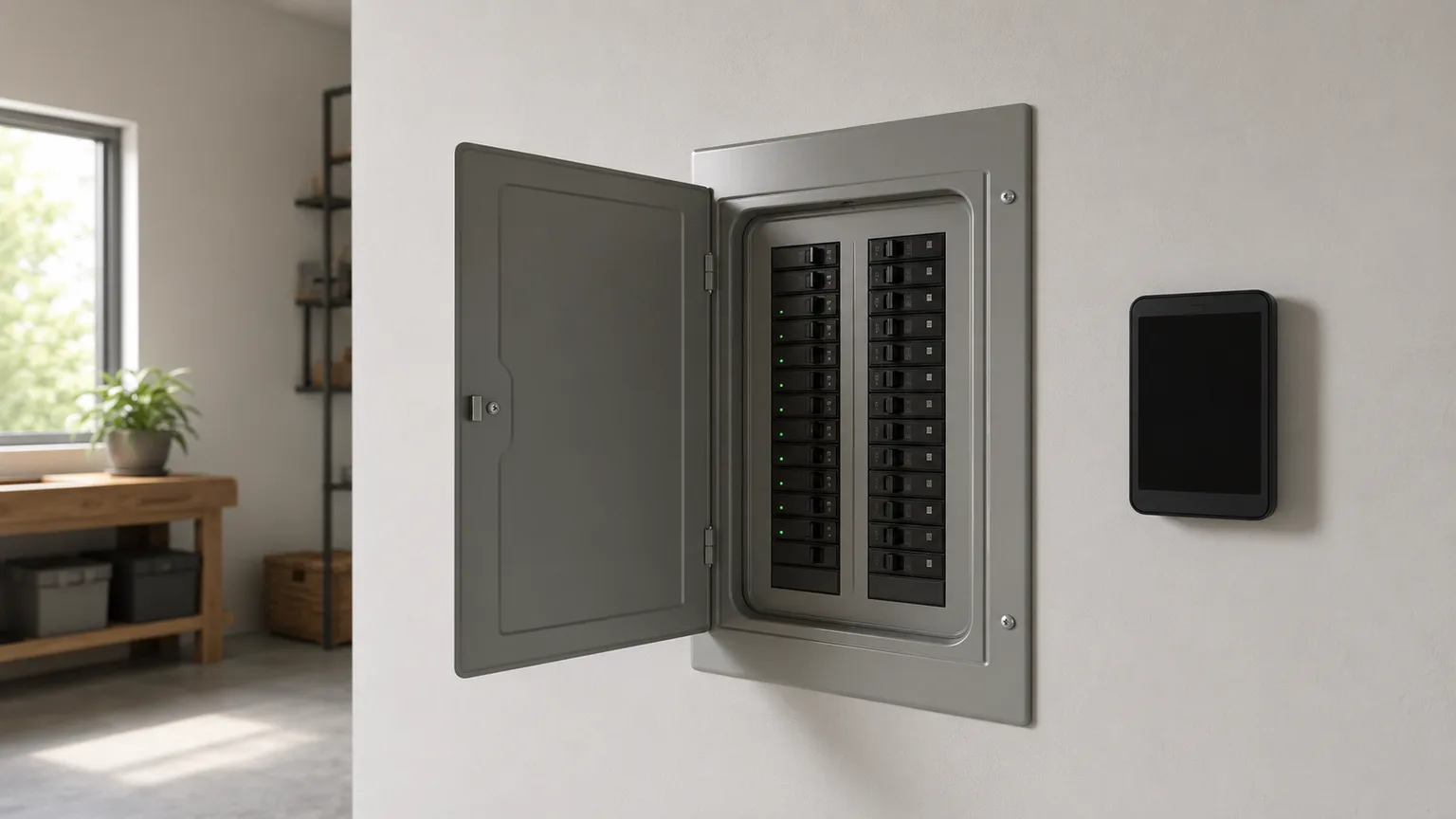
Best Smart Electrical Panels in 2026: 5 Picks Ranked
The EcoFlow Smart Home Panel 3 attains the highest SHE Panel Intelligence Score here, publishing 32 independently controlled circuits, a 20ms switchover and four UL listings. Five picks, every specification read from its own Amazon listing in September 2026.
This article contains affiliate links. We may earn a commission at no extra cost to you. Prices change frequently — check the current price on Amazon before buying. Learn more
The Short Answer
The EcoFlow Smart Home Panel 3 accumulates the highest composite here, publishing 32 controlled circuits at up to 200A, a 20ms switchover and a 10-year warranty. The Panel 2 covers 12 circuits at 60A for less. Only the LB120-DST breaker publishes a dual-function AFCI/GFCI trip mechanism.
Featured in this Guide

EcoFlow
Smart Home Panel 3
- •Publishes 32 independently controlled circuits, a 20ms switchover, all five scored capabilities and four UL listings
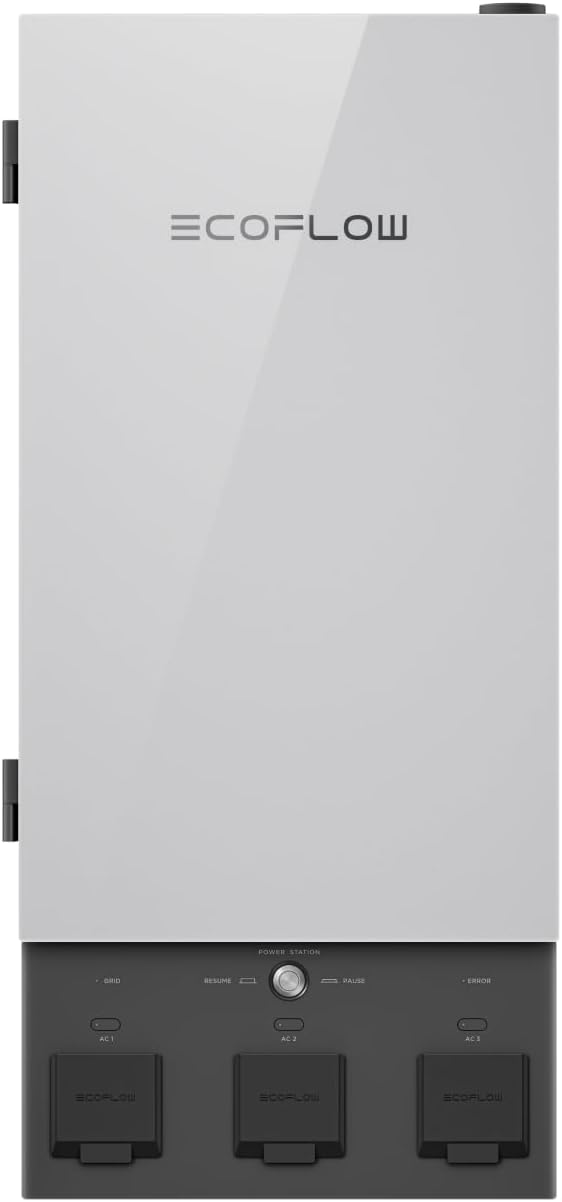
EcoFlow
Smart Home Panel 2 (EFPD303)
- •12 circuits at up to 60A with the same 20ms switchover, at the lowest price of the three sub-panels here
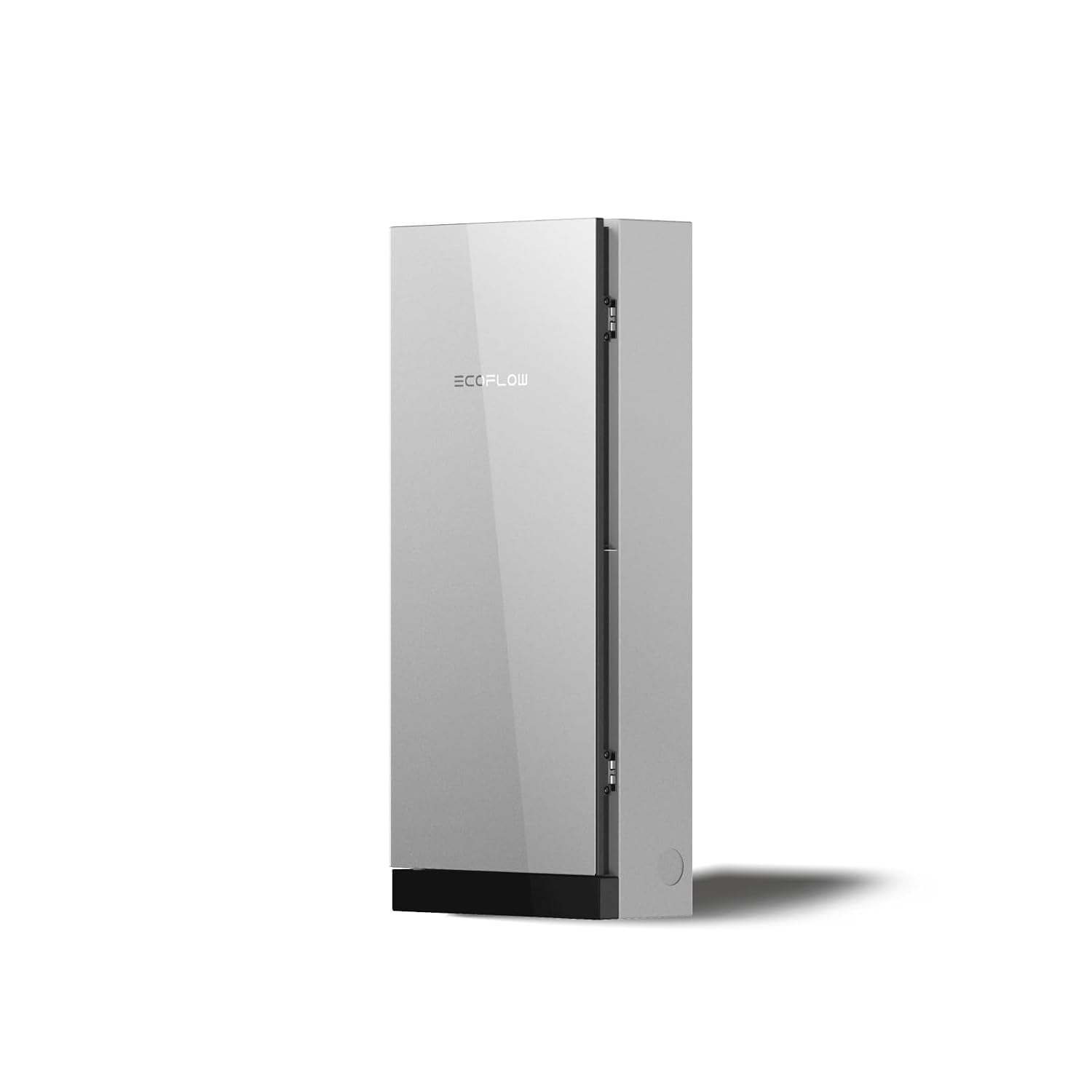
EcoFlow
Smart Gateway 200A (EF-ATS-001)
- •A published six-circuit count and automatic shedding, for households scoping backup rather than covering the whole house
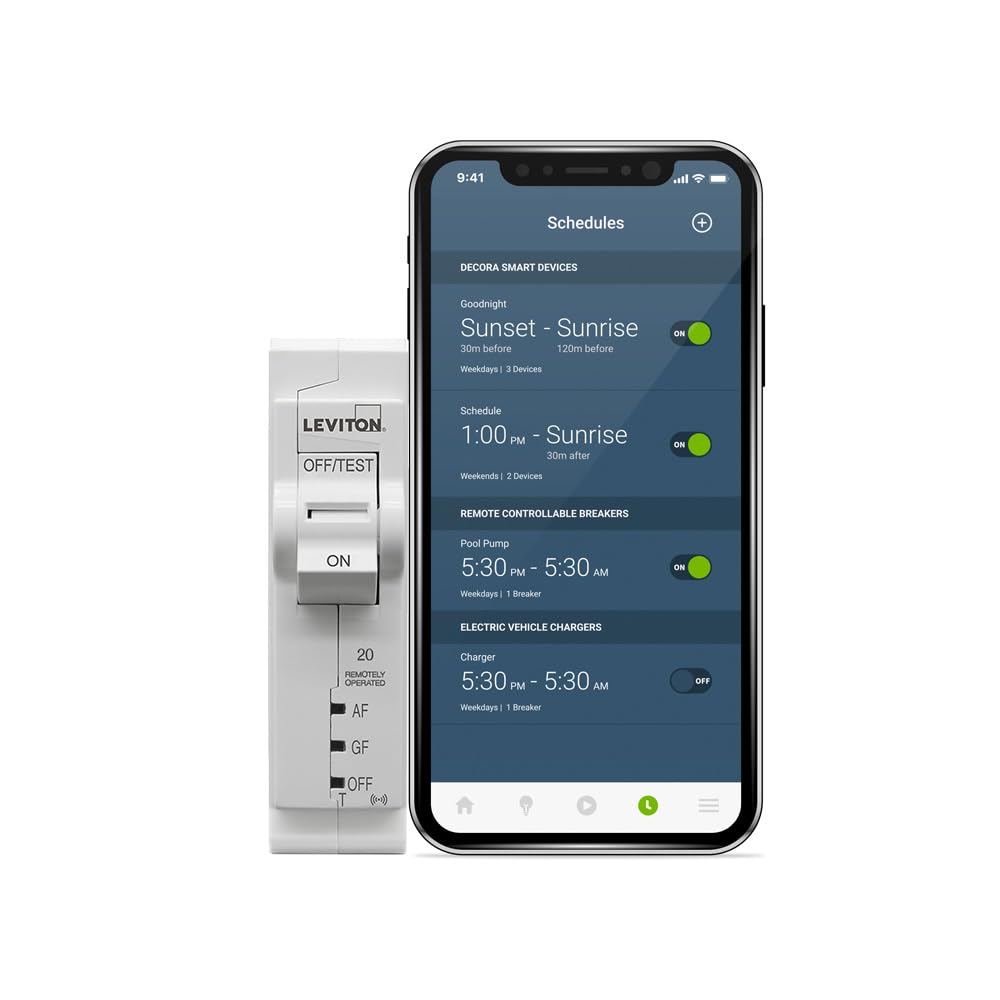
Leviton
LB120-DST 2nd Gen Smart Circuit Breaker (1-Pole 20A, AFCI/GFCI)
- •Dual-function AFCI/GFCI protection with remote control, snapping into an existing Leviton load center one circuit at a time
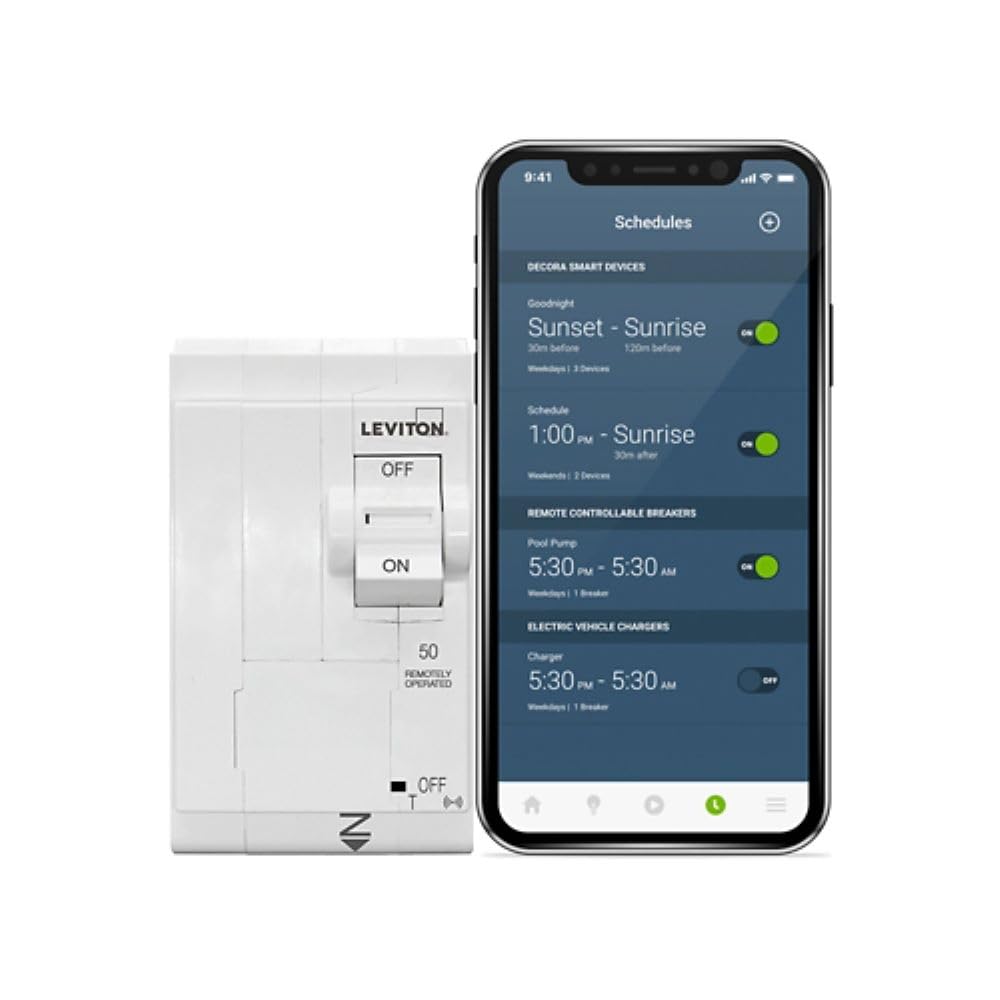
Leviton
LB250-ST 2nd Gen Smart Circuit Breaker (2-Pole 50A, Standard)
- •The same remote control and scheduling carried on a 2-pole 50A breaker sized for an EV charger, range or dryer
Head-to-Head: Transfer, Control Breadth and Protection
Energy
Chart
 Smarthomeexplorer.com
Tap any pick to check its live Prime price on Amazon.
AlorAir Sentinel HDi90 Basement/Crawlspace Dehumidifier with Pump
Check price
Big Ass Fans Haiku L 52-Inch Smart Ceiling Fan
Check price
Midea U Smart Inverter Window AC (12,000 BTU)
Check price
Why This Category Contains Two Genuinely Different Purchases
Nothing here competes directly with everything else, and recognizing that immediately prevents an expensive mistake. Three picks are wall-mounted sub-panels that reroute circuits through stored power when the utility fails, each publishing a 20ms switchover. Two are individual breakers, one 20A and one 50A, snapping into an existing load center to add remote control to a single circuit. The SHE Panel Intelligence Score weights automatic transfer most heavily, which delivers a predictable outcome: the sub-panels finish above the breakers. Read the factor table before the ranking. Our smart home energy management hub covers the wider category.
Best Overall: EcoFlow Smart Home Panel 3
EcoFlow Smart Home Panel 3
- 32 independently controlled circuits, the only published circuit count of that scale here
- No outlet we track has published a review of this exact model
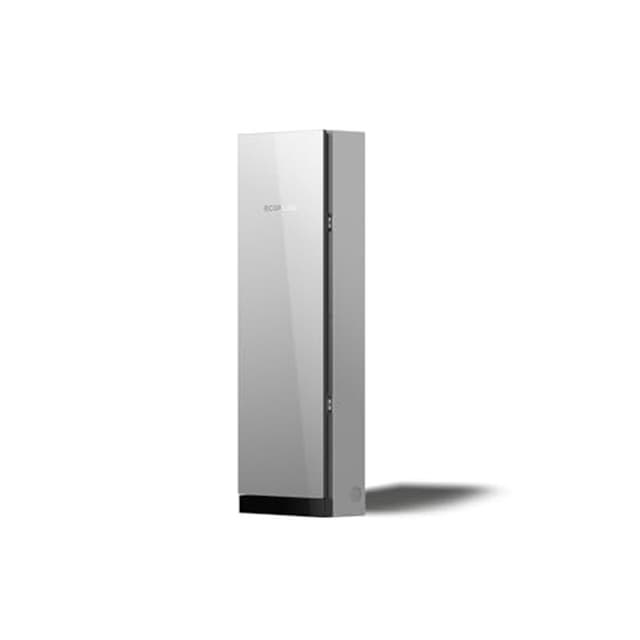
(Current price, subject to change)
Its SHE Panel Intelligence Score is the highest calculated in this guide. In practice that means it publishes more of what this category is bought for than anything else here, and it does so at the largest scale.
It attains the maximum factor on automatic transfer, which carries the heaviest weight in the formula. It also attains the maximum documented-capability factor, publishing all five scored capabilities. Those comprise independent control and scheduling across 32 circuits, per-circuit energy monitoring, three-level priority management, and management of solar, grid, generators up to 12kW and EV chargers.
Where it genuinely separates itself from its own sibling is protection. EcoFlow publishes four UL listings and an outdoor-rated design for this model, versus a single enclosure rating for the Panel 2 below. That produces the highest protection factor of any sub-panel here, though still below the Leviton breaker's dual-function trip mechanism. A 10-year warranty is published alongside it.
What We Love
- 32 independently controlled circuits, the only published circuit count of that scale here
- Switchover published under 20ms, so appliances and network gear never reboot
- Publishes all five control capabilities this guide scores
- Four UL listings and a 10-year warranty, the most documented protection of any sub-panel here
What Could Be Better
- No outlet we track has published a review of this exact model
- Comfortably the most expensive pick in this guide
- Whole-home capability requires DELTA Pro Ultra X storage, a separate and larger purchase
- EcoFlow markets a backup-extension percentage we could not verify, so it appears nowhere here
The Verdict
If you want the whole house covered rather than a chosen handful of circuits, and the storage budget already exists, EcoFlow Smart Home Panel 3 is where you stop the search here — 32 controlled circuits, a published sub-20ms transfer, and documented capability that nothing here exceeds.
Ready to upgrade your home?
roborock Qrevo 2 Pro Robot Vacuum and Mop
See it on Amazon
roborock Saros Z70 Robot Vacuum and Mop
See it on Amazon
eufy SoloCam S340 Solar Security Camera, 4-Cam Kit
See it on Amazon
Sponsored listings from Amazon’s Sponsored Products for Creators program, kept apart from our reviews and rankings. How we make money
Best Value for Critical-Loads Backup: EcoFlow Smart Home Panel 2 (EFPD303)
EcoFlow Smart Home Panel 2 (EFPD303)
- EcoFlow publishes it plainly as a 12-circuit sub-panel rated to a 60A maximum
- No outlet we track has published a review of this exact model
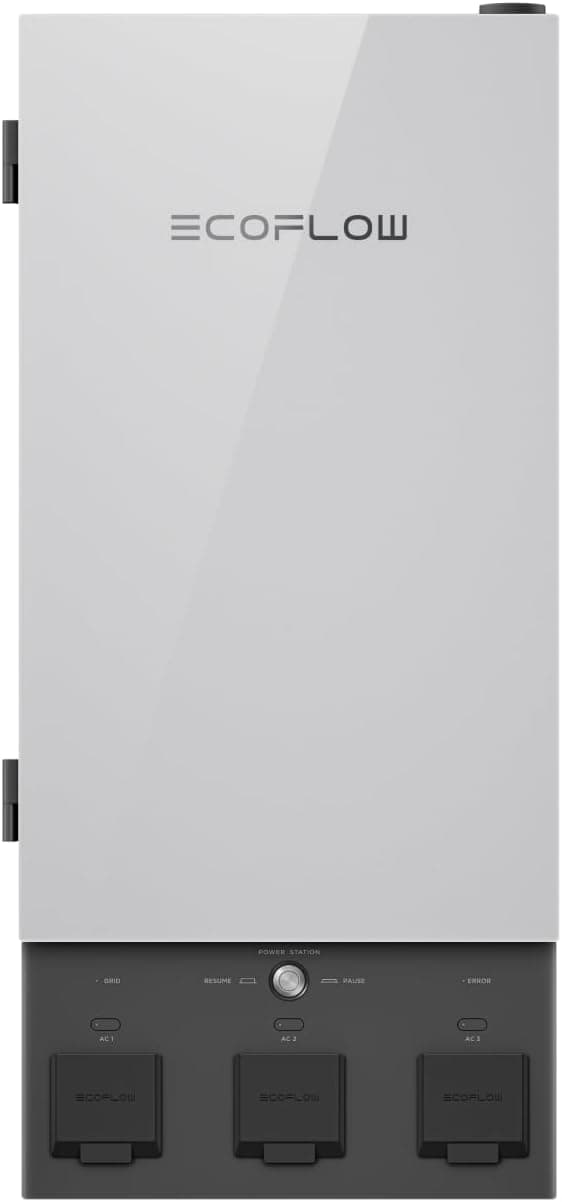
(Current price, subject to change)
This configuration matches the Panel 3 on the heaviest factor and trails it on the rest. It attains the identical maximum transfer factor, published at 20ms.
Where the two genuinely diverge is scale. EcoFlow publishes this unit as a 12-circuit sub-panel rated to a 60A maximum, versus 32 circuits and 200A for the Panel 3. That makes it a critical-loads panel by design, and reading it as whole-house coverage is precisely the mistake this section exists to prevent. Four of the five scored capabilities are credited: remote circuit control, scheduled tasks, priority management, and multi-source input. EcoFlow publishes monitoring at the panel level rather than the per-circuit monitoring it names for the Panel 3, so that capability earns nothing here.
Protection stops at a NEMA 3R weatherproofed enclosure, normalizing below four UL listings. Capacity scales to 36kWh with 3 DELTA Pro 3 units and six extra batteries, and it manages solar alongside any 3-12kW portable gas generator.
What We Love
- EcoFlow publishes it plainly as a 12-circuit sub-panel rated to a 60A maximum
- A published 20ms automatic switchover, identical to its larger sibling
- Scales to 3 inverters and 15 stackable 6kWh batteries as budget allows
- The lowest price of the three sub-panels ranked in this guide
What Could Be Better
- No outlet we track has published a review of this exact model
- 12 circuits at 60A covers critical loads, not an entire house
- EcoFlow publishes panel-level monitoring here, not the per-circuit monitoring it names for the Panel 3
- Its published protection stops at a NEMA 3R enclosure, versus four UL listings above
The Verdict
If the circuits you actually need carried through an outage are the critical ones rather than every one in the house, EcoFlow Smart Home Panel 2 (EFPD303) checks the boxes that matter for that job — 12 circuits at up to 60A, the same 20ms transfer, at the lowest sub-panel price here.
Best for Six Essential Circuits: EcoFlow Smart Gateway 200A (EF-ATS-001)
EcoFlow Smart Gateway 200A (EF-ATS-001)
- Six controlled circuits published explicitly, with automatic shedding of everything else
- No outlet we track has published a review of it
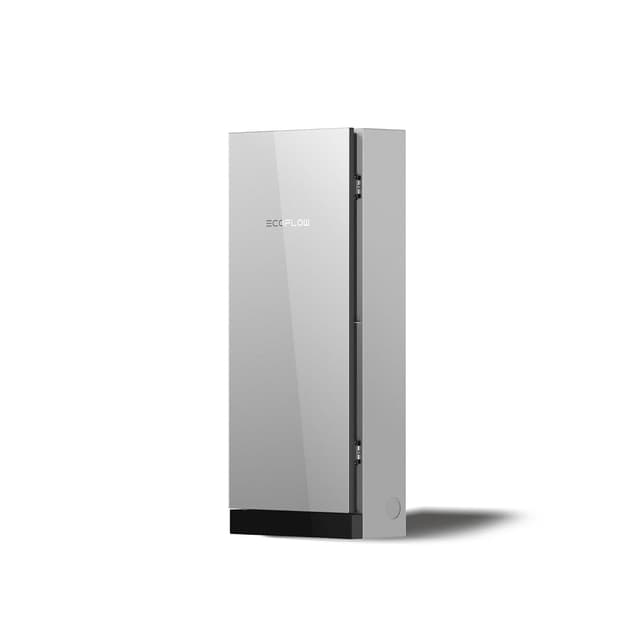
(Current price, subject to change)
This pick achieves the same maximum transfer factor as both panels above, which is precisely why the three finish comparatively close despite a wider gap in capability. Where it sits is at the narrow end of scope: six controlled circuits, against 12 for the Panel 2 and 32 for the Panel 3.
Where it falls behind both is documented breadth. Three published capabilities are credited here, versus five for the Panel 3 and four for the Panel 2. Those three are remote control across its six circuits, automatic shedding of non-essentials, and compatibility spanning DELTA Pro Ultra X, solar, EV chargers and generators. Neither scheduling nor per-circuit monitoring is published.
The uncomfortable comparison is the price. This unit costs more than the higher-scoring Panel 2, which yields an awkward but honest conclusion. It earns its place on a published circuit count and a 5-year warranty, rather than on delivering more capability for more money.
What We Love
- Six controlled circuits published explicitly, with automatic shedding of everything else
- Switching published under 20ms, matching both sub-panels above it
- Automatic shedding of non-essential loads without any configuration at the moment of failure
- Compatible with DELTA Pro Ultra X, solar, EV chargers and generators
What Could Be Better
- No outlet we track has published a review of it
- It costs more than the Smart Home Panel 2 while scoring lower in this guide
- Neither scheduling nor per-circuit energy monitoring appears in its published specifications
- Its enclosure material is published but no ingress or weather rating is
The Verdict
For a household that wants a defined set of essential circuits carried through an outage rather than the whole house, EcoFlow Smart Gateway 200A (EF-ATS-001) is a sensible pick for that setup — six circuits published explicitly, and automatic shedding that needs no decision while the lights are already out.
Check price for the EcoFlow Smart Gateway 200A (EF-ATS-001) →
Best Retrofit for Safety Circuits: Leviton LB120-DST 2nd Gen Smart Circuit Breaker (1-Pole 20A, AFCI/GFCI)
Leviton LB120-DST 2nd Gen Smart Circuit Breaker (1-Pole 20A, AFCI/GFCI)
- The only pick in this guide publishing a dual-function AFCI/GFCI trip mechanism
- No outlet we track has published a review of this exact model
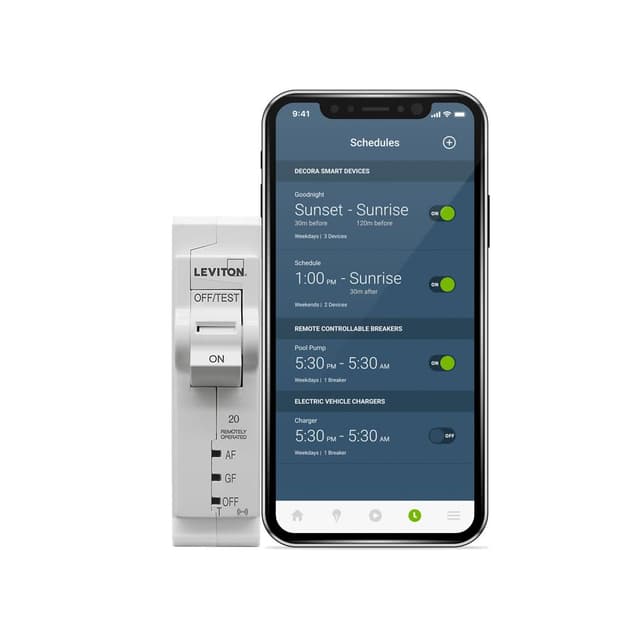
(Current price, subject to change)
Its composite lands mid-table for a structural reason rather than a quality one. A breaker cannot transfer a house to stored power, so it earns nothing on the heaviest-weighted factor in the formula. Everything it does earn comes from the remaining three factors, and it leads the entire roster on one of them outright.
That factor is published protection. Leviton publishes a dual-function AFCI/GFCI trip mechanism alongside a 10 KA interrupt rating, producing the maximum protection factor calculated anywhere in this guide. Even the four UL listings on the Panel 3 normalize below it, because no EcoFlow unit here publishes a trip mechanism at all.
Three published control capabilities are credited: remote on and off, custom scheduling by time and day, and per-circuit consumption reporting through the My Leviton app. The constraint worth naming twice is compatibility. This is a 20A breaker for a Leviton Load Center, additionally requiring the Whole Home Energy Monitor to operate.
What We Love
- The only pick in this guide publishing a dual-function AFCI/GFCI trip mechanism
- Comfortably the least expensive route to circuit-level control on this roster
- Remote on and off plus scheduling by time and day in the My Leviton app
- Leviton publishes a 10-year mechanical and 2-year electronic warranty
What Could Be Better
- No outlet we track has published a review of this exact model
- It works only inside a Leviton Load Center, ruling out most existing panels
- The Whole Home Energy Monitor is required for operation and costs extra
- It cannot transfer anything to backup power, which zeroes the heaviest factor
The Verdict
If your panel is already a Leviton load center and the circuits you care about are the ones needing arc and ground fault protection, Leviton LB120-DST 2nd Gen Smart Circuit Breaker (1-Pole 20A, AFCI/GFCI) lines up with what you actually need — protection and remote control on one circuit, for a fraction of a sub-panel.
Check price for the Leviton LB120-DST 2nd Gen Smart Circuit Breaker (1-Pole 20A, AFCI/GFCI) →
Best for 240V High-Draw Circuits: Leviton LB250-ST 2nd Gen Smart Circuit Breaker (2-Pole 50A, Standard)
Leviton LB250-ST 2nd Gen Smart Circuit Breaker (2-Pole 50A, Standard)
- A 2-pole 50A rating sized for an EV charger, electric range or dryer circuit
- No outlet we track has published a review of this exact model
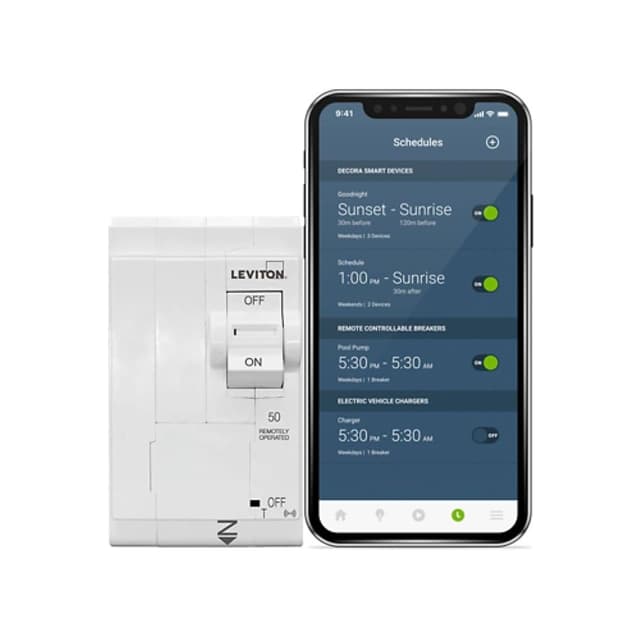
(Current price, subject to change)
This breaker finishes last in the roundup, and the reason is narrow rather than damning. It is normalized identically to the dual-function breaker on install independence and documented capability, and it earns exactly the same three published control capabilities. The single factor separating them is protection.
Leviton sells this as the Standard variant, so it publishes a 10 KA interrupt rating and no arc or ground fault detection. That yields a protection factor comfortably below the dual-function breaker's, and the composite follows directly. The trade is deliberate on Leviton's part rather than an omission.
What it provides that no other breaker here does is reach across a 2-pole 240-volt circuit at 50A. No EcoFlow unit here publishes a per-circuit amperage rating, and the 20A single-pole breaker physically cannot serve one. If the load you want under app control is an EV charger or a range, this is the breaker sized for it.
What We Love
- A 2-pole 50A rating sized for an EV charger, electric range or dryer circuit
- Identical remote control and scheduling to the 20A breaker above it
- Rated for both 120/240-volt and 120/208-volt service configurations
- The same 10 KA interrupt rating as the dual-function breaker
What Could Be Better
- No outlet we track has published a review of this exact model
- Standard trip only, so it publishes neither arc nor ground fault protection
- The same Leviton Load Center and energy monitor requirements apply
- It costs more than the dual-function breaker while publishing less protection
The Verdict
You've shortlisted this because the circuit you want to control is the one feeding a 50A appliance, and on that understanding you'll be well-served here — Leviton LB250-ST 2nd Gen Smart Circuit Breaker (2-Pole 50A, Standard) carries the same app control across a 2-pole 240-volt circuit the single-pole breaker cannot serve.
Check price for the Leviton LB250-ST 2nd Gen Smart Circuit Breaker (2-Pole 50A, Standard) →
How We Score: SHE Panel Intelligence Score
SHE Panel Intelligence Score
Score Formula
(Automatic Transfer × 0.35) + (Documented Capability Breadth × 0.25) + (Install Independence × 0.20) + (Published Protection × 0.20)Score Factors
- Automatic Transfer (35%)Ten where the listing publishes a switchover that moves the home onto stored power with nobody present, zero where the device switches only its own circuit. Deliberately binary and deliberately the heaviest weight, because remote control and outage protection are different purchases and buyers routinely conflate them.
- Documented Capability Breadth (25%)Two points for each published control capability, capped at ten: remote on and off, scheduling, per-circuit energy monitoring, multi-source input management, and priority tiering or automatic load shedding. Credited only where the manufacturer publishes the capability for that exact model.
- Install Independence (20%)Ten where the device snaps into an existing load center with no enclosure work, two where it is a wall-mounted sub-panel installed alongside the electrical service. This factor deliberately pulls against the first one, because the same panel-scale connection that permits an automatic transfer also demands an electrician and a permit.
- Published Protection (20%)Ten where the manufacturer publishes both a dual-function AFCI/GFCI trip mechanism and an interrupt rating. Eight for multiple safety certifications plus an outdoor-rated design, six for a single enclosure rating, four for an enclosure material with no rating published at all.
SHE Panel Intelligence Score — Ranked
Scored against Amazon listings and manufacturer specification pages read in September 2026. This composite measures published capability and documentation, not measured performance, which no outlet publishes comparably for these products.
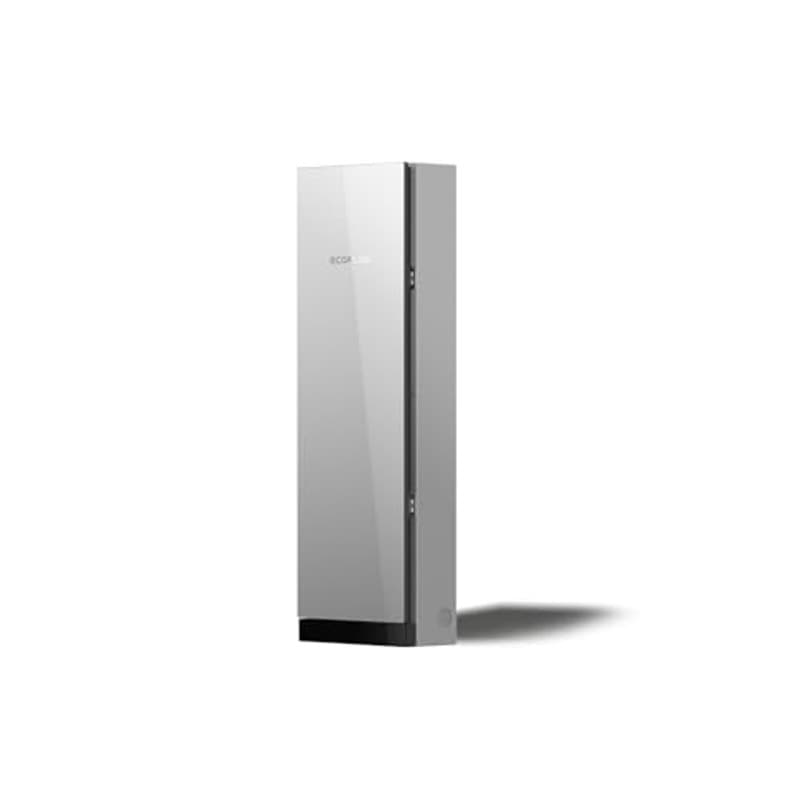
EcoFlow Smart Home Panel 3
SHE Panel Intelligence Score8.0/10All five scored capabilities across 32 published circuits, with the most documented protection of any sub-panel here
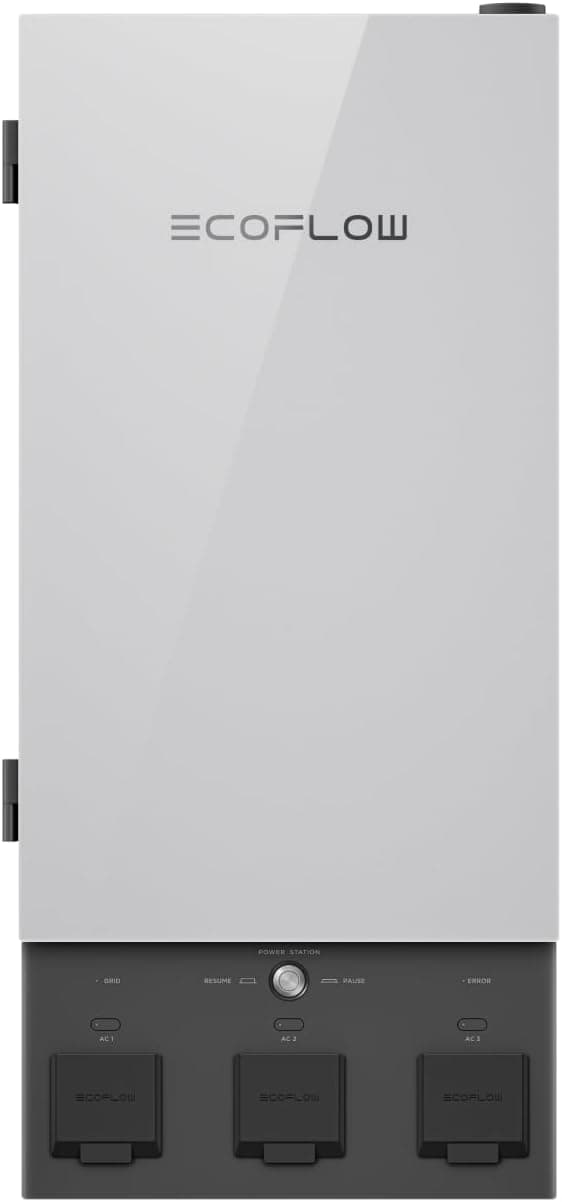
EcoFlow Smart Home Panel 2 (EFPD303)
SHE Panel Intelligence Score7.1/10The same 20ms transfer at the lowest sub-panel price, covering 12 circuits at 60A rather than the house
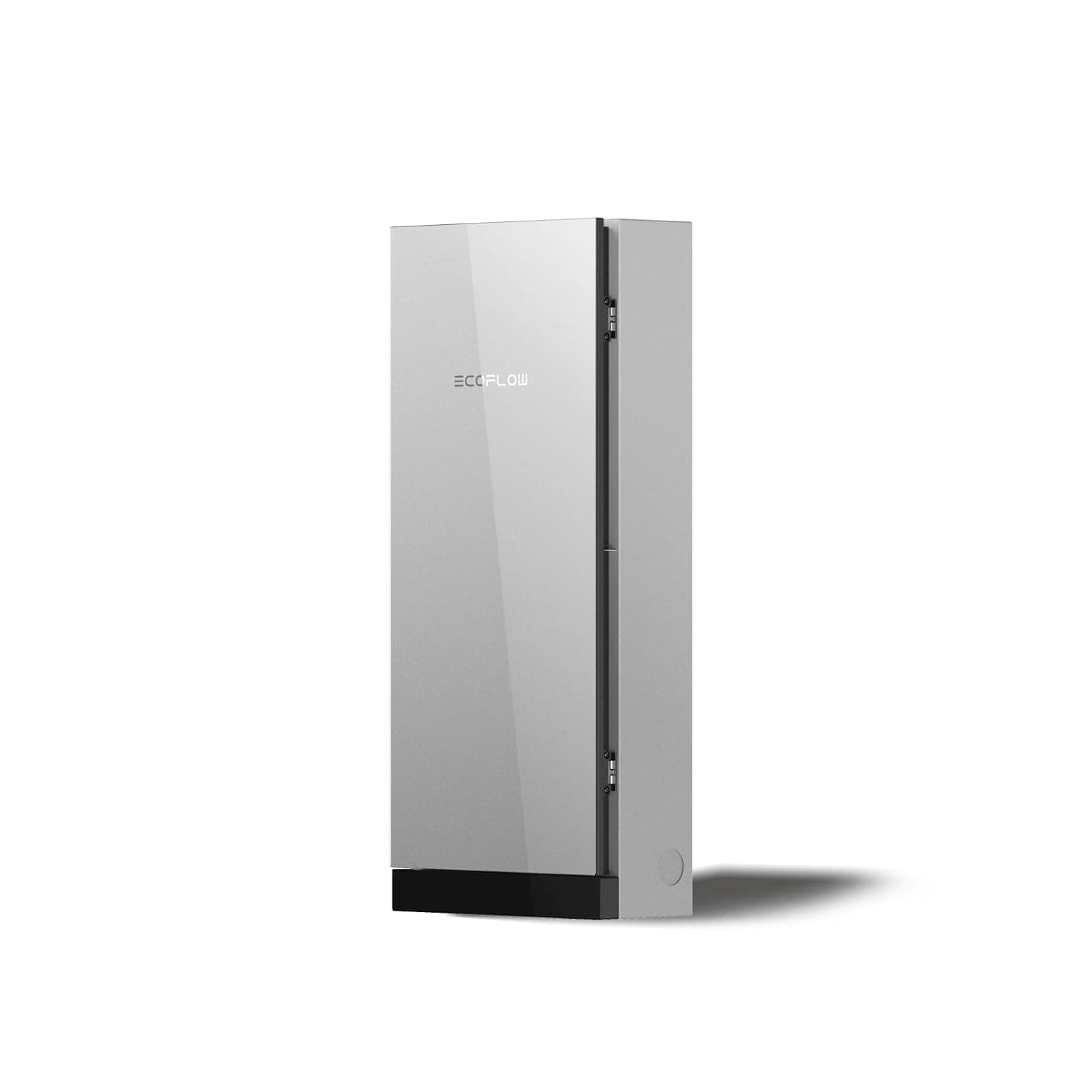
EcoFlow Smart Gateway 200A (EF-ATS-001)
SHE Panel Intelligence Score6.2/10The same transfer and a published circuit count, with a narrower documented feature set
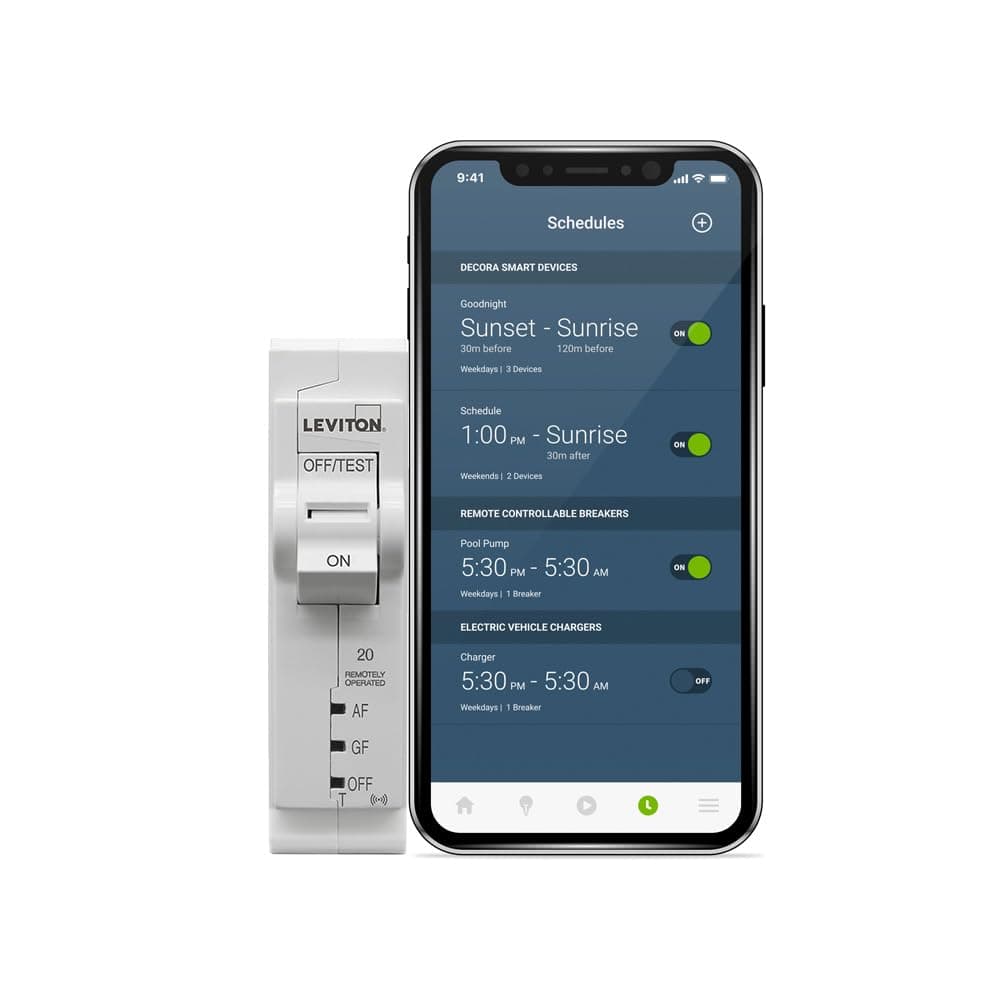
Leviton LB120-DST 2nd Gen Smart Circuit Breaker (1-Pole 20A, AFCI/GFCI)
SHE Panel Intelligence Score5.1/10The strongest published protection on the roster, with no ability to transfer anything to backup
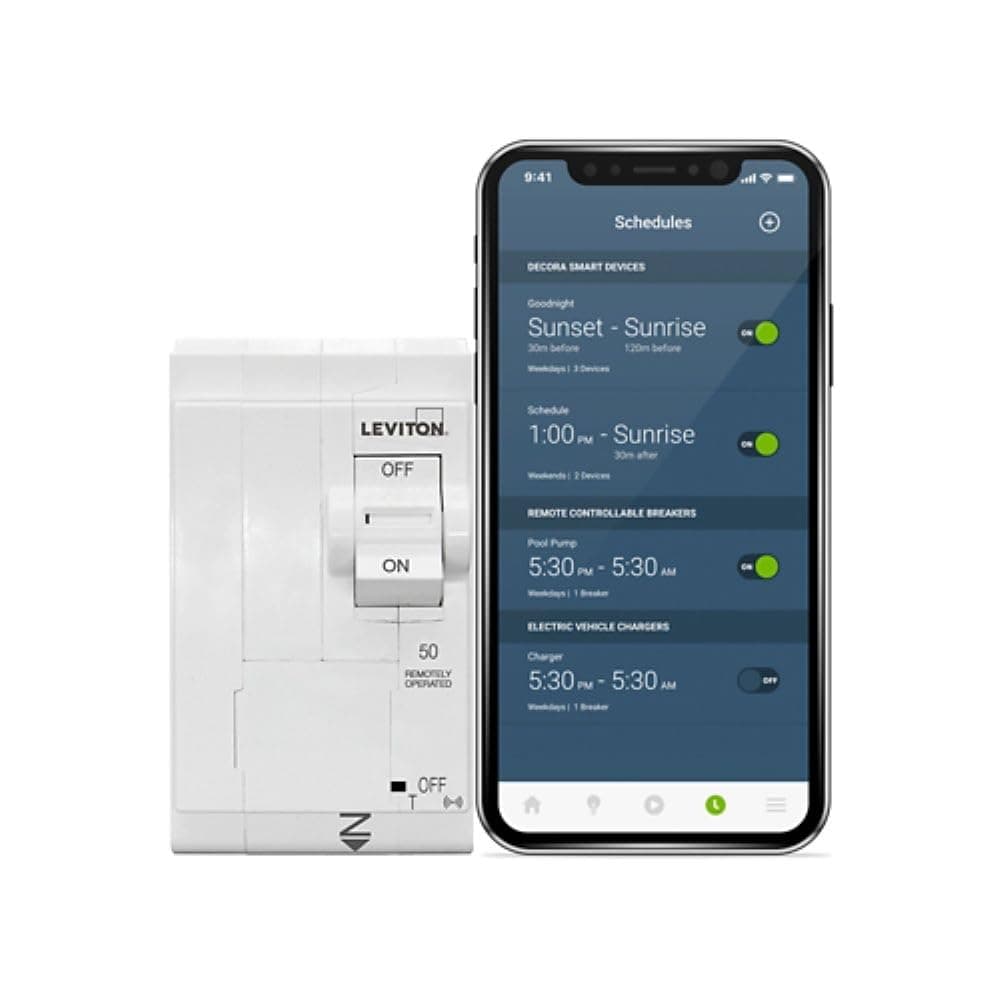
Leviton LB250-ST 2nd Gen Smart Circuit Breaker (2-Pole 50A, Standard)
SHE Panel Intelligence Score4.3/10Identical control to the breaker above on a 2-pole 50A circuit, with standard trip protection only
Compatibility Requirements, and What Your Existing Panel Determines
Compatibility eliminates candidates here more decisively than price does, and confirming it beforehand is genuinely worthwhile. Both Leviton breakers operate exclusively inside a Leviton Load Center, and both additionally require the Whole Home Energy Monitor to function at all. If your service panel carries another manufacturer's name, neither breaker is purchasable for your house regardless of budget. The EcoFlow units instead attach alongside your existing service, so the panel brand becomes irrelevant and the storage brand becomes decisive.
On the EcoFlow side the constraint is inverted, and the tiering is worth understanding before committing. The Panel 3 names DELTA Pro Ultra X storage, and manages solar, grid, EV chargers and generators up to 12kW. The Panel 2 names DELTA Pro Ultra and DELTA Pro 3 storage, scaling to 36kWh with three DELTA Pro 3 units and six extra batteries. EcoFlow publishes it as a 12-circuit sub-panel rated to 60A. The Smart Gateway names DELTA Pro Ultra X, solar, EV chargers and generators. None coordinates a competitor's battery. Households pairing this with best smart home backup power systems 2026 should confirm the exact storage model before purchasing any of them.
The remaining consideration is what the circuit itself carries, which the breaker choice normalizes around directly. A 20A single-pole breaker serves standard 120-volt lighting and receptacle circuits. A 50A 2-pole breaker serves the 240-volt runs feeding an EV charger, range or dryer. Neither earns transfer credit in the SHE Panel Intelligence Score, relative to any sub-panel, because a breaker interrupts only its own circuit. If circuit-level measurement rather than control is the actual objective, our best whole-home energy monitors guide covers hardware clamping on without replacing anything. Our smart home energy audit guide covers the wider savings case. Our editorial methodology explains how these constraints are weighted.
What These Cost You Beyond the Purchase Price
Every product in this guide carries an installation obligation, and none of them is a weekend project. Panel and breaker work sits directly on your service connection. A licensed electrician and a permit are therefore the realistic assumption for all five picks, and this guide deliberately publishes no installation instructions. Labor varies enormously by region and by the age of the existing service, which is precisely why the composite above excludes it entirely. A cost denominator that fluctuates by a factor of three between markets produces a ranking that measures your zip code rather than the hardware.
Two accessory obligations are worth calculating before comparing sticker prices. Both Leviton breakers, the 20A and the 50A alike, require the Whole Home Energy Monitor. That is a separate purchase and a genuine addition to the cheapest path here. All three EcoFlow units coordinate storage they do not include, and that storage is a substantially larger purchase than the panel coordinating it. Neither manufacturer publishes a subscription requirement for the fundamental functionality of these five products.
Incentives are the offset buyers ask about most, and the honest answer is that this guide will not quantify them. Federal credit eligibility for panel work has shifted, and utility and state programs vary by jurisdiction and by year. Confirm your own position with a tax professional and your utility before treating any credit as part of the calculation. Never rely on a figure published in a buying guide.
When NOT to Buy
Skip this category entirely if you rent, because none of this equipment survives a relocation and all of it modifies the landlord's electrical service. Skip it if your objective is understanding consumption rather than controlling it, because clamp-on monitoring delivers that outcome without modifying any breaker. The composite spread here runs from 4.3 to 8.0, demonstrating a category considerably narrower than its price range implies.
What Changed in This Roster, and Why
Both Span products recommended by the previous version of this guide are gone, and the reason is concrete. The two Amazon listings that version linked now return a 404 page not found, so those links pointed at nothing purchasable. Span remains the reference point this category is measured against, and it is named here for that reason. It is linked nowhere in this guide, because we could not verify a purchasable listing for it. Three EcoFlow products are ranked here and they are genuinely different hardware. The Panel 3 publishes 32 circuits at up to 200A, the Panel 2 publishes 12 at up to 60A, and the Smart Gateway publishes six. Confirm which one your storage actually pairs with before ordering. Our editorial standards are published at /methodology.
The score was rebuilt from the formula upward rather than adjusted. The previous version multiplied circuit count by a features score and an integration count, then divided by price, producing composites above 100 on a scale that was never defined. Dividing by price also meant the ranking moved whenever a price did. Every input was replaced with a weighted 0-to-10 factor set, and no score was carried across. The five outlets the previous version credited were solar marketplaces and installer sites rather than editorial review outlets. None of their attributed verdicts could be verified, so all five were removed rather than restated.
Who Should Buy What
Who Should Buy What
| If you are… | Recommended pick |
|---|---|
Owner covering the whole house You want every circuit under control with an automatic transfer, DELTA Pro Ultra X storage is already in the plan, and a published circuit count matters before you commit | EcoFlow Smart Home Panel 3 |
EcoFlow owner protecting critical circuits You want the same automatic transfer as the largest panel, 12 circuits at up to 60A covers everything that must stay powered, and the lowest sub-panel price matters more than whole-house reach | EcoFlow Smart Home Panel 2 (EFPD303) |
Household scoping backup to essentials You want a defined and published number of circuits carried through an outage, with automatic shedding of everything else, rather than whole-home coverage | EcoFlow Smart Gateway 200A (EF-ATS-001) |
Leviton panel owner upgrading gradually Your service panel is already a Leviton Load Center, and you want arc and ground fault protection plus remote control added one standard circuit at a time | Leviton LB120-DST 2nd Gen Smart Circuit Breaker (1-Pole 20A, AFCI/GFCI) |
Owner controlling a high-draw appliance circuit The circuit you want scheduled or switched remotely is a 240-volt run feeding an EV charger, electric range or dryer, and you have a Leviton Load Center | Leviton LB250-ST 2nd Gen Smart Circuit Breaker (2-Pole 50A, Standard) |
Frequently Asked Questions
Why is the Span panel no longer recommended in this guide?
Because we could not verify a purchasable Amazon listing for it. The previous version of this page linked two Span products directly, and both of those listings now return a 404 page not found when fetched. We do not link a destination that does not resolve, so Span is named in this guide and linked nowhere in it. That is a purchasing-availability judgement rather than a verdict on the hardware, which remains the reference point most of this category is designed against. If a verifiable retail listing appears we will reassess it against the current roster on the same criteria as everything else.
Should I buy the EcoFlow Smart Home Panel 3 or the cheaper Panel 2?
They are different products and the difference is bigger than the price suggests. EcoFlow publishes the Panel 3 at 32 circuits and a 200A maximum, and the Panel 2 at 12 circuits and a 60A maximum. That is the whole decision: the Panel 3 is sized for a house, the Panel 2 for the circuits you cannot afford to lose. Both publish the same sub-20ms automatic switchover, so they tie on the heaviest factor in our score. The Panel 3 also publishes per-circuit monitoring, four UL listings and an outdoor-rated design, where the Panel 2 publishes panel-level monitoring and a NEMA 3R enclosure. They name different storage too: DELTA Pro Ultra X for the Panel 3, DELTA Pro Ultra and DELTA Pro 3 for the Panel 2. Check which your battery pairs with before price enters the decision.
Why does this guide quote no expert reviews?
Because none of the five picks has been reviewed by any outlet we track, and we would rather say so than attach a plausible-sounding verdict to a publication that never wrote one. This is a real gap in the category rather than an oversight. Smart breakers and backup sub-panels are installed equipment sold largely through electricians, and the consumer technology outlets that review doorbells and speakers do not test them. The previous version of this page credited five sources for its rankings. All five were solar marketplaces, installer companies or trade sites rather than independent review outlets, and the verdicts attributed to them could not be verified, so we removed every one. Where coverage does not exist, this guide relies on published manufacturer specifications and says so.
Should I buy smart breakers or a smart sub-panel?
They solve different problems, and the score in this guide is built to make that visible rather than to declare a winner. A smart breaker adds remote control, scheduling and consumption reporting to one circuit inside a panel you already own. It cannot move your house onto battery power, because a breaker only interrupts its own circuit. A backup sub-panel reroutes selected circuits through stored energy and switches automatically when the utility fails, which is why all three sub-panels here outrank both breakers. If you have no home battery and no plan to buy one, the transfer capability is worth nothing to you, and a breaker at a fraction of the price may be the better purchase despite ranking lower.
Will the Leviton smart breakers fit my existing panel?
Only if your panel is a Leviton Load Center. Leviton publishes this plainly on both listings: the 2nd Gen Smart Circuit Breakers are designed for use with the Leviton Load Center. If your service panel carries another manufacturer's name, these breakers are not an option for your house, and replacing an entire enclosure to accommodate them changes the economics completely. There is a second requirement that is easy to miss. Leviton states that these breakers require a Whole Home Energy Monitor to operate, and that monitor is a separate purchase. Budget for it before comparing the breaker price against anything else in this guide.
Can I install any of these myself?
This guide will not tell you how, and we would encourage you not to. Every product here connects to your home's service equipment, where the conductors upstream of the main breaker remain energized even when the main is switched off. Most jurisdictions require a licensed electrician and a permit for panel work, and an inspection before the installation is energized. Hire a licensed electrician for all five of these products. That cost is real and it is why this guide deliberately excludes installation from the score: labor varies so widely by region and by the condition of the existing service that including it would rank your location rather than the hardware.
Why does the cheaper EcoFlow panel outrank the more expensive gateway?
Because price is not an input to the score, and on published capability the cheaper unit genuinely does more. The Smart Home Panel 2 publishes four of the five control capabilities this guide credits: remote circuit control, scheduled tasks, multi-source input management and priority tiering. The Smart Gateway publishes three of the five. Both publish an automatic transfer of around 20 milliseconds, so they tie on the heaviest factor. The Panel 2 also covers 12 circuits against the Gateway's six. It simply does not earn enough of it to close a gap built on documented capability rather than on price.
How many circuits does the EcoFlow Smart Home Panel 2 control?
Twelve. EcoFlow publishes it as a 12-circuit sub-panel rated to a maximum of 60A at 120V/240V. That figure matters more than it first appears, because it defines what the panel is actually for. Twelve circuits at 60A is a critical-loads configuration: the furnace, the refrigerator, a well pump, some lighting and outlets. It is not whole-house coverage, and any description implying otherwise deserves a second look. If you want every circuit in the house under control, EcoFlow publishes the Smart Home Panel 3 at 32 circuits and a 200A maximum, and that is the model this guide ranks first. Work out which circuits genuinely must stay powered before choosing between them, because that list decides it rather than the price does.
Bottom Line
Get the EcoFlow Smart Home Panel 3 if you want the whole house under control with a published circuit count and an automatic transfer, and the storage budget already exists.
Get the EcoFlow Smart Home Panel 2 (EFPD303) if 12 circuits at up to 60A covers what must stay powered, and you want the same 20ms transfer at the lowest sub-panel price.
Get the EcoFlow Smart Gateway 200A (EF-ATS-001) if you want a published circuit count and automatic shedding, and scoping backup to six essential circuits fits your household.
Get the Leviton LB120-DST 2nd Gen Smart Circuit Breaker (1-Pole 20A, AFCI/GFCI) if your panel is a Leviton Load Center and you want arc and ground fault protection plus remote control, one circuit at a time.
Get the Leviton LB250-ST 2nd Gen Smart Circuit Breaker (2-Pole 50A, Standard) if the circuit you want under app control is a 240-volt run feeding an EV charger, range or dryer.
Skip the category entirely if you rent, or if understanding your consumption rather than controlling it is the actual goal.
Sources & Methodology
Methodology: SHE Panel Intelligence Score — Formula: (Automatic Transfer × 0.35) + (Documented Capability Breadth × 0.25) + (Install Independence × 0.20) + (Published Protection × 0.20). Factors: Automatic Transfer (35%): Ten where the listing publishes a switchover that moves the home onto stored power with nobody present, zero where the device switches only its own circuit. Deliberately binary and deliberately the heaviest weight, because remote control and outage protection are different purchases and buyers routinely conflate them. | Documented Capability Breadth (25%): Two points for each published control capability, capped at ten: remote on and off, scheduling, per-circuit energy monitoring, multi-source input management, and priority tiering or automatic load shedding. Credited only where the manufacturer publishes the capability for that exact model. | Install Independence (20%): Ten where the device snaps into an existing load center with no enclosure work, two where it is a wall-mounted sub-panel installed alongside the electrical service. This factor deliberately pulls against the first one, because the same panel-scale connection that permits an automatic transfer also demands an electrician and a permit. | Published Protection (20%): Ten where the manufacturer publishes both a dual-function AFCI/GFCI trip mechanism and an interrupt rating. Eight for multiple safety certifications plus an outdoor-rated design, six for a single enclosure rating, four for an enclosure material with no rating published at all.
Expert review sources used in this analysis:
- SmartHomeExplorer aggregates published expert review coverage and manufacturer specifications
- No first-party testing of electrical equipment was conducted for this guide, and none is implied anywhere on this page
- The most important disclosure here is a negative one
- None of the five recommended products has a published review from any outlet we track
- That is the honest state of this category, and it is why this guide leans entirely on manufacturer specifications and says so each time it does
- The previous version of this page credited EnergySage, 8MSolar, SolarTechOnline, ProBuilder and SolarReviews for its rankings, and attributed direct verdicts to several of them
- Those are solar marketplaces, installer companies and trade publications rather than independent review outlets, and none of the attributed verdicts could be verified against a published page
- All five attributions were removed rather than restated, along with the quotes assigned to them
- Every price, amperage, pole count, interrupt rating, certification, enclosure rating, warranty term, dimension and compatibility claim in this guide was read from the product listing on Amazon in September 2026
- Where the listing was silent, the figure comes from the manufacturer's own specification page for that exact model
- All five picks showed as in stock in new condition at that time
- Three are sold by Amazon.com, namely the Smart Home Panel 2 and both Leviton breakers, and two by EcoFlow Inc., namely the Panel 3 and the Smart Gateway
- The Leviton warranty terms come from Leviton's published specification page for the LB120-DST
- The circuit counts and amperage ratings, certifications, priority tiering and capacity figures for the EcoFlow panels come from EcoFlow's own product pages
- Those pages publish the Panel 3 at 32 circuits and 200A, and the Panel 2 at 12 circuits and 60A
- Prices change frequently — check the current price on Amazon before buying
- One published manufacturer claim is deliberately absent
- EcoFlow advertises a backup-duration extension percentage for the Smart Home Panel 3, stated without a baseline we could verify or reproduce
- It therefore appears nowhere on this page and earns no credit in the score
- Two Span listings linked by the previous version of this page were fetched while this guide was written and both returned a 404 page not found
- Span is therefore named in this guide and linked nowhere in it
- The SHE Panel Intelligence Score is our own composite and is attributable to no outlet
- Its four factors, their weights and the normalization applied to each are published in the scoring block above and on the metric page
- The factor set was rebuilt entirely for this version, and no score was carried across from the earlier roster.
Nicholas Miles is the founder of SmartHomeExplorer and a longtime smart home enthusiast focused on helping everyday homeowners make better technology decisions. He researches, compares, and writes about products across security, climate, lighting, leak prevention, sensors, home energy, and automation, with an emphasis on real-world usefulness, ecosystem compatibility, reliability, privacy, and long-term value.
Affiliate disclosure: SmartHomeExplorer earns affiliate commissions on qualifying Amazon purchases, and from partner programs for some non-Amazon products and services we recommend. Our scoring methodology is independent of affiliate relationships.
More Guides
energy
Best Smart Home Energy Management Systems 2026
energy
Smart Home Energy Audit: Which Devices Save Money in 2026
Sensors
Best Whole-Home Energy Monitors 2026: 5 Ranked
Energy
Best Smart Home Backup Power Systems 2026
Energy
Best Smart Portable Power Stations for Home Backup 2026
Outdoor