
Emporia Vue 3 16-Circuit Monitor is the best solar-owner energy monitor because it shows production, consumption, and circuit timing clearly enough to improve self-consumption.
Solar owners do not need the same energy monitor a normal utility customer needs. The generic whole-home question is “where is my electricity going?” The solar-owner question is harder: “when should I consume my own generation, when am I exporting too much, and which loads should move into my solar window?” That shift matters. A monitor can be excellent at showing a giant household total and still be mediocre for a house with panels, batteries, or time-of-use pricing. This guide exists because solar homes need more than a dashboard. They need timing clarity. For the broader category first, start with our best whole-home energy monitors guide. If you are still figuring out the rest of your energy stack, our smart home energy audit guide, best smart home energy management / demand response guide, and best home battery storage systems guide are the natural companions.
That is why Emporia Vue 3 16-Circuit Monitor wins this spoke. It is not because it is the flashiest product. It is because most solar owners benefit more from circuit-level actionability than from abstract net-metering elegance alone. Eyedro Home Energy Monitor is still the cleaner pure net-metering answer. Sense Energy Monitor remains the “teach me my house” option. Emporia Vue Gen 2 is the budget circuit-level play. Shelly EM Gen3 Energy Meter is the power-user choice when your solar logic is already heading into Home Assistant territory.
To keep the guide honest, I stayed with products already grounded in the repo’s energy-monitor coverage. The point is not to crown the most technically interesting monitor. The point is to help a solar owner decide which one creates the clearest path to better self-consumption, smarter export timing, and fewer dumb “why did I just buy from the grid at 6 PM?” moments. If you already know you need device-level automation after the monitor, our best smart power strips and energy monitors guide is the next useful read.
If your next move is pairing the monitor with storage economics, our best home battery storage systems guide is the right next comparison.
SHE Solar ROI Tracking Index
Our SHE Solar ROI Tracking Index asks a narrower question than normal monitor guides: which device is most useful if your goal is protecting solar ROI instead of simply admiring a prettier energy app?
What it measures: how clearly the monitor helps a solar owner understand production, self-consumption, export timing, and the loads worth moving into solar windows.
Formula: SHE Solar ROI Tracking Index = (Production vs Consumption Clarity × 0.30) + (Load-Shifting Usefulness × 0.25) + (Solar / Net-Metering Visibility × 0.20) + (Circuit / Device Insight Depth × 0.15) + (Ownership Value × 0.10)
How we scored it: Production vs Consumption Clarity rewards dashboards that make solar timing obvious. Load-Shifting Usefulness measures whether the monitor helps you decide when to run the EV, water heater, or HVAC. Solar / Net-Metering Visibility favors devices that make import/export timing legible. Circuit / Device Insight Depth rewards the monitor that best explains where your generation should go. Ownership Value asks whether the hardware keeps making sense after the honeymoon month.
(SmartHomeExplorer editorial analysis — /methodology)
SHE Solar ROI Tracking Index (0–10)
Ranks which energy monitors actually help solar owners improve self-consumption, export timing, and load shifting instead of just showing prettier graphs.
Best mix of solar visibility and circuit-level actionability
Best pure net-metering dashboard for solar owners
Best at teaching you how your house actually uses solar output
Best cheaper circuit-level solar-owner value play
Best power-user solar automation building block
SmartHomeExplorer editorial analysis. Formula: production vs consumption clarity (30%) + load-shifting usefulness (25%) + solar/net-metering visibility (20%) + circuit/device insight depth (15%) + ownership value (10%) (April 2026)
What the index says: Emporia Vue 3 16-Circuit Monitor wins because most solar owners eventually care more about which household loads should move into solar windows than about prettier net-metering graphs alone. Eyedro Home Energy Monitor is the cleaner pure net-metering dashboard answer. Sense Energy Monitor remains the “teach me my house” option. Shelly EM Gen3 Energy Meter is the power-user lane if your solar automations already live in Home Assistant.
Solar Energy Monitor
Chart
 Smarthomeexplorer.com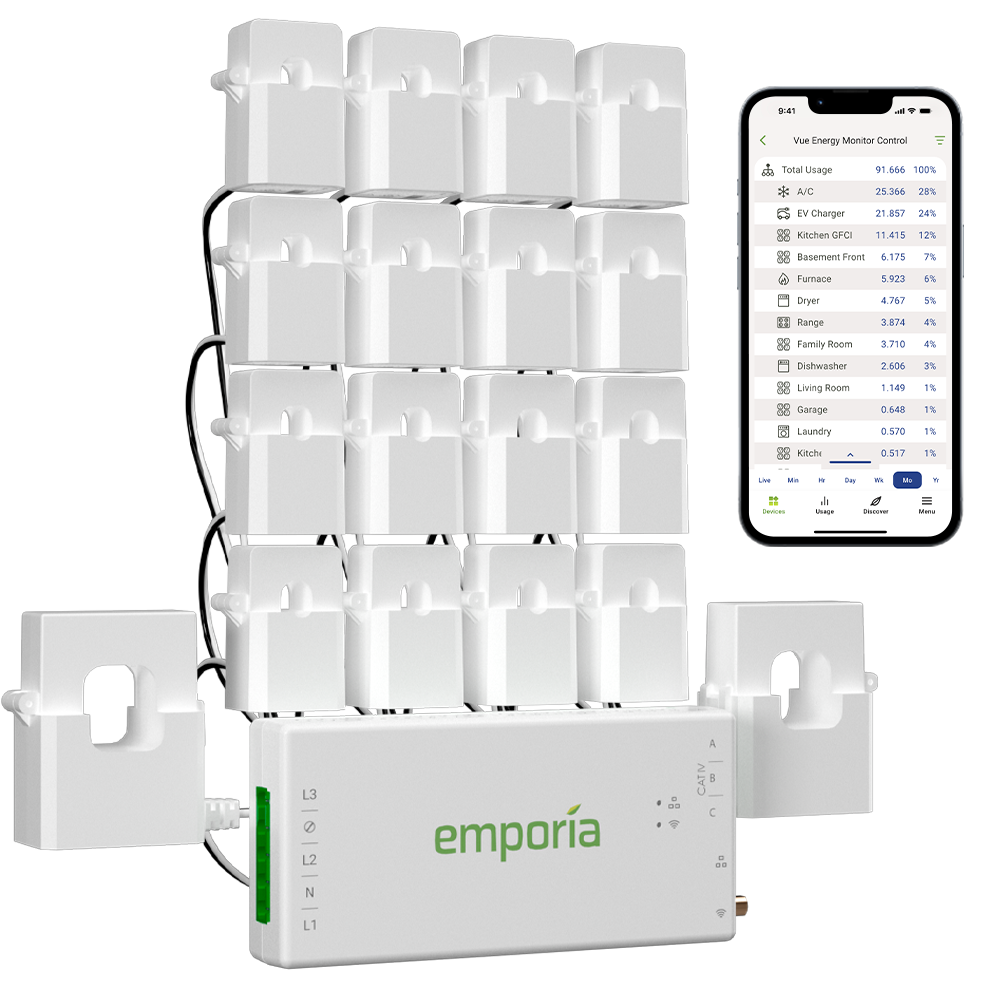
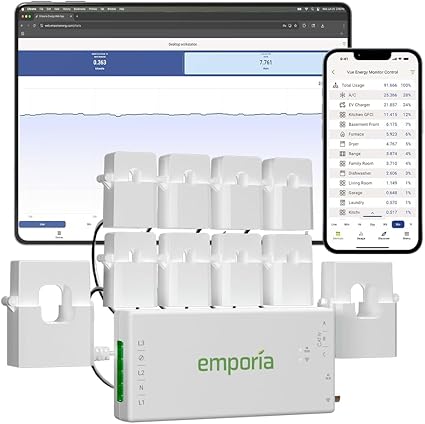
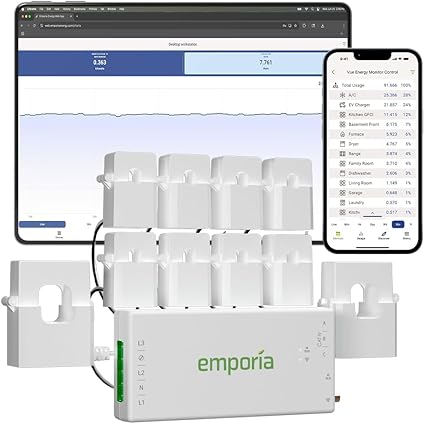
Emporia Vue 3 16-Circuit Monitor — Best Overall for Solar Owners
Emporia Vue 3 16-Circuit Monitor
(Current Price, subject to change)
Ready to upgrade your home?
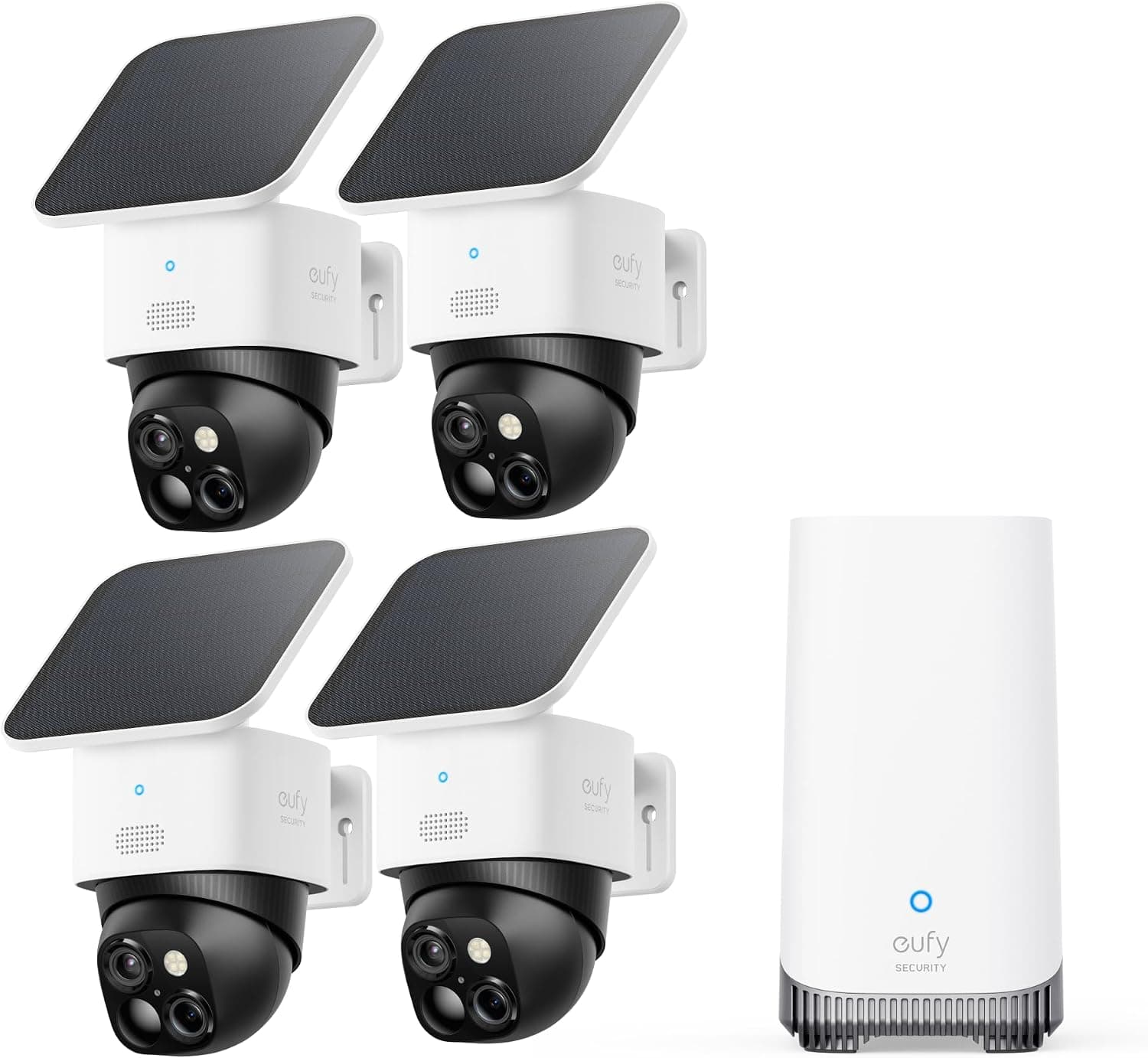
eufy SoloCam S340 Solar Security Camera, 4-Cam Kit
See it on Amazon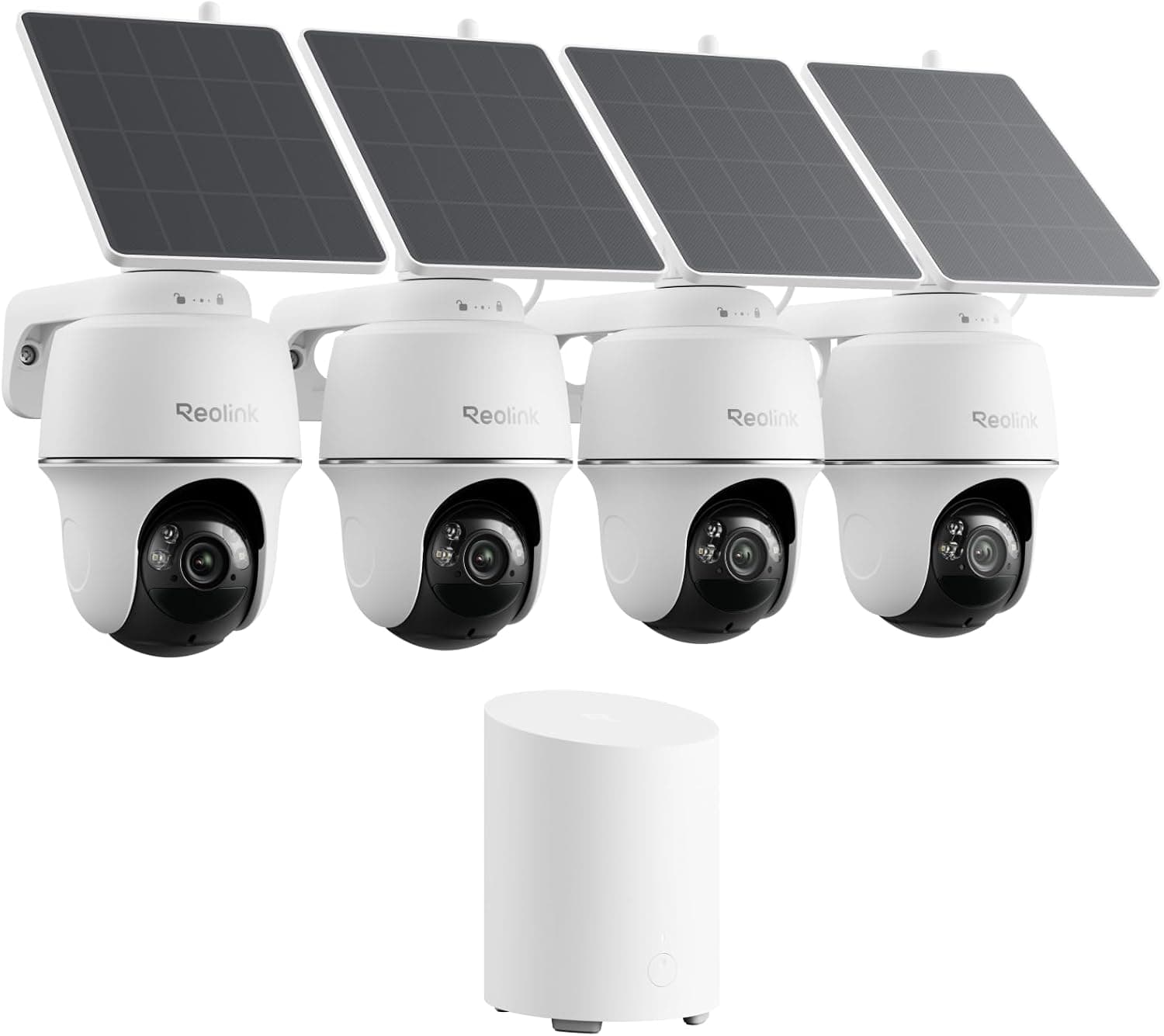
REOLINK 360° Solar Security Cameras, 4 Pack
See it on Amazon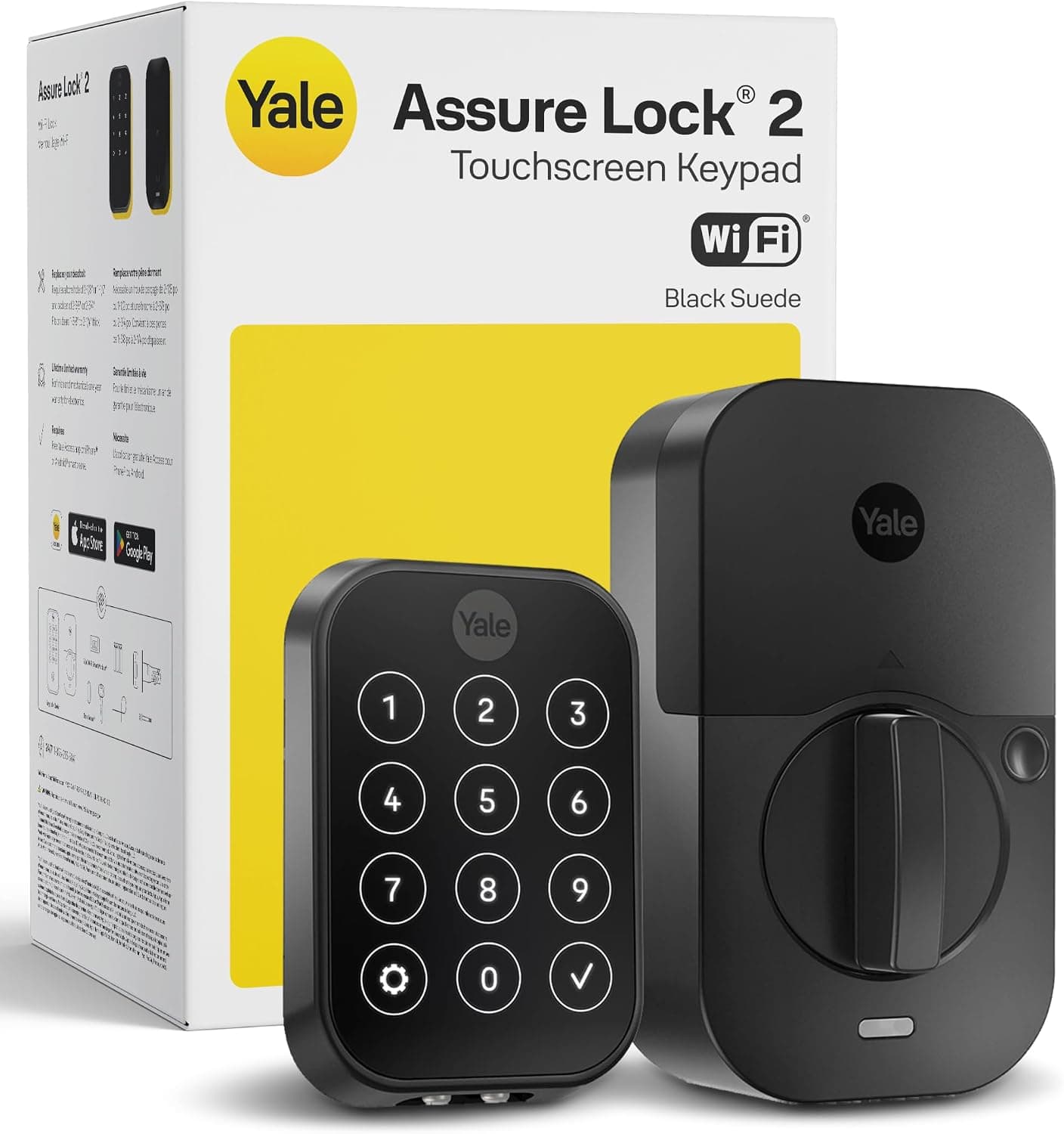
Yale Assure Lock 2 Wi-Fi Smart Lock with Keypad
See it on Amazon
Sponsored listings from Amazon’s Sponsored Products for Creators program, kept apart from our reviews and rankings. How we make money
The Emporia Vue 3 16-Circuit Monitor wins because it is the monitor that most directly answers the solar-owner question: what should I consume when my panels are producing? That sounds basic, but it is the whole game. Once you know which circuits are drawing hard during peak production, the monitor stops being a dashboard and starts becoming a control tool for self-consumption decisions.
That is why it beats Eyedro here. Eyedro is cleaner on pure net-metering clarity, but Emporia is more useful for the next action. The Emporia Vue 3 16-Circuit Monitor gives enough solar visibility and enough circuit-level truth that you can decide whether the midday surplus should go to the EV, the water heater, the dryer, or nowhere at all. For most solar owners, that is simply the more valuable insight.
What We Love
- Best solar-owner actionability in the guide.
- Strong circuit-level insight for self-consumption decisions.
- Still good enough on pure solar tracking that you are not sacrificing the production picture.
What Could Be Better
- Real panel install burden is still a hurdle.
- Less elegant than Eyedro if all you want is cleaner net-metering reporting.
The Verdict
The Emporia Vue 3 16-Circuit Monitor is the best solar energy monitor because it helps owners make better timing decisions, not just admire better charts.
Is Emporia Vue 3 16-Circuit Monitor worth it in 2026?
Yes. If you want the monitor that most directly improves self-consumption and load-shifting decisions, Emporia is still the right answer.
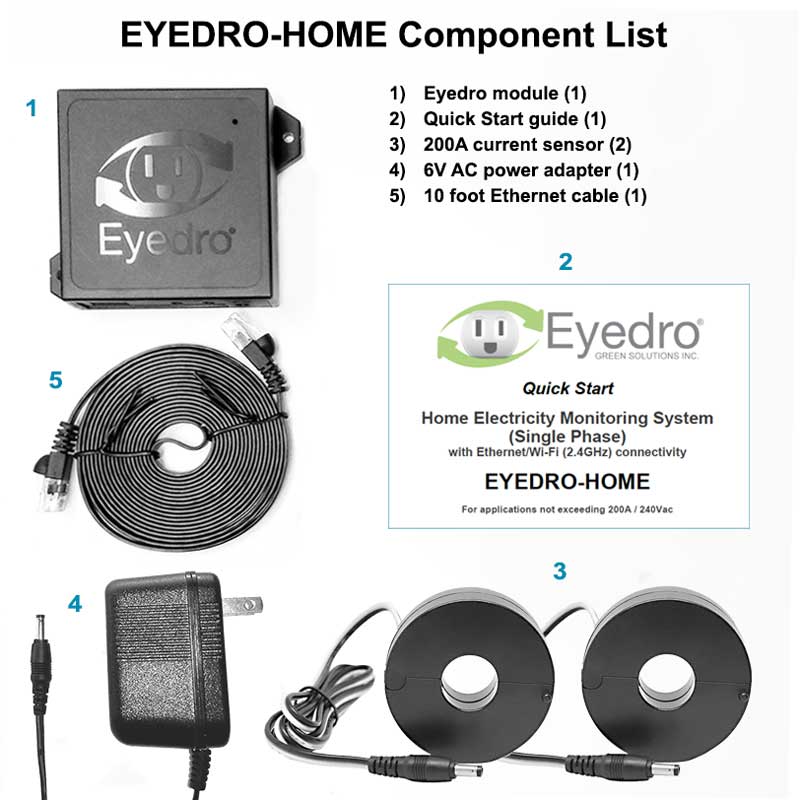
Eyedro Home Energy Monitor — Best Net-Metering Dashboard
Eyedro Home Energy Monitor
(Current Price, subject to change)
The Eyedro Home Energy Monitor is the best answer if your solar-owner brain mostly wants one thing: cleaner import/export visibility. That is what Eyedro still does best. It is the monitor for buyers who think in net metering first and load shifting second. If your top question is “when am I actually exporting and when am I quietly buying from the grid?”, this is the cleanest product in the guide.
That narrower strength is also why it finishes second instead of first. It helps you understand solar timing beautifully, but it is less powerful than Emporia once you want to act on the rest of the house circuit by circuit. If you want elegant solar reporting first, Eyedro is the right answer. If you want the monitor that changes your behavior more aggressively, Emporia still wins.
What We Love
- Best pure net-metering visibility in the guide.
- Strong solar-owner dashboard clarity without extra visual clutter.
- Good fit for buyers who already know what they want to track.
What Could Be Better
- Weaker “what should I move next?” actionability than Emporia.
- Thinner automation story than Shelly or Home Assistant-oriented setups.
The Verdict
The Eyedro Home Energy Monitor is the best solar monitor for buyers who care most about net-metering timing and dashboard clarity.
Is Eyedro Home Energy Monitor worth it in 2026?
Yes — especially if export / import timing is the part of solar ownership you care about most.
Sense Energy Monitor — Best for Learning Your Loads
Sense Energy Monitor
(Current Price, subject to change)
The Sense Energy Monitor remains the best monitor for owners who do not just want numbers. They want the house explained back to them. That is still the product’s whole appeal. In a solar house, that matters because behavior change often beats a better chart. If the monitor can make you understand when the dryer, HVAC, and EV are colliding with your solar window, it becomes more valuable than a prettier app.
That said, it is still the least straightforward solar-value recommendation here because the price is high and the learning curve is part of the product. Sense is what you buy if curiosity is part of the point. If your goal is practical solar ROI improvement first, Emporia or Eyedro makes more sense.
What We Love
- Best load-learning behavior in the guide.
- Strongest “teach me my house” value for curious solar owners.
- Good fit for behavior-change households rather than pure dashboard shoppers.
What Could Be Better
- Expensive for a monitor-first product.
- Slower payoff if you want answers immediately instead of through learning.
The Verdict
The Sense Energy Monitor is the best solar energy monitor for buyers who want their house interpreted, not just measured.
Is Sense Energy Monitor worth it in 2026?
Yes — if the point is changing behavior through better load understanding, not just reading solar totals.
Emporia Vue Gen 2 — Best Budget Circuit-Level Solar Pick
Emporia Vue Gen 2
(Current Price, subject to change)
The Emporia Vue Gen 2 is the budget circuit-level answer for solar owners who still want real insight instead of just total-home guesswork. It is not the newest Emporia story, but it still matters because the value case is very understandable: enough visibility to make better solar-consumption decisions without paying for the biggest current package.
It is also the product that makes the newer Emporia gear easier to understand. If you know you want circuit-level solar use data but do not need the full premium setup, the Emporia Vue Gen 2 is still a very defensible compromise.
What We Love
- Best cheaper circuit-level answer for solar owners.
- Strong practical ROI case if you cannot justify the larger setup.
- Familiar Emporia-style workflow without the highest price.
What Could Be Better
- Less future-facing than the newest Vue setup.
- Not the cleanest solar dashboard and not the deepest learning story either.
The Verdict
The Emporia Vue Gen 2 is the best budget circuit-level solar monitor because it still gives owners enough insight to move loads intelligently.
Is Emporia Vue Gen 2 worth it in 2026?
Yes — if you want useful solar timing insight on a tighter hardware budget.
Shelly EM Gen3 Energy Meter — Best Power-User Solar Automation Meter
Shelly EM Gen3 Energy Meter
(Current Price, subject to change)
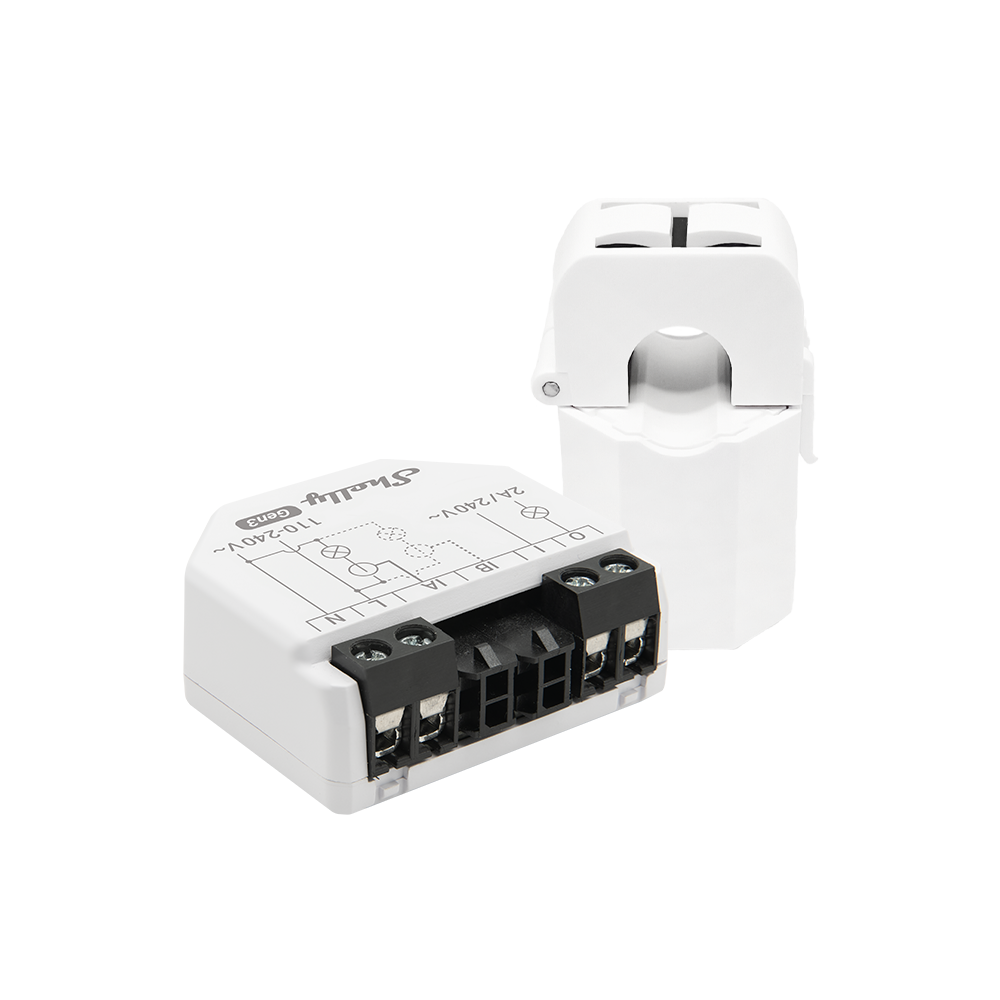
The Shelly EM Gen3 Energy Meter is here for one kind of buyer only: the solar owner who already knows the next move is custom automation. If you live in Home Assistant, MQTT, or local API logic, the Shelly answer is not just interesting — it is often the right one. One or two well-placed meters on the exact circuits that matter can be more useful than a broader consumer dashboard you do not trust to automate anything.
That also makes it the least universal recommendation in the guide. It is too technical for many buyers and too narrow if you want a whole-home answer in one purchase. But for the power-user solar owner, Shelly EM Gen3 Energy Meter is the most flexible building block here.
What We Love
- Best local-automation path in the guide.
- Excellent targeted solar-circuit control for power users.
- Cheap entry point for very specific measurement jobs.
What Could Be Better
- Not a whole-home consumer answer.
- Too technical for buyers who just want a cleaner dashboard.
The Verdict
The Shelly EM Gen3 Energy Meter is the best solar monitor for power users because it exposes the exact circuits and automations that matter without cloud fluff.
Is Shelly EM Gen3 worth it in 2026?
Yes — if you already know you are building around Home Assistant or local solar automations instead of a mainstream consumer dashboard.
When Not to Buy
- Skip whole-home monitors if your solar goal is only one or two critical circuits — that is when Shelly makes more sense.
- Skip power-user meters if you want plug-and-play solar visibility — that is where Emporia and Eyedro win.
- Skip premium learning dashboards if you mostly need simple import/export timing — do not overbuy curiosity when clarity is enough.
- Skip this whole category if your solar installer app already gives you everything you actually use — some owners simply do not need another energy layer.
Frequently Asked Questions
Which energy monitor is best for solar panel owners in 2026?
Emporia Vue 3 16-Circuit Monitor is the best overall solar-owner monitor because it combines production visibility with the circuit-level insight needed to improve self-consumption.
Is Eyedro better than Emporia for solar?
Only if pure net-metering visibility is your main goal. Eyedro Home Energy Monitor is cleaner for import/export timing, while Emporia Vue 3 16-Circuit Monitor is better for deciding what loads to move into solar windows.
Do solar owners need circuit-level monitoring?
Not always, but it helps a lot if you want to improve self-consumption instead of just reading production totals. Circuit-level visibility makes it much easier to know which loads should shift into solar-heavy hours.
Is Sense Energy Monitor worth it for a solar home?
Yes — if you want your monitor to teach you how the house behaves. If you mainly want cleaner solar timing visibility or easier circuit insight, Emporia or Eyedro is usually the sharper answer.
If the bigger goal is utility-rate arbitrage or load shifting beyond solar alone, our best smart home energy management / demand response guide is the better follow-up.
The Bottom Line
If you want the best overall energy monitor for a solar home, buy the Emporia Vue 3 16-Circuit Monitor. If you want the cleanest net-metering dashboard, buy the Eyedro Home Energy Monitor. If you want the best power-user solar automation meter, buy the Shelly EM Gen3 Energy Meter. For the broader monitor category, go back to our best whole-home energy monitors guide.
Get the Emporia Vue 3 16-Circuit Monitor if you want the most practical mix of solar visibility and load-shifting actionability.
Skip the Sense Energy Monitor if your main goal is simple solar import/export timing instead of deeper whole-home learning.
Sources & Methodology
Methodology: SmartHomeExplorer consensus scores aggregate expert testing and reviews from outlets including The Verge, Wirecutter, CNET, Ars Technica, and energy-monitor specialists. For this spoke, we re-ranked the category around one solar-owner question: which monitor most clearly helps you protect ROI by shifting loads, improving self-consumption, and understanding export timing?
Expert review sources used in this analysis:
- The Verge — Emporia Vue 3 whole-home value framing
- Wirecutter — Emporia whole-home monitor recommendation context
- CNET — Eyedro solar dashboard framing
- Ars Technica — Shelly EM / Sense power-user context
- Energy-audit / demand-response guide reuse from existing repo evidence
Evidence Summary
| Claim | Source Type | Source | Verified |
|---|---|---|---|
| Emporia Vue 3 16-Circuit is the best all-round solar-owner monitor | Expert review + repo consensus | The Verge + Wirecutter + repo energy coverage | 2026-04-10 |
| Eyedro is the best pure net-metering dashboard choice | Expert review + repo consensus | CNET + repo whole-home monitor coverage | 2026-04-10 |
| Sense is the strongest “learn your loads” solar option | Expert review + repo consensus | existing repo energy-audit coverage + consensus data | 2026-04-10 |
| Shelly EM Gen3 is the best power-user solar automation meter | Expert review + repo consensus | Ars Technica + repo energy monitor coverage | 2026-04-10 |
Nicholas Miles is the founder of SmartHomeExplorer.com, where he researches, compares, and writes about smart home products across security, climate, lighting, sensors, home energy, networking, pet tech, and automation. SmartHomeExplorer now publishes 331 buying guides and tracks 1,052 consensus-reviewed products, with recommendations built from 3+ expert sources per product plus SmartHomeExplorer's proprietary SHE scoring frameworks for value, compatibility, and long-term ownership.
Disclosure: SmartHomeExplorer.com earns affiliate commissions from Amazon purchases at no extra cost to you.