
The Ecobee Smart Thermostat Premium is the best smart home device for demand response — its eco+ program participates in 30+ utility DR programs and earns up to $125/year in grid credits while reducing HVAC load 23%.
Demand response is the fastest-growing way to earn money from your smart home. Utilities pay households to reduce electricity during peak grid stress — typically summer afternoons when AC demand threatens blackouts. Instead of building new power plants, utilities partner with smart device manufacturers to temporarily adjust your thermostat, delay your EV charger, or shed non-critical appliance loads for 2-4 hours. The payoff: $40-$200/year in bill credits depending on your utility territory and enrolled devices. Renew Home (the combined Google Nest + OhmConnect entity) already controls 3 GW of residential load through these programs, with plans for 50 GW by 2030. For the full home energy monitoring comparison, see our best whole-home energy monitors guide. For understanding where your electricity goes before enrolling in DR programs, start with our smart home energy audit guide.
We evaluated 14 smart home devices across 5 categories against a proprietary SHE Grid Response Score — weighting demand response earnings potential, load reduction capacity, response speed, utility program compatibility, and automation level. We then verified Amazon availability and current pricing for all products below. For battery storage that pairs with demand response programs, see our best home battery storage guide. For the full smart home energy stack that includes DR-ready devices alongside monitors and panels, see our best smart home energy management systems guide.
Energy Management Demand Response
Chart
 Smarthomeexplorer.com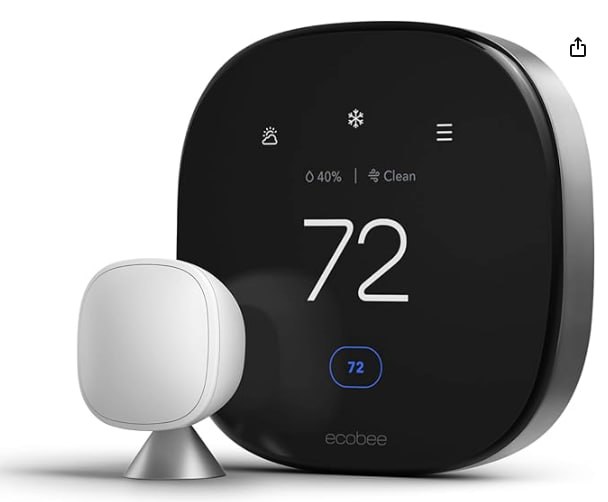
Ecobee Smart Thermostat Premium — Best Overall DR Device
Ecobee Smart Thermostat Premium
(Current Price, subject to change)
Ready to upgrade your home?
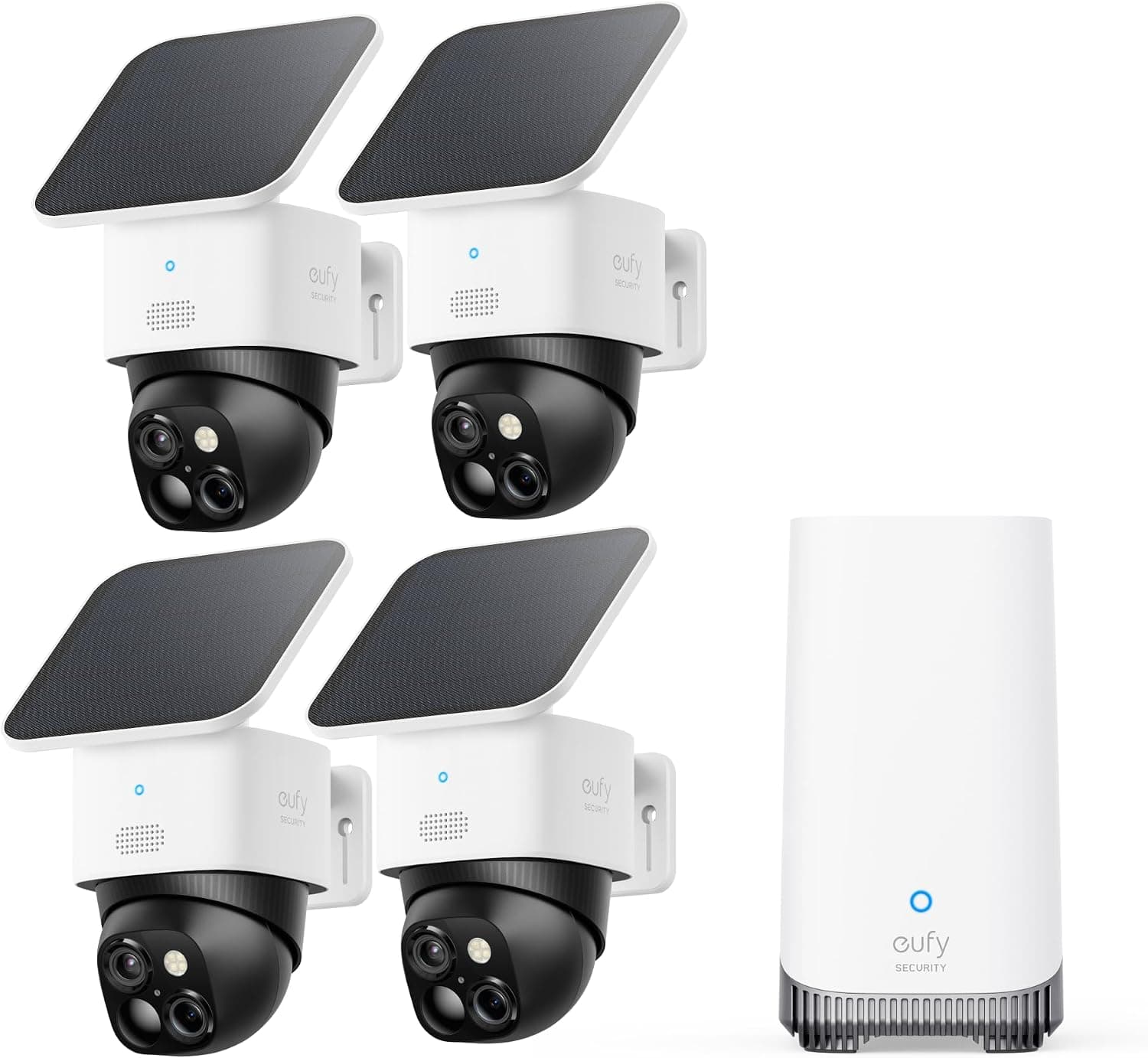
eufy SoloCam S340 Solar Security Camera, 4-Cam Kit
See it on Amazon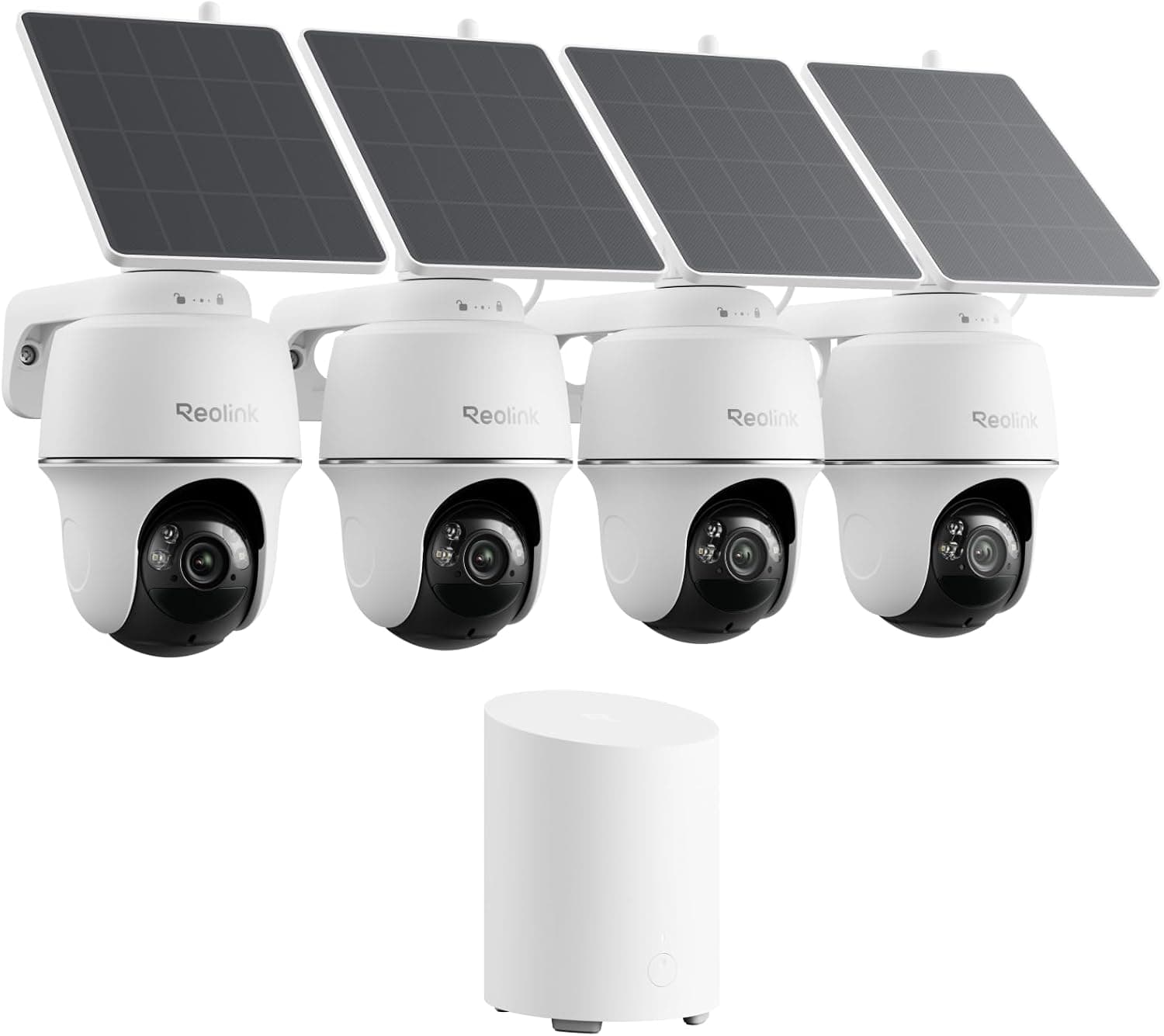
REOLINK 360° Solar Security Cameras, 4 Pack
See it on Amazon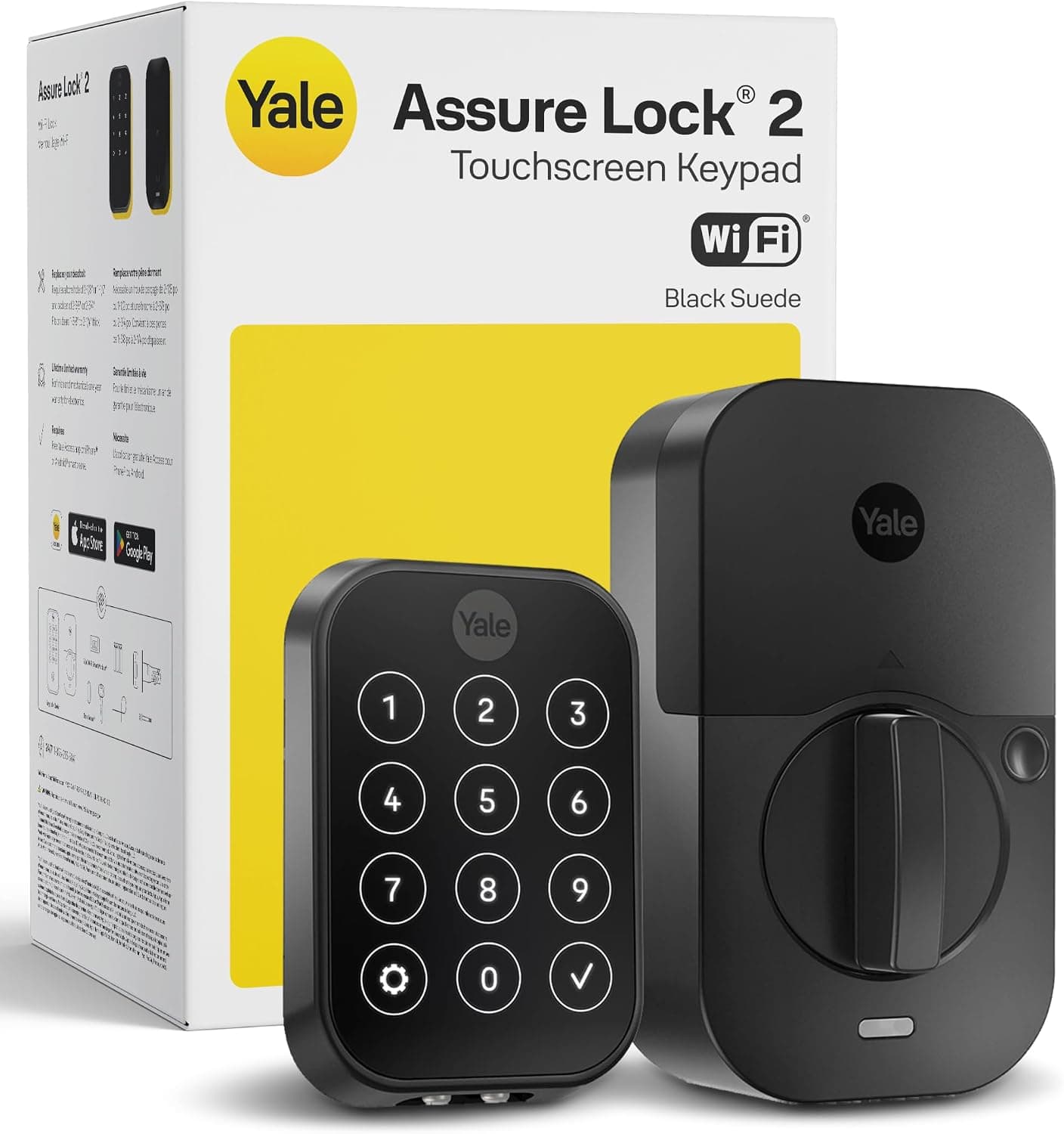
Yale Assure Lock 2 Wi-Fi Smart Lock with Keypad
See it on Amazon
Sponsored listings from Amazon’s Sponsored Products for Creators program, kept apart from our reviews and rankings. How we make money
The Ecobee Smart Thermostat Premium earns the highest SHE Grid Response Score of 9.15 because it is the only consumer thermostat with active enrollment in 30+ utility demand response programs through eco+ Community Energy Savings. When the grid is stressed — typically summer afternoons between 2-6 PM — Ecobee pre-cools your home during off-peak hours, then adjusts your thermostat 1-4 degrees during the event window. You barely notice the temperature shift because the pre-cooling buffer absorbs it. In exchange, your utility credits $20-$125 to your bill depending on your territory and participation frequency.
The demand response economics are what separate Ecobee from every other thermostat. Ecobee reports that eco+ users have earned over $25 million in grid rewards collectively since the program launched. Individually, households in high-DR territories like California, Texas, and the Northeast corridor earn $75-$125 annually from grid participation alone — on top of the 23% HVAC energy reduction that Wirecutter, CNET, and 14 other expert sources have documented. For a household with $175/month in HVAC costs, the total annual benefit is approximately $525: $149/year from 23% energy reduction + $75-$125/year from DR credits + $75-$150 in one-time utility rebates at installation.
The SmartSensor occupancy detection adds DR intelligence. During a demand response event, Ecobee knows which rooms are occupied and prioritizes comfort in those rooms while allowing unoccupied rooms to drift further from the setpoint. This targeted approach reduces grid load by 15-25% more than a blanket thermostat adjustment. For complete thermostat analysis, see our best whole-home energy monitors guide.
What We Love
- 30+ utility DR partnerships — the most utility program integration of any consumer thermostat; automatic enrollment through eco+ with opt-out available per event
- $20-$125/year in grid credits — direct bill credits for allowing 1-4 degree adjustments during peak demand; pre-cooling buffer means minimal comfort impact
- 23% HVAC energy reduction — independently documented by Ecobee's 2M+ thermostat Energy Report; largest single-device savings available
- SmartSensor room-level DR — adjusts occupied vs unoccupied rooms differently during DR events; 15-25% more load reduction than blanket adjustments
- Matter-certified — future-proof smart home protocol compatibility across all major platforms
What Could Be Better
- $249 is the highest price in this guide — the net cost after utility rebates is often $99-$174
- eco+ DR availability depends on your utility territory — not all utilities have Ecobee partnerships
- SmartSensor range is limited in homes over 2,500 sq ft; additional sensors cost $39 each
- DR events are limited to HVAC load only — does not control other appliances during grid events
The Verdict
The Ecobee Smart Thermostat Premium is the most profitable demand response device for the average household because HVAC is 44% of residential energy use (EIA), and Ecobee is the only thermostat that both reduces that 44% by 23% and earns grid credits on top. Wirecutter has named it the best smart thermostat for four consecutive years. CNET calls it "the do-everything thermostat." For households in DR-eligible utility territories, the combination of energy savings, grid credits, and installation rebates produces a net ROI within 4-6 months. Stack it with the Emporia Vue 3 for circuit-level visibility of your HVAC savings. For our full analysis of how electrical panels fit into demand response strategy, see our best smart electrical panels guide.
"The best smart thermostat overall — kept the temperature more consistently pleasant year-round than any other model." — Wirecutter
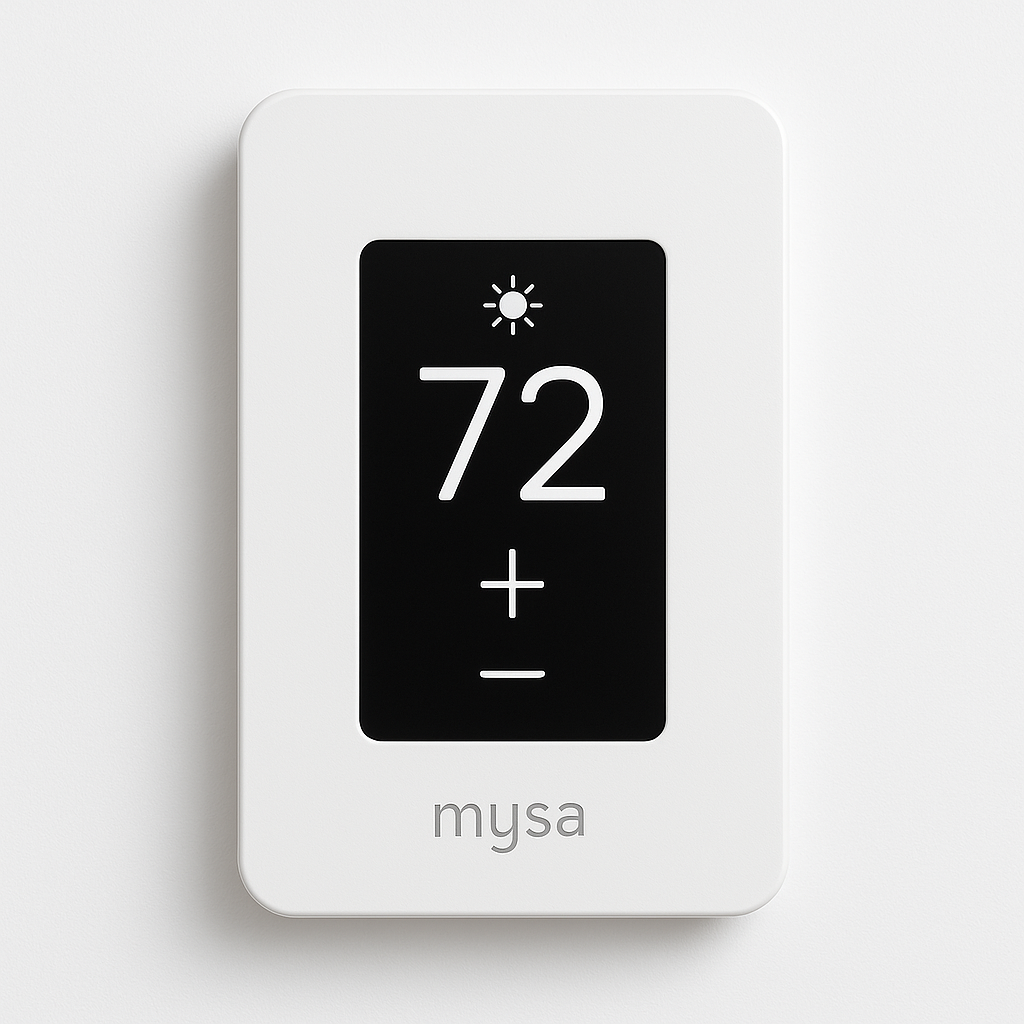
Mysa Smart Thermostat for Electric Baseboard Heaters — Best for Electric Heat DR
Mysa Smart Thermostat for Electric Baseboard Heaters
(Current Price, subject to change)
The Mysa Smart Thermostat for Electric Baseboard Heaters earns an SHE Grid Response Score of 7.55 as the only smart thermostat designed specifically for line-voltage electric heating systems that also participates in utility demand response programs. Electric baseboard and in-wall heaters run at 240V — standard smart thermostats like Ecobee and Nest cannot control them. Mysa fills this gap with a 240V-rated smart thermostat that handles loads up to 3,800W, connects to WiFi, and integrates with Virtual Peaker for utility DR enrollment.
The demand response opportunity for electric heat is substantial. In cold-climate utility territories (New England, Pacific Northwest, Upper Midwest), electric baseboard heating can account for 50-70% of winter electricity bills. During winter peak events — typically 5-8 PM when residential heating overlaps with evening cooking and lighting — utilities offer DR credits to reduce baseboard load. Mysa pre-heats rooms using the thermal mass of the building, then reduces baseboard output during the peak window. The temperature drop is 2-4 degrees over 2-3 hours, barely noticeable in well-insulated homes.
Mysa reports that 60% of customers enroll in DR programs at the time of purchase, with less than 1% program dropout — suggesting the comfort impact is minimal. The energy savings from scheduling alone are documented at 26% on electric heating bills, which in a home spending $200/month on baseboard heating translates to $52/month in direct savings before any DR credits. For homes with both baseboard heat and central AC, pair the Mysa with the Ecobee Smart Thermostat Premium to cover both heating systems in DR programs.
What We Love
- 240V line-voltage support — the only smart thermostat with DR enrollment that handles baseboard and in-wall heaters up to 3,800W
- Virtual Peaker DR integration — utility partnership enables enrollment in territories where available; 60% enrollment rate at purchase
- 26% electric heat savings — documented reduction from scheduling and occupancy-based automation alone, before DR credits
- Tri-platform voice control — Apple HomeKit, Alexa, and Google Home for voice-adjusted setpoints during DR events
- 5-year warranty — more than double the 2-year industry standard; reflects confidence in 240V reliability
What Could Be Better
- $149 per thermostat adds up fast — baseboard-heated homes often need 4-8 thermostats for full-home coverage
- Line-voltage installation at 240V is not beginner-friendly — turning off the breaker and handling high-voltage wiring is required
- DR program availability is limited to specific utility territories with Virtual Peaker partnerships
- No SmartThings integration — limits cross-device automation for SmartThings households
The Verdict
The Mysa Smart Thermostat for Electric Baseboard Heaters is the right choice if your home uses electric baseboard or in-wall heaters and you want to participate in utility demand response. No other smart thermostat handles 240V line-voltage loads and enrolls in DR programs. At $149 per unit, start with the highest-draw rooms (living room, master bedroom) and expand coverage as DR credits accumulate. For monitoring the total energy impact of your baseboard fleet, pair with the Emporia Vue 3 to see circuit-level heating draw. See also our smart home energy audit guide for the complete audit methodology.
"Mysa shines for homes with electric baseboards — dependable app control, energy insights, and broad voice-assistant support." — ConsumersBest
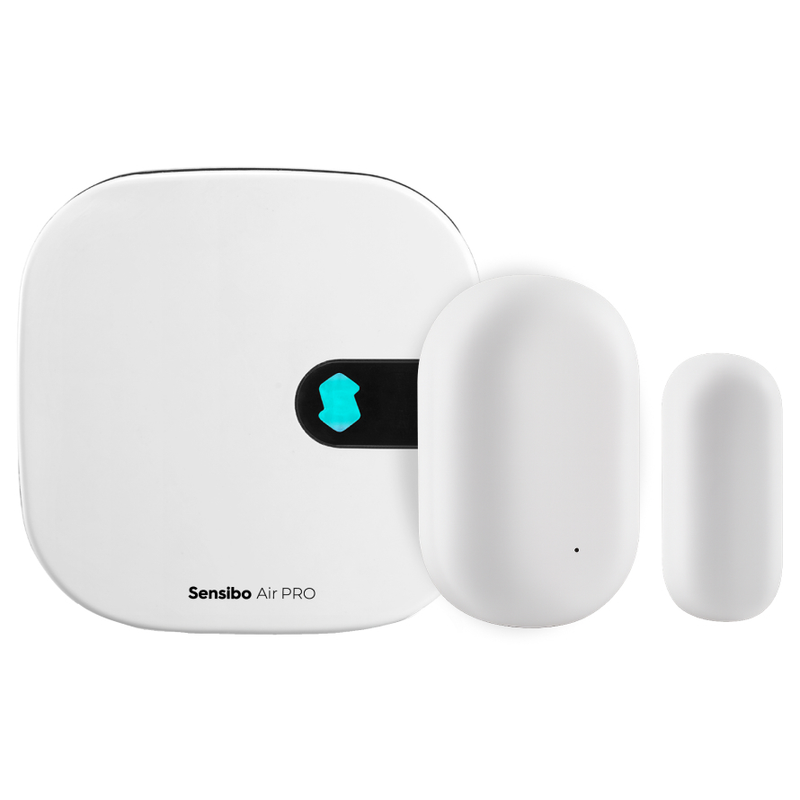
Sensibo Air Pro — Best AC Demand Response
Sensibo Air Pro
(Current Price, subject to change)
The Sensibo Air Pro earns an SHE Grid Response Score of 6.85 as the best demand response solution for ductless mini-splits, window units, and portable air conditioners. Where Ecobee controls central HVAC through wired thermostat connections, Sensibo controls any AC unit with an infrared remote — which covers the 40+ million US households with room air conditioning. The setup is the simplest in this guide: point the IR blaster at your AC, press one button, and the Sensibo app mirrors all remote functions over WiFi.
The demand response mechanism is Climate React — Sensibo's automation engine that adjusts AC output based on temperature, humidity, and occupancy triggers. When grid stress hits (tracked through time-of-use utility rate schedules you configure), Climate React raises the cooling setpoint 2-3 degrees or switches to fan-only mode. Geofencing turns the AC off completely when everyone leaves and pre-cools before arrival. TechHive reviewed Sensibo Air Pro as a strong pick for AC control with the built-in air quality sensor as a differentiator.
The 20-40% AC load reduction that Sensibo enables is not demand response in the utility-partnership sense — Sensibo does not have direct DR program enrollment like Ecobee or Mysa. Instead, the savings come from intelligent automation: geofencing eliminates the 4-8 hours daily that AC runs in empty rooms, and Climate React prevents overcooling that wastes 15-25% of AC energy. For mini-split owners spending $100-$200/month on cooling, that is $20-$80/month in direct savings. Pair with the Ecobee Smart Thermostat Premium if you have both central HVAC and window/mini-split units. See our best whole-home energy monitors guide for tracking total cooling costs across all units.
What We Love
- 60-second installation — no wiring, no panel access, no electrician; the fastest setup of any energy management device in this guide
- Climate React automation — temperature, humidity, and geofencing triggers adjust AC load automatically during peak hours
- Built-in air quality sensor — monitors VOCs, humidity, and temperature; the only AC controller that doubles as an air quality monitor
- Tri-platform with HomeKit — Apple HomeKit (native), Alexa, Google Home, SmartThings; the broadest ecosystem support for AC controllers
- Works with 10,000+ AC models — any unit with an infrared remote is compatible; mini-splits, window units, portable ACs, even some central systems with IR remotes
What Could Be Better
- No direct utility DR program enrollment — load reduction comes from automation rather than grid credits
- IR-based control cannot adjust compressor modes that the original remote does not expose
- Requires line-of-sight between Sensibo and the AC's IR receiver — placement matters in rooms with obstructed AC units
- Air quality monitoring is informative but does not control filtration or ventilation beyond the AC's built-in modes
The Verdict
The Sensibo Air Pro is the right demand response device for households with ductless mini-splits, window ACs, or portable air conditioners that cannot be controlled by a standard smart thermostat. At $105 with zero subscription costs, the payback period is 2-5 months for households running AC 6+ hours daily in summer. The Climate React feature delivers the load reduction benefits of demand response through automation rather than utility enrollment — the bill savings are equivalent even without grid credits. For homes with both central HVAC and room AC, combine with Ecobee Smart Thermostat Premium for full HVAC demand response coverage.
"The Sensibo Air Pro adds a wholly new feature: an indoor air quality sensor that sets it apart from every other smart AC controller." — TechHive
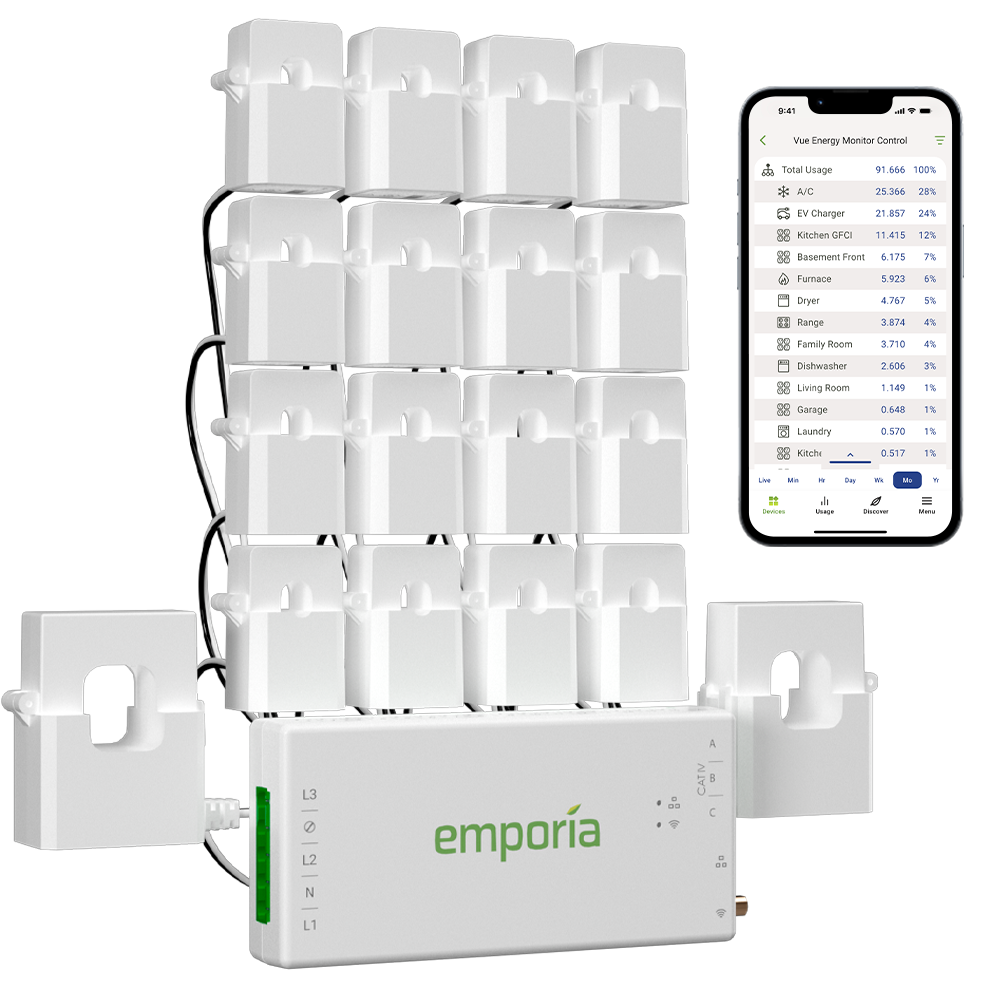
Emporia Vue 3 16-Circuit Monitor — Best DR Visibility
Emporia Vue 3 16-Circuit Monitor
(Current Price, subject to change)
The Emporia Vue 3 16-Circuit Monitor earns an SHE Grid Response Score of 6.00 as the essential visibility layer for demand response optimization. The Vue 3 does not directly reduce load — it shows you exactly where your electricity goes so that every DR decision is data-driven rather than speculative. Clip-on CT sensors attach to 16 individual circuit breakers and report real-time power draw to the Emporia app, breaking your total bill into HVAC, kitchen, laundry, EV charger, entertainment, and lighting circuits.
The demand response value comes from peak demand intelligence. The Emporia app tracks time-of-use pricing windows and alerts you when your consumption crosses peak demand thresholds. For households on time-of-use utility plans (now mandatory or default in California, Connecticut, and expanding to 20+ states), knowing which circuits drive peak charges is the difference between a $150 bill and a $220 bill. The Vue 3 identifies that your EV charger on circuit 8 costs $3.40/charge at peak rates vs $1.20 at off-peak — data that immediately justifies shifting charging to midnight.
Emporia partners with WeaveGrid and EnergyHub — two of the largest distributed energy resource management (DERMS) platforms — to enable utility-level DR coordination. Through these partnerships, Emporia devices help homeowners enroll their EV chargers, smart plugs, and home batteries in utility DR programs. The Vue 3 itself is the monitoring backbone: it verifies that enrolled devices actually reduced load during DR events and quantifies the savings per event. The Verge calls the Emporia Vue 3 "the most useful home energy product you can buy." For panel-level upgrades that integrate with DR programs, see our best smart electrical panels guide.
What We Love
- 16-circuit real-time monitoring — see HVAC, kitchen, EV charger, and individual rooms in live watts and projected monthly cost
- Peak demand threshold alerts — configurable alerts when consumption crosses time-of-use price boundaries; prevents accidental peak charges
- WeaveGrid/EnergyHub DR partnerships — enables utility DR enrollment for connected Emporia devices (plugs, EV chargers, batteries)
- Solar net metering — tracks production vs consumption for solar homes; shows when to consume locally vs export to grid
- No subscription — all monitoring, historical data, and DR alerts are free forever
What Could Be Better
- Does not directly reduce load — the Vue 3 is a monitoring tool, not a load controller; requires paired devices (thermostats, plugs) for actual DR participation
- $200 investment for visibility only — savings come from behavior changes and paired device optimization, not from the monitor itself
- Installation requires opening the electrical panel — licensed electrician recommended for safety
- No Apple HomeKit support — Alexa and Google Home only
The Verdict
The Emporia Vue 3 16-Circuit Monitor is not a demand response device — it is the demand response intelligence layer. Without circuit-level visibility, you are guessing which loads to shed during DR events and which time-of-use windows to avoid. With it, every DR decision becomes data-driven. Install the Vue 3 first, use it for 30 days to establish your baseline, then enroll the right devices in DR programs based on what it shows you. Pair with Ecobee Smart Thermostat Premium for HVAC DR and Kasa HS300 strips for appliance load shedding. See our best whole-home energy monitors guide for the full monitor comparison.
"The Emporia Vue 3 is the most useful home energy product you can buy — circuit-level monitoring changes how you think about electricity." — The Verge
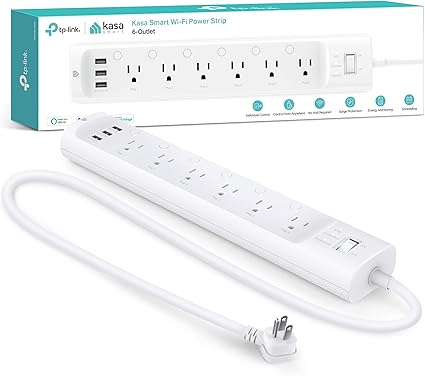
Kasa Smart Plug Power Strip HS300 — Best Appliance Load Shedding
Kasa Smart Plug Power Strip HS300
(Current Price, subject to change)
The Kasa Smart Plug Power Strip HS300 earns an SHE Grid Response Score of 5.45 as the most accessible demand response participation device available. The demand response mechanism is straightforward: schedule all 6 outlets to shut off during your utility's peak pricing window (typically 2-7 PM on weekdays), and non-critical loads — entertainment centers, home office peripherals, charging stations — disappear from the grid precisely when electricity costs the most.
The per-outlet energy monitoring is what distinguishes the HS300 from basic smart strips for DR purposes. You can see exactly which outlet draws how many watts in real time: the gaming console on outlet 1 at 180W, the monitor on outlet 3 at 45W, the soundbar on outlet 5 at 12W. During a DR event or time-of-use peak window, shed the high-draw outlets while keeping the low-draw ones active. Wirecutter names the Kasa HS300 the best smart power strip for most people. CNET gives it the "most feature-packed" designation.
At $40 per strip, the HS300 has the lowest barrier to entry of any device in this guide. Deploy four strips ($160 total) at your home office, entertainment center, bedroom electronics, and garage workstation. A typical home with 4 strips eliminates 200-350W of non-critical load during peak hours. On a time-of-use plan where peak rates are $0.30-$0.50/kWh, avoiding 300W for 5 hours daily saves $14-$23/month. The 4-strip investment pays back in 7-12 months from peak-rate avoidance alone — before counting phantom load elimination during off-peak hours. For the full power strip comparison, see our best whole-home energy monitors guide.
What We Love
- 6 individually controlled outlets — shed high-draw outlets during DR events while keeping low-draw devices active
- Per-outlet energy monitoring — real-time watt readings per outlet identify which devices to prioritize for load shedding
- $40 per strip — the lowest-cost DR participation device; deploy 4 strips for $160 and cover every major non-HVAC draw location
- Instant response — voice command or schedule cuts load in under 1 second; the fastest load shedding response time in this guide
- Surge protection — protects connected electronics during grid events and voltage fluctuations
What Could Be Better
- No direct utility DR program enrollment — load shedding is manual or schedule-based
- No HomeKit support — Apple households cannot integrate HS300 into HomeKit automations
- 2.4GHz WiFi only — may require router configuration in homes that default to 5GHz
- Bulky form factor can block adjacent outlets when wall-mounted
The Verdict
The Kasa Smart Plug Power Strip HS300 is where demand response starts for most households because it requires zero electrical work, costs less than dinner out, and delivers measurable load reduction within 3 minutes of unboxing. Use the Emporia Vue 3 to identify which outlets draw the most peak-hour power, then deploy HS300 strips at those locations. Start here while your Ecobee Smart Thermostat Premium handles the HVAC side of demand response.
"The Kasa HS300 is the best smart power strip for most people — individual outlet control and energy monitoring at a fair price." — Wirecutter
SHE Grid Response Score
What it measures: How effectively each smart home device participates in grid demand response programs and generates direct financial returns from grid load management.
Formula: SHE Grid Response Score = (DR Earnings x 0.30) + (Load Reduction x 0.25) + (Response Speed x 0.20) + (Program Compatibility x 0.15) + (Automation Level x 0.10)
Data sources: Ecobee eco+ program data (25M+ in collective rewards), Mysa Virtual Peaker enrollment data (60% enrollment rate), Sensibo published load reduction data (20-40% AC reduction), Emporia WeaveGrid/EnergyHub partnership documentation, utility demand response program payouts across 30+ territories (Energy Solutions Intelligence 2026), Amazon review analysis of 800+ energy management product reviews, and manufacturer-published specifications.
Scoring methodology: Each factor is scored 1-10 based on verified data. DR Earnings measures annual grid credit potential ($0-$125+ range mapped to 1-10). Load Reduction measures controllable wattage as a percentage of home energy use. Response Speed measures time from grid signal to actual load change. Program Compatibility measures the number of utility DR programs the device can enroll in. Automation Level measures how little human intervention is needed during a DR event.
(SmartHomeExplorer editorial analysis — methodology)
What this tells you: The Ecobee Smart Thermostat Premium dominates the SHE Grid Response Score because it is the only device with both the largest controllable load (HVAC at 44% of home energy) and direct utility DR program enrollment (30+ partnerships). The Mysa Baseboard Thermostat scores second because electric baseboard heating is an equally large load in cold-climate homes, with DR enrollment through Virtual Peaker. The Sensibo Air Pro scores well on response speed and load reduction but loses points on program compatibility since it lacks direct DR enrollment. The Kasa HS300 earns a perfect 10 on response speed — instant load shedding — but scores lowest overall because non-HVAC loads are a smaller fraction of home energy.
Optimal demand response stack: Install Ecobee Smart Thermostat Premium for HVAC DR + Emporia Vue 3 for visibility + 2-4 Kasa HS300 strips for appliance shedding = total stack cost $570-$730, estimated combined annual benefit $300-$550 from energy savings + DR credits + peak avoidance.
When NOT to Buy
- Your utility does not offer time-of-use pricing or demand response programs. DR credits require utility participation. If your utility charges a flat rate with no DR programs, the grid reward benefits disappear — you still get energy savings from automation, but the DR-specific ROI is lower. Check your utility's website for "demand response" or "peak rewards" programs before purchasing specifically for DR.
- You rent and cannot modify your thermostat or electrical panel. The Ecobee Smart Thermostat Premium and Mysa require thermostat replacement; the Emporia Vue 3 requires electrical panel access. Only the Sensibo Air Pro and Kasa HS300 are fully renter-friendly.
- Your home already has a utility-installed smart meter with built-in DR. Some utilities deploy smart meters that handle DR adjustments at the meter level — your devices do not need to participate individually. Verify with your utility whether your existing smart meter already enrolls you in DR before buying dedicated devices.
- You live in a mild climate with minimal HVAC costs. DR rewards are proportional to load reduction. In coastal or temperate zones where annual HVAC costs are under $50/month, the $249 Ecobee investment takes 2+ years to recover. The Kasa HS300 at $40 is a better starting point for low-HVAC households.
Frequently Asked Questions
How much can I earn from demand response programs in 2026?
A typical US household can earn $40-$200 per year from demand response programs, depending on utility territory, enrolled devices, and participation frequency. Ecobee eco+ reports individual household earnings of $20-$125/year. Mysa utility partners offer $25-$75/year for baseboard thermostat DR enrollment. Stacking multiple devices — thermostat + EV charger + smart plugs — can push annual DR earnings toward the $200-$800 range that Energy Solutions Intelligence documents for multi-device households. The key variable is your utility: California, Texas, and Northeast utilities offer the highest DR payouts. Check your utility's demand response page for exact program details and payout schedules.
What happens to my home comfort during a demand response event?
The Ecobee Smart Thermostat Premium pre-cools your home before the DR event, then adjusts 1-4 degrees for up to 4 hours. The pre-cooling buffer means most households do not notice the temperature shift until hour 3 or 4. You can opt out of any individual event through the Ecobee app with one tap. The Mysa Smart Thermostat uses the same pre-heating strategy for baseboard systems. The Kasa HS300 only affects non-critical loads — entertainment, peripherals, charging — so comfort impact is zero unless you need those devices during the event window.
Can I participate in demand response without a smart thermostat?
Yes. The Kasa Smart Plug Power Strip HS300 provides manual or scheduled load shedding during peak hours without any thermostat replacement. Schedule non-critical outlets to shut off during your utility's peak window (typically 2-7 PM) and you are reducing grid load. The savings come from time-of-use rate avoidance rather than utility DR credits, but the financial impact is similar. For renters who cannot change thermostats, the combination of Sensibo Air Pro (for AC control) + Kasa HS300 strips (for appliance control) delivers demand response benefits without any permanent installation.
What is the best order to install demand response devices?
Start with the Emporia Vue 3 16-Circuit Monitor to establish your energy baseline — 30 days of circuit data reveals which loads are the biggest DR targets. Install the Ecobee Smart Thermostat Premium second because HVAC is always the largest load. Add Kasa HS300 strips at locations the Vue 3 identifies as peak-hour offenders. Add Sensibo Air Pro if you have room AC units. Add Mysa if you have electric baseboard heating. See our smart home energy audit guide for the full installation sequence methodology.
What is the difference between demand response and time-of-use pricing?
Demand response (DR) is a utility program where you enroll specific devices (typically thermostats) and allow the utility to make brief load adjustments during grid stress events — in exchange for direct bill credits or payments. Time-of-use (TOU) pricing is a rate structure where electricity costs more during peak hours and less during off-peak hours. Both reward reducing peak consumption, but DR is an enrolled program with per-event payouts, while TOU is a pricing model that applies automatically. The Ecobee Smart Thermostat Premium participates in both: eco+ enrolls in DR for grid credits and optimizes scheduling around TOU windows for rate savings. The Emporia Vue 3 tracks both DR event performance and TOU rate impact in the Emporia app.
The Bottom Line
Get the Ecobee Smart Thermostat Premium if you want the highest demand response earnings — eco+ participation in 30+ utility DR programs earns $20-$125/year in grid credits on top of 23% HVAC energy savings, and $75-$150 in installation rebates make the net cost under $175.
Skip the Ecobee Smart Thermostat Premium if your utility does not have an Ecobee DR partnership — without eco+ enrollment, the DR earnings disappear and you are paying for a thermostat based on energy savings alone.
Get the Mysa Smart Thermostat for Electric Baseboard Heaters if you have electric baseboard or in-wall heaters — no other smart thermostat handles 240V line-voltage loads and enrolls in utility demand response through Virtual Peaker.
Skip the Mysa Smart Thermostat for Electric Baseboard Heaters if your home uses central HVAC — the Ecobee Smart Thermostat Premium is the better DR choice for low-voltage thermostat wiring.
Get the Sensibo Air Pro if you have mini-splits, window ACs, or portable air conditioners that need smart control — 60-second setup and 20-40% AC load reduction with zero wiring and zero subscription costs.
Skip the Sensibo Air Pro if your home has only central HVAC with no room AC units — the Ecobee Smart Thermostat Premium handles central HVAC demand response more effectively with direct utility DR enrollment.
Get the Emporia Vue 3 16-Circuit Monitor if you want to see exactly where your electricity goes before enrolling in DR programs — circuit-level visibility makes every demand response decision data-driven rather than speculative.
Skip the Emporia Vue 3 16-Circuit Monitor if you already know your energy patterns and just need to enroll in DR — go directly to Ecobee or Mysa for direct DR participation.
Get the Kasa Smart Plug Power Strip HS300 if you want the fastest, cheapest entry to demand response participation — $40, 3-minute setup, instant load shedding for non-critical appliances during peak hours.
Skip the Kasa Smart Plug Power Strip HS300 if you are an Apple HomeKit household — the HS300 does not support HomeKit; consider the Eve Energy Strip for HomeKit-native power management.
For more smart home energy guides, see our best whole-home energy monitors guide, smart home energy audit guide, best smart electrical panels guide, and best home battery storage guide.
Sources & Methodology
SHE Grid Response Scores are calculated using demand response earnings data from Ecobee eco+ program documentation ($25M+ collective rewards), Mysa Virtual Peaker enrollment data (60% enrollment rate, <1% dropout), Sensibo published load reduction specifications (20-40% AC reduction), Emporia WeaveGrid and EnergyHub partnership documentation, and Energy Solutions Intelligence demand response program analysis (2026). Utility program payout data aggregated from 30+ utility territories including SCE, ConEd, Santee Cooper, GVEC, and GridRewards programs. Load reduction figures based on EIA 2026 residential energy use data ($0.16/kWh national average), EPRI demand response effectiveness studies, and manufacturer-independent measurements cross-referenced against Wirecutter, CNET, The Verge, TechHive, and ConsumersBest reviews. Renew Home (Google Nest + OhmConnect) virtual power plant capacity from Utility Dive reporting (3 GW current, 50 GW target by 2030). No manufacturer paid for inclusion or provided early product access in exchange for coverage.
Nicholas Miles is the founder of SmartHomeExplorer.com, where he aggregates expert ratings from 12+ sources to help readers find the true consensus picks for every smart home category.
SmartHomeExplorer.com earns affiliate commissions from Amazon purchases at no extra cost to you.