
A fully smart-equipped vacation rental earns roughly 4-5% more bookings, saves 10-23% on energy costs between turnovers, and eliminates the number-one guest complaint — lockout calls at 11 PM. The industry data from Rently models an 8-month payback and 781% five-year ROI for a full smart tech stack. Those are business returns, not gadget specs. This guide is part of our smart home roadmap by household type, which shows how ROI-focused vacation rental setups differ from primary-residence setups for renters, new homeowners, elderly parents, and iOS households.
The short answer: The Yale Assure Lock 2 Wi-Fi leads with a Rental ROI Score of 88 — native Airbnb integration across 50,000+ managed properties with 99.7% uptime. The Minut Sensor (82) automates 94% of noise situations with a single text. The Ecobee Smart Thermostat Premium (80) pays for itself in 6-10 months on HVAC savings alone.
We aggregated expert reviews from Tom's Guide, Consumer Reports, SafeWise, Security.org, and 7 additional editorial sources, then scored each device on our proprietary Rental ROI Score — a weighted composite measuring operational efficiency, financial payback, guest experience impact, integration depth, and expert consensus. But here is what most reviews miss: they score locks against locks and thermostats against thermostats. No one tells a host with $500 where to invest first. Our cross-category ROI model does. This guide is a hub in our smart home coverage — for related topics, see our smart thermostat comparison and smart home security systems guide.
Rental Tech Stack
Chart
 Smarthomeexplorer.com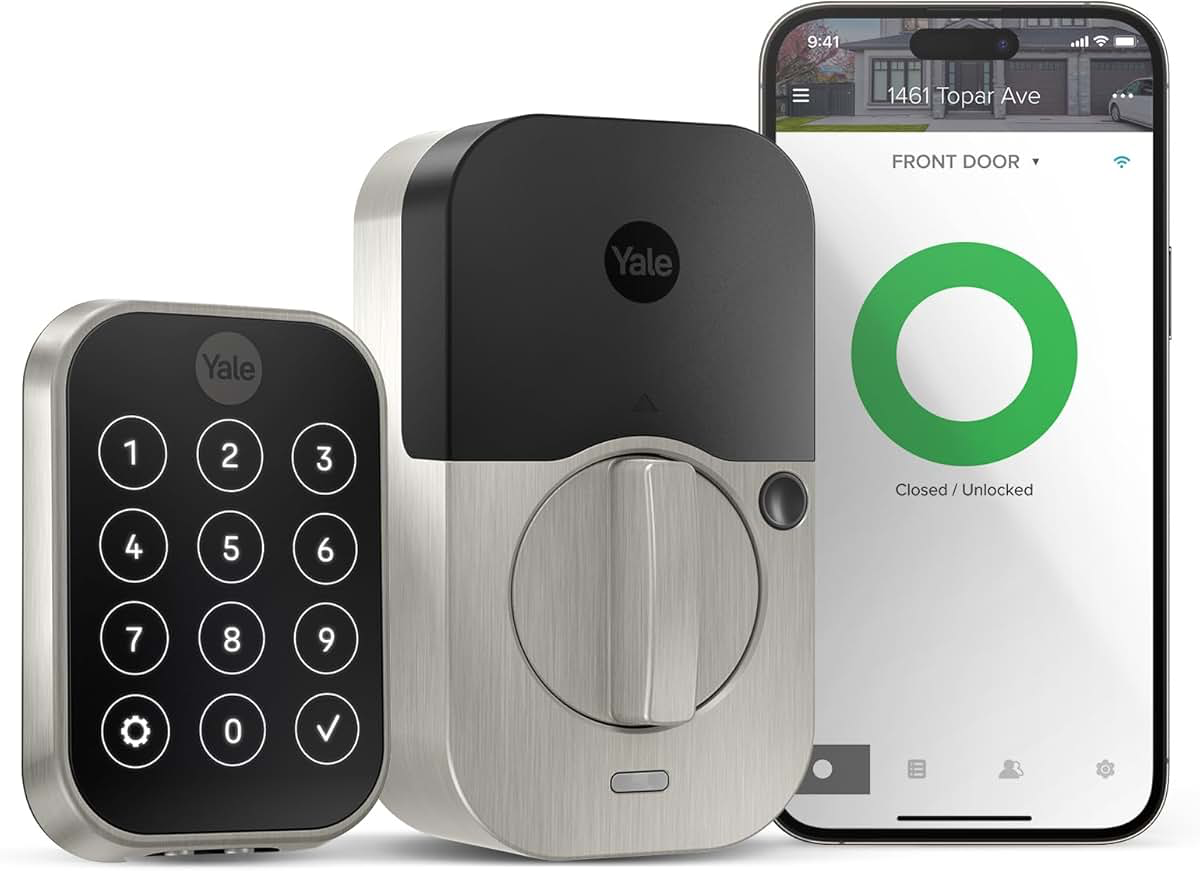
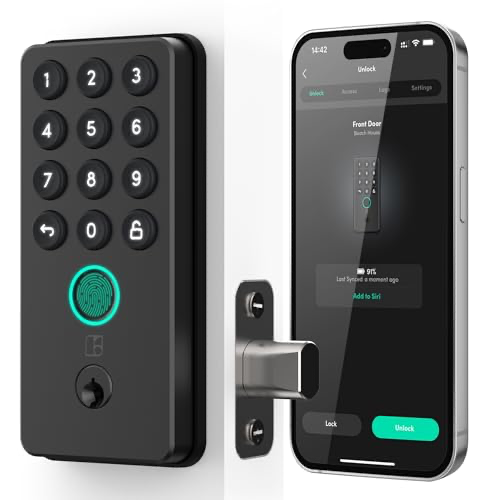
Yale Assure Lock 2 Wi-Fi — Best Smart Lock for Rentals
Yale Assure Lock 2
(Current Price, subject to change)
Ready to upgrade your home?
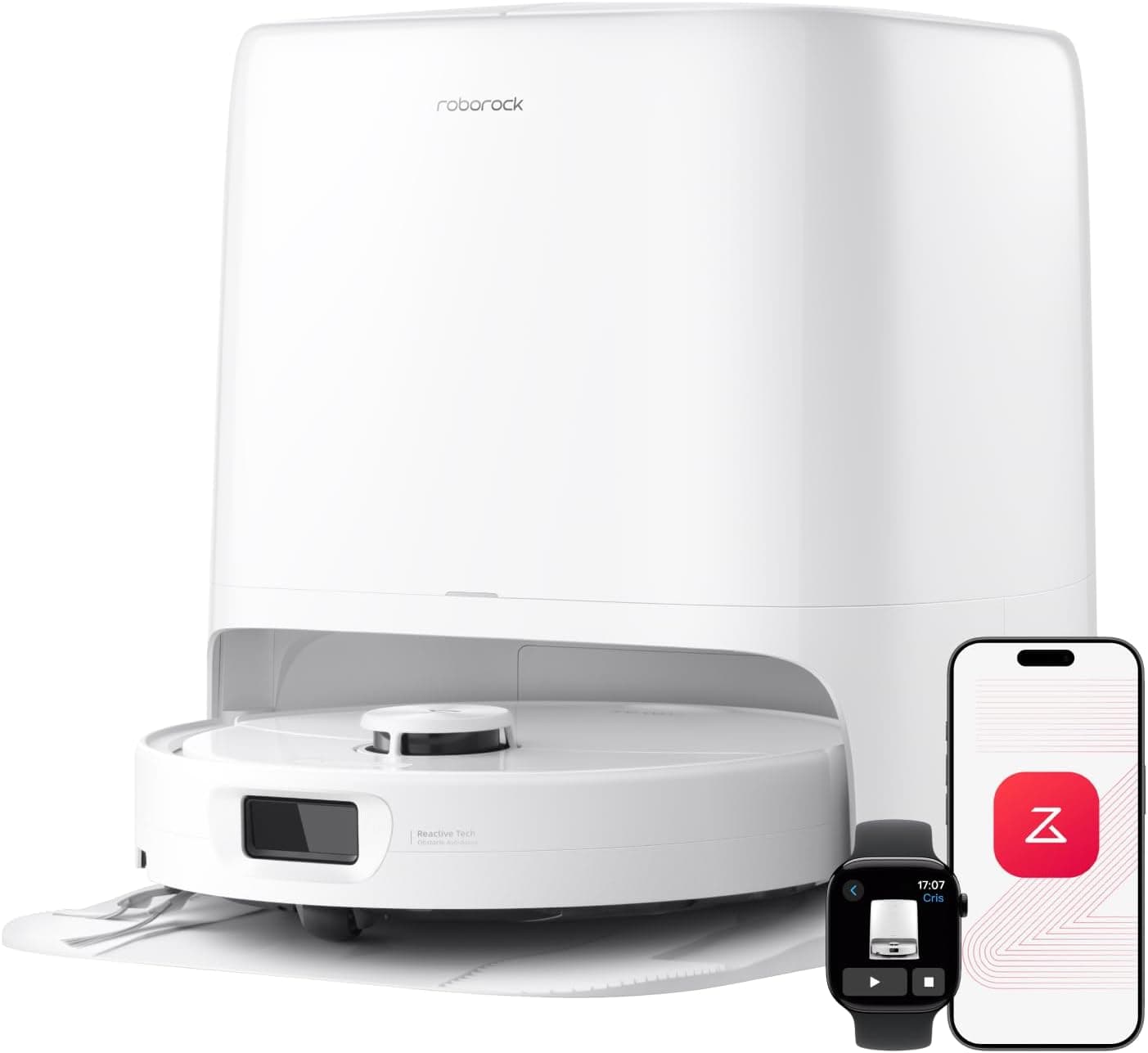
roborock Qrevo 2 Pro Robot Vacuum and Mop
See it on Amazon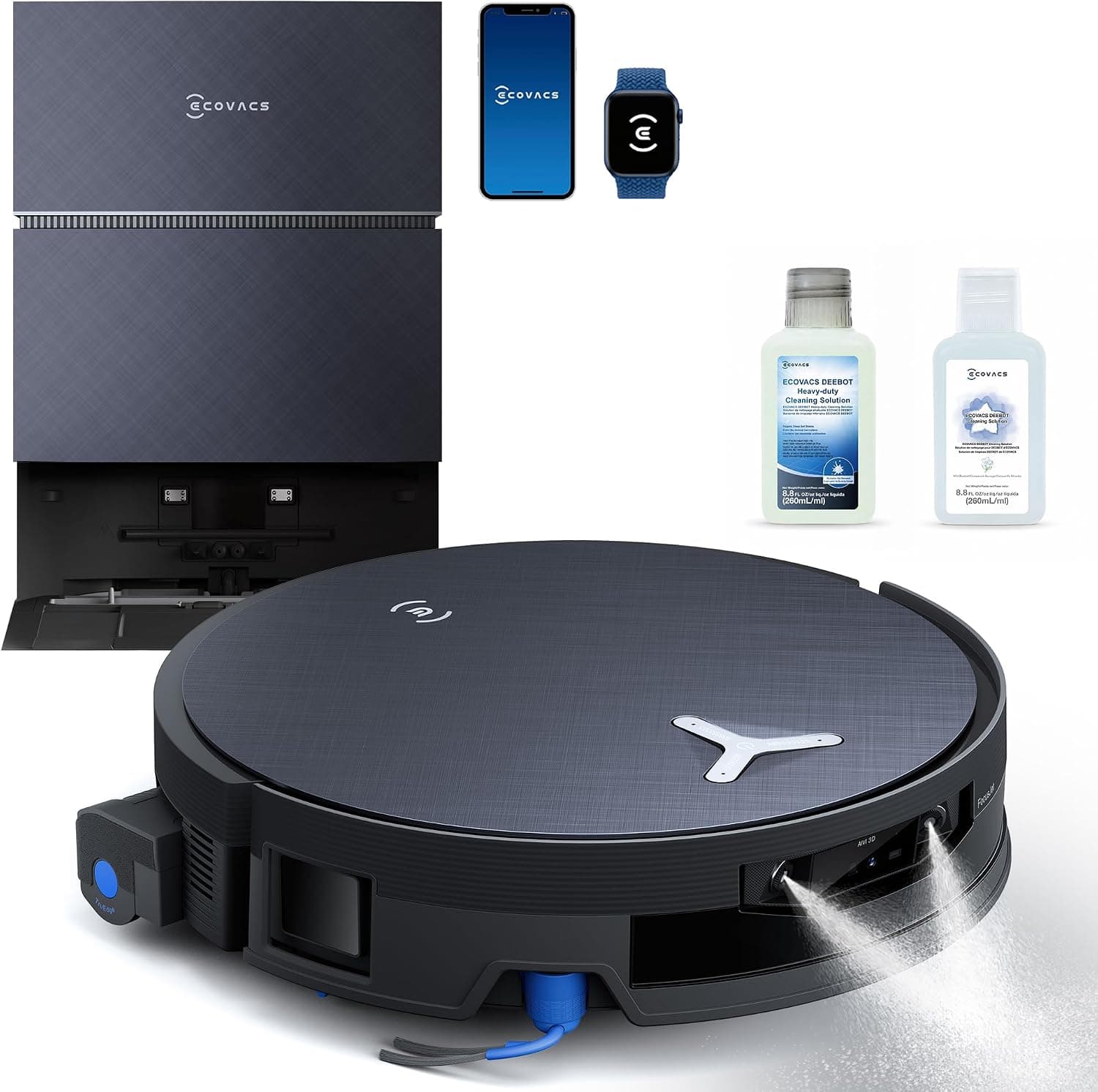
ECOVACS DEEBOT X12 PRO Omni Robot Vacuum and Mop
See it on Amazon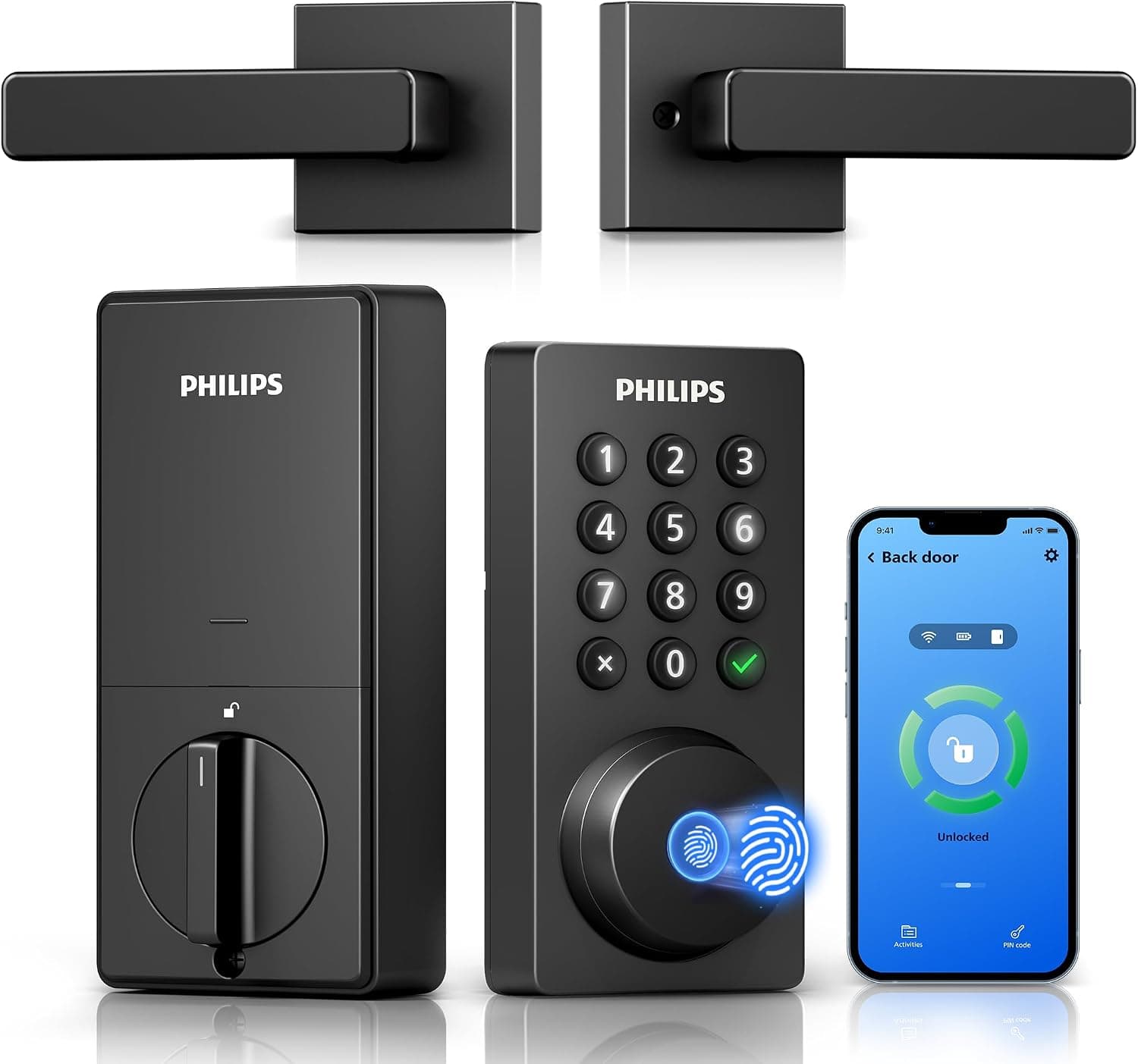
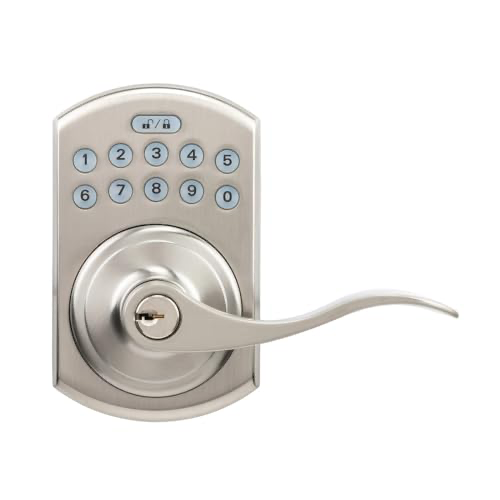
Philips Wi-Fi Keypad Deadbolt with Handle
See it on Amazon
Sponsored listings from Amazon’s Sponsored Products for Creators program, kept apart from our reviews and rankings. How we make money
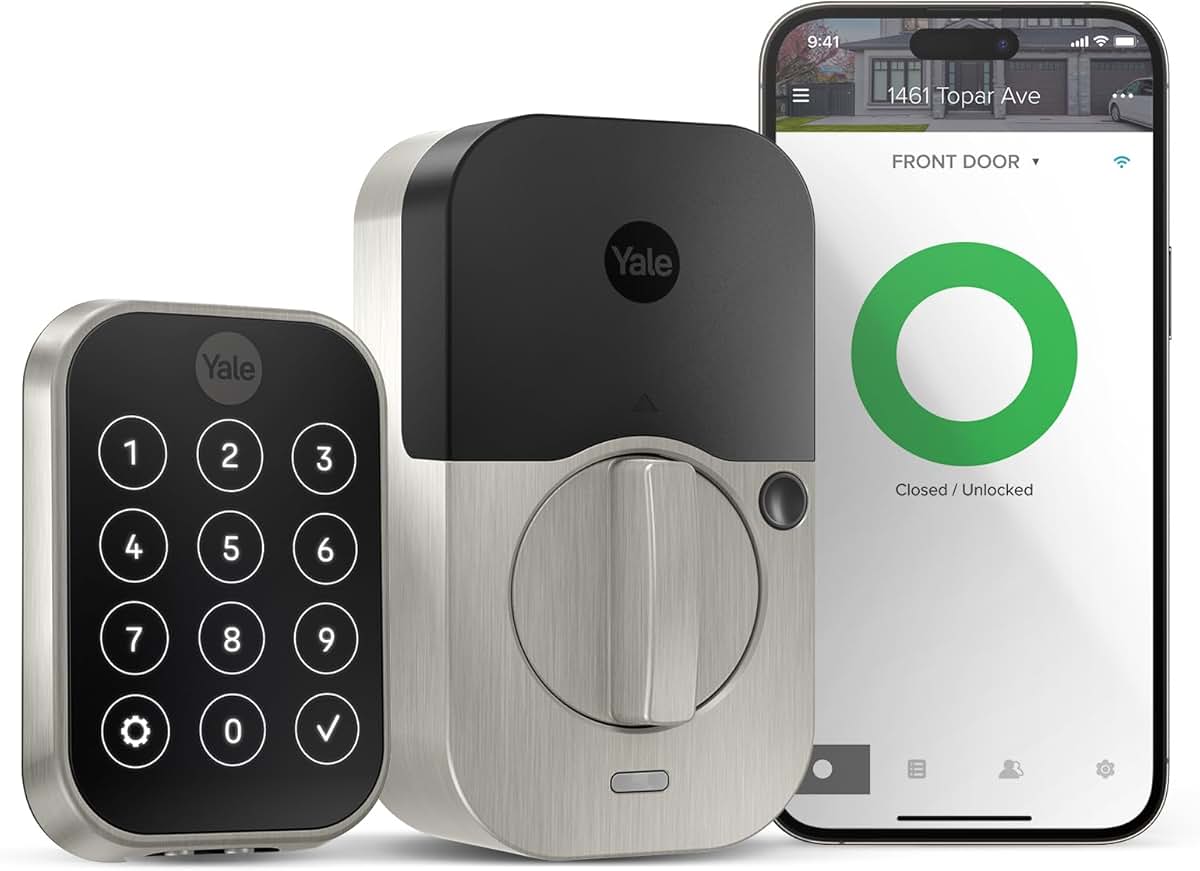
The Yale Assure Lock 2 is deployed across 50,000+ RedAwning-managed properties with 99.7% uptime handling millions of annual check-ins. Its native Airbnb integration auto-generates unique guest codes per booking and expires them at checkout — zero host action per turnover. That single feature eliminates key handoff logistics, after-hours lockout calls, and the $30-50 rekey costs hosts report paying 3-6 times per year.
Modular connectivity is the hardware story worth noting: swap between Wi-Fi, Z-Wave, Zigbee, and HomeKit radio modules without replacing the lock itself. If you migrate from Alexa to a Matter-compatible ecosystem in two years, the lock body stays. Battery life exceeds 12 months under normal rental usage, though Wi-Fi connectivity reduces that compared to Bluetooth-only operation.
What We Love
- Native Airbnb auto-code generation — eliminates all key handoff logistics and lockout calls
- 99.7% uptime at scale — validated across 50,000+ managed properties, not a lab test
- Modular connectivity — swap radio modules without replacing the lock hardware
What Could Be Better
- Occasional Airbnb sync delays reported by hosts during rapid booking changes
- Wi-Fi module increases battery drain compared to Bluetooth-only operation
The Verdict
The single highest-ROI device in this guide. AirDNA data shows 4-5% booking increases for properties with keyless self-check-in, and Yale's integration depth means the lock works with whatever PMS platform you grow into. If you buy one smart device for your rental, this is it (currently ~$306 on Amazon).
Schlage Encode Plus — Most Durable Smart Lock
Schlage Encode Plus
(Current Price, subject to change)
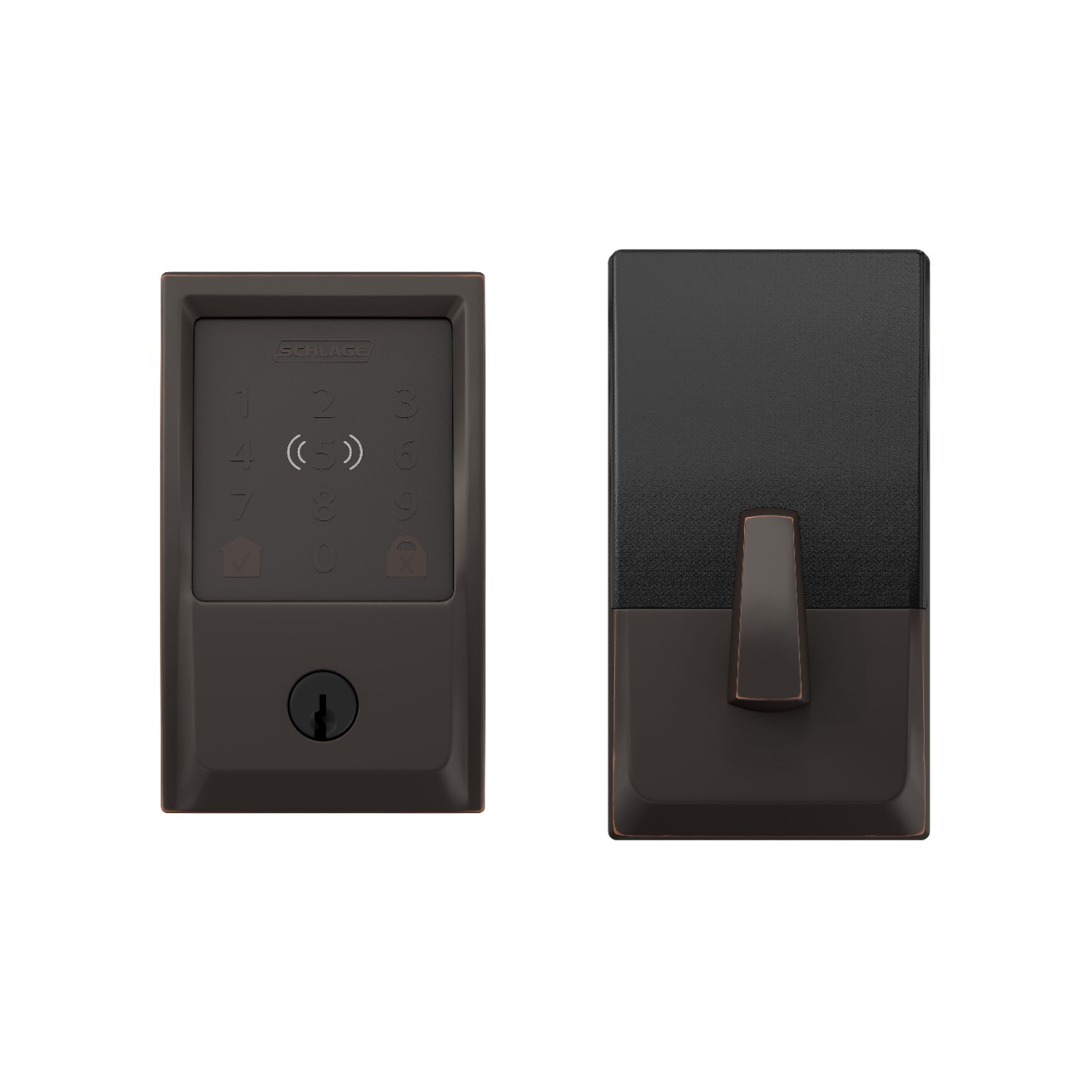
The only consumer smart lock with ANSI/BHMA Grade 1 + AAA certification — tested to 250,000 cycles, which eliminates the 2-year replacement cycle that cheaper locks create in high-turnover properties. Built-in Wi-Fi removes bridge dependency entirely. Apple Home Key enables NFC tap-to-unlock for iPhone and Apple Watch guests, a premium experience that no other lock in this guide matches. Three-year warranty and military-grade encryption round out the security story.
The durability case is strongest for coastal properties, desert climates, or any listing where weather exposure degrades hardware faster. The 250,000-cycle rating means a property averaging 4 turnovers per week would not exhaust the lock mechanism for over 960 years. That is the engineering margin Schlage is selling.
What We Love
- ANSI/BHMA Grade 1 + AAA — the highest security and durability rating in consumer smart locks
- Apple Home Key — NFC tap-to-unlock differentiates luxury rental listings
- Built-in Wi-Fi — no bridge or hub required, reducing failure points
What Could Be Better
- No native Airbnb code auto-generation — requires PMS or manual code setup per booking
- Fewer PMS integrations than Yale; depends on RemoteLock bridge for portfolio management
The Verdict
The right choice for high-traffic properties where lock durability is a business requirement. The 250,000-cycle rating and 3-year warranty translate to the lowest amortized cost per year over a 5+ year ownership period. Hosts running luxury properties should note the Apple Home Key advantage — it is the only lock here that supports NFC guest entry (currently ~$276 on Amazon).
August Wi-Fi Smart Lock 4th Gen — Best Retrofit Smart Lock
August Wi-Fi Smart Lock
(Current Price, subject to change)
August replaces only the interior side of an existing deadbolt — the exterior hardware stays untouched. This is the answer for HOA-restricted properties, condo rentals, or any listing where changing exterior hardware is prohibited. Native Airbnb integration auto-generates guest codes. DoorSense confirms the door is closed and locked after each departure, flagging security gaps between turnovers that other locks cannot detect.
The trade-off is maintenance overhead. CR123 batteries last only 2-3 months under heavy rental use — compared to 12+ months for the Yale. Budget $45-60/year in replacements and factor that into the total cost comparison.
What We Love
- Interior-only install — no exterior changes, HOA-friendly, preserves existing deadbolt appearance
- DoorSense detection — confirms door closed and locked, flagging security gaps between turnovers
- Native Airbnb integration — auto-codes like Yale, at a lower price point
What Could Be Better
- CR123 batteries last only 2-3 months under heavy rental use — frequent maintenance burden
- No built-in keypad; guests need the August app or a separate keypad accessory for code entry
The Verdict
The best option when exterior modifications are off the table. Battery life is the operational trade-off. For condos and HOA properties where you cannot change the exterior, this is the only smart lock that solves access without compromise (currently $230 on Amazon).
RemoteLock 5i — Best for Multi-Property Portfolios
RemoteLock 5i
(Current Price, subject to change)
RemoteLock is a software platform first and a lock second. The dashboard manages 30 to 1,000+ doors from a single interface, with hardware-agnostic compatibility across Wi-Fi, Z-Wave, wired, and Bluetooth locks from multiple manufacturers. Native integrations span 20+ PMS platforms — Guesty, Hostaway, Hospitable, Escapia, Breezeway, and more. The 9.5 Integration Depth score is the highest in this guide. Its 10,000+ customers across 75+ countries validate the enterprise-grade claim.
The math changes by portfolio size. Below 5 properties, the $3/month per-door subscription erodes ROI versus subscription-free locks. At 10+ doors, amortized management time savings — one dashboard instead of 10 separate lock apps — offset the recurring cost and then some.
What We Love
- 20+ PMS integrations — the deepest property management connectivity in the category
- Hardware-agnostic — manages existing locks from multiple manufacturers, no rip-and-replace
- Scales to 1,000+ doors — portfolio-grade infrastructure, not a consumer product
What Could Be Better
- Mixed hardware reliability reports and customer service complaints from hosts
- Per-door subscription ($3/mo) compounds across large portfolios — $360/year for 10 doors
The Verdict
Not for single-property hosts. Essential for operators managing 10+ doors who need one dashboard, one code system, and one PMS integration layer across their entire portfolio (currently $249 + $3/mo on Amazon).
Igloohome Smart Deadbolt 2S — Best for Rural/Offline Properties
Igloohome Smart Deadbolt 2S
(Current Price, subject to change)
Igloohome generates cryptographic time-based PIN codes remotely without internet — codes are valid only for the booked period and expire automatically. This is the answer for mountain cabins, lake houses, and rural retreats where Wi-Fi is unreliable or nonexistent. Official Airbnb Connect partner: auto-generates PINs per booking. No subscription, no Wi-Fi bill, no hub. First-year TCO of $140-180 is the lowest in the smart lock category. Battery life runs about a year on 4 AA batteries — roughly $5 to replace. If you also own or rent a primary residence, see how the vacation rental stack compares to setups for other household types in the Household Type hub.
The trade-off is intentional: offline design means no real-time remote monitoring. You cannot confirm the door is locked right now from your phone. For the rural use case, that trade is acceptable. For urban properties with reliable internet, the Yale is the better tool.
What We Love
- Offline cryptographic codes — works without Wi-Fi, cellular, or any internet connection
- Airbnb Connect partner — auto-PIN generation per booking, identical workflow to Wi-Fi locks
- Lowest TCO — no subscription, no bridge, no ISP requirement for the property
What Could Be Better
- No real-time remote monitoring — cannot confirm lock status remotely
- No smart home ecosystem support — no Alexa, Google, or HomeKit integration
The Verdict
If the property has no reliable internet, this is the only smart lock option that works. The offline design is a feature for the right use case. Hosts with Wi-Fi should choose Yale instead (currently ~$140 on Amazon).
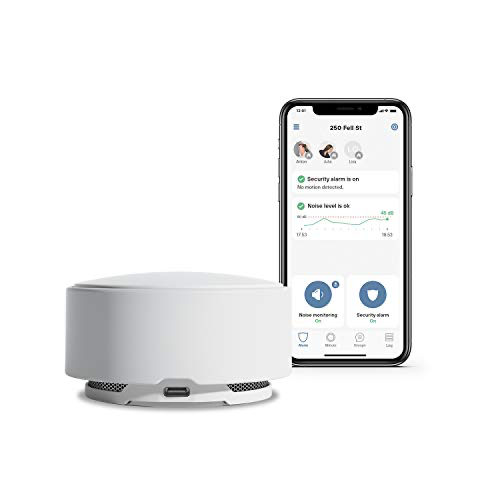
Minut Sensor — Best Noise Monitor for Rentals
Minut Sensor
(Current Price, subject to change)
Minut packs noise detection, occupancy monitoring, motion sensing, and temperature/humidity tracking into a single puck-sized device. The automated guest messaging system resolves 94% of noise situations with a single text — no host waking up at 2 AM to make a phone call. Airbnb's Prague pilot showed 100% of noise alerts resolved within 20 minutes.
The financial case is strong for risk mitigation: one prevented party event avoids $5,000-50,000 in property damage, insurance deductibles, and lost future bookings. That single incident pays for years of Minut subscriptions across an entire portfolio. In 60+ countries, Airbnb offers a free Minut sensor with 3-month trial, reducing effective first-year cost significantly. This context matters after the April 2024 indoor camera ban — noise monitors are now the primary compliant monitoring tool for hosts who previously relied on indoor video.
What We Love
- 94% automated resolution — guest warnings resolve noise situations without host intervention
- 4-in-1 monitoring — noise, occupancy, motion, and temperature from one device
- Airbnb-endorsed partner — free sensor program in 60+ countries reduces upfront cost
What Could Be Better
- Recurring subscription ($10-15/mo) compounds across multi-property portfolios
- Indoor-only — no outdoor sensor for pool or patio monitoring
The Verdict
The first monitoring device every host should install after a smart lock. The 94% auto-resolution rate means it actively prevents problems instead of just alerting you to them. Check if your market qualifies for Airbnb's free sensor program before purchasing (currently ~$240 on Amazon).
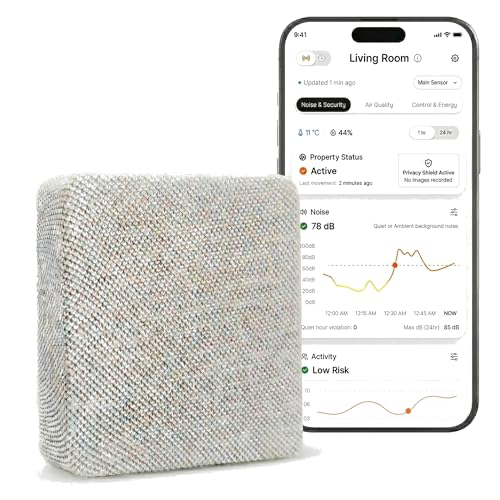
NoiseAware Indoor Sensor — Best for Outdoor Noise Monitoring
NoiseAware Indoor Sensor
(Current Price, subject to change)
NoiseAware's advantage over Minut is the proprietary Noise Risk Score — an algorithm that analyzes noise duration and volume patterns together, reducing false alarms from brief spikes like a dropped pan or a dog bark. The separate outdoor sensor ($99) covers pools, patios, and hot tub areas that indoor-only monitors miss entirely. For properties where outdoor parties are the primary risk — think beach houses with pool decks or mountain rentals with hot tubs — this is the only solution that monitors those spaces.
Airbnb-endorsed and Vrbo partner. Six-year market track record as the original noise monitoring company for short-term rentals, which matters for platform reliability confidence.
What We Love
- Noise Risk Score algorithm — duration + volume analysis reduces false alarms versus simple dB-threshold monitors
- Outdoor sensor option — the only noise monitor covering pool and patio areas
- 6+ year track record — the most mature noise monitoring platform in the STR industry
What Could Be Better
- Annual subscription model ($99/year) versus Minut's monthly pricing adds commitment friction
- Fewer documented PMS integrations than Minut
The Verdict
Choose NoiseAware over Minut specifically for properties with outdoor entertainment areas — the outdoor sensor fills a gap no other product addresses. For indoor-only monitoring, Minut's lower cost and broader feature set are the better value (currently $99/sensor on Amazon).
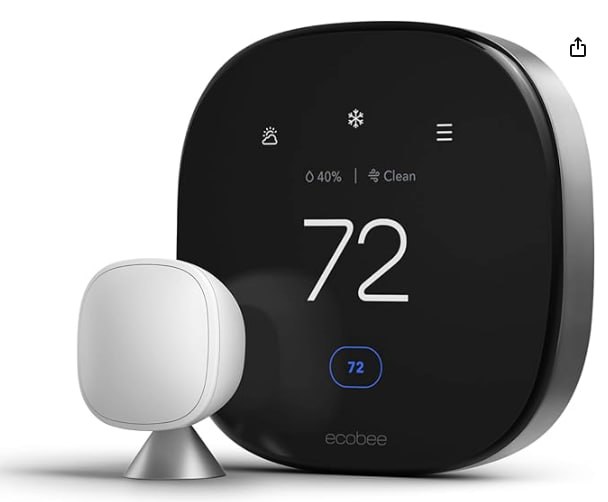
Ecobee Smart Thermostat Premium — Best Thermostat for Energy Savings
Ecobee Smart Thermostat Premium
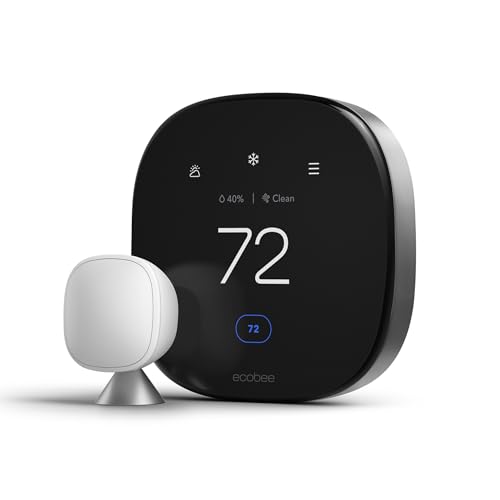
(Current Price, subject to change)
Vacancy mode is the feature that sells this thermostat for rental operators. Between turnovers, it sets temperature limits remotely — preventing guests who crank cooling to 60 in August while also preventing pipe-freezing events in January. Smart Home/Away auto-adjusts when the property empties. That single automation prevents the two most expensive climate-related failures in rental properties: HVAC abuse and frozen plumbing.
ENERGY STAR certified: documented 23-26% HVAC savings. On a property spending $150/month on heating and cooling, that translates to $23-39/month saved. Payback arrives in 7-11 months. The built-in air quality monitor tracks CO2 and VOCs — useful for catching humidity and mold risk in properties that sit vacant between bookings. For hosts comparing thermostats in depth, our smart thermostat guide covers the broader category beyond rental-specific use cases.
What We Love
- 23-26% documented HVAC savings — ENERGY STAR certified, 7-11 month payback
- Vacancy mode — remote temperature limits prevent HVAC abuse and freeze damage between turnovers
- Air quality monitoring — CO2 and VOC tracking catches humidity and mold risk in empty properties
What Could Be Better
- No native PMS integration — requires IFTTT or Zapier to automate with booking calendars
- Room sensors sold separately ($80/2-pack) for multi-zone temperature management
The Verdict
The thermostat with the fastest, most documented payback period for rental operators. The vacancy mode alone justifies the ~$255 investment for any property in a climate with meaningful heating or cooling costs (currently ~$255 on Amazon).
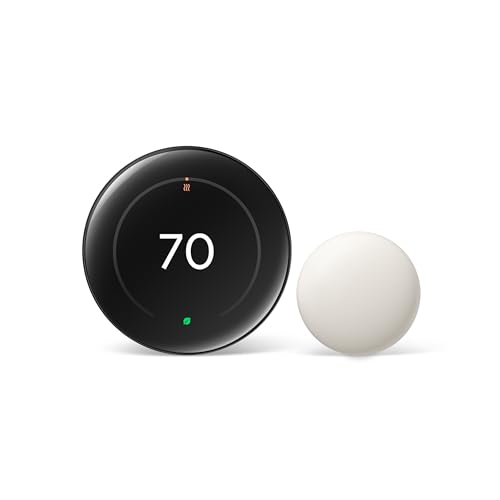
Google Nest Learning Thermostat 4th Gen — Best Premium Thermostat
Google Nest Learning Thermostat
(Current Price, subject to change)
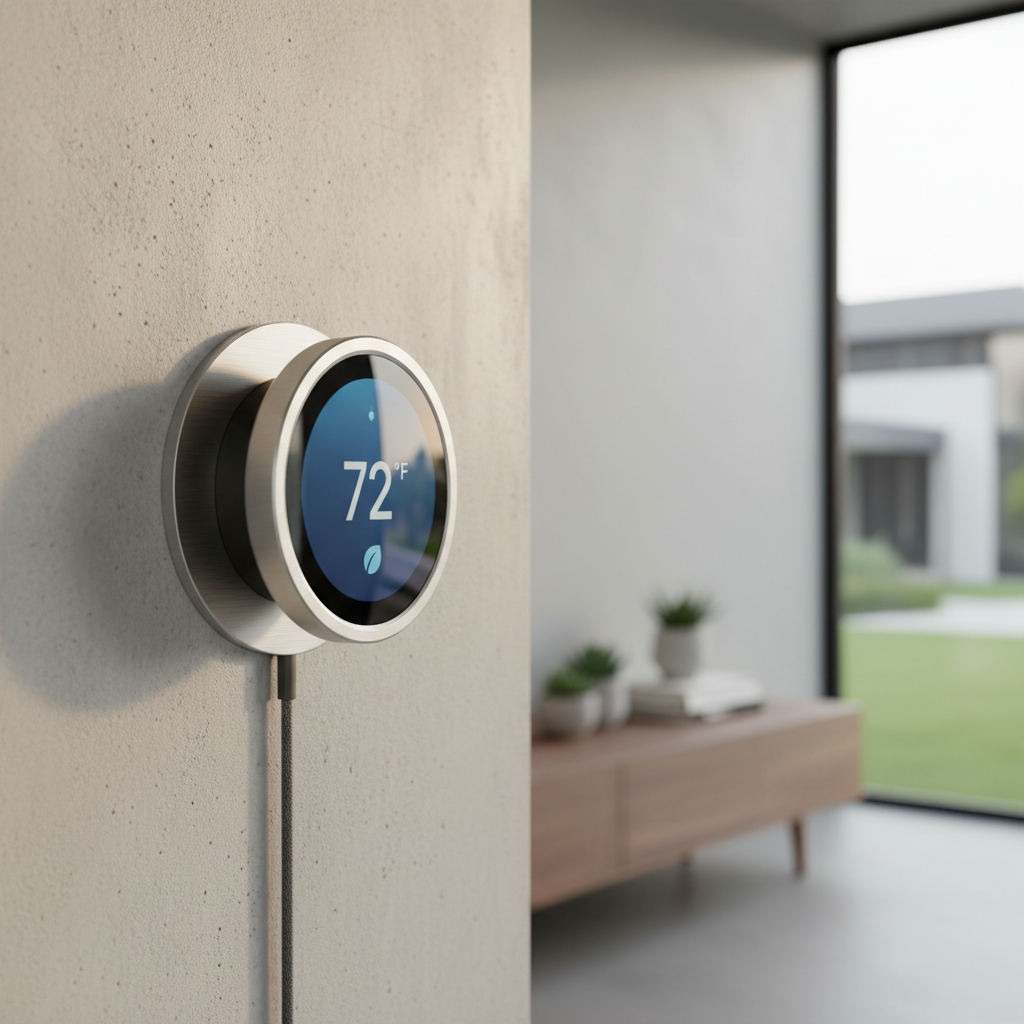
The 4th-gen Nest features a 60% larger display than previous generations — a premium wall aesthetic that elevates luxury-positioned listings. Matter-ready for future cross-ecosystem interoperability. Google claims up to 31% HVAC savings, though real-world rental performance is likely 15-20% because the AI learning algorithm struggles with the irregular occupancy patterns of short-term rentals. The thermostat tries to learn a heating and cooling routine that does not exist when guests change weekly.
Home/Away Assist detects vacancy automatically, but it lacks the deliberate host-controlled vacancy mode that Ecobee offers. The distinction matters: automated detection can fail when cleaning crews are in the property, while a PMS-triggered vacancy mode activates on schedule regardless of occupancy sensing.
What We Love
- 60% larger display — premium wall presence that elevates luxury rental perception
- Matter-ready — future-proofed for cross-ecosystem compatibility
- AI learning — adapts temperature patterns automatically when occupancy is consistent
What Could Be Better
- AI learning algorithm conflicts with irregular rental booking patterns — tries to learn a routine that does not exist
- No Apple HomeKit support — Google ecosystem lock-in constrains multi-platform hosts
- Home/Away is detection-based, not a deliberate host-controlled vacancy mode
The Verdict
The better thermostat for hosts already in the Google ecosystem or operating luxury properties where the display matters to guest perception. For most rental operators prioritizing energy savings and operational control, the Ecobee delivers more measurable value at a lower price (currently $280 on Amazon).
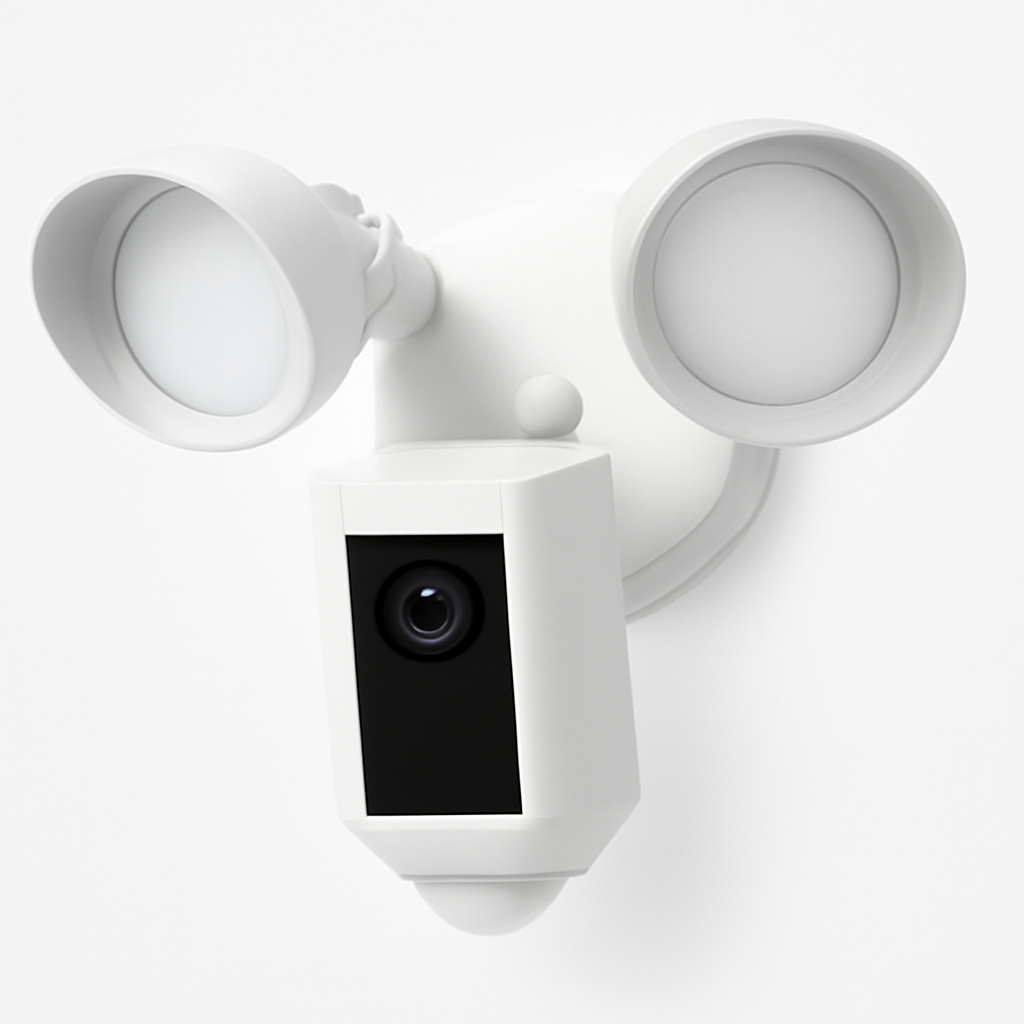
Ring Floodlight Cam Plus — Best Outdoor Security Camera
Ring Floodlight Cam Plus
(Current Price, subject to change)
Airbnb's April 2024 indoor camera ban made outdoor cameras the only compliant video monitoring option for hosts. The April 2024 policy change was covered by NPR, CNN, CNBC, and the Washington Post — it is permanent and applies to all indoor monitoring devices regardless of disclosure. Hosts who previously relied on indoor cameras for security now need compliant alternatives: noise monitors for interior awareness and exterior cameras for perimeter coverage.
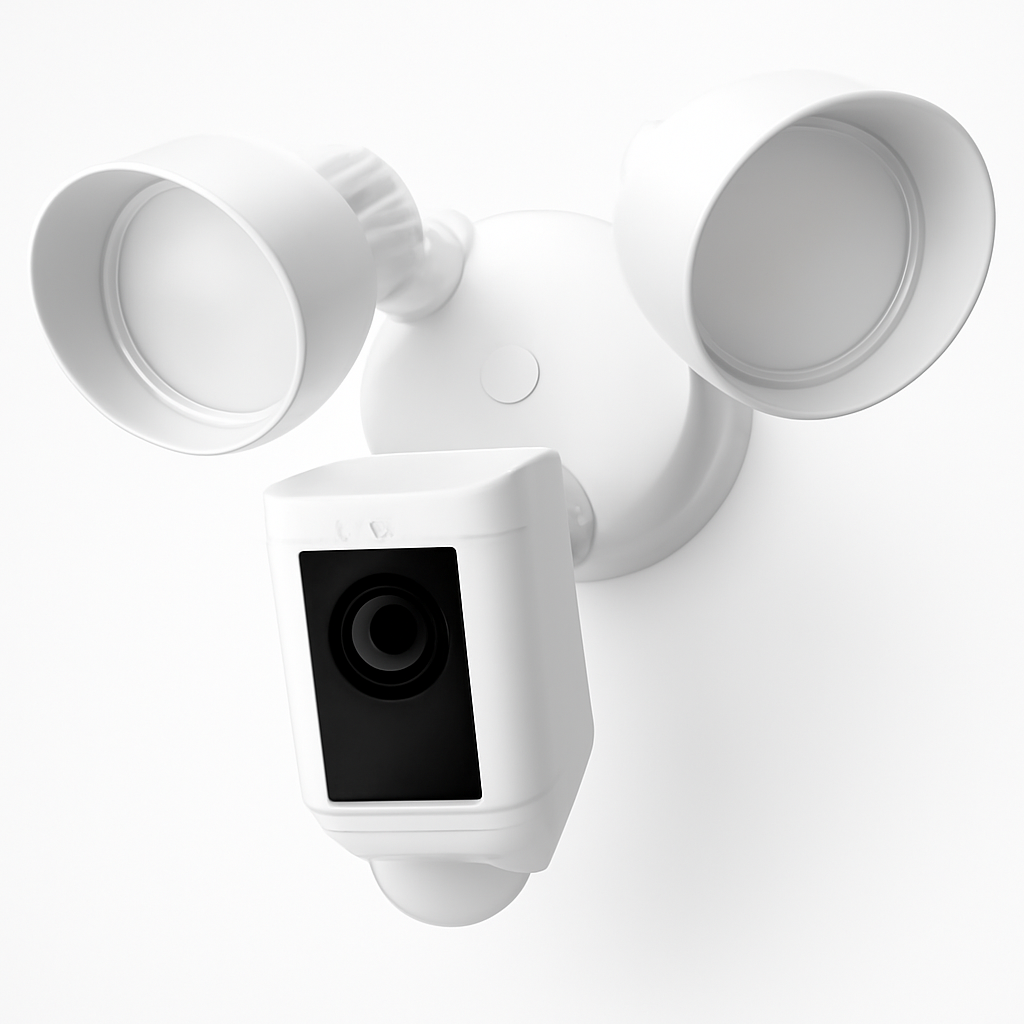
The Ring Floodlight Cam Plus provides 3D motion detection with customizable zones to reduce false alerts from wildlife and passing vehicles. Two-way talk handles delivery and access issues remotely. The 2,000-lumen floodlights serve double duty: guest safety for evening arrivals and trespasser deterrence. Insurance companies may offer 5-10% premium discounts ($50-150/year savings) for properties with visible security cameras.
What We Love
- Airbnb exterior-compliant — the legal monitoring option after the indoor camera ban
- 3D motion detection — customizable zones reduce false alerts from non-human movement
- Insurance discount potential — visible security cameras can reduce premiums 5-10%
What Could Be Better
- Must be disclosed in listing before booking — some guests perceive outdoor cameras negatively
- Ring Protect subscription ($3.33/mo) required for video storage and review
- Ring/Alexa ecosystem only — no Google Home or HomeKit support
The Verdict
The necessary security investment for hosts who need exterior monitoring after the indoor camera ban. Disclosure is mandatory and straightforward — most guests understand exterior cameras at a vacation property. The floodlight functionality alone justifies the install for guest safety during evening check-ins (currently ~$120 on Amazon).
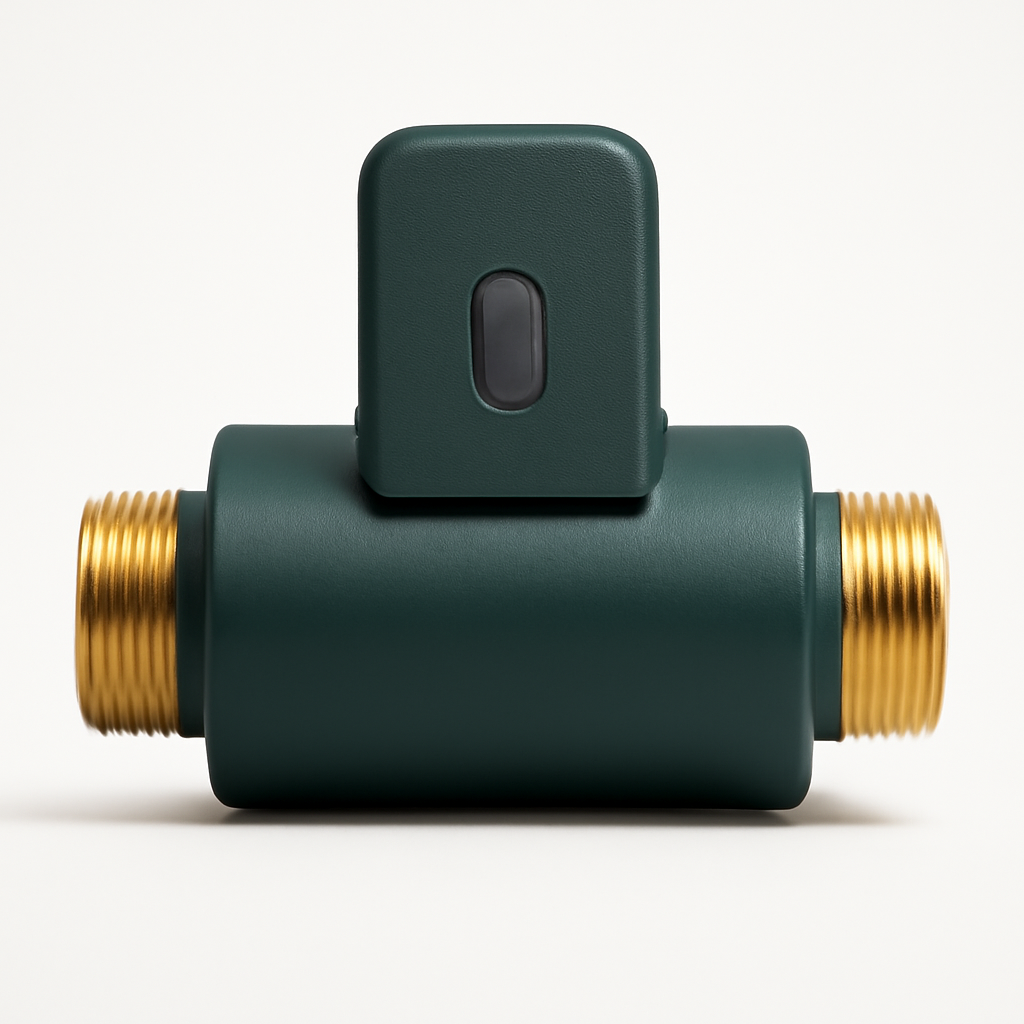
Flo by Moen Smart Water Monitor — Best Property Protection Investment
Flo by Moen Smart Water Monitor
(Current Price, subject to change)
Water damage is the number-one avoidable insurance claim for vacation rentals — remediation runs $10,000-50,000+ per event. Among 10+ competitor "best smart home for Airbnb" guides we analyzed, fewer than two mention water leak prevention at all. That gap is a liability for every host reading those guides.
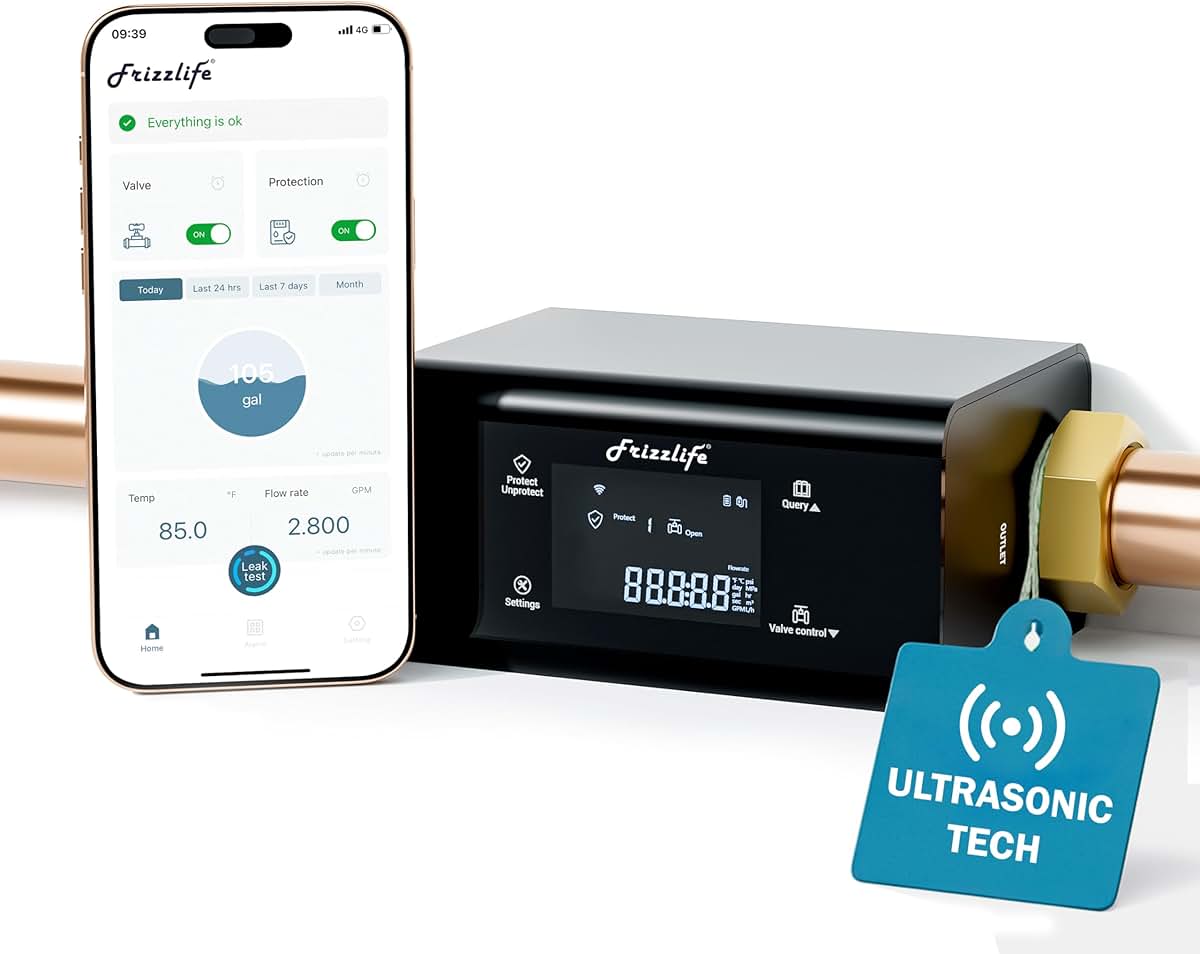
The Flo by Moen installs on the main water line and uses FloSense AI to learn normal usage patterns and detect anomalies automatically. The automatic shutoff valve stops leaks without host intervention — even at 2 AM from 1,000 miles away while a pipe bursts in a vacant property. Moen reports that 60% of homeowners discover previously unknown leaks within 30 days of installation. Multi-property management from one app. The highest upfront cost in this guide — but the highest single-incident ROI of any device here. One prevented event returns 12-100x the hardware investment.
What We Love
- Automatic shutoff valve — stops water damage without host intervention, any hour, any distance
- FloSense AI — learns normal water usage and flags anomalies before they become catastrophic
- Highest single-incident ROI — one prevented leak ($10,000-50,000+) pays for 12-100 units
What Could Be Better
- Highest upfront cost in this guide ($559-859 plus professional installation)
- No PMS integration — property management platforms cannot trigger or monitor the system
- Limited smart home ecosystem depth beyond Alexa and Google voice commands
The Verdict
Think of this as insurance that actively prevents the claim instead of paying after the damage. For properties in cold climates, aging plumbing, or remote locations where a burst pipe could run undetected for days, this should be in the first wave of purchases alongside your smart lock (currently $559 on Amazon).
SHE Rental ROI Score
What it measures: Total business value of a smart device for professional vacation rental operators — combining financial payback, operational automation, guest experience lift, tech-stack integration depth, and aggregated expert consensus.
Formula: Rental ROI Score = [(Operational Efficiency x 0.25) + (Financial Payback x 0.25) + (Guest Experience Impact x 0.20) + (Integration Depth x 0.15) + (Expert Consensus x 0.15)] x 10
All factors scored 0.0-10.0. Weights sum to 1.00. Multiplied by 10 for a 0-100 final score. Higher = better business ROI for rental operators.
(SmartHomeExplorer editorial analysis. Formula: operational efficiency (25%) + financial payback (25%) + guest experience impact (20%) + integration depth (15%) + expert consensus (15%). Data aggregated from Tom's Guide, Consumer Reports, SafeWise, Security.org, Rently, AirDNA, RedAwning, and manufacturer documentation. First-year TCO used for all financial calculations. April 2026 — methodology)
SHE Rental ROI Score
Formula: Operational Efficiency (25%) + Financial Payback (25%) + Guest Experience (20%) + Integration Depth (15%) + Expert Consensus (15%). Higher = better business ROI for hosts.
$250 · native Airbnb integration · 4-5% booking lift · best overall smart lock
$310 · ANSI Grade 1 + AAA · Apple Home Key · most durable smart lock
$129-150 + $10-15/mo · 94% auto-resolved noise events · best noise monitor
$230 · 23-26% HVAC savings · 6-10 month payback · best thermostat
$499-799 · auto shutoff valve · one leak = 12-100x ROI · best protection
$280 · AI learning · Matter-ready · best premium thermostat
$99 + $99/yr · Noise Risk Score algorithm · best outdoor noise monitoring
$240 · retrofit design · native Airbnb · best retrofit smart lock
$249 + $36/yr · manages 30-1,000+ doors · best for multi-property portfolios
$200 + $40/yr · 3D motion detection · 2,000-lumen · best outdoor camera
$160-200 · offline crypto PIN codes · no Wi-Fi needed · best rural/offline
SmartHomeExplorer editorial analysis. Formula: operational efficiency (25%) + financial payback (25%) + guest experience impact (20%) + integration depth (15%) + expert consensus (15%). Data from Tom's Guide, Consumer Reports, SafeWise, Security.org, Rently ROI models, AirDNA, RedAwning, manufacturer documentation (April 2026)
The top three devices by Rental ROI Score are all access control products — confirming industry data that a smart lock should be every host's first investment. The Flo by Moen ranks 5th overall but has the highest single-incident ROI of any device here: one prevented water event returns 12-100x the hardware cost. That gap between overall score and catastrophic-risk value is the most important insight in this table.
Per-Property Cost Calculator: Year 1 vs. Year 3
What does a professional smart stack actually cost across a multi-property portfolio? Here is the math for a 3-property host at three budget tiers.
Essential Stack (~$921/property — Year 1)
- Yale Assure Lock 2 Wi-Fi: ~$306
- Minut Sensor: ~$360 (hardware ~$240 + first-year subscription ~$120, or $0 hardware via Airbnb free sensor program)
- Ecobee Smart Thermostat Premium: ~$255
- Year 1 total for 3 properties: ~$2,763
- Year 3 total: ~$3,483 (adds ~$120/year Minut subscription per property)
Recommended Stack (~$1,240/property — Year 1)
- Essential Stack: ~$921
- Ring Floodlight Cam Plus: ~$120 + $40/year Ring Protect
- NoiseAware Outdoor Sensor: $99 + $99/year (for properties with pools or patios)
- Year 1 total for 3 properties: ~$3,720
- Year 3 total: ~$5,274 (adds subscriptions across all properties)
Full Protection Stack (~$2,000/property — Year 1)
- Recommended Stack: ~$1,240
- Flo by Moen Smart Water Monitor: ~$760 (average hardware + professional installation)
- Year 1 total for 3 properties: ~$6,000
- Year 3 total: ~$7,554
- Expected 3-year savings: $6,200-9,400 (energy savings + lockout elimination + damage avoidance)
At the Essential tier, a 3-property host invests ~$2,763 in Year 1 and recovers it within 10-16 months through combined HVAC savings ($69-117/month across 3 properties), lockout elimination ($270-900/year in avoided rekey and service call fees), and booking lift (4-5% on 3 listings). By Year 3, every dollar of hardware investment has returned $3-5 in documented operational savings — before counting the harder-to-quantify damage prevention and guest review improvement.
The Full Protection Stack looks expensive at ~$6,000. But one prevented water damage event at a single property ($10,000-50,000+) pays for the Flo by Moen installations across the entire 3-property portfolio and then some. That is insurance math, and it is why the Flo ranks 5th in overall ROI but 1st in risk-adjusted value.
When NOT to Buy
- Skip smart rental tech if you host fewer than 10 stays per year. The ROI calculations assume regular turnover — occasional hosts will not recoup hardware costs for 3-5 years.
- Skip subscription-based devices if your margins are already thin. A Minut Sensor at $10-15/month and NoiseAware at $8.25/month add $220-280/year per property — meaningful overhead on a low-occupancy listing.
- Skip smart locks if your property has a doorman building, secure lockbox, or on-site property manager. The primary value is eliminating key handoff logistics — if that problem is already solved, the ROI drops significantly. For non-rental lock options, see our smart door locks guide.
- Skip if you are looking for a complete DIY security system rather than individual devices. This guide focuses on per-device ROI, not full monitoring packages. For bundled security kits, see our smart home security systems guide.
The Bottom Line
Every device in this guide is a business investment, not a consumer purchase. The Rental ROI Score changes the conversation from "which smart lock should I buy?" to "which dollar produces the highest return for my rental business?"
Smart locks deliver the fastest payback. Noise monitors deliver the most automation. Thermostats deliver the most predictable savings. And the Flo by Moen delivers the most catastrophic-risk protection per dollar despite being overlooked by nearly every competitor guide we analyzed.
Get the Yale Assure Lock 2 Wi-Fi if you are buying your first smart device for any rental property — the 4-5% booking lift and lockout elimination make it the single fastest payback.
Get the Minut Sensor if you want monitoring that solves problems without waking you up — the 94% auto-resolution rate means fewer 2 AM phone calls and fewer damage claims.
Get the Ecobee Smart Thermostat Premium if your properties have significant heating or cooling costs — the 23-26% ENERGY STAR-certified savings pay for the thermostat within two seasons.
Get the Flo by Moen Smart Water Monitor if you manage properties with aging plumbing or in freeze-prone climates — one prevented incident pays for the device 12-100 times over.
Get the Schlage Encode Plus if lock durability outweighs integration convenience — the Grade 1 + AAA rating means a lock that outlasts your mortgage.
Skip the RemoteLock 5i if you manage fewer than 5 properties — the per-door subscription erodes ROI at small scale where Yale or Igloohome serve better.
Skip the Google Nest Learning Thermostat 4th Gen if your primary goal is energy savings rather than aesthetics — the AI learning algorithm underperforms in irregular rental occupancy patterns compared to Ecobee's deliberate vacancy mode.
For the broader smart home context, see our smart thermostat comparison and smart home security systems guide. If you are building out ecosystem infrastructure, our Matter-compatible devices guide covers the interoperability layer, and the Alexa vs Google Home vs HomeKit comparison helps choose a platform foundation. Hosts managing neurodiverse guest needs should also see our smart home for ADHD and autism guide for shared thermostat and sensor context. For perimeter coverage, see our smart outdoor cameras guide and our video doorbells guide. For access control specific to rental situations, our smart locks for renters guide and dedicated smart locks for Airbnb guide cover the renter-friendly and short-term rental angles in depth. For water protection, see our smart water leak detectors guide.
Frequently Asked Questions
Q: What is the best smart lock for Airbnb?
The Yale Assure Lock 2 Wi-Fi (Rental ROI Score: 88) is the best overall smart lock for Airbnb hosts. It has native Airbnb integration that auto-generates guest codes per booking and expires them at checkout. It is deployed across 50,000+ RedAwning-managed properties with 99.7% uptime. AirDNA data shows properties with keyless self-check-in see 4-5% booking increases. For durability-focused hosts, the Schlage Encode Plus (83) adds ANSI/BHMA Grade 1 + AAA certification — the highest security rating in consumer smart locks.
Q: Are indoor cameras allowed in Airbnb rentals?
No. Airbnb banned all indoor cameras effective April 2024 — no indoor surveillance devices are permitted regardless of disclosure. The policy was covered by NPR, CNN, and the Washington Post and is permanent. Outdoor cameras are still allowed but must be disclosed in the listing before booking. For compliant monitoring alternatives, hosts now use noise monitors like the Minut Sensor or NoiseAware for interior awareness, outdoor cameras like the Ring Floodlight Cam Plus for perimeter security, and smart lock access logs for entry tracking.
Q: Do noise monitors record conversations?
No. Both Minut and NoiseAware measure noise levels (decibels) without recording audio content. They detect that noise exceeded a threshold or followed a concerning pattern — not what was said. This privacy-safe design is why Airbnb endorses them as compliant monitoring alternatives after the indoor camera ban. Guest privacy is preserved while hosts retain operational awareness.
Q: How much can a smart thermostat save on a rental property?
The Ecobee Smart Thermostat Premium is ENERGY STAR certified for 23-26% HVAC savings. On a property spending $150/month on heating and cooling, that translates to $23-39/month in documented savings, with the ~$255 hardware paying for itself in 7-11 months. The savings come primarily from vacancy mode (preventing HVAC abuse between turnovers) and Smart Home/Away detection (auto-adjusting when the property empties). The Google Nest claims up to 31% savings, but real-world rental performance is likely 15-20% due to the AI learning algorithm conflicting with irregular booking patterns.
Q: What is the best smart home setup for multiple rental properties?
For 1-5 properties, start with the Essential Stack per property: Yale Assure Lock 2 ($306) + Minut Sensor ($360 first-year) + Ecobee thermostat (~$255) = ~$921/property in Year 1, recovering costs within 10-16 months through energy savings, lockout elimination, and booking lift. For 10+ properties, add RemoteLock as the management layer for centralized access control across all doors from one dashboard. For properties in freeze-prone or flood-prone areas, add the Flo by Moen Smart Water Monitor as catastrophic-risk insurance.
Q: What smart home devices protect against water damage in vacation rentals?
The Flo by Moen Smart Water Monitor ($559-859) installs on the main water line and provides automatic shutoff when leaks are detected. Its FloSense AI learns normal water usage patterns and flags anomalies — 60% of homeowners discover unknown leaks within 30 days of installation. Water damage remediation costs $10,000-50,000+ per incident, making this the highest single-incident ROI device in our guide. Professional installation is recommended and adds $150-300 to total cost.
Still weighing whether the vacation rental stack is right for your situation? The complete household-type guide maps recommendations for every major living archetype — from renters and new homeowners to elderly parents and iOS-only households.
Sources & Methodology
We aggregated expert reviews from Tom's Guide, Consumer Reports, SafeWise, Security.org, SafeHome.org, TechHive, CNET, Reviewed.com, Wirecutter, PCWorld, and Digital Camera World — 4 to 11 editorial sources per product depending on category coverage. Consensus scores reflect weighted averages across those sources. The SHE Rental ROI Score is a proprietary composite metric scored by SmartHomeExplorer editorial analysis using manufacturer documentation, operational data from RedAwning (50,000+ properties), Rently ROI financial models, AirDNA booking conversion data, Turno host surveys, and reviewer findings. All financial calculations use first-year total cost of ownership. Full methodology at /methodology.
Written by Nicholas Miles. Nick has covered smart home technology since 2024 and founded SmartHomeExplorer.com to aggregate consensus ratings from 2041 editorial sources across 1216 smart home products and 369 buying guides to surface the true consensus picks for every category.
Disclosure: SmartHomeExplorer.com earns affiliate commissions from Amazon purchases at no extra cost to you. This does not influence our rankings — our methodology is published at /methodology.