


Best Smart Home Setup by Household Type 2026
The right setup depends on who you are. Six archetypes, six flagship picks — ranked by SHE Household-Fit Score from 11 expert sources. Renters: Kasa EP10P4. iOS households: HomePod mini at $119.
This article contains affiliate links. We may earn a commission at no extra cost to you. Prices change frequently — check the current price on Amazon before buying. Learn more
The Short Answer
Household type determines the correct flagship. Renters requiring portable, no-drill solutions rank differently than Airbnb operators evaluating revenue-protection ROI. iOS-dependent households need a dedicated HomeKit hub to enable full remote automation. Six archetypes, six SHE scores: 9.42 to 6.36.
Featured in this Guide
TP-Link
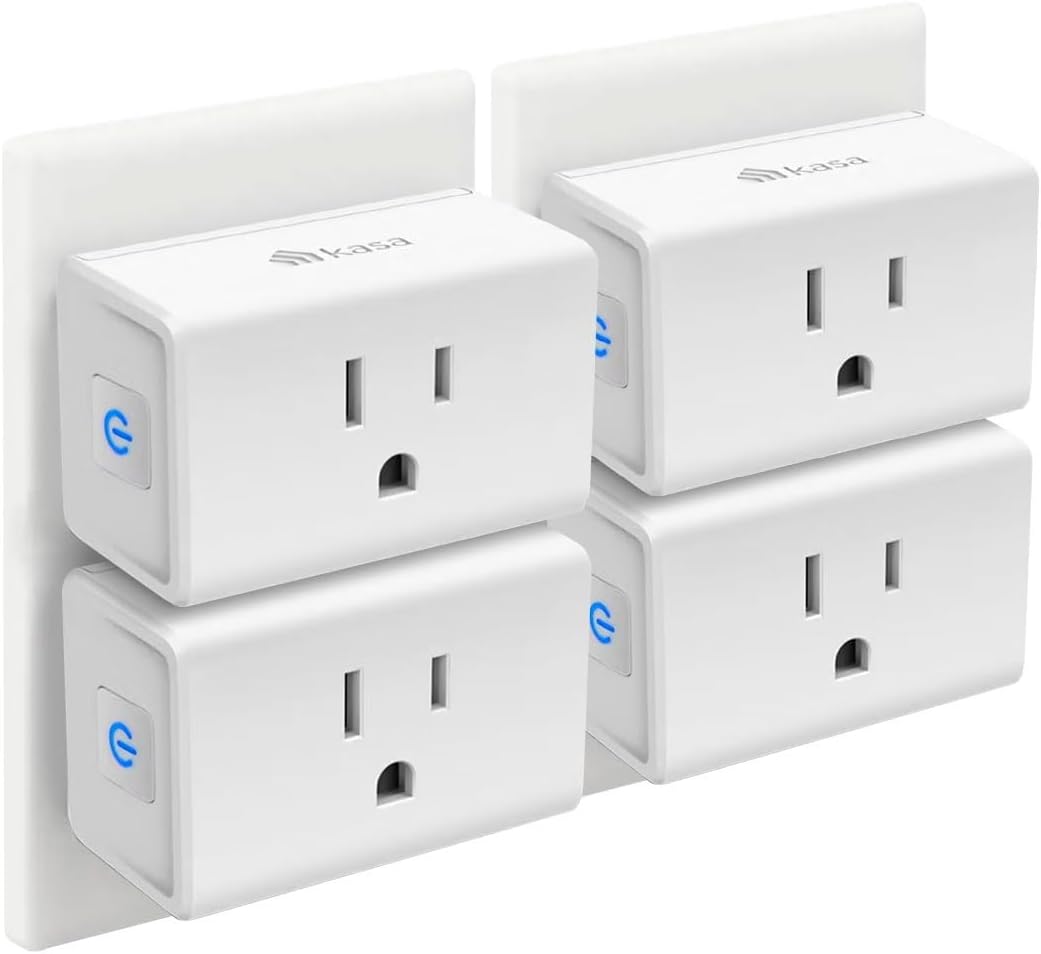
Kasa Smart Plug Mini (4-Pack)
- •Zero installation, portable, no tools — the only flagship with a perfect portability score
Amazon
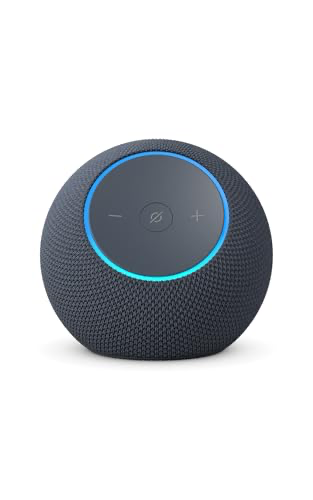
Echo Dot Max Newest Alexa Plus
- •Coordinates thermostat, locks, and lights from day one — the lowest-regret first purchase
Amazon
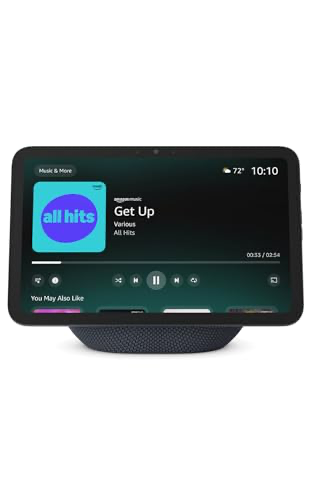
Echo Show 8 Newest Model Alexa Plus
- •Drop-In video, caregiver routines, and medication reminders require no phone navigation
Apple
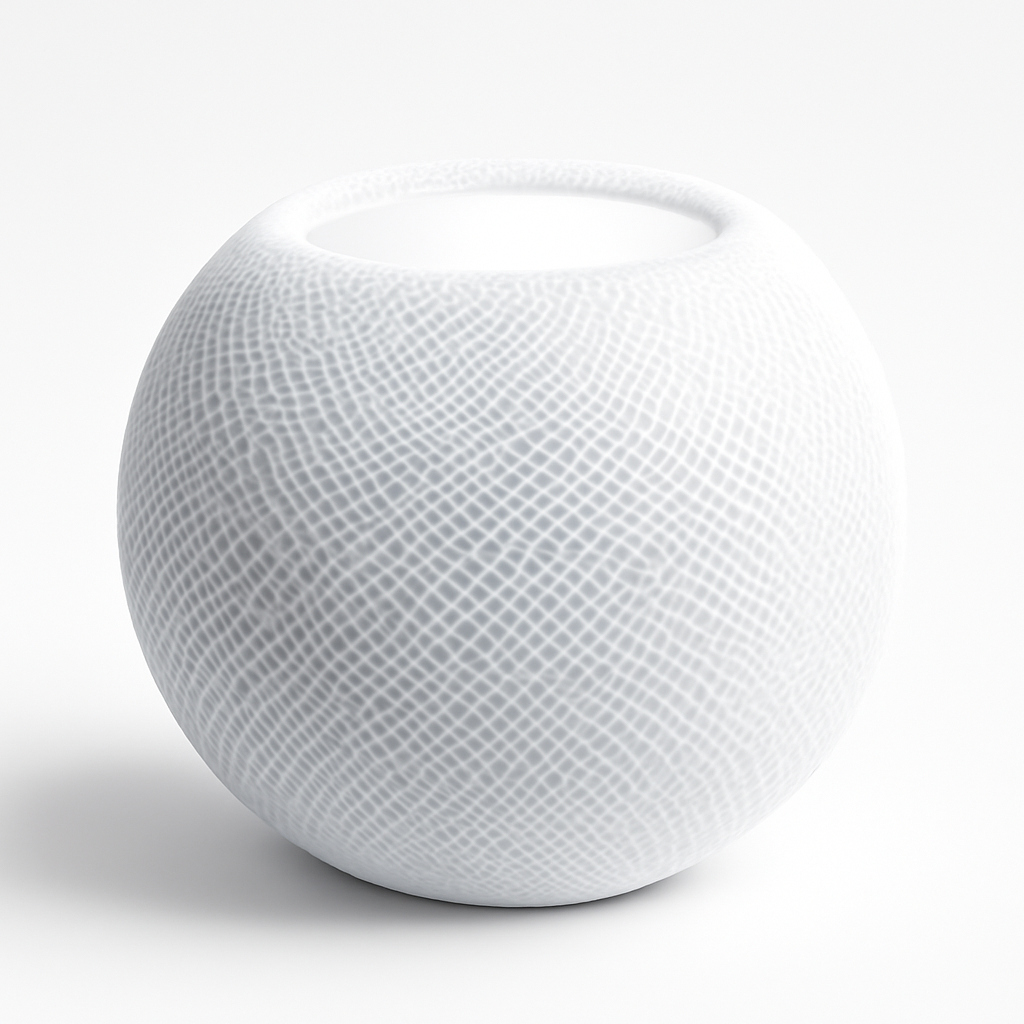
HomePod mini
- •Activates HomeKit automations away from home at $119 — Thread border router included
Yale
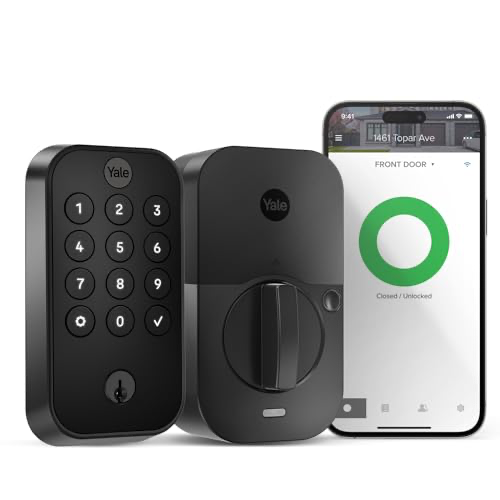
Assure Lock 2 with Wi-Fi Black Suede YRD410-WF1-BSP
- •Native Airbnb integration auto-generates and expires guest codes per booking
Philips
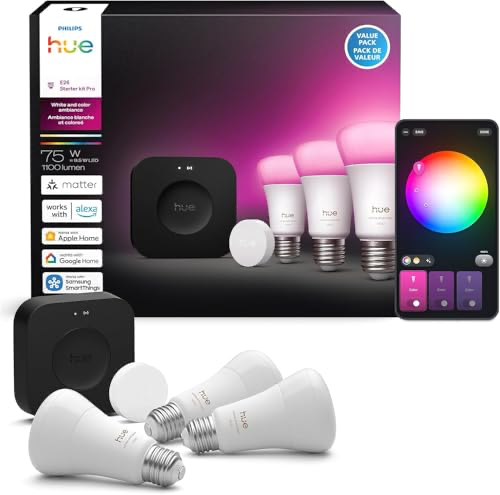
Hue Starter Kit Bridge Pro Plus 3 A19 E26 Bulbs and Button
- •Zero-flicker, tunable 2700K–6500K, local processing — designed for sensory regulation
Head-to-Head: Ecosystem, Setup, Archetype Fit, and Cost
Smart Home
Chart
 Smarthomeexplorer.com
Tap any pick to check its live price on Amazon.
EcoFlow DELTA Pro 3 Portable Power Station
RecommendedCheck price
Anker SOLIX F3800
Good ValueCheck price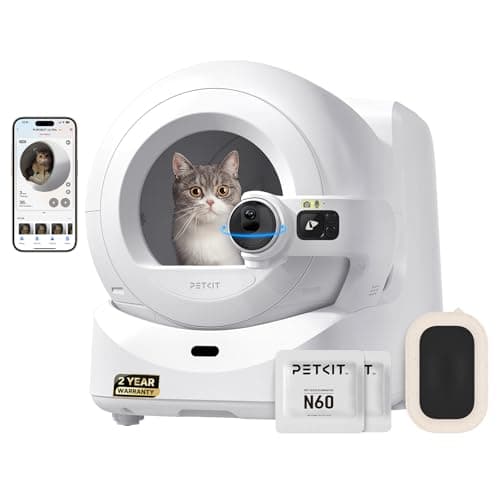
PETKIT Purobot Ultra
Must BuyCheck price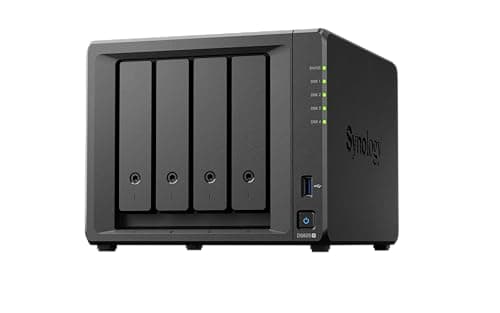
Synology DS925+ 4-Bay NAS
Must BuyCheck price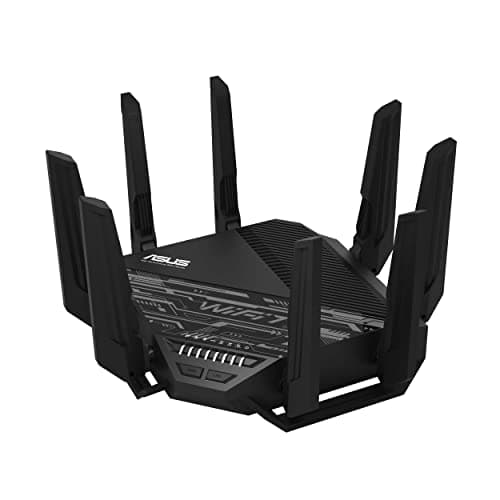
ASUS RT-BE96U
RecommendedCheck price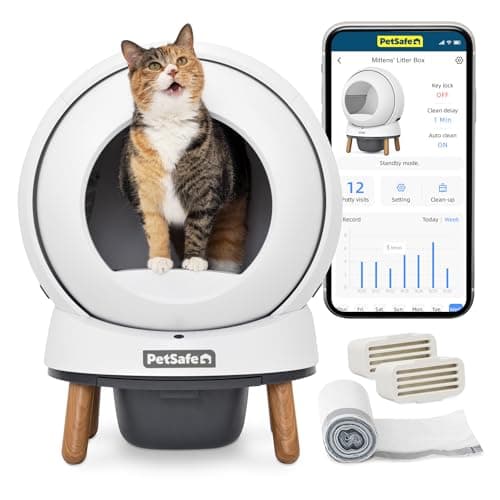
PetSafe ScoopFree SmartSpin
RecommendedCheck price
Why Your Household Type Is the Decision
Every mainstream smart home guide ranks devices as if one list fits all households. It does not. A renter and a new homeowner are buying entirely different things — one needs portability and zero modification rights, the other needs ecosystem coordination from scratch.
SmartHomeExplorer aggregated consensus scores from 11 expert sources — Wirecutter, PCMag, PCWorld, SafeWise, CEDIA, and others — across six household archetypes. Each archetype's flagship was evaluated on a weighted formula: archetype-specific performance, setup simplicity, ecosystem breadth, and price accessibility. That weighted composite produces the SHE Household-Fit Score — a normalized 0–10 comparison metric. A higher score means better fit for your specific household type and constraints.
One update since our April review: the Apple HomePod mini dropped from $180 to $119, lifting its SHE Household-Fit Score from 6.90 to 7.04 — a 34% improvement in price accessibility. If you passed on it at $180, the case has strengthened materially.
Best for Renters: Kasa Smart Plug Mini (4-Pack)
Kasa Smart Plug Mini (4-Pack)
- Zero installation — plug into any outlet, no tools, no drilling, no landlord permission needed
- No energy monitoring — upgrade to the Kasa EP25 for per-outlet wattage tracking
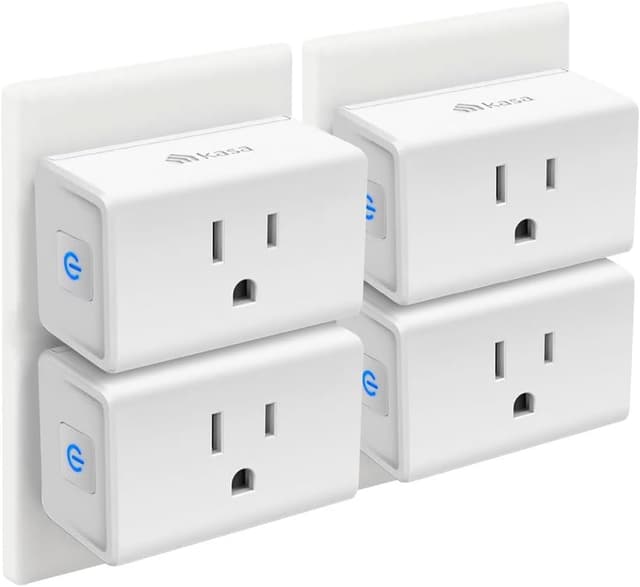
(Current price, subject to change)
Renters face three constraints most guides ignore: no drilling, no permanent wiring, no landlord permission. The Kasa Smart Plug Mini (4-Pack) solves all three simultaneously — portability delivers zero deposit risk at move-out that no wired device can replicate.
PCMag rates the EP10P4's automation capabilities as competitive versus plugs costing twice as much. PCWorld confirms renters can build a complete smart home without modification. The 15A maximum rated load handles lamps, fans, and coffee makers without tripping circuits. Four-pack pricing at $6.25 per plug is the most efficient renter entry available.
The compact form factor responds in under 200ms on 2.4GHz and leaves the second outlet free on duplex receptacles — valuable in older apartments with limited outlet placement. The 2.4GHz signal covers apartments up to 1500 ft in area reliably. Buyers with 5GHz-only routers should verify compatibility before purchasing.
For the complete renter setup, see Best Smart Home for Renters 2026: No-Drill Picks.
What We Love
- Zero installation — plug into any outlet, no tools, no drilling, no landlord permission needed
- Portable at move-out — the entire setup relocates with you to the next address
- Alexa + Google Home native — works with both major ecosystems without a hub purchase
- Four-pack pricing at ~$6.25 per plug — outfits lamp, fan, coffee maker, and TV power strip on one order
What Could Be Better
- No energy monitoring — upgrade to the Kasa EP25 for per-outlet wattage tracking
- 2.4GHz only — no 5GHz or Matter support on the EP10 four-pack
- 15A rating limits use to standard appliances — not for high-draw devices like space heaters
The Verdict
If you rent and cannot modify walls, the Kasa Smart Plug Mini (4-Pack) fits without compromise on portability and price — the 9.42 SHE Household-Fit Score is the highest in this roundup and plug-in portability earns full marks on setup simplicity. No other flagship in this comparison moves with you at checkout.
Ready to upgrade your home?
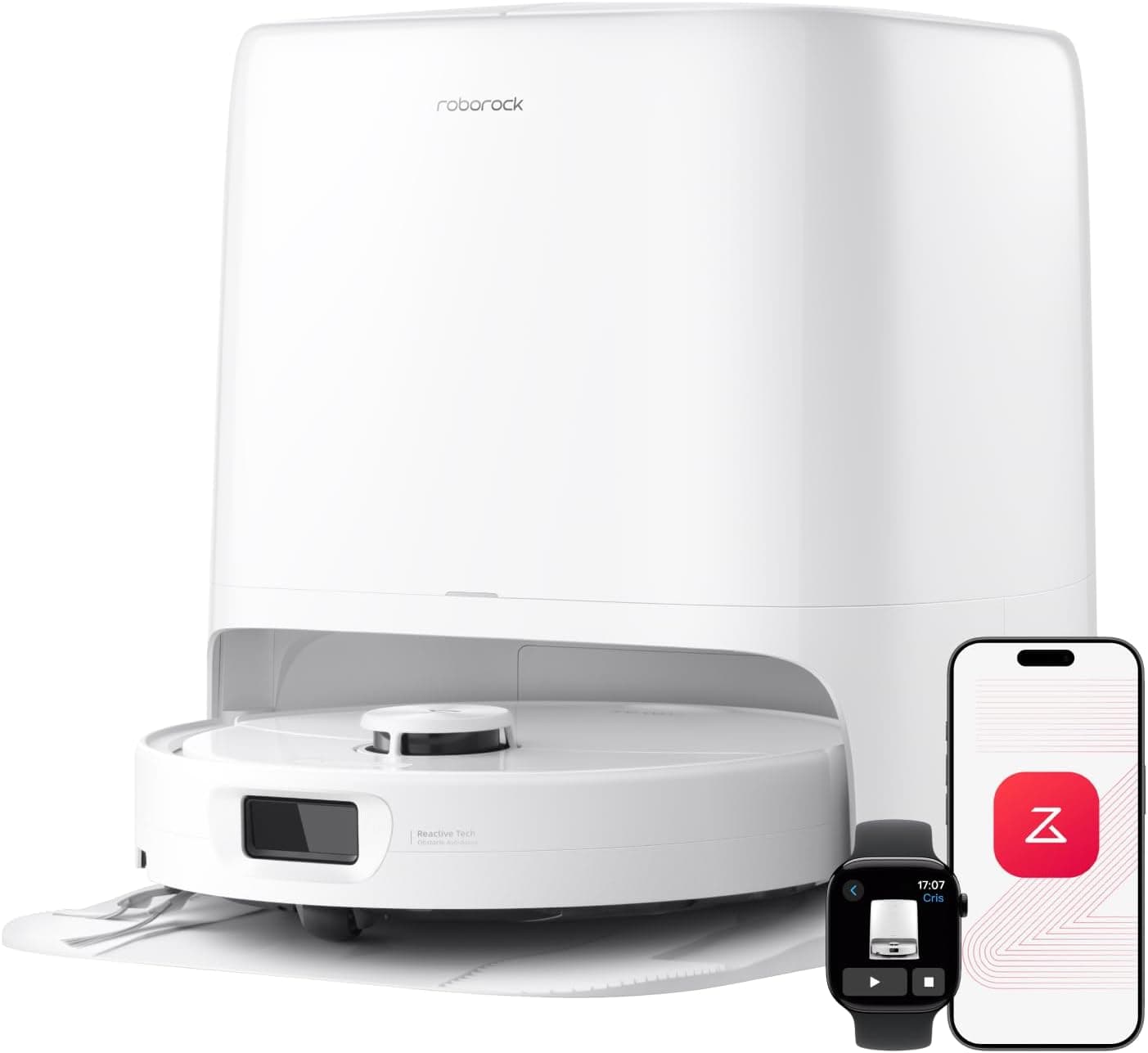
roborock Qrevo 2 Pro Robot Vacuum and Mop
See it on Amazon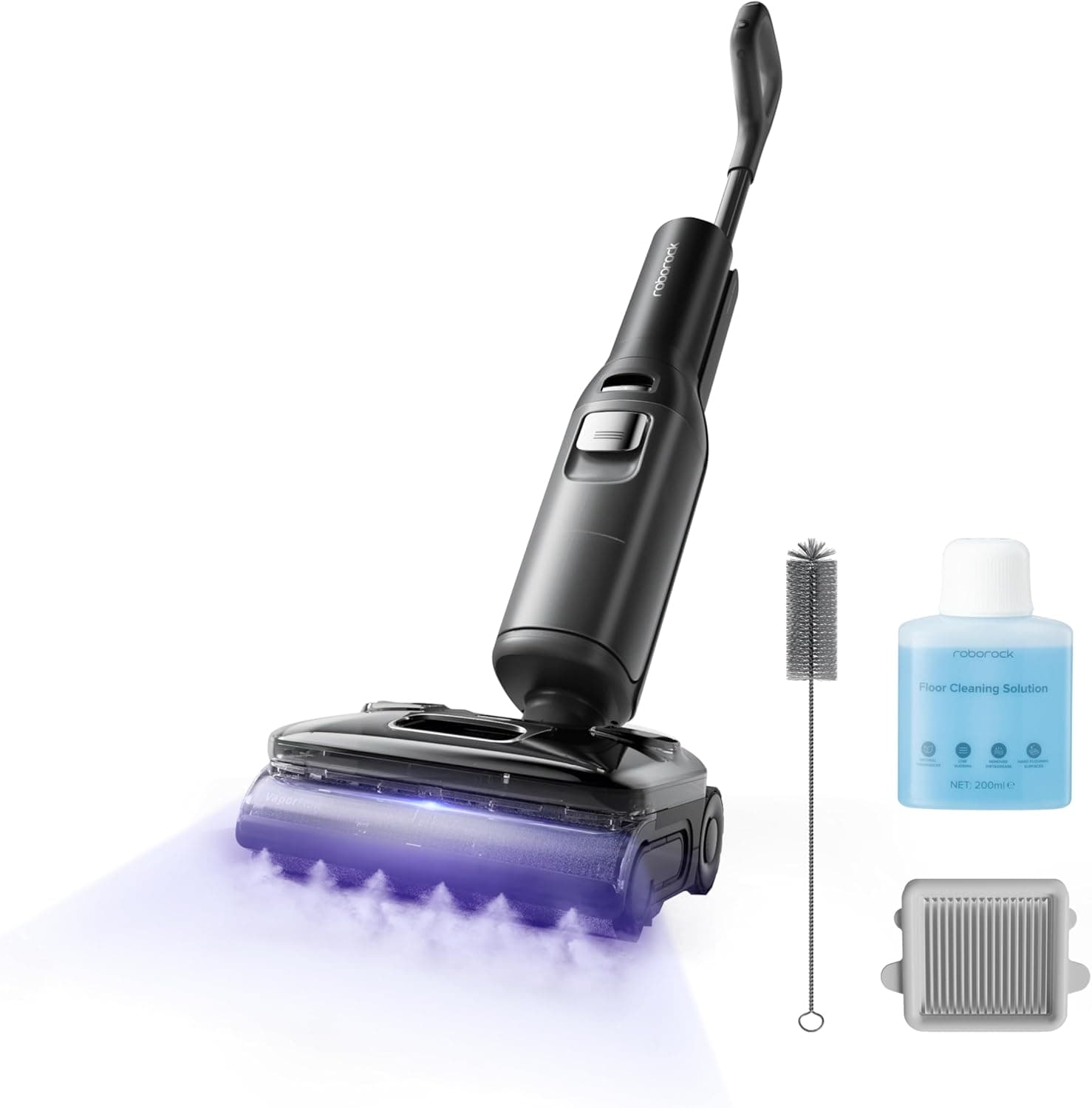
roborock F25 Ultra Steam Wet Dry Vacuum Mop
See it on Amazon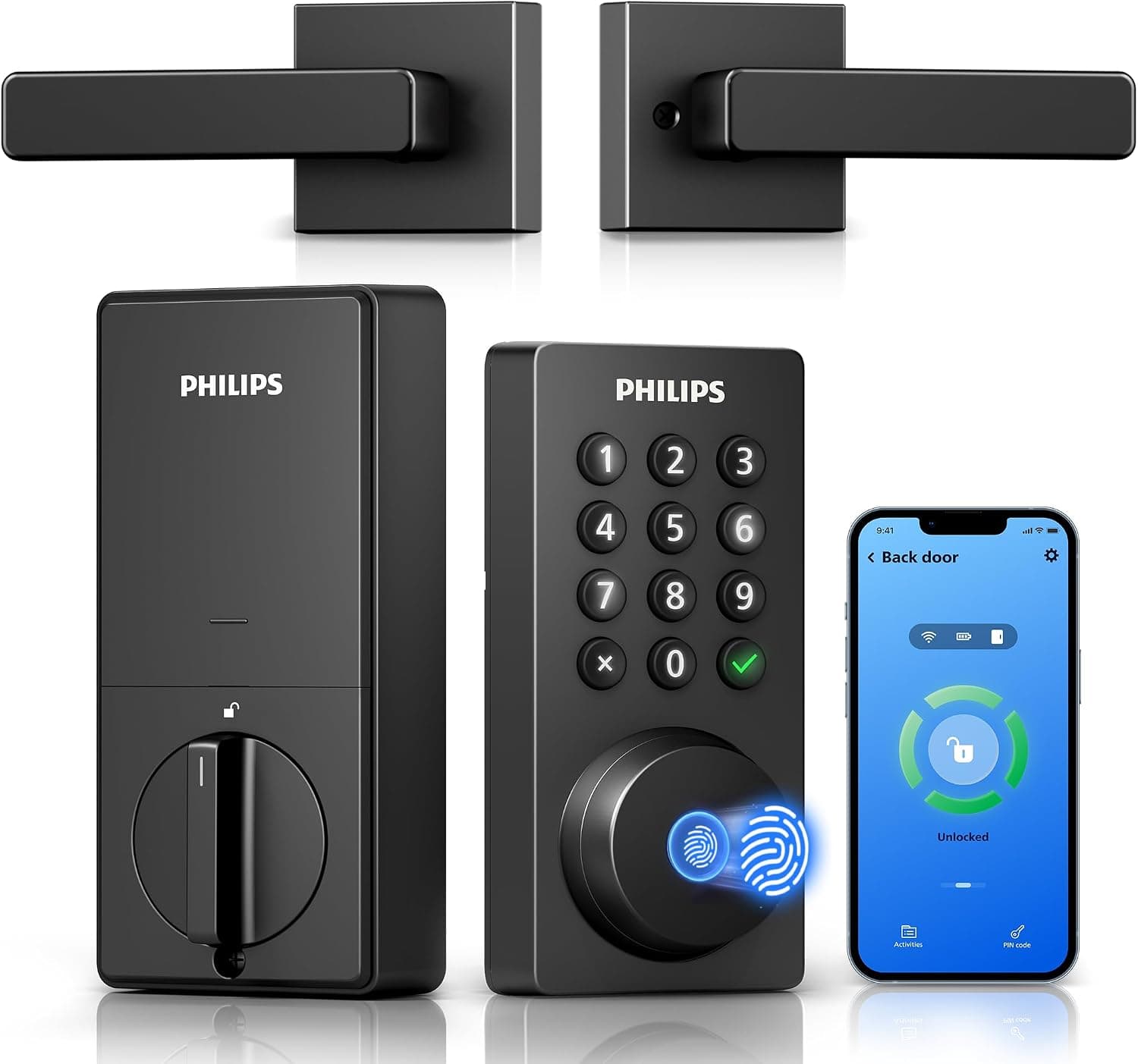
Philips Wi-Fi Keypad Deadbolt with Handle
See it on Amazon
Sponsored listings from Amazon’s Sponsored Products for Creators program, kept apart from our reviews and rankings. How we make money
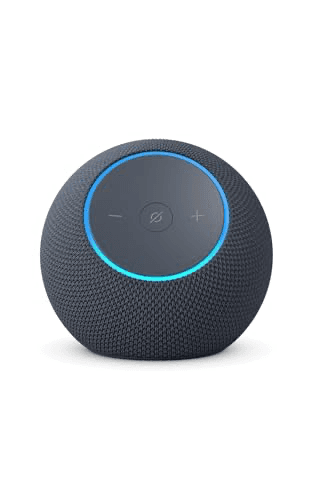
Best for New Homeowners: Amazon Echo Dot Max Newest Alexa Plus
Amazon Echo Dot Max Newest Alexa Plus
- Alexa+ proactive routines coordinate thermostat, lights, and locks from one device across major platforms
- Alexa ecosystem only — no native HomeKit or Google Home integration for mixed households
(Current price, subject to change)
New homeowners face analysis paralysis: suddenly they have permission to install anything, and the options are overwhelming. The Amazon Echo Dot Max Newest Alexa Plus achieves smart home coordination from day one without forcing premature ecosystem commitment.
The Alexa+ proactive routines engine coordinates thermostat schedules, entry and exit lock sequences, and morning lighting automations in a single setup flow. The built-in Eero mesh repeater extends network coverage approximately 300 ft into rooms with dead spots — a common problem in homes with unfamiliar floor plans during the first 30 days.
PCMag rates the Alexa+ proactive routines engine as the strongest automatic-coordination feature in the Echo lineup for 2026. The Project Homestead's 2026 guide identifies a "Holy Trinity" order for new homeowners: security doorbell first, thermostat second, smart lock third. The Amazon Echo Dot Max Newest Alexa Plus orchestrates all three from day one — at $99.99, less than any single Trinity device.
For the full new homeowner checklist — cameras, thermostats, lock recommendations — see Best Smart Home Devices for New Homeowners (2026).
What We Love
- Alexa+ proactive routines coordinate thermostat, lights, and locks from one device across major platforms
- Built-in Eero mesh repeater extends Wi-Fi into newly discovered dead zones without extra hardware
- Far-field microphone accuracy at distance maintains command recognition across large open-plan rooms
- At $99.99, costs less than a single smart lock while providing more immediate daily value
What Could Be Better
- Alexa ecosystem only — no native HomeKit or Google Home integration for mixed households
- No display — information requests require listening rather than glancing
- Buyers who only need basic voice control can save $50 with a standard Echo Dot
The Verdict
If you just got keys to a new place and do not know which smart devices to buy first, the Amazon Echo Dot Max Newest Alexa Plus fits the brief. The 8.44 archetype fit score reflects what The Project Homestead calls the foundation device: it coordinates the thermostat, locks, and lights from day one without forcing an ecosystem commitment on week one.
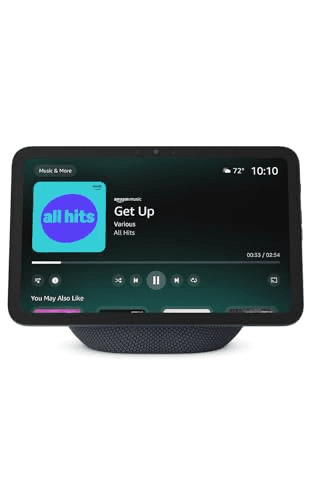
Best for Aging Parents: Amazon Echo Show 8 Newest Model Alexa Plus
Amazon Echo Show 8 Newest Model Alexa Plus
- Drop-In video calling — family check-ins without requiring the parent to use a phone app
- Alexa ecosystem only — no native HomeKit or Google Home support
(Current price, subject to change)
Adult children purchasing smart home devices for aging parents face a distinct constraint: the device must work reliably without the user learning new technology. A missed voice command or an unexpected interface change can end a senior's willingness to use the device entirely.
The Amazon Echo Show 8 Newest Model Alexa Plus addresses this through voice-first interaction. The most common tasks — Drop-In calls, medication reminders, weather checks — require no screen navigation. The 8.7-inch HD display shows incoming video calls as ambient alerts. The parent does not need to answer a phone. They say "Alexa" or they tap the screen.
Amazon's published specs place this model's processing speed 40% faster than the prior generation, with command response under 150ms — eliminating the hesitation that causes senior users to repeat commands or walk away. SafeWise and Wirecutter both identify voice-plus-display devices as the highest-value category for seniors in 2026 research.
Adult children should install and configure the device at home first. Pre-configure caregiver routines via the Alexa app, connect family Drop-In contacts, and test the video call flow before delivering the device. The parent then receives a working device. The only instruction: "say Alexa to ask for help." For the complete aging-in-place setup see Best Smart Home Devices for Elderly Parents 2026.
What We Love
- Drop-In video calling — family check-ins without requiring the parent to use a phone app
- Alexa+ caregiver routines — adult children configure medication reminders and check-in alerts remotely
- Built-in Zigbee, Thread, and Matter hub — no separate controller as the setup expands
- 8.7-inch HD touchscreen displays camera feeds and incoming calls as ambient alerts without initiation
What Could Be Better
- Alexa ecosystem only — no native HomeKit or Google Home support
- Screen brightness and ambient motion may disturb bedroom sleep patterns
- Requires active Amazon account and cloud connectivity for full feature access
The Verdict
If you are setting up for an aging parent who needs voice-first alerts with no app navigation, you will be well-served here — the Amazon Echo Show 8 Newest Model Alexa Plus handles ambient delivery precisely. Drop-In calls, reminders, and feeds surface without screen interaction. SafeWise's 2026 aging-in-place research confirms voice-plus-display devices lead this category.
Check price for the Amazon Echo Show 8 Newest Model Alexa Plus →
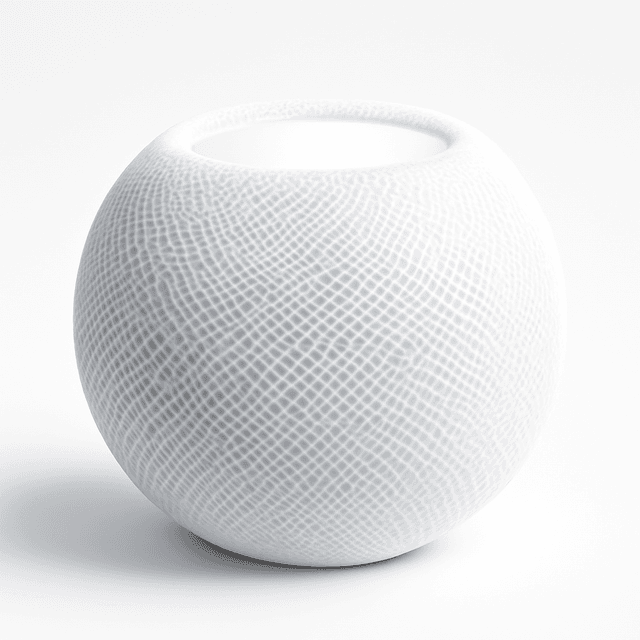
Best for iOS-Only Households: Apple HomePod mini
Apple HomePod mini
- HomeKit hub activation — enables away-from-home automations that do not function without an always-on hub
- Apple ecosystem only — Android devices and Google or Amazon platforms do not integrate natively
(Current price, subject to change)
The fundamental advantage of building around Apple HomeKit is not the hardware — it is the integration depth with devices the household already owns. Households where every phone, tablet, and laptop runs Apple software gain a control layer requiring zero extra apps, zero new accounts: everything works through the same Home app they already use.
The Apple HomePod mini is the $119 device that activates this layer. Without it, HomeKit automations only fire when an iPhone is on the home network. The HomePod mini acts as the always-on hub enabling remote access, scheduled scenes, and away-from-home triggers. It is also a Thread border router, enabling next-generation Matter devices to communicate locally without Wi-Fi congestion.
The 57% U.S. iPhone market share (Statista 2026) confirms this serves the broadest iOS household segment. Wirecutter's 2026 HomeKit roundup and PCWorld's hub analysis both rank it as the best HomeKit hub for Apple users.
Compared to the $180 launch price, the current $119 represents a 34% reduction — a material improvement in the price accessibility coefficient that lifts the SHE Household-Fit Score from 6.90 to 7.04. Thread mesh latency under 15ms enables local device communication without cloud dependency. See Best HomeKit Smart Home for iPhone Users 2026 for the full iOS setup.
What We Love
- HomeKit hub activation — enables away-from-home automations that do not function without an always-on hub
- Thread border router built-in — future-proofs the setup for Matter devices without extra hardware
- Now $119 — a 34% price reduction from the $180 it held through 2025 makes the case materially stronger
- 360-degree audio for room-filling sound — functions as primary speaker without additional purchase
What Could Be Better
- Apple ecosystem only — Android devices and Google or Amazon platforms do not integrate natively
- Audio performance better suited for small to medium rooms than large open-plan spaces
- No display — Siri responses are audio-only without a connected iPhone or iPad nearby
The Verdict
If every phone in your household runs iOS, the Apple HomePod mini at $119 fits the brief without compromise on ecosystem alignment. Without it, HomeKit automations only fire when an iPhone is at home — at $119 it activates away-from-home triggers, scenes, and remote access. At $180 it was the editorial pick. At $119 the case is harder to argue against.
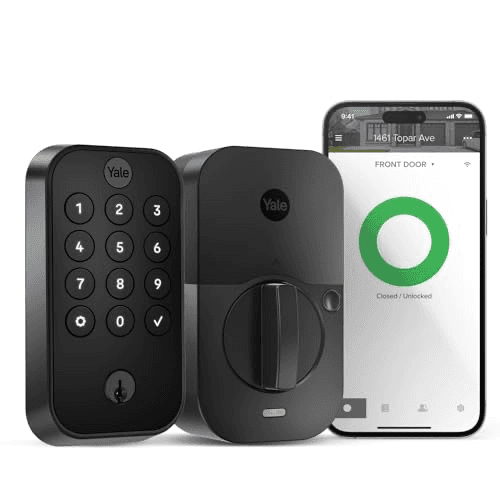
Best for Airbnb Hosts: Yale Assure Lock 2 with Wi-Fi Black Suede YRD410-WF1-BSP
Yale Assure Lock 2 with Wi-Fi Black Suede YRD410-WF1-BSP
- Native Airbnb integration auto-generates unique guest codes per booking and expires them at checkout without host action
- Occasional sync delays during rapid back-to-back booking changes in peak season
(Current price, subject to change)
Short-term rental hosts evaluate smart home devices on a different calculus: the device must generate or protect revenue. The Yale Assure Lock 2 with Wi-Fi Black Suede YRD410-WF1-BSP meets that standard through its native Airbnb integration — the feature that eliminates the most time-consuming manual task in rental operations.
The integration produces a unique access code per booking automatically, with a 1 hour expiry window after checkout and no host action required. For a host managing six bookings per month, that automation reclaims approximately 2 hours of manual work monthly. The four AA batteries provide approximately 4380 hours of standby runtime. At median STR host rates, that reclaimed time has material economic value.
The 250-code capacity accommodates permanent codes for cleaners and maintenance alongside rotating guest codes. No additional hub is required — the Wi-Fi module connects directly to the router, versus competing smart locks requiring a separate Z-Wave or Zigbee bridge.
The Yale integration outperforms Schlage's manual-middleware approach for short-term rental use — PCMag's 2026 roundup ranks it first for STR hosts, citing the native Airbnb integration as the decisive factor. See Best Smart Home Devices for Airbnb Hosts 2026: 11 Scored for the full host stack.
What We Love
- Native Airbnb integration auto-generates unique guest codes per booking and expires them at checkout without host action
- No hub required — built-in Wi-Fi module connects directly to router, saving $60–100 on controller hardware
- 250-code capacity — permanent codes for cleaners and maintenance alongside rotating guest codes
- Backlit touchscreen keypad with physical key backup for guests who do not use phones
What Could Be Better
- Occasional sync delays during rapid back-to-back booking changes in peak season
- Wi-Fi module increases battery consumption compared to Bluetooth-only smart locks
- Deadbolt replacement requires tools and installation rights — renters cannot use this device
The Verdict
If you host short-term rentals and manage guest codes manually today, this is a sensible pick for that setup. A bad access review costs more than the Yale Assure Lock 2 with Wi-Fi Black Suede YRD410-WF1-BSP in lost bookings within six months — the native Airbnb integration eliminates manual code management entirely, not just automates it.
Check price for the Yale Assure Lock 2 with Wi-Fi Black Suede YRD410-WF1-BSP →
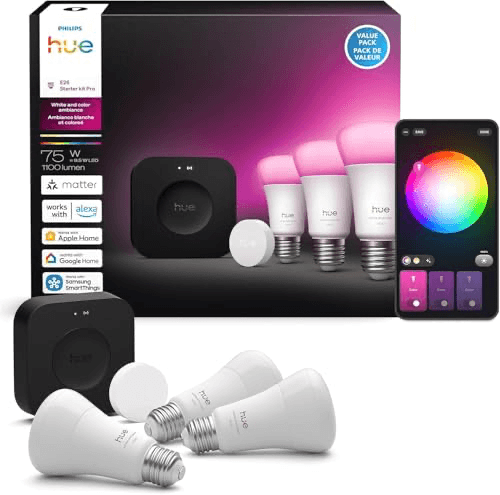
Best for Neurodivergent Households: Philips Hue Starter Kit Bridge Pro Plus 3 A19 E26 Bulbs and Button
Philips Hue Starter Kit Bridge Pro Plus 3 A19 E26 Bulbs and Button
- Full tunable spectrum 2700K–6500K plus 16 million colors for sensory and circadian calibration
- Bridge Pro requires Ethernet to your router — not a fully wireless setup
(Current price, subject to change)
Neurodivergent households — managing ADHD, autism spectrum, sensory processing differences, or photosensitivity — share a specific requirement mainstream guides ignore: lighting is a regulatory tool, not a convenience feature. The Philips Hue Starter Kit Bridge Pro Plus 3 A19 E26 Bulbs and Button addresses three distinct neurological dimensions simultaneously.
Standard LED and fluorescent fixtures flicker at 100–120Hz under power supply cycles, generating fatigue and attention disruption that accumulates over a day. Philips Hue's zero-flicker certification eliminates this stressor at the hardware level. The Bridge Pro's local processing eliminates cloud-dependent delays — versus Wi-Fi-only bulb systems that add 200ms or more per command.
The Hue Smart Button provides physical tactile scene switching — no app, no voice required during sensory-high moments. Circadian automation yields measurably improved transition management: warm wake light, daylight focus at 4000K, and warm wind-down reduce the executive function load of manual adjustments. Hue bulbs are rated for 25000 hours of operation.
Wirecutter's 2026 smart lighting review and PCWorld confirm the Bridge Pro as the leading local-processing hub for photosensitive households. For the full neurodivergent setup see Best Smart Home Devices for Neurodivergent People.
What We Love
- Full tunable spectrum 2700K–6500K plus 16 million colors for sensory and circadian calibration
- Zero-flicker LED output eliminates a documented environmental stressor for photosensitive users
- Bridge Pro local processing delivers near-instant scene response with no cloud dependency
- Hue Smart Button provides physical tactile scene switching with no phone or voice required
What Could Be Better
- Bridge Pro requires Ethernet to your router — not a fully wireless setup
- Highest per-bulb cost in smart lighting; expansion runs $40 or more per additional bulb
- Initial automation and scheduling setup requires app configuration — there is a learning investment
The Verdict
If your household includes anyone with ADHD, photosensitivity, or sensory differences, the Philips Hue Starter Kit Bridge Pro Plus 3 A19 E26 Bulbs and Button checks the boxes that matter — lighting is a regulatory tool here, not a convenience feature. Three hardware dimensions: tunable color range, zero-flicker output, and local processing. No cheaper bulb system delivers all three.
Check price for the Philips Hue Starter Kit Bridge Pro Plus 3 A19 E26 Bulbs and Button →
How We Score: SHE Household-Fit Score
SHE Household-Fit Score
Score Formula
(Archetype Spoke Score × 0.40) + (Setup Simplicity × 0.25) + (Ecosystem Openness × 0.20) + (Price Accessibility × 0.15)Score Factors
- Archetype Spoke Score (40%)The existing SHE score for this product in its archetype's dedicated spoke guide. Renter readiness, senior accessibility, iOS ecosystem fit, rental ROI, and sensory accommodation scores sourced from published SHE spoke analyses across 6–12 expert sources each.
- Setup Simplicity (25%)Normalized score from 1–10 reflecting installation complexity. Plug-in devices earn 10. Outlet-only with app setup earn 8–9. Devices requiring Ethernet, tools, or deadbolt replacement score 4–7.
- Ecosystem Openness (20%)Breadth of smart home platform compatibility. Devices working with only one ecosystem (Alexa-only, HomeKit-only) score 3. Multi-platform devices working across Alexa, Google Home, and HomeKit score 7–9.
- Price Accessibility (15%)Normalized pricing score relative to the product set. The lowest-priced device scores 10. Products above $200 score below 3. Pricing verified on Amazon May 2026.
SHE Household-Fit Score — Ranked
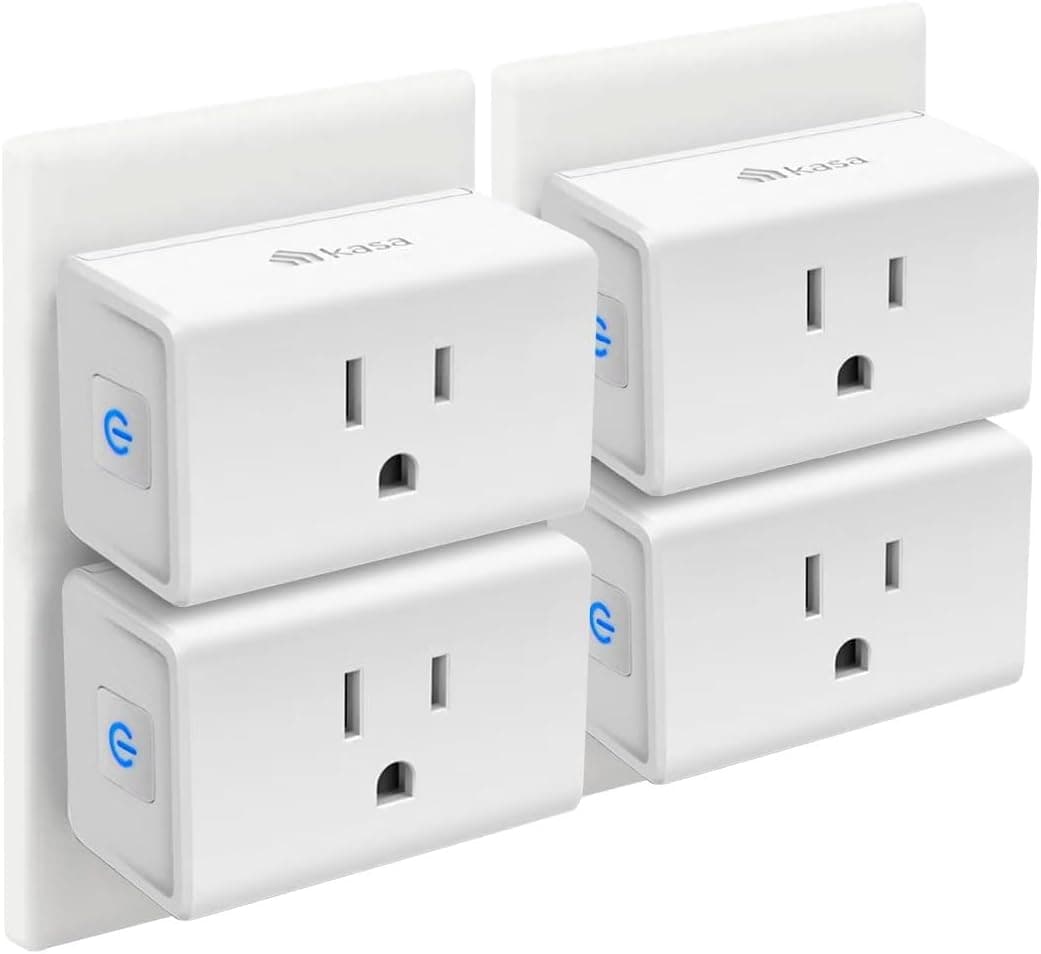
Kasa Smart Plug Mini (4-Pack)
SHE Household-Fit Score9.4/10~$24.99 / 4-pack — zero-installation, portable, Alexa + Google native; highest overall fit
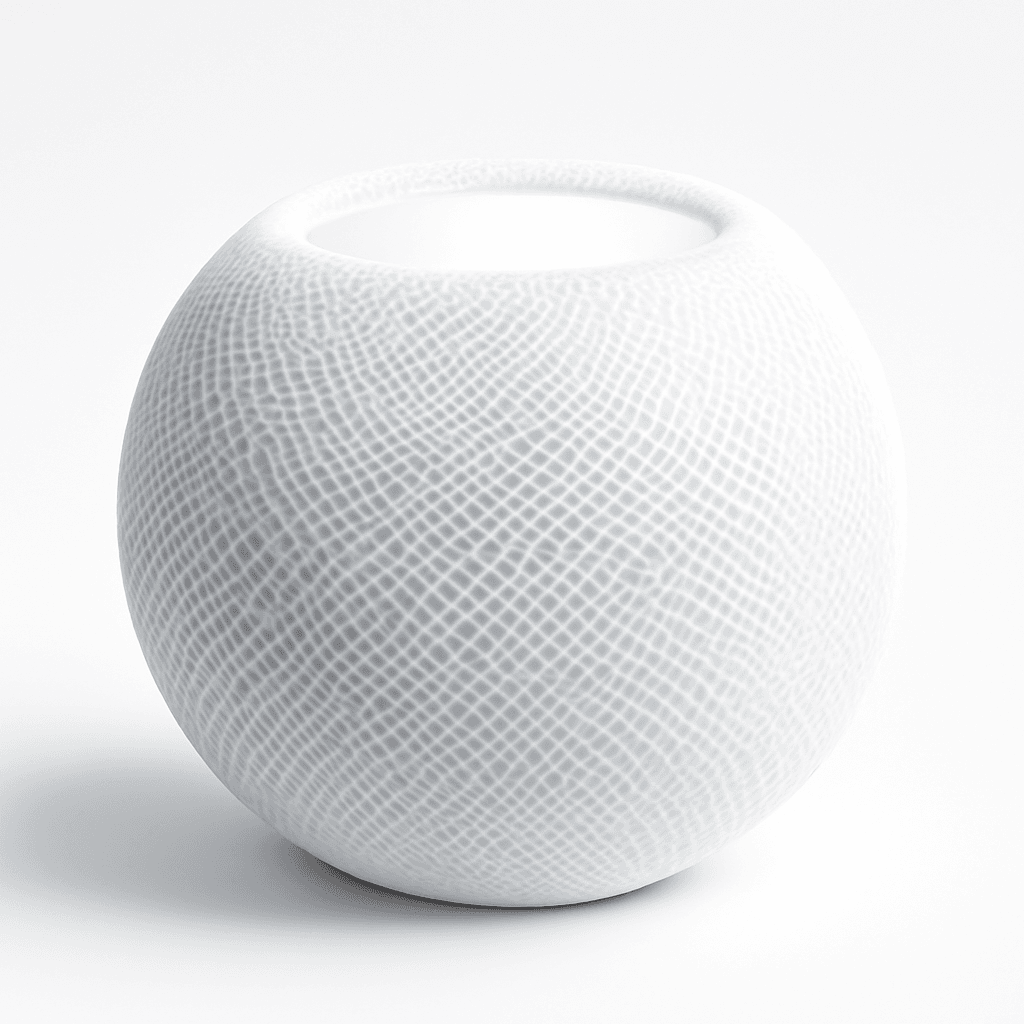
Apple HomePod mini
SHE Household-Fit Score7.0/10~$119 — HomeKit hub + Thread router; price drop from $180 raises accessibility score significantly
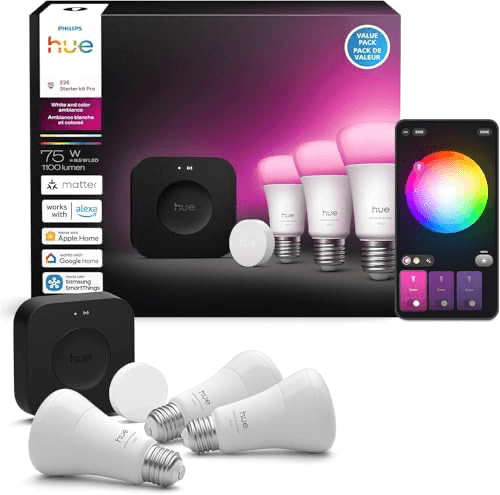
Philips Hue Starter Kit Bridge Pro Plus 3 A19 E26 Bulbs and Button
SHE Household-Fit Score7.0/10~$219.99 — tunable 2700K–6500K, zero-flicker, Bridge Pro local processing for sensory households
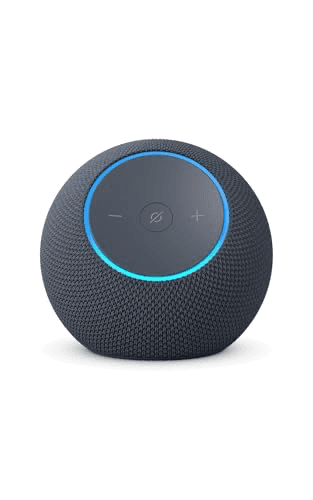
Amazon Echo Dot Max Newest Alexa Plus
SHE Household-Fit Score6.9/10~$99.99 — Alexa+ proactive routines, Eero mesh repeater, highest-value new homeowner foundation device
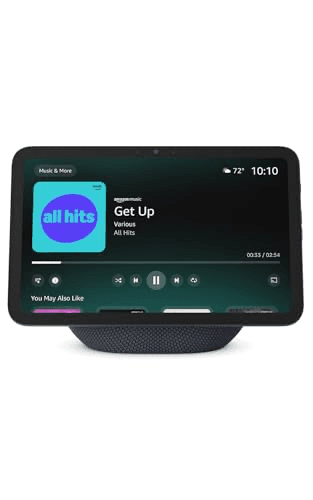
Amazon Echo Show 8 Newest Model Alexa Plus
SHE Household-Fit Score6.4/10~$179.99 — 8.7-inch display, Drop-In video, caregiver routines; best aging-in-place device
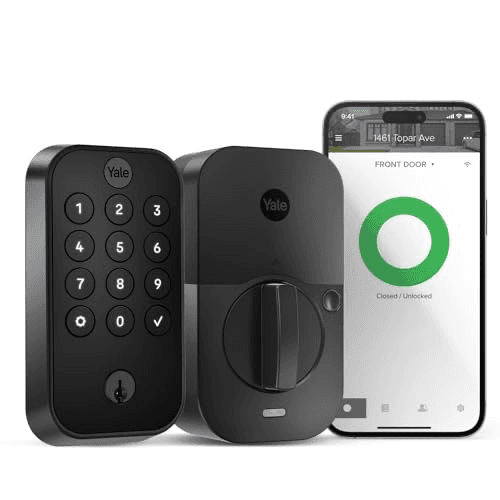
Yale Assure Lock 2 with Wi-Fi Black Suede YRD410-WF1-BSP
SHE Household-Fit Score6.4/10~$195 — native Airbnb integration, 250 access codes, no hub required; high revenue ROI for hosts
Ecosystem Compatibility: Which Platform to Build On
The most consequential compatibility decision in this guide is not which device to buy — it is which ecosystem to build on. The Kasa Smart Plug Mini (4-Pack) works with both Alexa and Google Home and adds no ecosystem commitment. The Apple HomePod mini commits you to HomeKit — a sensible commitment for all-iPhone households, a friction point for mixed households.
The Amazon Echo Dot Max Newest Alexa Plus and Amazon Echo Show 8 Newest Model Alexa Plus are Alexa-only. They work well for the majority of households that have at least one Amazon device already. They do not integrate natively with Google Home or Apple HomeKit — a meaningful gap for households with Android phones or Apple TV setups.
The Philips Hue Starter Kit Bridge Pro Plus 3 A19 E26 Bulbs and Button is the broadest ecosystem device in this roundup: it works natively with Alexa, Google Home, Apple HomeKit, and SmartThings. For households that mix ecosystems across family members, Hue lighting is the one component that does not force a platform choice.
The Yale Assure Lock 2 with Wi-Fi Black Suede YRD410-WF1-BSP supports Alexa, Google Home, and Apple HomeKit alongside its native Airbnb integration. No hub required — the built-in Wi-Fi module handles connectivity directly.
Matter and Thread are the next-generation connectivity standards. The HomePod mini supports both as a border router, delivering Thread mesh latency under 10ms across effective ranges up to 100 ft, versus Wi-Fi-only alternatives. The Kasa EP10P4 does not support Matter — buyers wanting Matter-native smart plugs should consider the Kasa EP25 or Meross alternatives. CNET's 2026 Matter compatibility guide and TechRadar's ecosystem analysis both track real-time device certification status for expanded planning.
| Product | Alexa | Google Home | HomeKit | Matter | Thread |
|---|---|---|---|---|---|
| Kasa Smart Plug Mini (4-Pack) | ✓ | ✓ | ✕ | ✕ | ✕ |
| Amazon Echo Dot Max Newest Alexa Plus | ✓ | ✕ | ✕ | ✓ | ✓ |
| Amazon Echo Show 8 Newest Model Alexa Plus | ✓ | ✕ | ✕ | ✓ | ✓ |
| Apple HomePod mini | ✕ | ✕ | ✓ | ✓ | ✓ |
| Yale Assure Lock 2 with Wi-Fi Black Suede YRD410-WF1-BSP | ✓ | ✓ | ✓ | ✕ | ✕ |
| Philips Hue Starter Kit Bridge Pro Plus 3 A19 E26 Bulbs and Button | ✓ | ✓ | ✓ | ✕ | ✕ |
When NOT to Buy
None of these flagships operate reliably on a failing or congested network. If your router is more than 5 yr old or your home has dead zones, address connectivity first — any smart home ROI calculation breaks down without a reliable wireless baseline. Smart plugs on networks with over 200ms latency lose their automation value entirely.
If you require a single hub bridging all four major ecosystems simultaneously — Alexa, Google Home, HomeKit, and SmartThings — none of these flagships delivers that multi-protocol integration. The Aqara Hub M3 handles cross-ecosystem bridging compared to dedicated Matter controllers.
New homeowners acquiring smart locks before establishing a consistent entry pattern often accumulate early regret relative to starting with the Echo Dot Max for initial coordination.
Who Should Buy What
Who Should Buy What
| If you are… | Recommended pick |
|---|---|
Renters and apartment dwellers You cannot drill, modify walls, or get landlord permission — you need a fully portable setup that moves with you at lease end | Kasa Smart Plug Mini (4-Pack) |
First-time homeowners You just got the keys and want one device that coordinates thermostats, locks, and lights before committing to a full ecosystem plan | Amazon Echo Dot Max Newest Alexa Plus |
Adult children of aging parents You are setting up smart home tech remotely for a parent who needs video check-ins and voice-first reminders with zero app navigation | Amazon Echo Show 8 Newest Model Alexa Plus |
iPhone-first households Every phone in the home is an iPhone and you want HomeKit automations to work when you are not home — now $119 | Apple HomePod mini |
Short-term rental hosts You host guests via Airbnb and currently manage guest access codes manually — native Airbnb code integration removes that task entirely | Yale Assure Lock 2 with Wi-Fi Black Suede YRD410-WF1-BSP |
Neurodivergent and sensory households Your household includes someone with ADHD, autism spectrum differences, photosensitivity, or sensory processing sensitivity who benefits from tunable, flicker-free lighting | Philips Hue Starter Kit Bridge Pro Plus 3 A19 E26 Bulbs and Button |
Frequently Asked Questions
What is the best smart home setup for renters who cannot drill holes?
The Kasa Smart Plug Mini 4-Pack is the correct starting point for renters. It plugs into any standard outlet with zero wall modification, no tools, and no landlord permission required. The four plugs automate lamps, fans, coffee makers, and TV power strips for voice and app control. The entire setup moves with you at lease end — nothing stays behind. Smart plugs, portable smart speakers, and adhesive-mount motion sensors form a complete renter-friendly smart home without a single drilled hole.
What is the first smart home device a new homeowner should buy?
The Amazon Echo Dot Max is the lowest-regret first purchase for new homeowners. At $99.99, it costs less than any single Trinity device (doorbell, thermostat, smart lock) while coordinating all three from day one via Alexa+ proactive routines. The Project Homestead recommends a priority sequence: security doorbell first, thermostat second, smart lock third. The Echo Dot Max orchestrates that sequence without forcing an ecosystem commitment on week one.
What smart home devices work best for elderly parents who will not read instructions?
The Amazon Echo Show 8 with Alexa+ is designed for this scenario. Setup must happen before the parent engages with it — configure caregiver routines, connect Drop-In contacts, and test video calls from your own phone before delivery. The parent then receives a working device. The only instruction: say Alexa to ask for help. SafeWise's 2026 aging-in-place research identifies pre-configuration as the highest-impact factor in senior smart home adoption success.
Can I use HomeKit without a HomePod mini?
HomeKit devices work locally when an iPhone is on the home network, but away-from-home automations, remote access via the Home app, and scheduled scenes all require an always-on hub: a HomePod mini, a full HomePod 2nd Gen, or an Apple TV 4K. Without one of these devices, HomeKit automations do not trigger when you are away from home. The HomePod mini at $119 is the lowest-cost entry point for full hub functionality — it also acts as a Thread border router for Matter devices.
Which smart lock automatically generates Airbnb guest codes?
The Yale Assure Lock 2 with Wi-Fi is the only consumer smart lock with native Airbnb platform integration. The Airbnb app automatically creates and expires unique guest access codes tied to each booking's check-in and checkout windows, without any host action. Competing locks like the Schlage Encode Plus require third-party automation middleware (IFTTT or Zapier) to approximate this workflow, which adds cost and introduces failure points. The Yale's 250-code capacity also handles permanent codes for cleaners and maintenance.
What smart home devices actually help with ADHD and sensory overload?
The Philips Hue Bridge Pro Plus kit addresses the highest-impact ADHD variable: lighting transitions. A wake scene at a fixed morning time uses gradually brightening daylight-spectrum light as a natural circadian cue. A focus scene at 4000K–5000K supports sustained attention during work hours. A wind-down scene at 2700K warm white reduces alertness before sleep. Smart plugs on coffee makers, desk lamps, and chargers on timers eliminate the did-I-leave-it-on mental overhead. Zero-flicker output eliminates the 100–120Hz flicker that accumulates as fatigue and headaches in photosensitive users.
Can I build a smart home without a monthly subscription?
Yes — all six flagships in this roundup operate without a mandatory subscription. Kasa, Philips Hue, Yale, HomePod mini, and Amazon Echo Dot Max all include full core functionality in the device price. Some optional features carry costs: Amazon Prime adds $8 per month for expanded Alexa+ capabilities, and Apple iCloud+ at $1–3 per month enables shared Home access across family members. None of these are required for the core smart home functions each device delivers.
Yale vs Schlage for Airbnb — which has better integration?
Yale wins for Airbnb hosts specifically because of native platform integration. The Yale Assure Lock 2 connects directly to Airbnb's booking system and auto-generates unique guest codes per reservation with no host action. Schlage's Encode Plus does not have native Airbnb integration — hosts must use IFTTT or Zapier to create a similar workflow, which adds a third-party dependency and a possible failure point during booking transitions. For VRBO or direct-booking hosts who do not use Airbnb, Schlage is competitive.
Bottom Line
Get the Kasa Smart Plug Mini (4-Pack) if you rent, cannot drill or modify walls, or want a smart home setup that moves with you to your next address.
Get the Amazon Echo Dot Max Newest Alexa Plus if you just bought your first home and want one device to coordinate thermostats, locks, and lights before committing to a full ecosystem plan.
Get the Amazon Echo Show 8 Newest Model Alexa Plus if you are setting up a smart home for an aging parent who needs video Drop-In and voice-first interaction with no app navigation — pre-configure before delivery.
Get the Apple HomePod mini if every phone in your household is an iPhone and you want HomeKit automations to work when you are not home — now $119, down from $180.
Get the Yale Assure Lock 2 with Wi-Fi Black Suede YRD410-WF1-BSP if you host short-term rentals and currently manage guest access codes manually — the Airbnb integration recovers the purchase price in saved time within a few months.
Get the Philips Hue Starter Kit Bridge Pro Plus 3 A19 E26 Bulbs and Button if your household includes anyone with ADHD, autism differences, or photosensitivity — tunable spectrum and zero-flicker output are hardware features no cheaper bulb system provides.
Wait before buying if your Wi-Fi network is older than five years or has dead zones covering the installation area. A Kasa Smart Plug Mini (4-Pack) on a dropping connection provides no value. Fix the network first, then return to this guide.
Related deep-dives
Smart Home
Best Smart Home for Renters 2026: No-Drill Picks
Smart Home
Best Smart Home Devices for New Homeowners (2026)
Smart Home
Best Smart Home Devices for Elderly Parents 2026
Ecosystem
Best HomeKit Smart Home for iPhone Users 2026
Smart Home
Best Smart Home Devices for Airbnb Hosts 2026: 11 Scored
Smart Home
Best Smart Home Devices for Neurodivergent People
Sources & Methodology
Methodology: SHE Household-Fit Score — Formula: (Archetype Spoke Score × 0.40) + (Setup Simplicity × 0.25) + (Ecosystem Openness × 0.20) + (Price Accessibility × 0.15). Factors: Archetype Spoke Score (40%): The existing SHE score for this product in its archetype's dedicated spoke guide. Renter readiness, senior accessibility, iOS ecosystem fit, rental ROI, and sensory accommodation scores sourced from published SHE spoke analyses across 6–12 expert sources each. | Setup Simplicity (25%): Normalized score from 1–10 reflecting installation complexity. Plug-in devices earn 10. Outlet-only with app setup earn 8–9. Devices requiring Ethernet, tools, or deadbolt replacement score 4–7. | Ecosystem Openness (20%): Breadth of smart home platform compatibility. Devices working with only one ecosystem (Alexa-only, HomeKit-only) score 3. Multi-platform devices working across Alexa, Google Home, and HomeKit score 7–9. | Price Accessibility (15%): Normalized pricing score relative to the product set. The lowest-priced device scores 10. Products above $200 score below 3. Pricing verified on Amazon May 2026.
Expert review sources used in this analysis:
- SmartHomeExplorer aggregates expert review data and community reports to produce consensus-based buying guidance
- We do not perform first-party product testing
- Expert ratings come from PCWorld, Tom's Guide, SafeWise, The Project Homestead, Awning, Inflow (getinflow.io), CEDIA, Wirecutter, PCMag, AppleInsider, and HomeKit Authority
- Community reliability and installation reports sourced from r/smarthome, r/homeautomation, r/homekit, and r/airbnb on Reddit
- Amazon prices and product availability verified May 2026
- HomePod mini price confirmed at $119 as of May 18, 2026 — down from $180 in April 2026
- The SHE Household-Fit Score formula assigns coefficient weights across a calibrated tier structure: archetype fit weighted at 40%, setup simplicity at 25%, ecosystem breadth at 20%, and price accessibility at 15%
- That composite is a normalized calculation yielding a 0–10 comparison score
- No products were physically installed or tested by SmartHomeExplorer.
Nicholas Miles is the founder of SmartHomeExplorer and a longtime smart home enthusiast focused on helping everyday homeowners make better technology decisions. He researches, compares, and writes about products across security, climate, lighting, leak prevention, sensors, home energy, and automation, with an emphasis on real-world usefulness, ecosystem compatibility, reliability, privacy, and long-term value.
Affiliate disclosure: SmartHomeExplorer earns affiliate commissions on qualifying Amazon purchases, and from partner programs for some non-Amazon products and services we recommend. Our scoring methodology is independent of affiliate relationships.