
Best Smart Thermostats 2026: 6 Ranked, Ecobee Wins
The C-wire check that trips half of all installs — and which of these 6 passes the Matter, HomeKit, heat-pump, and renter test. SHE Thermostat Value Index ranks every pick.
This article contains affiliate links. We may earn a commission at no extra cost to you. Prices change frequently — check the current price on Amazon before buying. Learn more
The Short Answer
Ecobee Premium leads on ecosystem breadth and included sensor; Amazon Smart Thermostat wins pure ROI payback — under 1 yr at the DOE low-end estimate in most households; Nest 4th Gen is the only pick with heat-pump balance-point control. Match your ecosystem first, then pick by price.
Featured in this Guide
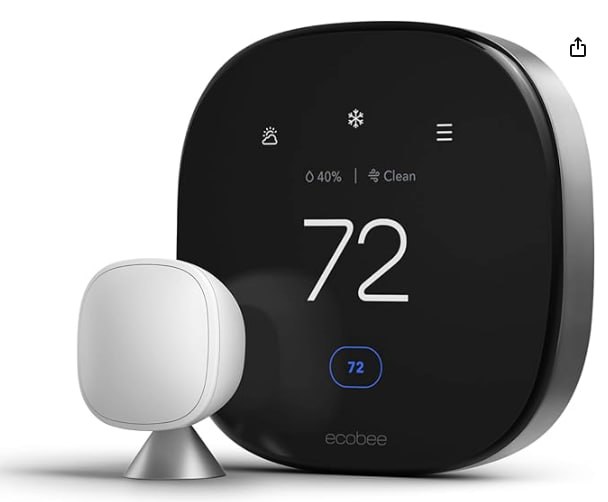
Ecobee
Smart Thermostat Premium
- •HomeKit, Google, Alexa, SmartThings — widest native ecosystem plus included SmartSensor and air quality monitoring.
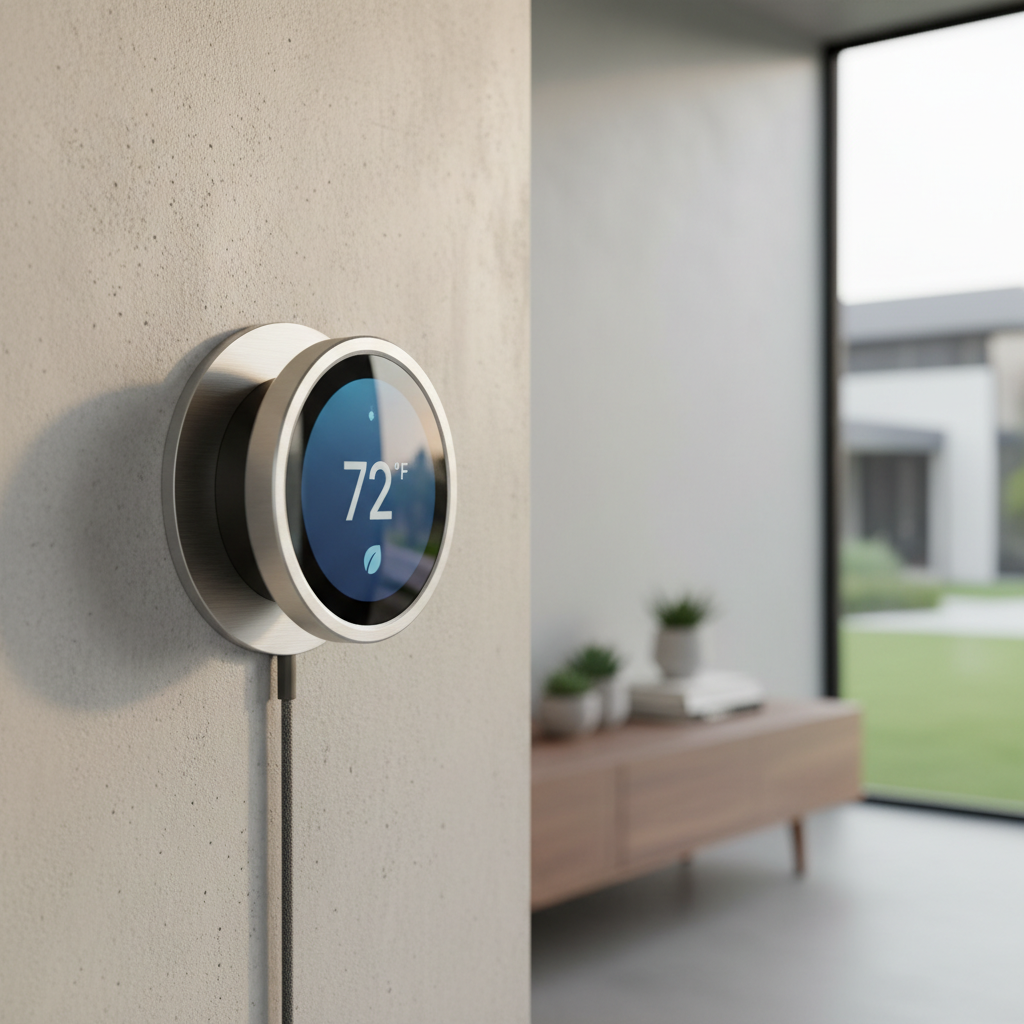
Nest Learning Thermostat
- •Balance-point control prevents auxiliary-heat overuse on heat pumps. Only consumer thermostat with this feature.
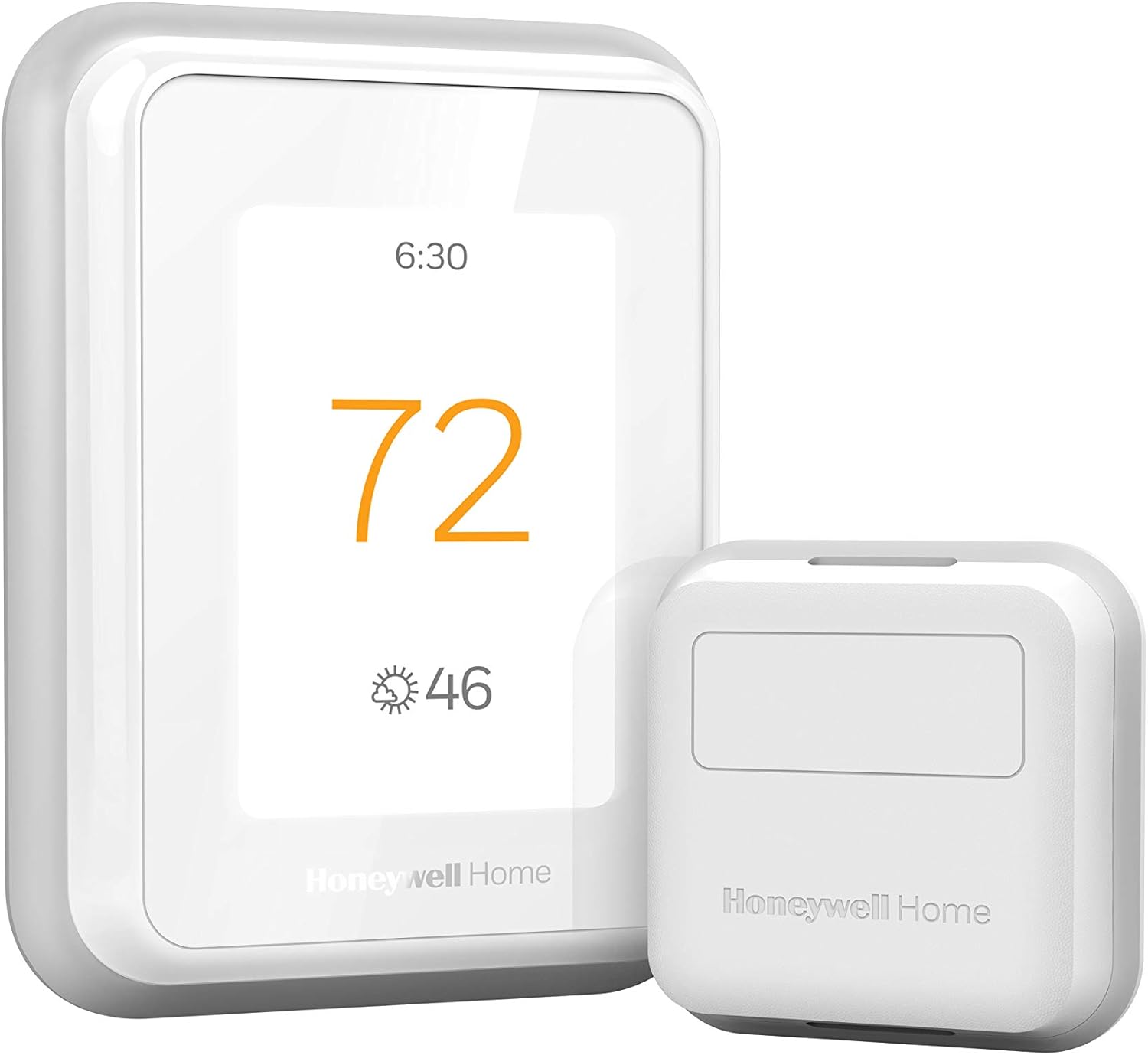
Honeywell
Home T9
- •Proprietary room sensors do zone prioritization, not averaging — better comfort in multi-room setups. Out of stock on Amazon as of Aug 23, 2026.
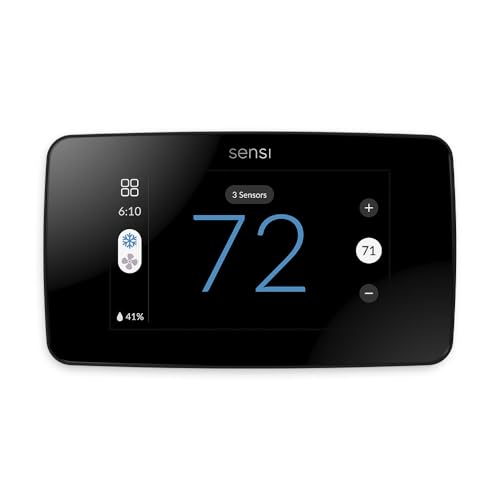
Sensi
Touch 2
- •Triple ecosystem (HomeKit + Google + Alexa) plus ENERGY STAR at $147.99. Emerson HVAC pedigree.
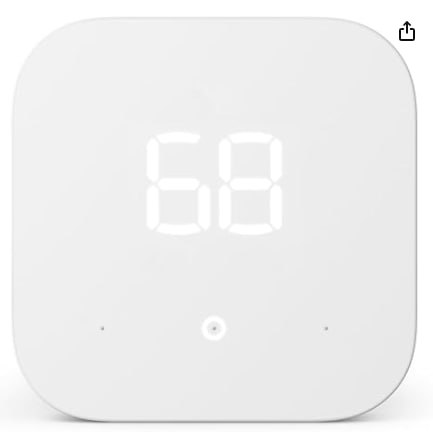
Amazon
Smart Thermostat
- •Under $80, ENERGY STAR, Alexa-native, 10/10 DIY install rating. Fastest payback in roundup.
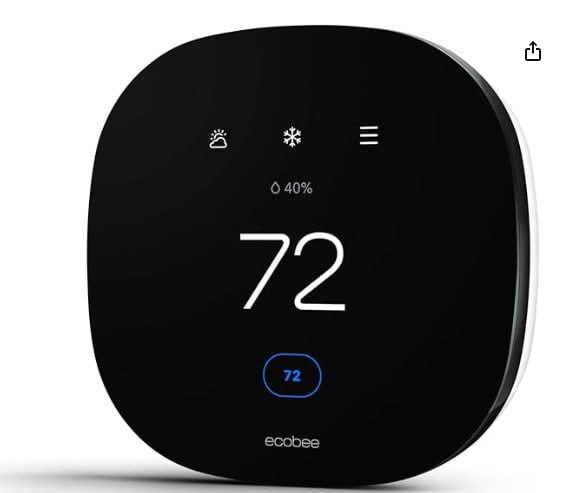
Ecobee
Ecobee3 Lite
- •Power Extender Kit eliminates C-wire requirement. Minimal install footprint, easy to restore original.
Head-to-Head: Ecosystem, Setup, Savings, Heat Pump, and Room Sensors
Thermostats
Chart
 Smarthomeexplorer.com
Tap any pick to check its live price on Amazon.
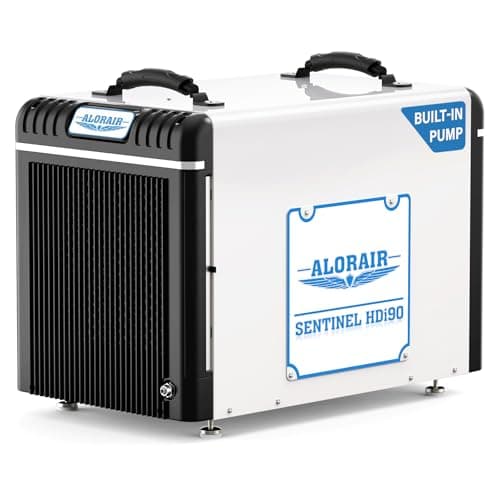
AlorAir Sentinel HDi90 Basement/Crawlspace Dehumidifier with Pump
Must BuyCheck price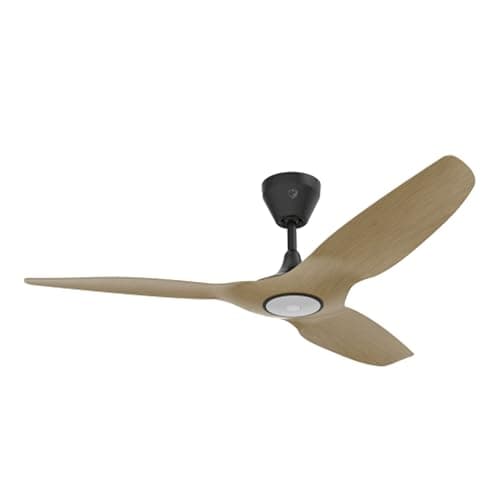
Big Ass Fans Haiku L 52-Inch Smart Ceiling Fan
Must BuyCheck price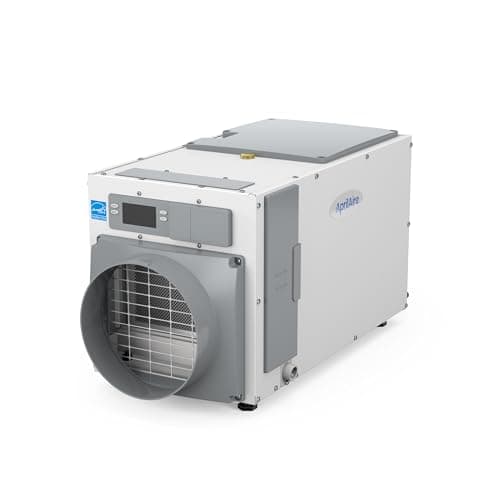
AprilAire E100 Pro 100-Pint Whole-House Dehumidifier
$2,158.33RecommendedCheck price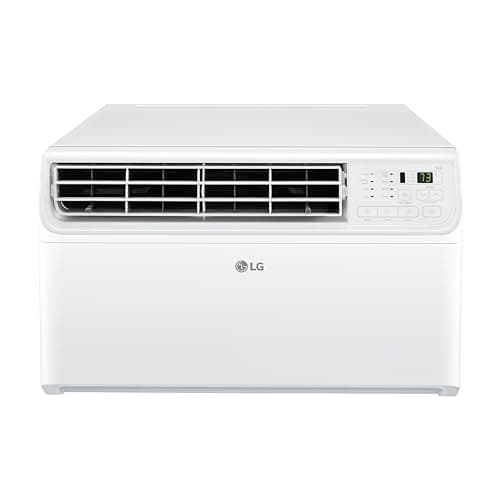
LG Dual Inverter Smart WiFi Window AC (10,000 BTU)
$499.00Must BuyCheck price
Is a Smart Thermostat Worth It in 2026?
The Department of Energy certifies $150–$400/yr in savings when households switch to smart scheduling. At the DOE low-end estimate of $150/yr, the Amazon Smart Thermostat at $79.99 pays back in under 7 months; the Ecobee Smart Thermostat Premium at $229.99 in around 18 months. Every pick here returns positive ROI inside a 3-yr window.
What trips buyers is not the savings math — it is wiring and ecosystem fit. The Nest Learning Thermostat has no native Apple HomeKit support, which is not obvious from the packaging. Several picks need a C-wire; others do not. Heat pumps benefit from balance-point control that only one thermostat here provides.
We aggregated expert reviews from Wirecutter, CNET, Tom’s Guide, PCMag, and TechRadar, then applied the five-factor weighted SHE Thermostat Value Score — financial ROI, ecosystem depth, intelligence, install readiness, community reliability — as the normalized composite ranking formula. Verify wiring and ecosystem before comparing features.
Best Overall: Ecobee Smart Thermostat Premium
Ecobee Smart Thermostat Premium
- Wirecutter’s top overall pick — ‘the best smart thermostat overall — kept the temperature more consistently pleasant year-round than any other model.’
- At $229.99 it is still one of the most expensive picks in this guide — down from $259.99, but the upfront cost is a real barrier next to a sub-$100 Alexa thermostat.
(Current price, subject to change)
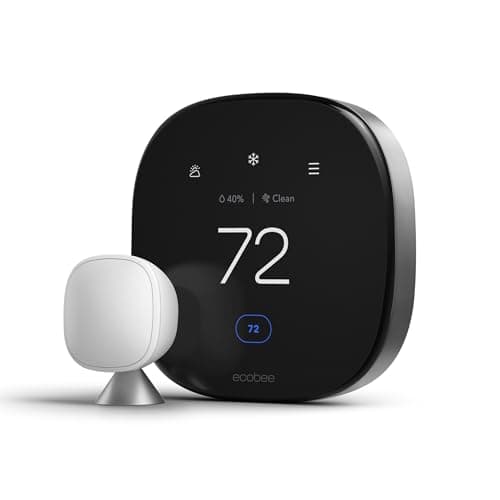
The Ecobee Smart Thermostat Premium earns an 8.8 consensus score — a weighted composite across Wirecutter, CNET, PCMag, Tom’s Guide, and TechRadar. Wirecutter names it the best smart thermostat overall, citing more consistently pleasant year-round temperature than any other model it tested. The ecobee Premium includes a remote room sensor in the box.
The SHE Thermostat Value Score of 8.0 reflects a top Ecosystem Depth factor of 8.25 here. HomeKit, Google Home, Alexa, and SmartThings all run simultaneously — the broadest native coverage in this roundup, a breadth the Ecobee3 Lite matches at a lower price. Neither Ecobee supports Matter, so the Nest Learning Thermostat is this roundup’s only Matter-certified pick. PCMag found it “works as a smart speaker and security device, monitors air quality, and supports lots of third-party platforms.”
The CO2 and VOC sensor is unique at this price tier. The recurring criticism across owner reports is that the feature-dense app can feel overwhelming with its extensive settings menu — the configuration walkthrough runs 30 to 45 min end-to-end, considerably longer than the simpler alternatives demand. See our Ecobee vs Nest 2026: Ecobee Wins 7 of 12 Tests guide for the head-to-head.
What We Love
- Wirecutter’s top overall pick — ‘the best smart thermostat overall — kept the temperature more consistently pleasant year-round than any other model.’
- SmartSensor ships in the box — most competitors charge $40 extra. The included sensor alone brings room-level comfort that single-point thermostats can’t match.
- HomeKit, Google Home, Alexa, and SmartThings all run simultaneously — the broadest native ecosystem breadth in this roundup, matched only by the lower-cost Ecobee3 Lite. Neither Ecobee supports Matter.
- Built-in CO2 and VOC air quality alerts are a genuine differentiator at this price point. PCMag notes it ‘works as a smart speaker and security device, monitors air quality, and supports lots of third-party platforms.’
- Best-in-class privacy policy — Ecobee does not sell personal usage data, a meaningful contrast with competitors that monetize usage patterns.
What Could Be Better
- At $229.99 it is still one of the most expensive picks in this guide — down from $259.99, but the upfront cost is a real barrier next to a sub-$100 Alexa thermostat.
- App has a steep learning curve. The feature depth that makes it powerful also means the initial setup takes longer than a Nest Learning Thermostat or Amazon Smart Thermostat.
The Verdict
For multi-ecosystem households that want HomeKit, Google Home, Alexa, and SmartThings in one device without paying extra for a room sensor, the Ecobee Smart Thermostat Premium checks the boxes that matter for that setup. The 8.0 SHE TVI reflects its standing as Wirecutter’s top overall pick, with the included SmartSensor and air quality monitoring supporting the premium at $229.99.
Ready to upgrade your home?
roborock Qrevo 2 Pro Robot Vacuum and Mop
See it on Amazon
roborock F25 Ultra Steam Wet Dry Vacuum Mop
See it on Amazon
Philips Wi-Fi Keypad Deadbolt with Handle
See it on Amazon
Sponsored listings from Amazon’s Sponsored Products for Creators program, kept apart from our reviews and rankings. How we make money
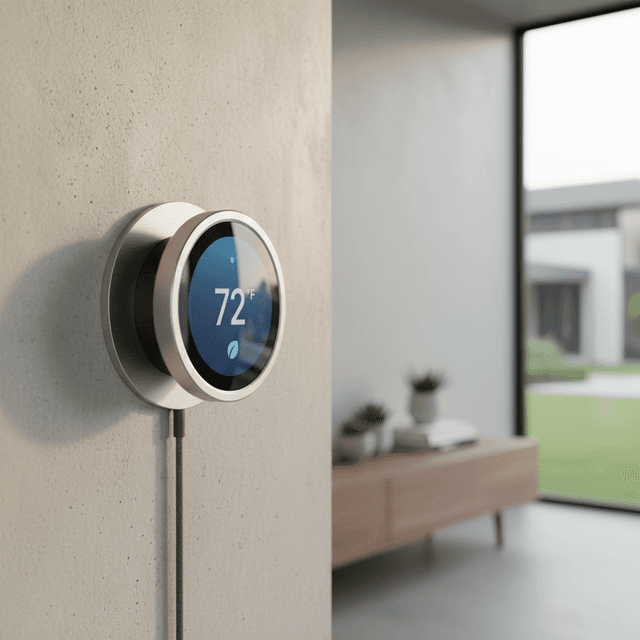
Best for Heat Pumps: Nest Learning Thermostat
Nest Learning Thermostat
- Balance-point control is genuinely novel — no other consumer thermostat in this roundup determines the optimal auxiliary-heat threshold automatically, keeping heat-pump transitions at the economic point rather than the HVAC manufacturer’s conservative default.
- No native Apple HomeKit support. It reaches Apple Home only through Matter, with limited (mode and temperature) control — not the full native experience the Ecobee Smart Thermostat Premium or Ecobee3 Lite give HomeKit users.
(Current price, subject to change)
The Nest Learning Thermostat earns an 8.4 consensus score and the “Best for Heat Pumps” designation through a unique feature: balance-point control. A heat pump switches to costly auxiliary resistance heat when temperatures drop below a threshold — the Nest 4th Gen determines that threshold via AI, keeping transitions at the optimal economic point rather than the HVAC manufacturer’s conservative default.
TechRadar describes it as “a stunning design infused with AI — blending gorgeous hardware with truly intelligent features.” CNET, which rates it 7.9, calls it “pricey but packed with features” and singles out the excellent display and no-C-wire requirement. Nest data backs 10–15% energy savings from the learning algorithm.
The 4th Gen battery eliminates the C-wire dependency, and step-by-step app pairing runs 20 to 30 min on most standard HVAC systems. The included room sensor corrects hotspot issues. The Nest is the roundup’s only Matter-certified pick, but it has no native HomeKit — Apple users reach it through Matter with limited mode and temperature control, so HomeKit-first households may prefer the Ecobee Smart Thermostat Premium or Ecobee3 Lite. For a heat-pump head-to-head, see our Nest vs Ecobee for Heat Pumps (2026) guide.
What We Love
- Balance-point control is genuinely novel — no other consumer thermostat in this roundup determines the optimal auxiliary-heat threshold automatically, keeping heat-pump transitions at the economic point rather than the HVAC manufacturer’s conservative default.
- 4th Gen battery eliminates the C-wire dependency that blocks installation in many older homes. CNET singles out the redesigned display and no-C-wire requirement as what makes it ‘a standout.’
- Room sensor ships in the box — corrects hotspots and coldspots without a separate $40 purchase. Nest’s own data backs 10–15% energy savings.
- AI schedule learning builds your schedule in the first week by tracking manual adjustments. Wirecutter calls it ‘the best choice for a simpler setup because its built-in AI does most of the setup work for you.’
What Could Be Better
- No native Apple HomeKit support. It reaches Apple Home only through Matter, with limited (mode and temperature) control — not the full native experience the Ecobee Smart Thermostat Premium or Ecobee3 Lite give HomeKit users.
- Google ecosystem lock-in is real: the thermostat’s best features surface inside the Google Home app. Alexa and SmartThings work but feel secondary.
The Verdict
If you have a heat pump in a Google Home household, you can stop the search here — the Nest Learning Thermostat is the only pick in this roundup with balance-point control, which keeps auxiliary resistance heat from running before it has to. Apple households: no native HomeKit — it reaches Apple Home only through Matter, with limited mode and temperature control.
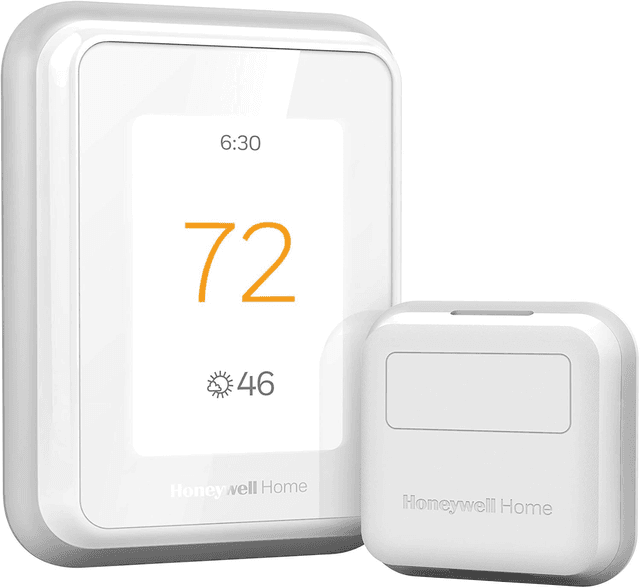
Best for Zoned Homes: Honeywell Home T9
Honeywell Home T9
- Zone prioritization — not averaging. Honeywell’s T9 room sensors identify which rooms are occupied and prioritize heating or cooling those rooms first. Ecobee averages across sensors; T9 prioritizes. That’s a real comfort difference in multi-room homes.
- No HomeKit support and no Matter — eliminates this pick for Apple-primary households and limits future-proofing as the Matter ecosystem matures.
(Current price, subject to change)
The Honeywell Home T9 earns a 7.8 consensus and the “Best for Zoned Homes” position through a fundamental design difference from Ecobee: zone prioritization versus room averaging. When multiple rooms report different temperatures, the T9 prioritizes heating or cooling the occupied rooms first — the Ecobee Premium averages across all sensors. In a home with a 2-degree differential between bedroom and living room, that difference in approach is measurable across the day.
CNET rates it 7.8 for “reliable geofencing and Smart Room Sensors.” PCMag praises “flawless dual-band Wi-Fi and voice control.” The touchscreen prompts guide wiring on-device in 30 to 40 min. Availability is the live problem. Amazon listed this thermostat out of stock on Aug 23, 2026, with no seller behind the listing. That leaves no current price to weigh against the Ecobee Premium’s $229.99, and you should budget roughly $30 per room sensor when it returns.
The ecosystem limitation is the primary constraint: no HomeKit, no Matter. Honeywell has not announced a Matter roadmap for the T9. For Apple-primary households that need native HomeKit support, the Sensi Touch 2 is a better fit; for homes planning Matter-first automation, the Nest Learning Thermostat is the roundup’s only Matter pick.
What We Love
- Zone prioritization — not averaging. Honeywell’s T9 room sensors identify which rooms are occupied and prioritize heating or cooling those rooms first. Ecobee averages across sensors; T9 prioritizes. That’s a real comfort difference in multi-room homes.
- Dual-band Wi-Fi (2.4 GHz + 5 GHz) provides more reliable connectivity in dense wireless environments than single-band competitors.
- Touchscreen prompts guide wiring during installation — configure directly on the device without navigating a settings-heavy app. Tom’s Guide found ‘remote sensors and scheduling features keep the entire house comfortable.’
- Room sensors double as occupancy detectors for smart home automations — they integrate into Alexa and Google Home routines beyond just thermostat control.
What Could Be Better
- No HomeKit support and no Matter — eliminates this pick for Apple-primary households and limits future-proofing as the Matter ecosystem matures.
- Room sensors require AAA batteries and are sold separately. Budget $30–$60 for sensors to realize the zone-prioritization advantage.
- Listed but out of stock on Amazon as of Aug 23, 2026 — no seller is behind the listing, so this is a watch-list entry rather than a purchase you can complete today.
The Verdict
If your home has defined hot and cold zones where some rooms overheat while others run cool, the Honeywell Home T9 fits that brief without compromise. Zone prioritization — heating occupied rooms first, not averaging across all sensors — is what separates it from Ecobee’s approach in real multi-room comfort.
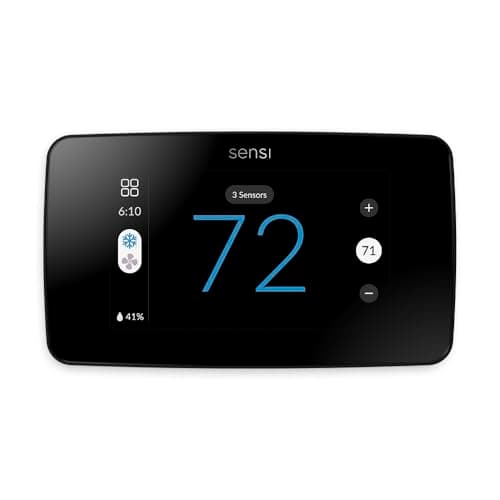
Best Mid-Range: Sensi Touch 2
Sensi Touch 2
- Triple ecosystem at mid-range price: HomeKit, Google Home, and Alexa all supported simultaneously at $147.99 — full multi-assistant reach without stepping up to a premium-tier price.
- No learning algorithm. The Sensi Touch 2 requires manual schedule input in the app — it won’t learn your habits automatically the way the Nest 4th Gen does.
(Current price, subject to change)
The Sensi Touch 2 earns an 8.1 consensus and the “Best Mid-Range” position on ecosystem breadth at a mid-range sticker of $147.99. It pairs simultaneous HomeKit, Google Home, and Alexa support with an Emerson HVAC pedigree. Built by an industrial HVAC manufacturer, it carries ENERGY STAR certification and frequently qualifies for utility rebates that bring effective cost below $100.
CNET confirmed a 30 min install time: “100 years of HVAC expertise in a modern smart thermostat that installs in under 30 minutes.” The SHE Thermostat Value Score of 7.7 reflects a mid-tier Intelligence factor — manual scheduling only, no learning algorithm. Emerson documents up to 23% HVAC energy savings on the unit, a commodity-stat baseline no competitor cites directly.
The triple-ecosystem coverage at this price tier is the differentiating factor. Simultaneous HomeKit, Google Home, and Alexa reach without the Ecobee Premium’s price is a composite no other mid-range thermostat offers. At $147.99, rebate-driven savings pay for it well inside its 8-yr-plus useful life. For a full savings analysis, see our Smart Thermostat Payback 2026: Amazon Wins at 3.5 Mo.
What We Love
- Triple ecosystem at mid-range price: HomeKit, Google Home, and Alexa all supported simultaneously at $147.99 — full multi-assistant reach without stepping up to a premium-tier price.
- ENERGY STAR certified — qualifies for utility rebates in most states. Emerson documents up to 23% HVAC energy savings on the unit. Effective cost can drop below $100 after rebates.
- 30-minute install. CNET confirmed the fastest app-guided walkthrough in the mid-range category. ‘100 years of HVAC expertise in a modern smart thermostat that installs in under 30 minutes.’
- Emerson’s industrial HVAC background shows in reliability. Tom’s Guide found ‘reliable remote control and energy savings without the premium price tag.’ No consumer-facing gimmicks.
What Could Be Better
- No learning algorithm. The Sensi Touch 2 requires manual schedule input in the app — it won’t learn your habits automatically the way the Nest 4th Gen does.
- Touchscreen polish is below Nest and Ecobee. The display gets the job done but feels utilitarian compared to premium competitors.
The Verdict
For HomeKit users who want triple-ecosystem support without paying Ecobee Premium prices, the Sensi Touch 2 is the right mid-range pick. The ENERGY STAR certification and utility rebate eligibility make the $147.99 sticker price misleading — effective cost in many states runs $90–$110 after rebates.
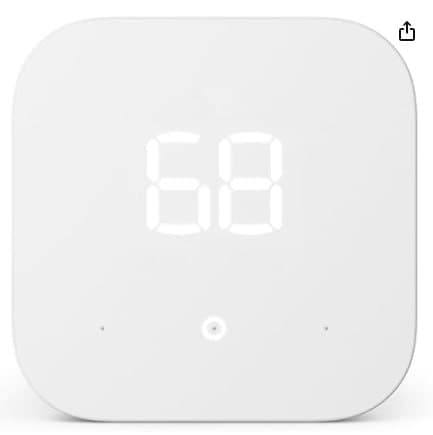
Best Budget: Amazon Smart Thermostat
Amazon Smart Thermostat
- Fastest payback period in this roundup — at the DOE low-end estimate of $150/year, the $79.99 purchase price recovers in under 7 months. No other thermostat here comes close to that return timeline.
- Alexa only — no HomeKit, no Google Home, no SmartThings, no Matter. If you use any platform other than Alexa, this thermostat won’t integrate with your home assistant.
(Current price, subject to change)
The Amazon Smart Thermostat earns an 8.1 consensus score. At $79.99 with DOE-estimated savings at the $150/yr low-end, the payback period is under 7 months. It recovers roughly $450 across a 3-yr window, pulling well ahead of the Ecobee Premium’s slower payback. The SHE Thermostat Value Score of 7.0 reflects the single-ecosystem limitation; for Alexa households where that constraint is irrelevant, the value formula tilts strongly in its favor.
Built on the Honeywell Home platform, it carries ENERGY STAR certification and qualifies for utility rebates in most states — bringing effective cost below $50 in some markets. TechGearLab awarded a perfect 10 out of 10 DIY install score, the easiest setup in this roundup. Wirecutter calls it “the best budget smart thermostat — works with a wide variety of HVAC systems and is dead simple to use.”
The single-ecosystem constraint is real: Alexa only, no HomeKit, no Google Home, no Matter. For multi-ecosystem homes, the Ecobee3 Lite at $109.99 is the better entry point on HomeKit, Google, Alexa, and SmartThings; buyers who specifically want Matter should look at the Nest Learning Thermostat, the roundup’s only Matter pick.
What We Love
- Fastest payback period in this roundup — at the DOE low-end estimate of $150/year, the $79.99 purchase price recovers in under 7 months. No other thermostat here comes close to that return timeline.
- TechGearLab 10/10 for DIY installation — the easiest setup process in this roundup. No C-wire required on most systems. Most installs complete in under 30 minutes.
- Built on the Honeywell Home platform — the same hardware foundation Honeywell uses in its own thermostats. ENERGY STAR certified, qualifies for utility rebates.
- Wirecutter’s budget pick — ‘works with a wide variety of HVAC systems and is dead simple to use.’ CNET adds it delivers ‘Alexa integration and behavior learning at a fraction of the cost.’
What Could Be Better
- Alexa only — no HomeKit, no Google Home, no SmartThings, no Matter. If you use any platform other than Alexa, this thermostat won’t integrate with your home assistant.
- No touchscreen display. The physical interface is minimal — app-dependent for all scheduling and adjustments.
The Verdict
If budget is the primary factor and you’re in an Alexa household, this fits the brief without compromise — the Amazon Smart Thermostat’s ROI math is the most decisive in this roundup. No other thermostat under $100 comes close on installation ease or payback speed.
Best for Renters: Ecobee3 Lite
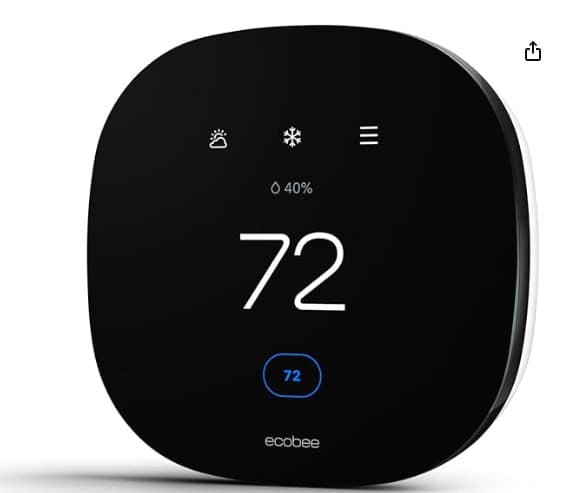
Ecobee3 Lite
- Power Extender Kit eliminates the C-wire requirement that blocks installation in most rental apartments and older buildings — included in the box, no electrician needed.
- No built-in Alexa speaker (the Ecobee Smart Thermostat Premium has one). Voice commands still work via external Alexa devices, but the Premium’s hands-free capability in the hallway is absent.
(Current price, subject to change)
The Ecobee3 Lite earns an 8.0 consensus score and the “Best for Renters” position on ecosystem breadth at a renter-friendly price. HomeKit, Google Home, Alexa, and SmartThings all run simultaneously at $109.99, with a no-C-wire kit in the box. The SHE Thermostat Value Score of 7.9 reflects strong Financial ROI (8.5) and the broadest native Ecosystem Depth (8.25) at a price $120 below the Ecobee Premium.
The included Power Extender Kit eliminates the C-wire requirement that blocks installation in many rental apartments and older buildings where a common wire was never run through to the thermostat. Installation runs the same app-guided process as the Premium, leaves a minimal footprint, and reverses cleanly in 10 min — restoring the original thermostat after a move. Tom’s Guide confirmed it “the best smart thermostat for apartments.” Wirecutter noted it “does a great job of keeping a dwelling comfortable.”
Trade-offs versus the Ecobee Premium: no built-in Alexa speaker, no CO2/VOC monitoring, no SmartSensor in the box. For renters with a 3-yr or shorter horizon, paying $120 less for equivalent ecosystem breadth is the rational calculation. See our Smart Thermostats for Renters: No C-Wire, No Drilling.
What We Love
- Power Extender Kit eliminates the C-wire requirement that blocks installation in most rental apartments and older buildings — included in the box, no electrician needed.
- Broad native multi-ecosystem support: HomeKit, Google Home, Alexa, and SmartThings all run simultaneously at $109.99 — $120 less than the Ecobee Smart Thermostat Premium for the same native ecosystem coverage.
- Tom’s Guide called it ‘the best smart thermostat for apartments.’ Wirecutter confirmed it ‘does a great job of keeping a dwelling comfortable, especially with the optional SmartSensors.’ PCMag noted ‘broad platform support and no C-wire requirement.’
- Apartment-safe installation footprint: minimal wiring modifications, easy to restore the original thermostat when the lease ends — no marks or permanent changes.
What Could Be Better
- No built-in Alexa speaker (the Ecobee Smart Thermostat Premium has one). Voice commands still work via external Alexa devices, but the Premium’s hands-free capability in the hallway is absent.
- No air quality monitoring. The CO2 and VOC sensor is Premium-only.
The Verdict
For renters or apartment dwellers who want full HomeKit + Google + Alexa + SmartThings coverage without the Ecobee Smart Thermostat Premium’s price tag, the Ecobee3 Lite lines up with what you actually need — the same four-platform native ecosystem breadth as the Premium at $109.99, a full $120 below it, with a no-C-wire kit and a clean restore path when the lease ends.
How We Score: SHE Thermostat Value Index (TVI)
SHE Thermostat Value Index (TVI)
Score Formula
TVI = (0.35 × FinancialROI) + (0.25 × EcosystemDepth) + (0.20 × IntelligenceScore) + (0.15 × InstallReadiness) + (0.05 × CommunityReliability)Score Factors
- Financial ROI (35%)3-year cumulative DOE-estimated savings minus total cost, divided by total cost, normalized 0–10. Models with included sensors receive a zoning premium per Wirecutter/CNET savings data. Amazon Smart Thermostat scores 9.5 here — at the DOE low-end estimate of $150/yr, its $79.99 price returns roughly $450 over 3 years, recovering its cost in under 7 months.
- Ecosystem Depth (25%)Breadth of simultaneous ecosystem support across HomeKit, Google Home, Alexa, SmartThings, and Matter. Each platform supported simultaneously adds to the score. Ecobee Premium and Ecobee3 Lite cover four native platforms — HomeKit, Google, Alexa, and SmartThings (no Matter) — and score 8.25, the broadest native coverage here. The Nest 4th Gen, with Matter plus Google and Alexa, scores 6.5. Amazon Smart Thermostat scores 3.0 — Alexa only.
- Intelligence Score (20%)AI schedule learning, occupancy sensing, balance-point control, and automation depth. Nest 4th Gen and Ecobee Premium share the 9.5 ceiling — learning algorithm plus presence sensing plus heat-pump AI (Nest) or CO2-triggered automation (Ecobee). Manual-only models like Sensi Touch 2 score 5.0.
- Install Readiness (15%)No-C-wire capability, install difficulty rating, electrician requirement, and reversibility. Amazon Smart Thermostat (9.5) and Sensi Touch 2 (9.0) score highest — fastest install, no C-wire required, most straightforward DIY process per TechGearLab and CNET testing.
- Community Reliability (5%)Qualitative community-sentiment read from r/smarthome, r/homeautomation, and r/homeassistant threads, weighted toward owner-reported reliability. This factor carries the lowest weight (5%) precisely because community signal is directional, not measured — it breaks ties between otherwise-close picks rather than driving the ranking.
SHE Thermostat Value Index (TVI) — Ranked
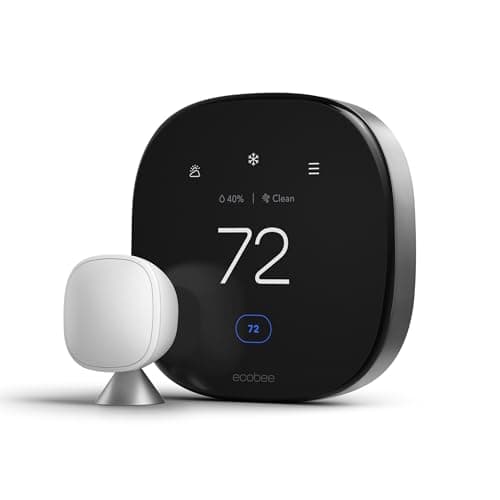
Ecobee Smart Thermostat Premium
SHE Thermostat Value Index (TVI)8.0/10Broadest native ecosystem (HomeKit, Google, Alexa, SmartThings) plus included SmartSensor and air quality monitoring push TVI to the top of the roundup.
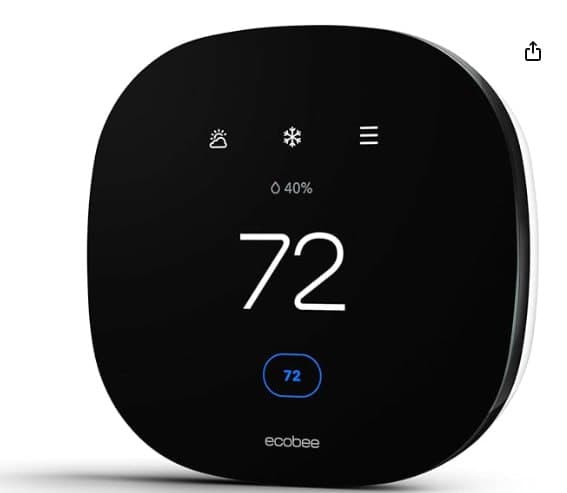
Ecobee3 Lite
SHE Thermostat Value Index (TVI)7.9/10Strong financial ROI plus the same four-platform native ecosystem breadth as the Premium at $120 less — best renter and budget-ecosystem value.
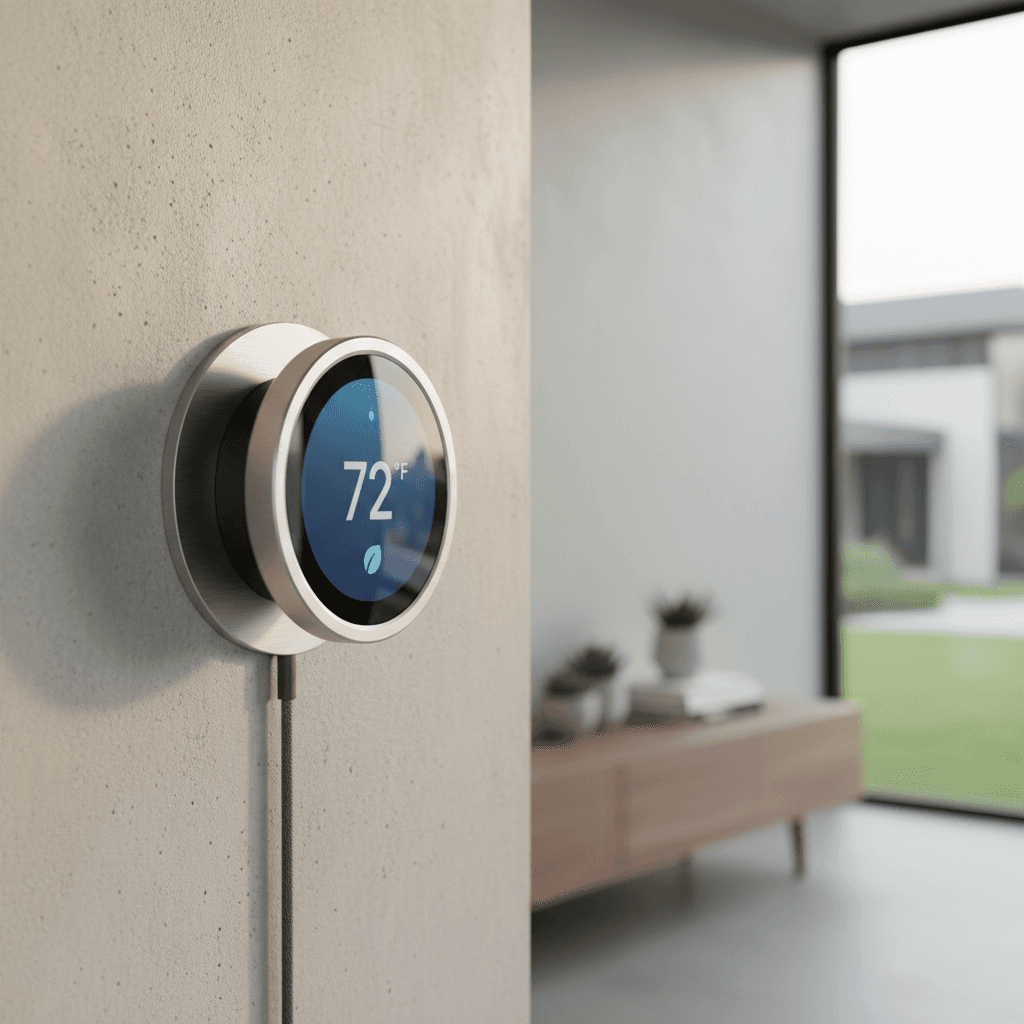
Nest Learning Thermostat
SHE Thermostat Value Index (TVI)7.8/10Highest intelligence score (9.5) on balance-point heat pump AI, and the roundup’s only Matter-certified pick. No native HomeKit.
Sensi Touch 2
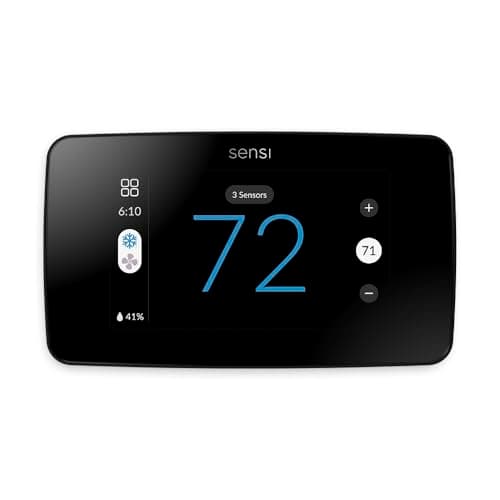
SHE Thermostat Value Index (TVI)7.7/10Triple-ecosystem at $147.99 with ENERGY STAR certification. Leads the mid-range tier on install ease and rebate eligibility.
Honeywell Home T9
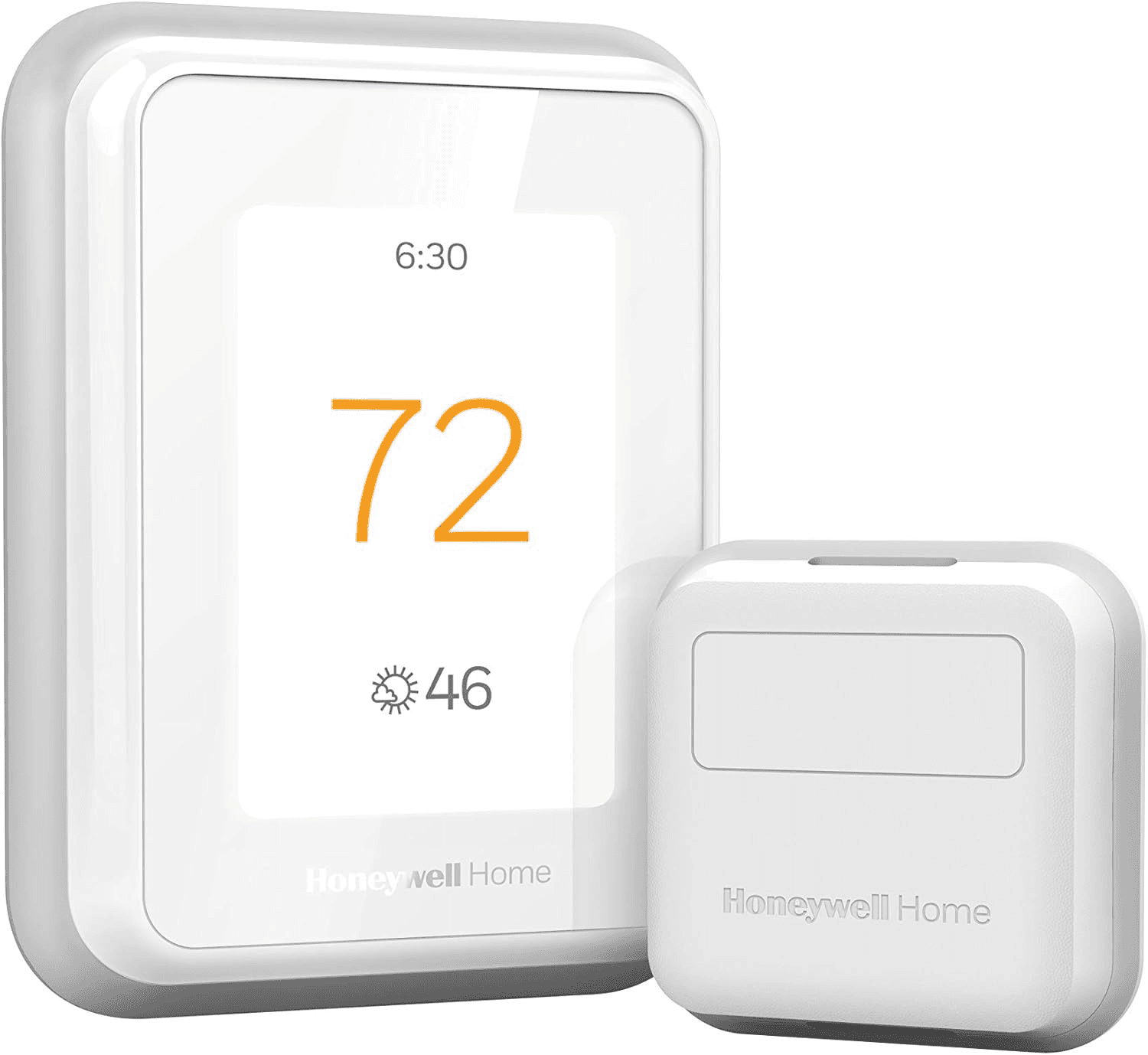
SHE Thermostat Value Index (TVI)7.1/10Best room sensor zone prioritization system. Ecosystem score penalized by no Matter and no HomeKit.
Amazon Smart Thermostat
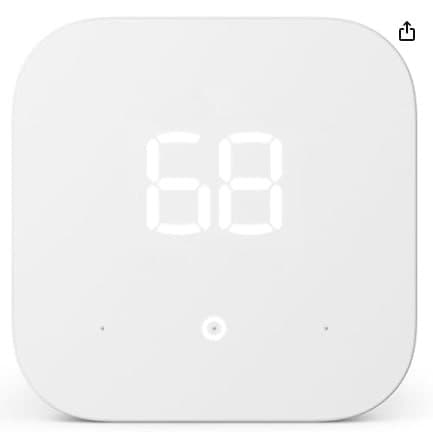
SHE Thermostat Value Index (TVI)7.0/10Highest raw financial ROI (9.5) — under-7-month payback at the DOE low-end estimate. Single-ecosystem limits overall TVI despite the speed of payback.
Compatibility: C-Wire, Heat Pump, and Ecosystem
Before purchasing, verify three compatibility layers. Any mismatch discovered post-install means a return or an electrician visit.
C-Wire: Most smart thermostats require a C-wire (common wire) for continuous power. Check your existing thermostat’s wiring terminal: if you see R, G, Y, W, and C — all five wires — you’re set for any pick in this guide. If you see only four wires, check whether the C terminal is present but unused — in many older installs the common wire is run to the HVAC unit but never connected through to the thermostat, so it can be added without new wiring. No C-wire at all: the Ecobee Smart Thermostat Premium and Ecobee3 Lite include Power Extender Kits; the Nest Learning Thermostat runs on battery. The Honeywell Home T9 and Sensi Touch 2 recommend a C-wire for reliable operation. The Amazon Smart Thermostat handles most systems without one.
Heat Pump: All six picks support standard heat pump O/B wiring. For multi-stage heat pumps with dual-fuel backup, the Nest Learning Thermostat is the only pick with balance-point control — it determines when your heat pump should stop trying and let auxiliary resistance heat take over, preventing expensive overuse in cold snaps. The Ecobee Smart Thermostat Premium supports dual-fuel configurations but without the AI balance-point feature. For mini-split and multi-head systems, none of the six picks here provide native control — see our Best Smart Heat Pump & Mini-Split Thermostats 2026 guide.
Ecosystem compatibility matrix:
| Thermostat | Matter | HomeKit | Google Home | Alexa | SmartThings | |---|:---:|:---:|:---:|:---:|:---:| | Ecobee Smart Thermostat Premium | ❌ | ✅ | ✅ | ✅ | ✅ | | Google Nest Learning Thermostat 4th Gen | ✅ | ❌ | ✅ | ✅ | ❌ | | Honeywell Home T9 | ❌ | ❌ | ✅ | ✅ | ❌ | | Sensi Touch 2 | ❌ | ✅ | ✅ | ✅ | ❌ | | Amazon Smart Thermostat | ❌ | ❌ | ❌ | ✅ | ❌ | | Ecobee3 Lite | ❌ | ✅ | ✅ | ✅ | ✅ |
The Honeywell T9 and Amazon Smart Thermostat have no HomeKit support and no Matter, so Apple-primary households should treat these two as eliminated before any price comparison. The Nest 4th Gen has no native HomeKit either, but it reaches Apple Home through Matter with limited mode and temperature control.
How Much Can a Smart Thermostat Save?
The Department of Energy certifies $150–$400/yr in HVAC savings when households switch from constant-temperature to smart scheduling. Over a 10-yr ownership window, cumulative savings dwarf the purchase price of every pick in this guide. At the DOE low-end estimate of $150/yr, the Amazon Smart Thermostat returns roughly 19× its $79.99 price across that window and recovers its cost in under 7 months. The Ecobee Smart Thermostat Premium reaches payback in about 18 months and continues generating net savings through its 8-yr typical product lifespan.
That $150–$400/yr range reflects real variation across homes. DOE field data shows heating-dominated climates capture 1.5x to 2x more savings than cooling-season primaries — a pattern driven by the longer setback window in 6-month heating seasons.
Key factors in the savings formula:
Climate zone: The DOE ceiling applies to cold climates where an occupancy-based setback yields the largest composite benefit. Heating-season homes with 5-yr utility rebate history show the highest normalized savings per thermostat dollar spent. A weighted setback schedule during unoccupied hours achieves the most reliable savings across climate zones.
HVAC type: Heat pump homes with the Nest Learning Thermostat can exceed the ceiling via balance-point optimization — the AI-weighted formula enables an additional efficiency gain in cold months by preventing auxiliary heat from running unnecessarily.
Room sensors: Zone-based scheduling delivers occupancy-based temperature control across the floor plan. The Ecobee Smart Thermostat Premium’s included SmartSensor extends comfort to a second room, though its range is limited in larger homes. The Honeywell Home T9 supports multiple room sensors that prioritize occupied rooms rather than averaging across the home.
ENERGY STAR rebates: The Sensi Touch 2, Amazon Smart Thermostat, and Honeywell Home T9 qualify for utility rebates in most states — effective cost can drop $30–$75 depending on your utility’s demand-response tier. See our Smart Thermostat Payback 2026: Amazon Wins at 3.5 Mo for household-specific payback estimates.
When NOT to Buy
Skip a smart thermostat if your HVAC is over 20 years old and approaching replacement, if your home uses electric baseboard or radiant floor heating (all picks here require central forced-air), or if building-wide HVAC is landlord-controlled. The DOE savings estimates assume a central forced-air system running at full operational capacity.
Who Should Buy What
Who Should Buy What
| If you are… | Recommended pick |
|---|---|
Apple HomeKit households Need HomeKit support — eliminates Nest 4th Gen and Honeywell T9. Ecobee Premium or Ecobee3 Lite for full multi-ecosystem coverage; Sensi Touch 2 for mid-range. | Ecobee Smart Thermostat Premium |
Heat pump homeowners in cold climates Balance-point control is a real-money feature in heating-dominated climates. Only the Nest 4th Gen offers it — if you have a heat pump and live in the Midwest or Northeast, this is the pick. | Nest Learning Thermostat |
Multi-room homes with hot and cold zones Zone prioritization (not averaging) delivers better per-room comfort in homes with more than 3 rooms. The T9 room sensor system outperforms Ecobee’s averaging approach here. | Honeywell Home T9 |
Budget Alexa-first households Under $80, Alexa-native, 10/10 DIY install, fastest payback. If your household runs Alexa and you want the simplest smart thermostat upgrade, there’s no better option. | Amazon Smart Thermostat |
Renters and apartment dwellers Needs to install without a C-wire and restore cleanly. Power Extender Kit included, minimal footprint, full multi-ecosystem support at $109.99. | Ecobee3 Lite |
Mid-range buyers wanting simplicity over features Manual scheduling, triple ecosystem (HomeKit + Google + Alexa), ENERGY STAR rebate eligibility, 30-minute install. Emerson reliability without a complex app. | Sensi Touch 2 |
Frequently Asked Questions
Does the Google Nest Learning Thermostat work with Apple HomeKit?
The Google Nest Learning Thermostat 4th Gen has no native Apple HomeKit support — it reaches Apple Home only through Matter, with limited mode and temperature control. For full native HomeKit control, Apple-primary households should look at the Ecobee Smart Thermostat Premium or Ecobee3 Lite, both of which support HomeKit, Google Home, Alexa, and SmartThings natively (neither is a Matter device).
Do I need a C-wire to install a smart thermostat?
Most smart thermostats prefer a C-wire for continuous power, but several picks in this guide work without one. The Ecobee Smart Thermostat Premium and Ecobee3 Lite include a Power Extender Kit that eliminates the C-wire requirement. The Nest Learning Thermostat 4th Gen is battery-powered. The Amazon Smart Thermostat works without a C-wire on most systems. Check your existing thermostat’s wiring before purchasing — five wires including C means any thermostat works; four wires means verify the workaround for your chosen model.
Which smart thermostat is best for a heat pump system?
The Google Nest Learning Thermostat 4th Gen is the only thermostat in this roundup with balance-point control — it automatically determines when your heat pump should switch to auxiliary (resistance) heat, preventing expensive overuse in cold weather. Avoiding that auxiliary-heat overuse is where heat-pump households see the largest share of their savings. All six picks support standard heat pump O/B wiring, but only the Nest 4th Gen offers the balance-point AI. For mini-split systems, see our dedicated heat pump thermostat guide.
What is Matter and which thermostats support it in 2026?
Matter is the cross-brand connectivity standard that lets smart devices work natively in Apple Home, Google Home, and Alexa simultaneously without bridges or workarounds. In this roundup, the Google Nest Learning Thermostat 4th Gen is the only Matter-certified pick — it uses Matter (and Thread) to reach Apple Home, Google Home, and Alexa. The Ecobee Smart Thermostat Premium and Ecobee3 Lite work natively with HomeKit, Google Home, Alexa, and SmartThings but are not Matter devices. The Sensi Touch 2 works natively with Apple HomeKit, Google Home, and Alexa, and the Honeywell Home T9 and Amazon Smart Thermostat are not Matter-certified either. Matter-capable thermostats will continue gaining compatibility as new platforms adopt the standard.
How long does a smart thermostat take to pay for itself?
At the Department of Energy’s low-end estimate of $150/year in savings, the Amazon Smart Thermostat ($79.99) pays back in under 7 months. The Ecobee3 Lite ($109.99) pays back in about 9 months. The Sensi Touch 2 ($147.99) pays back in about 12 months. The Ecobee Smart Thermostat Premium ($229.99) pays back in about 18 months. All are well within the product’s useful life of 8–10 years. ENERGY STAR utility rebates can shorten these payback periods by $30–$75 depending on your state. Households at the upper end of the DOE range pay back proportionally faster.
The Honeywell Home T9 is out of stock — what should a zoned home buy instead?
Amazon listed the T9 out of stock on Aug 23, 2026, with no seller behind the listing. For a multi-room home that needs per-room control now, the Ecobee Smart Thermostat Premium at $229.99 is the closest substitute in this roundup — one SmartSensor ships in the box, and extra sensors run about $40 each. Know the behavioural difference before you switch: Ecobee averages temperature across its sensors, while the T9 prioritizes the rooms it detects as occupied. If your complaint is one persistently cold bedroom, averaging narrows that gap rather than closing it; if it is whole-floor imbalance, averaging is usually enough.
Can I install a smart thermostat in a rental apartment?
Yes, with caveats. You need your landlord’s permission to replace the thermostat, since it’s part of the HVAC system. The Ecobee3 Lite and Ecobee Smart Thermostat Premium are the most rental-friendly picks — the included Power Extender Kit eliminates C-wire requirements in most apartments, and the installation footprint is fully reversible in under 10 minutes. Restore the original thermostat before moving out. Our renter thermostat guide covers building-code considerations and lease language to watch for.
Does the Amazon Smart Thermostat work with Google Home?
No. The Amazon Smart Thermostat is Alexa-only — it does not support Google Home, Apple HomeKit, or SmartThings. If you need both Alexa and Google Home support in a single thermostat, the Sensi Touch 2 ($147.99) supports HomeKit, Google Home, and Alexa simultaneously at roughly double the Amazon Smart Thermostat’s price.
What happens to a smart thermostat if Wi-Fi goes down?
All six thermostats maintain basic heating and cooling without Wi-Fi — you lose remote access, voice control, and automatic schedule updates, but the thermostat continues maintaining your last set temperature. The Sensi Touch 2 stores your schedule locally and continues following it during outages. The Nest 4th Gen runs its learned schedule locally. The Ecobee models maintain last temperature setpoints. What fails during outages: app access, voice commands, geofencing, and energy reports.
Bottom Line
Get the Ecobee Smart Thermostat Premium if Multi-ecosystem home (HomeKit + Google + Alexa + SmartThings), want included room sensor and air quality monitor, comfortable at $229.99.
Get the Nest Learning Thermostat if Heat pump system in a Google Home household. Balance-point control is the deciding feature — no other pick offers it.
Get the Honeywell Home T9 if Multi-room home with defined hot/cold zones where granular zone prioritization matters more than ecosystem breadth.
Get the Sensi Touch 2 if HomeKit household that also uses Google Home and Alexa, wants ENERGY STAR rebate eligibility, comfortable with manual scheduling.
Get the Amazon Smart Thermostat if Alexa-first household, want the fastest payback period (under 7 months), comfortable without room sensor support.
Get the Ecobee3 Lite if Renter or apartment dweller who needs no-C-wire installation and full multi-ecosystem compatibility at $109.99.
Your home has electric baseboard heating (not forced air), or your HVAC system is over 20 years old and approaching replacement — the savings math doesn’t hold for degraded systems or non-forced-air setups.
Related deep-dives
Sources & Methodology
Methodology: SHE Thermostat Value Index (TVI) — Formula: TVI = (0.35 × FinancialROI) + (0.25 × EcosystemDepth) + (0.20 × IntelligenceScore) + (0.15 × InstallReadiness) + (0.05 × CommunityReliability). Factors: Financial ROI (35%): 3-year cumulative DOE-estimated savings minus total cost, divided by total cost, normalized 0–10. Models with included sensors receive a zoning premium per Wirecutter/CNET savings data. Amazon Smart Thermostat scores 9.5 here — at the DOE low-end estimate of $150/yr, its $79.99 price returns roughly $450 over 3 years, recovering its cost in under 7 months. | Ecosystem Depth (25%): Breadth of simultaneous ecosystem support across HomeKit, Google Home, Alexa, SmartThings, and Matter. Each platform supported simultaneously adds to the score. Ecobee Premium and Ecobee3 Lite cover four native platforms — HomeKit, Google, Alexa, and SmartThings (no Matter) — and score 8.25, the broadest native coverage here. The Nest 4th Gen, with Matter plus Google and Alexa, scores 6.5. Amazon Smart Thermostat scores 3.0 — Alexa only. | Intelligence Score (20%): AI schedule learning, occupancy sensing, balance-point control, and automation depth. Nest 4th Gen and Ecobee Premium share the 9.5 ceiling — learning algorithm plus presence sensing plus heat-pump AI (Nest) or CO2-triggered automation (Ecobee). Manual-only models like Sensi Touch 2 score 5.0. | Install Readiness (15%): No-C-wire capability, install difficulty rating, electrician requirement, and reversibility. Amazon Smart Thermostat (9.5) and Sensi Touch 2 (9.0) score highest — fastest install, no C-wire required, most straightforward DIY process per TechGearLab and CNET testing. | Community Reliability (5%): Qualitative community-sentiment read from r/smarthome, r/homeautomation, and r/homeassistant threads, weighted toward owner-reported reliability. This factor carries the lowest weight (5%) precisely because community signal is directional, not measured — it breaks ties between otherwise-close picks rather than driving the ranking.
Expert review sources used in this analysis:
- Expert ratings aggregated from Wirecutter, CNET, Tom’s Guide, PCMag, TechRadar, and TechGearLab
- Energy savings estimates from U.S
- Department of Energy certified ENERGY STAR data
- Community reliability ratings from Reddit testimonial analysis across r/smarthome, r/homeautomation, and r/homeassistant
- Amazon prices verified June 2026
- SHE Thermostat Value Index methodology documented at /metrics/she-thermostat-roi-score
- SmartHomeExplorer does not conduct laboratory testing — all expert ratings cited reflect published reviews from the sources named above.
Nicholas Miles is the founder of SmartHomeExplorer and a longtime smart home enthusiast focused on helping everyday homeowners make better technology decisions. He researches, compares, and writes about products across security, climate, lighting, leak prevention, sensors, home energy, and automation, with an emphasis on real-world usefulness, ecosystem compatibility, reliability, privacy, and long-term value.
Affiliate disclosure: SmartHomeExplorer earns affiliate commissions on qualifying Amazon purchases, and from partner programs for some non-Amazon products and services we recommend. Our scoring methodology is independent of affiliate relationships.