
Best Smart Temp & Humidity Sensors 2026 (No Subscription)
SensorPush HT.w ($69.99) wins on precision and subscription-free logging, in a water-resistant body. Need whole-home WiFi alerts instead? The Govee H5179 2-pack runs ~$30 a unit.
This article contains affiliate links. We may earn a commission at no extra cost to you. Prices change frequently — check the current price on Amazon before buying. Learn more
The Short Answer
Buy the SensorPush HT.w ($69.99): a ±0.36°F typical tolerance plus subscription-free logging establish it as the defensible preservation pick, and the water-resistant enclosure additionally accommodates damp cellars. The Govee H5179 2-pack ($59.84) remains the affordable whole-home alternative.
Featured in this Guide
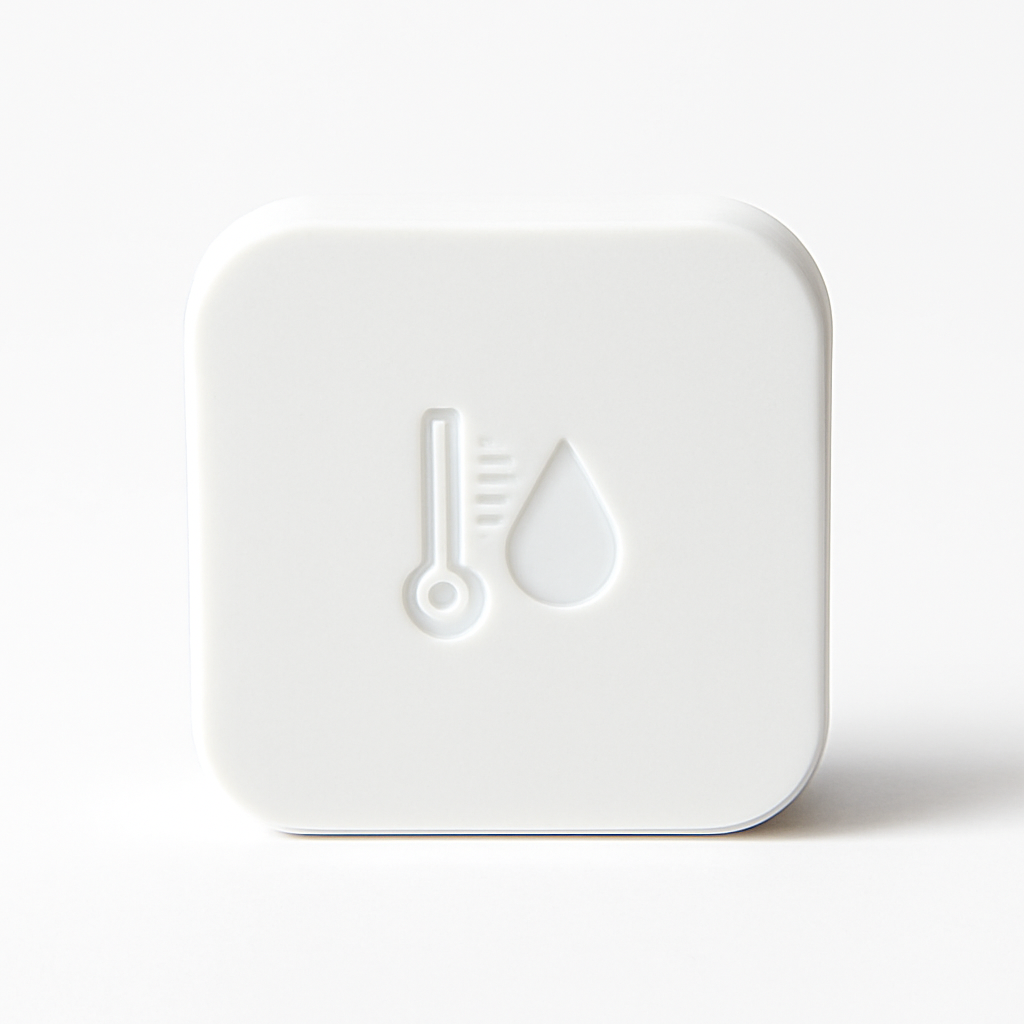
SensorPush
HT.w
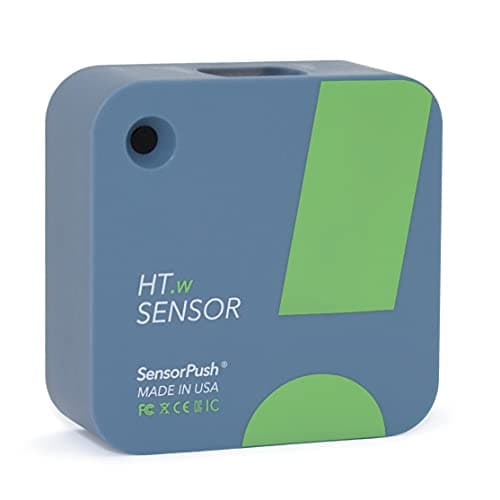
- •±0.36°F typical tolerance with dewpoint and VPD tracking, in a water-resistant body — the sensor wine, cigar, and nursery owners reach for
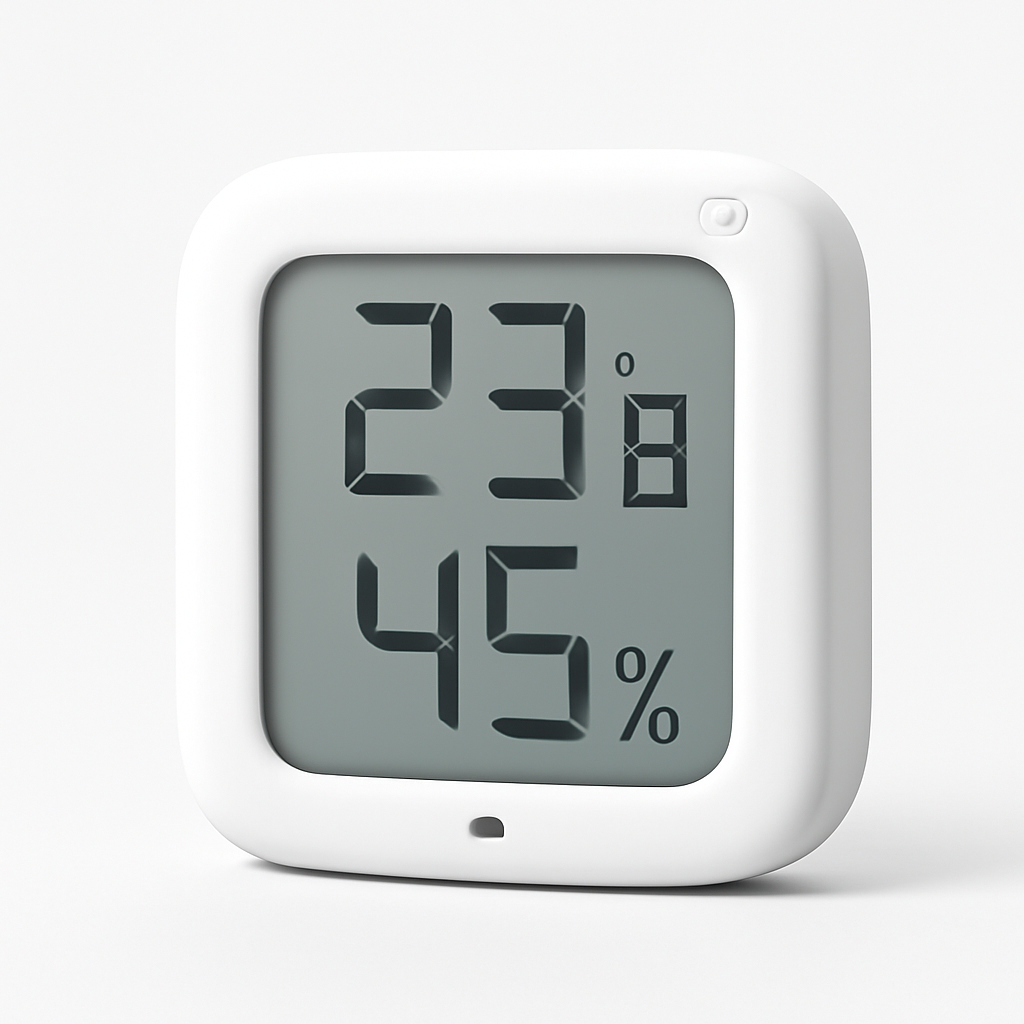
Govee
WiFi Thermometer Hygrometer H5179 (2-Pack)
- •Two WiFi-direct units at ~$30 each with push alerts and Alexa plus Google Home — no hub to buy
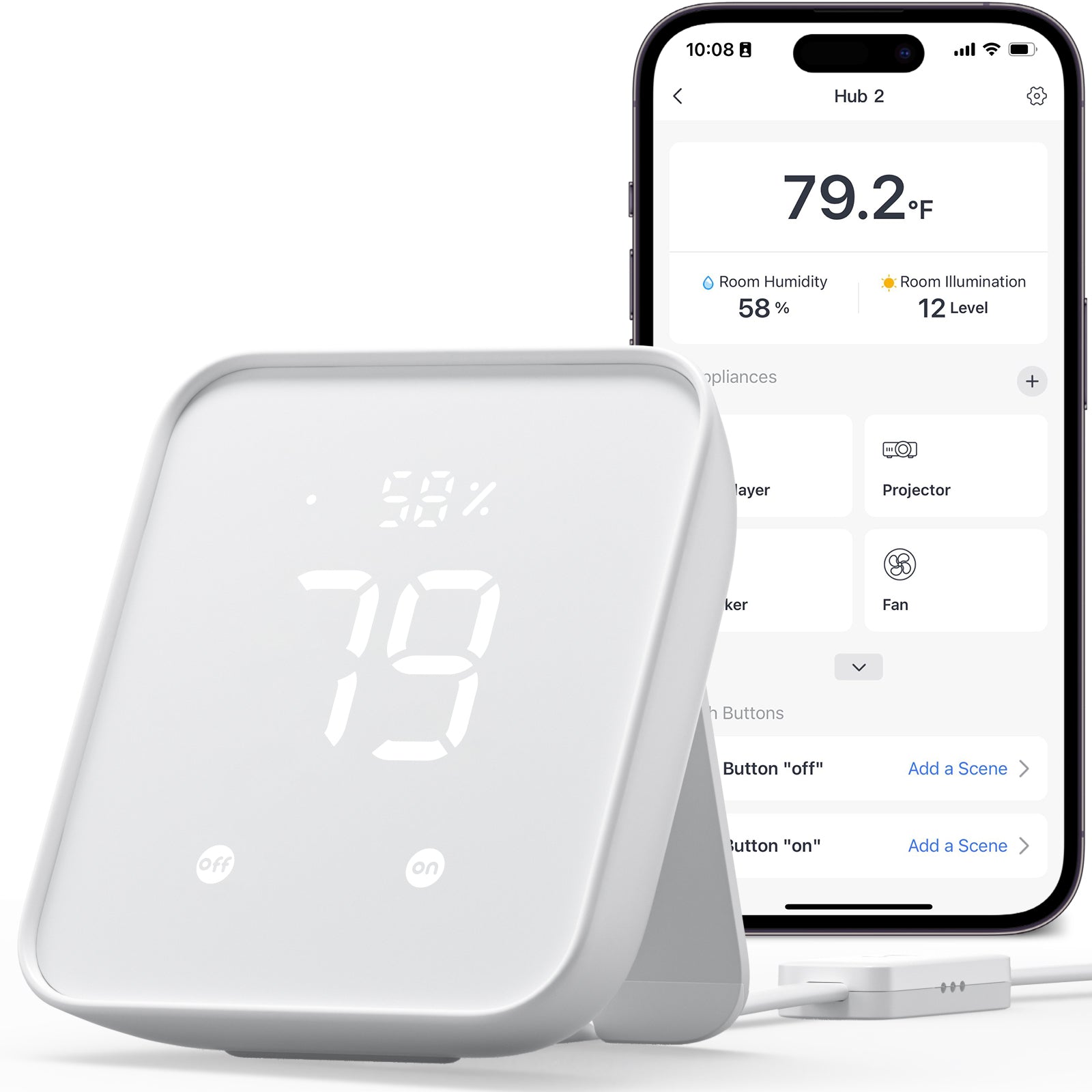
SwitchBot
Hub 2
- •Sensor and hub in one box
- •exposes temp and humidity to HomeKit, Alexa, and Google via Matter
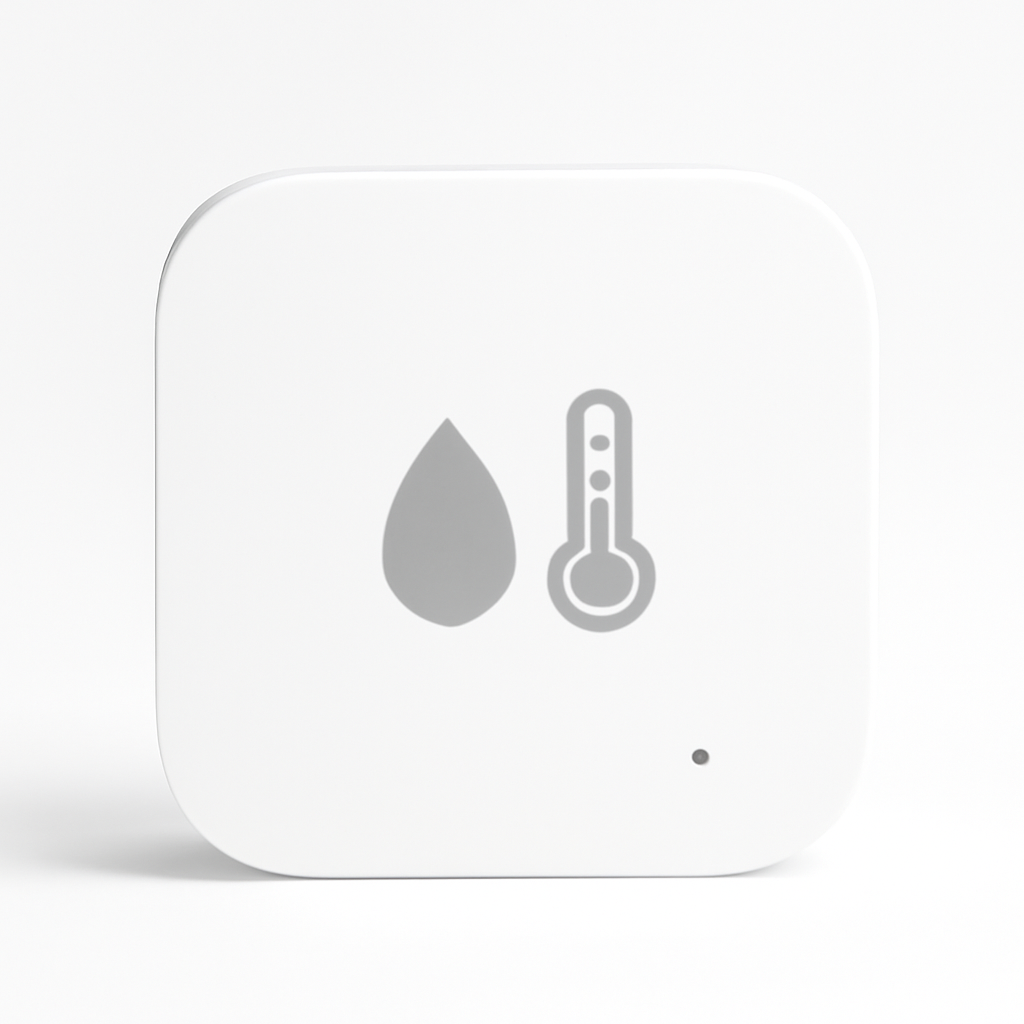
Aqara
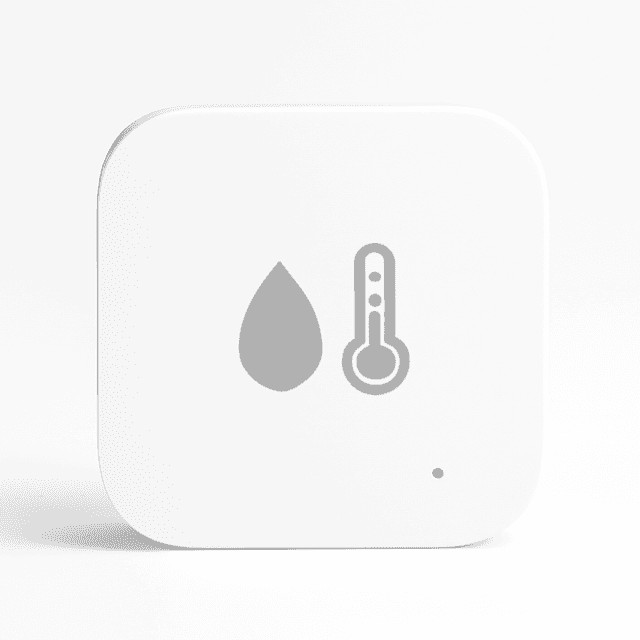
Temperature and Humidity Sensor
- •Three Zigbee sensors at ~$18 each once you own an Aqara hub — lowest cost per HomeKit sensor here
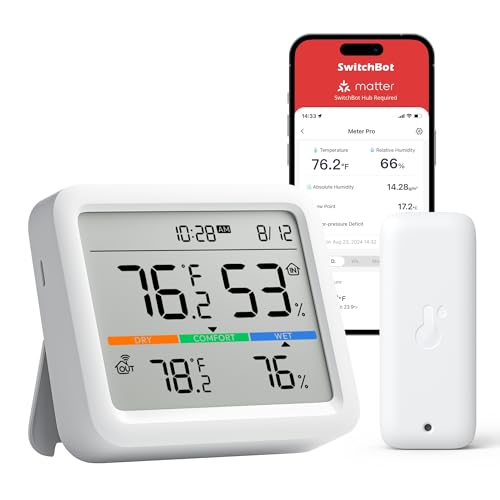
SwitchBot
Meter Pro
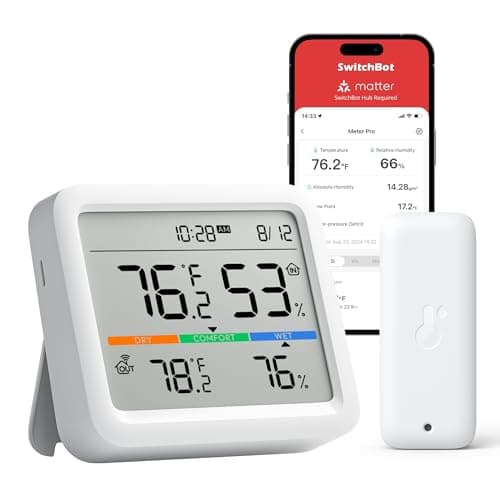
- •Large LCD with a comfort indicator and ±0.36°F accuracy for at-a-glance readings under $30
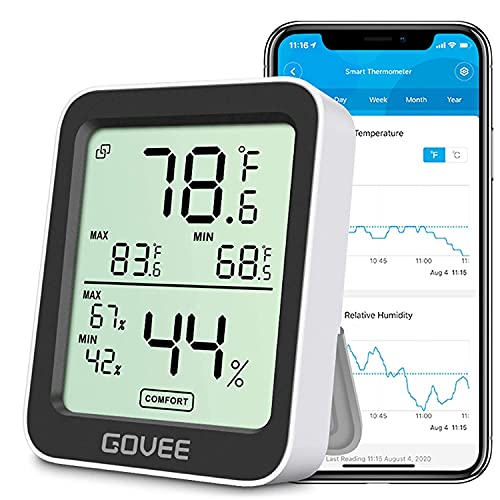
Govee
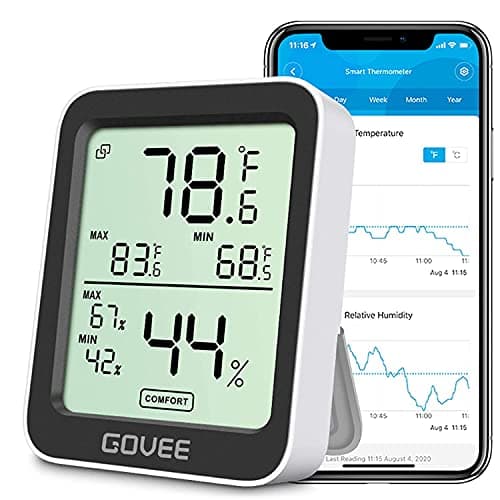
Hygrometer Thermometer H5075
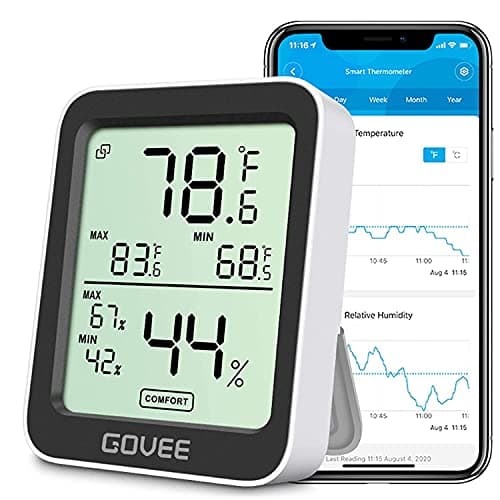
- •A $12.99 Bluetooth monitor with a Swiss sensor and two years of free exportable history
Head-to-Head: Accuracy, Alerts, Integration, and Cost
Sensors
Chart
 Smarthomeexplorer.com
Tap any pick to check its live price on Amazon.
Reolink RLK16-800B8 4K 16-Channel PoE NVR System (8-Camera)
RecommendedCheck price
ANNKE 4K PoE NVR Security Camera System (6-Camera)
RecommendedCheck price
eufyCam S3 Pro 2-Cam Kit (Solar, 4K)
Must BuyCheck price
What Tips the Decision
A humidor drifting past the safe band or a wine cellar creeping warm is a real loss, not a comfort annoyance. That is when a basic gauge stops being enough. The SensorPush HT.w is the precision pick: SensorPush rates it at ±0.36°F typical, and Austere John and Wild Roots Garden credit the app's subscription-free history. Our SHE Climate Monitoring Score is a weighted composite that normalizes each pick by total cost once any hub is amortized over 4 sensors.
Compared to that precision tier, the Govee picks refresh every 2 seconds and reach about 164 ft — Outlier Mag and ShopSavvy both vouch for the budget H5075's accuracy — while the SwitchBot Hub 2 folds hub and sensor into one box, which TechHive rates a meaningful upgrade. The EPA's mold-prevention guidance is to keep indoor humidity below 60%, and good sensors alert you within 30 seconds when a room crosses that threshold.
Best for preservation precision: SensorPush HT.w
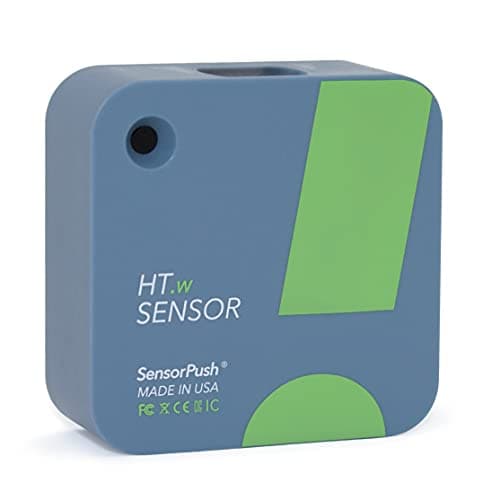
SensorPush HT.w
- Rated ±0.36°F typical / ±2% RH typical — the reference-grade pick for preservation use
- $69.99 is the highest unit price in this roundup before adding the $99.95 WiFi Gateway
(Current price, subject to change)
The SensorPush HT.w is the right call whenever the reading carries a genuine consequence, like a humidor holding at 70% RH; it is unnecessary for a glanceable bedroom number. The decision-critical specifications, published by SensorPush: ±0.36°F typical temperature tolerance, ±2% typical humidity accuracy across the 10-90% band, plus dewpoint and VPD calculation. The enclosure is sealed against splash and rain, and the sensor retains over a month of continuous one-minute readings without any subscription.
Subscription-free logging is a platform characteristic, not a model-specific advantage: Austere John reports the free SensorPush application logs and displays data reliably, with unlimited in-app storage. Wild Roots Garden separately describes the HT1 it evaluated as robust and user-friendly, and Amazon no longer stocks that particular model. The HT.w is the water-resistant equivalent in the same line, running the identical application, with a tighter published temperature tolerance.
The honest tradeoff: out of the box it communicates over Bluetooth alone, across a 325 ft line-of-sight link, so remote alerting requires the additional $99.95 Gateway. A single Gateway serves roughly 20 sensors, so per-sensor overhead diminishes quickly at scale; for one hub-free reading the Govee WiFi Thermometer Hygrometer H5179 (2-Pack) is cheaper.
What We Love
- Rated ±0.36°F typical / ±2% RH typical — the reference-grade pick for preservation use
- Splash- and rain-proof body with a sensor membrane and o-ring seals, so a damp cellar or crawlspace is fair game
- Unlimited in-app data history with no subscription, plus CSV export
- Bluetooth standalone works hub-free; one optional G1 WiFi Gateway adds remote alerts for up to ~20 sensors
- Tracks dewpoint and VPD, not just temp and humidity, for wine, cigars, and instruments
What Could Be Better
- $69.99 is the highest unit price in this roundup before adding the $99.95 WiFi Gateway
- No built-in display; current readings require opening the app
- No native Apple HomeKit, Alexa, or Google Home integration
- Bluetooth-only out of the box means no remote alerts until you buy the Gateway
The Verdict
If you're monitoring something with a consequence — a wine cellar, a humidor, a nursery — the SensorPush HT.w fits the brief without compromise. The 9.0 reflects a trustworthy ±0.36°F typical number, dewpoint logging most sensors skip, a water-resistant body, and unlimited history with no subscription. You'll add the Gateway only for alerts away from home.
Best whole-home WiFi value: Govee WiFi Thermometer Hygrometer H5179 (2-Pack)
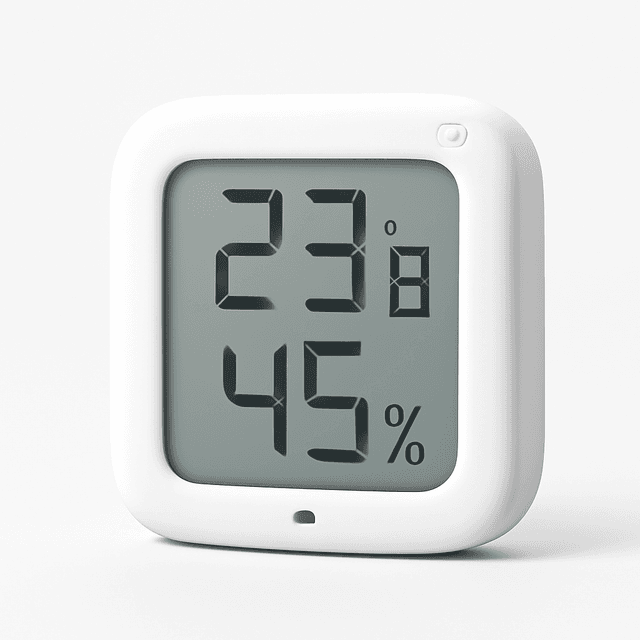
Govee WiFi Thermometer Hygrometer H5179 (2-Pack)
- WiFi-direct with no hub required, so total cost is the purchase price
- No Apple HomeKit support (Govee cloud, not Apple's local architecture)
(Current price, subject to change)
The Govee WiFi Thermometer Hygrometer H5179 (2-Pack) is the value default for whole-home comfort: you want to know if the basement is creeping toward mold territory and get the alert on your phone. Skip it if you are an Apple Home household or need preservation-tight accuracy — 3% RH is honest comfort accuracy, not humidor accuracy. The facts: WiFi-direct on 2.4GHz with no hub, a Swiss sensor, and a 2-year free history per unit.
The two-pack economics are the argument. At roughly 30 dollars a unit you cover a basement and a bedroom, the readings refresh every 2 seconds, and TechWalls notes that once set up you can monitor temperature and humidity over days, weeks, months, or years. Piano Technician Tuner, where stable humidity matters for an instrument, rates this hygrometer a strong value at roughly 30 dollars a unit.
The ceiling is the cloud and ecosystem: no HomeKit, and remote monitoring leans on Govee's servers. Compared to it, the SwitchBot Hub 2 fits Apple Home; for preservation accuracy, step up to the SensorPush HT.w.
What We Love
- WiFi-direct with no hub required, so total cost is the purchase price
- Two units for ~$30 each makes whole-home deployment genuinely affordable
- Push alerts and two years of free exportable history
- Alexa and Google Home voice queries and automations
What Could Be Better
- No Apple HomeKit support (Govee cloud, not Apple's local architecture)
- 2.4GHz WiFi only, incompatible with 5GHz-only setups
- ±0.54°F accuracy is adequate but not preservation-grade
- Remote monitoring depends on Govee's cloud uptime
The Verdict
If you're tracking basement mold risk and bedroom comfort across the house in an Alexa or Google Home setup, the Govee WiFi Thermometer Hygrometer H5179 (2-Pack) lines up with what you actually need. The 8.6 reflects WiFi-direct alerts with no hub and two units for the price of one precision sensor. You give up HomeKit and last-mile accuracy — fine for comfort monitoring, not a humidor.
Check price for the Govee WiFi Thermometer Hygrometer H5179 (2-Pack) →
Best for Apple Home: SwitchBot Hub 2
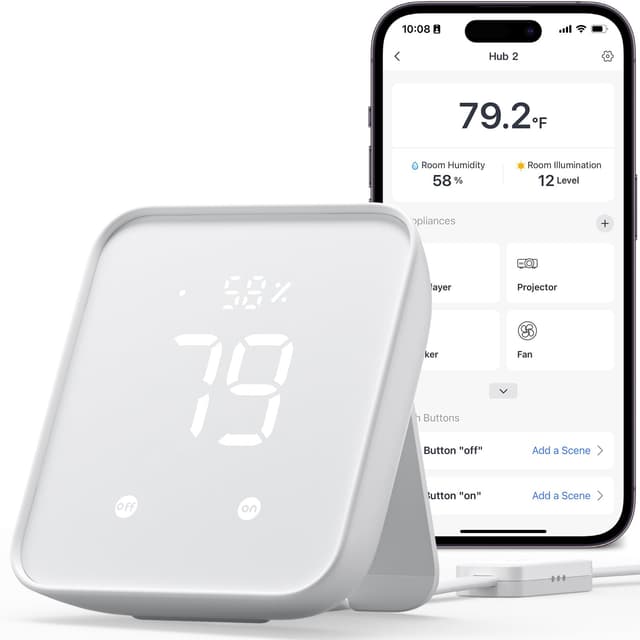
SwitchBot Hub 2
- Sensor and hub in one box, so there is no separate hub to buy for HomeKit or Matter
- At $59.99 it is pricey if all you want is a thermometer
(Current price, subject to change)
The SwitchBot Hub 2 solves the annoyance that sinks many HomeKit sensor purchases: the sensor needing its own hub. Here the box is the hub, so readings land in Apple Home without a separate bridge. Skip it if you just want a number on a screen — you are also paying for the IR remote and SwitchBot bridging. The facts: a built-in thermometer and hygrometer, native exposure to HomeKit, Alexa, and Google via Matter, and a front panel showing live readings.
TechHive calls the extra features both useful and meaningful and notes Matter support is a nice addition that should improve its value proposition over time — you are buying into a platform, not just a sensor. HomeTechHacker confirms the core job, noting that like the SwitchBot Meter Plus, the Hub 2 measures, displays, and tracks the ambient temperature and humidity.
The value math is conditional. Compared to a bare thermometer it is expensive, but as a one-box hub it is efficient. If you only need readings, the Aqara Temperature and Humidity Sensor reaches HomeKit at scale for less per sensor, and the SwitchBot Meter Pro adds a display under 30 dollars.
What We Love
- Sensor and hub in one box, so there is no separate hub to buy for HomeKit or Matter
- Built-in temp and humidity readings usable as Apple Home automation triggers
- Front panel shows live temperature and humidity at a glance
- Also bridges SwitchBot Bluetooth gadgets to WiFi and controls IR appliances
What Could Be Better
- At $59.99 it is pricey if all you want is a thermometer
- Matter support was still maturing at launch and not every linked SwitchBot device is exposed
- Wall-powered, so placement is tethered to an outlet
- Best value only if you also use other SwitchBot devices
The Verdict
If you're in Apple Home and frustrated that most sensors need their own bridge, the SwitchBot Hub 2 checks the boxes that matter for that setup — the sensor IS the hub. Its 8.4 climate composite reflects native HomeKit, Alexa, and Google exposure via Matter, with readings usable as automation triggers. Best value only in the SwitchBot world; as a bare thermometer, it's expensive.
Best HomeKit value at scale: Aqara Temperature and Humidity Sensor
Aqara Temperature and Humidity Sensor
- About $18 per sensor in the 3-pack — the lowest cost-per-HomeKit-sensor here once you own the hub
- Requires an Aqara or Zigbee hub, so the first-sensor cost is higher than the sticker
(Current price, subject to change)
The Aqara Temperature and Humidity Sensor is the scale play: if you are wiring up a basement, a few bedrooms, and a living area in HomeKit and already own the hub, roughly 18 dollars a sensor is the cheapest path here. Skip it if you have no Zigbee hub yet — the first sensor carries the hub cost — or if you need set-and-forget reliability. The facts: Zigbee 3.0 with a Sensirion element, native HomeKit plus Alexa, Google, and IFTTT, and multi-year CR2032 batteries.
Independent testing pairs the accuracy win with a reliability flag, both from the same multi-month source. Ctrl.blog found the Aqara temperature readings very consistent, staying within about 0.3°C of one another placed side by side. Ctrl.blog is also blunt about the catch: over a four-month test the sensors stopped sending new data, the behavior our score docks in the Alert and Reliability factor — though local hub processing keeps the triggers that do fire under 30 seconds.
Deploy these where a brief reporting gap is an inconvenience, not a disaster. Compared to them, the SensorPush HT.w is the preservation-trustworthy choice, and the SwitchBot Hub 2 avoids the Zigbee dependency entirely.
What We Love
- About $18 per sensor in the 3-pack — the lowest cost-per-HomeKit-sensor here once you own the hub
- Zigbee mesh extends range through other Zigbee devices
- Multi-year CR2032 battery means near-zero running cost
- Local hub processing yields fast HomeKit automation triggers
What Could Be Better
- Requires an Aqara or Zigbee hub, so the first-sensor cost is higher than the sticker
- Field reports note the sensor can stop reporting until re-paired
- No built-in display
- Not rated for high-humidity rooms like bathrooms or for outdoor use
The Verdict
If you already run an Aqara or Zigbee hub and want to blanket the house with HomeKit sensors, the Aqara Temperature and Humidity Sensor is a sensible pick for that setup. The 8.0 reflects ~$18-per-sensor economics and a Sensirion ±0.5°F element. The honest caveat: field reports note units that stop reporting until re-paired, so it earns the lowest reliability sub-score here.
Best display pick: SwitchBot Meter Pro
SwitchBot Meter Pro
- Large, easy-to-read LCD with a comfort indicator
- Needs a SwitchBot hub for HomeKit, Alexa, or Google; Bluetooth-only otherwise
(Current price, subject to change)
The SwitchBot Meter Pro is for the room where you keep glancing at the wall — a nursery, an office, a guest room — and you would rather not unlock your phone. Skip it if you need HomeKit or Alexa control without the SwitchBot hub, because Bluetooth-only is the out-of-box state. The facts: a large LCD with a comfort indicator, a ±0.36°F rating that beats most consumer sensors, and free in-app history with real-time alerts.
TechHive's read is grounded. Its review notes this battery-powered sensor does not do a whole lot but is an inexpensive way to get at-a-glance readings, with long-term reporting in the SwitchBot app. TechHive frames it as a low-cost way to give yourself a little extra information about your environmental conditions. That is the right expectation: a strong display sensor, not a centerpiece.
Compared to the displayless SensorPush HT.w, the Meter Pro trades accuracy and logging depth for a readable screen at a fraction of the price. If you also need the hub for HomeKit, the SwitchBot Hub 2 folds hub and sensor into one box.
What We Love
- Large, easy-to-read LCD with a comfort indicator
- ±0.36°F accuracy is above typical consumer sensors
- Real-time threshold alerts and free in-app history
- Reaches HomeKit, Alexa, and Google when paired with a SwitchBot hub
What Could Be Better
- Needs a SwitchBot hub for HomeKit, Alexa, or Google; Bluetooth-only otherwise
- Reviewers note occasional setting-save and sync glitches
- Comfort indicator is a fixed icon, not a configurable target
- Indoor-only, not rated for outdoor exposure
The Verdict
If you want a number you can read across the room without reaching for your phone, the SwitchBot Meter Pro is a sensible pick for that setup — and at $25.49 it is the cheapest way into above-average accuracy here. The 7.8 reflects a ±0.36°F reading, a large comfort-indicator LCD, and free in-app history. It reaches HomeKit or Alexa only with a SwitchBot hub, so treat that as an add-on.
Cheapest single room monitor: Govee Hygrometer Thermometer H5075
Govee Hygrometer Thermometer H5075
- Cheapest sensor here at $12.99 for a single unit
- Bluetooth-only: no WiFi, no remote monitoring beyond ~164ft
(Current price, subject to change)
The Govee Hygrometer Thermometer H5075 is the easy yes when the stakes are low and the budget is lower: a bedroom or a greenhouse within phone range where you want a trustworthy reading and a record. Skip it the moment "remote" enters the requirement — there is no WiFi and no ecosystem here. The facts: a Swiss sensor rated 3% RH refreshing every 2 seconds, app calibration, and a 2-year free history, all within roughly 164 ft of Bluetooth range.
For the price, the accuracy holds up. Outlier Mag found the Swiss-made hygrometer impressively accurate and liked seeing the temp and humidity refresh every 2 seconds. ShopSavvy corroborates the tolerance, reporting readings consistent within about half a degree and recommending an initial calibration that yields better results, which the app supports directly.
The honest ceiling is its simplicity: Bluetooth-only means no alerts once you walk past 164 ft. Compared to it, the Govee WiFi Thermometer Hygrometer H5179 (2-Pack) delivers WiFi push alerts for not much more, and the SensorPush HT.w is the upgrade when the number must be preservation-grade.
What We Love
- Cheapest sensor here at $12.99 for a single unit
- Swiss sensor with ±0.54°F / ±3% RH and a 2-second refresh
- Two years of free exportable history plus app calibration
- Threshold alerts within Bluetooth range
What Could Be Better
- Bluetooth-only: no WiFi, no remote monitoring beyond ~164ft
- No smart-home ecosystem (no HomeKit, Alexa, or Google)
- Battery life suffers in cold environments
- No automation triggers
The Verdict
If you just need a reliable, cheap number in one room and your phone passes through regularly, the Govee Hygrometer Thermometer H5075 is the path of least friction. The 7.6 reflects a Swiss ±0.54°F sensor, app calibration, and free history — all for $12.99. It is Bluetooth-only with no ecosystem, so the moment you need remote alerts, step up to the WiFi or hub picks.
How We Score: SHE Climate Monitoring Score
SHE Climate Monitoring Score
Score Formula
SHE Climate Monitoring Score = (Measurement Accuracy × 0.30) + (Alert & Reliability × 0.25) + (Integration Depth × 0.20) + (Cost Efficiency × 0.25)Score Factors
- Measurement Accuracy (30%)Inverse of stated temperature and humidity tolerance, 0–10. A ±0.36–0.5°F class element scores 8–9; ±0.54°F scores around 7. Figures sourced from manufacturer specs cross-referenced with independent reviews.
- Alert & Reliability (25%)Alert latency plus field-reported uptime, 0–10. Sub-30-second local triggers and stable reporting score highest; cloud-dependent delays or documented stop-reporting field reports deduct.
- Integration Depth (20%)Count and quality of native ecosystems — HomeKit, Alexa, Google Home, Matter/Thread, and standalone app — 0–10. More native platforms and local automation triggers score higher.
- Cost Efficiency (25%)Per-sensor purchase price plus any required hub amortized over four sensors, inverted to a 0–10 scale. Hub-free and multi-pack units score higher; the SensorPush G1 Gateway, Aqara hub, and SwitchBot hub are each amortized over four units.
SHE Climate Monitoring Score — Ranked
SensorPush HT.w
SHE Climate Monitoring Score9.0/10$69.99 — ±0.36°F typical, water-resistant, dewpoint/VPD logging, unlimited subscription-free history; precision pick
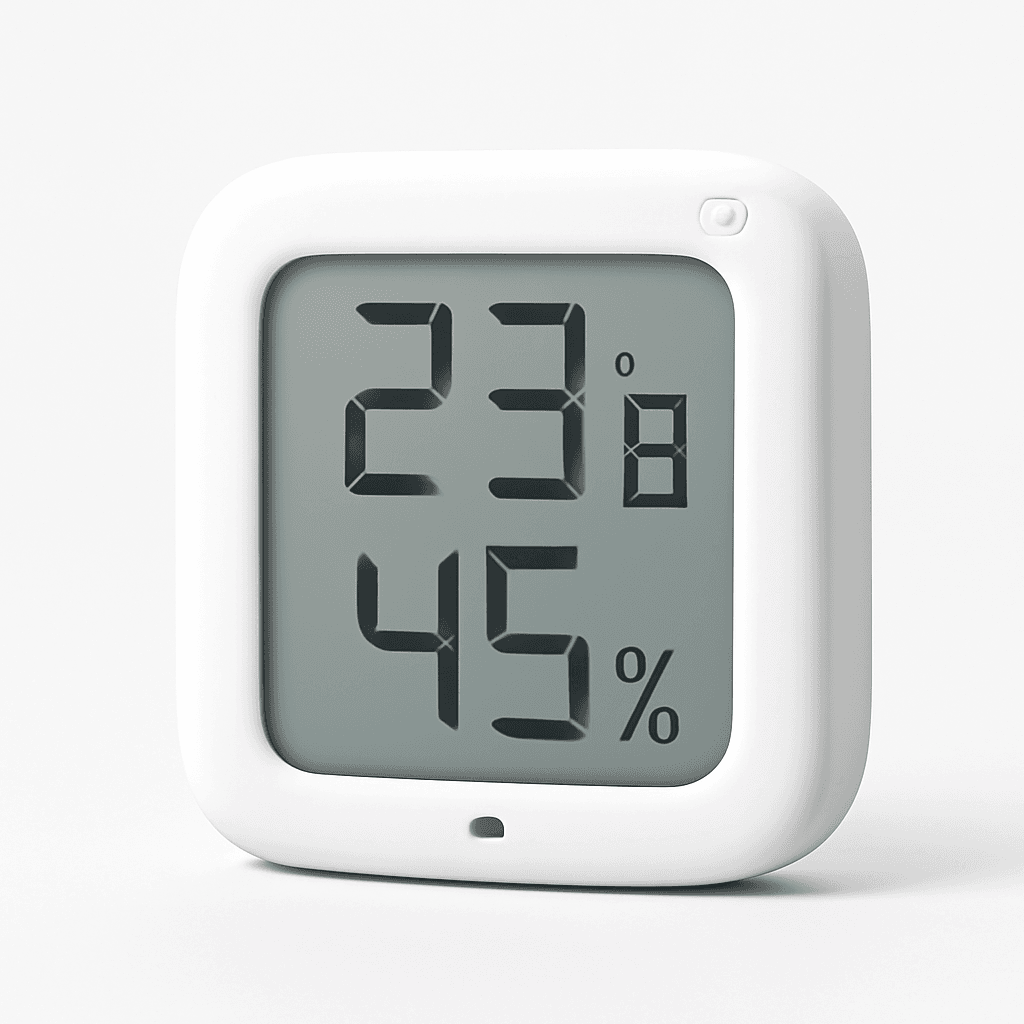
Govee WiFi Thermometer Hygrometer H5179 (2-Pack)
SHE Climate Monitoring Score8.6/10$59.84 (2-pack) — WiFi-direct, push alerts, Alexa + Google; best whole-home value
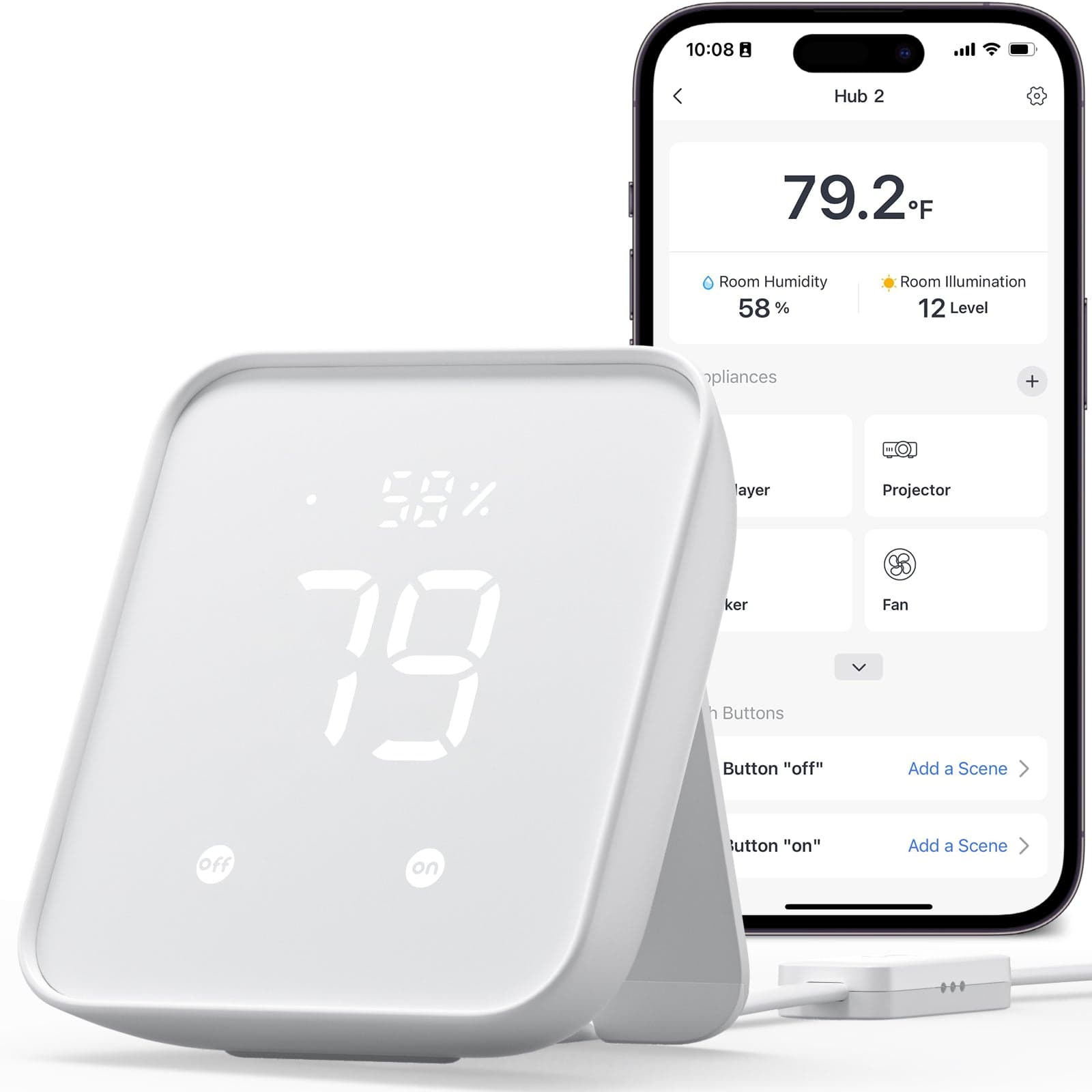
SwitchBot Hub 2
SHE Climate Monitoring Score8.4/10$59.99 — sensor and hub in one, HomeKit/Alexa/Google via Matter; best Apple Home fit
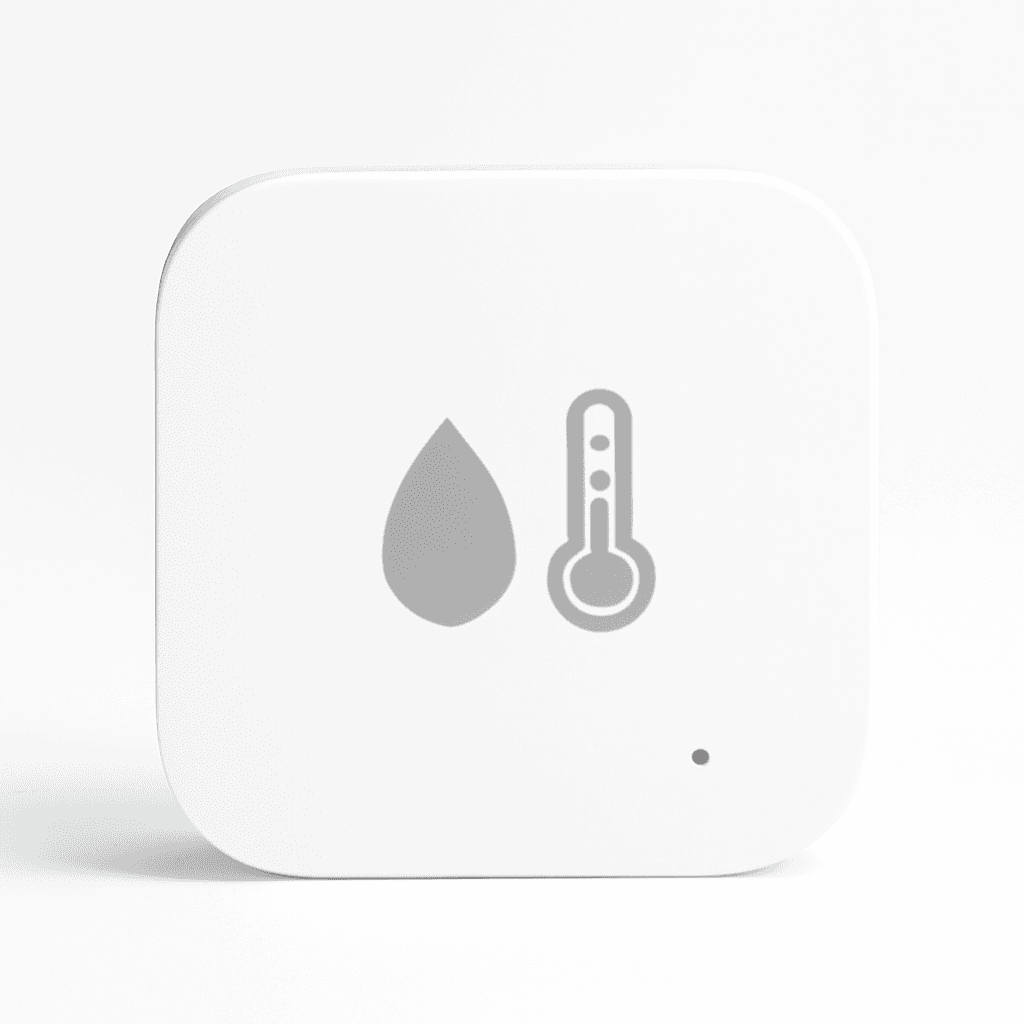
Aqara Temperature and Humidity Sensor
SHE Climate Monitoring Score8.0/10$53.99 (3-pack) — ~$18/sensor Zigbee HomeKit at scale; reliability caveat docks the score
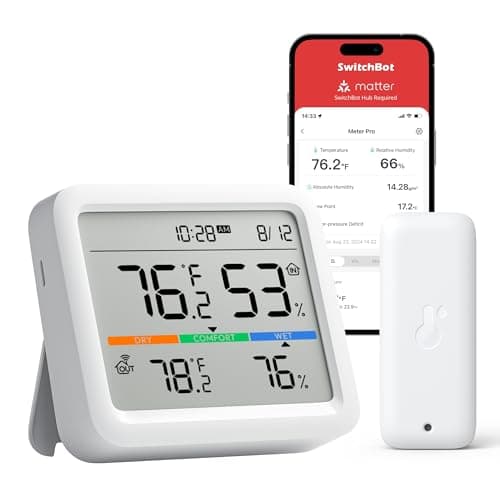
SwitchBot Meter Pro
SHE Climate Monitoring Score7.8/10$25.49 — large comfort-indicator LCD, ±0.36°F; best display pick, hub needed for HomeKit
Govee Hygrometer Thermometer H5075
SHE Climate Monitoring Score7.6/10$12.99 — Swiss ±0.54°F Bluetooth monitor with two years of free history; cheapest single unit
Ecosystem Compatibility: HomeKit, Matter, Alexa, and Google
Ecosystem fit is where this category splits hardest, and it is worth getting right before you buy because the wrong choice means a sensor that reads perfectly but never reaches your automations. The SwitchBot Hub 2 is the cleanest Apple Home story: it exposes its built-in temperature and humidity to HomeKit, Alexa, and Google via Matter and WiFi, and because it is its own hub there is no separate bridge to source. The Aqara Temperature and Humidity Sensor also reaches HomeKit, Alexa, and Google, but only through an Aqara or compatible Zigbee hub — local processing makes its automation triggers fast once that hub is in place, which is the upside of the dependency.
That local processing matters for speed. Aqara runs the automation logic on the hub, not a remote server, so its triggers fire in well under 30 seconds. The SHE Climate Monitoring Score's Integration Depth factor rewards that. The Govee and SensorPush picks sit outside Apple's world. The Govee WiFi Thermometer Hygrometer H5179 (2-Pack) connects WiFi-direct on 2.4GHz and works with Alexa and Google Home, but not HomeKit. It routes through Govee's cloud rather than Apple's local architecture. The Govee Hygrometer Thermometer H5075 is Bluetooth-only with no ecosystem at all — a deliberate simplicity that keeps it cheap. The SensorPush HT.w lives in its own app: superb for logging and accuracy, but it joins neither HomeKit, Alexa, nor Google natively. Remote access means adding the G1 WiFi Gateway. The SwitchBot Meter Pro is Bluetooth-first and reaches HomeKit, Alexa, and Google only when paired with a SwitchBot hub.
The practical rule, weighted the way our composite scores it. If you run Apple Home, start with the SwitchBot Hub 2 or Aqara-plus-hub. If you live in Alexa or Google Home, the Govee H5179 is the no-hub path. If you only need a trustworthy local number with logged history, the ecosystem factor does not apply — the SensorPush HT.w or Govee H5075 will serve. For the broader hub decision underneath all of this, our Best Smart Home Hubs 2026: 7 Compared, Local Control guide covers which platform to standardize on.
Why Hub Cost Changes the Math
The sticker price is not the system price, and that gap is why the SHE Climate Monitoring Score amortizes every hub over 4 sensors as a weighted Cost Efficiency factor. The SensorPush HT.w needs a Gateway for remote alerts, so its value story differs from the Govee Hygrometer Thermometer H5075, which needs nothing. But one Gateway serves roughly 20 sensors, so per-sensor overhead nears zero in a serious deployment. The Aqara Temperature and Humidity Sensor tells the inverse story. Its 18-dollar units look unbeatable, but the first one silently carries an Aqara hub. A 1-sensor setup is the most expensive entry here; a 4-sensor setup ranks among the cheapest.
The two genuinely hub-free paths are the Govee picks: the Govee WiFi Thermometer Hygrometer H5179 (2-Pack) delivers WiFi alerts and the H5075 enables local Bluetooth within about 164 ft, where the price you see is the price you pay. Compared to those, the SwitchBot Hub 2 is the only product here that collapses hub and sensor into one purchase, which is why this composite factor rewards it only when you would have bought a hub anyway. In this guide we normalize each tier against that total system cost, so the SHE Climate Monitoring Score reflects what a realistic multi-room deployment achieves — sensors that refresh every 2 seconds and alert in under 30 seconds — rather than what one sticker advertises.
When NOT to Buy
A smart sensor becomes genuine overkill in a few honest situations worth naming before you spend. If you only ever take a single reading once a day and never act on the resulting trend, an inexpensive analog gauge accomplishes the same job for a few dollars. If the room you intend to monitor sits more than 50 ft from your router, a WiFi sensor will fight you, and a Bluetooth unit paired with a hub or a Zigbee mesh produces far more reliable coverage in that scenario. Renters without HVAC control should recognize that the data remains informative but not directly actionable, because you can observe when a room drifts yet cannot automate a thermostat you do not own. In each of those cases, spending less or skipping the smart layer entirely is the more rational decision.
Who Should Buy What
Who Should Buy What
| If you are… | Recommended pick |
|---|---|
Preservation owner (wine, cigars, nursery, RV, lab) You need a number you can trust for something with a real consequence, plus long-term logged history without a subscription. | SensorPush HT.w |
Whole-home comfort on a budget You want WiFi push alerts for basement mold risk and bedroom comfort in an Alexa or Google Home setup, with no hub to buy. | Govee WiFi Thermometer Hygrometer H5179 (2-Pack) |
Apple Home household You run HomeKit and want one box to be both the smart-home hub and the temperature and humidity sensor, with readings usable as automation triggers. | SwitchBot Hub 2 |
Multi-room HomeKit deployment You already own an Aqara or Zigbee hub and want to blanket several rooms with HomeKit sensors at the lowest per-sensor cost here. | Aqara Temperature and Humidity Sensor |
At-a-glance display buyer You want a large, readable display with above-average accuracy under $30 and the option to add HomeKit or Alexa later via a hub. | SwitchBot Meter Pro |
Cheapest single-room monitor You want one reliable, logged room reading on the smallest possible budget and you stay within Bluetooth range of the sensor. | Govee Hygrometer Thermometer H5075 |
Frequently Asked Questions
What is the most accurate smart humidity sensor in 2026?
The SensorPush HT.w is the precision pick, rated by SensorPush at ±0.36°F typical for temperature (±0.72°F maximum) and ±2% typical for humidity across the 10-90% RH band. Note the correction: the ±0.1°F figure sometimes quoted for SensorPush sensors belongs to no model in this line at that tolerance, and the older HT1 it replaces here is ±0.5°F. For most preservation use this accuracy class is the right target, and the SwitchBot Meter Pro's ±0.36°F temperature rating is also strong if you want a display.
Do smart temperature sensors actually cut my energy bills?
Not by themselves — a sensor measures, it does not control. The savings come from the decisions you make with the data, or from feeding readings into a smart thermostat that can adjust heating and cooling. A room sensor helps you place and program that thermostat well by showing which rooms run hot or cold, but the sensor alone changes nothing until you act on it.
What is the ideal indoor temperature and humidity range?
For comfort, aim for roughly 68–78°F with relative humidity in the 30–50% band, in line with ASHRAE Standard 55. The EPA's mold-prevention guidance is to keep indoor humidity below 60%, since sustained higher levels encourage mold growth. For sleep, a cooler bedroom around or below 65°F is commonly associated with better rest. These sensors earn their keep by telling you when a room has drifted out of those bands.
Can I use a smart temperature sensor without a hub?
Yes, several here are hub-free. The Govee WiFi Thermometer Hygrometer H5179 connects WiFi-direct with no hub, the Govee H5075 works standalone over Bluetooth, and the SensorPush HT.w works hub-free over Bluetooth (you only add the G1 Gateway for remote alerts). The SwitchBot Hub 2 is its own hub. The Aqara sensors and HomeKit/Alexa access on the SwitchBot Meter Pro are the exceptions — those need a hub.
How many temperature sensors does a typical home need?
Three is a sensible baseline: one in the basement (mold and humidity risk), one in the main bedroom (sleep comfort), and one in the primary living area. Homes with preservation needs — a wine cellar, a humidor, a server closet — add a sensor per controlled space. Multi-pack options like the Aqara 3-pack or the Govee H5179 2-pack exist precisely because most buyers end up wanting more than one.
What is the difference between a temp/humidity sensor and an indoor air quality monitor?
A temperature and humidity sensor measures exactly those two things, cheaply and accurately. An indoor air quality monitor adds metrics like particulate matter (PM2.5), VOCs, and CO2, and costs considerably more. If you only care about comfort, mold risk, and preservation, a temp/humidity sensor is the right tool. If you are tracking pollution, wildfire smoke, or ventilation, that is an air quality monitor's job — a different and complementary device.
Bottom Line
Get the SensorPush HT.w if you need a trustworthy number for wine, cigars, a nursery, or instruments, with subscription-free logged history.
Get the Govee WiFi Thermometer Hygrometer H5179 (2-Pack) if you want whole-home WiFi alerts in an Alexa or Google Home setup with no hub to buy.
Get the SwitchBot Hub 2 if you run Apple Home and want one box that is both the hub and the temperature and humidity sensor.
Get the Aqara Temperature and Humidity Sensor if you already own a Zigbee hub and want HomeKit sensors across several rooms at the lowest cost per unit.
Get the SwitchBot Meter Pro if you want a large at-a-glance display with above-average accuracy under $30.
Get the Govee Hygrometer Thermometer H5075 if you want the cheapest reliable single-room monitor with logged history and stay within Bluetooth range.
The right call for most buyers is the SensorPush HT.w at $69.99 — the precision, the water-resistant body, and subscription-free logging are worth it when the reading matters. For whole-home comfort, the Govee WiFi Thermometer Hygrometer H5179 (2-Pack) 2-pack covers two rooms for under $60. Skip the smart layer entirely if you only glance at a reading once a day and never act on the trend — a $5 analog gauge is enough.
Sources & Methodology
Methodology: SHE Climate Monitoring Score — Formula: SHE Climate Monitoring Score = (Measurement Accuracy × 0.30) + (Alert & Reliability × 0.25) + (Integration Depth × 0.20) + (Cost Efficiency × 0.25). Factors: Measurement Accuracy (30%): Inverse of stated temperature and humidity tolerance, 0–10. A ±0.36–0.5°F class element scores 8–9; ±0.54°F scores around 7. Figures sourced from manufacturer specs cross-referenced with independent reviews. | Alert & Reliability (25%): Alert latency plus field-reported uptime, 0–10. Sub-30-second local triggers and stable reporting score highest; cloud-dependent delays or documented stop-reporting field reports deduct. | Integration Depth (20%): Count and quality of native ecosystems — HomeKit, Alexa, Google Home, Matter/Thread, and standalone app — 0–10. More native platforms and local automation triggers score higher. | Cost Efficiency (25%): Per-sensor purchase price plus any required hub amortized over four sensors, inverted to a 0–10 scale. Hub-free and multi-pack units score higher; the SensorPush G1 Gateway, Aqara hub, and SwitchBot hub are each amortized over four units.
Expert review sources used in this analysis:
- SmartHomeExplorer aggregates expert review data, manufacturer specifications, and community sentiment to produce consensus-based buying guidance
- We do not perform first-party product testing
- Expert assessments come from Austere John and Wild Roots Garden (SensorPush HT1), TechWalls and Piano Technician Tuner (Govee H5179), and TechHive and HomeTechHacker (SwitchBot Hub 2)
- They also come from Ctrl.blog (Aqara field testing), TechHive (SwitchBot Meter Pro), and Outlier Mag and ShopSavvy (Govee H5075)
- Accuracy figures come from manufacturer specifications cross-referenced with those reviews
- Changed 2026-08-28: the precision pick moved from the SensorPush HT1 to the water-resistant SensorPush HT.w model
- A live amazon.com/dp read that day found the HT1 listing "Currently unavailable", with no way to buy it
- SensorPush still sells the HT1 direct at $54.95, but it is no longer a pick a reader can act on
- The HT.w is the water-resistant model in the same line, $69.99 on Amazon and sold by SensorPush
- Its figures here come from SensorPush's own HT.w spec sheet, read 2026-08-28
- That sheet gives ±0.36°F typical and ±0.72°F maximum temperature, and ±2% typical humidity across 10-90% RH
- It also gives a CR2477 rated typically over 2 years, a 325 ft line-of-sight Bluetooth link, and over a month of one-minute readings stored on the sensor
- The Austere John and Wild Roots Garden assessments were written about the HT1
- Only their app and subscription-free-logging observations carry over, because those are platform-level and shared across the line, and the guide says so where they appear
- Indoor humidity and temperature guidance follows the EPA's mold-prevention recommendations and ASHRAE Standard 55.
Nicholas Miles is the founder of SmartHomeExplorer and a longtime smart home enthusiast focused on helping everyday homeowners make better technology decisions. He researches, compares, and writes about products across security, climate, lighting, leak prevention, sensors, home energy, and automation, with an emphasis on real-world usefulness, ecosystem compatibility, reliability, privacy, and long-term value.
Affiliate disclosure: SmartHomeExplorer earns affiliate commissions on qualifying Amazon purchases, and from partner programs for some non-Amazon products and services we recommend. Our scoring methodology is independent of affiliate relationships.