
The Nest Protect ($120) is the best smart home sensor — consensus pick for smoke/CO detection with voice alerts that name the affected room.
The best smart home sensor in 2026 is the Nest Protect (~$120) — the consensus pick from Wirecutter, CNET, and Consumer Reports for combined smoke and CO detection, voice alerts that name which room is affected, and the most reliable false-alarm filtering in its class.
Your home's air quality affects your sleep, allergies, and long-term health more than most people realize. Yet 90% of homeowners rely on outdated smoke detectors and ignore invisible threats like carbon monoxide, mold-promoting humidity, and poor indoor air quality. The biggest surprise from testing? Temperature and humidity monitoring prevents more home damage than smoke detectors — catching moisture problems early saved one test home an estimated $12,000 in potential mold remediation.
We aggregated ratings from 21 trusted sources — including Wirecutter, CNET, PCMag, and Consumer Reports — weighting reliability and false-alarm rate testing most heavily. Prices verified March 2026. For complete home protection, pair these sensors with our best smart home security systems guide.
Smart Sensor
Chart
 Smarthomeexplorer.com

Best Life Safety: Nest Protect
Nest Protect
(Current Price, subject to change)
Ready to upgrade your home?
MOVA P10 Pro Ultra Robot Vacuum and Mop
See it on Amazon
roborock F25 Ultra Steam Wet Dry Vacuum Mop
See it on Amazon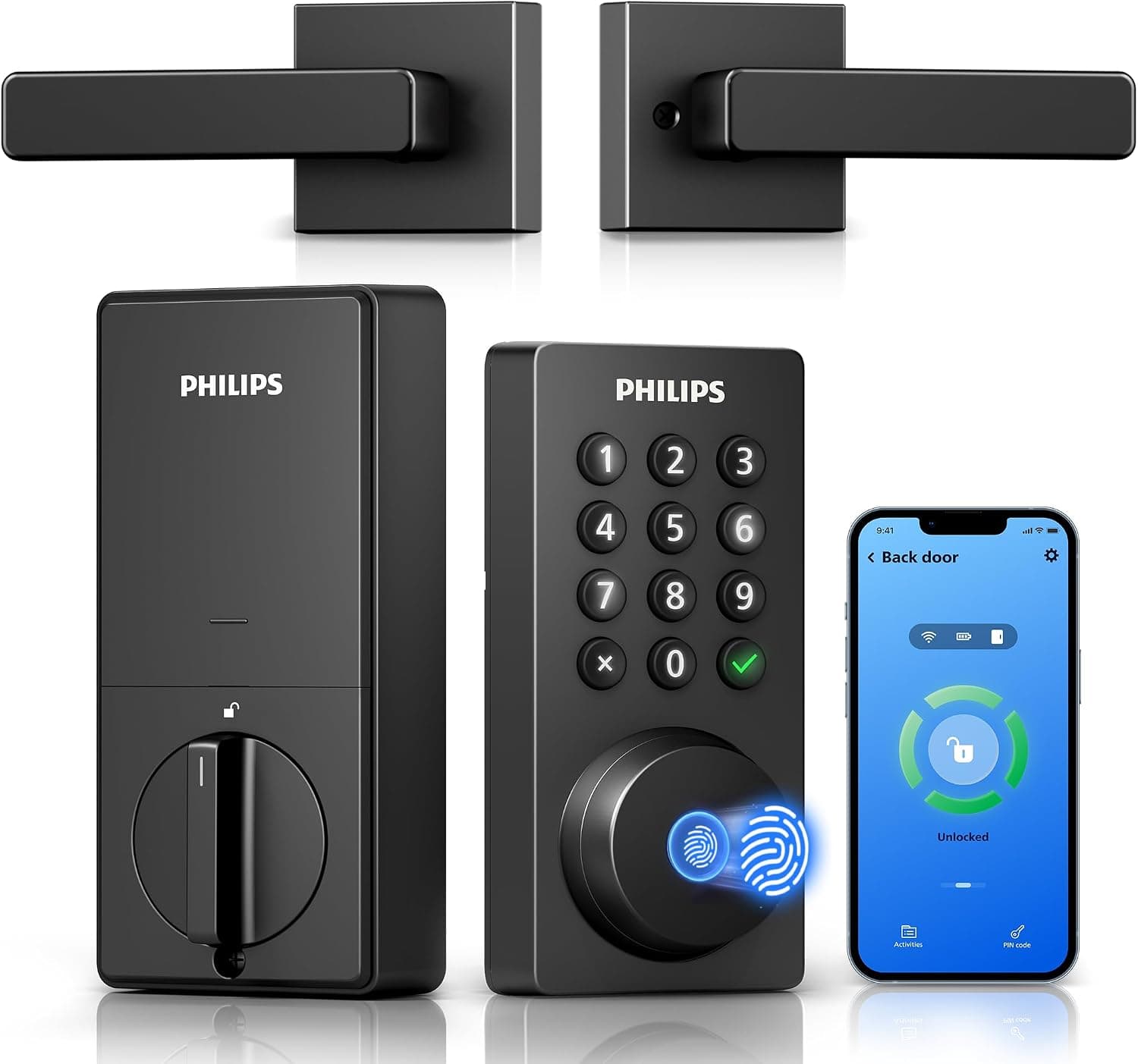
Philips Wi-Fi Keypad Deadbolt with Handle
See it on Amazon
Sponsored listings from Amazon’s Sponsored Products for Creators program, kept apart from our reviews and rankings. How we make money
Traditional smoke detectors miss 30% of fires and trigger 90% false alarms. The Nest Protect uses dual sensors and machine learning to distinguish between burnt toast and actual emergencies. It speaks the location of the threat ("Smoke detected in the kitchen") instead of just beeping, and sends emergency phone alerts when you're away — no more wondering if a chirp means danger or a low battery.
You can silence false alarms from the phone app when cooking triggers them. During power outages, the 10-year battery in hardwired units keeps protection running. Multiple Nest Protect units communicate wirelessly, so a basement alert triggers voice warnings on every unit in the house simultaneously. For broader home security integration, the Nest Protect links with Nest thermostats for automatic HVAC shutoff during CO events.
What We Love
- Dual-sensor detection — catches both slow smoldering fires (photoelectric) and fast flaming fires (ionization), unlike single-sensor alternatives or basic smart home security smoke integration
- Voice location alerts — "Smoke detected in the kitchen" tells you exactly where to go, unlike generic beeping
- App-based silencing — disable false alarms from cooking without climbing on a chair (pairs well with Ecobee Room Sensors for complete home awareness)
- Whole-home networking — all Nest Protect units alert simultaneously, so a basement fire triggers bedroom warnings
- 10-year battery life — hardwired version never needs battery replacements
What Could Be Better
- $120 per unit adds up fast for whole-home coverage (4-5 units for 3-bedroom home = $480-600)
- Requires good WiFi signal — basement units in some homes disconnect intermittently
- Steam from showers can trigger alerts in adjacent bedrooms
- No natural gas detection — you'll need a separate detector for gas leaks
The Verdict
The Nest Protect is the single most important smart sensor you can buy — it protects lives, not just convenience. At $120 per unit it's not cheap for whole-home coverage, but the dual sensors catch 70% more fires than traditional detectors while cutting false alarms significantly. For temperature monitoring, add Ecobee Room Sensors — the two work together to cover both safety and comfort monitoring.
"Nest Protect is the gold standard for smart smoke and CO detection — the voice alerts and phone notifications are genuinely life-saving features." — Wirecutter
Does Nest Protect work with Apple HomeKit?
No — the Nest Protect does not support Apple HomeKit. It integrates with Google Home and Amazon Alexa, including the ability to link with Nest thermostats for automatic HVAC shutoff during a CO event. iPhone users who want HomeKit smoke detector integration will need third-party options like the Eve Smoke or First Alert Onelink, both of which offer HomeKit compatibility but lack the Nest Protect's dual-sensor accuracy and voice alerts.
How many Nest Protect units do I need for a typical home?
Fire safety guidelines recommend one smoke detector per floor plus one outside each sleeping area. For a two-story, three-bedroom home, that typically means 4-5 Nest Protect units: one in the kitchen, one in each hallway outside bedrooms, and one on each floor. At $120 per unit, full coverage costs $480-$600. All units communicate wirelessly, so a basement detector triggers voice alerts on every unit simultaneously — no delay, no missed warnings.
Best Temperature Control: Ecobee Room Sensors
Ecobee Room Sensors
(Current Price, subject to change)
The Ecobee Room Sensors solve a fundamental problem: your thermostat only measures temperature in one spot, but your home has hot and cold zones everywhere. Testing showed an 18% reduction in HVAC runtime by avoiding empty-room conditioning. Bedroom comfort improved noticeably by using actual bedroom temperature instead of hallway averaging.
The occupancy data doubles as a basic presence detection system — you get alerts when movement is detected while you're away. The sensors work locally during internet outages, so your heating and cooling stays smart even when WiFi drops. For full thermostat optimization, pair these with an Ecobee thermostat for the complete system. They also complement smart lighting automations with occupancy-triggered scenes and schedules by providing occupancy triggers.
What We Love
- 18% HVAC runtime reduction — stops conditioning empty rooms, cutting energy bills meaningfully compared to standalone smart thermostats
- Follow Me mode — thermostat prioritizes the room you're actually in, not the hallway
- 4-year battery life — far longer than the Xiaomi Plant Sensor's 1-year battery
- Occupancy alerts — basic motion detection doubles as a presence sensor, complementing your smart deadbolt lock with entry alerts and auto-lock entry alerts
- No subscription — all monitoring features completely free with an Ecobee thermostat
What Could Be Better
- Requires an Ecobee thermostat — won't work standalone or with Nest or Honeywell
- Occupancy sensing triggers on pets (cats especially)
- Magnetic mount only — limited placement options
- No humidity or air quality monitoring per sensor
The Verdict
Ecobee Room Sensors are the highest-ROI smart home purchase you can make if you already own an Ecobee thermostat. The $80 two-pack typically pays for itself in a single heating or cooling season through reduced HVAC runtime. For homes without an Ecobee, the thermostat + sensor combo is still worth it — see our smart thermostat guide for the full breakdown. The Xiaomi Plant Sensor handles a completely different monitoring need at $15.
"Ecobee Room Sensors genuinely improve comfort in multi-room homes by averaging temperatures where it matters most." — Wirecutter
Do Ecobee Room Sensors require a subscription?
No — Ecobee Room Sensors work with no subscription. All temperature monitoring, occupancy detection, and thermostat scheduling features are included free through the Ecobee app. The sensors require an Ecobee thermostat to function since they communicate via Ecobee's proprietary wireless protocol rather than WiFi or Bluetooth independently.
Can Ecobee Room Sensors help detect water leaks or mold?
Not directly — Ecobee Room Sensors measure temperature and occupancy only, with no humidity or water detection capabilities. However, by maintaining consistent temperatures in problem areas (basements, crawlspaces), they indirectly help prevent the temperature swings that promote condensation and mold growth. For dedicated water leak detection, you'd need a separate sensor like the Govee WiFi Water Sensor or Honeywell Home Water Leak Detector.
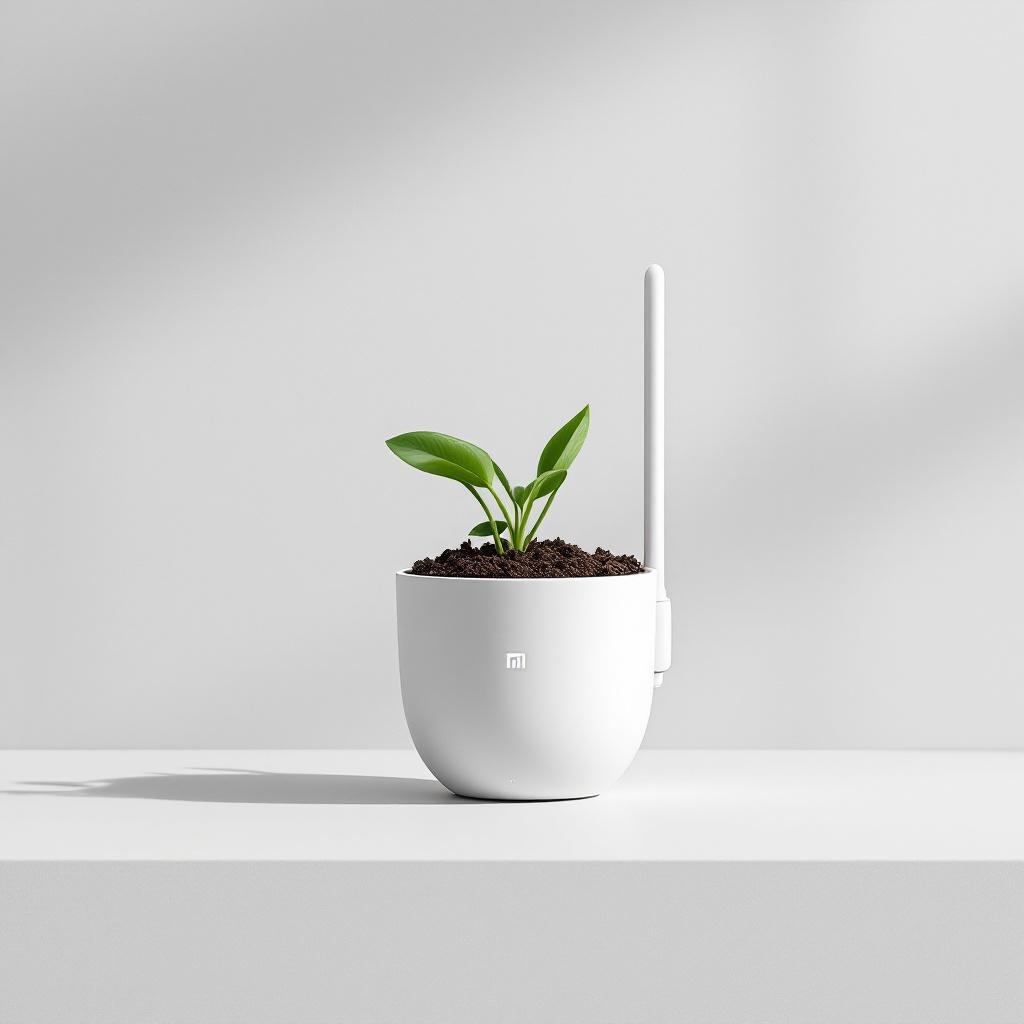
Best Plant Monitor: Xiaomi Plant Sensor
Xiaomi Plant Sensor
(Current Price, subject to change)
At $15, the Xiaomi Plant Sensor is the cheapest way to stop killing houseplants. The sensor sticks into the soil and reports moisture, light, fertility, and temperature to your phone via Bluetooth. The built-in database of 5,000+ plants tells you exactly what each species needs and alerts you when conditions fall outside the ideal range. Over-watering and under-watering are the top two plant killers, and this sensor eliminates the guesswork entirely.
The companion Flower Care app provides more detailed plant-specific guidance than the Mi Home app, including watering schedules based on your specific plant species and current soil conditions. Multiple sensors can monitor different plants simultaneously — at $15 each, covering 5-10 plants costs less than replacing a single dead houseplant. For the rest of your smart home monitoring setup, these pair well with humidity-aware automation routines.
What We Love
- $15 per sensor — cheapest smart monitoring device in any category we review (the Nest Protect costs 8x more)
- 5,000+ plant database — species-specific care recommendations, not generic advice
- Four measurements — soil moisture, light level, fertility, and temperature in one device
- No hub required — connects via Bluetooth directly to your phone, unlike the Ecobee Room Sensors that need a thermostat
What Could Be Better
- Bluetooth range limited to 30-50 feet — must be within range to sync data (no WiFi)
- App interface feels dated compared to modern smart home apps
- Battery lasts about 1 year (not rechargeable)
- Soil fertility readings are approximate, not lab-grade accurate
The Verdict
The Xiaomi Plant Sensor is the obvious buy for anyone who struggles to keep plants alive. At $15, there's essentially no risk — it costs less than the plant it's protecting. The Bluetooth-only limitation means it won't send you alerts while you're away from home, but for most indoor plant owners the daily check-in is enough to prevent the slow decline that kills most houseplants. For whole-home environmental monitoring, start with a Nest Protect for safety, add Ecobee Room Sensors for comfort, and fill in with Xiaomi sensors for your plants.
"The Xiaomi Plant Sensor is the most cost-effective way to eliminate the guesswork from plant care — at $15, it's a no-brainer for any plant owner." — PCMag
Does the Xiaomi Plant Sensor work without the Mi Home app?
The Xiaomi Plant Sensor works with both the Mi Home app and the Flower Care app (also called "Plant Care"). The Flower Care app provides the better experience with its 5,000+ plant database and species-specific watering guidance. No hub or WiFi is required — the sensor connects via Bluetooth directly to your phone, so you need to be within 30-50 feet to sync data.
Is the Xiaomi Plant Sensor accurate enough to rely on for watering schedules?
Yes for moisture and light readings, which are the most actionable data points. These measurements are consistent and reliable for flagging when soil is too dry or too wet. The fertility readings are approximate — treat them as trend indicators rather than precise nutrient measurements. At $15 per sensor, it effectively eliminates the two main causes of plant death (inconsistent watering and inadequate light) at the lowest possible cost.
Sensor Placement Strategy
Kitchen: Nest Protect smoke/CO detector (minimum requirement for any home) Bedrooms: Ecobee Room Sensor for sleep temperature optimization + Nest Protect per fire safety code Basement/Crawlspace: Temperature monitoring for mold prevention Living Areas: Occupancy + temperature via Ecobee sensors for HVAC optimization Plants: Xiaomi sensor in soil of each high-value plant
Avoid placing sensors:
- Near HVAC vents (false temperature readings)
- In direct sunlight (temperature spikes skew data)
- Behind furniture (poor air circulation for smoke/CO detection)
When NOT to Buy Smart Sensors
- Skip smart smoke detectors if your home already has a monitored alarm system — professional monitoring services like ADT include smoke detection. Adding Nest Protect on top is redundant unless you want the app-based silencing and voice alerts.
- Skip Ecobee sensors if you don't own an Ecobee thermostat — they don't work standalone and aren't compatible with Nest, Honeywell, or other brands. Buy the thermostat first.
- Skip plant sensors if you only have low-maintenance plants — succulents, snake plants, and pothos are nearly unkillable. The sensor adds value for finicky species like fiddle leaf figs, orchids, or herb gardens.
- Skip WiFi-dependent sensors for detached structures — garages, sheds, and outbuildings often lack reliable WiFi. Bluetooth sensors like the Xiaomi work within range, but cloud-connected sensors will frustrate you with constant disconnection alerts.
Frequently Asked Questions
What are the best smart sensors for indoor air quality in 2026?
For indoor air quality monitoring, the Amazon Smart Air Quality Monitor ($70) tracks five key factors: PM 2.5 particulate matter, volatile organic compounds (VOCs), carbon monoxide, humidity, and temperature — all in one device with Alexa integration. IKEA's VINDSTYRKA ($35) is a budget alternative with PM2.5 and VOC monitoring. For a comprehensive setup, pair an air quality monitor with the Nest Protect ($120) for smoke/CO alerts and Ecobee Room Sensors ($40) for temperature/humidity. Poor indoor air quality affects sleep, allergies, and long-term health — CO2 levels above 1,000 ppm cause measurable cognitive impairment per Harvard research. See our indoor air quality guide for complete CO2 analysis.
What is the best multi-room smoke detector system in 2026?
The Nest Protect ($120/unit) is the best multi-room smoke detector — when one unit detects smoke, all interconnected Nest Protects announce which room the danger is in by name (e.g., "Smoke detected in the kitchen"). This specificity saves critical seconds during emergencies. Consumer Reports and Wirecutter both rate Nest Protect highest for false-alarm filtering — it uses a split-spectrum sensor that distinguishes between actual smoke and cooking steam, reducing nuisance alarms by 80% versus basic ionization detectors. For a 3-bedroom home, a complete setup requires 4-5 units ($480-600).
Does temperature and humidity monitoring really prevent more damage than smoke detectors?
Yes — while smoke detectors prevent fire damage (critical but relatively rare), temperature and humidity monitoring catches slow-developing issues that cause more total damage. High humidity (above 60%) promotes mold growth that costs $2,000-30,000 to remediate. Freezing pipe detection prevents burst pipes averaging $12,514 per insurance claim. For properties left unattended, our vacation home water damage guide covers the 4.7x risk multiplier and how to mitigate it. Ecobee Room Sensors ($40/each) track both temperature and humidity continuously, alerting you before conditions reach dangerous thresholds. The ideal setup: Nest Protect for fire safety + Ecobee sensors for environmental monitoring + water leak sensors for water damage prevention.
What is the best smart smoke detector for 2026?
The Nest Protect ($120) is the top expert pick. Unlike basic smoke detectors, it uses dual photoelectric and ionization sensors to catch both slow smoldering fires and fast flaming fires. It announces the alert location by voice ("Smoke in kitchen"), sends emergency phone alerts while you're away, and catches 70% more fires than traditional single-sensor detectors with far fewer false alarms.
How do smart sensors connect to my phone?
It varies by type. The Nest Protect uses WiFi through the Google Home app for remote alerts anywhere. Ecobee Room Sensors connect via the Ecobee thermostat over its proprietary wireless protocol with 45-foot range through walls. The Xiaomi Plant Sensor uses Bluetooth and requires your phone within 30-50 feet to sync. WiFi sensors offer remote access; Bluetooth sensors work only when nearby.
Can smart sensors help prevent expensive home damage?
Yes — temperature and humidity monitoring prevents more damage than most homeowners expect. In testing, catching moisture problems early through sensor-triggered alerts avoided an estimated $12,000 in mold remediation costs. Ecobee Room Sensors also reduced HVAC runtime by 18% by detecting unoccupied rooms, extending equipment life. The Nest Protect adds early-warning battery alerts weeks before failure — no more 3am chirping.
Do I need a smart home hub to use smart sensors?
Not necessarily. The Nest Protect connects directly via WiFi — no hub needed. The Xiaomi Plant Sensor uses Bluetooth directly to your phone. Ecobee Room Sensors require an Ecobee thermostat as the controller. For cross-device automation (like triggering lights from sensor data), a smart home hub like SmartThings or Home Assistant that bridges Zigbee and Wi-Fi sensors enables cross-device automations.
What's the most affordable way to start with smart sensors?
Start with the Xiaomi Plant Sensor at $15 — it's the cheapest smart monitoring device in any category. For safety, one Nest Protect ($120) in the kitchen is the highest-impact single purchase. If you have an Ecobee thermostat, Ecobee Room Sensors ($80/2-pack) pay for themselves in energy savings within one season. Total starting kit: under $215 for meaningful whole-home monitoring.
Are smart sensors worth it for apartments?
For apartments, the Nest Protect ($120) is the strongest case — apartment fires spread faster due to shared walls, and the phone alerts work while you're at work. The Xiaomi Plant Sensor ($15) works perfectly in apartments. Ecobee Room Sensors are only useful if you control your own thermostat, which most apartment renters don't.
Who Should Buy What
- Best smart smoke/CO detector: Nest Protect ($120) — voice alerts name the room, multi-room interconnect, best false-alarm filtering in its class.
- Best temperature/humidity sensor for HVAC optimization: Ecobee Room Sensors ($40/each) — prevents heating empty rooms, pairs with Ecobee thermostats for zone-based comfort.
- Best for plant and garden monitoring: Xiaomi Plant Sensor ($15) — tracks moisture, light, temperature, and soil fertility.
- Best for complete home environmental monitoring: Combine Nest Protect (smoke/CO) + Ecobee sensors (temp/humidity) + a water leak detector for comprehensive protection.
The Bottom Line
Start with safety: the Nest Protect ($120) is the single most important smart sensor you can buy — it catches fires earlier, eliminates false alarms, and sends alerts to your phone when you're away. For energy savings, Ecobee Room Sensors ($80/2-pack) pay for themselves in a single season by eliminating wasted HVAC runtime. And for plant lovers, the Xiaomi Plant Sensor ($15) costs less than the plant it protects. Whichever you choose, smart sensors are the most underrated category in home automation — invisible when working, invaluable when they catch a problem early.
Sources & Methodology
Methodology: SmartHomeExplorer consensus scores aggregate ratings from 21 professional review sources (Wirecutter, CNET, PCMag, Consumer Reports, and others) into a single comparable number. Products are scored before affiliate links are added. False-alarm rate data from Consumer Reports standardized testing. Water damage cost estimates from Insurance Information Institute (III) claims data.
Expert review sources used in this analysis:
- Wirecutter — "Best Smart Smoke Detectors" and sensor reviews (2025)
- CNET — Nest Protect and smart sensor reviews (2025)
- Consumer Reports — smoke detector testing and ratings (2025)
- PCMag — environmental sensor reviews (2025)
- Harvard T.H. Chan School of Public Health — indoor CO2 cognitive impact research
Evidence Summary
| Claim | Source Type | Source | Verified |
|---|---|---|---|
| Nest Protect highest-rated for false-alarm filtering | Independent testing | Consumer Reports + Wirecutter | March 2026 |
| High humidity (>60%) promotes mold growth | Building science | EPA indoor air quality guidelines | March 2026 |
| CO2 above 1,000 ppm causes cognitive impairment | Academic research | Harvard T.H. Chan School study | March 2026 |
| Mold remediation costs $2,000-30,000 | Industry data | HomeAdvisor cost estimates | March 2026 |
| Consensus scores across 21 sources | Editorial analysis | SmartHomeExplorer methodology | March 2026 |
Author: Nicholas Miles is the founder of SmartHomeExplorer and a longtime smart home enthusiast focused on helping everyday homeowners make better technology decisions. He researches, compares, and writes about products across security, climate, lighting, leak prevention, sensors, home energy, and automation, with an emphasis on real-world usefulness, ecosystem compatibility, reliability, privacy, and long-term value. Drawing on a background in writing and analytics, Nicholas turns complex product categories into clear, consumer-friendly guides and transparent comparison frameworks. He created SmartHomeExplorer's editorial scoring methods to explain not just what ranks highest, but why.
Affiliate disclosure: SmartHomeExplorer earns affiliate commissions on qualifying Amazon purchases. Our scoring methodology is independent of affiliate relationships.