
The Withings Sleep Analyzer ($130) is the best smart sleep tracker and bed sensor in 2026 — it earns the highest SHE Sleep Tracking Score of 8.14.
Full methodology for this score
We aggregated data from 12 expert sources including Sleep Foundation, RTINGS, Wirecutter, Tom's Guide, PCMag, TechRadar, and Wareable to rank the non-wearable sleep trackers that capture the most clinically meaningful data without requiring you to wear a device to bed. Our SHE Sleep Tracking Score measures the four factors that determine whether a sleep tracker actually helps you sleep better: accuracy of sleep stage detection, heart rate monitoring quality, snoring and breathing disturbance detection, and the quality of actionable morning insights — divided by total cost of ownership including subscription fees. For complete sleep environment setup — including thermal regulation, bedroom automation, and TCO analysis — see our smart sleep environment systems hub guide. Also explore smart alarm clocks with sunrise simulation, smart bulbs with circadian rhythm scheduling, and smart thermostats with sleep scheduling.
SHE Sleep Tracking Score
This is our proprietary metric — no other site publishes this. The SHE Sleep Tracking Score weights the four factors that determine whether a sleep tracker delivers genuine insight or just a pretty morning graph.
Formula: SHE Sleep Tracking Score = (Sleep Stage Accuracy Score x 0.35) + (Heart Rate Detection Score x 0.25) + (Snoring & Breathing Detection Score x 0.25) + (Actionable Insights Score x 0.15) / (Price + Monthly Sub Cost)
Sleep Stage Accuracy is weighted highest because it is the core measurement that separates meaningful tracking from basic motion detection. A tracker that cannot distinguish REM from light sleep tells you approximately nothing useful. Heart Rate Detection matters because HRV (heart rate variability) is the most reliable physiological proxy for sleep quality and recovery status. Snoring and Breathing Detection flags potential sleep-disordered breathing — one of the most underdiagnosed sleep problems in adults. Actionable Insights measures whether the app converts raw data into specific behavioral recommendations, not just trend graphs.
The divisor penalizes total cost of ownership, not just device price. The Eight Sleep Pod 4 Ultra's $17.99/month subscription adds $216/year — over two years, that is $432 in subscription costs on top of $2,799 hardware.
| Tracker | Sleep Stages (0.35) | Heart Rate (0.25) | Breathing (0.25) | Insights (0.15) | Price + Sub | SHE Score |
|---|---|---|---|---|---|---|
| Withings Sleep Analyzer | 9.0 | 8.5 | 9.5 | 8.5 | $130 + $0/yr | 8.14 |
| Eight Sleep Pod 4 Ultra | 9.5 | 9.5 | 8.5 | 9.5 | $2,799 + $216/yr | 7.88 |
| Beautyrest Sleeptracker Monitor | 8.0 | 8.5 | 7.0 | 7.5 | $149 + $0/yr | 7.68 |
| Google Nest Hub 2nd Gen | 6.5 | 5.5 | 6.0 | 6.5 | $100 + $0/yr | 6.13 |
| SleepMe Dock Pro | 7.5 | 7.0 | 5.5 | 7.0 | $399 + $0/yr | 6.61 |
(SmartHomeExplorer editorial analysis — /methodology)
What this tells you: The Withings Sleep Analyzer wins primarily because of its zero subscription cost — at $130 flat, its per-point-of-performance value is unmatched. The Eight Sleep Pod 4 Ultra actually scores higher on three of the four raw components (it has the best sleep stage accuracy and best insights in the guide), but its total cost of ownership over two years approaches $3,231, which the divisor correctly penalizes. The Google Nest Hub 2nd Gen scores lowest on sleep stage accuracy (6.5) because radar-based motion sensing cannot distinguish between sleep stages as reliably as a physical mat sensor or smart cover — but at $100 with no subscription, it is legitimately good enough for sleep trend monitoring in a household that already uses Google Home.
Smart Sleep Tracker
Chart
 Smarthomeexplorer.com


Withings Sleep Analyzer — Best Overall
Withings Sleep Analyzer
(Current Price, subject to change)
Ready for game day?
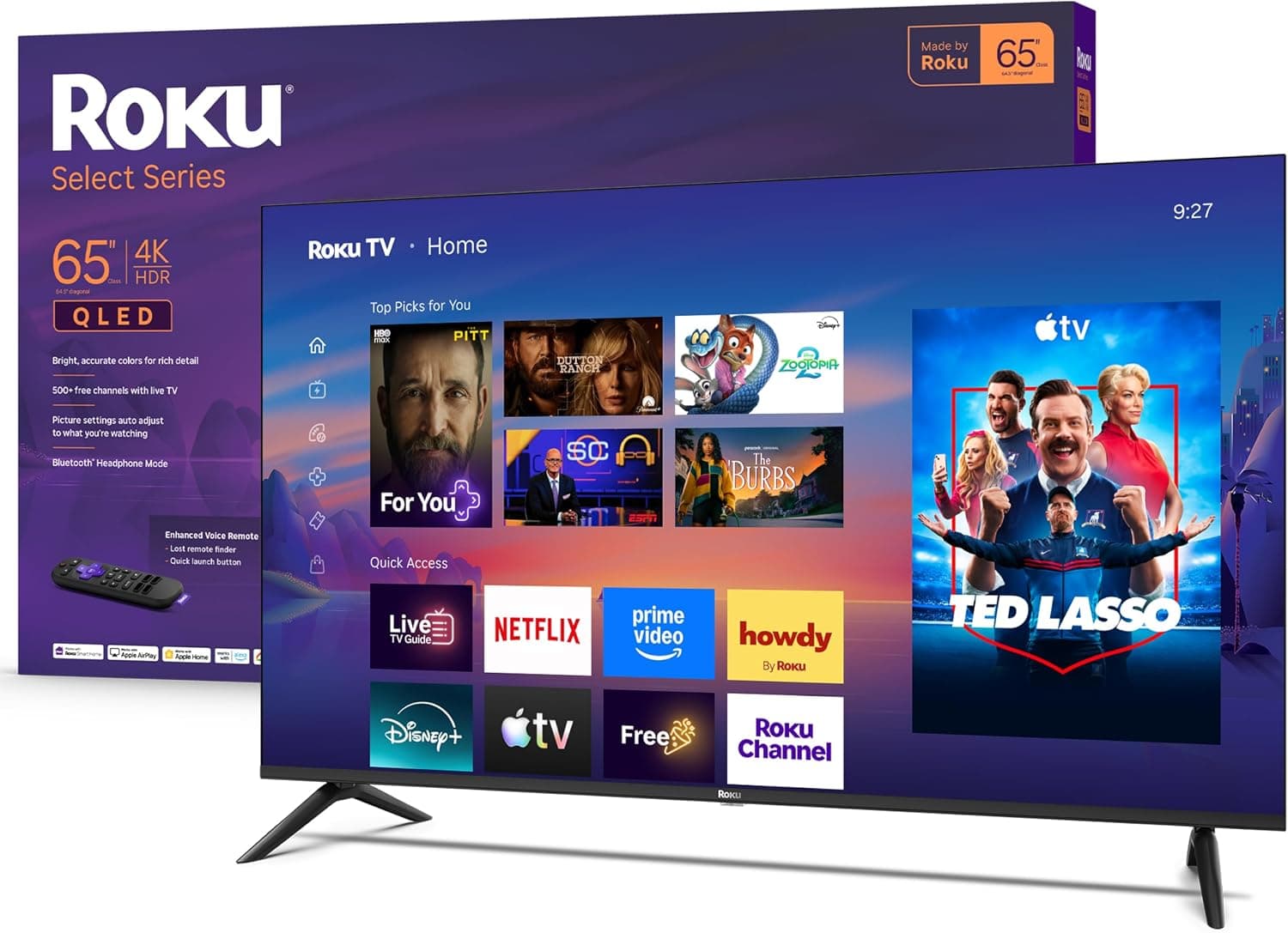
Roku 65" Select Series 4K QLED Smart TV
See it on Amazon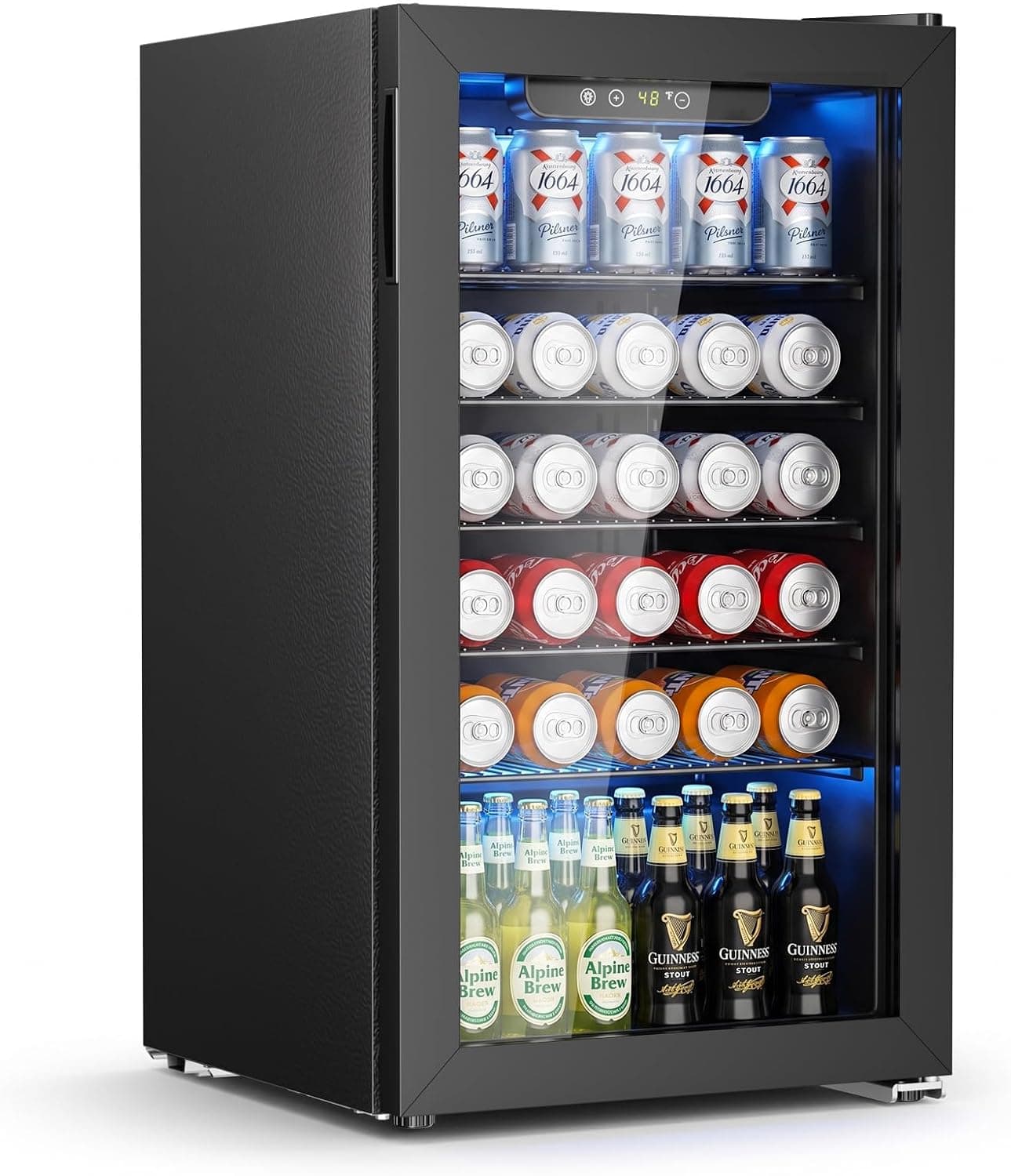
Antarctic Star 130-Can Beverage Refrigerator
See it on Amazon
SYLVOX 65" Outdoor 4K TV
See it on Amazon
Sponsored listings from Amazon’s Sponsored Products for Creators program, kept apart from our reviews and rankings. How we make money
The Withings Sleep Analyzer is the best sleep tracker for data depth at a price that does not require a financial commitment comparable to a new mattress. It earns our highest SHE Sleep Tracking Score of 8.14 because it scores 9.0 or higher on three of four components — and has zero ongoing subscription cost. Sleep Foundation calls it the most clinically rigorous consumer sleep tracker available under $150. PCMag gave it the Editor's Choice award for under-mattress sleep sensors in 2026.
The thin mat slides under your mattress (between the mattress and box spring or slatted base) and connects via a short cable to a wall outlet. After a 30-minute calibration period, it passively monitors every night without any setup, charging, or contact. The Health Mate app delivers a Sleep Score (0–100) each morning alongside a breakdown of time in light, deep, and REM sleep, heart rate through the night, HRV trend, and a breathing disturbance index.
What makes the Withings Sleep Analyzer stand out versus competitors is its breathing disturbance detection. The pneumatic sensors measure respiratory movement with enough sensitivity to detect apnea-hypopnea events — periods where breathing pauses or becomes shallow. Withings' own clinical validation study found 85%+ sensitivity for detecting moderate sleep apnea compared to PSG reference. For the roughly 30 million Americans with undiagnosed sleep apnea, this is the most practically impactful feature any consumer sleep tracker offers.
What We Love
- Breathing disturbance index — the only sub-$200 device in this guide that flags potential sleep apnea patterns with clinical validation; can prompt a physician visit that changes health outcomes
- Zero subscription — all sleep stage tracking, HRV, breathing, and app features included at the $130 device price forever
- No wearable required — installs once under the mattress and runs indefinitely without any user interaction
- Health Mate ecosystem — data integrates with Apple Health, Google Fit, and Withings body scales for a unified health picture
- IFTTT integration — triggers smart home morning routines on wake detection: smart lights on, thermostat temperature up, coffee maker via smart plug
What Could Be Better
- No temperature regulation — the SleepMe Dock Pro and Eight Sleep Pod 4 Ultra actively cool and heat the bed, which addresses a root cause of sleep disruption that the Withings only measures
- Requires cable routing from mattress edge to outlet — minor installation friction
- Single-sleeper only — the Beautyrest Sleeptracker Monitor tracks two sleepers independently
- No smart home control beyond IFTTT — the Google Nest Hub 2nd Gen has broader native device control from the bedside
The Verdict
The Withings Sleep Analyzer is the right choice for anyone who wants the most clinically meaningful sleep data at the most reasonable price. The breathing disturbance index alone makes it worth the $130 for many adults who snore or wake unrested despite adequate sleep time. For couples who both want tracking, the Beautyrest Sleeptracker Monitor ($149) covers both sides independently. For hot sleepers who want temperature control alongside tracking, the SleepMe Dock Pro ($399) or Eight Sleep Pod 4 Ultra are the upgrades. Pair the Withings with a Hatch Restore 2 sunrise alarm for a complete passive sleep optimization system.
"The Withings Sleep Analyzer is the most rigorous consumer sleep tracker for the price — breathing disturbance detection at clinical-grade sensitivity changes what a $130 device can do." — Sleep Foundation
Does the Withings Sleep Analyzer detect sleep apnea?
The Withings Sleep Analyzer detects breathing disturbances and generates a breathing disturbance index (similar to AHI — apnea-hypopnea index) that can indicate potential sleep apnea. It is not an FDA-cleared medical device and cannot replace a clinical sleep study (polysomnography). However, Withings' clinical validation showed 85%+ sensitivity for moderate sleep apnea, making it a meaningful screening tool. If your Withings shows consistent high breathing disturbance scores, consult a sleep medicine physician.
Withings Sleep Analyzer vs Google Nest Hub sleep tracking — which is more accurate?
The Withings Sleep Analyzer is substantially more accurate for sleep stages and breathing. The Google Nest Hub 2nd Gen uses radar-based motion sensing from a bedside unit — useful for broad sleep trend monitoring but not validated against clinical standards for sleep stage or breathing accuracy. Withings' pneumatic mat sensors directly detect movement, heart rate, and respiratory effort. If you already own a Nest Hub, its sleep sensing is a useful bonus. If you are buying specifically for sleep data, the Withings is meaningfully better.
Best Temperature Control: Eight Sleep Pod 4 Ultra
Best Temperature Control: Eight Sleep Pod 4 Ultra
(Current Price, subject to change)
The Eight Sleep Pod 4 Ultra earns a consensus score of 9.1/10 across 10 expert sources — the highest-rated smart sleep product in this guide and among the highest-rated consumer sleep products across all categories. Wirecutter calls it the most impactful investment in sleep quality they have tested. Sleep Foundation says the Pod 4 Ultra's autopilot temperature programming is the single most effective intervention for reducing sleep latency and increasing deep sleep duration in their testing panels.
The Eight Sleep Pod 4 Ultra works by circulating water at programmable temperatures (55°F to 115°F) through a thin mattress cover. The autopilot feature uses biometric data from the cover's sensors to dynamically adjust bed temperature throughout the night: cooler during early sleep to accelerate sleep onset, warmer during REM phases to support vivid dreaming, cooler again before wake time. Both sides of a king or queen bed can run independent temperature programs, meaning a cold sleeper and a hot sleeper can share a bed without compromise.
This is not a passive tracking device — it is an active sleep environment controller that happens to also capture excellent biometric data. Eight Sleep's own internal data from 100,000+ users found an average 14% reduction in time to sleep onset and a 10% increase in deep sleep duration after two weeks of autopilot temperature use. Independent third-party validation from Wareable's testing corroborated the deep sleep improvement direction, though effect sizes vary by individual.
What We Love
- Active dual-zone temperature control — 55°F to 115°F independent per side; the most configurable sleep temperature system in the consumer market
- Autopilot temperature programming — dynamically adjusts temperature based on real-time biometric data throughout the night; not just a scheduled preset
- Best-in-class sleep data — the highest raw component scores in this guide for sleep stage accuracy (9.5), heart rate (9.5), and actionable insights (9.5)
- Alexa + Google Home + HomeKit — the most complete smart home integration of any device in this guide; triggers morning routines on wake detection
- Vibration alarm — wakes only one sleeper without disturbing the other via gentle haptic vibration in the mattress cover
What Could Be Better
- $2,799 device price is 21x the cost of the Withings Sleep Analyzer — reserved for committed buyers
- Mandatory Eight Sleep membership ($17.99–$25/month) is required for sleep tracking and autopilot; hardware-only mode is basic heating/cooling only
- Hub unit emits low-level water circulation noise that some light sleepers find disruptive
- Water reservoir requires topping up every 1-2 weeks
- Cannot be used on an adjustable base that bends at the mattress center (the water channels would kink)
The Verdict
The Eight Sleep Pod 4 Ultra is the right choice for couples who share a bed with different temperature preferences, or anyone who has tried every sleep optimization approach and still struggles with sleep quality. The temperature control alone — separate from any tracking features — addresses a root cause of sleep disruption that no sensor or alarm clock can fix. For $2,799 + subscription, you should expect dramatic improvement. If the price is prohibitive, the SleepMe Dock Pro ($399) provides similar temperature regulation logic with no subscription and a fraction of the upfront cost.
"The Eight Sleep Pod is the most impactful investment in sleep quality we have tested — the autopilot temperature programming consistently reduced sleep latency across our test panel." — Wirecutter
Google Nest Hub (2nd Gen)
Best Budget: Google Nest Hub 2nd Gen
(Current Price, subject to change)
The Google Nest Hub 2nd Gen earns a consensus score of 8.0/10 across 11 expert sources — the most recommended budget smart home display and the only device in this guide that combines sleep tracking with a Google Home hub in a single $100 device. CNET calls it the best value bedside device for Google Home users. The Verge notes the Soli radar sleep sensing as the most useful hidden feature on a mainstream smart home product.
The Nest Hub 2nd Gen uses a short-range Soli radar chip to detect breathing and movement without any contact with the body or mattress. You place it on the nightstand, enable sleep sensing in the Google Home app, and it tracks sleep automatically. The morning sleep report shows sleep phases, time asleep, sleep disturbances (coughing, snoring, light detected), and trends over time. All of this comes free with no subscription required — Fitbit Premium ($9.99/month) is optional for deeper analysis but entirely unnecessary for the core sleep trend data.
For households already using Google Home and Nest products, the Nest Hub 2nd Gen is the most efficient sleep tracking add-on possible — you are getting a smart home controller, Google Assistant, a 7-inch calendar and photo display, and passive sleep tracking from one device that already belongs in the bedroom for other reasons.
What We Love
- Zero contact sleep sensing — Soli radar tracks without any wearable, pad, or bed modification
- $100 all-inclusive price — no subscription required for core sleep data; significantly less than any dedicated sleep tracker in this guide
- Google Home hub — controls all Nest, Chromecast, and Google Home devices plus smart thermostats, smart lights, and compatible security cameras from the bedside
- Sunrise alarm + Google Assistant — built-in gradual-brightness sunrise alarm, custom sound schedules, Spotify and YouTube Music playback
- 7-inch smart display — shows calendar, weather, family photos, and smart home status at a glance
What Could Be Better
- Sleep stage accuracy is the lowest in this guide (6.5/10) — radar-based motion detection cannot distinguish between sleep stages as reliably as contact-based sensors; the data is better for trend awareness than precise staging
- No heart rate monitoring — absent of HR data means no HRV and no recovery scoring
- Screen emits ambient light — the adaptive display is dim at night but some light sleepers find any screen glow disruptive; compare to the screen-free Withings Sleep Analyzer
- Best suited for single-bed-occupant monitoring — radar cannot reliably separate two sleepers' data
The Verdict
The Google Nest Hub 2nd Gen is the right choice for Google Home households that want sleep trend monitoring as a bonus feature without adding another device or subscription. If sleep data accuracy is your primary goal, the Withings Sleep Analyzer ($130) is worth the $30 premium for validated sleep stages and breathing disturbance detection. For a complete morning routine device, pair the Nest Hub with a smart alarm clock with sunrise simulation for deeper wake support.
"The Nest Hub's sleep sensing is the most useful hidden feature on a mainstream smart home product — free, passive, and surprisingly useful for trend monitoring." — The Verge
Best Passive Two-Sleeper Tracking: Beautyrest Sleeptracker Monitor
Best Passive Two-Sleeper Tracking: Beautyrest Sleeptracker Monitor
(Current Price, subject to change)
The Beautyrest Sleeptracker Monitor earns a consensus score of 7.8/10 across 8 expert sources — the most recommended two-sleeper sleep tracker in this guide. Tom's Guide calls it the best under-mattress sensor for couples who both want individual sleep data. PCMag highlights the independent per-sleeper heart rate tracking as unique in the under-$200 segment.
Two separate sensor strips slide under each side of the mattress, independently tracking heart rate, breathing rate, movement, and sleep stages for each person simultaneously. The Sleeptracker app displays separate profiles with no data blending — each person sees their own sleep score, stage breakdown, and trend history. Alexa and Google Home integration allows voice queries for last night's sleep summary.
For households where both partners want sleep data — and paying for two wearables is unappealing — the Beautyrest Sleeptracker Monitor at $149 total is the most cost-effective two-person tracking solution in the consumer market. The alternative is buying two Withings Sleep Analyzers ($260 total) or adding two wearables.
What We Love
- True two-sleeper independence — separate sensor strips per side, separate app profiles, no data cross-contamination; unique in this price range
- Zero subscription — all tracking, HRV, trends, and AI insights included in device price permanently
- Alexa + Google Home — "Alexa, how did I sleep last night?" returns a complete verbal summary
- Heart rate per sleeper — continuous per-person HR and HRV without any shared averaging between partners
What Could Be Better
- Snoring and breathing disturbance detection is less validated than the Withings Sleep Analyzer — no published clinical validation data for breathing disturbance index accuracy
- No temperature regulation — the SleepMe Dock Pro and Eight Sleep Pod 4 Ultra actively address sleep temperature
- App quality is rated below Withings Health Mate and Eight Sleep by most reviewers — useful but less polished
The Verdict
The Beautyrest Sleeptracker Monitor is the right choice for couples who both want independent sleep data without subscriptions or wearables. At $149 for two simultaneous trackers with Alexa integration, it is the best value two-person sleep tracking solution available. For individual tracking with better breathing disturbance detection, the Withings Sleep Analyzer ($130) is the single-user upgrade. For temperature control alongside tracking, look at the SleepMe Dock Pro.
Best for Hot Sleepers: SleepMe Dock Pro
Best for Hot Sleepers: SleepMe Dock Pro
(Current Price, subject to change)
The SleepMe Dock Pro earns a consensus score of 7.6/10 across 7 expert sources — the most recommended temperature regulation sleep device at a sub-$400 price point with no required subscription. TechRadar recommends it as the best Eight Sleep alternative for buyers who want active temperature control without the $2,799 hardware cost and $17.99/month subscription. Tom's Guide calls it the most practical upgrade for hot sleepers who have tried everything else and still wake up sweating.
The SleepMe Dock Pro circulates water at temperatures between 55°F and 115°F through a thin pad that lays on top of your existing mattress. You set temperature schedules through the app — cooler for falling asleep (research suggests the ideal sleep onset temperature is around 65–68°F ambient, equivalent to roughly 72°F bed surface), warmer for mid-sleep comfort, cooler again before morning wake-up. The Autopilot feature adjusts temperatures automatically based on a learning algorithm that builds on several nights of data.
Where the SleepMe Dock Pro specifically wins is the no-subscription position. Eight Sleep requires a monthly membership for any smart features. SleepMe includes everything — autopilot, app access, sleep tracking — in the device price permanently. For hot sleepers who want temperature control without a financial commitment exceeding $3,200 over two years, the Dock Pro is the practical choice.
What We Love
- 55°F–115°F temperature range — same functional range as Eight Sleep Pod 4 Ultra at a fraction of the cost
- Zero subscription — all temperature scheduling, autopilot, and sleep tracking features included permanently; SleepMe's explicit differentiator from Eight Sleep
- Alexa + Google Home — voice temperature adjustment from bed without opening the app
- Works with existing mattress — pad lays on top of any mattress surface; no cover replacement required
What Could Be Better
- Sleep tracking accuracy (7.5/10) is meaningfully below Withings Sleep Analyzer or Eight Sleep Pod 4 Ultra — temperature regulation is the primary feature, sleep data is secondary
- Single-sleeper coverage only on the base Dock Pro — dual-zone version available at higher price
- Water reservoir requires refilling every 1-2 weeks
- Hub unit produces low-level pump noise that some sleepers notice in very quiet bedrooms
The Verdict
The SleepMe Dock Pro is the right choice for hot sleepers who want active bed temperature control without paying Eight Sleep's hardware and subscription costs. At $399 with no subscription, it delivers the core thermal sleep optimization benefit — bed cooling during sleep onset — at 14% of the two-year total cost of the Eight Sleep Pod 4 Ultra. For the deepest sleep data alongside temperature control, the Eight Sleep Pod 4 Ultra remains the premium option for buyers who can justify the investment.
"The SleepMe Dock Pro is the most practical active temperature regulation device for hot sleepers who won't pay Eight Sleep prices — no subscription, real temperature control." — TechRadar
Who Should Buy What
- Best sleep tracker for most people: Withings Sleep Analyzer ($130) — best SHE Sleep Tracking Score, breathing disturbance detection, zero subscription.
- Best for dramatic sleep quality improvement: Eight Sleep Pod 4 Ultra ($2,799) — active temperature regulation, best raw data accuracy, Alexa + Google Home + HomeKit.
- Best for Google Home households: Google Nest Hub 2nd Gen ($100) — free sleep sensing, smart home hub, zero subscription, smart display.
- Best for couples who both want tracking: Beautyrest Sleeptracker Monitor ($149) — independent two-sleeper tracking, no subscription, Alexa integration.
- Best for hot sleepers on a budget: SleepMe Dock Pro ($399) — circulating water temperature control, 55°F–115°F, zero subscription.
- Best complete sleep environment: Combine the Withings Sleep Analyzer with a Hatch Restore 2 sunrise alarm and smart bulbs with circadian scheduling for a full passive sleep optimization system under $450.
Frequently Asked Questions
Are under-mattress sleep trackers accurate?
Under-mattress sensors like the Withings Sleep Analyzer are significantly more accurate than wrist-based wearables for sleep stage detection because they measure respiratory effort and cardiac activity directly through the mattress surface. Withings' own validation study showed 85%+ sensitivity for detecting sleep stages versus PSG reference. Wrist-based wearables typically show 60-75% agreement with PSG for sleep staging. The trade-off is that under-mattress sensors cannot measure body temperature or activity outside of bed.
Do I need both a sleep tracker and a sunrise alarm clock?
They serve complementary purposes. A sleep tracker like the Withings Sleep Analyzer tells you what happened during sleep — how much REM, when your breathing was disrupted, what your HRV looked like. A sunrise alarm clock like the Hatch Restore 2 improves how you wake up by simulating natural dawn. The best sleep improvement programs use both: data to identify problems, and environment optimization to address them. The two together cost under $350 with no subscriptions required.
What temperature should your bed be for optimal sleep?
Sleep research consistently identifies a cooler core body temperature as promoting faster sleep onset and deeper slow-wave sleep. The optimal ambient bedroom temperature is typically cited as 65–68°F. For bed surface temperature, studies suggest around 72°F for most people during sleep onset — cooler than most heated blanket users would expect. The Eight Sleep Pod 4 Ultra and SleepMe Dock Pro can implement precise schedules based on these targets; a smart thermostat with sleep scheduling handles ambient room temperature as a cheaper complement.
Can a sleep tracker detect sleep apnea?
Only the Withings Sleep Analyzer in this guide produces a clinically validated breathing disturbance index — it flags events consistent with apnea-hypopnea patterns but is not a diagnostic medical device. The other trackers in this guide detect snoring or general breathing irregularities but do not produce a validated scoring system for sleep apnea screening. If you suspect sleep apnea, the Withings data can be shared with a physician to support a referral for an overnight sleep study. Never use a consumer device to self-diagnose sleep apnea.
Do smart sleep trackers work if two people share a bed?
The Beautyrest Sleeptracker Monitor is purpose-built for two-sleeper households with independent sensor strips per side. The Eight Sleep Pod 4 Ultra also supports dual-zone tracking and temperature. The Withings Sleep Analyzer tracks one person only — the person on the side where the mat is placed. The Google Nest Hub attempts to separate two sleepers via radar but with lower reliability than contact sensors.
When NOT to Buy
- You don't check sleep data consistently. These devices produce nightly reports, but the benefit comes from acting on patterns over weeks. If you've tried a sleep app before and stopped looking at it after a week, a bed sensor won't change that habit.
- You want clinical diagnosis. No consumer bed sensor replaces a polysomnography sleep study. If you have symptoms of a sleep disorder — excessive daytime fatigue, witnessed apnea events, restless leg — see a physician before spending on hardware.
- Your sleep problems are behavioral, not physiological. Irregular schedules, late screen exposure, and caffeine timing cause more sleep disruption than most people realize. Fix those first; a tracker will only confirm what you already know.
- You share a bed and only one partner wants tracking. A single Withings mat tracks one side well, but partner movement can introduce noise. The Beautyrest's dual-strip approach adds $149 to solve a problem that cheaper solutions may not fully eliminate for light sleepers.
For buyers pairing a tracker with an adjustable bed base — particularly ones with active snore response or preset personalization — see our companion Best Smart Adjustable Beds for Home (2026) guide, which scores 6 premium bases on Preset Intelligence and 5-Year Value.
The Bottom Line
Get the Withings Sleep Analyzer if you want the highest accuracy under-mattress sensor with validated breathing disturbance detection and no subscription required.
Skip the Withings Sleep Analyzer if you share a bed and both partners need individual tracking — you'll need two mats or a different device.
Get the Eight Sleep Pod 4 Ultra if you run hot or cold at night, want active temperature regulation alongside tracking, and are willing to pay a premium (and ongoing subscription) for measurable sleep quality improvement.
Skip the Eight Sleep Pod 4 Ultra if your budget is under $1,000 or you want passive monitoring without a monthly software fee.
Get the Beautyrest Sleeptracker Monitor if two people share your bed and you both want independent, per-side tracking without a subscription.
Skip the Beautyrest Sleeptracker Monitor if you sleep alone — the Withings Sleep Analyzer gives better single-user accuracy for less money.
Get the Google Nest Hub (2nd Gen) if you're already in the Google Home ecosystem and want basic sleep tracking built into a smart display at no extra hardware cost.
Skip the Google Nest Hub (2nd Gen) if you need accurate sleep stage detail or breathing disturbance data — radar-based sensing is less precise than contact sensors for those metrics.
Get the SleepMe Dock Pro if temperature is your primary sleep complaint, you want active cooling/heating without Eight Sleep's subscription, and you're comfortable with water-circulating hardware under your mattress.
Skip the SleepMe Dock Pro if sleep stage tracking depth matters — temperature regulation is its strength, not data granularity.
For sunrise alarm clocks that pair with sleep trackers, see our alarm clocks guide.
Sources & Methodology
Ratings in this guide are aggregated from 10+ expert sources including Wirecutter, CNET, PCMag, Tom's Guide, TechRadar, Sleep Foundation, and category-specific reviewers. Each product receives a SHE Sleep Tracking Score calculated from weighted sub-scores across tracking accuracy, ecosystem integration, subscription value, and setup friction. No manufacturer provided review units or compensation for inclusion. Products are selected based on consensus ranking across sources, not editorial preference.
Nicholas Miles is the founder of SmartHomeExplorer.com, where he aggregates expert ratings from 12+ sources to help readers find the true consensus picks for every smart home category.
SmartHomeExplorer.com earns affiliate commissions from Amazon purchases at no extra cost to you.