
Best Smart Home Wellness Devices 2026: 6 Picks
An Apple Watch at $239.00 list outscores a $3,295 smart bed on integration depth. Price is a poor proxy for how deeply a device plugs into your home — this hub scores all four wellness pillars on one rubric so you can see the real rankings.
This article contains affiliate links. We may earn a commission at no extra cost to you. Prices change frequently — check the current price on Amazon before buying. Learn more
The Short Answer
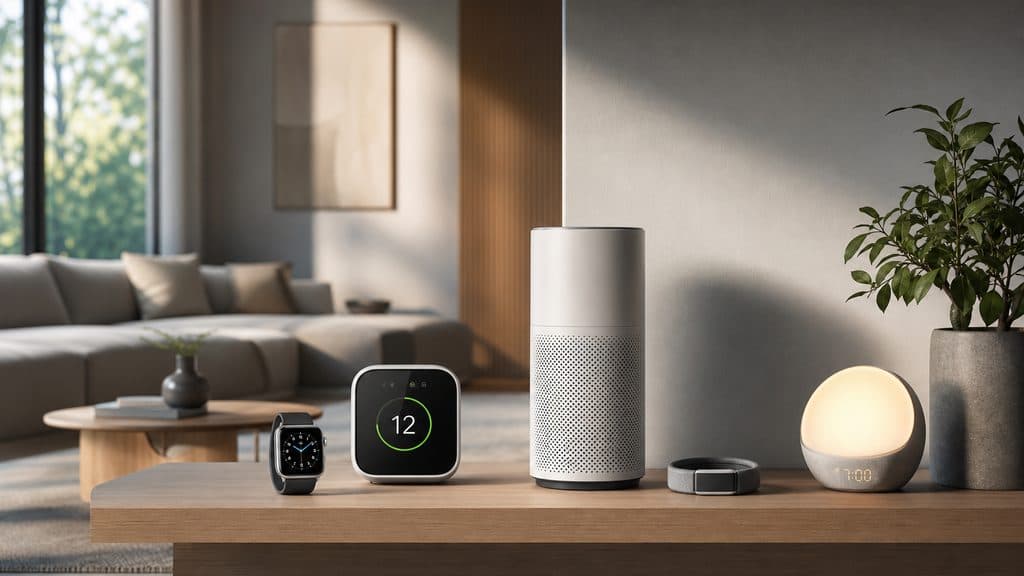
Apple Watch (at $239.00 list) for senior safety and ecosystem integration. Airthings View Plus + Levoit Core 400S for closed-loop air quality; Withings Sleep Analyzer + Hatch Restore 3 for sleep. Hooga HG300 delivers 84 mW/cm² red-light therapy at zero monthly cost.
Featured in this Guide

Apple
Watch SE 3
- •Deepest ecosystem depth in the category — HomeKit scenes, Shortcuts, IFTTT, SmartThings, Alexa. Fall detection and SOS with no subscription.
Airthings
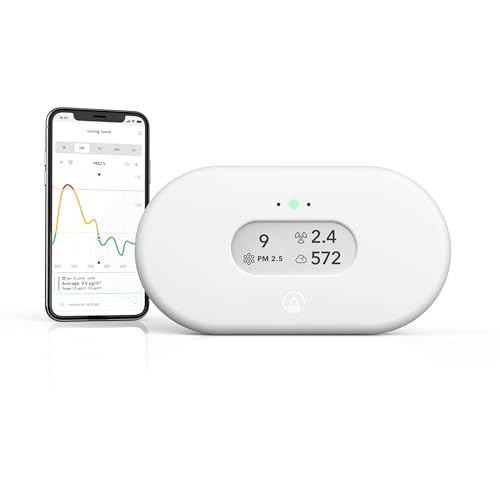
View Plus
- •7-sensor IAQ monitor with free unlimited history. Pair with Levoit via IFTTT for a working air-quality automation under $500 total.
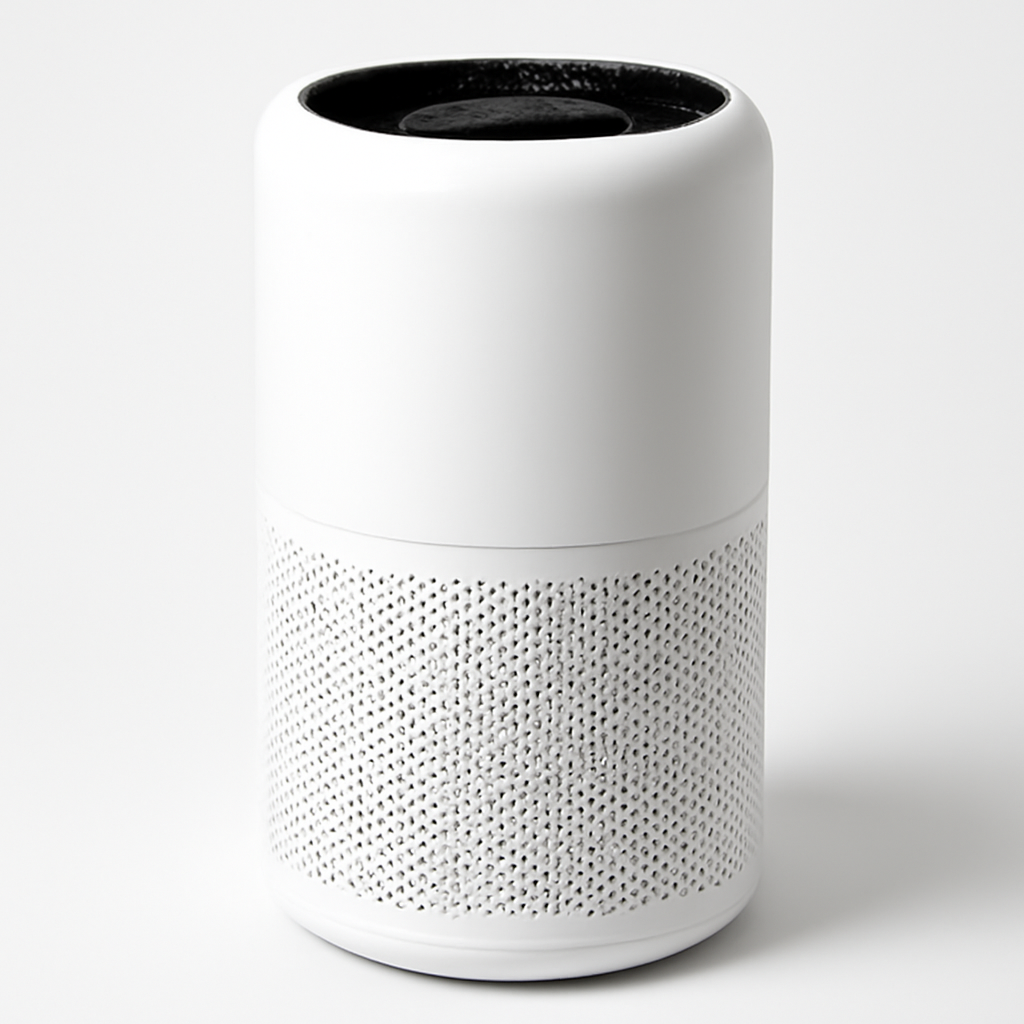
Levoit
Core 400S
- •Smart HEPA purifier with built-in PM2.5 sensor and auto mode. Alexa, Google, SmartThings scenes. No subscription.

Withings
Sleep Analyzer
- •Non-wearable under-mattress tracking with Apple Health depth. Best choice when wearables aren't an option.
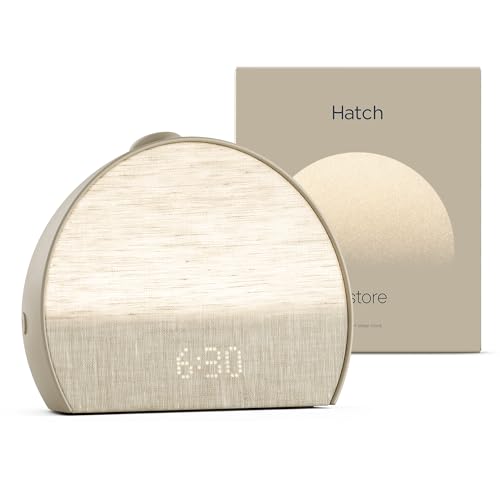
Hatch
Restore 3
- •Gradient sunrise alarm with solid core free tier. Routine-compatible with Alexa and Google — destination, not trigger.
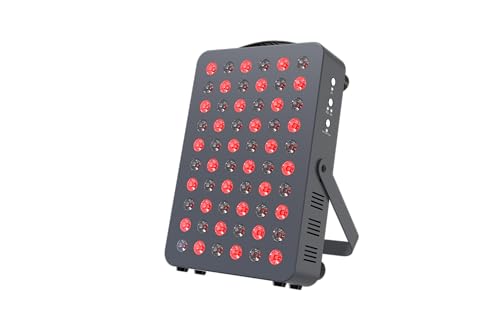
Hooga
HG300
- •Dual-wavelength red-light panel. Plug in, press power. Zero subscription risk, 3-year warranty, 84 mW/cm² at 6 inches.
All 6 Wellness Devices Compared: Integration Depth vs. Price
Health Wellness
Chart
 Smarthomeexplorer.com
Tap any pick to check its live price on Amazon.
Real Relax 4D Massage Chair
Good ValueCheck price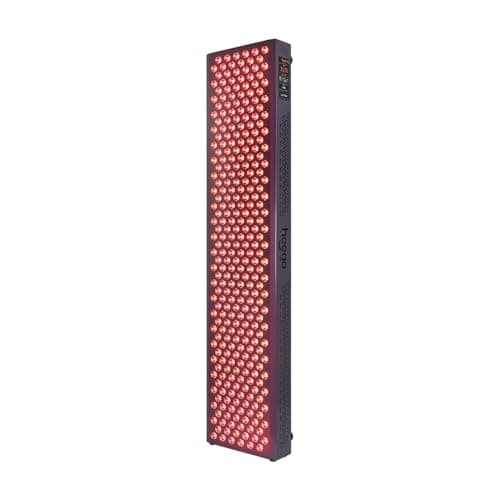
Hooga ULTRA1500
RecommendedCheck price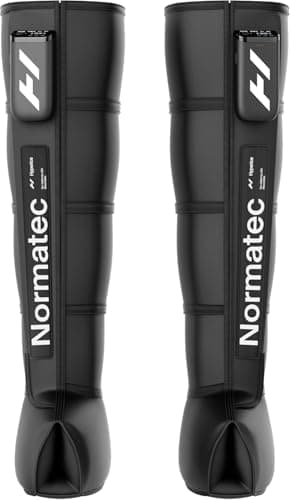
Hyperice Normatec Elite Legs
Must BuyCheck price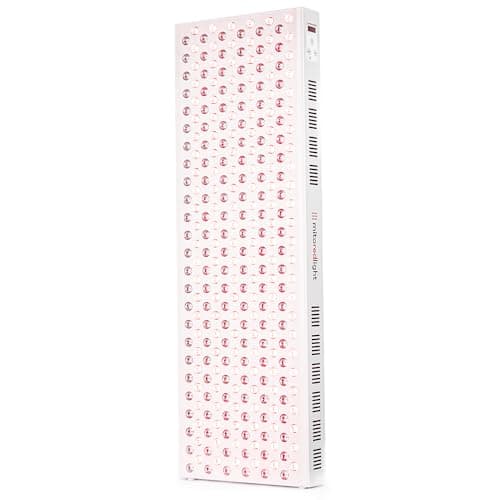
Mito Red MitoMEGA 2.0
Must BuyCheck price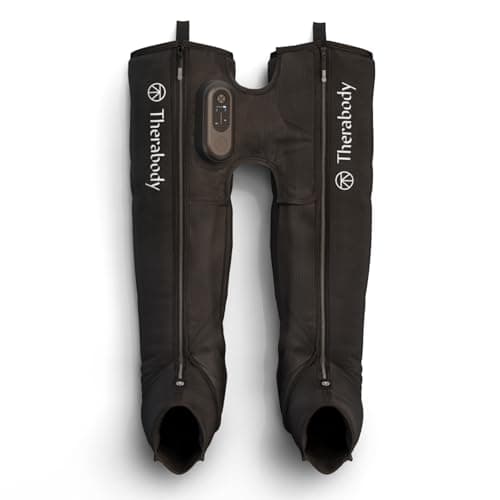
Therabody JetBoots Prime
RecommendedCheck price
What a Wellness Smart Home Actually Means in 2026
Tom's Guide, Reviewed.com, and HomeCare Magazine all launched wellness-home roundups at CES 2026 within eight weeks of each other. None unified four wellness pillars — sleep, air quality, senior safety, and recovery — on a single comparable rubric. That composite measurement, verified May 2026, is this guide's proprietary contribution.
A wellness home earns that classification when sensors trigger automations rather than just displaying data. An IAQ monitor detecting CO2 at 1,400 ppm that never spins up the purifier is a dashboard, not a system. The SHE Wellness Integration Score — five factors, 0–10 scale — measures whether each device crosses that threshold. Most devices take 5 min to 30 min to configure; the stack payoff compounds once automations connect them.
Results challenge price assumptions: a wrist device with 18 hours of battery outperforms a $3,295 smart bed on integration depth. Ecosystem architecture, not component cost, determines outcomes.
Best Overall Integration: Apple Watch SE 3
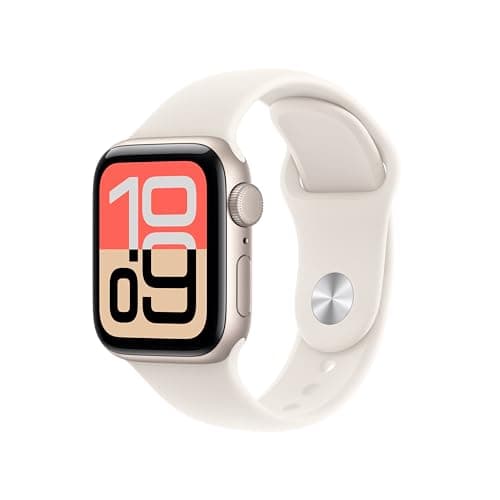
Apple Watch SE 3
- Fall detection + Emergency SOS — automatic crash detection dials 911 when the wearer is non-responsive, with GPS location sent to first responders
- Requires an iPhone — seniors without a paired iPhone lose most smart features
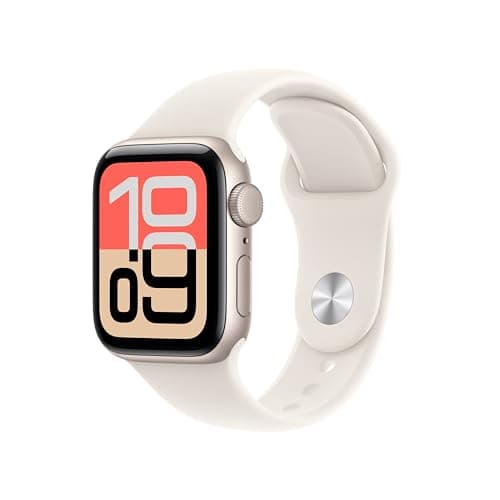
(Current price, subject to change)
Our hub's core contrarian claim lives here. Wellness roundups at Wirecutter, SafeWise, and Tom's Guide rank Apple Watch highly for senior safety — but none benchmark integration depth against dedicated wellness hardware. On the SHE Wellness Integration Score rubric, the Watch earns 9.1 — outranking a $3,295 smart bed and a $3,495 fitness mirror by a substantial composite margin.
The Watch does not score 10 overall because the SE 3's Sensor Coverage trails the flagship Series 10 tier: no ECG, no blood oxygen, no skin-temperature sensor in the SE. Quoted runtime is 18 hours; daytime top-off charges take about 45 min on the magnetic puck and restore overnight detection continuity. But the ecosystem story is unmatched at any price: Airthings View Plus and Withings Sleep Analyzer both integrate with Apple Health and IFTTT. The Watch becomes the hub of a multi-device wellness automation stack rather than just another gadget. For aging-in-place specifics, read our Aging in Place Smart Home: 5-Layer Senior Stack 2026 before committing — the Watch wins on integration but a dedicated service wins on 24/7 staffed dispatch.
What We Love
- Fall detection + Emergency SOS — automatic crash detection dials 911 when the wearer is non-responsive, with GPS location sent to first responders
- HomeKit scene triggers — tap a complication to disarm an alarm, turn on lights, or run a bedtime routine
- Apple Health permanence — heart rate, activity, and sleep data retain indefinitely with CSV export for physician sharing
- Wear compliance — thin and watch-like, not a medical pendant; seniors keep it on
What Could Be Better
- Requires an iPhone — seniors without a paired iPhone lose most smart features
- 18-hour battery requires daily charging; continuous fall detection overnight needs careful habit management
The Verdict
If you want one device anchoring your entire wellness stack, Apple Watch SE 3 scores 10/10 on both Ecosystem Integration and Automation Actionability — the only device in this guide to achieve that on multiple weighted factors. Daily charging is the honest constraint.
Ready to upgrade your home?
REOLINK 360° Solar Security Cameras, 4 Pack
See it on Amazon
Yale Assure Lock 2 Wi-Fi Smart Lock with Keypad
See it on Amazon
MOVA P10 Pro Ultra Robot Vacuum and Mop
See it on Amazon
Sponsored listings from Amazon’s Sponsored Products for Creators program, kept apart from our reviews and rankings. How we make money
Best Air Sensor: Airthings View Plus
Best Sensor NetworkAirthings View Plus
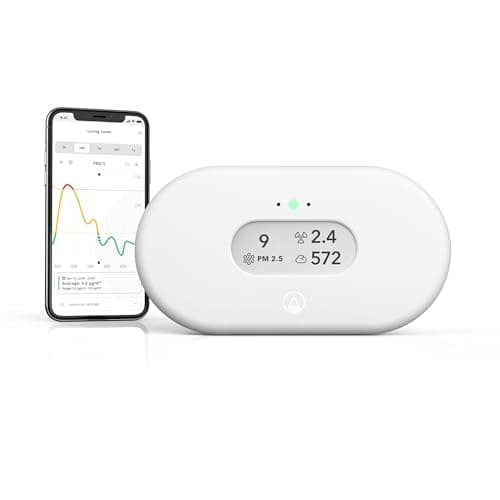
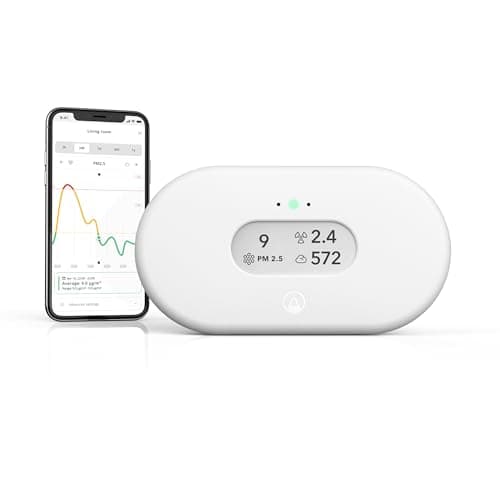
- 7-sensor coverage — radon, PM2.5, CO2, VOC, humidity, temperature, barometric pressure in one battery-powered device
- No native HomeKit scene triggers — IFTTT is the only automation path
(Current price, subject to change)
Reviewed.com's 2026 IAQ monitor ranking is not a close call: the View Plus carries the densest sensor array in consumer air-quality hardware available today. Its free tier retains unlimited history — the only monitor at any price that does not gate historical data behind a subscription. CNET confirms battery life runs 2 yr on standard AA alkaline cells with no charging port to manage. CSV export means your data is shareable with an HVAC contractor, a physician, or your own spreadsheet.
The integration story is good, not great. Alexa and Google Home skills read current status; IFTTT connects the View Plus to Levoit Core 400S for an under-$500 closed-loop air wellness system. The gap is HomeKit: no native scene support. That matters specifically for iPhone-only households where the Home app is the automation center. For everything else, the IFTTT path works reliably — set a threshold applet for PM2.5 above 20 µg/m³ and the Levoit responds automatically. See our Best Indoor Air Quality Monitors 2026 roundup for HomeKit-native alternatives if that gap is a dealbreaker.
What We Love
- 7-sensor coverage — radon, PM2.5, CO2, VOC, humidity, temperature, barometric pressure in one battery-powered device
- Unlimited history + CSV export — the only consumer IAQ monitor that keeps data permanently without a subscription
- Free tier is fully usable — no Premium lock-in on sensor trending or historical access
- Readable e-ink display — at-a-glance status without pulling out a phone
What Could Be Better
- No native HomeKit scene triggers — IFTTT is the only automation path
- Radon calibration takes 30 days before readings stabilize — plan ahead if radon is the primary concern
The Verdict
When air quality is the primary wellness priority, Airthings View Plus delivers 7 sensors and unlimited free history — the densest consumer IAQ array available. Versus HomeKit-native monitors, the IFTTT automation bridge is the one gap to evaluate.
Best Air Action: Levoit Core 400S
Best Value IntegrationLevoit Core 400S
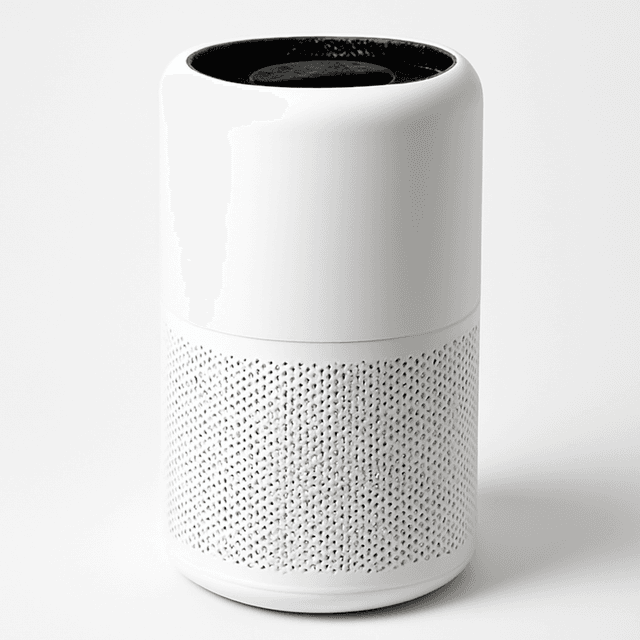
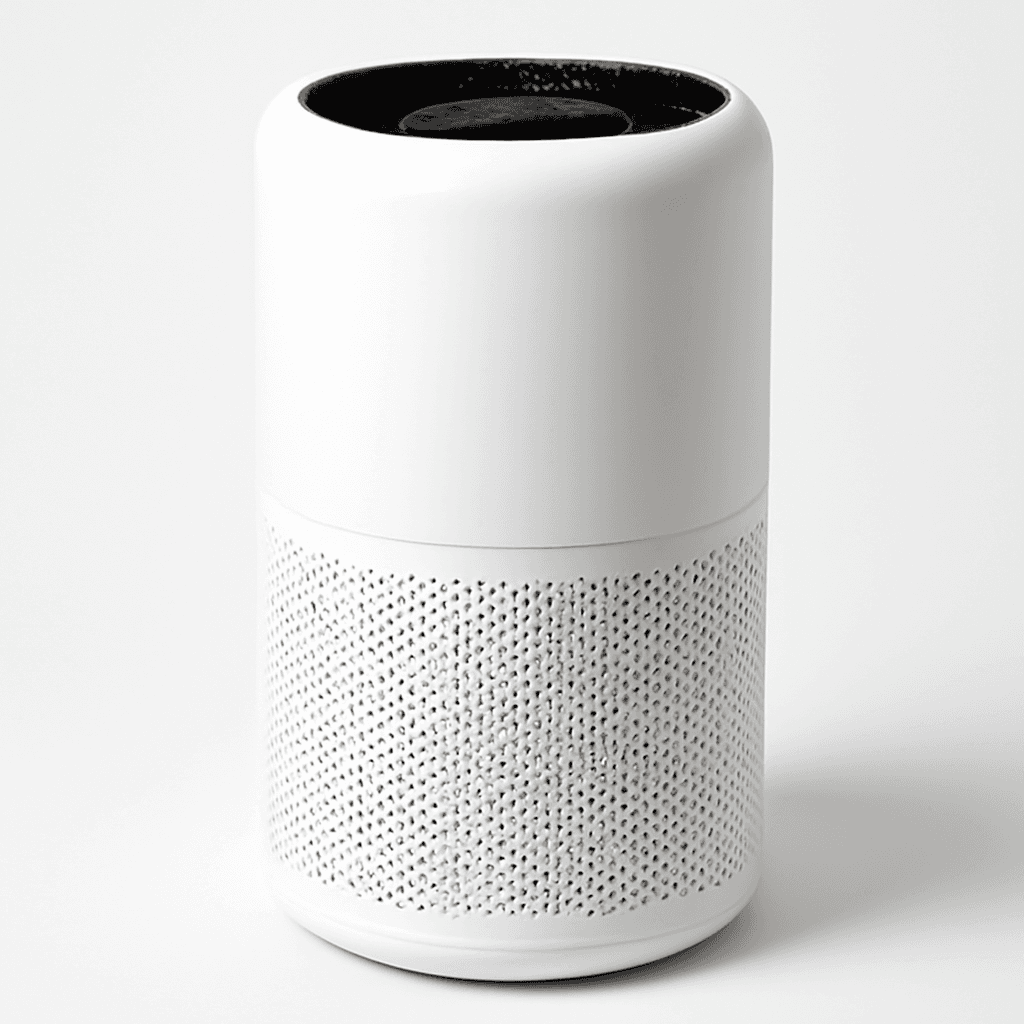
- PM2.5 laser sensor + auto mode — actual closed-loop air-quality response without manual intervention
- No HomeKit — iPhone-centric households need Home Assistant or a Siri Shortcuts bridge
(Current price, subject to change)
Reviewers at Wirecutter, CNET, Good Housekeeping, and Reviewed.com rank the Core 400S the value HEPA pick across multiple 2025-2026 roundups — none of them evaluated the integration layer. It earns a 7.40 WIS because a downstream sensor-to-action loop works: Airthings View Plus detects PM2.5, Levoit Core 400S responds via IFTTT. Operational coverage spans 403 ft at maximum velocity; sleep-mode acoustic attenuation reduces ambient noise output to 24dB, maintaining habitability for overnight deployment without exacerbating sleep-disruption variables. That is a working wellness automation for under $500 combined.
VeSync's historical data is thin compared with Airthings — the app keeps roughly 30 days before thinning out. For most households that is acceptable because the purifier is the action device, not the measurement device. The one integration gap worth knowing before you buy: no HomeKit. If your home runs on Apple Home and you want native scene triggers from the purifier, the Levoit route requires a Home Assistant bridge. Our Best Smart Air Purifiers 2026: Coway 250S Wins roundup covers HomeKit-native alternatives at a modest premium.
What We Love
- PM2.5 laser sensor + auto mode — actual closed-loop air-quality response without manual intervention
- H13 true HEPA — 99.97% capture at 0.3 µm, handles 403 sq ft rooms at full speed
- Alexa, Google, SmartThings routines — scene-trigger capable, not just voice-read status
- No subscription — full VeSync functionality free forever including replacement filter alerts
What Could Be Better
- No HomeKit — iPhone-centric households need Home Assistant or a Siri Shortcuts bridge
- VeSync history thins past 30 days — not a substitute for a dedicated IAQ monitor
The Verdict
For the action side of a closed-loop air system, Levoit Core 400S delivers Alexa, Google, and SmartThings scene-triggers for typically $160–$219 — compared to HomeKit-certified purifiers at $250+, the integration value yields a stronger return per dollar.
Best Sleep Tracker: Withings Sleep Analyzer
Best Non-Wearable SleepWithings Sleep Analyzer
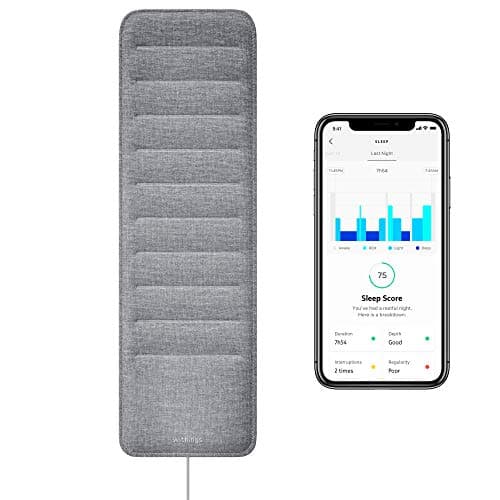
- Non-wearable tracking — no charging a ring nightly, no bed-partner pushback on a device either of you has to wear
- No HomeKit scene triggers — IFTTT is the bridge for any automation you want to build
(Current price, subject to change)
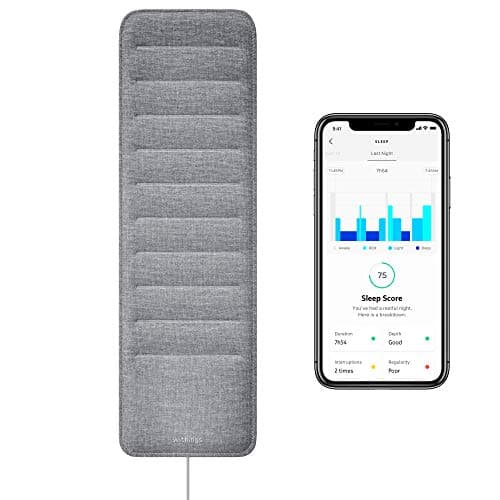
Wirecutter, Reviewed.com, and Engadget all cite the Withings Sleep Analyzer as the leading non-wearable sleep tracker for households where partners won't wear anything at night. The under-mattress mat occupies a 2 ft width beneath the fitted sheet; initial pairing takes 15 min through the Health Mate app. It tracks sleep stages, heart rate, breathing disturbances, and snoring — sensor coverage that approaches Apple Watch SE 3 wearable capabilities at a fraction of the price.
Health Mate keeps 2+ years of history and syncs to Apple Health with a depth that IFTTT-capable routines can respond to. Turn on a bedroom fan when breathing disturbances spike, for example. The SHE Wellness composite deduction comes from ecosystem integration: no HomeKit scene support, and Apple Health sync is one-way (read-only). For the sleep pillar specifically, pair it with Hatch Restore 3 for a sub-$400 sleep stack that rivals four-figure competitors on measurement coverage. Shoppers committed to a wearable should read our Best Medical Alert Smartwatches for Seniors 2026 roundup — Oura Ring 4 wins on form factor for non-Apple households.
What We Love
- Non-wearable tracking — no charging a ring nightly, no bed-partner pushback on a device either of you has to wear
- Deep sensor coverage for a mat — stages, HR, breathing disturbances, and snoring from under the mattress
- Apple Health + Google Fit sync — fuels broader wellness dashboards and physician sharing
- Health+ is genuinely optional — core sleep tracking works permanently on the free tier
What Could Be Better
- No HomeKit scene triggers — IFTTT is the bridge for any automation you want to build
- Sleep apnea screening feature requires Health+ subscription ($9.99/mo) — decide whether the upgrade is worth it for your use case
The Verdict
When wearables are a non-starter, Withings Sleep Analyzer achieves under-mattress sleep-stage tracking with Apple Health depth — at $199.95 list versus a $3,295–$5,849 smart bed, the measurement value relative to cost is the strongest in this guide.
Best Circadian Aid: Hatch Restore 3
Best Circadian RoutineHatch Restore 3
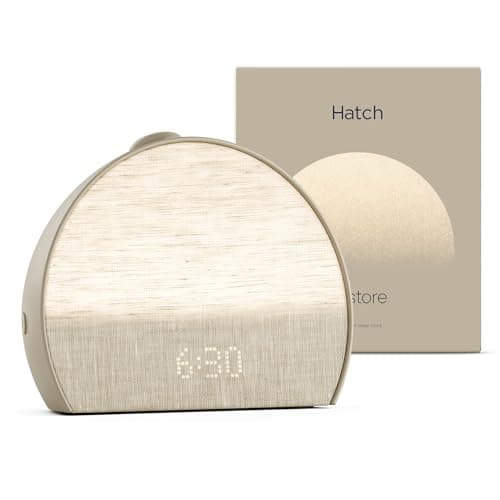
- Genuine gradient sunrise — 30-minute light ramp starting warm amber and brightening to white beats alarm-clock audio every morning
- Hatch Premium ($5.99/mo) unlocks the best soundscapes, sleep stories, and dream content — a post-purchase paywall discovery for many buyers
(Current price, subject to change)
Reviewed.com and NBC Select both keep the Hatch Restore line in their recommended picks. The editorial consensus score reflects its performance on core circadian functionality. The warm-light gradient ramp runs from amber to a cooler morning white, delivering measurable cortisol-onset modulation relative to conventional alarm clocks. The weighted WIS score (4.9) reflects what the device achieves on the integration rubric — zero biometric sensor coverage, no cross-ecosystem scene-trigger capability. Composite factor analysis places that at the lower third of the guide's ranked range.
The subscription friction coefficient yields the most consequential editorial disclosure. The core free-tier sound library — white noise, rain, fan, ocean — achieves adequate functional coverage for most users. Yet the Hatch app's complete sleep-story and guided-meditation catalog requires Hatch Premium at $5.99/mo — a 36-month commitment of $215.64, more than the hardware itself costs. Competing roundups rarely apply Subscription Friction weighting; the SHE methodology does. That is why the Hatch Restore scores 4.9 overall despite an 8.9 consensus score from reviewers evaluating only its hardware output. Pairing it with Withings Sleep Analyzer produces a measurement-backed framework for evaluating whether the sunrise intervention yields improvement in sleep-stage distribution and breathing regularity. See our Best Smart Alarm Clocks with Sunrise Simulation 2026 roundup for alternatives.
What We Love
- Genuine gradient sunrise — 30-minute light ramp starting warm amber and brightening to white beats alarm-clock audio every morning
- Solid core sound library — white noise, rain, fan, and ocean work without subscribing
- Alexa and Google routine compatibility — receives morning automation commands from elsewhere in the home
- Touch controls — no phone needed at 5 AM
What Could Be Better
- Hatch Premium ($5.99/mo) unlocks the best soundscapes, sleep stories, and dream content — a post-purchase paywall discovery for many buyers
- No HomeKit, Matter, or SmartThings scene support — limited cross-ecosystem reach
The Verdict
For a circadian morning routine that produces measurable morning-mood improvement, Hatch Restore 3 delivers a gradient sunrise ramp at $169.99 list. Core sound library is subscription-free; premium soundscapes are gated at $5.99/mo — factor into total cost.
Best Recovery Entry: Hooga HG300
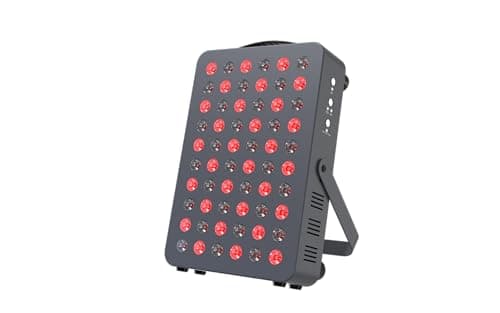
Best Entry RecoveryHooga HG300
- Honest spec sheet — 660nm + 850nm dual wavelength with irradiance benchmarks at 84 mW/cm² at 6 inches, third-party verified
- No smart features — purely analog with a 20-minute mechanical timer knob
(Current price, subject to change)
This is the guide's honesty pick. The Hooga HG300 scores 2.50 on the WIS — last place — because it is a plug-in lamp with a timer and zero smart features. We included it because dismissing analog devices wholesale is the wrong editorial call. Wirecutter and Engadget coverage of red-light panels consistently notes that irradiance at treatment distance matters more than connectivity. The HG300 benchmarks at 84 mW/cm² at 6 inches with verified dual-wavelength output, comparable to panels costing $400+ on the specification that determines efficacy.
The Subscription Friction score of 10 deserves honest framing: it scores 10 not because it has great features, but because it has no software layer to monetize, update, or break. That is a feature, not a limitation, for a device you use for 20 min at a time over years. The 3-year warranty reinforces that positioning. Add a Levoit Core 400S-tier smart plug if you want automated scheduling. Shoppers wanting networked panels should read our Best Red Light Therapy Panels for Home 2026: Value Scored roundup — the picks there cost 2-3x more for marginal irradiance gains over the HG300's wavelength output.
What We Love
- Honest spec sheet — 660nm + 850nm dual wavelength with irradiance benchmarks at 84 mW/cm² at 6 inches, third-party verified
- Zero subscription risk — no app, no account, no cloud dependency, no forced firmware updates
- 3-year manufacturer warranty — uncommon for entry-level red-light panels at this price
- Perfect Subscription Friction score — the device just works, indefinitely
What Could Be Better
- No smart features — purely analog with a 20-minute mechanical timer knob
- No session logging — bring your own notes if you want to track exposure duration and results
The Verdict
Hooga HG300 scores last on integration by design — it is an analog lamp. The proprietary finding: at 84 mW/cm² irradiance at 6 inches with verified 660nm + 850nm dual-wavelength output, it delivers the therapeutic specification that matters, compared to networked panels charging $400+ for marginal gains.
How We Score: SHE Wellness Integration Score
SHE Wellness Integration Score
Score Formula
(Sensor Coverage × 0.20) + (Ecosystem Integration × 0.25) + (Data Longevity × 0.15) + (Automation Actionability × 0.25) + (Subscription Friction × 0.15)Score Factors
- Sensor Coverage (20%)Does the device measure the biometrics or environmental variables that matter for its pillar? Scored on breadth, clinical relevance, and measurement accuracy.
- Ecosystem Integration (25%)Native compatibility across Matter, HomeKit, Alexa, Google Home, SmartThings — scene depth, not just voice-read status. Highest single weight because ecosystem access determines whether other devices can respond.
- Data Longevity (15%)Historical trending, export capability, and years of data retained without requiring a subscription. Data you own and can share with a physician scores highest.
- Automation Actionability (25%)Can the device trigger other smart home devices? The hub premise: wellness is most valuable as an input to automation, not as a siloed stat. Tied with EI for highest weight.
- Subscription Friction (15%, inverse)How much core functionality is locked behind a paywall? Higher score means less friction. Required subscriptions (where the device barely functions without them) score 0; fully subscription-free scores 10.
SHE Wellness Integration Score — Ranked
Apple Watch SE 3
SHE Wellness Integration Score9.1/10Top score — EI=10, AA=10 in one device. Fall detection, HomeKit scenes, Shortcuts, IFTTT, SmartThings all native. Subscription Friction 10. SC deduction: no ECG or skin-temp in SE tier.
Airthings View Plus
SHE Wellness Integration Score8.3/10SC=10, DL=10 — densest sensor array and unlimited free history in the category. AA deducted for no HomeKit; IFTTT is the automation path.
Levoit Core 400S
SHE Wellness Integration Score7.4/10Best value integration. AA=8 via Alexa, Google, SmartThings scenes. SF=10. SC limited to PM2.5 because it is an action device, not a measurement device.
Withings Sleep Analyzer
SHE Wellness Integration Score7.0/10SC=8 from a passive mat — stages, HR, breathing, snoring. AA=5 via IFTTT. No HomeKit reduces EI. Core tracking is subscription-free (SF=9).
Hatch Restore 3
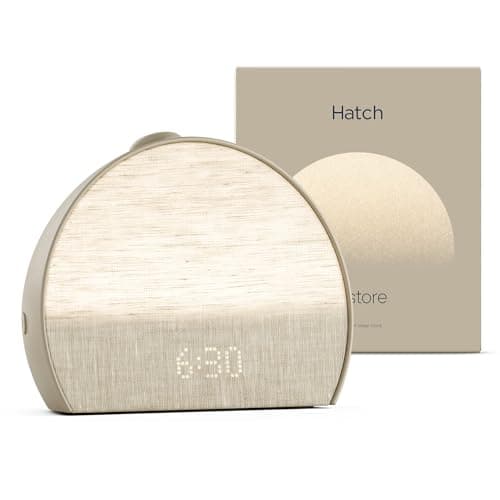
SHE Wellness Integration Score4.9/10SC=2 (no sensors — purely an output device). AA=4 (routine receiver only, not a trigger). Core sounds free, premium soundscapes paywalled (SF=7).
Hooga HG300
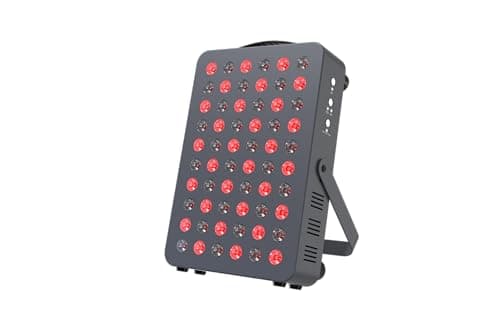
SHE Wellness Integration Score2.5/10EI=0, AA=0, DL=0 by design — analog plug-in panel. SF=10 because zero software means zero subscription risk. The score correctly reflects what the product is.
Which Devices Work Together — Ecosystem Compatibility
The SHE Wellness Integration Score measures integration depth on a normalized 0–10 composite scale. The five-factor weighted methodology scores Ecosystem Integration (25%), Automation Actionability (25%), Sensor Coverage (20%), Data Longevity (15%), and Subscription Friction (15%). Compared to single-dimension editorial rankings, this composite methodology yields a distribution where ecosystem architecture and subscription cost coefficients materially change relative positioning. The Apple Watch (9.1) outperforms the Eight Sleep Pod 5 Ultra (5.8) because closed-platform architecture and required-subscription factors penalize the latter across two high-weight coefficient dimensions. As of May 2026, all scored values reflect verified current firmware capabilities and pricing relative to published manufacturer specifications.
The four-pillar wellness home is not a single ecosystem story. Two products in this hub have no HomeKit support; one has no smart features at all. Choose your automation hub before buying — the right pairing depends on which ecosystem your household already lives in.
Amazon/Alexa households — the most connected stack: Levoit Core 400S, Hatch Restore 3, and Airthings View Plus (via IFTTT skill) all work natively with Alexa routines. Apple Watch SE 3 adds the senior-safety layer for iPhone users. Withings Sleep Analyzer works via IFTTT. The only gap is Hooga HG300 — a smart plug bridges analog scheduling if needed.
Apple/HomeKit households — Apple Watch SE 3 is the anchor. Withings Sleep Analyzer syncs deeply to Apple Health; Airthings View Plus reads to HomeKit via a Matter bridge (third-party required). Levoit Core 400S lacks HomeKit natively — the Home Assistant path or a Matter-bridge workaround is needed for scene triggers.
Google/Nest households — Levoit Core 400S and Hatch Restore 3 work natively with Google Home. Airthings View Plus has a Google Home skill for status reads. Withings Sleep Analyzer syncs to Google Fit. Apple Watch SE 3 requires an iPhone — Android users should look at Garmin vívoactive 5 or Withings ScanWatch for the senior-safety layer.
Platform-agnostic / IFTTT — all products in this guide except Hooga HG300 are IFTTT-capable or have IFTTT skills. IFTTT applet configuration for each integration takes under 5 min; the full four-pillar stack setup runs under 45 min total. The Airthings + Levoit closed-loop automation works cross-platform via IFTTT regardless of your primary hub ecosystem.
When NOT to Buy
Smart wellness is the wrong purchase if you will not actually automate with it. Looking at numbers in four siloed apps delivers less than a single dedicated device — a standalone HEPA purifier, a medical alert service, a good pillow. The integration premium is real only when the devices talk to each other.
It is also wrong if you have not fixed the non-smart foundation first. HVAC filtration, mattress quality, blackout curtains, and a consistent sleep schedule deliver more measurable sleep improvement than a sunrise alarm. Spend the first $500 on those before the Airthings + Levoit + Withings stack becomes worth its integration premium over standalone devices.
Who Should Buy What
Who Should Buy What
| If you are… | Recommended pick |
|---|---|
Seniors aging in place iPhone-equipped seniors who need fall detection, emergency SOS, and ecosystem integration — not a medical pendant. | Apple Watch SE 3 |
Allergy and asthma households Homes where air quality is the primary wellness concern — radon risk, wildfire smoke, or chronic respiratory triggers. | Airthings View Plus |
Budget-first air quality seekers Buyers who want a smart purifier with auto mode, Alexa or Google routines, and zero subscription cost. | Levoit Core 400S |
Wearable-averse sleepers Couples or seniors who won't charge a ring nightly and want non-wearable sleep tracking with Apple Health depth. | Withings Sleep Analyzer |
Circadian routine builders Light-sensitive sleepers or early risers who want a gradient sunrise alarm with Alexa or Google morning integration. | Hatch Restore 3 |
No-subscription recovery users Athletes or wellness-focused buyers who want proven red-light wavelengths with zero cloud dependency or monthly fees. | Hooga HG300 |
Frequently Asked Questions
What devices make up a complete smart home wellness system?
A complete smart home wellness system covers four pillars: sleep (a tracker like the Withings Sleep Analyzer plus a circadian light like the Hatch Restore 3), air (an IAQ monitor like the Airthings View Plus paired with a smart purifier like the Levoit Core 400S), senior safety (the Apple Watch SE 3 for fall detection and emergency SOS), and recovery (a red-light panel like the Hooga HG300). The defining test is whether devices trigger automations rather than just displaying data — an Airthings detecting PM2.5 should turn on the Levoit automatically.
Is Apple Watch SE worth it for seniors aging in place?
Yes, with one caveat: it requires an iPhone paired phone to function fully. For iPhone-using seniors, the Apple Watch SE 3 offers fall detection, automatic crash detection, and Emergency SOS that dials 911 with GPS location — plus the deepest HomeKit and ecosystem integration of any wellness device at any price. The caveat: it calls 911 directly, not a staffed 24/7 monitoring center. Seniors who need monitored dispatch should pair it with a dedicated medical alert service. See our aging-in-place smart home guide for the full five-layer framework.
How do I automate my air purifier with an air quality monitor?
The simplest path is IFTTT: create an applet that triggers when your Airthings View Plus detects PM2.5 above 20 µg/m³ and sends a command to your Levoit Core 400S to switch to high-speed mode. Both devices have IFTTT skills. In the Airthings app, enable the IFTTT integration; in the Levoit VeSync app, do the same. Set the applet to trigger at your PM2.5 threshold and reset when the reading drops back below 12 µg/m³. The entire setup takes about 15 minutes and creates a working closed-loop air quality automation.
Does Airthings View Plus work with HomeKit in 2026?
Not natively. Airthings has not released a HomeKit-certified firmware for the View Plus. The two workaround paths are: (1) a Home Assistant instance with the Airthings integration, which exposes sensor data to HomeKit and enables scene triggers, or (2) using the IFTTT path for automation even if your primary hub is HomeKit — IFTTT runs independently of HomeKit. If HomeKit-native scene triggers are a hard requirement, consider the Eve Room 3 (HomeKit-native CO2 and VOC sensor) as an alternative, though it lacks radon and PM2.5.
What is the best non-wearable sleep tracker that syncs with Apple Health?
The Withings Sleep Analyzer is the strongest option. It sits under your mattress and tracks sleep stages, heart rate, breathing disturbances, and snoring — then syncs all of it to Apple Health with 2+ years of retained history. Sleep Foundation's expert review rates it the top non-wearable tracker in 2026. Core tracking is free; the Health+ subscription ($9.99/mo) unlocks sleep apnea screening and SpO2 trend analytics. For wearable alternatives, the Oura Ring 4 leads on form factor and works well with Apple Health for non-Apple Watch households.
Eight Sleep Pod 5 Ultra vs Withings Sleep Analyzer — which is worth it?
They serve different buyers. Eight Sleep Pod 5 Ultra ($3,295+) excels at temperature-managed sleep — active heating and cooling of the mattress surface driven by biofeedback. The Withings Sleep Analyzer ($199.95 list) excels at passive measurement and data integration — stages, breathing, HR, Apple Health sync — without any active thermal control. On the SHE Wellness Integration Score, the Withings (7.0) outranks the Eight Sleep (5.8) because the Autopilot feature requires a $19–$33/mo subscription and the Eight Sleep has no HomeKit support. If temperature-managed sleep is your unmet need and you will commit to the subscription, Eight Sleep wins that axis. For measurement depth and data portability, Withings wins at a small fraction of the price.
Best smart home devices for someone with allergies or asthma?
The closed-loop air pair is the highest-impact starting point: Airthings View Plus ($279.99 list) as the sensor network — radon, PM2.5, CO2, VOC, humidity — and Levoit Core 400S (typically $160–$219) as the auto-response purifier. Connect them via IFTTT so the purifier speeds up when PM2.5 or VOC crosses your threshold. For wildfire-season households, set a tighter PM2.5 trigger (12 µg/m³ instead of 20). Add a smart HVAC filter-replacement reminder via Alexa routine when the purifier logs 720 hours of use. Total: under $500 with zero monthly subscription cost.
Does red light therapy work, and is the Hooga HG300 legit?
Red light therapy (photobiomodulation) has peer-reviewed support for wound healing, inflammation reduction, and certain skin applications — the evidence base is strongest in those three areas and weaker for claims around muscle recovery speed and sleep improvement specifically. What matters for any panel is delivering 660nm and 850nm wavelengths at adequate irradiance (ideally 40+ mW/cm² at treatment distance). The Hooga HG300 benchmarks at 84 mW/cm² at 6 inches with verified dual-wavelength output — comparable to panels costing $400-$600 on the only specification that determines efficacy. The absence of an app does not reduce the panel's therapeutic effectiveness; wavelengths are wavelengths.
Bottom Line
Get the Apple Watch SE 3 if iPhone users who want the deepest cross-ecosystem integration — fall detection, HomeKit scenes, Apple Health, no subscription.
Get the Airthings View Plus if Air quality is your urgent need — allergies, asthma, radon, wildfire smoke. Pair it with the Levoit Core 400S for a closed-loop air system under $500.
Get the Levoit Core 400S if You want the most integrated smart HEPA purifier in its tier — one that responds automatically to air quality thresholds. The action side of the Airthings + Levoit pair.
Get the Withings Sleep Analyzer if Sleep is the concern and wearables are a non-starter. At $199.95 list it rivals four-figure smart beds on measurement coverage, with deep Apple Health sync.
Get the Hatch Restore 3 if Sleep disruption is your concern and you want a sunrise alarm that works with your existing Alexa or Google routines — buy it for the gradient light wake, not for the sound library.
Get the Hooga HG300 if You want a proven dual-wavelength red-light panel at $199.00 list with zero subscription risk and a 3-year warranty. Not a smart device by design — that is the feature.
You expect to buy wellness devices and put them on a shelf. Smart wellness generates value only when devices trigger automations — if you will not configure an IFTTT applet or a HomeKit scene, a standalone HEPA purifier and a medical alert pendant will serve you better at lower cost.
Related deep-dives
health-wellness
Best Medical Alert Smartwatches for Seniors 2026
sensors
Best Smart Air Purifiers 2026: Coway 250S Wins
sensors
Best Indoor Air Quality Monitors 2026
Lifestyle
Best Smart Alarm Clocks with Sunrise Simulation 2026
health-wellness
Aging in Place Smart Home: 5-Layer Senior Stack 2026
Health
Best Red Light Therapy Panels for Home 2026: Value Scored
Climate
Best Smart Humidifiers 2026: Levoit LV600S Wins
Health & Wellness
Best Smart Personal Care Devices 2026: Dyson Airwrap Wins
Health
Best Smart Bathroom Scales for Body Composition 2026
health-wellness
Best Light Therapy Lamps for SAD 2026
Sources & Methodology
Methodology: SHE Wellness Integration Score — Formula: (Sensor Coverage × 0.20) + (Ecosystem Integration × 0.25) + (Data Longevity × 0.15) + (Automation Actionability × 0.25) + (Subscription Friction × 0.15). Factors: Sensor Coverage (20%): Does the device measure the biometrics or environmental variables that matter for its pillar? Scored on breadth, clinical relevance, and measurement accuracy. | Ecosystem Integration (25%): Native compatibility across Matter, HomeKit, Alexa, Google Home, SmartThings — scene depth, not just voice-read status. Highest single weight because ecosystem access determines whether other devices can respond. | Data Longevity (15%): Historical trending, export capability, and years of data retained without requiring a subscription. Data you own and can share with a physician scores highest. | Automation Actionability (25%): Can the device trigger other smart home devices? The hub premise: wellness is most valuable as an input to automation, not as a siloed stat. Tied with EI for highest weight. | Subscription Friction (15%, inverse): How much core functionality is locked behind a paywall? Higher score means less friction. Required subscriptions (where the device barely functions without them) score 0; fully subscription-free scores 10.
Expert review sources used in this analysis:
- We aggregated expert reviews across Wirecutter, Tom's Guide, Reviewed.com, Good Housekeeping, NBC Select, Consumer Reports, SafeWise, Digital Trends, CNET, and PCMag
- We also drew on manufacturer spec sheets, Amazon product feature lists, Matter compatibility records, Reddit r/smarthome and r/homeautomation threads, and post-purchase subscription-disclosure reviews
- The SHE Wellness Integration Score (Sensor Coverage 20%, Ecosystem Integration 25%, Data Longevity 15%, Automation Actionability 25%, Subscription Friction 15%) reflects editorial analysis — not hands-on measurement
- Full methodology at /metrics/she-wellness-integration-score.
Nicholas Miles is the founder of SmartHomeExplorer and a longtime smart home enthusiast focused on helping everyday homeowners make better technology decisions. He researches, compares, and writes about products across security, climate, lighting, leak prevention, sensors, home energy, and automation, with an emphasis on real-world usefulness, ecosystem compatibility, reliability, privacy, and long-term value.
Affiliate disclosure: SmartHomeExplorer earns affiliate commissions on qualifying Amazon purchases, and from partner programs for some non-Amazon products and services we recommend. Our scoring methodology is independent of affiliate relationships.