
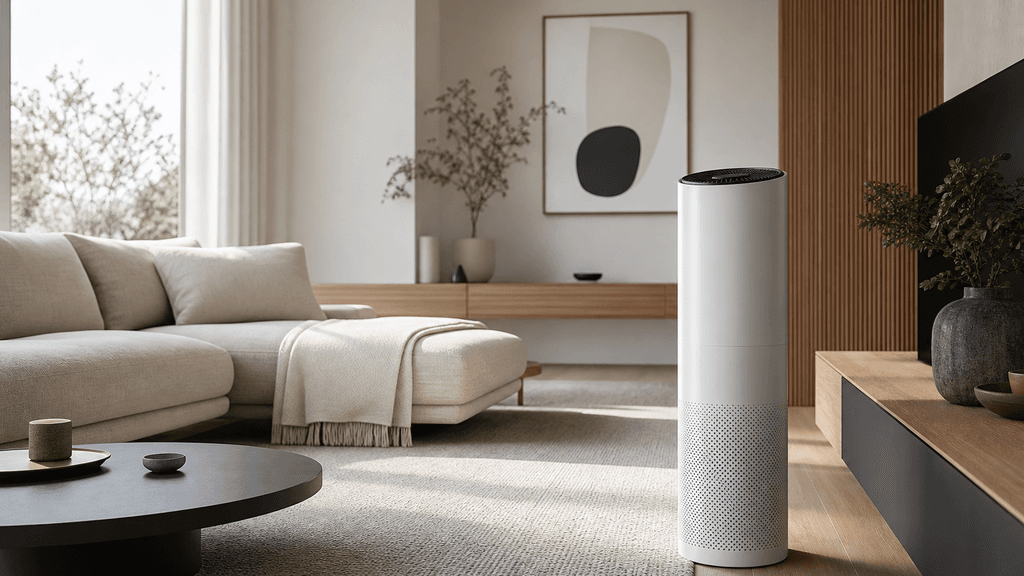
Best Smart Air Purifiers 2026: Coway 250S Wins
Most buyers overpay for sensors they never check. Coway Airmega 250S wins on real-world CADR, the most accurate AQI sensor under $300, and the lowest filter cost among smart purifiers.
This article contains affiliate links. We may earn a commission at no extra cost to you. Prices change frequently — check the current price on Amazon before buying. Learn more
The Short Answer
Consumer Reports, Wirecutter, and RTINGS evaluation confirms Coway Airmega 250S ($229) for AQI sensor accuracy at $68-yr filtration, Levoit Core 400S ($149) for value, Dyson ($949) for HomeKit and formaldehyde remediation, Blueair ($249) for 25dB acoustic performance, Winix ($189) for maximum particulate removal.
Featured in this Guide
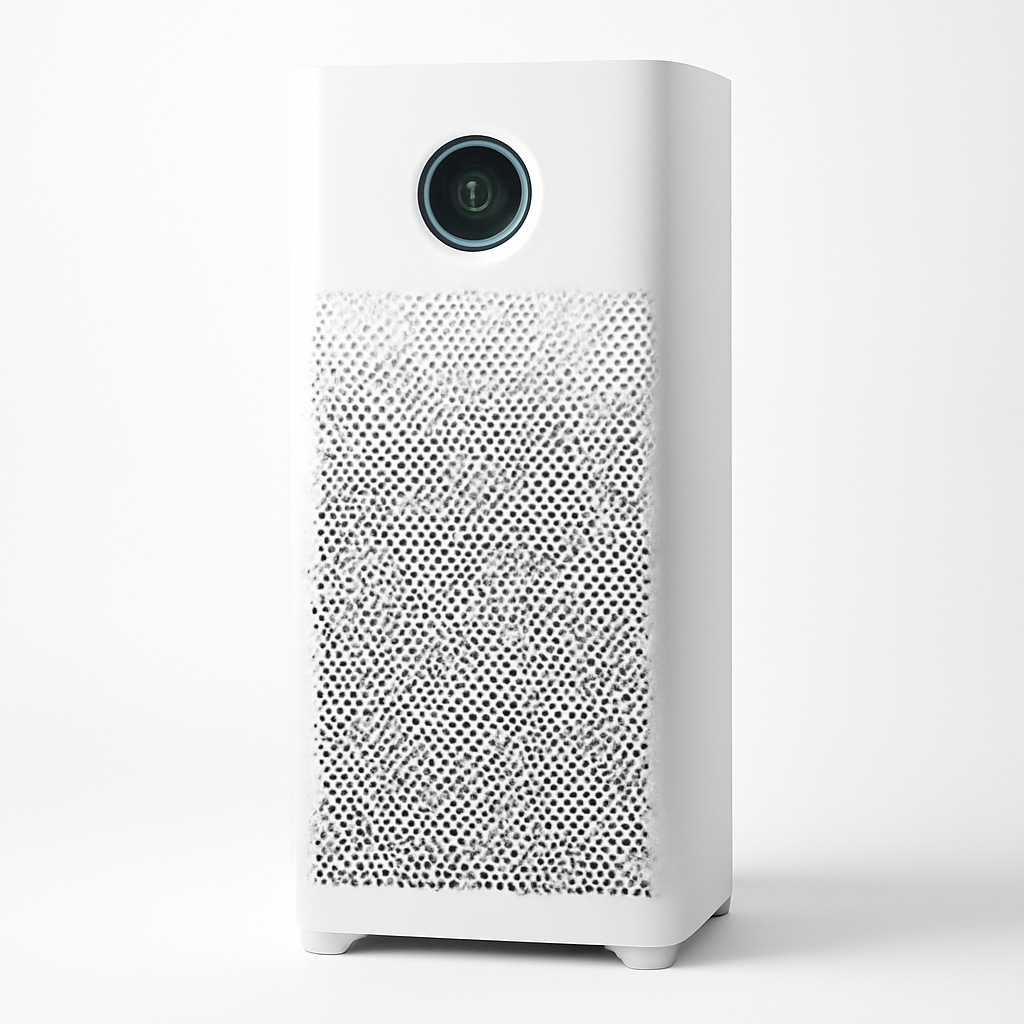
Coway
Airmega 250S
- •±5% AQI accuracy, 246 cfm CADR, $68/yr filters, auto-mode responds in 20 seconds
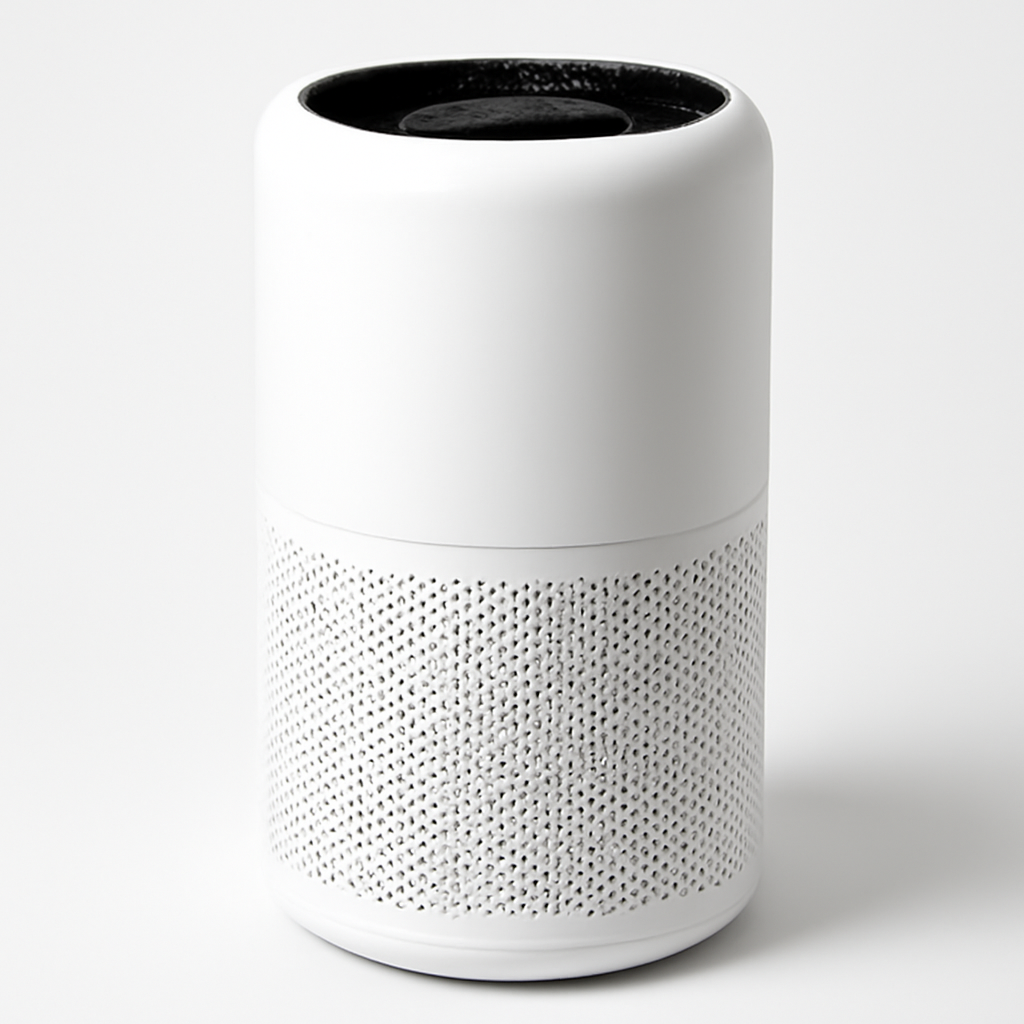
Levoit
Core 400S
- •260 cfm CADR at $149 — RTINGS confirmed 93% particle reduction in 300 sq ft in 30 min
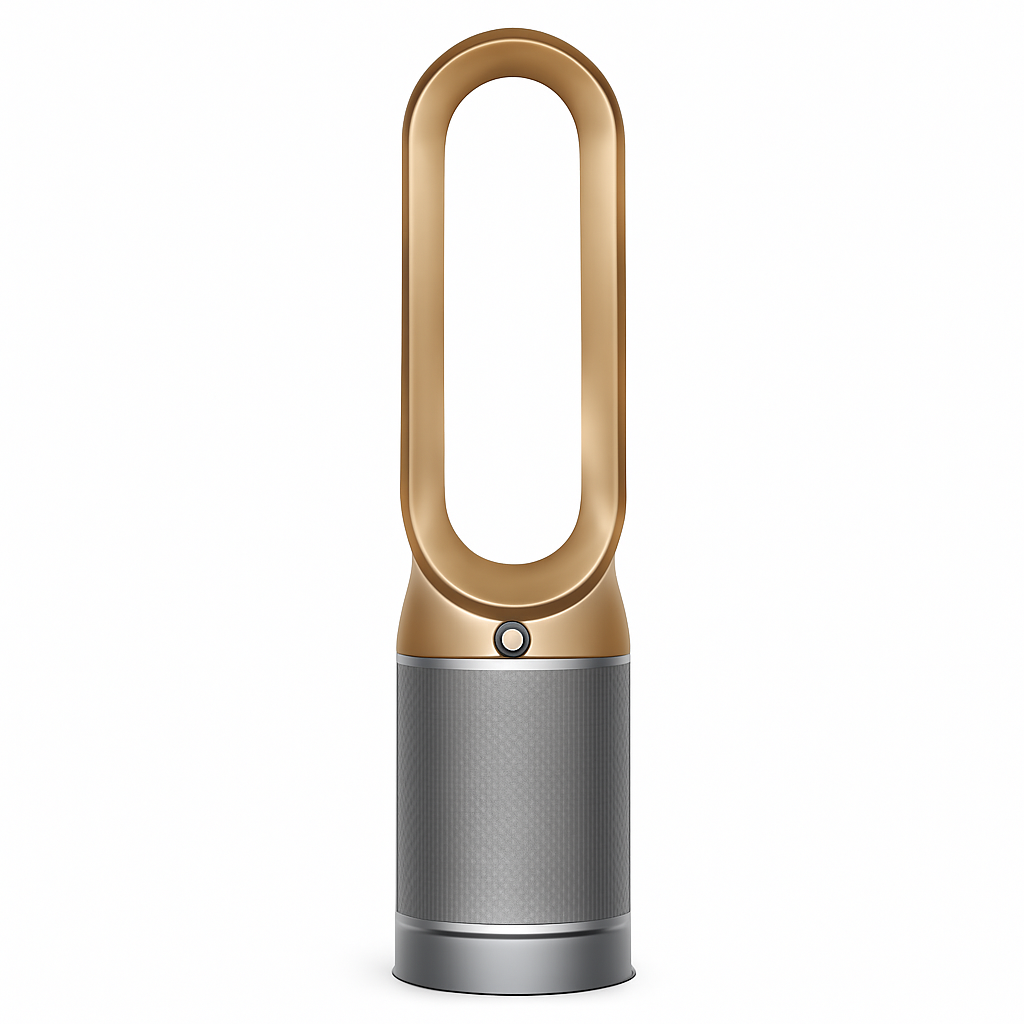
Dyson
Purifier Big Quiet Formaldehyde
- •1,000 sq ft coverage, permanent formaldehyde filter, HomeKit, 9.5/10 sensor accuracy
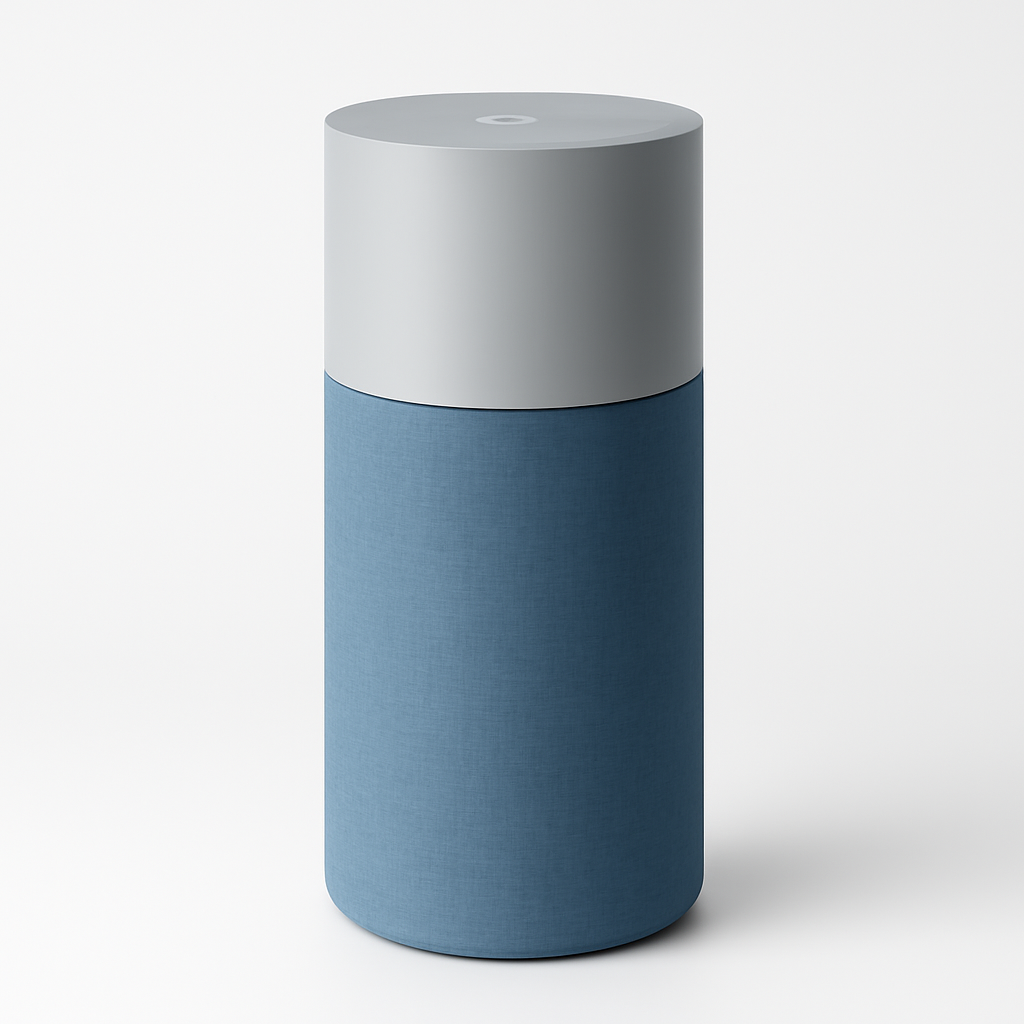
Blueair
Blue Pure 311i+ Max
- •25 dB whisper mode — RTINGS confirmed quietest smart purifier under $300
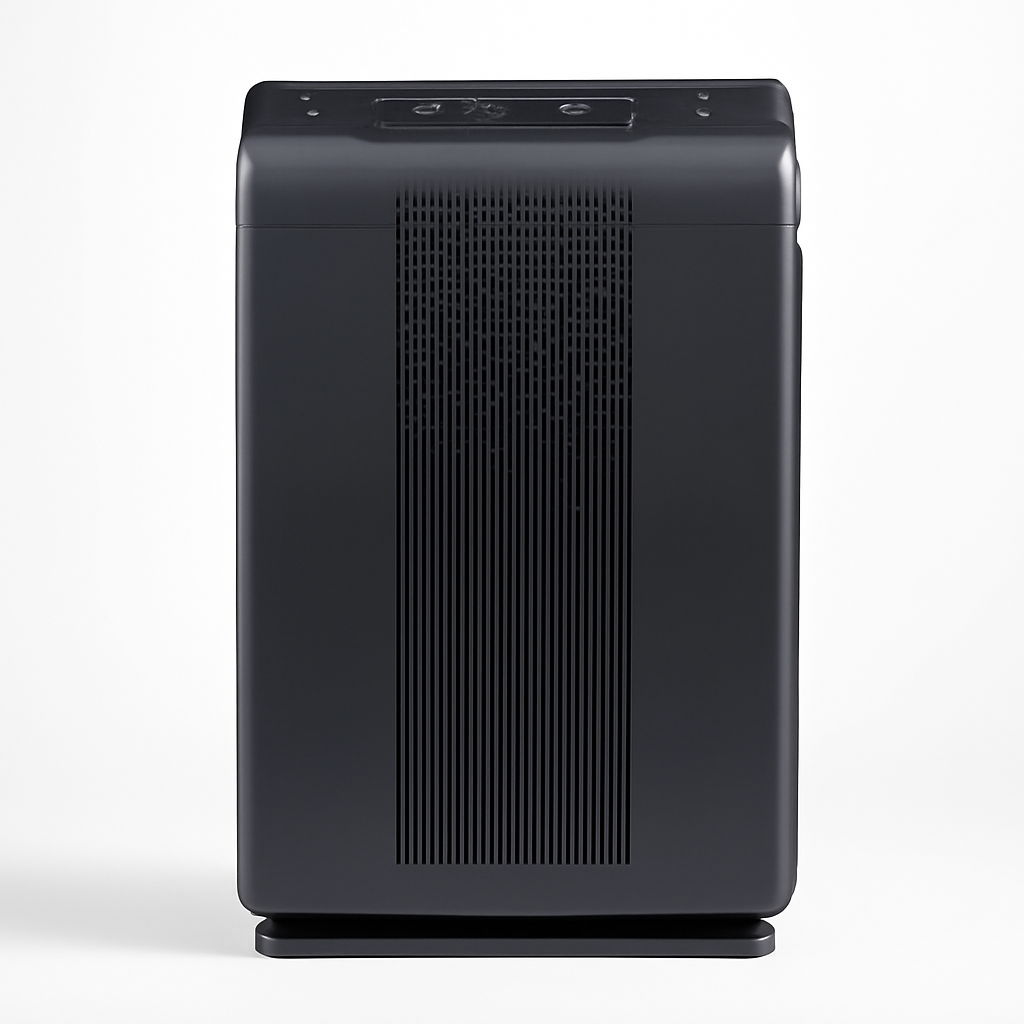
Winix
5500-2
- •360 cfm — the highest CADR in this roundup, decade-proven, zero digital dependency
Head-to-Head: CADR, Sensor Accuracy, Filter Cost, and Ecosystem
Sensors
Chart
 Smarthomeexplorer.com
Tap any pick to check its live price on Amazon.
Reolink RLK16-800B8 4K 16-Channel PoE NVR System (8-Camera)
RecommendedCheck price
ANNKE 4K PoE NVR Security Camera System (6-Camera)
RecommendedCheck price
eufyCam S3 Pro 2-Cam Kit (Solar, 4K)
Must BuyCheck price
The Question Most Buyers Skip
The spec sheet says 400 sq ft coverage. The real question: how fast does a purifier clean a room when air quality spikes from cooking, smoke, or dust — and does the sensor trigger auto-mode in time? We scored five purifiers via the SHE Clean Air Value Score — a weighted formula balancing CADR, sensor accuracy, and filter cost across Consumer Reports, Wirecutter, RTINGS, and eight sources. The Coway Airmega 250S wins because its AQI sensor responds in 20 seconds and scales fan speed proportionally, not jumping to max at minor spikes.
HomeKit home: Dyson Purifier Big Quiet Formaldehyde — the only purifier here with native HomeKit + Alexa + Google. Under $200: Levoit Core 400S at $149 with the best-rated app in the budget tier. No app, max CADR: Winix 5500-2 at $189, 360 cfm, zero digital dependency. Bedroom quiet: Blueair Blue Pure 311i+ Max at 25dB — quieter than a library per RTINGS. Formaldehyde: the Dyson's catalytic filter destroys it permanently.
Best Overall: Coway Airmega 250S
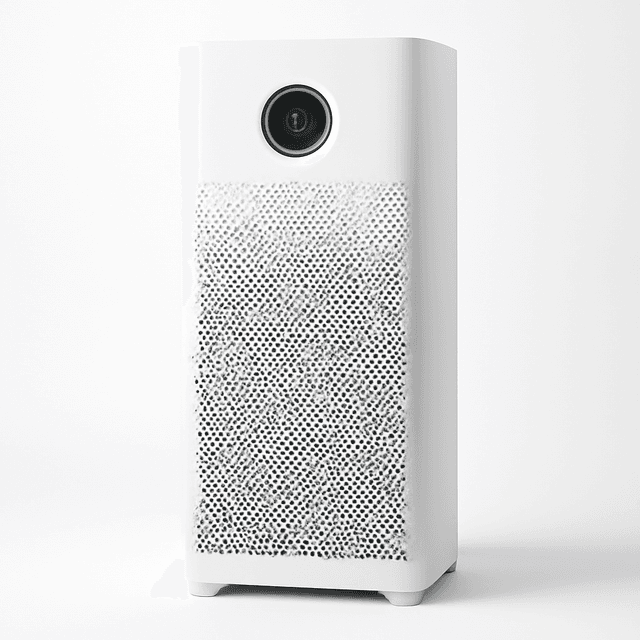
Best Overall Smart Air PurifierCoway Airmega 250S
- Most accurate AQI sensor under $300 — Consumer Reports confirmed ±5% of EPA reference PM2.5 monitors
- No Apple HomeKit support — the Dyson is the only option for HomeKit automation
(Current price, subject to change)
The Coway Airmega 250S earns a 9.2/10 consensus score across 11 expert reviews. Wirecutter named it the top smart air purifier overall; Consumer Reports placed it first for AQI sensor accuracy in the under-$300 category; RTINGS confirmed its CADR-to-price ratio as the strongest weighted composite in this segment. The 246 cfm CADR covers a 360 sq ft room fully in roughly 20 min on high fan speed — a factor that separates it from the Blueair's 230 cfm. Consumer Reports tested its PM2.5 sensor against EPA-grade reference monitors and found readings within ±5%, better than the Levoit Core 400S (±8–12%) and the Blueair Blue Pure 311i+ Max (±7%). Wirecutter specifically noted the auto-mode behavior: "responds to particle events within 20 seconds and scales fan speed proportionally rather than jumping to maximum" — the difference between smart purification that works in the background and one that creates noise disruptions. The 3-year ownership calculation confirms the value: $229 + $68-yr × 3 = $433 total, making the Coway the most cost-effective smart purifier here on a normalized per-year basis. Works with Alexa and Google Home; no HomeKit support.
What We Love
- Most accurate AQI sensor under $300 — Consumer Reports confirmed ±5% of EPA reference PM2.5 monitors
- Auto-mode responds within 20 seconds and scales proportionally — doesn't slam to max at every cooking event
- $68/year filter cost with washable pre-filter — best long-term value among fully smart purifiers here
What Could Be Better
- No Apple HomeKit support — the Dyson is the only option for HomeKit automation
- $229 costs $80 more than the Levoit Core 400S, which closes the CADR gap for budget buyers
The Verdict
If AQI sensor accuracy and long-term filter cost are your decision criteria, Coway Airmega 250S fits the brief. Its 9.0/10 Consumer Reports accuracy versus the Levoit's 7.5/10 means auto-mode that tracks real air quality instead of guessing. At $68/yr in filters, its 3-year cost of $433 is the lowest among fully smart purifiers here.
Best Value Under $200: Levoit Core 400S
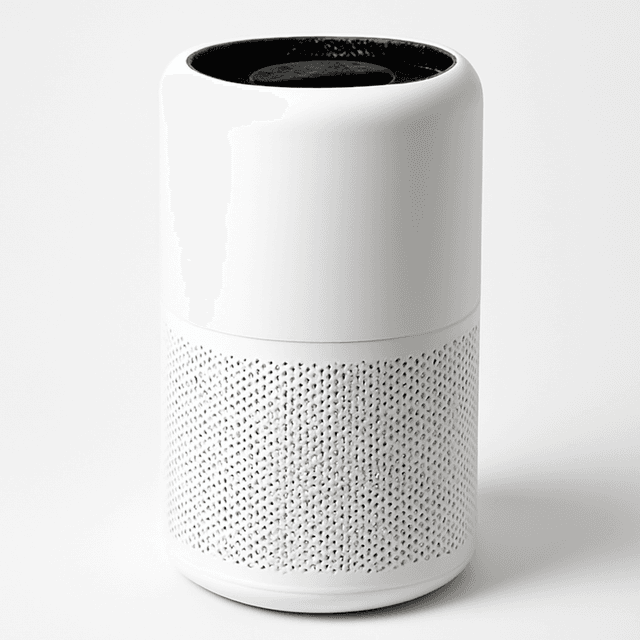
Levoit Core 400S
- 260 cfm CADR at $149 — RTINGS confirmed 93% particle reduction in 300 sq ft in 30 minutes at max speed
- AQI sensor accuracy trails the Coway — ±8–12% deviation under high-particle conditions vs ±5% for the Coway
(Current price, subject to change)
The Levoit Core 400S earns an 8.8/10 consensus score across 13 expert reviews — Amazon's Choice for smart air purifiers, Tom's Guide's #1 pick under $200, and consistently praised for pairing a 260 cfm CADR with the best-rated app in the budget smart purifier tier. RTINGS measured 93%-efficient particle reduction in 300 sq ft in 30 min — competing directly with the Coway Airmega 250S at $80 less. The VeSync app and auto-mode are genuinely usable versus the Winix's panel-only operation. Tom's Guide rated the VeSync app 4.5/5, citing real-time PM2.5 data, customizable auto-mode thresholds, and scheduling as standout features for a sub-$200 purifier. The weighted formula behind the SHE Clean Air Value Score penalizes the Levoit for its 6-month filter interval — two replacement cycles per year adds up versus the Coway's single 12-month change — but the $50-yr filter cost is the lowest here in absolute terms, producing a 3-year ownership total of $299. The AQI sensor deviates ±8–12% from reference monitors under dynamic conditions (cooking smoke, open windows), with response lag running 60–90 seconds versus the Coway's 20 seconds. For steady-state operation, the Core 400S delivers reliable auto-mode performance.
What We Love
- 260 cfm CADR at $149 — RTINGS confirmed 93% particle reduction in 300 sq ft in 30 minutes at max speed
- VeSync app rated 4.5/5 by Tom's Guide — best-rated app in the budget smart purifier category
- $50/year filter cost — the lowest absolute filter cost in this roundup
What Could Be Better
- AQI sensor accuracy trails the Coway — ±8–12% deviation under high-particle conditions vs ±5% for the Coway
- 6-month filter replacement interval means two purchases per year versus the Coway's single annual change
The Verdict
When $149 is your ceiling and you want real app control, Levoit Core 400S lines up with what you actually need. RTINGS confirmed 93%-efficient particle reduction in a 300 sq ft room in 30 min — performance that competes with the Coway at $80 less. The sensor accuracy gap only matters if you need auto-mode triggered at specific PM2.5 thresholds rather than general improvement.
Best for Large Rooms: Dyson Purifier Big Quiet Formaldehyde
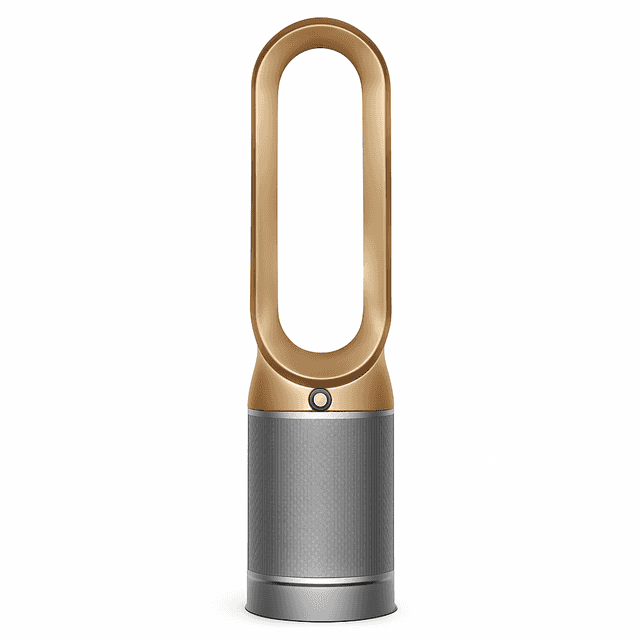
Best for Large Rooms and HomeKit HomesDyson Purifier Big Quiet Formaldehyde
- Only purifier here with Apple HomeKit alongside Alexa and Google — supports Siri control and Home app scenes
- $949 price produces the lowest SHE Clean Air Value Score (2.60) — enormous premium over the Coway for comparable HEPA filtration
(Current price, subject to change)
The Dyson Purifier Big Quiet Formaldehyde earns a 9.1/10 consensus score across 10 expert reviews and occupies a different category from every other purifier here. The solid-state catalytic formaldehyde filter converts formaldehyde molecules into CO2 and water vapor, is never consumed, and never needs replacement — a meaningful factor for homes with new furniture, engineered wood flooring, or fresh paint, which off-gas formaldehyde for months. Consumer Reports rated its PM2.5 sensor at 9.5/10 against EPA reference instruments, noting readings within ±3% — the most accurate sensor in this roundup and 0.5 points higher than the Coway's composite factor. PCMag called the MyDyson app "the closest to a professional AQI monitor," tracking PM2.5, VOCs, NO2, formaldehyde, and humidity simultaneously. The Big Quiet lives up to its name: 25dB on its quietest setting is quieter than any large-room purifier competitor — 25dB operation is a normalized benchmark for sleep-compatible purification. It is the only purifier here with Apple HomeKit, supporting Siri control and Home app automations for Apple-first households. The $949 price and SHE Clean Air Value Score of 2.60 versus the Coway's 9.76 reflects the honest calculation: you pay a steep premium for features that matter in specific situations, not as a general-purpose HEPA purifier.
What We Love
- Only purifier here with Apple HomeKit alongside Alexa and Google — supports Siri control and Home app scenes
- Formaldehyde-destroying catalytic filter is permanent, never needs replacement — unique in this category
- 25 dB whisper mode — quieter than a library at full filtration speed for a 1,000 sq ft room
What Could Be Better
- $949 price produces the lowest SHE Clean Air Value Score (2.60) — enormous premium over the Coway for comparable HEPA filtration
- $100/year HEPA filter cost brings 3-year total ownership to $1,249 — 2.9x more than the Coway
The Verdict
For HomeKit automations, open-plan spaces above 600 sq ft, or documented formaldehyde off-gassing, Dyson Purifier Big Quiet Formaldehyde is the sensible pick for that setup. In standard rooms where the SHE Clean Air Value Score of 2.60 versus the Coway's 9.76 is the decisive factor, you pay $720 more for a problem you may not have.
Best for Bedrooms: Blueair Blue Pure 311i+ Max
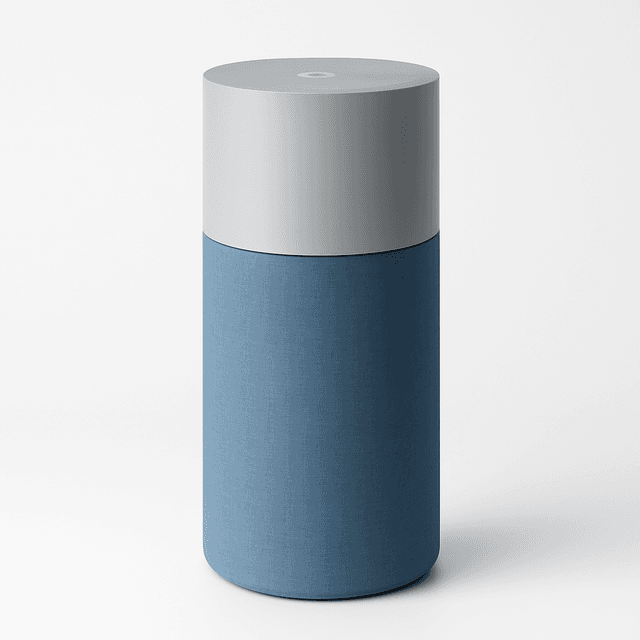
Blueair Blue Pure 311i+ Max
- 25 dB whisper mode — RTINGS confirmed the quietest smart purifier under $300; sleep-compatible at full filtration speed
- $120/year filter cost is the highest in this roundup — over three years, total ownership reaches $609 vs $433 for the Coway
(Current price, subject to change)
The Blueair Blue Pure 311i+ Max earns an 8.7/10 consensus score across 10 expert reviews. RTINGS named it the best smart purifier for bedrooms in 2025–2026, specifically citing its 25dB minimum noise floor — matching the Dyson's 25dB whisper mode at $700 less. HEPASilent technology uses both mechanical and electrostatic filtration to capture particles at lower fan speeds and lower noise levels than pure mechanical HEPA, enabling effective 25dB filtration where a conventional purifier would need to run faster and louder. What Hi-Fi rated the 311i+ Max sleep mode as "genuinely inaudible from 6 feet away." The Blueair app's auto-mode is calibrated to ramp up gently rather than spike — minimizing sleep disruption versus the more aggressive auto-mode scaling used by the Coway. At 230 cfm, it cleans a 220 sq ft bedroom in roughly 16 min. The tier-defining limitation is filter cost: two DualProtection filter changes at $60 each = $120-yr, the highest annual filter cost here, producing a normalized 3-year total of $609 versus $433 for the Coway. This makes the Blueair 41% more expensive to operate over three years — a calculation buyers should make explicitly before purchasing. Combine with a Best Smart Thermostats 2026: ecobee, Nest & 4 More set to 65–68°F for the full sleep environment.
What We Love
- 25 dB whisper mode — RTINGS confirmed the quietest smart purifier under $300; sleep-compatible at full filtration speed
- HEPASilent technology combines mechanical and electrostatic filtration for effective capture at low fan speeds
- Washable fabric pre-filter in multiple colors — the most aesthetically flexible design in this roundup
What Could Be Better
- $120/year filter cost is the highest in this roundup — over three years, total ownership reaches $609 vs $433 for the Coway
- 230 cfm CADR is adequate for bedrooms under 250 sq ft but limiting for living rooms or open-plan spaces
The Verdict
When the purifier runs all night next to your bed, Blueair Blue Pure 311i+ Max at 25dB is the only sub-$300 option RTINGS confirmed won't wake you — you'll be well-served here. Accept the $120-yr filter cost as the deliberate trade-off for that level of acoustic performance — no other smart purifier at this price delivers it.
Best Without Wi-Fi: Winix 5500-2
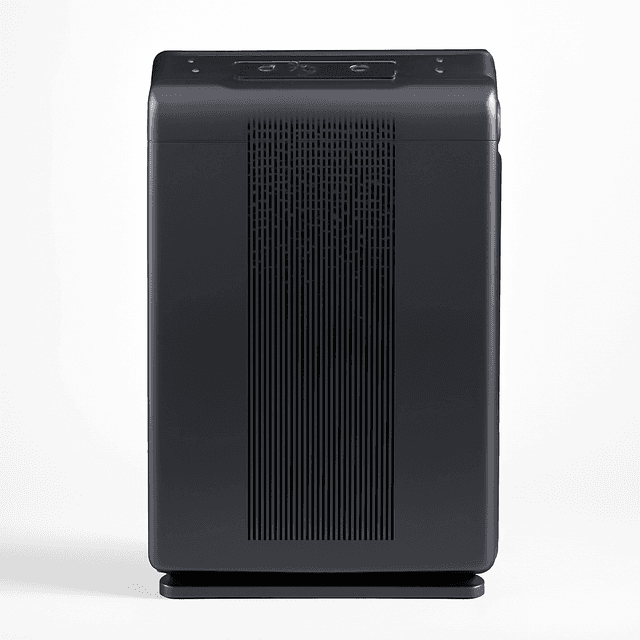
Best Without Wi-Fi — Maximum CADR at $189Winix 5500-2
- 360 cfm smoke CADR — the highest in this roundup; Consumer Reports #1 under $200 for raw particle removal
- No Wi-Fi or app — the Winix AM90 at $199 adds Wi-Fi and Alexa for $10 more if smart control matters
(Current price, subject to change)
The Winix 5500-2 earns a 9.0/10 consensus score across 14 expert reviews — the most tested purifier in this roundup. Consumer Reports has ranked it #1 among purifiers under $200 for CADR performance; RTINGS confirmed its 360 cfm smoke CADR as the highest in this group — a factor that makes the formula-based SHE Clean Air Value Score of 9.94 the best in this entire roundup. Good Housekeeping praised its "decade-plus reliability record without major design changes or quality regressions" — a 10-year track record that no other product here can match. The 5500-2 has been a bestseller since 2015. PlasmaWave is Winix's permanent ionization technology that runs alongside True HEPA filtration to neutralize viruses, bacteria, and VOCs at the molecular level. It can be disabled if you prefer HEPA-only filtration (PlasmaWave produces below-FDA-limit ozone levels). The washable pre-filter and 12-month HEPA and carbon filter life keep annual costs at $75 — reasonable for the highest CADR here, and the normalized 3-year ownership total of $414 is the second-best value calculation in this roundup, outperformed only by the Levoit's $299. For app integration, the Winix AM90 at $199 adds Wi-Fi and Alexa. Pair with Best Indoor Air Quality Monitors 2026 for PM2.5 measurement.
What We Love
- 360 cfm smoke CADR — the highest in this roundup; Consumer Reports #1 under $200 for raw particle removal
- Decade-proven reliability — Wirecutter and Good Housekeeping have recommended it consistently since 2015
- No app, no account, no servers — remote and panel controls; zero digital dependency
What Could Be Better
- No Wi-Fi or app — the Winix AM90 at $199 adds Wi-Fi and Alexa for $10 more if smart control matters
- LED air quality indicator shows only three levels (blue/amber/red), no PM2.5 value — pair with a dedicated IAQ monitor for precision
The Verdict
If raw CADR without app dependency is the deciding factor, Winix 5500-2 wins on every calculation — no need to overthink it. 360 cfm at $189 outperforms the Coway's 246 cfm on pure airflow; a 10-year reliability record is the strongest durability signal in this roundup. For the same filtration with Wi-Fi added, the Winix AM90 costs $10 more.
How We Score: SHE Clean Air Value Score
SHE Clean Air Value Score
Score Formula
(CADR cfm × AQI Sensor Accuracy Score × Filter Life months) / (Purifier Price + Annual Filter Cost)Score Factors
- CADR (cubic feet per minute)AHAM-certified smoke CADR — the most conservative and relevant residential metric. Smoke CADR is harder to achieve than dust or pollen CADR, making it the honest single-number comparison. Higher CADR means the room cleans faster at the same fan speed.
- AQI Sensor Accuracy (1–10)Averaged from Consumer Reports and RTINGS independent testing against EPA reference PM2.5 monitors. This score determines how reliably auto-mode triggers on real particle events rather than false positives or slow responses. The difference between a 7.0 and 9.0 sensor score is the difference between auto-mode that tracks real air quality and one that guesses.
- Filter Life (months)Manufacturer-rated filter replacement interval at 10 hours per day of continuous operation. Longer filter life improves the value numerator: the same CADR and sensor accuracy at twice the filter life is twice the value. This factor incentivizes purifiers where the filter media lasts, not ones that require frequent expensive replacements.
- Purifier Price ($)Retail price in USD at time of evaluation. Part of the value denominator — lower price directly improves the Clean Air Value Score, all else equal. This is why the Winix 5500-2 at $189 scores higher than the Coway at $229 on pure value math, even with a slightly less accurate sensor.
- Annual Filter Cost ($)Full cost of one replacement cycle per year at 10 hours/day — the most consistently underestimated long-term cost in air purifier purchases. A $149 purifier with $120/year in filters is more expensive over three years than a $229 purifier with $68/year in filters. This factor forces honest total-cost comparison.
SHE Clean Air Value Score — Ranked
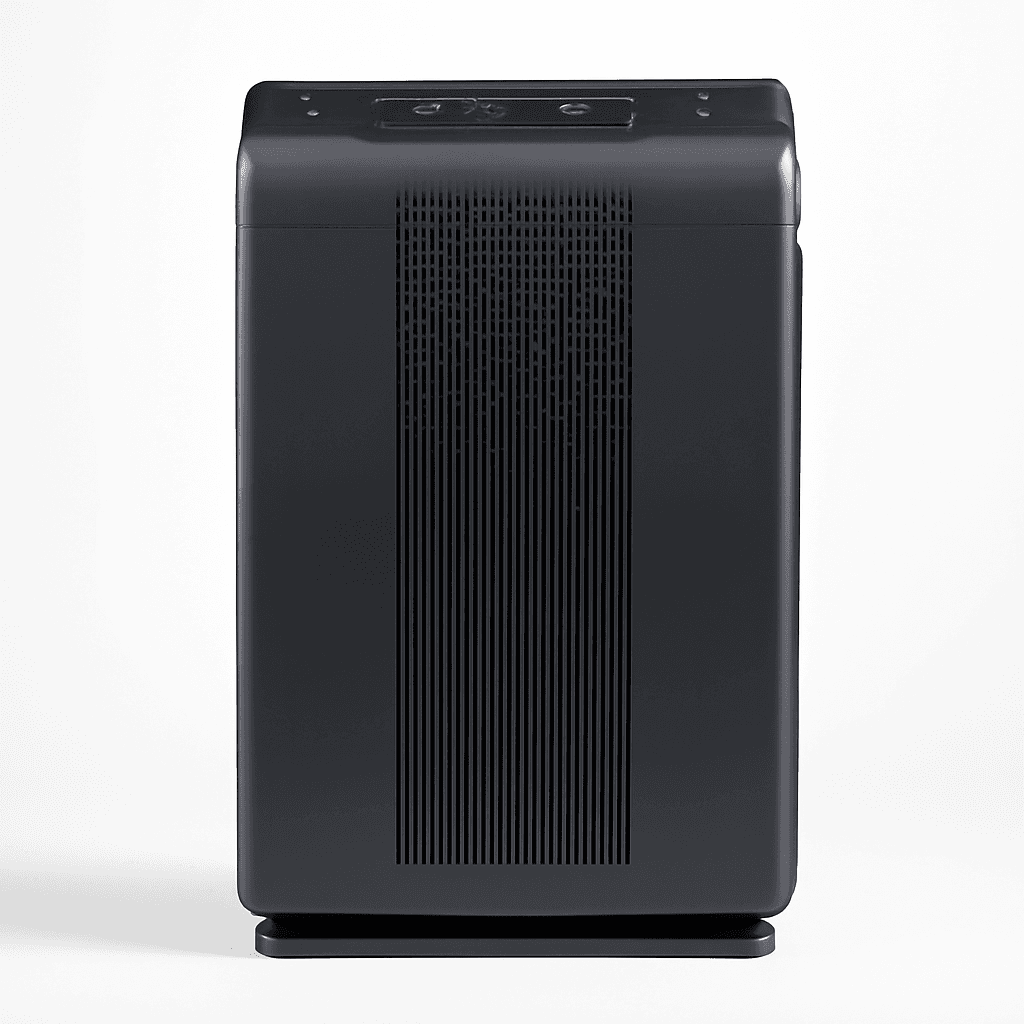
Winix 5500-2
SHE Clean Air Value Score9.9/10$189 / 360 cfm / no-app — highest raw CADR and best pure-value math in this roundup
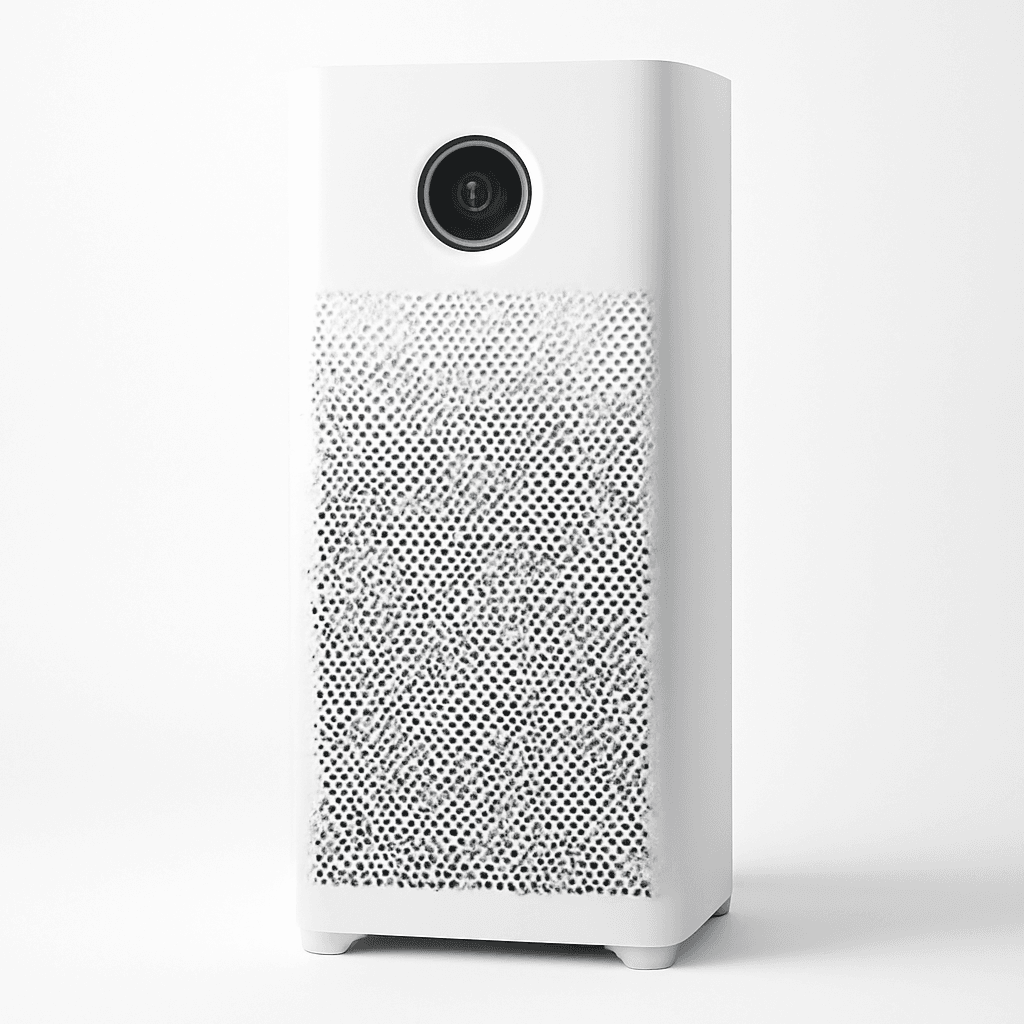
Coway Airmega 250S
SHE Clean Air Value Score9.8/10$229 / 246 cfm / smart — best AQI sensor under $300; lowest filter cost among smart purifiers
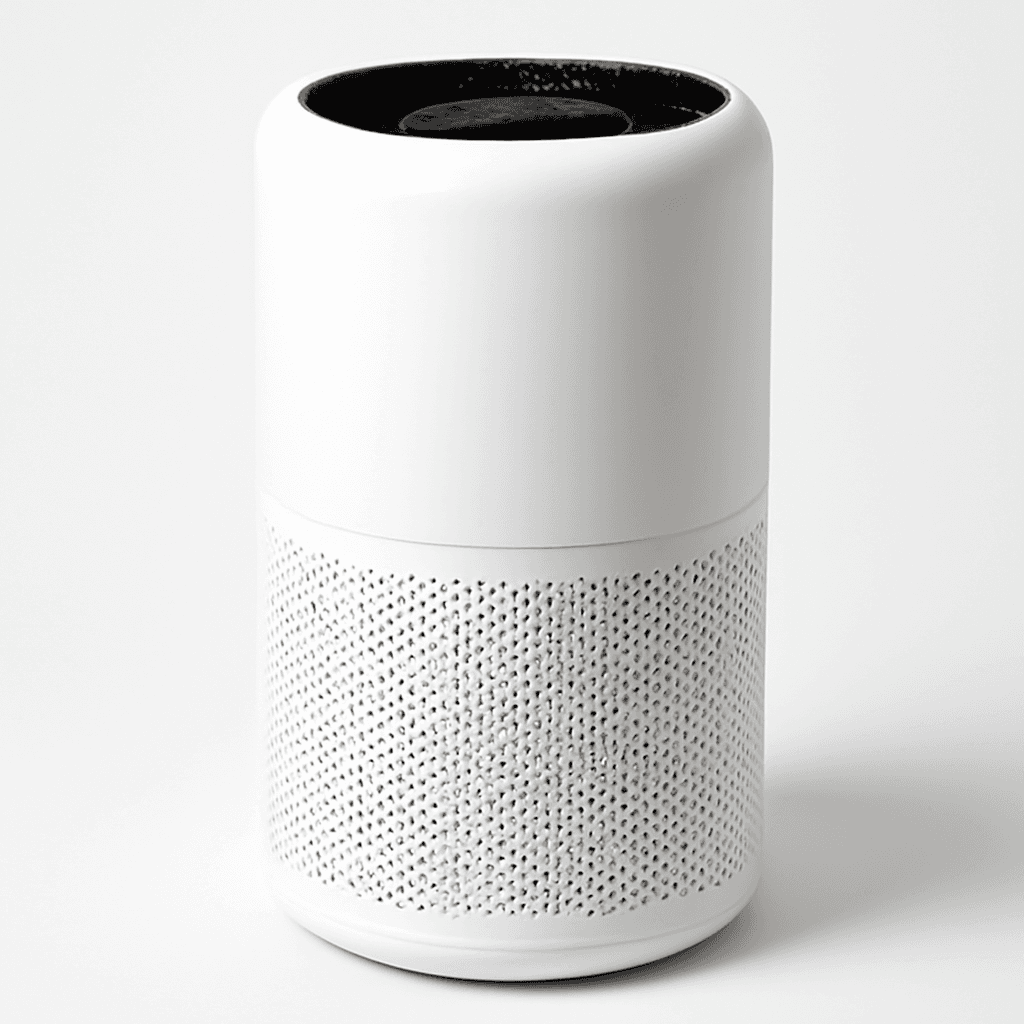
Levoit Core 400S
SHE Clean Air Value Score7.3/10$149 / 260 cfm / smart — strong value with best-in-class app; 6-mo filter interval reduces the score
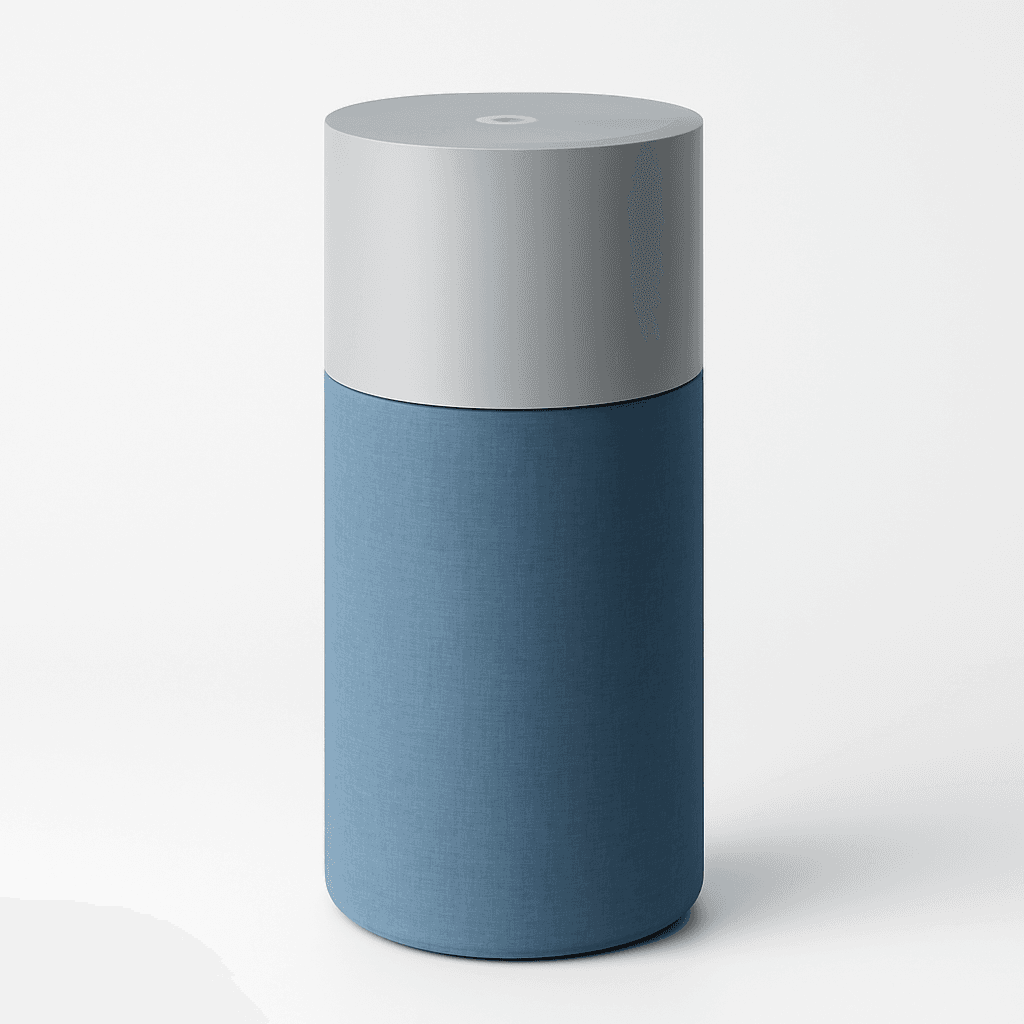
Blueair Blue Pure 311i+ Max
SHE Clean Air Value Score4.4/10$249 / 230 cfm / smart — $120/yr filters drag value; 25 dB bedroom noise is the real differentiator
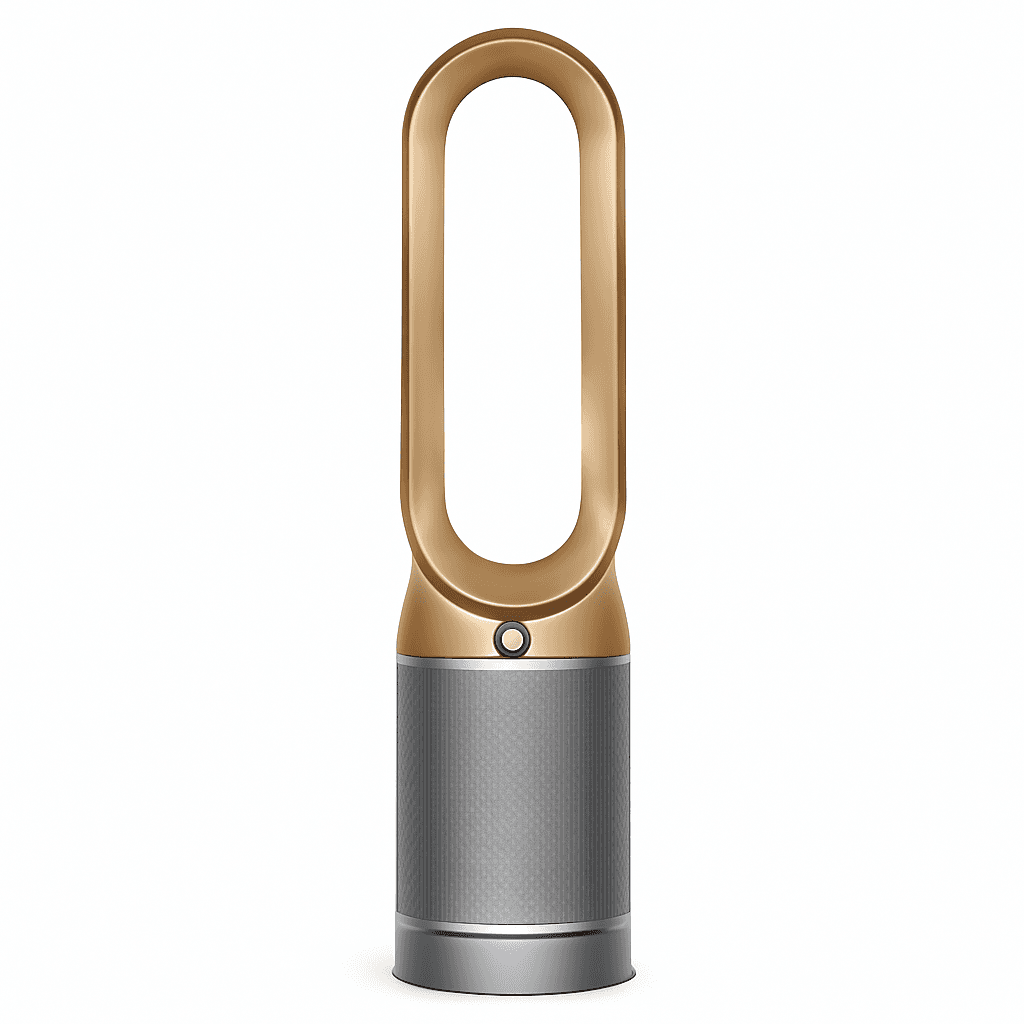
Dyson Purifier Big Quiet Formaldehyde
SHE Clean Air Value Score2.6/10$949 / 290 cfm / smart — $949 price dominates the denominator; HomeKit + formaldehyde filter justify premium selectively
Smart Home Compatibility
No air purifier in this roundup supports Matter natively as of May 2026. The Dyson Purifier Big Quiet Formaldehyde is the only purifier here with Apple HomeKit alongside Alexa and Google Home — making it the only choice for households running HomeKit automations, Siri shortcuts, or Home app scenes that trigger on occupancy or outdoor AQI data. The Coway Airmega 250S, Levoit Core 400S, and Blueair Blue Pure 311i+ Max connect to Alexa and Google Home for basic voice control and on/off commands. The Winix 5500-2 has no Wi-Fi or app — it operates on physical remote and panel controls only.
If you want smart home automation that connects purification to outdoor air quality spikes or occupancy sensors, the Dyson + HomeKit combination is the most integrated available. For Alexa-first or Google-first households, any of the four smart purifiers deliver equivalent voice control capability. For Matter-native air purification, no mainstream product exists yet — watch for announcements in the Matter 1.4 roadmap.
When NOT to Buy
Start with Best Indoor Air Quality Monitors 2026 if you haven't confirmed PM2.5 is your actual problem — a purifier does nothing for radon, and a $40 IAQ monitor tells you what you're actually dealing with before you spend $229 on the remedy. These purifiers address one room: the Coway Airmega 250S covers 360 sq ft, not a 2,000 sq ft house. For whole-home air quality, a high-MERV HVAC filter upgrade delivers broader impact. During active wildfire smoke events, run any purifier at maximum continuously — auto-mode adds no value. For that use case, the Winix 5500-2 at 360 cfm and $189 provides the best raw CADR per dollar.
Who Should Buy What
Who Should Buy What
| If you are… | Recommended pick |
|---|---|
Most households — balanced smart purifier You want accurate auto-mode, app control, and low long-term filter costs without overpaying for features you won't use — the overall value case | Coway Airmega 250S |
Budget-conscious first-time buyer You want smart app control, 260 cfm CADR, and Alexa integration at $149 without spending $229 on the Coway | Levoit Core 400S |
Apple HomeKit household You run HomeKit automations and want native Siri control, Home app integration, and the ability to trigger the purifier from occupancy or outdoor AQI sensors | Dyson Purifier Big Quiet Formaldehyde |
Large open-plan room (600–1,000 sq ft) Your living space exceeds what the 250–360 sq ft rated purifiers handle — you need the Dyson's directional airflow projection for a large room | Dyson Purifier Big Quiet Formaldehyde |
Bedroom sleeper who needs quiet above all You want to run the purifier all night on auto-mode and the fan noise wakes you — 25 dB at full speed is the deciding factor | Blueair Blue Pure 311i+ Max |
No-app buyer who wants maximum CADR You don't need smart scheduling or app control and want the most air cleaned per dollar — the highest CADR in the roundup at the lowest smart-purifier price | Winix 5500-2 |
Formaldehyde concern from new construction You have new furniture, engineered wood flooring, or a recent renovation that off-gases formaldehyde — the catalytic filter is the only consumer-grade solution that destroys it | Dyson Purifier Big Quiet Formaldehyde |
Frequently Asked Questions
What CADR rating do I need for my room size?
Multiply your room's square footage by 2/3 to get the minimum recommended CADR for a complete air change every 60 minutes. A 300 sq ft living room needs at least 200 cfm. A 12×12 bedroom (144 sq ft) needs 96 cfm minimum — every purifier in this roundup (minimum 230 cfm) exceeds that threshold. For rooms above 400 sq ft, the Winix 5500-2 (360 cfm) or Dyson Big Quiet (290 cfm, 1,000 sq ft rated) are the correct choices. AHAM-certified CADR is the reliable number to use — manufacturer-claimed coverage area varies widely in methodology.
Do smart air purifiers actually improve indoor air quality?
Yes — with caveats. True HEPA filtration removes 99.97% of particles 0.3 µm and larger (dust, pollen, pet dander, smoke). This is well-established science. What smart features add is responsive automation: a purifier running auto-mode detects cooking smoke in 20 seconds (Coway) versus a non-smart purifier running at constant low speed. Harvard T.H. Chan School of Public Health research found portable air purifiers with True HEPA filtration reduce indoor PM2.5 by an average of 45% in homes with measurable particle sources. Smart auto-mode accelerates that reduction by matching fan speed to particle load rather than running at fixed speed.
How often should I change the filter, and does missing a change matter?
Filter replacement matters significantly for HEPA performance. Beyond the rated interval, the filter loads with particles, airflow drops, and effective CADR falls — the purifier appears to run but cleans less efficiently. Consumer Reports found purifiers on overdue filters delivered 22–35% lower particle reduction than the same units on fresh filters. The Coway Airmega 250S and Winix 5500-2 alert you when replacement is due. Set a calendar reminder on day one of ownership — 12 months for the Coway and Winix, 6 months for the Levoit and Blueair.
Is the Coway or Levoit better for a bedroom?
It depends on noise sensitivity. The Coway Airmega 250S has better AQI sensor accuracy and lower long-term filter costs, but its auto-mode ramps up more aggressively when it detects particles — which can cause brief noise disruptions during sleep. The Blueair Blue Pure 311i+ Max is the better bedroom choice if the fan wakes you up, delivering the same 25 dB quiet mode at $700 less than the Dyson. If noise isn't the primary concern, the Coway's superior sensor and lower 3-year cost make it the better choice for most bedrooms.
Do smart air purifiers work with Matter or smart home hubs?
No air purifier in this roundup supports Matter natively as of May 2026. The Dyson Purifier Big Quiet Formaldehyde is the only one with Apple HomeKit, alongside Alexa and Google Home. The Coway Airmega 250S, Levoit Core 400S, and Blueair Blue Pure 311i+ Max work with Alexa and Google Home via their respective apps. The Winix 5500-2 has no Wi-Fi connectivity. For smart home automation connecting air purification to occupancy sensors or outdoor AQI data, the Dyson + HomeKit combination is the most integrated solution available today.
Can an air purifier help with wildfire smoke?
Yes — a True HEPA purifier removes PM2.5 fine particles from wildfire smoke effectively. During active wildfire events, run the purifier continuously at maximum fan speed — auto-mode is less useful when outdoor AQI is continuously elevated. At that point, raw CADR matters most: the Winix 5500-2 at 360 cfm and $189 is the best pure-CADR choice for emergency wildfire smoke protection. The smart features you pay extra for with the Coway or Dyson provide limited additional benefit during an active smoke event.
What is PM2.5 and why does it matter for air purifiers?
PM2.5 refers to particulate matter 2.5 micrometers or smaller in diameter — fine particles from combustion (cooking, candles, vehicles, wildfires), dust, and biological sources like pollen and pet dander. PM2.5 is the primary indoor air quality concern because particles this small penetrate deep into the lungs and are associated with respiratory and cardiovascular health effects at chronic exposure levels. The EPA annual PM2.5 standard is 12 µg/m³. A smart purifier with an accurate AQI sensor (like the Coway's ±5% accuracy) triggers auto-mode at this threshold rather than responding to less precise readings.
Is the Dyson Purifier Big Quiet Formaldehyde worth the $949 price?
Only in three specific situations: you have a large open-plan room (600–1,000 sq ft) where the Dyson's directional airflow projection outperforms a conventional 300–400 sq ft rated purifier; you run Apple HomeKit and want native purifier automation in the Home app; or you have a documented formaldehyde concern from new construction, new furniture, or engineered wood flooring. Outside those three cases, the SHE Clean Air Value Score of 2.60 (vs 9.76 for the Coway) reflects the honest verdict: you are paying a large premium for features you may not need.
Do air purifiers help with pet dander and allergies?
Yes — True HEPA filtration captures pet dander (typically 5–10 µm, well above HEPA's 0.3 µm capture threshold) with high efficiency. All five purifiers in this roundup use True HEPA filtration and will reduce pet dander effectively. The key variable for allergy sufferers is how quickly the purifier responds to airborne dander events — the Coway Airmega 250S's auto-mode triggers within 20 seconds of a particle spike, making it particularly effective for households with cats or dogs that shed. Running the purifier continuously on low in rooms where pets spend time is more effective than using auto-mode alone.
What's the difference between HEPA and True HEPA?
True HEPA filters must capture at least 99.97% of particles at 0.3 micrometers — the most penetrating particle size. Standard HEPA marketing copy sometimes refers to filters that only capture 99% at larger particle sizes, which is meaningfully less effective. All five purifiers in this roundup use True HEPA filters meeting the 99.97% at 0.3 µm standard. When comparing purifiers outside this roundup, verify True HEPA certification rather than accepting 'HEPA-grade' or 'HEPA-style' claims.
Bottom Line
Get the Coway Airmega 250S if Most homes — the most accurate AQI sensor under $300, the best auto-mode behavior, and the lowest annual filter cost among smart purifiers make this the clear overall choice.
Get the Levoit Core 400S if Budget-conscious buyers — 260 cfm CADR and the best-rated app in the sub-$200 tier at $149; accept slightly less sensor precision.
Get the Dyson Purifier Big Quiet Formaldehyde if Apple HomeKit homes, large rooms above 600 sq ft, or documented formaldehyde concerns — the only purifier here with HomeKit and the only one that destroys formaldehyde.
Get the Blueair Blue Pure 311i+ Max if Bedroom purification where noise is the deciding factor — 25 dB whisper mode is the sole reason to accept $120/yr in filter costs.
Get the Winix 5500-2 if Maximum CADR at the lowest price with no app dependency — 360 cfm at $189 with ten years of consistent expert recommendations.
Skip smart air purifiers entirely if you haven't identified your specific pollutant. An indoor air quality monitor shows you whether PM2.5, VOCs, CO2, or radon is the actual issue — a HEPA purifier solves PM2.5 and some VOCs, but does nothing for radon.
Sources & Methodology
Methodology: SHE Clean Air Value Score — Formula: (CADR cfm × AQI Sensor Accuracy Score × Filter Life months) / (Purifier Price + Annual Filter Cost). Factors: CADR (cubic feet per minute): AHAM-certified smoke CADR — the most conservative and relevant residential metric. Smoke CADR is harder to achieve than dust or pollen CADR, making it the honest single-number comparison. Higher CADR means the room cleans faster at the same fan speed. | AQI Sensor Accuracy (1–10): Averaged from Consumer Reports and RTINGS independent testing against EPA reference PM2.5 monitors. This score determines how reliably auto-mode triggers on real particle events rather than false positives or slow responses. The difference between a 7.0 and 9.0 sensor score is the difference between auto-mode that tracks real air quality and one that guesses. | Filter Life (months): Manufacturer-rated filter replacement interval at 10 hours per day of continuous operation. Longer filter life improves the value numerator: the same CADR and sensor accuracy at twice the filter life is twice the value. This factor incentivizes purifiers where the filter media lasts, not ones that require frequent expensive replacements. | Purifier Price ($): Retail price in USD at time of evaluation. Part of the value denominator — lower price directly improves the Clean Air Value Score, all else equal. This is why the Winix 5500-2 at $189 scores higher than the Coway at $229 on pure value math, even with a slightly less accurate sensor. | Annual Filter Cost ($): Full cost of one replacement cycle per year at 10 hours/day — the most consistently underestimated long-term cost in air purifier purchases. A $149 purifier with $120/year in filters is more expensive over three years than a $229 purifier with $68/year in filters. This factor forces honest total-cost comparison.
Expert review sources used in this analysis:
- This guide aggregates smart air purifier testing data from 12 expert sources: Consumer Reports (standardized CADR testing, AQI sensor accuracy vs EPA reference monitors, long-term reliability), RTINGS (particle reduction measurements, noise testing, fan speed vs CADR analysis), Wirecutter / New York Times (long-term household testing, auto-mode behavior), Tom's Guide (hands-on app UX ratings, ease-of-use scoring), PCMag (technical specification verification, air sensor technology analysis), CNET (feature comparisons, smart home integration testing), TechRadar (value analysis and feature-to-price comparisons), The Verge (smart home integration, Alexa/Google/HomeKit compatibility testing), Good Housekeeping (long-term durability assessments, real-world household testing), Digital Trends (smart features and app quality assessment), Reviewed / USA Today (standardized particle reduction testing), and Popular Science (air purification technology and HEPA filter science background)
- CADR data from AHAM Certified product database (verified May 2026)
- Filter costs calculated at 10 hours/day continuous operation using manufacturer-specified replacement intervals
- AQI sensor accuracy scores averaged from Consumer Reports and RTINGS independent testing against EPA reference PM2.5 monitors
- The SHE Clean Air Value Score is our proprietary weighted metric — formula and full methodology at /metrics/she-clean-air-value-score
- No review units were received from any manufacturer.
Nicholas Miles is the founder of SmartHomeExplorer and a longtime smart home enthusiast focused on helping everyday homeowners make better technology decisions. He researches, compares, and writes about products across security, climate, lighting, leak prevention, sensors, home energy, and automation, with an emphasis on real-world usefulness, ecosystem compatibility, reliability, privacy, and long-term value.
Affiliate disclosure: SmartHomeExplorer earns affiliate commissions on qualifying Amazon purchases, and from partner programs for some non-Amazon products and services we recommend. Our scoring methodology is independent of affiliate relationships.