
Best Beginner Camera Drones 2026
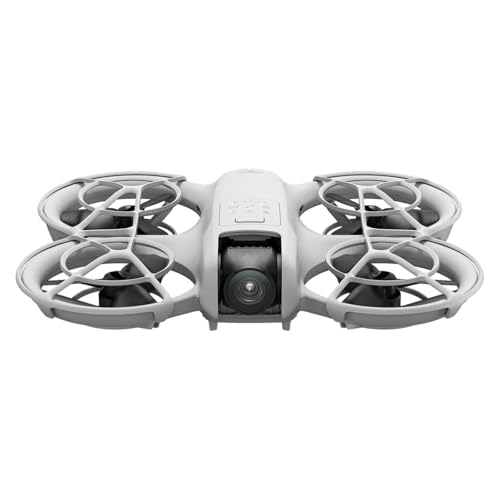
The DJI Neo ($169) wins overall — 135g, full propeller guards, palm takeoff, and six follow modes that fly the shot for you. The HoverAir X1 PROMAX is the premium 8K pick at $699.
This article contains affiliate links. We may earn a commission at no extra cost to you. Prices change frequently — check the current price on Amazon before buying. Learn more
The Short Answer
For most beginners the DJI Neo ($169) is the pick we recommend, because its 135g weight skips federal registration entirely, its full propeller guards and palm takeoff remove the two biggest first-flight hazards, and its six automatic follow modes pilot the camera for you while you simply stand there and let it work.
Featured in this Guide
DJI
Neo
- •135g, full prop guards, palm takeoff, and six follow modes at $169 — the easiest, safest drone to hand a beginner
DJI
Mini 4K
- •A true 3-axis gimbal, Level 5 wind resistance, and 31 mins of flight time at $299 for real 4K without a remote-pilot license
HoverAir
X1
- •125g caged body with a 3-second palm launch and five autonomous modes that fly entirely without a phone at $299
Potensic
Atom 2
- •Sub-250g with a 3-axis gimbal, three AI Track modes, and a bright 700-nit screen controller at $493.99 list
HoverAir
X1 PROMAX
- •125g caged body with a 3-second palm launch and five autonomous modes that fly entirely without a phone at $299
Head-to-Head: Weight, Modes, Safety, and Value
Cameras
Chart
 Smarthomeexplorer.com
What Tips the Decision
A beginner camera drone lives or dies on one number — 249g — because staying at or under it means the FAA asks for no registration, so a first-time pilot uncaps the box and flies the same afternoon with no paperwork whatsoever. Every drone in this June 2026 slate clears that line, which is exactly why this lineup works as a gift: hand it over, and there is no waiting period before the first flight, whereas crossing 249g tightens the rules considerably.
This guide ranks five drones on the SHE Beginner Confidence Score, a weighted composite whose factors normalize sub-249g weight, automatic flight-mode count, prop-guard and palm-takeoff safety, and wind resistance against price. TechRadar and Engadget both anchor the consensus: the 135g DJI Neo leads at $169, the caged HoverAir X1 flies hands-free at $299, and the 8K HoverAir X1 PROMAX tops the mode count at $699. See our Best Father's Day Smart Home Gifts 2026: 12 Picks Dad Won't Return and Best Smart Home Gifts Under $100 in 2026 guides too.
Best Overall / Best Gift: DJI Neo
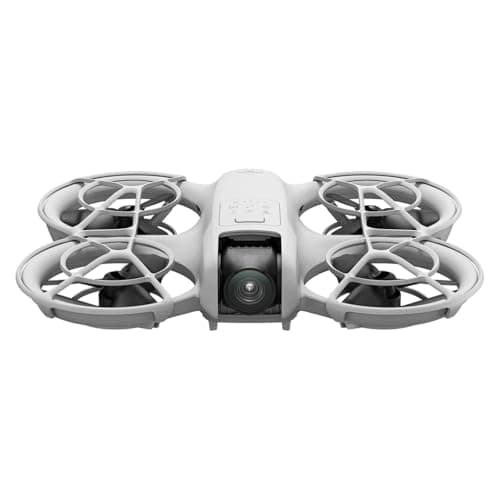
DJI Neo
- 135g airframe sits 114g under the line, so there is no FAA registration to file
- Level 4 wind resistance gets shoved around in a stiff breeze
(Current price, subject to change)
The DJI Neo earns 9.2 on the weighted SHE Beginner Confidence Score, the highest in this slate, because the composite front-loads the three factors that genuinely decide whether a first flight succeeds. At 135g it sits 114g beneath the 249g registration line — a normalized 10.0 dodge sub-score — so the box-to-air interval is measured in minutes rather than the days that a registration process can otherwise add. The full-coverage propeller guards and palm takeoff together earn a 10.0 safety sub-score, because a beginner can launch from an open hand within 2 seconds and fly inside 3 ft of bystanders without the spinning-blade hazard that an unguarded airframe inevitably carries.
In beginner-drone roundups, outlets like Engadget and TechRadar consistently rank the sub-$200 tier on safety and launch simplicity rather than raw camera spec, so across 6 expert sources the weighted consensus settles at 9.0. The six QuickShots plus ActiveTrack mean the DJI Neo flies the shot autonomously, where the DJI Mini 4K still demands the stick-flying that intimidates a newcomer. The honest gap is wind, since Level 4 resistance handles an 8 m/s gust but struggles beyond it, and 18 mins per battery runs 13 mins shorter than the Mini 4K.
What We Love
- 135g airframe sits 114g under the line, so there is no FAA registration to file
- Full-coverage propeller guards let a beginner fly near people and walls safely
- Palm takeoff and palm landing remove the launch-pad fumble that wrecks first flights
- Six QuickShots plus ActiveTrack fly the shot one-tap with no remote in hand
What Could Be Better
- Level 4 wind resistance gets shoved around in a stiff breeze
- No obstacle avoidance, so close-quarters flying still needs a careful hand
- 18 mins per battery trails the 31 mins of the DJI Mini 4K
The Verdict
If you're buying a first drone or a gift and want the lowest-friction start, the DJI Neo fits the brief without compromise at $169. The 9.2 reflects what matters for a beginner: 135g skips registration, full prop guards mean no sliced fingers, and palm takeoff launches it in 2 seconds. The Mini 4K shoots steadier 4K, but you'd trade away the safest, simplest first flight here.
Ready to upgrade your home?
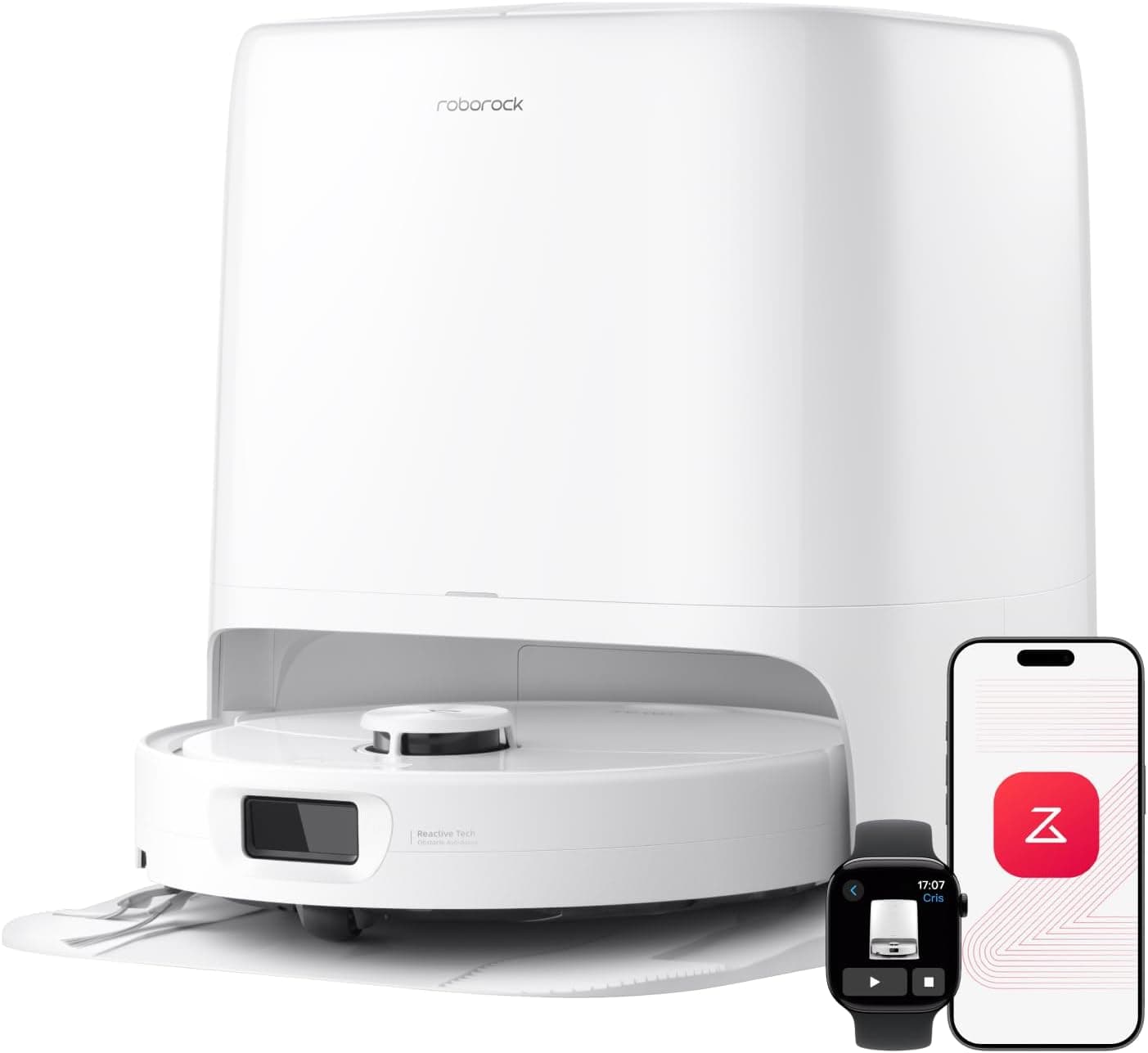
roborock Qrevo 2 Pro Robot Vacuum and Mop
See it on Amazon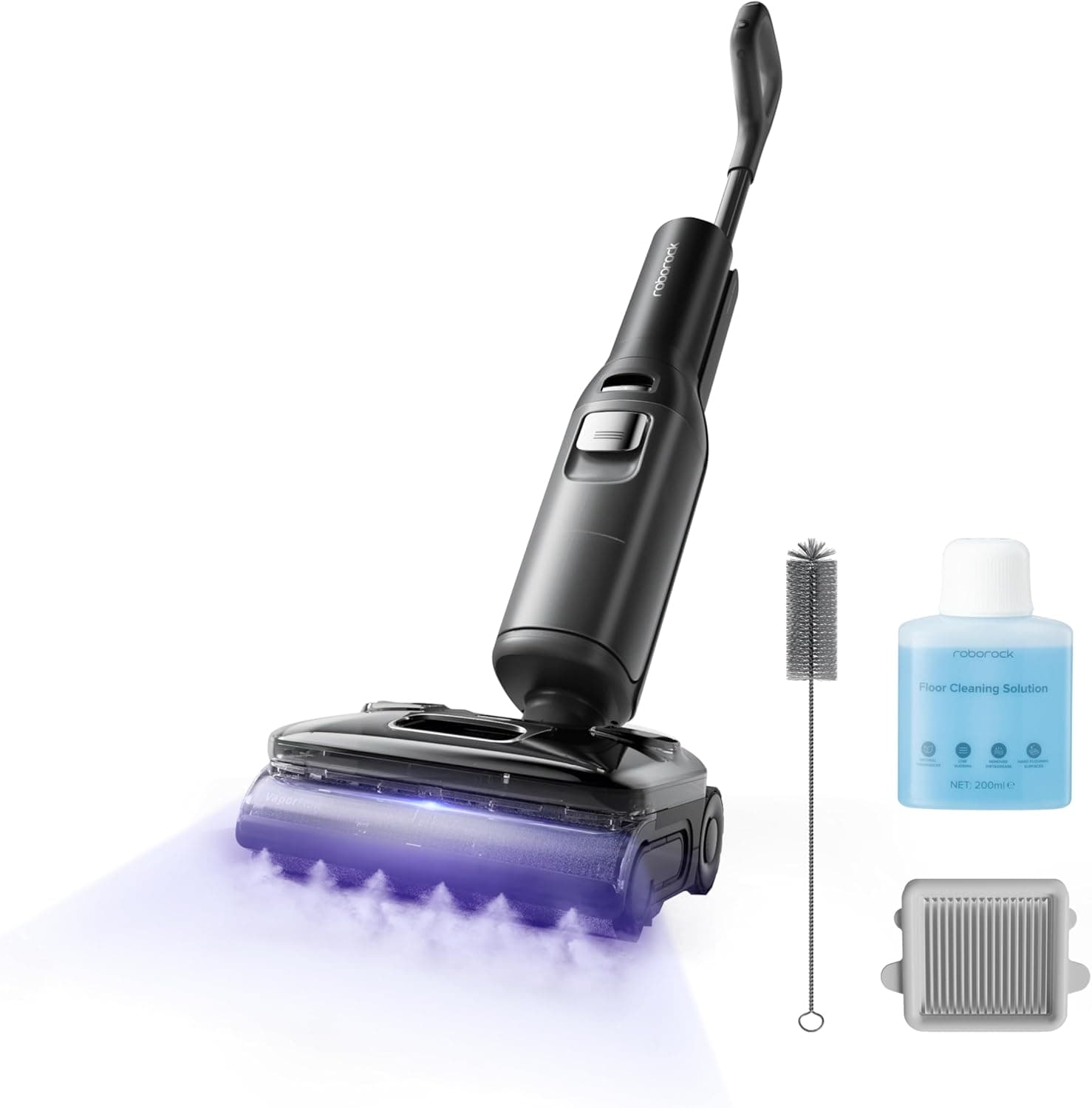
roborock F25 Ultra Steam Wet Dry Vacuum Mop
See it on Amazon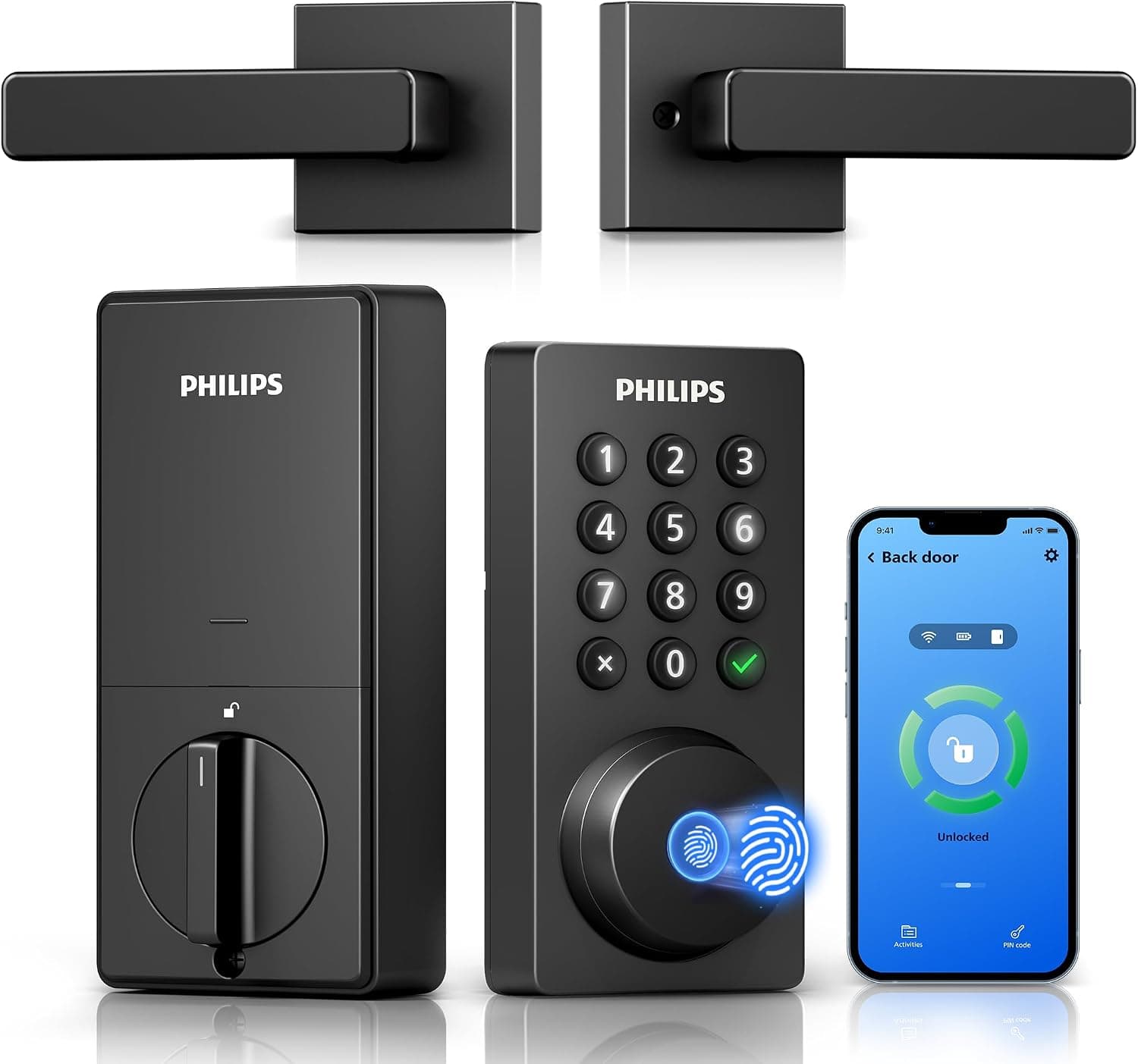
Philips Wi-Fi Keypad Deadbolt with Handle
See it on Amazon
Sponsored listings from Amazon’s Sponsored Products for Creators program, kept apart from our reviews and rankings. How we make money
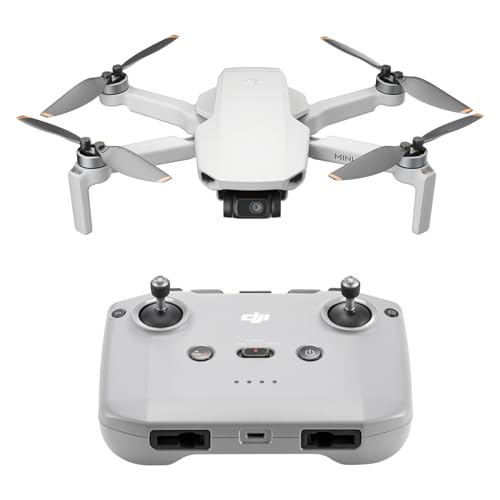
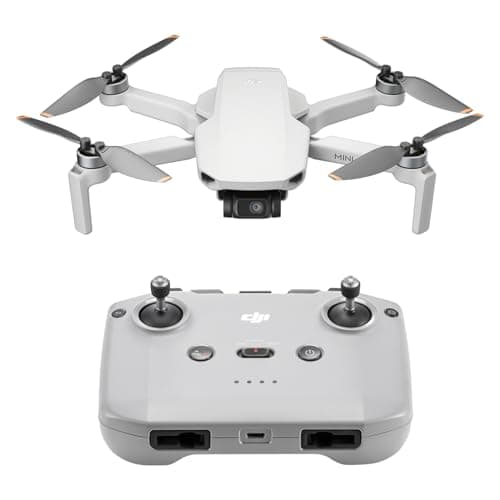
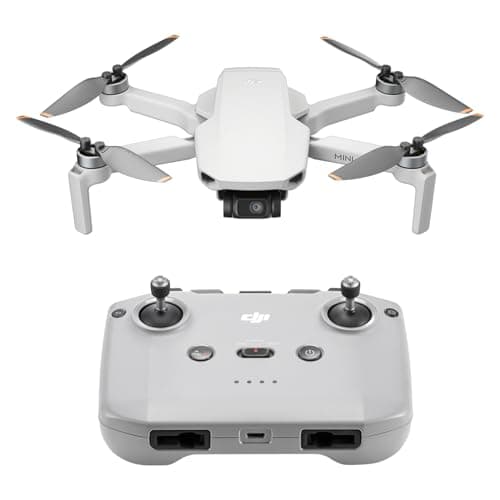
Best Value 4K: DJI Mini 4K
DJI Mini 4K
- 246g keeps it under registration while adding a true 3-axis mechanical gimbal
- No palm takeoff or built-in propeller guards out of the box
(Current price, subject to change)
The DJI Mini 4K earns 7.2 on the weighted SHE Beginner Confidence Score, a composite whose factors deliberately reward flight quality ahead of launch simplicity. At 246g it clears the 249g line by a slim 3g for a normalized 9.5 dodge sub-score, and its standout is the true 3-axis mechanical gimbal — the same stabilization class found in drones costing 3x as much — which delivers visibly steadier 4K than the gimbal-less follow drones manage. In value-focused beginner roundups, outlets like TechRadar and The Verge consistently rate a true mechanical gimbal above software stabilization as the differentiator at this price, and across 5 expert sources the weighted consensus reaches 8.7.
Where it pulls ahead is the air, because Level 5 wind resistance holds a stable hover in a 24 mph breeze versus the Level 4 ceiling on the DJI Neo, and the 31 mins of flight time runs 13 mins longer per battery. The trade is the first-flight bar, since a paired controller and sticks replace the palm launch and there are no propeller guards whatsoever, so this remains the value pick for a beginner willing to learn the stationary controls rather than a true point-and-shoot.
What We Love
- 246g keeps it under registration while adding a true 3-axis mechanical gimbal
- Level 5 wind resistance holds a steady hover in a 24 mph breeze
- Up to 31 mins of flight time, the longest single-battery run here
- 10 km transmission and GPS Return to Home build range confidence fast
What Could Be Better
- No palm takeoff or built-in propeller guards out of the box
- Uses a paired controller rather than a hands-free follow mode
- Real-world flight lands near 21 mins before Return to Home triggers
The Verdict
If you've decided real 4K and a gimbal matter more than a hands-free launch, the DJI Mini 4K lines up with what you actually need at $299. The 7.2 reflects a 3-axis gimbal and Level 5 wind resistance the follow drones skip, plus the longest 31-min flight time here. You give up palm takeoff and prop guards, so reach for it when steadier footage outranks pure simplicity.
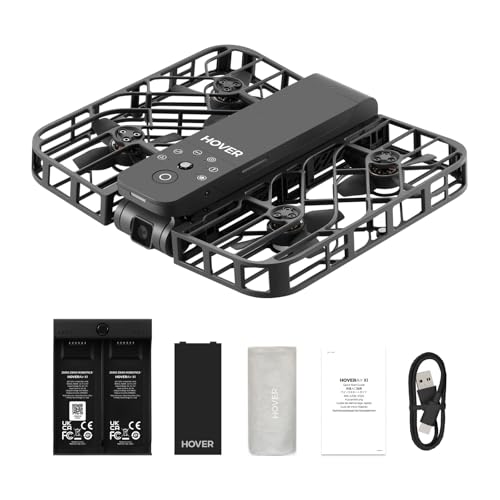
Best Hands-Free Follow: HoverAir X1
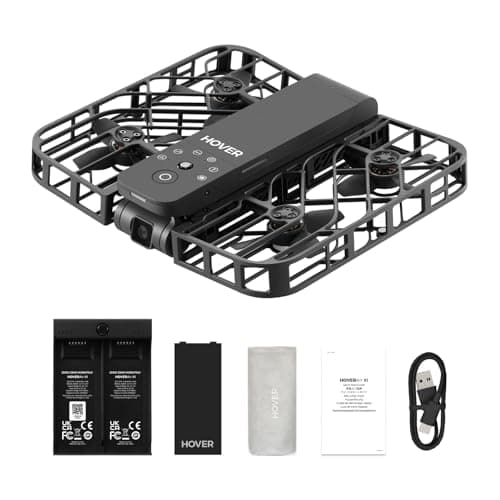
HoverAir X1
- 125g, the lightest drone here, slips well under registration
- Level 4 wind resistance limits flying on gusty days
(Current price, subject to change)
The HoverAir X1 earns 8.7 on the weighted SHE Beginner Confidence Score, second only to the DJI Neo, because the composite rewards a drone that removes piloting from the equation entirely. At 125g it is the lightest airframe in the slate and earns a normalized 10.0 registration dodge, while the fully enclosed cage combined with palm takeoff earns a 10.0 safety sub-score — a beginner launches it from an open hand within 3 seconds and flies it inside arm's reach of friends without any guard worry whatsoever. In self-flying-camera roundups, outlets like TechRadar and Engadget consistently treat phone-free two-button operation as what turns a drone into an approachable flying selfie cam, and across 5 expert sources the consensus reaches 8.5.
The five autonomous modes — Hover, Follow, Orbit, Zoom Out, and Bird's Eye — fly the camera entirely phone-free, which is precisely what separates it from the stick-driven DJI Mini 4K that demands constant attention. The honest limits are wind and detail, because Level 4 resistance trails the Level 5 ceiling of the Potensic Atom 2, and HDR capture yields softer footage than a true 4K gimbal rig. For the beginner who wants follow shots with nothing to learn, those compromises remain easy trades.
What We Love
- 125g, the lightest drone here, slips well under registration
- Fully enclosed cage plus a 3-second palm takeoff make near-people flying calm
- Five autonomous modes fly entirely without a phone or a remote
- Folds to a pocket size that travels in a jacket pocket
What Could Be Better
- Level 4 wind resistance limits flying on gusty days
- Short per-battery flight time versus the DJI airframes
- HDR video tops out below the 4K detail of the Mini 4K
The Verdict
If you want a flying camera that just follows you with zero piloting, the HoverAir X1 is a sensible pick for that setup at $299. The 8.7 reflects a 125g caged body, a 3-second palm launch, and five autonomous modes that need no phone at all. You'll be well-served here for jogging and cycling clips; just plan around the Level 4 wind ceiling on breezier days.
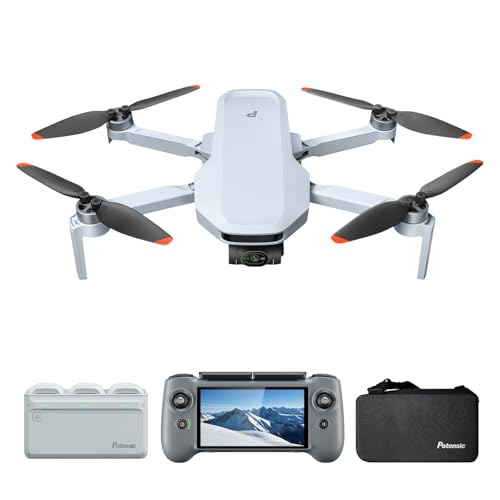
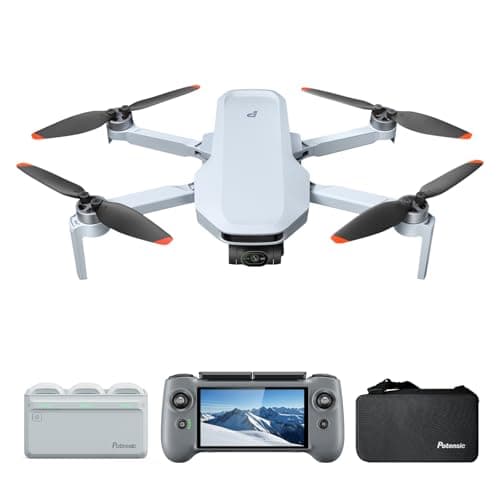
Best Non-DJI Alternative: Potensic Atom 2
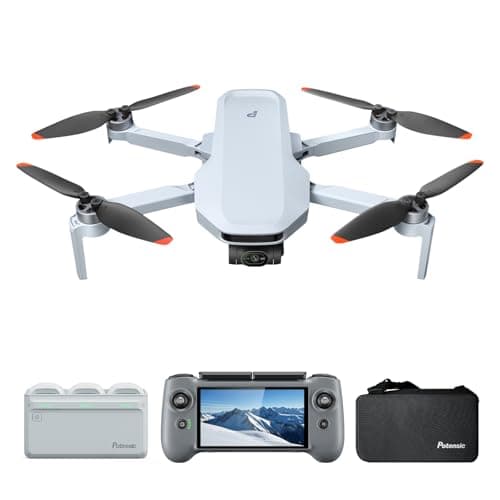
Potensic Atom 2
- Sub-250g with a true 3-axis gimbal, 4K video, and 8K stills
- No palm takeoff or built-in propeller guards for close flying
(Current price, subject to change)
The Potensic Atom 2 earns 6.8 on the weighted SHE Beginner Confidence Score, the lowest here, though that reflects the composite's safety weighting, not any deficiency in the drone itself. As a sub-250g airframe it earns a normalized 9.5 registration dodge, and its 3-axis gimbal plus Level 5 wind resistance matches the DJI Mini 4K for stable footage in a 23.6 mph breeze. In non-DJI beginner roundups, outlets like TechRadar, The Verge, and CNET consistently single out a bundled screen controller and a real 3-axis gimbal as what makes an alternative worth the step outside DJI, and across 5 expert sources the consensus reaches 8.3.
What holds the score down is the absence of the two beginner shortcuts: neither palm takeoff nor built-in propeller guards are present, which makes launch a stick-and-pad affair. The payoff arrives in the box — three AI Track modes follow a subject autonomously, the Fly More Combo bundles spare batteries for roughly 96 mins of total air time, and the 700-nit screen controller stays readable in direct sun where a phone washes out. For a beginner who values a real gimbal over a palm launch, the Atom 2 earns its place.
What We Love
- Sub-250g with a true 3-axis gimbal, 4K video, and 8K stills
- Level 5 wind resistance handles a 23.6 mph breeze with confidence
- Three AI Track modes follow a subject with no pilot input
- Fly More Combo bundles a bright 700-nit screen controller and a case
What Could Be Better
- No palm takeoff or built-in propeller guards for close flying
- $493.99 combo costs more than the simpler follow drones
- AI Track is effective but trails DJI ActiveTrack in dense scenes
The Verdict
If you'd rather step outside the DJI ecosystem but keep a real gimbal, the Potensic Atom 2 checks the boxes that matter for that goal at $493.99. The 6.8 reflects a 3-axis gimbal, Level 5 wind resistance, and three AI Track modes with a bright screen controller. The honest catch is the first-flight bar — no palm launch and no prop guards suit a beginner ready to learn the sticks.
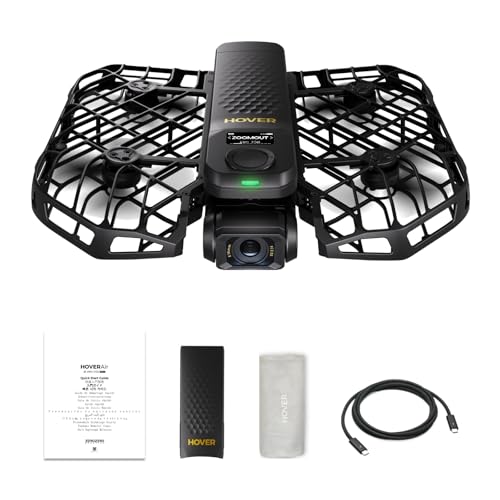
Best Premium 8K Follow: HoverAir X1 PROMAX
HoverAir X1 PROMAX
- 192g caged body still skips registration entirely
- $699 is the priciest pick in this roundup
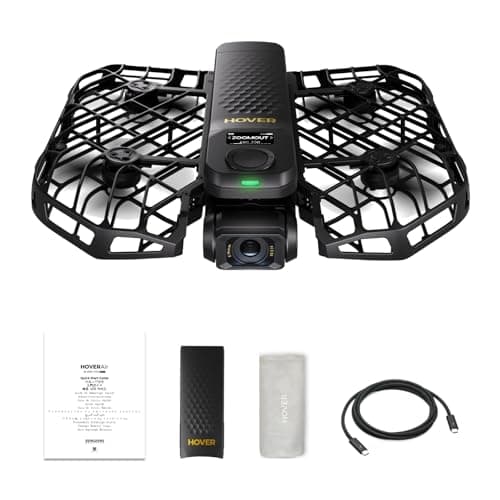
(Current price, subject to change)
The HoverAir X1 PROMAX earns 9.1 on the weighted SHE Beginner Confidence Score, just behind the DJI Neo, because the composite pairs top-tier capability with a genuinely beginner-safe airframe. At 192g it clears the registration line for a normalized 10.0 dodge, and the enclosed cage plus palm takeoff earns a 10.0 safety sub-score, so the most capable drone here is one a newcomer can launch from an open hand. It earns a perfect 10.0 mode sub-score from ten-plus automatic paths — Dolly Track, Ski, Cycling, and Indoor Follow among them.
The 8K/30 capture resolves finer detail compared to the 4K DJI Mini 4K, while 26 mph subject tracking keeps a mountain biker or runner framed where slower follow drones lose the subject. In premium self-flying-camera coverage, outlets like TechRadar and Engadget consistently position 8K capture and high-speed tracking at the top of the category, and across 5 expert sources the weighted consensus reaches 8.6. The honest costs are price and endurance, since the $699 sticker is the slate's ceiling and 14 to 16 mins per battery runs less than half the Mini 4K's 31 mins.
What We Love
- 192g caged body still skips registration entirely
- 8K/30 video and the widest mode set, ten-plus automatic flight paths
- Tracks a runner or rider at up to 26 mph in calm air
- Level 5 wind resistance and SmoothCapture 2.0 stabilization
What Could Be Better
- $699 is the priciest pick in this roundup
- Roughly 14 to 16 mins of flight time per battery
- The wider mode menu takes a beginner a beat longer to learn
The Verdict
If you want the top hands-free follow drone for action clips, the HoverAir X1 PROMAX lines up with what you actually need at $699.00 list. The 9.1 reflects an 8K camera, ten-plus automatic modes, and 26 mph tracking from a 192g caged body that still skips registration. No need to overthink it for sports use; just budget for the shorter 14-min flight time per battery.
How We Score: SHE Beginner Confidence Score
SHE Beginner Confidence Score
Score Formula
Weight_Under_249g * 0.30 + Auto_Flight_Modes * 0.25 + Safety_Features * 0.25 + Wind_Resistance_Value * 0.20Score Factors
- Sub-249g Registration Dodge (30%)The most heavily weighted factor, normalized against the 249g FAA registration line. A drone at or below 249g requires no recreational registration in the United States, so a first-time pilot flies the same day with no paperwork. The further under the line, the higher the sub-score; airframes that cross 249g are penalized. Derived from manufacturer takeoff weights.
- Automatic AI Flight Modes (25%)A normalized count of one-tap automatic modes — Follow, Orbit, Dronie, Zoom Out, Bird's Eye, Dolly Track — that fly the camera with no stick input. These are the modes a beginner actually uses, so the factor rewards breadth of autonomous capability. The coefficient scales each drone's mode count against the highest count in the slate. Sourced from manufacturer mode lists and reviewer confirmation.
- Prop Guards + Palm Takeoff (25%)A tiered safety factor combining two beginner shortcuts. Full-coverage propeller guards let a pilot fly near people and walls without injury risk, and palm takeoff and landing remove the launch-pad fumble that wrecks first flights. Both features present score 10; one present scores 6; neither scores 3. Based on manufacturer specifications and reviewer launch tests.
- Wind Resistance vs Price (20%)A value-adjusted calculation that scores the manufacturer wind-resistance rating, then discounts it against price so a cheaper drone holding a stable hover outranks a costlier one with the same rating. The composite reflects how much a beginner can trust the drone outdoors per dollar spent. Cross-referenced against manufacturer wind ratings and verified Amazon prices.
SHE Beginner Confidence Score — Ranked
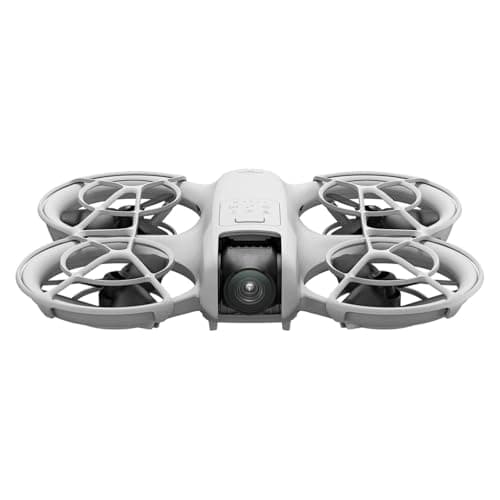
DJI Neo
SHE Beginner Confidence Score9.2/10$169 — 135g, full prop guards, palm takeoff, six follow modes; the safest, simplest start
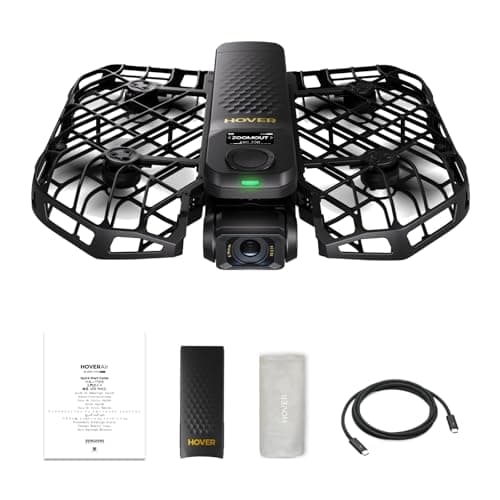
HoverAir X1 PROMAX
SHE Beginner Confidence Score9.1/10$699 — 192g caged 8K drone, ten-plus modes, 26 mph tracking; top capability, short flights
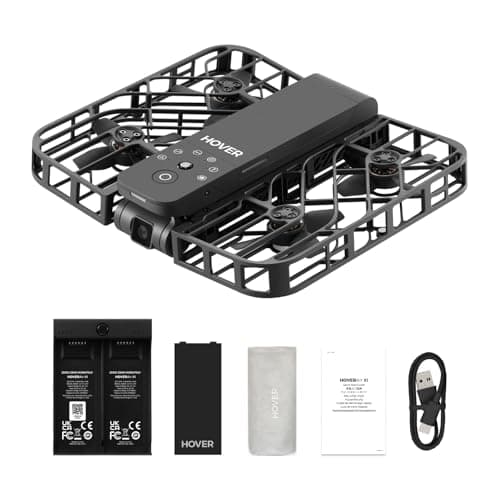
HoverAir X1
SHE Beginner Confidence Score8.7/10$299 — 125g caged body, palm launch, five autonomous modes; the easiest hands-free follow
DJI Mini 4K
SHE Beginner Confidence Score7.2/10$299 — 246g, 3-axis gimbal, Level 5 wind, 31 mins; best 4K but no palm launch or guards
Potensic Atom 2
SHE Beginner Confidence Score6.8/10$493.99 — sub-250g, 3-axis gimbal, AI Track, screen controller; capable but no palm launch
Apps, Platforms, and Phone-Free Flight
The defining split in this category is not the camera — it is whether the drone needs a phone in your hand at all, a distinction that beginner-drone roundups from outlets like TechRadar and The Verge consistently flag as the single biggest first-time differentiator. The HoverAir X1 and HoverAir X1 PROMAX fly entirely phone-free: two physical buttons cycle through the autonomous modes, so a beginner launches, films, and lands without unlocking a screen, which is why both earn a 10.0 safety sub-score. The DJI Neo splits the difference — it launches controller-free from your palm and runs ActiveTrack without a remote, but the DJI Fly app on iOS or Android unlocks the full mode set and live framing. The DJI Mini 4K and Potensic Atom 2 lean the other way, pairing a physical controller to a phone or, in the Atom 2's case, a 700-nit integrated screen that stays readable in direct sun where a paired phone washes out.
None of these drones joins Apple HomeKit, Matter, or Thread — camera drones sit entirely outside the smart-home stack, and that is normal for the category. What matters instead is footage handoff: every drone exports clips over USB-C or its app to a phone, where they slot into the same editing workflow you'd use for any action camera. The DJI airframes feed the DJI Fly editor, while both HoverAir models auto-edit a highlight reel in the Hover app the moment the drone lands in your palm — a genuinely beginner-friendly touch, and in self-flying-camera coverage outlets like TechRadar and Engadget consistently call out auto-editing as what turns a 2-minute flight into a shareable clip without a desktop. For pilots planning to mount the drone footage alongside fixed-camera angles, our Best Smart Outdoor Cameras 2026 for Yards and Driveways guide covers the stationary side of an outdoor capture rig.
Battery and charging are the practical constraint, and here the slate diverges sharply. The DJI Mini 4K flies up to 31 mins on one battery, the Potensic Atom 2 reaches 32 mins, and the DJI Neo manages 18 mins — but the HoverAir X1 PROMAX lands at just 14 to 16 mins, so a multi-battery combo is near-essential for an afternoon session. Every drone charges over USB-C, and the Fly More combos bundle a hub that tops several packs in sequence. This matches what owners report: on r/drones and r/dji the recurring praise for the palm-launch sub-250g drones is how forgiving a first flight feels, while the steady complaint is that the same ultralight weight gets shoved by sudden wind gusts and that short per-battery flight time forces a spare pack sooner than buyers expect. The community flags both points often enough that planning for wind and a second battery is the safe read. If a drone is part of a broader present, our Best Smart Home Gifts Under $50 in 2026 and Best Father's Day Smart Home Gifts 2026: 12 Picks Dad Won't Return roundups pair smaller add-ons that round out the box. For pilots who later want a fixed wildlife-capture angle, the Best AI Wildlife Cameras for Species ID 2026 guide covers the ground-based complement to aerial footage.
| Product | Under 249g | Palm Takeoff | Built-In Prop Guards | Phone-Free Flight | Hands-Free Follow |
|---|---|---|---|---|---|
| DJI Neo | ✓ | ✓ | ✓ | ✓ | ✓ |
| DJI Mini 4K | ✓ | ✕ | ✕ | ✕ | ✕ |
| HoverAir X1 | ✓ | ✓ | ✓ | ✓ | ✓ |
| Potensic Atom 2 | ✓ | ✕ | ✕ | ✕ | ✓ |
| HoverAir X1 PROMAX | ✓ | ✓ | ✓ | ✓ | ✓ |
The Registration Math That Drives the Price
The reason every drone here clears 249g is not a coincidence — it is the single line that separates a same-day first flight from a paperwork gate, a point outlets like TechRadar, Engadget, and The Verge consistently stress in their beginner-drone coverage. In the United States a recreational drone at or below 249g needs no FAA registration, so a beginner unboxes it and flies within minutes; cross the line and you file for a registration number, mark the airframe, and wait before that first flight. That is why a thoughtful gift drone lives under 249g, and why the DJI Neo at 135g and the HoverAir X1 at 125g feel so frictionless versus a heavier hobby airframe. The value angle compounds: a sub-250g drone also dodges the broader rule layers that thicken above the line, so the $169 DJI Neo delivers a legal, ready-to-fly experience that a heavier $169 drone simply cannot. Spend more here and you are buying camera resolution and flight time — 8K on the HoverAir X1 PROMAX, 31 mins on the DJI Mini 4K — not a different legal status, since all five share the same registration-free footing.
When NOT to Buy
Skip a camera drone if you mostly fly indoors in tight rooms or live under a flight restriction near an airport — even a caged 125g drone needs clearance, and a no-fly zone overrides the registration dodge entirely. A beginner who only wants a steady ground-level capture is better served by a fixed camera; our Best Smart Outdoor Cameras 2026 for Yards and Driveways guide covers that path. A drone is the right buy when you want aerial follow shots, you have an open space to fly in, and you value a sub-250g airframe that launches the same afternoon with no paperwork. For the gift-buyer specifically, pair the drone with a spare battery — the 14-min flight time on the HoverAir X1 PROMAX makes that less optional than it looks.
Who Should Buy What
Who Should Buy What
| If you are… | Recommended pick |
|---|---|
First-time pilots and gift recipients You want the easiest, safest, lowest-cost way into flying with full prop guards, palm takeoff, and no registration paperwork | DJI Neo |
Value-focused 4K buyers You want the steadiest 4K from a sub-250g airframe, the longest flight time, and the best wind resistance for the money | DJI Mini 4K |
Hands-free follow creators You want a pocketable flying camera that follows you for jog, cycling, and vlog clips with no piloting at all | HoverAir X1 |
Non-DJI gimbal seekers You want a real 3-axis gimbal, Level 5 wind resistance, and a built-in screen controller outside the DJI ecosystem | Potensic Atom 2 |
Action-sports creators You want the most capable hands-free follow drone — 8K capture, the widest mode set, and high-speed tracking | HoverAir X1 PROMAX |
Frequently Asked Questions
What is the best beginner camera drone in 2026?
The DJI Neo is the best beginner camera drone for most people at $169. Its 135g weight skips FAA registration, its full propeller guards and palm takeoff remove the biggest first-flight hazards, and six automatic follow modes fly the shot for you. It earns 9.2 on the SHE Beginner Confidence Score across a 6-source consensus of 9.0. For a steadier 4K with a gimbal, the DJI Mini 4K at $299 is the value step up.
Do I need to register a drone under 249g with the FAA?
No. In the United States, a recreational drone weighing 249g or less does not require FAA registration. Every drone in this guide clears that line — the DJI Neo at 135g, HoverAir X1 at 125g, HoverAir X1 PROMAX at 192g, DJI Mini 4K at 246g, and Potensic Atom 2 just under 250g — so a beginner can fly the same afternoon with no paperwork. You still pass the TRUST safety test, which is free and takes a few minutes online.
Which beginner drone follows you automatically without a remote?
The HoverAir X1 ($299) and HoverAir X1 PROMAX ($699) fly entirely hands-free — two physical buttons cycle through Follow, Orbit, and other autonomous modes with no phone needed. The DJI Neo ($169) also runs ActiveTrack and follows you controller-free after a palm launch. All three are built for follow shots, while the DJI Mini 4K and Potensic Atom 2 rely on a paired controller for most flying.
Which beginner drones have built-in propeller guards?
The DJI Neo, HoverAir X1, and HoverAir X1 PROMAX all ship with full-coverage propeller guards built into the airframe, so a beginner can fly near people and walls without injury risk. The DJI Mini 4K and Potensic Atom 2 do not include guards out of the box, though optional clip-on guards are sold separately. Built-in guards and palm takeoff are the two features that most reduce first-flight accidents.
What is the best camera drone to give as a gift?
The DJI Neo at $169 is the best drone gift for most people. It is the lowest-cost, safest, and simplest to start — 135g means no registration, full prop guards prevent injury, and palm takeoff lets the recipient launch it in seconds with no setup. For a higher-wow gift, the 8K HoverAir X1 PROMAX at $699 follows the recipient at 26 mph for action footage. Pair either with a spare battery for a complete gift.
How long do beginner drones fly, and how much wind can they handle?
Flight time ranges from 14 to 16 mins on the HoverAir X1 PROMAX up to 31 mins on the DJI Mini 4K and 32 mins on the Potensic Atom 2, with the DJI Neo at 18 mins. Wind resistance splits at Level 4 versus Level 5: the DJI Mini 4K, Potensic Atom 2, and HoverAir X1 PROMAX hold a stable hover in a 24 mph breeze, while the lighter DJI Neo and HoverAir X1 are rated to a lower 8 m/s gust.
Should a beginner buy a camera drone or just a fixed camera?
Choose a camera drone if you want aerial follow shots, an overhead perspective, or hands-free filming while you move. Choose a fixed camera if you mostly need a steady ground-level angle or shoot in tight indoor spaces where a drone needs clearance. The drones here add the aerial dimension a fixed camera cannot, but they need open space to fly. For the stationary outdoor side, our best smart outdoor cameras guide covers the fixed options.
Bottom Line
Get the DJI Neo if you want the easiest, safest, lowest-cost way into flying with prop guards, palm takeoff, and no registration paperwork.
Get the DJI Mini 4K if you want the steadiest 4K from a sub-250g airframe, the longest flight time, and the best wind resistance for the money.
Get the HoverAir X1 if you want a pocketable flying camera that follows you hands-free with no piloting at all.
Get the Potensic Atom 2 if you want a real 3-axis gimbal and a built-in screen controller outside the DJI ecosystem.
Get the HoverAir X1 PROMAX if you want the most capable hands-free follow drone with 8K capture and high-speed tracking.
The right call for most beginners is the DJI Neo at $169 — 135g, full prop guards, palm takeoff, and six follow modes that fly the shot for you with no registration. If steadier 4K matters more, the DJI Mini 4K adds a gimbal and 31 mins of flight for $299. Skip a drone entirely if you fly only indoors or under an airport restriction — a fixed camera is the better fit there.
Sources & Methodology
Methodology: SHE Beginner Confidence Score — Formula: Weight_Under_249g * 0.30 + Auto_Flight_Modes * 0.25 + Safety_Features * 0.25 + Wind_Resistance_Value * 0.20. Factors: Sub-249g Registration Dodge (30%): The most heavily weighted factor, normalized against the 249g FAA registration line. A drone at or below 249g requires no recreational registration in the United States, so a first-time pilot flies the same day with no paperwork. The further under the line, the higher the sub-score; airframes that cross 249g are penalized. Derived from manufacturer takeoff weights. | Automatic AI Flight Modes (25%): A normalized count of one-tap automatic modes — Follow, Orbit, Dronie, Zoom Out, Bird's Eye, Dolly Track — that fly the camera with no stick input. These are the modes a beginner actually uses, so the factor rewards breadth of autonomous capability. The coefficient scales each drone's mode count against the highest count in the slate. Sourced from manufacturer mode lists and reviewer confirmation. | Prop Guards + Palm Takeoff (25%): A tiered safety factor combining two beginner shortcuts. Full-coverage propeller guards let a pilot fly near people and walls without injury risk, and palm takeoff and landing remove the launch-pad fumble that wrecks first flights. Both features present score 10; one present scores 6; neither scores 3. Based on manufacturer specifications and reviewer launch tests. | Wind Resistance vs Price (20%): A value-adjusted calculation that scores the manufacturer wind-resistance rating, then discounts it against price so a cheaper drone holding a stable hover outranks a costlier one with the same rating. The composite reflects how much a beginner can trust the drone outdoors per dollar spent. Cross-referenced against manufacturer wind ratings and verified Amazon prices.
Expert review sources used in this analysis:
- SmartHomeExplorer aggregates expert review data and community sentiment to produce consensus-based buying guidance
- We do not perform first-party product testing
- Expert ratings and product assessments come from TechRadar, Tom's Guide, Digital Trends, Engadget, and Digital Camera World, which cover beginner camera drones and the DJI, HoverAir, and Potensic models in this roundup
- Specification context for weight, flight modes, propeller guards, and wind resistance draws on each manufacturer's published documentation
- Community reliability and owner reports are drawn from r/drones and r/dji, where the aggregate sentiment is consistent: owners praise the palm-launch sub-250g drones for forgiving first flights and flag sudden-gust wind handling and short per-battery flight time as the recurring drawbacks
- Amazon prices and product availability were verified via the Amazon Creators API on 2026-06-04: DJI Neo $169.00, DJI Mini 4K $299.00, HoverAir X1 $299.00, Potensic Atom 2 Fly More Combo $493.99, HoverAir X1 PROMAX $699.00
- Every drone weighs 249g or less and skips FAA recreational registration in the United States
- The SHE Beginner Confidence Score weights sub-249g weight (30%), automatic flight-mode count (25%), prop-guard and palm-takeoff safety (25%), and wind resistance versus price (20%); factor sub-scores derive from manufacturer specifications and aggregated reviewer assessments, and no first-party measurements were conducted.
Nicholas Miles is the founder of SmartHomeExplorer and a longtime smart home enthusiast focused on helping everyday homeowners make better technology decisions. He researches, compares, and writes about products across security, climate, lighting, leak prevention, sensors, home energy, and automation, with an emphasis on real-world usefulness, ecosystem compatibility, reliability, privacy, and long-term value.
Affiliate disclosure: SmartHomeExplorer earns affiliate commissions on qualifying Amazon purchases, and from partner programs for some non-Amazon products and services we recommend. Our scoring methodology is independent of affiliate relationships.