
Best OLED TVs for Bright HDR and Value 2026
Every Samsung OLED here skips Dolby Vision, a trap for buyers whose streaming apps favor it. This guide ranks five OLED TVs on brightness, HDR, gaming, sound and price, and the LG G5 OLED evo AI 4K Smart TV leads.
This article contains affiliate links. We may earn a commission at no extra cost to you. Prices change frequently — check the current price on Amazon before buying. Learn more
The Short Answer
The LG G5 OLED evo AI 4K Smart TV leads the SHE OLED TV Picture and Value Score, since measured 2,268 nits, Dolby Vision and 165Hz outweigh its price. The Samsung S85F OLED 4K Samsung Vision AI Smart TV (2025) costs least but ranks last, as dim brightness, 120Hz refresh and no Dolby Vision drag its composite down.
Featured in this Guide
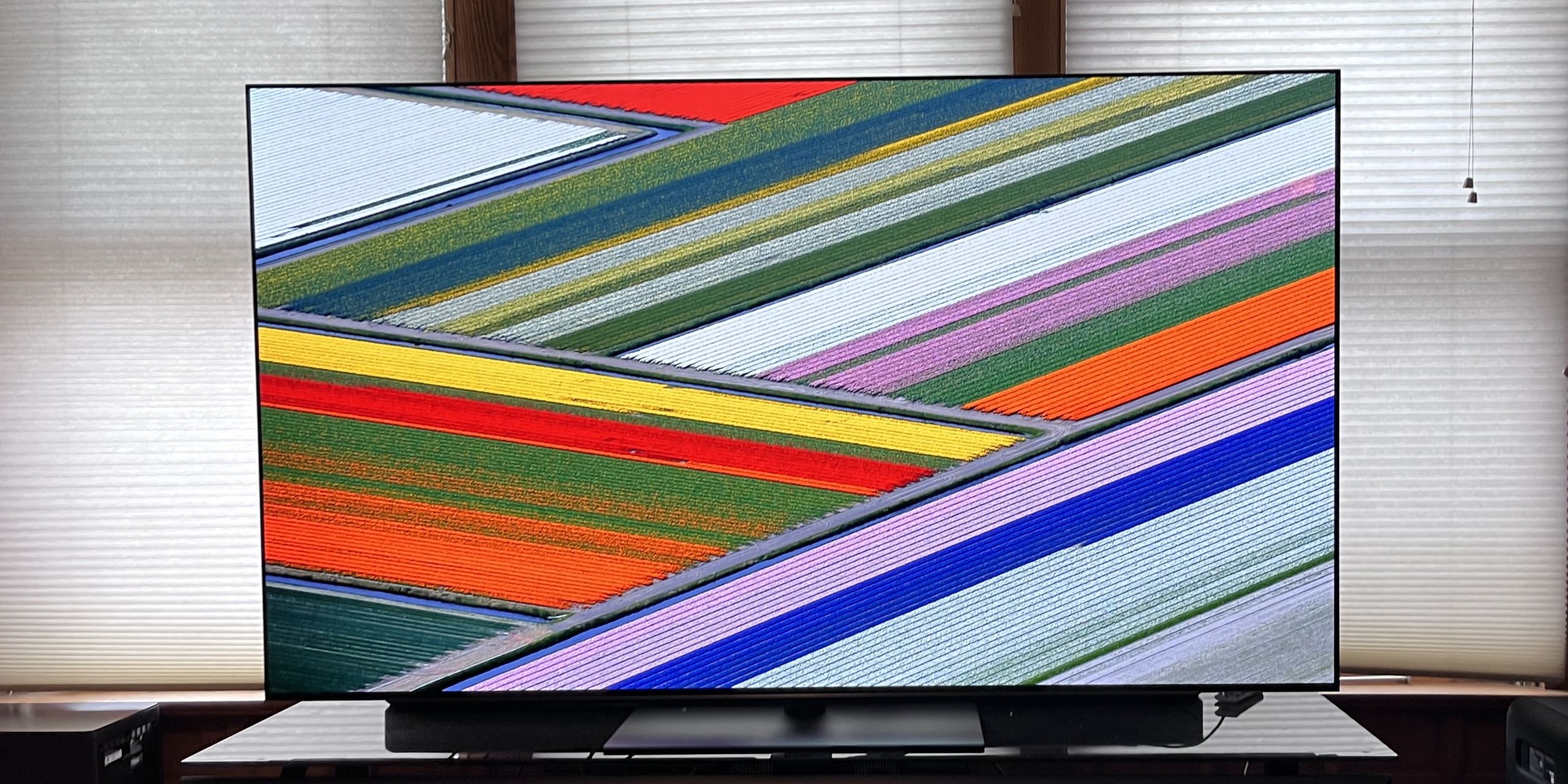
LG
G5 OLED evo AI 4K Smart TV
- •TechRadar measured 2,268 nits, the brightest here
- •Dolby Vision plus 165Hz gaming
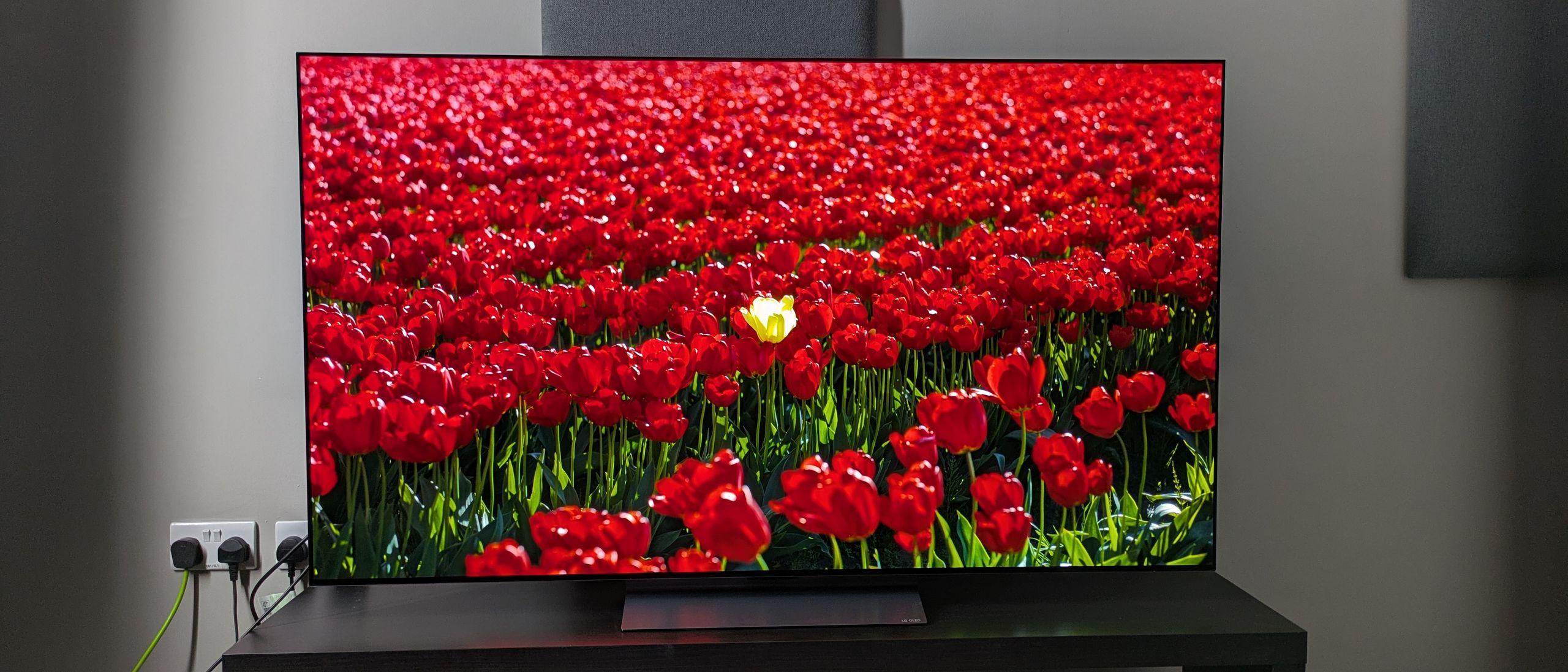
LG
C5 Series OLED evo AI 4K Smart webOS 25 TV
- •Dolby Vision and 144Hz gaming for far less than the G5
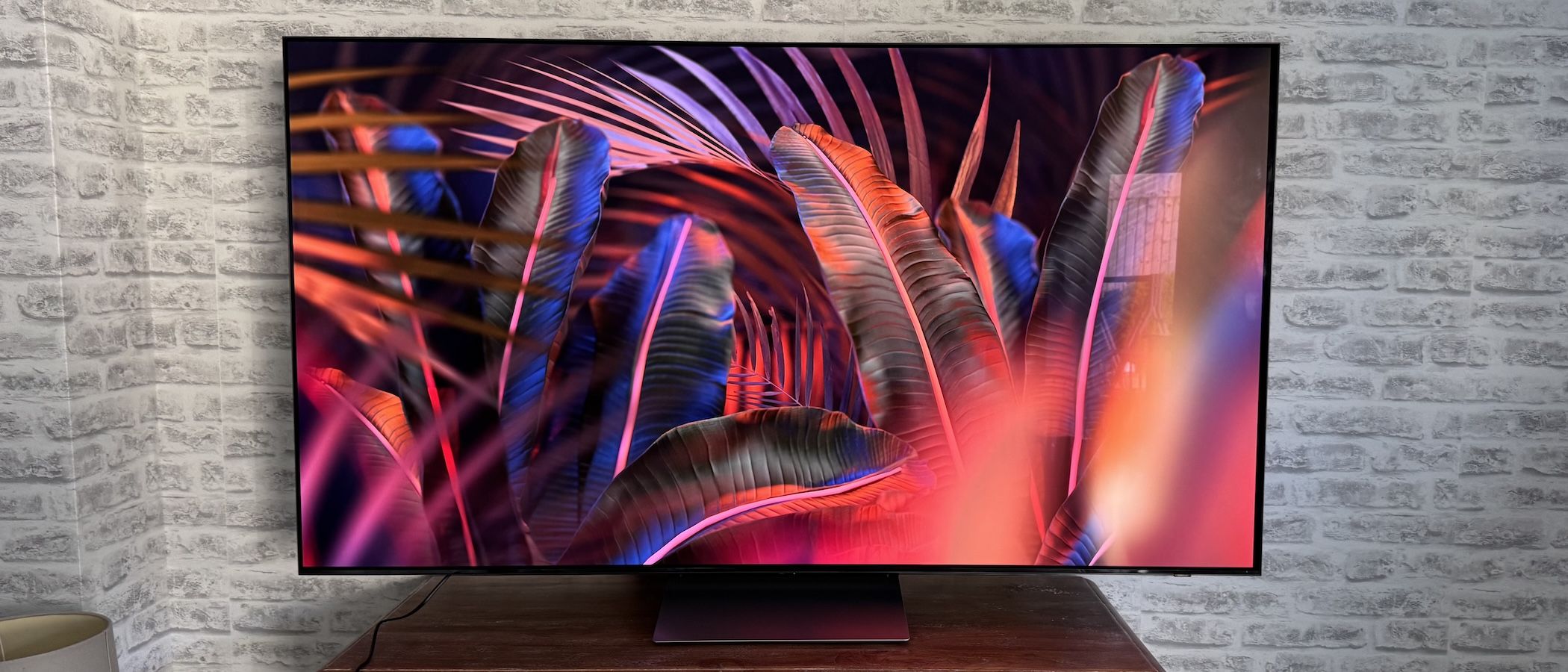
Samsung
S90F OLED 4K Samsung Vision AI Smart TV (2025)
- •TechRadar measured 1,500 nits at a price close to the LG C5
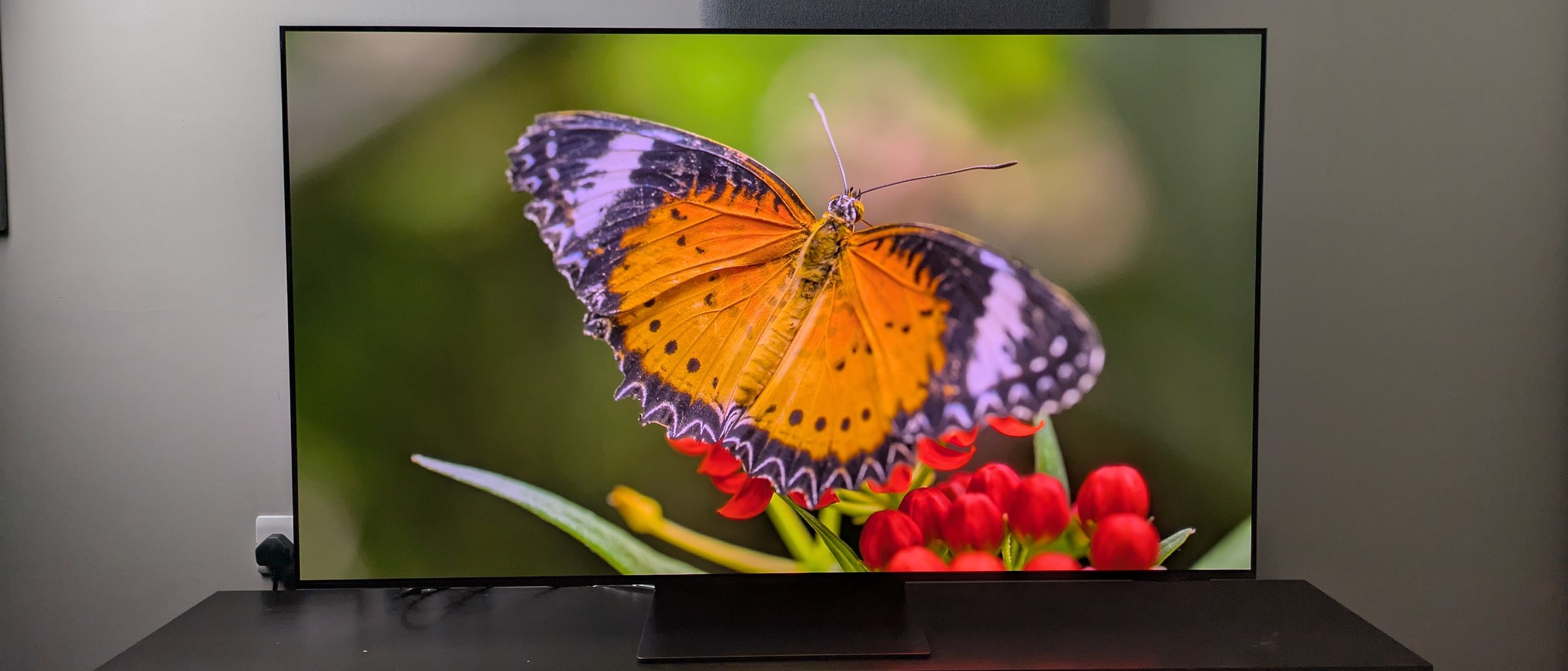
Samsung
S95F OLED 4K Glare Free TV with Samsung Vision AI (2025)
- •70W 4.2.2-channel speakers
- •2,132 nits measured by TechRadar
Samsung
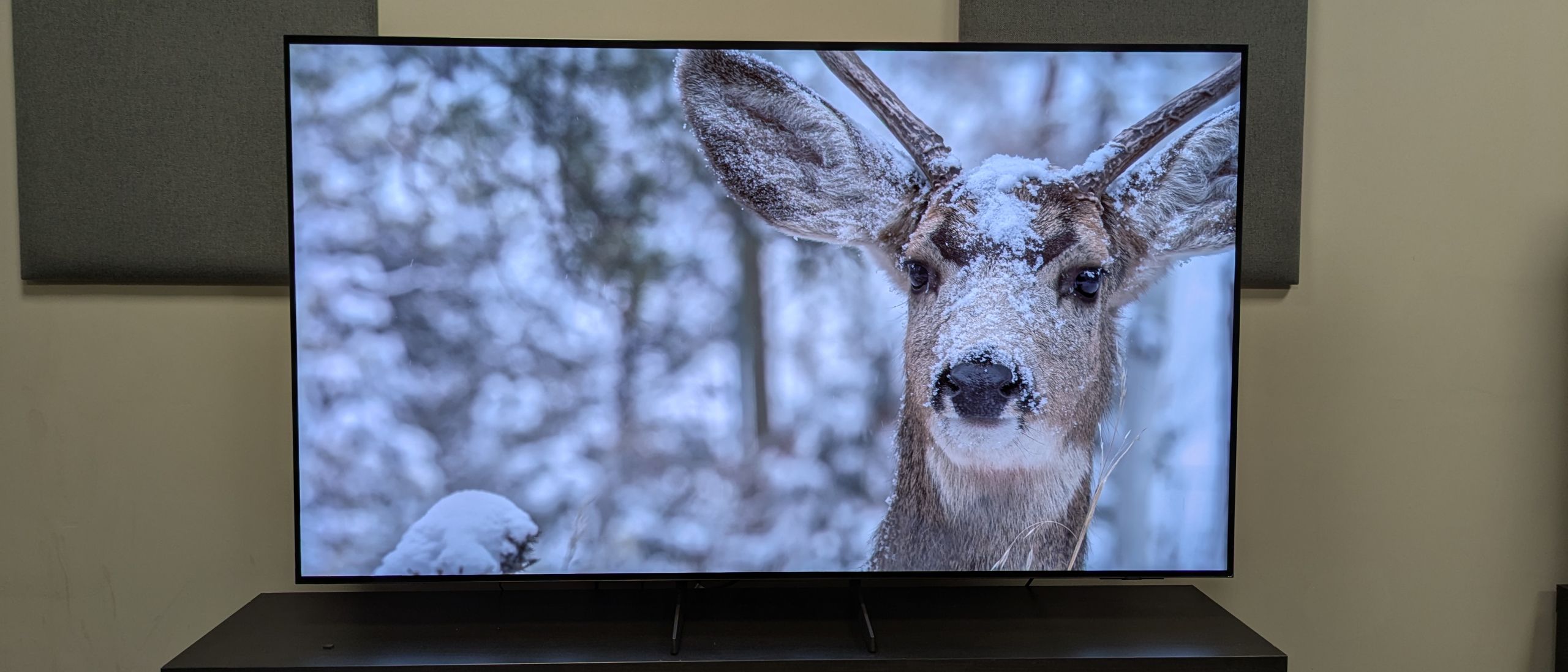
S85F OLED 4K Samsung Vision AI Smart TV (2025)
- •The cheapest TV here, with 9.4ms input lag measured by TechRadar
Head-to-Head: Brightness, Dolby Vision, Gaming Refresh, Setup and Platform
Smart Tvs
Chart
 Smarthomeexplorer.com
SofaBaton X1S Universal Remote (with Hub)
Check price
VTOMAN X7 4250A Jump Starter with 160PSI Air Compressor
Check price
What an OLED TV Score Actually Rewards
The SHE OLED TV Picture and Value Score is a weighted composite of five factors: peak HDR brightness, Dolby Vision compatibility, maximum refresh rate, rated speaker power and Amazon pricing. Brightness and pricing each carry thirty percent of the formula, because highlight intensity and affordability separate these televisions more decisively than any other specification.
TechRadar measured 2,268 nits on the LG G5 OLED evo AI 4K Smart TV, compared to 777 nits on the Samsung S85F, a spread the calculation rewards heavily. Consequently the weighted formula ranks the LG G5 first and the Samsung S85F OLED 4K Samsung Vision AI Smart TV (2025) last in this guide, as of September 2026. Independent measurements come from TechRadar and Tom's Guide, and no figure here reflects first-party testing or evaluation.
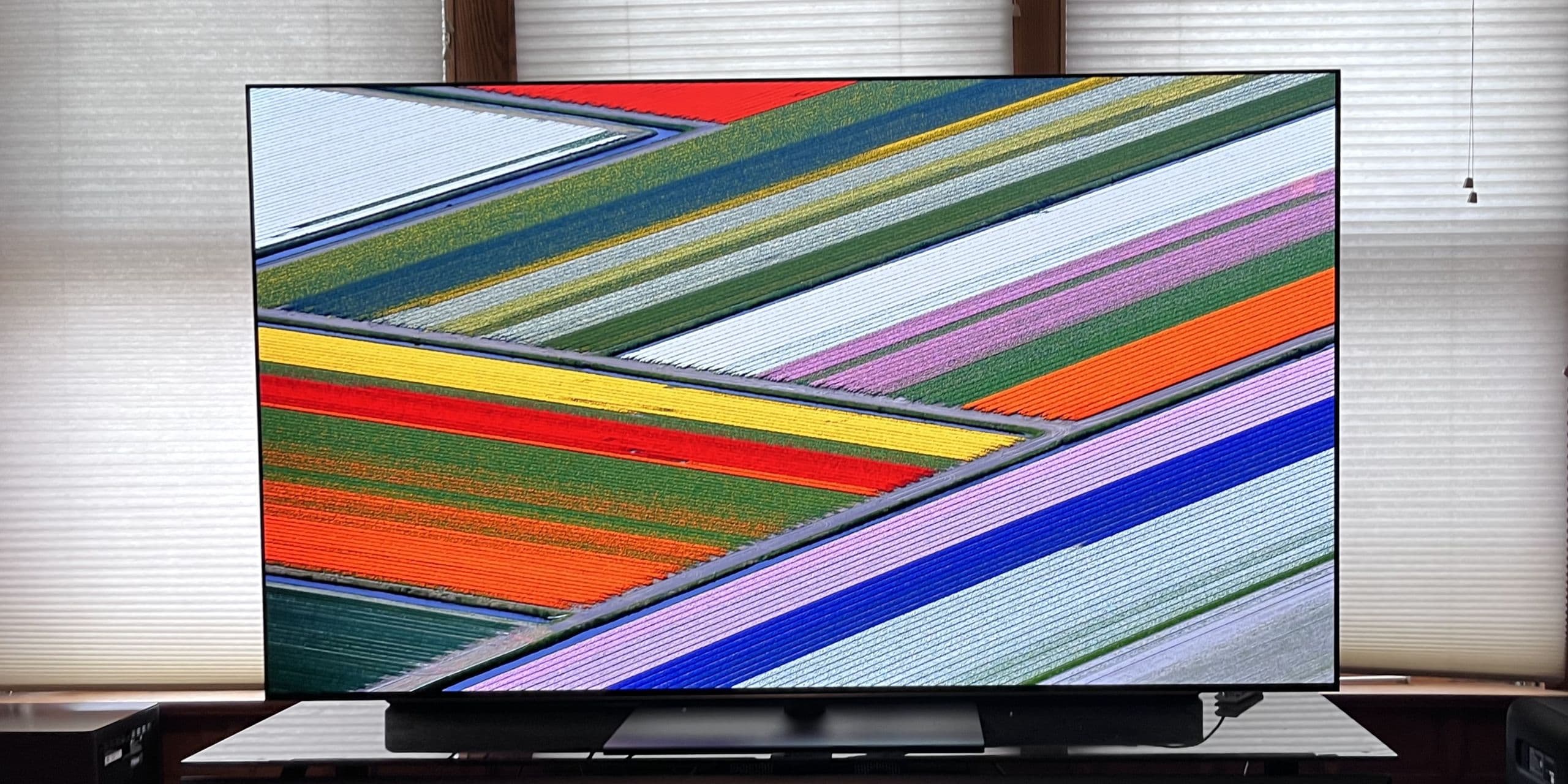
Best Overall OLED TV: LG G5 OLED evo AI 4K Smart TV
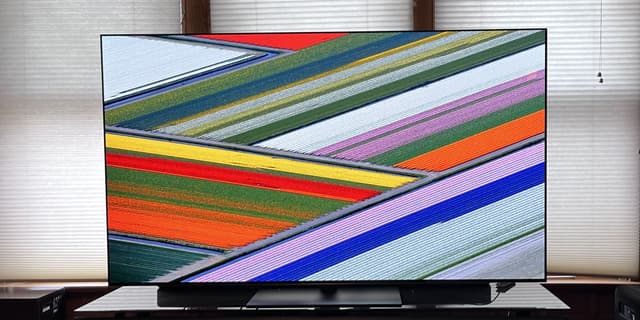
LG G5 OLED evo AI 4K Smart TV
- TechRadar measured 2,268 nits peak HDR, the brightest here
- Second-highest price in this guide
(Current price, subject to change)
The LG G5 OLED evo AI 4K Smart TV suits enthusiasts who prioritize luminous, cinematic HDR presentation and responsive gaming performance over the lowest available purchase price. It earns a composite 8.2/10 on the SHE OLED TV Picture and Value Score because brightness, Dolby Vision and refresh capability peak here, while higher pricing subtracts from it.
TechRadar measured 2,268 nits on a ten percent HDR window in Filmmaker Mode, which makes this the brightest television in this comparison according to published measurements. That measurement outperforms the 2,132 nits TechRadar documented for the Samsung S95F and the 1,180 nits it recorded for the LG C5, emphasizing considerable variation in highlight intensity. Refresh support reaches 165Hz, Dolby Vision playback is documented alongside HDR10 and HLG, and the integrated 60W multichannel speaker system delivers Dolby Atmos decoding for immersive soundtracks.
Compromises remain, because the G5 omits HDR10+ and DTS compatibility, and LG acknowledges its 48-inch and 97-inch versions lack the Primary RGB Tandem panel technology. Relative to the LG C5 Series OLED evo AI 4K Smart webOS 25 TV, it also costs considerably more, which matters for households prioritizing affordability over maximum luminance.
What We Love
- TechRadar measured 2,268 nits peak HDR, the brightest here
- Dolby Vision, HDR10 and HLG support
- Up to 165Hz across four HDMI 2.1 ports
- AirPlay 2 and Chromecast built in
What Could Be Better
- Second-highest price in this guide
- No HDR10+ or DTS support
- What Hi-Fi? rated its sound 3 out of 5
The Verdict
If you want the brightest HDR picture here with Dolby Vision and 165Hz gaming, the LG G5 OLED evo AI 4K Smart TV fits the brief. Plan on external audio if DTS soundtracks matter, since it does not decode that format.
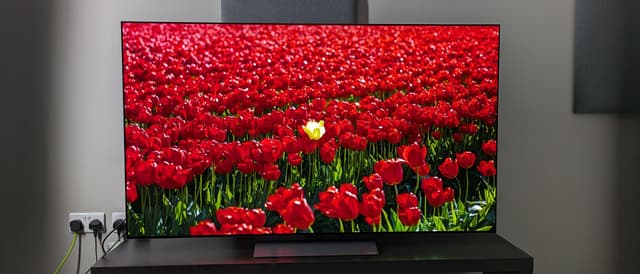
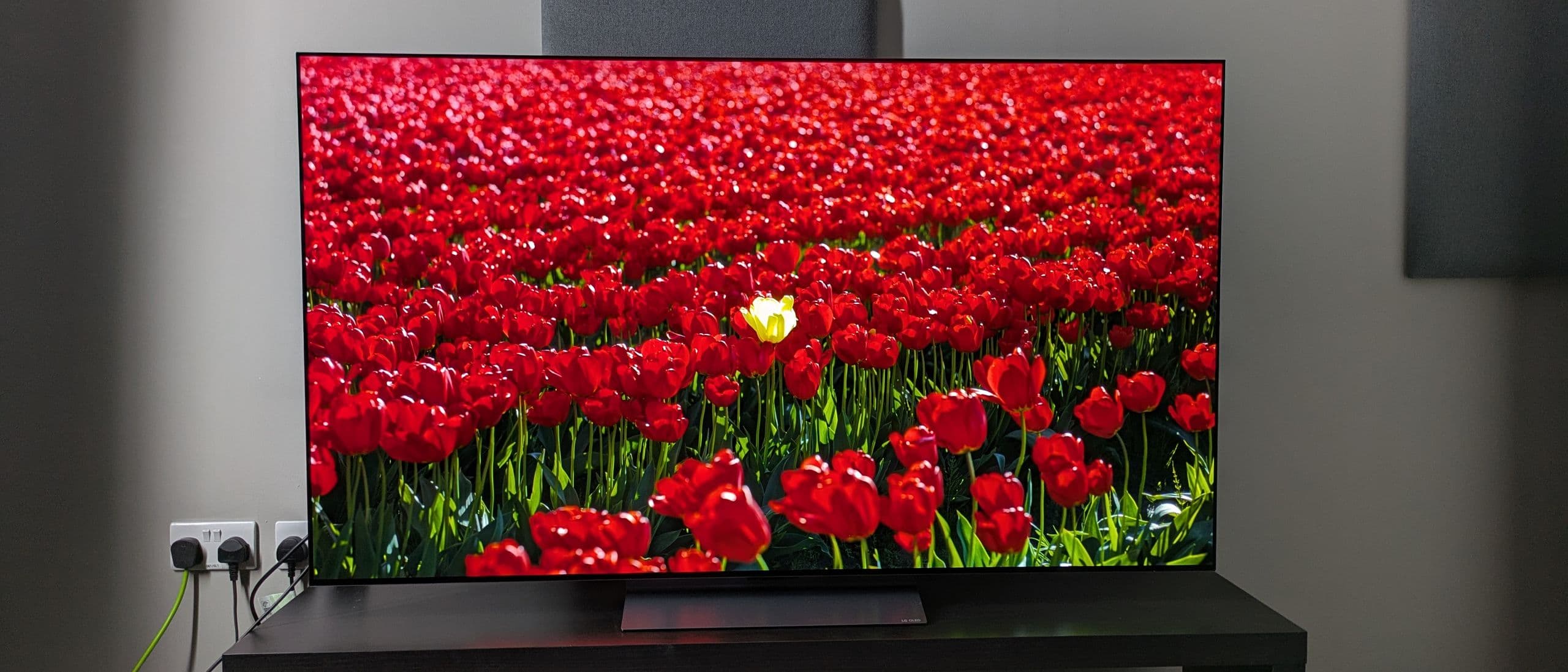
Best Value OLED TV: LG C5 Series OLED evo AI 4K Smart webOS 25 TV
LG C5 Series OLED evo AI 4K Smart webOS 25 TV
- Dolby Vision for far less than the G5
- 1,180 nits trails the G5 and S90F
(Current price, subject to change)
The LG C5 Series OLED evo AI 4K Smart webOS 25 TV suits households wanting Dolby Vision and comprehensive gaming features for substantially less than the LG G5. It earns a composite 6.4/10 on the SHE OLED TV Picture and Value Score because favorable pricing and Dolby Vision compatibility lift it, while modest brightness pulls it downward.
For gaming, TechRadar documents 144Hz support, variable refresh with FreeSync Premium and G-Sync, HGiG, Dolby Vision gaming and ALLM, which enables responsive, low-latency console play. Tom's Guide recorded input latency below ten milliseconds with the boost activated, measured with its Leo Bodnar 4K lag tester.
TechRadar measured 1,180 nits in Filmmaker Mode, which looks modest compared to the 2,268 nits of the LG G5 and the 1,500 nits of the Samsung S90F. Tom's Guide also notes that the 42-inch and 48-inch versions lack the antiglare screen and Brightness Booster, which produces a dimmer picture more affected by reflections. Additionally, the television carries only an older ATSC tuner, so Tom's Guide cautions against planning on over-the-air 4K broadcast reception.
What We Love
- Dolby Vision for far less than the G5
- 144Hz, VRR, HGiG and ALLM for gaming
- Tom's Guide measured 9.1ms input lag
- Sizes from 42 to 83 inches
What Could Be Better
- 1,180 nits trails the G5 and S90F
- 42- and 48-inch sizes lack the antiglare screen
- No HDR10+ and only an ATSC 1.0 tuner
The Verdict
For Dolby Vision and full HDMI 2.1 gaming at a lower price, the LG C5 Series OLED evo AI 4K Smart webOS 25 TV lines up with what you actually need. Its 1,180 nits of measured brightness is the trade-off against the G5.
Check price for the LG C5 Series OLED evo AI 4K Smart webOS 25 TV →
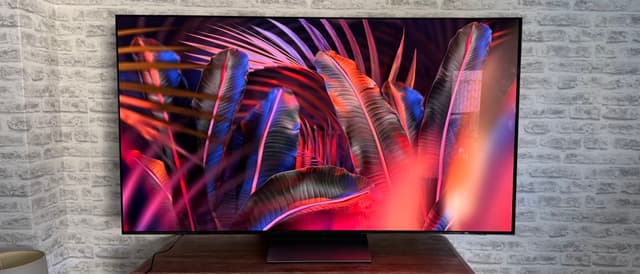
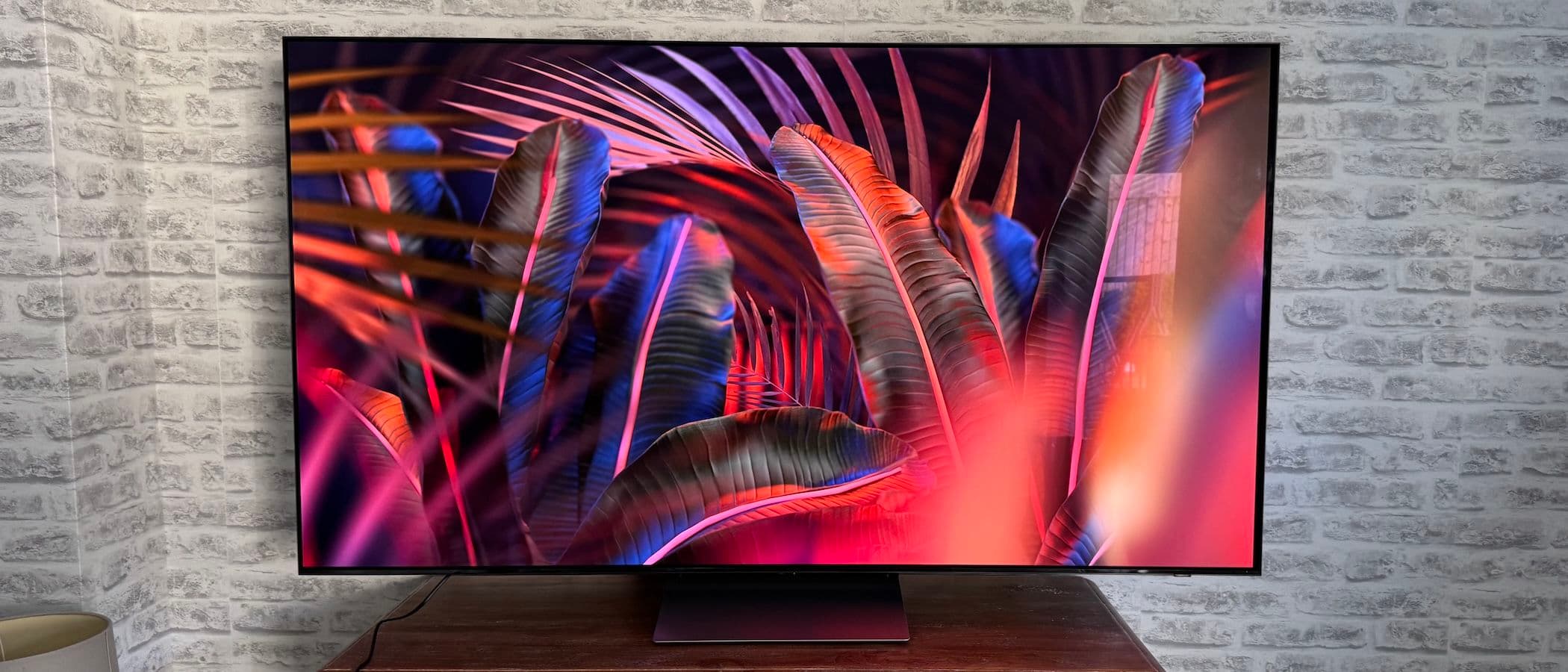
Best Midrange Samsung OLED: Samsung S90F OLED 4K Samsung Vision AI Smart TV (2025)
Samsung S90F OLED 4K Samsung Vision AI Smart TV (2025)
- TechRadar measured 1,500 nits on the 65-inch model
- No Dolby Vision support
(Current price, subject to change)
The Samsung S90F OLED 4K Samsung Vision AI Smart TV (2025) suits Samsung households seeking noticeably brighter highlights than the LG C5 at a comparable price. It earns a composite 5.5/10 on the SHE OLED TV Picture and Value Score because stronger brightness and competitive pricing help, while absent Dolby Vision removes a weighted factor.
TechRadar measured the 65-inch model reaching 1,500 nits on a ten percent HDR window, which outperforms the 1,180 nits recorded for the LG C5 by a clear margin. Tom's Guide documents a native 120Hz panel extending to 144Hz alongside input latency under ten milliseconds, which delivers dependable responsiveness for console and computer gaming.
Samsung still omits Dolby Vision, supporting HDR10+, HDR10 and HLG instead, and the S90F also lacks a next-generation ATSC tuner for over-the-air 4K broadcasts. Panel technology also varies by size, since Tom's Guide reports QD-OLED for the 55-, 65- and 77-inch models and WOLED for the remaining screen sizes. Relative to the Samsung S95F, which TechRadar measured at 2,132 nits, this model sacrifices peak luminance and speaker output in exchange for a considerably lower price.
What We Love
- TechRadar measured 1,500 nits on the 65-inch model
- HDR10+, HDR10 and HLG support
- Up to 144Hz with 9.1 ms input lag
- Wi-Fi 6 and Bluetooth 5.3
What Could Be Better
- No Dolby Vision support
- No ATSC 3.0 tuner
- Panel type varies by screen size
The Verdict
If you want a brighter Samsung OLED at a price close to the LG C5 and stream mostly HDR10+ content, the Samsung S90F OLED 4K Samsung Vision AI Smart TV (2025) is a sensible pick for that setup. Samsung does not support the Dolby Vision format on this set.
Check price for the Samsung S90F OLED 4K Samsung Vision AI Smart TV (2025) →
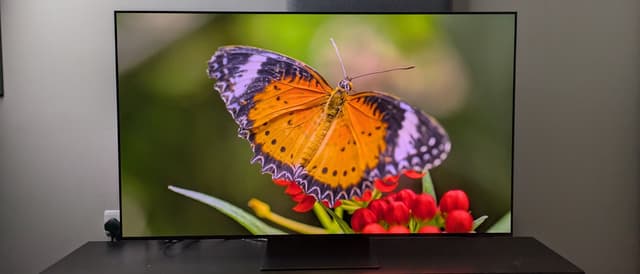
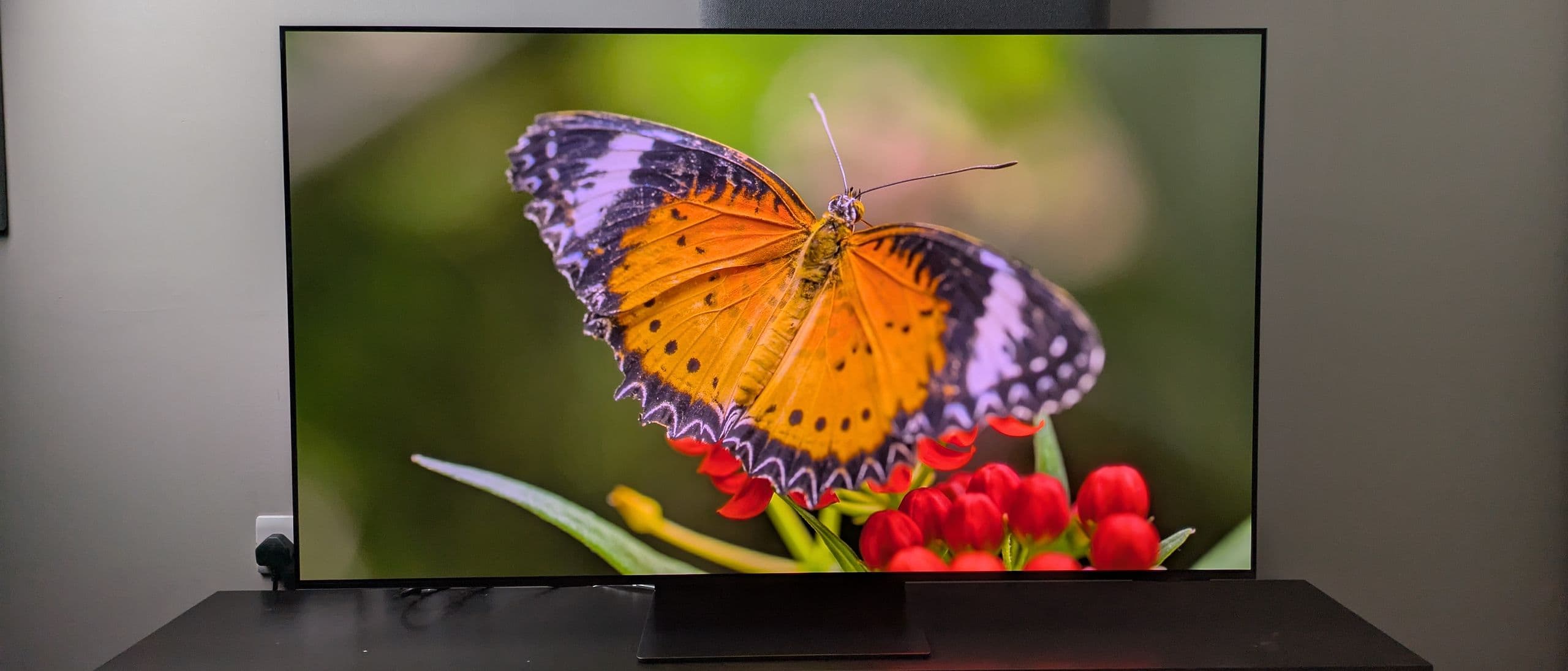
Best Built-In Sound: Samsung S95F OLED 4K Glare Free TV with Samsung Vision AI (2025)
Samsung S95F OLED 4K Glare Free TV with Samsung Vision AI (2025)
- 70W 4.2.2-channel speakers, the most powerful here
- Highest price in this guide
(Current price, subject to change)
The Samsung S95F OLED 4K Glare Free TV with Samsung Vision AI (2025) suits viewers wanting intense highlights and the most powerful integrated sound system in this comparison. It earns a composite 5.2/10 on the SHE OLED TV Picture and Value Score because brightness, refresh and speakers excel, while premium pricing and absent Dolby Vision reduce it.
TechRadar measured 2,132 nits on the 55-inch model, and its integrated 70W speaker array delivers the highest rated output among these five competing televisions. Tom's Guide measured input lag below ten milliseconds and reported the most accurate color of any television it had evaluated. Refresh support reaches 165Hz, matching the LG G5, while the US version includes a next-generation ATSC tuner that several competing models here conspicuously lack.
The S95F omits Dolby Vision and DTS, and its separate One Connect Box must be positioned and cabled, which explains its higher Setup Difficulty placement. Compared to the LG G5, which TechRadar measured at 2,268 nits, it costs noticeably more while delivering slightly less brightness and no Dolby Vision compatibility.
What We Love
- 70W 4.2.2-channel speakers, the most powerful here
- TechRadar measured 2,132 nits on the 55-inch model
- Up to 165Hz and 9.5ms input lag
- Tom's Guide found its most accurate color yet
What Could Be Better
- Highest price in this guide
- No Dolby Vision or DTS
- Separate One Connect Box to place and cable
The Verdict
When built-in sound and intense highlights matter more than price, the Samsung S95F OLED 4K Glare Free TV with Samsung Vision AI (2025) checks the boxes that matter for a premium living room. Budget time for placing its One Connect Box, and note it has no Dolby Vision.
Check price for the Samsung S95F OLED 4K Glare Free TV with Samsung Vision AI (2025) →
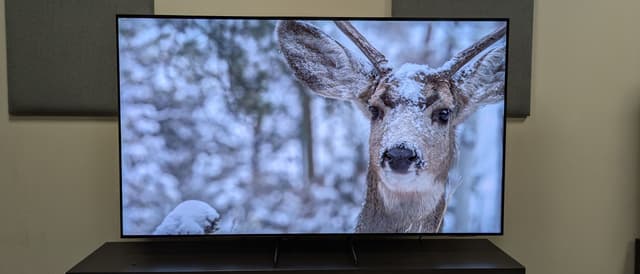
Lowest Price OLED Pick: Samsung S85F OLED 4K Samsung Vision AI Smart TV (2025)
Samsung S85F OLED 4K Samsung Vision AI Smart TV (2025)
- Lowest price of the five
- 777 nits in Filmmaker Mode, the dimmest here
(Current price, subject to change)
The Samsung S85F OLED 4K Samsung Vision AI Smart TV (2025) suits budget-conscious buyers who want an OLED panel and responsive gaming at the lowest price in this comparison. It earns a composite 3.0/10 on the SHE OLED TV Picture and Value Score because lowest pricing lifts it, while dimmest brightness, 120Hz ceiling and 20W speakers reduce it.
TechRadar measured ultra-low input lag, and the four HDMI inputs support 4K 120Hz, ALLM, FreeSync Premium and G-Sync, which enables fluid, responsive console gaming. Tom's Guide highlights an ultra-thin profile, and in the United States the 55-inch and 65-inch models use QD-OLED panels, while other sizes use W-OLED.
TechRadar measured 777 nits in Filmmaker Mode and 818 nits in Standard mode, while Tom's Guide recorded 943 nits, all far below the 2,268 nits of the LG G5. It also omits Dolby Vision and a next-generation ATSC tuner, so relative to the LG C5 it trades premium-format compatibility for a modestly lower purchase price. Its two-channel speaker system still supports Dolby Atmos, although dedicated external audio would substantially improve soundtrack presentation.
What We Love
- Lowest price of the five
- TechRadar measured 9.4ms input lag
- 4K 120Hz with FreeSync Premium and G-Sync
- Tom's Guide reports a 1.3-inch-deep profile
What Could Be Better
- 777 nits in Filmmaker Mode, the dimmest here
- No Dolby Vision support
- 20W two-channel speakers
The Verdict
If the lowest price matters most and you game more than you watch bright HDR films, the Samsung S85F OLED 4K Samsung Vision AI Smart TV (2025) is the path of least friction. Its 777 nits in Filmmaker Mode trails every other model here.
Check price for the Samsung S85F OLED 4K Samsung Vision AI Smart TV (2025) →
How We Score: SHE OLED TV Picture and Value Score
SHE OLED TV Picture and Value Score
Score Formula
Peak HDR brightness 30% + Dolby Vision support 15% + Top refresh rate 15% + Built-in speaker power 10% + Amazon price, lower is better, 30%, scaled to 10. The script does all the math. Each factor is scaled to 0-1 across this guide's products: a yes/no factor is its value (1 or 0); a number factor is (value - lowest) / (highest - lowest); a lower_better factor is then flipped (1 minus that). A number factor whose values are all equal gives every product 1, whichever its direction. A product's raw score is 10 x the sum of weight x scaled value, divided by the sum of the weights, kept to four decimal places; its SHE score is the raw score rounded half up to one decimal. Products are ranked by raw score, highest first; a tie goes to the higher consensus score, then to research order. A factor's chart cell is 10 x its scaled value, rounded half up to one decimal; a Setup Difficulty cell is the scorer's placement. Weight shares are whole percents for display only; the math uses the weights as given.Score Factors
- Peak HDR brightnessReviewer-measured peak HDR brightness on a ten percent white window in Filmmaker Mode where given. The LG G5 leads at 2,268 nits and the Samsung S85F trails at 777 nits.
- Dolby Vision supportWhether the TV plays Dolby Vision HDR content. Both LG models do; the three Samsung models do not.
- Top refresh rateThe highest refresh rate supported for gaming. The LG G5 and Samsung S95F reach 165Hz, the LG C5 and Samsung S90F 144Hz, and the Samsung S85F 120Hz.
- Built-in speaker powerTotal rated output of the built-in speakers. The Samsung S95F leads at 70W and the Samsung S85F trails at 20W.
- Amazon priceThe Amazon price, where lower is better. The Samsung S85F is the cheapest here and the Samsung S95F costs the most.
SHE OLED TV Picture and Value Score — Ranked
Computed from published specs and outlet reviews read for this guide, with prices checked on September 23, 2026; it is not a first-party performance or reliability test.
LG G5 OLED evo AI 4K Smart TV
SHE OLED TV Picture and Value Score8.2/10Top brightness, Dolby Vision and 165Hz outweigh a high price.
LG C5 Series OLED evo AI 4K Smart webOS 25 TV
SHE OLED TV Picture and Value Score6.4/10Dolby Vision and a low price offset modest brightness.
Samsung S90F OLED 4K Samsung Vision AI Smart TV (2025)
SHE OLED TV Picture and Value Score5.5/10Good brightness and a fair price, but no Dolby Vision.
Samsung S95F OLED 4K Glare Free TV with Samsung Vision AI (2025)
SHE OLED TV Picture and Value Score5.2/10Near-top brightness, the best sound and 165Hz, held back by the highest price.
Samsung S85F OLED 4K Samsung Vision AI Smart TV (2025)
SHE OLED TV Picture and Value Score3.0/10Lowest price, but the lowest brightness, refresh rate and speaker power.
Platforms, HDR Formats and Compatibility Catches
The LG C5 Series OLED evo AI 4K Smart webOS 25 TV runs LG's webOS platform, while TechRadar lists Tizen version 9 on the Samsung S90F and Samsung S85F. TechRadar also confirms the LG G5 OLED evo AI 4K Smart TV supports AirPlay 2 and Chromecast, which enables convenient casting from Apple and Android devices. The most consequential compatibility catch is the HDR format division: both LG televisions support Dolby Vision without HDR10+, whereas all three Samsung televisions support HDR10+ without Dolby Vision. Households whose streaming libraries emphasize Dolby Vision mastering should therefore consider that limitation carefully before choosing any Samsung television.
DTS soundtracks are unsupported on the LG G5, LG C5 and Samsung S95F, so audio-focused households should anticipate external speakers, and our Best Flagship Dolby Atmos Soundbars (2026) guide compares that category. The US Samsung S95F includes an ATSC 3.0 tuner, while the LG C5, Samsung S90F and Samsung S85F lack one. The sources consulted for this guide do not document the LG G5's broadcast tuner specification. Gamers wanting a desk-sized OLED alternative can explore our Best OLED & QD-OLED Gaming Monitors 2026 comparison, and cord-cutters can pair any of these televisions with Best Fire TV Streaming Devices 2026.
When NOT to Buy
Skip OLED televisions entirely if you predominantly watch in a sunlit environment with a restricted budget, because the most affordable model here measured only 777 nits in Filmmaker Mode. Households committed to Dolby Vision streaming should avoid all three Samsung televisions, since none of them supports that particular format. Anyone depending on over-the-air 4K broadcasts should avoid the LG C5, which carries only an older ATSC tuner, according to Tom's Guide. Listeners expecting DTS playback without external audio equipment should pass on the LG G5, LG C5 and Samsung S95F altogether.
Who Should Buy What
Who Should Buy What
| If you are… | Recommended pick |
|---|---|
Bright-HDR movie fan You want the brightest measured picture here, Dolby Vision and 165Hz gaming, and can pay a premium. | LG G5 OLED evo AI 4K Smart TV |
Value-minded LG buyer You want Dolby Vision and full gaming features for much less and watch mostly in dim rooms. | LG C5 Series OLED evo AI 4K Smart webOS 25 TV |
Midrange HDR10+ streamer You stream in HDR10+ and want 1,500 nits of measured brightness at a midrange price. | Samsung S90F OLED 4K Samsung Vision AI Smart TV (2025) |
Sound-first living room owner You want 70W of built-in sound, 165Hz gaming and near-flagship brightness without buying a soundbar. | Samsung S95F OLED 4K Glare Free TV with Samsung Vision AI (2025) |
Budget console gamer You want the cheapest OLED here with low input lag and mostly play games in a dim room. | Samsung S85F OLED 4K Samsung Vision AI Smart TV (2025) |
Frequently Asked Questions
Which OLED TV in this guide is the brightest?
TechRadar measured the LG G5 OLED evo AI 4K Smart TV at 2,268 nits on a 10% HDR window in Filmmaker Mode, the highest figure here. The Samsung S95F OLED 4K Glare Free TV with Samsung Vision AI (2025) came close at 2,132 nits on its 55-inch model. The Samsung S90F reached 1,500 nits and the LG C5 measured 1,180 nits. The Samsung S85F trailed at 777 nits in Filmmaker Mode. Brightness carries 30% of the SHE OLED TV Picture and Value Score, so these gaps drive much of the ranking.
Do Samsung OLED TVs support Dolby Vision?
No, none of the three Samsung models here plays Dolby Vision. They support HDR10+, HDR10 and HLG instead. Both LG models support Dolby Vision, HDR10 and HLG but not HDR10+. Dolby Vision carries 15% of this guide's score, which is one reason both LG sets rank above the Samsung S90F. Pick the format your streaming services use most.
Is the LG G5 worth paying more than the LG C5?
The LG G5 OLED evo AI 4K Smart TV costs $2,199.99 against $1,367.95 for the LG C5 Series OLED evo AI 4K Smart webOS 25 TV. For that extra money TechRadar measured 2,268 nits on the G5 versus 1,180 nits on the C5. The G5 also reaches 165Hz against the C5's 144Hz, and its 60W speakers outpower the C5's 40W array. The G5 scores 8.2 and the C5 scores 6.4 on the SHE OLED TV Picture and Value Score. If you watch mostly in dim rooms, the C5 keeps Dolby Vision and full gaming support for less.
Which of these OLED TVs is best for gaming?
The LG G5 and the Samsung S95F both reach 165Hz, the highest refresh rate here. Tom's Guide measured 9.5ms of input lag on the S95F and 9.1ms on the LG C5. The LG C5 adds HGiG, Dolby Vision gaming and ALLM across four HDMI 2.1 ports. The Samsung S85F tops out at 4K 120Hz, yet TechRadar still measured 9.4ms of input lag. All five suit console play, while the G5 and S95F suit high-refresh PC gaming best.
Which TV is the hardest to set up?
The Samsung S95F OLED 4K Glare Free TV with Samsung Vision AI (2025) sits at 5 on the Setup Difficulty scale, the highest here. Its ports sit on a separate One Connect Box that must be placed and cabled. The 83-inch model also weighs 38.6kg without the stand. The other four sit at 3, with ports on the set and common wall-mount patterns such as 300 x 200 VESA on the LG C5 and Samsung S90F.
Which OLED TV has the best built-in speakers?
The Samsung S95F carries a 4.2.2-channel array rated at 70W, the most here. The LG G5 has a 60W 4.2-channel system with Dolby Atmos, though What Hi-Fi? rated its sound 3 out of 5. The LG C5 and Samsung S90F each have 40W arrays, and the Samsung S85F has a 20W two-channel system. The G5, C5 and S95F do not decode DTS. Listeners who care about soundtracks should budget for external speakers.
Bottom Line
Get the LG G5 OLED evo AI 4K Smart TV if you want the brightest measured HDR here with Dolby Vision and 165Hz gaming.
Get the LG C5 Series OLED evo AI 4K Smart webOS 25 TV if you want Dolby Vision and 144Hz gaming for far less than the G5.
Get the Samsung S90F OLED 4K Samsung Vision AI Smart TV (2025) if you stream HDR10+ and want 1,500 nits at a midrange price.
Get the Samsung S95F OLED 4K Glare Free TV with Samsung Vision AI (2025) if you want the strongest built-in sound and 165Hz gaming and can pay the most.
Get the Samsung S85F OLED 4K Samsung Vision AI Smart TV (2025) if you want the lowest price here and low input lag for console gaming.
Sources & Methodology
Methodology: SHE OLED TV Picture and Value Score — Formula: Peak HDR brightness 30% + Dolby Vision support 15% + Top refresh rate 15% + Built-in speaker power 10% + Amazon price, lower is better, 30%, scaled to 10. The script does all the math. Each factor is scaled to 0-1 across this guide's products: a yes/no factor is its value (1 or 0); a number factor is (value - lowest) / (highest - lowest); a lower_better factor is then flipped (1 minus that). A number factor whose values are all equal gives every product 1, whichever its direction. A product's raw score is 10 x the sum of weight x scaled value, divided by the sum of the weights, kept to four decimal places; its SHE score is the raw score rounded half up to one decimal. Products are ranked by raw score, highest first; a tie goes to the higher consensus score, then to research order. A factor's chart cell is 10 x its scaled value, rounded half up to one decimal; a Setup Difficulty cell is the scorer's placement. Weight shares are whole percents for display only; the math uses the weights as given.. Factors: Peak HDR brightness: Reviewer-measured peak HDR brightness on a ten percent white window in Filmmaker Mode where given. The LG G5 leads at 2,268 nits and the Samsung S85F trails at 777 nits. | Dolby Vision support: Whether the TV plays Dolby Vision HDR content. Both LG models do; the three Samsung models do not. | Top refresh rate: The highest refresh rate supported for gaming. The LG G5 and Samsung S95F reach 165Hz, the LG C5 and Samsung S90F 144Hz, and the Samsung S85F 120Hz. | Built-in speaker power: Total rated output of the built-in speakers. The Samsung S95F leads at 70W and the Samsung S85F trails at 20W. | Amazon price: The Amazon price, where lower is better. The Samsung S85F is the cheapest here and the Samsung S95F costs the most.
Expert review sources used in this analysis:
- This is the SHE OLED TV Picture and Value Score formula, restated from the score step
- Peak HDR brightness 30% + Dolby Vision support 15% + Top refresh rate 15% + Built-in speaker power 10% + Amazon price, lower is better, 30%, scaled to 10
- The script does all the math
- Each factor is scaled to 0-1 across this guide's products: a yes/no factor is its value (1 or 0)
- A number factor is (value - lowest) / (highest - lowest)
- A lower-is-better factor is then flipped (1 minus that)
- A number factor whose values are all equal gives every product 1, whichever its direction
- A product's raw score is 10 x the sum of weight x scaled value, divided by the sum of the weights, kept to four decimal places
- Its SHE score is the raw score rounded half up to one decimal
- Products are ranked by raw score, highest first; a tie goes to the higher consensus score, then to research order
- A factor's chart cell is 10 x its scaled value, rounded half up to one decimal; a Setup Difficulty cell is the scorer's placement
- Weight shares are whole percents for display only; the math uses the weights as given
- Peak HDR brightness: reviewer-measured peak HDR brightness on a ten percent white window in Filmmaker Mode where given, from reviews with lab measurements
- Dolby Vision support: whether the TV plays Dolby Vision HDR content, from review spec lists and statements
- Top refresh rate: the highest refresh rate the TV supports for gaming, from review spec lists
- Built-in speaker power: total rated output of the built-in speaker system, from review spec lists
- Amazon price: the Amazon receipt price, checked on September 23, 2026
- Outlets read and used: TechRadar, Tom's Guide and What Hi-Fi, each on this site's outlet list
- Coverage: every product carries at least two verified ratings from outlets on the site's list, so no coverage shortfall applies
- LG G5 OLED evo AI 4K Smart TV: rated 5 of 5 by TechRadar and What Hi-Fi, with facts cited from both
- LG C5 Series OLED evo AI 4K Smart webOS 25 TV: rated 5 of 5 by TechRadar and Tom's Guide, with facts cited from both
- Samsung S90F OLED 4K Samsung Vision AI Smart TV (2025): rated 5 of 5 by TechRadar and 4.5 of 5 by Tom's Guide, with facts cited from both
- Samsung S95F OLED 4K Glare Free TV with Samsung Vision AI (2025): rated 5 of 5 by TechRadar and What Hi-Fi
- Tom's Guide rated it 4.5 of 5, and facts are cited from all three
- Samsung S85F OLED 4K Samsung Vision AI Smart TV (2025): rated 4.5 of 5 by TechRadar and 4 of 5 by Tom's Guide, with facts cited from both
- Prices checked on September 23, 2026 from each product's Amazon listing; the Samsung S95F figure is its Amazon List Price
- No box list was found for any of the five televisions, so no in-the-box items appear
- No first-party testing or measurement was conducted for this guide, and none is implied
- Every figure comes from TechRadar, Tom's Guide or What Hi-Fi reviews, maker specifications quoted in those reviews, or Amazon prices.
Nicholas Miles is the founder of SmartHomeExplorer and a longtime smart home enthusiast focused on helping everyday homeowners make better technology decisions. He researches, compares, and writes about products across security, climate, lighting, leak prevention, sensors, home energy, and automation, with an emphasis on real-world usefulness, ecosystem compatibility, reliability, privacy, and long-term value.
Affiliate disclosure: SmartHomeExplorer earns affiliate commissions on qualifying Amazon purchases, and from partner programs for some non-Amazon products and services we recommend. Our scoring methodology is independent of affiliate relationships.