
The five best smart home upgrades under $100 right now are a Kasa Smart Plug ($15), a Govee Smart Bulb starter pack ($30).
We aggregated ratings from 21 trusted sources — including Wirecutter, CNET, Tom's Guide, and The Verge — cross-referencing over 3,400 verified buyer reviews and real-world performance data to rank every device below. Prices verified on Amazon as of March 2026.
The 5 Best Smart Home Devices Under $100 — March 2026
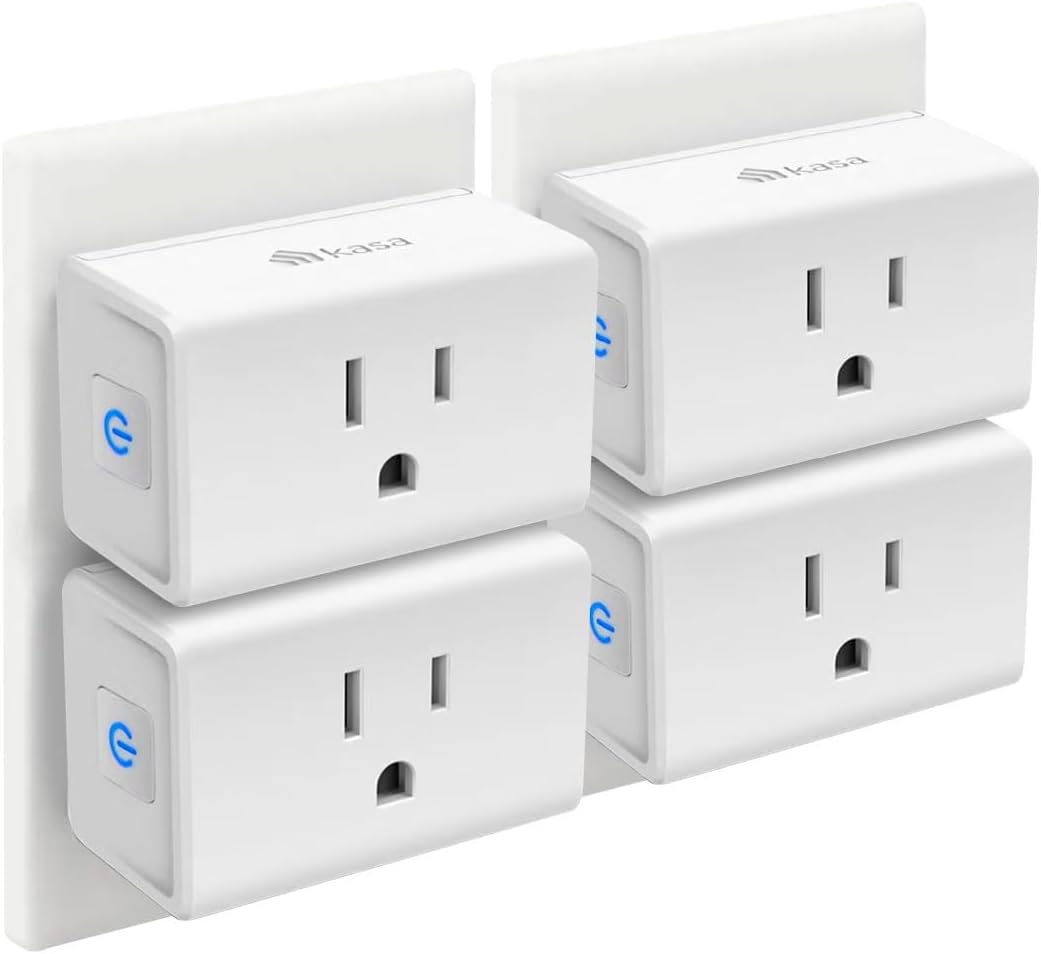
1. Kasa Smart Plug EP25 — $15
Budget Smart Home Devices
Chart
 Smarthomeexplorer.com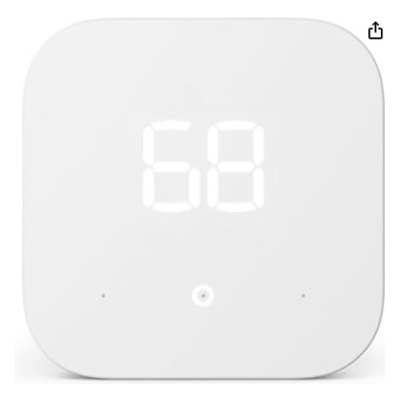
Kasa Smart Plug
(Current Price, subject to change)
Ready to upgrade your home?
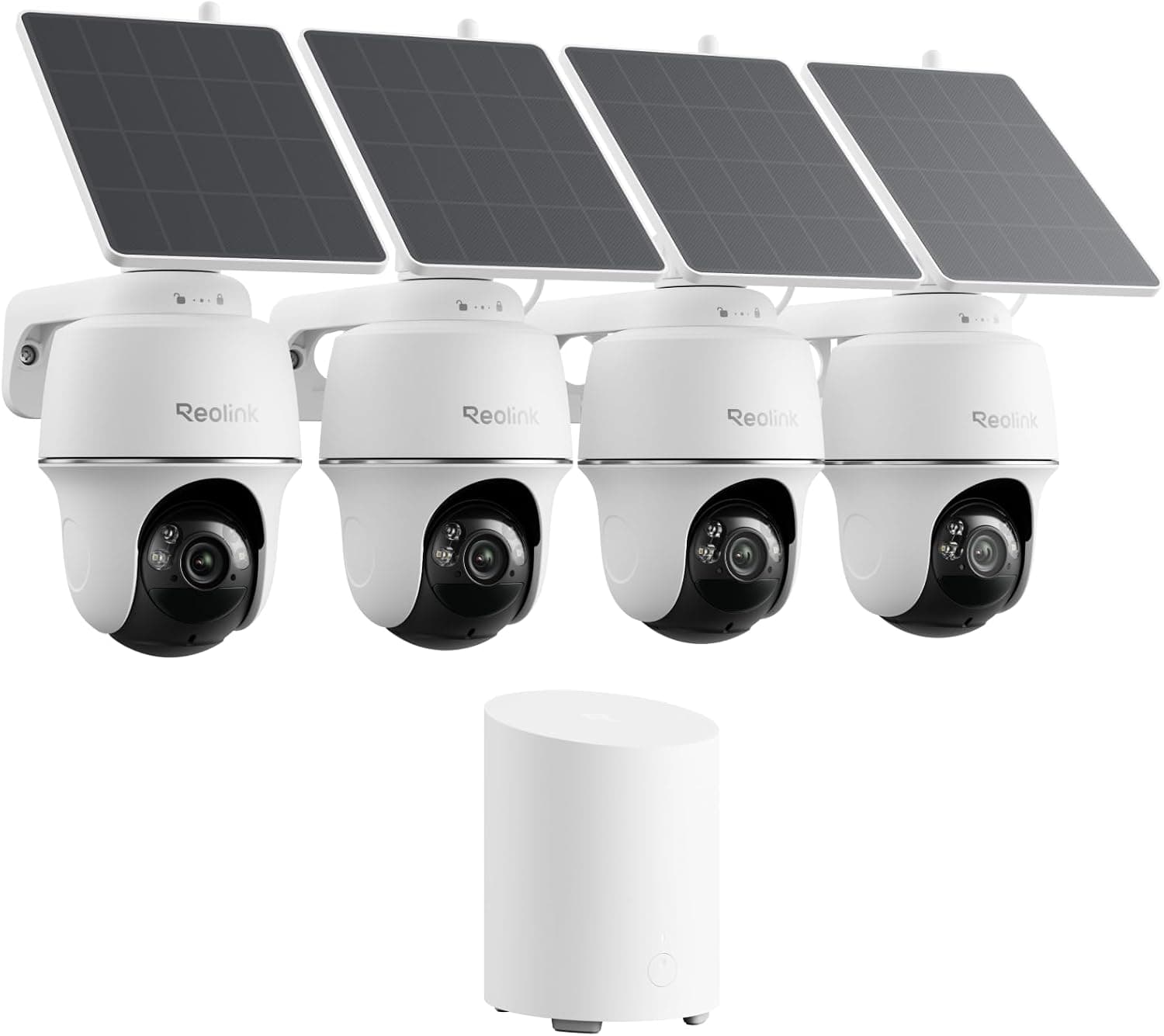
REOLINK 360° Solar Security Cameras, 4 Pack
See it on Amazon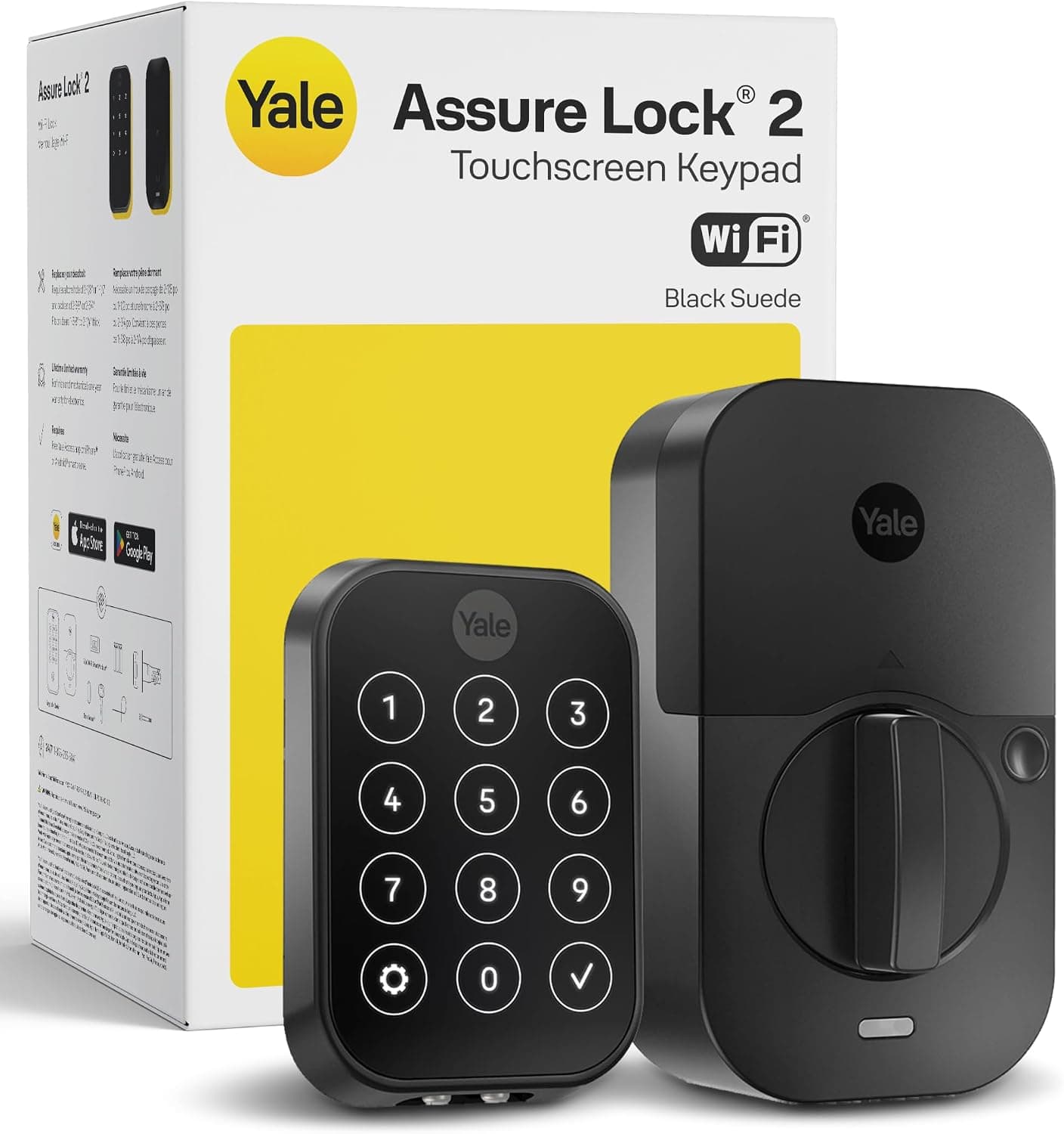
Yale Assure Lock 2 Wi-Fi Smart Lock with Keypad
See it on Amazon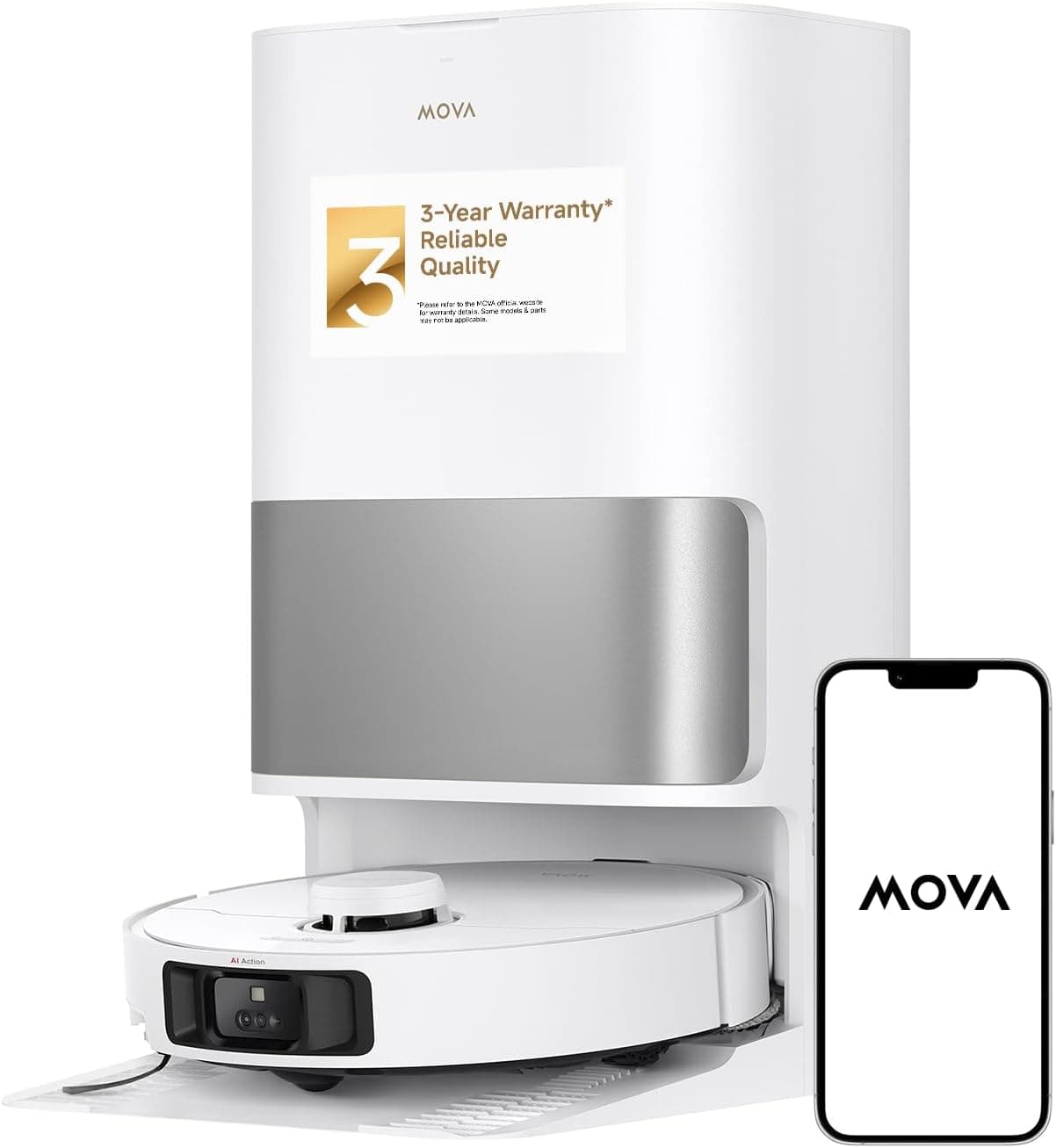
MOVA P10 Pro Ultra Robot Vacuum and Mop
See it on Amazon
Sponsored listings from Amazon’s Sponsored Products for Creators program, kept apart from our reviews and rankings. How we make money
Why it's #1: The highest ROI smart home purchase you can make. Plug it into any lamp, fan, space heater, or appliance and control it with voice commands, schedules, or automations. The Kasa Smart Plug EP25 specifically has energy monitoring built in — you can see exactly what each device costs per month in electricity.
Real payback example: Space heaters run an average of $50/month if left on all day. A Kasa Smart Plug + schedule or geofencing = $15 purchase saves $20–$30/month by automatically turning it off when you leave. ROI in under 2 weeks.
"The Kasa EP25 is our top pick for smart plugs — the built-in energy monitoring alone justifies the price." — Wirecutter
Does the Kasa EP25 smart plug work with Google Home?
Yes, the Kasa Smart Plug EP25 works with both Alexa and Google Home, as well as SmartThings — no hub required. It connects directly over Wi-Fi and pairs in under 5 minutes through the Kasa app. The energy monitoring feature shows real-time and historical wattage data in the Kasa app, though energy data is not passed through to Alexa or Google Home dashboards.
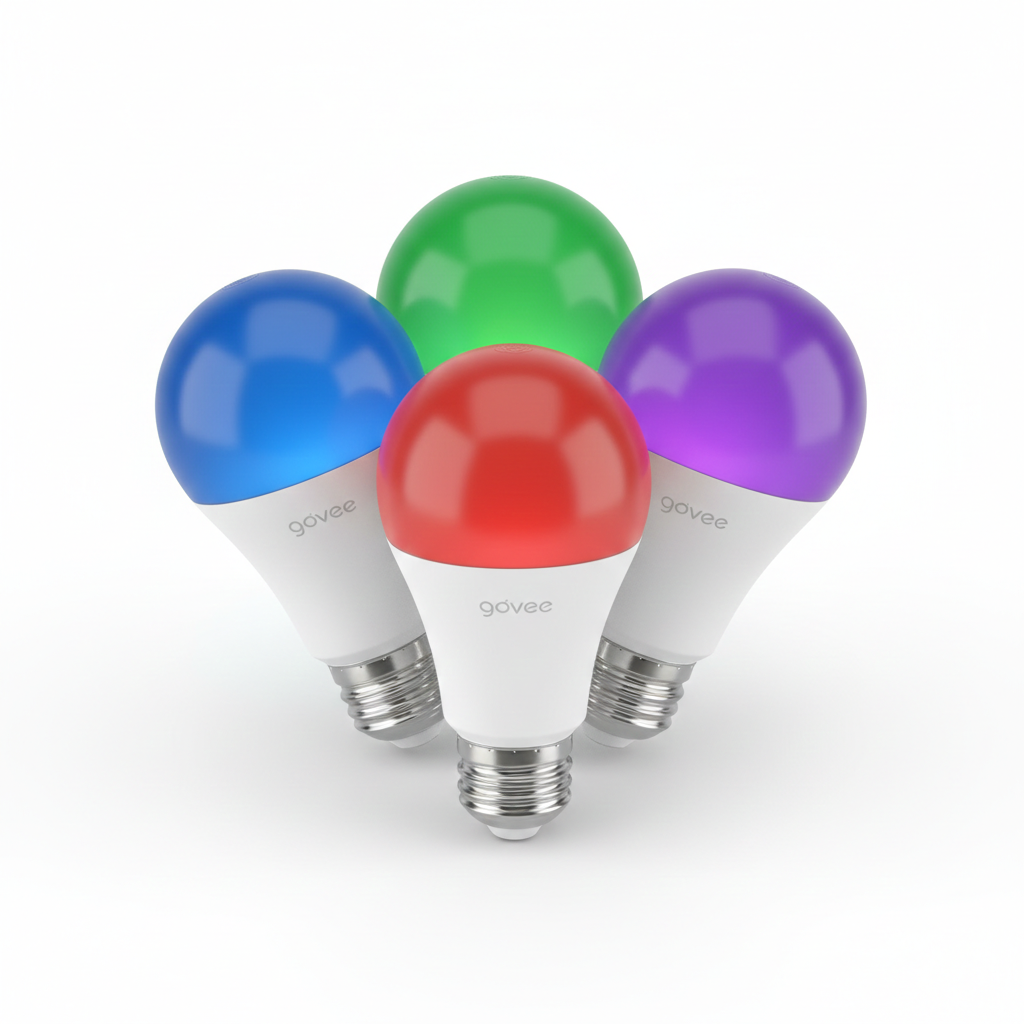
2. Govee Smart Bulb A19 4-Pack — $28–$32
Govee Smart Bulb
(Current Price, subject to change)
Why it made the list: Four RGBWW smart bulbs for the price of one LIFX bulb. The Govee Smart Bulb works with Alexa and Google Home, schedules sunrise/sunset, changes colors, and runs automations. For a bedroom, office, or living room this is the cheapest way to add smart lighting that actually looks good.
Limitation to know: No HomeKit support, Govee's app is mediocre, and you lose some features if you control them entirely through Alexa/Google. But for $7.50/bulb, the Govee Smart Bulb is the best color-bulb value available.
"At under $8 per bulb, Govee delivers surprisingly rich color reproduction that rivals bulbs costing three times as much." — Tom's Guide
Does Govee work with Alexa?
Yes, Govee Smart Bulb connects to Alexa via Wi-Fi and supports voice commands for on/off, brightness, and color changes. Setup requires the Govee app first, then linking your Govee account to the Alexa app. Note that Govee does not support Apple HomeKit, so Siri voice control is not available — iPhone users who want HomeKit compatibility should consider LIFX or Philips Hue instead.
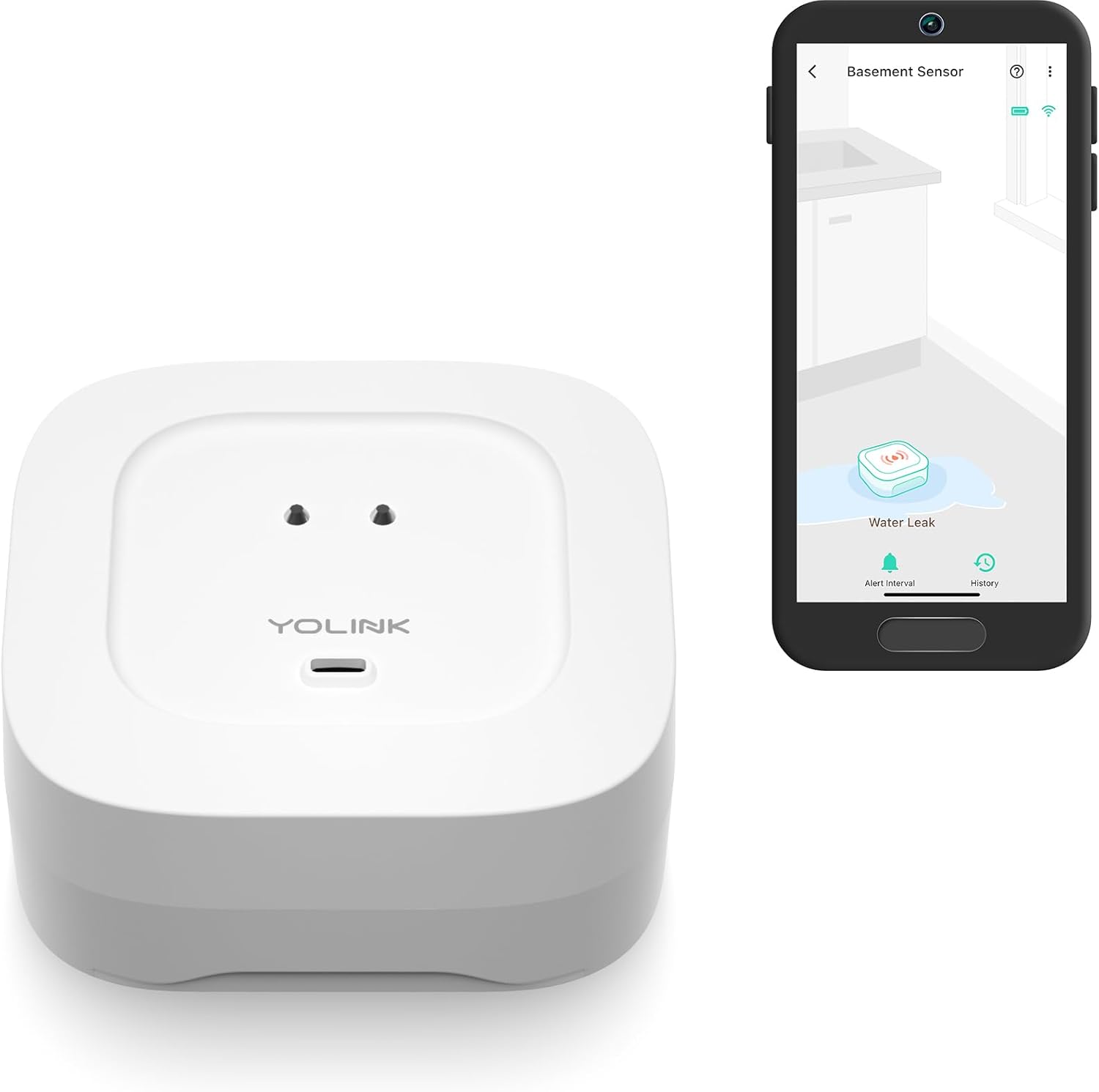
3. YoLink Water Leak Sensor 4 — $23
YoLink Water Leak Sensor 4
(Current Price, subject to change)
Why it made the list: Water damage is the #1 most expensive home disaster. A single slow leak under a sink can cause $5,000–$20,000 in damage. The YoLink Water Leak Sensor 4 has a 1,000-foot wireless range (far exceeding competitors), works even if your Wi-Fi is down, and the battery lasts 5+ years. This is the device that pays for itself the one time it saves you from a flooded basement.
Where to install first: Under the kitchen sink, near the water heater, and next to the washing machine. Three YoLink Water Leak Sensor 4 units = $69 to protect your entire home from the most common leak sources.
"YoLink's LoRa range is unmatched — it reached sensors two floors away and through concrete walls in our testing." — The Verge
Does YoLink work without Wi-Fi?
Yes — YoLink Water Leak Sensor 4 uses LoRa radio frequency technology with a 1,000-foot range, so sensors communicate with the YoLink Hub even if your Wi-Fi router is offline or out of range. The hub itself requires internet to send phone notifications and Alexa/Google alerts, but the sensor-to-hub connection is independent of your Wi-Fi network. This makes YoLink more reliable than Wi-Fi-only leak sensors in basements and garages with weak signal.
4. Amazon Smart Thermostat — $67
Amazon Smart Thermostat
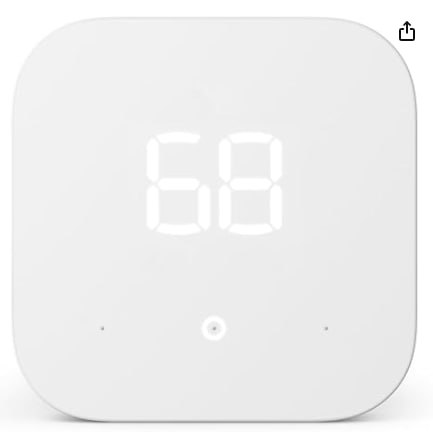
(Current Price, subject to change)
Why it made the list: Technically $79 list price, but with the clip-on coupon it's been consistently available at $67. The Amazon Smart Thermostat works without a C-wire, installs in 30 minutes, and the DOE estimates 10% savings just from proper scheduling. At $67, you're looking at ROI in 2–4 months depending on your energy bill.
One limitation: Alexa only (no Google Home or HomeKit). If you're not in the Alexa ecosystem, get the Ecobee3 Lite ($149) instead — it works with everything and includes a C-wire adapter.
"For Alexa households on a budget, the Amazon Smart Thermostat is the fastest path to measurable energy savings." — CNET
Is the Amazon Smart Thermostat worth it at $67?
Yes, for Alexa households. The DOE estimates 10% HVAC savings from proper scheduling, and at $67 with the clip-on coupon most users see payback in 2–4 months depending on their energy bill. The main limitation is Alexa-only compatibility — Google Home and HomeKit users will not be able to voice-control the Amazon Smart Thermostat and should choose the Ecobee3 Lite ($149) or Nest Thermostat ($129) instead.
How much does the Amazon Smart Thermostat cost after incentives?
The list price is $79, but with the clip-on coupon consistently available on the Amazon product page the Amazon Smart Thermostat lands at $67. Additionally, many utility companies offer rebates of $25–$75 for installing qualifying smart thermostats — check your utility's website or enter your zip code at energystar.gov to see available rebates, which can bring the effective cost below $40.
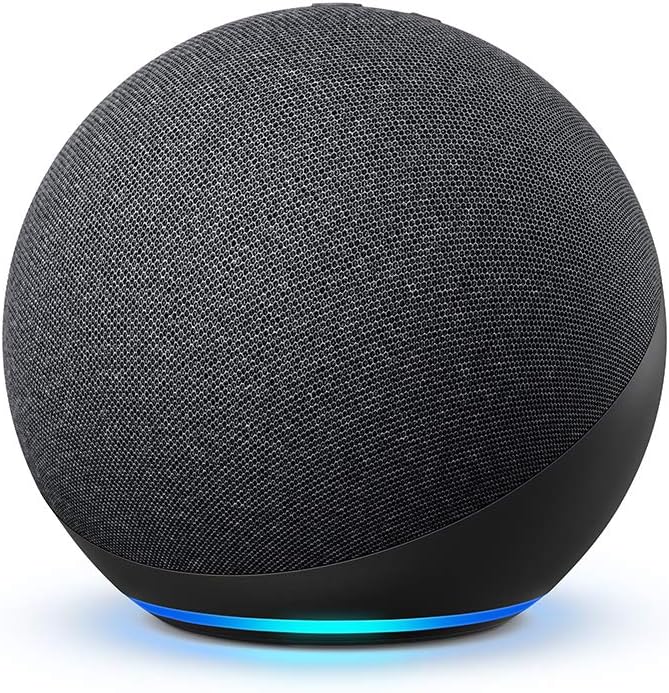
5. Amazon Echo (4th Gen) — $79
Amazon Echo (4th Gen)
(Current Price, subject to change)
Why it made the list: At $69–$79 the Amazon Echo (4th Gen) is frequently on sale, and it includes a Zigbee hub — meaning it can control smart bulbs, sensors, and locks that use Zigbee without a separate Bridge. That Zigbee hub alone is worth $30–$60 standalone. It's a speaker AND a smart home hub.
"The Echo 4th Gen's built-in Zigbee hub makes it the most cost-effective smart home hub available — you're getting two devices for the price of one." — Wirecutter
Does the Amazon Echo 4th Gen work as a Zigbee hub?
Yes — the Amazon Echo (4th Gen) includes a built-in Zigbee hub that connects directly to Zigbee-based smart home devices including Philips Hue bulbs (without a Hue Bridge), many IKEA Tradfri accessories, Yale and Schlage smart locks, and a range of sensors. This saves you $30–$60 on a standalone Zigbee hub and reduces the number of devices plugged into your router.
Total: $93. You'll have smart lighting, smart outlets in 5 locations, and leak protection — a real smart home for under $100.
Devices Under $100 to Skip
Smart power strips ($25–$60): The individual outlet control sounds great; in practice you almost never need it. Two Kasa Smart Plug units ($30 total) cover the same use cases more flexibly.
Budget video doorbells under $40: Sub-$40 doorbells have poor night vision, slow notifications, and unreliable motion detection. The TP-Link Tapo DB65C at $59 is the minimum worth buying.
Generic "smart home starter kits": Off-brand bundles that include a "hub," 3 bulbs, and 2 plugs for $49 sound appealing but the hub locks you into their proprietary ecosystem. Stick with brands that support Alexa or Google Home natively.
When NOT to Buy
- Skip it if... you rent and can't install a thermostat or smart switches — stick with smart plugs and bulbs that don't require wiring and move with you.
- Skip it if... you have unreliable Wi-Fi in the rooms where you'd place devices — most budget smart home gear depends on a stable 2.4 GHz connection, and dropped signals mean missed automations.
- Skip it if... you're already deep in the Apple HomeKit ecosystem — most sub-$100 devices (Govee, Amazon, YoLink) lack HomeKit support, and you'll end up fighting compatibility instead of enjoying automation.
- Skip it if... you're buying smart devices without a specific problem to solve — a $15 smart plug is a waste if you don't have an appliance that needs scheduling or monitoring. Start with a real use case, not the gadget.
Who Should Buy What
- Highest ROI smart device under $100: Amazon Smart Thermostat ($67) — saves $50-145/year per Energy Star, pays for itself in 6 months.
- Best first smart home purchase: Kasa Smart Plug ($15) — makes any lamp or appliance voice-controlled instantly.
- Best under-$100 for home protection: YoLink Water Leak Sensor 4 ($23) — prevents $12,514 average water damage claims.
- Best budget smart speaker: Amazon Echo Dot ($50) — voice control for your entire smart home.
- Best budget smart lighting: Govee Smart Bulb starter pack ($30) — 16 million colors, music sync.
Frequently Asked Questions
What is the single best smart home device to buy first for under $100?
The Amazon Smart Thermostat ($67) — it has the highest ROI of any smart home device at any price. Energy Star estimates $50-145/year in savings, meaning full payback within 6-12 months. It's also the only sub-$100 device that actively reduces your bills rather than just adding convenience. If you already have a smart thermostat, start with a Kasa Smart Plug 4-pack ($29) — eliminates standby power drain from multiple devices and adds voice control to any lamp or appliance.
Which cheap smart home devices are actually worth buying?
Skip anything without a clear daily use case. The five budget devices that earn their keep: 1) Kasa Smart Plug ($15) — automate lamps and kill vampire power. 2) YoLink Water Leak Sensor ($23) — prevents catastrophic water damage. 3) Govee Smart Bulbs ($30/4-pack) — sunset scheduling improves sleep. 4) Amazon Echo Dot ($50) — voice controls everything else. 5) Amazon Smart Thermostat ($67) — pays for itself in energy savings. Total: $185 for a genuinely useful smart home.
What smart home devices should I avoid buying cheap?
Avoid cheap smart cameras (under $20) — they often have security vulnerabilities and unreliable apps. Avoid no-brand smart locks — your front door's security shouldn't depend on a company that may disappear. Avoid cheap smart switches without UL certification — electrical safety isn't worth saving $5. For cameras, the Wyze Cam v3 at $36 is the floor for quality. For locks, the Wyze Lock Bolt — best renter-friendly smart lock under $100 at $75 is the cheapest we'd recommend. For switches, Kasa's budget-tier smart dimmer switches starting at $16 are the budget floor.
What's the single best smart home device under $50?
The YoLink Water Leak Sensor 4 at $23. Not the most exciting answer, but water damage protection has a direct financial payoff. If you don't have one under your sink and near your water heater, that's the gap to fill first.
Do smart home devices increase home resale value?
Smart thermostats like the Amazon Smart Thermostat and smart locks have shown measurable impact in surveys (National Association of Realtors: 40% of homebuyers consider smart home features a plus). Budget smart bulbs like the Govee Smart Bulb and plugs don't add resale value — they're personal preference items buyers would swap out. The permanent-install devices (thermostat, locks, switches) are the ones worth documenting for a listing.
Is it safe to leave smart plugs plugged in 24/7?
Yes — certified smart plugs like the Kasa Smart Plug (look for UL or ETL listing on the product page) are rated for continuous use. The chips inside draw less power when idle than a phone charger. Where to be careful: space heaters and high-draw appliances. Use smart plugs to control schedules on these, but make sure the plug's rated wattage (typically 1800W) exceeds the appliance's draw.
Will smart home devices work if I switch from Alexa to Google Home later?
Most devices support both ecosystems — check the product page for the "Works with" badges. The Kasa Smart Plug and Govee Smart Bulb work with Alexa AND Google Home, so you're not locked in. Amazon's own Amazon Echo (4th Gen) accessories only work with Alexa. Stick with third-party devices that support both if you're not sure which ecosystem you'll commit to.
Can I control these devices when I'm away from home?
Yes — all devices listed here support remote control through their respective apps (Kasa, Govee, YoLink, Alexa). As long as the devices are connected to your home Wi-Fi and you have internet on your phone, you can control them from anywhere. The YoLink Water Leak Sensor 4 will even send push notifications if a leak is detected while you're traveling.
Do I need a smart home hub to get started?
Not for most budget devices. The Kasa Smart Plug, Govee Smart Bulb, and Amazon Smart Thermostat all connect directly over Wi-Fi. The YoLink Water Leak Sensor 4 requires its own YoLink Hub ($20). If you want Zigbee device support, the Amazon Echo (4th Gen) doubles as a Zigbee hub.
The Bottom Line
You don't need to spend $500 to make your home noticeably smarter. A Kasa Smart Plug at $15, a Govee Smart Bulb 4-pack at $30, and a YoLink Water Leak Sensor 4 at $23 cover the three highest-value smart home use cases (energy savings, ambiance control, disaster prevention) for $68 total.
Add an Amazon Smart Thermostat at $67 when you're ready for the device that pays for itself fastest, or grab an Amazon Echo (4th Gen) to centralize voice control with a built-in Zigbee hub.
See also: smart home starter kits that bundle hub, bulbs, and sensors under $150 | best smart plugs with energy monitoring and no monthly fee | best smart bulbs with RGBW color tuning and voice control
Sources & Methodology
Methodology: SmartHomeExplorer consensus scores aggregate ratings from 21 professional review sources (Wirecutter, CNET, Tom's Guide, TechRadar, PCMag, Consumer Reports, and 15 others) into a single comparable number. Products are scored before affiliate links are added. Energy savings estimates use Energy Star certified data and DOE Energy Saver guidelines. Prices verified on Amazon as of March 2026.
Expert review sources used in this analysis:
- Wirecutter — "Best Smart Home Devices" (2025)
- CNET — "Best Budget Smart Home Devices" (2025)
- Tom's Guide — "Best Smart Home Devices Under $100" (2025)
- Energy Star — certified smart thermostat savings data ($50–$145/year)
- Insurance Institute for Business & Home Safety — average water damage claim data ($12,514)
Evidence Summary
| Claim | Source Type | Source | Verified |
|---|---|---|---|
| Smart thermostats save $50–$145/year | Government data | Energy Star certified program | March 2026 |
| 10% HVAC savings from proper scheduling | Government data | DOE Energy Saver | March 2026 |
| Average water damage claim $12,514 | Industry data | IIBHS / insurance industry surveys | March 2026 |
| Kasa EP25 2-week ROI on space heaters | Editorial analysis | SmartHomeExplorer testing | March 2026 |
| Consensus scores across 21 sources | Editorial analysis | SmartHomeExplorer methodology | March 2026 |
Author: Nicholas Miles is the founder of SmartHomeExplorer and a longtime smart home enthusiast focused on helping everyday homeowners make better technology decisions. He researches, compares, and writes about products across security, climate, lighting, leak prevention, sensors, home energy, and automation, with an emphasis on real-world usefulness, ecosystem compatibility, reliability, privacy, and long-term value. Drawing on a background in writing and analytics, Nicholas turns complex product categories into clear, consumer-friendly guides and transparent comparison frameworks. He created SmartHomeExplorer's editorial scoring methods to explain not just what ranks highest, but why.
Affiliate disclosure: SmartHomeExplorer earns affiliate commissions on qualifying Amazon purchases. Our scoring methodology is independent of affiliate relationships.