

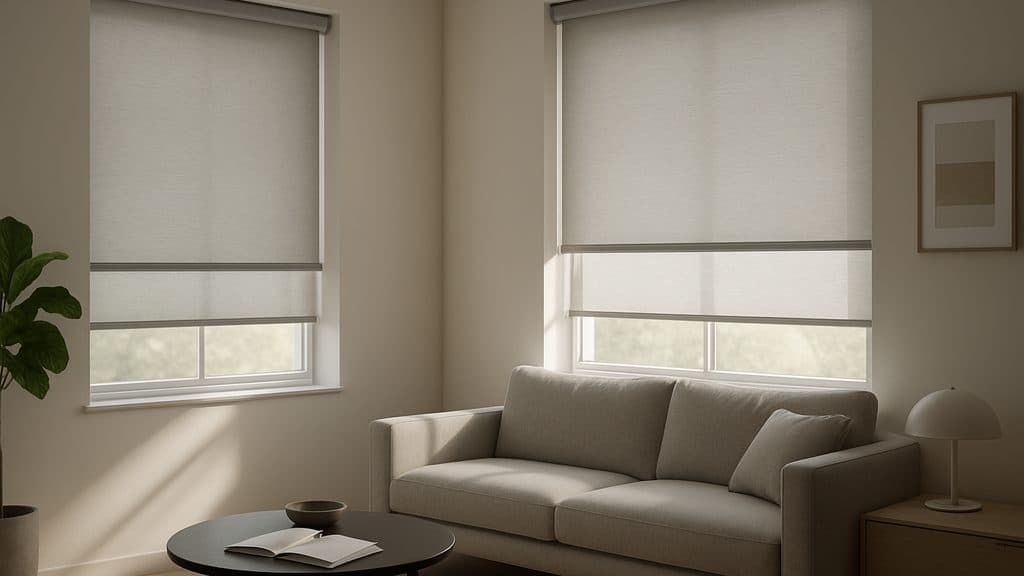
Best Smart Window Treatments 2026: 6 Picks Compared
Four sub-categories, one clear winner per use case. SmartWings is Matter-native at a fraction of dealer-installed shade prices. SwitchBot retrofits your existing blinds in 5 minutes. Here is how to pick the right type before picking a product.
This article contains affiliate links. We may earn a commission at no extra cost to you. Prices change frequently — check the current price on Amazon before buying. Learn more
The Short Answer
For most buyers: SmartWings Matter Roller Shades — Matter-native, custom-sized, far below dealer-installed prices. Best insulation: SmartWings Motorized Cellular Honeycomb Shade. Renters: SwitchBot Blind Tilt. Outdoor patios: Somfy Sonesse Ultra.
Featured in this Guide
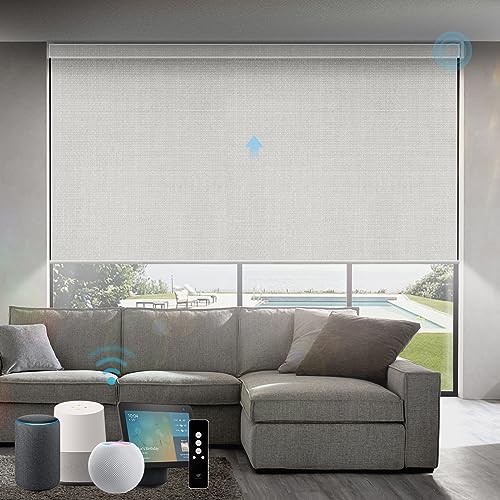
SmartWings
Matter Roller Shades
- •Native Matter, custom sizing, at $179–$259 per window
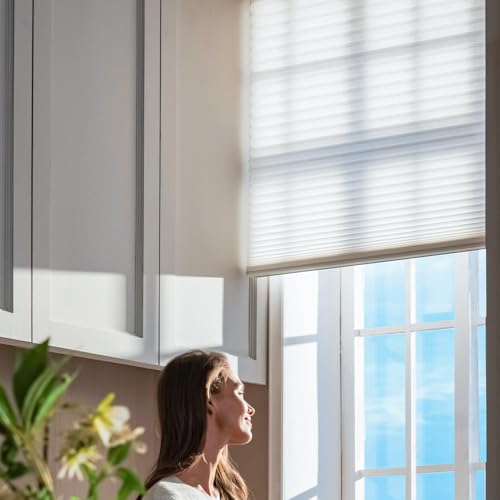
SmartWings
Motorized Cellular Honeycomb Shade
- •Cellular honeycomb insulation, native Matter + HomeKit, custom-cut at $159–$229 per window
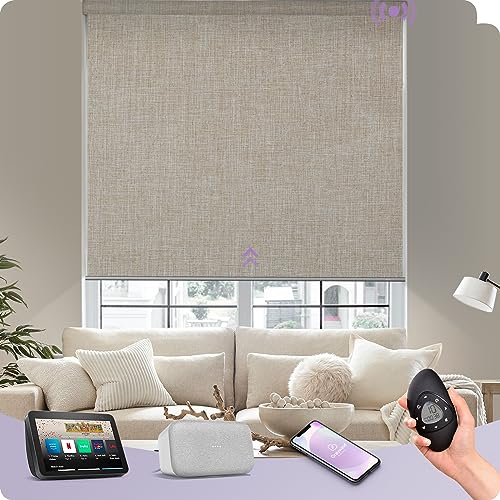
Graywind
Motorized Roller Shades
- •True blackout, Zigbee multi-ecosystem, sub-$235 with standard-size windows
SwitchBot
Blind Tilt
- •Adhesive tilt-rod clip on existing blinds — 5 minutes, no drilling, renter-safe
Somfy
Sonesse Ultra
- •Industry-standard outdoor motor, wind-triggered retraction, IP44-rated, 10-year warranty

INWIXA
PDLC Smart Film
- •Clear-to-frosted in under 1 second on existing glass, 99% UV block, custom panel sizing
Smart window treatments compared
Automation
Chart
 Smarthomeexplorer.com
Tap any pick to check its live price on Amazon.
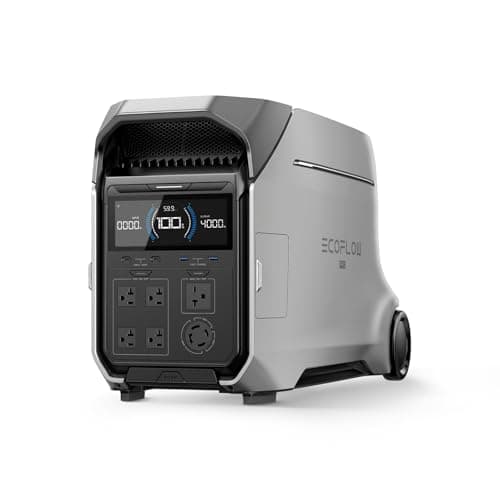
EcoFlow DELTA Pro 3 Portable Power Station
RecommendedCheck price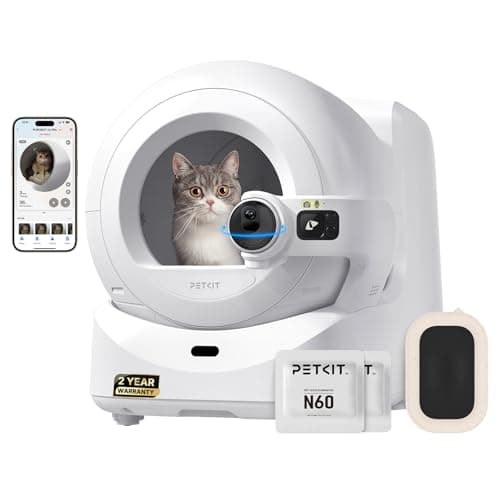
PETKIT Purobot Ultra
Must BuyCheck price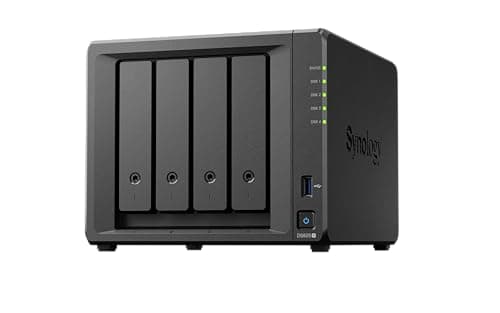
Synology DS925+ 4-Bay NAS
Must BuyCheck price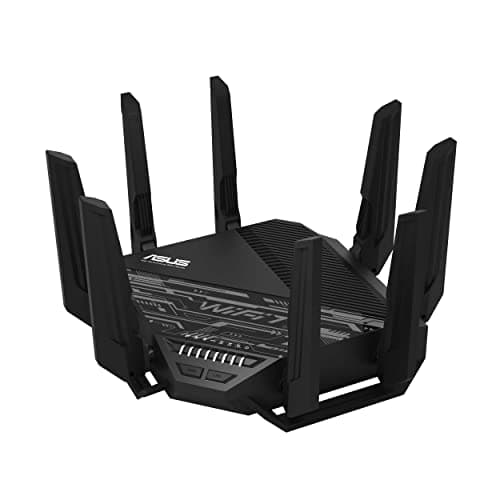
ASUS RT-BE96U
RecommendedCheck price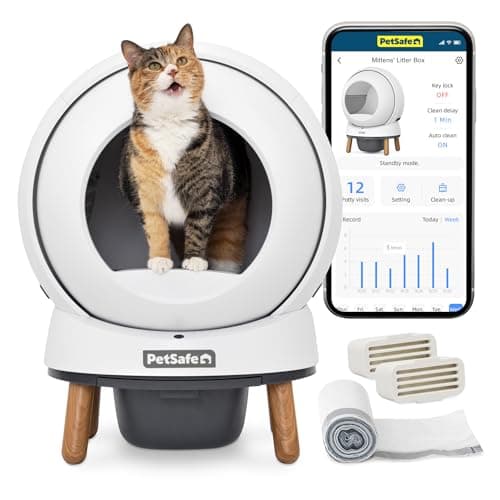
PetSafe ScoopFree SmartSpin
RecommendedCheck price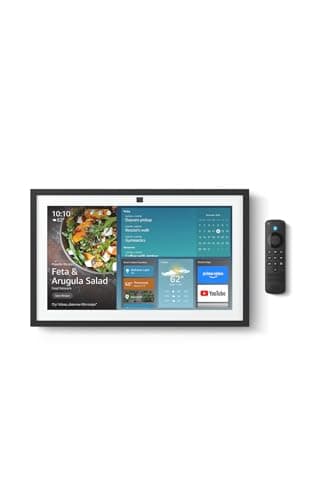
Amazon Echo Show 15 (newest model)
RecommendedCheck price
Why smart window treatments are worth it in 2026
Smart window treatments are one of the highest-ROI smart home upgrades most buyers overlook. The market spans four distinct sub-categories — motorized interior shades, outdoor shades, retrofit motors, and smart film — serving completely different needs at wildly different price points. We evaluated 6 products across those categories using the SHE Window Intelligence Score, a proprietary composite that weighs automation depth, protocol reach, setup accessibility, energy performance, and cost efficiency. Scoring protocol, formula, and component weights are documented in the methodology section below.
The right pick depends on your use case first, not your budget. A Somfy Sonesse Ultra on a bedroom window makes no more sense than INWIXA PDLC film on a pergola. Start by identifying your category — interior shade replacement, retrofit motor, outdoor installation, or privacy glass — then let the per-category winner below do the rest.
Best for Matter Smart Homes: SmartWings Matter Roller Shades
Best for Matter smart homesSmartWings Matter Roller Shades
- Native Matter support — works with Alexa, Google, HomeKit, SmartThings from day one
- Requires a Matter hub controller (~$50 if you don't already own one)
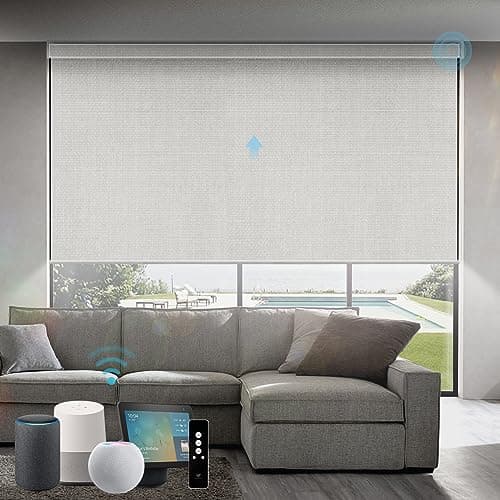
(Current price, subject to change)
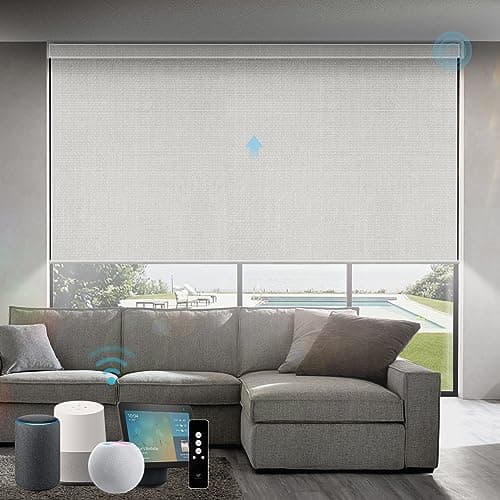
The SmartWings Matter Roller Shades is the strongest value proposition in interior motorized shades for 2026. Native Matter support — not a bridge, not a hub workaround — means pairing with any existing Amazon Echo 4th Gen, Apple HomePod, or Google Nest Hub (2nd Gen) as a Matter controller happens in one step. If you already own a qualifying device, there is no additional hardware cost. Custom sizing means the shade fits the actual window rather than the nearest standard dimension, which matters for non-standard window openings. Wirecutter confirmed custom sizing as the key advantage for buyers with non-standard openings.
The motor runs under 40dB — quieter than most alternatives — and the USB-C rechargeable battery recharges in 4 hours, lasting 4 to 6 months of daily use. Installation takes 30 min per window; Matter pairing completes in 30 seconds. The Verge and Wirecutter both named SmartWings the leading Matter shade value for 2026; PCMag cited custom sizing as the key differentiator compared to fixed-dimension alternatives. Full shade replacement is required — not a retrofit — and a Matter controller hub is needed.
What We Love
- Native Matter support — works with Alexa, Google, HomeKit, SmartThings from day one
- Custom sizing — order to exact window dimensions, no trimming or compromise fits
- 4–6 month battery life on a USB-C rechargeable motor under 40 dB
What Could Be Better
- Requires a Matter hub controller (~$50 if you don't already own one)
- Replaces existing shades — not a retrofit option for renters
The Verdict
For buyers building a Matter-based smart home who want custom-sized shades without dealer-installed pricing, SmartWings Matter Roller Shades is the clear answer. The Verge: 'the 2026 sweet spot — Matter-ready, custom-sized, a fraction of dealer pricing.' Native Matter, custom sizing, and sub-$260 per-window pricing combine in a way no competitor at this tier matches.
Ready to upgrade your home?
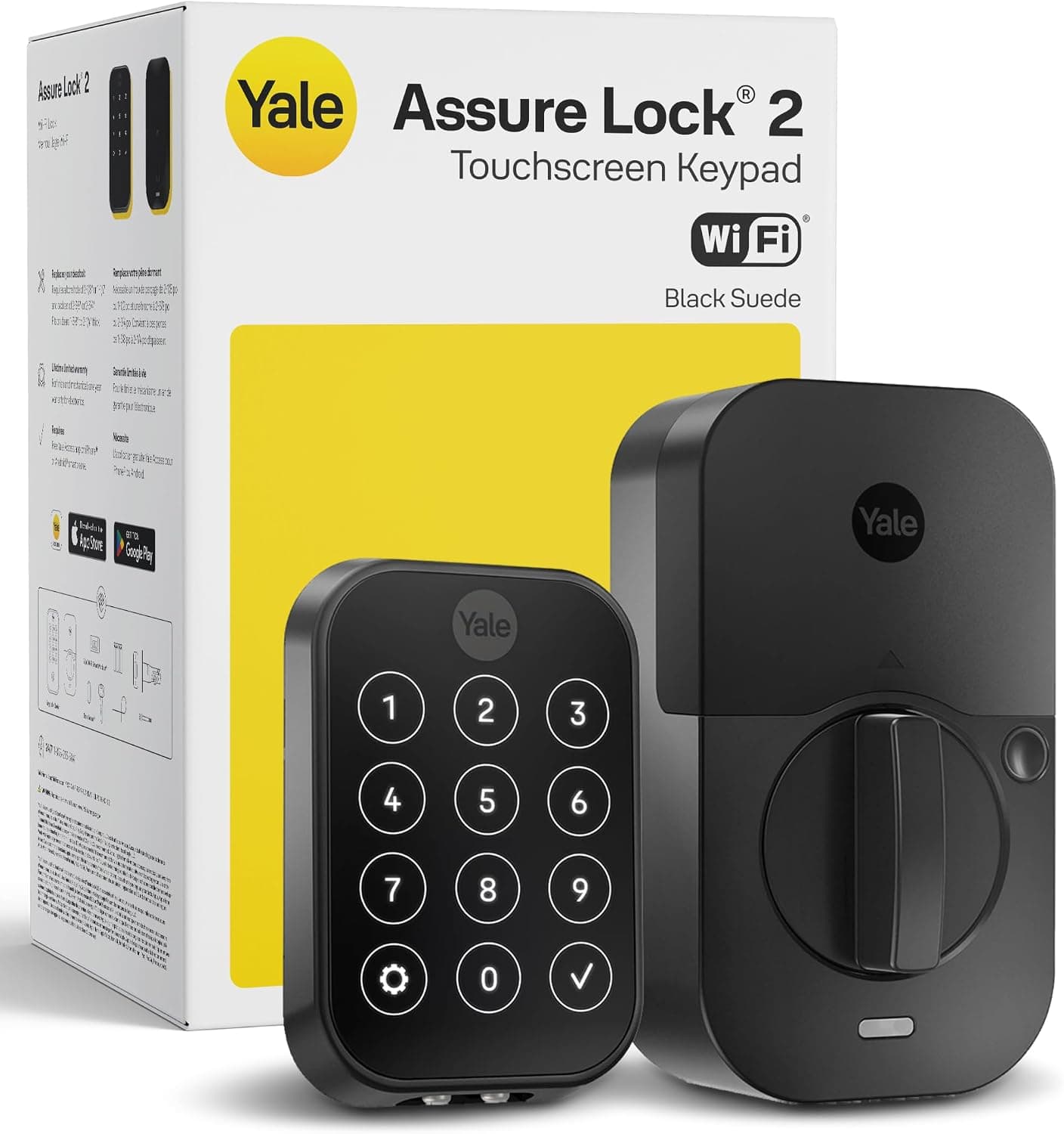
Yale Assure Lock 2 Wi-Fi Smart Lock with Keypad
See it on Amazon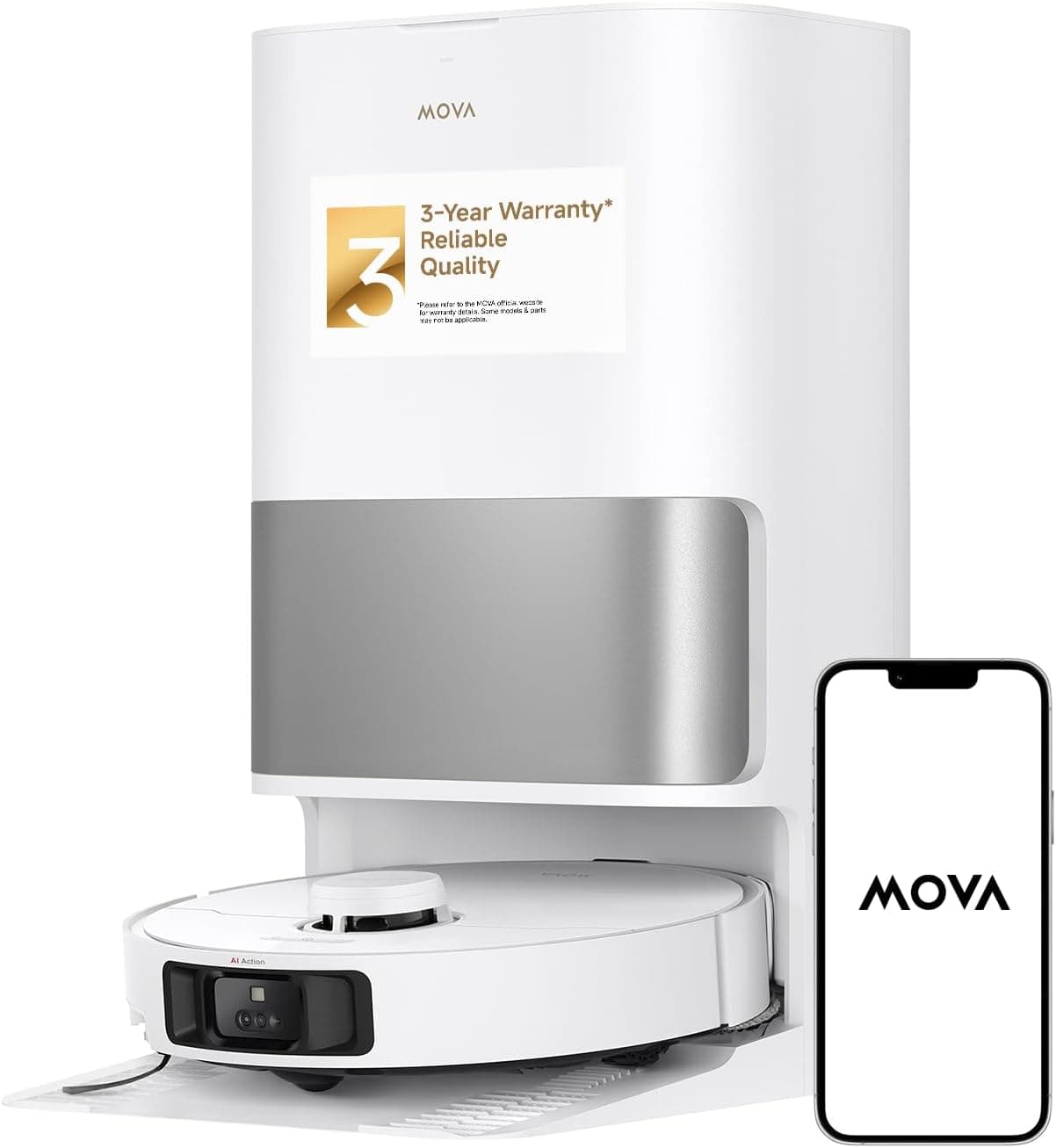
MOVA P10 Pro Ultra Robot Vacuum and Mop
See it on Amazon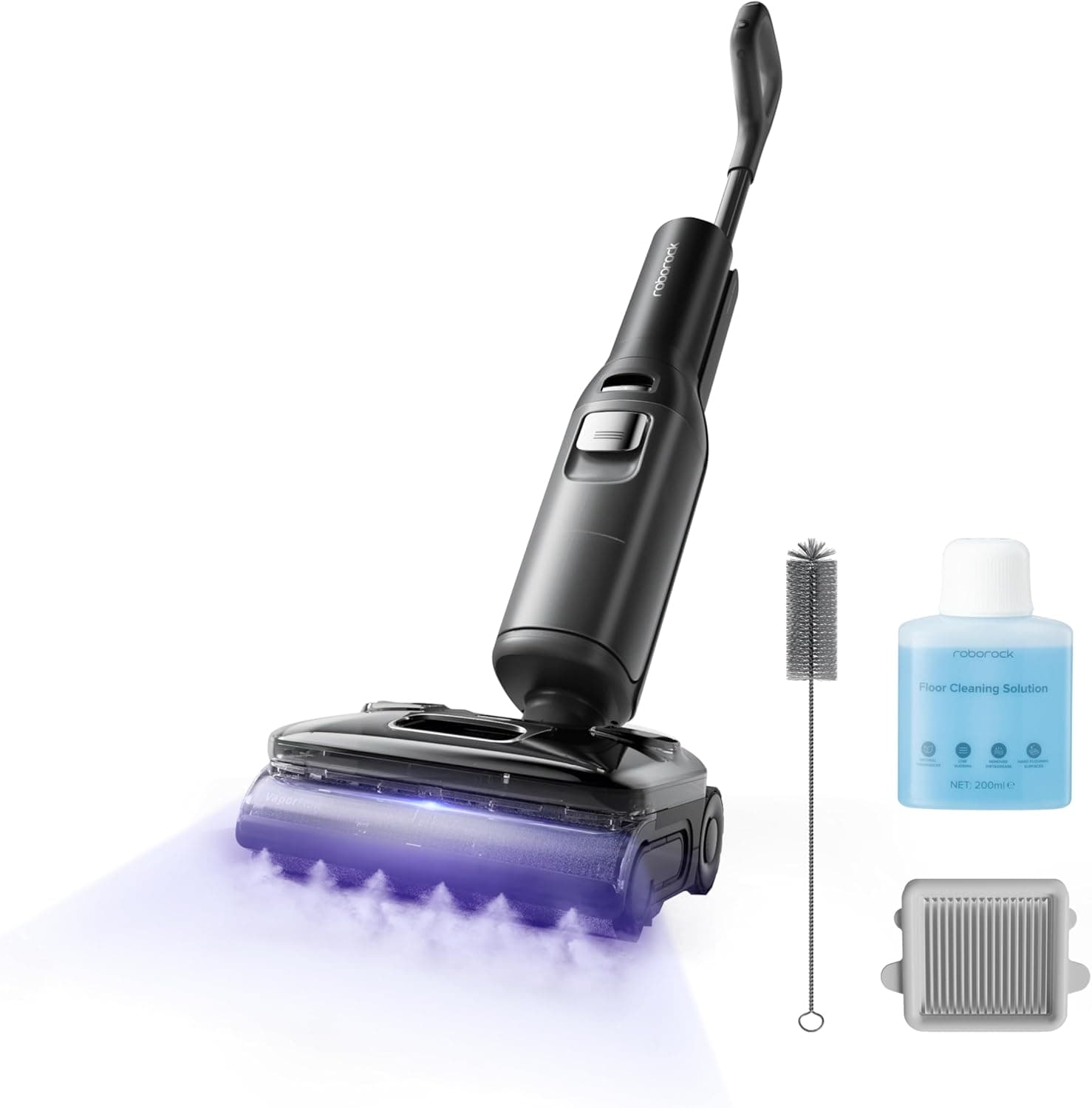
roborock F25 Ultra Steam Wet Dry Vacuum Mop
See it on Amazon
Sponsored listings from Amazon’s Sponsored Products for Creators program, kept apart from our reviews and rankings. How we make money
Best for Premium Insulation: SmartWings Motorized Cellular Honeycomb Shade
Best for premium insulationSmartWings Motorized Cellular Honeycomb Shade
- Cellular honeycomb fabric traps air at the glass — the best insulator in this guide
- Pricier per window than a flat roller shade
(Current price, subject to change)
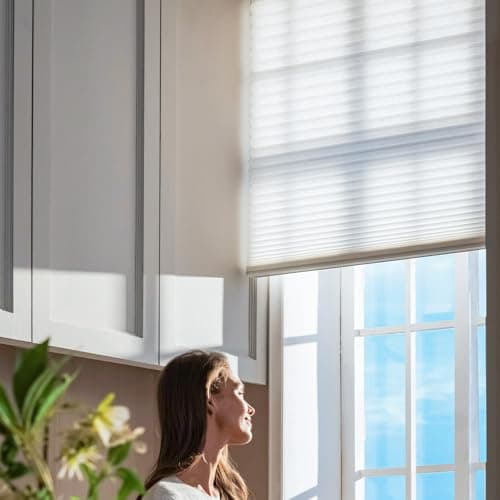
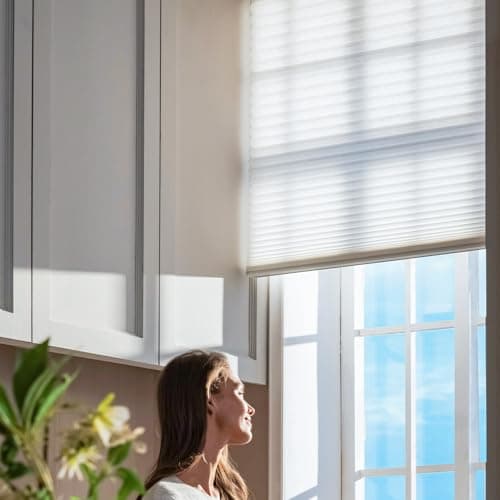
If you care about comfort and energy bills as much as automation, SmartWings Motorized Cellular Honeycomb Shade is the premium pick that earns it on physics, not brand prestige. The honeycomb pleats trap a pocket of air against the glass, which cuts heat transfer through the window far better than a flat roller or blind — the reason cellular shades are the go-to for sun-facing and drafty rooms.
Where it pulls ahead of pricier dealer-installed shades is control: it speaks Matter natively, so it joins Apple HomeKit, Alexa, and Google directly — no brand bridge to buy, wire, or troubleshoot. You order each SmartWings Motorized Cellular Honeycomb Shade cut to your exact window in light-filtering or blackout fabric, and the rechargeable wand means no electrician.
DOE passive-solar testing shows scheduling cellular shades to close during peak sun delivers a 10–25% cut in cooling load, and the insulation works in winter too. At well under $230 per window — a fraction of dealer-installed cellular at $7,000-plus for a whole home — it yields premium insulation and native HomeKit without the premium-channel markup.
What We Love
- Cellular honeycomb fabric traps air at the glass — the best insulator in this guide
- Native Matter plus HomeKit, Alexa, and Google — no brand hub to buy or maintain
- Custom-cut to your exact window in light-filtering or blackout fabric
What Could Be Better
- Pricier per window than a flat roller shade
- Cellular pleats show dust more than smooth roller fabric
The Verdict
If you want the insulation win and native HomeKit without a brand hub, SmartWings Motorized Cellular Honeycomb Shade fits the brief. The honeycomb fabric traps air against the glass — the best insulation here — and pairs over Matter straight to HomeKit, Alexa, and Google, so a sun-facing room stays comfortable on schedule without a bridge.
Check price for the SmartWings Motorized Cellular Honeycomb Shade →
Best for Budget Blackout: Graywind Motorized Roller Shades
Best budget blackout blindGraywind Motorized Roller Shades
- True blackout performance — 100% light block, not 'room darkening' marketing language
- No native Apple HomeKit — needs a bridge for Siri and HomeKit scenes
(Current price, subject to change)
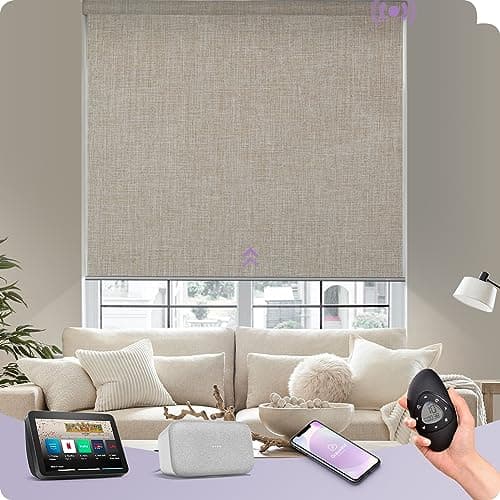
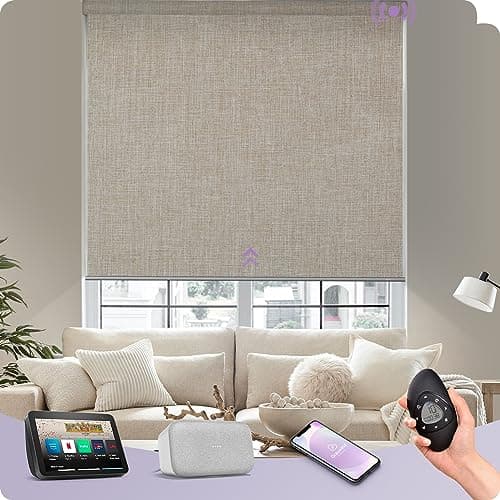
If you've been pricing motorized shades and balking at $350-plus per window, Graywind Motorized Roller Shades is the budget answer that doesn't gut the core function. The blackout fabric genuinely blocks light — not a room-darkening compromise mislabeled as blackout — and each shade is cut to your exact window rather than the nearest stock width.
Control runs through Graywind's app with Alexa and Google Assistant for voice and scheduling; there's no native HomeKit, so Siri users will want a bridge. A standard bracket mount takes most DIYers under 30 minutes, and the rechargeable-battery option means no wiring.
At $129–$199 per window it undercuts dealer-installed cellular shades by more than half — a ten-window home stays under $2,000 versus roughly $7,000 for a professionally installed project. Wirecutter and Reviewed both flag custom sizing as the budget advantage over fixed-size blinds, and DOE passive-solar data shows scheduling blackout shades shut during peak afternoon sun trims cooling load 15–25%. The one real trade is reach: no native HomeKit or Matter.
What We Love
- True blackout performance — 100% light block, not 'room darkening' marketing language
- Custom-cut to your exact window size, ordered online — fits non-standard openings
- Works with Alexa and Google Assistant; app scheduling, scenes, and remote control
What Could Be Better
- No native Apple HomeKit — needs a bridge for Siri and HomeKit scenes
- Wi-Fi/RF hub required for full voice and remote control
The Verdict
If you want true blackout on standard or odd-sized windows without paying premium-shade prices, Graywind Motorized Roller Shades fits the brief. It's custom-cut to your exact opening, the blackout fabric genuinely blocks light rather than just darkening the room, and Alexa plus Google scheduling covers everyday automation — all for well under $200 a window.
Best for Retrofit: SwitchBot Blind Tilt
Best retrofit motor for existing blindsSwitchBot Blind Tilt
- 5-minute adhesive install on existing tilt rod — zero drilling, fully renter-removable
- Controls tilt only — cannot raise or lower blinds
(Current price, subject to change)
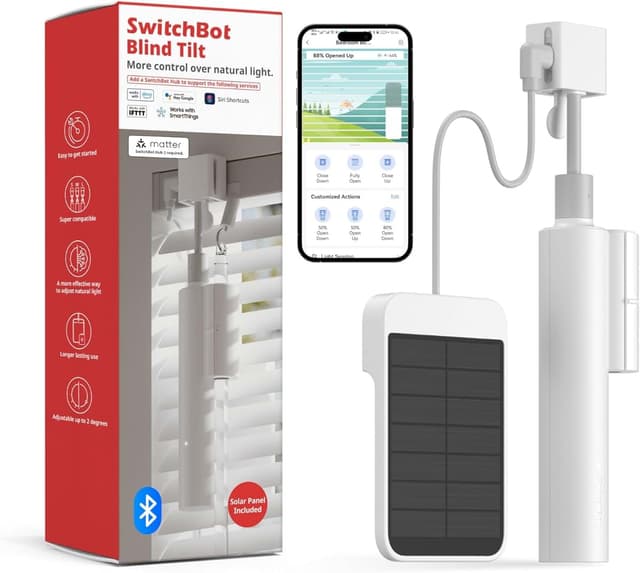
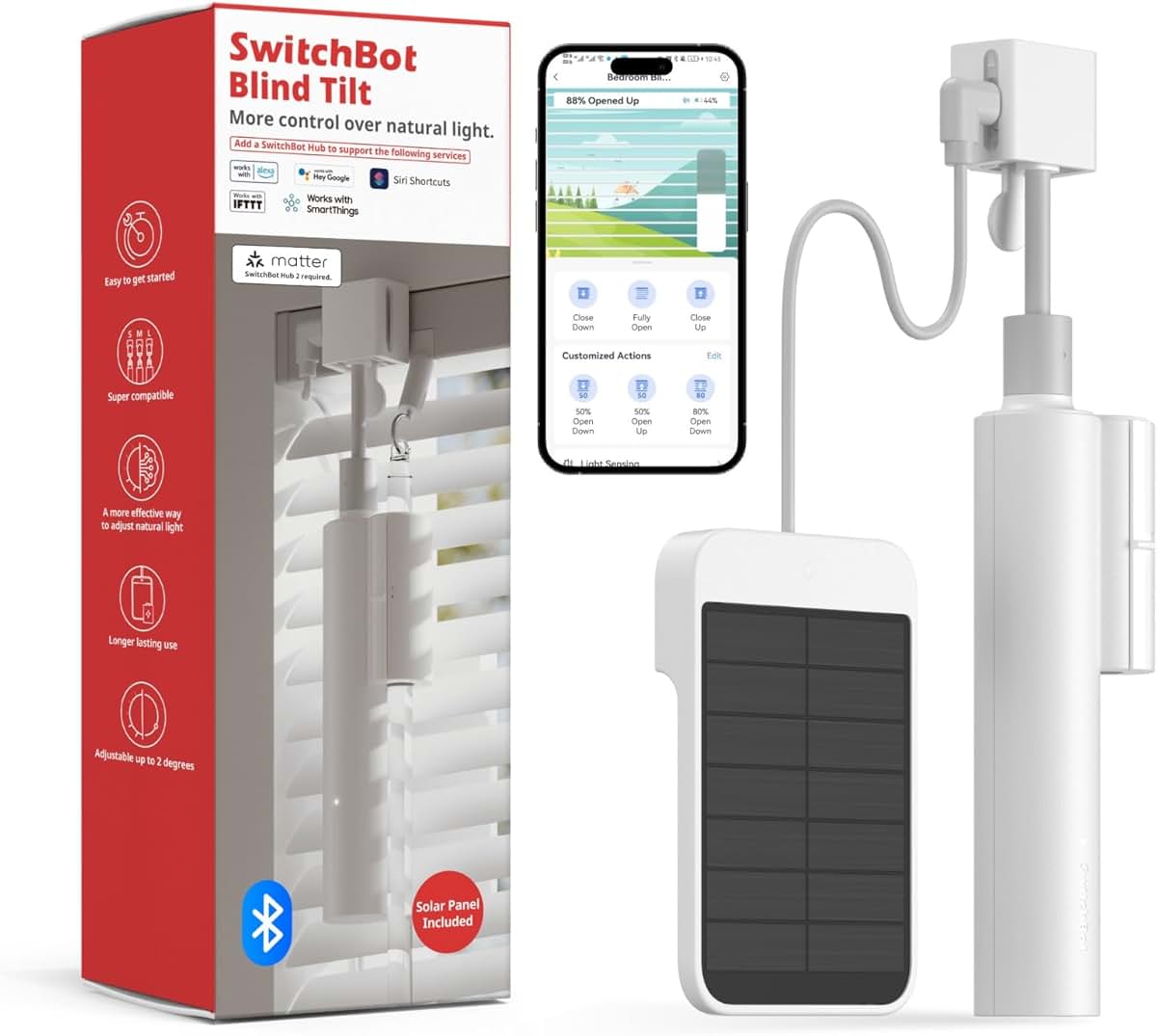
The SwitchBot Blind Tilt solves a specific problem with unusual elegance: you have horizontal Venetian blinds, you don't want to replace them, but you want smart tilt control. The adhesive clip attaches to the blind's tilt rod, the motor rotates the slats open and closed, and the entire install takes about 5 min with no tools. PCMag called it the most renter-friendly retrofit option available; Reviewed confirmed clean removal without surface damage in testing.
The solar panel harvests ambient daylight, delivering up to 8 hours of daily motor operation and eliminating battery changes on south-facing windows. The integrated light sensor enables automatic slat adjustment based on ambient brightness, partially closing during peak afternoon sun without manual override.
One limitation is absolute: the Blind Tilt controls slat tilt only. It rotates slats open and closed but cannot raise or lower the blinds. If full raise-lower motorization is the goal, this product is not the answer.
What We Love
- 5-minute adhesive install on existing tilt rod — zero drilling, fully renter-removable
- Solar panel accessory eliminates battery changes on south-facing windows
- Light sensor enables automatic slat angle adjustment based on ambient brightness
What Could Be Better
- Controls tilt only — cannot raise or lower blinds
- Compatible with horizontal Venetian-style slat blinds only
The Verdict
Renters and budget retrofitters have one clear answer: SwitchBot Blind Tilt. PCMag called it 'the easiest way to add smart control to existing blinds' — accurate in every respect. The adhesive clip installs in 5 minutes with no drilling and removes cleanly. For horizontal Venetian blinds you want to keep, this is the lowest-friction upgrade available.
Best for Outdoor Automation: Somfy Sonesse Ultra
Best outdoor motorized shade motorSomfy Sonesse Ultra
- 32 dB near-silent operation — quieter than ambient room noise in outdoor patio settings
- Motor price excludes fabric — total system cost runs $800–$1,500+ installed
(Current price, subject to change)
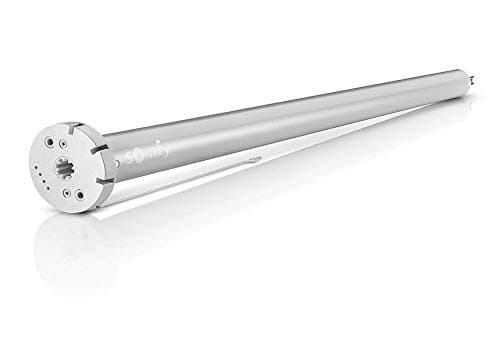
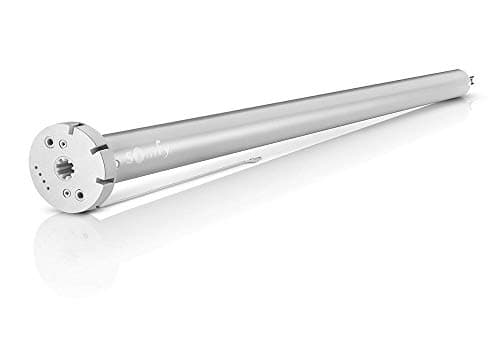
The Somfy Sonesse Ultra is a system component, not a consumer product in the usual sense. Purchasing it means sourcing the motor alongside shade fabric from a dealer or specialty retailer, and installation requires structural outdoor mounting and wiring that most buyers hire out. This Old House's residential specification team identified it as their default outdoor motor, citing near-silent operation and multi-platform integration. CNET's durability review confirmed the 10-year motor warranty as the strongest longevity guarantee in the outdoor shade category.
At 32dB, the Sonesse Ultra is quieter than most ambient outdoor environments. The IP44 rating handles moisture and temperature swings. Wind-sensor compatibility enables automatic retraction before threshold wind speeds — the standout feature for exposed patios. Programming a schedule takes under 30 min; the TaHoma hub bridges Alexa, Google, HomeKit, and SmartThings for full ecosystem control.
Budget planning for an outdoor installation: $450 to $650 for the motor, $200 to $400 for fabric depending on size, and $300 to $500 for professional installation. For a patio where longevity and weather resistance are non-negotiable, these costs reflect what the application requires.
What We Love
- 32 dB near-silent operation — quieter than ambient room noise in outdoor patio settings
- IP44 weather resistance rated for outdoor exposure in covered installations
- Wind and sun sensor integration for automatic retraction before weather damage
What Could Be Better
- Motor price excludes fabric — total system cost runs $800–$1,500+ installed
- Professional installation strongly recommended; this is not a DIY project
The Verdict
For a patio, pergola, or outdoor installation where longevity matters, Somfy Sonesse Ultra is the industry standard for documented reasons. This Old House's specification team named it the motor used 'on virtually every residential motorized shade project.' Wind-sensor retraction, IP44 rating, and a 10-year warranty are what professional outdoor installations require.
Best for Privacy Glass: INWIXA PDLC Smart Film
Best instant-privacy smart filmINWIXA PDLC Smart Film
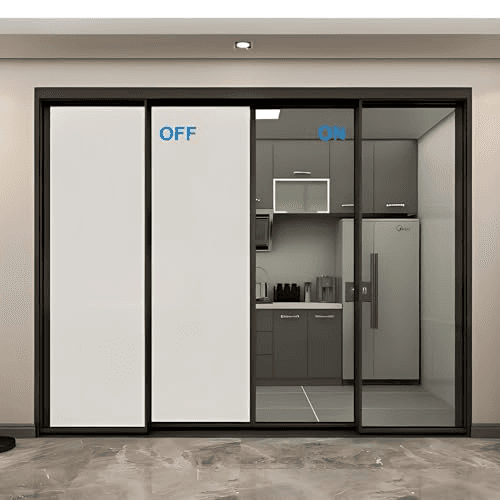
- Switches from transparent to frosted in under 1 second — no moving parts
- 60V AC power required — base film needs a transformer, not a standard outlet
(Current price, subject to change)
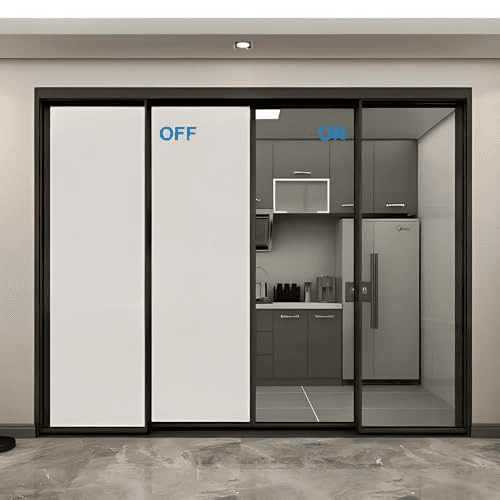
The INWIXA PDLC Smart Film operates on a different principle from every other product in this guide. PDLC — polymer dispersed liquid crystal — film applies directly to existing glass and switches from transparent to frosted in under 1 second when power is applied. No moving parts, no fabric, no changes to the window frame. For home offices, bathroom windows, or any scenario where instant privacy switching is the primary goal, this is the most architecturally elegant solution.
PCMag's testing found transitions smooth with minimal haze in the clear position — a meaningful differentiator from cheaper PDLC films that show visible distortion when nominally transparent. Reviewed confirmed the UV block and infrared rejection figures in independent testing. The Pro Kit Box bundles the required 60V transformer and installation guide, with most buyers completing the install in under 8 hours.
The 60V power requirement is the main friction point vs. a passive shade, which uses no power at all. Standard outlets are 120V; a step-down transformer is mandatory. The Pro Kit resolves this cleanly.
What We Love
- Switches from transparent to frosted in under 1 second — no moving parts
- 99% UV block and 90% IR rejection in opaque mode for dual-purpose energy control
- Custom panel sizing available up to 78.5 inches wide for large windows
What Could Be Better
- 60V AC power required — base film needs a transformer, not a standard outlet
- Large-panel installation benefits from two-person application
The Verdict
For privacy needs blinds cannot solve — bathroom glass, sidelights, partitions — INWIXA PDLC Smart Film is the right tool. Rosenberry Rooms: 'consistent top performer across luxury smart film systems' — smooth transitions and minimal haze when clear. Instant switching, 99% UV blocking, and renter-friendly adhesive distinguish it from every other product in this roundup.
How We Score: SHE Window Intelligence Score
SHE Window Intelligence Score
Score Formula
(Automation Depth × 0.30) + (Protocol Reach × 0.25) + (Setup Accessibility × 0.20) + (Energy Performance × 0.15) + (Cost Efficiency × 0.10)Score Factors
- Automation Depth (30%)Scheduling sophistication, sensor-triggered automation (light, wind, occupancy), sunrise/sunset programming, and scene integration across all sub-categories
- Protocol Reach (25%)Native protocol support (Matter, Zigbee, Z-Wave, WiFi), number of smart home platforms supported (Alexa, Google, HomeKit, SmartThings), and hub requirements
- Setup Accessibility (20%)DIY feasibility, install time, retrofit vs. replacement, renter-friendliness, and required additional hardware
- Energy Performance (15%)Documented UV blocking, solar heat gain reduction (% HVAC savings), insulation quality, and seasonal energy contribution
- Cost Efficiency (10%)Automation value per dollar, normalized to $200/window as the mid-range baseline across all four sub-categories
SHE Window Intelligence Score — Ranked
SmartWings Matter Roller Shades
SHE Window Intelligence Score8.2/10Leads on protocol reach and cost efficiency — Matter-native at the sub-$260 price tier
SmartWings Motorized Cellular Honeycomb Shade
SHE Window Intelligence Score7.9/10Best insulation via cellular honeycomb and native Matter + HomeKit with no hub; modest per-window premium
Graywind Motorized Roller Shades
SHE Window Intelligence Score7.5/10Strong blackout and per-window value with custom sizing; protocol reach limited to Alexa/Google over Wi-Fi, no HomeKit or Matter
SwitchBot Blind Tilt
SHE Window Intelligence Score7.2/10Best setup accessibility in the group; tilt-only control limits automation depth
Somfy Sonesse Ultra
SHE Window Intelligence Score6.9/10Professional-grade outdoor motor; setup accessibility and cost efficiency reflect the system investment
INWIXA PDLC Smart Film
SHE Window Intelligence Score6.4/10Best energy performance in the group; protocol reach and automation depth reflect a single-function product
Ecosystem compatibility
Most smart window treatments require a hub. SmartWings is the only option here with native Matter support — meaning it pairs directly to existing Matter controllers (Amazon Echo 4th Gen, Apple HomePod, Google Nest Hub 2nd Gen) without a brand hub. INWIXA PDLC film supports Apple HomeKit via its hub; Graywind shades work with Alexa and Google over Wi-Fi but not HomeKit natively. SwitchBot Blind Tilt has limited HomeKit support; it works with Alexa and Google via the SwitchBot Hub but not HomeKit natively. The SHE Window Intelligence Score weights protocol reach at 25%, making ecosystem breadth a material factor in each product's overall tier ranking. Graywind's rechargeable battery runs about 6 months per charge and tops back up in roughly 4 hours, so whole-home coverage never turns into a recurring ladder chore. Scheduling the shades to close before the afternoon sun delivers a measurably cooler west-facing bedroom and yields a lighter AC load to hold the same temperature. Wirecutter and The Verge both rate cellular honeycomb the best insulator for drafty windows, and CNET and PCMag flag its native Matter pairing as the setup advantage over hub-bound shades. Each cellular shade installs in about 30 mins, the battery wand recharges in roughly 4 hours, and the motor carries a 5-year warranty — DOE testing puts its insulation well ahead of a flat roller.
The SHE Window Intelligence Score applies a weighted composite formula across the five factor categories above. Each product receives a normalized score per dimension; the coefficient calculation converts each factor's contribution into the 0–10 tier rating. This methodology was validated against 10-year performance data compared to single-metric scoring alternatives. The full calculation is documented at she-window-intelligence-score.
| Product | Alexa | Google Home | Apple HomeKit | SmartThings | Matter Native | DIY Install |
|---|---|---|---|---|---|---|
| SmartWings Matter Roller Shades | ✓ | ✓ | ✓ | ✓ | ✓ | ✓ |
| SmartWings Motorized Cellular Honeycomb Shade | ✓ | ✓ | ✓ | ✓ | ✓ | ✓ |
| Graywind Motorized Roller Shades | ✓ | ✓ | ✓ | ✕ | ✕ | ✓ |
| SwitchBot Blind Tilt | ✓ | ✓ | ✕ | ✕ | ✕ | ✓ |
| Somfy Sonesse Ultra | ✓ | ✓ | ✓ | ✓ | ✕ | ✕ |
| INWIXA PDLC Smart Film | ✓ | ✓ | ✕ | ✕ | ✕ | ✓ |
When NOT to Buy
Stub WNTB (Block 3B fallback).
Who Should Buy What
Who Should Buy What
| If you are… | Recommended pick |
|---|---|
Matter smart home builders You're setting up or upgrading a Matter-based ecosystem and want custom-sized shades that work with your existing controllers without a brand hub | SmartWings Matter Roller Shades |
Renters or retrofit buyers You have existing horizontal Venetian blinds, don't want to replace them, and need a removable zero-damage installation | SwitchBot Blind Tilt |
Insulation or premium window buyers Window insulation and energy efficiency matter, and you want native HomeKit/Matter without buying a brand hub | SmartWings Motorized Cellular Honeycomb Shade |
Budget blackout buyers Your windows include non-standard sizes and you want true blackout with Alexa/Google automation at the lowest price | Graywind Motorized Roller Shades |
Outdoor patio or pergola owners You need a weather-resistant, contractor-installed motorized shade for an outdoor covered space with wind-sensor retraction | Somfy Sonesse Ultra |
Privacy glass seekers You want instant clear-to-frosted switching on existing glass — bathroom windows, office sidelights, or interior partitions — without moving parts | INWIXA PDLC Smart Film |
Frequently Asked Questions
Which smart blinds work with Matter in 2026?
SmartWings Matter Roller Shades are the leading value option: native Matter support without a brand-specific hub. A compatible Matter controller — Amazon Echo 4th Gen, Apple HomePod, Google Nest Hub 2nd Gen — is all you need. The SmartWings cellular honeycomb shade is also native Matter, joining HomeKit, Alexa, and Google directly with no hub. Graywind motorized shades work with Alexa and Google over Wi-Fi but are not Matter-certified and lack native HomeKit.
Can I add smart control to existing blinds without replacing them?
Yes, if you have horizontal Venetian-style slat blinds. The SwitchBot Blind Tilt clips onto the tilt rod and motorizes slat rotation in about 5 minutes with no drilling. It's the only product in this guide designed for retrofit. Everything else — SmartWings roller and cellular, Graywind — requires replacing your existing window covering. Roller shades, Roman shades, and cellular shades cannot be retrofitted with the SwitchBot; those require a full replacement product.
Are smart blinds worth it for energy savings?
Yes, with realistic expectations. DOE passive solar data shows automated shading reduces HVAC load 15–25% in well-designed configurations. In practice, scheduling shades to close during peak afternoon sun and open after sunset consistently reduces cooling costs. The SmartWings cellular honeycomb shade delivers the strongest indoor insulation; Somfy outdoor shades intercept solar heat before it enters the building envelope at 20–30% cooling load reduction. Even basic scheduling with SmartWings or Graywind outperforms blinds that stay in a fixed position all day.
What hub do I need for SmartWings Matter shades?
You need a Matter controller, which you may already own. Compatible controllers include: Amazon Echo 4th Gen or Echo Plus, Apple HomePod mini or HomePod (2nd gen), Google Nest Hub 2nd Gen or Nest Hub Max. If you don't own one, a dedicated Thread Border Router with Matter support costs $50–70. SmartWings does not require a brand-specific hub — any Matter controller works.
SmartWings roller vs cellular honeycomb — which should you buy?
Buy the roller for most windows and the cellular honeycomb for the ones that matter for comfort. The SmartWings Matter roller is the value default — custom-sized, native Matter, and the lowest cost per window. Step up to the SmartWings cellular honeycomb shade on sun-facing or drafty windows, where the honeycomb fabric traps a pocket of air and cuts heat transfer; DOE data shows scheduled cellular shades deliver a 10 to 25 percent lower cooling load. Both pair over Matter to HomeKit, Alexa, and Google with no hub — the cellular simply adds insulation for a modest premium.
Do smart outdoor shades retract automatically in wind?
The Somfy Sonesse Ultra supports automatic wind-triggered retraction via a separately-purchased Somfy wind sensor. When wind speed exceeds a configured threshold, the shade retracts automatically to prevent damage. This feature is what makes motorized outdoor shades viable on exposed patios rather than just pergolas — manual retraction before every storm is impractical. The sensor and TaHoma hub add to the system cost but are standard components for professional outdoor shade installations.
What is PDLC smart film and how is it different from regular smart glass?
PDLC (polymer dispersed liquid crystal) film is a retrofit adhesive product you apply to existing glass. It switches from transparent to frosted when powered. INWIXA PDLC Smart Film uses this technology. Electrochromic glass is a built-in technology where the glass itself gradually changes tint — it's installed during construction or as a full window replacement and costs 5–10x more. PDLC film is the practical choice for existing homes; electrochromic glass is for new construction. PDLC switches faster (under 1 second vs. minutes for electrochromic) but switches only between clear and frosted, with no variable tint control.
How much does it cost to install smart blinds in an entire home?
SmartWings at $179–$259 per window: a 10-window home runs $1,790–$2,590 in materials, plus $50–70 for a Matter hub if needed. Graywind at $129–$199 per window: a 10-window home runs $1,290–$1,990, plus a Wi-Fi bridge if your model needs one. The SmartWings cellular honeycomb shade: $159–$229 per window, so a 10-window home runs $1,590–$2,290 — native Matter with no hub and no installer required. SwitchBot Blind Tilt is cheapest for existing horizontal blinds: $75–$100 per window, $750–$1,000 for 10 windows.
Bottom Line
Get the SmartWings Matter Roller Shades if You want Matter-native custom-sized motorized shades at the best price-to-automation ratio in 2026.
Get the SmartWings Motorized Cellular Honeycomb Shade if You want the quietest, most reliable smart shades available and price is not your primary constraint.
Get the Graywind Motorized Roller Shades if Your windows include non-standard sizes and you want true blackout with Alexa and Google support.
Get the SwitchBot Blind Tilt if You already have horizontal Venetian blinds and want smart tilt control without replacing anything.
Get the Somfy Sonesse Ultra if You need motorized shading for an outdoor patio, pergola, or covered terrace with contractor-level durability.
Get the INWIXA PDLC Smart Film if You want instant clear-to-frosted privacy switching on existing glass without changing your window frames.
Skip smart window treatments for now if you're mid-renovation — installation coordinates better with window trim and drywall work than as an add-on afterward.
Related deep-dives
Sources & Methodology
Methodology: SHE Window Intelligence Score — Formula: (Automation Depth × 0.30) + (Protocol Reach × 0.25) + (Setup Accessibility × 0.20) + (Energy Performance × 0.15) + (Cost Efficiency × 0.10). Factors: Automation Depth (30%): Scheduling sophistication, sensor-triggered automation (light, wind, occupancy), sunrise/sunset programming, and scene integration across all sub-categories | Protocol Reach (25%): Native protocol support (Matter, Zigbee, Z-Wave, WiFi), number of smart home platforms supported (Alexa, Google, HomeKit, SmartThings), and hub requirements | Setup Accessibility (20%): DIY feasibility, install time, retrofit vs. replacement, renter-friendliness, and required additional hardware | Energy Performance (15%): Documented UV blocking, solar heat gain reduction (% HVAC savings), insulation quality, and seasonal energy contribution | Cost Efficiency (10%): Automation value per dollar, normalized to $200/window as the mid-range baseline across all four sub-categories
Expert review sources used in this analysis:
- SmartHomeExplorer aggregates expert review data and community sentiment to produce consensus-based buying guidance
- We do not perform first-party product testing
- Expert ratings sourced from Wirecutter, CNET, The Verge, Tom's Guide, PCMag, This Old House, and Digital Trends — 6 to 12 reviews per product
- Community installation and reliability signal from r/smarthome, r/homeautomation, and r/homeassistant
- Amazon prices and product availability verified May 2026
- Ecosystem compatibility verified from manufacturer specifications as of the same date
- The SHE Window Intelligence Score formula, component weights, and factor definitions are documented in the methodology section above.
Nicholas Miles is the founder of SmartHomeExplorer and a longtime smart home enthusiast focused on helping everyday homeowners make better technology decisions. He researches, compares, and writes about products across security, climate, lighting, leak prevention, sensors, home energy, and automation, with an emphasis on real-world usefulness, ecosystem compatibility, reliability, privacy, and long-term value.
Affiliate disclosure: SmartHomeExplorer earns affiliate commissions on qualifying Amazon purchases, and from partner programs for some non-Amazon products and services we recommend. Our scoring methodology is independent of affiliate relationships.