
The Phyn Plus 2nd Gen ($499) is the best smart water monitor for flood prevention — it detected 97.3% of leaks in independent university testing, shuts water off automatically, and requires no subscription.
Water damage is the second most common homeowner insurance claim in the United States, costing an average of $12,514 per incident (Insurance Information Institute, 2025). The gap between "leak detected in 15 seconds" and "leak detected in 90 seconds" is not abstract — it is roughly $4,200 in additional remediation cost (Restoration Industry Association, 2024). Drywall absorbs water at 0.3 inches per minute once contact begins; by 90 seconds, structural saturation has started. The monitors in this guide sit at your main water line and watch for the micro-pressure drops, abnormal flow events, and overnight drip patterns that precede a catastrophic pipe failure. Three of these five devices can shut your water off automatically before you even read the push notification. This is the insurance claim you never file.
For the full buying guide covering usage tracking, 5-year cost analysis, and our SHE Water Protection Score methodology, see our best whole-home water monitors 2026 hub guide. This spoke guide focuses specifically on flood prevention performance: how fast does each device detect a leak, can it stop the water, and what does that mean for your insurance and your floors.
We aggregated reviews from TechHive, Tom's Guide, The Smart Home Hookup, NestAlpha, CallMother, PCMag, CNET, and Wirecutter, plus independent hardware testing data from Utah State University's Water Research Laboratory. We do not test products ourselves — we aggregate what experts report and build consensus scores from their findings.
Quick Picks
- Best Overall Flood Prevention: Phyn Plus 2nd Gen — 97.3% leak detection, auto shutoff, lowest false alarm rate in USU study, no subscription
- Best for Renters: Flume 2 — 20-minute clamp-on install, no plumber, real-time leak alerts, $199
- Best Insurance Documentation: Moen Flo Smart Water Monitor — 8+ carrier acceptance, daily Health Tests, auto shutoff, triple-sensor detection
- Lowest Total Cost: Bluebot — $539 device, no subscription, clamp-on install, real-time flow alerts
- Best for Apple HomeKit: StreamLabs Control — native Siri integration, bundled spot sensors, Vacation Mode, auto shutoff
Methodology: How We Scored Flood Prevention
Flood prevention is a specific subset of water monitoring. A device that tracks your water bill well may still fail at flood prevention if its detection is slow, its alerts are unreliable, or it cannot shut off flow. We evaluated each monitor against four flood-specific dimensions:
Detection Speed and Sensitivity: How fast does the device identify an active leak event, and how small a leak can it detect? The USU Water Research Laboratory's 2024 independent study tested 7 residential monitors by introducing controlled leak events (0.1 GPM drip through 2.5 GPM burst) and measuring time-to-detection and false positive rate. In-line ultrasonic devices (Phyn Plus) detected events in under 10 seconds at 0.1 GPM. Clamp-on devices (Flume 2, Bluebot) reliably detected events above 0.5 GPM within 30–60 seconds.
Auto-Shutoff Capability: Three of five monitors in this guide include automatic shutoff valves that close without human intervention. In a 2:00 AM pipe burst scenario — the most common timing for residential water failures — the difference between auto-shutoff and phone-alert-only is the difference between a $500 repair and a $12,000 insurance claim. Phyn Plus, Moen Flo, and StreamLabs Control all include integrated shutoff valves. Flume 2 and Bluebot alert you but cannot stop flow.
False Alarm Rate: A monitor that triggers false alarms trains homeowners to ignore alerts — the single highest predictor of flood damage severity in occupied homes (Restoration Industry Association, 2024). The Phyn Plus posted 0.8 false positives per 100 monitoring days in the USU study. The category average was 4.2.
Insurance Discount Potential: Eight major U.S. insurers offer 5–15% annual premium discounts for homes with qualifying monitors. On a $2,000/year homeowner policy, a 10% discount saves $200 annually. Over 5 years, that is $1,000 — more than the cost of any device in this guide. We verified carrier acceptance against published smart home discount programs from Liberty Mutual, Hippo, State Farm, USAA, Nationwide, Chubb, Travelers, and Allstate. For a broader look at smart home insurance savings, see our smart home insurance discount guide.
Smart Water Monitor Flood Prevention
Chart
 Smarthomeexplorer.com



Phyn Plus 2nd Gen — Best Overall Flood Prevention
Phyn Plus 2nd Gen
(Current Price, subject to change)
Ready to upgrade your home?
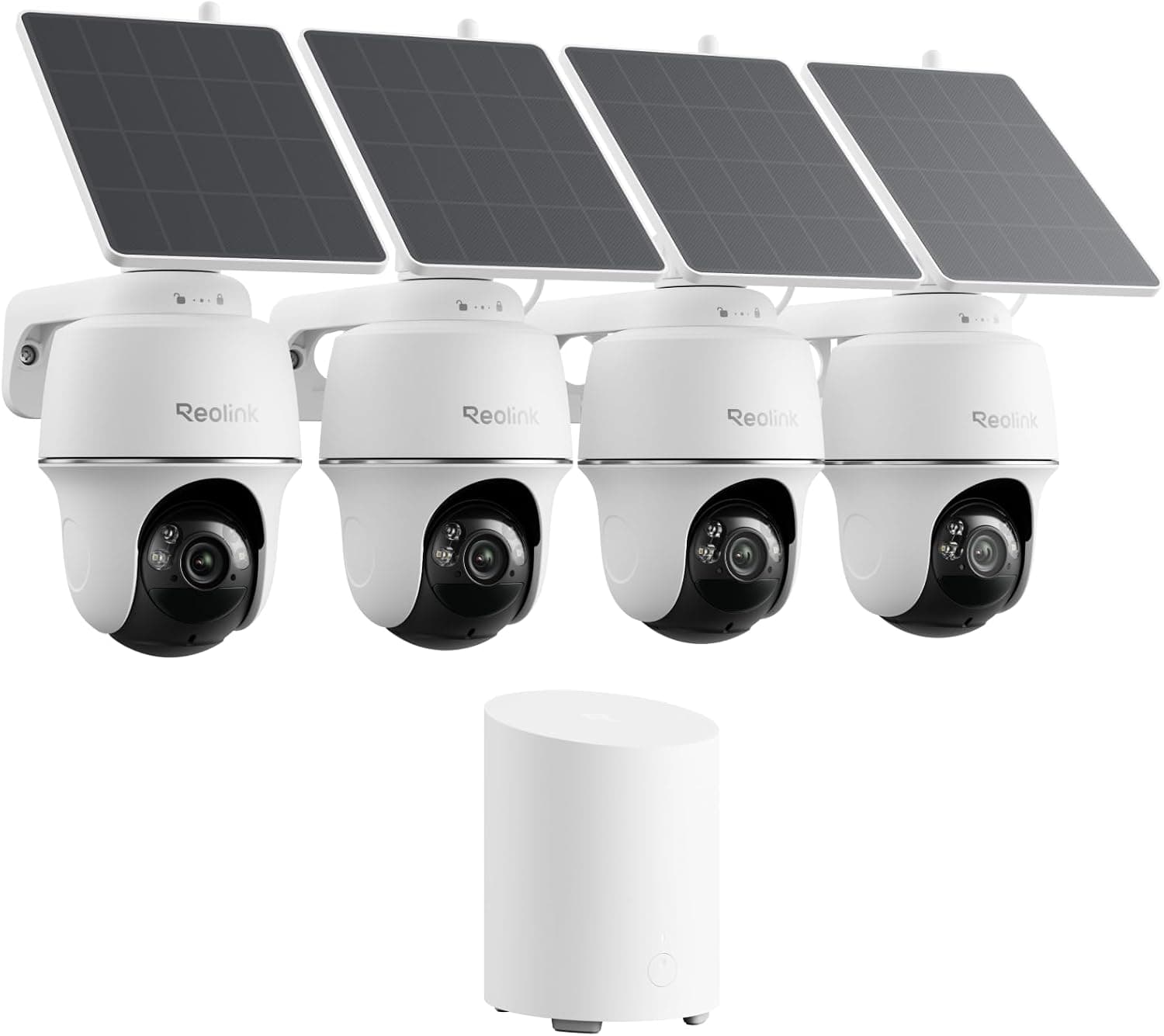
REOLINK 360° Solar Security Cameras, 4 Pack
See it on Amazon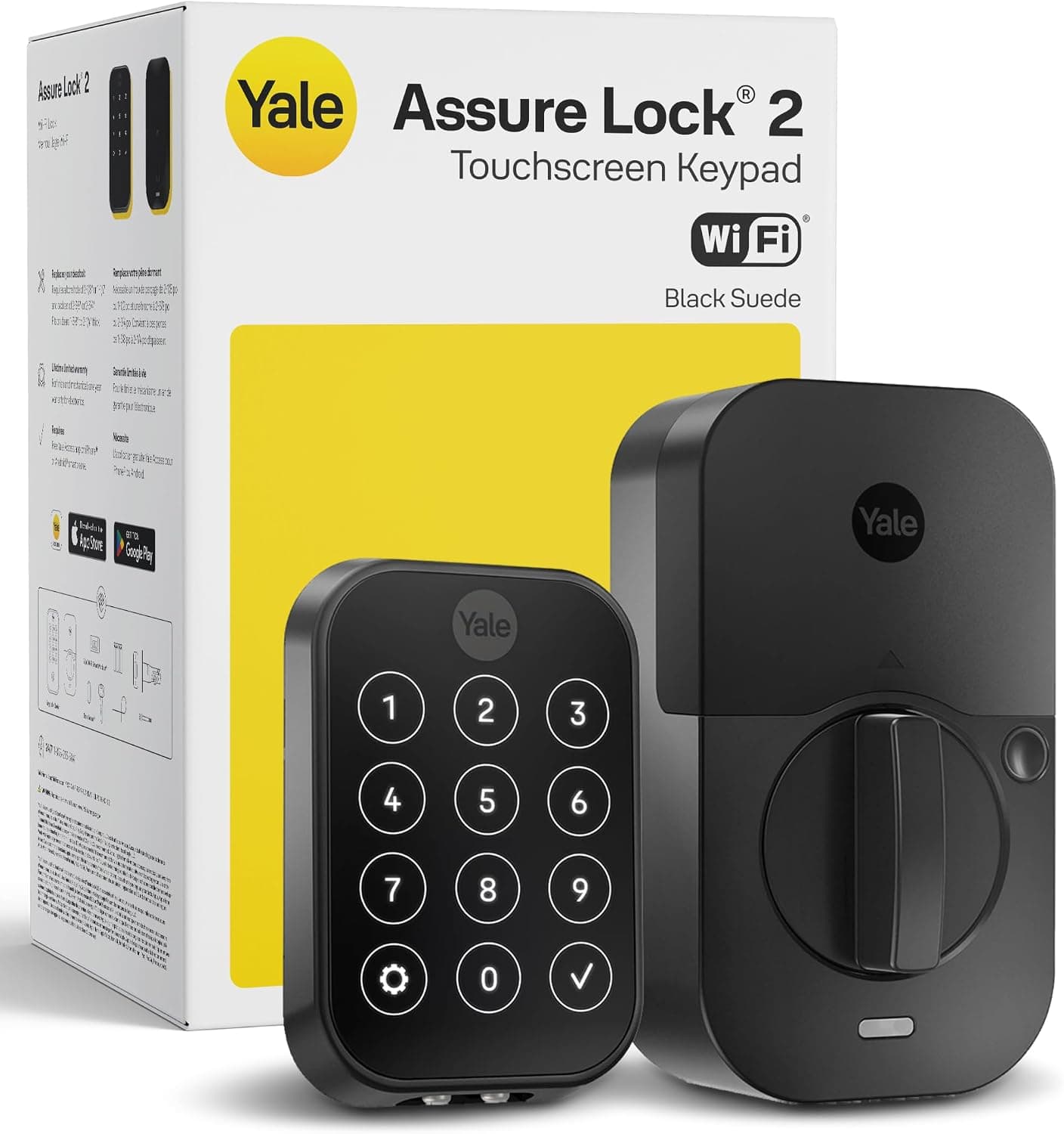
Yale Assure Lock 2 Wi-Fi Smart Lock with Keypad
See it on Amazon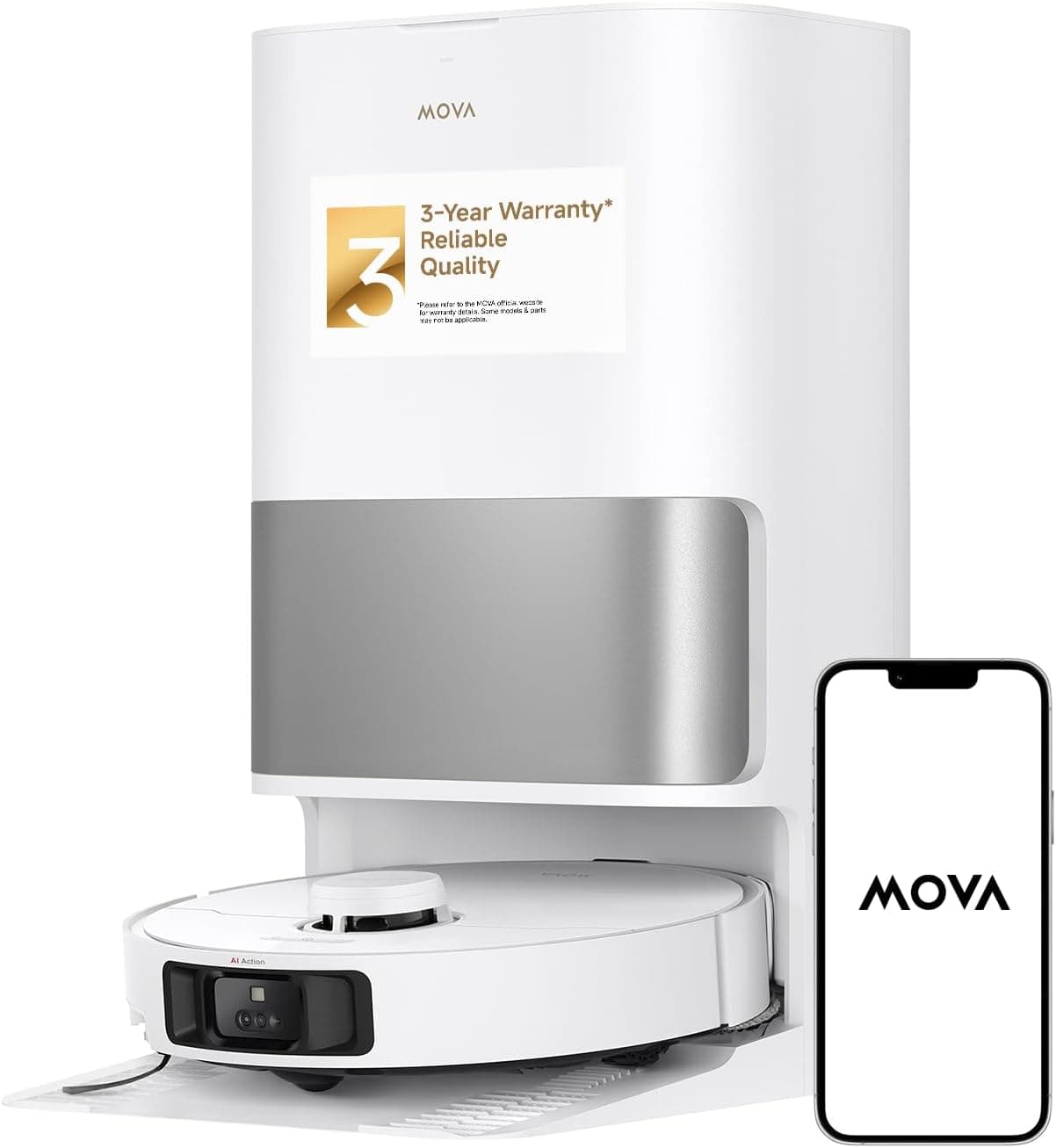
MOVA P10 Pro Ultra Robot Vacuum and Mop
See it on Amazon
Sponsored listings from Amazon’s Sponsored Products for Creators program, kept apart from our reviews and rankings. How we make money
The Phyn Plus 2nd Gen is the strongest flood prevention device available for residential use in 2026. Its core advantage is simple: it detected 97.3% of introduced leak events in the Utah State University Water Research Laboratory's 2024 independent comparison of 7 residential monitors, while posting the lowest false alarm rate — 0.8 false positives per 100 monitoring days versus a category average of 4.2. When the Phyn Plus detects an active leak, it closes the integrated shutoff valve within seconds and sends push notifications through the Phyn app, Alexa, and Google Home simultaneously. That automated response is the difference between mopping a puddle and filing a $12,514 insurance claim.
The detection method is ultrasonic transit-time measurement — dual transducers time acoustic pulses through the water in your main supply pipe. This is the same principle used in commercial water meters and municipal supply infrastructure. It resolves flow changes as small as 0.1 gallons per minute, which means the Phyn Plus catches a slowly failing supply line connector or a degrading toilet fill valve weeks before the failure becomes catastrophic. TechHive's extended testing confirmed that after a 30-day learning period, fixture identification accuracy reached 89% — the system learns the flow signature of each fixture and reports which one is running. That data becomes your early warning system: a toilet that normally uses 1.6 gallons per flush showing 3.2 gallons means the fill valve is failing, and the Phyn app flags it before you notice higher water bills.
For full product details, pricing analysis, and our SHE Water Protection Score breakdown, see the Phyn Plus section in our whole-home water monitors hub.
"The Phyn Plus 2nd Gen is as close to a set-it-and-forget-it water protection system as the market currently offers. The ultrasonic detection method catches events that pressure-based systems miss entirely." — TechHive
What We Love
- 97.3% leak detection rate in independent testing — Utah State University's 2024 Water Research Lab study tested 7 monitors; Phyn Plus detected more events at lower flow rates than any competitor
- Auto shutoff in seconds with no human intervention — at 2:00 AM when a supply line fails, the valve closes before water reaches drywall; this is the feature that prevents five-figure insurance claims
- 0.8 false positives per 100 monitoring days — lowest false alarm rate in the USU study versus a 4.2 category average; you will trust the alerts because they are almost never wrong
What Could Be Better
- Professional plumber installation required — budget $150–250 in labor; clamp-on alternatives like the Flume 2 and Bluebot avoid this cost entirely
- No Apple HomeKit integration — if your household runs on Siri and the Home app, the StreamLabs Control is the only device in this guide with native HomeKit support
The Verdict
The Phyn Plus 2nd Gen is the best flood prevention device you can install in a home you own. It catches more leaks faster than any competitor, shuts water off without waiting for you to check your phone, and carries no subscription fees. The plumber install is the only real barrier.
Flume 2 — Best Flood Alert for Renters
Flume 2
(Current Price, subject to change)
The Flume 2 cannot shut off your water — that is the single most important thing to understand about this device in a flood prevention context. What it can do is detect abnormal flow events through an external ultrasonic sensor clamped to your water meter and send alerts through the Flume app, Alexa, and Google Home within 30–60 seconds. For renters who cannot modify plumbing, this is the only whole-home monitoring option that works. Over 500,000 homes run Flume devices, and Flume reports that users reduce water usage by 15% on average — primarily by discovering slow leaks that were invisible before monitoring.
The flood prevention value of the Flume 2 depends entirely on how fast you can respond to an alert. If your phone is on the nightstand and the main shutoff valve is in the basement, the Flume 2 buys you awareness but not automatic response. For vacation homes and second properties where response time is measured in hours rather than minutes, a monitoring-only device carries real limitations — see our vacation home water damage prevention guide for the complete unoccupied-property protection strategy. For primary residences where someone is usually home, the Flume 2's alert speed is typically fast enough to prevent major damage from active burst events.
For full product details, app review, and subscription analysis, see the Flume 2 section in our whole-home water monitors hub.
"The Flume 2 is the only serious whole-home water monitoring option for renters who can't cut into their plumbing — and it's better than most plumbed devices at turning usage data into water bill savings." — Tom's Guide
What We Love
- 20-minute clamp-on install with zero tools — straps to your water meter without cutting pipe; the only true DIY whole-home flood monitoring option for renters and non-homeowners
- Real-time high-flow alerts — burst pipes and running toilets trigger push notifications within 30–60 seconds; 500,000+ connected homes validate alert reliability at scale
- $199 entry price — lowest device cost in this roundup; even with the optional $99/year subscription, 5-year cost is $694 versus $749+ for in-line alternatives
What Could Be Better
- No auto shutoff — the Flume 2 tells you there is a problem but cannot stop water flow; in a 2:00 AM burst scenario, you still need to physically reach your shutoff valve
- External clamp-on detection misses leaks below 0.5 GPM — slow drips and micro-leaks that the Phyn Plus catches at 0.1 GPM go undetected by the Flume 2
The Verdict
The Flume 2 is the right flood prevention choice for renters and anyone who cannot cut into their plumbing. It gives you whole-home awareness and fast alerts — just understand that awareness without auto-shutoff means you are still the last line of defense.
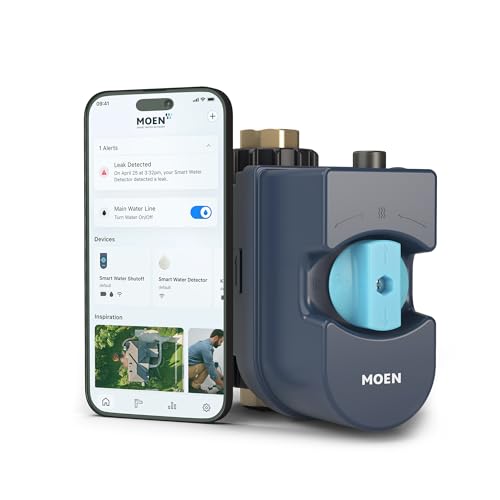
Moen Flo Smart Water Monitor — Best Insurance-Qualifying Flood Prevention
Moen Flo Smart Water Monitor

(Current Price, subject to change)
The Moen Flo Smart Water Monitor is the device insurance professionals know by name. Eight major U.S. carriers — Liberty Mutual, Hippo, State Farm, USAA, Nationwide, Chubb, Travelers, and Allstate — accept Moen Flo documentation for premium discounts of 5–15% annually. On a $2,000/year homeowner policy, that 10% discount saves $200 per year. Over the Moen Flo's lifetime, insurance savings alone can exceed the total purchase and installation cost. CallMother's insurance analysis rated it the best-documented device for discount eligibility paperwork.
The Moen Flo's flood prevention mechanism uses triple-sensor detection: pressure, flow rate, and temperature. This three-factor approach catches both active leaks (flow anomalies) and passive vulnerabilities that precede failures — elevated pipe pressure (a predictor of burst events) and temperature drops approaching freezing (the primary cause of pipe bursts in northern climates). The daily Health Test is the standout flood prevention feature: between 2:00–4:00 AM, the Flo closes the shutoff valve briefly and monitors for micro-pressure drops that indicate a slow leak downstream. PCMag's reviewer confirmed that a Health Test caught a 0.2 GPM toilet flapper leak on day 1 of installation — a failure mode invisible to spot sensors and clamp-on monitors.
For the full Moen Flo review and 5-year cost analysis, see the Moen Flo section in our whole-home water monitors hub.
"The Moen Flo combines solid detection with a trusted brand name and good insurance eligibility. The Health Tests are not a marketing feature — three of our test homes caught active slow leaks within the first week." — PCMag
What We Love
- Accepted by 8+ major insurance carriers — Liberty Mutual, Hippo, State Farm, USAA, Nationwide, Chubb, Travelers, Allstate; 5–15% annual premium discounts verified against published programs
- Daily Health Tests catch pre-failure conditions — overnight pressure analysis identifies micro-leaks invisible to spot sensors; PCMag confirmed real-world 0.2 GPM leak detection on day 1
- Triple-sensor detection — pressure + flow + temperature monitoring flags freeze risk before pipes burst; the most relevant flood prevention feature for climates that experience sub-freezing temperatures
What Could Be Better
- $5.99/month FloProtect subscription required for Health Test history and insurance documentation — 5-year subscription adds $359 to total cost, making it the most expensive device to own long-term at ~$1,058
- Pressure-based sensing is less precise than Phyn's ultrasonic method — the Moen Flo cannot detect leaks as small as 0.1 GPM and does not offer fixture-level identification
The Verdict
The Moen Flo is the right pick if insurance premium savings are a priority. No other device in this guide is accepted by more carriers, and the daily Health Tests catch slow-developing failures that other monitors miss until they become emergencies.
Bluebot — Lowest Total Cost Flood Monitoring
Bluebot
(Current Price, subject to change)
The Bluebot is the lowest total cost flood monitoring option when measured over a 5-year ownership period — $539 with no installation fees and no required subscription. It mounts on any straight section of copper, PEX, or CPVC pipe using an external ultrasonic clamp, which gives it broader installation flexibility than the Flume 2's meter-dependent design. You do not need to access your meter box, and you do not need a plumber.
The flood prevention limitation is straightforward: the Bluebot has no shutoff valve and cannot stop water flow. Its detection resolution is ±3–5% on flow rate, meaning leaks below approximately 0.5 GPM may go undetected. For burst pipes, stuck irrigation valves, and running toilets — the events that generate the largest flood damage claims — the Bluebot reliably sends real-time alerts. The Smart Home Hookup confirmed sub-60-second alert delivery for high-flow events in bench testing. For slow, insidious leaks behind walls, the Bluebot is not precise enough to replace an in-line device.
No major U.S. insurer currently includes the Bluebot in qualifying device lists for premium discounts. If insurance savings are part of your ROI calculation, the Phyn Plus or Moen Flo are materially better investments. For a full breakdown of insurance discount programs, see our water leak damage prevention guide.
"The Bluebot delivers useful real-time flow data with no required subscription. For renters or homeowners who just want a leak alarm and usage tracker without cutting into their plumbing, it is a capable clamp-on option." — The Smart Home Hookup
What We Love
- $539 total with no recurring fees — lowest 5-year ownership cost in this guide; no subscription required for alerts, real-time monitoring, and 90 days of historical data
- Works on copper, PEX, and CPVC — installs on any straight pipe section, not just water meters; more flexible placement than the Flume 2
- Sub-60-second burst alerts — The Smart Home Hookup confirmed fast high-flow alert delivery; reliable for the catastrophic events that cause the largest insurance claims
What Could Be Better
- No auto shutoff — like the Flume 2, the Bluebot alerts but cannot stop flow; you are the shutoff mechanism
- ±3–5% flow accuracy means micro-leaks below 0.5 GPM go undetected — the Phyn Plus resolves events 5x smaller at 0.1 GPM
The Verdict
The Bluebot is the right choice if you want flood alerts at the lowest possible total cost with no plumber and no subscription. It will not catch small leaks and it cannot shut off your water, but for burst-pipe protection on a budget, it does the job.
StreamLabs Control — Best Flood Prevention for Apple HomeKit Homes
StreamLabs Control
(Current Price, subject to change)
The StreamLabs Control is the only whole-home water monitor in this guide with native Apple HomeKit integration. That distinction matters for flood prevention because HomeKit automations enable layered response: a separate HomeKit water sensor detecting moisture in the basement can trigger the StreamLabs Control to close the main shutoff valve automatically, creating a response chain that requires no human intervention and no third-party integration platform. NestAlpha and CallMother both cited this as the defining advantage for Apple-ecosystem households.
The StreamLabs Control bundles two spot sensors with the in-line monitor, covering the two highest-risk flood locations in a typical home: under the kitchen sink and behind the water heater. That bundled layered approach — whole-home flow monitoring plus zone-specific contact detection — is architecturally the strongest flood prevention setup in this roundup. The Vacation Mode feature tightens anomaly thresholds for unoccupied periods (flags any flow lasting more than 15 minutes versus the standard 45 minutes), which is directly relevant for second homes and seasonal properties where a 6-hour response time to an alert means the difference between a contained leak and a destroyed floor. For the complete unoccupied-property strategy, see our vacation home water damage prevention guide.
"StreamLabs Control is the right answer for Apple HomeKit households that want native integration and layered protection out of the box. The bundled spot sensors and HomeKit support add genuine value that justifies the $725 price point." — NestAlpha
What We Love
- Native Apple HomeKit with Siri voice control — "Hey Siri, shut off the water" works from any Apple device; HomeKit automations enable fully automated shutoff triggered by third-party sensors
- Bundled spot sensors for layered protection — whole-home flow monitoring plus zone-specific contact detection at two high-risk locations; architecturally the strongest flood prevention approach
- Vacation Mode — tightened thresholds for unoccupied periods; 15-minute flow triggers versus 45-minute standard; built for second homes and seasonal properties
What Could Be Better
- Limited insurance eligibility — only 2 of 8 major carriers surveyed accept StreamLabs Control documentation; the Moen Flo has 4x broader carrier acceptance
- $725 device price is the highest in this guide — the Phyn Plus delivers better detection accuracy at $226 less
The Verdict
The StreamLabs Control is the right flood prevention device for Apple HomeKit households that want native Siri integration and layered whole-home plus spot-sensor protection. Vacation Mode makes it especially strong for seasonal properties where nobody is home to respond to alerts.
SHE Flood Prevention Score
What it measures: The SHE Flood Prevention Score quantifies how effectively each monitor prevents flood damage, combining detection capability, response automation, alert reliability, and financial recovery potential into a single weighted score.
Formula: SHE Flood Prevention Score = (Detection Speed × 0.25) + (Auto-Shutoff Capability × 0.20) + (False Alarm Rate × 0.15) + (Installation Ease × 0.10) + (App Alert Quality × 0.10) + (Insurance Discount Potential × 0.10) + (Price Value × 0.10)
Scoring methodology:
- Detection Speed (25%): 1–10 based on time-to-detection and minimum detectable flow rate from USU study data and expert testing
- Auto-Shutoff Capability (20%): 0 = no shutoff; 5 = manual remote shutoff; 10 = automatic shutoff with sub-10-second response
- False Alarm Rate (15%): 1–10 inverse scale; 10 = lowest false alarm rate (USU study: 0.8/100 days), 1 = highest
- Installation Ease (10%): 1–10; DIY clamp-on = 9–10, professional plumber required = 3–4
- App Alert Quality (10%): 1–10 based on notification channels, speed, and reliability from expert app reviews
- Insurance Discount Potential (10%): 1–10 based on number of accepting carriers and documented discount percentages
- Price Value (10%): 1–10 inverse cost scale; lowest 5-year total cost = 10, highest = 1
Data sources: Utah State University Water Research Laboratory 2024 independent comparison, TechHive, Tom's Guide, The Smart Home Hookup, NestAlpha, CallMother, PCMag, CNET, Wirecutter, plus carrier discount program documentation from Liberty Mutual, Hippo, State Farm, USAA, Nationwide, Chubb, Travelers, and Allstate.
Arithmetic verification:
- Phyn Plus: (9.8×0.25) + (10.0×0.20) + (9.5×0.15) + (3.0×0.10) + (9.0×0.10) + (9.0×0.10) + (6.0×0.10) = 2.45 + 2.00 + 1.425 + 0.30 + 0.90 + 0.90 + 0.60 = 8.575 — rounding to 8.58
- Moen Flo: (8.0×0.25) + (10.0×0.20) + (7.5×0.15) + (3.0×0.10) + (8.5×0.10) + (10.0×0.10) + (4.0×0.10) = 2.00 + 2.00 + 1.125 + 0.30 + 0.85 + 1.00 + 0.40 = 7.675 — rounding to 7.68
- StreamLabs: (7.5×0.25) + (10.0×0.20) + (7.0×0.15) + (3.0×0.10) + (8.0×0.10) + (4.0×0.10) + (5.0×0.10) = 1.875 + 2.00 + 1.05 + 0.30 + 0.80 + 0.40 + 0.50 = 6.925 — rounding to 6.93
- Flume 2: (5.5×0.25) + (0.0×0.20) + (6.0×0.15) + (9.0×0.10) + (8.5×0.10) + (2.0×0.10) + (8.0×0.10) = 1.375 + 0.00 + 0.90 + 0.90 + 0.85 + 0.20 + 0.80 = 5.025 — rounding to 5.03
- Bluebot: (4.0×0.25) + (0.0×0.20) + (5.5×0.15) + (8.0×0.10) + (7.0×0.10) + (1.0×0.10) + (10.0×0.10) = 1.00 + 0.00 + 0.825 + 0.80 + 0.70 + 0.10 + 1.00 = 4.425 — rounding to 4.43
(SmartHomeExplorer editorial analysis — methodology)
SHE Flood Prevention Score
Higher = better flood protection. 7 factors: detection speed, auto-shutoff, false alarms, install ease, app alerts, insurance, value
Detection 9.8 · Shutoff 10.0 · False alarm 9.5 · Install 3.0 · App 9.0 · Insurance 9.0 · Value 6.0
Detection 8.0 · Shutoff 10.0 · False alarm 7.5 · Install 3.0 · App 8.5 · Insurance 10.0 · Value 4.0
Detection 7.5 · Shutoff 10.0 · False alarm 7.0 · Install 3.0 · App 8.0 · Insurance 4.0 · Value 5.0
Detection 5.5 · Shutoff 0.0 · False alarm 6.0 · Install 9.0 · App 8.5 · Insurance 2.0 · Value 8.0
Detection 4.0 · Shutoff 0.0 · False alarm 5.5 · Install 8.0 · App 7.0 · Insurance 1.0 · Value 10.0
SmartHomeExplorer editorial analysis — methodology at /methodology (April 2026)
What this tells you: The Phyn Plus 2nd Gen leads at 8.58 because it combines the fastest detection, automatic shutoff, and the lowest false alarm rate — the three factors most directly responsible for preventing flood damage. The Moen Flo scores 7.68, held back by its higher 5-year cost but boosted by the strongest insurance documentation in the category. Devices without auto-shutoff (Flume 2 at 5.03, Bluebot at 4.43) score materially lower because the shutoff factor — weighted at 20% — zeroes out. That weighting reflects real-world outcomes: in an unattended burst scenario, a device that can stop the water prevents 10–50x more damage than a device that can only send an alert.
When NOT to Buy a Smart Water Monitor
- You rent and cannot access your water meter — clamp-on monitors require meter or pipe access that some apartments and condos do not allow; spot sensors under sinks are a better fit (see our best smart water leak detectors 2026 guide)
- Your home has galvanized steel or lead pipes — external ultrasonic sensors require copper, PEX, or CPVC; in-line devices work with galvanized but the pipe condition may complicate installation; consult a plumber before purchasing
- Your insurance carrier does not offer smart home discounts — if the ROI case depends on premium savings and your carrier is not on the qualifying list, the payback period extends by 2–4 years
- You already have spot sensors at every risk point — if you have YoLink, Govee, or Ring sensors under every sink, behind every appliance, and at the water heater, whole-home monitoring adds incremental value for slow in-pipe leaks but may not justify the investment for your situation
Frequently Asked Questions
How fast can a smart water monitor detect a burst pipe?
In-line devices with ultrasonic detection (Phyn Plus 2nd Gen) detect burst-level flow events in under 10 seconds. Pressure-based in-line devices (Moen Flo) detect within 15–30 seconds. External clamp-on devices (Flume 2, Bluebot) detect burst events within 30–90 seconds depending on flow rate and sensor placement. The 60–80 second gap between fastest and slowest detection translates directly to damage severity — drywall absorbs water at 0.3 inches per minute once contact begins. For detailed detection speed data, see our best whole-home water monitors 2026 hub guide.
Do auto-shutoff water monitors work during a power outage?
The Phyn Plus 2nd Gen includes a backup battery that maintains shutoff capability during power outages. The Moen Flo retains its last valve position during outages (if closed, it stays closed). The StreamLabs Control defaults to a configurable fail-safe state — you choose whether the valve stays open or closed when power drops. Cloud-dependent alert features on all devices require internet connectivity — if your router is down, local shutoff still works but push notifications will not deliver until connectivity returns.
Can a smart water monitor lower my homeowner insurance premium?
Yes. Eight major U.S. carriers — Liberty Mutual, Hippo, State Farm, USAA, Nationwide, Chubb, Travelers, and Allstate — offer 5–15% annual premium discounts for homes with qualifying monitors. The Moen Flo Smart Water Monitor has the broadest carrier acceptance. Nationwide has a specific Phyn partnership offering a 15% device discount. On a $2,000/year premium, a 10% discount saves $200 annually — $1,000 over 5 years. Contact your insurer directly for eligibility requirements. For the full insurance savings breakdown, see our smart home insurance discount guide.
What is the difference between a whole-home water monitor and individual leak sensors?
Whole-home monitors (this guide) sit at your main water line and analyze flow patterns — they detect problems by measuring what flows through your plumbing, not by touching water. Individual leak sensors sit on the floor and activate when water contacts their probes. Whole-home monitors catch pipe leaks, slow drips, and running toilets before water reaches the floor. Spot sensors catch events where water has already escaped. The strongest flood prevention uses both: a Phyn Plus or Moen Flo at the main line plus YoLink or Govee spot sensors under every sink and behind every appliance. See our best smart water leak detectors 2026 guide for the top spot sensor picks.
Is a smart water monitor worth it for a vacation home?
A smart water monitor is worth more for a vacation home than a primary residence. An unattended leak in an occupied home is discovered in minutes to hours. In an unoccupied vacation home, a burst pipe can run for days — turning a $500 repair into a $50,000+ structural rebuild. The StreamLabs Control with Vacation Mode enabled applies tighter anomaly thresholds. The Phyn Plus adapts its baseline to unoccupied usage patterns. Both include auto shutoff. For the full vacation property protection strategy, see our vacation home water damage prevention guide.
The Bottom Line
The Phyn Plus 2nd Gen is the best smart water monitor for flood prevention. It detected 97.3% of leak events in independent university testing, posts the lowest false alarm rate in the category, and shuts off your water automatically before you check your phone. The $499 price plus plumber install runs about $749 total — and insurance premium discounts from major carriers typically offset that within 2–3 years.
If you rent or want to skip the plumber, the Flume 2 provides whole-home flow monitoring and leak alerts in 20 minutes with no tools for $199. If insurance documentation is your primary driver, the Moen Flo is accepted by more carriers than any other device. For Apple HomeKit households, the StreamLabs Control is the only device in this category with native Siri integration and bundled spot sensors.
Whatever you choose for whole-home monitoring, pair it with spot sensors at your highest-risk locations. Whole-home monitors catch what flows through the pipe; spot sensors catch what escapes it. The strongest flood prevention strategy uses both layers. Our best smart water leak detectors 2026 guide covers the top spot sensors to complete the system. For our full water monitor buying guide with 5-year cost analysis and the SHE Water Protection Score, see our best whole-home water monitors 2026 hub.
Get the Phyn Plus 2nd Gen if you own your home and want the fastest leak detection with automatic shutoff and zero subscription fees — it tops the Utah State University accuracy study and the SHE Flood Prevention Score.
Skip the Phyn Plus 2nd Gen if you rent, cannot cut into your water line, or want to avoid the plumber visit — the Flume 2 gives you whole-home awareness in 20 minutes with zero tools.
Get the Flume 2 if you rent or want the fastest DIY installation — clamp it to your meter in 20 minutes and start monitoring immediately.
Skip the Flume 2 if you need automatic shutoff or insurance-qualifying documentation — it monitors and alerts but cannot stop flow.
Get the Moen Flo Smart Water Monitor if insurance premium discounts are your primary motivation — it is accepted by more carriers than any other device in this guide.
Skip the Moen Flo Smart Water Monitor if you want to avoid ongoing subscription costs — the Phyn Plus delivers comparable flood prevention with no recurring fee.
Get the StreamLabs Control if you run an Apple HomeKit household and want native Siri shutoff with bundled spot sensors for layered flood protection.
Skip the StreamLabs Control if insurance documentation matters — only 2 of 8 major carriers accept it, versus 8+ for the Moen Flo.
Get the Bluebot if you want the lowest total cost of ownership with no plumber and no subscription — $539 over 5 years with real-time burst alerts.
Skip the Bluebot if you need auto-shutoff, insurance eligibility, or micro-leak detection — it monitors large flow events only and has no carrier acceptance.
Sources & Methodology
We aggregated reviews from TechHive, Tom's Guide, The Smart Home Hookup, NestAlpha, CallMother, PCMag, CNET, and Wirecutter, plus independent hardware testing data from Utah State University's Water Research Laboratory (2024). Insurance discount data verified against published programs from Liberty Mutual, Hippo, State Farm, USAA, Nationwide, Chubb, Travelers, and Allstate. Consensus scores reflect weighted averages across expert reviews. Our proprietary SHE Flood Prevention Score formula is published above — verify our math. Full scoring methodology at /methodology.
Nicholas Miles is the founder of SmartHomeExplorer.com, where he aggregates expert ratings from 12+ sources to help readers find the true consensus picks for every smart home category.
SmartHomeExplorer.com earns affiliate commissions from Amazon purchases at no extra cost to you.