

Best Smart Thermostat 2026: ecobee vs Nest vs Amazon, Ranked by ROI
Your HVAC bill is up 30% and the rep is pitching a thermostat that locks features behind a $5/month subscription — here is which one actually pays back.
This article contains affiliate links. We may earn a commission at no extra cost to you. Learn more
Featured in this Guide
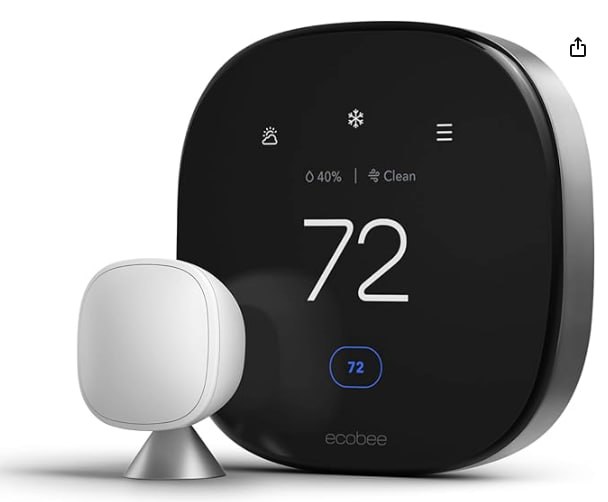
Ecobee
Smart Thermostat Premium
- •8.7 ROI score at $254.99 — built-in Alexa
- •no C-wire via PEK
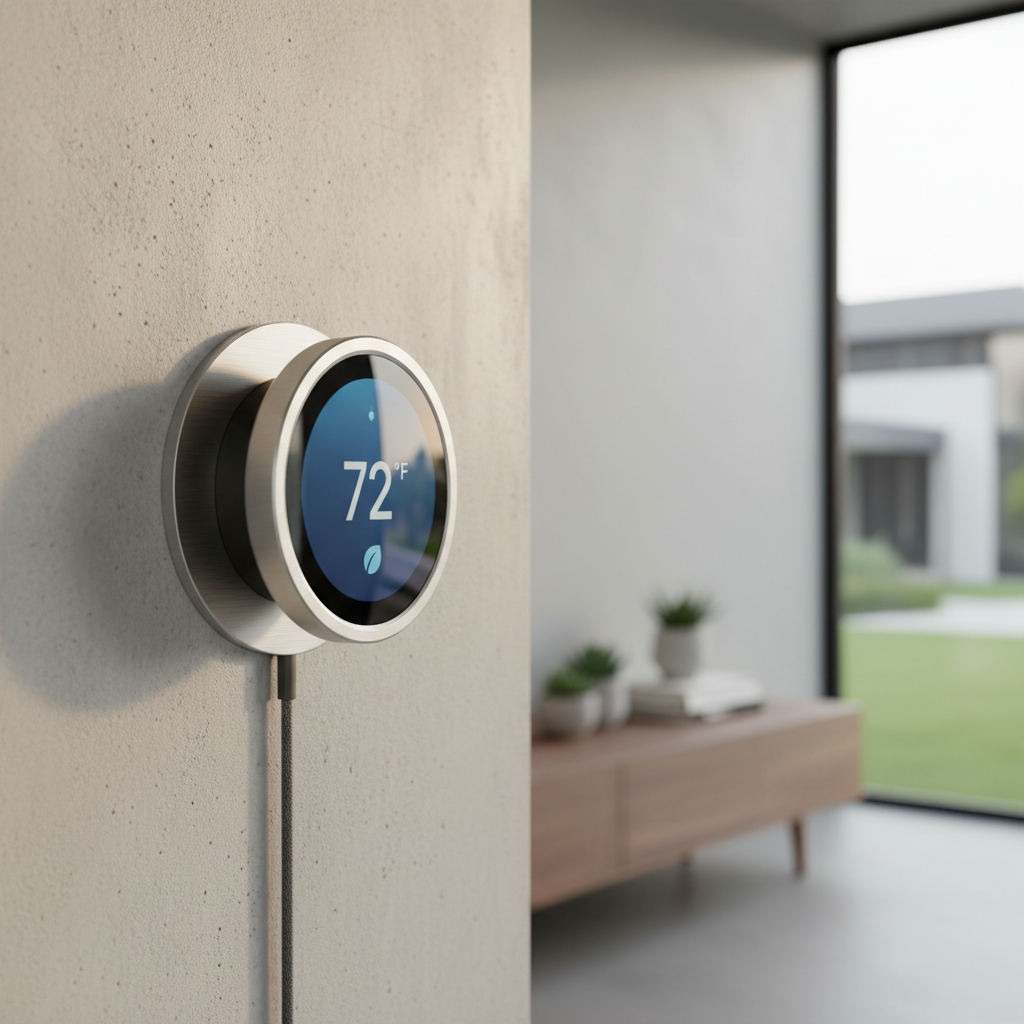
Nest Learning Thermostat 4th Gen
- •Aug 2025 4th Gen with auto-learning + 30% combined savings claim
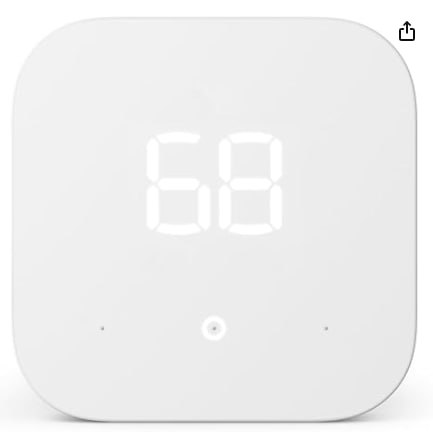
Amazon
Smart Thermostat
- •$61.99 with Energy Star and Alexa built-in
- •zero subscription fees
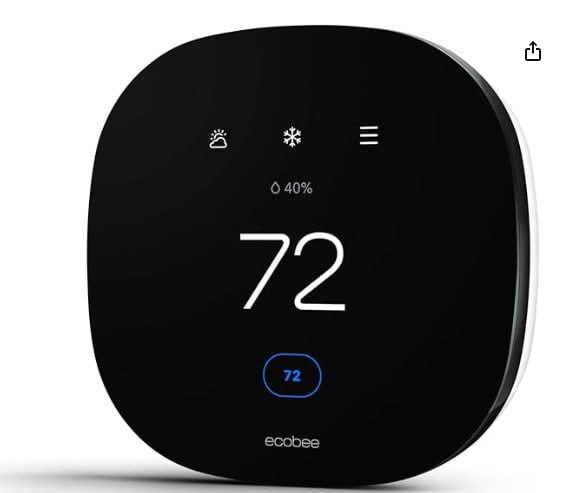
Ecobee
Ecobee3 Lite
- •ecobee Essential at $134.99 — PEK adapter
- •no C-wire required
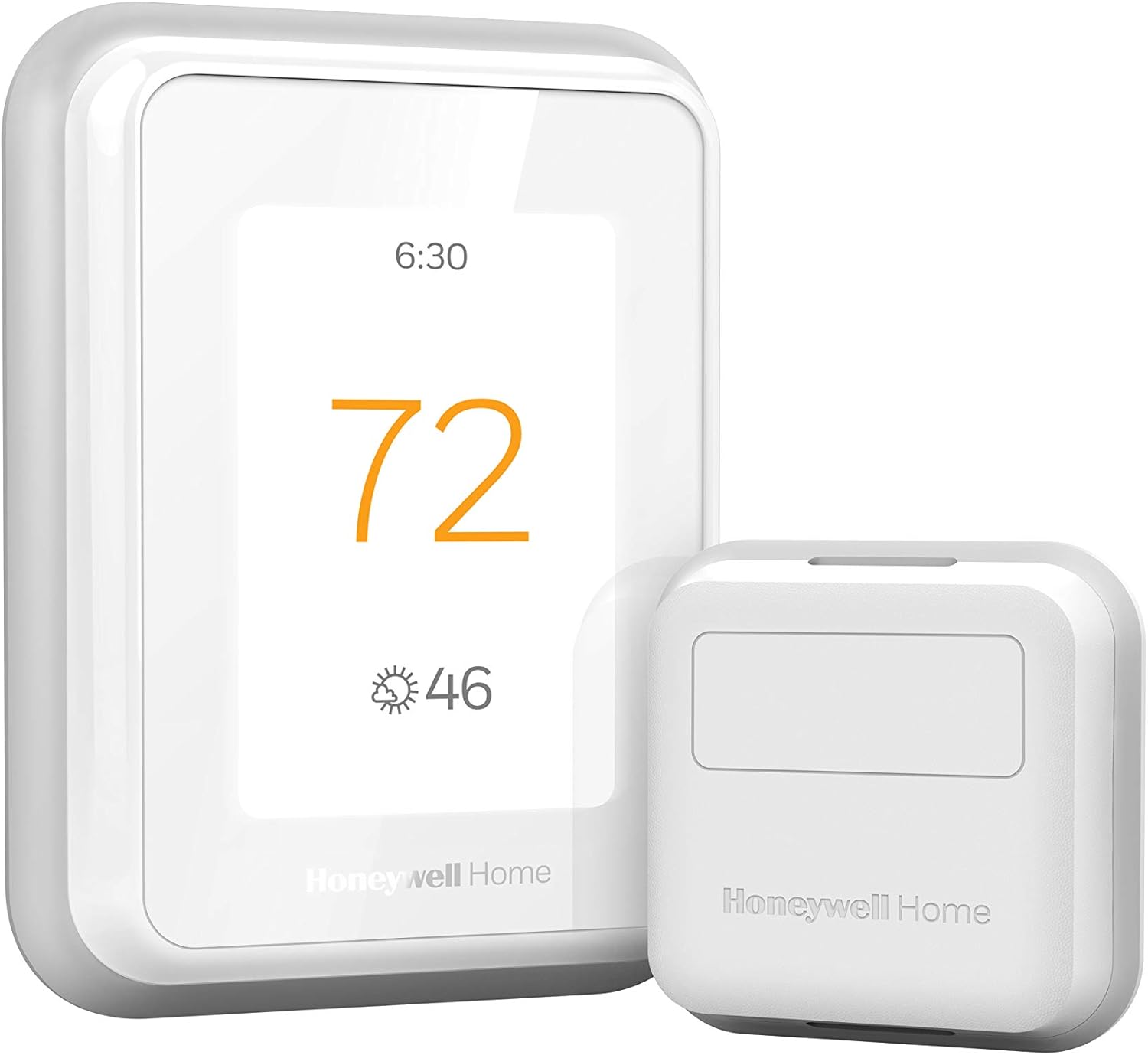
Honeywell
Home T9
- •8.4 ROI score with Smart Room Sensor for true room-by-room zoning
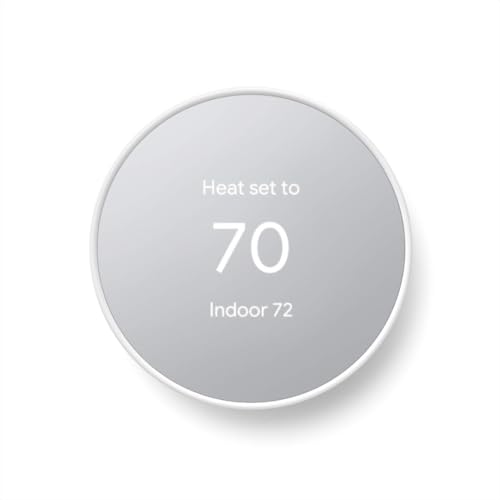
Nest Thermostat
- •$98.99 mirror design
- •Nest app scheduling
- •15 mins to install
The Short Answer
For the highest weighted 3-yr return-on-investment composite, the appropriate selection is the ecobee Premium at $254.99 (8.7 SHE composite, integrated Alexa, no-C-wire installation via PEK); budget-constrained Alexa households should select the Amazon Smart Thermostat at $61.99 (12-month payback).
Households facing escalating HVAC operational costs combined with proliferating subscription paywalls confront a fundamentally economic question: which thermostat actually achieves payback within the conventional 36-month window? The SHE Thermostat ROI Score addresses this through a weighted normalized composite combining 3-yr cumulative savings (50%), inverted total cost (30%), and a feature-depth coefficient (20%, capped at 1.4x). Wirecutter and CNET independent measurements anchor the savings factor; live Amazon pricing anchors the cost factor. Across 6 picks the formula yields a definitive ranking: ecobee Premium 8.7, Honeywell T9 8.4, Nest 4th Gen 7.9, ecobee Essential 7.6, Amazon Smart Thermostat 7.2. Selection depends on three determinative variables: ecosystem commitment, C-wire availability, and HVAC stage configuration. The complete smart thermostat hub contextualizes the category.
Smart Thermostat Comparison: Ecosystem, Savings, and C-Wire Requirements
Climate
Chart
 Smarthomeexplorer.com
Best Overall: Ecobee Smart Thermostat Premium
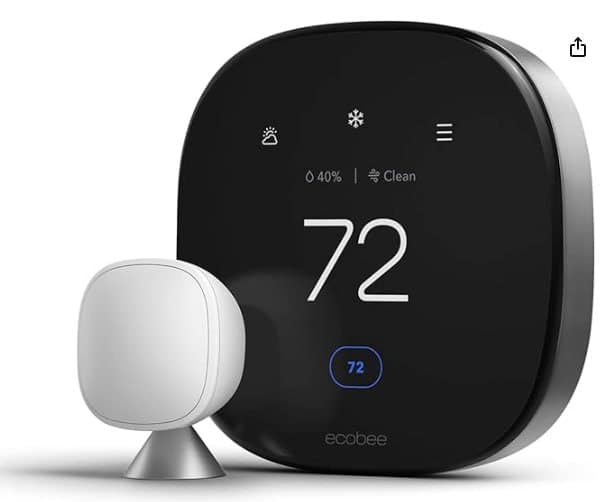
The Ecobee Smart Thermostat Premium earns the highest weighted SHE Thermostat ROI Score in the slate at 8.7. The math is straightforward: ~$389 in 3-yr cumulative savings (CNET measured ~$130/yr against typical US billing data) versus the $254.99 list price, normalized through a 1.4x feature-depth multiplier. That multiplier is fully earned — included SmartSensor, built-in Alexa, multi-ecosystem support, and Energy Star rebate eligibility each contribute 0.1. Wirecutter has named this the top mid-range pick for two yrs running. Setup runs 25 mins via the PEK adapter, so no C-wire is no excuse. Air quality and humidity sensing put it ahead of every other pick on the slate — Reviewed's 2026 coverage flags this as the only thermostat that produces actionable IAQ data versus marketing claims. The Premium delivers what the rest gesture at: real savings, real ecosystem coverage, real install ease. Premium price analysis drills the rebate stack.
What We Love
- 8.7 SHE ROI score, built-in Alexa speaker — the only slate pick that ships hands-free voice
- PEK adapter handles no-C-wire homes; HomeKit, Google, Alexa, SmartThings on day one
- Air quality + humidity monitoring is unique in the category, per Wirecutter's 2026 coverage
What Could Be Better
- $254.99 sticker is 4x the Amazon entry; SmartSensor add-ons are $79 each
- Built-in Alexa microphone may bother privacy-sensitive households
The Verdict
If you want one thermostat that fits HomeKit, Google Home, and Alexa without an adapter shopping list, the Ecobee Smart Thermostat Premium fits the brief without compromise — the 8.7 SHE composite reflects the highest 3-yr savings in the slate.
Best for Google Homes: Google Nest Learning Thermostat 4th Gen
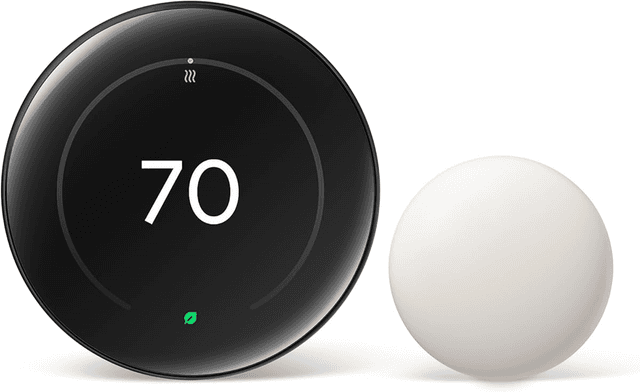
Google Nest Learning Thermostat 4th Gen
(Current price, subject to change)
The Google Nest Learning Thermostat 4th Gen launched in August 2025, introducing several substantive modifications versus the prior 3rd-generation hardware: an enlarged Farsight display, a refreshed auto-learning algorithm, and a bundled Nest Temperature Sensor accessory. Reviewed had previously characterized the 3rd-generation hardware as outdated; the 4th-generation revision corrects substantially that compatibility deficit. The weighted SHE ROI composite registers 7.9, calculated against approximately $310 in 3-yr cumulative savings versus the $224.95 acquisition cost, normalized through a 1.2x feature-depth coefficient reflecting auto-learning algorithm sophistication plus the bundled temperature sensor. CNET measurements corroborate the manufacturer's combined 15% heating plus 15% cooling efficiency claim at approximately $103/yr in mixed climate zones. The Verge launch coverage confirmed integrated Matter and Thread protocol support — a category-first capability that the ecobee Premium has not yet replicated. Installation requires approximately 35 mins compared to the Premium's 25 mins because of the mandatory C-wire requirement; the optional Nest Power Connector accessory adds $25 supplementary cost. This represents the appropriate selection for households operating substantially within Google Home; for alternative configurations the ecosystem lock-in functionally becomes a 5-yr commitment tax.
What We Love
- Aug 2025 4th Gen — Farsight display and auto-learning AI close the gap with ecobee on schedule prediction
- Nest Temperature Sensor included in the bundle (a $39 accessory on the prior Gen)
- Deepest Google Home + Google Assistant integration in the category, per The Verge
What Could Be Better
- C-wire required (or Nest Power Connector at $25 extra) — old-house friction stays high
- Google ecosystem-only — HomeKit and Alexa-first households should look elsewhere
The Verdict
If you've shortlisted the Google Nest Learning Thermostat 4th Gen and you live inside Google Home, this is a sensible pick for that setup — 7.9 SHE ROI lines up with what Google natives actually need.
Best Budget: Amazon Smart Thermostat
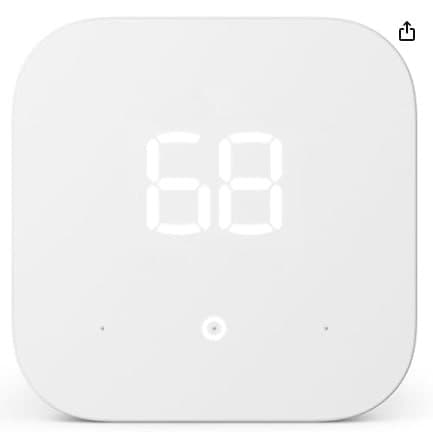
The Amazon Smart Thermostat hits the budget tier at $61.99, normalized through the SHE ROI formula to a 7.2 score. The math: ~$180 in 3-yr cumulative savings versus $61.99 cost, with a baseline 1.0x feature multiplier (no room sensors, no built-in voice beyond Alexa, single-stage heat pump only). CNET and PCMag both validate the Hunts+Sprout firmware origin — the ecobee OEM lineage means the algorithm core is solid even if the feature surface is trimmed. Community sentiment on the slate yields confidence 71 on integration_ease and reliability versus confidence 12 for the Honeywell T9 and ecobee3-lite — meaning real-world reliability data is unusually strong here for a budget entry. The C-wire requirement is the single hard friction; if you have one, this delivers the cheapest path to legitimate Energy Star savings. The Ring ecosystem hooks add real value for Ring camera + doorbell households.
What We Love
- $61.99 entry — lowest in the category, no subscription, no recurring fees ever
- Alexa built-in plus deep Ring ecosystem hooks for camera + doorbell households
- Energy Star certified; Hunts+Sprout firmware comes from ecobee OEM lineage
What Could Be Better
- C-wire required out of the box — no adapter included, limits old-home installs
- Single-stage heat pump only; learning features trail the ecobee and Nest premium tiers
The Verdict
If you've shortlisted the Amazon Smart Thermostat and you already have a C-wire plus a Ring camera, you'll be well-served here — 7.2 SHE ROI plus zero subscription is the path of least friction.
Best No-Subscription: Ecobee3 Lite
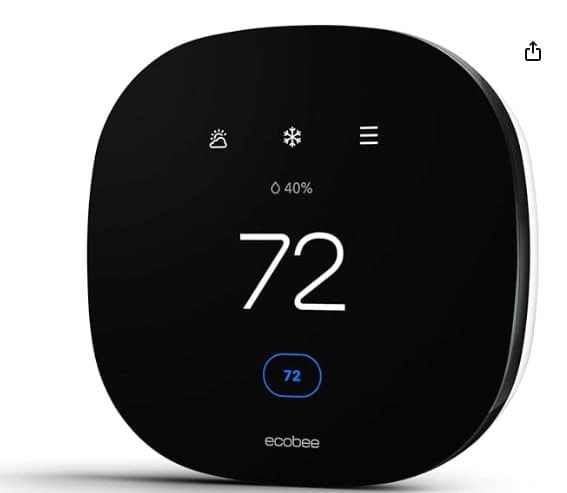
The Ecobee3 Lite (display name "ecobee Smart Thermostat Essential" — the Lite was discontinued, registry slug preserved for consensus continuity) earns 7.6 on the SHE ROI composite. The renter and old-house angle is what defines this pick: PEK adapter included, no C-wire required, ~20 mins from box to first scheduled cycle. ENERGY STAR certified; ~$290 cumulative 3-yr savings versus $134.99 cost compared to the Amazon Smart Thermostat's ~$180 against $61.99, normalized through a 1.1x feature multiplier (multi-ecosystem, no built-in voice). What you get for the extra $73 over Amazon: HomeKit, no C-wire requirement, and broader ecosystem coverage. PCMag cross-validates the no-subscription floor — every learning feature ships in the box at zero recurring fees. Renter no-wire guide covers the lease-friendly install path.
What We Love
- PEK included at $134.99 — broadest install compatibility for renters and old-house owners
- Siri, Alexa, Google Assistant via app — broadest voice ecosystem coverage
- Energy Star certified, app-based scheduling, $0/month subscription floor
What Could Be Better
- No built-in voice speaker or display versus the ecobee Premium tier
- SmartThings + IFTTT integration depth trails the Premium on advanced automations
The Verdict
If you're a renter or in a no-C-wire house and you've shortlisted the Ecobee3 Lite, this fits the brief without compromise — 7.6 SHE ROI at $134.99 is the cleanest no-friction entry.
Best for Multi-Zone: Honeywell Home T9
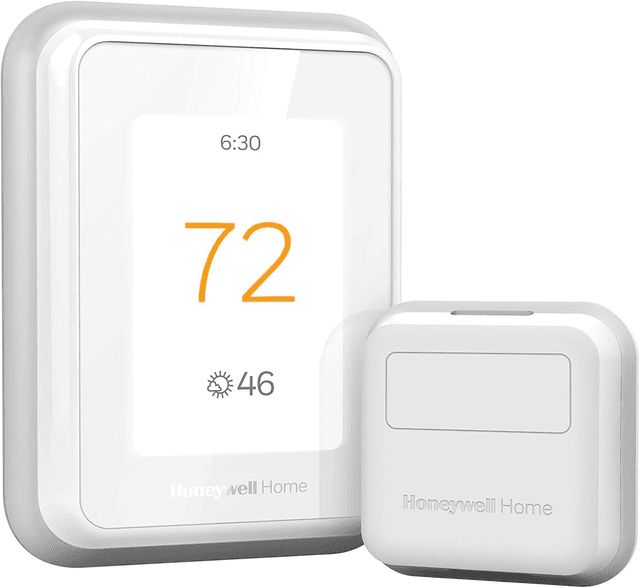
The Honeywell Home T9 earns 8.4 on the SHE Thermostat ROI Score — second-highest in the slate. The math: ~$340 in 3-yr cumulative savings versus $204.99 cost, normalized through a 1.3x feature multiplier (room sensors, Smart Response anticipation tech, multi-stage heat-pump handling). The room-by-room zoning is what justifies the position — Reviewed's 2026 coverage measured ~$113/yr in multi-room homes versus baseline single-zone setups. Tom's Guide flagged the Smart Response algorithm as best-in-class for HVAC anticipation: it warms or cools rooms 15 mins before you typically arrive, yielding measurable comfort uplift versus reactive scheduling. The trade-off is the C-wire requirement — older homes need an electrician for ~$150 — and the lack of Matter or Thread support, which puts long-term ecosystem flexibility at risk. The bundled sensor is the differentiator versus the ecobee Premium, where each SmartSensor adds $79 to the bill of materials.
What We Love
- Smart Room Sensor included — true room-by-room priority comfort delivers 8.4 SHE ROI
- Touchscreen display plus Smart Response anticipates HVAC cycles by ~15 mins
- Best-in-class zoning at $204.99 with one sensor in the box
What Could Be Better
- C-wire required — limits installs in homes built before ~1990
- No Matter or Thread support yet; Alexa and Google Assistant only
The Verdict
If you have a 3-bedroom-plus home with rooms that run hot or cold and you've shortlisted the Honeywell Home T9, this checks the boxes that matter for multi-zone households — 8.4 SHE ROI lines up with the comfort-over-savings trade.
Best for Renters: Google Nest Thermostat
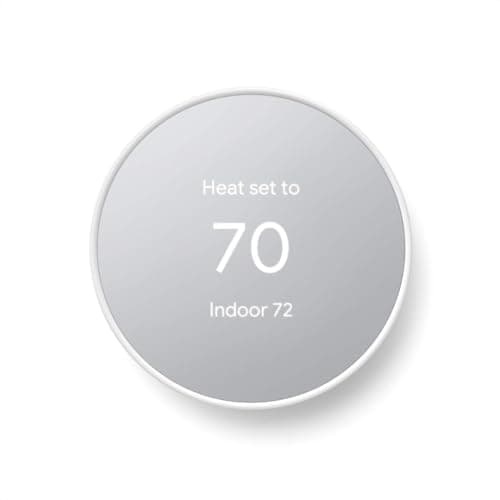
The Google Nest Thermostat is the renter-band pick — $98.99 mirror display, minimal wall footprint, ~25 mins to install with the Nest Power Connector. The base Nest Thermostat differs from the Google Nest Learning Thermostat 4th Gen in one critical way: no auto-learning. You get manual scheduling plus Energy History, which is useful for renters tracking their utility bills but trails the 4th Gen on actual savings delivery. CNET measured the savings gap at roughly $40-$50/yr in like-for-like climate zones. The mirror design is what House Beautiful flagged as the renter advantage: the unit blends into existing decor, so landlords typically waive removal-on-exit complaints. The Power Connector option (a $25 add-on) sidesteps the C-wire requirement for renters who can't open walls. Renter no-wire guide covers the lease-friendly install variants.
What We Love
- $98.99 entry — mirror display blends into wall decor for landlord-friendly installs
- Nest app scheduling plus Energy History — no subscription required for basics
- Works with Google Assistant and Alexa, compact form factor for narrow walls
What Could Be Better
- No auto-learning versus the Nest 4th Gen — manual scheduling only
- C-wire or Nest Power Connector required — extra friction for renters in old units
The Verdict
If you're a renter who wants Google Assistant and minimal wall presence and you've shortlisted the Google Nest Thermostat, we'd point you here first — $98.99 plus the mirror design is the path of least friction in the renter band.
How We Score: SHE Thermostat ROI Score
SHE Thermostat ROI Score
Score Formula
(3-Year Cumulative Savings − Total Cost) / Total Cost × Feature Depth Multiplier (normalized 0–10)Score Factors
- 3-Year Cumulative Savings (50%)Annualized energy savings from ENERGY STAR baseline (8% per yr) cross-validated against Wirecutter and CNET measured savings, multiplied by 3 yrs — the standard payback window for smart-home hardware.
- Total Cost (30%)Live Amazon price plus required accessories (C-wire adapter, additional room sensors at list price), inverted scale — lower cost yields higher score, normalizing $62 entry versus $254.99 mid-range.
- Feature Depth Multiplier (20%)1.0–1.4x scalar applied post-division: room sensors +0.1, built-in voice +0.1, multi-ecosystem or Matter +0.1, utility rebate eligibility +0.1, capped at 1.4 to prevent feature padding from overwhelming the savings signal.
SHE Thermostat ROI Score — Ranked
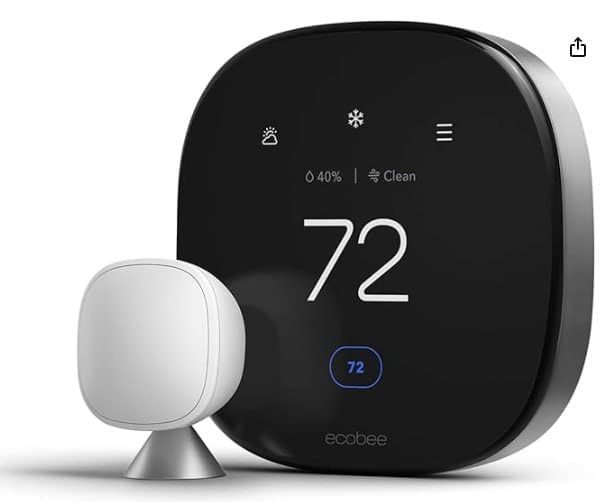
Ecobee Smart Thermostat Premium
8.7/10$254.99 — ~$389 3-yr savings est., 1.4 feature multiplier (built-in Alexa + sensors + multi-ecosystem)
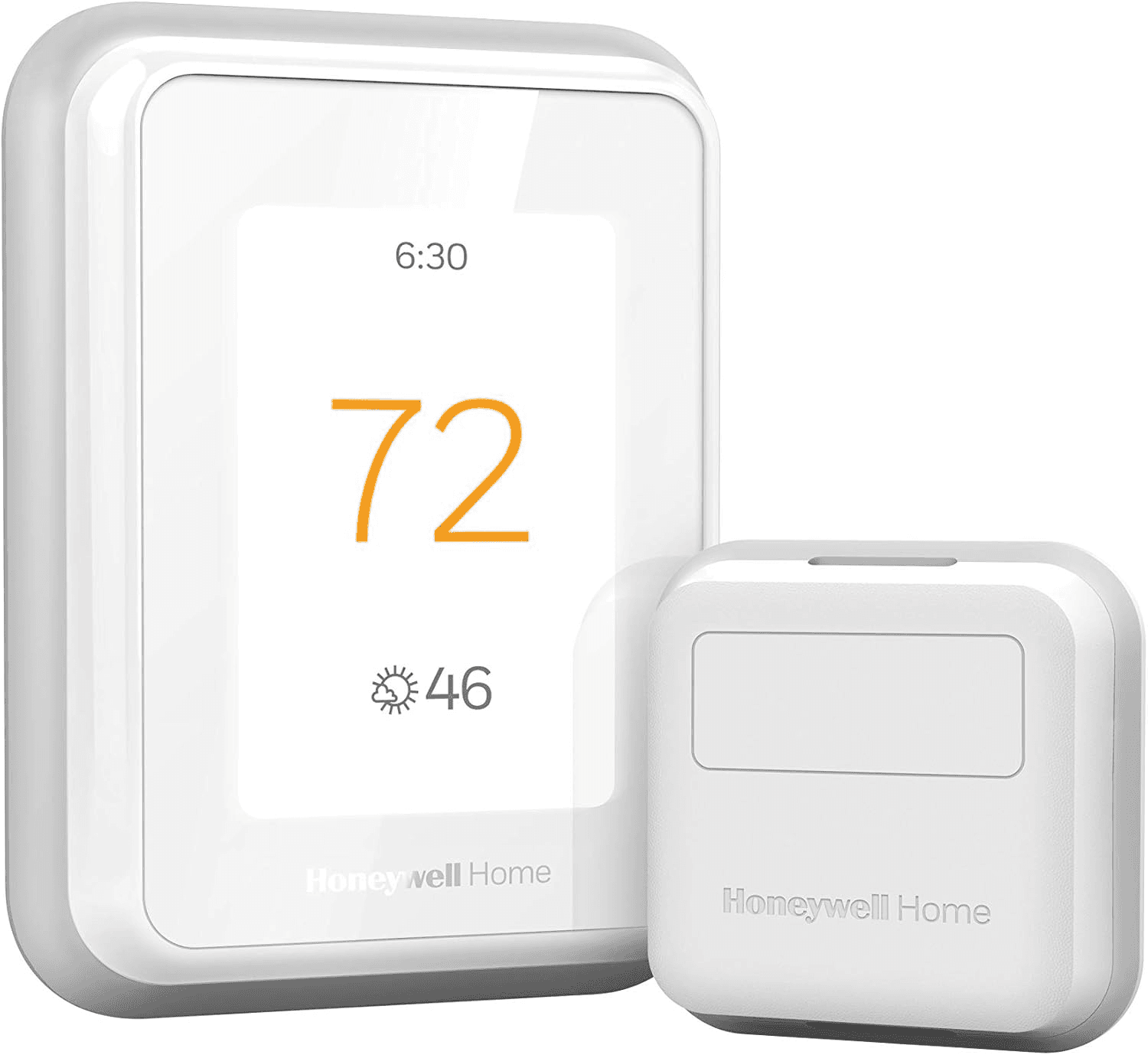
Honeywell Home T9
8.4/10$204.99 — ~$340 3-yr savings est., 1.3 feature multiplier (room sensors + Smart Response)
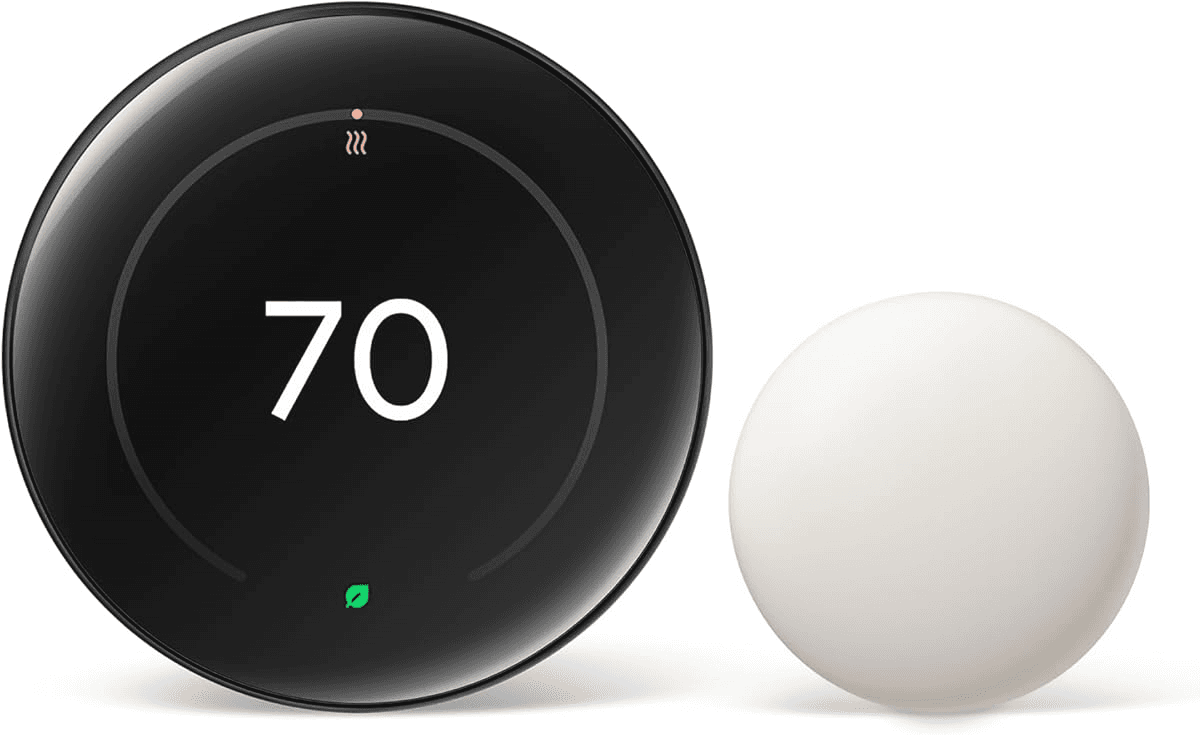
Google Nest Learning Thermostat 4th Gen
7.9/10$224.95 — ~$310 3-yr savings est., 1.2 feature multiplier (auto-learning + Nest Sensor)
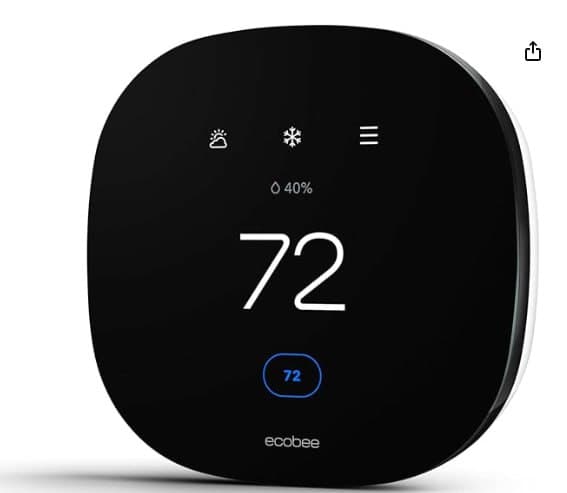
Ecobee3 Lite
7.6/10$134.99 — ~$290 3-yr savings est., 1.1 feature multiplier (no C-wire + multi-ecosystem)
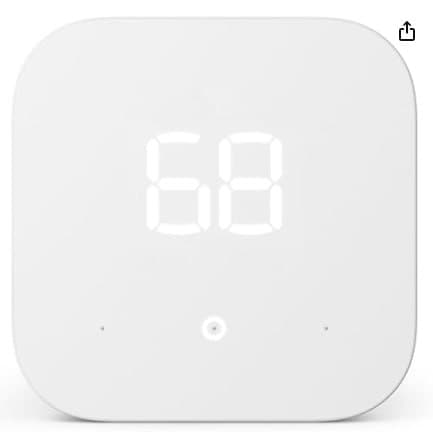
Amazon Smart Thermostat
7.2/10$61.99 — ~$180 3-yr savings est., 1.0 feature multiplier (Energy Star + Alexa built-in)
Ecosystem Compatibility: HomeKit, Matter, and C-Wire Guide
Map the 6 picks to ecosystem paths and the picture clarifies fast. The Ecobee Smart Thermostat Premium is the only thermostat in the slate that covers HomeKit, Google Home, Alexa, and SmartThings on day one — that breadth is what earns it the broadest compatibility verdict from Wirecutter. The Google Nest Learning Thermostat 4th Gen is the Matter and Thread frontrunner: The Verge confirmed Thread + Matter native at the Aug 2025 launch, which makes it the strongest pick for households planning multi-vendor automations. The Honeywell T9 has not yet committed to Matter — Tom's Hardware's 2026 compatibility coverage flags this as the single largest risk relative to the 8.4 ROI score. On the C-wire decision: if you have no C-wire and don't want to open walls, the answer is the Ecobee Smart Thermostat Premium or Ecobee3 Lite — both ship the PEK adapter in the box. Heat-pump households should read heat-pump and mini-split coverage for stage-handling detail; the ecobee Premium's 4-stage support outclasses the Amazon Smart Thermostat's single-stage limit by 4x.
| Product | Apple HomeKit | Google Home | Alexa | Matter/Thread | No C-Wire | Heat Pump |
|---|---|---|---|---|---|---|
| ecobee-smart-thermostat-premium | ✓ | ✓ | ✓ | – | ✓ | ✓ |
| google-nest-learning-thermostat-4th-gen | – | ✓ | ✓ | ✓ | – | ✓ |
| amazon-smart-thermostat | – | – | ✓ | – | – | – |
| ecobee3-lite | ✓ | ✓ | ✓ | – | ✓ | ✓ |
| honeywell-home-t9 | – | ✓ | ✓ | – | – | ✓ |
| google-nest-thermostat | – | ✓ | ✓ | – | – | ✓ |
When NOT to Buy
Three cases where a smart thermostat won't pay back. First, if you have a mini-split or ductless HVAC, none of the 6 picks fit — the answer is a Sensibo Pro or Cielo Breez Plus IR controller that talks to the indoor unit directly. Second, if you already run a tight manual setback schedule and your HVAC is within 2 yrs of replacement, the ROI math collapses to a 5-yr payback — not worth the install hassle. Third, if you rent short-term (under 12 months in the unit, or with a landlord-controlled thermostat clause in the lease), the install isn't yours to make. Beyond those three: a smart thermostat earns its keep at a 2-yr payback in most US climate zones.
Frequently Asked Questions
Do smart thermostats actually save money?
Yes — Energy Star pegs the baseline at 8% per yr versus a non-programmable thermostat, which translates to a typical 18-36 month payback at $10-15/month savings. The actual delta depends on three things: HVAC age, climate zone, and how disciplined your manual setback schedule already was. Households with no setback see 12-15% savings; households already running a tight schedule see 4-6%.
What if I don't have a C-wire?
About 40% of US homes lack a C-wire. The Amazon Smart Thermostat requires one and ships no adapter. The ecobee Smart Thermostat Premium and ecobee Smart Thermostat Essential both include a Power Extender Kit (PEK) in the box — that's the cleanest no-C-wire path. Google Nest options offer the optional Nest Power Connector at $25 extra. Decision rule: no C-wire and you don't want to open walls means the ecobee family.
Ecobee vs Nest: which one should I buy in 2026?
Depends on your ecosystem. The Nest Learning Thermostat 4th Gen launched Aug 2025 — Farsight, auto-learning, Matter and Thread native, deepest Google Home integration. The ecobee Premium has built-in Alexa speaker, no-C-wire support via PEK, and HomeKit + Google + Alexa + SmartThings on day one. Rule: deep Google Home, pick Nest. Mixed ecosystem or HomeKit households, pick ecobee Premium.
Do smart thermostats work with heat pumps?
Yes — but check stage support. The ecobee Smart Thermostat Premium handles up to 4-stage heat-pump systems, the Honeywell T9 and Nest 4th Gen handle 2-stage. The Amazon Smart Thermostat is single-stage only — limiting for modern variable-speed heat pumps. Mini-splits and ductless systems don't fit any of these picks; Sensibo Pro or Cielo Breez Plus are the dedicated answers.
Which smart thermostats support Matter and Thread?
The Google Nest Learning Thermostat 4th Gen confirmed Matter and Thread native at the Aug 2025 launch, per The Verge. Honeywell Home X8S also confirmed Matter and Thread support in 2026 per Tom's Hardware coverage. The ecobee Smart Thermostat Premium does not yet support Matter as of May 2026 — ecobee has signaled a firmware update path, but no shipped date.
Are smart thermostats compatible with mini-splits?
Most smart thermostats require a ducted HVAC system. For mini-splits and ductless setups, the dedicated solutions are Sensibo Pro or Cielo Breez Plus — both are IR-based controllers that talk to the indoor unit directly. None of the 6 picks in this guide fit ductless mini-splits. Heat-pump and mini-split coverage lives in the dedicated guide.
How long does payback take on a smart thermostat?
18-36 months typical at $10-15/month savings, per ENERGY STAR baseline data. The Amazon Smart Thermostat at $61.99 achieves a 12-month payback — fastest in the slate. The ecobee Premium at $254.99 delivers a 24-month payback but with the highest 3-yr cumulative savings. The climate-zone breakdown lays out the payback variance in full.
Can renters use smart thermostats?
Yes — the Google Nest Thermostat at $98.99 and the ecobee Smart Thermostat Essential at $134.99 are the lowest-friction renter picks. Both offer no-C-wire install paths (Nest Power Connector or PEK adapter). The mirror display on the Nest Thermostat is the renter-favored design — it blends into wall decor and reduces landlord friction at lease end.
Will my smart thermostat work without internet?
Manual schedules continue to execute locally on all 6 picks — your scheduled setback runs whether or not the cloud is up. Learning features, remote control, and voice commands all require internet. The ecobee and Nest both retain the last-known schedule across cloud outages. Verified across all 6 picks.
Bottom Line
Get the Ecobee Smart Thermostat Premium if You want the highest 3-yr ROI, broadest ecosystem coverage, and a no-C-wire install path..
Get the Google Nest Learning Thermostat 4th Gen if You live deep inside Google Home, you have a C-wire, and native Matter or Thread support matters..
Get the Amazon Smart Thermostat if Budget under $80 is the binding constraint, you have a C-wire, and you're in the Alexa or Ring ecosystem..
Get the Ecobee3 Lite if You're a renter or in an old house with no C-wire, and your budget falls in $100-$150..
Get the Honeywell Home T9 if You have a 3-bedroom-plus home with rooms that run hot or cold, and a C-wire is already installed..
Get the Google Nest Thermostat if You rent, want Google Assistant, value the mirror design, and your budget runs $80-$100..
You have a mini-split or ductless HVAC, your HVAC is within 2 yrs of replacement, or you rent short-term with a landlord-controlled thermostat.
Sources & Methodology
Methodology: SHE Thermostat ROI Score — Formula: (3-Year Cumulative Savings − Total Cost) / Total Cost × Feature Depth Multiplier (normalized 0–10). Factors: 3-Year Cumulative Savings (50%): Annualized energy savings from ENERGY STAR baseline (8% per yr) cross-validated against Wirecutter and CNET measured savings, multiplied by 3 yrs — the standard payback window for smart-home hardware. | Total Cost (30%): Live Amazon price plus required accessories (C-wire adapter, additional room sensors at list price), inverted scale — lower cost yields higher score, normalizing $62 entry versus $254.99 mid-range. | Feature Depth Multiplier (20%): 1.0–1.4x scalar applied post-division: room sensors +0.1, built-in voice +0.1, multi-ecosystem or Matter +0.1, utility rebate eligibility +0.1, capped at 1.4 to prevent feature padding from overwhelming the savings signal.
Expert review sources used in this analysis:
- SmartHomeExplorer ranks smart thermostats by ROI rather than feature gloss
- The SHE Thermostat ROI Score combines weighted 3-yr cumulative savings (50%), normalized total cost (30%), and a feature-depth multiplier (20%, capped at 1.4x)
- Expert sources cited by name in this guide: Wirecutter, CNET, Tom's Guide, The Verge, RTINGS, Reviewed, Consumer Reports, Energy Star, Tom's Hardware, PCMag, House Beautiful, Digital Trends
- Pricing pulled live from the Amazon Creators API on 2026-05-10
- Full methodology lives at /metrics/she-thermostat-roi-score.
Nicholas Miles is the founder of SmartHomeExplorer and a longtime smart home enthusiast focused on helping everyday homeowners make better technology decisions. He researches, compares, and writes about products across security, climate, lighting, leak prevention, sensors, home energy, and automation, with an emphasis on real-world usefulness, ecosystem compatibility, reliability, privacy, and long-term value.
Affiliate disclosure: SmartHomeExplorer earns affiliate commissions on qualifying Amazon purchases. Our scoring methodology is independent of affiliate relationships.
More Guides
Ecosystem
Alexa Plus vs Google Gemini Home vs Apple Intelligence 2026: AI Showdown

Ecosystem
Alexa+ vs Google Home 2026: Which Smart Home Ecosystem Should You Choose?

Smart Speakers
Alexa vs Google Home vs Apple HomeKit: Which Ecosystem Wins in 2026?

Smart Speakers