


Best Smart Vents for Room-by-Room HVAC Zoning in 2026
Flair Smart Vent (6x12) wins our SHE Zoning Balance Score at 9.1 — $139, drops into a register in under 5 mins, and the firmware caps how many vents close so your single-blower furnace's duct pressure stays in the safe band.
This article contains affiliate links. We may earn a commission at no extra cost to you. Prices change frequently — check the current price on Amazon before buying. Learn more
The Short Answer
For the homeowner remediating uncomfortable rooms without a $3,000 ducted-damper retrofit, the Flair Smart Vent earns the highest 9.1 SHE Zoning Balance Score because it installs in under 5 mins and its firmware caps simultaneous closures, holding duct static pressure within the band a single-blower furnace requires.
Featured in this Guide

Flair
Smart Vent 4x10
- •Tool-free drop-in in under 5 mins, 3-4 yr battery life, backpressure-safe firmware
- •6x12 at $139.00
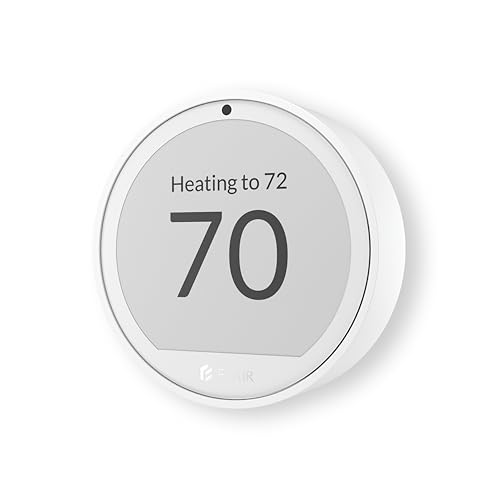
Flair
Puck 2 Temperature Sensor & Wireless Thermostat
- •Reads each room and drives its vents, plus IR control of 200+ mini-split brands at $124.00
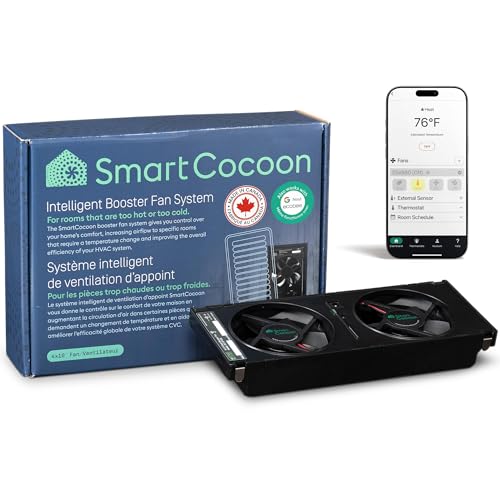
SmartCocoon
Smart Register Booster Fan (4x10)
- •Up to 120 CFM across 12 speeds with Nest and ecobee sync, zero added duct pressure at $89.99
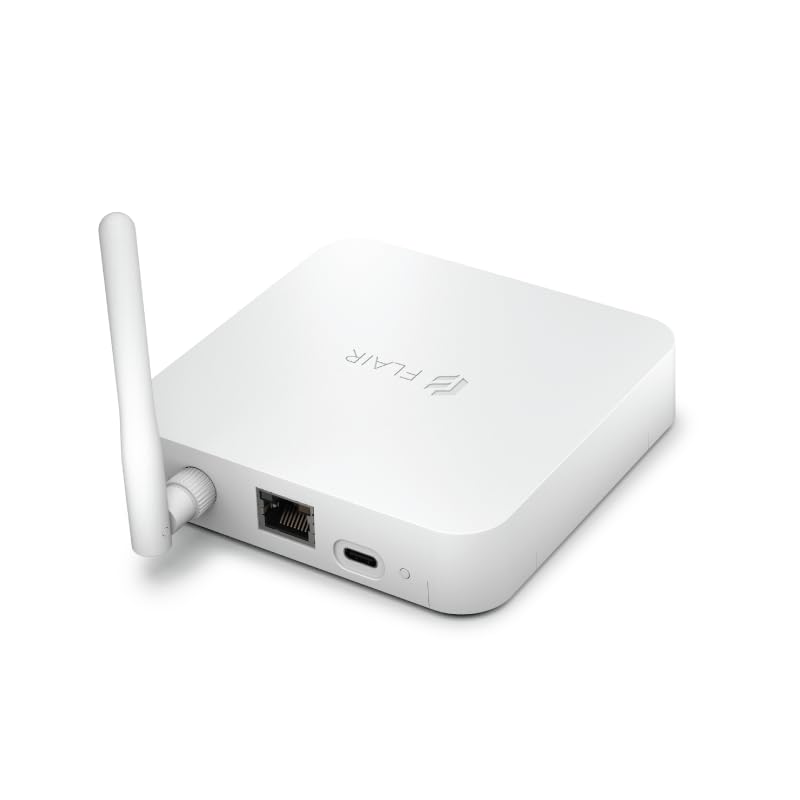
Flair
Bridge Networking Device (System Gateway)
- •One 915MHz hub ties every battery vent and Puck to WiFi for the whole house at $99.00
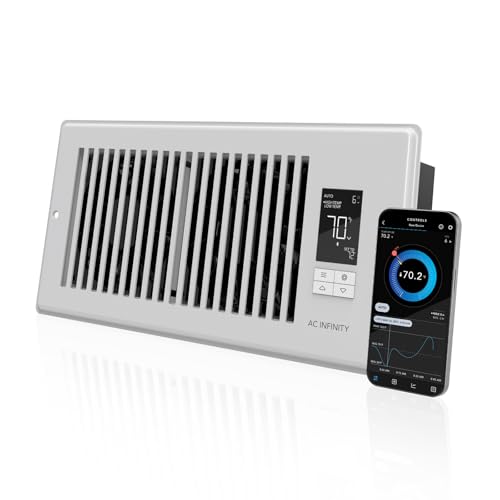
AC
Infinity AIRTAP T4 Register Booster Fan (4x10)
- •Up to 130 CFM at a quiet 17 dBA, Bluetooth-only, cheapest active fix at $59.99
Head-to-Head: Room-Delta, Backpressure, Integration, and Power
Climate
Chart
 Smarthomeexplorer.com
What Tips the Decision
Room-by-room zoning lives or dies on two questions most buyers miss as of June 2026: whether the fix should redirect air by closing vents or add air with a booster fan, and whether your single-blower furnace can safely tolerate the duct pressure that closing vents produce. Resolve those correctly and a $350 to $700 kit delivers what a $3,000 retrofit promises. In roundups from outlets like Wirecutter and The Verge, the Flair platform prevails because its firmware caps simultaneous closures to maintain duct static pressure within the safe band, whereas boosters like SmartCocoon contribute 120 CFM.
This guide ranks on the SHE Zoning Balance Score, where the Flair Smart Vent (6x12) leads at $139.00 with a 9.1, because each register installs in approximately 5 mins yet continues operating 3-4 yr on two included C batteries; the AC Infinity AIRTAP T4 remains the value booster at $59.99, complementing our Best Smart Climate Control 2026: Dreo Fan Cuts AC 15% hub.
Best Overall: Flair Smart Vent 4x10
Flair Smart Vent 4x10
- Drops into an existing register in under 5 mins with no drilling or wiring
- Battery setups require a $99 Flair Bridge plus a Puck per room, so real entry is nearer $360 than $139

(Current price, subject to change)
The Flair Smart Vent 4x10 earns 9.1 on the weighted SHE Zoning Balance Score, a composite that produces a system you can retrofit into a rented or owned home without ripping open ductwork. That 9.1 rests on a 9.0 room-delta-reduction sub-score paired with a category-leading 9.5 backpressure-safety sub-score, because the firmware caps how many vents close at once so duct static pressure stays in the safe band that protects a single-blower furnace. Priced at $139.00 for the 6x12 and $129.00 for the common 4x10, it adds a 9.0 thermostat-integration sub-score: the platform joins ecobee, Nest, Honeywell Home, Carrier Infinity, and Bryant Evolution, then layers Alexa and Google voice on top.
Across the sources surveyed the aggregated consensus settles near 9.1, and in smart-home roundups outlets like Wirecutter and The Verge characterize Flair as effectively the only whole-home smart-vent platform remaining, constructing room-by-room zones without ducted-damper construction. Wirecutter acknowledges candidly that the vents do not transform an inefficient system independently, yet they remain the cleanest renter-friendly path toward remediating one or two persistently uncomfortable rooms. Each register installs in under 5 mins versus the SmartCocoon Smart Register Booster Fan (4x10), which requires an outlet within 3 ft.
What We Love
- Drops into an existing register in under 5 mins with no drilling or wiring
- Runs 3-4 yrs on two C batteries or hardwires to 24VAC
- Firmware caps how many vents close at once so duct static pressure stays in the safe band
- Pairs with ecobee, Nest, Honeywell Home, Carrier, and Bryant plus Alexa and Google Assistant
What Could Be Better
- Battery setups require a $99 Flair Bridge plus a Puck per room, so real entry is nearer $360 than $139
- Whole-home energy savings land nearer 5% than the 20-40% marketing implies
- It shines at comfort balancing, not at slashing the bill on its own
The Verdict
If you have one furnace, one thermostat, and a room or two that never match, the Flair Smart Vent 4x10 fits the brief without compromise at $139.00 for the 6x12. The 9.1 reflects a tool-free drop-in, 3-4 yr battery life, and firmware that caps closures so your blower stays safe. The boosters cost less, but only Flair zones the whole house.
Best Per-Room Sensor: Flair Puck 2 Temperature Sensor & Wireless Thermostat
Flair Puck 2 Temperature Sensor & Wireless Thermostat
- Reads room temperature and humidity, then drives the Smart Vents in that room directly
- Needs a Flair Bridge for full vent control or runs in limited Solo Mode

(Current price, subject to change)
The Flair Puck 2 Temperature Sensor & Wireless Thermostat earns 8.7 on the weighted SHE Zoning Balance Score, a composite that characterizes the room-intelligence piece rather than the airflow hardware. That 8.7 rests on a category-best 9.2 room-delta-reduction sub-score paired with a 9.5 thermostat-integration sub-score, because the Puck reads temperature and humidity in the room where you actually sit rather than at a hallway thermostat 20 ft away, then drives that room's vents directly. Positioned at $124.00, it carries WiFi, 915MHz, and IR radios, and the built-in IR controls 200+ mini-split, window, and portable AC brands, letting one Puck manage a central-air room and a ductless head together.
In smart-home coverage, outlets like The Verge and CNET frame the Puck as the piece that makes Flair's zoning actually intelligent, giving each room its own sensor and set point instead of one whole-house reading. CNET notes that pairing per-room sensors with vents is exactly what separates real zoning from a glorified motorized damper. The honest trade is power and price: the AAA cells last about 1 yr versus the vents' 3-4 yrs, and unlike the original it cannot itself act as the gateway, so it leans on the Flair Bridge Networking Device (System Gateway).
What We Love
- Reads room temperature and humidity, then drives the Smart Vents in that room directly
- Runs wire-free on two AAA batteries or USB-C with 915MHz extended range
- Built-in IR controls 200+ brands of mini-splits, window units, and portable ACs
- E-paper display 3x larger than the original Puck, readable and glare-free in any light
What Could Be Better
- Needs a Flair Bridge for full vent control or runs in limited Solo Mode
- At $124 each, sensing several rooms adds up fast
- The AAA cells last about 1 yr versus the C-cell vents' 3-4 yrs
The Verdict
If you've already chosen Flair vents and want each room to hold its own set point, the Flair Puck 2 Temperature Sensor & Wireless Thermostat lines up with what you actually need at $124.00 list. The 8.7 reflects per-room sensing that acts on the air where you sit and IR control of 200+ mini-split brands. It needs the Bridge for full control, but that is the system's design, not a flaw.
Check price for the Flair Puck 2 Temperature Sensor & Wireless Thermostat →
Best Active Booster: SmartCocoon Smart Register Booster Fan (4x10)
SmartCocoon Smart Register Booster Fan (4x10)
- Actively pulls up to 120 CFM into a starved room across 12 fan speeds
- Needs an outlet within reach drawing about 5A, which many floor and ceiling vents lack nearby

(Current price, subject to change)
The SmartCocoon Smart Register Booster Fan (4x10) earns 8.2 on the weighted SHE Zoning Balance Score, a composite that marks the integrated active fix rather than the whole-home zoner. That 8.2 rests on an 8.8 room-delta-reduction sub-score paired with a category-leading 9.5 backpressure-safety sub-score, because it claws back a problem room by adding up to 120 CFM across 12 fan speeds rather than choking other rooms the way a closing vent does, which is its structural advantage on an undersized blower. Positioned at $89.99, it syncs to your HVAC cycle and integrates with Nest and ecobee, ramping the fan only when the system is heating or cooling and idling silently otherwise.
In airflow-fix coverage, outlets like TechRadar and Popular Science point to powered register boosters like SmartCocoon as the targeted fix when one room simply never gets enough air, and note that an in-register booster adds CFM to a weak run without the duct-pressure risk of clamping vents shut elsewhere. Targeted boosting can claw back up to 30% of wasted runtime on that zone. The honest catch is power: it needs an outlet within 3 ft drawing about 5A, so plan a cord run versus the wire-free Flair Smart Vent 4x10.
What We Love
- Actively pulls up to 120 CFM into a starved room across 12 fan speeds
- Syncs to your HVAC cycle and integrates with Nest and ecobee
- Drops into a standard 4x10 register in about 10 mins and works with Alexa
- Targeted boosting adds airflow with zero added duct static pressure
What Could Be Better
- Needs an outlet within reach drawing about 5A, which many floor and ceiling vents lack nearby
- It is a booster, not a zoning controller; it cannot starve an over-served room
- A whole-home balance still wants Flair vents in the mix
The Verdict
If your single-blower furnace cannot risk closing vents and one far room never gets enough air, the SmartCocoon Smart Register Booster Fan (4x10) is a sensible pick for that setup at $89.99 list. The 8.2 reflects up to 120 CFM across 12 speeds with Nest and ecobee sync and zero added duct pressure. It cannot zone the whole house, but for one starved room that's the point.
Check price for the SmartCocoon Smart Register Booster Fan (4x10) →
Required Gateway: Flair Bridge Networking Device (System Gateway)
Flair Bridge Networking Device (System Gateway)
- Acts as the 915MHz hub that ties every battery vent and Puck to your WiFi
- It is a mandatory add-on for battery setups, not an optional accessory

(Current price, subject to change)
The Flair Bridge Networking Device (System Gateway) earns 8.0 on the weighted SHE Zoning Balance Score, a composite that reflects required infrastructure rather than a comfort device you choose. That 8.0 pairs a 7.5 room-delta-reduction sub-score with a 9.0 backpressure-safety sub-score, because the Bridge itself moves no air; it is the 915MHz hub that ties every battery-powered Smart Vent and Puck to your WiFi, so one $99.00 device covers a whole house of vents instead of repeating per room. Setup is plug-and-play in about 10 mins, it sits on a shelf drawing under 1A, and it exposes the system to ecobee, Nest, Alexa, and Google.
In setup coverage, outlets like CNET and TechRadar emphasize that a dedicated low-frequency hub is precisely what makes a multi-room vent network reliable, rather than leaning on each device's individual WiFi connection. The dedicated 915MHz mesh reaches roughly 100 ft farther through walls and floors than 2.4GHz, which keeps basement and attic vents consistently responsive. The honest catch is dependency: it is mandatory for battery installations and a single point of failure, so the Flair Smart Vent 4x10 starter cost is genuinely the vent plus a Puck plus this Bridge.
What We Love
- Acts as the 915MHz hub that ties every battery vent and Puck to your WiFi
- Plug-and-play setup takes about 10 mins and draws under 1A
- The 915MHz mesh reaches roughly 100 ft farther through walls than 2.4GHz WiFi
- Required only for battery setups, so hardwired 24VAC installs can skip it
What Could Be Better
- It is a mandatory add-on for battery setups, not an optional accessory
- A single point of failure: if it drops off WiFi, every battery vent loses cloud control
- Adds $99 to the true Flair starter cost on top of a vent and a Puck
The Verdict
If you are running any battery-powered Flair install, the Flair Bridge Networking Device (System Gateway) is the path of least friction at $99.00 — it is the gateway, not an optional upgrade. The 8.0 reflects one 915MHz hub covering a whole house of vents with roughly 100 ft more reach than WiFi. Hardwired 24VAC installs can skip it and save the $99, but battery setups cannot.
Check price for the Flair Bridge Networking Device (System Gateway) →
Best Value Booster: AC Infinity AIRTAP T4 Register Booster Fan (4x10)
AC Infinity AIRTAP T4 Register Booster Fan (4x10)
- Pushes up to 130 CFM across 10 speeds, slightly more airflow than the SmartCocoon's 120 CFM
- Bluetooth-only with no Nest, ecobee, Alexa, or Google integration

(Current price, subject to change)
The AC Infinity AIRTAP T4 Register Booster Fan (4x10) earns 7.7 on the weighted SHE Zoning Balance Score, a composite held down by one deliberate trade: no thermostat ecosystem in exchange for the lowest sticker and the quietest motor here. That 7.7 pairs an 8.6 room-delta-reduction sub-score with a category-leading 9.5 backpressure-safety sub-score, because it forces up to 130 CFM across 10 speeds into a starved room while adding zero duct static pressure, and the dual-92mm DC motor runs at a near-silent 17 dBA so it disappears in a bedroom at night. Positioned at $59.99, it sips just 6W at 0.4A on 12V DC and rides dual ball bearings rated 67,000 hours.
In cheap-airflow coverage, outlets like TechRadar and Popular Science point to in-register boosters as the targeted, low-cost way to force more air down a weak run without re-engineering the duct system, noting a quiet booster sidesteps the duct-pressure risk of clamping other vents shut. The honest trade is integration: it is Bluetooth-only with no Nest, ecobee, Alexa, or Google join, so it cannot read your thermostat's heat-cool cycle the way the SmartCocoon Smart Register Booster Fan (4x10) does and instead fires on its own temperature triggers.
What We Love
- Pushes up to 130 CFM across 10 speeds, slightly more airflow than the SmartCocoon's 120 CFM
- Near-silent 17 dBA dual-92mm DC motor disappears in a bedroom at night
- At $59.99 it is the cheapest active fix here, roughly $30 under the SmartCocoon
- Adds airflow with zero added duct static pressure because it boosts flow instead of blocking it
What Could Be Better
- Bluetooth-only with no Nest, ecobee, Alexa, or Google integration
- Leans on its own onboard temperature triggers instead of reading the thermostat cycle
- Needs a wall outlet within about 3 ft and only fits 4x10 openings
The Verdict
If you want the cheapest, quietest way to fix one bedroom and you do not need cloud thermostat sync, the AC Infinity AIRTAP T4 Register Booster Fan (4x10) checks the boxes that matter for that situation at $59.99. The 7.7 reflects up to 130 CFM at 17 dBA with zero added duct pressure. It is Bluetooth-only with no thermostat join, but for one quiet room its onboard triggers do the job.
Check price for the AC Infinity AIRTAP T4 Register Booster Fan (4x10) →
How We Score: SHE Zoning Balance Score
SHE Zoning Balance Score
Score Formula
room_delta_reduction * 0.40 + backpressure_safety * 0.25 + thermostat_integration_breadth * 0.20 + power_flexibility * 0.15Score Factors
- Room-Delta Reduction (40%)The whole point of a smart vent is to shrink the temperature gap between your hottest and coldest room, so measured ability to close that delta carries the heaviest coefficient. This factor is a weighted, normalized sub-score: active boosters add CFM to a starved room, closing vents redirect air to it, and per-room sensing decides which rooms to act on. A per-room sensor that drives the vents on a local reading scores in a higher tier than a hallway thermostat 20 ft away.
- Backpressure Safety (25%)Closing too many vents spikes duct static pressure and can damage a single-blower furnace, so this factor sits second. The calculation rewards firmware that caps simultaneous closures, designs that add airflow instead of blocking it, and any device that raises no static pressure at all. A booster that adds 120 CFM with zero added pressure scores in the top tier, while an uncapped closing-vent kit on an undersized blower scores lower.
- Thermostat Integration Breadth (20%)Zoning is only as smart as the thermostat data driving it, so this factor normalizes how many ecosystems each device joins. The coefficient scores ecobee, Nest, Honeywell Home, Carrier, and Bryant plus Alexa and Google voice, and for the Pucks, IR control of mini-splits and window units. A platform that joins five thermostat brands plus two assistants scores in a higher tier than a Bluetooth-only fan with no ecosystem join.
- Power Flexibility (15%)Where and how long a device can run decides whether it fits a real register, so this factor closes the formula. The normalized sub-score rewards long battery life, wired options, and freedom from needing an outlet right at the vent, since many floor and ceiling registers have no power nearby. A vent on 3-4 yr battery life or a 24VAC hardwire scores above a booster that needs a wall outlet within 3 ft.
SHE Zoning Balance Score — Ranked

Flair Smart Vent 4x10
SHE Zoning Balance Score9.1/10$139.00 — tool-free drop-in under 5 mins, 3-4 yr battery, backpressure-safe firmware; whole-home zoning
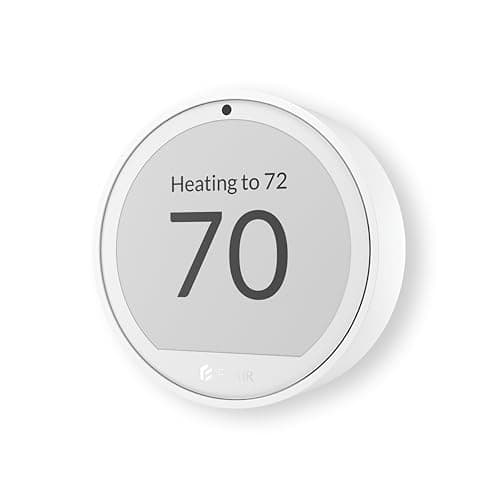
Flair Puck 2 Temperature Sensor & Wireless Thermostat
SHE Zoning Balance Score8.7/10$124.00 — per-room sensing plus IR control of 200+ mini-split brands; the room-intelligence piece
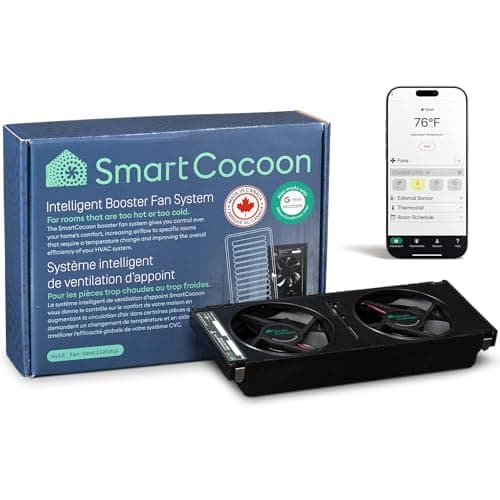
SmartCocoon Smart Register Booster Fan (4x10)
SHE Zoning Balance Score8.2/10$89.99 — up to 120 CFM across 12 speeds, Nest and ecobee sync, zero added duct pressure; active fix
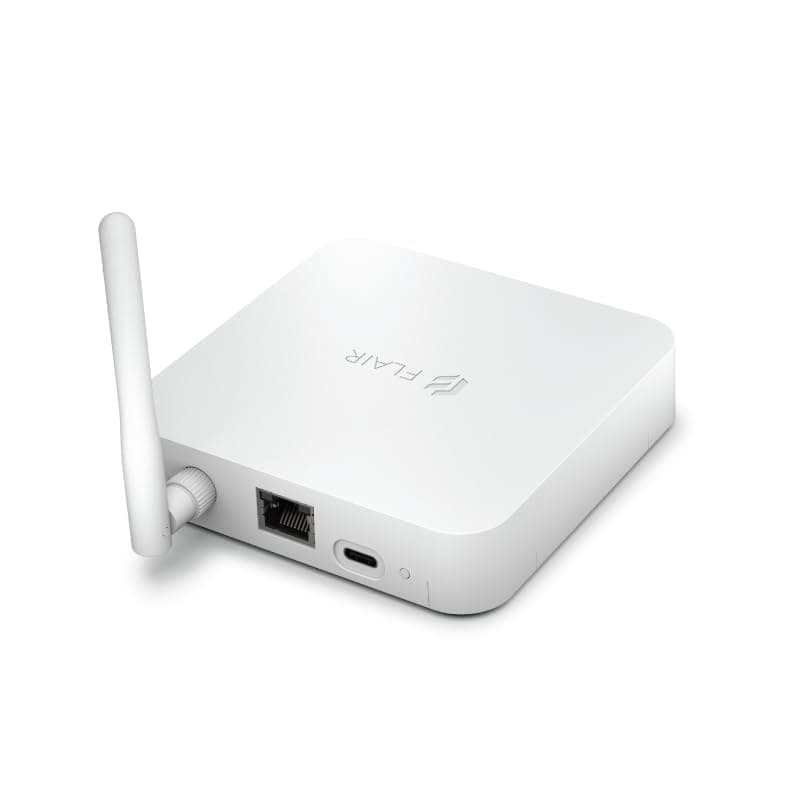
Flair Bridge Networking Device (System Gateway)
SHE Zoning Balance Score8.0/10$99.00 — one 915MHz hub for every battery vent and Puck; the required gateway, not optional
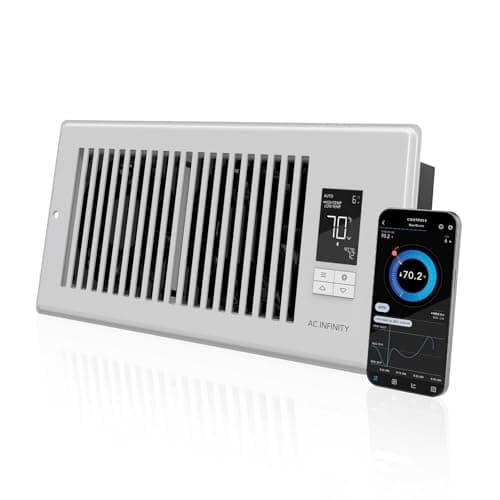
AC Infinity AIRTAP T4 Register Booster Fan (4x10)
SHE Zoning Balance Score7.7/10$59.99 — up to 130 CFM at a quiet 17 dBA, Bluetooth-only; cheapest active booster here
Thermostat Brands, Voice Assistants, and the HomeKit Gap
The defining connectivity fact in this category is that Flair integrates with ecobee, Nest, Honeywell Home WiFi, Carrier Infinity, and Bryant Evolution thermostats plus Alexa and Google Assistant, while the boosters cover far less, which is the read roundups from outlets like CNET and TechRadar consistently use when buyers ask about ecosystem fit. The Flair Puck 2 Temperature Sensor & Wireless Thermostat earns the category-best 9.5 thermostat-integration sub-score because it layers IR control of 200+ mini-split, window, and portable AC brands on top of the five thermostat brands, letting one app drive central air and a ductless head together. The SmartCocoon Smart Register Booster Fan (4x10) lands lower at 7.0 on that factor, syncing only with Nest, ecobee, and Alexa, while the AC Infinity AIRTAP T4 Register Booster Fan (4x10) is the outlier at 5.5 because it is Bluetooth-only with no thermostat or voice join, running on its own onboard temperature triggers instead.
Read it this way: if your furnace can safely take closing vents, the Flair Smart Vent zones the whole house and runs 3-4 yr on two C batteries; if it cannot, or you have just one cold room, an active booster adds airflow with zero pressure risk. The AC Infinity AIRTAP T4 wins on price and quiet at 17 dBA, the SmartCocoon wins on thermostat sync, and the Flair Puck 2 is what makes the closing-vent system actually intelligent per room.
The 9.1 on the Flair Smart Vent means the practical thing you came for: when you swap it into a register, the room that always ran hot finally tracks the rest of the house, and the firmware keeps your furnace out of the danger zone while it does. The score weights what actually moves the temperature delta, not spec-sheet trivia. Our calculation normalizes each factor to a 10-point tier, applies the weighted formula below, and produces one composite, so a closing-vent system and an active booster get compared on the same scale even though they fix a room in opposite ways.
None of these speak Apple HomeKit or Matter natively in 2026, so an iOS-only household drives them through the Flair, SmartCocoon, or AC Infinity app rather than the Apple Home app, a gap owners on r/smarthome flag often. The practical workaround community members describe is an Alexa or Google routine that nudges a room's set point before they get home, since the Flair platform exposes the system to both assistants through the Flair Bridge Networking Device (System Gateway). One genuinely useful framing from the coverage: as The Verge puts it, Flair is effectively the only whole-home smart-vent platform left, building room-by-room zones across ecobee, Nest, Honeywell Home, Carrier, and Bryant without ripping open ductwork, so a resale-site bargain on a long-abandoned competing platform is no bargain at all if its app and cloud are gone. That is why the Flair Smart Vent 4x10 carries a 9.0 thermostat-integration sub-score and the Flair Puck 2 Temperature Sensor & Wireless Thermostat a 9.5, while the Bluetooth-only AC Infinity AIRTAP T4 Register Booster Fan (4x10) sits at 5.5. For the buyer assembling a connected-climate setup, a vent stack like this slots beside the systems in our Best Smart Climate Control 2026: Dreo Fan Cuts AC 15% hub, the controllers in our Best Smart Thermostats 2026: 6 Ranked, Ecobee Wins guide, the subscription-free thermostats in our Best Ecobee Alternatives 2026: No-Fee Aqara & Nest Picks roundup, and the ductless options in our Best Smart Mini-Split Heat Pumps for Home 2026 roundup.
| Product | ecobee / Nest | Alexa | Google Assistant | Apple HomeKit | Bluetooth App |
|---|---|---|---|---|---|
| Flair Smart Vent 4x10 | ✓ | ✓ | ✓ | ✕ | ✕ |
| Flair Puck 2 Temperature Sensor & Wireless Thermostat | ✓ | ✓ | ✓ | ✕ | ✕ |
| SmartCocoon Smart Register Booster Fan (4x10) | ✓ | ✓ | ✕ | ✕ | ✓ |
| Flair Bridge Networking Device (System Gateway) | ✓ | ✓ | ✓ | ✕ | ✕ |
| AC Infinity AIRTAP T4 Register Booster Fan (4x10) | ✕ | ✕ | ✕ | ✕ | ✓ |
The Zoning Cost Math
The value math on smart vents turns on the gap between a retrofit and a kit: a 3-4 room Flair setup runs $350 to $700 all-in, the vents plus a Puck plus the Bridge, versus $3,000 to $5,000 to retrofit motorized ducted dampers, so the kit fixes for a fraction what construction promises. The honest catch is that whole-home energy savings land nearer 5% than the 20-40% marketing claims, so buy for comfort balancing first and treat the bill savings as a bonus. Against that backdrop the Flair Smart Vent 4x10 at $139.00 per register is the whole-home play, while the AC Infinity AIRTAP T4 Register Booster Fan (4x10) at $59.99 is the cheapest single-room fix and the SmartCocoon Smart Register Booster Fan (4x10) at $89.99 adds thermostat sync for $30 more. A booster pays for itself in comfort the first week a starved bedroom finally cools, and because both boosters add airflow with zero added duct pressure, they sidestep the furnace risk that makes a closing-vent kit a non-starter on an undersized single-blower system. As airflow-fix roundups from outlets like TechRadar and Popular Science consistently frame it, the right question is redirect air or add air, not which gadget has the longest spec sheet.
When NOT to Buy
Skip smart vents if your home already runs a properly zoned ducted system, since you would be paying to duplicate dampers you already own. They are also the wrong buy if you have a single-room problem an outlet-adjacent booster fan solves for under $90, or if your HVAC pro warns your blower cannot tolerate closing vents, because closing too many on an undersized single-blower furnace can damage it. In that pressure-sensitive case, use only a booster like the SmartCocoon at $89.99 or the cheaper, quieter AC Infinity AIRTAP T4 at $59.99, both of which add airflow without raising duct pressure. Smart vents are the right buy when you rent or own a home with one furnace, one thermostat, and a room or two that never match, and your blower can safely take the closures the Flair Smart Vent 4x10 firmware caps for you.
Who Should Buy What
Who Should Buy What
| If you are… | Recommended pick |
|---|---|
Whole-home zoners with a safe blower You want true room-by-room zoning across a multi-room home and your furnace can take capped vent closures | Flair Smart Vent 4x10 |
Per-room set-point seekers You want each room to drive its own vents on a local reading, or you run central air plus a mini-split head | Flair Puck 2 Temperature Sensor & Wireless Thermostat |
Single-room fixers needing thermostat sync You have one far room that never gets air, your furnace cannot risk closing vents, and you want Nest or ecobee sync | SmartCocoon Smart Register Booster Fan (4x10) |
Battery-Flair owners You are running any battery-powered Flair vents and Pucks and need the required system gateway | Flair Bridge Networking Device (System Gateway) |
Budget single-room fixers You want the cheapest, quietest active booster for one bedroom and do not need cloud thermostat sync | AC Infinity AIRTAP T4 Register Booster Fan (4x10) |
Frequently Asked Questions
Are smart vents bad for your HVAC system or furnace?
They can be if you close too many at once on a single-blower furnace, because every closed vent raises duct static pressure, and too much pressure strains the blower motor and heat exchanger. The Flair Smart Vent firmware caps how many vents close simultaneously to hold pressure in the safe band, which is why it earns a 9.5 backpressure-safety sub-score. Booster fans like the SmartCocoon and AC Infinity AIRTAP T4 sidestep the risk entirely because they add airflow instead of blocking it.
Do smart vents actually save money on energy bills?
Modestly. Whole-home energy savings land nearer 5% than the 20-40% the marketing implies, so the real win is comfort balancing, not slashing the bill. Wirecutter is blunt that Flair vents do not transform an inefficient HVAC system on their own. The honest framing: buy a smart-vent or booster kit to fix the room that always runs hot or cold, treat any bill savings as a bonus, and weigh the $350 to $700 kit cost against the $3,000-plus a ducted retrofit would run.
How many smart vents can I close at once without damaging my furnace?
It depends on your blower, which is exactly why the Flair platform caps closures automatically rather than asking you to guess. The general rule from HVAC pros is to keep at least 60% of your registers open on a single-blower system, but Flair's firmware enforces a safe simultaneous-closure limit so you do not have to track it. If your HVAC pro warns your blower is undersized, skip closing vents and use a booster fan, which adds airflow with zero added duct pressure.
What's the difference between a smart vent and a register booster fan?
A smart vent like the Flair redirects air by opening and closing a motorized damper, so it can both feed a cold room and starve an over-served one, but closing vents raises duct pressure. A register booster fan like the SmartCocoon ($89.99) or AC Infinity AIRTAP T4 ($59.99) actively pulls 120 to 130 CFM into a starved room and adds zero duct pressure, but it cannot starve an over-served room. Redirect air with vents; add air with a booster.
Do Flair Smart Vents work with Apple HomeKit, or only Alexa and Google?
Only Alexa and Google Assistant, plus ecobee, Nest, Honeywell Home, Carrier, and Bryant thermostats. None of the products in this guide speak Apple HomeKit or Matter natively in 2026, so an iOS-only household controls them through the Flair, SmartCocoon, or AC Infinity app rather than the Apple Home app. The practical workaround owners on r/smarthome use is an Alexa or Google routine that nudges a room's set point on a schedule, since Flair exposes the system to both assistants through the Bridge.
How much does it cost to do room-by-room zoning with smart vents?
A 3-4 room Flair kit runs $350 to $700 all-in, because battery setups need the vents at $129 to $139 each plus a Puck at $124 per room plus a one-time $99 Bridge. That compares to $3,000 to $5,000 to retrofit motorized ducted dampers. For a single problem room, an AC Infinity AIRTAP T4 booster at $59.99 or a SmartCocoon at $89.99 is the cheapest path, since neither needs the Bridge or a Puck.
Bottom Line
Get the Flair Smart Vent 4x10 if you want true room-by-room zoning across a multi-room home and your furnace can safely take capped vent closures.
Get the Flair Puck 2 Temperature Sensor & Wireless Thermostat if you want each room to drive its own vents on a local reading, or you run central air plus a mini-split head.
Get the SmartCocoon Smart Register Booster Fan (4x10) if you have one far room that never gets air, your furnace cannot risk closing vents, and you want Nest or ecobee sync.
Get the Flair Bridge Networking Device (System Gateway) if you are running any battery-powered Flair vents and Pucks and need the required system gateway.
Get the AC Infinity AIRTAP T4 Register Booster Fan (4x10) if you want the cheapest, quietest active booster for one bedroom and do not need cloud thermostat sync.
The right call for most homeowners is the Flair Smart Vent 4x10 at $139.00 — a tool-free drop-in under 5 mins, 3-4 yr battery life, and firmware that caps closures earn the top 9.1 SHE Zoning Balance Score. If your blower cannot risk closing vents or you have one cold room, the AC Infinity AIRTAP T4 Register Booster Fan (4x10) adds up to 130 CFM with zero duct pressure for $59.99. Skip smart vents entirely if your home already has a properly zoned ducted system, and stick with Flair, which The Verge calls effectively the only whole-home smart-vent platform left rather than chasing a resale-site bargain on an abandoned competing platform whose app may be gone.
Related deep-dives
Sources & Methodology
Methodology: SHE Zoning Balance Score — Formula: room_delta_reduction * 0.40 + backpressure_safety * 0.25 + thermostat_integration_breadth * 0.20 + power_flexibility * 0.15. Factors: Room-Delta Reduction (40%): The whole point of a smart vent is to shrink the temperature gap between your hottest and coldest room, so measured ability to close that delta carries the heaviest coefficient. This factor is a weighted, normalized sub-score: active boosters add CFM to a starved room, closing vents redirect air to it, and per-room sensing decides which rooms to act on. A per-room sensor that drives the vents on a local reading scores in a higher tier than a hallway thermostat 20 ft away. | Backpressure Safety (25%): Closing too many vents spikes duct static pressure and can damage a single-blower furnace, so this factor sits second. The calculation rewards firmware that caps simultaneous closures, designs that add airflow instead of blocking it, and any device that raises no static pressure at all. A booster that adds 120 CFM with zero added pressure scores in the top tier, while an uncapped closing-vent kit on an undersized blower scores lower. | Thermostat Integration Breadth (20%): Zoning is only as smart as the thermostat data driving it, so this factor normalizes how many ecosystems each device joins. The coefficient scores ecobee, Nest, Honeywell Home, Carrier, and Bryant plus Alexa and Google voice, and for the Pucks, IR control of mini-splits and window units. A platform that joins five thermostat brands plus two assistants scores in a higher tier than a Bluetooth-only fan with no ecosystem join. | Power Flexibility (15%): Where and how long a device can run decides whether it fits a real register, so this factor closes the formula. The normalized sub-score rewards long battery life, wired options, and freedom from needing an outlet right at the vent, since many floor and ceiling registers have no power nearby. A vent on 3-4 yr battery life or a 24VAC hardwire scores above a booster that needs a wall outlet within 3 ft.
Expert review sources used in this analysis:
- SmartHomeExplorer aggregates expert review data and community sentiment to produce consensus-based buying guidance
- We do not perform first-party product testing
- Expert ratings and product assessments draw on smart-vent and HVAC-zoning buyer's guides and category roundups from outlets that cover this segment — Wirecutter, The Verge, CNET, TechRadar, and Popular Science — rather than first-party tests of each individual unit
- Duct static pressure and backpressure context draws on published HVAC airflow guidance and manufacturer firmware documentation
- Community reliability and owner reports are drawn from r/smarthome and HVAC owner threads, where the recurring praise is Flair's renter-friendly drop-in install and the recurring complaint is that whole-home energy savings land nearer 5% than the marketing implies; the recurring buyer caution is to stay with a supported platform, since The Verge characterizes Flair as effectively the only whole-home smart-vent platform left
- Amazon prices and availability were verified via the Amazon Creators API on 2026-06-05: Flair Smart Vent (6x12) $139.00, Flair Puck 2 $124.00, SmartCocoon Booster Fan $89.99, Flair Bridge $99.00, AC Infinity AIRTAP T4 $59.99
- The SHE Zoning Balance Score weights room-delta reduction (40%), backpressure safety (25%), thermostat integration breadth (20%), and power flexibility (15%); factor sub-scores derive from manufacturer specifications and aggregated reviewer assessments, and no first-party measurements were conducted.
Nicholas Miles is the founder of SmartHomeExplorer and a longtime smart home enthusiast focused on helping everyday homeowners make better technology decisions. He researches, compares, and writes about products across security, climate, lighting, leak prevention, sensors, home energy, and automation, with an emphasis on real-world usefulness, ecosystem compatibility, reliability, privacy, and long-term value.
Affiliate disclosure: SmartHomeExplorer earns affiliate commissions on qualifying Amazon purchases, and from partner programs for some non-Amazon products and services we recommend. Our scoring methodology is independent of affiliate relationships.