
The Dreo Smart Ceiling Fan CLF521S ($200) is the best smart climate upgrade beyond a thermostat — reduces perceived temperature 4-6°F and cuts.
The best whole-home climate upgrade beyond a smart thermostat is the Dreo Smart Ceiling Fan CLF521S ($200) — PCMag's top-tested smart ceiling fan, with a whisper-quiet DC motor that reduces perceived temperature 4-6°F and cuts cooling costs 10-15% by letting you raise your AC thermostat setting.
Most homeowners install a smart thermostat that schedules HVAC and cuts heating bills 10-23% and stop there — but thermostats only control when your HVAC runs, not how effectively conditioned air reaches every room. The biggest comfort gains come from layering smart fans, humidity control, zone vents, and air quality monitoring on top of your thermostat. These devices address the problems thermostats can't: hot/cold rooms, dry winter air, stale indoor air, and wasted energy cooling empty spaces.
We aggregated ratings from 21 trusted sources — including Wirecutter, CNET, PCMag, and Tom's Guide — focusing on real-world energy impact and smart home integration quality. Prices verified March 2026. For thermostat recommendations, see our dedicated guide to smart thermostats ranked by energy savings and ecosystem compatibility. If you're deciding between Ecobee and Nest, see our Ecobee vs Nest comparison.
Whole-Home Climate
Chart
 Smarthomeexplorer.com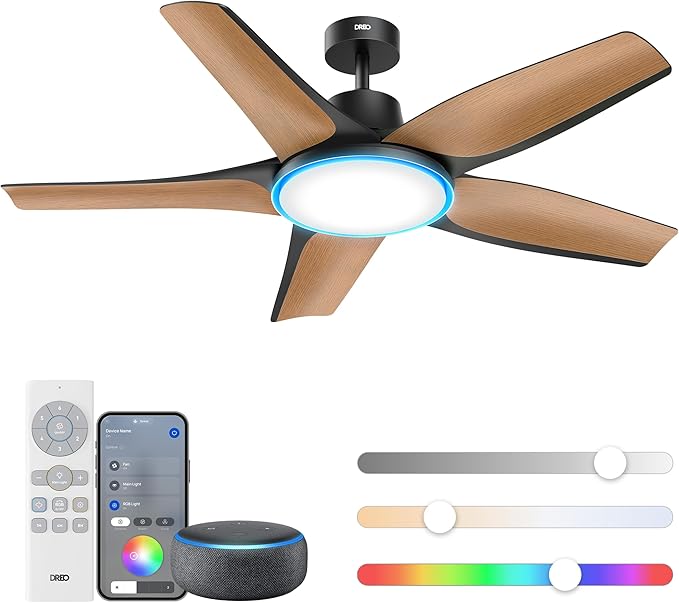

Best Overall: Dreo Smart Ceiling Fan CLF521S
Dreo Smart Ceiling Fan CLF521S
(Current Price, subject to change)
Ready to upgrade your home?
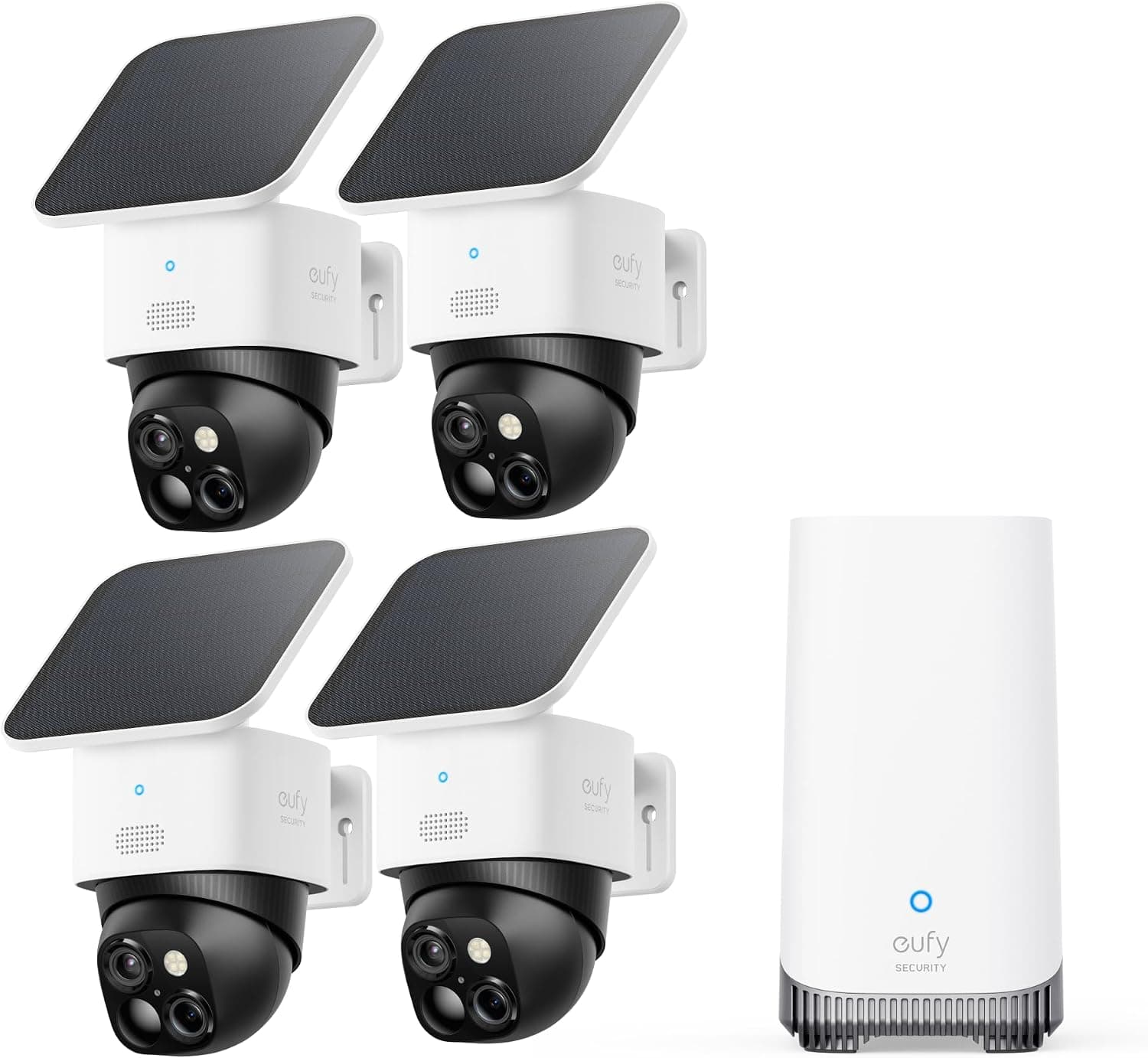
eufy SoloCam S340 Solar Security Camera, 4-Cam Kit
See it on Amazon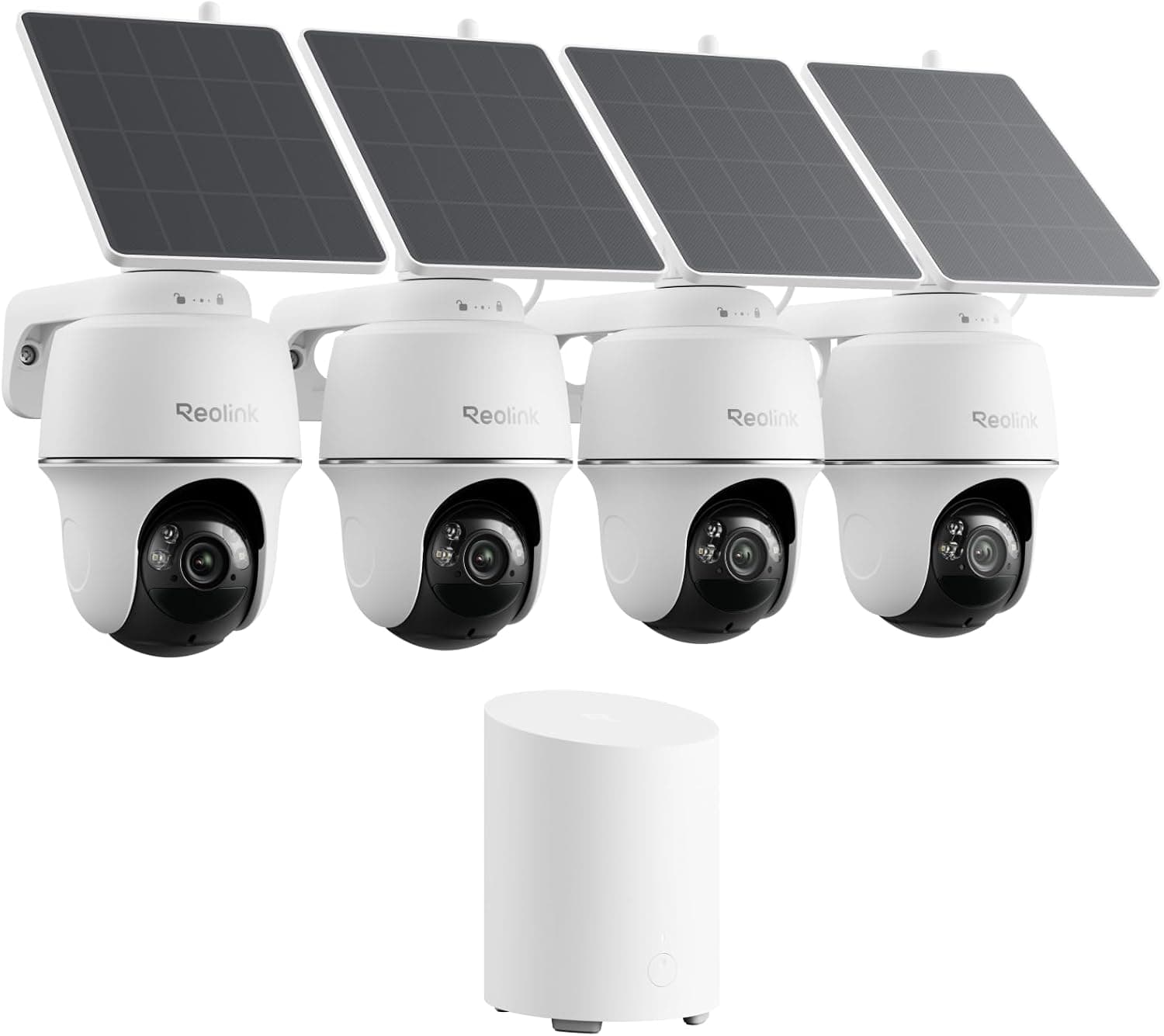
REOLINK 360° Solar Security Cameras, 4 Pack
See it on Amazon
Yale Assure Lock 2 Wi-Fi Smart Lock with Keypad
See it on Amazon
Sponsored listings from Amazon’s Sponsored Products for Creators program, kept apart from our reviews and rankings. How we make money
The Dreo Smart Ceiling Fan CLF521S earns an 8.3/10 consensus score as PCMag's top-tested smart ceiling fan. The DC motor runs whisper-quiet across 10 speed settings, and the integrated LED with adjustable color temperature (2700K-6500K) eliminates the need for separate light fixtures. Ceiling fans reduce perceived temperature by 4-6°F, allowing you to raise your smart thermostat setpoint while maintaining comfort — saving 10-15% on cooling costs.
Smart scheduling through the Dreo app lets the fan activate before you enter a room, and voice control via Alexa and Google Assistant means no reaching for remotes. The reverse mode pushes warm air down in winter, making this a year-round energy saver. For homes with multiple fans, the Bond Bridge Pro can make existing dumb ceiling fans smart without replacement.
What We Love
- 10-15% cooling cost reduction — raising thermostat 4°F while the fan maintains comfort is real, measurable savings
- Whisper-quiet DC motor — barely audible on speeds 1-5, making it ideal for bedrooms
- Integrated LED with color temp — 2700K warm to 6500K daylight, dimmable, replaces separate fixtures
- Alexa + Google Assistant — voice control, scheduling, and integration with smart home routines
What Could Be Better
- Requires ceiling mount electrical work — not a DIY project for everyone
- No Apple HomeKit support (use the Bond Bridge Pro for HomeKit fan control)
- Large 52" blade span doesn't suit small rooms under 144 sq ft
- App occasionally requires reconnection after WiFi changes
The Verdict
The Dreo Smart Ceiling Fan CLF521S is the single biggest comfort upgrade you can add after a smart thermostat. The 10-15% cooling savings are real and documented, and the whisper-quiet operation makes it genuinely usable in bedrooms. For humidity issues, pair it with the Levoit LV600S; for hot/cold room problems, add Flair Smart Vents. Together, these three devices solve the climate problems thermostats alone can't.
"PCMag's top-tested smart ceiling fan — the Dreo CLF521S combines whisper-quiet operation with genuinely useful app control." — PCMag
Does a smart ceiling fan actually save money on cooling?
Yes — the Dreo Smart Ceiling Fan CLF521S reduces perceived temperature by 4-6°F through wind chill effect, allowing you to raise your AC thermostat by the same amount while maintaining comfort. The Department of Energy estimates ceiling fans save 10-15% on cooling costs when used to supplement AC rather than replace it. Smart scheduling ensures the fan only runs when the room is occupied, maximizing the savings.
Can I make my existing ceiling fan smart without replacing it?
Yes — the Bond Bridge Pro ($100) learns your existing ceiling fan's RF remote signals and adds WiFi control, Alexa, Google Assistant, and even HomeKit support. It works with most RF-controlled fans, fireplaces, and shades without any rewiring. If your fan doesn't have a remote, smart fan switches from Lutron or Inovelli are another option.
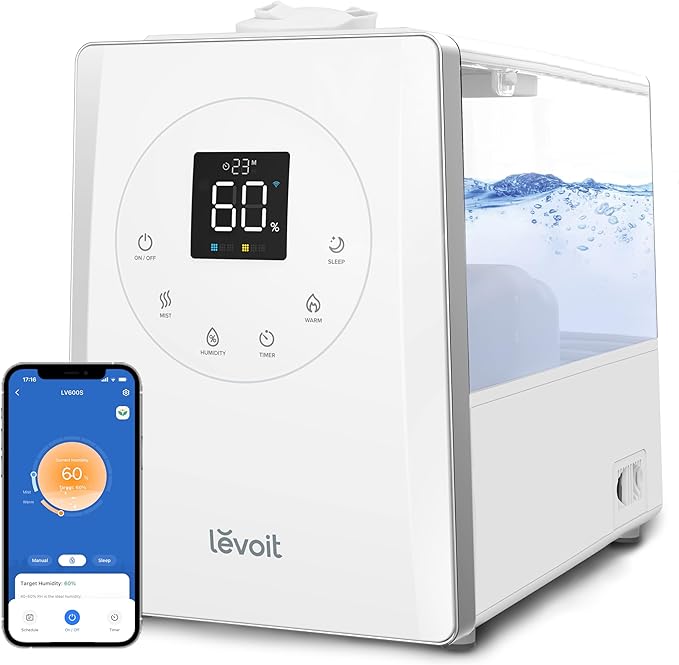
Best Humidity Control: Levoit LV600S Smart Humidifier
Levoit LV600S Smart Humidifier
(Current Price, subject to change)
The Levoit LV600S earns an 8.0/10 consensus score — Wirecutter's top pick for smart humidifiers. The 6-liter tank covers up to 753 sq ft and runs 50+ hours on low mist, meaning most users refill just twice a week. Both warm and cool mist modes make this a year-round device — warm mist for winter comfort, cool mist for summer dry spells.
WiFi control through the VeSync app lets you set target humidity levels that the Levoit LV600S maintains automatically. Alexa and Google Assistant voice control means quick adjustments without opening the app. For homes with a smart thermostat with occupancy detection and scheduling, coordinating humidity with heating dramatically improves perceived comfort — 40-50% humidity at 68°F feels as warm as 72°F in dry air, saving heating energy.
What We Love
- 50+ hour runtime — the 6L tank means refilling just 2-3 times per week for most rooms
- Warm + cool mist — year-round versatility that single-mode humidifiers can't match
- Target humidity auto mode — set 45% and forget it, the sensor maintains it automatically
- Wirecutter's top pick — validated by the most trusted product review source for home devices
What Could Be Better
- Large footprint for the 6L tank — takes up significant floor or shelf space
- Ultrasonic technology can produce white mineral dust with hard water
- Essential oil tray is small and difficult to clean thoroughly
- No Apple HomeKit support — Alexa and Google only
The Verdict
The Levoit LV600S is the smart humidifier to buy if you're serious about whole-home comfort. Dry air is the most underrated comfort problem in heated homes — it causes cracked skin, respiratory irritation, and makes your smart thermostat raise the setpoint to compensate — and that means higher bills because dry air feels colder. At $90, the LV600S costs less than a single month of extra heating bills from compensating for dry air. Pair it with a GoveeLife air quality monitor to track humidity levels throughout the house.
"The Levoit LV600S stands out because it's actually easy to live with — the smart controls work reliably and the tank lasts days between refills." — Wirecutter
How does humidity affect heating costs?
Maintaining 40-50% relative humidity makes 68°F air feel like 72°F in dry air. The Levoit LV600S with its target humidity auto mode keeps your home in this sweet spot automatically. By raising humidity instead of raising the thermostat, you can lower your heating setpoint 2-4 degrees and maintain the same perceived comfort — saving roughly 3% on heating costs per degree.
Is an ultrasonic humidifier safe for hardwood floors and electronics?
Yes, with caveats. The Levoit LV600S in cool mist mode can deposit white mineral dust on nearby surfaces if you have hard water. Using distilled water eliminates this entirely. Warm mist mode boils the water first, which kills bacteria and reduces mineral output. Place the unit at least 3 feet from hardwood floors and electronics, and use the target humidity auto mode to prevent over-humidification.
Best Zone Control: Flair Smart Vent
Flair Smart Vent
(Current Price, subject to change)
The Flair Smart Vent earns a 7.2/10 consensus score as the only true room-by-room zone control system for existing HVAC. Each vent automatically opens and closes based on room temperature targets, directing conditioned air where it's needed and reducing waste in empty rooms. When paired with Ecobee Room Sensors or Flair Puck temperature sensors, the system creates DIY HVAC zoning that traditionally costs $2,000-$5,000 to install professionally.
The system requires a Flair Bridge ($99 separate) to connect vents to WiFi, plus at least one temperature sensor per room. The Flair Puck does double duty as a sensor and IR controller for mini-splits and window ACs. For homes with a smart thermostat that reads only the hallway temperature, the integration means your thermostat decisions are informed by room-level data rather than a single hallway reading.
What We Love
- Room-by-room zone control — the only consumer-grade system that redirects airflow per room without professional HVAC modification
- Thermostat integration — works with Ecobee, Nest, and Honeywell for coordinated whole-home climate
- Multiple vent sizes — fits standard floor, wall, and ceiling registers (4x10 through 6x14)
- Battery or wired power — flexible installation, batteries last 1-2 years
What Could Be Better
- Requires Flair Bridge ($99) plus Puck sensors ($119 each) — system cost adds up fast
- Cloud-dependent with no local control fallback — WiFi outage means vents stay in last position
- 3.8/5 Amazon rating suggests reliability frustrations for some users
- Backpressure concerns if too many vents close simultaneously on undersized HVAC systems
The Verdict
The Flair Smart Vent is the right solution for homes with chronic hot/cold room problems that a single-zone smart thermostat alone can't fix. The investment is significant — a 5-room system with bridge and sensors runs $800-$1,000 — but it's still 50-75% cheaper than professional HVAC zoning. Start with 1-2 problem rooms to test before committing to whole-home. Pair with a Dreo ceiling fan in the worst room for maximum impact.
"The Flair smart vents are the best option for whole home smart vent installations — currently the only whole home smart vent system." — The Smart Cave
How many Flair Smart Vents do I need for a typical home?
Start with the worst 1-2 rooms. Each room needs at least one Flair Smart Vent ($129 per vent) plus a Flair Puck temperature sensor ($119) or compatible Ecobee Room Sensor ($40). The system requires one Flair Bridge ($99) for the whole house. A 5-room system costs roughly $800-$1,000 total — significant, but 50-75% less than professional HVAC zoning installation.
Can Flair Smart Vents damage my HVAC system?
The system includes backpressure protection that prevents too many vents from closing simultaneously, which could strain your HVAC blower. However, HVAC professionals recommend keeping at least 60% of vents open at all times. The Flair app monitors system pressure and automatically adjusts, but undersized HVAC systems may experience issues with aggressive zoning.
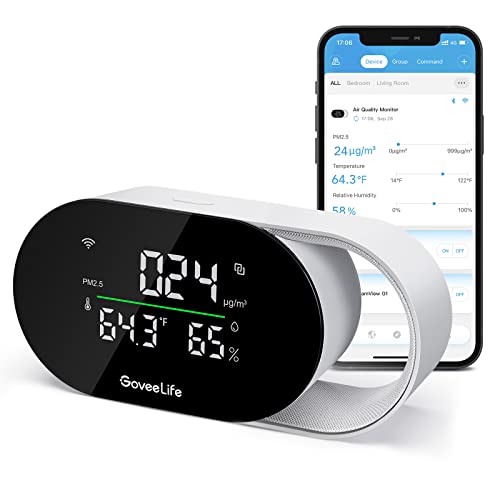
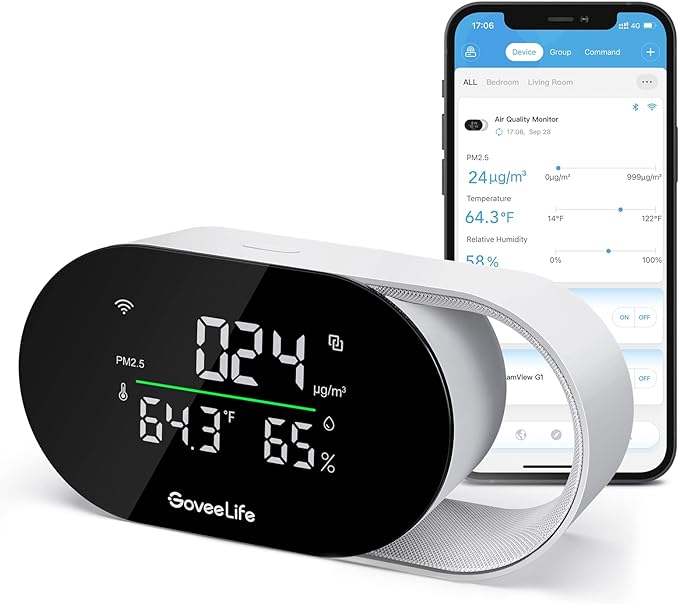
Best Air Monitoring: GoveeLife Smart Air Quality Monitor
GoveeLife Smart Air Quality Monitor
(Current Price, subject to change)
The GoveeLife Smart Air Quality Monitor tracks the four metrics that matter most for indoor comfort and health: PM2.5 particulate matter, CO2 levels, temperature, and humidity. At $50, it's the most affordable way to understand what your home's air actually looks like — and the data often reveals problems you'd never notice otherwise.
High CO2 levels (above 1,000 ppm) cause drowsiness and reduced concentration — a common problem in bedrooms and offices with poor ventilation. PM2.5 spikes during cooking, wildfires, or when HVAC filters need replacement. The Govee Home app tracks trends over time and sends alerts when levels cross unhealthy thresholds. For homes with smart thermostats with Alexa/Google routines and fans, this data informs when to circulate air versus when to seal up.
What We Love
- 4-in-1 monitoring — PM2.5, CO2, temperature, and humidity in one compact device
- $50 price — cheapest comprehensive air quality monitor with WiFi and app support
- Trend tracking — historical graphs reveal patterns (cooking PM2.5 spikes, nighttime CO2 buildup)
- Alexa/Google alerts — voice-triggered readings and automated fan/purifier control via routines
What Could Be Better
- eCO2 sensor is estimated (VOC-based), not true NDIR CO2 measurement
- No Apple HomeKit support
- Small display hard to read across the room
- Calibration can drift over time — occasional outdoor reset recommended
The Verdict
The GoveeLife Smart Air Quality Monitor is the diagnostic tool every smart home climate system needs. You can't optimize what you can't measure — and most homeowners have no idea their bedroom CO2 hits 2,000+ ppm overnight or their kitchen PM2.5 spikes to 150+ during cooking. At $50, it pays for itself by telling you when to run fans, when to open windows, and when your smart thermostat's HVAC filter reminder needs replacement. The Levoit LV600S humidifier pairs perfectly — use the Govee to monitor humidity and the Levoit to control it.
"GoveeLife's air quality monitor packs PM2.5, CO2, temperature, and humidity into one affordable package that actually works with your smart home." — Tom's Guide
Is the GoveeLife CO2 reading accurate?
The GoveeLife monitor uses an eCO2 sensor that estimates CO2 from volatile organic compounds (VOCs), not a true NDIR CO2 sensor. This means readings can be influenced by cooking fumes, cleaning products, and other VOCs that aren't actually CO2. For most home use — identifying stuffy rooms and ventilation problems — the eCO2 reading is directionally useful. For lab-grade accuracy, you'd need a true NDIR sensor like the Aranet4 ($200+).
Where should I place an air quality monitor?
For the most actionable data, place the GoveeLife monitor in the room where you spend the most time — typically the bedroom (overnight CO2 monitoring) or main living area. Avoid placing it near windows (outdoor air skews readings), HVAC vents (direct airflow gives false readings), or in the kitchen (cooking constantly triggers PM2.5 alerts). At $50 per unit, monitoring 2-3 rooms is affordable for most households.
When NOT to Buy Beyond-Thermostat Climate Devices
- Skip smart vents if you have a single-zone, well-balanced HVAC system — if every room is within 2°F of your thermostat reading, zone control won't improve comfort meaningfully. The $800+ Flair investment is better spent on insulation or air sealing.
- Skip a smart ceiling fan if your rooms already have adequate airflow — ceiling fans help most in rooms with high ceilings (9'+) or poor air circulation. A room with good cross-ventilation from windows may not benefit.
- Skip a humidifier if you live in a humid climate — the Gulf Coast, Southeast, and Pacific Northwest rarely need supplemental humidity. Check your indoor humidity with the GoveeLife monitor first — if it's consistently above 40%, a humidifier is unnecessary.
- Skip air quality monitoring if you have a modern HVAC with MERV-13 filters — high-efficiency filtration already handles most particulate concerns. The monitor is most valuable in older homes, near wildfires, or in homes with gas cooking.
Frequently Asked Questions
How do smart vents fix hot and cold rooms without replacing your HVAC system?
Flair Smart Vents ($90/each) replace standard floor or ceiling registers and use motorized dampers to redirect airflow toward occupied rooms. When paired with a smart thermostat, they reduce HVAC short cycling by up to 34% — the compressor runs longer at lower intensity instead of blasting all zones equally. Smart vents can reduce heating and cooling costs 15-30% through targeted airflow. A typical 3-bedroom setup needs 6-8 vents ($540-720) — significant upfront cost, but the energy savings payback period is 2-3 years. This is the most cost-effective way to add zone control without professional HVAC zoning ($2,000-5,000).
What climate devices should I add after a smart thermostat?
Layer in this order for maximum impact: 1) Smart ceiling fan ($150-250) — reduces perceived temperature 4-6°F, letting you raise AC from 72°F to 76°F while maintaining comfort. 2) Smart humidifier ($50-100) — maintains 40-60% humidity in winter for health and comfort, preventing dry skin and static. 3) Smart vents ($90/each) — fix specific hot/cold rooms without HVAC modifications. 4) Air quality monitor ($40-70) — tracks PM2.5, humidity, and temperature for automation triggers. The Dreo Smart Ceiling Fan and Levoit Humidifier together cost $270 and deliver immediate comfort improvements.
Do smart ceiling fans actually reduce energy costs?
Yes — a smart ceiling fan running at medium speed costs approximately $0.01/hour in electricity while reducing perceived temperature 4-6°F. This lets you raise your AC thermostat by 4-6 degrees, saving 10-15% on cooling costs. The Dreo CLF521S ($200) with its DC motor uses 70% less energy than traditional AC motor fans, and its smart scheduling turns on automatically when room temperature rises above your comfort threshold. Annual savings range from $50-150 depending on climate zone, meaning the fan pays for itself within 1-3 cooling seasons.
What's the best first climate upgrade after a smart thermostat?
A smart ceiling fan like the Dreo CLF521S ($200) delivers the biggest immediate impact — 10-15% cooling savings plus improved comfort. If dry winter air is your primary issue, the Levoit LV600S humidifier ($90) is the better first buy. For chronic hot/cold rooms, start with 1-2 Flair Smart Vents in the worst room.
Do these devices work together as a system?
Yes — and they're more effective as a system than individually. The GoveeLife monitor tells you when humidity is low, triggering the Levoit humidifier via Alexa routines. The Flair Smart Vents direct conditioned air to occupied rooms while the Dreo ceiling fan circulates it efficiently. Together with a smart thermostat that schedules heating and cooling around your routine, this stack covers all five climate dimensions: temperature, humidity, airflow, zone control, and air quality.
How much can I realistically save with a full smart climate system?
A complete system — smart thermostat with geofencing and energy reports ($250) + ceiling fan ($200) + humidifier ($90) + zone vents (2 rooms, $350) — costs roughly $900 total. Combined savings of 20-30% on heating and cooling are realistic for a 2,500 sq ft home, which translates to $400-$800/year depending on your climate and energy costs. Payback period: 1-2 years.
Do I need all four devices or can I start with one?
Start with whichever addresses your biggest comfort pain point. If you're uncomfortable but your bills are fine, the Dreo ceiling fan improves perceived comfort immediately. If bills are high but you're comfortable, Flair Smart Vents reduce wasted conditioning. If you have no data, the $50 GoveeLife monitor tells you exactly what to prioritize.
Can these devices replace my HVAC system?
No — these are supplements to your existing HVAC, not replacements. A smart thermostat with occupancy-based auto-scheduling controls when your heating and cooling runs. These four devices optimize how effectively that conditioned air serves your home. Think of them as force multipliers: the same HVAC system performs significantly better with smart airflow management, humidity control, and zone targeting.
What about smart portable AC units or space heaters?
Smart portable ACs and space heaters exist but are generally less efficient than optimizing your central HVAC. The exception is mini-split systems controlled by the Flair Puck ($119) — if you have ductless mini-splits, the Puck's IR control and scheduling can reduce energy waste significantly. For central HVAC homes, invest in zone control and fans before adding supplemental heating or cooling.
Who Should Buy What
- Best for reducing cooling costs: Dreo Smart Ceiling Fan CLF521S ($200) — whisper-quiet DC motor, lets you raise AC thermostat 4-6°F while maintaining comfort, saves 10-15%.
- Best for dry winter air and health: Levoit LV600S Smart Humidifier ($70) — app-controlled, covers 753 sq ft, auto humidity targeting.
- Best for fixing hot/cold rooms (zone control): Flair Smart Vent ($90/each) — redirects airflow to occupied rooms, reduces HVAC short cycling by up to 34%.
- Best for indoor air quality monitoring: GoveeLife Smart Air Quality Monitor ($40) — PM2.5, temperature, humidity with WiFi alerts.
- Best starting point: Add a smart thermostat with self-learning scheduling and energy reports first, then layer these devices for maximum savings.
The Bottom Line
For a deep dive on whether the Ecobee Premium justifies its cost, see our Ecobee price analysis. Your smart thermostat that cuts HVAC bills 10-23% with occupancy scheduling is just the starting point for whole-home climate control. The Dreo Smart Ceiling Fan CLF521S ($200) delivers the biggest single improvement in comfort and cooling efficiency. The Levoit LV600S ($90) solves the dry air problem that makes winters miserable. Flair Smart Vents ($129+) fix the hot/cold room problems your thermostat can't see. And the GoveeLife monitor ($50) gives you the data to optimize everything else. Together, they turn a basic HVAC system into a responsive, room-aware climate setup.
Sources & Methodology
Methodology: SmartHomeExplorer consensus scores aggregate ratings from 21 professional review sources (Wirecutter, CNET, PCMag, Tom's Guide, and others) into a single comparable number. Products are scored before affiliate links are added. Energy savings estimates cross-reference manufacturer claims with independent expert testing. HVAC efficiency data from DOE guidelines.
Expert review sources used in this analysis:
- Wirecutter — smart fan and humidifier reviews (2025)
- CNET — smart climate device testing (2025)
- PCMag — Dreo CLF521S review and testing (2025)
- Tom's Guide — smart home climate roundup (2025)
- Consumer Reports — smart AC controller testing (2025)
Evidence Summary
| Claim | Source Type | Source | Verified |
|---|---|---|---|
| Ceiling fans reduce perceived temp 4-6°F | DOE + expert testing | Department of Energy guidelines | March 2026 |
| Smart vents reduce HVAC short cycling by 34% | Manufacturer testing | Flair documentation + expert reviews | March 2026 |
| DC motor fans use 70% less energy than AC motors | Manufacturer spec | Dreo specifications | March 2026 |
| Smart vents save 15-30% on heating/cooling | Industry data | HVAC zoning studies | March 2026 |
| Consensus scores across 21 sources | Editorial analysis | SmartHomeExplorer methodology | March 2026 |
Author: Nicholas Miles is the founder of SmartHomeExplorer and a longtime smart home enthusiast focused on helping everyday homeowners make better technology decisions. He researches, compares, and writes about products across security, climate, lighting, leak prevention, sensors, home energy, and automation, with an emphasis on real-world usefulness, ecosystem compatibility, reliability, privacy, and long-term value. Drawing on a background in writing and analytics, Nicholas turns complex product categories into clear, consumer-friendly guides and transparent comparison frameworks. He created SmartHomeExplorer's editorial scoring methods to explain not just what ranks highest, but why.
Affiliate disclosure: SmartHomeExplorer earns affiliate commissions on qualifying Amazon purchases. Our scoring methodology is independent of affiliate relationships.