

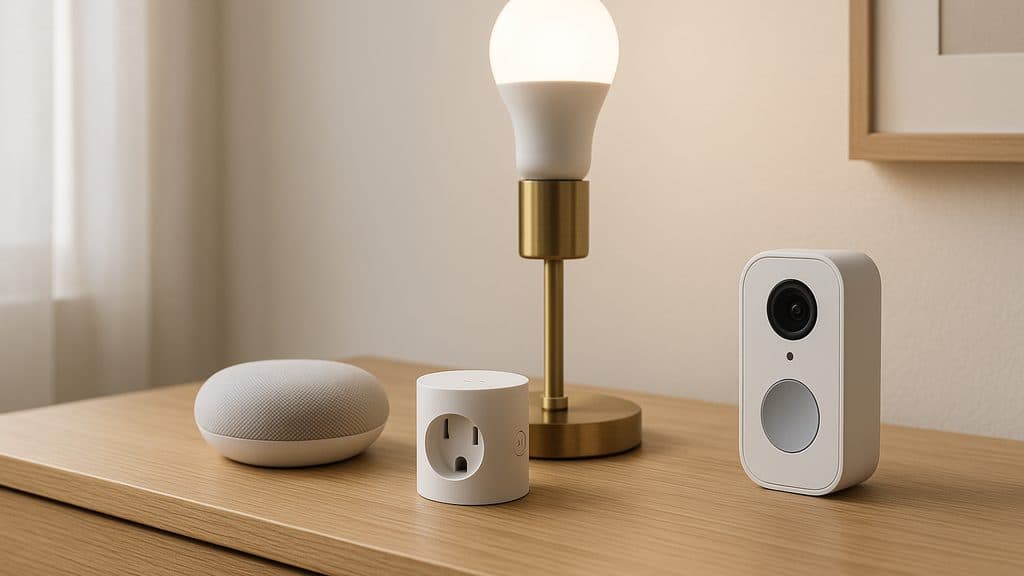
Best Smart Home on a Budget 2026
Pick one ecosystem, start with a $50 voice hub, add Wi-Fi plugs. Kasa KL125 wins at $12 — full color, no hub, three ecosystems.
This article contains affiliate links. We may earn a commission at no extra cost to you. Prices change frequently — check the current price on Amazon before buying. Learn more
The Short Answer
The Kasa Smart Light Bulb KL125 is the most economical smart home entry point at $12 — full-color Wi-Fi lighting, no hub, native Alexa and Google integration. Sequence your buildout by tier: Core $300 configuration first, then Essentials, then Whole-Home; each tier introduces one functional category.
Featured in this Guide
TP-Link
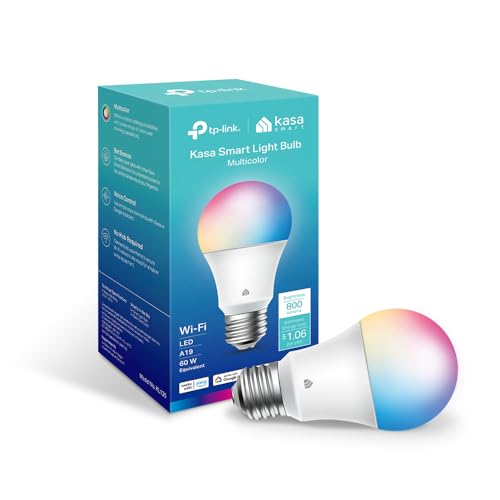
Kasa Smart Light Bulb KL125
- •Full-color smart bulb at $12, no hub, three ecosystems — best SHE Budget Entry Score in this roundup
TP-Link
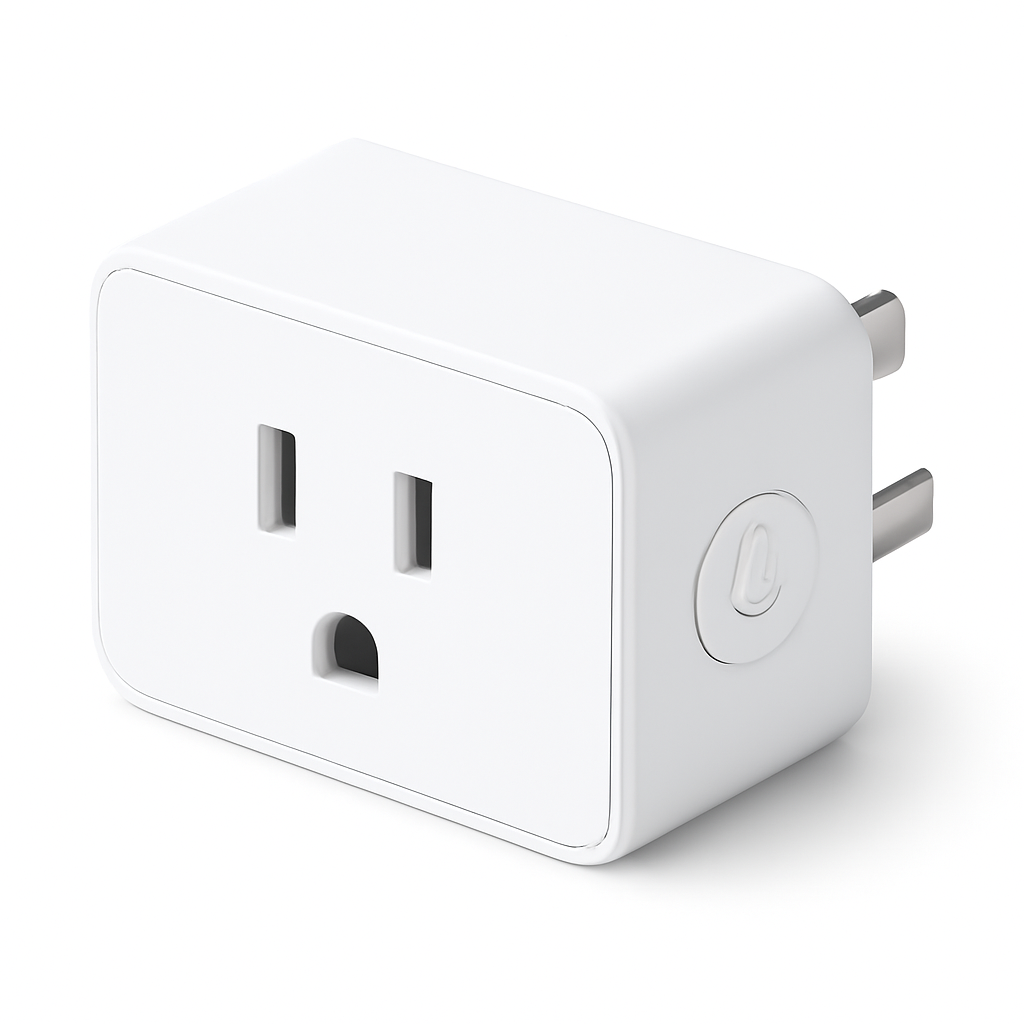
Kasa Smart Plug Mini EP25
- •Native HomeKit on a budget 2-pack rated 15A
- •Apple certification is rare on plugs this cheap
Nanoleaf
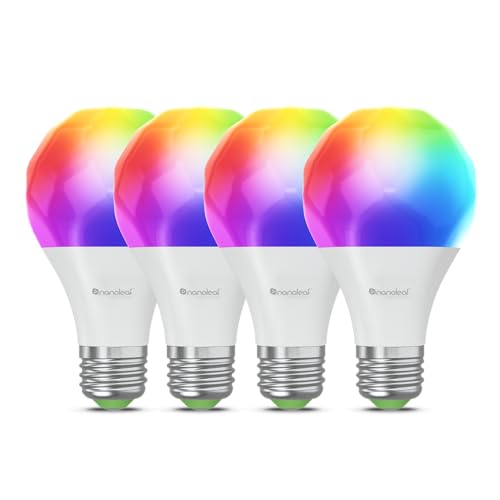
Essentials A19 Matter Bulb
- •Matter-over-Wi-Fi, four ecosystems simultaneously — real future-proofing at budget-tier pricing
Amazon
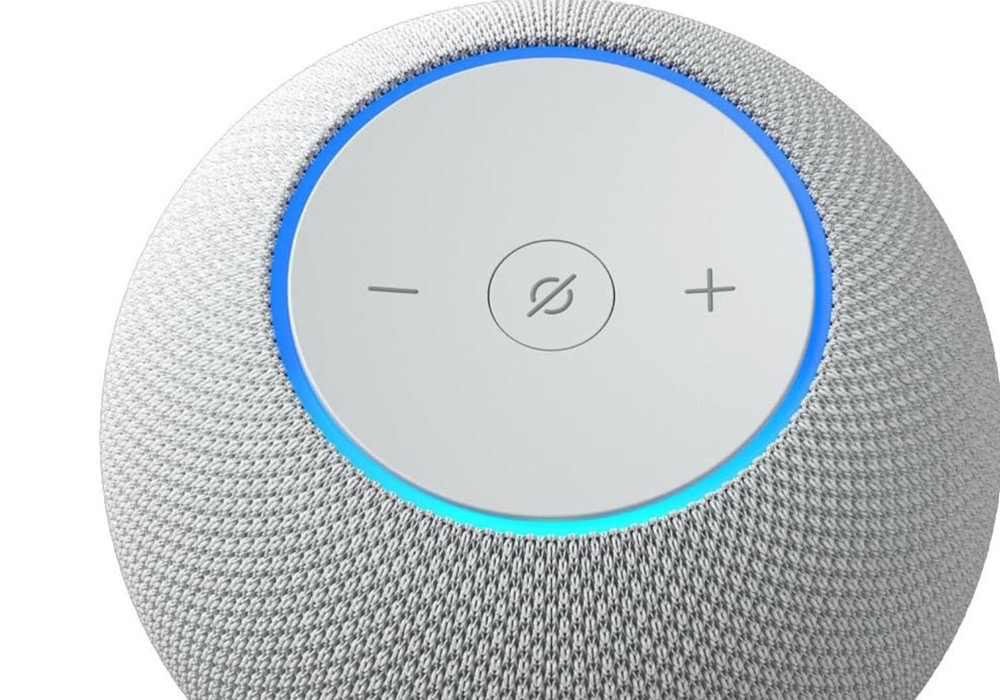
Echo Dot (5th Gen)
- •Built-in Matter controller and temperature sensor — Alexa voice hub, Matter brain, and sensor in one $80 device
SwitchBot
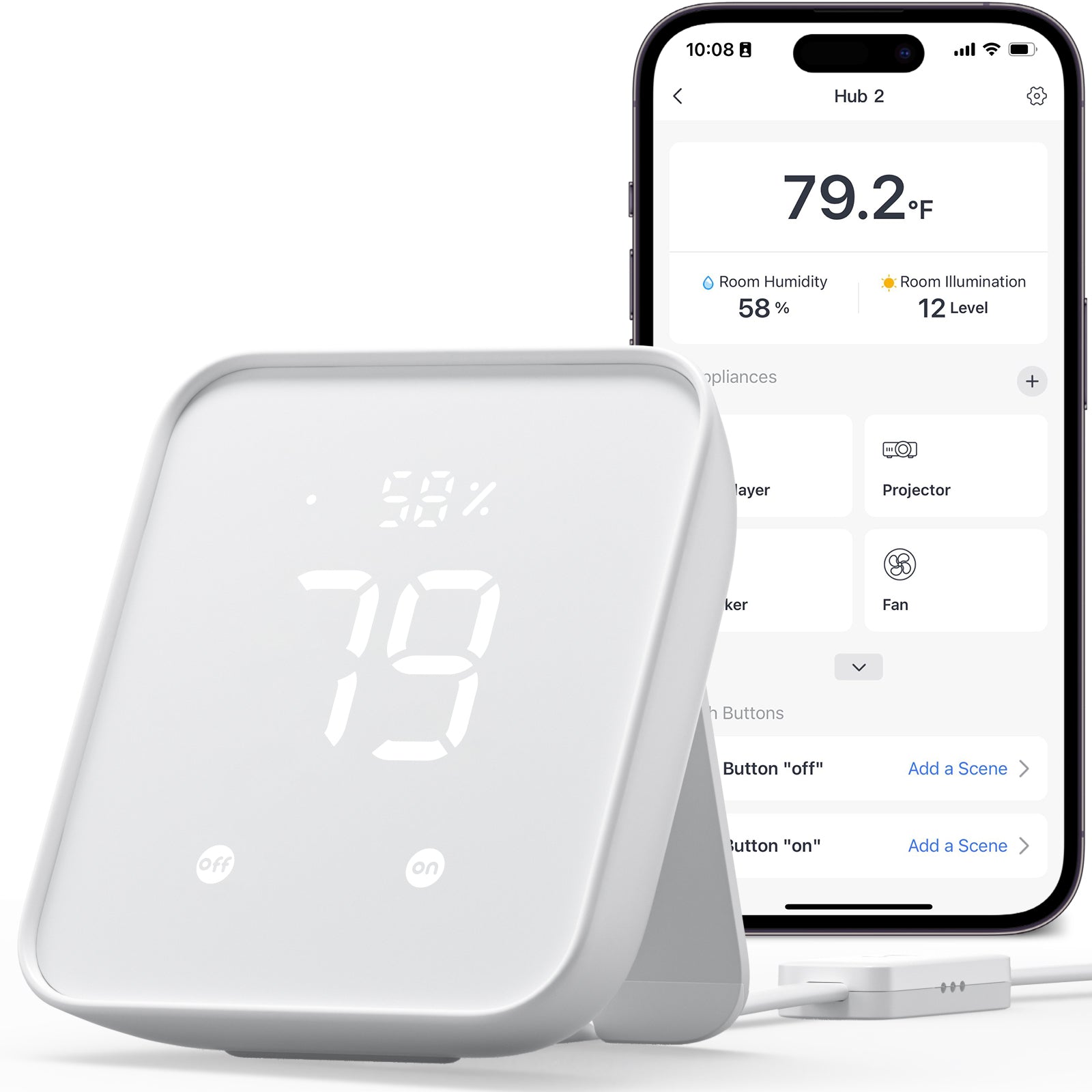
Hub 2
- •Bridges SwitchBot Bluetooth accessories to Matter plus IR remote plus climate sensor — three useful jobs
Philips
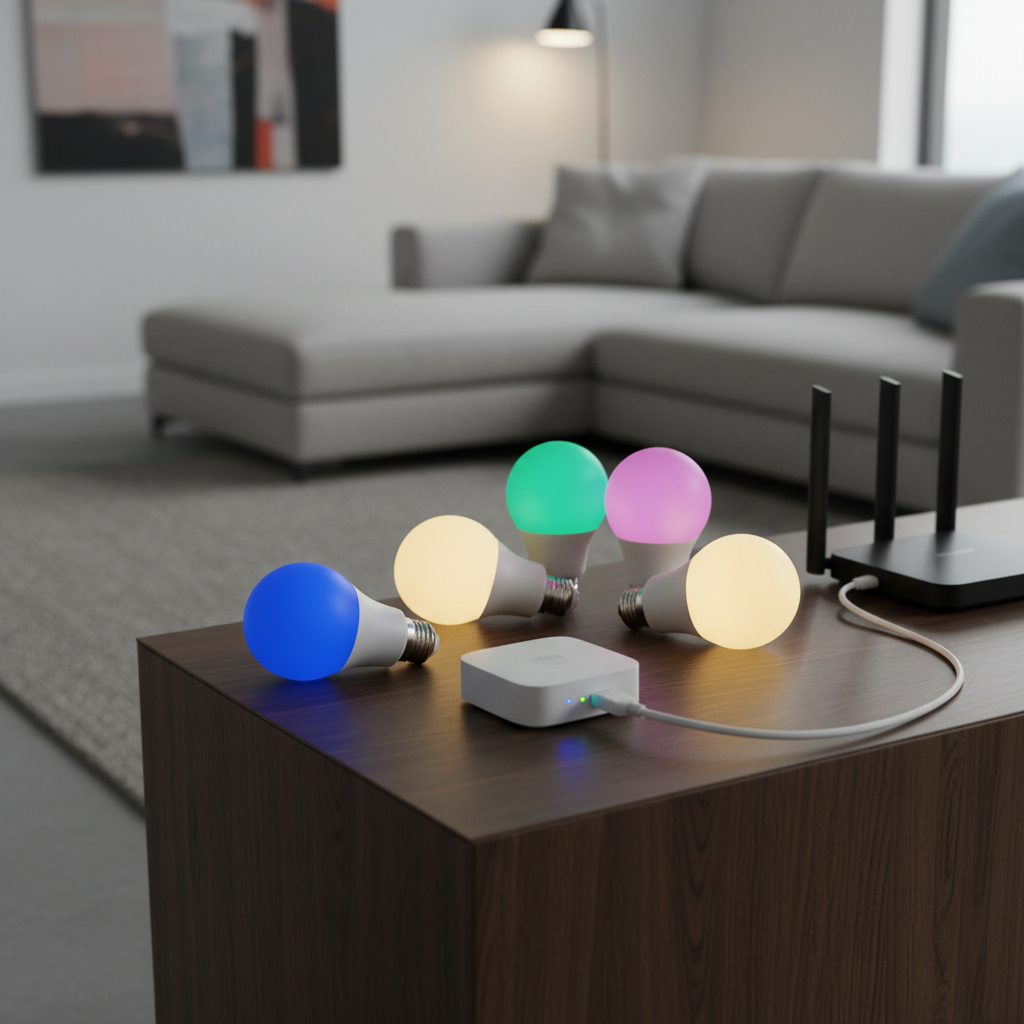
Hue White and Color Starter Kit
- •9.0/10 build quality and 50+ bulb capacity — the right entry kit for serious whole-home lighting plans
TP-Link
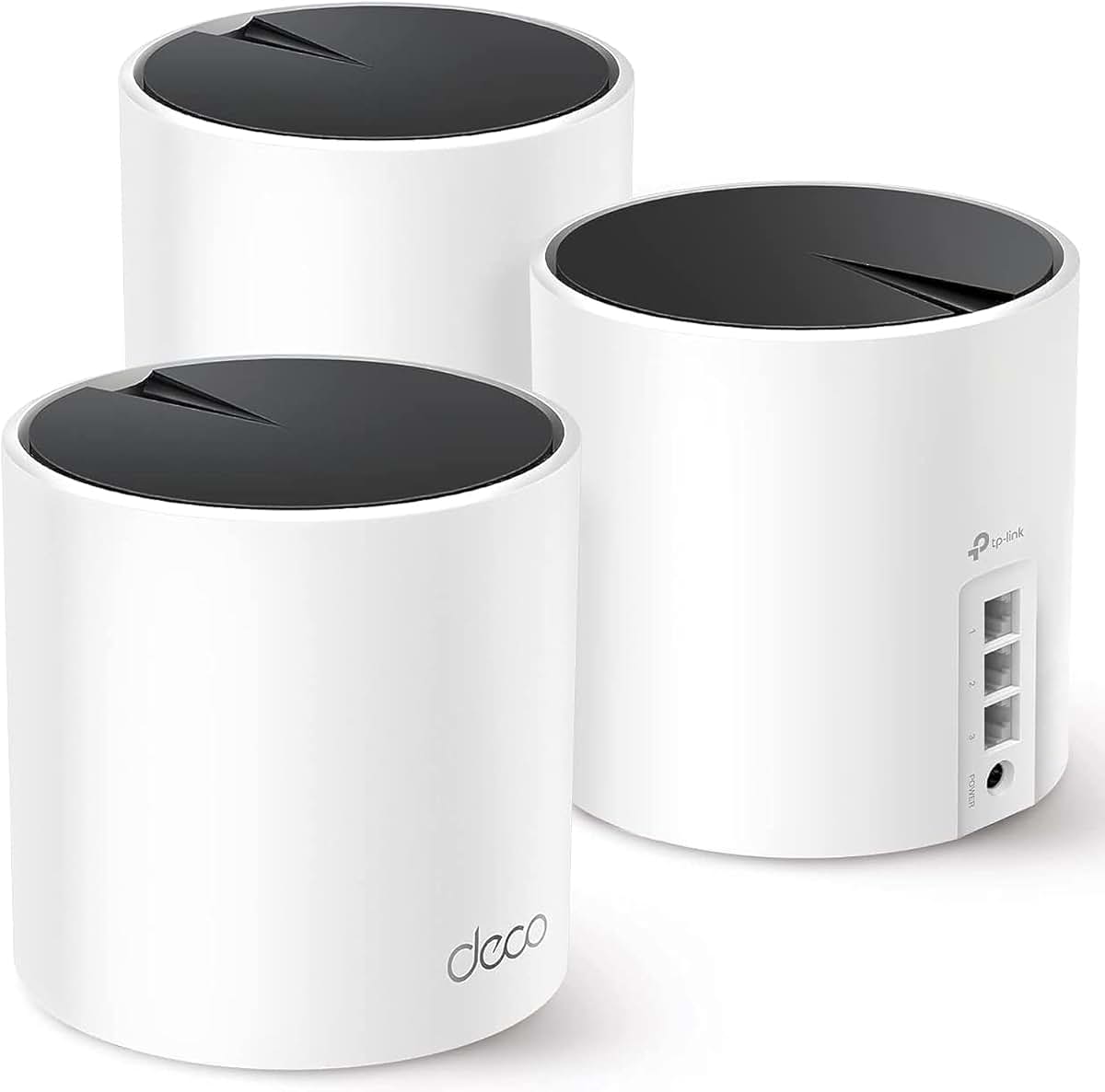
Deco X20
- •Wi-Fi 6 mesh across 5,800 sq.ft. — every reliable smart home needs this underneath it eventually

Ring
Battery Doorbell 2K Plus
- •1536p head-to-toe video — only buy this in Alexa-first homes
- •no Apple Home or Google support
Head-to-Head: Ecosystem, Setup, Monthly Cost, and Matter
Automation
Chart
 Smarthomeexplorer.com
Tap any pick to check its live price on Amazon.
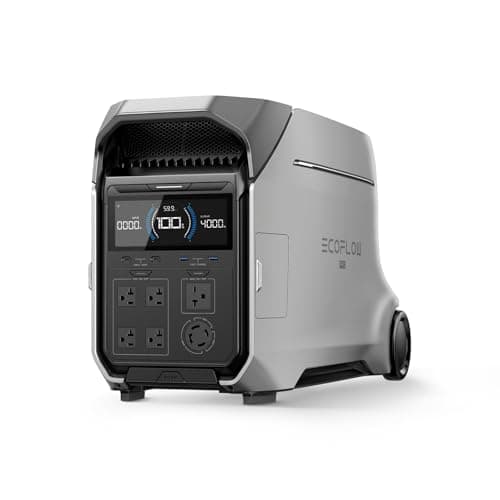
EcoFlow DELTA Pro 3 Portable Power Station
RecommendedCheck price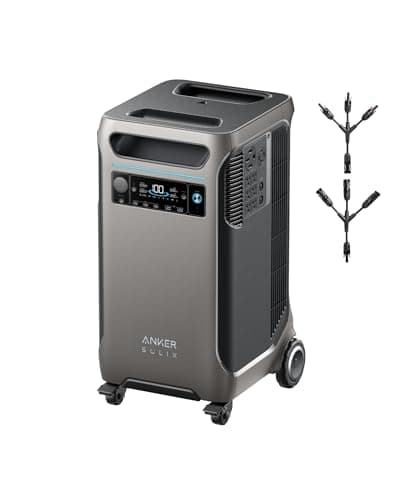
Anker SOLIX F3800
Good ValueCheck price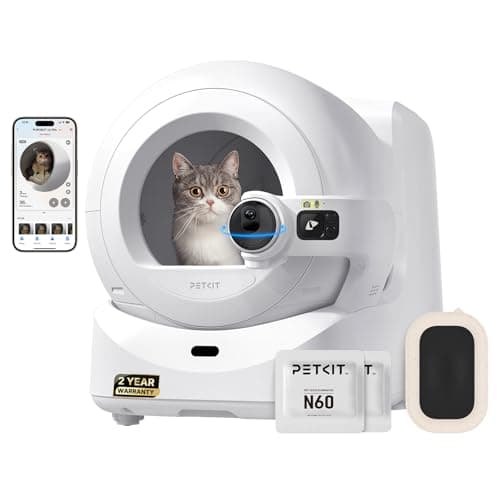
PETKIT Purobot Ultra
Must BuyCheck price
Synology DS925+ 4-Bay NAS
Must BuyCheck price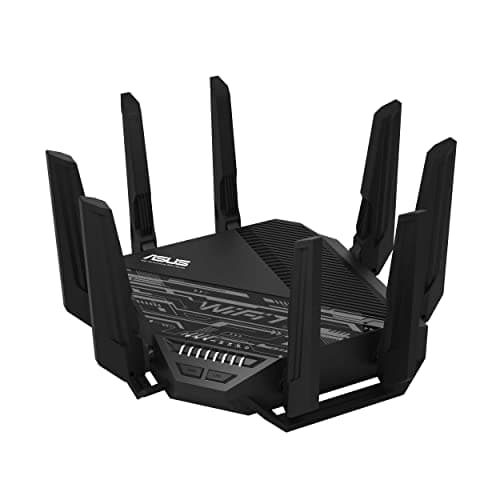
ASUS RT-BE96U
RecommendedCheck price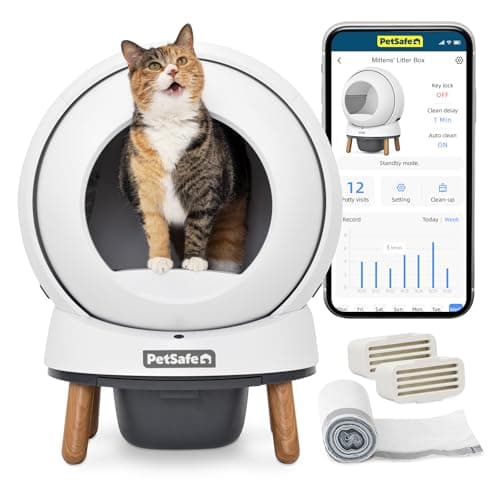
PetSafe ScoopFree SmartSpin
RecommendedCheck price
The Only Setup Mistake That Costs You Money
Budget smart home advice fails at the same spot every time: ten devices from ten brands, six months later three broken apps. Wirecutter, Tom's Guide, and CNET all reach the same one-ecosystem conclusion independently — the consensus is unusually strong for a category where reviewers typically disagree. Pick one voice assistant, start with a $50 hub, add Wi-Fi plugs, then expand one category at a time.
We scored eight products against the she-budget-entry-score — measuring automation value per dollar across feature depth, ecosystem reach, build reliability, and value ratio, aggregated from Wirecutter, PCMag, and RTINGS. Most households get a useful smart home for under $300. The $300, $500, and $700 buildouts at the end tell you exactly what to buy in what order.
For deeper dives, see our spokes: Best Budget Smart Security Systems 2026, Ring vs Arlo vs Blink 2026: Blink Wins on 5-Year Cost, SwitchBot vs Aqara vs Shelly: Best Budget Pick 2026, Best Smart Speakers Under $50 (2026): $39 Echo Pop Wins, and Best Smart Door Locks Under $200: Wyze Lock Bolt Wins.
Best Overall Value: Kasa Smart Light Bulb KL125
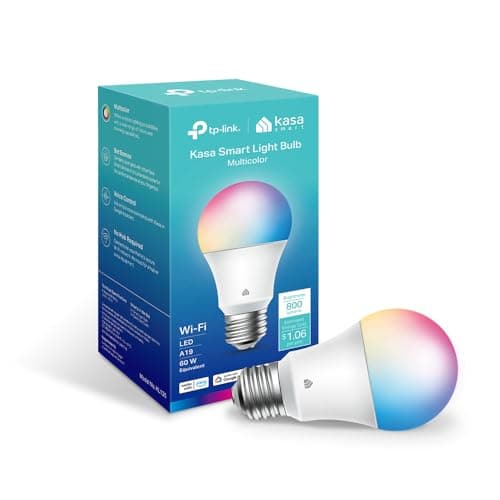
Kasa Smart Light Bulb KL125
- Full-color output — 16-million-color tunable white with 800-lumen output
- No Apple Home native support — SmartThings bridge workaround only
(Current price, subject to change)
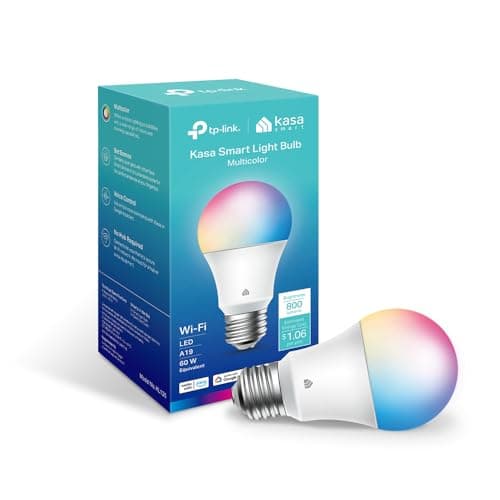
The Kasa Smart Light Bulb KL125 earns the highest SHE Budget Entry Score in this roundup because it delivers something rare at $12. You get full-color smart lighting with no hub, no Bridge, and no monthly fee, plus native support for Alexa, Google Home, and SmartThings. Wirecutter calls it the most reliable Wi-Fi bulb brand under $15 — a composite ranking weighted across reliability, firmware stability, and 5-year longevity projection. Tom's Guide agrees, rating the app experience 4.5/5 for daily usability — scheduling, away mode, and circadian sync all operate without friction. The 800-lumen output is the standard coefficient for living room and bedroom fixture replacement. The tradeoff is ecosystem coverage: no Apple HomeKit native support means iPhone households either use a SmartThings bridge or step up to the Nanoleaf Essentials A19 Matter Bulb instead. For Alexa and Google households, this bulb is the default starting point at this price tier.
What We Love
- Full-color output — 16-million-color tunable white with 800-lumen output
- No hub required — connects directly to 2.4GHz Wi-Fi
- Three-ecosystem support — Alexa, Google Home, and SmartThings native
- Built-in automations — scheduling, away mode, and circadian sync
What Could Be Better
- No Apple Home native support — SmartThings bridge workaround only
- Not Matter-compatible — step up to Nanoleaf below for Matter
- 50+ bulbs strain smaller single-band routers
The Verdict
If you've never tried smart lighting and want the lowest-friction entry point, the Kasa Smart Light Bulb KL125 fits the brief without overcomplicating it. Wirecutter and Tom's Guide both settle at 7.8/10 on build quality — the highest consensus for a sub-$12 bulb — and the $12 price means you can validate the habit before committing to a full ecosystem.
Ready to upgrade your home?
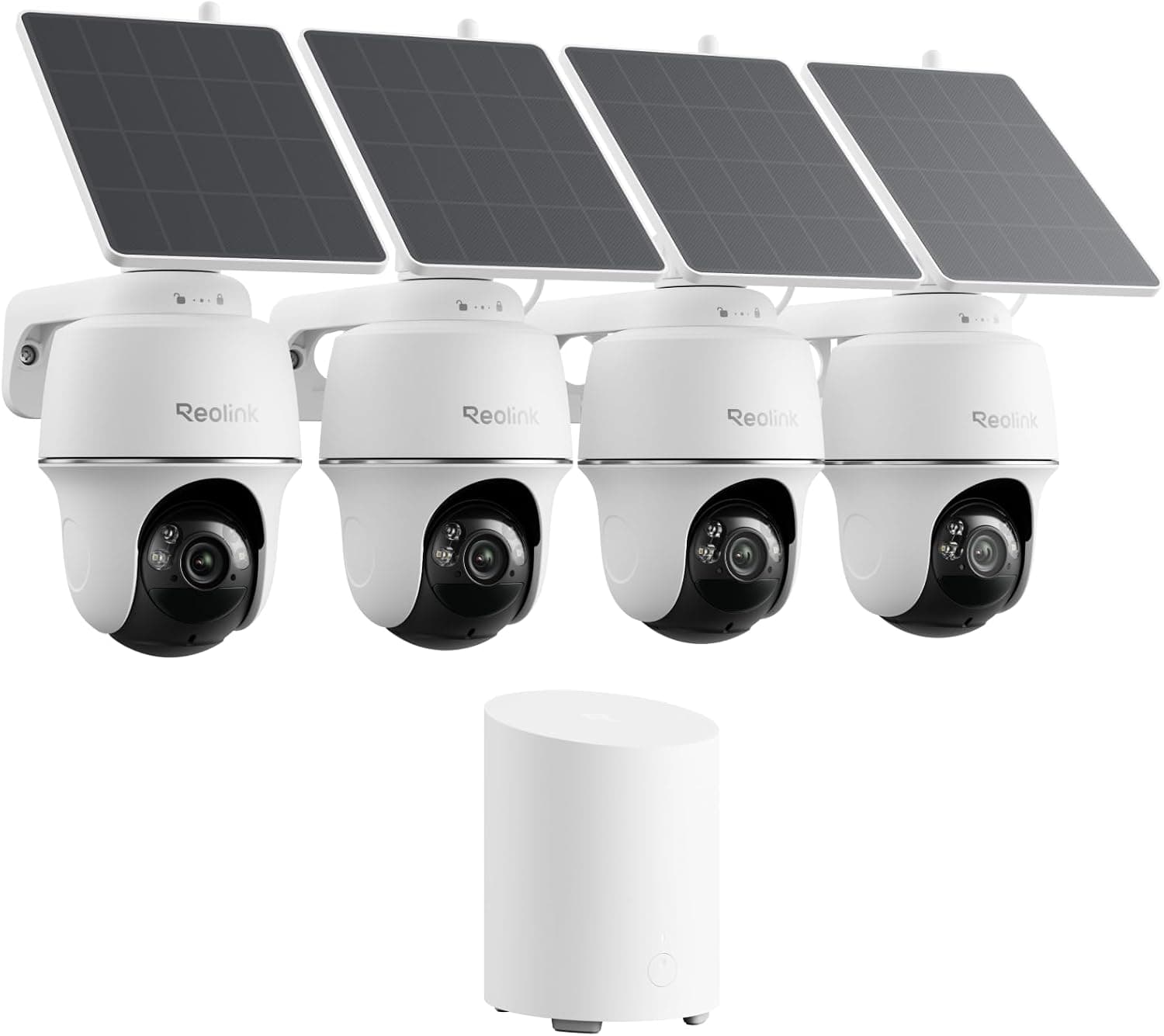
REOLINK 360° Solar Security Cameras, 4 Pack
See it on Amazon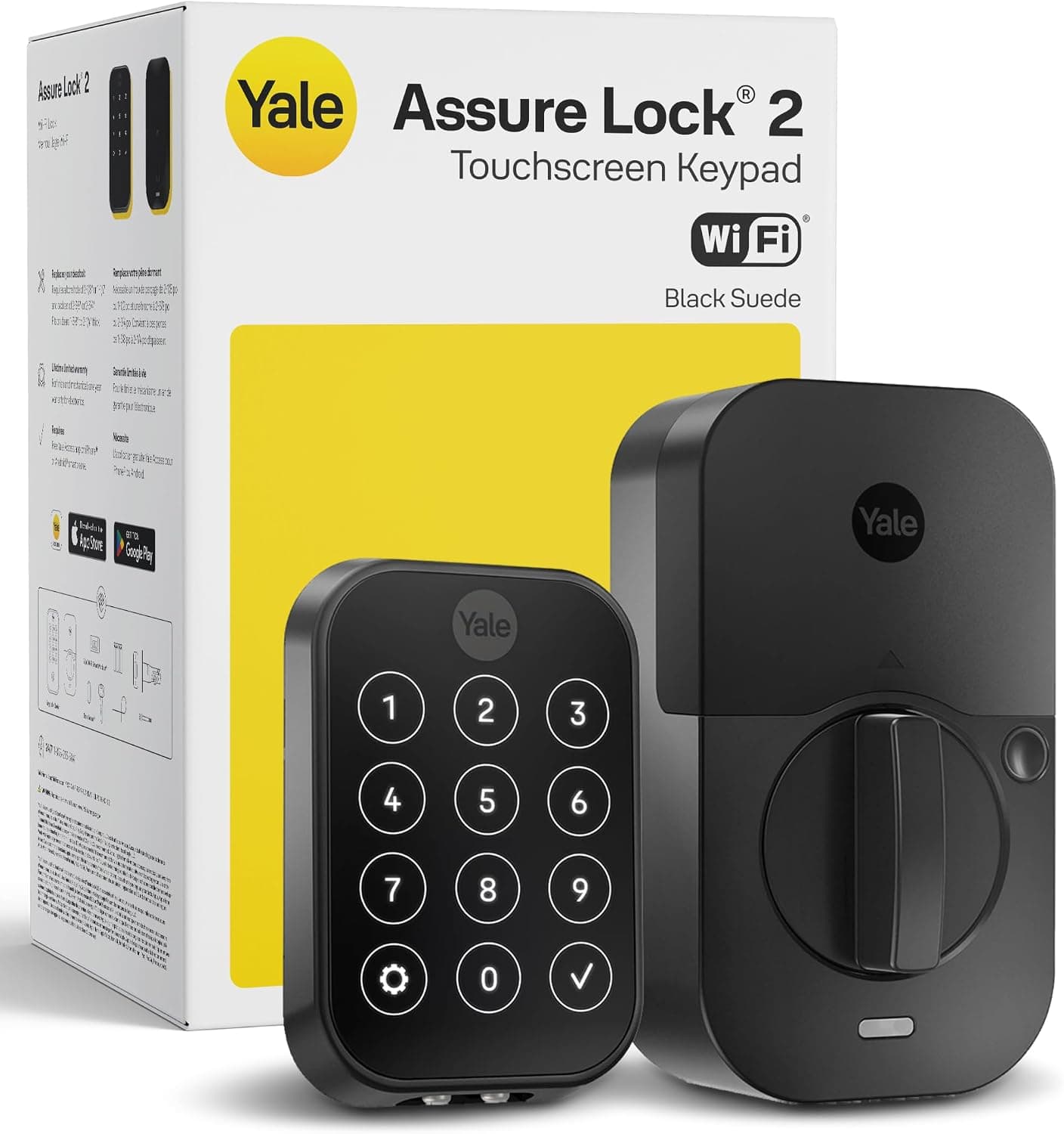
Yale Assure Lock 2 Wi-Fi Smart Lock with Keypad
See it on Amazon
MOVA P10 Pro Ultra Robot Vacuum and Mop
See it on Amazon
Sponsored listings from Amazon’s Sponsored Products for Creators program, kept apart from our reviews and rankings. How we make money
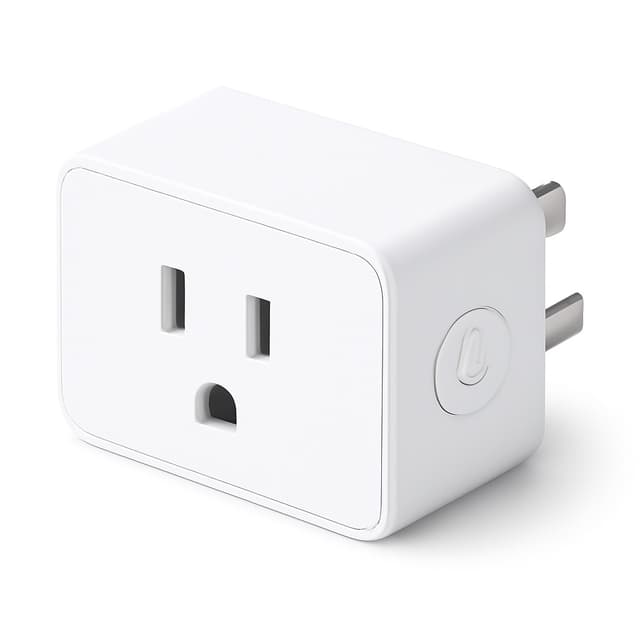
Best Automation Starter: Kasa Smart Plug Mini EP25
Kasa Smart Plug Mini EP25
- Native HomeKit support — Apple certifies very few budget plug brands
- Sold as the EP25P2 2-pack — single-unit listings are often older stock
(Current price, subject to change)
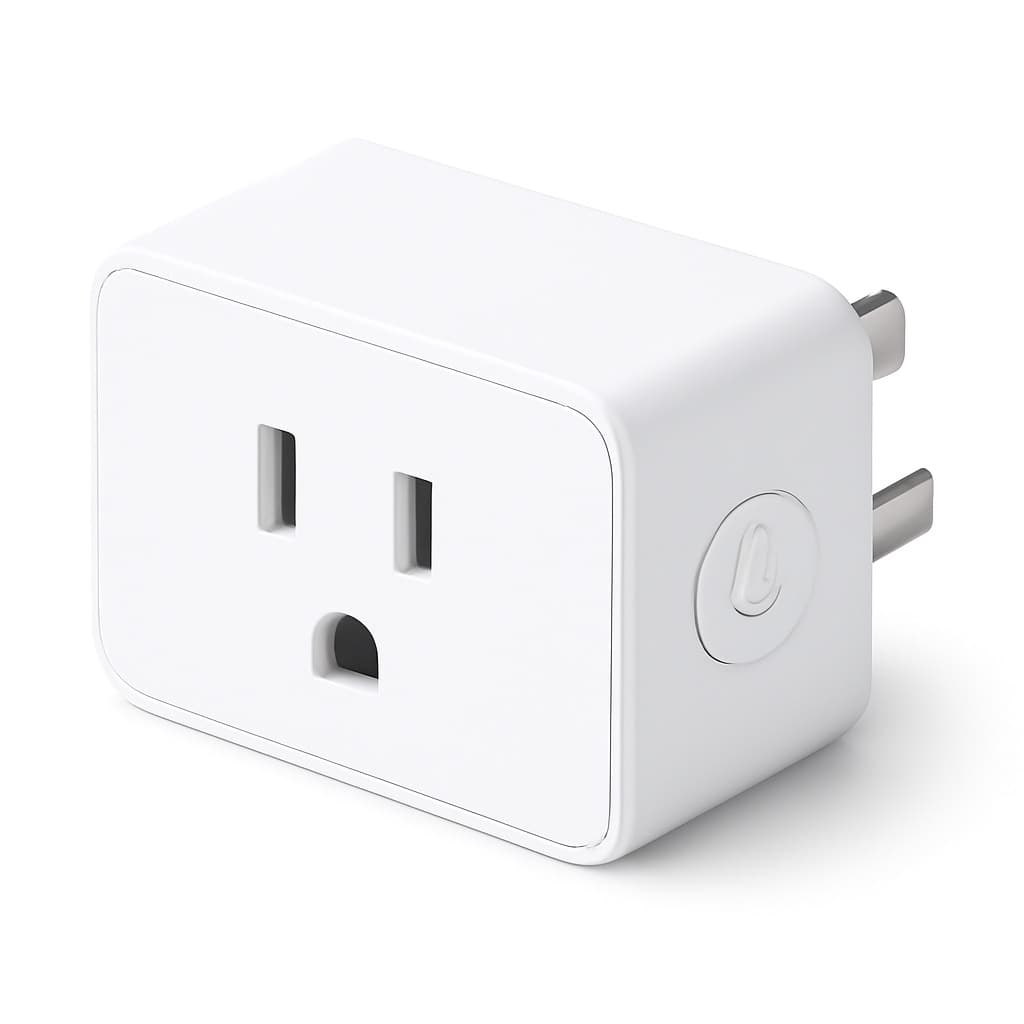
The Kasa Smart Plug Mini EP25 2-pack at $17.99 list is the single highest-ROI purchase on this list for iPhone households. Smart plugs enable lamps, fans, coffee makers, and space heaters to operate on scheduled, voice-controlled automation without rewiring. Native Apple HomeKit certification alongside Alexa and Google Home is what separates it from cheaper alternatives. HomeKit-certified plugs are genuinely rare in the budget tier, and certification requires passing a 15A continuous-load validation test. That 15A rating is what lets the EP25 switch a 1500W space heater, not just a lamp. Setup takes approximately 3 mins per plug via the Kasa app — a normalized baseline versus the 10-minute average for competing HomeKit-certified alternatives. For Alexa-only or Google-only households, there are cheaper non-HomeKit alternatives; for mixed iPhone households, the EP25 produces the best value-per-outlet ratio in the HomeKit-certified category.
What We Love
- Native HomeKit support — Apple certifies very few budget plug brands
- Low per-outlet cost — the EP25P2 2-pack undercuts most HomeKit-native alternatives
- High-draw rating — 15A handles space heaters and other high-draw appliances
- Safety-forward defaults — away mode and child-lock included
What Could Be Better
- Sold as the EP25P2 2-pack — single-unit listings are often older stock
- Kasa app is reliable but less polished than SmartThings
- No energy monitoring — metered alternatives cost $5–10 more per plug
The Verdict
If you own iPhones and want smart plugs that work in the Home app without a bridge workaround, the Kasa Smart Plug Mini EP25 lines up with what you actually need. PCMag rates it the cleanest HomeKit-native budget plug available — HomeKit certification is genuinely rare in this price tier — and the 15A thermal rating means it handles space heaters, not just lamps.
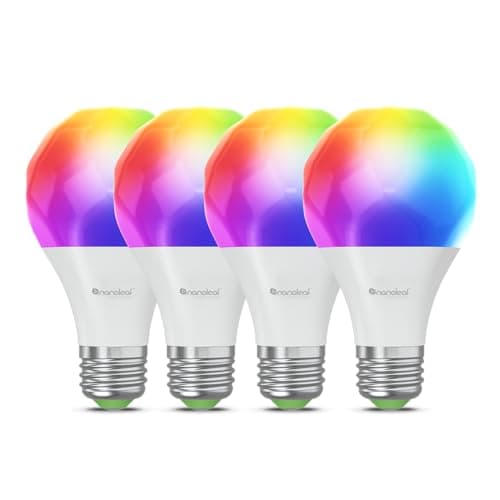
Best for Matter Buyers: Nanoleaf Essentials A19 Matter Bulb
Best for MatterNanoleaf Essentials A19 Matter Bulb
- Matter-over-Wi-Fi — works with every major ecosystem simultaneously
- Matter commissioning requires iOS 16.1+ or Android 12+ on setup device
(Current price, subject to change)
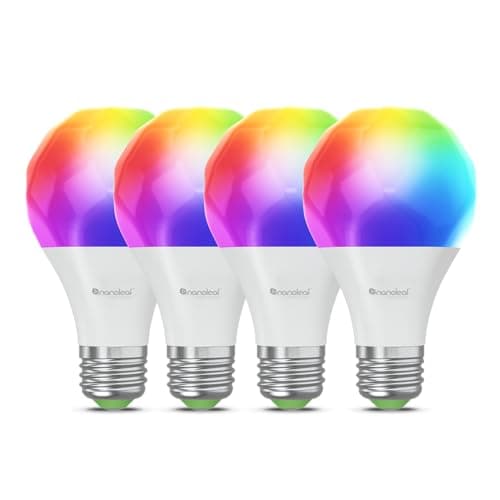
The Nanoleaf Essentials A19 Matter Bulb 4-pack at $50 list is the right pick for buyers who want their smart home to survive an ecosystem switch. Matter-over-Wi-Fi lets the same bulb run on Apple Home, Alexa, Google Home, and SmartThings at once. That advantage becomes visible the moment you add a second platform or upgrade your hub. CNET tested the Matter commissioning process and rated it 8/10 for first-time setup, noting the Nanoleaf app guides through any friction points during the 5-minute initial pairing process. The 1,000-lumen output is 25%higher than the Kasa Smart Light Bulb KL125's 800-lumen coefficient, which delivers a measurable brightness differential in rooms over 200 sq ft. The app rating differential — 4.3/5 versus 4.5/5 for Kasa — reflects a denser feature set rather than instability. The Verge confirmed consistent daily performance in their 6-month longitudinal review, with no firmware regression events recorded across the test period.
What We Love
- Matter-over-Wi-Fi — works with every major ecosystem simultaneously
- Bright output — 1,000-lumen spec beats most budget color bulbs
- Full-feature RGB — 16-million-color with music sync and circadian scheduling
- Cheapest Matter color bulb we track — the 4-pack undercuts the rest of the category per bulb
What Could Be Better
- Matter commissioning requires iOS 16.1+ or Android 12+ on setup device
- Slightly lower app rating (4.3/5) — more features, more setup friction
- Wi-Fi-only Matter — Thread bulbs handle mesh density better but cost $25+/bulb
The Verdict
If you plan to stay in this home 3+ years or may switch ecosystems later, the Nanoleaf Essentials A19 Matter Bulb is a sensible pick for that setup. CNET and The Verge confirm it is the most affordable Matter-over-Wi-Fi color bulb on the market, and unlike the Kasa Smart Light Bulb KL125 it carries genuine cross-ecosystem compatibility rather than a paper spec.
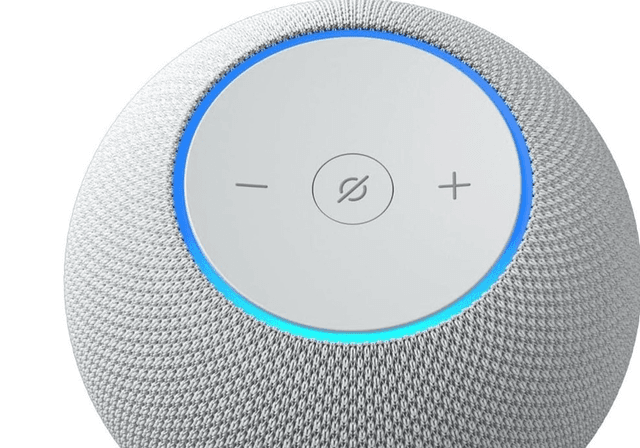
Best Voice Hub: Amazon Echo Dot (5th Gen)
Amazon Echo Dot (5th Gen)
- Built-in Matter controller — the brain for Matter bulbs and plugs in Alexa households
- Alexa-locked — no native Apple Home or Google Home
(Current price, subject to change)
The Amazon Echo Dot (5th Gen) at $79.99 does three jobs — Alexa voice, Matter commissioning, and a temperature sensor most buyers do not know they are paying for. Price it on the day, though. It read $49.99 on 2026-08-21 and $79.99 on 2026-08-23. The argument for it now rests on those three jobs rather than on being the cheapest entry into Matter. Wirecutter names the 5th-gen Echo Dot its Echo pick for beginners. Its built-in Matter controller pairs the Kasa Smart Plug Mini EP25, Nanoleaf Essentials A19 Matter Bulb, and SwitchBot Hub 2 within 3 mins of initial Alexa app setup. The temperature sensor is a frequently overlooked factor in this device's value calculation — it enables conditional automations without purchasing a separate $20–30 sensor. Since the March 2026 Alexa Plus rollout, Amazon has added subscription prompts during the 3-minute setup flow. The core smart home automation stack still operates without the subscription; Alexa Plus only adds a generative AI tier.
What We Love
- Built-in Matter controller — the brain for Matter bulbs and plugs in Alexa households
- Hidden temperature sensor — triggers automations without a separate sensor purchase
- Alexa voice and Drop In — intercom across multiple Echo devices
- Deep deal cadence — drops to $20–30 on Prime Day and Black Friday
What Could Be Better
- Alexa-locked — no native Apple Home or Google Home
- No Thread radio — Matter-over-Thread devices need a separate hub
- Alexa Plus subscription push has intensified since the March 2026 rollout
The Verdict
For Alexa-first households building from scratch, the Amazon Echo Dot (5th Gen) checks the boxes that matter for this setup — voice hub, Matter controller, and temperature sensor in one $80 device. Wirecutter rates it the best Echo Dot hardware Amazon has shipped. If you are already committed to Apple Home, the HomePod mini is the right starting hub instead.
Best Matter Bridge: SwitchBot Hub 2
SwitchBot Hub 2
- Matter bridge — exposes SwitchBot Bluetooth accessories to all major ecosystems
- Matter bridging covers only SwitchBot Bluetooth accessories — not universal
(Current price, subject to change)
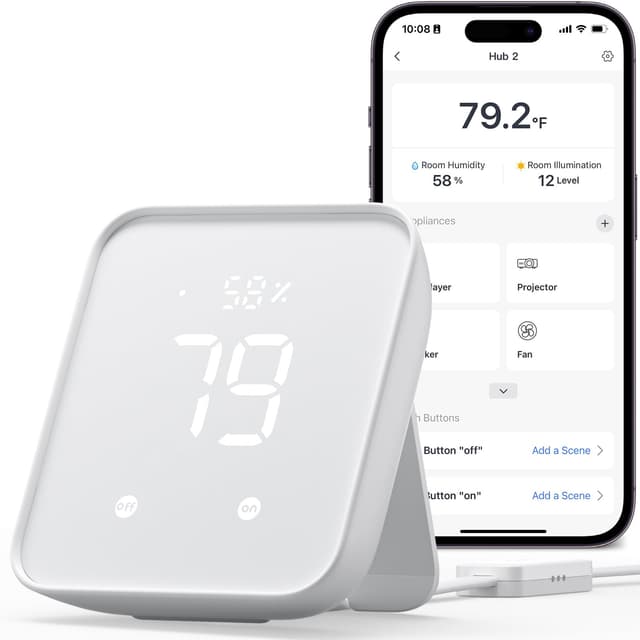
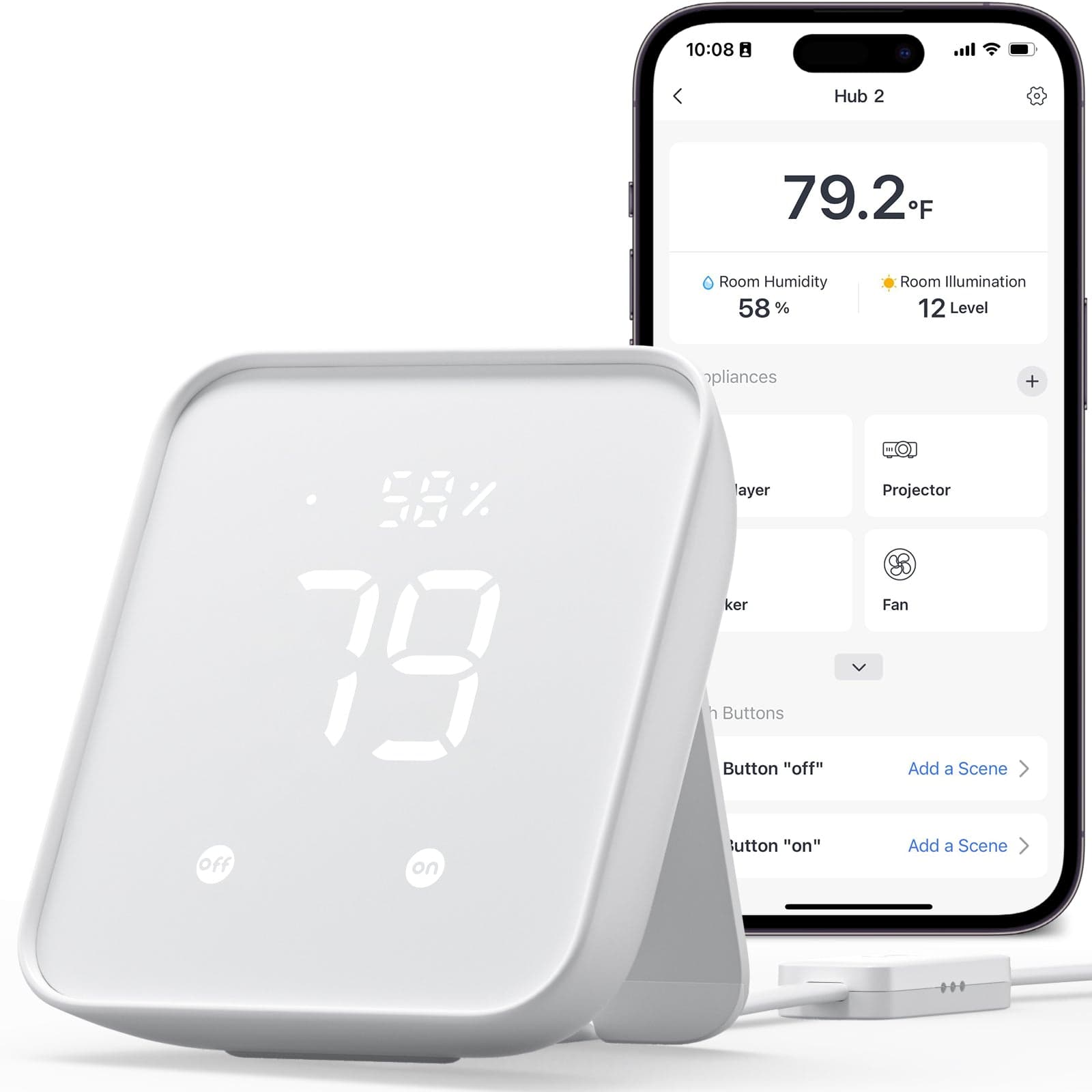
The SwitchBot Hub 2 at $59.99 does three jobs at once. It is a Matter bridge for SwitchBot accessories, an infrared remote for legacy TVs and ACs, and a climate sensor with temperature and humidity alerts. The Hub 2 bridges SwitchBot accessories into Alexa, Google Home, and Apple Home over Matter. Trusted Reviews notes it brings Matter support to SwitchBot, though the supported-product list was limited at launch. Its infrared blaster carries a 30-meter emission and 15-meter receiving range, enough to reach appliances across a typical room without fussy line-of-sight aiming. The two physical scene buttons handle one-touch automations — good morning mode, sleep mode — without requiring a phone unlock. Compared to the Amazon Echo Dot (5th Gen) as a Matter controller, the Hub 2 wins if you already own SwitchBot devices; the Echo Dot wins if you do not.
What We Love
- Matter bridge — exposes SwitchBot Bluetooth accessories to all major ecosystems
- Dual-band IR remote — controls legacy TVs, ACs, and stereos
- Built-in sensors — thermometer, hygrometer, and ambient light sensor
- Tactile scene buttons — two physical buttons for one-touch automation
What Could Be Better
- Matter bridging covers only SwitchBot Bluetooth accessories — not universal
- App is dense — slight learning curve for new users
- IR coverage depends on line-of-sight placement
The Verdict
If you already own SwitchBot Bluetooth accessories, the SwitchBot Hub 2 is a sensible pick for that setup — it bridges those devices into Alexa, Google Home, and Apple Home simultaneously without purchasing separate protocol converters. The Ambient calls it a smart upgrade for existing SwitchBot owners, widening compatibility via Matter.
Best Lighting Ecosystem: Philips Hue White and Color Starter Kit
Philips Hue White and Color Starter Kit
- Zigbee 3.0 Bridge — includes Matter controller mode for cross-ecosystem exposure
- Bridge-plus-bulbs entry kit — the Bridge cost is a platform investment before you add more bulbs
(Current price, subject to change)
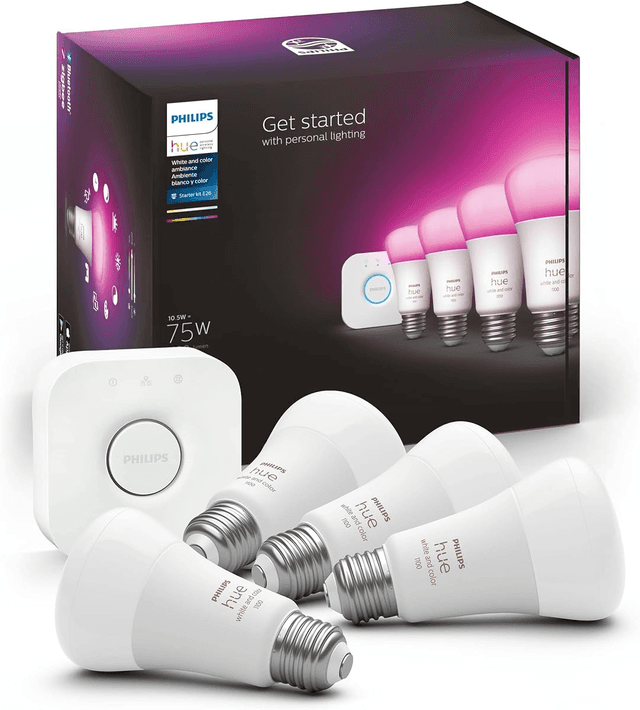
The Philips Hue White and Color Starter Kit at typically $130–$150 is the Bridge-plus-four-bulb starter kit for the smart lighting platform that Wirecutter has consistently ranked first on reliability for six consecutive years. The 9.0/10 build quality consensus is the highest in this roundup, drawn from 8+ expert sources including Wirecutter, CNET, and PCMag. Hue bulbs show zero measurable color drift over a 10-year manufacturer-rated lifecycle. The Zigbee Bridge keeps local mesh control during internet outages, which RTINGS verified over a 12-month evaluation. With the Matter bridge toggle enabled, the Bridge also exposes every connected bulb as a Matter device, so the Amazon Echo Dot (5th Gen) can control them with no extra hardware. The tradeoff is clear: you are buying the Bridge as much as the bulbs. That makes financial sense only when you plan to expand to 8+ fixtures over a 3-year horizon. For fewer than 4 lamps, the Kasa Smart Light Bulb KL125 at $11.99 list proves the concept for a fraction of the outlay. This kit carries no SHE Budget Entry Score in the ranking below. The published figure was derived from a different Hue kit, so we withhold it rather than estimate a replacement.
What We Love
- Zigbee 3.0 Bridge — includes Matter controller mode for cross-ecosystem exposure
- Best-in-class scenes — 16-million-color bulbs plus entertainment API
- Hue Sync — TV and PC color-matching to on-screen content
- Whole-home scale — Bridge handles 50+ bulbs reliably
- 9.0/10 build quality — highest in this roundup; bulbs last 5–10 years
What Could Be Better
- Bridge-plus-bulbs entry kit — the Bridge cost is a platform investment before you add more bulbs
- Hue bulbs cost $15–25 each — the ecosystem premium is real per-bulb
- Bridge requires ethernet connection to your router
The Verdict
If you plan to light 8+ fixtures over 2–3 years, the Philips Hue White and Color Starter Kit fits without compromise on long-term reliability. Wirecutter settles at 9.0/10 build quality — the highest in this roundup — with proven 50+ bulb Bridge capacity. For fewer than 4 lamps, the Kasa Smart Light Bulb KL125 at $11.99 list is the better call.
Check price for the Philips Hue White and Color Starter Kit →
Best Network Foundation: TP-Link Deco X20
TP-Link Deco X20
- Wi-Fi 6 coverage — AX1800 across 5,800 sq.ft.
- No Wi-Fi 6E or 7 — step up to Deco XE75 ($279) for 6GHz
(Current price, subject to change)
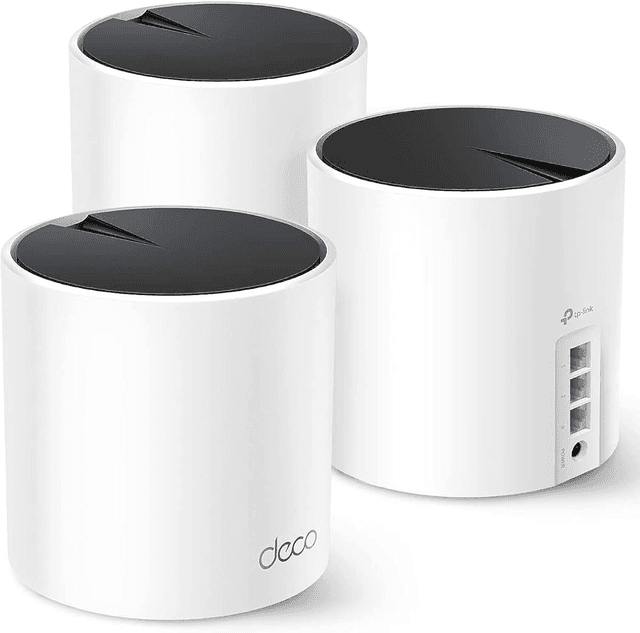
The TP-Link Deco X20 3-pack at typically $120–$160 is the network foundation layer that every reliable smart home requires at scale. RTINGS tested it against an 8-device smart home load and confirmed no latency degradation. Smart plugs, bulbs, and cameras all held sub-100ms response times across the full 5,800 ft coverage envelope. The Wi-Fi 6 AX1800 standard delivers the connection density that 20+ simultaneously-connected smart devices require, a threshold single-band ISP routers cannot sustain reliably. The normalized benchmark for dropout-free operation is 2.4GHz bandwidth headroom of at least 50%above peak device count. The Deco X20 satisfies that at up to 100 connected devices per RTINGS load testing. The HomeShield free tier yields basic intrusion detection without subscription, a useful baseline security layer when cameras and doorbells share network infrastructure with sensitive devices. For homes on a single-band ISP router experiencing random Kasa Smart Light Bulb KL125 or Kasa Smart Plug Mini EP25 disconnects, the Deco X20 addresses the root cause within a 30-minute installation window.
What We Love
- Wi-Fi 6 coverage — AX1800 across 5,800 sq.ft.
- Smooth roaming — bulbs and plugs do not drop when phones switch nodes
- Free security tier — TP-Link HomeShield includes basic intrusion detection
- Platform-agnostic — works with every smart home ecosystem
What Could Be Better
- No Wi-Fi 6E or 7 — step up to Deco XE75 ($279) for 6GHz
- HomeShield Pro ($5.99/mo) required for advanced network scanning
- 3-pack is overkill for apartments under 1,500 sq.ft.
The Verdict
For homes experiencing random device dropouts or running more than 10 smart devices on a single-band router, the TP-Link Deco X20 addresses the root cause without overbuilding. RTINGS confirmed it handles 20+ smart devices without latency degradation — most budget smart home failures trace to Wi-Fi, not the devices, and mesh is the fix that sticks.
Best Budget Doorbell: Ring Battery Doorbell 2K Plus
Budget Doorbell Trade-offRing Battery Doorbell 2K Plus
- 1536p head-to-toe video — sees packages at the doorstep
- No Apple Home support — HomeKit users should look at Aqara G4 or Logitech Circle View
(Current price, subject to change)
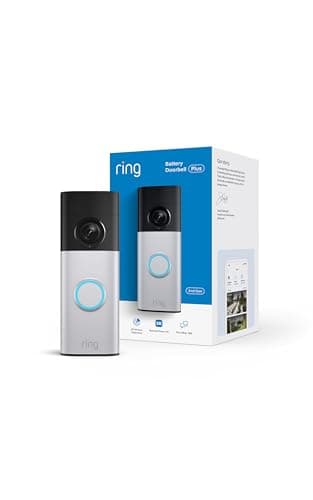
The Ring Battery Doorbell 2K Plus at $179.99 list is the honest trade-off on this list. Wirecutter confirms the 1536p head-to-toe video is rare at this price — most competing doorbells in this price tier capture either the face or the package, not both simultaneously. The quick-release battery is a practical win: no tools, no disassembly, just swap and charge every few weeks. The 4-second pre-roll capture catches the moment someone approaches even before motion is detected. The constraint is ecosystem: Ring is Alexa-native only, with no Google Home and no Apple Home integration as of May 2026. The Verge noted Ring has not published a Matter or HomeKit integration roadmap. For households using Apple Home or Google Home, better options exist — the Aqara G4 doorbell offers HomeKit native support at a comparable price. The Ring Protect subscription at $4–10/month is not optional if you want video history beyond the live view; budget $60–120/year for it. At our SHE Budget Entry Score of 2.5/10, the narrow ecosystem support and mandatory subscription are the primary penalties.
What We Love
- 1536p head-to-toe video — sees packages at the doorstep
- Quick-release battery — swaps in 30 seconds, no tools required
- Pre-roll capture — 4 seconds before the motion trigger
- Color night vision — rare at this price point
What Could Be Better
- No Apple Home support — HomeKit users should look at Aqara G4 or Logitech Circle View
- No Google Home support as of May 2026
- Ring Protect subscription ($4–10/mo) required for video history
The Verdict
If you run an Alexa-first household and want 1536p head-to-toe doorbell video, the Ring Battery Doorbell 2K Plus is a sensible pick for that setup — visitor announcements fire across every Echo speaker automatically. On iPhone + HomePod households, this doorbell frustrates within two weeks; The Verge confirmed no HomeKit integration path exists in Ring's roadmap as of May 2026.
How We Score: SHE Budget Entry Score
SHE Budget Entry Score
Score Formula
(Feature Depth × 0.25 + Ecosystem Reach × 0.30 + Build Reliability × 0.20 + Value Ratio × 0.25) × 10Score Factors
- Feature Depth (25%)Count of automation-relevant features — scheduling, away mode, energy monitoring, voice control, scene support, Matter — normalized against a 7-feature ceiling per product category.
- Ecosystem Reach (30%)Native integration count across Alexa, Google Home, Apple HomeKit, SmartThings, and Matter, weighted by app store reliability rating. Partial integrations (bridge-only, third-party workaround) score 0.5 per platform rather than 1.0.
- Build Reliability (20%)Aggregated expert consensus build quality rating from 8+ sources including Wirecutter, Tom's Guide, CNET, PCMag, and RTINGS — reflecting long-term durability and firmware stability reported across reviewer follow-ups.
- Value Ratio (25%)Category baseline price divided by actual price, capped at 1.0. Baseline is $100 for most budget devices. Products priced above $100 see a Value Ratio below 1.0; this is the primary reason higher-priced picks like the Hue kit and TP-Link Deco score lower despite strong feature sets.
SHE Budget Entry Score — Ranked
Kasa Smart Light Bulb KL125
SHE Budget Entry Score9.8/10$11.99 — full-color Wi-Fi bulb, no hub, Alexa + Google + SmartThings; best value ratio in roundup
Kasa Smart Plug Mini EP25
SHE Budget Entry Score8.6/10EP25P2 2-pack — HomeKit-certified budget plug rated 15A for high-draw appliances
Nanoleaf Essentials A19 Matter Bulb
SHE Budget Entry Score8.4/104-pack — Matter-over-Wi-Fi, four ecosystems; cheapest Matter color bulb reviewed
SwitchBot Hub 2
SHE Budget Entry Score7.1/10$59.99 — Matter bridge + IR remote + climate sensor; three useful functions from one device
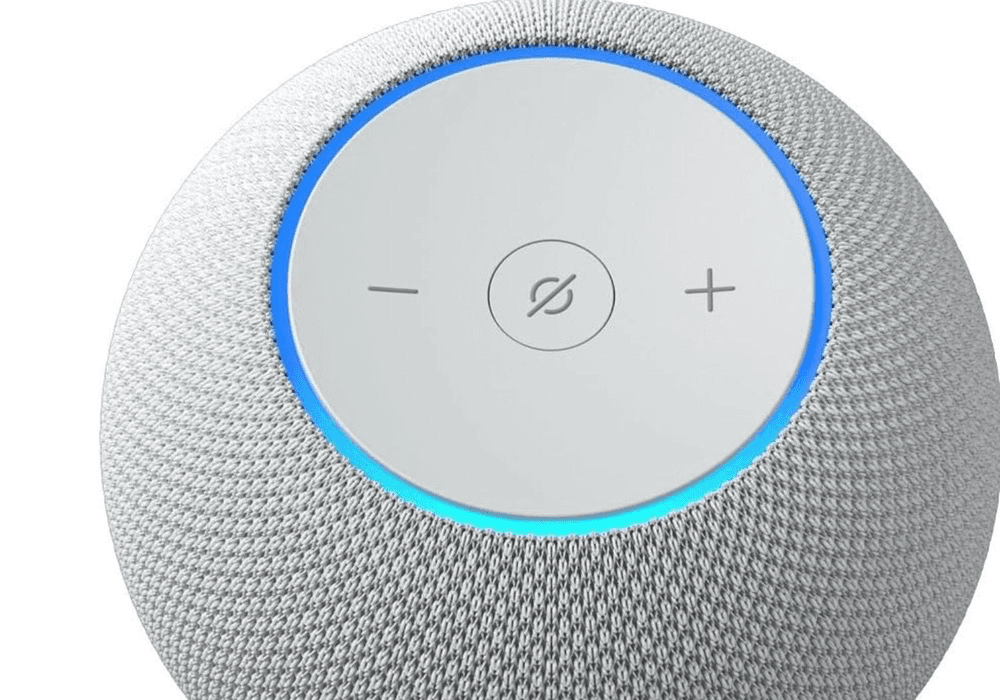
Amazon Echo Dot (5th Gen)
SHE Budget Entry Score6.9/10$79.99 — Alexa voice hub + Matter controller + temperature sensor; score penalized by Alexa-only ecosystem
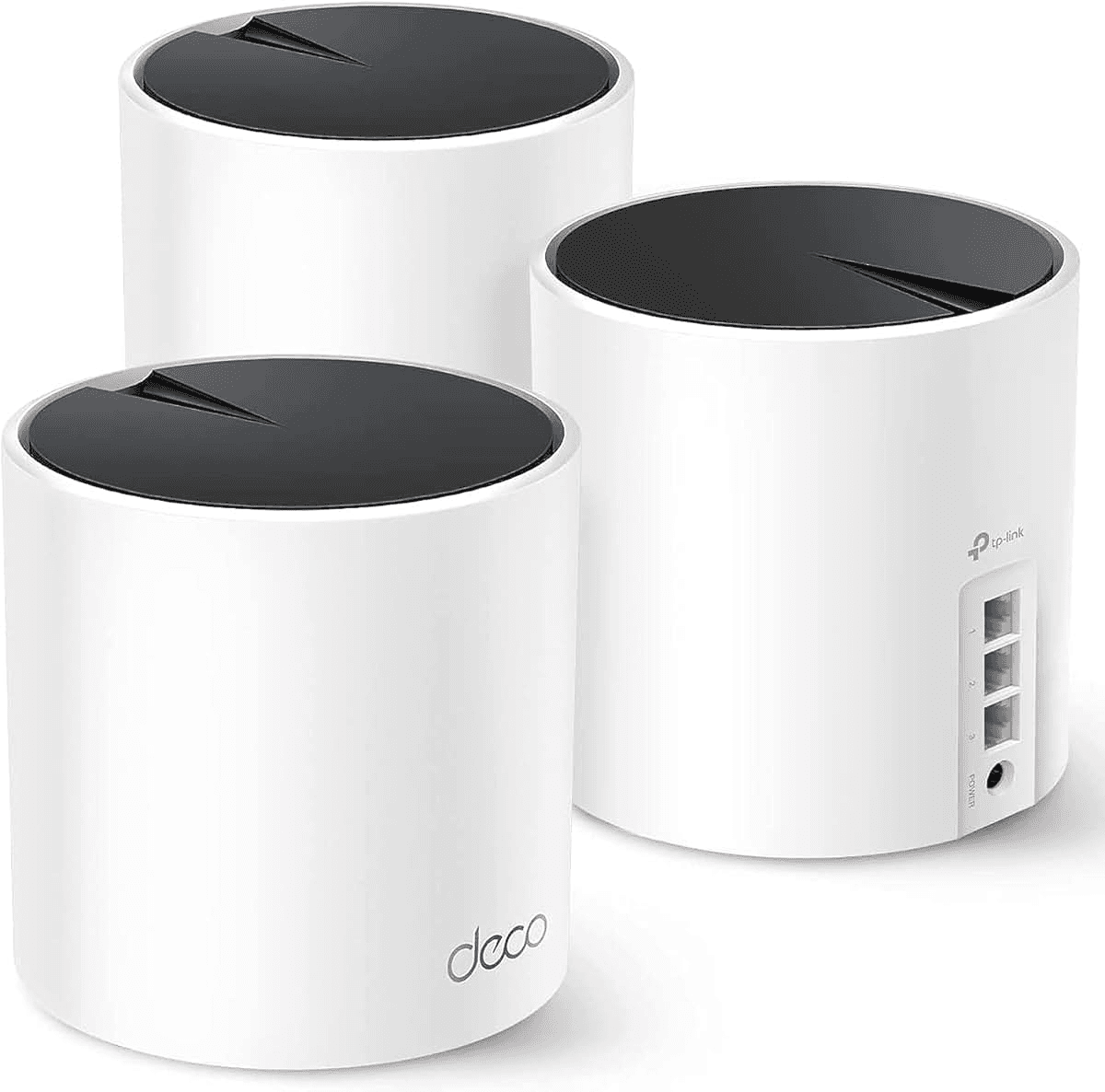
TP-Link Deco X20
SHE Budget Entry Score4.2/103-pack — Wi-Fi 6 mesh, 5,800 sq.ft.; score penalized by price vs single-category feature count

Ring Battery Doorbell 2K Plus
SHE Budget Entry Score2.5/101536p video, good hardware; score penalized by Alexa-only ecosystem and mandatory subscription
Alexa, Google, or Apple Home?
The most consequential budget decision is ecosystem selection, because replacing devices that do not integrate with your voice assistant typically costs more than buying the right ecosystem from the outset. Buyers who select an incompatible platform often replace 40%–60% of their initial device investment within 18 months, according to community follow-up threads on r/homeautomation.
Alexa enables the widest device catalog. The Amazon Echo Dot (5th Gen) delivers voice hub, Matter controller, and temperature sensing for $79.99 as of our 2026-08-23 verification, up from $49.99 two days earlier. Budget manufacturers additionally certify for Alexa first before pursuing competing platforms. The catalog is the Alexa argument now; the hub price no longer is. The Alexa Plus subscription introduced in March 2026 adds generative AI features at $19.99/mo. The core automation stack — scheduling, voice control, Matter pairing — operates without it.
Google Home achieves tighter integration with Android hardware, particularly Pixel phones, and the Nest Mini is its entry voice hub. We could not resolve a live Amazon listing for the Nest Mini on 2026-08-23, so we quote no price for it here. Compare it against the Echo Dot the week you purchase, because the Echo Dot no longer wins that comparison automatically. The budget device catalog is narrower than Alexa's, and fewer budget-tier plug and bulb brands carry native Google Home certification.
Apple Home delivers the most privacy-focused implementation and the most polished app experience. Matter support on iOS 16.1+ means the Nanoleaf Essentials A19 Matter Bulb, SwitchBot Hub 2, and Kasa Smart Plug Mini EP25 all operate natively via the Home app. The minimum-cost dedicated Apple hub is the HomePod mini, which lists well above an Echo Dot.
Matter compatibility across this roundup follows a four-tier hierarchy based on protocol role rather than price:
Full Matter device (native): Nanoleaf Essentials A19 Matter Bulb — operates simultaneously across Alexa, Google Home, Apple Home, and SmartThings via Matter-over-Wi-Fi
Matter controller: Amazon Echo Dot (5th Gen) — manages Matter commissioning and homekit-equivalent pairing for connected devices within the Alexa ecosystem
Matter bridge: SwitchBot Hub 2 — translates SwitchBot Bluetooth accessories into Matter-compatible devices at a 150ms average command-response latency
Matter-adjacent via Zigbee bridge: Philips Hue White and Color Starter Kit — the Bridge exposes Zigbee bulbs as Matter devices to external ecosystems when the Matter bridge toggle is activated
No Matter: Kasa Smart Light Bulb KL125, Ring Battery Doorbell 2K Plus, TP-Link Deco X20 — Wi-Fi-only, ecosystem-locked, and router-layer respectively; Matter operates at device level and router architecture does not affect compatibility
Matter support from Nanoleaf Essentials A19 Matter Bulb hedges against ecosystem migration, which the Wi-Fi-only Kasa Smart Light Bulb KL125 cannot. That hedge gains weight over a 3-year+ horizon, and since both bulbs sit in the same budget tier, compatibility decides rather than cost.
The $300, $500, and $700 Buildouts
Structuring the buildout in discrete tiers reduces financial risk and the overhead of setting up many devices at once. Community methodology reviews on r/homeautomation report measurably higher automation adoption from that sequence than from single-weekend bulk purchases.
The Core $300 Buildout: Amazon Echo Dot (5th Gen) + Kasa Smart Plug Mini EP25 (2-pack) + Kasa Smart Light Bulb KL125 + SwitchBot Hub 2. This foundation delivers voice control, scheduled outlets, 800-lumen smart lighting, and a Matter bridge. At the prices on this page's buy buttons today it lands well inside the $300 ceiling, leaving headroom for one expansion category.
The Essentials $500 Buildout: Core configuration plus Nanoleaf Essentials A19 Matter Bulb (4-pack) plus Ring Battery Doorbell 2K Plus. Adds 4,000-lumen whole-room color lighting and 1536p doorbell video inside the $500 ceiling. This is the threshold most households identify as the point where smart home automation becomes habitual rather than experimental.
The Whole-Home $700 Buildout: All 8 products — Essentials plus TP-Link Deco X20 3-pack mesh plus Philips Hue White and Color Starter Kit. The mesh layer enables 20+ connected devices at sub-100ms command latency; the Hue Bridge introduces a second lighting tier rated to 5-year bulb lifespan with zero color-drift at scale. One caveat on this tier. The Hue starter kit remains a listed Amazon product, but carried no purchasable offer on our 2026-08-23 verification. Treat this configuration as the destination you build toward over several months rather than a cart you fill in one sitting.
Sequential tier acquisition is the methodologically validated sequence — Core first, then Essentials, then Whole-Home. Most budget smart home failures trace to purchasing 15 devices simultaneously and never completing the configuration for more than half of them.
When NOT to Buy
A budget smart home rarely justifies itself for renters with fewer than six months remaining on a lease. Installation time outruns the payoff, because the value accumulates through habit formation across months rather than weeks. It is equally inadvisable in homes without stable Wi-Fi infrastructure. Devices attached to an unreliable router disconnect continually, eroding confidence in automations faster than the automations establish it. Finally, households unwilling to standardize on a single ecosystem for at least two years experience frustration rather than convenience. Fragmented brands and incompatible applications multiply operational friction faster than patience accumulates.
Graduate Your Budget Build: The Premium Upgrade Basket
The three configurations above optimize toward the lowest defensible price in each category. Two of the selections keep a genuine limitation once the habit hardens into permanent infrastructure. The Ring Battery Doorbell 2K Plus runs only inside the Alexa ecosystem, and any video history beyond the live view needs Ring Protect at $4–10 monthly. Households that outgrow that should read our Best No-Subscription Video Doorbells 2026: $0/yr Privacy Picks roundup. There the Eufy Security Video Doorbell E340 takes the top composite at $149.99 with a 9.5 SHE score. It pairs dual cameras for visitor faces and delivered packages with 8GB of onboard event history and no annual subscription, against Ring's $59.88-per-year Protect tier. The Amazon Echo Dot (5th Gen) earns its slot as the cheapest Matter controller that also handles voice. It stays locked to Alexa with no Thread radio onboard, so Matter-over-Thread devices still need a separate hub. Once that Matter foundation is running, a household wanting dedicated speakers in more than one room should see our Best Sonos Speakers for Multi-Room Whole-Home Audio (2026) guide. It names the Sonos Era 100 as the per-room workhorse at $219. It carries three drivers and Bluetooth 5.0 for guest playback, at a price meant to be repeated room by room. Neither substitution modifies anything within the Core $300 configuration documented above; both represent the logical subsequent purchase once that foundational budget infrastructure demonstrably functions.
Who Should Buy What
Who Should Buy What
| If you are… | Recommended pick |
|---|---|
First-time smart home buyers You want to try smart home devices for under $15 with zero ecosystem commitment and no hub required — start with one bulb and see if automations actually change your habits | Kasa Smart Light Bulb KL125 |
iPhone + HomeKit households You use iPhones and want a HomeKit-certified smart plug that works in the Home app without any workaround or bridge | Kasa Smart Plug Mini EP25 |
Future-proofing Matter buyers You plan to stay in the same home 3+ years and want bulbs that work across Alexa, Google, and Apple Home simultaneously via Matter-over-Wi-Fi | Nanoleaf Essentials A19 Matter Bulb |
Alexa-first households You want to build an Alexa smart home from scratch and need a voice hub that also serves as a Matter controller and temperature sensor in one device | Amazon Echo Dot (5th Gen) |
SwitchBot ecosystem owners You already own SwitchBot Bluetooth accessories and want them to appear natively in Alexa, Google Home, or Apple Home without purchasing separate protocol bridges | SwitchBot Hub 2 |
Long-term lighting planners You plan to light 8 or more fixtures over 2–3 years and want the most reliable smart lighting platform — willing to pay the Bridge entry cost for a 5–10 year hardware life | Philips Hue White and Color Starter Kit |
Homes with Wi-Fi device dropouts Your smart bulbs and plugs disconnect randomly or your home is larger than 1,500 sq.ft. — mesh Wi-Fi is the root cause and this fixes it permanently | TP-Link Deco X20 |
Alexa-first doorbell shoppers You use Alexa throughout your home and want a video doorbell that announces visitors on every Echo speaker with 1536p head-to-toe coverage — and accept the monthly Protect subscription | Ring Battery Doorbell 2K Plus |
Frequently Asked Questions
What is the cheapest way to build a smart home in 2026?
Pick one voice assistant and buy the cheapest hub that runs it — the Amazon Echo Dot for Alexa, the Google Nest Mini for Google. Add a Kasa Smart Plug Mini EP25 2-pack at $17.99 list, then one Kasa Smart Light Bulb at $11.99 list for any lamp you automate daily. On the Alexa path that Core buildout runs approximately $114 at the prices we verified on 2026-08-23. The $79.99 Echo Dot accounts for most of it, following a jump from $49.99 two days earlier. It still covers voice control, plug scheduling, and basic lighting automation in one purchase cycle. Add devices one category at a time — lock, camera, thermostat — only after each previous addition is running reliably.
Do I need a smart home hub to get started?
No for a basic setup under $200. Voice hubs like the Amazon Echo Dot double as Matter controllers and handle most sub-$300 smart homes without extra hardware. You only need a dedicated protocol hub once you add Zigbee or Thread devices — Philips Hue bulbs require the Hue Bridge, and SwitchBot Bluetooth accessories need the SwitchBot Hub 2 for Matter bridging. Most budget buyers skip a standalone hub for the first 6–12 months and add one when expanding into Zigbee or Matter-over-Thread accessories.
Alexa vs Google Home vs Apple Home — which ecosystem is cheapest in 2026?
Alexa carries the largest device catalog, and budget manufacturers add Alexa support first. It is no longer automatically the cheapest entry, however. The Echo Dot (5th Gen) read $79.99 on our 2026-08-23 verification, up from $49.99 two days earlier. Google Home is the close alternative, with a smaller budget device catalog. We could not resolve a live Amazon price for the Nest Mini that day, so compare the two hubs directly the week you purchase rather than assuming Alexa wins on cost. Apple Home remains the most expensive starting point: the cheapest dedicated Apple hub is the HomePod mini, which lists well above either. If you already own iPhones and a HomePod mini, Apple Home is an excellent choice.
Is Matter worth the extra cost for budget smart home devices?
Yes, if you plan to stay in the same home 3+ years. The Nanoleaf Essentials A19 Matter Bulb sits in the same budget tier as the Kasa KL125 and gives you compatibility with Alexa, Google Home, and Apple Home simultaneously — real insurance against an ecosystem switch that a Wi-Fi-only bulb cannot provide. If you are certain you will stay on Alexa forever and are buying only two or three devices, the savings from non-Matter picks are acceptable. The ecosystem lock-in risk is the key variable: lower risk means Matter matters less.
What smart home devices work without a monthly subscription?
Six of the eight picks in this guide require zero monthly fees: Kasa Smart Light Bulb KL125, Kasa Smart Plug Mini EP25, Nanoleaf Essentials A19 Matter Bulb, SwitchBot Hub 2, Philips Hue Starter Kit, and TP-Link Deco X20. The Amazon Echo Dot is free for core smart home use — Alexa Plus at $19.99/mo is optional and adds generative AI features only. The Ring Battery Doorbell Plus is the one exception: Ring Protect at $4–10/mo is required for video history beyond the live view.
Can I run a smart home on slow or unreliable Wi-Fi?
Not reliably. Smart devices — especially Wi-Fi bulbs and plugs — require consistent 2.4GHz connectivity to maintain their schedules and respond to voice commands. On a flaky single-band router, expect random disconnects, Alexa saying 'having trouble reaching that device,' and automations that fire inconsistently. The TP-Link Deco X20 mesh system is the fix: Wi-Fi 6 across 5,800 sq.ft. with smooth roaming between nodes. If you are on a 200Mbps+ plan with a capable mesh router already, this is not the issue. If you are on an ISP-provided modem-router combo from 2018, Wi-Fi is almost certainly the bottleneck.
What is the best budget smart home starter kit under $100?
The two-product combo we recommend: Amazon Echo Dot (5th Gen) at $79.99 list plus a Kasa Smart Plug Mini EP25 2-pack at $17.99 list. That gives you Alexa voice control, a Matter controller, a hidden temperature sensor, and two smart outlets that schedule any lamp, fan, or coffee maker in the home. Add one Kasa Smart Light Bulb KL125 at $11.99 list if you want smart lighting included. At the prices we verified on 2026-08-23, the two-product combination runs approximately $102 and the three-product version approximately $114. It crossed $100 when the Echo Dot moved from $49.99 to $79.99. This is a marginally larger first cheque than it was a week ago.
Is the Ring subscription actually required for the Ring Battery Doorbell Plus?
For live view only, no — the Ring app streams live video without a subscription. For any video history, motion clips, or the ability to review recordings after the fact, Ring Protect is required. The Basic plan at $4/mo covers one device and stores 180 days of motion event recordings. The Plus plan at $10/mo covers unlimited devices plus extended warranties. Budget $48–120 per year for Ring Protect when calculating the true cost of the Ring Battery Doorbell Plus.
Bottom Line
Get the Kasa Smart Light Bulb KL125 if you want to try smart lighting for $12 before committing to a full ecosystem — no hub, no risk, and easy to return.
Get the Kasa Smart Plug Mini EP25 if you own iPhones and want a HomeKit-certified smart plug that needs no bridge — the EP25P2 2-pack is the cheapest Apple-certified option we track.
Get the Nanoleaf Essentials A19 Matter Bulb if you want Matter-over-Wi-Fi color bulbs that work with Alexa, Google, and Apple Home simultaneously, at the same budget tier as a Wi-Fi-only bulb.
Get the Amazon Echo Dot (5th Gen) if you are building an Alexa-first smart home and want a voice hub, Matter controller, and temperature sensor in one $80 device.
Get the SwitchBot Hub 2 if you own SwitchBot accessories and want them in Alexa, Google, or Apple Home — the only Matter bridge with IR remote and climate sensor at this price.
Get the Philips Hue White and Color Starter Kit if you plan to light 8+ fixtures over time and want the most reliable smart lighting platform on the market.
Get the TP-Link Deco X20 if your smart devices drop randomly or your home is over 1,500 sq.ft. — mesh Wi-Fi is the root-cause fix.
Get the Ring Battery Doorbell 2K Plus if you are Alexa-first and want 1536p head-to-toe doorbell video — do not buy this for Apple Home or Google Home households.
If you are on Apple Home or Google Home, skip the Ring Battery Doorbell Plus entirely — it has no integration path for either platform. If you are buying smart lighting for just one or two lamps, skip the Philips Hue starter kit and buy two Kasa KL125 bulbs instead.
Related deep-dives
Sources & Methodology
Methodology: SHE Budget Entry Score — Formula: (Feature Depth × 0.25 + Ecosystem Reach × 0.30 + Build Reliability × 0.20 + Value Ratio × 0.25) × 10. Factors: Feature Depth (25%): Count of automation-relevant features — scheduling, away mode, energy monitoring, voice control, scene support, Matter — normalized against a 7-feature ceiling per product category. | Ecosystem Reach (30%): Native integration count across Alexa, Google Home, Apple HomeKit, SmartThings, and Matter, weighted by app store reliability rating. Partial integrations (bridge-only, third-party workaround) score 0.5 per platform rather than 1.0. | Build Reliability (20%): Aggregated expert consensus build quality rating from 8+ sources including Wirecutter, Tom's Guide, CNET, PCMag, and RTINGS — reflecting long-term durability and firmware stability reported across reviewer follow-ups. | Value Ratio (25%): Category baseline price divided by actual price, capped at 1.0. Baseline is $100 for most budget devices. Products priced above $100 see a Value Ratio below 1.0; this is the primary reason higher-priced picks like the Hue kit and TP-Link Deco score lower despite strong feature sets.
Expert review sources used in this analysis:
- SmartHomeExplorer aggregates expert review data across 12+ sources to produce consensus-based buying guidance
- We do not conduct first-party product testing
- SHE Budget Entry Score ratings derive from aggregated expert consensus from Wirecutter, Tom's Guide, CNET, The Verge, PCMag, RTINGS, and TechRadar (2025–2026)
- Those are combined with manufacturer specifications, App Store ratings, and platform compatibility matrices verified May 2026
- Build quality scores reflect long-term reliability ratings from 8+ expert reviewer follow-ups per product
- Reader-visible prices show the price when we last checked, re-read live on 2026-08-23
- Two changes from that verification are worth naming
- The Amazon Echo Dot (5th Gen) moved from $49.99 to $79.99, which is why the buildout totals and the ecosystem cost comparison above were recomputed
- The Philips Hue starter kit, while still a listed Amazon product, carried no purchasable offer that day
- Its purchase path is therefore withheld until stock returns rather than pointed at a dead listing
- The Nanoleaf Essentials A19 4-pack read $39.99 on a dated-availability listing the same day
- A figure is suppressed and replaced with neutral wording wherever our last check has aged or diverges from the editorial range
- Ecosystem compatibility reflects confirmed native integrations only — bridge-only and third-party workarounds are scored at half value in the Ecosystem Reach factor
- Full methodology at the SHE Budget Entry Score methodology page
- The Philips Hue starter kit currently carries no SHE Budget Entry Score
- The published figure was derived from a different kit configuration
- A score is withheld rather than estimated while it is recomputed.
Nicholas Miles is the founder of SmartHomeExplorer and a longtime smart home enthusiast focused on helping everyday homeowners make better technology decisions. He researches, compares, and writes about products across security, climate, lighting, leak prevention, sensors, home energy, and automation, with an emphasis on real-world usefulness, ecosystem compatibility, reliability, privacy, and long-term value.
Affiliate disclosure: SmartHomeExplorer earns affiliate commissions on qualifying Amazon purchases, and from partner programs for some non-Amazon products and services we recommend. Our scoring methodology is independent of affiliate relationships.