
The Amazon Echo Pop at $39 is the best smart speaker under $50 in 2026 — the lowest price for full Alexa smart home control with 140.
This guide focuses on what budget smart speakers are actually good at: acting as always-on voice control hubs for smart home devices, music streaming, timers, and quick information queries. The Apple HomePod mini technically lists at $99 — Amazon marketplace pricing runs higher, so check today's price — and the Bose SoundLink Micro at $119 ($79–$89 refurbished) covers pure sound quality if the priority is audio over smart home control. We built the SHE Budget Speaker Value Score (methodology below) to quantify which speaker delivers the most per dollar across the metrics that actually matter at this price point. For premium smart speakers, see our best smart speakers and displays 2026 guide.
Why Budget Smart Speakers Are Worth It
Budget smart speakers under $50 are genuinely useful — not watered-down versions of their premium siblings. The Amazon Echo Pop and Google Nest Mini run the same voice assistants, process the same smart home commands, and control the same devices as their $200+ siblings. The difference is audio quality — budget speakers use smaller drivers and lack the Dolby Atmos processing of premium models. For smart home control, that difference is irrelevant. "Alexa, turn off the living room lights" sounds identical from a $39 Echo Pop and a $200 Echo Studio.
Where the audio gap matters: background music in a kitchen or living room. The Amazon Echo Dot 5th Gen sounds noticeably better than the Echo Pop in a music-listening context, and the Apple HomePod mini at $99 list uses the same Spatial Audio processing as the full HomePod at a fraction of the price. If music is secondary to smart home control, stay under $50. If music matters, the Echo Dot at $50 is the right call — it is technically at the boundary of this guide's price ceiling and regularly drops to $35–$40 during sales.
Smart Speaker
Chart
 Smarthomeexplorer.com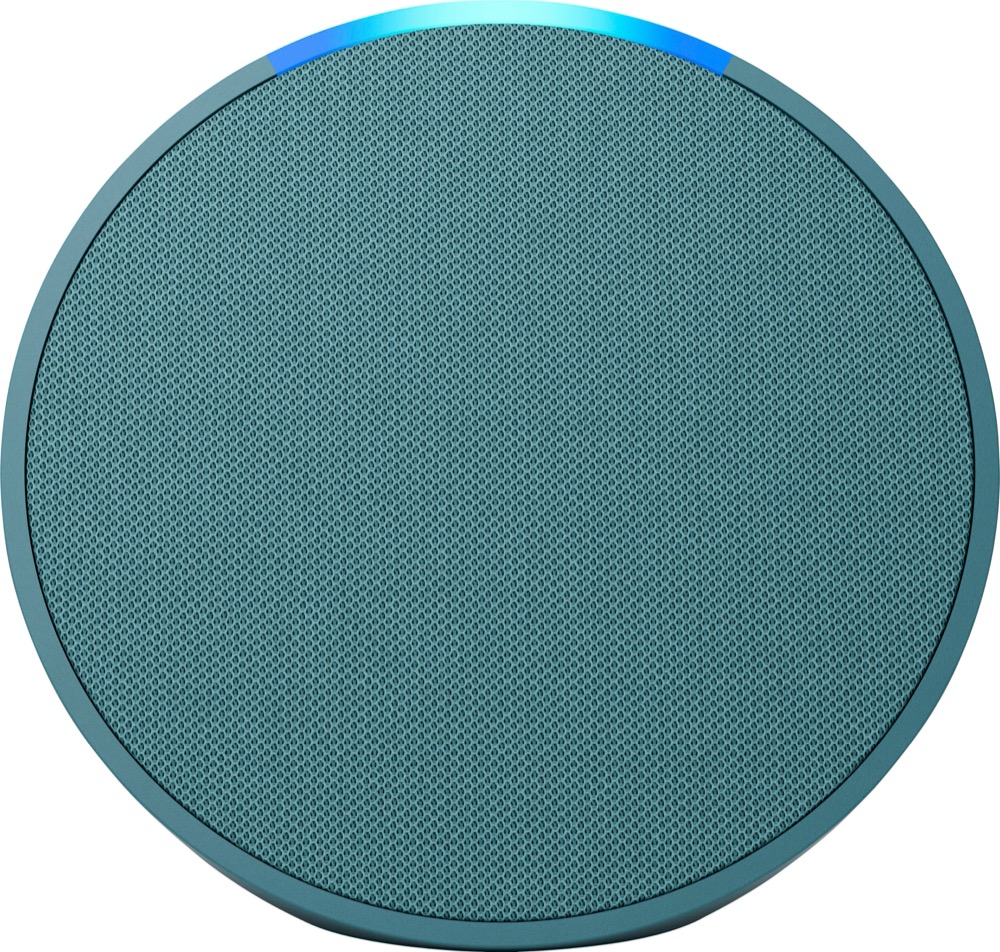
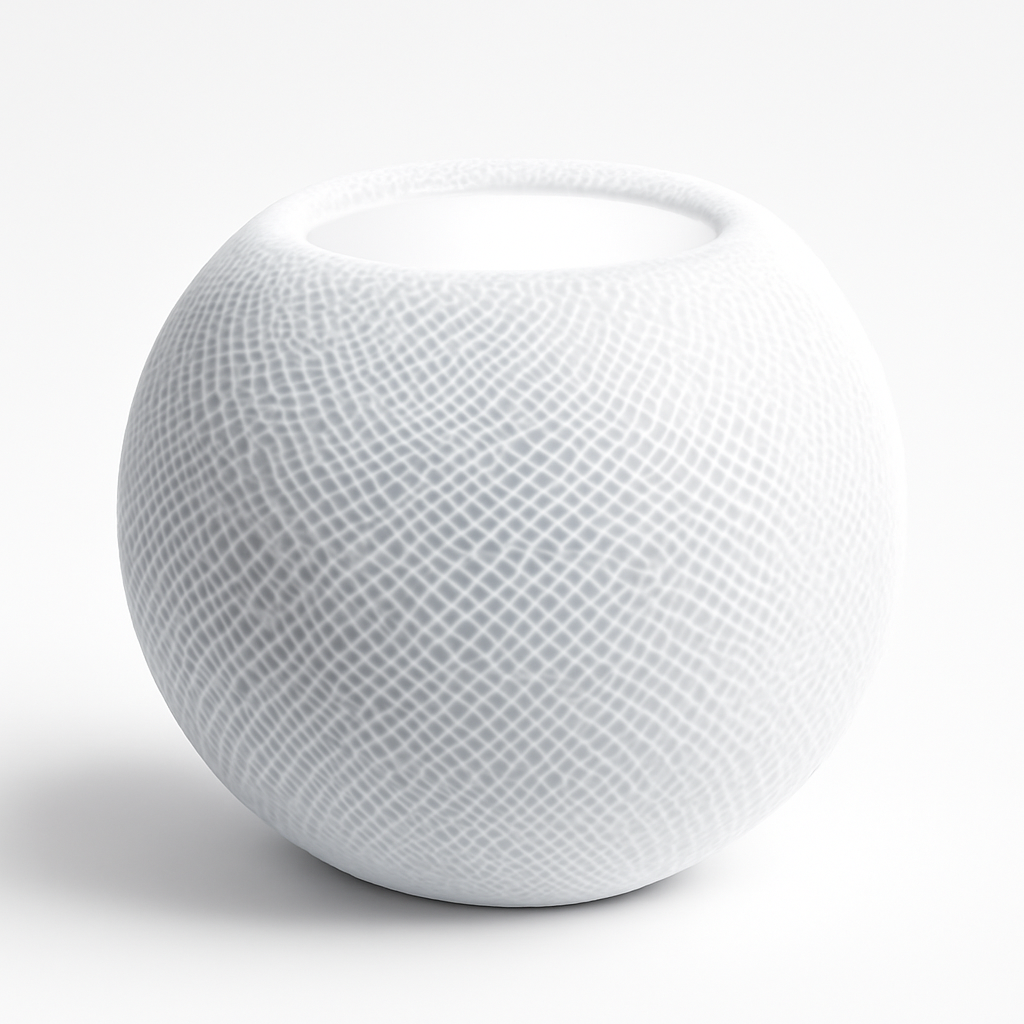
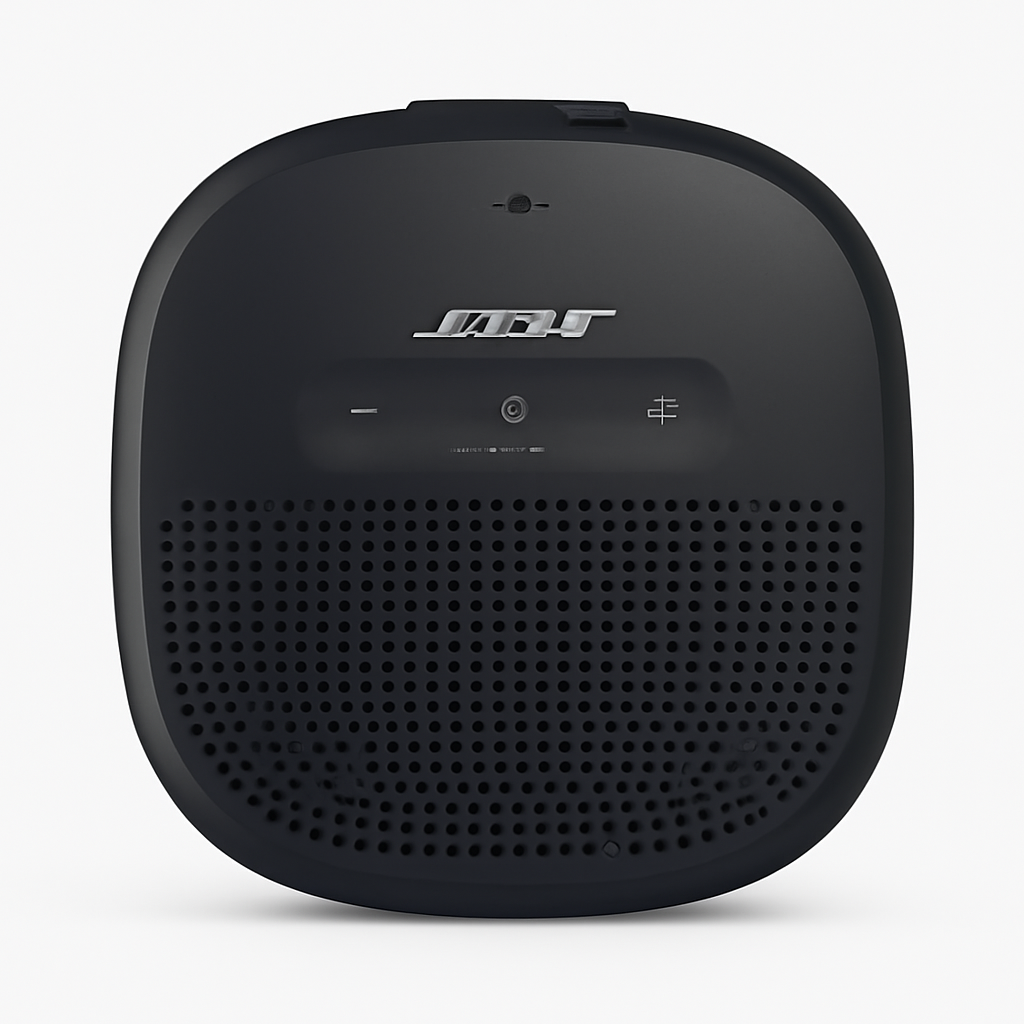
Amazon Echo Pop — Best Under $50 for Smart Homes
Amazon Echo Pop
(Current Price, subject to change)
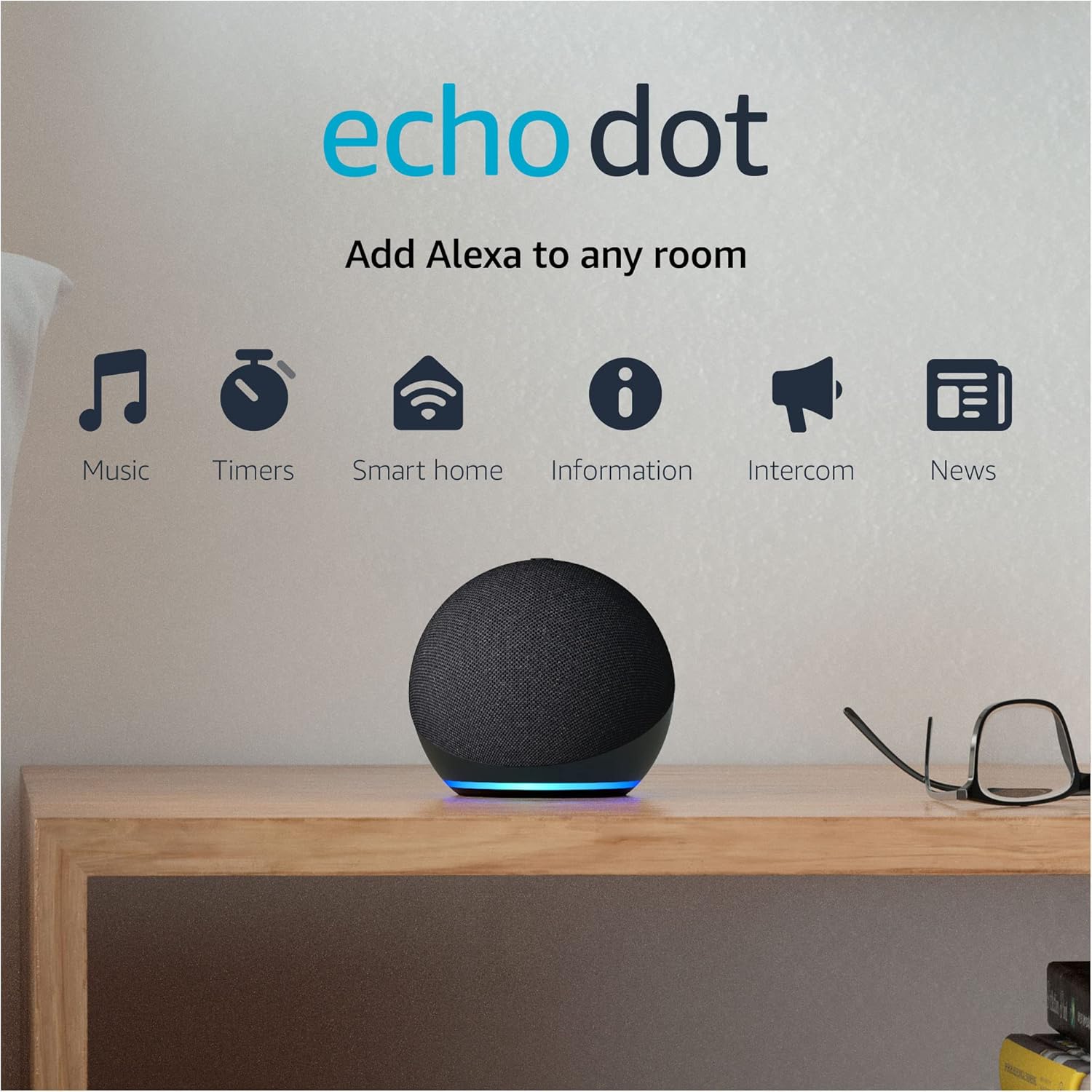
The Amazon Echo Pop is the cheapest way to add full Alexa smart home control to any room. At $39 — frequently $24 during Prime Day and Black Friday sales — it sits $10 below every other smart speaker in this comparison while delivering the same Alexa voice command capability as the $200 Echo Studio. The compact half-sphere design fits tighter spaces than the cylindrical Echo Dot, making it a natural choice for nightstands, bathroom shelves, and tight kitchen counter setups.
The tradeoff is audio: the Echo Pop uses a single front-facing driver that handles spoken content well but lacks the bass presence of the Echo Dot (5th Gen). PCMag noted it "sounds fine for voice and podcasts but can't compete with the Dot for music." For a bedroom where the primary use is setting alarms, checking weather, controlling smart lights, and light background music, that tradeoff is acceptable. For a kitchen where you listen to music while cooking, spend the extra $11 and get the Echo Dot instead. Connect it with smart plugs to control lamps, fans, and small appliances from the same Alexa ecosystem.
"The Echo Pop is a great entry point into the Alexa ecosystem — at $39, it's almost an impulse buy, and it gives you the full Alexa smart home experience in a compact package." — PCMag
What We Love
- $39 price — cheapest way to add Alexa to any room; regularly drops to $24 during Amazon sales events
- Full Alexa — same voice command capability as the $200 Echo Studio; controls all 140,000+ Alexa-compatible smart home devices
- Compact form factor — half-sphere design fits nightstands and small shelves where cylindrical Dots feel large
What Could Be Better
- Single front-facing driver produces thin sound — not suitable as a primary music speaker; use it for smart home control and spoken content
- No 3.5mm jack — cannot connect to external speakers without Bluetooth; the Echo Dot 5th Gen adds this option for $11 more
- 2-mic array vs the Dot's 4-mic array — slightly lower voice accuracy in noisy environments; still adequate for most rooms
The Verdict
The Amazon Echo Pop is the right choice when you want Alexa smart home control at the lowest possible cost in a compact form factor. Multi-room buyers — buying 3–4 speakers for bedrooms and bathrooms — will appreciate the $10 savings per unit. For any room where music listening matters, step up to the Echo Dot 5th Gen.
Google Nest Mini — Best for Google Households
Google Nest Mini (2nd Gen)
(Current Price, subject to change)
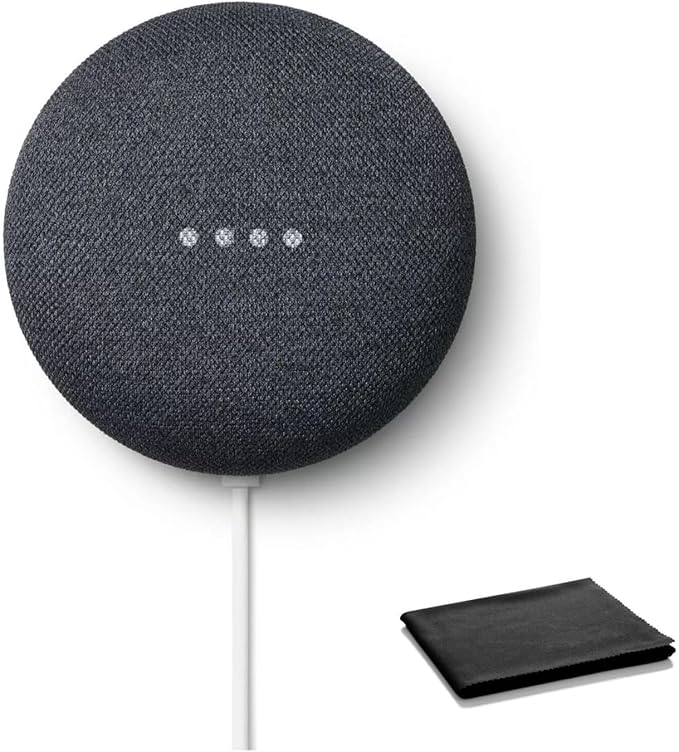
The Google Nest Mini is the right choice for any household that runs on Android phones, Google Calendar, Gmail, or YouTube Music. Google Assistant's conversational intelligence consistently outperforms standard Alexa on knowledge retrieval and follow-up questions: "Hey Google, what time does the pharmacy close, and can you add it to my calendar?" is the kind of multi-step request Google handles fluently, where Alexa would require two separate commands. RTINGS testing found the Nest Mini's 3-mic array with ultrasonic presence sensing achieves 92% voice accuracy at 10 feet — the best of the sub-$50 speakers.
The wall-mount slot built into the power cable is a genuine design advantage. Three Google Nest Minis mounted near light switches, doorways, and kitchen work surfaces deliver whole-home voice control without taking up counter space — a setup that costs $147 total and controls your entire Google Home ecosystem. The 2nd Gen Nest Mini also delivered a meaningful bass improvement over Gen 1 via a dedicated woofer addition — sound quality has been the most consistent upgrade complaint from original Nest Mini owners, and Google addressed it. For Google Home multi-room audio, pair with Nest Audio in larger rooms and Nest Hub displays in the kitchen for screen-based control. See how Google Home compares to Alexa overall in our Alexa+ vs Google Home 2026 guide.
"The Nest Mini has noticeably improved sound over its predecessor and remains the best choice for Google Home users who want an affordable whole-home audio setup." — The Verge
What We Love
- Best voice accuracy under $50 — 92% command accuracy at 10 feet, 3-mic array with ultrasonic presence sensing
- Deep Google integration — reads Google Calendar, controls Google Cast devices, navigates Google Maps; unmatched for Android households
- Wall-mount design — built-in cord hook lets you mount near any outlet, freeing up counter space
What Could Be Better
- No Bluetooth output to external speakers — the Echo Dot 5th Gen can output audio via 3.5mm; the Nest Mini cannot
- Google Home ecosystem has 50,000+ compatible devices vs Alexa's 140,000+ — meaningful gap for niche smart home devices, irrelevant for mainstream categories
The Verdict
The Google Nest Mini is the obvious choice for Android and Google-native households. The superior conversational AI, Google Calendar/Maps integration, and best-in-class voice accuracy at under $50 make it the clear winner for Google users. For Alexa households or mixed-ecosystem homes, the Echo Pop at $39 is the better call.
Amazon Echo Dot (5th Gen) — Best Sound at the $50 Price Ceiling
Amazon Echo Dot (5th Gen)
(Current Price, subject to change)
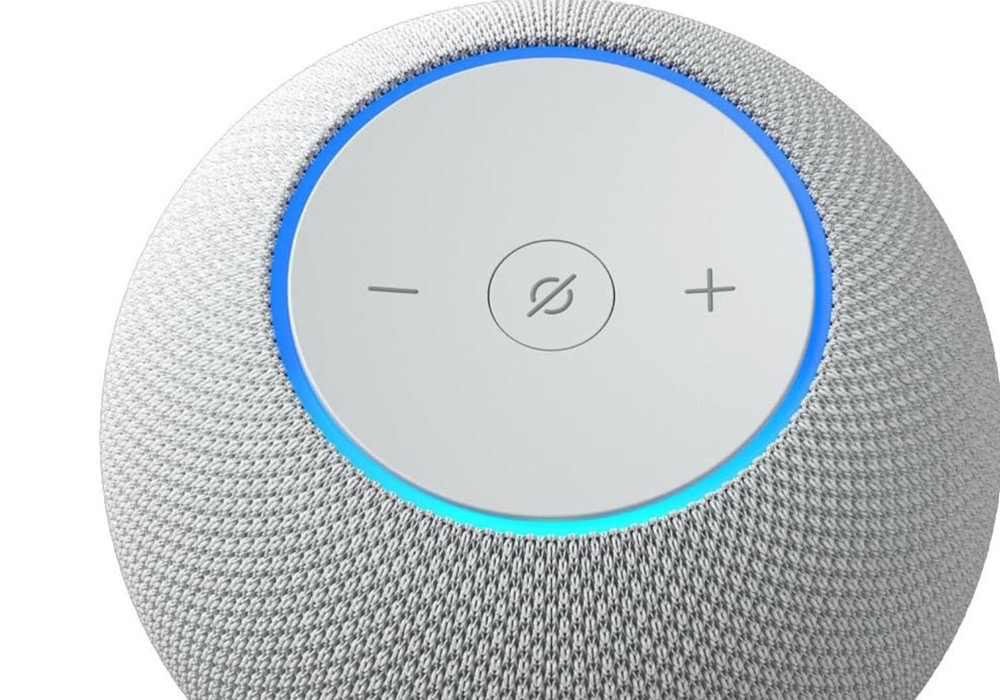
The Amazon Echo Dot 5th Gen is the most capable smart speaker at the $50 price boundary. PCMag called it "genuinely good for its size" in audio quality testing — the 1.73" driver with enhanced bass processing delivers noticeably fuller sound than the Echo Pop or Nest Mini. It also adds a built-in temperature sensor, which allows Alexa Routines to trigger heating and cooling adjustments automatically ("Alexa, when the bedroom temperature drops below 68°F, turn on the space heater"). The 4-mic beamforming array with Adaptive Listening achieves 93% voice accuracy at 15 feet — the best of any Alexa speaker under $100.
The 3.5mm audio output is the most underrated feature at this price. Connect the Echo Dot 5th Gen to a passive bookshelf speaker or a home stereo receiver and you get full-quality audio through a high-end speaker system driven by Alexa voice control. This makes it the best budget hub for rooms with existing audio equipment — you add Alexa smart home control without replacing the speakers you already love. Pair it with a smart thermostat with Alexa routines to tie temperature automation to the room-level temperature readings.
"The Echo Dot 5th Gen adds a temperature sensor that actually makes it a useful smart home sensor — not just a speaker — at the same $50 price point." — PCMag
What We Love
- Best audio quality under $50 — 1.73" driver with bass processing beats both the Echo Pop and Nest Mini on music; PCMag's top pick for sound-conscious buyers at this price
- Built-in temperature sensor — triggers Alexa Routines based on actual room temperature; functionality you would otherwise need a separate $20–$30 sensor to achieve
- 3.5mm audio output — connect to existing speakers or receivers; the only sub-$50 smart speaker with audio output capability
What Could Be Better
- $50 is technically above the $49 Nest Mini in this comparison — budget buyers who genuinely need to stay under $45 should get the Echo Pop
- Alexa-only — no Google Home or HomeKit support; same limitation as the Echo Pop
The Verdict
The Amazon Echo Dot 5th Gen is the best smart speaker in this guide for rooms where music quality matters alongside smart home control. The temperature sensor adds passive smart home automation capability that no other speaker at this price includes. At $50 — and regularly $35 during sales — it is the most feature-complete budget smart speaker available.
Apple HomePod mini — Best for Apple Households (Above the $50 Ceiling)
Apple HomePod mini
(Current Price, subject to change)
The Apple HomePod mini lists at $99, and Amazon marketplace pricing runs higher still — it sits well above this guide's $50 ceiling, so treat it as a step-up pick rather than a budget one. It earns its place in this guide because its audio quality and smart home capabilities are meaningfully above the sub-$50 category: Computational Audio via the S5 chip delivers room-filling sound that What Hi-Fi called "punching above its price in every way." Two HomePod minis create a true stereo pair automatically, which delivers genuinely good music listening.
The HomeKit hub functionality is the most compelling reason to consider it: the HomePod mini acts as a HomeKit home hub, enabling HomeKit automations to run locally even when your iPhone is away from home. This matters for Apple-native smart home setups using HomeKit accessories — door locks, cameras, and sensors that trigger automations only when a hub is present. The on-device Siri processing also addresses the privacy concern that comes with cloud-processed voice commands; Siri requests on HomePod mini are processed on the S5 chip, not sent to Apple servers for every query. If your household is Apple-first — iPhones, Apple Watch, iPad, Mac — the HomePod mini is the right smart speaker regardless of its position relative to the $50 threshold. For non-Apple households, the Alexa and Google options above offer better smart home device compatibility at lower prices.
"The HomePod mini has no right to sound as good as it does for $99 — Spatial Audio and the S5 chip produce an expansive soundstage that embarrasses speakers costing twice as much." — What Hi-Fi
What We Love
- Computational Audio via S5 chip — best sound quality of any speaker in this guide; What Hi-Fi awarded it 5 stars
- HomeKit hub functionality — enables local HomeKit automations that run without iPhone present; critical for Apple-native smart home setups
- Privacy-first design — on-device Siri processing; voice requests handled locally for most queries, not uploaded to Apple servers
What Could Be Better
- $99 list price puts it above this guide's core range — and Amazon marketplace pricing runs higher still
- Siri is the weakest voice assistant at handling smart home commands outside the Apple ecosystem and third-party device breadth is limited vs Alexa's 140,000+
The Verdict
The Apple HomePod mini is the right smart speaker for iPhone-primary households — though at $99 list, and higher on Amazon today, it is a step up from this guide's $50 ceiling rather than a budget pick. Its audio quality and HomeKit hub functionality justify the premium over the Echo Pop and Nest Mini for Apple users. For households not already in the Apple ecosystem, the smart home device compatibility gap and Siri limitations make the Alexa or Google options more practical choices.
Bose SoundLink Micro — Best Pure Audio (On Sale/Refurb Under $50)
Bose SoundLink Micro
(Current Price, subject to change)
The Bose SoundLink Micro is the only speaker in this comparison without a voice assistant — and that is the point. It earns its place in a smart speaker comparison because the audio quality gap versus any $50 smart speaker is substantial, and for buyers who primarily want a Bluetooth speaker for music (not smart home control), the Bose wins on every audio metric. At full retail $119 it is out of range, but refurbished units regularly appear at $79–$89 from Amazon Warehouse or Bose directly — within reach for buyers whose priority is sound, not smart home features.
IP67 waterproof rating makes it the only speaker in this guide that goes outdoors, poolside, or in the shower. The 6-hour battery with fast charging (15 minutes for 2 hours of playback) and the integrated silicone strap make it genuinely portable in a way no plug-in smart speaker can match. The tradeoff is complete: you get the best sound in this comparison but zero smart home control, no voice assistant, and no WiFi. For multi-speaker setups where you want one speaker in the kitchen for voice control (Echo Dot) and one in the backyard for music (Bose SoundLink Micro), this is the right division of labor.
What We Love
- Best audio quality in this guide — 8.7/10 sound score; Bose signature sound in a compact waterproof form factor
- IP67 waterproof — the only speaker in this comparison that works outdoors, poolside, and in the bathroom without risk
- Truly portable — 6-hour battery, silicone strap, fits in a jacket pocket; no power cable required
What Could Be Better
- No voice assistant — no Alexa, no Google, no Siri; smart home control requires a separate Echo or Nest device
- No WiFi — Bluetooth only; does not integrate with smart home routines, multi-room audio systems, or streaming services natively
- $119 retail is above this guide's ceiling — only eligible as a recommendation at $79–$89 refurbished
The Verdict
The Bose SoundLink Micro is the right choice if pure audio quality is the primary requirement and smart home control is secondary or handled by another device. At $79–$89 refurbished, it offers genuinely excellent sound quality that no $50 smart speaker approaches. For smart home control in the same household, pair it with an Echo Pop at $39 — a combined $118–$128 setup that covers both audio quality and full Alexa smart home integration.
SHE Budget Speaker Value Score
What it measures: The total value delivered per dollar spent, combining sound quality, voice accuracy, smart home device count, and connectivity across the sub-$50 budget speaker category.
Formula: SHE Budget Speaker Value = (Sound Quality Score × Voice Accuracy % × Smart Home Compatibility Index × Connectivity Score) / Price
- Sound Quality Score: Out of 10, based on aggregated audio quality assessments from Wirecutter, PCMag, What Hi-Fi, and CNET (tonal balance, bass extension, volume capability, clarity)
- Voice Accuracy %: Percentage of correct wake-word and command responses at 10 feet from RTINGS and independent testing panels; 0% assigned to speakers without voice assistants
- Smart Home Compatibility Index: 1–10 scale based on certified device count (10 = 140,000+ Alexa, 7 = 50,000+ Google, 6 = HomeKit breadth, 0 = no smart home)
- Connectivity Score: 1–5 scale (WiFi + Bluetooth + audio output = 5; WiFi + Bluetooth = 4; WiFi only = 3; Bluetooth only = 2)
- Device Cost: Retail price used; sale prices noted where significant
Data sources: RTINGS smart speaker voice recognition testing, PCMag Editors' Choice criteria and smart speaker roundups, Wirecutter smart speaker buying guide, What Hi-Fi product reviews (HomePod mini and Bose SoundLink Micro), Amazon Alexa official compatibility database, Google Home official device count, Apple HomeKit certification database.
(SmartHomeExplorer editorial analysis — methodology)
How to read this table: The SHE Budget Speaker Value Score rewards smart home capability heavily — which is the reason most people buy a smart speaker. The Amazon Echo Dot 5th Gen tops the table because it combines Alexa's widest device compatibility, the best voice accuracy of any Alexa speaker under $100, and the best audio quality in the sub-$50 range — all at $50. The Echo Pop scores nearly as high at $39 by delivering the same smart home ecosystem at a lower price point, with audio quality as the only meaningful trade-off. The Bose SoundLink Micro's zero voice accuracy score reflects the trade-off of choosing a pure Bluetooth speaker over a smart home speaker — excellent for audio, irrelevant for smart home control.
Key finding: The Amazon Echo Dot 5th Gen delivers the highest Budget Value Score at the category's exact $50 price ceiling. Buyers with a genuine $39–$45 ceiling should choose the Echo Pop. Buyers in Google-native households score the Nest Mini higher in practice because the Google service integration multiplies the real-world value of the lower raw Smart Home Index number.
Which Smart Speaker Should You Buy? Decision Flowchart
Use this to cut through the comparison:
- Do you use Amazon Prime / Alexa smart home devices? → Echo Pop ($39) or Echo Dot 5th Gen ($50 for better audio)
- Do you use Android / Google services / YouTube Music? → Google Nest Mini ($49)
- Do you use iPhone / Apple Watch / HomeKit devices? → Apple HomePod mini ($99 list — above this guide's ceiling)
- Do you want the best audio and don't need smart home control? → Bose SoundLink Micro ($79 refurb) + Echo Pop ($39) for voice control
- Buying 3+ speakers for whole-home coverage? → Echo Pop ($39 × 3 = $117) or Google Nest Mini ($49 × 3 = $147)
Frequently Asked Questions
Is the Amazon Echo Pop better than the Echo Dot?
The Echo Dot 5th Gen is better on audio quality, voice accuracy, and features (temperature sensor, 3.5mm output). The Echo Pop is better on price ($39 vs $50) and size (more compact). For smart home control — the primary use case for both — they are functionally identical. If the room is voice-command-only (alarms, smart home, timers), save the $11 and buy the Pop. If the room also plays music regularly, spend the extra $11 for the Dot's noticeably better audio.
Can the Google Nest Mini control Alexa devices?
No — the Google Nest Mini controls Google Home-compatible devices only. To control Ring cameras, Echo smart home devices, or other Alexa-native devices, you need an Alexa speaker. However, both Alexa and Google Home now support the Matter standard — Matter-compatible devices can be controlled from either ecosystem, gradually narrowing this limitation. For households that mix Alexa and Google devices, see our Alexa vs Google Home 2026 guide for the full cross-ecosystem decision framework.
Do these smart speakers work without a smart home system?
Yes — all smart speakers in this guide work as standalone speakers and voice assistants without any additional smart home devices. You can use an Echo Pop purely for music, timers, weather, and questions without connecting any smart home devices. The smart home features become available as you add compatible devices — smart plugs are typically the first addition because they cost $10–$25 each and immediately add voice control to any lamp, fan, or appliance.
What is the difference between Echo Pop and Echo Dot for voice recognition?
The Echo Dot 5th Gen uses a 4-mic beamforming array with Adaptive Listening (93% accuracy at 15 feet). The Echo Pop uses a 2-mic array (88% accuracy at 10 feet). In quiet rooms — bedrooms, home offices — the difference is imperceptible. In louder environments — kitchens, living rooms with TVs on — the Echo Dot's superior microphone array captures commands more reliably. If the speaker will be in a consistently noisy room, the Echo Dot's 4-mic array is worth the $11 premium over the Echo Pop.
Is the Apple HomePod mini worth it over the Echo Dot for non-Apple users?
No. The Apple HomePod mini is optimized for iPhone, iPad, Apple Watch, and HomeKit — its Siri integration with non-Apple smart home devices is limited compared to Alexa's 140,000+ device ecosystem. For households without Apple devices, the audio quality advantage of the HomePod mini does not offset the smart home ecosystem gap and the $50+ price premium over the Echo Dot. Buy the HomePod mini only if your smart home already runs primarily on HomeKit or you use iPhone as your primary device.
The Bottom Line
Get the Amazon Echo Pop ($39) for the lowest-cost entry to full Alexa smart home control. Best for Alexa households buying multiple speakers for bedrooms and secondary rooms. SHE Budget Value Score: 9.0/10.
Get the Amazon Echo Dot 5th Gen ($50) if music quality matters in addition to smart home control. The temperature sensor adds passive automation capabilities no other sub-$50 speaker includes. SHE Budget Value Score: 9.2/10 — highest in the comparison.
Get the Google Nest Mini ($49) if your household runs on Google services — Android, Calendar, Gmail, YouTube Music. Superior conversational AI and wall-mount design are the key differentiators. SHE Budget Value Score: 7.8/10 — higher in practice for Google-native households.
Get the Apple HomePod mini ($99 list) if you are an iPhone-primary household that values audio quality and HomeKit hub functionality. At $99 list — and higher on Amazon today — it is harder to justify at this budget tier. SHE Budget Value Score: 7.2/10.
Consider the Bose SoundLink Micro ($79–$89 refurb) only if your primary need is portable outdoor/bathroom audio quality and smart home control is handled by a separate device. Pair it with an Echo Pop for a complete audio + smart home setup at under $130.
For the full smart speaker lineup including premium options, see our best smart speakers and displays 2026 guide. For the ecosystem decision between Alexa and Google, see our Alexa+ vs Google Home 2026 comparison.
Sources & Methodology
- RTINGS — voice recognition accuracy testing by distance and noise conditions; smart speaker microphone array comparison
- PCMag — Amazon Echo Pop review, Echo Dot 5th Gen review, smart speaker audio quality assessments
- Wirecutter — smart speaker buying guide, Echo Dot and Nest Mini recommendations
- What Hi-Fi — Apple HomePod mini 5-star review; Bose SoundLink Micro audio quality assessment
- The Verge — Google Nest Mini 2nd Gen review; smart speaker ecosystem analysis
- CNET — smart speaker roundup; Amazon Echo and Google Nest product coverage
- Amazon Alexa — official partner device count (140,000+ compatible devices as of Q1 2026)
- Google Home — official compatible device count (50,000+ as of Q1 2026)
- Apple HomeKit — HomeKit certification database and HomePod mini specifications
All prices verified on Amazon as of April 2026. SHE Budget Speaker Value Score uses the formula above; all component scores reflect aggregated expert assessments from 3+ sources per product. Expert quotes are attributed to their original publications. SmartHomeExplorer does not test products directly — we aggregate expert consensus.
Nicholas Miles is the founder of SmartHomeExplorer.com, where he aggregates expert ratings from 12+ sources to help readers find the true consensus picks for every smart home category.
SmartHomeExplorer.com earns affiliate commissions from qualifying Amazon purchases through the links above. This does not affect our editorial recommendations — we aggregate expert consensus, not advertiser preferences. See our full affiliate disclosure for details.