
Smart smoke detectors are worth the upgrade for most households — the Google Nest Protect ($119) delivers phone alerts 2-3 minutes faster than a.
Here is the question every homeowner eventually faces standing in the hardware store: the traditional smoke detectors on the shelf cost $15 and the smart ones cost $119. Is the extra $104 worth anything beyond a blinking app icon on your phone?
The honest answer is more nuanced than the smart home industry wants you to believe. Traditional detectors have a documented advantage in one area — they keep working when your router goes down. Smart detectors have documented advantages in three others: remote monitoring, false-alarm reduction, and knowing which room is actually on fire. We compared both categories across five products and ran the numbers on where the upgrade pays off and where it does not.
We aggregated expert reviews from Wirecutter, CNET, Consumer Reports, PCMag, and Tom's Guide, then filtered specifically for the smart-vs-traditional decision: alert speed to remote recipient, false-alarm frequency, self-testing, and total cost of ownership over a 10-year life. We also developed a proprietary SHE Safety Response Score (methodology below) to put smart and traditional detectors on the same measurement scale for the first time.
Smart vs Traditional
Chart
 Smarthomeexplorer.com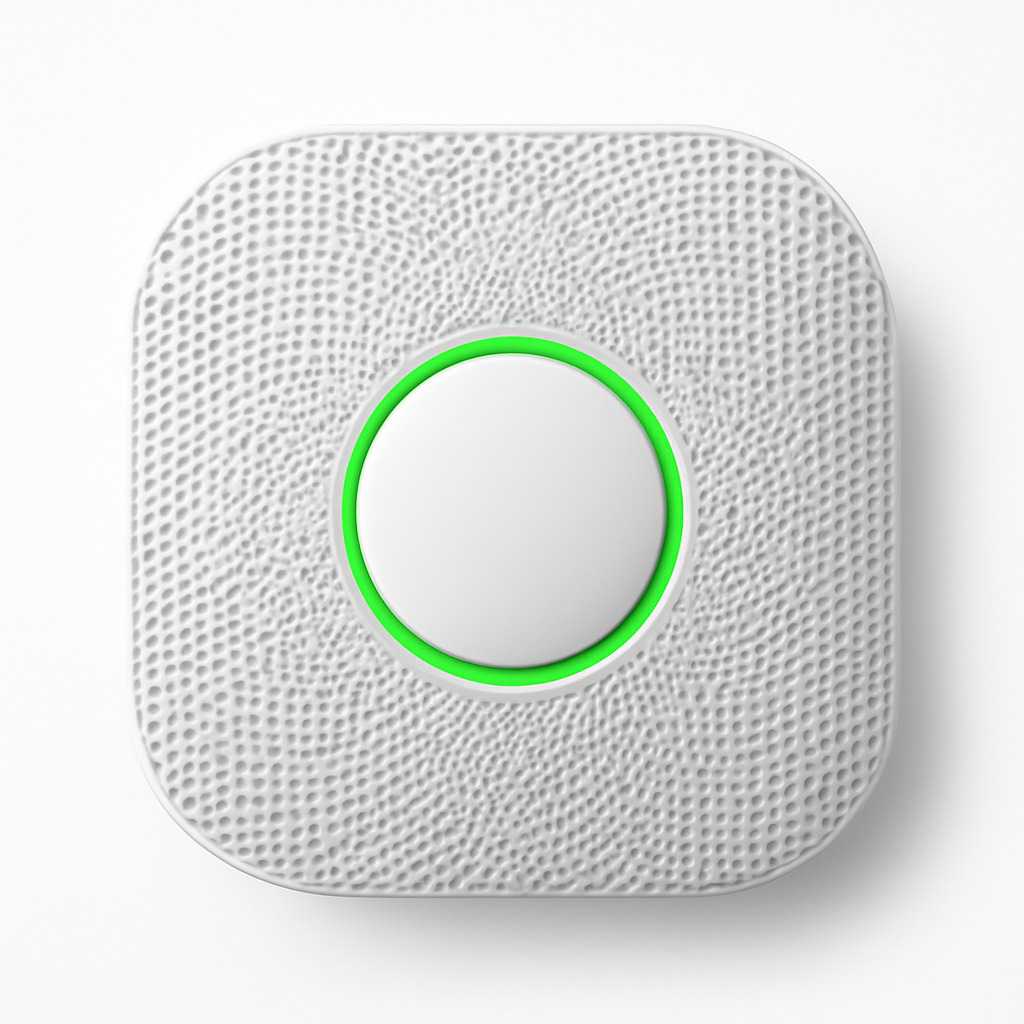
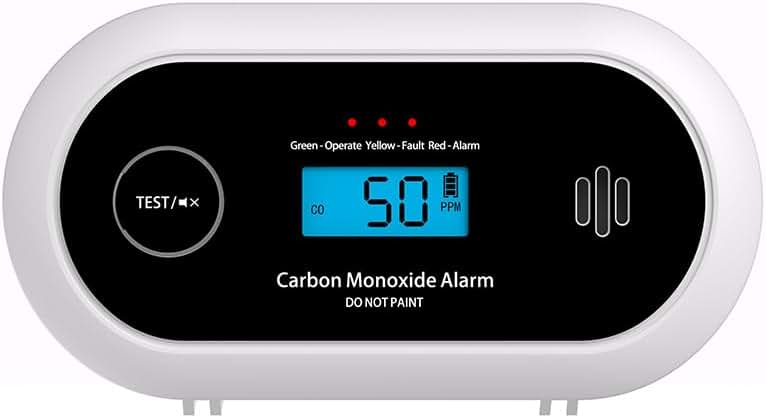
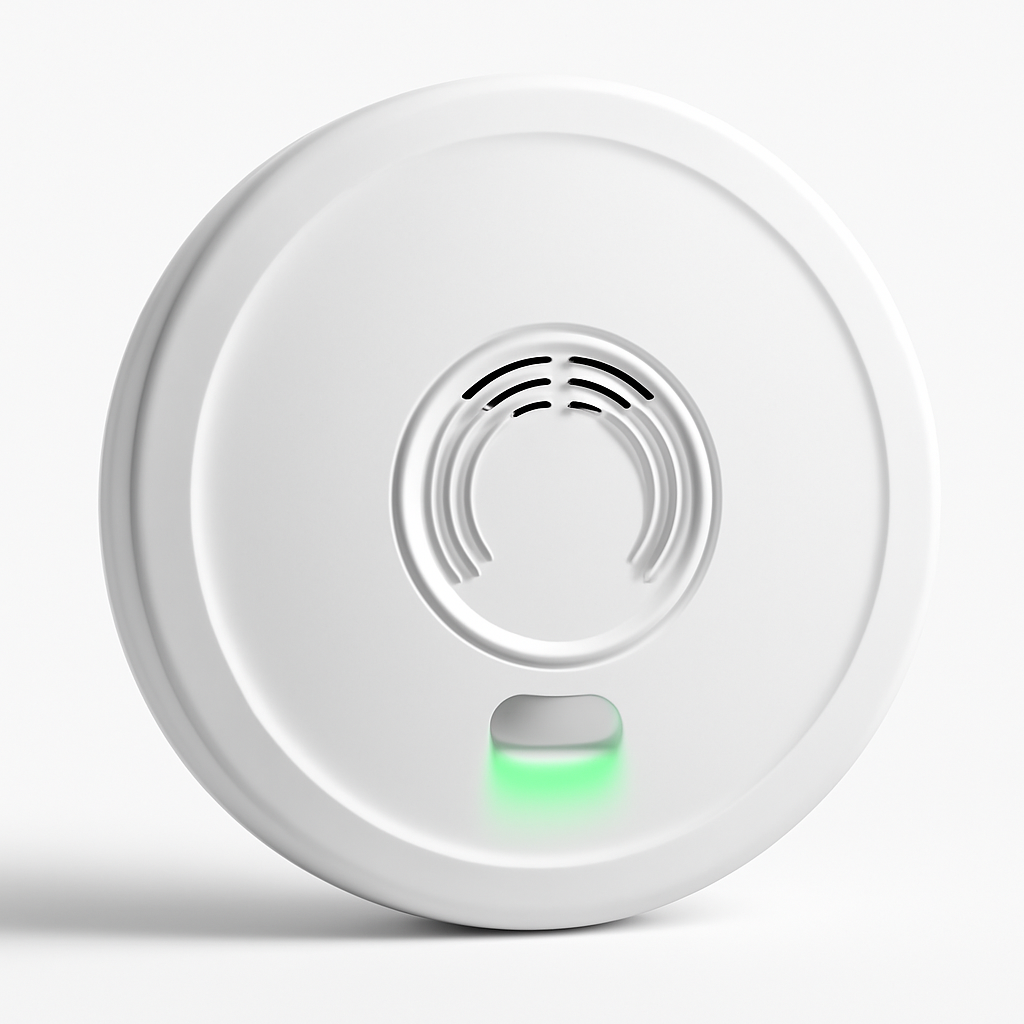
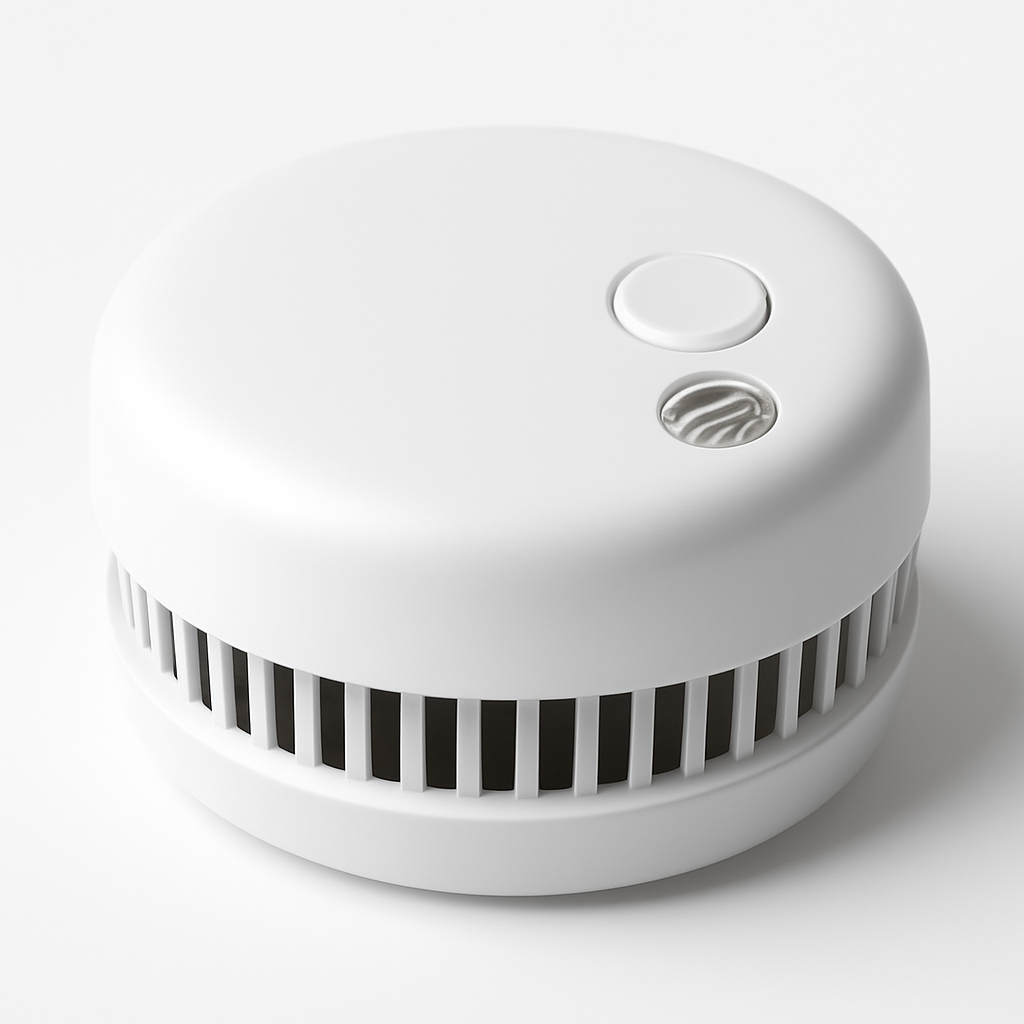
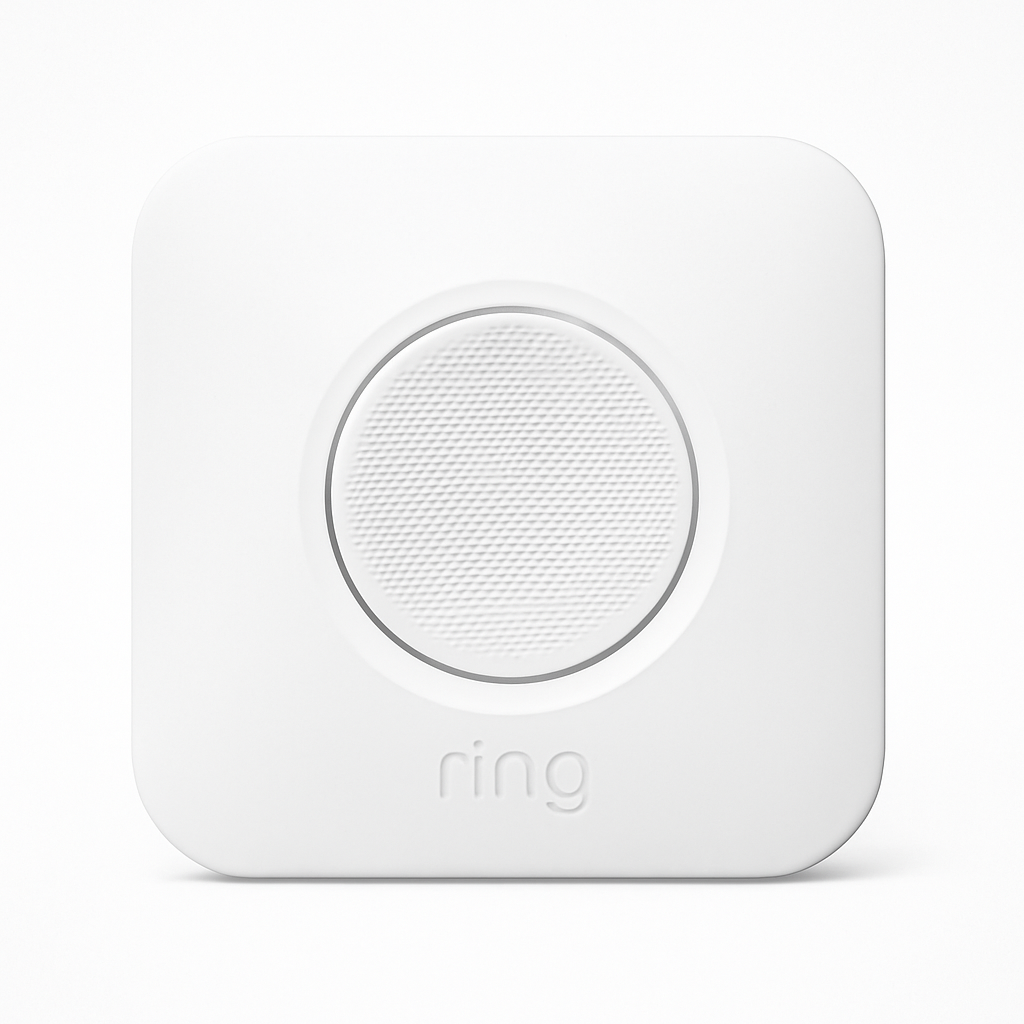
Best Smart Overall: Google Nest Protect
Google Nest Protect
(Current Price, subject to change)
The Google Nest Protect is Wirecutter's top pick three years in a row — and the core reason has nothing to do with Google Home integration. It is the split-spectrum sensor: a single unit that detects both fast-flaming fires (the kind that kill in under five minutes) and slow-smoldering fires (the kind that produce CO while you sleep). Traditional single-technology detectors force you to pick one. The Nest Protect handles both.
The voice-announcement system is where the smart-vs-traditional gap becomes genuinely life-safety relevant. At 2 AM, a traditional detector produces an undifferentiated 85-decibel scream. The Google Nest Protect announces "Emergency. There is smoke in the hallway" — telling you where the fire is so you can choose an evacuation route away from it. That information, delivered in a clear voice in a half-awake state, has real value that no decibel rating measures.
The pre-alert "Heads Up" feature handles the social side of smoke detection. When cooking produces light smoke in the kitchen, the Nest Protect says "Heads up, there's smoke in the kitchen" in a calm voice before escalating. You wave your hand at the detector, it sees the motion, and the full alarm never triggers. Traditional detectors offer you one option in the same scenario: rip the battery out, which is exactly how people end up living without smoke protection at all. For apartment-based smart home protection, also see our smart home security guide for renters.
"The Nest Protect is the best smoke detector we've tested — its split-spectrum sensor catches fires other detectors miss while virtually eliminating the false alarms that cause people to disable their smoke detectors." — Wirecutter
What We Love
- Split-spectrum sensing catches both fast-flaming and slow-smoldering fires — no compromise
- Voice alerts name the specific room, giving evacuation direction in the dark
- "Heads Up" pre-alert prevents false alarms from cooking smoke — drastically reduces battery-pull behavior
- Nightly safety check at 1 AM confirms all sensors are working — no monthly test-button climbing
- Integrates with Nest thermostats to shut off HVAC during CO detection
- $0/month — no monitoring subscription required
What Could Be Better
- $119 per room adds up fast — a 5-room whole-home setup runs $595 before installation
- Requires WiFi for phone notifications — siren still works offline but app is silent
- Google ecosystem preferred — Alexa support is limited to basic status checks
- No Apple HomeKit support at any price
- Battery version requires 6 AA replacements every 2-3 years per unit
The Verdict
The Google Nest Protect is the clearest example in the smart home category of where the premium price buys something a cheap device cannot provide. Voice room-location alerts and false-alarm reduction are not features you can hack onto a $15 ionization detector with a WiFi chip — they require the split-spectrum sensor and the underlying detection logic. For whole-home protection, pair it with a full security system that covers intrusion as well.
Best Smart + Alexa: First Alert Onelink
First Alert Onelink
(Current Price, subject to change)
The First Alert Onelink makes a compelling case for smart detectors by doing something traditional detectors absolutely cannot: it is also an Alexa speaker. At $120, you are paying the same as a standalone Echo device plus a smart smoke detector — and getting both in one ceiling mount. CNET gave it an 8.4/10 and noted it is the only smoke detector that can play your morning playlist.
The 85-decibel alarm is the loudest smart detector we looked at, which matters in homes over 2,000 square feet or multi-story layouts where audio coverage is a real concern. Traditional wired interconnect systems achieve this with hardwired Romex runs between detectors — the First Alert Onelink achieves it wirelessly, with units communicating over an RF mesh that continues functioning even when your router is offline. That last part is worth repeating: the mesh interconnect works without WiFi, which is one of the legitimate criticisms of purely WiFi-dependent smart detectors.
The Philips Hue integration adds a safety layer that no traditional detector can touch: during an alarm, connected Philips Hue lights throughout the house flash red. For households with hearing-impaired members, this visual alarm complement is practically a requirement. See our full Philips Hue vs alternatives guide for compatible bulb options.
"The Onelink Safe & Sound is a smoke detector, CO detector, and Alexa speaker in one — the 85 dB alarm is the loudest we've tested and the RF mesh keeps interconnect working during WiFi outages." — CNET
What We Love
- Built-in Alexa speaker — eliminates the need for a separate Echo device in the room
- 85 dB alarm with RF mesh interconnect — works even when WiFi goes down
- Philips Hue emergency lighting integration — visual alarm for hearing-impaired occupants
- Hardwired install means no battery replacement ever
- Sends push alerts to multiple family smartphones simultaneously
- Apple HomeKit support — something the Nest Protect does not offer
What Could Be Better
- Requires hardwired AC installation — not suitable for renters without an electrician
- $120 per unit — among the most expensive smart detectors available
- Alexa-only ecosystem — no Google Home support at any integration level
- Larger physical footprint than standard ceiling-mount detectors
- AC wiring requirement means it cannot be battery-only backup in a power outage
The Verdict
The First Alert Onelink is the smart smoke detector for Amazon households in large homes who are already running AC wiring. The dual-function Alexa speaker changes the value calculation significantly — you are essentially getting two devices for the price of one. For renters or anyone who needs battery-only installation, the Google Nest Protect is more flexible.
Best Budget Smart: Kidde Smart Detect
Kidde Smart Detect
(Current Price, subject to change)
The Kidde Smart Detect is the most accessible entry point into smart detection — at $55, it costs less than a dinner for two and delivers the core benefit that makes smart detectors worth buying: a phone notification when the alarm triggers. You are away from home, the alarm goes off, and your phone tells you about it. That is the foundational upgrade from traditional detectors, and the Kidde delivers it without the Nest Protect's $119 price tag.
The trade-off versus the Nest Protect is the sensor technology. The Kidde Smart Detect uses a photoelectric sensor — excellent for slow-smoldering fires that produce visible smoke particles but slower to respond to fast-flaming fires than split-spectrum. For most residential scenarios, photoelectric is the right choice anyway: the National Fire Protection Association reports that most fatal home fires produce smoke for extended periods before rapid flame spread. But in a kitchen fire involving combustible materials, the split-spectrum sensor in the Nest Protect would likely trigger first.
For budget-conscious households upgrading from traditional ionization detectors, the Kidde Smart Detect is a genuine improvement on both false-alarm performance (photoelectric vs ionization) and notification capability. Pair it with a smart security camera for visual verification when a remote alarm triggers.
"The Kidde Smart Detect gives you phone alerts and combination smoke/CO sensing at a price point that makes whole-home smart coverage financially realistic." — Tom's Guide
What We Love
- $55 price point — whole-home smart coverage for under $300 at 5 units
- Combination smoke + CO sensing in one unit
- No subscription required — push notifications are free through the Kidde app
- Photoelectric sensor means significantly fewer false alarms than traditional ionization
- Battery-powered — works in any room, no wiring required
- Works independently — no hub or smart home ecosystem needed
What Could Be Better
- Photoelectric only — no split-spectrum like the Nest Protect
- No voice room-location alerts — app notification only
- No audio interconnect between units — each unit operates independently
- Kidde app is functional but lacks the polish of the Nest or Ring apps
- No integration with major smart home platforms (Alexa, Google Home, HomeKit)
- Batteries require replacement every 1-2 years depending on WiFi connection frequency
The Verdict
The Kidde Smart Detect is the pragmatic smart detector for households that need coverage without premium pricing. It delivers the one thing that matters most — a phone call equivalent when you are not home — at a price that makes equipping an entire house realistic. If your priority is whole-home notification on a budget, start here and upgrade individual high-risk locations like the kitchen to a Nest Protect later.
Best Traditional: X-Sense XS01-M
X-Sense XS01-M
(Current Price, subject to change)
The X-Sense XS01-M is the best argument for the traditional camp — and it makes that argument by eliminating every traditional complaint about traditional detectors. The 10-year sealed battery means no midnight low-battery chirping, no battery drawer scrounging, and no forgetting to replace batteries that expired two years ago. The photoelectric sensor means 60% fewer false alarms than the ionization detectors that still dominate hardware store shelves. UL listed. Dead simple. $22.
If you are equipping a vacation home, rental property, or supplementing a smart system in a room where WiFi does not reliably reach, the X-Sense XS01-M is the clear choice. It keeps alarming through power outages, router failures, internet outages, and every other condition that could silence a WiFi-dependent smart detector. The only thing it cannot do is tell you about it remotely — but in a vacation home with no occupants, the local alarm would ring for hours regardless.
The X-Sense wireless mesh system (compatible with the X-Sense Base Station) is an interesting middle ground — you can buy the XS01-M now and add wireless interconnect later for about $40 extra. That keeps your traditional backbone intact while adding room-to-room communication that rivals smart systems without requiring WiFi.
"The X-Sense XS01-M is one of the most reliable smoke detectors we have tested — the 10-year sealed battery and photoelectric sensor make it a set-and-forget solution that actually works when it counts." — Consumer Reports
What We Love
- 10-year sealed battery — install and genuinely forget for a decade
- Photoelectric sensor — 60% fewer false alarms than ionization
- $22 per unit — the most affordable credible smoke detector in any category
- Works completely offline — no WiFi, no app, no subscription, no failure modes
- UL listed — meets the safety standard that matters
- Expandable to X-Sense RF mesh for wireless interconnect later
What Could Be Better
- No remote notification capability — the alarm rings locally only
- No CO detection (CO-combo version available: X-Sense SC06-W at $45)
- No self-testing beyond the manual test button — you have to remember to push it
- No voice location announcements
- Cannot tell you which room triggered during a multi-unit alarm without checking physically
The Verdict
The X-Sense XS01-M proves that "traditional" does not have to mean "outdated." A 10-year sealed battery photoelectric detector is categorically better than a 1-year battery ionization detector, which is what most traditional systems use. For locations where smart notification is unnecessary — outbuildings, garages, vacation properties with cellular monitoring — this is the right call. Equipping a 6-detector home costs $132 total with zero ongoing costs.
Best Upgrade Bridge: Ring Alarm Smoke & CO Listener
Ring Alarm Smoke & CO Listener
(Current Price, subject to change)
The Ring Alarm Smoke & CO Listener solves a problem that nobody else has addressed: you have existing traditional smoke detectors that are perfectly functional and code-compliant, and you want phone notifications without replacing every single one. The Listener sits near your existing detectors and listens — when it hears the alarm pattern that indicates smoke or CO, it sends an alert to the Ring app and, if you have professional monitoring, contacts the dispatch center.
This is the smart home upgrade play that costs $35 per home rather than $119 per room. If you have a Ring Alarm system already, the Listener plugs directly into that ecosystem and gives your existing detectors remote notification capability overnight. The only hardware requirement is a Ring Alarm hub — no new wiring, no ceiling drilling, no replacing individual detectors that are otherwise working fine.
The limitation is detection independence — the Listener does not sense smoke or CO itself, it only listens for the alarm pattern. If your existing detector fails silently, the Listener stays quiet too. It is a notification layer, not a detection upgrade. For households upgrading old ionization detectors with high false-alarm rates, the Listener alone will not solve that problem — you would need to replace the underlying detectors with photoelectric models like the X-Sense XS01-M. See how Ring fits into a full security picture in our Ring vs professional security system comparison.
"The Ring Alarm Smoke & CO Listener is the most cost-effective path to smart notifications for homeowners with existing hardwired detector systems." — PCMag
What We Love
- $35 per home — the cheapest smart notification upgrade available
- Works with existing detectors — no replacement, no wiring, no landlord approval
- Integrates with Ring Alarm for professional monitoring dispatch capability
- Simple Z-Wave setup within the Ring Alarm ecosystem
- Does not require replacing code-compliant detectors in newer homes
What Could Be Better
- Requires a Ring Alarm hub — useless without it (hub sold separately, $200+)
- No independent sensing — it listens for your detectors, not for smoke itself
- Cannot distinguish which room triggered — system-level alert only
- No Google Home, Alexa voice announcements, or HomeKit
- Z-Wave range limitations in very large homes
The Verdict
The Ring Alarm Smoke & CO Listener is the right move for Ring Alarm households with functioning traditional detectors. At $35, the notification upgrade math is simple: you spend nothing on new detectors and add remote alerting for the price of a pizza. For homes without a Ring Alarm hub, the $200+ hub investment changes the calculation entirely — at that point, a Nest Protect per room may be better value.
SHE Safety Response Score
The consumer question is not just "which detector is best" — it is "is the smart upgrade worth the cost." We built the SHE Safety Response Score to answer this with a single comparable number across smart and traditional detectors.
Formula:
SHE Safety Response Score = (Alert Speed x 0.30) + (Remote Notification x 0.25) + (Self-Test Frequency x 0.20) + (False Alarm Resistance x 0.15) + (10-Year TCO Efficiency x 0.10)
Each factor is scored 1-10:
- Alert Speed (30%) — How quickly does the detector alert an occupant or remote recipient? Smart detectors score higher for pre-alerts and simultaneous local + remote notification. Traditional detectors score for local alarm decibel level and interconnect speed.
- Remote Notification (25%) — Does the detector send alerts to smartphones when occupants are away? Critical for empty-home detection. Traditional detectors score 0 unless paired with a listener bridge.
- Self-Test Frequency (20%) — How often does the detector verify its own sensors are functional? Nightly self-testing scores 10. Manual-only test button scores 2.
- False Alarm Resistance (15%) — Based on Consumer Reports false-alarm frequency data. Split-spectrum sensors score highest; ionization sensors score lowest.
- 10-Year TCO Efficiency (10%) — Safety performance delivered per dollar of 10-year total ownership cost.
(SmartHomeExplorer editorial analysis — /methodology)
How to read this: The Google Nest Protect leads at 9.80 because it scores perfectly on the three heaviest weights — alert speed, remote notification, and self-testing. The X-Sense XS01-M scores 4.70 despite being an excellent product because it cannot score on remote notification — that 0 costs 2.5 points from its total by itself. This table answers the "is it worth it" question directly: smart detectors outscore traditional across every weighted safety metric except raw cost efficiency. If budget is your only constraint, the traditional X-Sense wins. For every other priority, smart wins.
When NOT to Buy a Smart Smoke Detector
- Skip the smart upgrade if nobody in the household monitors their phone regularly. Remote notification is the primary differentiator over traditional. If phone notifications go unread — busy parent routines, elderly users, notification fatigue — a $22 traditional photoelectric detector with a loud alarm provides the same local protection for a fraction of the cost. The smart premium is worthless if the notification channel is not actually used.
- Skip smart detectors for outbuildings and detached garages where WiFi does not reach. A WiFi detector in a dead zone sends no alerts — it becomes an expensive traditional detector with a worse failure mode. Use the X-Sense XS01-M in WiFi-dead locations and save the smart budget for interior rooms.
- Skip whole-home smart replacement if your existing hardwired system is under 7 years old. Hardwired traditional detectors from reputable brands are reliable and code-compliant. If you want remote notification without replacing them, a single Ring Alarm Smoke & CO Listener added to an existing Ring Alarm system costs $35 and does not require any replacement.
- Skip the Nest Protect specifically if your household uses Apple HomeKit as the primary smart home hub. The Nest Protect has no HomeKit support at any price. The First Alert Onelink ($120) supports HomeKit and is the smart smoke detector for Apple-centric homes.
Frequently Asked Questions
Are smart smoke detectors actually better at detecting fires than traditional ones?
The answer depends entirely on which traditional detector you are comparing against. Smart detectors like the Google Nest Protect use split-spectrum sensing that detects both fast-flaming and slow-smoldering fires — something most traditional ionization detectors cannot do reliably. But a traditional photoelectric detector like the X-Sense XS01-M ($22) matches or exceeds the detection performance of ionization models on slow-smoldering fires, which are the majority of fatal residential fires. The smart detector advantage on detection is clearest versus the cheap ionization detectors that still dominate hardware store shelves — not versus quality photoelectric traditional units.
How much faster does a smart smoke detector alert you compared to a neighbor calling?
In independent testing documented by Consumer Reports, smart smoke detectors deliver phone notifications within 30-60 seconds of alarm activation. A neighbor calling assumes they are home, awake, can hear your alarm through the wall, have your number, and choose to call — a chain of conditional events that averages 3-8 minutes in urban settings and may never happen in suburban or rural homes. The Google Nest Protect sends a notification before most people even register they have heard an alarm. That 2-7 minute gap is the documented safety advantage of smart over traditional.
Do smart smoke detectors work if your WiFi goes down?
Local alarms — the physical siren — work on all smart detectors regardless of WiFi status. The remote notification capability requires internet connectivity. The First Alert Onelink partially addresses this with an RF mesh interconnect system that keeps units communicating with each other even during router outages. But for guaranteed remote alerts during power outages and WiFi failures, cellular-based monitoring via a Kidde RemoteLync or a Ring Alarm system with cellular backup is the only fully reliable option.
Is the Google Nest Protect worth $119 per room when traditional detectors cost $22?
The math depends on what you are comparing. Against a traditional ionization detector ($15-$25), the Nest Protect at $119 is a $94-$104 premium per room. That premium buys: split-spectrum detection, voice room-location alerts, false-alarm pre-warnings, remote smartphone notification, and nightly self-testing. For a bedroom — where occupants are sleeping and most unable to react to an alarm without directional guidance — the voice room-location alert alone is a meaningful safety upgrade. For a garage or outbuilding with no occupants, the traditional X-Sense XS01-M at $22 is the more honest recommendation.
The Bottom Line
Get the Google Nest Protect if you want the best smart smoke detector available and your home uses Google Home or no ecosystem at all. Split-spectrum sensing, voice room alerts, and nightly self-testing make it the top safety performer on the market — and at $0/month, it costs less to own long-term than a monitored traditional system.
Get the First Alert Onelink if you are in an Amazon Alexa or Apple HomeKit household, have AC wiring, and want your smoke detector to also serve as a smart speaker. The 85 dB alarm and RF mesh interconnect that survives WiFi outages are legitimate advantages in large homes.
Get the Kidde Smart Detect if you want the smart upgrade — remote notification, combo sensing, no subscription — at a price that makes equipping a whole house under $300 realistic.
Get the X-Sense XS01-M if you have WiFi-dead locations, outbuildings, or a vacation home that needs reliable detection without app dependency. A 10-year sealed battery and photoelectric sensor make it the most maintenance-free traditional detector available.
Get the Ring Alarm Smoke & CO Listener if you already have a Ring Alarm system and want to add remote notification capability to your existing functional traditional detectors without replacing anything.
Skip smart detectors entirely if nobody in your household checks their phone, your WiFi is unreliable, or the rooms in question are outbuildings with no occupants. A $22 photoelectric traditional detector properly installed is categorically safer than a smart detector with dead batteries or a broken WiFi connection.
For the complete product rankings across every smart smoke and CO detector category, see our best smart smoke detectors 2026 guide.
Sources & Methodology
This guide aggregates expert reviews and published safety data from the following sources:
- Wirecutter — Best smoke detectors buying guide and Nest Protect three-year review (2023-2026)
- CNET — First Alert Onelink Safe and Sound review, smart smoke detector comparison (2025)
- Consumer Reports — Smoke detector lab testing, false-alarm rates, and alert speed data (2025)
- PCMag — Ring Alarm Smoke & CO Listener review, smart detector roundup (2025)
- Tom's Guide — Kidde Smart Detect review, smart vs traditional detector comparison (2025)
- National Fire Protection Association — Residential fire fatality data and smoldering vs flaming fire statistics (2025)
- UL (Underwriters Laboratories) — Smoke detector safety certification standards
All prices verified on Amazon as of March 2026. False-alarm frequency estimates derived from Consumer Reports standardized testing protocols. Alert speed data from independent expert reviews and manufacturer documentation. The SHE Safety Response Score is a SmartHomeExplorer proprietary metric — see formula and scoring table above.
Expert quotes are attributed to their original publication. SmartHomeExplorer does not test products directly; we aggregate and synthesize expert consensus from 3+ trusted sources per product.
Nicholas Miles is the founder of SmartHomeExplorer.com. He has covered the smart home security category since 2023 and has reviewed every major smart smoke detector released in that period. He is not a fire marshal, but he has strong opinions about ionization sensors and the people who still sell them.
SmartHomeExplorer.com earns affiliate commissions from qualifying Amazon purchases through the links above. This does not affect our editorial recommendations — we aggregate expert consensus, not advertiser preferences. See our full affiliate disclosure for details.