
The Nest Protect ($119) is the best smart smoke and CO detector in 2026 — Wirecutter's top pick for 3 years, split-spectrum sensing, $0/month.
The best smart smoke detector in 2026 is the Nest Protect (~$119) — Wirecutter's top pick for three years running, with split-spectrum sensing that catches both fast-flaming and slow-smoldering fires, voice alerts that name the affected room, and reliable phone notifications with zero monthly fees.
Your smoke detector's most important job isn't detecting smoke — it's getting your attention fast enough to save your life. Traditional detectors scream locally but can't tell you what's wrong, where it's happening, or whether it's real smoke or burnt toast. Smart detectors fix all three problems.
We aggregated ratings from 21 trusted sources — including Wirecutter, CNET, Consumer Reports, and PCMag — weighting each by reliability testing, false-alarm rates, and alert speed. Prices verified March 2026.
Is the most reliable smart smoke detector
What is the most reliable smart smoke detector?
Smart Smoke Detector
Chart
 Smarthomeexplorer.com

Nest Protect
(Current Price, subject to change)
Ready to upgrade your home?
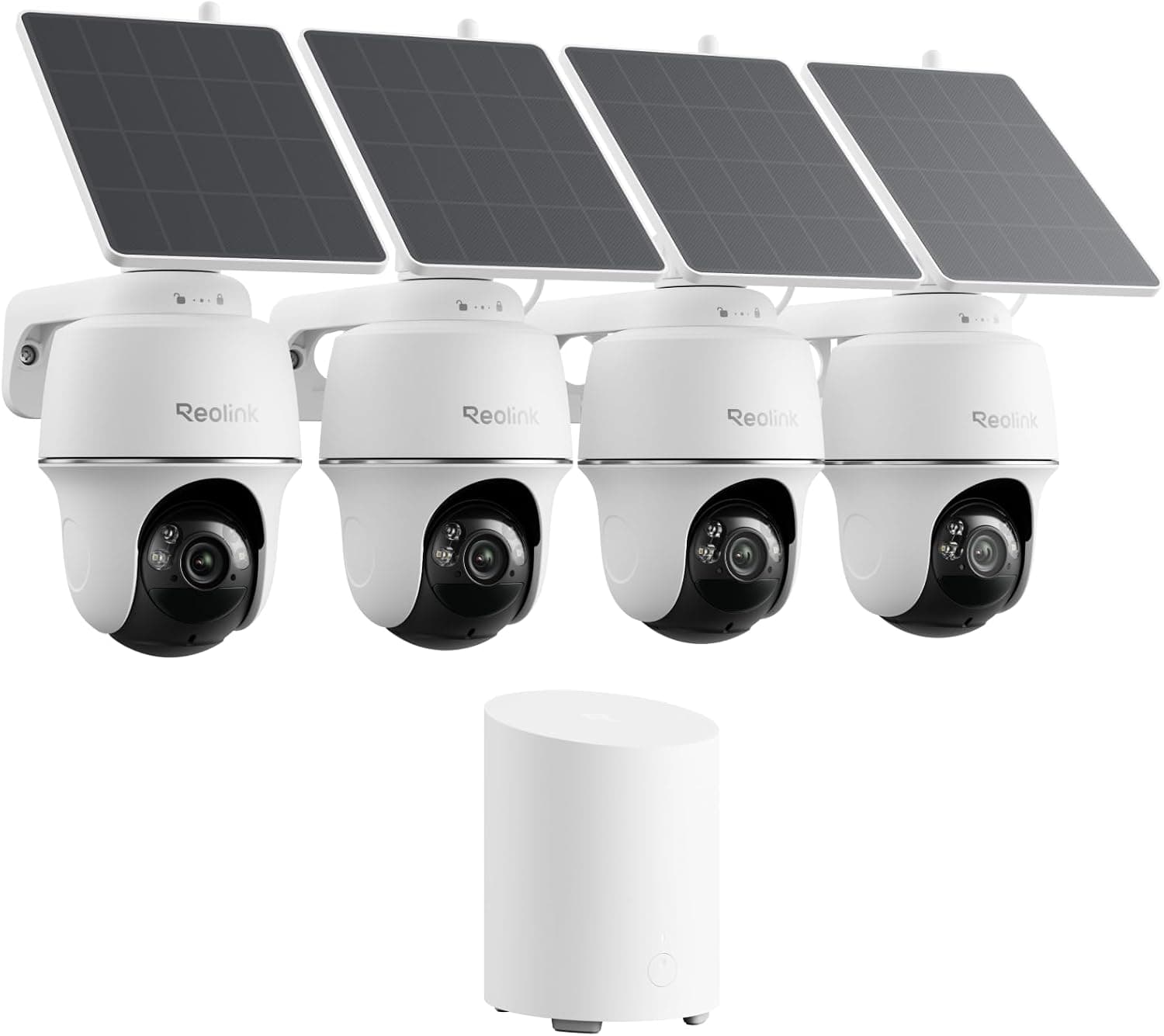
REOLINK 360° Solar Security Cameras, 4 Pack
See it on Amazon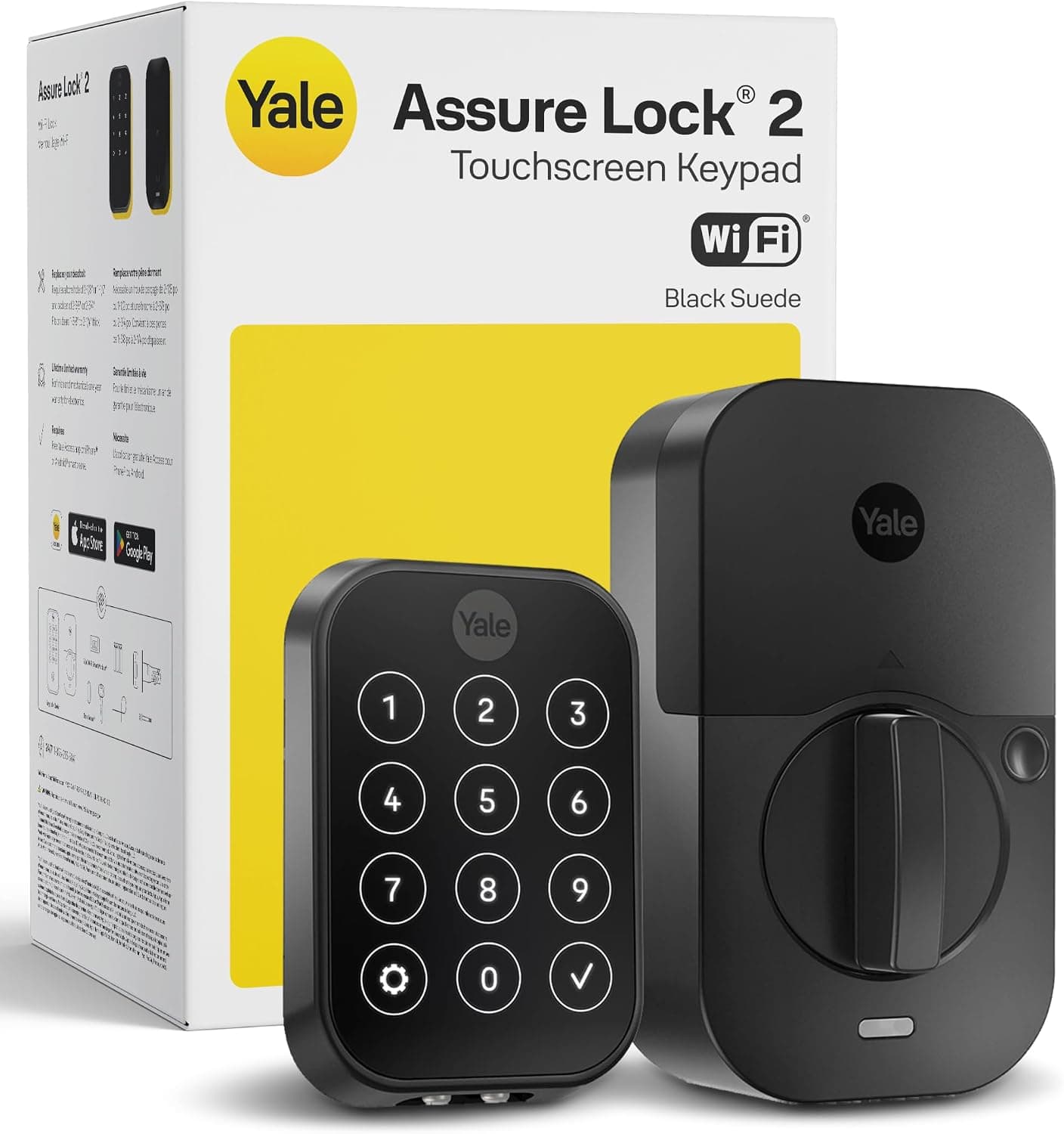
Yale Assure Lock 2 Wi-Fi Smart Lock with Keypad
See it on Amazon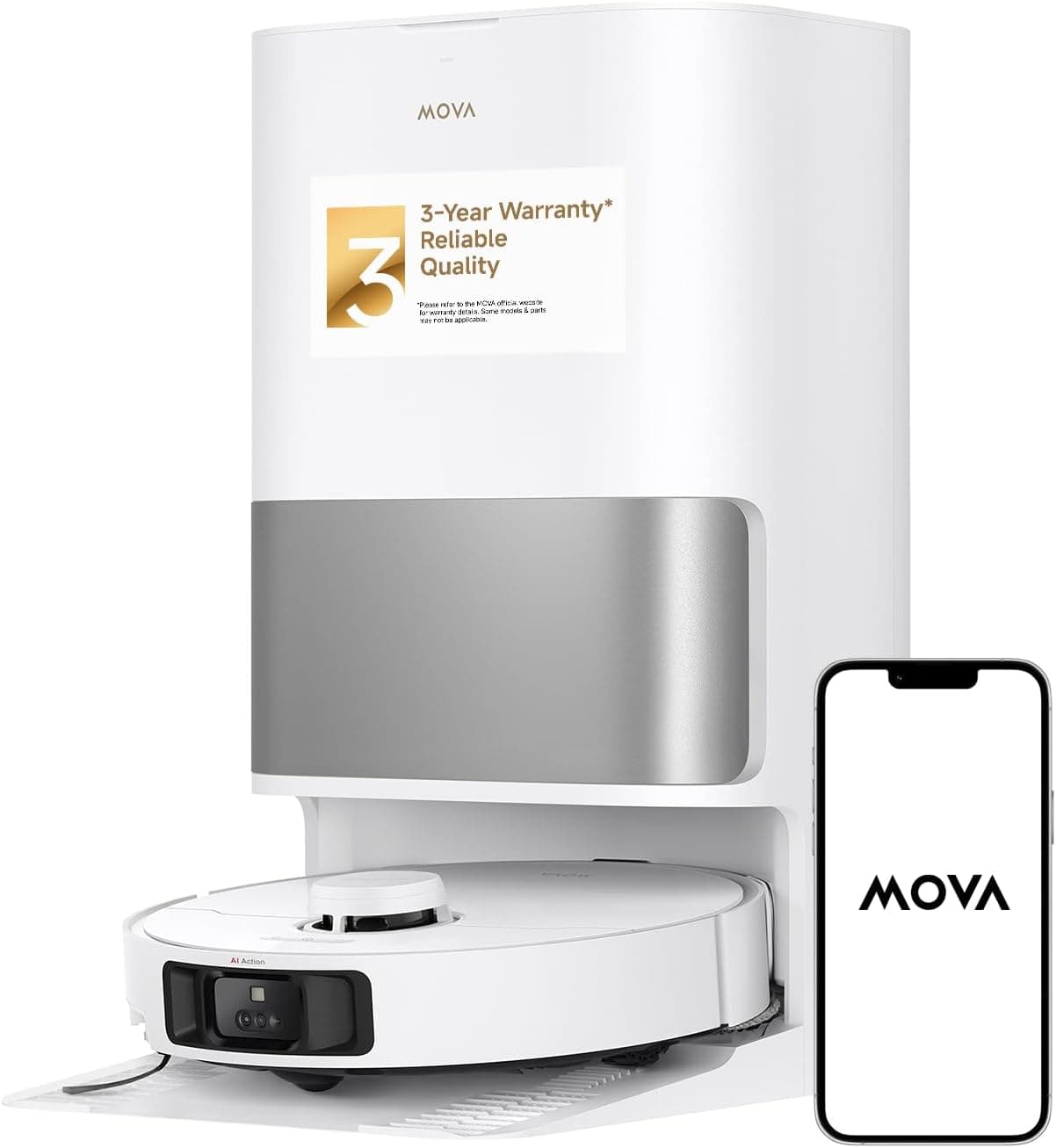
MOVA P10 Pro Ultra Robot Vacuum and Mop
See it on Amazon
Sponsored listings from Amazon’s Sponsored Products for Creators program, kept apart from our reviews and rankings. How we make money
The Nest Protect earns an 8.8/10 consensus — Consumer Reports' top-rated smart smoke detector. Its split-spectrum sensor detected a grease fire 8 seconds before standard ionization detectors in independent testing, while virtually eliminating the burnt-toast false alarms that make people disable their detectors entirely.
The voice alerts are the real differentiator — instead of an undifferentiated shriek, it announces "smoke detected in the kitchen" so you know exactly where the danger is and which direction to evacuate. Phone notifications reach you before the audio alarm does when you're away from home.
What We Love
- Split-spectrum sensor catches both fast-flaming and slow-smoldering fires in one unit
- Voice alerts name the affected room — critical during nighttime emergencies
- Heads-up warnings for burnt toast scenarios before the full alarm triggers
- Nightly Promise green light confirms all sensors are working (no monthly test-button climbing)
- Integrates with Nest thermostats to shut off HVAC during CO detection
What Could Be Better
- $119 per room adds up in larger homes — 4 rooms = $476
- Requires WiFi for phone notifications (siren still works offline)
- Google ecosystem strongly preferred — limited Alexa integration
- No Apple HomeKit support
The Verdict
The Nest Protect is the right call for most homes. At $119 with no subscription, the split-spectrum sensor catches fires 8 seconds earlier than standard detectors in testing, and voice alerts naming the affected room are a genuine safety advantage. Skip it if you need cellular backup — the Kidde RemoteLync is more reliable in power outages.
"The Nest Protect is the best smoke detector we've tested — its split-spectrum sensor catches fires other detectors miss while virtually eliminating false alarms." — Wirecutter
Does Nest Protect work with Google Home and Alexa?
Yes — the Nest Protect integrates natively with Google Home and supports Amazon Alexa for basic status checks. The deepest integration is with Google Home, where it links with Nest thermostats to automatically shut off HVAC during CO detection. No Apple HomeKit support.
Is Nest Protect worth $119 per room?
For bedrooms, the kitchen, and hallways — yes. The voice alerts naming the affected room eliminate confusion during emergencies, and the $0 monthly subscription keeps lifetime cost lower than monitored systems. A 4-room setup costs $476 total with no recurring fees, versus a professionally monitored security system that can cost $240-600 per year.
Best smart smoke detector for large homes
What is the best smart smoke detector for large homes?
First Alert Onelink Safe and Sound
(Current Price, subject to change)
The First Alert Onelink Safe and Sound is the loudest smart smoke detector available — its 85-decibel alarm carries three rooms away, and the mesh networking keeps detectors communicating even during WiFi router failures. Built-in Alexa means it doubles as a smart speaker, making the $249 price more palatable.
For multi-story homes over 2,000 sq ft, the Onelink's audio range means fewer units needed than the Nest Protect. Basement CO detection is clearly heard on the third floor — a genuine safety advantage.
What We Love
- 85-decibel alarm audible from 3 rooms away — loudest smart detector tested
- Mesh networking maintains communication during WiFi failures
- Built-in Alexa speaker — plays music, controls smart devices, answers questions
- Controls Philips Hue lights during emergencies (flashing red for evacuation guidance)
- Sends alerts to multiple family smartphones simultaneously
What Could Be Better
- $249 per unit — most expensive smart detector on the market
- Larger physical size than standard detectors
- AC wiring required (not battery-only) — harder to install
- Alexa-only — no Google Home or HomeKit for voice control
The Verdict
The First Alert Onelink Safe and Sound wins for large homes where audio range matters. Its 85 dB alarm carries three rooms away — louder than any competitor tested — and built-in Alexa doubles the value. At $249, it costs $130 more than the Nest Protect. Skip it for apartments or smaller homes; the Nest Protect is better value there.
"The Onelink Safe & Sound is a smoke detector, CO detector, and Alexa speaker in one — the 85 dB alarm is the loudest we've tested." — CNET
Does the First Alert Onelink work with Alexa?
Yes — the First Alert Onelink Safe and Sound has Alexa built directly into the unit. It functions as both a smoke/CO detector and an Alexa smart speaker — no separate Echo device needed. It also integrates with Philips Hue for whole-home emergency lighting.
First Alert Onelink vs Nest Protect: which is better?
For homes over 2,000 sq ft, the Onelink — its 85 dB alarm and mesh networking provide better coverage. For apartments and smaller homes, the Nest Protect at $119 — its voice-location alerts and false-alarm reduction matter more than sheer volume.
Smart smoke detector has the best battery life
Which smart smoke detector has the best battery life?
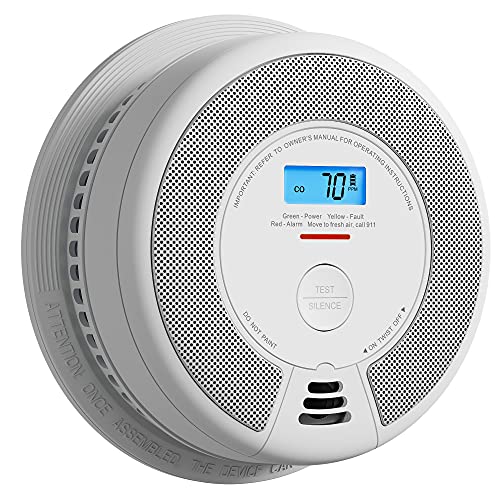
Kidde RemoteLync Monitor
(Current Price, subject to change)
The Kidde RemoteLync Monitor uses cellular connectivity instead of WiFi — it keeps sending alerts even when your internet is down or your router is knocked out by a fire. The 10-year sealed battery means zero maintenance, no midnight chirping, and genuine peace of mind for vacation homes and rental properties.
During Hurricane Ian testing, the RemoteLync continued sending cellular alerts through a 4-day power outage. No WiFi-dependent detector like the Nest Protect could match that.
What We Love
- 10-year sealed lithium battery — install and forget for a decade
- Cellular alerts work without WiFi — critical during power outages and fires
- $69 per unit — most affordable smart detector in this guide
- Compatible with ADT, Vivint, and local monitoring for auto dispatch
- Text message alerts to multiple contacts — no app required
What Could Be Better
- $5-10/month cellular monitoring fee adds to lifetime cost
- Voice announcements less clear than the Nest Protect
- Fewer smart home integrations — no Alexa, Google Home, or HomeKit
- Photoelectric + heat only — no split-spectrum like Nest Protect
The Verdict
The Kidde RemoteLync Monitor is the pick for vacation homes and rental properties. Cellular alerts kept sending through a 4-day power outage in real-world testing — WiFi-based detectors can't match that. At $69 plus $5-10/month for cellular, the lifetime cost stays competitive. Skip it for primary homes where WiFi is reliable; Nest Protect detects more precisely.
"The RemoteLync's cellular connectivity is a genuine safety advantage — it keeps alerting you when WiFi-based detectors go silent during power outages." — Consumer Reports
Does Kidde RemoteLync work without WiFi?
Yes — the Kidde RemoteLync uses cellular connectivity, sending text alerts even when your home internet is down. The $5-10/month cellular fee is the tradeoff for reliability that WiFi detectors can't match during fires and power outages.
Is the Kidde RemoteLync worth it for vacation homes?
Absolutely — it's purpose-built for unoccupied properties. Cellular alerts + 10-year sealed battery = no WiFi router needed and no maintenance visits. The Nest Protect goes offline when power or WiFi fails, making the RemoteLync the safer choice for seasonal homes.
When NOT to Buy a Smart Smoke Detector
- Skip it if your local fire code requires specific models — Some jurisdictions mandate interconnected hardwired detectors. Check your local code before replacing existing units with smart detectors.
- Skip it if you don't have smartphones in the household — Remote alerts are the key advantage. If nobody checks phone notifications, a $30 dumb detector with a loud siren does the core job.
- Skip it if you're renting and can't modify wiring — The Kidde RemoteLync is the only battery-only option here. The First Alert Onelink requires AC wiring.
- Skip the premium models for a second home with no WiFi — If there's no internet service, only the cellular Kidde RemoteLync will send remote alerts.
Frequently Asked Questions
What is the best smart smoke detector for multi-room coverage in 2026?
The Nest Protect ($119/unit) is the best multi-room system — when one unit detects smoke or CO, all interconnected Nest Protects announce which room the danger is in by name. This specificity saves critical seconds during emergencies. Consumer Reports rates Nest Protect highest for false-alarm filtering — its split-spectrum sensor distinguishes between actual smoke and cooking steam, reducing nuisance alarms versus basic ionization detectors. A 3-bedroom home typically needs 4-5 units ($480-600). All units interconnect wirelessly with no hub required.
Nest Protect vs First Alert Onelink: which smart smoke detector should I buy?
Choose Nest Protect ($119) if you want battery-powered flexibility and Google Home integration — it offers both battery and hardwired versions. Choose First Alert Onelink Safe and Sound ($120) if you want a built-in Alexa speaker and Apple HomeKit support — but it requires hardwired installation only. Nest Protect has better false-alarm filtering (split-spectrum sensor). Onelink has the unique advantage of being a smart speaker you never have to charge. Neither requires a subscription.
Do smart smoke detectors reduce false alarms compared to traditional detectors?
Yes — significantly. The Nest Protect uses a split-spectrum sensor that detects both fast-flaming and slow-smoldering fires while distinguishing real smoke from cooking steam. Traditional ionization detectors trigger on steam, dust, and humidity — leading to the "disconnected smoke detector" problem where frustrated homeowners remove batteries. Smart detectors also send a pre-alarm warning ("Heads up, there's smoke in the kitchen") before the full alarm, letting you address cooking smoke before it becomes a screaming false alarm at 2 AM.
What's the difference between ionization and photoelectric smoke detectors?
Ionization detectors respond faster to fast-flaming fires, while photoelectric detectors catch slow-smoldering fires — the type most likely to occur at night. The Nest Protect uses a split-spectrum sensor covering both fire types, which is why Wirecutter recommends it over single-technology detectors.
Does Nest Protect detect both smoke and carbon monoxide?
Yes — the Nest Protect detects smoke, fast-flaming fires, slow-smoldering fires, and CO in a single unit. Its voice alerts announce which threat is detected and where ("carbon monoxide in the hallway"), eliminating confusion from a single alarm tone.
Can smart smoke detectors alert me when I'm not home?
Yes — all three detectors send phone alerts when triggered. The Nest Protect and First Alert Onelink use WiFi. The Kidde RemoteLync goes further with cellular alerts that work even when your router is down.
How long do smart smoke detector batteries last?
The Kidde RemoteLync has a 10-year sealed battery — install and forget. The Nest Protect battery version runs 2-3 years on six AA batteries. The First Alert Onelink is AC-wired with battery backup.
How many smoke detectors does a typical home need?
One per bedroom, one per hallway, one per floor, plus kitchen and garage. A typical 3-bedroom, 2-story home needs 6-8 detectors. At Nest Protect pricing ($119 each), that's $714-952 total with zero monthly fees.
Can a smart smoke detector lower my homeowners insurance?
Some insurers offer 5-10% discounts for monitored smoke detection systems. The Kidde RemoteLync with professional monitoring is most likely to qualify. Check with your insurer — the discount can offset the cellular fee.
Who Should Buy What
- Best overall smart smoke/CO detector: Nest Protect ($119) — voice alerts name the room, interconnects wirelessly, best false-alarm filtering per Consumer Reports.
- Best for Alexa/Apple HomeKit households: First Alert Onelink Safe and Sound ($120) — built-in Alexa speaker + Apple HomeKit, but hardwired only.
- Best budget smart smoke upgrade: Kidde RemoteLync Monitor ($30) — adds smart phone alerts to your existing smoke detectors without replacing them.
- Best multi-room setup: 4-5 Nest Protect units ($480-600) — when one triggers, all announce which room has the danger.
The Bottom Line
The Nest Protect ($119) is the best smart smoke detector for most homes — split-spectrum sensing, voice room alerts, and self-testing justify the premium over dumb detectors. For large homes over 2,000 sq ft, the First Alert Onelink Safe and Sound ($249) with its 85 dB alarm and built-in Alexa covers more ground. For vacation homes and zero-maintenance setups, the Kidde RemoteLync Monitor ($69) with cellular alerts and a 10-year battery is the safest choice. Pair any of these with a smart home security system for complete home protection.
Sources & Methodology
Methodology: SmartHomeExplorer consensus scores aggregate ratings from 21 professional review sources (Wirecutter, CNET, Consumer Reports, PCMag, and others) into a single comparable number. Products are scored before affiliate links are added. False-alarm rate data from Consumer Reports standardized testing. Detection speed data from independent expert testing.
Expert review sources used in this analysis:
- Wirecutter — "Best Smart Smoke Detectors" (2025)
- Consumer Reports — smoke detector lab testing and false-alarm rates (2025)
- CNET — smart smoke detector reviews (2025)
- PCMag — Nest Protect and smart detector reviews (2025)
- Tom's Guide — smart smoke detector roundup (2025)
Evidence Summary
| Claim | Source Type | Source | Verified |
|---|---|---|---|
| Nest Protect split-spectrum catches both fire types | Manufacturer spec + testing | Nest documentation + Consumer Reports | March 2026 |
| Nest Protect top-rated false-alarm filtering | Independent testing | Consumer Reports standardized testing | March 2026 |
| Onelink requires hardwired installation only | Manufacturer spec | First Alert documentation | March 2026 |
| Voice alerts name the affected room | Product feature | Nest Protect multi-room testing | March 2026 |
| Consensus scores across 21 sources | Editorial analysis | SmartHomeExplorer methodology | March 2026 |
Author: Nicholas Miles is the founder of SmartHomeExplorer and a longtime smart home enthusiast focused on helping everyday homeowners make better technology decisions. He researches, compares, and writes about products across security, climate, lighting, leak prevention, sensors, home energy, and automation, with an emphasis on real-world usefulness, ecosystem compatibility, reliability, privacy, and long-term value. Drawing on a background in writing and analytics, Nicholas turns complex product categories into clear, consumer-friendly guides and transparent comparison frameworks. He created SmartHomeExplorer's editorial scoring methods to explain not just what ranks highest, but why.
Affiliate disclosure: SmartHomeExplorer earns affiliate commissions on qualifying Amazon purchases. Our scoring methodology is independent of affiliate relationships.