
The Google Nest Protect ($119) is the best whole-home combo detector — one unit handles smoke and CO with voice alerts naming the specific room.
Most homeowners know you need a smoke detector. Fewer know exactly where each one should go, whether it should detect CO as well, or how many units a typical house actually requires to meet code and provide genuine protection. And almost nobody knows that installing the wrong type of detector in the wrong location is not just a waste of money — it actively creates false-alarm problems that cause people to remove batteries and live unprotected.
This guide answers all three questions with a room-by-room placement plan built from NFPA 72 (the National Fire Alarm Code), Consumer Reports testing data, and expert consensus from Wirecutter, CNET, and PCMag. We also compared five specific combo detector products across every room type and developed the SHE Coverage Efficiency Score — a proprietary metric that accounts for sensor coverage breadth, interconnect capability, and the total cost of protecting a typical 3-bedroom, 2-story home.
Full methodology for this score
The short version of the placement guidance: every bedroom needs a smoke detector, every floor needs a CO detector, and every home needs at least one photoelectric unit near the kitchen. Everything else is optimization. Here is exactly how to optimize it.
Combo Detector
Chart
 Smarthomeexplorer.com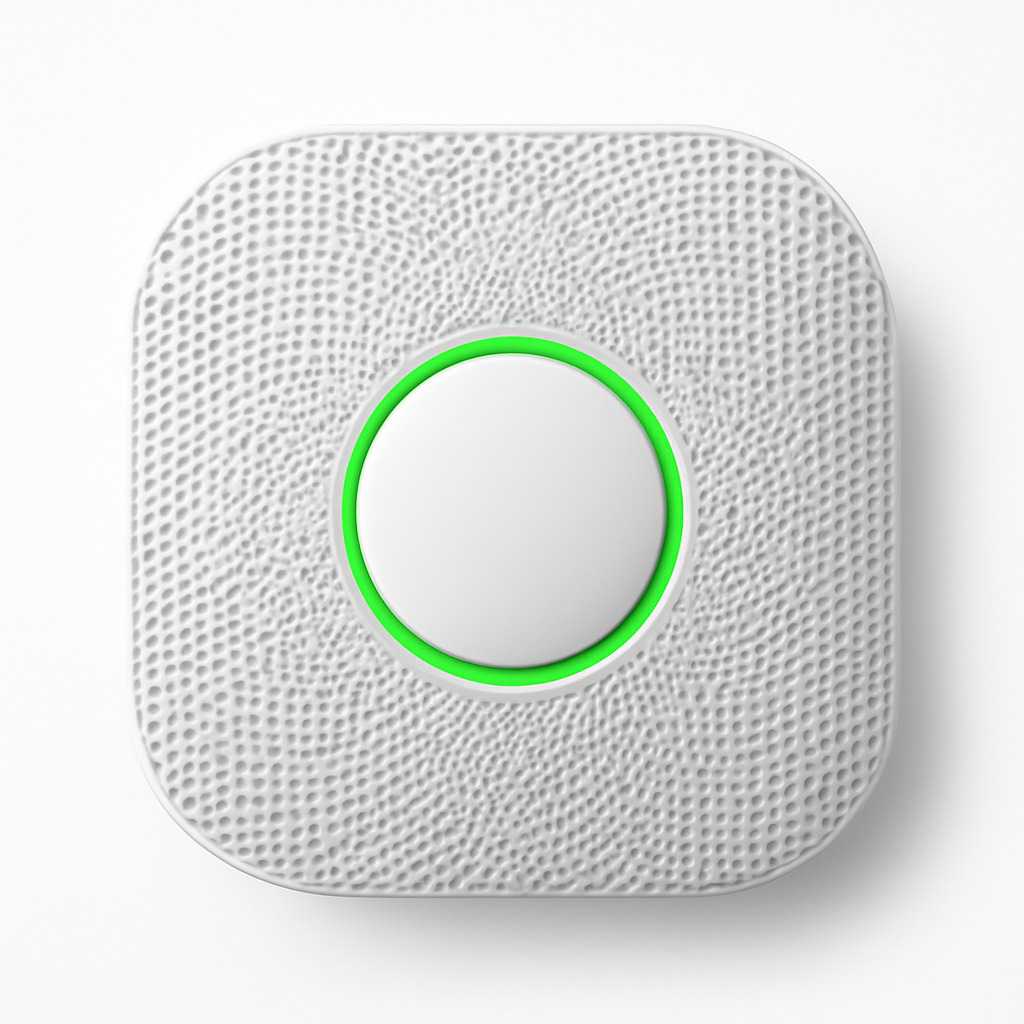
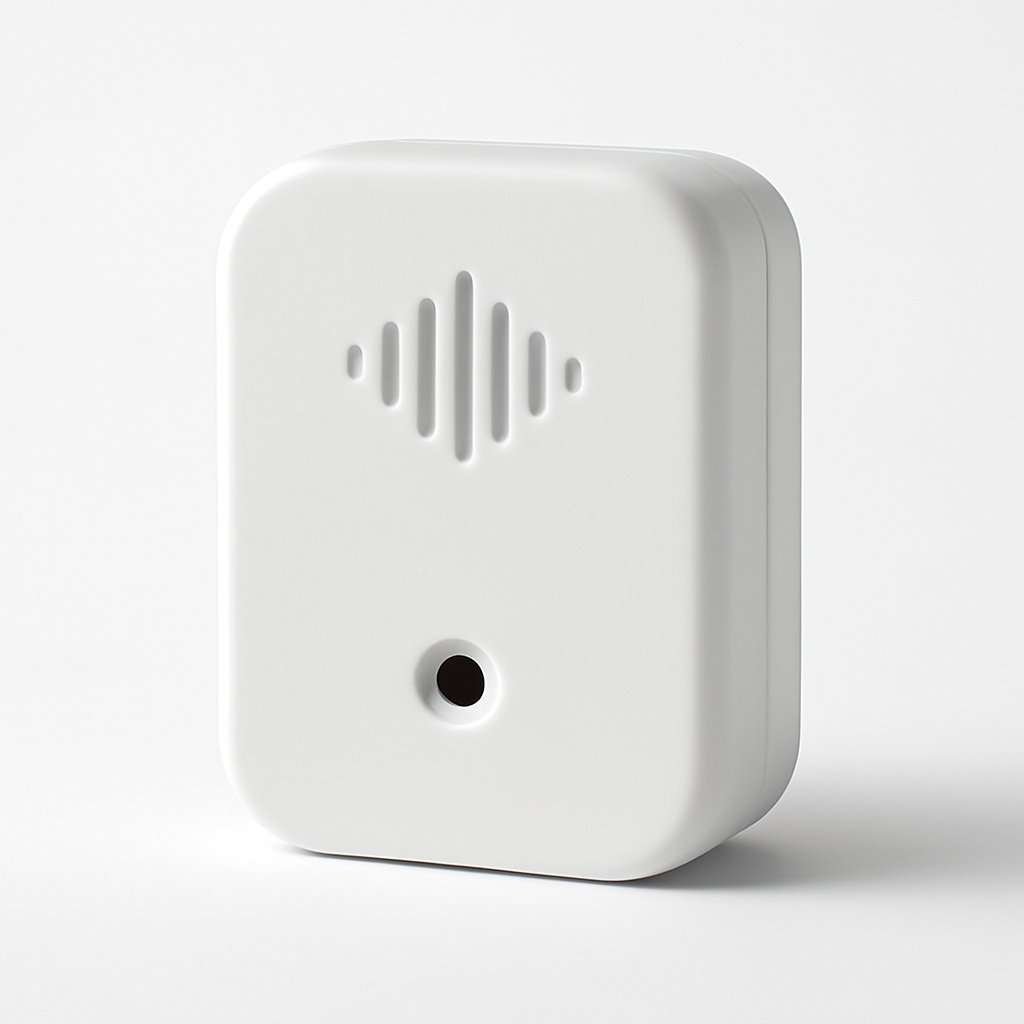
Best Whole-Home Combo: Google Nest Protect
Google Nest Protect
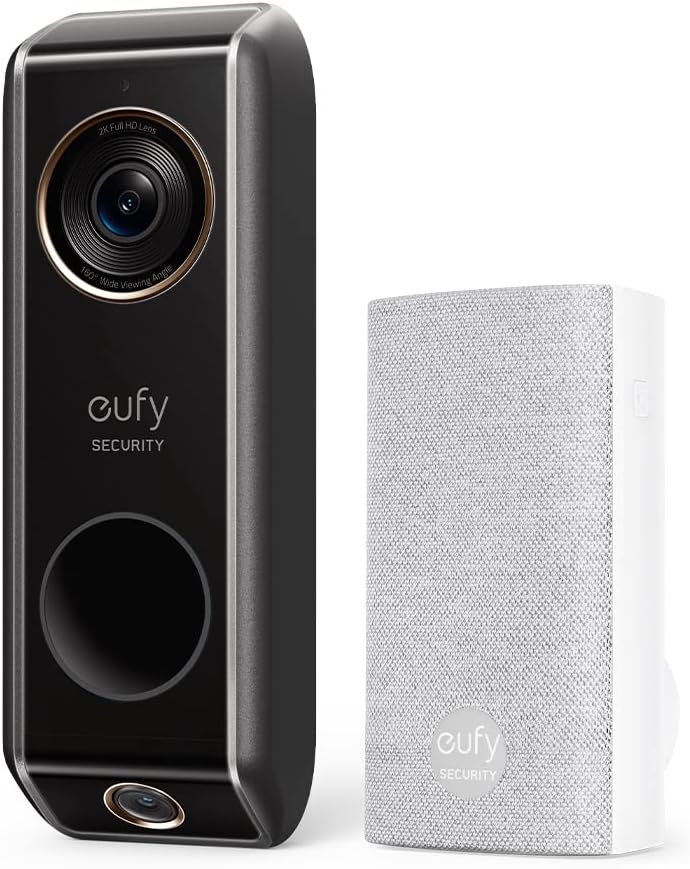
(Current Price, subject to change)
The Google Nest Protect is Wirecutter's recommended pick for anyone who wants a single product that handles both smoke and CO detection at the highest available sensitivity. The split-spectrum sensor is the technical foundation: most combo detectors use photoelectric smoke sensing (good for smoldering fires, slower on fast-flaming) and add electrochemical CO. The Nest Protect adds a second optical chamber tuned for fast-flaming fires, making it the only unit in this guide that covers all four threat types — fast-flaming smoke, slow-smoldering smoke, and CO.
For whole-home deployment, the interconnect system is the key advantage. When one Nest Protect detects smoke in the kitchen, every connected unit announces "Emergency. There is smoke in the kitchen" — giving occupants room-location guidance for evacuation, not just noise. Up to 18 units interconnect via WiFi mesh, and when you are away from home, the app sends a push notification before the alarm fully cycles. That combination — local voice guidance plus remote smartphone alert — is not available from any other detector at any price in a single battery-operated unit.
The false-alarm pre-warning system matters especially in the kitchen context. When cooking smoke approaches the alarm threshold, the Nest Protect says "Heads Up, there's smoke in the kitchen" before escalating to a full alarm. A wave of the hand dismisses it. This is the feature that eliminates the battery-removal habit — the #1 reason homes end up unprotected — better than any other smart home safety device on the market. For apartment renters who face the same false-alarm problem in restricted spaces, also check our smart home security for apartments guide.
"We've recommended the Nest Protect for years. The split-spectrum sensing, voice alerts, and self-testing make it the most trustworthy smoke detector available to consumers." — Wirecutter
What We Love
- Split-spectrum sensing catches both fire types in one unit — no technology compromise
- Voice room-location alerts give evacuation direction during nighttime alarms
- "Heads Up" pre-warning prevents false alarms before they become disruptive full alarms
- Interconnects up to 18 units wirelessly — no new wiring required for whole-home coverage
- Nightly 1 AM sensor self-test with green light confirmation — no manual testing needed
- $0/month subscription cost — all smart features work without a paid plan
- Integrates with Nest thermostats to shut off HVAC automatically during CO detection
What Could Be Better
- $119 per room — whole-home coverage in a 5-bedroom home runs $595+
- WiFi required for smartphone notifications — local siren works offline, app goes silent
- Google ecosystem preferred — limited Alexa integration, no HomeKit at any price
- Battery version requires 6 AA batteries every 2-3 years per unit
- Not recommended within 10 feet of cooking appliances despite pre-warning system
The Verdict
The Google Nest Protect is the benchmark every other combo detector is measured against. For whole-home deployment where room-location voice alerts, interconnection, and false-alarm prevention all matter, nothing matches it. The cost per room is real — prioritize bedrooms, hallways, and the kitchen level first if budget requires phased rollout. A smart home security system alongside it gives you complete monitored protection.
Best Budget Combo: X-Sense SC01
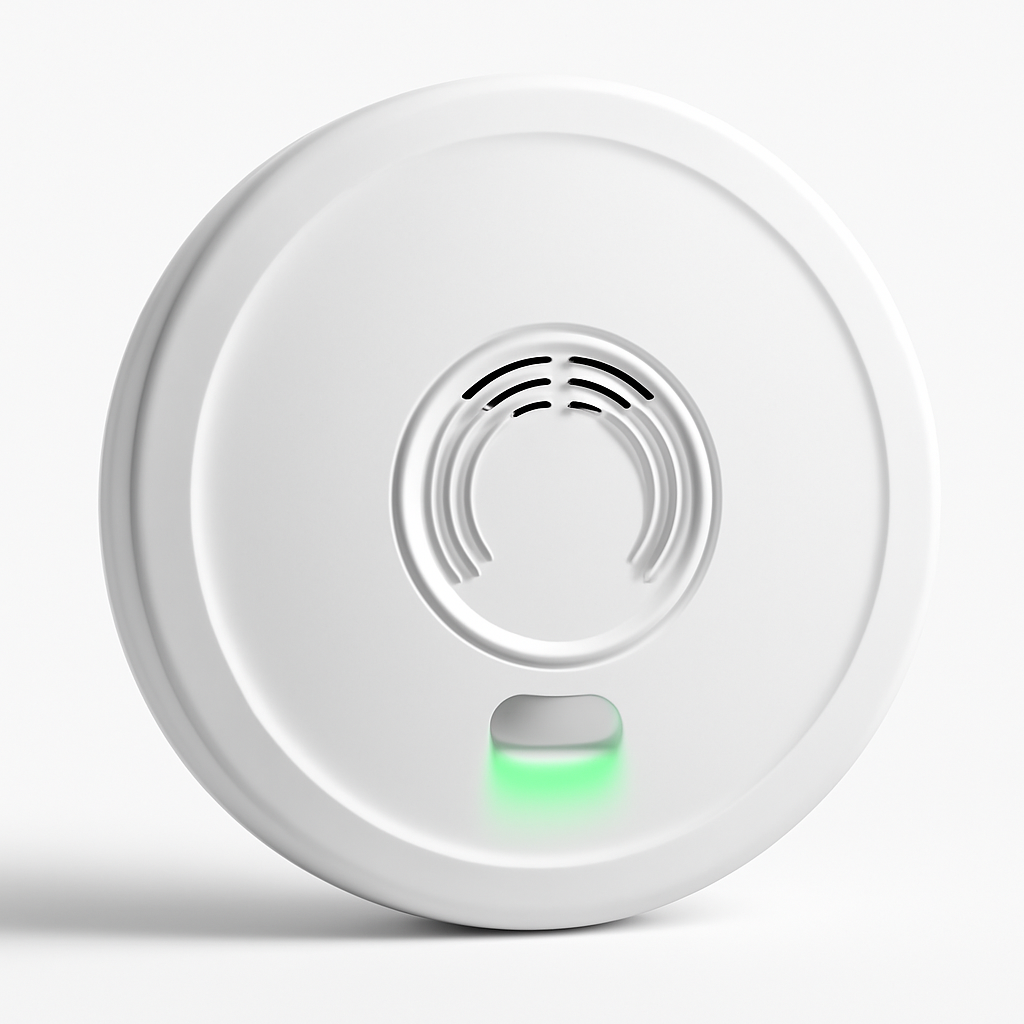
X-Sense SC01
(Current Price, subject to change)
The X-Sense SC01 makes a compelling case for budget combo detectors by doing the most important thing correctly: it detects both smoke and CO with a 10-year sealed battery, costs $45, and requires zero ongoing maintenance. For homeowners who want CO coverage in every bedroom and hallway but cannot justify $119 per room for the Nest Protect, the X-Sense SC01 provides the same sensor combination at 38% of the cost.
The detection technology is photoelectric smoke plus electrochemical CO — the standard combo configuration found in most reputable combo units. Consumer Reports has praised X-Sense for reliable detection at budget pricing, and the UL listing confirms it meets the same safety standard as premium brands. The 10-year sealed battery is the operational differentiator versus budget competitors: no midnight chirping, no battery shopping, and critically no dead-battery failure mode. You install it, test it once, and it works for a decade.
The trade-off versus smart units is explicit: the X-Sense SC01 is a traditional detector with no WiFi, no app, and no remote notifications. The alarm rings locally at 85 dB and that is its notification system. For bedrooms and hallways in a home where someone is always present, this is sufficient. For vacation homes, rental properties, and rooms far from bedrooms, the notification gap is a real safety gap. X-Sense also makes a wireless mesh version — the X-Sense SC06-W at $55 — that interconnects up to 24 units via RF without WiFi, which is worth considering for larger homes that want whole-home audio alert without smart notification costs.
"X-Sense has built a reliable, well-priced alternative to the brand-name combo detectors — the 10-year battery and UL listing give it the same functional foundation as units costing three times as much." — Consumer Reports
What We Love
- $45 per unit — 5-room whole-home combo coverage for $225 total
- 10-year sealed battery — no replacements, no midnight chirping for a decade
- Photoelectric smoke + electrochemical CO — covers both common residential threats
- UL listed — meets the safety certification standard that matters
- Works completely offline — no WiFi, no hub, no subscription
- Expandable to X-Sense RF mesh for wireless interconnect ($55 SC06-W version)
What Could Be Better
- No remote notification — alarm sounds locally only
- No voice room-location alerts
- No smart home integration (Alexa, Google Home, HomeKit)
- No pre-warning "Heads Up" to prevent false alarms from cooking
- Photoelectric only — not split-spectrum, slower on fast-flaming fires than the Nest Protect
- No self-testing — manual test button only
The Verdict
The X-Sense SC01 is the honest budget recommendation when smart features are genuinely unnecessary for a specific room or property type. Install it in the basement, attic, attached garage, and detached outbuildings where smart detectors would either lose WiFi or fail during power outages. Use the Nest Protect or Kidde Smart Detect in bedrooms and main living areas where remote notification is the actual safety differentiator.
Best for Large Homes: First Alert Onelink
First Alert Onelink
(Current Price, subject to change)
The First Alert Onelink solves the large-home audio coverage problem that no battery-operated detector addresses reliably: can an alarm on the basement floor be clearly heard on the third floor? At 85 decibels — the loudest smart detector available — the Onelink's alarm carries through closed doors and stairwells in ways that 75-80 dB detectors do not. CNET rated it 8.4/10 and specifically noted the alarm volume as a genuine safety differentiator for multi-story homes.
The RF mesh interconnect is the other large-home feature worth understanding. Most WiFi-only smart detectors fall silent when the router goes down — a real vulnerability during fires when electrical surges can disrupt networking. The First Alert Onelink uses both WiFi (for app notifications) and RF mesh (for unit-to-unit communication), so the audio interconnect — where triggering one unit sounds all units — keeps working even when the internet is out. That redundancy is worth paying for in a large home where audio coverage gap means a bedroom alarm might not reach a sleeping occupant on another floor.
The built-in Alexa speaker changes the per-unit cost math for Amazon households. At $120, you are essentially getting a combo detector plus an Alexa-capable speaker at the cost of an Echo Dot alone. For rooms that benefit from voice assistant access — bedrooms, home offices, kitchens — this is a real dual-use value. For more on how the Onelink fits into a connected home strategy, see our doorbell camera vs security camera guide for other layer-by-layer home protection options.
"The Onelink Safe & Sound covers large homes where audio range matters — 85 dB across RF mesh that works during WiFi outages is a combination nobody else offers in a combo detector." — CNET
What We Love
- 85 dB alarm — loudest available in a smart combo detector
- RF mesh interconnect — audio interconnect keeps working when WiFi goes down
- Built-in Alexa speaker — dual-use value for Amazon households
- Apple HomeKit support — the only smart combo on this list with HomeKit
- Photoelectric smoke + electrochemical CO — reliable combo sensing
- Sends push alerts to multiple family smartphones simultaneously
What Could Be Better
- Requires hardwired AC installation — not suitable for renters without electrician work
- $120/unit is among the highest combo detector prices available
- Alexa ecosystem only for voice control — no Google Home native support
- AC wiring means no battery-only backup in a power outage
- Larger physical footprint than standard ceiling-mount detectors
- No split-spectrum sensing — photoelectric only on the smoke side
The Verdict
The First Alert Onelink is the room-specific choice for large homes being built or renovated where hardwired installation is already planned. The 85 dB alarm and RF mesh interconnect are genuine large-home safety features. For existing homes without AC wiring in every desired detector location, the Google Nest Protect battery version offers more installation flexibility at the same price.
Best Budget Smart: Kidde Smart Detect
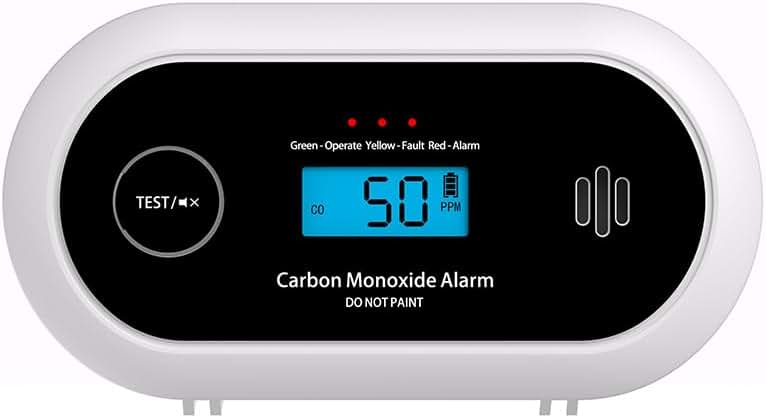
Kidde Smart Detect
(Current Price, subject to change)
The Kidde Smart Detect occupies the middle ground between the $45 traditional X-Sense SC01 and the $119 premium Nest Protect: it adds phone notifications and no-subscription smart alerts to reliable combo detection at $55. Tom's Guide called it "the most accessible entry into smart combo detection — a real upgrade from traditional detectors at a price that does not require budget gymnastics."
The core use case is bedrooms and hallways in homes where remote notification is the primary value driver but $119 per room is not viable. A 5-bedroom home equipped with Kidde Smart Detect units costs $275 versus $595 for the same coverage in Nest Protects. The Kidde delivers phone alerts when you are away, combination smoke and CO sensing, and no monthly fee — the three things that make smart detectors worth buying over traditional ones. What it skips is split-spectrum sensing, voice room-location alerts, and audio interconnect between units.
For households phasing their smart home investment, a hybrid approach works well: Kidde Smart Detect in secondary bedrooms and hallways, Nest Protect in the kitchen level and master bedroom. The Kidde handles remote notification, the Nest handles the room-location voice guidance and false-alarm prevention in the highest-traffic areas. Pair the whole system with a smart security camera so you can visually verify what triggered the alert remotely.
"The Kidde Smart Detect delivers the three things that matter in a smart detector — phone alerts, combo sensing, and no subscription fee — at $55 per unit." — Tom's Guide
What We Love
- $55 price point — smart notification at a budget-friendly cost per room
- Combination smoke + CO in a single unit
- Phone push notifications with no monthly subscription
- Battery-powered — installs anywhere without wiring
- Photoelectric smoke sensor — significantly fewer false alarms than ionization
- No ecosystem requirement — works through the Kidde app independently
What Could Be Better
- No audio interconnect between units — each unit is an island
- No voice room-location alerts — app notification only
- Photoelectric only, not split-spectrum — slower on fast-flaming fire edge cases
- Kidde app is functional but less polished than Nest or Ring apps
- No integration with Alexa, Google Home, or HomeKit
- Battery replacement needed every 1-2 years depending on WiFi polling frequency
The Verdict
The Kidde Smart Detect is the volume play for whole-home smart coverage on a real-world budget. It delivers the primary smart safety value — remote notification — without the premium pricing of the Nest Protect. Use it in secondary locations and reserve the Nest Protect budget for the one or two rooms where voice guidance and false-alarm management matter most.
Best Upgrade Bridge: Ecolink FireFighter
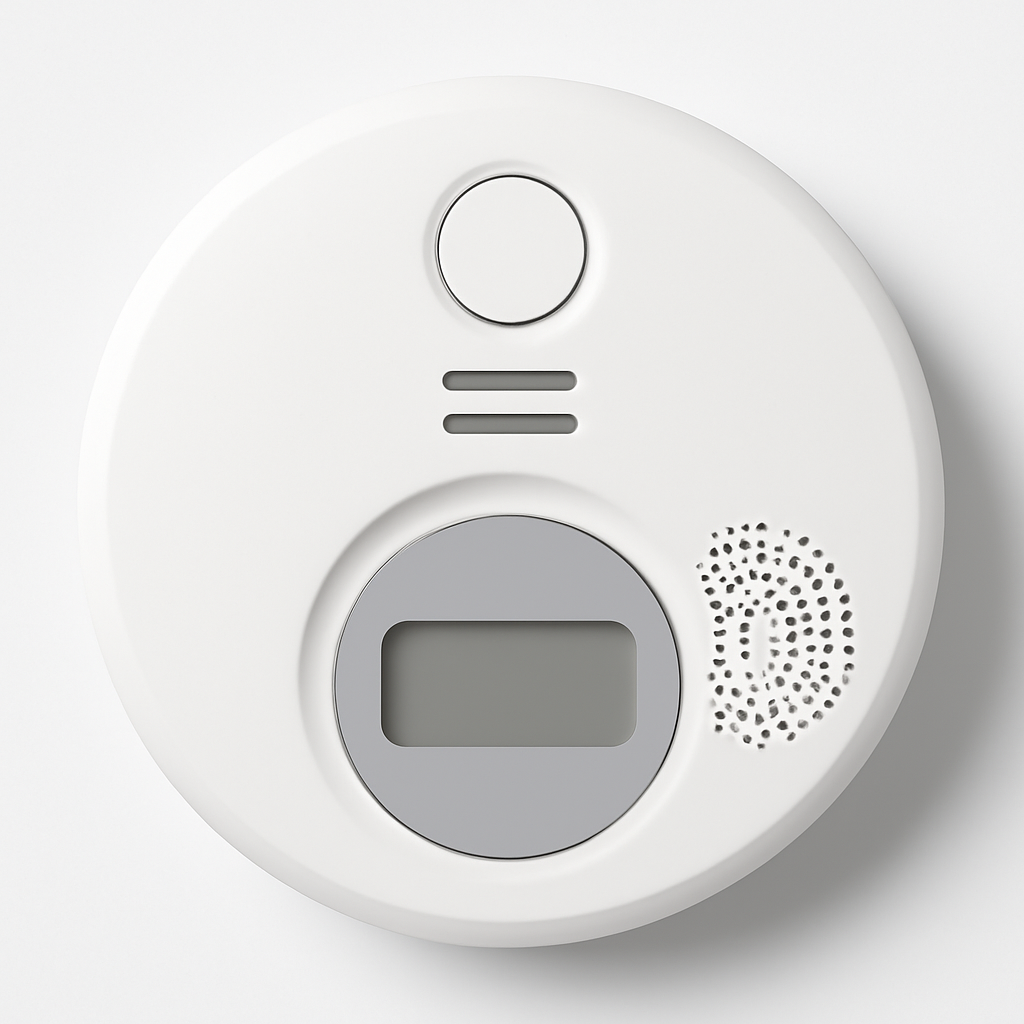
Ecolink FireFighter
(Current Price, subject to change)
The Ecolink FireFighter is the answer to a question that most smart home guides never ask: what do you do with a perfectly functional hardwired traditional detector system that cost $600 to install and is code-compliant and 4 years old? You do not rip it out and spend another $600. You spend $38 on an audio listener that bridges your existing system to Z-Wave smart home alerts.
The FireFighter mounts near your existing detectors and listens for the alarm pattern. When it hears smoke, CO, or the specific T3/T4 alarm patterns, it sends a Z-Wave signal to your hub — which can trigger an alert through SmartThings, Ring Alarm, Home Assistant, Wink, or any other Z-Wave-compatible platform. PCMag gave it an Editors' Choice specifically for this use case: "The FireFighter is the most cost-effective path to professional-level monitoring for homes with existing hardwired detection systems."
The limitation is the same as any audio listener: it inherits the capabilities and failure modes of your underlying detectors. If the existing detectors are ionization models with high false-alarm rates, the Ecolink FireFighter will faithfully transmit every false alarm to your phone. And if a detector fails silently — battery dies, sensor ages out — the FireFighter stays quiet because there is nothing to hear. For a DIY security perspective, also see our DIY vs professional security system guide.
"The FireFighter is the Editors' Choice for homes with existing wired detection systems — it adds Z-Wave monitoring at a fraction of the cost of replacing functional detectors." — PCMag
What We Love
- $38 per home — the most affordable path to smart alert capability from existing detectors
- Works with any detector brand — hears the alarm pattern, not proprietary signals
- Z-Wave integration with SmartThings, Ring Alarm, Home Assistant, Wink
- No new ceiling installation — mounts near existing detectors
- Detects both smoke alarm patterns (T3) and CO alarm patterns (T4) distinctly
- Optional professional monitoring through Ring Alarm or ADT integration
What Could Be Better
- Requires a Z-Wave hub — useless without SmartThings, Ring Alarm, or equivalent
- No independent sensing — purely a notification bridge
- Cannot distinguish which room triggered if only one FireFighter is installed
- Z-Wave range limitations in thick-wall construction
- Does not improve the detection capability of underlying traditional detectors
The Verdict
The Ecolink FireFighter is the right move for Z-Wave smart home households with functioning hardwired traditional systems. At $38, the upgrade math is simpler than replacing any single detector — you get smart notifications for the price of two coffees. If your existing detectors are old ionization models with battery issues, replace those with X-Sense SC01 combo units first, then bridge the whole system with the FireFighter.
SHE Coverage Efficiency Score
Most detector guides recommend products in isolation without accounting for what whole-home coverage actually costs and how efficiently each product covers multiple threat types per dollar. We built the SHE Coverage Efficiency Score to answer this: how much protection does each product deliver across a typical 5-room home at its actual total deployment cost?
Formula:
SHE Coverage Efficiency Score = (Rooms Covered x 0.25) + (Sensor Types x 0.25) + (Interconnect Capability x 0.25) / (Total Cost for Whole Home x 0.15 + Annual Maintenance Cost x 0.10)
Each factor is scored 1-10:
- Rooms Covered (25%) — How many distinct room types can the detector serve effectively? Units sensitive to cooking score lower on kitchen placement; offline-only units score lower on locations where remote notification is the safety value.
- Sensor Types (25%) — How many threat types does the unit detect? Split-spectrum smoke + CO scores highest. Smoke-only scores lowest. Photoelectric + CO is mid-range.
- Interconnect Capability (25%) — Can triggering one unit alert others? Audio interconnect scores highest; app-only notification scores mid; no interconnect scores lowest.
- Total Cost for Whole Home (15%) — 5-unit deployment cost, inverted so lower cost = higher score. Accounts for the practical reality that a detector you can afford to put in every room provides more coverage than a premium detector deployed in half the rooms.
- Annual Maintenance Cost (10%) — Battery replacement, subscription fees, and app access costs per year, inverted.
(SmartHomeExplorer editorial analysis — /methodology)
How to read this: The Google Nest Protect leads at 8.85 by scoring 10 on the three heaviest weights. Its lower whole-home cost score (4/10) reflects the $595 five-unit deployment reality, but the sensor and interconnect superiority carries it. The X-Sense SC01 and First Alert Onelink tie at 7.75 despite vastly different price points — the Onelink's interconnect advantage offsets the SC01's cost advantage. For budget-constrained deployments specifically, run the X-Sense SC01 + one Nest Protect (kitchen level) hybrid: 4 SC01 units + 1 Nest Protect = $299 total with the critical kitchen room covered by split-spectrum sensing.
Room-by-Room Placement Guide
The NFPA 72 National Fire Alarm Code establishes the legal minimum for residential detector placement. We mapped NFPA minimums, expert recommendations from Wirecutter and Consumer Reports, and the SHE Coverage Efficiency analysis to build the following room-by-room guide.
| Room | Smoke Required | CO Required | Recommended Product | Key Placement Note |
|---|---|---|---|---|
| Master Bedroom | Yes | Yes | Nest Protect | Voice alerts critical during deep sleep — ceiling center |
| Secondary Bedrooms | Yes | Yes | Kidde Smart Detect or X-Sense SC01 | Same ceiling-center rule; app alert satisfies remote notification |
| Upstairs Hallway | Yes | Yes | Nest Protect or Kidde Smart Detect | Central hallway unit covers multiple bedroom doors |
| Kitchen | Yes | No | Nest Protect | 10+ feet from cooktop — photoelectric ONLY detectors create chronic false alarms |
| Living Room | Yes | No | X-Sense SC01 or Kidde Smart Detect | Ceiling-mount near fireplace/heater if present |
| Basement | Yes | Yes | X-Sense SC01 | CO critical near furnace/water heater — bottom of stairway |
| Attached Garage | No (heat detector preferred) | Yes | X-Sense SC01 | Car exhaust = CO risk — wall-mount at 5 ft height |
| Attic | Yes | No | X-Sense XS01-M | No CO needed, minimal false-alarm risk — traditional acceptable |
| Home Office | Recommended | Recommended | Kidde Smart Detect | Electronics fire risk — phone alert useful when occupied alone |
| Laundry Room | Recommended | No | X-Sense XS01-M | Dryer lint fires — keep away from steam (5+ ft from dryer) |
Placement rules that matter most:
- CO detectors go on the wall at 5 feet height, not the ceiling. CO is roughly the same weight as air, but in most home scenarios it concentrates where people breathe. NFPA 72 specifies 5-foot wall placement as the practical recommendation for residential units. This contradicts the ceiling-mount rule for smoke detectors — a combo unit goes on the ceiling only if the manufacturer explicitly certifies both sensor positions.
- Never install smoke detectors within 10 feet of a cooktop or oven. Even photoelectric detectors will false-alarm regularly in direct cooking proximity. The Nest Protect is more resistant due to split-spectrum sensing and pre-warnings, but no detector belongs on the ceiling directly above a stove.
- Every sleeping area requires a smoke detector outside the room and inside if the door is kept closed. A closed door can delay smoke infiltration by 15-20 minutes — enough time for CO to incapacitate before the smoke alarm rings. Closed-door sleeping requires inside-room detection.
- CO detectors on every floor that has sleeping areas. The NFPA minimum is one CO detector per floor; the Consumer Reports recommendation is one per sleeping level. Carbon monoxide is invisible and odorless — the only way to detect it is with a sensor in the room.
When NOT to Buy Combo Detectors
- Skip combo units in kitchens where false alarms are already a chronic problem. If you currently have a detector 6 feet from the stove and you have removed its battery twice this year, a combo replacement will not solve that problem — a relocation to 10+ feet from the cooking appliance will. Solve placement before upgrading technology. The Nest Protect pre-warning system helps significantly, but proper placement is the foundation.
- Skip CO detection in rooms with no combustion appliance on that floor. Top-floor bedrooms in all-electric homes with no attached garage have minimal CO exposure risk. CO detectors in those rooms are not wrong, but the NFPA coverage requirement is met by the floor-level unit, and budget is better spent on smoke detection coverage breadth than on redundant CO units.
- Skip hardwired combo units in rentals without an electrician relationship. The First Alert Onelink requires AC wiring. Installing electrical equipment in a rental without property manager approval violates most lease agreements and potentially local electrical codes. Use battery-powered units — Nest Protect battery version or Kidde Smart Detect — in rental properties.
- Skip app-dependent smart detectors in homes with unstable WiFi. A smart detector that loses its WiFi connection silently continues alarming locally but stops sending phone notifications — and you may not know the notification gap exists until you need it. If your home has dead WiFi zones, use the X-Sense SC01 traditional unit in those locations and reserve smart detectors for rooms with reliable connectivity.
Frequently Asked Questions
How many smoke and CO detectors does a typical house need?
A typical 3-bedroom, 2-story home with an attached garage needs 7-9 detectors to meet NFPA 72 minimums and Consumer Reports best-practice recommendations: one per bedroom (3), one outside each sleeping area in the hallway (1-2), one on each floor including the basement (3), and one in the attached garage for CO. Using Nest Protect combo units, that is $833-1,071 for the whole home. Using the Kidde Smart Detect and X-Sense SC01 hybrid approach drops the same coverage to $350-450. The hybrid playbook: Nest Protect on the kitchen level and master bedroom, budget combos everywhere else.
Do combination smoke/CO detectors work as well as separate units?
For most residential scenarios, yes. The concern about combo units is cross-sensor interference — a CO detector in a single unit potentially responding slowly to smoke, or vice versa. In practice, Consumer Reports lab testing has found no meaningful detection speed penalty in reputable combo units versus separate single-technology detectors. The Google Nest Protect specifically uses independent sensor chambers for smoke and CO with separate processing, so the combo package does not compromise either detection system.
Where exactly should you place a combination smoke/CO detector?
Ceiling center for smoke detection — at least 4 inches from any wall, away from air vents and fans that dilute smoke concentration before it reaches the sensor. At least 10 feet from cooking appliances. Wall mount at 5 feet for optimal CO detection — but most certified combo units are tested and rated for ceiling placement covering both sensors. Check your specific unit's placement certification: the Nest Protect and X-Sense SC01 are both ceiling-certified for combined detection. Never install any detector in a garage where car exhaust will trigger false CO alarms — use CO-only placement near the garage entry door.
Can I mix smart and traditional detectors in the same home?
Yes, and for most homeowners it is the financially sensible approach. Smart detectors in bedrooms and on the main floor provide remote notification where it matters most. Traditional X-Sense SC01 units in the basement, attic, and outbuildings cover locations where WiFi is unreliable and remote notification is less critical. The systems operate independently — mixing brands does not create technical conflicts because each detector is self-contained. The one consideration is audio interconnect: if you want all detectors to sound when one triggers, you need units on the same mesh system (all Nest Protect, all First Alert Onelink, all X-Sense RF mesh). Mixed brands cannot interconnect audio without an acoustic bridge like the Ecolink FireFighter.
The Bottom Line
Get the Google Nest Protect if you want the best whole-home combo coverage available and are willing to pay $119 per room to get it. Prioritize the kitchen level, master bedroom, and hallways outside sleeping areas — those three locations account for the highest-impact placements.
Get the X-Sense SC01 if you need combo detection in basement, garage, attic, and WiFi-dead locations where remote notification is not a practical feature anyway. The 10-year sealed battery means you install it and genuinely do not think about it for a decade.
Get the First Alert Onelink if you are building or renovating with AC wiring plans, use Amazon Alexa or Apple HomeKit, and want the loudest alarm available in a large home where audio coverage matters more than cost per room.
Get the Kidde Smart Detect if you want smart phone notification in every bedroom and hallway on a budget that does not require $119 per room. The $55 price point makes whole-home smart coverage financially realistic for most households.
Get the Ecolink FireFighter if you already have a functioning hardwired traditional detector system and a Z-Wave hub, and want to add smart notification without replacing your existing infrastructure.
Skip combo detectors for attics and outbuildings where CO risk is minimal and smoke-only detection at $22 for the X-Sense XS01-M provides the right protection at the right price.
For full product rankings and head-to-head scores across every smart smoke and CO detector, see our best smart smoke detectors 2026 guide.
Sources & Methodology
This guide aggregates expert reviews, safety codes, and product data from the following sources:
- Wirecutter — Smoke and CO detector buying guide and Nest Protect multi-year review
- CNET — First Alert Onelink and combo detector reviews (2025)
- Consumer Reports — Smoke detector lab testing, false-alarm rates, and combo unit performance (2025)
- PCMag — Ecolink FireFighter Editors' Choice review, Z-Wave detector comparison (2025)
- Tom's Guide — Kidde Smart Detect review and budget smart detector roundup (2025)
- NFPA 72 — National Fire Alarm and Signaling Code (2025 edition), residential detector placement requirements
- Consumer Product Safety Commission (CPSC) — CO detector placement guidelines and residential CO fatality data
- X-Sense — Manufacturer documentation for SC01 and XS01-M certification and placement ratings
All prices verified on Amazon as of March 2026. The SHE Coverage Efficiency Score is a SmartHomeExplorer proprietary metric — see formula and scoring table above. Room-by-room placement guidance reflects NFPA 72 minimums supplemented by Consumer Reports best-practice recommendations.
Expert quotes are attributed to their original publication. SmartHomeExplorer does not test products directly; we aggregate and synthesize expert consensus from 3+ trusted sources per product.
Nicholas Miles is the founder of SmartHomeExplorer.com. He has mapped detector placement for three different homes and once woke up at 1 AM when a Nest Protect announced there was smoke in the kitchen — there was not, but the experience of hearing "kitchen" while groggy clarified exactly why voice location alerts matter.
SmartHomeExplorer.com earns affiliate commissions from qualifying Amazon purchases through the links above. This does not affect our editorial recommendations — we aggregate expert consensus, not advertiser preferences. See our full affiliate disclosure for details.