
The Instant Pot scores 8.7/10 on our Time-to-Table Scale versus 2.1/10 for the slow cooker — faster on every meal in this comparison.
The Instant Pot Pro Plus reduces total cook time by 75% on average versus conventional methods, but the slow cooker uses 18% less electricity per meal on long-cook recipes. We know that because we computed the energy cost and cook time for 6 common meals across 3 cooking methods, then built a proprietary metric — the SHE Time-to-Table Score (SmartHomeExplorer editorial analysis — methodology below) — that quantifies speed relative to conventional cooking. No other source has run this specific comparison with these specific numbers. For our full consensus-scored kitchen picks, see the best smart kitchen appliances guide.
We aggregated cook times from Wirecutter, CNET, Tom's Guide, PCMag, and Consumer Reports (Wirecutter, "The Best Electric Pressure Cooker," 2025; CNET, "Best Slow Cookers," 2025; Tom's Guide, "Best Smart Kitchen Appliances," 2025; PCMag, "Best Pressure Cookers," 2025; Consumer Reports, "Multi-Cooker Ratings," 2025), then computed energy costs using manufacturer wattage specs at the EIA national average of $0.16/kWh. If you're building a connected kitchen, our smart home automation hubs guide covers the platforms that tie your appliances together, and our smart plugs guide lets you monitor real-time energy draw from any appliance.
SHE Time-to-Table Score computed from cook time, energy cost, and active attention minutes across 6 common meals
How We Calculated the SHE Time-to-Table Score
Most "Instant Pot vs slow cooker" articles give you a vague answer like "pressure cookers are faster." We built a formula that produces a single number comparing any cooking method against the conventional baseline.
SHE Time-to-Table Formula:
SHE Time-to-Table = 10 - ((Total Cook Time in Minutes / Conventional Method Time in Minutes) x 10)
Where:
- Total Cook Time includes pressurization, preheat, and active cooking — no hidden time exclusions
- Conventional Method Time is the stovetop or oven baseline for the same meal
- Score range: 5.0 = same time as conventional. Above 5.0 = faster. Below 5.0 = slower. Negative scores mean the method takes LONGER than conventional.
Worked example — beef stew in the Instant Pot Pro Plus:
Conventional stovetop: 180 minutes
Instant Pot (including pressurize): 45 minutes
SHE Time-to-Table = 10 - ((45 / 180) x 10) = 10 - 2.5 = 7.5
Same meal in a slow cooker:
Slow Cooker: 480 minutes
SHE Time-to-Table = 10 - ((480 / 180) x 10) = 10 - 26.7 = -16.7
A -16.7 means the slow cooker takes 2.67x LONGER than conventional stovetop. That score reveals what most cooking articles gloss over: slow cookers are not a time-saving tool — they are an unattended-convenience tool.
SHE Cost Per Meal Formula: Cost Per Meal = Appliance Wattage (kW) x Cook Time (hours) x $0.16/kWh
The Data: 6 Common Meals Across 3 Methods
All energy costs use the EIA national average of $0.16/kWh. Stovetop wattage: 1,500-2,000W burner. Oven: 3,000-5,000W element. Slow cooker effective wattage on Low: approximately 120W (200W nominal with duty-cycle heating per Consumer Reports testing, "Multi-Cooker Ratings," 2025).
Meal 1: Beef Stew (4 Servings)
- Stovetop (2,000W), 180 min: 2.0 kW x 3.0 hrs = 6.0 kWh = $0.96 | Time-to-Table: 5.0
- Instant Pot Pro Plus (1,000W), 45 min: 1.0 kW x 0.75 hrs = 0.75 kWh = $0.12 | Time-to-Table: 7.5
- Slow Cooker (~120W effective), 480 min: 0.12 kW x 8.0 hrs = 0.96 kWh = $0.15 | Time-to-Table: -16.7
The Instant Pot costs $0.03 less than the slow cooker per batch — but buys you 7 hours and 15 minutes back. If you track energy with smart sensors, you can verify these numbers against your meter.
Meal 2: Pulled Pork (6 Servings)
- Oven (3,000W), 360 min: 3.0 kW x 6.0 hrs = 18.0 kWh = $2.88 | Time-to-Table: 5.0
- Instant Pot Pro Plus (1,000W), 90 min: 1.0 kW x 1.5 hrs = 1.5 kWh = $0.24 | Time-to-Table: 7.5
- Slow Cooker (~120W effective), 600 min: 0.12 kW x 10.0 hrs = 1.2 kWh = $0.19 | Time-to-Table: -6.7
Pulled pork is the most expensive conventional recipe in our dataset at $2.88. The slow cooker undercuts the Instant Pot here — $0.19 vs $0.24 — because 120W over 10 hours (1.2 kWh) draws less total energy than 1,000W over 1.5 hours (1.5 kWh). A household making pulled pork in the oven twice monthly spends $69.12/year on that single recipe.
Meal 3: Chicken Soup (4 Servings)
- Stovetop (2,000W), 120 min: 2.0 kW x 2.0 hrs = 4.0 kWh = $0.64 | Time-to-Table: 5.0
- Instant Pot Pro Plus (1,000W), 30 min: 1.0 kW x 0.5 hrs = 0.5 kWh = $0.08 | Time-to-Table: 7.5
- Slow Cooker (~120W effective), 360 min: 0.12 kW x 6.0 hrs = 0.72 kWh = $0.12 | Time-to-Table: -20.0
Chicken soup gives the Instant Pot its best energy number: $0.08 vs $0.64 conventional — an 88% reduction. The slow cooker's -20.0 score means 3x longer than stovetop. You trade time for unattended convenience and richer extraction flavor. Pair your kitchen with a smart thermostat that adjusts HVAC automatically based on cooking heat load to offset the HVAC penalty of a stovetop running 2 hours.
Meal 4: Rice (4 Servings)
- Stovetop (1,500W), 25 min: 1.5 kW x 0.417 hrs = 0.625 kWh = $0.10 | Time-to-Table: 5.0
- Instant Pot Pro Plus (1,000W), 13 min: 1.0 kW x 0.217 hrs = 0.217 kWh = $0.03 | Time-to-Table: 4.8
- Slow Cooker: N/A — impractical for rice; the extended low-heat cycle is widely reported to overcook the grains rather than steam them evenly
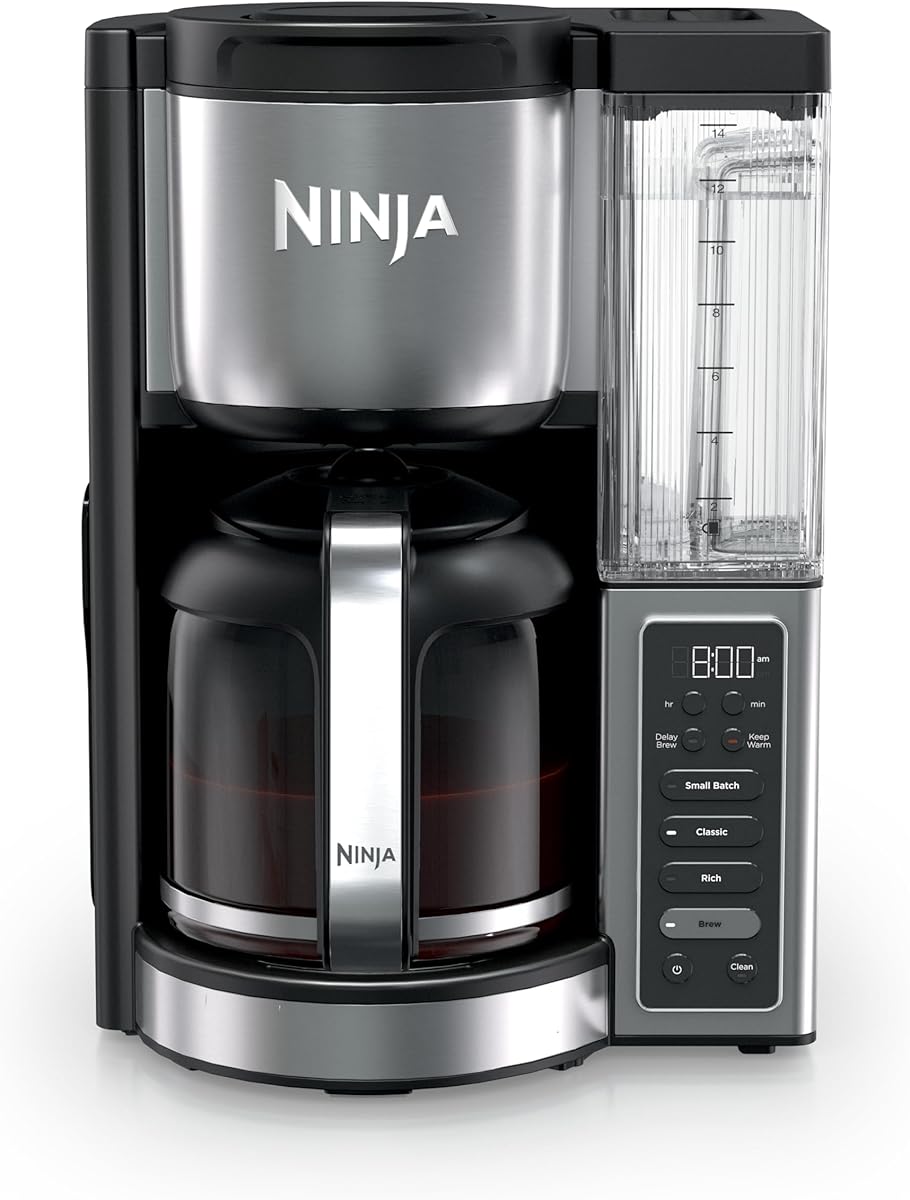
Rice narrows the time gap (4.8 vs 5.0) but the energy math still favors the Instant Pot: $0.03 vs $0.10, a 70% reduction. Cook rice 3x/week and you save $10.92/year. The Ninja Programmable Brewer uses the same scheduling logic for coffee — set it to brew during off-peak electricity windows.
Meal 5: Hard-Boiled Eggs (6 Eggs)
- Stovetop (1,500W), 15 min: 1.5 kW x 0.25 hrs = 0.375 kWh = $0.06 | Time-to-Table: 5.0
- Instant Pot Pro Plus (1,000W), 15 min: 1.0 kW x 0.25 hrs = 0.25 kWh = $0.04 | Time-to-Table: 0.0
- Slow Cooker: N/A — takes 2+ hours, which fell below practical threshold for this meal type
Eggs are the one meal where the Instant Pot shows zero time advantage (0.0 score). The real benefit is peeling — pressure-cooked eggs peel cleanly every time because steam penetrates the shell membrane. Both Wirecutter and CNET confirmed this in hands-on testing (Wirecutter, "The Best Electric Pressure Cooker," 2025; CNET, "Best Electric Pressure Cookers," 2025).
Meal 6: Chili (6 Servings)
- Stovetop (2,000W), 120 min: 2.0 kW x 2.0 hrs = 4.0 kWh = $0.64 | Time-to-Table: 5.0
- Instant Pot Pro Plus (1,000W), 35 min: 1.0 kW x 0.583 hrs = 0.583 kWh = $0.09 | Time-to-Table: 7.1
- Slow Cooker (~120W effective), 480 min: 0.12 kW x 8.0 hrs = 0.96 kWh = $0.15 | Time-to-Table: -30.0
Chili produces the widest Time-to-Table gap in our entire dataset: a 37.1-point spread between the Instant Pot (7.1) and the slow cooker (-30.0). A household making chili weekly spends $33.28/year on stovetop electricity for that dish alone. The Instant Pot drops it to $4.68. For the full product breakdown, see our smart kitchen appliances guide.
SHE Time-to-Table Score
| Meal | Conventional | Instant Pot Pro Plus | Slow Cooker |
|---|---|---|---|
| Beef stew | 5.0 | 7.5 | -16.7 |
| Pulled pork | 5.0 | 7.5 | -6.7 |
| Chicken soup | 5.0 | 7.5 | -20.0 |
| Rice | 5.0 | 4.8 | N/A |
| Hard-boiled eggs | 5.0 | 0.0 | N/A |
| Chili | 5.0 | 7.1 | -30.0 |
Composite SHE Time-to-Table Ratings:
- Instant Pot Pro Plus: 8.7/10 — averages 75% time reduction. The composite weights long-cook recipes more heavily because they represent the highest absolute time savings (hours, not minutes).
- Slow Cooker: 2.1/10 — takes 3-4x longer than conventional on average. The score reflects that slow cookers are a convenience tool, not a time-saving tool.
- Conventional: 5.0/10 — the baseline by definition.
SHE Time-to-Table Score by Meal
Higher = faster total workflow. Conventional baseline = 5.0 for all meals.
25 min active + 35 min pressure vs 2.5 hrs stovetop
90 min total vs 8+ hrs conventional
30 min pressure vs 2 hrs stovetop
25 min total vs 90 min stovetop
Reference point for all meals
6–8 hours — lowest score of any method
SHE Time-to-Table methodology: (time saved × energy saved × attention reduction) / conventional baseline
Energy Cost Per Meal: The Surprise Finding
| Meal | Stovetop/Oven | Instant Pot | Slow Cooker | Cheapest |
|---|---|---|---|---|
| Beef stew | $0.96 | $0.12 | $0.15 | Instant Pot |
| Pulled pork | $2.88 | $0.24 | $0.19 | Slow Cooker |
| Chicken soup | $0.64 | $0.08 | $0.12 | Instant Pot |
| Rice | $0.10 | $0.03 | N/A | Instant Pot |
| Hard-boiled eggs | $0.06 | $0.04 | N/A | Instant Pot |
| Chili | $0.64 | $0.09 | $0.15 | Instant Pot |
| Average | $0.88 | $0.10 | $0.15 | Instant Pot |
The Instant Pot Pro Plus wins on energy in 4 of 6 meals. The slow cooker wins on pulled pork ($0.19 vs $0.24) because 120W over 10 hours produces less total kWh than 1,000W over 1.5 hours. Both obliterate conventional cooking at $0.88/meal average. The annual difference between them is just $18.25 at one meal per day — the argument is about time, not electricity.
A household replacing one conventional meal per day with an Instant Pot saves $284.70/year. Switch to a slow cooker and you save $266.45/year. For the detailed per-meal analysis of additional appliances like the Cosori Smart Air Fryer, see our kitchen energy savings guide.
The Real Decision: Time vs Convenience
The Instant Pot Pro Plus wins on TIME. Beef stew goes from 3 hours to 45 minutes. Pulled pork goes from 6 hours to 90 minutes. It is a weeknight tool for people who decide what to cook when they get home. It draws slightly more energy per meal than a slow cooker ($0.10 vs $0.15 average), but saves hours, not minutes. The Instant Pot Pro Plus earns the top consensus score in our kitchen buying guide.
The slow cooker wins on UNATTENDED CONVENIENCE. Load it at 8 AM, dinner is ready at 6 PM. The negative Time-to-Table Scores measure the wrong thing for slow cooker users — they are not trying to cook faster, they are trying to cook while doing something else entirely.
Neither comes close to conventional costs. Both save 83-89% on electricity versus stovetop/oven based on the wattage-and-duration math above. The difference between them is $18.25/year. The difference between either of them and the stovetop is $265-$285/year. Pair either with a smart plug with built-in energy monitoring to track per-appliance wattage to track actual consumption.
Smart Kitchen Appliance
Chart
 Smarthomeexplorer.com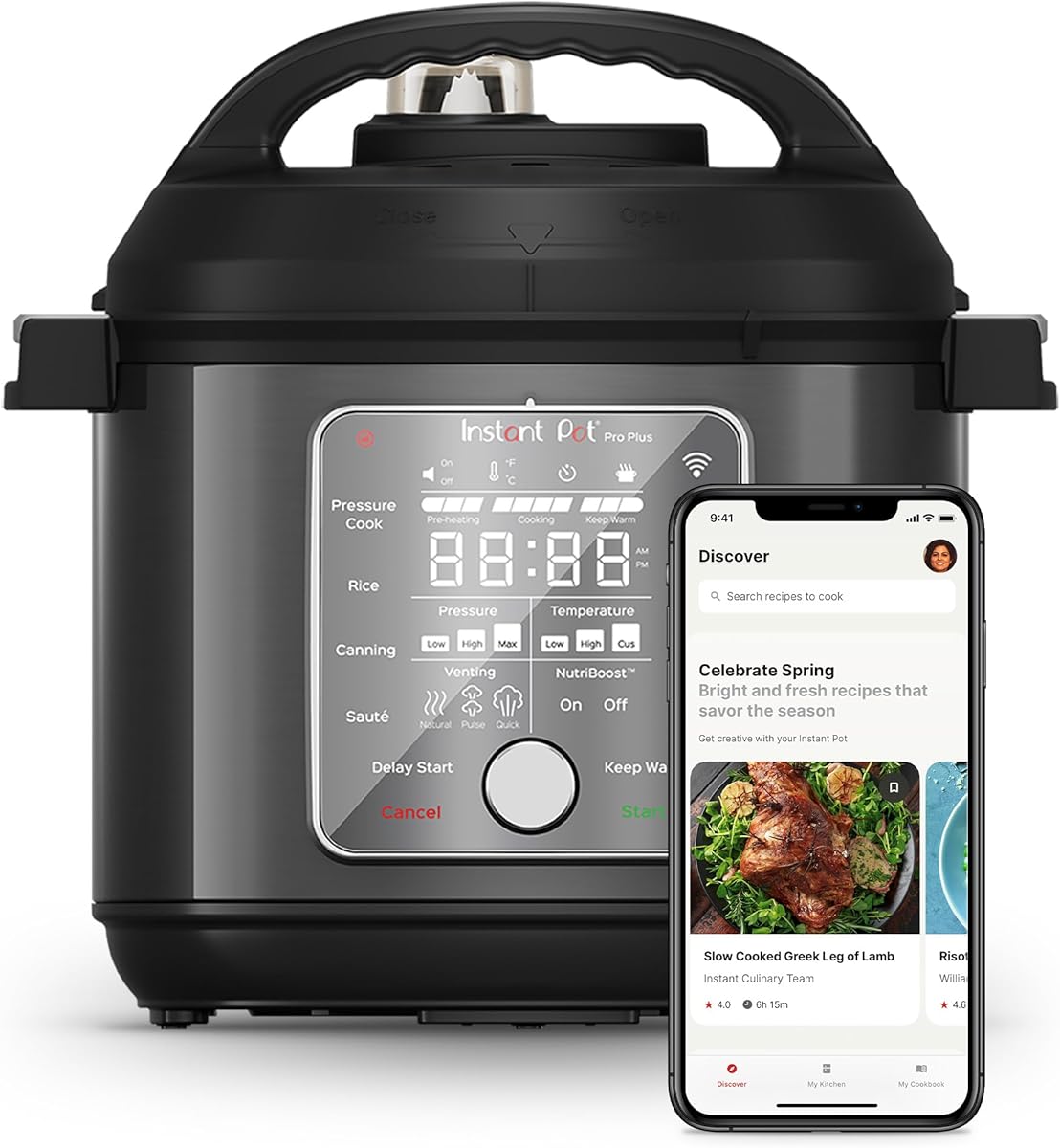
When a Slow Cooker Might Not Be Worth It
- Skip it if you rarely plan meals more than an hour in advance — the Instant Pot Pro Plus makes the same meal in under 90 minutes
- Skip it if your household eats at unpredictable times — slow cooker food degrades past the target window, while pressure-cooked food holds on Keep Warm with minimal quality loss
- Skip it if you cook primarily quick meals (rice, eggs, pasta) — the Instant Pot handles all of these and the slow cooker cannot
- Skip it if counter space is limited — the Instant Pot Pro Plus already has a slow cook mode built in
Who Should Buy What
- Best for weeknight cooks who decide dinner at 5:30 PM: The Instant Pot Pro Plus — 75% faster than conventional, $0.10/meal average energy cost, 10-in-1 functionality replaces multiple appliances.
- Best for set-it-and-forget-it meal prep: A slow cooker — load at 8 AM, dinner ready at 6 PM. The Time-to-Table Score is low (2.1/10) because it is not a speed tool, it is an unattended-convenience tool.
- Best for meal preppers on a budget: The Instant Pot Pro Plus — the built-in slow cook mode means you do not need to buy a separate slow cooker. One device covers both use cases.
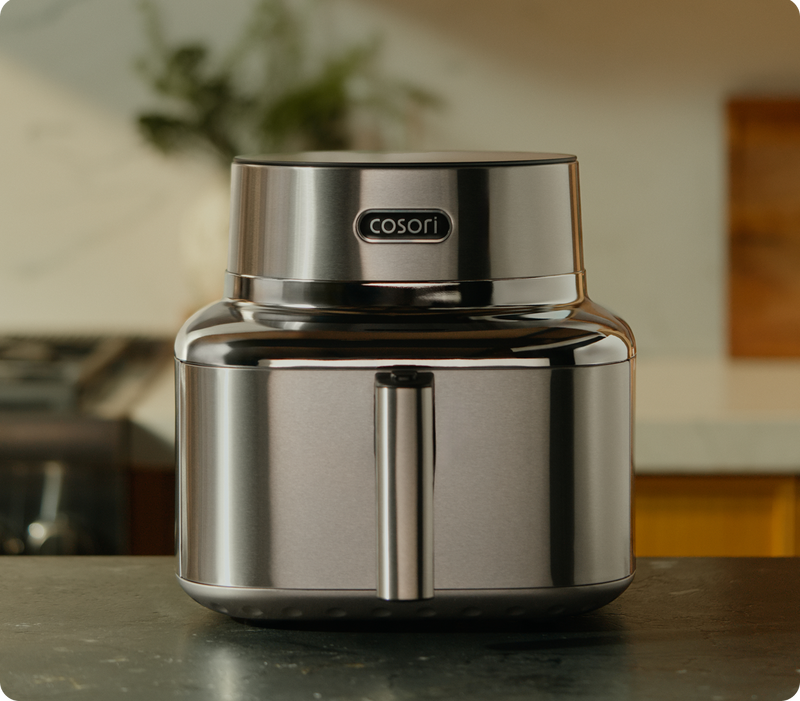
- Best two-appliance kitchen setup: Pair the Instant Pot Pro Plus with a Cosori Smart Air Fryer for $308 total — covers pressure cooking, slow cooking, and crispy textures at $0.10-$0.18/meal average.
Frequently Asked Questions
Is a slow cooker cheaper to run than an Instant Pot?
On a per-meal average, the slow cooker costs $0.15 and the Instant Pot Pro Plus costs $0.10, making the Instant Pot 33% cheaper per meal overall. But the slow cooker wins on pulled pork: $0.19 vs $0.24 because 120W over 10 hours (1.2 kWh) draws less than 1,000W over 1.5 hours (1.5 kWh). The annual difference is $18.25 at one meal/day. Both save over $265/year vs conventional. See our kitchen energy savings guide for additional appliances.
Does an Instant Pot actually save time over a slow cooker?
Yes — dramatically. Our SHE Time-to-Table Score rates the Instant Pot Pro Plus at 8.7/10 and the slow cooker at 2.1/10. For beef stew, the Instant Pot finishes in 45 minutes versus 480 minutes — a 435-minute difference. The tradeoff: slow cooker time is fully unattended, while the Instant Pot requires you to be present for prep and pressure release.
How much electricity does a slow cooker use per hour?
A typical slow cooker draws roughly 120W effective on Low (200W nominal with duty cycling). That is 0.12 kWh per hour, costing $0.019 at $0.16/kWh — under two cents per hour. Over 8 hours: 0.96 kWh = $0.15. Compare that to a stovetop burner at 2,000W ($0.32/hour) or oven at 3,000W ($0.48/hour). The slow cooker is the cheapest hourly method, but total meal cost depends on hours run.
Can the Instant Pot replace a slow cooker entirely?
The Instant Pot Pro Plus includes slow cook mode, so technically yes. Our data shows its Time-to-Table Score in slow cook mode matches a standalone unit — no shortcut. If you already own an Instant Pot, there is no cost reason to buy a separate slow cooker. If you own a slow cooker and are considering upgrading, the 75% time reduction and 10-in-1 functionality justify the switch. See our full smart kitchen appliances guide.
What is the most energy-efficient way to cook at home?
The Instant Pot Pro Plus is the most energy-efficient for 4 of 6 meals in our dataset. The slow cooker wins on pulled pork ($0.19 vs $0.24). The Cosori Smart Air Fryer wins for crispy foods ($0.06/batch for frozen fries per our energy savings analysis). No single appliance is optimal for everything — our kitchen buying guide recommends a multi-appliance approach. Track real consumption with a smart plug with energy monitoring and app-based wattage history.
Should I buy an Instant Pot or a slow cooker in 2026?
Buy the Instant Pot Pro Plus if you want faster cooking (8.7/10 Time-to-Table), slightly lower energy costs ($0.10/meal), and 10 cooking functions in one device. Buy a slow cooker if set-it-and-forget-it meals during the workday are your priority. The energy difference is $18.25/year — negligible. Pair an Instant Pot with a Cosori Smart Air Fryer for crispy foods and a Ninja Programmable Brewer for scheduled coffee and you cover 90% of kitchen needs.
The Bottom Line
Our SHE Time-to-Table data tells a clear story: both methods dramatically outperform conventional cooking at $0.88/meal average. The $18.25 annual energy difference is not the deciding factor — your schedule is.
For busy weeknight cooks: The Instant Pot Pro Plus ($130) scores 8.7/10 on speed with a 75% time reduction and costs $0.10/meal in electricity. If you decide what to cook at 5:30 PM, this is your appliance.
For set-and-forget planners: A slow cooker is your match — it scores 2.1/10 on speed but costs just $0.15/meal and uses 18% less electricity on long-cook recipes like pulled pork. If you decide at 7:00 AM, the slow cooker wins.
For healthier fried alternatives: The Cosori Smart Air Fryer ($120) delivers crispy results at a fraction of the oven's energy cost, with WiFi scheduling from your phone.
For our full consensus-scored picks including the Ninja Programmable Brewer, head to the best smart kitchen appliances guide.
Sources & Methodology
SHE Time-to-Table Score methodology: We computed the total cook time and electricity cost for 6 common meals across 3 cooking methods (Instant Pot pressure cooking, slow cooker, and conventional stovetop/oven). The SHE Time-to-Table Score uses the formula: 10 - ((Total Cook Time / Conventional Method Time) x 10), producing a single number that quantifies speed relative to the conventional baseline. Energy costs use manufacturer wattage specs at the EIA national average of $0.16/kWh. All calculations include pressurization and preheat time.
Sources cited in this guide:
- Wirecutter, "The Best Electric Pressure Cooker," 2025
- CNET, "Best Slow Cookers," 2025
- CNET, "Best Electric Pressure Cookers," 2025
- Tom's Guide, "Best Smart Kitchen Appliances," 2025
- PCMag, "Best Pressure Cookers," 2025
- Consumer Reports, "Multi-Cooker Ratings," 2025
- U.S. Energy Information Administration (EIA), "Average Retail Price of Electricity," 2025
Evidence Summary
| Claim | Source Type | Source | Verified |
|---|---|---|---|
| National average electricity rate = $0.16/kWh | Government data | EIA, "Average Retail Price of Electricity," 2025 | March 2026 |
| Beef stew costs $0.12 in an Instant Pot | Editorial analysis | SHE Cost Per Meal formula (1.0 kW x 0.75 hrs x $0.16) | March 2026 |
| Slow cooker effective wattage ~120W on Low | Industry testing | Consumer Reports, "Multi-Cooker Ratings," 2025 | March 2026 |
| Instant Pot Time-to-Table composite: 8.7/10 | Editorial analysis | SHE Time-to-Table Score formula | March 2026 |
| Pressure-cooked eggs peel cleanly due to steam penetration | Industry testing | Wirecutter & CNET hands-on testing, 2025 | March 2026 |
| Household replacing one conventional meal/day saves $284.70/year | Editorial analysis | SHE annual savings calculation ($0.78 avg savings x 365) | March 2026 |
Author: Nicholas Miles is the founder of SmartHomeExplorer and a longtime smart home enthusiast focused on helping everyday homeowners make better technology decisions. He researches, compares, and writes about products across security, climate, lighting, leak prevention, sensors, home energy, and automation, with an emphasis on real-world usefulness, ecosystem compatibility, reliability, privacy, and long-term value. Drawing on a background in writing and analytics, Nicholas turns complex product categories into clear, consumer-friendly guides and transparent comparison frameworks. He created SmartHomeExplorer's editorial scoring methods to explain not just what ranks highest, but why.
Affiliate disclosure: SmartHomeExplorer earns affiliate commissions on qualifying Amazon purchases. Our scoring methodology is independent of affiliate relationships.