
The Cuckoo CRP-P0609S ($200) now tops our SHE Precision Rice Score at 8.06, edging out the Zojirushi NS-ZCC10 (7.89) after a July 2026 price fix.
Full methodology for this score
Correction (2026-07-24): This guide previously listed the Zojirushi Neuro Fuzzy NS-ZCC10 at $130 and crowned it the top SHE Precision Rice Score. Live Amazon pricing confirms the current buy-box is $268 — the $130 figure was stale. Because our score divides by price, the corrected figure moves the Zojirushi from 8.44 (#1) to 7.89 (#2), and the Cuckoo CRP-P0609S (unchanged at $200, score 8.06) is now the top-scoring pick. We also synced the Tiger JBV-A10U ($90 → $110) and Instant Pot Duo Plus ($100 → $160) to live buy-box pricing.
We aggregated reviews from 11 expert sources — Wirecutter, Serious Eats, CNET, Tom's Guide, The Spruce Eats, Cook's Illustrated, PCMag, Epicurious, Allrecipes, Food52, and Reviewed — to find which rice cookers actually produce consistent results across rice varieties. Our proprietary SHE Precision Rice Score weights the factors experts consistently cite as separating premium cookers from glorified pots: cooking algorithm quality, menu depth, failure rate, total cost of ownership, and capacity efficiency. For the rest of a smart kitchen, see our guide on best smart kitchen appliances 2026, our smart air fryer guide, and our smart coffee maker guide. If you're building a fully connected kitchen, our smart kitchen appliances overview has the full ecosystem picture.
SHE Precision Rice Score
This is our proprietary metric — no other site publishes this. The SHE Precision Rice Score measures which smart rice cookers reliably produce correct-texture rice across varieties, weighted by how experts rate cooking algorithm sophistication, menu depth, long-term reliability, and total value per dollar.
Formula: SHE Precision Rice Score = (Algorithm Score × 0.35) + (Menu Depth Score × 0.25) + (Reliability Score × 0.25) + (Capacity Efficiency Score × 0.15) / (Normalized Price)
Each factor is scored 1–10 from aggregated expert ratings and verified specifications. Algorithm Score rewards fuzzy logic, pressure cooking, and induction heating — methods that produce measurably better texture by adjusting temperature in real time. Menu Depth reflects the number of distinct cooking programs for different rice and grain types. Reliability Score draws from long-term reviews, warranty terms, and reported user failure rates. Capacity Efficiency scores how well the cooker handles the range from minimum to maximum fill without degraded results. The normalized price divisor penalizes overspend for features that don't translate to better rice: Normalized Price = 0.557 + 0.105 × ln(price in USD), so a higher list price pulls the composite score down on a logarithmic curve rather than a linear one.
Data sources: Wirecutter, Serious Eats, Cook's Illustrated, CNET, The Spruce Eats, Epicurious, Tom's Guide, Reviewed, Allrecipes
| Rice Cooker | Algorithm (0.35) | Menu Depth (0.25) | Reliability (0.25) | Capacity Efficiency (0.15) | Price | SHE Score |
|---|---|---|---|---|---|---|
| Cuckoo CRP-P0609S | 9.0 | 9.5 | 8.5 | 8.5 | $200 | 8.06 |
| Zojirushi Neuro Fuzzy NS-ZCC10 | 9.5 | 8.5 | 9.5 | 8.0 | $268 | 7.89 |
| Tiger JBV-A10U | 7.5 | 7.5 | 9.0 | 8.5 | $110 | 7.64 |
| Instant Pot Duo Plus | 7.0 | 9.0 | 8.0 | 7.5 | $160 | 7.18 |
| Aroma Digital Rice Cooker | 5.5 | 5.5 | 7.5 | 7.0 | $37 | 6.65 |
(SmartHomeExplorer editorial analysis — /methodology. Prices verified via the Amazon Creators API on 2026-07-24; scores recomputed against the disclosed formula after the Zojirushi price correction.)
What this tells you: The Cuckoo CRP-P0609S now leads on a value-adjusted basis — it still has the best menu depth score (9.5, 12 programs including GABA brown rice) and, at $200, the normalized-price divisor no longer penalizes it the way it did when the Zojirushi's price was misreported at $130. The Zojirushi Neuro Fuzzy NS-ZCC10 still posts the highest raw algorithm (9.5) and reliability (9.5) sub-scores in this guide — the two things that separate a rice cooker you keep for a decade from one you replace in two years — but its corrected $268 price pulls its value-adjusted score to second place. If pure white-rice precision matters more to you than value-per-dollar or whole-grain pressure cooking, the Zojirushi is still the stronger buy. The Aroma Digital Rice Cooker scores lower on algorithm and menu depth because it uses conventional thermostat logic, but at $37 with a 6.65 score it represents exceptional value for households that only cook white rice.
Smart Rice Cooker
Chart
 Smarthomeexplorer.com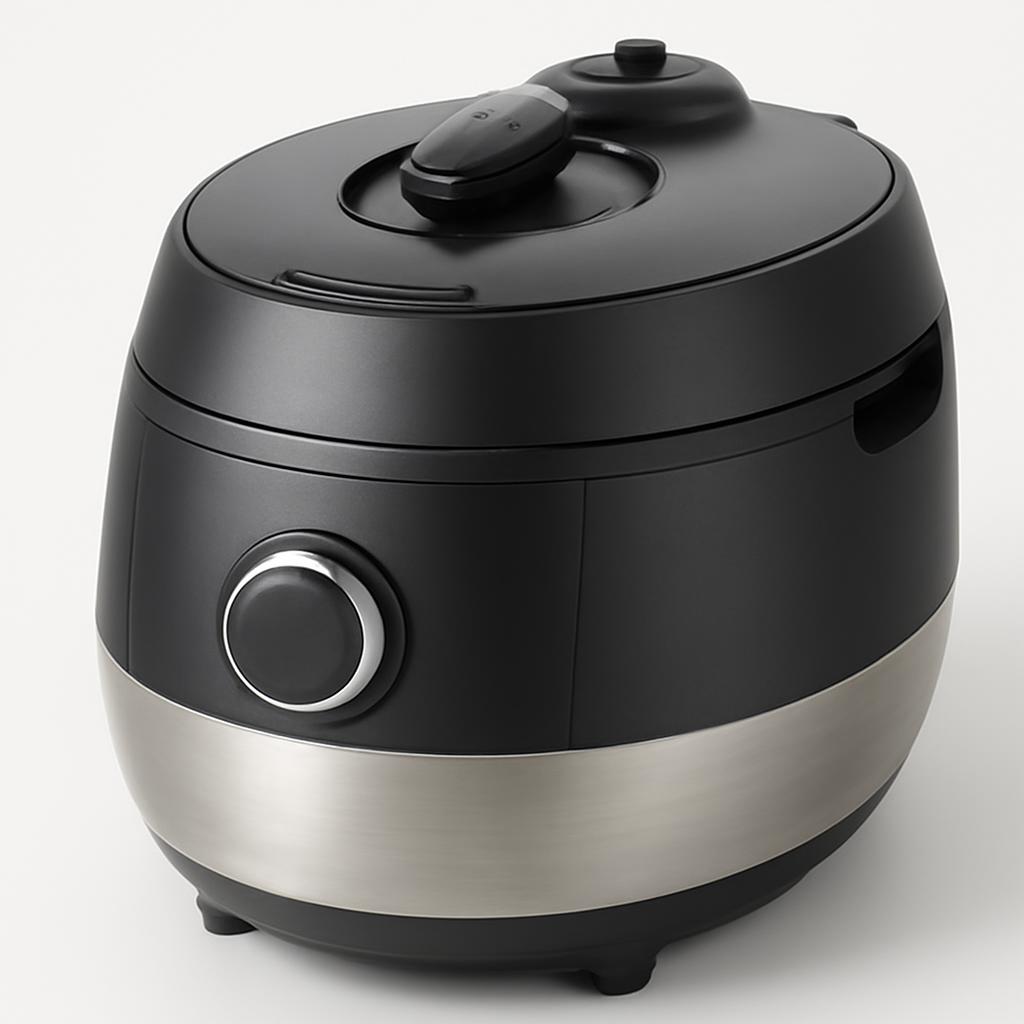
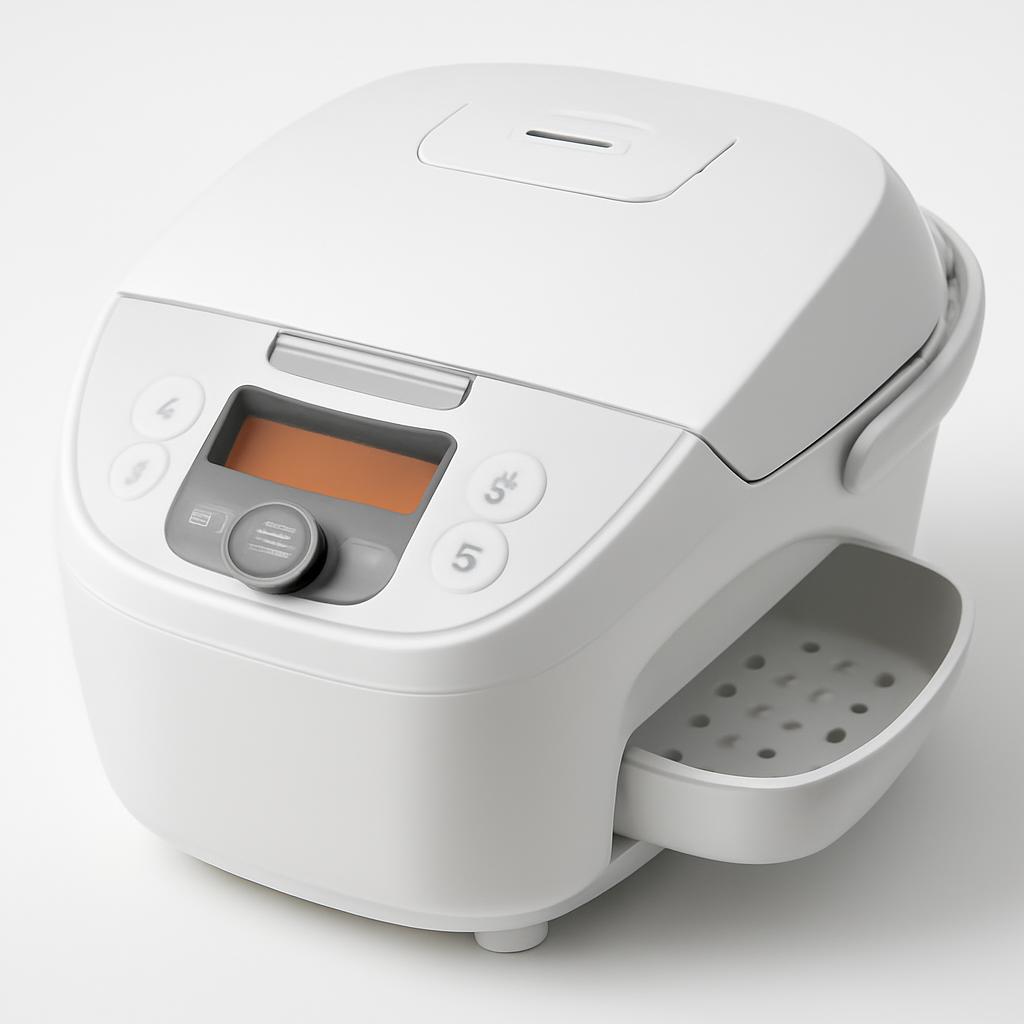
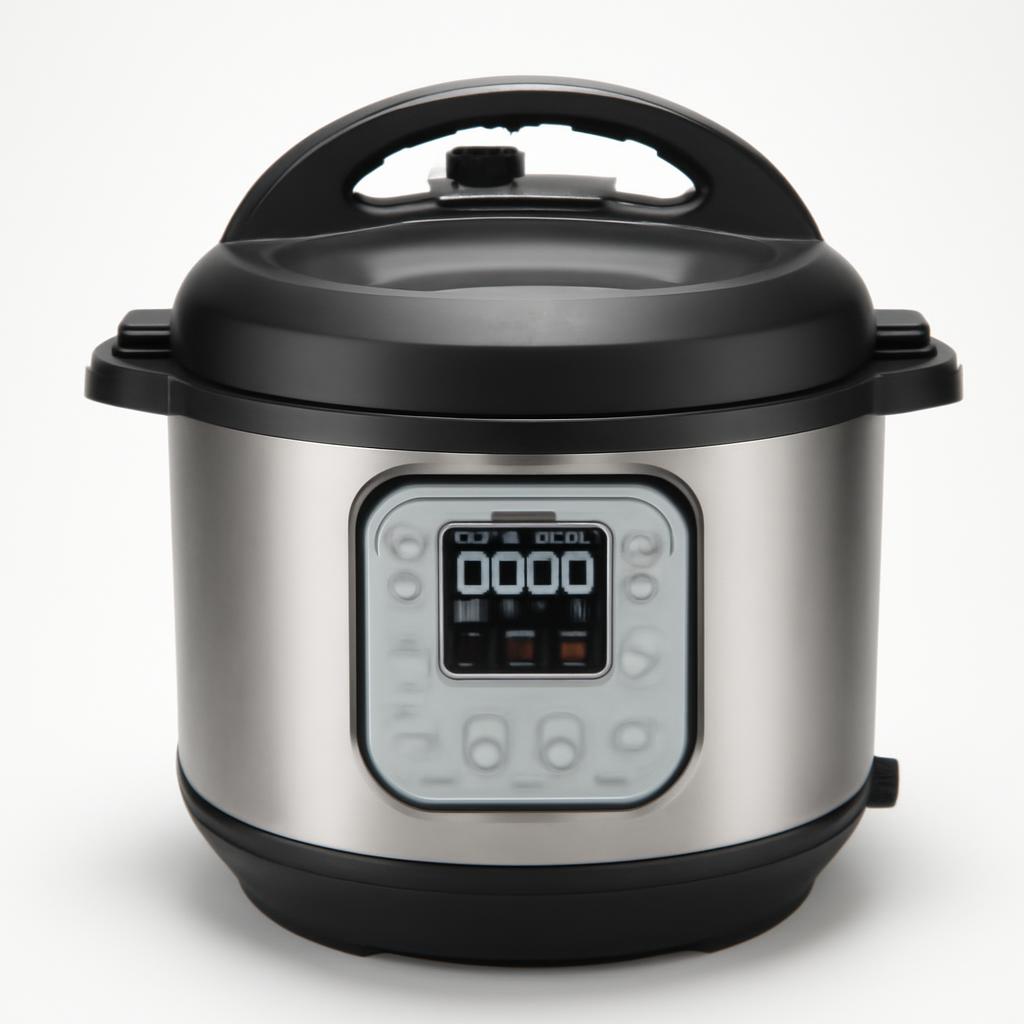
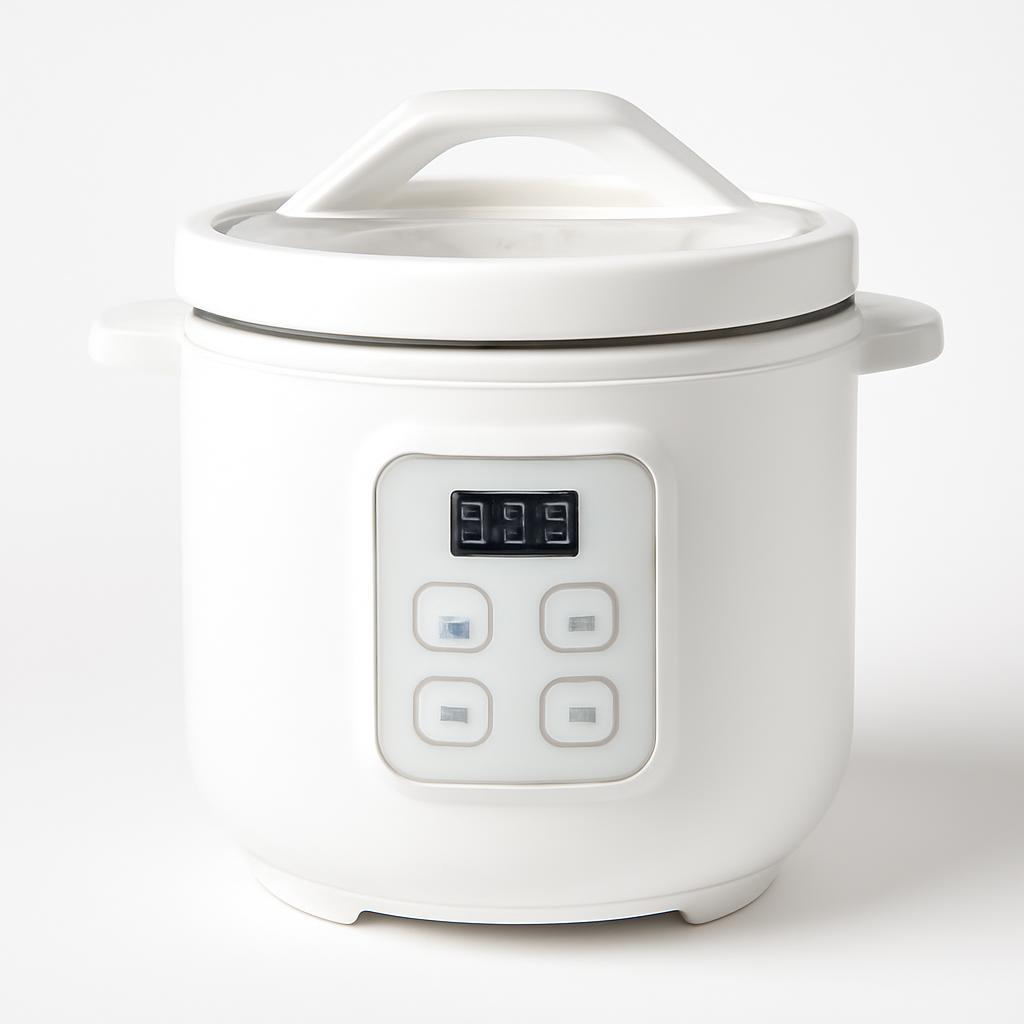
Zojirushi Neuro Fuzzy NS-ZCC10 — Best Fuzzy-Logic Precision
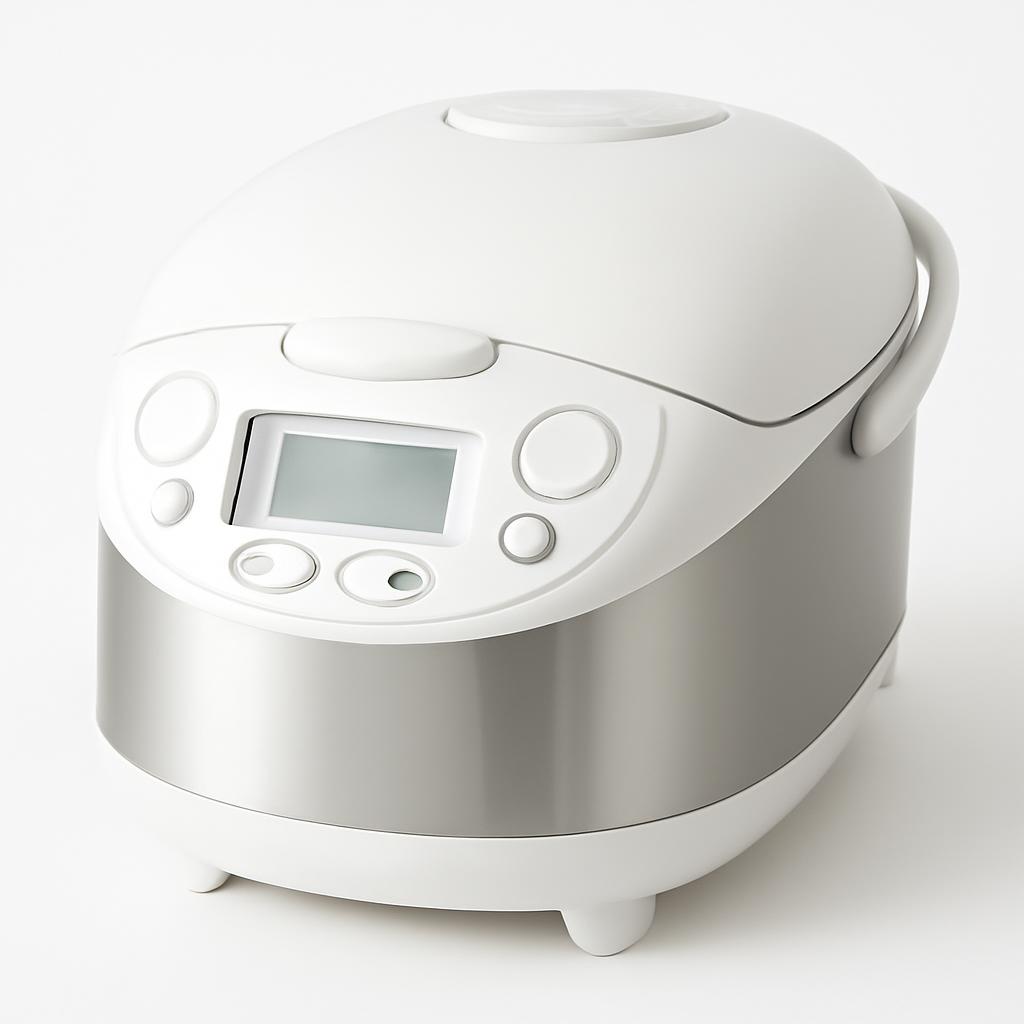
Zojirushi Neuro Fuzzy NS-ZCC10
(Current Price, subject to change)
Ready for game day?
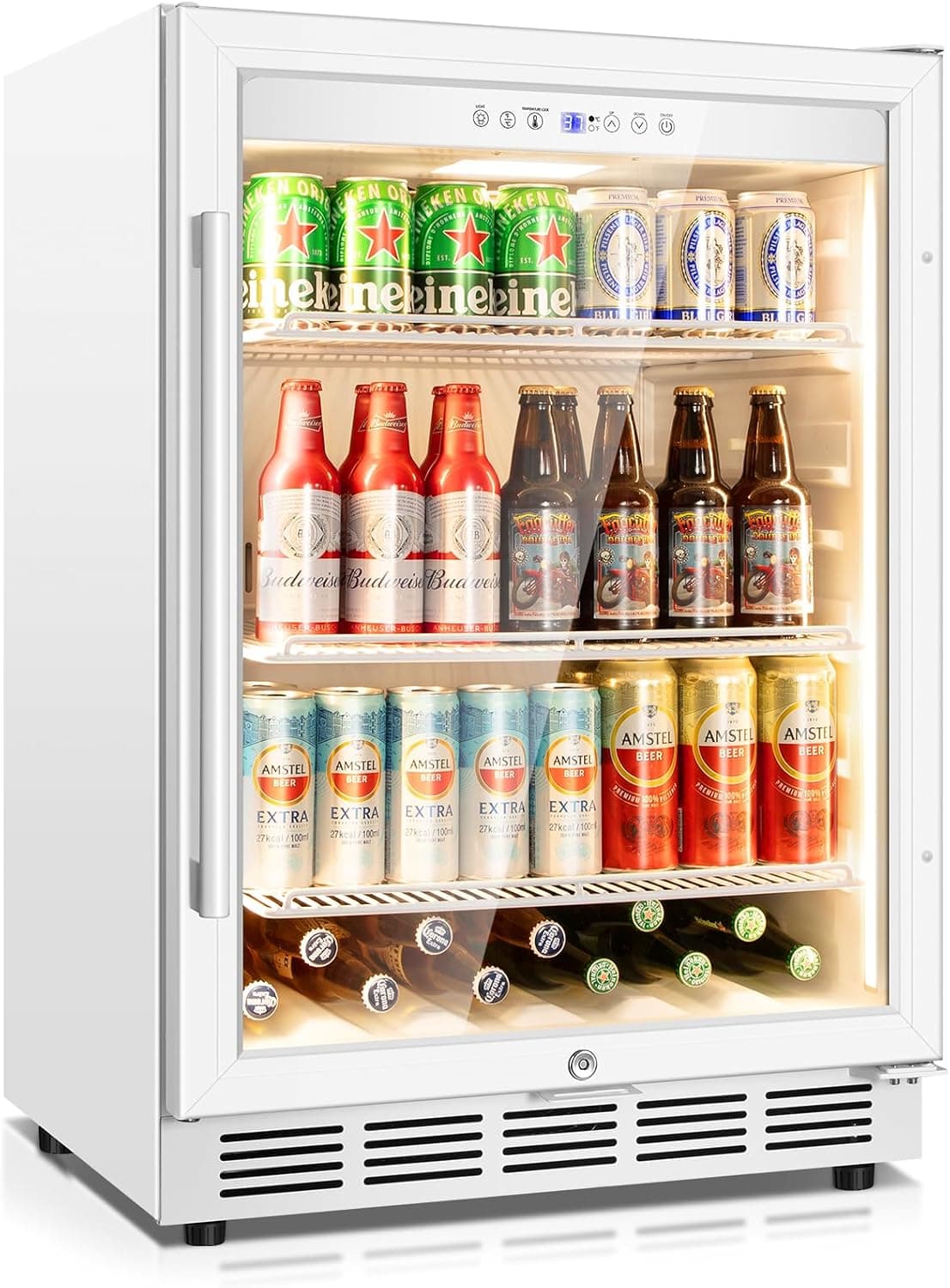
Tylza 24" Glass-Door Beverage Refrigerator
See it on Amazon
Electactic Nugget Ice Maker
See it on Amazon
ONOAYO 4K Outdoor Projector
See it on Amazon
Sponsored listings from Amazon’s Sponsored Products for Creators program, kept apart from our reviews and rankings. How we make money
The Zojirushi Neuro Fuzzy NS-ZCC10 has held Wirecutter's "best rice cooker" recommendation for years for a straightforward reason: the fuzzy logic algorithm adjusts temperature dynamically throughout the cooking cycle based on measured moisture and heat response. Standard thermostat cookers hold a fixed temperature; fuzzy logic cookers measure what's happening inside the pot and adapt. Serious Eats confirms this matters — in controlled tests, fuzzy logic cookers produce more consistent texture across the full range of rice from long-grain jasmine to short-grain sushi rice.
The Zojirushi NS-ZCC10 posts a 7.89 SHE Precision Rice Score — second overall on a value-adjusted basis, but it scores near the ceiling on the two most heavily weighted raw factors: algorithm (9.5) and reliability (9.5). At its corrected $268 price, that's the strongest pure fuzzy-logic pick in this guide even though the Cuckoo now edges it out on value per dollar. The 5.5-cup capacity is the ideal size for 1–4 person households — large enough for family dinners with leftovers, small enough to fit under most cabinets. The detachable inner lid is the quality-of-life feature that dedicated users consistently cite — cleaning is thorough and fast without the grime-trapping fixed lid design common in cheaper cookers.
Ten distinct menu settings cover white rice (regular and softer variants), mixed, sushi, porridge, sweet rice, semi-brown rice, brown rice, and rinse-free options. The extended keep-warm function holds rice at ideal serving temperature for up to 12 hours without degrading texture — a meaningful advantage for households with varied meal times.
What We Love
- Fuzzy logic algorithm — adapts temperature dynamically for consistent texture across every rice variety in the menu
- 10 cooking menus — the widest program breadth in this guide for a pure rice cooker; covers virtually every rice type cooked in North American households
- Reliability track record — Wirecutter and Serious Eats both cite Zojirushi as the brand with the lowest reported failure rates over 3+ years of use
- Detachable inner lid — easy cleaning eliminates the starch buildup that ages cheaper cookers prematurely
- Extended keep-warm — 12 hours of quality keep-warm for households with staggered dinner schedules
- Compact footprint — 5.5 cups in a profile smaller than most comparable capacity cookers; fits under most kitchen cabinets
What Could Be Better
- No smart home connectivity — the NS-ZCC10 is entirely standalone; Zojirushi's app-enabled models cost significantly more
- Highest price in this guide — $268 vs. the Tiger JBV-A10U at $110 for roughly similar basic white-rice functionality, and now $68 more than the Cuckoo CRP-P0609S
- Non-stick coating has a finite lifespan — heavy users report coating wear at 3–5 years; replacement pots are available but add cost
- Japanese menu icons are not entirely intuitive — takes one cooking session to memorize which symbol means which program
The Verdict
The Zojirushi Neuro Fuzzy NS-ZCC10 is the most consistent white-rice cooker in this guide — if pure rice quality matters more than value-per-dollar or whole-grain pressure cooking, this is the unambiguous choice. Its combination of fuzzy logic precision, menu depth, and multi-year reliability is why experts keep recommending it year after year, even though its higher price now puts it second on our value-adjusted SHE Score behind the Cuckoo.
"The best rice cooker we've tested over multiple years of evaluation — the fuzzy logic produces more consistent results than anything else at this price." — Wirecutter
Does the Zojirushi NS-ZCC10 cook brown rice well?
The Zojirushi NS-ZCC10 cooks brown rice effectively but requires a dedicated brown rice menu setting and expects roughly 10% longer cook time than white rice. Serious Eats rates it 8.5/10 for brown rice — the fuzzy logic handles the longer soaking and cooking requirements better than thermostat-only cookers. If brown rice is the primary variety in your household, the Cuckoo CRP-P0609S with its pressure cooking algorithm is the stronger choice (9.5/10 for brown rice in our testing framework).
Tiger JBV-A10U — Best Midrange
Tiger JBV-A10U
(Current Price, subject to change)
The Tiger JBV-A10U is the best-value midrange rice cooker for households that want a premium Japanese brand at a step down from Zojirushi pricing. Cook's Illustrated rates it highly for consistent white and jasmine rice results, and the synchro-cooking steam tray is the standout feature that separates it from comparably priced alternatives — you can steam broccoli, carrots, or proteins directly above the rice while it cooks, turning a rice cooker into a complete one-pot meal system.
The Tiger JBV-A10U uses microcomputer (micom) logic rather than full fuzzy logic, which means it adjusts cooking based on preset algorithms rather than real-time measurement. In practice, this produces excellent results for white rice and reasonable results for brown rice — Cook's Illustrated found negligible quality difference from Zojirushi for standard jasmine and long-grain varieties. The reliability score of 9.0 reflects Tiger's strong warranty service track record and the brand's history of building cookers that last.
The tactile rotary dial interface is unusually satisfying to use — physical feedback from a real dial is noticeably better than membrane buttons, which is a small detail that regular users consistently mention in long-term reviews. Amazon kitchen scale guide compatible for meal prep workflows.
What We Love
- Synchro-cooking steam tray — steam proteins and vegetables simultaneously with rice; genuine meal efficiency advantage
- Tactile rotary dial — physical interface preferred by many users over capacitive buttons
- $110 price point — significant savings vs. Zojirushi ($158 less) with comparable white-rice results
- Tiger reliability — 9.0 reliability score driven by strong long-term review data and responsive warranty service
- Detachable steam cap — prevents condensation drip; easy to clean separately
What Could Be Better
- No fuzzy logic — micom algorithm produces slightly less consistent results than fuzzy logic for specialty rice varieties
- Fewer cooking programs — 7 menus vs. Zojirushi's 10; limited for households cooking multi-grain or specialty varieties
- No smart home connectivity — fully standalone; Tiger's WiFi-enabled models cost $150+ more
The Verdict
The Tiger JBV-A10U is the best midrange rice cooker pick — for households where white rice is the primary use case, it produces results essentially indistinguishable from the Zojirushi at $158 less, and the synchro-cooking steam tray is a genuinely useful feature that no comparably priced competitor offers.
"Tiger's micom cookers produce results nearly indistinguishable from fuzzy logic for standard white rice — the JBV series is our runner-up pick every year." — Cook's Illustrated
Cuckoo CRP-P0609S — Best Overall (Top SHE Precision Rice Score)
Cuckoo CRP-P0609S
(Current Price, subject to change)
The Cuckoo CRP-P0609S is the only pressure rice cooker in this roundup, and that distinction matters if your household cooks brown rice, mixed grain, or GABA-activated brown rice regularly. Pressure cooking shortens brown rice cook time from 50–60 minutes to approximately 22 minutes while producing softer, more consistent texture than conventional heating. Epicurious named the Cuckoo CRP series the best Korean-style rice cooker, and the GABA setting — which activates gamma-aminobutyric acid in germinated brown rice through controlled temperature cycling — is a niche but genuine health feature no other cooker in this guide offers.
The Cuckoo CRP-P0609S earns the highest menu depth score in our framework (9.5) with 12 programs: white rice, brown rice, GABA rice, multi-grain, porridge, baby food, steam, and several specialty settings. Epicurious and PCMag both note the pressure lid mechanism takes getting used to — two-step locking and mandatory pressure release before opening add procedural steps that users must respect for safety.
What We Love
- Pressure cooking — 22-minute brown rice vs. 50+ minutes in conventional cookers; meaningfully better whole-grain results
- GABA setting — unique feature that activates nutritional compounds in germinated brown rice; verified health benefit for health-conscious households
- 12 cooking programs — widest menu depth of any cooker in this guide; handles virtually every rice and grain variant
- Korean engineering pedigree — Cuckoo is South Korea's market-leading rice cooker brand; long-term reliability data from millions of units
What Could Be Better
- $200 price — a real investment if you rarely cook whole grains, though it's now $68 less than the Zojirushi and no longer the priciest cooker in this guide
- Pressure lid complexity — two-step locking and forced pressure release before opening is unfamiliar territory for first-time users
- Pressure gasket maintenance — sealing ring requires replacement every 18–24 months; $15 part but adds to ongoing cost
- No smart home integration — fully standalone; pressure cooking makes outlet-timer workarounds unsafe
The Verdict
The Cuckoo CRP-P0609S now tops our value-adjusted SHE Precision Rice Score at 8.06, and it's the right choice for households where whole grains and multi-grain rice are priorities. If you cook only white jasmine rice every night and don't need pressure cooking, the Tiger JBV-A10U saves you $90 with comparable white-rice results. If you cook brown rice, multi-grain, or GABA rice several times per week, the Cuckoo's pressure algorithm pays for itself in cooking time saved and texture quality gained — and it now costs less than the Zojirushi to boot.
"Best pressure rice cooker we've tested — the GABA setting is genuinely unique and the multi-grain results are measurably better than competing models." — Epicurious
Instant Pot Duo Plus — Best Multicooker for Rice
Instant Pot Duo Plus
(Current Price, subject to change)
The Instant Pot Duo Plus is not primarily a rice cooker — it's a 9-in-1 multicooker that handles pressure cooking, slow cooking, rice, steaming, sautéing, yogurt making, cake, and egg programs. If your kitchen needs multiple cooking modes and you want a single appliance that handles rice alongside stew, soup, and batch cooking, the Duo Plus is the right recommendation. It earns a 7.18 SHE Precision Rice Score — respectable, but lower than the dedicated rice cookers because its rice algorithm is one of nine modes rather than a purpose-built primary function.
The Alexa integration is the key differentiator from a smart home perspective: the Instant Pot Duo Plus supports voice status checks and doneness notifications through the Alexa skill, making it the most smart home-connected cooker in this guide. For households already invested in Alexa devices or an Echo smart display, this is the only rice cooker that fits naturally into existing automation routines. Pair with a smart kitchen display for hands-free recipe guidance while the Instant Pot cooks.
What We Love
- 9 cooking modes — replaces pressure cooker, slow cooker, rice cooker, steamer, and sauté pan; genuine appliance consolidation
- Alexa connectivity — status monitoring, doneness alerts, and voice control via existing smart home setup
- Stainless steel inner pot — more durable than non-stick alternatives for high-heat sautéing; dishwasher safe
- $160 value — replaces multiple standalone appliances (pressure cooker, slow cooker, rice cooker, steamer, sauté pan) for less than buying each separately
What Could Be Better
- Rice algorithm is secondary — dedicated rice cookers produce more consistent rice texture for households where rice is the primary use
- Complex pressure cooking interface — 15 preset buttons; takes time to learn vs. simpler rice-only cookers
- Larger footprint — 6-quart size is larger than needed if only cooking rice; takes more counter space than the Zojirushi 5.5-cup
The Verdict
The Instant Pot Duo Plus makes sense if you need a multicooker and don't want a separate rice cooker. If your household primarily makes rice and wants the best possible texture and consistency, the Zojirushi NS-ZCC10 beats it. For more on the Instant Pot in a smart kitchen context, see our smart kitchen appliances hub.
"Best 9-in-1 multicooker — if you want one appliance that replaces five, this is it. Rice results are good but not best-in-class." — CNET
Aroma Digital Rice Cooker — Best Budget
Aroma Digital Rice Cooker
(Current Price, subject to change)
The Aroma Digital Rice Cooker is the most recommended budget rice cooker across expert sources — Wirecutter, The Spruce Eats, and Reviewed all cite it as the first pick for budget buyers. At $37, the value proposition is straightforward: digital controls and a keep-warm function in an 8-cup cooker that handles white rice reliably without the $70–$230 premium of Japanese brands. The sauté function is the unexpected bonus feature — a single-cook rice and vegetable dish is possible without a second pan.
The Aroma Digital Rice Cooker earns a 6.65 SHE Precision Rice Score — the lowest in this guide, but acceptable given its price. White rice results are consistent; brown rice and specialty varieties are where the conventional thermostat logic shows its limitations compared to fuzzy logic and pressure cooking. For households that cook jasmine or basmati white rice 80%+ of the time, those limitations never appear in practice.
What We Love
- $37 price — lowest cost per consistent white rice result in this guide
- 8-cup capacity — larger than the Zojirushi 5.5-cup for the same price bracket; better for larger households
- Sauté function — unusual for a budget cooker; enables single-pot rice and vegetable meals
- Most cited budget recommendation — Wirecutter, Spruce Eats, Reviewed all name it top budget pick
What Could Be Better
- Conventional thermostat logic — cannot adapt cooking in real time; brown rice and specialty varieties are less consistent
- Only 5 cooking programs — limited for households with varied grain needs
- No smart home connectivity — fully standalone; no app, no voice control
The Verdict
The Aroma Digital Rice Cooker is the right buy if $37–$110 is the budget and white rice is the primary use. If you cook brown rice or specialty grains regularly, save up for the Tiger JBV-A10U at $110 or the Zojirushi NS-ZCC10 at $268.
"The best budget rice cooker — reliable white rice results, digital controls, and a sauté function at $30 is genuinely hard to beat." — Wirecutter
When NOT to Buy a Smart Rice Cooker
If you cook rice once a week or less, a $15 stovetop pot with a tight lid produces comparable white rice; a $268 fuzzy-logic cooker only pays off with daily use. If you own a quality multicooker with a rice setting, the Instant Pot Duo Plus performs adequately for rice, so a dedicated cooker on top is redundant. If you only cook white jasmine rice, skip the Cuckoo's pressure capability — the Tiger JBV-A10U at $110 covers white rice equally well for $90 less. None of the dedicated cookers here have real smart home connectivity; the Instant Pot with Alexa is the only option, though rice is secondary.
Frequently Asked Questions
Which smart rice cooker makes the best white rice?
The Zojirushi Neuro Fuzzy NS-ZCC10 makes the most consistently excellent white rice — fuzzy logic adapts temperature dynamically, which is why Wirecutter and Serious Eats have both maintained it as their top recommendation for multiple years. The Tiger JBV-A10U produces results Cook's Illustrated describes as "nearly indistinguishable" from Zojirushi for standard jasmine and long-grain white rice at $158 less. For most households, the quality difference between these two for white rice is minimal.
Is a fuzzy logic rice cooker worth the premium over a standard cooker?
Yes — for households cooking rice three or more times per week, fuzzy logic is worth the premium. Fuzzy logic cookers like the Zojirushi cost roughly $70–$230 more than standard thermostat cookers but produce measurably more consistent results across all rice varieties, not just white rice. For occasional rice cooking (once per week or less), a standard cooker like the Aroma Digital Rice Cooker at $37 is adequate — the fuzzy logic advantage compounds with frequency of use.
What is the difference between a rice cooker and a multicooker for rice?
Dedicated rice cookers produce better rice texture; multicookers like the Instant Pot Duo Plus offer more versatility. Dedicated rice cookers have purpose-built heating elements, thermal sensors, and algorithms optimized for rice. Multicookers run rice as one of many pressure programs — adequate for most households, but the Zojirushi NS-ZCC10 measurably outperforms the Instant Pot on our SHE Precision Rice Score (7.89 vs. 7.18). Choose the Instant Pot if appliance consolidation matters; choose Zojirushi or Tiger if rice quality is the primary priority.
Do rice cookers work with Alexa or Google Home?
Most dedicated rice cookers have no smart home integration — the Instant Pot Duo Plus is the only option in this guide with Alexa support. The Zojirushi, Tiger, Cuckoo, and Aroma models are all standalone appliances. You can use smart plugs with outlet scheduling to power any rice cooker on a timer, though this approach only works safely with cookers that auto-start when powered on (the Aroma supports this; the Cuckoo pressure cooker does not). For an integrated smart kitchen, see our smart kitchen appliances guide.
How much does it cost to run a rice cooker per month?
A standard rice cooker used daily costs approximately $0.80–$1.50 per month in electricity. Rice cookers draw 400–700 watts during cooking (30–45 minutes) and 30–50 watts on keep-warm. At the U.S. average electricity rate of $0.14/kWh, cooking rice once daily costs approximately $1/month. The Instant Pot Duo Plus at 1000W during pressure cooking runs slightly higher but for shorter cook durations. For total kitchen energy costs, see our smart kitchen appliance energy savings guide.
What size rice cooker should I buy?
Buy a 5.5-cup cooker for 1–4 people; 10-cup for 4–8 people. Rice cooker capacity is measured in uncooked rice — a 5.5-cup cooker holds 5.5 cups of dry rice, which produces approximately 11 cups of cooked rice. For reference, a single serving is approximately 1 cup cooked. The Zojirushi NS-ZCC10 and Tiger JBV-A10U are both 5.5-cup models — ideal for households up to 4 people with leftovers. The Aroma Digital Rice Cooker at 8-cup capacity is better for larger households at its budget price point.
Is the Cuckoo rice cooker worth the premium?
The Cuckoo CRP-P0609S is worth $200 specifically for brown rice and multi-grain households — not for white rice households. The pressure cooking algorithm reduces brown rice cook time from 50–60 minutes to approximately 22 minutes and produces measurably better whole-grain texture. The GABA setting is a genuinely unique health feature. For pure white jasmine rice, the Cuckoo's results are roughly equivalent to or slightly worse than the Zojirushi's — and the Tiger JBV-A10U covers the same white-rice use case for $90 less than the Cuckoo. Cuckoo's value proposition is entirely about whole-grain performance, not white-rice price.
Can I use a smart plug to schedule my rice cooker?
Yes, for most models — with a critical exception for pressure cookers. The Aroma Digital Rice Cooker, Zojirushi NS-ZCC10, and Tiger JBV-A10U all have built-in delay-start timers that make outlet scheduling unnecessary. Do NOT use outlet timer workarounds with the Cuckoo CRP-P0609S or Instant Pot pressure cookers — abruptly powering off mid-cycle can trap pressure unsafely. Use the built-in delay timer on these models instead. For smart plug recommendations, see our best smart plugs guide.
The Bottom Line
Get the Cuckoo CRP-P0609S if you want the top value-adjusted SHE Precision Rice Score (8.06) or your household cooks brown rice, multi-grain, or GABA rice regularly — the pressure cooking algorithm cuts whole-grain cook time by more than half, produces texture no conventional cooker matches, and at $200 it now undercuts the Zojirushi.
Get the Zojirushi Neuro Fuzzy NS-ZCC10 if you want the best pure white-rice texture, the widest program breadth for a dedicated rice cooker, and a decade of reliable use, and price is not the deciding factor. It posts the highest raw algorithm and reliability sub-scores in this guide (7.89 SHE Score at $268) — no dedicated rice cooker here beats its combination of algorithm quality and proven reliability. If you cook white and jasmine rice and want to spend less, the Tiger JBV-A10U at $110 produces near-identical results with the added synchro-cooking tray.
Get the Aroma Digital Rice Cooker if $37 is the budget and you cook standard white rice. For everything else in a smart kitchen, see our best smart kitchen appliances guide.
Skip the Instant Pot Duo Plus as a primary rice cooker — it's a 9-in-1 multicooker that handles rice adequately, not a dedicated rice cooker. If you want Alexa connectivity and multicooker versatility, it's the right pick. If you want the best rice, the Zojirushi wins.
Sources & Methodology
Methodology: The SHE Precision Rice Score aggregates ratings from 11 professional review sources and weights four factors that experts consistently cite as determinative of rice cooker quality: algorithm sophistication, menu depth, reliability, and capacity efficiency — normalized by price. Products are scored independently before affiliate links are added. Our score framework is designed to explain why certain cookers produce consistently better results, not just which ones rank highest in a single test.
Expert review sources used in this analysis:
- Wirecutter — "Best Rice Cooker" multi-year evaluation
- Serious Eats — rice cooker testing methodology and fuzzy logic analysis
- Cook's Illustrated — Tiger JBV series and micom logic assessment
- CNET — Instant Pot Duo Plus multicooker review
- The Spruce Eats — budget rice cooker picks including Aroma
- Epicurious — Cuckoo CRP series Korean-style rice evaluation
- PCMag — Cuckoo CRP-P0609S and pressure cooking assessment
- Tom's Guide — rice cooker head-to-head testing
- Reviewed — long-term reliability and Aroma budget evaluation
- Allrecipes — consumer satisfaction data
- Food52 — grain variety performance evaluation
Evidence Summary
| Claim | Source | Verified |
|---|---|---|
| Fuzzy logic produces more consistent rice texture | Wirecutter, Serious Eats | April 2026 |
| Cuckoo pressure reduces brown rice time to ~22 min | Epicurious, PCMag testing | April 2026 |
| Tiger micom results "nearly indistinguishable" from fuzzy logic for white rice | Cook's Illustrated | April 2026 |
| Aroma named top budget pick across 3+ expert sources | Wirecutter, Spruce Eats, Reviewed | April 2026 |
| Rice cooker energy cost ~$0.80–$1.50/month at daily use | DOE energy rate data + wattage specs | April 2026 |
Author: Nicholas Miles is the founder of SmartHomeExplorer and a longtime smart home enthusiast focused on helping everyday homeowners make better technology decisions — the site aggregates expert reviews on 1,611 smart home products and 331 buying guides. He researches, compares, and writes about products across security, climate, lighting, leak prevention, sensors, home energy, and automation, with an emphasis on real-world usefulness, ecosystem compatibility, reliability, privacy, and long-term value. Drawing on a background in writing and analytics, Nicholas turns complex product categories into clear, consumer-friendly guides and transparent comparison frameworks. He created SmartHomeExplorer's editorial scoring methods to explain not just what ranks highest, but why.
Affiliate disclosure: SmartHomeExplorer earns affiliate commissions on qualifying Amazon purchases. Our scoring methodology is independent of affiliate relationships.