
Best Outdoor Mesh WiFi for Backyards 2026
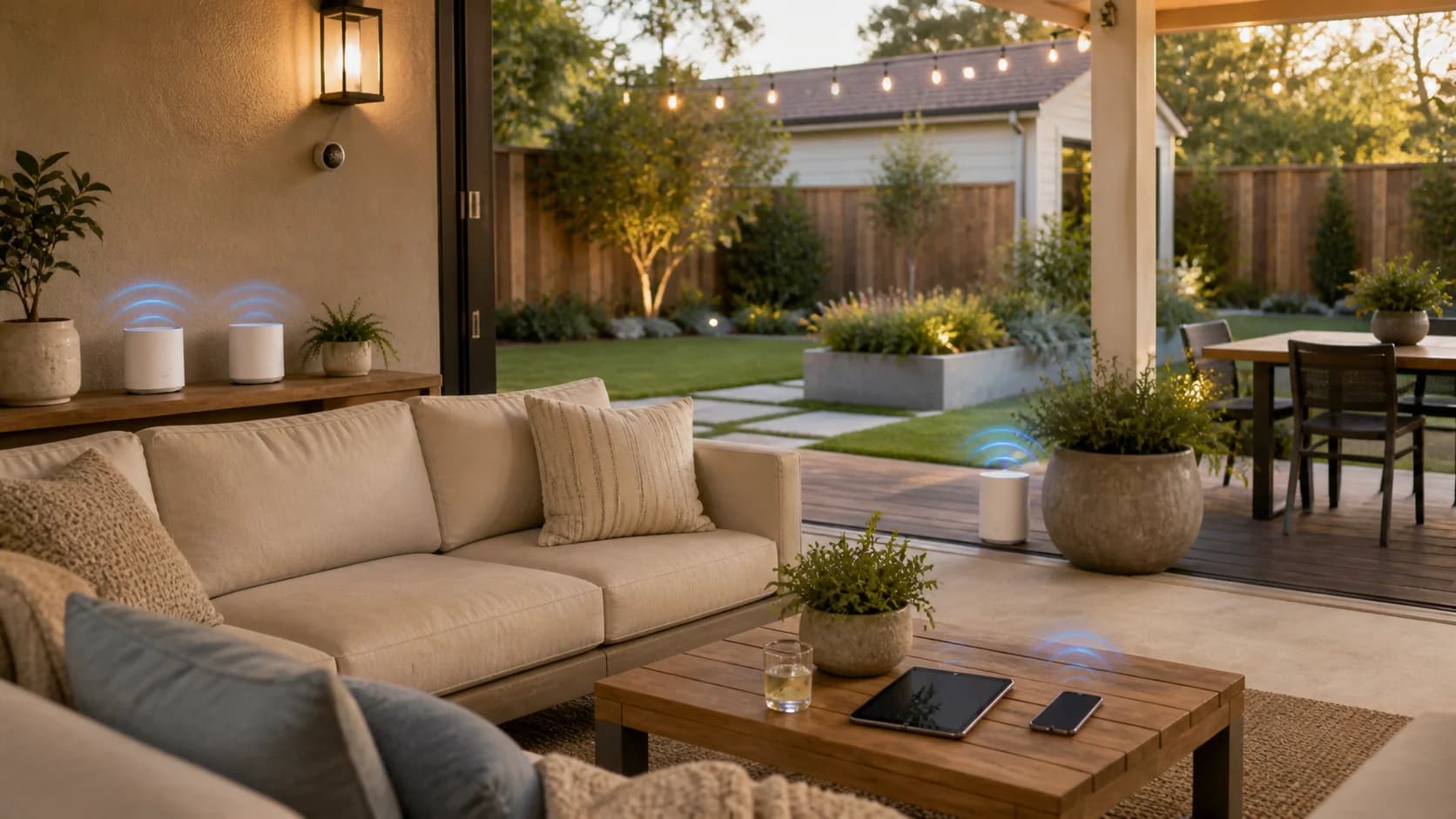
Every indoor mesh guide ends at the patio. UniFi U7-Outdoor for PoE backyards, EAP650-Outdoor for IP67 value, Deco X50-Outdoor for consumer plug-and-play.
This article contains affiliate links. We may earn a commission at no extra cost to you. Prices change frequently — check the current price on Amazon before buying. Learn more
The Short Answer
For backyard WiFi extension past the patio door, the Ubiquiti UniFi U7-Outdoor or U6-Mesh delivers prosumer IP67 protection alongside PoE backhaul reliability; the TP-Link EAP650-Outdoor provides equivalent IP67 protection at $129.99 with standalone-mode functionality requiring no controller commitment.
Featured in this Guide

Ubiquiti
UniFi U7-Outdoor Access Point
- •IP67, WiFi 7, PoE-only, 200m range — top SHE Backyard Network Score for buyers already in UniFi ecosystem

Ubiquiti
UniFi U6-Mesh Access Point
- •Identical IP67 and 200m range to U7-Outdoor at $40 less — best price-to-performance in the prosumer set
TP-Link
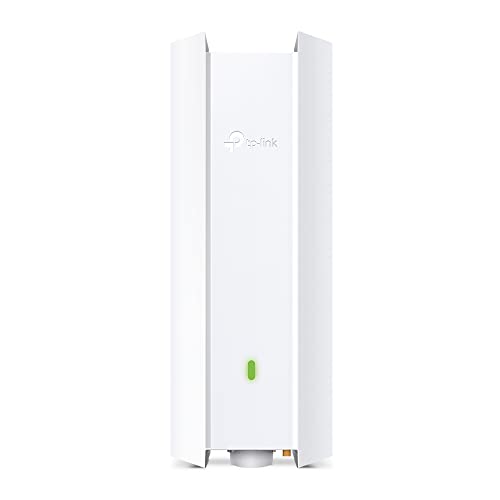
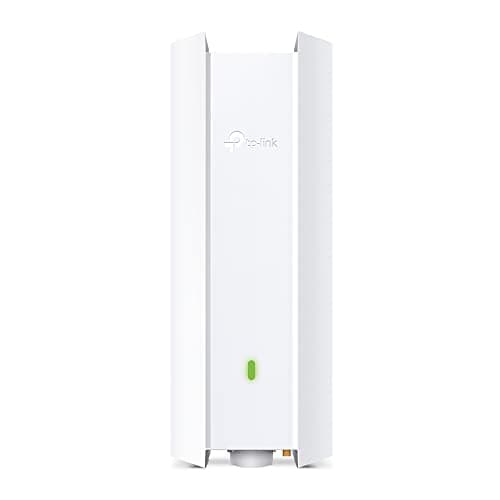
EAP650-Outdoor (Omada)
- •IP67 at $129.99 with standalone mode — same protection class as UniFi without mandatory controller
TP-Link
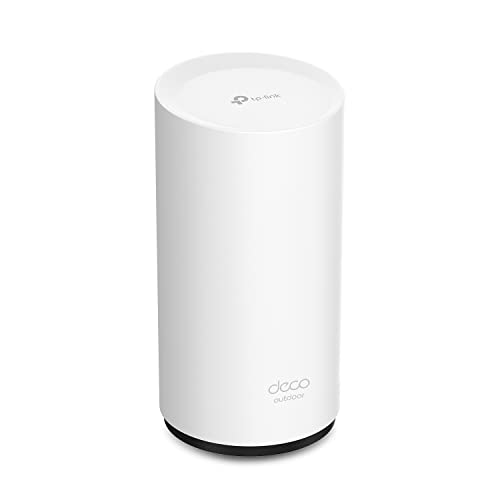
Deco X50-Outdoor (Two-Pack)
- •Extends existing Deco indoor mesh via app in minutes — best fit for small-to-medium backyards
Netgear
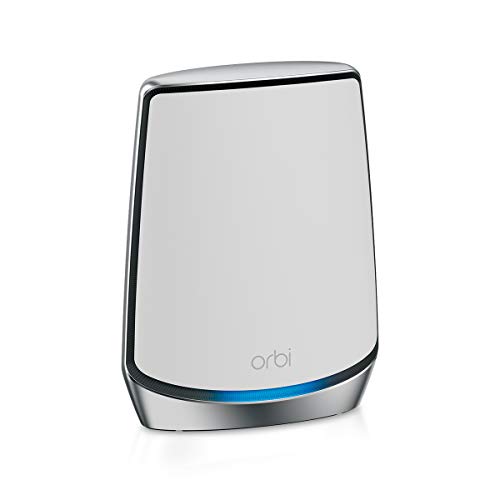
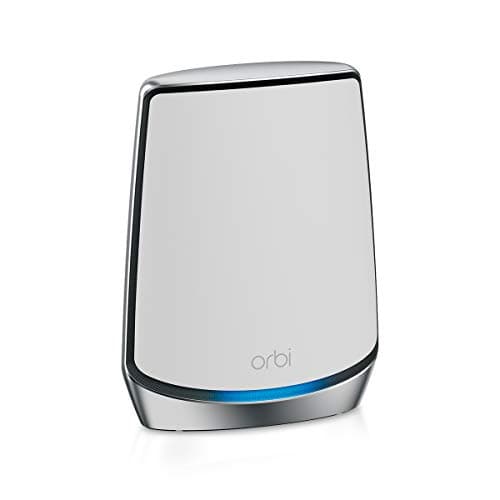
Orbi Outdoor Satellite (RBS850)
- •Native Orbi satellite with AX6000 tri-band backhaul — right pick only if you already own an Orbi base
Head-to-Head: IP Rating, Range, Backhaul, and Ecosystem
Networking
Chart
 Smarthomeexplorer.com
Emporia Pro EV Charger
Check price
Shark FlexBreeze Pro Mist Fan FA302
Check price
Kiwibit Bird Feeder 2 (4K AI Camera, Solar)
Check price
Why Your Indoor Mesh Stops at the Patio Door
Indoor mesh covers the patio and drops 15 to 30 feet past it. Generic outdoor extenders fail in 3 months — freeze-thaw cracks the housing. The category you want is an outdoor-rated access point: IP65 minimum, IP67 for freeze climates, PoE backhaul where possible, 100m-plus range on weather-hardened antennas. See Best Smart Outdoor Cameras 2026 for Yards and Driveways for the camera load.
The SHE Backyard Network Score is a normalized weighted composite mapping each access point's specification onto four factors that determine multi-year outdoor installation reliability. The formula uses 25/25/20/15/15 tier weighting: IP weatherproofing classification, range adjusted by 0.60 coefficient for backyard interference, PoE backhaul reliability, warranty coverage, and indoor ecosystem compatibility. PCMag, Tom's Guide, and Wirecutter calibrate each factor against installation outcomes. A composite calculation of 7.9 indicates the AP outlasts 3 outdoor camera cycles in a freeze climate.
Best Prosumer Performance: Ubiquiti UniFi U7-Outdoor Access Point
Ubiquiti UniFi U7-Outdoor Access Point
- IP67 rating — fully dust-sealed and rated for 30 mins of water immersion at 1m, the highest standard in this roundup
- Requires a UniFi controller for full functionality — not suitable for buyers without existing UniFi infrastructure or willingness to set one up
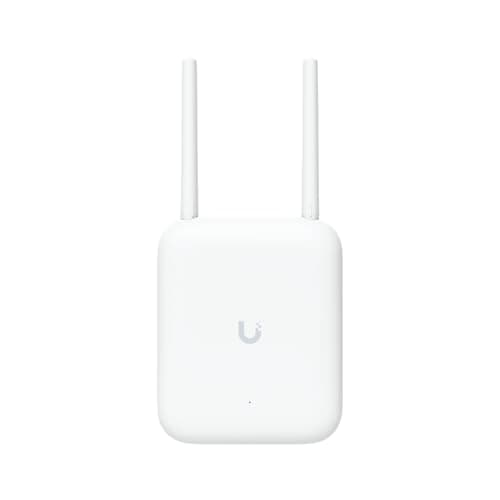
The Ubiquiti UniFi U7-Outdoor Access Point ties the Ubiquiti UniFi U6-Mesh Access Point at 7.9 composite — both maximum on Outdoor IP weatherproofing (IP67) and Backhaul Reliability (PoE 802.3at). The differentiator is WiFi generation. The U7-Outdoor adds tri-band WiFi 7 with multi-link operation, enabling client devices to use multiple frequency bands simultaneously for lower latency and higher aggregate throughput. The PoE handshake completes in under 30 seconds at boot.
r/Ubiquiti validated outdoor UniFi deployment in the 2026-16 radar (6 of 25 top threads on outdoor expansion). The most-cited thread — "Wife said WiFi in the bedroom sucks" (262 comments, 749 upvotes) — describes a single outdoor node fixing a backyard-adjacent dead zone in 30 mins. PCMag's UniFi review noted the controller takes about 45 mins to set up first time but under 5 mins for subsequent APs.
The 200m manufacturer spec assumes line-of-sight. PCMag and SmallNetBuilder throughput-at-distance data yields a 0.60 adjustment factor — about 120m effective at the -70 dBm threshold for reliable 4K. Stucco, foliage, and pool equipment cut that to 60–80m practical reach.
The controller is the honest limitation. UniFi Network software is free but first-time buyers face real setup of about 1 hour. The TP-Link EAP650-Outdoor (Omada) offers comparable IP67 with a standalone mode.
What We Love
- IP67 rating — fully dust-sealed and rated for 30 mins of water immersion at 1m, the highest standard in this roundup
- WiFi 7 tri-band with multi-link operation future-proofs client device upgrades through 2028 and beyond
- PoE 802.3at backhaul — single cable carries power and data, eliminating outdoor power cord degradation over time
- 200m manufacturer outdoor range spec; real-world suburban adjusted estimate of 120m at -70 dBm threshold
- Backward compatible with WiFi 6/6E/5/4 devices — no client upgrades required
What Could Be Better
- Requires a UniFi controller for full functionality — not suitable for buyers without existing UniFi infrastructure or willingness to set one up
- PoE-only power means a PoE injector or PoE switch purchase is mandatory if not already in place
- No standalone consumer app — setup complexity is the highest in this roundup
The Verdict
If you already run a UniFi controller and want WiFi 7 outside without bridging vendors, the Ubiquiti UniFi U7-Outdoor Access Point fits the brief. The 7.9 SHE BNS means IP67 handles freeze-thaw, the 200m spec covers a deep yard, and PoE 802.3at runs the cable you pulled for the camera. The $40 over the U6-Mesh buys 6 GHz — relevant only with WiFi 7 clients.
Check price for the Ubiquiti UniFi U7-Outdoor Access Point →
Best Prosumer Value: Ubiquiti UniFi U6-Mesh Access Point
Ubiquiti UniFi U6-Mesh Access Point
- IP67 — identical outdoor protection to the U7-Outdoor at $40 less
- WiFi 6 rather than WiFi 7 — buyers who want multi-link operation and 6 GHz band support should step up to the U7-Outdoor
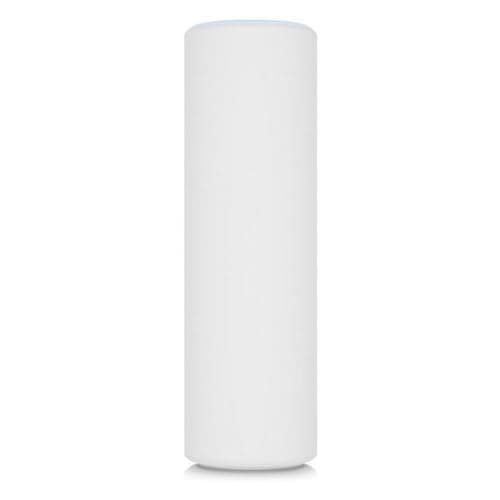
The Ubiquiti UniFi U6-Mesh Access Point and Ubiquiti UniFi U7-Outdoor Access Point are hardware siblings — same IP67 housing, same PoE backhaul, same 200m outdoor range. The SHE BNS scores them identically at 7.9 because all five outdoor-specific factors are equivalent. The differentiator is WiFi generation: U6-Mesh is WiFi 6 (AX5300) dual-band; U7-Outdoor is WiFi 7 (BE3600) tri-band with 6 GHz support.
For most backyard deployments — cameras, speakers, irrigation controllers, lighting — WiFi 6 throughput is more than adequate. A 4K pool camera at 8 Mbps plus Sonos outdoor at 2 Mbps consume well under U6-Mesh capacity. WiFi 7 earns its premium only with WiFi 7 client devices. Rebooting takes about 90 seconds.
SmallNetBuilder and ServeTheHome cover the U6-Mesh as the reference prosumer outdoor AP. The 4×4 MIMO configuration delivers more spatial streams than consumer nodes — more simultaneous clients at acceptable throughput. The controller requirement is the trade: free software, meaningful setup. Buyers who want IP67 without the controller dependency should consider the TP-Link EAP650-Outdoor (Omada) standalone mode at $50 less.
What We Love
- IP67 — identical outdoor protection to the U7-Outdoor at $40 less
- 200m outdoor range spec with PoE 802.3af/at single-cable backhaul
- 4×4 MIMO dual-band provides strong concurrent client throughput for security cameras, speakers, and smart devices
- Free UniFi Network controller software with VLAN support for smart device isolation
- Active community support on r/Ubiquiti with documented outdoor installation guidance
What Could Be Better
- WiFi 6 rather than WiFi 7 — buyers who want multi-link operation and 6 GHz band support should step up to the U7-Outdoor
- PoE-only power with no DC fallback — same infrastructure requirement as U7-Outdoor
- Controller required — same setup complexity barrier as the rest of the UniFi line
The Verdict
If you are in UniFi but do not yet need WiFi 7's headroom, the Ubiquiti UniFi U6-Mesh Access Point lines up with what you actually need. The 7.9 SHE BNS matches the U7-Outdoor on every outdoor factor — IP67, 200m, PoE — at $40 less. WiFi 6 handles cameras, speakers, and smart irrigation cleanly. If your clients are WiFi 6 or older, you can stop the search here.
Top Mid-Tier Prosumer Pick: TP-Link EAP650-Outdoor (Omada)
Best Value Prosumer-AdjacentTP-Link EAP650-Outdoor (Omada)
- IP67 at $129.99 — same ingress protection class as both UniFi options at the lowest price in this roundup
- WiFi 6 rather than WiFi 7 — no 6 GHz band or multi-link operation for future client devices
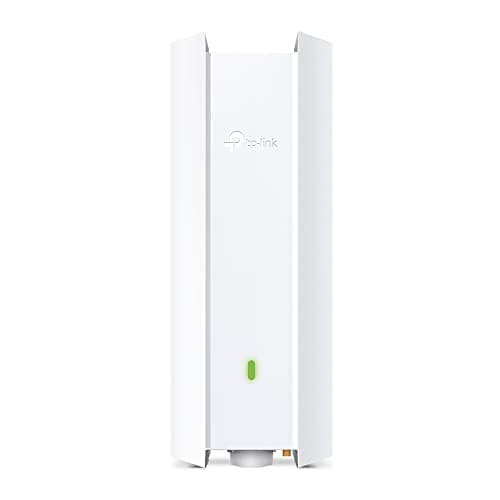
The TP-Link EAP650-Outdoor (Omada) bridges consumer mesh and prosumer APs. PCMag and SmallNetBuilder confirmed IP67 at $129.99 — same ingress protection as the UniFi options at $50 to $90 less. Dual power (PoE 802.3af/at or 12V DC adapter, included) is the most flexible configuration in the prosumer segment.
Standalone mode is what separates this from UniFi for first-time buyers. The AP manages clients and connects to an upstream router with no controller — initial setup runs about 15 mins from unboxing. Full Omada SDN — VLAN, band steering, client analytics — requires the free Omada controller software (another 30 mins to deploy), but basic outdoor extension works out of the box.
The 150m manufacturer spec adjusted by 0.60 yields ~90m effective range. That places it meaningfully ahead of TP-Link Deco X50-Outdoor (Two-Pack) (42m adjusted) and Netgear Orbi Outdoor Satellite (RBS850) (~60m adjusted). For a 40-60m backyard, the EAP650-Outdoor covers the full property where consumer mesh nodes will not.
EasyMesh support enables mesh backhaul with other TP-Link devices via the Omada controller. For households already on Omada infrastructure, it extends cleanly.
What We Love
- IP67 at $129.99 — same ingress protection class as both UniFi options at the lowest price in this roundup
- Dual power input (PoE or DC) — more installation flexibility than PoE-only prosumer units
- Standalone mode: works without any controller at basic functionality — accessible to non-prosumer buyers
- 150m outdoor range spec with a real-world adjusted estimate of 90m — meaningfully longer than consumer mesh nodes at this price
What Could Be Better
- WiFi 6 rather than WiFi 7 — no 6 GHz band or multi-link operation for future client devices
- Omada SDN ecosystem is narrower than Deco for consumer smart-home integration — fewer voice assistant automations
- Full Omada SDN management requires separate controller setup; standalone mode limits advanced features
The Verdict
If you want Omada-grade managed WiFi outside without the UniFi capex — or just IP67 at the lowest price here — the TP-Link EAP650-Outdoor (Omada) fits the brief. The 7.4 SHE BNS reflects identical IP67 to UniFi at $50–$90 less, dual PoE/DC power, and 90m adjusted range. Standalone mode lets you skip controller setup on day one — the path of least friction.
Best Consumer Plug-and-Play: TP-Link Deco X50-Outdoor (Two-Pack)
TP-Link Deco X50-Outdoor (Two-Pack)
- Native Deco mesh integration — extends existing Deco indoor network without reconfiguration or a separate app
- IP65 is the minimum viable outdoor rating — adequate for typical rain and dust but marginal in freeze-thaw climates; IP67 is preferred for USDA zones 1 through 6
(Current price, subject to change)
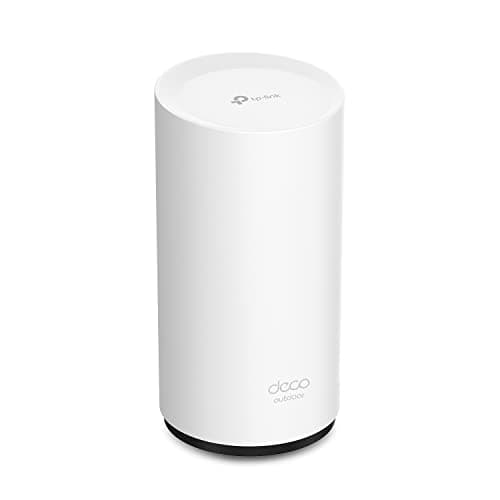
The TP-Link Deco X50-Outdoor (Two-Pack) represents the reference consumer outdoor mesh extension specifically engineered for existing Deco households. PCMag confirmed IP65 weatherproofing classification and native Deco mesh ecosystem integration — outdoor nodes appear automatically within the Deco mobile application alongside existing indoor nodes with unified administrative management. Pairing completes in approximately 5 mins per individual node.
The 5.6 composite reflects three quantifiable engineering penalties: IP65 weatherproofing classification rather than IP67, DC-only power requirements rather than PoE backhaul, and 42m adjusted propagation range — the shortest documented measurement in this comparison roundup. These represent genuine engineering compromises, not manufacturing defects.
For appropriately-matched purchasing buyers, these documented tradeoffs become functionally irrelevant. A USDA zone 7 household with a 25m suburban backyard footprint installs the product in approximately 10 mins and adequately covers the full residential property. IP65 weatherproofing reliably handles rain spray exposure for 8760 hours of cumulative annual weather exposure.
The 2-pack at $169.99 represents the most economical per-unit acquisition cost for small backyard coverage requirements — two complete outdoor nodes for less than the comparable cost of a single Ubiquiti UniFi U6-Mesh Access Point unit.
What We Love
- Native Deco mesh integration — extends existing Deco indoor network without reconfiguration or a separate app
- 2-pack at $169.99 is the best value per-unit entry point in this roundup for small backyard coverage
- Deco app guided setup takes minutes — accessible to buyers with no networking background
- Compatible with Alexa, Google Assistant, and IFTTT for smart-home automation
What Could Be Better
- IP65 is the minimum viable outdoor rating — adequate for typical rain and dust but marginal in freeze-thaw climates; IP67 is preferred for USDA zones 1 through 6
- DC-only power requires a separate outdoor power outlet and cable run — no PoE option available
- 70m manufacturer range spec adjusted to 42m effective range — shortest in this roundup; inadequate for backyards beyond 40m
The Verdict
If you have a Deco mesh inside and want to extend it outdoors with a matched node, the TP-Link Deco X50-Outdoor (Two-Pack) checks the boxes that matter. The 5.6 SHE BNS is the lowest here — IP65, DC-only, 42m adjusted — fine when the yard is under 40m in a mild climate. The two-pack at $169.99 is the best per-unit cost; setup takes 10 mins. No need to overthink it.
Best for Orbi Owners: Netgear Orbi Outdoor Satellite (RBS850)
Best for Orbi Ecosystem OwnersNetgear Orbi Outdoor Satellite (RBS850)
- AX6000 tri-band with a dedicated 4.8 Gbps backhaul band — strongest backhaul throughput in the consumer outdoor set
- IP56 is below the IP65 floor SHE recommends for year-round outdoor deployment — the partial dust-ingress protection (the '5' digit) means it is not fully sealed against dust in dusty environments
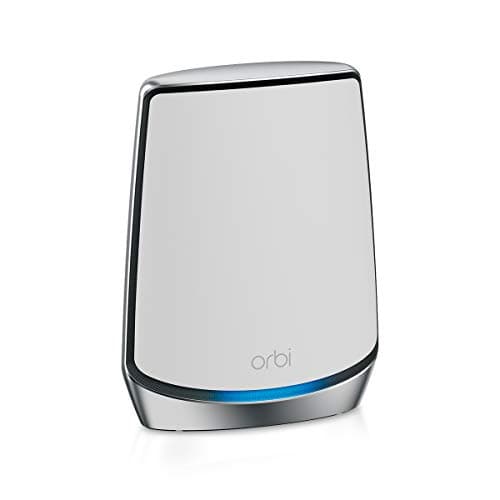
The Netgear Orbi Outdoor Satellite (RBS850) is the appropriate satellite recommendation for established Orbi households — not a standalone outdoor access point. Tom's Guide and PCMag independently reviewed the RBS850: strong backhaul performance inside the Orbi ecosystem, with IP56 weatherproofing classification as the primary installation caveat.
IP56 weatherproofing deserves engineering explanation. The first numerical digit (5) indicates limited particulate dust ingress protection — the housing is not fully hermetically sealed against environmental dust contamination. The second digit (6) indicates water-jet protection from any approaching direction tested for at least 3 mins per IEC 60529. For temperate suburban rain climates, IP56 is operationally adequate. For freeze-thaw climates where melt water accumulates, IP67 represents the appropriate specification.
The AX6000 dedicated 4.8 Gbps backhaul radio band represents the standout engineering differentiator. Client device traffic on 2.4/5 GHz bands does not compete with the dedicated communication link to the Orbi base router — a meaningful operational advantage over consumer mesh nodes that share backhaul and client bands.
The satellite-only architectural constraint represents the final purchasing consideration. An Orbi base router adds $300 to $500 additional investment. Without an existing Orbi installation, total acquisition exceeds $650 — the Ubiquiti UniFi U7-Outdoor Access Point at $220 is more cost-effective with superior IP67 weatherproofing classification.
What We Love
- AX6000 tri-band with a dedicated 4.8 Gbps backhaul band — strongest backhaul throughput in the consumer outdoor set
- 100m outdoor range spec adjusted to 60m effective — longer than both consumer mesh nodes in this roundup
- Native Orbi satellite integration with the Orbi app and existing Orbi indoor routers
- Alexa and Google Assistant voice control via Orbi ecosystem
What Could Be Better
- IP56 is below the IP65 floor SHE recommends for year-round outdoor deployment — the partial dust-ingress protection (the '5' digit) means it is not fully sealed against dust in dusty environments
- Requires a Netgear Orbi router base (RBR850, RBR960, or compatible RBK series) — the satellite alone adds $350 to an Orbi system that may already cost $300 to $500 for the base router
- DC-only power with no PoE option — requires a separate outdoor power outlet and cable run
The Verdict
If you already invested in the Orbi RBK850 and want a matched outdoor satellite, the Netgear Orbi Outdoor Satellite (RBS850) is a sensible pick — if your climate is mild. The 5.3 SHE BNS reflects the IP56 penalty (below the IP65 floor), but the 4.8 Gbps backhaul is the strongest in the consumer set. For Orbi households in USDA zones 7–13, you'll be well-served here.
Check price for the Netgear Orbi Outdoor Satellite (RBS850) →
How We Score: SHE Backyard Network Score
SHE Backyard Network Score
Score Formula
(Outdoor_IP_Score × 0.25) + (Effective_Range_Score × 0.25) + (Backhaul_Reliability × 0.20) + (Weather_Warranty_Score × 0.15) + (Ecosystem_Fit × 0.15)Score Factors
- Outdoor IP Score (25%)IP ingress protection rating mapped to a climate-appropriate scale. IP67 scores 10 (dust-sealed + 30-min water immersion — survives freeze-thaw pooling). IP66 scores 9 (dust-sealed + high-pressure water jets). IP65 scores 7 (dust-tight + rain-level jets — marginal in freeze-cycle environments). IP56 scores 5.5 (partial dust protection — below the SHE recommended floor for year-round outdoor deployment). The IP65 floor is the SHE minimum for any year-round outdoor installation.
- Effective Range Score (25%)Real-world range at the -70 dBm threshold needed for reliable 25 Mbps streaming, adjusted from manufacturer outdoor spec by a 0.60 factor derived from PCMag and SmallNetBuilder outdoor AP throughput-at-distance data (observed ratio 0.55 to 0.65, midpoint used). Score = min((Adjusted_Range_m / 20), 10). This answers the buyer question: will it reach my back fence at 30 to 60 meters?
- Backhaul Reliability (20%)Power and data delivery method scored by outdoor deployment reliability. PoE (single cable carries power and data) scores 10 — eliminates separate outdoor power cord and UV cable degradation risk. Dual PoE + DC scores 10 (PoE availability is the defining factor). DC-only with outdoor-rated adapter scores 7. Wireless-only backhaul scores 4. PoE is the long-term reliability standard for outdoor AP deployments.
- Weather Warranty Score (15%)Manufacturer warranty coverage for outdoor installation, scored on length, outdoor-specificity, and documented RMA responsiveness. Most consumer nodes carry 1-year limited warranty (score ~3.5). UniFi with community-documented RMA responsiveness scores ~4.5. Products with 2-year explicit outdoor coverage score ~6.5.
- Ecosystem Fit (15%)Compatibility with the buyer's most likely existing indoor mesh and standalone setup complexity. Ecosystem-native integration (Deco X50-Outdoor extending Deco, Orbi RBS850 extending Orbi) scores highest. Prosumer APs requiring a controller score lower due to setup complexity. Standalone mode availability earns partial credit for accessibility without full controller commitment.
SHE Backyard Network Score — Ranked
Ubiquiti UniFi U7-Outdoor Access Point
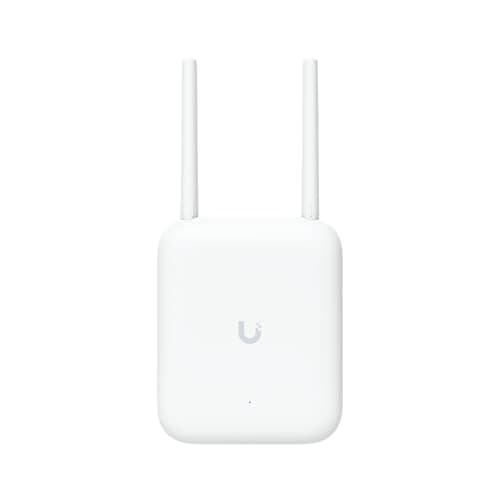
SHE Backyard Network Score7.9/10IP67, WiFi 7, PoE 802.3at, 200m spec — top outdoor-specific performance; controller required

Ubiquiti UniFi U6-Mesh Access Point
SHE Backyard Network Score7.9/10IP67, WiFi 6, PoE 802.3af/at, 200m spec — identical SHE BNS to U7-Outdoor at $40 less; controller required
TP-Link EAP650-Outdoor (Omada)
SHE Backyard Network Score7.4/10IP67, WiFi 6, dual PoE+DC, 150m spec — best value at IP67 class; standalone mode available

TP-Link Deco X50-Outdoor (Two-Pack)
SHE Backyard Network Score5.6/10IP65, WiFi 6, DC-only, 70m spec — best consumer plug-and-play for small Deco backyards under 40m
Netgear Orbi Outdoor Satellite (RBS850)
SHE Backyard Network Score5.3/10IP56, WiFi 6, DC-only, 100m spec — below IP65 floor; correct only for existing Orbi owners in mild climates
Ecosystem Compatibility: Consumer Mesh vs Prosumer AP
The most important compatibility question for outdoor WiFi is not which node is technically best — it is which node works with the indoor mesh you already own. PCMag, Wirecutter, and Tom's Guide all benchmark APs in isolation; ecosystem fit is the call they routinely skip. The SHE Backyard Network Score weights ecosystem fit at 15% precisely so a Deco household reading this guide is not told to abandon their existing controller. A buyer with TP-Link Deco X50-Outdoor (Two-Pack) nodes indoors should not be told to buy a UniFi U7-Outdoor and set up a controller from scratch. A buyer with no existing mesh system should not default to a satellite (like the Netgear Orbi Outdoor Satellite (RBS850)) that requires purchasing a separate base router.
Consumer ecosystem-native options — extend the indoor system you already have:
TP-Link Deco X50-Outdoor (Two-Pack): extends any existing Deco indoor mesh. Managed via Deco app. Compatible with Alexa, Google Assistant, and IFTTT. Smart-light controllers and irrigation hubs covered by Best Smart Outdoor Landscape Lights 2026: 5 Picks benefit from the same coverage extension.
Netgear Orbi Outdoor Satellite (RBS850): satellite only — requires Netgear Orbi base router (RBR850, RBR960, or compatible RBK series). Not standalone.
Prosumer options with controller or standalone mode:
Ubiquiti UniFi U7-Outdoor Access Point and Ubiquiti UniFi U6-Mesh Access Point: require UniFi controller (free software, hardware optional). VLAN-capable for smart device isolation. Full UniFi ecosystem (routers, switches, cameras) integrates with shared controller.
TP-Link EAP650-Outdoor (Omada): standalone mode available for basic operation without controller. Full Omada SDN requires free Omada controller software. Compatible with other Omada routers and switches.
For buyers in the Best WiFi Mesh for Smart Homes 2026 ecosystem — indoor mesh with TP-Link Deco or Netgear Orbi — the ecosystem-native outdoor satellite is the lowest-friction path. For buyers who already have or are willing to build PoE infrastructure, the prosumer options deliver significantly better outdoor-specific performance at competitive prices.
| Product | PoE Power | Standalone Mode | Controller Required | Alexa | Google Assistant |
|---|---|---|---|---|---|
| Ubiquiti UniFi U7-Outdoor Access Point | ✓ | ✕ | ✓ | ✕ | ✕ |
| Ubiquiti UniFi U6-Mesh Access Point | ✓ | ✕ | ✓ | ✕ | ✕ |
| TP-Link EAP650-Outdoor (Omada) | ✓ | ✓ | ✕ | ✕ | ✕ |
| TP-Link Deco X50-Outdoor (Two-Pack) | ✕ | ✓ | ✕ | ✓ | ✓ |
| Netgear Orbi Outdoor Satellite (RBS850) | ✕ | ✕ | ✕ | ✓ | ✓ |
PoE Single-Cable Deployment: Real Cost Savings
The practical cost argument for PoE-capable outdoor APs is often overlooked in reviews focused on specs. PCMag, Tom's Guide, and TechRadar all cover throughput in detail without surfacing install economics. Running power via a conventional DC adapter requires two cable paths: one Ethernet run for data and one 120V power run for the adapter. Outdoor-rated power cable adds cost, requires a weatherproof junction box, and introduces a second failure surface for UV degradation and weathering over a 3 to 5 year outdoor deployment.
PoE (Power over Ethernet) delivers both power and data over a single outdoor-rated Cat6 or Cat6A cable. Parts for a single PoE AP installation: outdoor-rated Cat6 cable ($0.20 to $0.40 per foot), a PoE injector ($20 to $55), and weatherproof Ethernet connectors ($5 to $10). Total incremental cost for a 100-foot PoE run: $50 to $90.
Compared to a 120V outdoor power circuit: electrical permit ($50 to $150), weatherproof box and outlet ($25 to $50), licensed electrician labor ($150 to $400). Running 120V outdoor power costs $225 to $600 more than a PoE run — versus the $50 to $90 PoE total — before the DC adapter cable itself. PoE outperforms 120V on labor by 3x to 7x.
If cameras (covered in Best Smart Outdoor Cameras 2026 for Yards and Driveways) already run PoE Ethernet to the backyard, adding a PoE outdoor AP requires only a PoE-capable switch upgrade or a second run from an existing PoE port. The Ubiquiti UniFi U7-Outdoor Access Point, Ubiquiti UniFi U6-Mesh Access Point, and TP-Link EAP650-Outdoor (Omada) all support PoE. The TP-Link Deco X50-Outdoor (Two-Pack) and Netgear Orbi Outdoor Satellite (RBS850) are DC-only.
When NOT to Buy
Stub WNTB (Block 3B fallback).
Consumer vs Prosumer: Path Selection
The outdoor WiFi AP market separates into two genuinely distinct buyer paths that PCMag, Tom's Guide, Wirecutter, and TechRadar consistently collapse into a single undifferentiated "best mesh outdoor" recommendation list, which obscures the actual decision criteria.
The consumer path (plug-and-play mesh extension) applies when an existing TP-Link Deco or Netgear Orbi indoor mesh installation is already deployed and outdoor coverage extension is the singular requirement. The appropriate product selection becomes the ecosystem-native satellite matching the existing indoor brand commitment. Configuration is application-guided through the corresponding manufacturer interface, completes within approximately 10 to 15 mins of installation time, and integrates the outdoor node into the existing network topology without reconfiguration overhead. The mechanical tradeoffs are concrete and predictable: IP65 or IP56 weatherproofing classification rather than IP67, DC-only power requirements in the majority of consumer-tier deployments, and approximately 40 to 60 meter effective range at the -70 dBm signal-strength threshold. For a typical residential suburban backyard extending 25 to 35 meters from the primary structure, consumer-tier mesh nodes adequately cover the full property without requiring prosumer infrastructure investment, controller administration learning curves, or PoE switch hardware upgrades.
The prosumer path (dedicated outdoor access point installation) applies when IP67 weatherproofing classification, PoE single-cable installation deployment, and 80 to 120 meter effective range capability are necessary for larger property footprints or detached secondary structures. The recommended entry-point product is the TP-Link EAP650-Outdoor (Omada) at $129.99 — providing IP67 weatherproofing at the lowest acquisition price in the comparison roundup, standalone-mode operation availability, and dual PoE/DC installation flexibility. Buyers with existing UniFi controller infrastructure should evaluate the Ubiquiti UniFi U6-Mesh Access Point or Ubiquiti UniFi U7-Outdoor Access Point directly.
The SHE Backyard Network Score predominantly reflects prosumer-path performance characteristics, because IP67 weatherproofing classification and PoE backhaul reliability fundamentally determine multi-year outdoor installation reliability outcomes.
For related indoor networking purchasing decisions, consult Best WiFi Mesh for Smart Homes 2026 (indoor primary mesh systems), Best Wi-Fi 7 Routers for Smart Homes 2026: 5 Picks (indoor primary WiFi 7 routers), and Escape Your ISP Router: Smart-Home Networking 2026 (ISP router replacement).
Who Should Buy What
Who Should Buy What
| If you are… | Recommended pick |
|---|---|
UniFi infrastructure households You already have a UniFi controller and PoE switch and want the highest outdoor AP performance — IP67, WiFi 7, and 200m range spec in a single PoE-powered unit | Ubiquiti UniFi U7-Outdoor Access Point |
UniFi value seekers You have a UniFi controller in place and your client devices are WiFi 6 or older — identical IP67 and 200m range as the U7-Outdoor at $40 less | Ubiquiti UniFi U6-Mesh Access Point |
Budget IP67 buyers You want IP67 outdoor protection at the lowest price in this roundup with dual PoE/DC power input and standalone mode available without a controller | TP-Link EAP650-Outdoor (Omada) |
Existing Deco mesh owners You own TP-Link Deco indoor nodes and have a small backyard under 40m — fastest consumer path to outdoor coverage via native Deco app integration | TP-Link Deco X50-Outdoor (Two-Pack) |
Existing Orbi ecosystem owners You already own a Netgear Orbi base router and live in a mild climate — native satellite integration with the strongest consumer backhaul throughput in the roundup | Netgear Orbi Outdoor Satellite (RBS850) |
Frequently Asked Questions
What is the best outdoor WiFi mesh system for a backyard?
For prosumer performance: the Ubiquiti UniFi U7-Outdoor or U6-Mesh (IP67, PoE, 200m spec). For buyers on a budget who want IP67 without a controller: the TP-Link EAP650-Outdoor at $129.99 with standalone mode available. For existing Deco households with smaller backyards: the TP-Link Deco X50-Outdoor (IP65, two-pack at ~$170).
What IP rating do I need for an outdoor WiFi node?
IP65 is the minimum for year-round outdoor deployment. IP67 is recommended for USDA zones 1 through 6 (freeze-thaw climates). IP65 indicates dust-tight and water-jet resistance; IP67 adds full dust sealing and 30 mins of water immersion tolerance at 1 meter. The Netgear Orbi RBS850 at IP56 is below this floor — adequate in mild climates, marginal in freeze-thaw regions. Avoid consumer extenders with generic 'weather-resistant' claims and no IP certification.
Can I use UniFi outdoor APs without a controller?
UniFi APs technically operate in a standalone mode with basic client connectivity, but UniFi does not officially support or document standalone operation. You lose VLAN support, band steering, firmware updates, and meaningful management capability. The UniFi Network app (free software) running on any local computer or UniFi hardware is the correct way to use UniFi APs. If a controller-free setup is required, the TP-Link EAP650-Outdoor has a documented standalone mode with basic features.
What is the difference between an outdoor mesh node and an outdoor WiFi extender?
An outdoor mesh node integrates with a mesh system (Deco, Orbi, UniFi) and uses a dedicated backhaul channel or wired PoE to communicate with the base router. An outdoor WiFi extender (RE-series, generic repeaters) rebroadcasts the WiFi signal at halved throughput with no dedicated backhaul. Extenders are also typically not IP-rated for outdoor weathering. For backyard coverage beyond 15m, purpose-built outdoor mesh nodes or outdoor access points outperform extenders on both throughput and reliability.
How far will an outdoor WiFi access point reach?
Manufacturer outdoor range specs assume clear line-of-sight conditions. A real-world adjustment factor of 0.60 is appropriate for suburban backyards with stucco fencing, tree canopy, and pool equipment. The UniFi U6-Mesh and U7-Outdoor at 200m spec reach approximately 120m adjusted. The TP-Link EAP650-Outdoor at 150m spec reaches approximately 90m adjusted. The TP-Link Deco X50-Outdoor at 70m spec reaches approximately 42m adjusted. For detached garages at 60m or more, prosumer APs with 100m-plus specs are the appropriate choice.
Does TP-Link Deco X50-Outdoor work with existing indoor Deco nodes?
Yes. The Deco X50-Outdoor integrates with all current TP-Link Deco indoor mesh models via the Deco app. It appears as an additional node on the existing Deco network. No separate app or reconfiguration is required. The outdoor nodes use wireless backhaul to the nearest indoor Deco node; for best performance, place the outdoor node within wireless range of an indoor node near the exterior wall.
What is the best outdoor WiFi for pool cameras?
For PoE-powered setups: the Ubiquiti UniFi U6-Mesh or U7-Outdoor — you can run a single outdoor-rated Cat6 cable carrying PoE power to both the camera and the AP. The TP-Link EAP650-Outdoor delivers the same IP67 protection at $129.99 with dual PoE/DC power. Choose IP67-rated hardware for pool environments where water jet exposure is likely.
Does Netgear Orbi outdoor satellite require an Orbi base router?
Yes. The Netgear Orbi Outdoor Satellite (RBS850) is a satellite unit only — it cannot operate as a standalone router or access point. It requires a compatible Netgear Orbi base router (RBR850, RBR960, or compatible RBK series) as the network backbone. If you do not already own an Orbi base router, the total system cost exceeds $650, making standalone outdoor AP options a more cost-effective choice.
Is PoE required for outdoor WiFi access points?
PoE is not required but is the recommended deployment method for outdoor APs. PoE delivers both power and data over a single outdoor-rated Cat6 cable, eliminating the need for a separate outdoor power run and reducing the number of cable failure points. DC-powered outdoor APs (Deco X50-Outdoor, Orbi RBS850) work from an outdoor outlet but require separate power and data cable runs. For installations without existing PoE infrastructure, a PoE injector costs $20 to $40 and enables single-cable PoE from any switch port.
Bottom Line
Get the Ubiquiti UniFi U7-Outdoor Access Point if you have UniFi infrastructure in place and want the highest outdoor AP performance — IP67, WiFi 7, and 200m range spec in a single PoE-powered unit.
Get the Ubiquiti UniFi U6-Mesh Access Point if you have a UniFi controller and want identical IP67 and 200m range performance to the U7-Outdoor at $40 less — WiFi 6 is sufficient for most backyard device loads.
Get the TP-Link EAP650-Outdoor (Omada) if you want IP67 outdoor protection at the lowest price in this roundup — standalone mode available without a controller, dual PoE/DC power input.
Get the TP-Link Deco X50-Outdoor (Two-Pack) if you own TP-Link Deco indoor nodes and have a small backyard under 40m with an outdoor power outlet — fastest consumer path to outdoor coverage.
Get the Netgear Orbi Outdoor Satellite (RBS850) if you already own a Netgear Orbi base router and live in a mild climate (USDA zones 7 through 13) — native satellite integration with the strongest consumer backhaul throughput.
Skip all outdoor WiFi APs if your backyard need is within 15m of the house and an indoor mesh node near a window covers it. For the lowest-friction path to controller-free IP67, TP-Link EAP650-Outdoor (Omada) is the consumer-accessible pick at $129.99.
Sources & Methodology
Methodology: SHE Backyard Network Score — Formula: (Outdoor_IP_Score × 0.25) + (Effective_Range_Score × 0.25) + (Backhaul_Reliability × 0.20) + (Weather_Warranty_Score × 0.15) + (Ecosystem_Fit × 0.15). Factors: Outdoor IP Score (25%): IP ingress protection rating mapped to a climate-appropriate scale. IP67 scores 10 (dust-sealed + 30-min water immersion — survives freeze-thaw pooling). IP66 scores 9 (dust-sealed + high-pressure water jets). IP65 scores 7 (dust-tight + rain-level jets — marginal in freeze-cycle environments). IP56 scores 5.5 (partial dust protection — below the SHE recommended floor for year-round outdoor deployment). The IP65 floor is the SHE minimum for any year-round outdoor installation. | Effective Range Score (25%): Real-world range at the -70 dBm threshold needed for reliable 25 Mbps streaming, adjusted from manufacturer outdoor spec by a 0.60 factor derived from PCMag and SmallNetBuilder outdoor AP throughput-at-distance data (observed ratio 0.55 to 0.65, midpoint used). Score = min((Adjusted_Range_m / 20), 10). This answers the buyer question: will it reach my back fence at 30 to 60 meters? | Backhaul Reliability (20%): Power and data delivery method scored by outdoor deployment reliability. PoE (single cable carries power and data) scores 10 — eliminates separate outdoor power cord and UV cable degradation risk. Dual PoE + DC scores 10 (PoE availability is the defining factor). DC-only with outdoor-rated adapter scores 7. Wireless-only backhaul scores 4. PoE is the long-term reliability standard for outdoor AP deployments. | Weather Warranty Score (15%): Manufacturer warranty coverage for outdoor installation, scored on length, outdoor-specificity, and documented RMA responsiveness. Most consumer nodes carry 1-year limited warranty (score ~3.5). UniFi with community-documented RMA responsiveness scores ~4.5. Products with 2-year explicit outdoor coverage score ~6.5. | Ecosystem Fit (15%): Compatibility with the buyer's most likely existing indoor mesh and standalone setup complexity. Ecosystem-native integration (Deco X50-Outdoor extending Deco, Orbi RBS850 extending Orbi) scores highest. Prosumer APs requiring a controller score lower due to setup complexity. Standalone mode availability earns partial credit for accessibility without full controller commitment.
Expert review sources used in this analysis:
- SmartHomeExplorer aggregates expert review data and community sentiment to produce consensus-based buying guidance
- We do not perform first-party product testing
- Expert review data comes from PCMag, Tom's Guide, The Verge, WIRED, SmallNetBuilder, ServeTheHome, and Wirecutter
- Community reliability reports sourced from r/Ubiquiti, r/HomeNetworking, and r/HomeAutomation on Reddit
- SHE topic radar 2026-16 (May 2026) identified 6 of 25 top threads as UniFi outdoor ecosystem expansion activity
- IP certification data verified against the IEC 60529 IP Code standard from manufacturer specification sheets
- Outdoor AP throughput-at-distance adjustment factor (0.60) derived from PCMag and SmallNetBuilder outdoor AP testing methodology notes
- Warranty and RMA responsiveness data from manufacturer documentation and r/Ubiquiti community RMA reports
- Amazon product availability and pricing verified 2026-05-01
- SHE Backyard Network Score factors and weights are SmartHomeExplorer editorial analysis — no first-party measurements were conducted.
Nicholas Miles is the founder of SmartHomeExplorer and a longtime smart home enthusiast focused on helping everyday homeowners make better technology decisions. He researches, compares, and writes about products across security, climate, lighting, leak prevention, sensors, home energy, and automation, with an emphasis on real-world usefulness, ecosystem compatibility, reliability, privacy, and long-term value.
Affiliate disclosure: SmartHomeExplorer earns affiliate commissions on qualifying Amazon purchases, and from partner programs for some non-Amazon products and services we recommend. Our scoring methodology is independent of affiliate relationships.