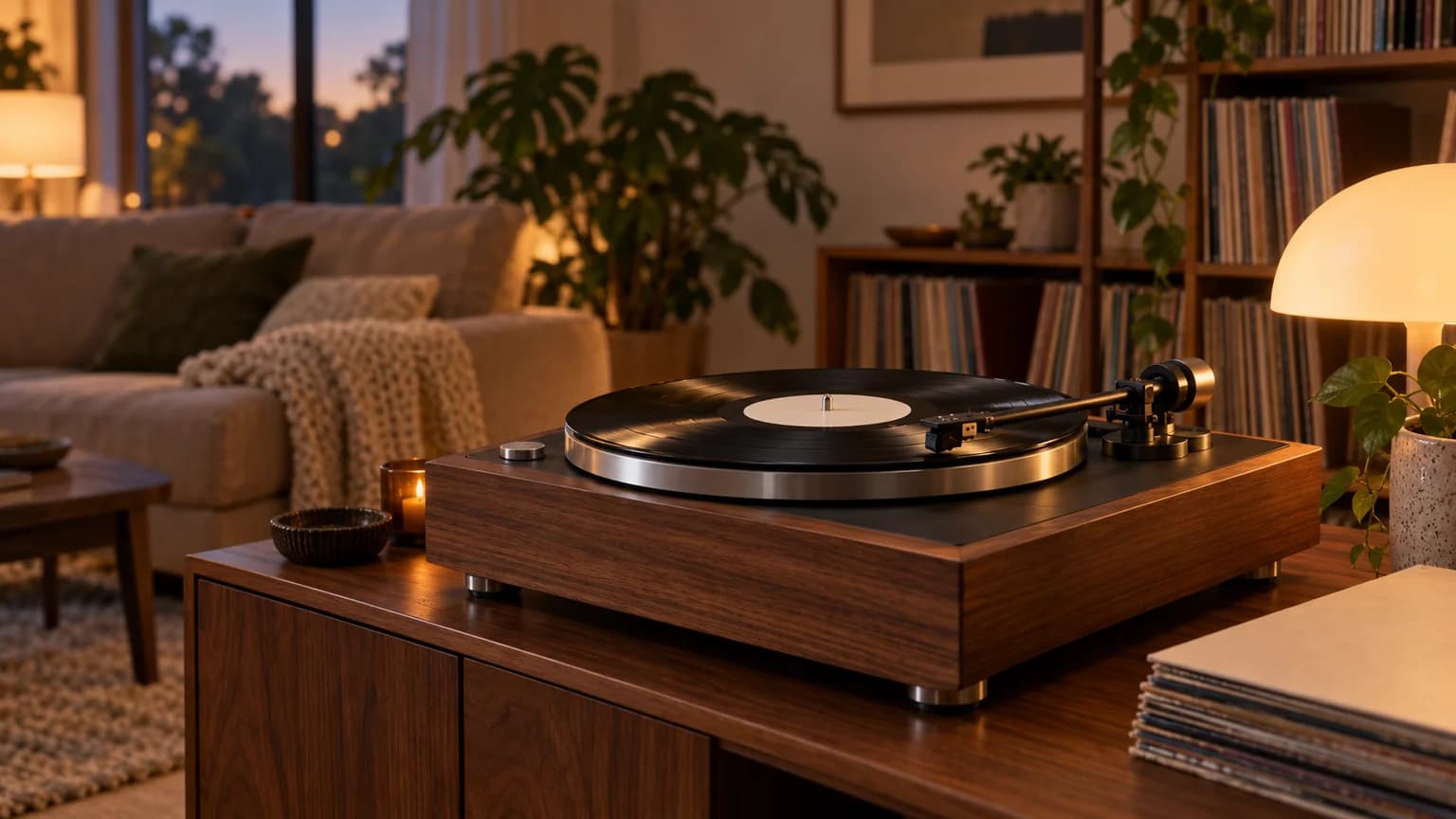

The Philips Hue Motion Sensor is the best smart motion sensor for lights automation because it does the simple thing better than almost anyone else
This guide is the lighting-automation spoke under our broader best smart presence sensors mmWave 2026 hub. The distinction matters. Motion sensors are for fast triggers in pass-through spaces. Presence sensors are for rooms where people sit still and ordinary motion hardware gives up halfway through a shower, movie, or spreadsheet. This guide stays on the motion side of that line: hallways, bathrooms, laundry rooms, mudrooms, stairs, garages, and kitchens where you want lights to come on quickly and go back off without drama. If your real problem is seated occupancy, go back to the best smart presence sensors mmWave 2026 hub before you spend money on the wrong tool.
I verified all five products against current Amazon listings on April 1, 2026. The shortlist intentionally mixes standalone sensors and in-wall motion switches because real buyers solve lighting automation both ways. Sometimes you need a trigger that starts a scene. Sometimes you just need the bathroom light to turn on like it has basic respect for your hands being full. That is why this guide weights trigger reliability, daylight logic, timeout sanity, and workflow fit more heavily than security features or long-range detection theater.
Motion Sensor for Lighting
Chart
 Smarthomeexplorer.com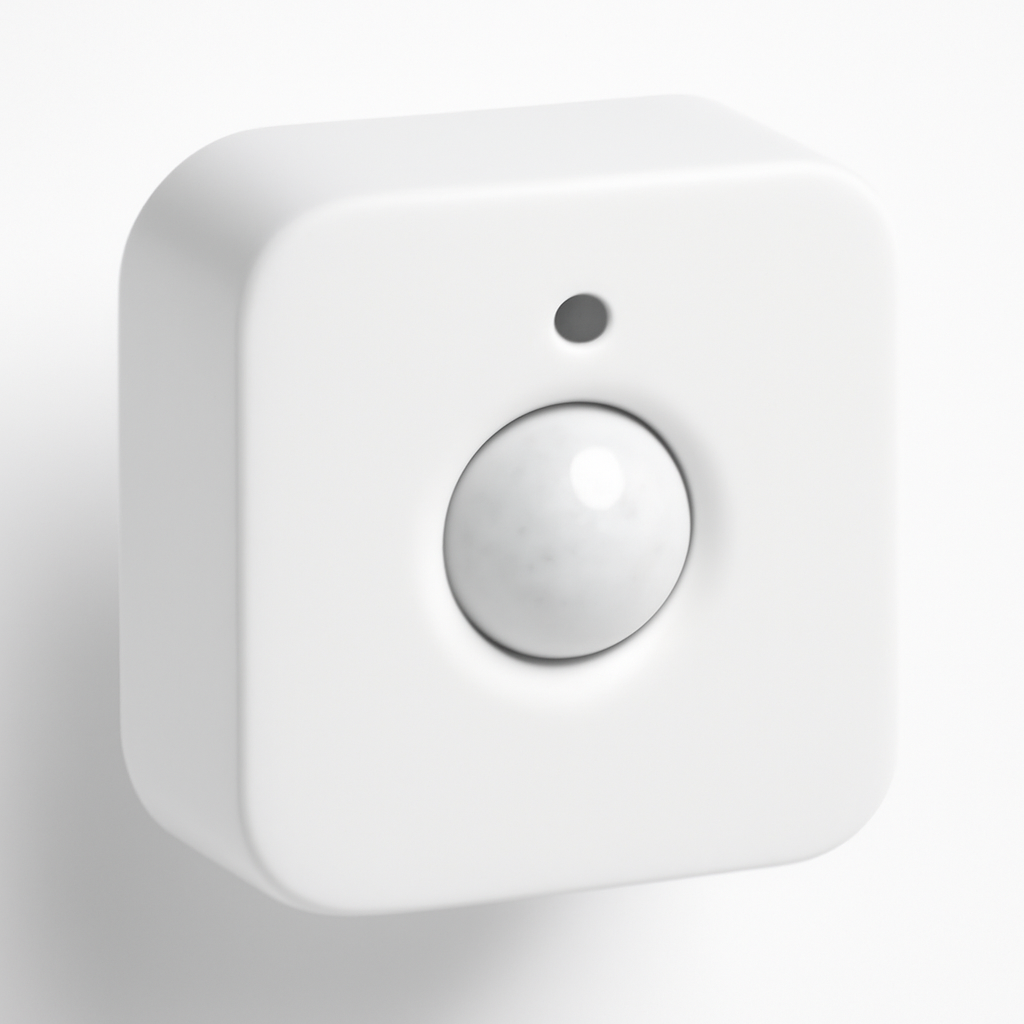
Philips Hue Motion Sensor — Best Overall
Philips Hue Motion Sensor
(Current Price, subject to change)
Ready for game day?
Silonn Smart Countertop Ice Maker
See it on Amazon
ONOAYO 4K Outdoor Projector
See it on Amazon
Sanus Soundbar TV Mount for Sonos Arc
See it on Amazon
Sponsored listings from Amazon’s Sponsored Products for Creators program, kept apart from our reviews and rankings. How we make money
The Philips Hue Motion Sensor wins this guide because it is unapologetically built for lighting workflows rather than generic motion detection. The lux sensor is the real differentiator. Cheap motion automations fail because they only understand movement, not context. Hue can decide whether it is dark enough to turn lights on in the first place, which means fewer stupid daytime triggers and far fewer "why is the hallway on at noon" moments.
It also fits the spaces where lighting automation matters most. Hallways, bathrooms, staircases, utility rooms, and kitchens benefit more from consistency than from fancy raw specs. Hue is strong because the automations feel sane. You can set different scenes by time of day, keep late-night light levels soft, and avoid wasting power when a room is already bright. If your room needs still-person hold rather than quick trigger, stop here and read the best smart presence sensors mmWave 2026 hub instead.
What We Love
- Best daylight-aware logic in the guide
- Built specifically for lighting scenes, not security theatre
- Easy wireless placement and strong app-level time-of-day tuning
Tradeoffs
- Costs more than battery PIR competitors
- Best experience assumes you already want Hue in the room
The Verdict
The Philips Hue Motion Sensor is the best pick when your goal is "lights that behave like they understand the room." It is expensive for a trigger, but it saves more automation frustration than anything else in this roundup.
Aqara Motion Sensor P2 — Best Matter Sensor
Aqara Motion Sensor P2
(Current Price, subject to change)
The Aqara Motion Sensor P2 is the best battery motion sensor here for people building around newer protocols instead of older hub silos. It combines a PIR trigger with an independently useful light sensor, which makes it much better for room lighting than security-first sensors that only know whether something moved. In practice, that means smarter hallway and stair automations, better circadian scenes, and less dependence on one vendor app.
This is also the clearest upgrade path if your house is gradually moving toward Thread and Matter devices. The P2 is not the perfect answer for every platform edge case, but it is one of the few small battery sensors that feels pointed toward where the smart-home stack is going rather than where it was. If you want a broader explanation of that protocol tradeoff, read our Matter vs Zigbee vs Z-Wave vs Wi-Fi guide.
What We Love
- Strong protocol story for a small battery trigger
- Independent light sensor adds real lighting value
- Better future-proofing than older Zigbee-only budget triggers
Tradeoffs
- Still a motion sensor, not a true still-person presence tool
- Needs the right controller and Thread border-router setup
The Verdict
The Aqara Motion Sensor P2 is the best motion trigger for buyers who care about Matter and want a lighting sensor that feels modern. It is the right balance of cost, flexibility, and room-friendly automation logic.
Kasa Smart WiFi Motion Sensor Switch KS200M — Best All-in-One Switch
Kasa Smart WiFi Motion Sensor Switch KS200M
(Current Price, subject to change)
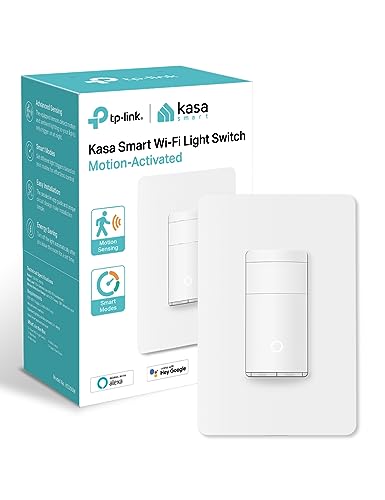
The Kasa Smart WiFi Motion Sensor Switch KS200M is the smartest buy in this guide for people who do not want to think about sensor placement, bulb compatibility, or scene logic at all. It handles motion at the switch. That makes it ideal for bathrooms, powder rooms, laundry rooms, and side entries where the correct answer is not "build a system." The correct answer is "the light should turn on when I walk in."
This is the strongest value play because it wraps several jobs into one device: trigger detection, daylight gating, timeout control, app access, and standard switch behavior. It is less elegant if you want lamps, layered scenes, or whole-room automation. But for fixed overhead lights, it is hard to argue with the simplicity. Buyers who want more configurable in-wall logic should compare it directly with the Enbrighten Z-Wave Smart Motion Sensor Light Indoor below.
What We Love
- Cheapest clean all-in-one answer in the guide
- Daylight detection keeps basic rooms from over-triggering
- Excellent fit for bathrooms, mudrooms, and utility spaces
Tradeoffs
- Neutral wire required
- Better for one hardwired light than for broader room scenes
The Verdict
The Kasa Smart WiFi Motion Sensor Switch KS200M is the best "just fix the room" buy in this roundup. If you want a bathroom or hallway to behave intelligently with the least fuss, start here.
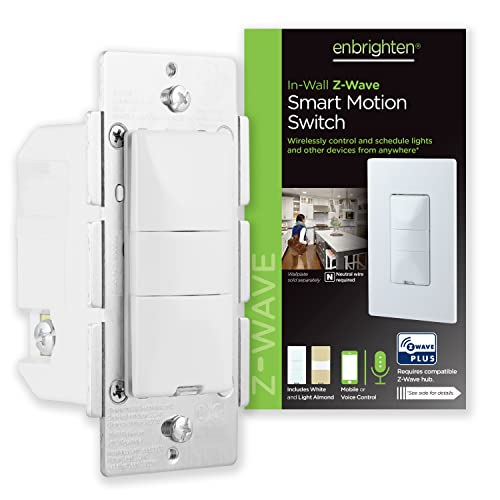
Enbrighten Z-Wave Smart Motion Sensor Light Indoor — Best Adjustable In-Wall Logic
Enbrighten Z-Wave Smart Motion Sensor Light Indoor
(Current Price, subject to change)
The Enbrighten Z-Wave Smart Motion Sensor Light Indoor is the better switch choice when you actually want to tune behavior instead of accepting a default motion recipe. Occupancy mode, vacancy mode, low-light gating, sensitivity levels, and multiple timeout lengths make it much more adaptable than cheaper wall switches. That matters if the room is tricky. Garages, stair landings, workshop corners, and multipurpose hallways all behave differently, and Enbrighten gives you more control over how the switch reacts.
The downside is obvious: you need a Z-Wave hub, and the price is high for a wall switch. But if your house already runs SmartThings, Hubitat, or another Z-Wave-friendly automation stack, this is the switch in the guide with the best "fine, let me configure it properly" energy. It is the one I would rather live with in an awkward room.
What We Love
- Best in-wall control over timeout, light level, and occupancy mode
- Great fit for messy real-world rooms
- Z-Wave keeps the switch off crowded Wi-Fi
Tradeoffs
- Needs a compatible hub
- More expensive than Kasa for a simpler-looking job
The Verdict
The Enbrighten Z-Wave Smart Motion Sensor Light Indoor is the right switch when the room is complicated enough that default motion logic will annoy you. It is the best "tune it once and stop thinking about it" wall-switch option here.
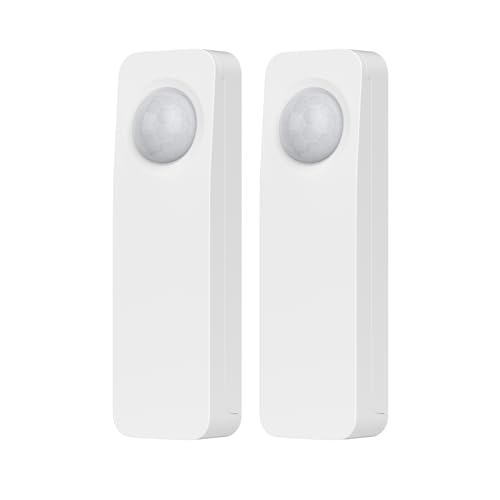
THIRDREALITY Zigbee Motion Sensor — Best Budget Hub Trigger
THIRDREALITY Zigbee Motion Sensor
(Current Price, subject to change)
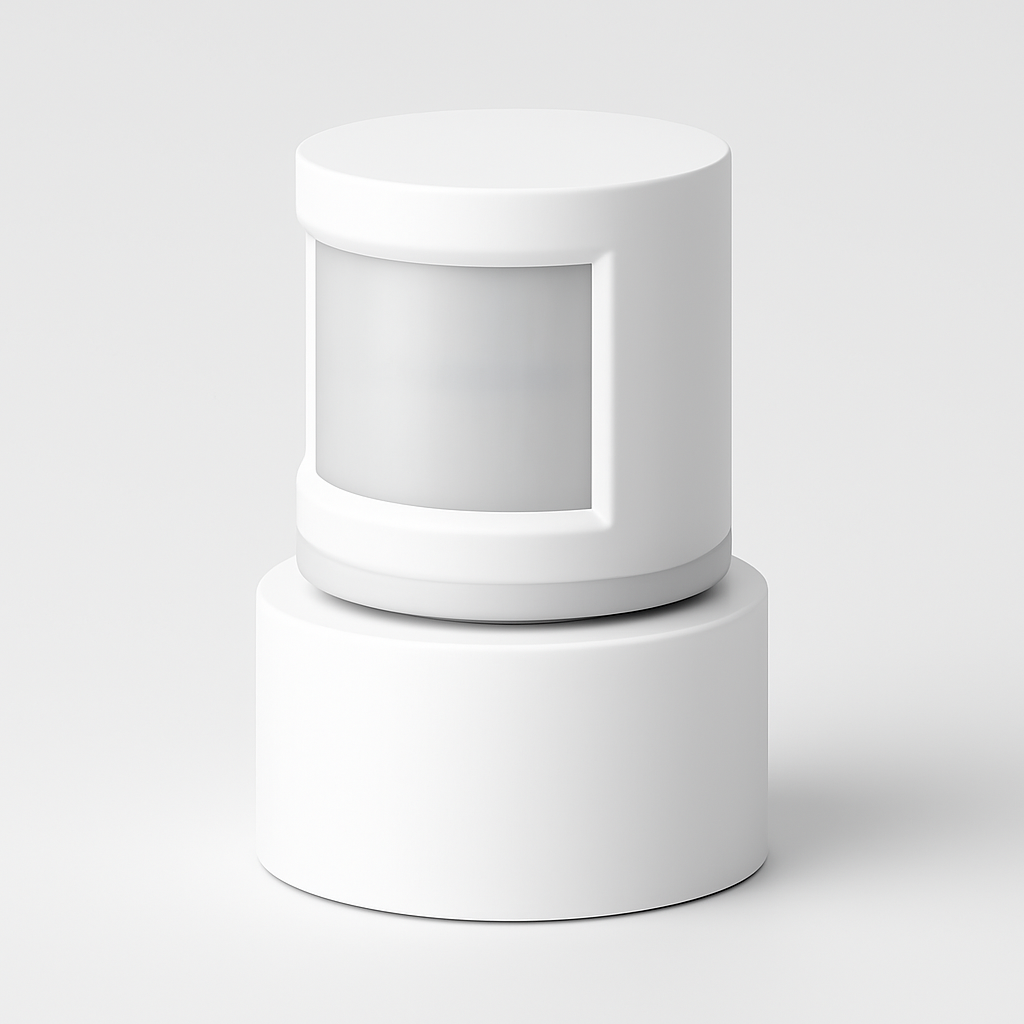
The THIRDREALITY Zigbee Motion Sensor earns its spot because the current Amazon listing works as a practical two-pack for Zigbee-friendly homes. That matters. Motion lighting gets more useful when you can cover both ends of a hallway, a bathroom plus the laundry room, or a stair landing plus the garage entry without immediately buying a second accessory. It is especially useful for Echo households with built-in Zigbee, SmartThings setups, or Home Assistant users who just need simple triggers for lamps and pass-through spaces without paying Hue prices.
This is not the prettiest or most advanced sensor in the guide, but it does the practical job well. If you already have compatible hubs, it gives you cheap routines and good range. If you do not, the value gets worse fast. That is why it lands as the budget hub trigger instead of a universal recommendation.
What We Love
- Strong low-cost trigger for Zigbee and Alexa households
- Easy routine building for lamps and pass-through spaces
- Better hub compatibility story than many bargain sensors
Tradeoffs
- Needs a compatible Zigbee hub or Echo with Zigbee built in
- No lux sensor, so room context is weaker than Hue or Aqara
The Verdict
The THIRDREALITY Zigbee Motion Sensor is the best budget hub trigger for buyers who already have the right Zigbee infrastructure and want coverage in more than one spot. It is not the fanciest lighting sensor here, but the two-pack value makes it a defensible budget building block.
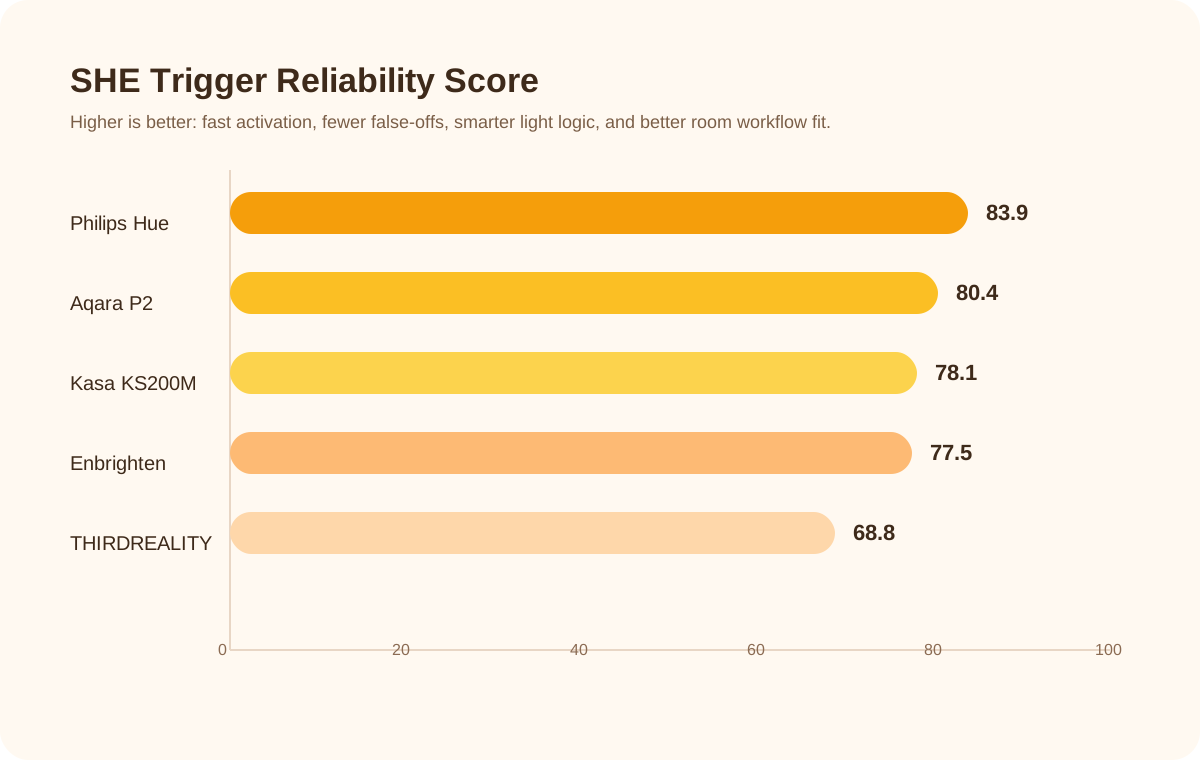
SHE Trigger Reliability Score
Full methodology for this score
What it measures: This is our lighting-trigger metric. It rewards sensors and switches that fire quickly, avoid pointless daytime activations, hold the right timeout behavior for real rooms, and fit the workflow they are meant to automate.
Formula: SHE Trigger Reliability Score = ((Activation Speed x 0.35) + (False-Off Resistance x 0.25) + (Light-Aware Logic x 0.20) + (Workflow Flexibility x 0.20)) x Room Fit Multiplier
Data sources: Amazon pricing and verified current listings on April 1, 2026, current product feature disclosures, protocol requirements, and SmartHomeExplorer editorial weighting for trigger behavior in lighting-first rooms rather than security use.
(SmartHomeExplorer editorial analysis — methodology)
The Philips Hue Motion Sensor wins because lighting automation is not just about noticing motion. It is about deciding whether the room actually needs light, and Hue handles that context better than the rest. The Kasa Smart WiFi Motion Sensor Switch KS200M stays close because wall-switch simplicity removes a lot of failure points. The Aqara Motion Sensor P2 is the flexible middle ground if you want a battery trigger that still thinks beyond basic PIR.
When NOT to Buy a Motion Sensor for Lighting
- Skip this category if the room keeps lights on while you sit mostly still. That is exactly when you want the best smart presence sensors mmWave 2026 hub instead.
- Do not buy the Philips Hue Motion Sensor if you are not willing to live inside Hue lighting.
- Skip the Kasa Smart WiFi Motion Sensor Switch KS200M and Enbrighten Z-Wave Smart Motion Sensor Light Indoor if you are automating lamps, plug-in lights, or multi-device scenes rather than one hardwired fixture.
- If your bigger question is fixture strategy rather than trigger hardware, go broader with best smart lighting systems guide or best smart lighting dimmer systems 2026.
Frequently Asked Questions
Should I buy a motion sensor or a presence sensor for lights?
Buy a motion sensor for pass-through rooms. Buy a presence sensor for rooms where someone will sit mostly still. If your bathroom, office, or media room keeps going dark while you are still there, go back to the best smart presence sensors mmWave 2026 hub.
What is the best motion sensor for hallway lights?
The Philips Hue Motion Sensor is the best hallway trigger if you already run Hue, because the lux logic and time-of-day scenes are excellent. If you want a cheaper hardwired answer for one ceiling light, the Kasa Smart WiFi Motion Sensor Switch KS200M is the practical buy.
Are motion sensor switches better than separate sensors?
They are better when the room has one hardwired light and you want the simplest possible setup. Separate sensors are better when you are triggering lamps, multiple fixtures, scenes, or automations that extend beyond one switch box.
Do I need a lux sensor for lighting automations?
Not always, but it helps a lot. Without light-level context, motion rules tend to turn lights on when the room is already bright. That is why the Philips Hue Motion Sensor and Aqara Motion Sensor P2 feel smarter than basic motion triggers.
Bottom Line
Get the Philips Hue Motion Sensor if you want the strongest lighting-first motion trigger and already live in Hue.
Get the Kasa Smart WiFi Motion Sensor Switch KS200M if you want the cheapest complete fix for one hardwired room.
Get the Aqara Motion Sensor P2 if you want a battery motion trigger that fits a more modern Matter-style automation stack.
If the room still needs to understand occupied stillness instead of simple movement, the better guide is the hub: best smart presence sensors mmWave 2026.
Sources & Methodology
- Amazon product pricing, titles, and feature sets verified April 1, 2026 using current Amazon listings and the Amazon lookup workflow used in this repo
- SmartHomeExplorer editorial comparison based on activation speed, daylight awareness, timeout reliability, scene flexibility, and room workflow fit
- Category framing cross-checked against our own best smart presence sensors mmWave 2026, best smart lighting dimmer systems 2026, and best smart lighting systems guide
Author: Nicholas Miles is the founder of SmartHomeExplorer and a longtime smart home enthusiast focused on helping everyday homeowners make better technology decisions. He researches, compares, and writes about products across security, climate, lighting, leak prevention, sensors, home energy, and automation, with an emphasis on real-world usefulness, ecosystem compatibility, reliability, privacy, and long-term value. Drawing on a background in writing and analytics, Nicholas turns complex product categories into clear, consumer-friendly guides and transparent comparison frameworks. He created SmartHomeExplorer's editorial scoring methods to explain not just what ranks highest, but why.
Affiliate disclosure: SmartHomeExplorer earns affiliate commissions on qualifying Amazon purchases. Our scoring methodology is independent of affiliate relationships.