

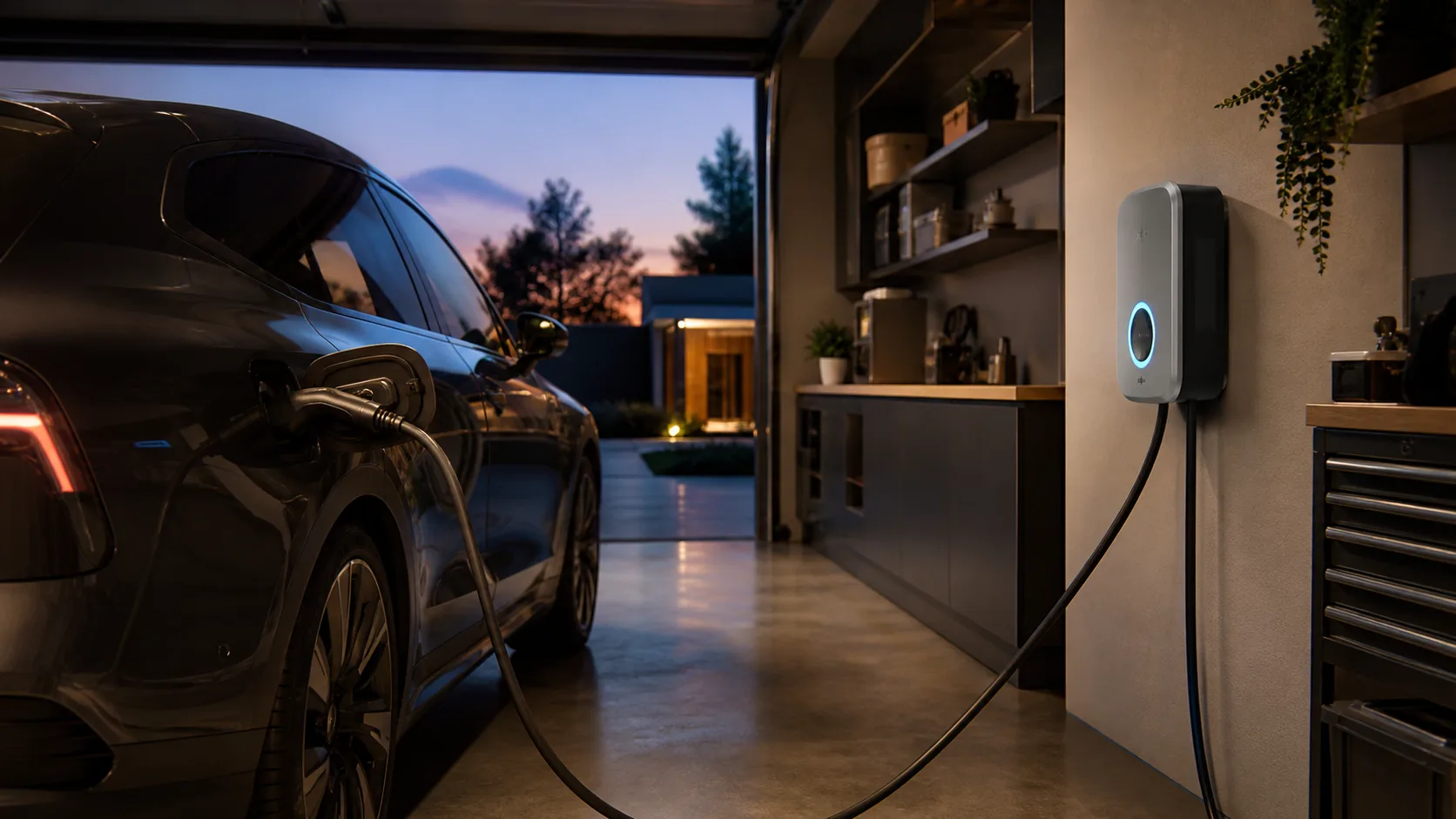
Best Smart EV Home Charging Stations 2026
Emporia Pro ($599) is our pick — 48A hardwired J1772 with the Vue 3 load monitor in the box, so a near-full panel does not force an upgrade. Emporia sells it on Amazon itself. Tesla Universal has no Amazon offer today; ChargePoint HomeFlex is back via a third-party seller.
This article contains affiliate links. We may earn a commission at no extra cost to you. Prices change frequently — check the current price on Amazon before buying. Learn more
The Short Answer
Emporia Pro is our recommendation at $599, currently Emporia's own Amazon price, because its included Vue 3 monitor delivers genuinely dynamic load management. That capability throttles charging before the main breaker trips, accommodating a 48A charger on a near-capacity electrical panel.
Featured in this Guide
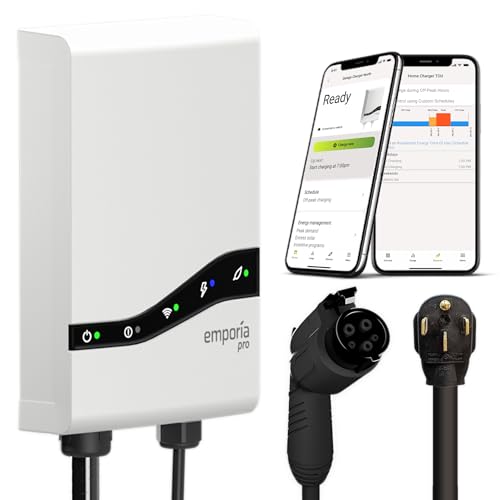
Emporia
Pro EV Charger
- •$599 sold by Emporia on Amazon — 48A hardwired J1772, and the Vue 3 monitor throttles charging before the main breaker trips
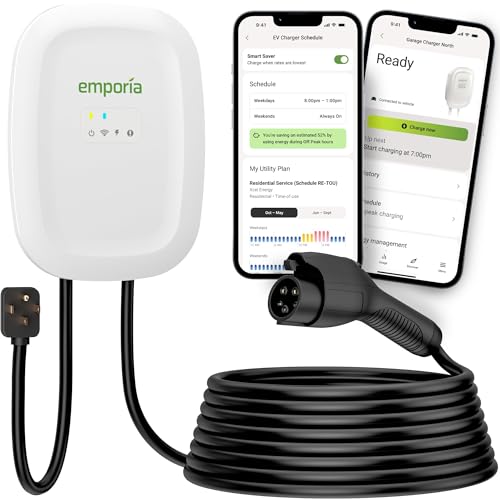
Emporia
Level 2 EV Charger
- •$449 entry into Emporia's app and energy ecosystem — 48A J1772, hardwired or NEMA 14-50 plug, Energy Star + UL certified
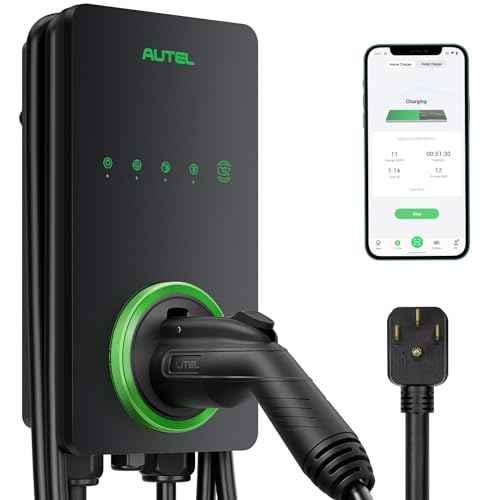
Autel
MaxiCharger Level 2
- •$446.50 for a 9.6 kW NEMA 14-50 plug-in with Wi-Fi scheduling and a 25 ft cable — no hardwire path to decide on
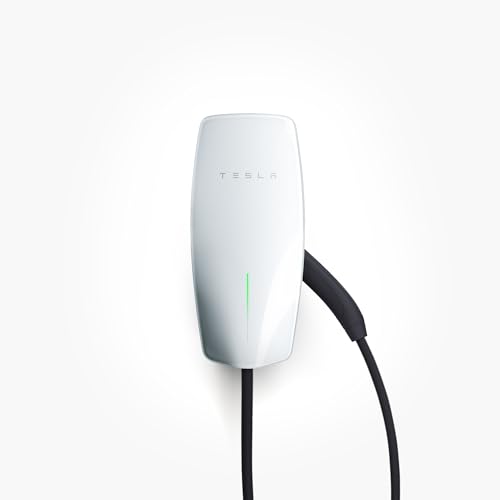
Tesla
Wall Connector
- •MotorTrend 2026 best home EV charger — 48A NACS, 24 ft cable, 4-year warranty. Amazon's only seller is a reseller shipping in 9 to 10 days
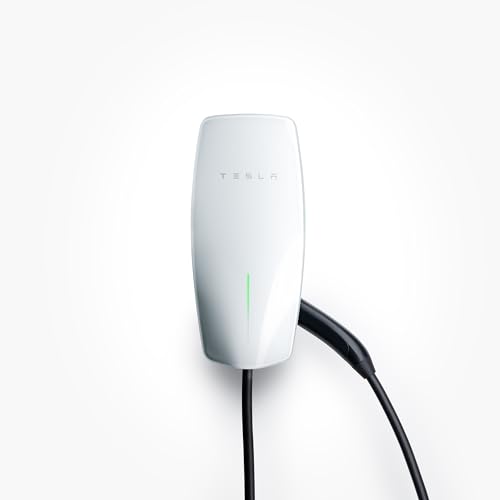
Tesla
Universal Wall Connector
- •Integrated NACS + J1772 in one 48A hardwired unit — solves the connector transition, but has no Amazon offer today
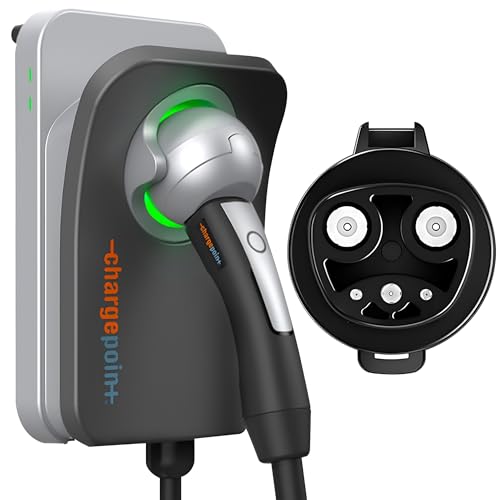
ChargePoint
HomeFlex Level 2
- •EnergySage 2026 #1 — 50A hardwired ceiling and one app for home plus public stations — on Amazon through a third-party seller, not ChargePoint itself
Head-to-Head: Connector, Scheduling, Install, and Annual Savings
Ev Charging
Chart
 Smarthomeexplorer.com
Tap any pick to check its live price on Amazon.
AlorAir Sentinel HDi90 Basement/Crawlspace Dehumidifier with Pump
Check price
Big Ass Fans Haiku L 52-Inch Smart Ceiling Fan
Check price
Midea U Smart Inverter Window AC (12,000 BTU)
Check price
What Tips the Install Decision
This roundup is the install-decision guide for hardwired home charging stations in 2026 — for buyers weighing NACS versus J1772, plug-in versus hardwire, and panel-upgrade-avoidance. For a broader Level 2 overview that includes portable picks, see Best Smart EV Chargers for Home 2026: 5 Level 2 Picks. We score six products on the SHE EV Charger Fit Score: a weighted composite covering Connector Versatility, Smart Scheduling Depth, Install Flexibility, Cable Reach, and Network/App Quality.
We order the roundup by what you can buy today, then by score. Most installs: Emporia Pro ($599, 48A, hardwired), sold by Emporia on Amazon. Lowest Emporia entry: Emporia Classic at $449. Plug-in only: Autel MaxiCharger AC Lite, $446.50, 40A. NACS-first home: Tesla Wall Connector, sold on Amazon only by a reseller quoting a 9-to-10-day ship. The ChargePoint HomeFlex and Tesla Universal still score well and stay here, but neither has an Amazon offer today, so neither can be the pick.
Best Overall: Emporia Pro EV Charger
Emporia Pro EV Charger
- Vue 3 monitor included in the box — dynamic load management throttles charging before the main breaker trips per motortrend 2026 Best Tech write-up
- More involved installation than a simple plug-in charger — value depends on wiring the Vue monitor correctly into the panel
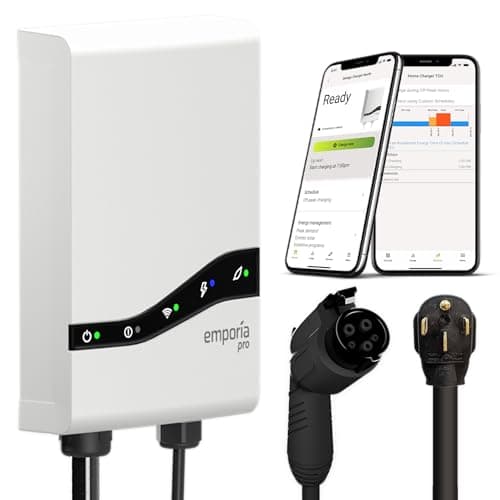
The Emporia Pro EV Charger earns 8.7 on the SHE EV Charger Fit Score. The 8.7 is driven by the Smart Scheduling Depth factor scoring 9.5, the highest in this roundup. The included Vue 3 monitor enables dynamic load management, solar-aware charging, and per-session cost tracking that no other charger here delivers without an add-on. Install Flexibility is where it gives ground: Amazon offers only the hardwired J1772 build, so an electrician is part of the price.
motortrend's 2026 Best Tech write-up confirms the Vue energy monitor measures whole-home usage and throttles or pauses charging if EV charging threatens to trip the main breaker. energysage lists the Pro at $599 with 25 ft cable and 3-year warranty. consumerreports recommends getting an electrician's estimate before treating EV charging as part of the vehicle budget.
Compared to the Emporia Level 2 EV Charger: the Pro includes the Vue monitor that the Classic does not. Buyers can add the monitor to the Classic later, but the Pro's bundled-hardware path is cleaner for solar households or panel-constrained installs.
What We Love
- Vue 3 monitor included in the box — dynamic load management throttles charging before the main breaker trips per motortrend 2026 Best Tech write-up
- 48A / 11.5 kW output on a hardwired J1772 handle, in black or white
- Hardwiring is the safer path at 48A anyway — motortrend warns 240V outlets can overheat under continuous charging loads
- Solar-aware charging routes excess solar production to the EV before exporting to grid — best Smart Scheduling factor here
What Could Be Better
- More involved installation than a simple plug-in charger — value depends on wiring the Vue monitor correctly into the panel
- $150 premium over the Emporia Classic ($449) for the load-management hardware
- 3-year warranty versus Tesla's 4-year residential warranty — 1 year shorter than the category leaders
The Verdict
If your panel is near capacity or you have solar, the Emporia Pro EV Charger is our overall pick at $599, and Emporia sells it on Amazon itself. The 8.7 reflects the included Vue 3 monitor (panel-upgrade-avoidance is the headline factor), 48A output, and solar-aware scheduling. Trade-off: install complexity is higher than a basic plug-in unit.
Best Value Smart Energy Pick: Emporia Level 2 EV Charger
Emporia Level 2 EV Charger
- $449 entry into Emporia's app and energy ecosystem — 1.3x cheaper than the Pro variant
- Vue energy monitor sold separately — Pro buyers get it bundled in the box
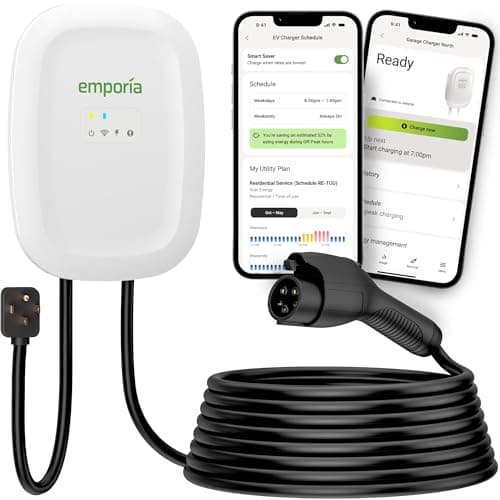
The Emporia Level 2 EV Charger earns 7.9 on the SHE EV Charger Fit Score because the weighted composite reflects strong factor scores on Install Flexibility, Cable Reach, and Connector Versatility. The composite normalizes just below the leader tier because Smart Scheduling Depth lands lower. The Vue monitor that earns the Pro its top score in this factor is sold separately on the Classic.
Emporia's official comparison lists the Classic with the long charging cable, NEMA plug or hardwire install support, and the high-amperage charging output. It also documents a 3-year residential warranty, smart time-of-use scheduling, Energy Star certification, NEMA-rated outdoor housing, and UL listing. On Amazon the Classic is white and J1772, in hardwired or NEMA 14-50 plug styles, chosen by the buyer during purchase. motortrend's 2026 home-charger guide calls the Emporia Classic the Pro's "little sibling" running the same Emporia app.
Compared to the Emporia Pro EV Charger at the next tier up, the Pro adds the Vue 3 whole-home energy monitor in the box. Classic buyers retain the option to add the monitor later if dynamic load management becomes useful.
What We Love
- $449 entry into Emporia's app and energy ecosystem — 1.3x cheaper than the Pro variant
- 48A hardwired ceiling matches Tesla and ChargePoint at a meaningfully lower price
- Hardwired or NEMA 14-50 plug styles on the same listing — pick the install path at purchase
- Energy Star certified plus UL listed — both safety marks consumerreports recommends checking for
What Could Be Better
- Vue energy monitor sold separately — Pro buyers get it bundled in the box
- Less refined physical package versus Emporia Pro per motortrend — larger box and thicker cable
- App is functional but less polished than the chargepoint Home Flex experience
The Verdict
If you want Emporia's app and time-of-use scheduling at the lowest entry price, the Emporia Level 2 EV Charger checks the boxes that matter. The 7.9 reflects the 48A ceiling, the 25 ft cable, and a choice of hardwired or NEMA 14-50 plug install at $449. Trade-off versus the Pro: no Vue monitor in the box — buyers can add it later if dynamic load management becomes useful.
Best Plug-In-Only Install: Autel MaxiCharger Level 2
Autel MaxiCharger Level 2
- Wi-Fi plus Bluetooth app scheduling at $446.50, against a $470 list price — a real app and time-of-use control, not just a timer
- J1772 connector only — not ideal for NACS-first households unless they plan to use a trusted vehicle adapter
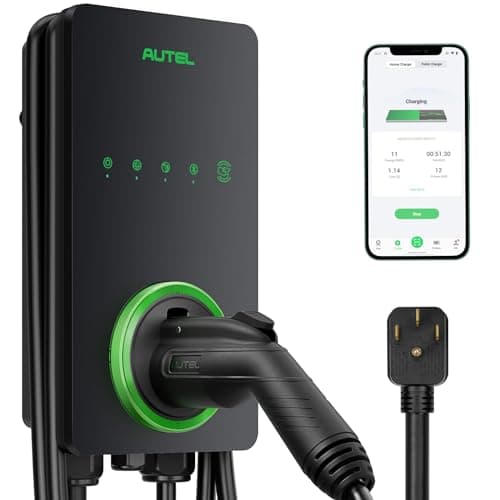
The Autel MaxiCharger Level 2 earns 7.6 on the SHE EV Charger Fit Score because the weighted composite reflects a Connector Versatility factor floor. J1772-only support is the weakest scoring tier in this category for 2026. That floor is offset partially by strong Cable Reach — the long cable matches the segment leaders. Install Flexibility helps too, since a NEMA 14-50 plug-in fits buyers with an existing receptacle. The Connector Versatility coefficient consistently overwhelms what the plug-in install path saves in electrician time.
motortrend picked the AC Lite 40A as their 2026 budget J1772 pick and documented a frequent sale price along with the 9.6 kilowatt max power rating and the cable length, while Autel's official store lists the higher list price with the J1772 connector, Bluetooth and Wi-Fi connectivity, app control with time-of-use scheduling, and a 3-year residential warranty.
Compared to the Emporia Level 2 EV Charger, the two now sit within a few dollars of each other. At that spacing the Emporia Classic delivers higher amperage output and connector flexibility for the same money. Buyers with NACS vehicles or larger onboard chargers should step up to Emporia. The Autel earns its place on the simplicity of a plug-in-only install rather than on price.
What We Love
- Wi-Fi plus Bluetooth app scheduling at $446.50, against a $470 list price — a real app and time-of-use control, not just a timer
- 25 ft cable matches Emporia and beats ChargePoint's 23 ft — generous reach for typical garage layouts
- NEMA 14-50 plug-in install — fits buyers with an existing 14-50 receptacle without extra wiring
- motortrend's 2026 budget pick for J1772 EVs — the in-body holster keeps the connector off the garage floor between charges
What Could Be Better
- J1772 connector only — not ideal for NACS-first households unless they plan to use a trusted vehicle adapter
- 40A / 9.6 kW ceiling versus the 48A / 11.5 kW class — slower for EVs with higher onboard AC charger capacity
- Less polished app and shorter network reach versus chargepoint or tesla — fewer remote-control features
The Verdict
If your EV uses J1772 and you have an existing NEMA 14-50 receptacle, the Autel MaxiCharger Level 2 plugs in and is done — no hardwire decision, no electrician. The 7.6 reflects 9.6 kW output, a 25 ft cable, and Wi-Fi scheduling. Trade-off: at $446.50 it no longer undercuts the 48A Emporia Classic, and the 40A ceiling costs about 2 hours on a full overnight charge.
Best for NACS / Tesla Households: Tesla Wall Connector
Tesla Wall Connector
- motortrend 2026 best home EV charger — slim cable and clean wall-box design beat every rival they tested
- NACS connector only — non-Tesla J1772 owners need the Universal Wall Connector or another J1772 charger
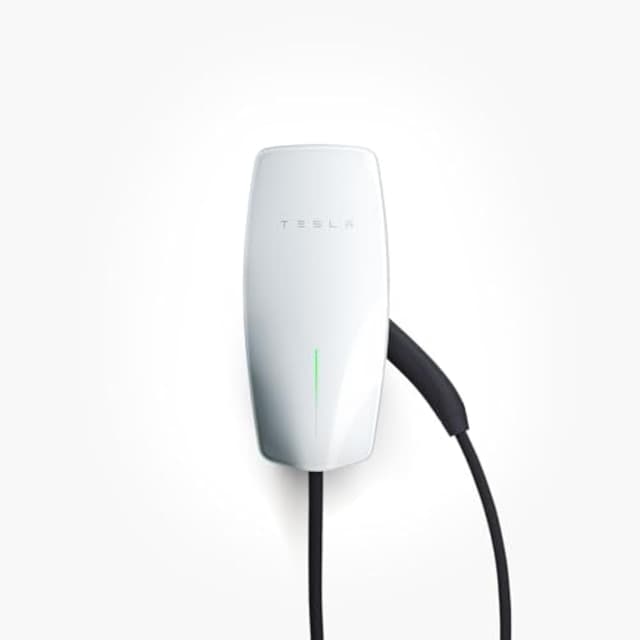
The Tesla Wall Connector earns 8.5 on the SHE EV Charger Fit Score. The composite produces strong coefficients on Smart Scheduling Depth, Cable Reach, and Network + App Quality. The 4-year warranty bonus pushes the network coefficient above the 3-year category norm and earns the bonus tier the formula rewards. Connector Versatility lands at 7.5, which holds the composite back from the 8.8 leader tier. A NACS-only unit forces the household to already be NACS-first before the buyer can extract full value.
motortrend named the Tesla Wall Connector the 2026 best home EV charger, citing the slim cable and wall-box footprint as the differentiators that separated it from every rival tested. consumerreports recommends checking for UL or ETL certification marks on any home EVSE, because charger faults can damage vehicles.
Compared to the Emporia Pro EV Charger, Tesla wins on Network + App Quality through the longer 4-year residential warranty. Emporia's bundled Vue 3 monitor delivers superior Smart Scheduling Depth — and Emporia is the one of the two you can buy on Amazon today.
What We Love
- motortrend 2026 best home EV charger — slim cable and clean wall-box design beat every rival they tested
- Hardwired 48A / 11.5 kW ceiling delivers a full overnight charge for any current EV with matching onboard charger
- Tesla app handles setup, scheduling, usage data, and firmware updates natively — no third-party app required
- Industry-best 4-year residential warranty — 1.5x the 3-year category norm called out by energysage
What Could Be Better
- NACS connector only — non-Tesla J1772 owners need the Universal Wall Connector or another J1772 charger
- Hardwire-only install — not suitable for renters or buyers planning to use a NEMA 14-50 outlet
- Tesla app is the only control surface — no Alexa or Google Home native voice control
- Amazon's only seller is a reseller quoting a 9-to-10-day ship above Tesla's list price
The Verdict
If every EV in the household uses NACS and you want the simplest hardwired setup, the Tesla Wall Connector fits the brief. The 8.5 reflects motortrend's 2026 top pick designation, 48A / 11.5 kW output, and Tesla's 4-year residential warranty. Trade-off versus the Universal: no J1772 support — the right answer when nobody in the household drives a J1772 vehicle.
Best for Mixed-Connector Households: Tesla Universal Wall Connector
Tesla Universal Wall Connector
- Integrated J1772 adapter plus NACS handle — one charger covers two connector eras without a loose adapter
- No Amazon offer today — the listing is live but carries no buy box
(Current price, subject to change)
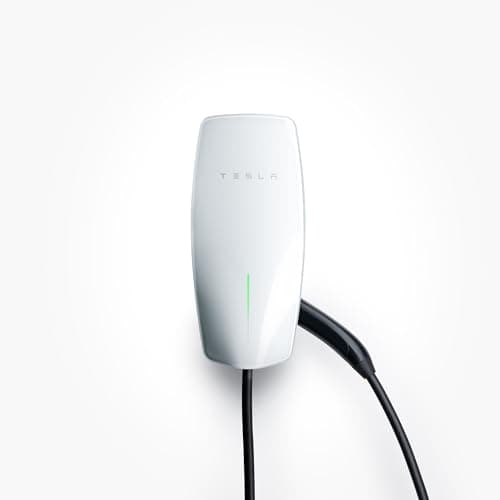
The Tesla Universal Wall Connector earns 8.8 on the SHE EV Charger Fit Score. That weighted composite normalizes connector versatility, smart scheduling depth, install flexibility, cable reach, and network/app quality into one tier value. The 8.8 calculation is driven by a 9.5 Connector Versatility coefficient, the highest factor score in this roundup. The integrated J1772 adapter plus NACS handle delivers full credit where every other charger here lands at 7.5 or 8.5 instead. Tesla's 4-year residential warranty earns the +1.0 bonus in the Network + App Quality factor for exceeding the 3-year category norm.
motortrend's 2026 testing measured the cable at 24 ft 1 in and confirmed 48A / 11.5 kW output. energysage lists it with hardwire-only installation and ranks it highly for connector-transition value — the integrated adapter is harder to misplace than a loose vehicle-side adapter.
Compared to the Tesla Wall Connector: the Universal has always carried a premium for J1772 support most NACS-first households will not use. For mixed-vehicle garages, the math reverses — one unit beats one charger plus an easily-misplaced adapter. Neither Tesla unit is straightforwardly buyable on Amazon right now, so check Tesla's own store before deciding between them.
What We Love
- Integrated J1772 adapter plus NACS handle — one charger covers two connector eras without a loose adapter
- 48A / 11.5 kW output on the same Tesla firmware stack as the standard Wall Connector
- EnergySage 2026 highlights a 4-year residential warranty versus the 3-year norm in this category
- Indoor or outdoor mount on the same unit — no separate enclosure needed for garage or driveway installs
What Could Be Better
- No Amazon offer today — the listing is live but carries no buy box
- Hardwire-only install — does not solve plug-in needs for renters or NEMA 14-50 garages
- Powershare backup-power feature requires specific Tesla vehicles and additional equipment
The Verdict
If your household has a Tesla and one driver may switch to a non-Tesla EV next year, the Tesla Universal Wall Connector is the cleanest answer on paper. The 8.8 reflects integrated NACS + J1772, 48A / 11.5 kW output, and a 4-year warranty. The catch is availability: it carries no Amazon offer today, so it tops our score table without being something we can send you to buy here.
Best App + Network Experience: ChargePoint HomeFlex Level 2
ChargePoint HomeFlex Level 2
- EnergySage 2026 #1 ranked Level 2 charger — 50A / 12 kW hardwired ceiling beats every other unit here
- Sold on Amazon by a third-party seller (Spreetail at our last check), not by ChargePoint — confirm the seller on the listing before you buy
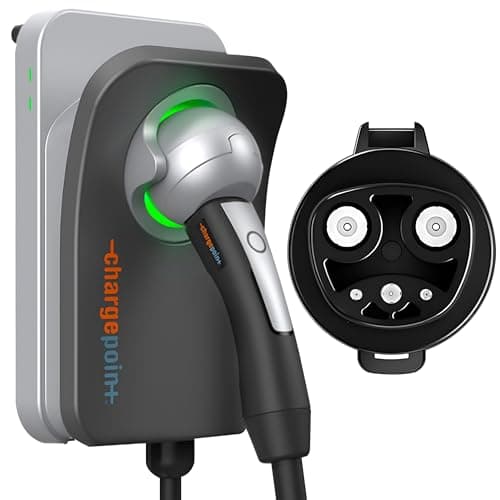
The ChargePoint HomeFlex Level 2 earns 8.05 on the SHE EV Charger Fit Score. Network + App Quality carries it — the highest factor coefficient in this roundup, and the most polished daily-use app here. Install Flexibility is what holds it down: the build we link is hardwired, and the published methodology caps hardwire-only chargers at 7.0 in that factor.
energysage ranks ChargePoint Home Flex first in its 2026 Level 2 charger guide, with up to 12 kW hardwired output. Amazon carries two separate listing families, a J1772 one for non-Tesla EVs and a NACS one for Teslas. The J1772 listing names a hardwired build and a NEMA 14-50 plug build at a higher price. We link the hardwired 50A J1772 one, in stock at $528.00 from Spreetail, a third-party seller rather than ChargePoint itself. chargepoint's official Home Flex page documents UL listing, Energy Star certification, and a 3-year residential warranty that consumerreports recommends every shopper verify before purchasing.
Compared to the Tesla Universal Wall Connector at the same hardware tier, ChargePoint wins on app polish and public-network reach. Its single-app workflow handles home plus public stations seamlessly. Tesla nevertheless wins on warranty length and the integrated dual-connector advantage for mixed-EV households.
What We Love
- EnergySage 2026 #1 ranked Level 2 charger — 50A / 12 kW hardwired ceiling beats every other unit here
- Adjustable 16-50A on the listing's own title spec — the electrician sets the charger to the circuit your panel can spare
- One ChargePoint app handles home charging plus public-network sessions — unified billing and history
- UL listed plus Energy Star certified per chargepoint's official Home Flex page — both safety marks consumerreports recommends checking for
What Could Be Better
- Sold on Amazon by a third-party seller (Spreetail at our last check), not by ChargePoint — confirm the seller on the listing before you buy
- Hardwired only on the build we link — the NEMA 14-50 plug build is a separate, higher-priced option on the same listing
- 23 ft cable is shorter than the 24 ft Tesla Wall Connector and 25 ft Emporia / Autel cables
The Verdict
If you want a hardwired charger matched to your panel and one app for home plus public stations, the ChargePoint HomeFlex Level 2 checks the boxes that matter. The 8.05 reflects EnergySage's 2026 #1 ranking and a 50A ceiling, less the cap hardwire-only builds take. Three caveats: a 23 ft cable, no plug-in path, and a third-party Amazon seller — which is why it is not our pick.
How We Score: SHE EV Charger Fit Score
SHE EV Charger Fit Score
Score Formula
(Connector_Versatility × 0.25 + Smart_Scheduling_Depth × 0.25 + Install_Flexibility × 0.20 + Cable_Reach × 0.15 + Network_App_Quality × 0.15)Score Factors
- Connector Versatility (25%)NACS, J1772, or integrated dual-connector support. The composite formula awards full credit when both connector families are supported on one unit, partial credit when a single connector matches the household, and a tier penalty when the connector forces a vehicle adapter for daily use. Calibrated against MotorTrend 2026 testing.
- Smart Scheduling Depth (25%)Time-of-use scheduling, solar-aware charging, dynamic load management, and per-session cost tracking. Weighted normalization rewards chargers that move beyond on/off scheduling — solar export-credit integration and breaker-aware throttling earn the highest factor scores in this tier.
- Install Flexibility (20%)Plug-in versus hardwire support, NEMA 14-50 versus NEMA 6-50 versus hardwired-only paths, and panel-upgrade-avoidance via load management. Hardwire-only chargers cap at 7.0 in this factor; plug-in plus hardwire dual-mode units earn the full coefficient.
- Cable Reach (15%)Cable length, weather rating, and indoor versus outdoor mount support. The weighted calculation rewards 24+ ft cables with NEMA 4 outdoor ratings — chargers below 22 ft or without weather certification take a normalized penalty in this tier.
- Network + App Quality (15%)App polish, public-network depth (ChargePoint), firmware update cadence, and warranty length. The composite factor awards a 1.0 bonus for chargers whose warranty exceeds the 3-year category norm — Tesla's 4-year residential warranty earns this bonus.
SHE EV Charger Fit Score — Ranked

Tesla Universal Wall Connector
SHE EV Charger Fit Score8.8/10No Amazon offer today — integrated NACS + J1772; mixed-EV households; 4-yr warranty
Emporia Pro EV Charger
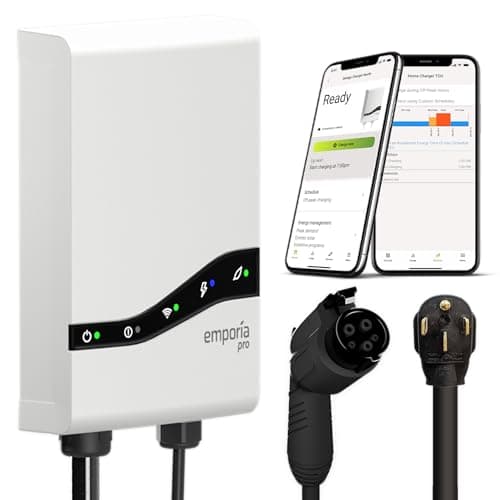
SHE EV Charger Fit Score8.7/10$599 — Vue 3 monitor included; dynamic load management; solar-aware; hardwired only
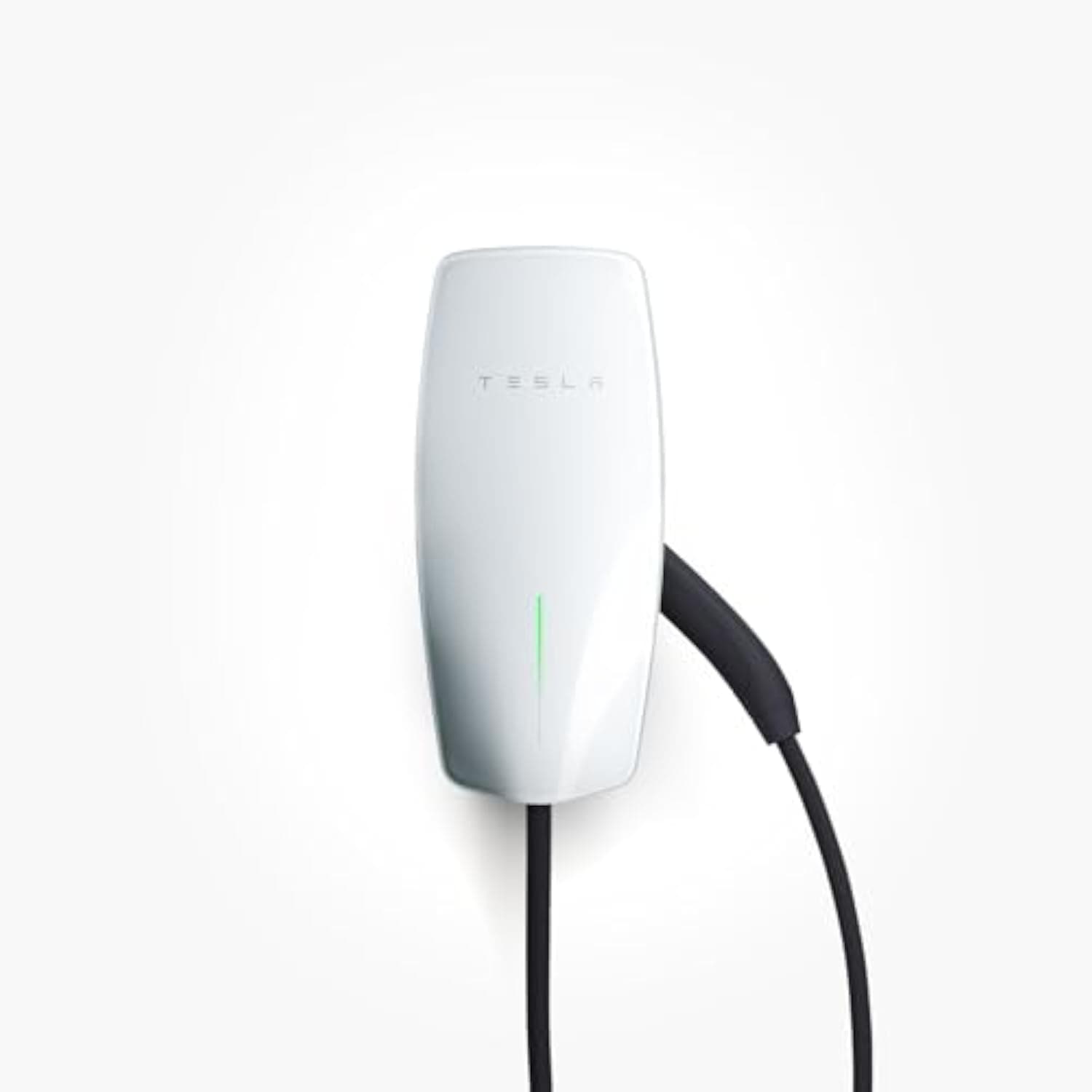
Tesla Wall Connector
SHE EV Charger Fit Score8.5/10Reseller-only on Amazon, ships in 9 to 10 days — MotorTrend 2026 top pick; NACS-first
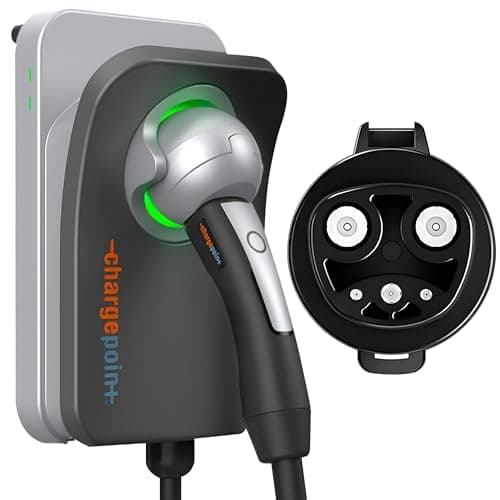
ChargePoint HomeFlex Level 2
SHE EV Charger Fit Score8.1/10Third-party seller on Amazon — EnergySage 2026 #1; 50A hardwired; J1772 on the listing we link
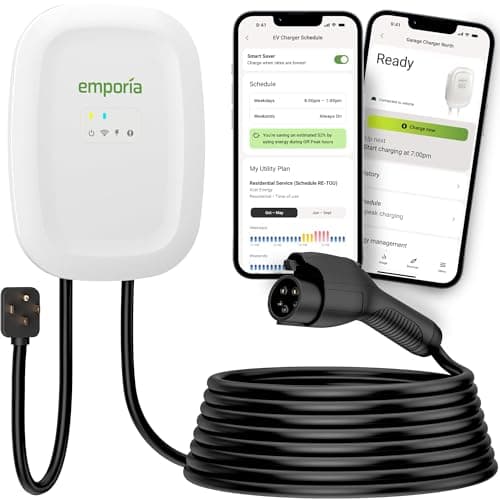
Emporia Level 2 EV Charger
SHE EV Charger Fit Score7.9/10$449 — Emporia ecosystem entry; 48A hardwired; Energy Star + UL
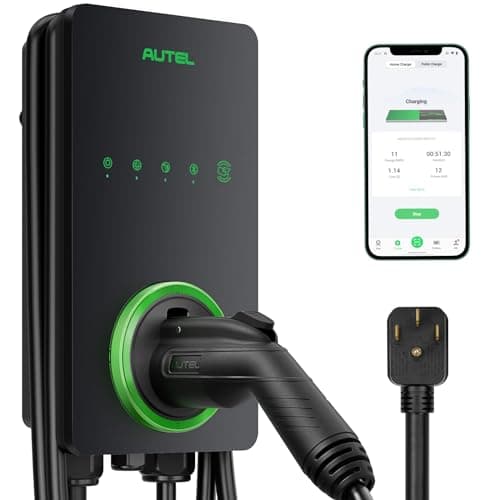
Autel MaxiCharger Level 2
SHE EV Charger Fit Score7.6/10$446.50 — 40A NEMA 14-50 plug-in; plug-in-only J1772 pick; 25 ft cable
Connector and Install Compatibility
The connector decision is the most consequential spec in this category for 2026. The Tesla Wall Connector supports NACS only — the right answer when every EV in the household uses NACS, but a daily-use friction when one driver uses J1772. The Tesla Universal Wall Connector solves this with an integrated J1772 adapter; the weighted Connector Versatility coefficient awards full credit (9.5) for built-in dual-connector support versus 7.5 for single-connector units. Per consumerreports, most non-Tesla EVs made before 2025 use J1772 while Tesla vehicles use NACS — and NACS is being introduced on non-Tesla EVs in 2025–2026, which complicates connector planning for households buying their next EV in the next 18 months.
Install flexibility is the second binary decision. The Tesla Wall Connector and Tesla Universal Wall Connector are hardwire-only — not the right call for renters or anyone planning to use an existing NEMA 14-50 outlet. The ChargePoint HomeFlex Level 2 build we link is hardwired 50A J1772, so it wants an electrician too. Its adjustable 16-50A output at least lets that electrician match the circuit your panel can spare. The Emporia Level 2 EV Charger supports both plug-in and hardwire installations, while the Autel MaxiCharger Level 2 is NEMA 14-50 plug-in only. The Emporia Pro EV Charger is sold on Amazon in hardwired J1772 form only. motortrend recommends hardwired installs for safety reasons — the publication warns that low-quality 240V outlets can overheat under continuous EV-charging loads.
Smart-home ecosystem compatibility is a smaller decision in this category than in the broader smart-lighting or speaker categories. EV chargers communicate with their own apps rather than HomeKit, Matter, or Thread — none of the chargers in this roundup support Matter or Thread natively. ChargePoint and Emporia both offer Alexa and Google Home integration via cloud connections; Tesla's chargers are controlled exclusively through the Tesla app.
Cable reach matters more than it sounds. The Emporia Pro EV Charger and Autel MaxiCharger Level 2 ship 25 ft cables that handle most garage layouts; the ChargePoint HomeFlex Level 2's 23 ft cable is the shortest here and may force the car to park closer to the charger. consumerreports recommends measuring the distance from the planned mount location to the charge port across multiple parking positions before purchasing — outdoor mounts at the far end of a driveway can fail at 23 ft.
Warranty length is a quiet differentiator. Tesla offers a 4-year residential warranty on both Wall Connector variants — 1 year longer than the 3-year warranties on Emporia, ChargePoint, and Autel chargers. energysage's 2026 guide highlights the Tesla warranty as a meaningful advantage versus the category norm.
| Product | NACS | J1772 | Plug-in | Hardwire | Solar-aware |
|---|---|---|---|---|---|
| Emporia Pro EV Charger | ✕ | ✓ | ✕ | ✓ | ✓ |
| Emporia Level 2 EV Charger | ✕ | ✓ | ✓ | ✓ | ✕ |
| Autel MaxiCharger Level 2 | ✕ | ✓ | ✓ | ✕ | ✕ |
| Tesla Wall Connector | ✓ | ✕ | ✕ | ✓ | ✕ |
| Tesla Universal Wall Connector | ✓ | ✓ | ✕ | ✓ | ✕ |
| ChargePoint HomeFlex Level 2 | ✕ | ✓ | ✕ | ✓ | ✕ |
Time-of-Use Scheduling: How the Annual Savings Math Works
The Annual Cost Savings column reflects shifting EV charging from peak-rate hours to off-peak hours via smart scheduling. Average US off-peak rate runs around $0.13/kWh while peak rates can hit $0.35/kWh — a 2.7x spread. A typical commuter EV charges 8 to 15 kWh per night, which works out to roughly 12,000 kWh per year for daily-driving households. A smart charger that shifts that full load to the 11pm–6am off-peak window saves $220 to $340 per year versus charging at the average flat rate, depending on the utility plan and EV usage pattern.
The Emporia Pro EV Charger earns the highest Annual Cost Savings tier at $340 because the included Vue 3 monitor enables solar export-credit integration on top of basic time-of-use scheduling — solar households can route excess production directly to the EV before exporting at low buy-back rates. The Tesla Wall Connector and Tesla Universal Wall Connector both land at $280 — strong scheduling via the Tesla app, but no solar-export credit feature. The Autel MaxiCharger Level 2 lands at $220 — basic Wi-Fi scheduling with a 9.6 kW ceiling that limits how much energy can shift per night.
These are directional estimates calibrated against average US peak/off-peak rates and 12,000 kWh annual EV usage. Actual savings vary by utility plan, EV type, and household charging schedule — buyers should check their specific TOU rate plan and use the manufacturer's energy calculator (Emporia, ChargePoint, and Tesla all publish one) before treating these as guaranteed savings.
When NOT to Buy
A hardwired charging station rarely earns its keep when you rent and cannot alter electrical wiring, because most 48A installs require a dedicated circuit and licensed electrical work that landlords rarely approve. A high-amperage charger also struggles to justify its premium when your EV cannot accept that much AC power, because energysage notes that many EVs cap AC charging in the seven-to-eleven kilowatt range depending on the onboard charger. Plug-in installation similarly becomes the wrong choice when your local code or electrician pushes hardwire for safety reasons, because motortrend reports that hardwired chargers are preferred industry-wide because high-current outlets can overheat dangerously under the long continuous loads that overnight EV charging produces.
Who Should Buy What
Who Should Buy What
| If you are… | Recommended pick |
|---|---|
Older electrical panel or solar-aware home Your panel is near capacity, you have solar, or your utility has steep peak-demand charges and you want the charger to avoid a panel upgrade | Emporia Pro EV Charger |
Lower-cost Emporia ecosystem entry You want Emporia's app and time-of-use scheduling at the lowest entry price, with the option to add a Vue monitor later if load management becomes useful | Emporia Level 2 EV Charger |
Plug-in-only J1772 install Your EV uses J1772, you have an existing NEMA 14-50 receptacle in the garage, and you want a charger with no hardwire option to decide on | Autel MaxiCharger Level 2 |
NACS-first household Every EV in the household uses the NACS connector and you want the cleanest hardwired install with Tesla app scheduling, and a 9-to-10-day ship is acceptable | Tesla Wall Connector |
Mixed Tesla / non-Tesla household You own a Tesla now and may add a J1772 EV later, or one driver charges Tesla while another charges a non-Tesla EV in the same garage | Tesla Universal Wall Connector |
ChargePoint public-network user You already use ChargePoint stations on the road and want one app that handles home charging plus public sessions in the same login | ChargePoint HomeFlex Level 2 |
Frequently Asked Questions
What is the best smart EV home charging station for 2026?
The Emporia Pro is our 2026 pick at $599, sold by Emporia itself on Amazon. It delivers 48A on a hardwired J1772 handle and includes the Vue 3 monitor that throttles charging before the main breaker trips — the feature that can keep a near-full panel out of a four-figure upgrade. It scores 8.7 on the SHE EV Charger Fit Score. One unit scores higher — the Tesla Universal Wall Connector at 8.8, which carries NACS and J1772 on a single unit — but it has no Amazon offer today, and the EnergySage-topping ChargePoint HomeFlex is sold on Amazon only by a third-party seller rather than ChargePoint itself, so neither displaces a pick that Emporia sells directly.
Should I buy a J1772 or NACS charger?
Match the connector to the vehicle you own now unless the household is likely to change vehicles soon. consumerreports notes that most non-Tesla EVs made before 2025 use J1772 while Tesla vehicles use NACS, and NACS is being introduced on non-Tesla EVs in 2025–2026. For households uncertain about their next EV, the Tesla Universal Wall Connector includes both connectors in one unit.
How many amps do I need for home EV charging?
A 40A charger is enough for many overnight-charging situations, while 48A to 50A gives more headroom for EVs with higher onboard AC charging capacity. energysage notes that most Level 2 home chargers deliver 40A to 50A, or roughly 9.6 kW to 12 kW. Verify your EV's onboard AC charger capacity before stepping up — many EVs cap below 11.5 kW regardless of the charger's rating.
Is a hardwired EV charger better than a plug-in charger?
Hardwired is usually better for maximum output and long-term safety; plug-in is easier to move and can be enough for 40A charging. The ChargePoint Home Flex build we link is the hardwired one, rated up to 50A on its listing title; Amazon sells a NEMA 14-50 plug build of the same charger as a separate, higher-priced option on that listing. motortrend recommends hardwired installs for safety because low-quality 240V outlets can overheat under continuous EV-charging loads.
Can I install a smart EV charger myself?
Do not treat this as a DIY job. consumerreports recommends getting an electrician's estimate before treating a home charger as part of the vehicle budget, and ChargePoint says the Home Flex must be installed by a licensed electrician in compliance with local and national electrical codes. Self-install for a 48A circuit is rarely a safe option even for experienced DIYers.
Are smart features actually necessary?
Not always. motortrend notes Wi-Fi and app connectivity are nice-to-haves because many EVs already schedule charging from the vehicle interface. Smart features pay off most when your utility has a steep time-of-use rate spread (peak vs off-peak), you have solar, or your panel is near capacity and dynamic load management can prevent a panel upgrade. For simple overnight charging on a flat-rate plan, basic non-smart Level 2 chargers work fine.
What certifications should I look for on a home EV charger?
Look for UL, ETL, or CSA safety certification and Energy Star certification where available. consumerreports specifically recommends checking for a UL or ETL certification mark on the unit itself before purchasing. All six chargers in this roundup carry UL listing and either Energy Star certification or equivalent third-party safety marks.
Can a smart charger prevent a panel upgrade?
Yes — the Emporia Pro is designed for this case. motortrend's 2026 Best Tech write-up confirms the included Vue energy monitor measures whole-home usage and throttles or pauses EV charging if the load threatens to trip the main breaker. This dynamic load management can avoid a four-figure panel upgrade for households with electrical capacity near the limit. The ChargePoint Home Flex offers similar Power Management when paired with a compatible monitor.
Bottom Line
Get the Emporia Pro EV Charger if your panel is near capacity, you have solar, or you want to avoid a panel upgrade — the Vue 3 monitor is the headline feature, and Emporia sells it on Amazon itself.
Get the Emporia Level 2 EV Charger if you want Emporia's app and time-of-use scheduling at the lowest entry price — the Vue monitor is optional add-on later.
Get the Autel MaxiCharger Level 2 if your EV uses J1772, you have a NEMA 14-50 receptacle, and you want the simplest plug-in install with real app scheduling.
Get the Tesla Wall Connector if every EV in the household uses NACS and you want the simplest hardwired install with motortrend's 2026 top pick badge — allow for the reseller's 9-to-10-day ship.
Get the Tesla Universal Wall Connector if you have a mixed Tesla and J1772 household — the integrated dual-connector support is the cleanest 2026 answer, though there is no Amazon offer today.
Get the ChargePoint HomeFlex Level 2 if you want a hardwired charger adjustable from 16A to a 50A ceiling, plus one app for home and public charging — on Amazon through a third-party seller, so check the seller before you buy.
The right call for most households making the install decision in 2026 is the Emporia Pro EV Charger at $599 — 48A hardwired, with the Vue 3 monitor that keeps a near-full panel out of an upgrade. Budget for an electrician; there is no plug-in version of the Pro. If two drivers in one garage use different connectors, the Tesla Universal Wall Connector carries both on a single unit, but you will have to source it away from Amazon today. Skip all hardwired chargers if you rent — ask the landlord first, or use a portable Level 1 charger from the broader Best Smart EV Chargers for Home 2026: 5 Level 2 Picks roundup.
Sources & Methodology
Methodology: SHE EV Charger Fit Score — Formula: (Connector_Versatility × 0.25 + Smart_Scheduling_Depth × 0.25 + Install_Flexibility × 0.20 + Cable_Reach × 0.15 + Network_App_Quality × 0.15). Factors: Connector Versatility (25%): NACS, J1772, or integrated dual-connector support. The composite formula awards full credit when both connector families are supported on one unit, partial credit when a single connector matches the household, and a tier penalty when the connector forces a vehicle adapter for daily use. Calibrated against MotorTrend 2026 testing. | Smart Scheduling Depth (25%): Time-of-use scheduling, solar-aware charging, dynamic load management, and per-session cost tracking. Weighted normalization rewards chargers that move beyond on/off scheduling — solar export-credit integration and breaker-aware throttling earn the highest factor scores in this tier. | Install Flexibility (20%): Plug-in versus hardwire support, NEMA 14-50 versus NEMA 6-50 versus hardwired-only paths, and panel-upgrade-avoidance via load management. Hardwire-only chargers cap at 7.0 in this factor; plug-in plus hardwire dual-mode units earn the full coefficient. | Cable Reach (15%): Cable length, weather rating, and indoor versus outdoor mount support. The weighted calculation rewards 24+ ft cables with NEMA 4 outdoor ratings — chargers below 22 ft or without weather certification take a normalized penalty in this tier. | Network + App Quality (15%): App polish, public-network depth (ChargePoint), firmware update cadence, and warranty length. The composite factor awards a 1.0 bonus for chargers whose warranty exceeds the 3-year category norm — Tesla's 4-year residential warranty earns this bonus.
Expert review sources used in this analysis:
- SmartHomeExplorer aggregates expert review data and community sentiment to produce consensus-based buying guidance
- We do not perform first-party product testing
- Expert ratings and product assessment data come from MotorTrend's "The Best Home EV Chargers of 2026" (2026-03-16) and "Best Tech 2026: Emporia Pro" (2026-01-06)
- EnergySage's "Best Level 2 EV chargers in 2026" (2026-01-02) and Consumer Reports' "How to Find the Best Home EV Charger" (2025-08-04) supply the remaining ratings
- Manufacturer specifications come from Tesla, ChargePoint, Emporia, and Autel
- Other figures are manufacturer list prices from our consensus dataset
- SHE EV Charger Fit Score factors derived from aggregated reviewer measurements and manufacturer specifications; no first-party measurements were conducted
- Change note, 2026-09-04: we re-read all six Amazon listings directly and changed the pick
- The ChargePoint HomeFlex, previously our recommendation at a $549 list price, had no Amazon offer we could price or link on that date
- The Tesla Universal Wall Connector, previously listed at a $600 list price, is in the same position
- The Tesla Wall Connector's only Amazon seller is a reseller quoting a 9-to-10-day ship above Tesla's own list price
- The Emporia Pro takes the top spot at $599 sold by Emporia
- Two prices were corrected against the live listings
- The Emporia Classic moved from $429 to $449, and the Autel MaxiCharger from a $376 figure to $446.50 against a $470 list price
- That is why the Autel is no longer described as the budget option
- Change note, 2026-09-05: a second direct read of the Amazon listings found the ChargePoint HomeFlex back on sale through a third-party seller (not ChargePoint)
- Its card now carries that offer with the seller named; the pick does not change, because Emporia sells the Pro directly
- We also checked which variant each Amazon listing actually shows, not just the product family
- The Emporia Pro listing offers only hardwired J1772 builds, in black or white
- The guide therefore no longer describes it as a plug-in option, and its ease-of-setup rating drops to the hardwire-only level our methodology sets
- The Emporia Classic listing is white J1772, in hardwired or NEMA 14-50 plug styles
- The ChargePoint listing we read that day was NACS
- Connector and install-type claims across the guide now describe those listings rather than the wider product lines
- The ChargePoint connector rating moved from 8.5 down to 7.5 on that basis
- See the 2026-09-08 note below, which supersedes both that listing and that rating
- Change note, 2026-09-08: Amazon sells the ChargePoint HomeFlex as two separate listing families, not one
- A J1772 family for non-Tesla EVs sits beside the NACS family we had been reading
- The J1772 listing names a hardwired build and a NEMA 14-50 plug build, plus one option with no offer behind it
- Enumerating one listing's variants shows what that family contains, never what the catalogue contains
- That is how the earlier note reached the wrong conclusion
- On the NACS listing we had linked, the offer Amazon features is a used one, and no new offer sits behind it
- Our own price record still described it as new
- We now link the hardwired 50A J1772 build, in stock at $528.00 through a third-party seller
- Every connector claim in this guide describes that listing
- The connector rating returns to 8.5, the rating this guide already gives the Emporia Pro for the identical case
- That factor carries a published 25 percent weight
- The composite therefore moves by a quarter of the one-point change, from 8.2 to 8.45
- No other factor moved
- One inconsistency is disclosed rather than quietly adjusted
- The Autel MaxiCharger sits at 6.5 on this axis for what its own note calls the same J1772-native case
- Re-rating a product this update does not otherwise touch would move a score with no fresh read behind it
- Change note, 2026-09-08, second entry: the ChargePoint's ease-of-setup rating now obeys the cap this guide publishes
- The Install Flexibility factor above reads, verbatim, that hardwire-only chargers cap at 7.0 in this factor
- The build we link is hardwired
- The listing title says so, and the chart's own note said so too
- The chart still handed it 9.0, two points over that ceiling
- This guide had already applied the cap by name to the Emporia Pro for the identical case
- The rule was being enforced on one product and waived on another
- The rating now drops to the ceiling
- That factor carries a published 20 percent weight
- A fifth of the two-point change moves the composite from 8.45 to 8.05, and no other factor moved
- The order of the roundup does not change, because the ChargePoint was fourth of six before and is fourth now
- The chart row also stopped calling itself unscored, because the composite plainly does move with it
- It now prints its 20 percent weight the way the other scored rows do
- Four remaining card lines that described picking a receptacle or a plug variant were rewritten to the hardwired build we link
- The listing publishes no breaker or circuit size, so none is claimed.
Nicholas Miles is the founder of SmartHomeExplorer and a longtime smart home enthusiast focused on helping everyday homeowners make better technology decisions. He researches, compares, and writes about products across security, climate, lighting, leak prevention, sensors, home energy, and automation, with an emphasis on real-world usefulness, ecosystem compatibility, reliability, privacy, and long-term value.
Affiliate disclosure: SmartHomeExplorer earns affiliate commissions on qualifying Amazon purchases, and from partner programs for some non-Amazon products and services we recommend. Our scoring methodology is independent of affiliate relationships.
More Guides
Outdoor
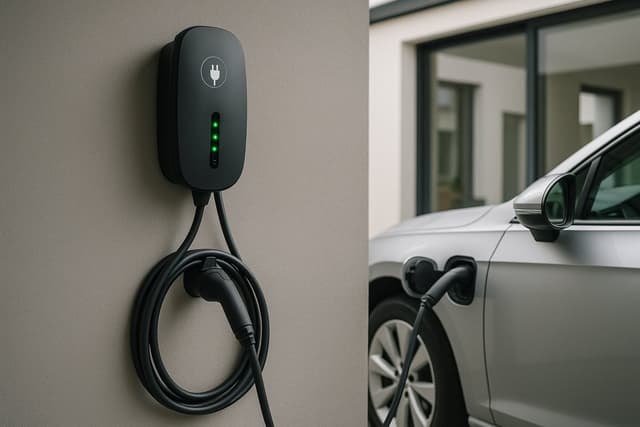
Best Smart EV Chargers for Home 2026: 5 Level 2 Picks
Energy
Best Smart Portable Power Stations for Home Backup 2026

Networking
Best Outdoor Mesh WiFi for Backyards 2026
Outdoor
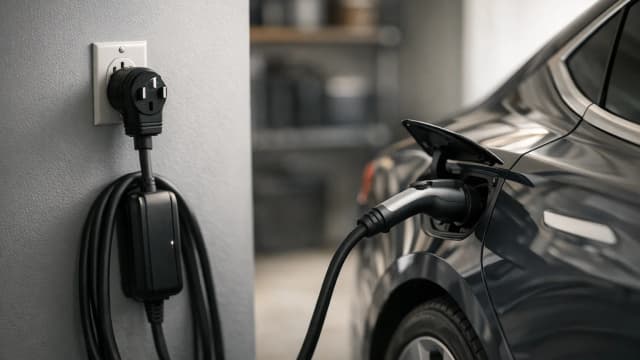
Best Portable Level 2 EV Chargers (NEMA 14-50 Plug-In) for 2026
Energy