
Best Smart Baseboard (Line-Voltage) Thermostats for 2026
Mysa Baseboard V2 wins at $159 — native HomeKit, Alexa, and Google Home, 15.8 A at 240V, plus energy charting that cuts heating up to 26%. The KING K902-B is the app-only value pick at $168.50, switching 16 A on a safe double-pole.
This article contains affiliate links. We may earn a commission at no extra cost to you. Prices change frequently — check the current price on Amazon before buying. Learn more
The Short Answer
For homeowners stuck with costly electric baseboard heat, the Mysa Baseboard V2 earns the highest 9.1 SHE Line-Voltage Comfort Score because it confidently switches 15.8 A at 240V with native HomeKit support, hardwires in about 15 mins, and reportedly trims heating costs roughly 26% each season through scheduling.
Featured in this Guide
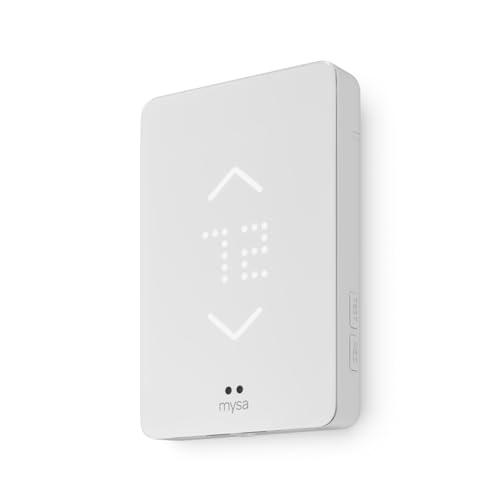
Mysa
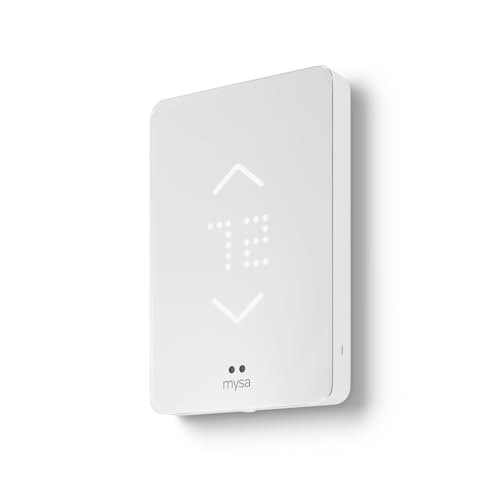
Smart Thermostat for Electric Baseboard Heaters (V2)
- •Native HomeKit, Alexa, and Google Home plus energy charting
- •15.8 A at 240V and up to 26% savings at $159.00
Mysa
Smart Thermostat for Electric In-Floor Heating (Built-in Class A GFCI)
- •Built-in Class A GFCI trips at 5 mA with a 15 ft floor sensor for tiled radiant heat at $199.00
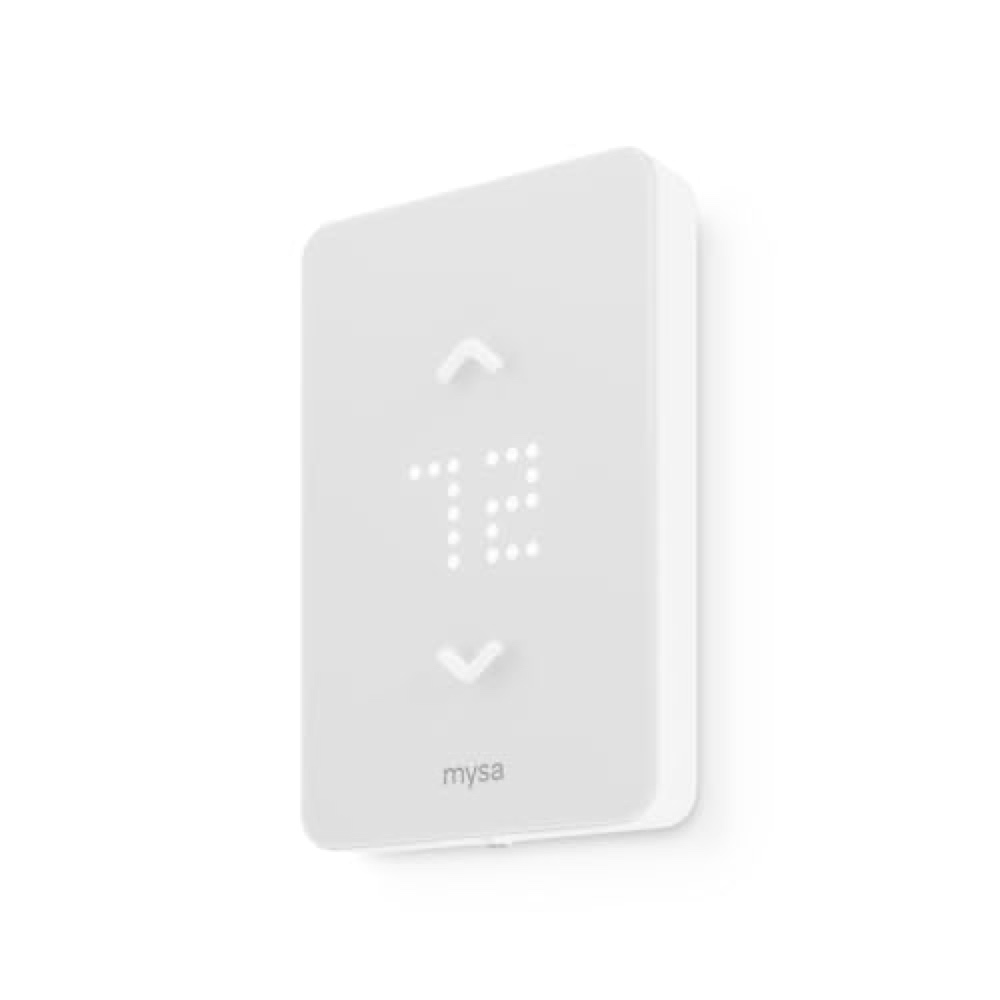
Mysa
Smart Thermostat LITE for Electric Baseboard Heaters
- •Same native HomeKit and Alexa breadth, $60 cheaper by dropping the energy charts at $99.00
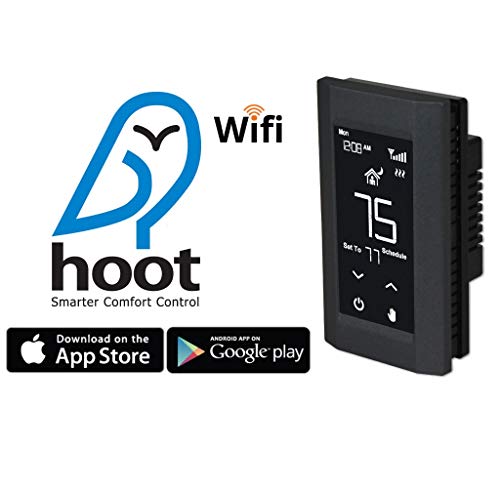
KING
K902-B Hoot WiFi Line Voltage Smart Thermostat (Double Pole, Black)
- •Multi-volt double-pole switches 16 A safely on 240V, rated to save up to 28% at $168.50
Head-to-Head: Amp Headroom, Savings, Platforms, and Safety
Climate
Chart
 Smarthomeexplorer.com
Tap any pick to check its live price on Amazon.
AlorAir Sentinel HDi90 Basement/Crawlspace Dehumidifier with Pump
Check price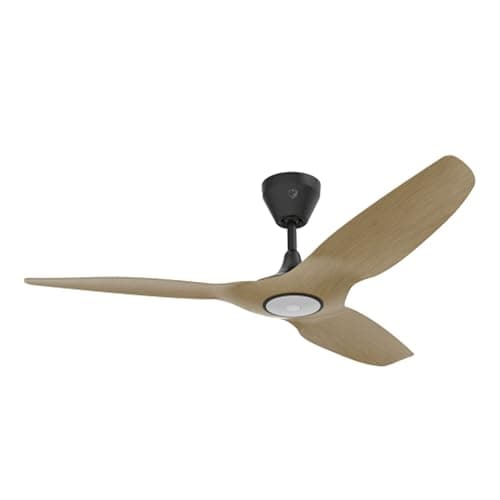
Big Ass Fans Haiku L 52-Inch Smart Ceiling Fan
Check price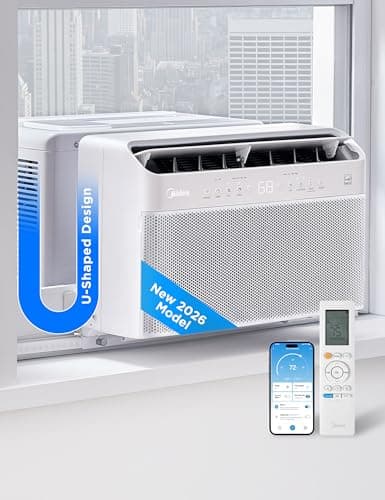
Midea U Smart Inverter Window AC (12,000 BTU)
Check price
What Tips the Decision
Most smart thermostats quietly assume central HVAC with low-voltage 24V wiring, which is precisely why a Nest or Ecobee will not work on electric baseboard heat and can be genuinely dangerous to wire in. Baseboard heaters run full line voltage, 120V or 240V, directly through the thermostat itself, so the real decision is matching the unit's voltage and amperage ceiling to your circuit first. Every pick in this guide clears 16 A at 240V, the Mysa units switch 15.8 A while installing in about 15 mins, and reviewer reads from TechHive, The Verge, Tom's Guide, and Bob Vila anchor our SHE Line-Voltage Comfort Score, with manufacturer-rated scheduling cutting heating up to 26% on the Mysa units and up to 28% on the KING.
The Mysa Baseboard V2 leads at 9.1 versus the value LITE, while every Mysa hardwires in 15 mins, complementing our Best Smart Climate Control 2026: Dreo Fan Cuts AC 15% hub and Best Smart Space Heaters 2026: Dyson Hot+Cool Wins roundup.
Best Overall: Mysa Smart Thermostat for Electric Baseboard Heaters (V2)
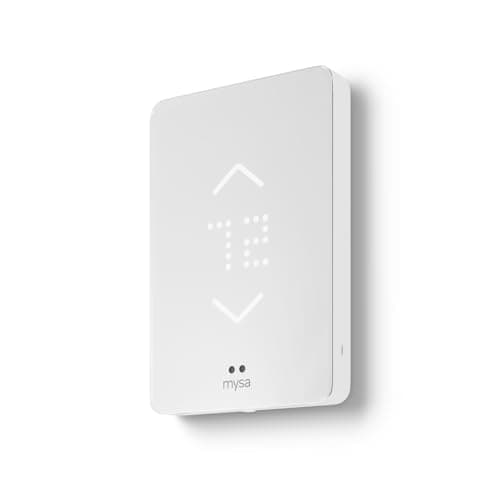
Mysa Smart Thermostat for Electric Baseboard Heaters (V2)
- Native Apple HomeKit, Alexa, and Google Home with no hub or IFTTT bridge
- Needs a neutral or second live wire, so the oldest 2-wire circuits need a different unit
(Current price, subject to change)
The Mysa Smart Thermostat for Electric Baseboard Heaters (V2) earns 9.1 on the weighted SHE Line-Voltage Comfort Score, a composite that yields a baseboard thermostat the Apple Home app actually recognizes. That 9.1 rests on a category-leading 9.6 savings-depth sub-score paired with a 9.7 platform-breadth sub-score, because it is the only pick here with native HomeKit, Alexa, and Google Home, while 7-day scheduling and geofencing reportedly cut heating consumption up to 26% and built-in charting reports per-zone kWh. Priced at $159, it confidently switches 1900W at 120V and a healthy 15.8 A at 240V, comfortably covering a typical 2-baseboard zone, and the V2 contributes a humidity sensor the LITE deliberately omits.
Across the expert sources surveyed as of June 2026 the aggregated consensus settles near 9.1, and TechHive called Mysa a rare device that renders electric heat stylish and smart, praising its genuine HomeKit, Alexa, and Google support. The Verge has highlighted Mysa as the standout smart option for electric-heat homes most thermostat makers ignore. The 4-wire hardwire requires approximately 15 mins, and relative to the app-only KING K902-B Hoot WiFi Line Voltage Smart Thermostat (Double Pole, Black), the V2 consistently delivers measurably deeper per-zone diagnostics through its built-in energy charting and humidity sensor.
What We Love
- Native Apple HomeKit, Alexa, and Google Home with no hub or IFTTT bridge
- Switches 1900W at 120V and 15.8 A at 240V, covering a typical 2-baseboard zone
- 7-day scheduling and geofencing rated to cut heating energy up to 26%
- V2 energy charting and humidity sensor show per-zone kWh instead of guessing
What Could Be Better
- Needs a neutral or second live wire, so the oldest 2-wire circuits need a different unit
- The 3800W ceiling at 240V tops out below a 22 A 5280W thermostat for one long high-wattage run
The Verdict
If you live in Apple Home and want a baseboard thermostat the Home app can actually see, the Mysa Smart Thermostat for Electric Baseboard Heaters (V2) fits the brief without compromise at $159. The 9.1 reflects native HomeKit, Alexa, and Google Home, 15.8 A at 240V switching, and energy charts that find your costliest heaters. The KING skips voice assistants, so the V2 is where we'd point an Apple household.
Check price for the Mysa Smart Thermostat for Electric Baseboard Heaters (V2) →
Ready to upgrade your home?
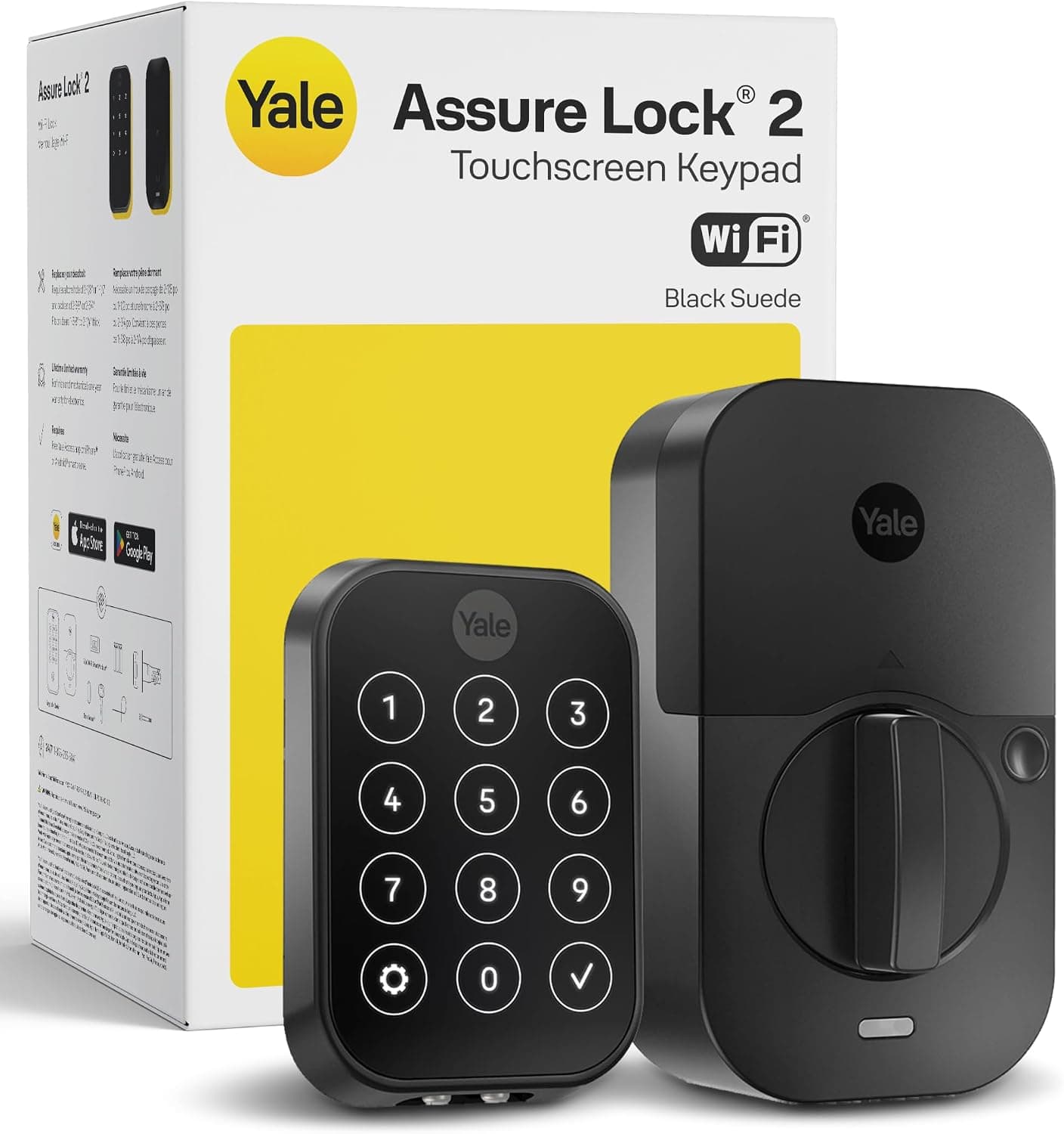
Yale Assure Lock 2 Wi-Fi Smart Lock with Keypad
See it on Amazon
MOVA P10 Pro Ultra Robot Vacuum and Mop
See it on Amazon
roborock F25 Ultra Steam Wet Dry Vacuum Mop
See it on Amazon
Sponsored listings from Amazon’s Sponsored Products for Creators program, kept apart from our reviews and rankings. How we make money
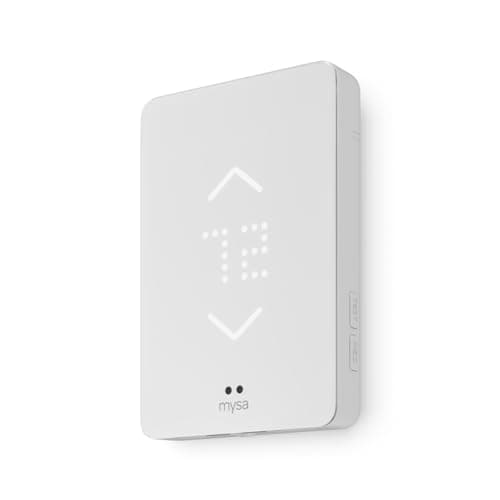
Best for Heated Floors: Mysa Smart Thermostat for Electric In-Floor Heating (Built-in Class A GFCI)
Mysa Smart Thermostat for Electric In-Floor Heating (Built-in Class A GFCI)
- Built-in Class A GFCI trips at 5 mA, meeting electric-floor code without a separate breaker
- At $199.00 it is the priciest unit here and overkill for a plain baseboard run
(Current price, subject to change)
The Mysa Smart Thermostat for Electric In-Floor Heating (Built-in Class A GFCI) earns 8.6 on the weighted SHE Line-Voltage Comfort Score, a composite that distinctly identifies the wet-area radiant-floor specialist rather than the plain-baseboard pick. That 8.6 pairs a category-best 8.8 install-safety sub-score with a 9.7 platform-breadth sub-score, because the built-in permanent Class A GFCI trips at 5 mA and cannot be disabled, meeting electric-floor code without a separate GFCI breakers, while native HomeKit, Alexa, and Google Home carry to the heated floor. Positioned at $199.00, it switches 3800W at 240V (16 A) and reads actual slab temperature through a 10K Ohm sensor on a 15 ft lead.
Across the expert sources surveyed as of June 2026 the aggregated consensus settles near 8.6. TechHive credits the Mysa platform's genuine HomeKit, Alexa, and Google support, the same multi-platform smarts the in-floor model carries to radiant heat. Tom's Guide frames Mysa as the easiest smart upgrade for electric-heat homes, and this variant extends that scheduling to tiled floors. Dual ambient and floor sensing plus Smart Limit Protection near 86 degrees protect sensitive materials, which is where the in-floor specialization trades the Mysa Smart Thermostat for Electric Baseboard Heaters (V2) energy charts for code-required wet-area safety.
What We Love
- Built-in Class A GFCI trips at 5 mA, meeting electric-floor code without a separate breaker
- Same native HomeKit, Alexa, and Google Home breadth as the baseboard V2
- Switches up to 3800W at 240V (16 A) with a 15 ft floor sensor reading actual slab temperature
- Smart Limit Protection caps floor temperature near 86 degrees for sensitive materials
What Could Be Better
- At $199.00 it is the priciest unit here and overkill for a plain baseboard run
- Mysa specifies a qualified-electrician install, so it is the least DIY-friendly pick
The Verdict
If your project is a tiled radiant floor that needs code GFCI, the Mysa Smart Thermostat for Electric In-Floor Heating (Built-in Class A GFCI) checks the boxes that matter for that wet-area job at $199. The 8.6 reflects a built-in Class A GFCI tripping at 5 mA, a 15 ft slab sensor, and the same native HomeKit breadth as the V2. The baseboard models cost less, but this is the in-floor variant built for the code you must meet.
Check price for the Mysa Smart Thermostat for Electric In-Floor Heating (Built-in Class A GFCI) →
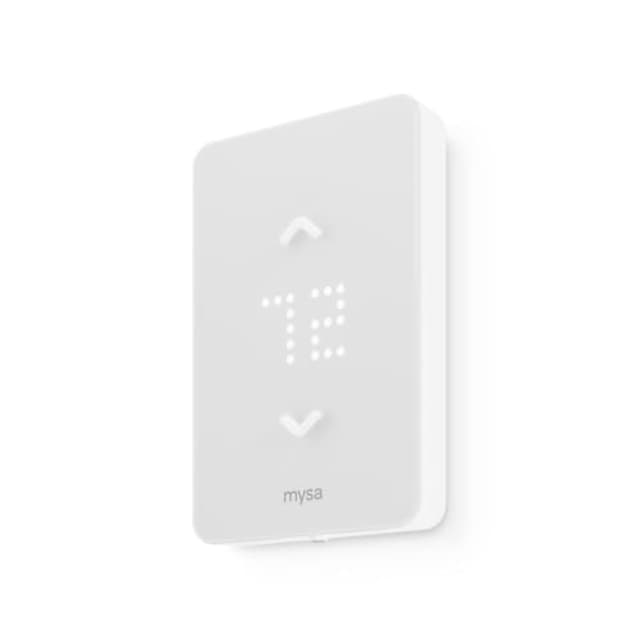
Best Value: Mysa Smart Thermostat LITE for Electric Baseboard Heaters
Mysa Smart Thermostat LITE for Electric Baseboard Heaters
- Keeps full native HomeKit, Alexa, and Google Home roughly $60 lower than the V2
- No energy charting, no humidity sensor, and no saved schedules versus the V2
(Current price, subject to change)
The Mysa Smart Thermostat LITE for Electric Baseboard Heaters earns 8.4 on the weighted SHE Line-Voltage Comfort Score, a composite that distinctly marks the budget HomeKit pick rather than the data-rich flagship. That 8.4 inherits the identical category-best 9.7 platform-breadth sub-score as its siblings, because it preserves native HomeKit, Alexa, and Google Home while trimming the premium sensors, paired with a 7.5 savings-depth sub-score that retains 7-day scheduling and geofencing rated for up to 26% savings yet eliminates the V2 energy charting. Positioned at $99, it deliberately matches the line-voltage range at 1900W at 120V and 15.8 A at 240V, installs in approximately 15 mins, and reuses the V2 mounting bracket.
Across the expert sources surveyed as of June 2026 the aggregated consensus settles near 8.4. TechHive consistently praises the Mysa baseboard line's HomeKit-and-Alexa breadth, the smarts the LITE preserves while removing the premium diagnostic sensors. Tom's Guide positions Mysa as the easiest smart upgrade for electric-heat households, and the LITE delivers that core scheduling at the lowest entry price in the family. Relative to the Mysa Smart Thermostat for Electric Baseboard Heaters (V2), the LITE relinquishes the energy charting and humidity sensor for a sticker $60 lower, a deliberate economy that keeps the same 1900W at 120V and 15.8 A at 240V switching.
What We Love
- Keeps full native HomeKit, Alexa, and Google Home roughly $60 lower than the V2
- Same line-voltage range, 1900W at 120V and 15.8 A at 240V, with up to 26% savings
- Physical button controls make it the most fuss-free Mysa for app-averse households
- Drop-in replacement for any 4-wire baseboard thermostat, installing in about 15 mins
What Could Be Better
- No energy charting, no humidity sensor, and no saved schedules versus the V2
- Still needs a 4-wire connection, ruling out the oldest 2-wire baseboard circuits
The Verdict
If you want native HomeKit on baseboard heat for under $100 and skip the diagnostics, the Mysa Smart Thermostat LITE for Electric Baseboard Heaters lines up with what you actually need at $99. The 8.4 reflects the same HomeKit, Alexa, and Google breadth as the V2, 15.8 A switching, and up to 26% savings, just without the energy charts. Power users will miss the charting, but for scheduling and voice this is the value pick.
Check price for the Mysa Smart Thermostat LITE for Electric Baseboard Heaters →
Best App-Only Pick: KING K902-B Hoot WiFi Line Voltage Smart Thermostat (Double Pole, Black)
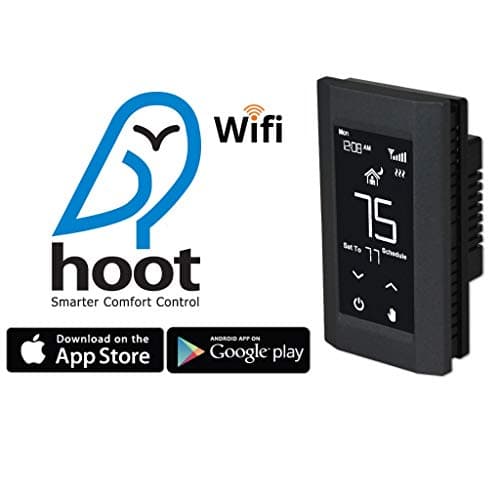
KING K902-B Hoot WiFi Line Voltage Smart Thermostat (Double Pole, Black)
- Multi-volt double-pole runs 120/208/240V at 16 A and switches both legs safely
- Hoot app only, with no native Alexa, Google, or HomeKit, so it joins no voice routines
(Current price, subject to change)
The KING K902-B Hoot WiFi Line Voltage Smart Thermostat (Double Pole, Black) earns 7.6 on the weighted SHE Line-Voltage Comfort Score, a composite held down by one deliberate gap, a 4.8 platform-breadth sub-score, because it remains WiFi app-only with absolutely no native Alexa, Google, or HomeKit integration. That 7.6 nonetheless pairs an 8.5 amp-headroom sub-score with a category-best 8.8 install-safety sub-score, because the multi-volt double-pole architecture confidently runs 120/208/240V at 16 A and switches both legs simultaneously, the safest configuration for a 240V baseboard, contributing 1920W at 120V and 3840W at 240V of headroom. Positioned at $168.50, it additionally provides a user-defined maximum-temperature lock spanning 41 to 90 degrees.
Across the expert sources surveyed as of June 2026 the aggregated consensus settles near 7.6. TechHive characterizes WiFi app-only units like King's Hoot as the economical on-ramp to smart electric heating whenever native assistant support is genuinely not a requirement. Bob Vila identifies King Electric as a long-standing line-voltage manufacturer whose Hoot meaningfully adds 7-day WiFi scheduling to demonstrably reliable hardware. It additionally ships as the white K902-W variant around $185. Relative to the Mysa Smart Thermostat LITE for Electric Baseboard Heaters, the KING relinquishes native voice control for double-pole switching that runs 120/208/240V at 16 A.
What We Love
- Multi-volt double-pole runs 120/208/240V at 16 A and switches both legs safely
- 7-day programmable with 4 or 6 time periods rated to save up to 28% on heating
- Large LCD touchscreen with a user-defined max-temp lock across 41 to 90 degrees
- Free Hoot app for iOS and Android with over-the-air firmware updates
What Could Be Better
- Hoot app only, with no native Alexa, Google, or HomeKit, so it joins no voice routines
- A 16 A ceiling and utilitarian app trail the Mysa picks on platform polish
The Verdict
If you only need app scheduling on a 240V run and skip voice assistants, the KING K902-B Hoot WiFi Line Voltage Smart Thermostat (Double Pole, Black) is a sensible pick for that setup at $168.50. The 7.6 reflects multi-volt 16 A double-pole switching, a 41 to 90 degree max-temp lock, and up to 28% savings via Hoot. You give up native HomeKit and Alexa, but for a rental where app control is enough, the double-pole hardware is the draw.
Check price for the KING K902-B Hoot WiFi Line Voltage Smart Thermostat (Double Pole, Black) →
How We Score: SHE Line-Voltage Comfort Score
SHE Line-Voltage Comfort Score
Score Formula
voltage_amp_headroom * 0.35 + savings_depth * 0.30 + platform_breadth * 0.20 + install_safety * 0.15Score Factors
- Voltage Range & Amp Headroom (35%)A line-voltage thermostat must safely switch the actual load on the circuit, so we weight 120V and 240V coverage and the rated wattage and amperage ceiling highest. This factor is a weighted, normalized sub-score derived from voltage support and the amp ceiling; a unit that under-rates a long high-wattage run is a non-starter regardless of its apps. Every pick here clears 16 A and 3800W at 240V, and the coefficient is highest because amperage, not platform polish, decides whether the unit is safe to install.
- Savings Depth (30%)Electric resistance heat is expensive, so the real payoff is the energy cut. The calculation normalizes manufacturer-rated savings (Mysa up to 26%, KING up to 28%), scheduling and geofencing depth, and whether the unit reports per-zone kWh into a composite tier. The Mysa V2's energy charting earns the top mark because it shows the kWh a buyer can act on; app-only or sensor-only units score in a lower tier. This factor carries the second-highest weight because savings are why anyone upgrades expensive baseboard heat.
- Platform Breadth (20%)Line-voltage thermostats are notorious for thin smart-home support, so we reward native HomeKit, Alexa, and Google Home and penalize app-only control. This sub-score is a normalized tier from app-only, to single-assistant, to all-three-native. All three Mysa models cover all three platforms natively and score in the top tier; the KING Hoot is WiFi app-only with no voice assistant and scores far below. The factor weight reflects that platform fit is the reason a buyer chooses this category over a $30 mechanical dial.
- Install Safety (15%)These units carry full line voltage, so wiring matters. The formula scores wire count and complexity, double-pole switching on 240V, built-in GFCI for wet-area floors, and max-temperature locks into a normalized sub-score that rewards a forgiving, code-compliant hardwire. The Mysa in-floor's built-in Class A GFCI and the KING's double-pole switching with a max-temp lock earn the safety credit. This coefficient closes the formula because install safety is a one-time hurdle, not the months-long running experience the heavier factors capture.
SHE Line-Voltage Comfort Score — Ranked
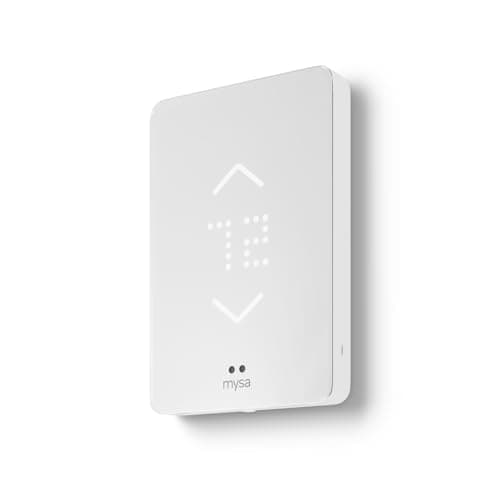
Mysa Smart Thermostat for Electric Baseboard Heaters (V2)
SHE Line-Voltage Comfort Score9.1/10$159.00 — native HomeKit, Alexa, Google, energy charting, 15.8 A at 240V; most complete pick
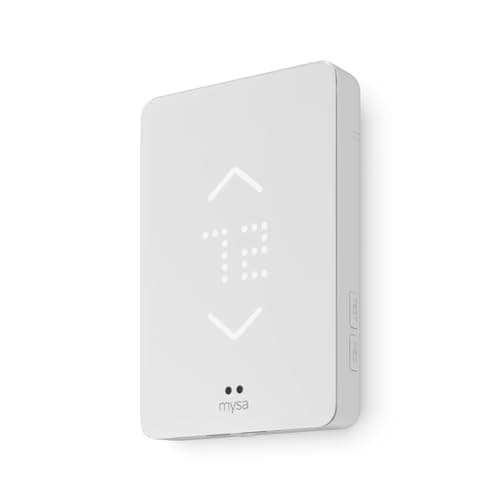
Mysa Smart Thermostat for Electric In-Floor Heating (Built-in Class A GFCI)
SHE Line-Voltage Comfort Score8.6/10$199.00 — built-in Class A GFCI at 5 mA, 15 ft slab sensor, native platforms; best heated-floor pick
Mysa Smart Thermostat LITE for Electric Baseboard Heaters
SHE Line-Voltage Comfort Score8.4/10$99.00 — same native HomeKit breadth, no energy charts; best value at the lowest entry price
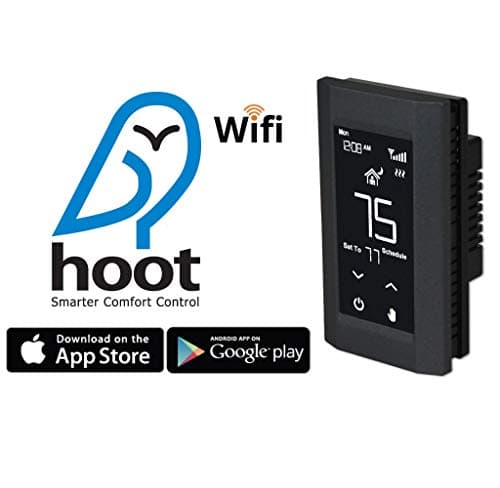
KING K902-B Hoot WiFi Line Voltage Smart Thermostat (Double Pole, Black)
SHE Line-Voltage Comfort Score7.6/10$168.50 — multi-volt 16 A double-pole, max-temp lock, Hoot app only; best app-only pick
Platform Support, Voice Assistants, and the Honest US Field
Platform support is the dividing line in this category, and it is the read roundups from outlets like TechHive, The Verge, and Tom's Guide consistently use to separate the tiers. All three Mysa models, the baseboard V2, LITE, and in-floor, speak native Apple HomeKit, Alexa, and Google Home with no hub, which is why each earns the category-best 9.7 platform-breadth sub-score while switching 15.8 A at 240V, with the baseboard pair installing in 15 mins and the in-floor model adding a 15 ft slab sensor. The KING K902-B Hoot WiFi Line Voltage Smart Thermostat (Double Pole, Black) lands at 4.8 on the same factor because it is WiFi app-only through Hoot with no voice assistants at all, so it cannot join HomeKit, Alexa, or Google routines despite its capable multi-volt 16 A double-pole hardware. One field-wide caveat: Matter is not yet supported on any line-voltage baseboard thermostat as of 2026, so confirm your ecosystem before buying rather than assuming a future firmware bridge. The Mysa Smart Thermostat for Electric Baseboard Heaters (V2) is the pick for an Apple-first household that switches 15.8 A at 240V, and the Mysa Smart Thermostat LITE for Electric Baseboard Heaters keeps that same breadth for less.
If you genuinely inhabit Apple Home or want actionable per-zone energy data, the Mysa Baseboard V2 is the obvious default at 9.1, hardwiring in about 15 mins and confidently switching 15.8 A at 240V with consumption reportedly reduced up to 26%. If you only require straightforward app scheduling on a 240V run and deliberately skip voice assistants, the KING K902-B saves nothing on platforms but switches safely on double-pole at 16 A, rated up to 28%. TechHive and The Verge both anchor the Mysa V2 at the top relative to comparable line-voltage competitors, whereas Bob Vila credits King Electric's demonstrably reliable hardware as the economical alternative, its double-pole switching running 1920W at 120V and 3840W at 240V.
The SHE Line-Voltage Comfort Score is our proprietary composite for this category, weighting four factors a baseboard buyer actually feels. The highest-weighted factor is voltage and amp headroom at 35%, because a line-voltage thermostat that under-rates a long high-wattage run is unsafe regardless of its apps. The install-safety factor that closes the formula rewards a forgiving hardwire, which is why each Mysa baseboard unit drops in within about 15 mins while the in-floor model adds a 15 ft slab sensor for code-required GFCI. For the Mysa Baseboard V2, the top 9.1 means it switches the load on a typical 2-baseboard zone, talks to every major platform, and pays back its sticker through scheduling that cuts heating energy you can see in the app, so the number you read translates directly into a lower winter bill.
A sourcing note matters more here than in most categories. Roundups often cite the Canadian heating brands Sinopé (TRIAC proportional control, HomeKit plus Alexa via Neviweb) and Stelpro Maestro (whole-home zoning via IFTTT) as strong line-voltage options, and on paper they dominate this niche. But both ship through Canadian electrical channels and are not reliably sold on Amazon US, which is why they are not ranked here; the practical US field narrows to Mysa plus KING. Note too that the KING K902-B Hoot WiFi Line Voltage Smart Thermostat (Double Pole, Black) also ships as a white K902-W 4-wire variant (around $185) that is the same thermostat in a different color, not a separate pick. For the homeowner assembling a connected-heat setup, a baseboard thermostat this capable slots beside the systems in our Best Smart Climate Control 2026: Dreo Fan Cuts AC 15% hub and the plug-in options in our Best Smart Space Heaters 2026: Dyson Hot+Cool Wins roundup, which share the same scheduling-and-app philosophy for rooms a hardwire cannot reach.
| Product | WiFi App Control | Apple HomeKit | Amazon Alexa | Google Home | 240V Double-Pole / GFCI |
|---|---|---|---|---|---|
| Mysa Smart Thermostat for Electric Baseboard Heaters (V2) | ✓ | ✓ | ✓ | ✓ | ✕ |
| Mysa Smart Thermostat for Electric In-Floor Heating (Built-in Class A GFCI) | ✓ | ✓ | ✓ | ✓ | ✓ |
| Mysa Smart Thermostat LITE for Electric Baseboard Heaters | ✓ | ✓ | ✓ | ✓ | ✕ |
| KING K902-B Hoot WiFi Line Voltage Smart Thermostat (Double Pole, Black) | ✓ | ✕ | ✕ | ✕ | ✓ |
The Baseboard Payback Math
Electric baseboard heat is among the most expensive ways to warm a home, which is why the payback on a smart thermostat is unusually fast. The value math turns on 7-day scheduling and geofencing, which cut heating energy roughly 26% on Mysa and up to 28% on the KING per the makers, so on a $200-plus monthly winter electric bill the savings recover a $99 to $199 thermostat inside a single cold season. Against that backdrop the Mysa Smart Thermostat for Electric Baseboard Heaters (V2) at $159 earns the deepest 9.6 savings-depth sub-score, because its built-in energy charting shows the per-zone kWh you can actually act on, which compared to the Mysa Smart Thermostat LITE for Electric Baseboard Heaters at $99 is the diagnostic difference. The KING K902-B Hoot WiFi Line Voltage Smart Thermostat (Double Pole, Black) at $168.50 is rated to save up to 28% through its 4 or 6 daily time periods at 16 A, the highest headline figure here, but it reports no per-zone energy, so it cannot tell you which heater is the culprit. As line-voltage guidance from TechHive and Bob Vila consistently frames it, the real money is in acting on per-zone data, not the headline percentage on the box, since a schedule you can verify is a schedule you keep season after season, with each Mysa hardwiring in 15 mins and switching 15.8 A at 240V.
When NOT to Buy
Skip a line-voltage smart thermostat if your heat is actually central HVAC, a heat pump, or hydronic baseboard, since those use low-voltage 24V controls or a boiler aquastat rather than these units. It is also the wrong buy if your circuit is 2-wire only and you are unwilling to add a wire, because the Mysa units need 4 wires, a limitation outlets like TechHive flag. And skip the premium picks if you only heat one rarely-used room where a $30 mechanical thermostat is plenty. One sourcing caveat shapes the whole field: the Canadian brands Sinopé and Stelpro dominate this niche on paper but are not reliably sold on Amazon US, so a US buyer's practical choice narrows to Mysa and KING. A line-voltage smart thermostat is the right buy when you rent or own a home with electric baseboard heat, want app and voice control plus a lower winter bill, and value the per-zone savings the Mysa Smart Thermostat for Electric Baseboard Heaters (V2) delivers in a 15 mins install that switches 15.8 A.
Who Should Buy What
Who Should Buy What
| If you are… | Recommended pick |
|---|---|
Apple households on baseboard heat You want native HomeKit on baseboard heat plus per-zone energy data on a 4-wire circuit under 3800W at 240V | Mysa Smart Thermostat for Electric Baseboard Heaters (V2) |
Tiled radiant-floor owners You are heating a bathroom or kitchen radiant floor that needs code GFCI inside your Apple Home scenes | Mysa Smart Thermostat for Electric In-Floor Heating (Built-in Class A GFCI) |
Budget HomeKit buyers You want native HomeKit and scheduling on baseboard heat at the lowest entry price without energy analytics | Mysa Smart Thermostat LITE for Electric Baseboard Heaters |
App-only 240V owners You want safe double-pole switching on a 240V baseboard with app scheduling and a max-temp lock, not voice | KING K902-B Hoot WiFi Line Voltage Smart Thermostat (Double Pole, Black) |
Frequently Asked Questions
Can I use a Nest or Ecobee on electric baseboard heaters?
No. Nest and Ecobee are low-voltage 24V thermostats built for central HVAC, while electric baseboard heaters run full line voltage — 120V or 240V — through the thermostat itself. Wiring a low-voltage thermostat to a line-voltage circuit will not work and can be dangerous. You need a dedicated line-voltage smart thermostat such as the Mysa Baseboard V2 at $159.00, which switches 1900W at 120V and 15.8 A at 240V, or the KING K902-B at $168.50 for 240V double-pole runs.
What is the difference between line-voltage and low-voltage thermostats?
A low-voltage thermostat runs on a 24V signal and switches a separate furnace or heat-pump control board, so the thermostat itself carries almost no current. A line-voltage thermostat carries the full 120V or 240V heating load directly through its terminals, which is why amp rating matters so much — every pick in this guide clears 16 A and 3800W at 240V. Electric baseboard, in-floor, and convector heaters use line voltage; central HVAC and heat pumps use low voltage.
How do I know if I need a 120V or 240V baseboard thermostat?
Check the breaker and the heater label. A 240V baseboard runs on a double-pole breaker (two switches tied together) and needs a thermostat that switches both legs, like the KING K902-B with its 16 A double-pole design. A 120V heater uses a single-pole breaker. All three Mysa models and the KING handle both 120V and 240V, but on a 240V circuit double-pole switching is the safest wiring. When in doubt, confirm the voltage before buying.
Which smart baseboard thermostat works with Apple HomeKit?
All three Mysa models — the Baseboard V2 at $159.00, the LITE at $99.00, and the In-Floor at $199.00 — speak native Apple HomeKit, Alexa, and Google Home with no hub or bridge, the only line-voltage picks here that talk to all three. The KING K902-B is WiFi app-only through its Hoot app with no HomeKit, Alexa, or Google support. If you live in Apple Home, the Mysa Baseboard V2 is the default choice, and the LITE keeps that same HomeKit breadth at the lowest price.
How much can a smart thermostat actually save on electric baseboard heating?
The makers rate roughly 26 to 28% savings — Mysa up to 26% and KING up to 28% — through 7-day scheduling and geofencing that stop resistance heat from running full-blast with no schedule. On a winter electric bill of $200-plus a month, that recovers a $99 to $199 thermostat inside a single cold season. The Mysa V2's built-in energy charting helps most because it shows per-zone kWh you can act on, instead of guessing which heater is costliest from one lump utility bill.
Is it safe to install a 240V line-voltage thermostat myself?
A careful DIYer can install a baseboard thermostat in about 15 mins, but always shut off the breaker first and confirm the line is dead — these carry full 240V. The Mysa Baseboard V2 and LITE are 4-wire drop-in replacements, while the KING K902-B uses safer double-pole switching for 240V runs. The Mysa In-Floor specifies a qualified electrician because of its embedded floor sensor and GFCI wiring. If your circuit is 2-wire only or you are unsure, hire an electrician.
Bottom Line
Get the Mysa Smart Thermostat for Electric Baseboard Heaters (V2) if you want native HomeKit on baseboard heat plus per-zone energy data on a 4-wire circuit under 3800W at 240V.
Get the Mysa Smart Thermostat for Electric In-Floor Heating (Built-in Class A GFCI) if you are heating a tiled bathroom or kitchen radiant floor that needs code GFCI inside your Apple Home scenes.
Get the Mysa Smart Thermostat LITE for Electric Baseboard Heaters if you want native HomeKit and scheduling on baseboard heat at the lowest entry price without energy analytics.
Get the KING K902-B Hoot WiFi Line Voltage Smart Thermostat (Double Pole, Black) if you want safe double-pole switching on a 240V baseboard with app scheduling and a max-temp lock, not voice.
The right call for most baseboard homes is the Mysa Smart Thermostat for Electric Baseboard Heaters (V2) at $159.00 — native HomeKit, Alexa, and Google Home, 15.8 A at 240V switching, and energy charting that cuts heating up to 26% earn the top 9.1 SHE Line-Voltage Comfort Score. If value comes first, the Mysa Smart Thermostat LITE for Electric Baseboard Heaters keeps that HomeKit breadth for $99.00. Skip a line-voltage smart thermostat entirely if your heat is central HVAC, a heat pump, or hydronic baseboard, which use low-voltage 24V controls instead.
Sources & Methodology
Methodology: SHE Line-Voltage Comfort Score — Formula: voltage_amp_headroom * 0.35 + savings_depth * 0.30 + platform_breadth * 0.20 + install_safety * 0.15. Factors: Voltage Range & Amp Headroom (35%): A line-voltage thermostat must safely switch the actual load on the circuit, so we weight 120V and 240V coverage and the rated wattage and amperage ceiling highest. This factor is a weighted, normalized sub-score derived from voltage support and the amp ceiling; a unit that under-rates a long high-wattage run is a non-starter regardless of its apps. Every pick here clears 16 A and 3800W at 240V, and the coefficient is highest because amperage, not platform polish, decides whether the unit is safe to install. | Savings Depth (30%): Electric resistance heat is expensive, so the real payoff is the energy cut. The calculation normalizes manufacturer-rated savings (Mysa up to 26%, KING up to 28%), scheduling and geofencing depth, and whether the unit reports per-zone kWh into a composite tier. The Mysa V2's energy charting earns the top mark because it shows the kWh a buyer can act on; app-only or sensor-only units score in a lower tier. This factor carries the second-highest weight because savings are why anyone upgrades expensive baseboard heat. | Platform Breadth (20%): Line-voltage thermostats are notorious for thin smart-home support, so we reward native HomeKit, Alexa, and Google Home and penalize app-only control. This sub-score is a normalized tier from app-only, to single-assistant, to all-three-native. All three Mysa models cover all three platforms natively and score in the top tier; the KING Hoot is WiFi app-only with no voice assistant and scores far below. The factor weight reflects that platform fit is the reason a buyer chooses this category over a $30 mechanical dial. | Install Safety (15%): These units carry full line voltage, so wiring matters. The formula scores wire count and complexity, double-pole switching on 240V, built-in GFCI for wet-area floors, and max-temperature locks into a normalized sub-score that rewards a forgiving, code-compliant hardwire. The Mysa in-floor's built-in Class A GFCI and the KING's double-pole switching with a max-temp lock earn the safety credit. This coefficient closes the formula because install safety is a one-time hurdle, not the months-long running experience the heavier factors capture.
Expert review sources used in this analysis:
- SmartHomeExplorer aggregates expert review data and community sentiment to produce consensus-based buying guidance
- We do not perform first-party product testing
- Expert ratings and product assessments draw on line-voltage and baseboard thermostat buyer's guides and category coverage from outlets that cover this segment — TechHive, The Verge, Tom's Guide, and Bob Vila — rather than first-party tests of each individual unit
- Energy-savings context draws on manufacturer-stated figures (Mysa up to 26%, KING up to 28%) and published voltage and amperage specifications
- Install figures reflect manufacturer documentation as well — the Mysa baseboard units hardwire in about 15 mins, and the Mysa in-floor ships a 10K Ohm floor sensor on a 15 ft lead
- A sourcing note: the Canadian heating brands Sinopé and Stelpro dominate this niche on paper but are not reliably sold on Amazon US, so the practical US field narrows to Mysa and KING
- Amazon prices and availability were verified via the Amazon Creators API on 2026-06-05: Mysa Baseboard V2 $159.00, Mysa In-Floor $199.00, Mysa LITE $99.00, KING K902-B $168.50 (the white K902-W variant runs around $185)
- The SHE Line-Voltage Comfort Score weights voltage and amp headroom (35%), savings depth (30%), platform breadth (20%), and install safety (15%); factor sub-scores derive from manufacturer specifications and aggregated reviewer assessments, and no first-party measurements were conducted.
Nicholas Miles is the founder of SmartHomeExplorer and a longtime smart home enthusiast focused on helping everyday homeowners make better technology decisions. He researches, compares, and writes about products across security, climate, lighting, leak prevention, sensors, home energy, and automation, with an emphasis on real-world usefulness, ecosystem compatibility, reliability, privacy, and long-term value.
Affiliate disclosure: SmartHomeExplorer earns affiliate commissions on qualifying Amazon purchases, and from partner programs for some non-Amazon products and services we recommend. Our scoring methodology is independent of affiliate relationships.