
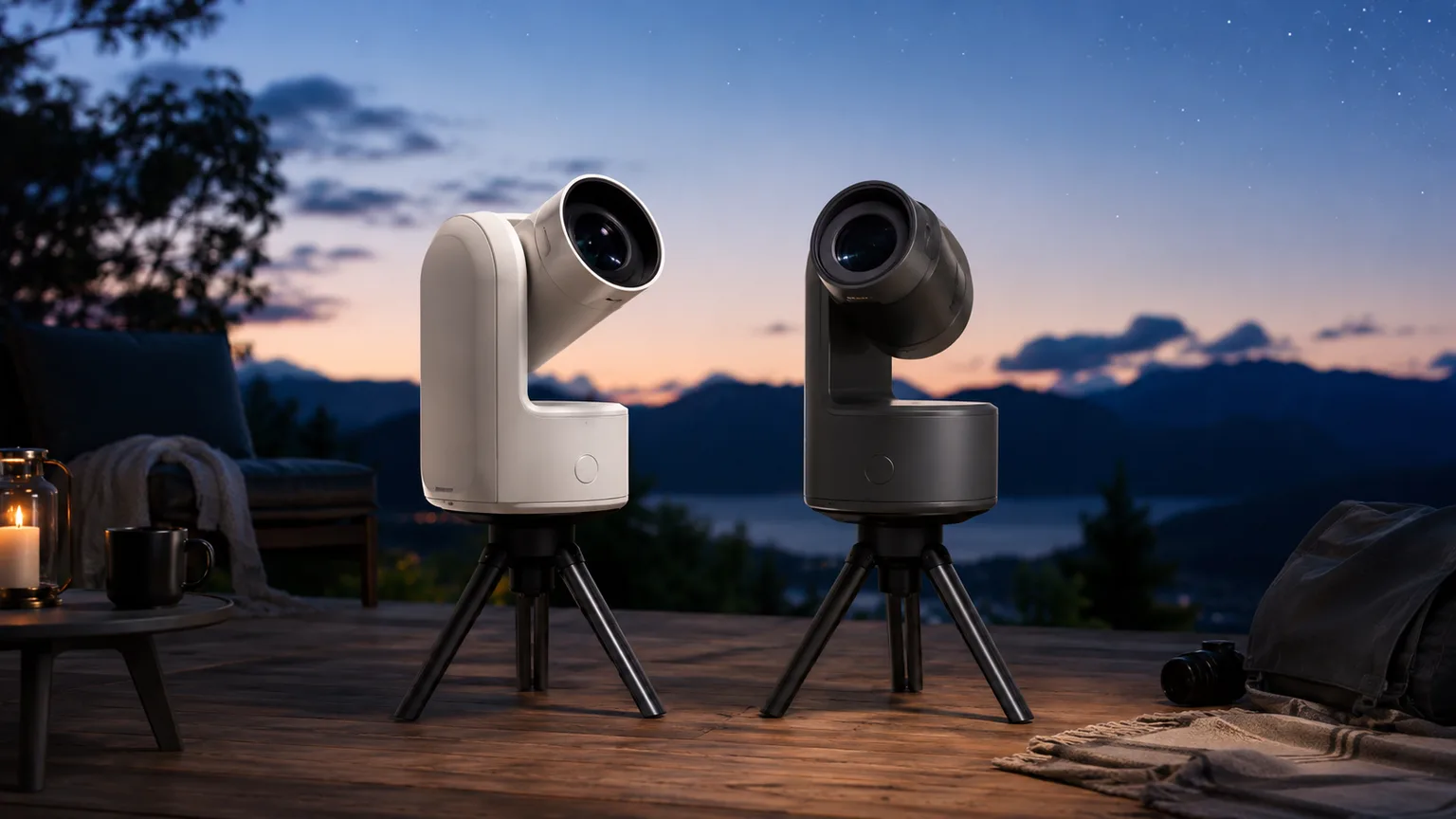
ZWO Seestar S30 vs DWARF 3 Smart Telescope 2026
The DWARFLAB DWARF 3 wins the sub-$700 duel — biggest aperture, longest EQ exposures, and the only device that doubles as a daytime wildlife camera.
This article contains affiliate links. We may earn a commission at no extra cost to you. Prices change frequently — check the current price on Amazon before buying. Learn more
The Short Answer
The DWARFLAB DWARF 3 wins this comparison on hardware capability. Its 35 mm optics accumulate superior illumination, EQ mode reaches 90-second exposures, and it doubles as a daytime wildlife camera. The Seestar S30 Pro counters with the largest sensor area. The Seestar S30 remains the cheapest credible deep-sky entry.
Featured in this Guide
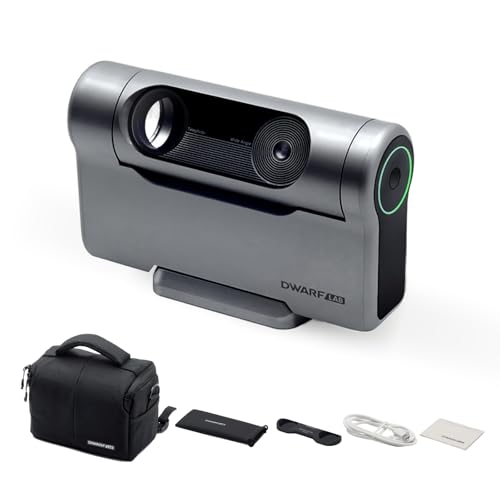
DWARFLAB
DWARF 3 Smart Telescope
- •Biggest 35 mm aperture, 90 s EQ exposures, lightest body, and the only true daytime-wildlife mode set
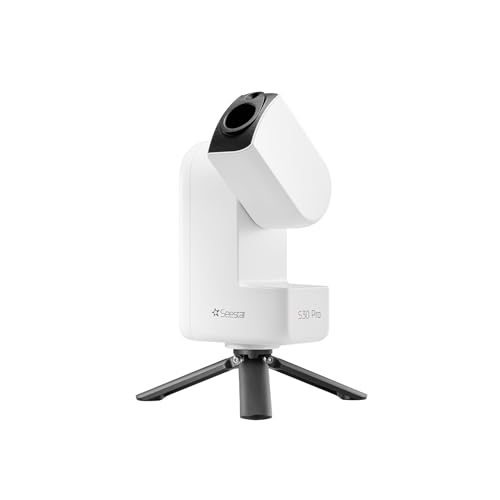
ZWO
Seestar S30 Pro Smart Telescope
- •Largest sensor area (8.3 MP IMX585), quadruplet optics, and auto Milky Way mosaics in the Seestar app
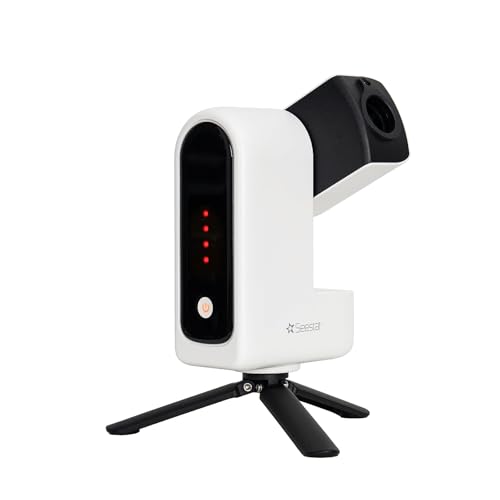
ZWO
Seestar S30 All-in-One Smart Telescope
- •Cheapest credible deep-sky rig at $399
- •accept 2 MP output for the lowest price in the trio
Head-to-Head: Optics, Sensor, Tracking, and the SHE Score
Hobby
Chart
 Smarthomeexplorer.com
Tap any pick to check its live price on Amazon.
EcoFlow DELTA Pro 3 Portable Power Station
RecommendedCheck price
PETKIT Purobot Ultra
Must BuyCheck price
Synology DS925+ 4-Bay NAS
Must BuyCheck price
ASUS RT-BE96U
RecommendedCheck price
PetSafe ScoopFree SmartSpin
RecommendedCheck price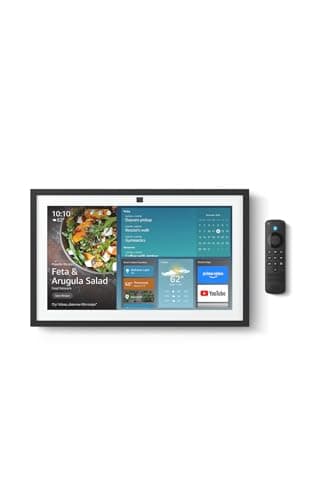
Amazon Echo Show 15 (newest model)
RecommendedCheck price
Which Smart Scope Fits Your Nights?
You have narrowed the smart-telescope decision to two manufacturers. Both ZWO and DwarfLab consolidate the mount, tracking, plate-solving, capture, and automated stacking into one app-controlled instrument. The genuine decision is which capture system suits your photography: astro-only or astro-plus-daytime, magnification or field-of-view breadth.
In this guide we aggregated vendor specifications and measured outlet data, then scored all three instruments on one price-blind composite, the SHE Smart Scope Capability Score. The weighted formula combines six factors, and light-gathering optics carries the dominant coefficient. The DWARF 3 accumulates more illumination per exposure than the smaller Seestars. Its EQ mode tracks for 90 seconds, versus 60 seconds on the Seestars. Wido's AstroForum measured its stacking preserving frames more effectively, which delivers deeper composites. The AstroForum comparison documents a tele field roughly 1.7x the Seestar area. AstroBackyard and Live Science corroborate the capability hierarchy. The DWARF 3 runs sessions for 5.5 hours per charge.
Best Overall: DWARFLAB DWARF 3 Smart Telescope
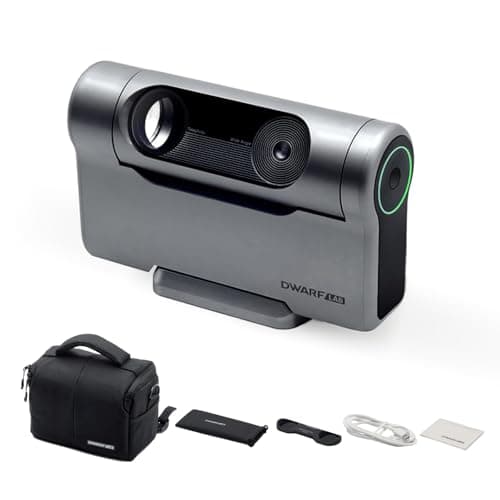
DWARFLAB DWARF 3 Smart Telescope
- Largest 35 mm aperture and fastest f/4.3 optics in the trio — ~36% more light per exposure
- 8.3 MP IMX678 sits in a smaller format than the S30 Pro's IMX585 light-sensitive area
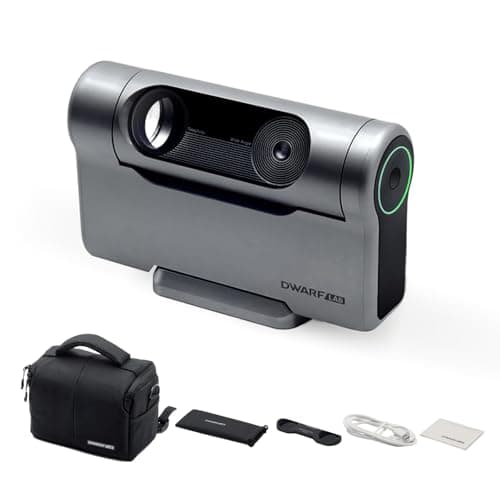
(Current price, subject to change)
The DWARFLAB DWARF 3 Smart Telescope earns the top composite of 8.9 on the SHE Smart Scope Capability Score, the price-blind hardware ranking in this guide. What that weighted number means for your photography is concrete. Its 35 mm apochromat accumulates roughly 36% more illumination per exposure than the comparatively smaller Seestars. Space.com awarded it four stars. The Space.com review singled out tracking accuracy and light-pollution resilience near a metropolitan area.
Light-gathering optics is the dominant coefficient, and the DWARF 3 leads it decisively. EQ mode tracks for 90 seconds per exposure, versus 60 seconds on the Seestars. Wido's AstroForum measured DwarfLab's application preserving stacked frames more effectively than the Seestars. That keep-rate advantage compounds across an entire imaging night and yields deeper composites. The AstroForum comparison corroborates the field-of-view advantage too. The battery delivers 5.5 hours of measured runtime and replenishes over USB-C continuously. At 1.3 kg it is the lightest configuration available, 350 g under the Seestars' 1.65 kg body. Its dedicated processor drives the only daytime-wildlife capability in the trio.
Compared to the ZWO Seestar S30 Pro Smart Telescope, the DWARF 3 produces superior light grasp and 90-second exposures. The S30 Pro answers with larger sensor area.
What We Love
- Largest 35 mm aperture and fastest f/4.3 optics in the trio — ~36% more light per exposure
- EQ mode reaches 90 s exposures and keeps ~90% of stacked frames
- Widest ~2.9 deg tele field frames Andromeda or the North America Nebula in one shot
- Only device with switchable VIS filter plus AI subject tracking for real daytime wildlife use
What Could Be Better
- 8.3 MP IMX678 sits in a smaller format than the S30 Pro's IMX585 light-sensitive area
- Measured ~5.5 hours of astro runtime trails the Seestars' ~6 hour rating despite a bigger pack
- DwarfLab's owner community is smaller than ZWO's Seestar ecosystem
The Verdict
If you want one device for deep-sky nights and daytime wildlife, and you have narrowed to these brands, the DWARFLAB DWARF 3 Smart Telescope fits the brief without compromise. The 8.9 reflects the biggest aperture, the longest 90 s exposures, and the lightest body in the trio.
Ready to upgrade your home?
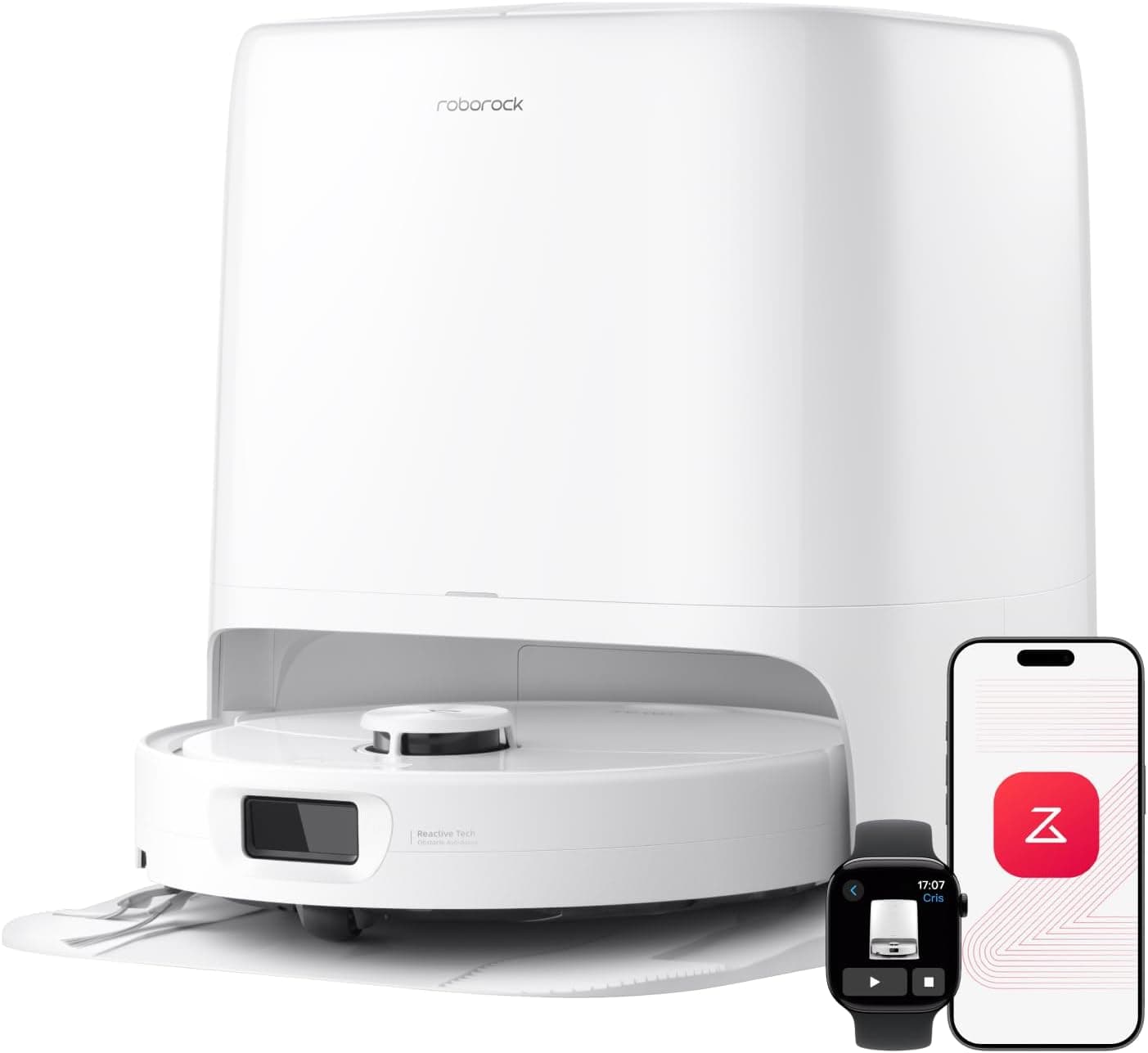
roborock Qrevo 2 Pro Robot Vacuum and Mop
See it on Amazon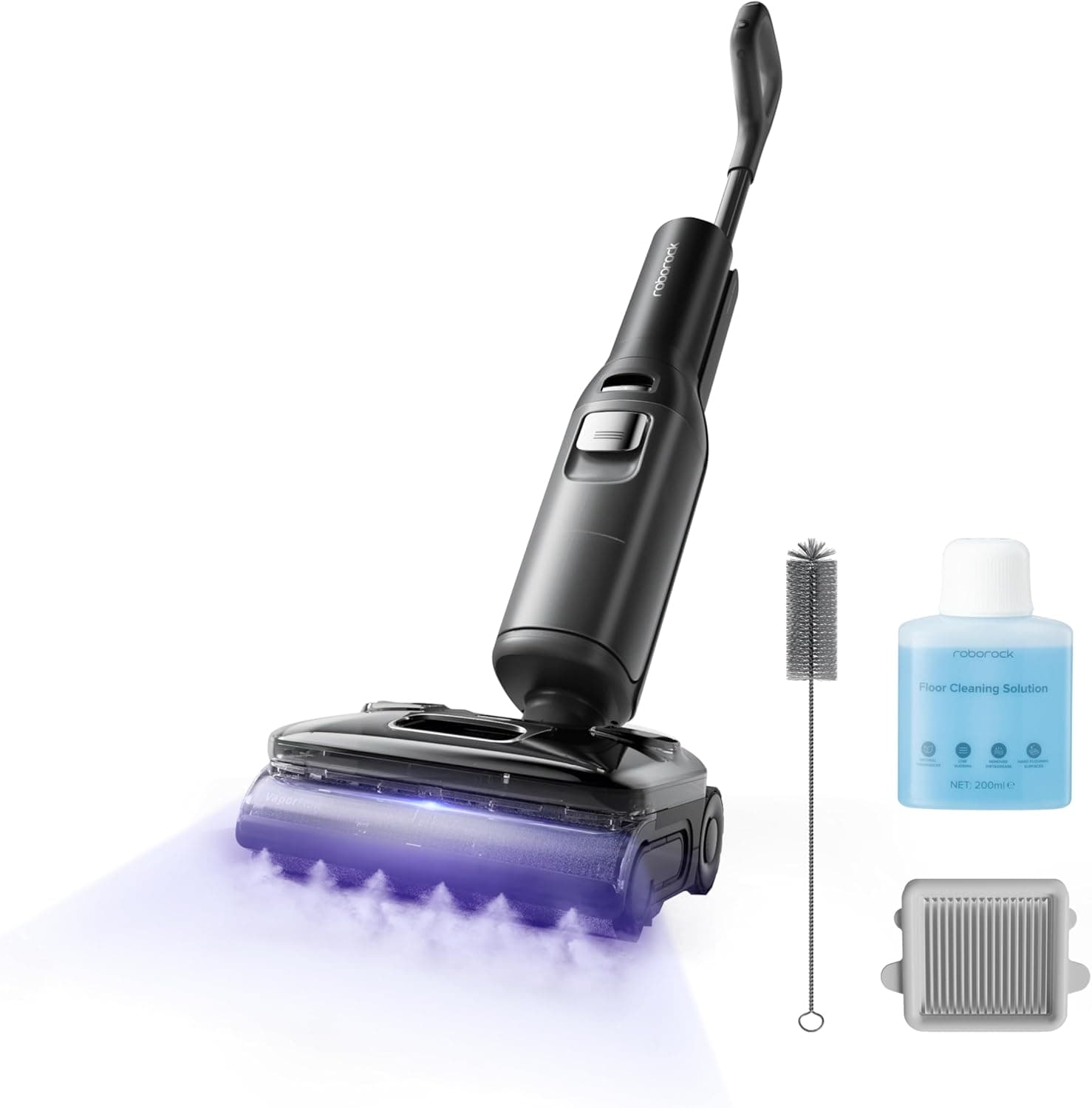
roborock F25 Ultra Steam Wet Dry Vacuum Mop
See it on Amazon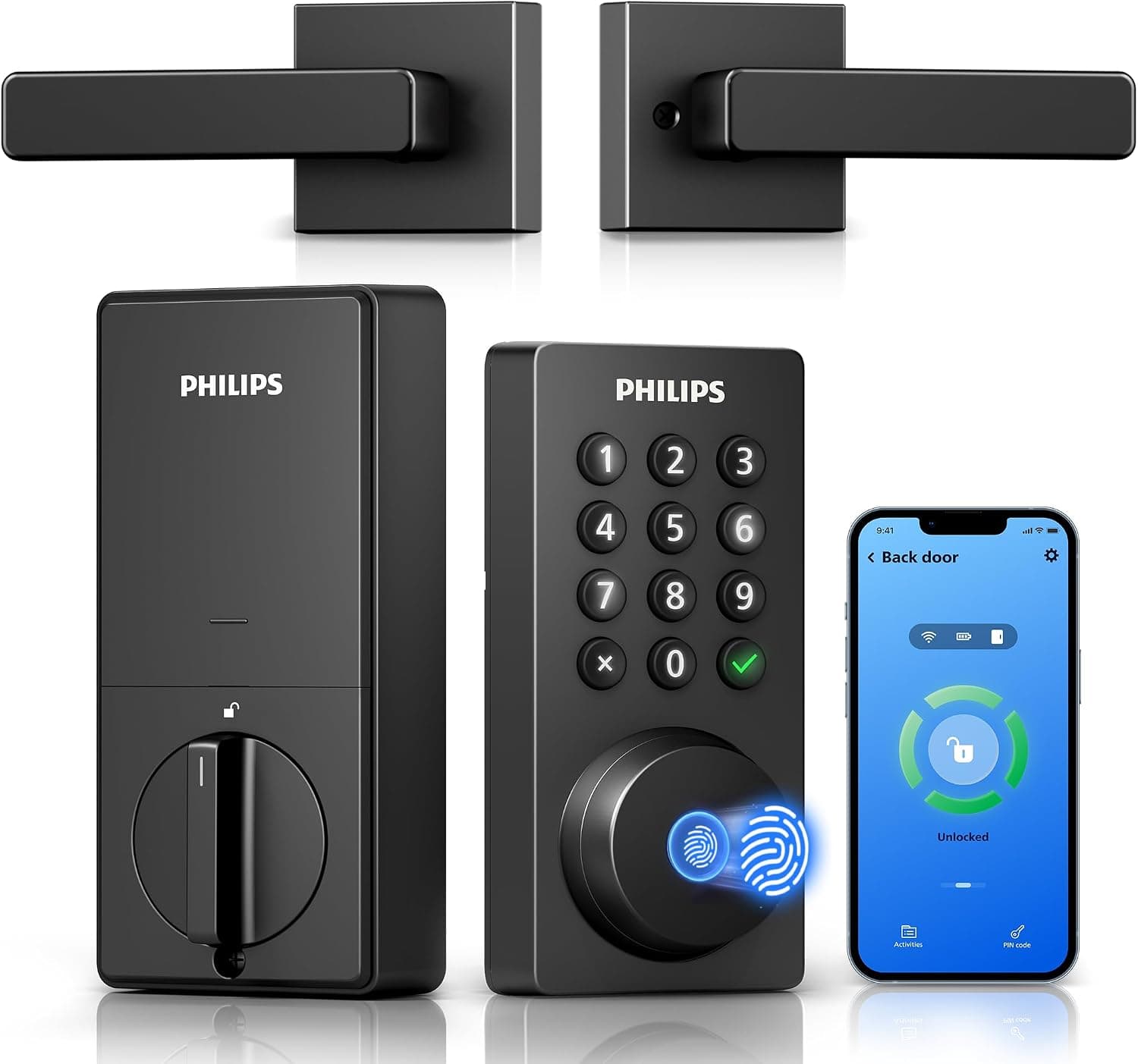
Philips Wi-Fi Keypad Deadbolt with Handle
See it on Amazon
Sponsored listings from Amazon’s Sponsored Products for Creators program, kept apart from our reviews and rankings. How we make money
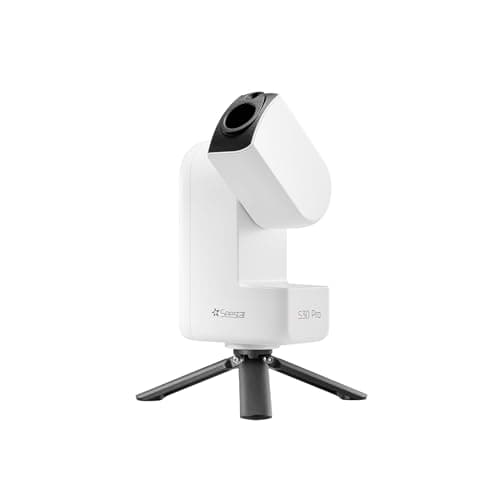
Best Image Quality: ZWO Seestar S30 Pro Smart Telescope
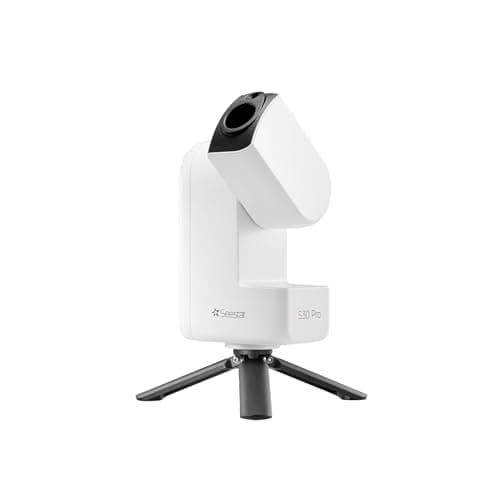
ZWO Seestar S30 Pro Smart Telescope
- Largest light-sensitive sensor area in the trio via the 8.3 MP IMX585
- 30 mm aperture gathers less light than the DWARF 3's 35 mm objective
(Current price, subject to change)
The ZWO Seestar S30 Pro Smart Telescope earns a composite of 7.5 on the SHE Smart Scope Capability Score, the second-highest mark available. For deep-sky photography, that sensor-resolution factor translates into the most recoverable detail per frame. The 8.3 MP Sony IMX585 carries the largest light-sensitive area of the trio. That sensitive area approximates 4x the base S30's IMX662 photosite collection. Live Science determined the sensor and equatorial mechanism explore "a lot more depth than the price tag suggests." The Live Science evaluation confirmed it remains compact for a camera bag.
The 30 mm quadruplet apochromat tightens stellar correction beyond the base S30's triplet configuration. The firmware automatically stitches Milky Way mosaics into expansive panoramas. AstroBackyard titled its evaluation "The Best Smart Telescope Yet." The AstroBackyard verdict ranks the optical performance highly. Its battery is rated for 6 hours, sufficient for an entire night. EQ mode tracks for 60 seconds per exposure and recharges over USB-C continuously. The larger sensor produces roughly 4x the recoverable detail of the base S30. Sensor area is the factor where it decisively outscores the DWARF 3.
Where it surrenders ground to the DWARFLAB DWARF 3 Smart Telescope is illumination grasp. The DWARF 3 accumulates more photographic signal.
What We Love
- Largest light-sensitive sensor area in the trio via the 8.3 MP IMX585
- Quadruplet apochromat optics tighten star correction beyond the base S30's triplet
- Built-in auto Milky Way mosaic stitching for wide panoramas without manual framing
- Most polished app and the largest owner community in the smart-scope category
What Could Be Better
- 30 mm aperture gathers less light than the DWARF 3's 35 mm objective
- EQ mode tops out at 60 s subs versus the DWARF 3's 90 s
- Daytime modes are secondary features, not a real wildlife-camera mode set
The Verdict
If you shoot deep-sky and want the most detail per frame without leaving the Seestar app, the ZWO Seestar S30 Pro Smart Telescope lines up with what you actually need. The 7.5 reflects the largest sensor area and quadruplet optics. Live Science found the 8.3 MP sensor and EQ mode go deeper than the $699 tag suggests — this checks the boxes that matter for an image-quality buyer.
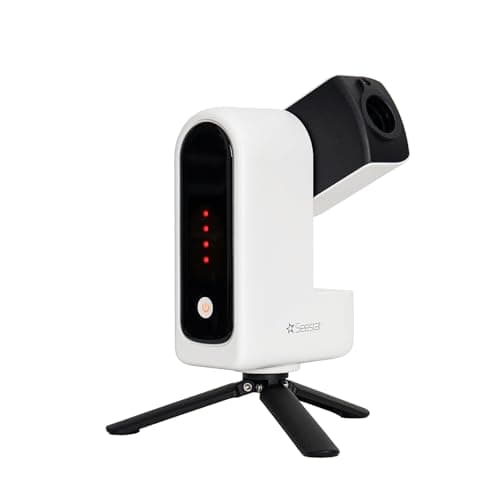
Best Value Entry: ZWO Seestar S30 All-in-One Smart Telescope
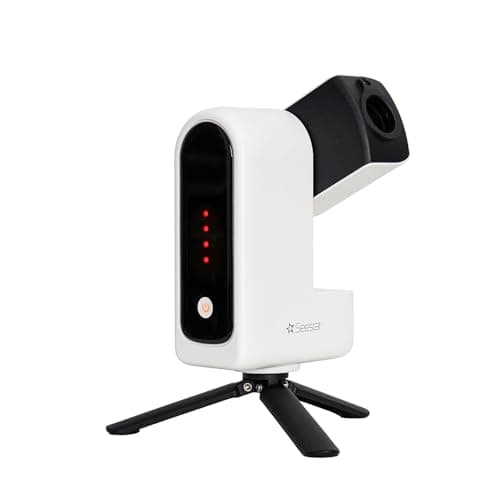
ZWO Seestar S30 All-in-One Smart Telescope
- Lowest entry price in the trio at $399 for a credible deep-sky rig
- 2.07 MP tele sensor is the resolution outlier — good for sharing, weak for hard crops
(Current price, subject to change)
The ZWO Seestar S30 All-in-One Smart Telescope earns a composite of 6.05 on the SHE Smart Scope Capability Score, the entry point in this guide. For a first-time astrophotographer, that composite represents honest value. Its 30 mm triplet apochromat and 2.07 MP IMX662 capture galaxies and nebulae directly from the patio. The associated learning curve is effectively negligible. Sky at Night confirms the 30 mm triplet apochromat specification. The Sky at Night evaluation also verifies its 6-hour battery rating.
EQ mode reaches the same 60 seconds per exposure as the S30 Pro. Tracking depth is therefore identical between both Seestar configurations. The package includes a solar filter and a tripod. The Seestar application provides an identical one-tap interface, supported by the largest ownership community for troubleshooting. The battery operates roughly 6 hours and recharges over USB-C continuously. The configuration remains transportable in a backpack and enables grab-and-go sessions.
Resolution is the ceiling factor, and the formula does not pretend otherwise. The 2 MP tele sensor is the resolution outlier of the trio. Compared to the ZWO Seestar S30 Pro Smart Telescope, the base S30 surrenders roughly 4x the sensor area. You experience that limitation the moment you crop aggressively or print large.
What We Love
- Lowest entry price in the trio at $399 for a credible deep-sky rig
- Same one-tap Seestar app and the largest owner community for help
- Includes a solar filter and tripod in the box
- EQ mode reaches the same 60 s subs as the pricier S30 Pro
What Could Be Better
- 2.07 MP tele sensor is the resolution outlier — good for sharing, weak for hard crops
- 30 mm f/5 triplet gathers the least light of the three
- Scenery and bird modes are limited by the 2 MP sensor
The Verdict
If you want the cheapest way into app-controlled deep-sky imaging tonight, the ZWO Seestar S30 All-in-One Smart Telescope is a sensible pick for that setup. The 6.05 reflects the lowest price and the same Seestar app as the Pro, with a 2 MP sensor as the honest trade. For a first scope you will share online rather than crop hard, that is no need to overthink it.
Check price for the ZWO Seestar S30 All-in-One Smart Telescope →
How We Score: SHE Smart Scope Capability Score
SHE Smart Scope Capability Score
Score Formula
(Light-Gathering Optics × 0.25) + (Sensor & Resolution × 0.20) + (Tracking & Stacking × 0.20) + (Battery Endurance × 0.15) + (Portability × 0.10) + (Daytime Versatility × 0.10)Score Factors
- Light-Gathering Optics (25%)Aperture diameter, focal ratio, and lens design. A 35 mm-class objective faster than f/4.5 with ED apochromatic elements scores 9-10; 30 mm-class f/5 to f/5.5 apo scores 6-8 by correction quality, since a quadruplet outranks a triplet. A 35 mm objective gathers roughly 36% more light than a 30 mm one per unit time, which is why this carries the dominant weight.
- Sensor & Resolution (20%)Tele-camera resolution, format, and sensor generation. 8.3 MP 4K (3840x2160) in a large format like the IMX585 scores 9; 8.3 MP 4K STARVIS 2 in a smaller format like the IMX678 scores 8.5; 2.07 MP 1080p in the IMX662 scores 4. Derived from the Sony part numbers published in vendor specs and corroborated by outlet reviews.
- Tracking & Stacking (20%)EQ-mode maximum reliable sub-exposure plus measured stack keep-rate. 90 s subs with ~90% of frames kept scores 9; 60 s subs with ~80% keep-rate scores 7. Longer subs and a higher keep-rate produce deeper final stacks per session. Drawn from Wido's AstroForum measured head-to-head and Space.com's tracking-accuracy finding.
- Battery Endurance (15%)Capacity, real imaging runtime, and field-charging support. 10,000 mAh with ~5.5 hours measured astro runtime and USB charging while operating scores 9; 6,000 mAh with ~6 hours vendor-rated runtime scores 7. Both designs cover a full night and recharge over USB-C in the field.
- Portability (10%)Device weight and packed size. Under 1.4 kg scores 9; a 1.5 to 1.7 kg compact body in the 21x14x8 cm class scores 8. All three are grab-and-go units; the sub-3 lb DWARF 3 earns the premium here.
- Daytime Versatility (10%)Usefulness beyond deep-sky. Switchable VIS/Astro/Dual-Band filters plus AI subject tracking and burst/time-lapse/panorama scores 9; dual-camera scenery and bird modes with 8.3 MP output and a solar filter scores 7; a scenery mode limited by a 2 MP tele sensor scores 5.
SHE Smart Scope Capability Score — Ranked
DWARFLAB DWARF 3 Smart Telescope
SHE Smart Scope Capability Score8.9/10$549 — biggest 35 mm f/4.3 aperture, 90 s EQ subs, ~90% keep-rate, lightest 1.3 kg body, true daytime wildlife mode
ZWO Seestar S30 Pro Smart Telescope
SHE Smart Scope Capability Score7.5/10$699 — largest sensor area (8.3 MP IMX585), quadruplet optics, auto Milky Way mosaics, most polished app ecosystem
ZWO Seestar S30 All-in-One Smart Telescope
SHE Smart Scope Capability Score6.0/10$399 — cheapest credible deep-sky entry; same Seestar app and 60 s EQ subs, but a 2 MP sensor caps resolution
Aperture vs Sensor vs Versatility: How to Choose
The most useful thing to understand before purchasing is that these three units optimize for different jobs. The price ladder tells the story. The DWARF 3 step buys roughly 4x the resolution, plus more aperture and genuine daytime versatility. The subsequent upgrade buys sensor area and the Seestar ecosystem, not capability breadth. Space.com and Live Science weight those upgrades identically in their reviews. The composite formula treats the resolution factor the same way.
Aperture and exposure depth differentiate the DWARF 3. Its 35 mm objective accumulates roughly 36% more illumination per exposure. EQ mode reaches 90 seconds while preserving 90% of frames, per Wido's AstroForum measurements. The AstroForum comparison confirms the wider tele field. That field frames Andromeda or the North America Nebula in a single capture. The Seestars track for 60 seconds and rely on mosaic mode for equivalent framing. That approach requires substantially more capture time per session.
Sensor and ecosystem are where the Seestars respond. The S30 Pro's 8.3 MP IMX585 carries the largest light-sensitive area of the trio. AstroBackyard rates the resulting imagery highly. The base S30's 2 MP IMX662 is the resolution outlier. Its photographs look excellent shared online but soften the instant you crop aggressively. Versatility is the DWARF 3's additional advantage. Its switchable VIS filter and dedicated processor establish it as a legitimate daytime wildlife camera. The Seestars relegate scenery and bird-watching to secondary capabilities. Match the instrument to your photography across a multi-year ownership window, not to a single specification.
| Product | EQ Mode | 4K Tele Camera | Built-in LP Filter | Daytime/Wildlife Mode | USB-C Charging | iOS/Android App |
|---|---|---|---|---|---|---|
| DWARFLAB DWARF 3 Smart Telescope | ✓ | ✓ | ✓ | ✓ | ✓ | ✓ |
| ZWO Seestar S30 Pro Smart Telescope | ✓ | ✓ | ✓ | ✕ | ✓ | ✓ |
| ZWO Seestar S30 All-in-One Smart Telescope | ✓ | ✕ | ✓ | ✕ | ✓ | ✓ |
When NOT to Buy
A smart telescope is not automatically the appropriate purchase. Skip all three configurations if you want visual observing through an eyepiece. None possesses one — these are camera-only capture systems transmitting imagery to your phone. Skip them additionally if your objective is sharp planetary detail on Jupiter or Saturn. The 150 to 160 mm focal lengths here are insufficient to render those compact, brilliant targets at meaningful magnification. These instruments are engineered for wide deep-sky framing of galaxies and nebulae, not high-magnification planetary photography. If that is your objective, a traditional long-focal-length instrument from a dedicated optics retailer serves you considerably better.
Who Should Buy What
Who Should Buy What
| If you are… | Recommended pick |
|---|---|
Versatility / one-device household You want astro at night and wildlife or birding by day, you travel with the unit, and AI subject tracking plus filter switching matter to you | DWARFLAB DWARF 3 Smart Telescope |
Image-quality maximalist under $700 You shoot deep-sky only and want the largest sensor area, quadruplet optics, and auto Milky Way mosaics inside the most polished app | ZWO Seestar S30 Pro Smart Telescope |
First-time astrophotographer on a budget You want galaxies and nebulae from the patio tonight with zero learning curve, and a $399 ceiling rules the decision | ZWO Seestar S30 All-in-One Smart Telescope |
Frequently Asked Questions
Is the DWARF 3 better than the Seestar S30?
On raw hardware capability, yes. The DWARF 3 scores 8.9 on the SHE Smart Scope Capability Score versus 6.05 for the base Seestar S30. It has a bigger 35 mm aperture, faster f/4.3 optics, longer 90-second EQ exposures, a 4K sensor versus the S30's 2 MP, and a true daytime wildlife mode. The Seestar S30's edge is price ($399 vs $549) and the larger Seestar owner community. For capability the DWARF 3 wins; for the cheapest credible entry, the S30 holds.
Can the Seestar S30 do long exposures like the DWARF 3?
Both Seestars reach reliable 60-second sub-exposures in EQ mode, while the DWARF 3 reaches 90 seconds per Wido's AstroForum measurements. The DWARF 3 also keeps roughly 90% of stacked frames versus about 80% on the Seestars. Longer subs plus a higher keep-rate mean the DWARF 3 builds deeper final stacks per session, so faint nebulae come through with more signal in the same imaging time.
Which smart telescope is better for daytime and wildlife photography?
The DWARF 3 is the clear pick. It has a built-in switchable VIS filter (430-650 nm) for daytime color and a 5 TOPS NPU that drives AI wildlife and bird tracking, plus burst, time-lapse, and panorama modes. The Seestar S30 and S30 Pro include scenery and bird-watching modes, but those are secondary features rather than a dedicated wildlife mode set, and the base S30's daytime use is limited by its 2 MP sensor.
Is the Seestar S30 Pro worth $300 more than the S30?
If image quality is your priority, yes. The S30 Pro jumps from the base S30's 2.07 MP sensor to an 8.3 MP IMX585 with the largest light-sensitive area in the trio, swaps the triplet optics for a quadruplet apochromat, and adds auto Milky Way mosaic stitching. Live Science found it explores deeper than its $699 tag suggests. If $399 is a hard ceiling or you only share images at social size, the base S30 is still credible.
Do these smart telescopes work for looking through an eyepiece?
No. All three are camera-only capture systems with no eyepiece — the image goes to your phone via the app, not to your eye. If you want traditional visual observing where you look through the scope at the Moon or planets, none of these is the right tool. They are designed for app-controlled deep-sky astrophotography of galaxies and nebulae, where the camera and stacking do the work the eyepiece cannot.
How long do the batteries last for a night of imaging?
The Seestar S30 and S30 Pro both carry a 6,000 mAh battery rated for about six hours of imaging. The DWARF 3 has a larger 10,000 mAh pack but drives more compute, so it measures roughly 5.5 hours of astro runtime. In practice all three cover a full night, and every unit recharges over USB-C in the field, so you can top up from a power bank between targets if needed.
Bottom Line
Get the DWARFLAB DWARF 3 Smart Telescope if you want maximum light grasp, the longest EQ exposures, and a device that doubles as a daytime wildlife camera.
Get the ZWO Seestar S30 Pro Smart Telescope if you shoot deep-sky only and want the largest sensor area, quadruplet optics, and auto Milky Way mosaics in the most polished app.
Get the ZWO Seestar S30 All-in-One Smart Telescope if you want the cheapest credible deep-sky entry at $399 and accept 2 MP output for social-size sharing.
The capability winner for most buyers is the DWARFLAB DWARF 3 Smart Telescope — biggest aperture, longest exposures, and the only true daytime-wildlife device. If you shoot deep-sky only and want the most detail per frame, the ZWO Seestar S30 Pro Smart Telescope earns its $699. Skip all three if you want visual observing through an eyepiece or sharp planetary detail — none has an eyepiece, and the short focal lengths cannot render Jupiter or Saturn at scale.
Sources & Methodology
Methodology: SHE Smart Scope Capability Score — Formula: (Light-Gathering Optics × 0.25) + (Sensor & Resolution × 0.20) + (Tracking & Stacking × 0.20) + (Battery Endurance × 0.15) + (Portability × 0.10) + (Daytime Versatility × 0.10). Factors: Light-Gathering Optics (25%): Aperture diameter, focal ratio, and lens design. A 35 mm-class objective faster than f/4.5 with ED apochromatic elements scores 9-10; 30 mm-class f/5 to f/5.5 apo scores 6-8 by correction quality, since a quadruplet outranks a triplet. A 35 mm objective gathers roughly 36% more light than a 30 mm one per unit time, which is why this carries the dominant weight. | Sensor & Resolution (20%): Tele-camera resolution, format, and sensor generation. 8.3 MP 4K (3840x2160) in a large format like the IMX585 scores 9; 8.3 MP 4K STARVIS 2 in a smaller format like the IMX678 scores 8.5; 2.07 MP 1080p in the IMX662 scores 4. Derived from the Sony part numbers published in vendor specs and corroborated by outlet reviews. | Tracking & Stacking (20%): EQ-mode maximum reliable sub-exposure plus measured stack keep-rate. 90 s subs with ~90% of frames kept scores 9; 60 s subs with ~80% keep-rate scores 7. Longer subs and a higher keep-rate produce deeper final stacks per session. Drawn from Wido's AstroForum measured head-to-head and Space.com's tracking-accuracy finding. | Battery Endurance (15%): Capacity, real imaging runtime, and field-charging support. 10,000 mAh with ~5.5 hours measured astro runtime and USB charging while operating scores 9; 6,000 mAh with ~6 hours vendor-rated runtime scores 7. Both designs cover a full night and recharge over USB-C in the field. | Portability (10%): Device weight and packed size. Under 1.4 kg scores 9; a 1.5 to 1.7 kg compact body in the 21x14x8 cm class scores 8. All three are grab-and-go units; the sub-3 lb DWARF 3 earns the premium here. | Daytime Versatility (10%): Usefulness beyond deep-sky. Switchable VIS/Astro/Dual-Band filters plus AI subject tracking and burst/time-lapse/panorama scores 9; dual-camera scenery and bird modes with 8.3 MP output and a solar filter scores 7; a scenery mode limited by a 2 MP tele sensor scores 5.
Expert review sources used in this analysis:
- SmartHomeExplorer aggregates expert review data and manufacturer specifications to produce consensus-based buying guidance
- We do not perform first-party product testing
- Optical specs, sensor part numbers, EQ-mode exposure limits, battery capacities, weights, and pricing are drawn from ZWO and DwarfLab documentation
- They are corroborated against smart-telescope coverage from Space.com, Live Science, BBC Sky at Night Magazine, AstroBackyard, and Wido's AstroForum
- Space.com awarded the DWARF 3 four stars for tracking accuracy and light-pollution handling
- Wido's AstroForum measured the ~90% versus ~80% stack keep-rate and the 90 s versus 60 s exposure gap
- Live Science and AstroBackyard cover the Seestar S30 Pro sensor
- Amazon prices and availability verified 2026-06-10
- The SHE Smart Scope Capability Score weights light-gathering optics, sensor and resolution, tracking and stacking, battery endurance, portability, and daytime versatility from aggregated specs and measured outlet data
- No first-party measurements were conducted.
Nicholas Miles is the founder of SmartHomeExplorer and a longtime smart home enthusiast focused on helping everyday homeowners make better technology decisions. He researches, compares, and writes about products across security, climate, lighting, leak prevention, sensors, home energy, and automation, with an emphasis on real-world usefulness, ecosystem compatibility, reliability, privacy, and long-term value.
Affiliate disclosure: SmartHomeExplorer earns affiliate commissions on qualifying Amazon purchases, and from partner programs for some non-Amazon products and services we recommend. Our scoring methodology is independent of affiliate relationships.