
The Ecovacs Deebot X2 Omni is the quietest at ~40 dB in quiet mode — the Narwal Freo X Ultra wins on dock noise because it has none.
Apartment living means thin walls, noise-sensitive neighbors, and leases that make "the robot woke up my roommate at 6am" a real problem. Unlike a house where you can schedule a robot vacuum to run at 3am in a basement, apartment vacuuming happens in shared airspace. We aggregated decibel measurements from Vacuum Wars, MBReviews, NotebookCheck, AppleInsider, RTINGS, and Consumer Reports across six premium robot vacuums to rank what you can actually run in a bedroom-adjacent living room without anyone knowing. If you want the full performance picture first, see our best robot vacuums and mops guide — this article focuses specifically on noise.
How we measured: Noise data sourced from 6 expert reviewers using calibrated SPL meters at standardized distances (typically 1m). Where sources gave a range, we used the midpoint. Dock emptying dB measured separately since that's a different — often louder — acoustic event. (SmartHomeExplorer editorial analysis — methodology at bottom.)
Quiet Robot Vacuum
Chart
 Smarthomeexplorer.com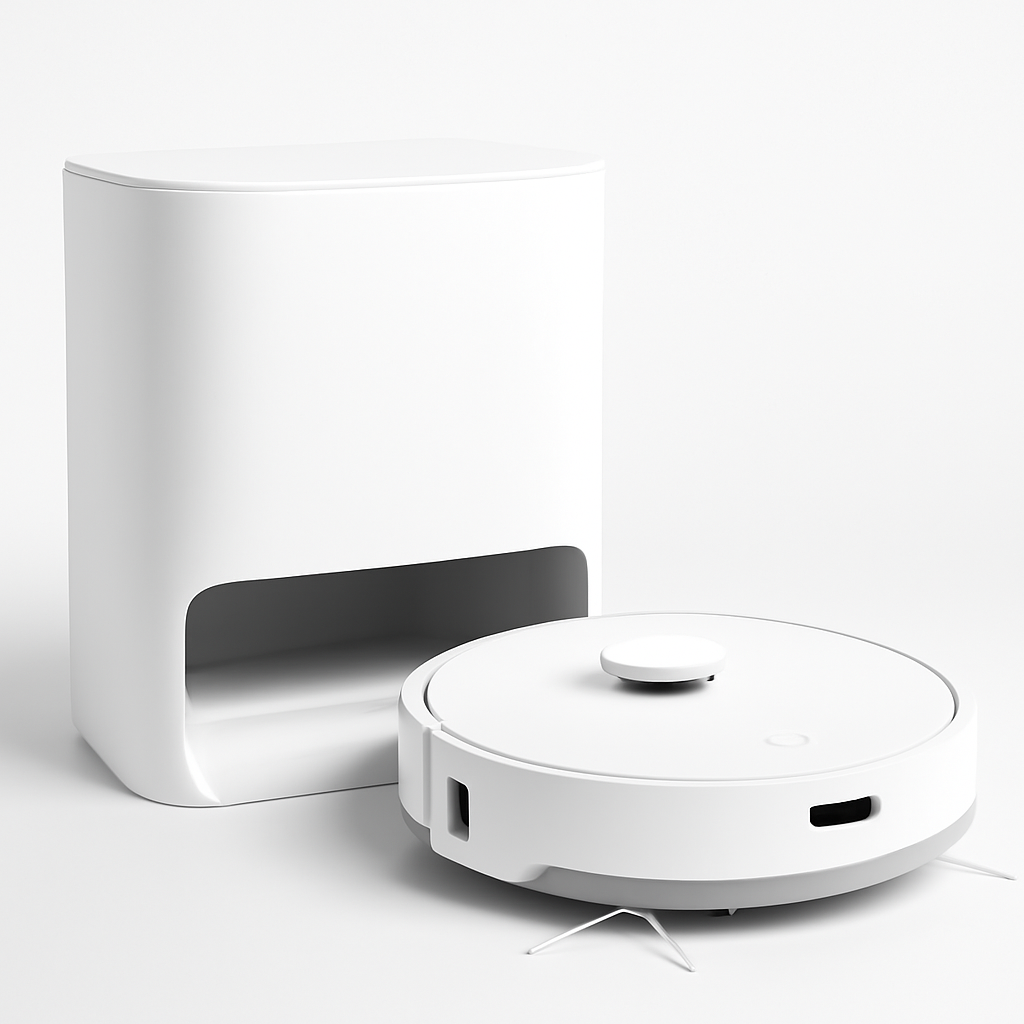
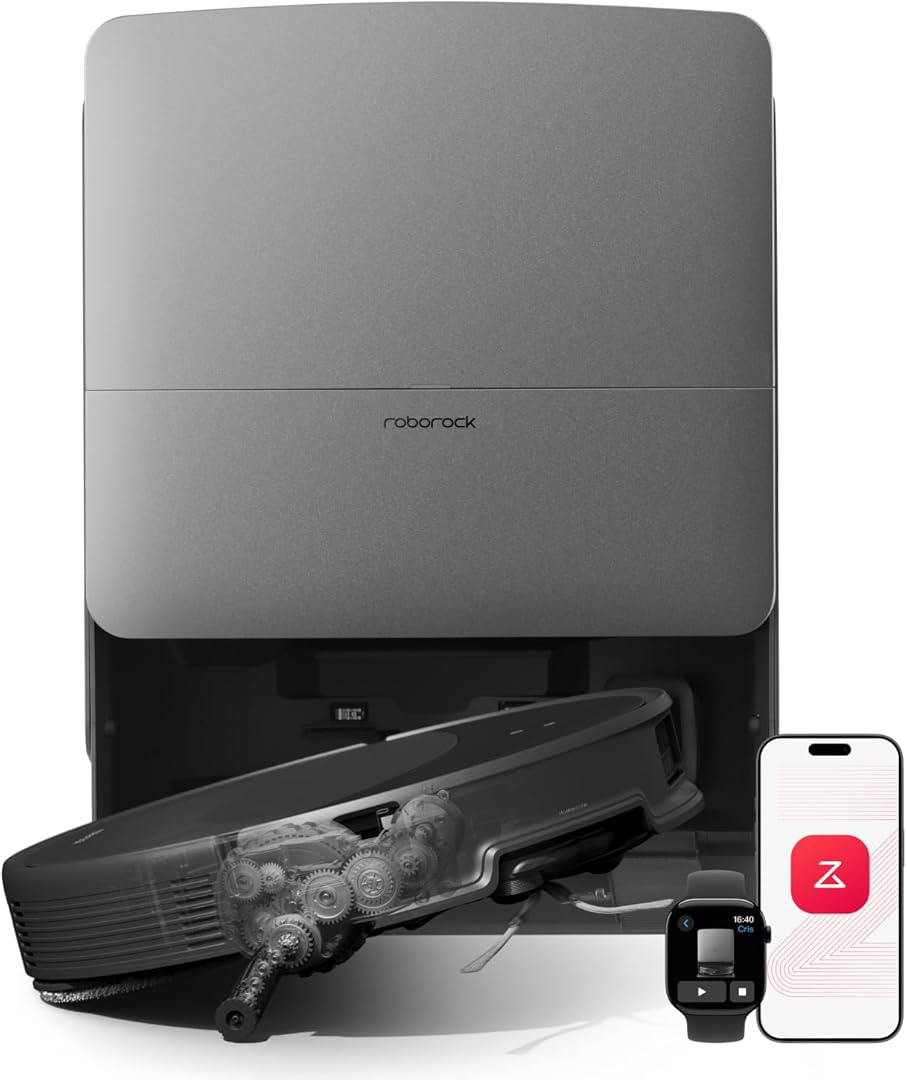
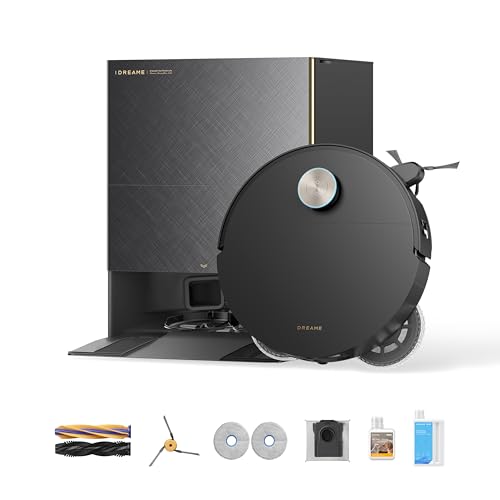
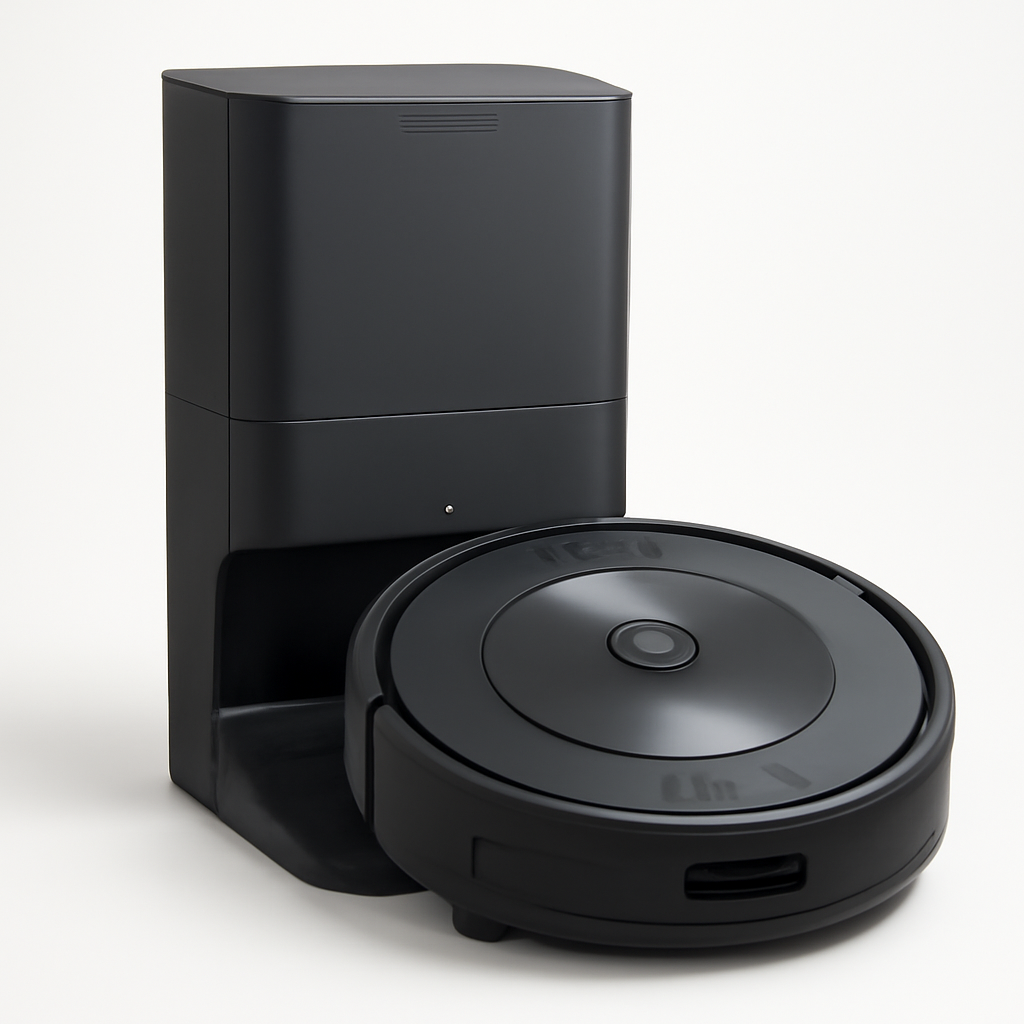
Narwal Freo X Ultra — Quietest Dock System
Narwal Freo X Ultra
(Current Price, subject to change)
Ready to upgrade your home?
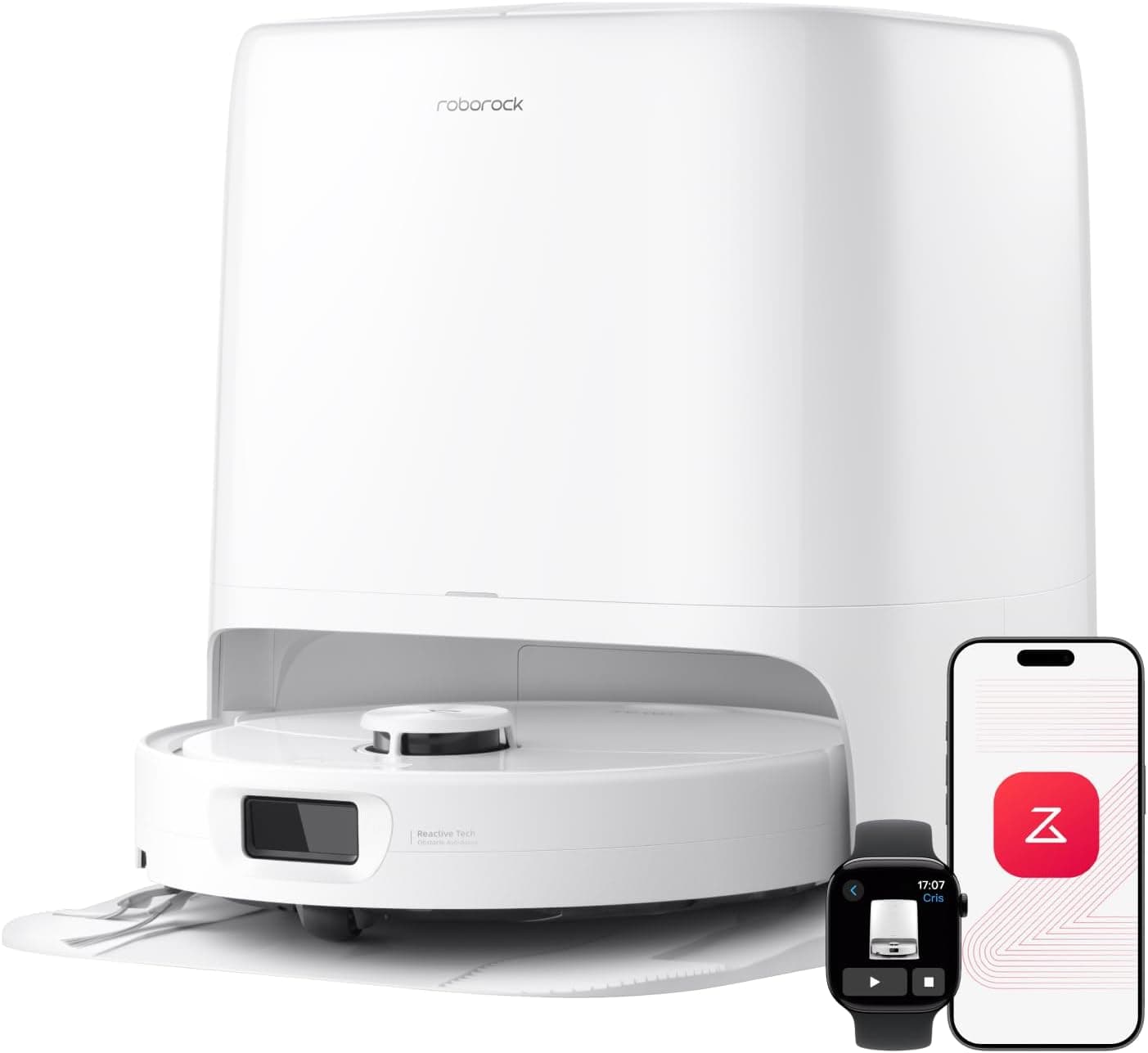
roborock Qrevo 2 Pro Robot Vacuum and Mop
See it on Amazon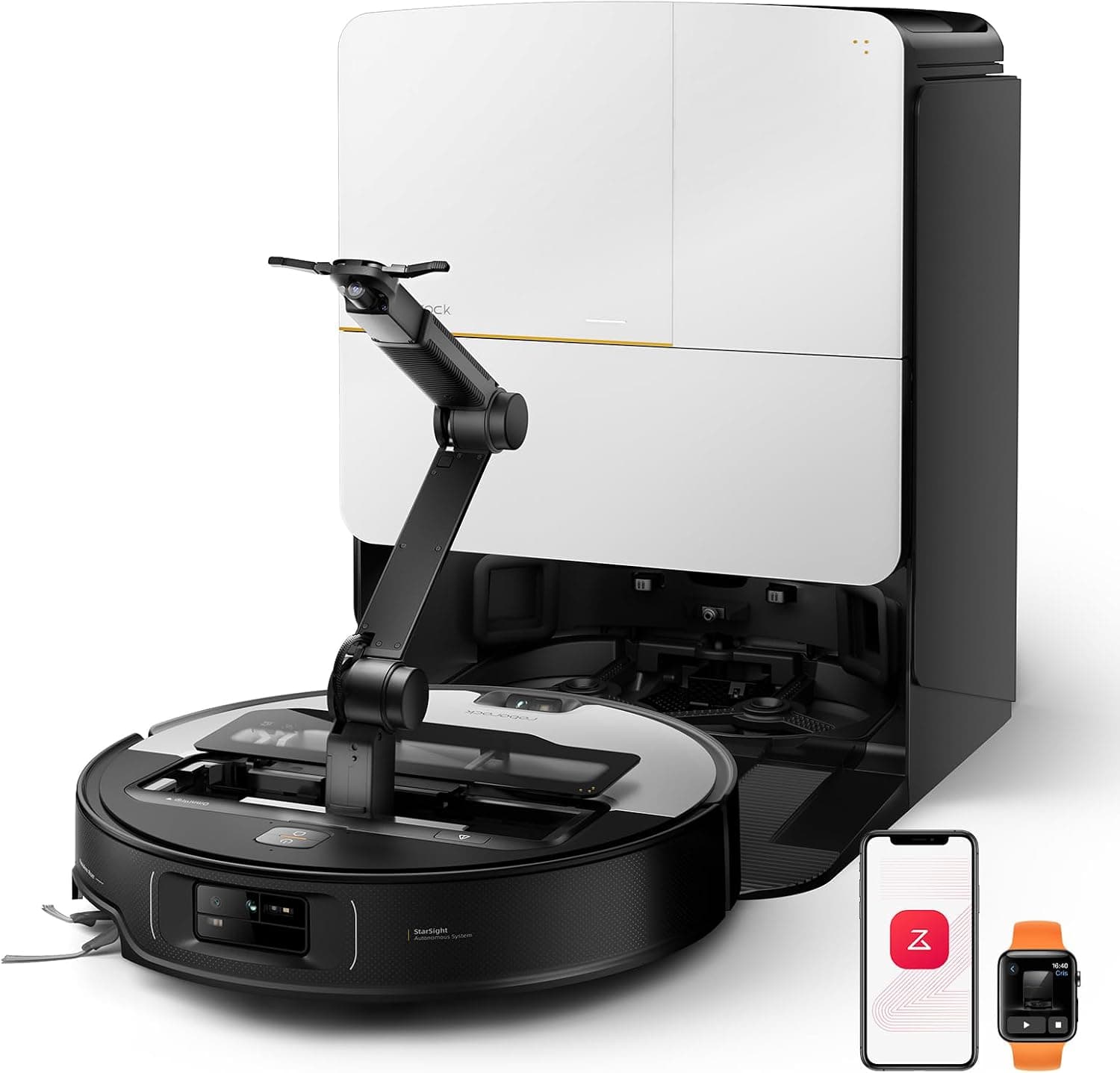
roborock Saros Z70 Robot Vacuum and Mop
See it on Amazon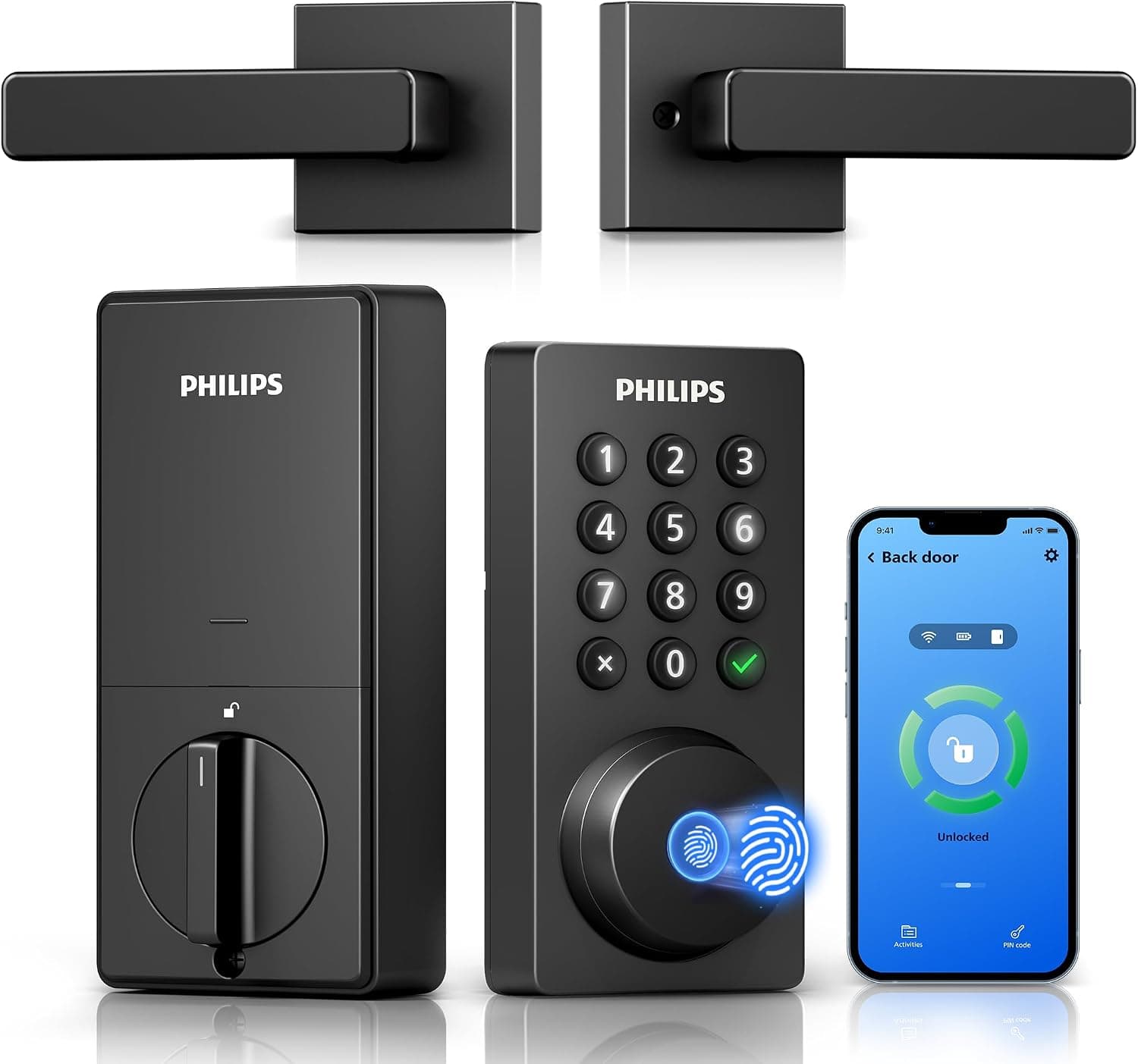
Philips Wi-Fi Keypad Deadbolt with Handle
See it on Amazon
Sponsored listings from Amazon’s Sponsored Products for Creators program, kept apart from our reviews and rankings. How we make money
What We Love
The noise story for the Narwal Freo X Ultra is unique: because waste, water, and dirty mop pads are all managed inside a self-contained unit rather than blasted through a pneumatic dock, there is no 70–75 dB dock-emptying event. In apartments, this matters more than cleaning noise, because most people schedule self-empty at night. AppleInsider found the Freo X Ultra's cleaning noise "closest to matching library-quiet cleaning claims" among premium units — the ~53–59 dB range in quiet mode is wider than the Ecovacs or Saros 20, but the absence of a dock blast is the differentiator.
Freo Intelligence navigation genuinely handles obstacle avoidance well. It will stop, reassess, and reroute around charging cables, shoes, and pet bowls without the suction-spike that some robots produce when briefly stuck. That spike behavior is a major contributor to noise inconsistency in apartments. The best robot vacuums and mops guide covers the full cleaning performance picture — the short version is that the Freo X Ultra mops well and vacuums well enough that most apartment dwellers won't find a functional gap.
Scheduling support is solid. You set cleaning windows and the robot respects them — the app has a proper "do not disturb" implementation that prevents any cleaning or dock operations during sleep hours, not just cleaning.
What Could Be Better
The ~53–59 dB quiet-mode range is a real gap compared to the Ecovacs at 40 dB. If the unit happens to be navigating a denser-pile rug at maximum quiet-mode effort, it lands at the noisier end of that range. The Ecovacs Deebot X2 Omni is simply quieter during actual cleaning. Mopping coverage on the Freo X Ultra is also narrower per pass than the Roborock mop systems, which means more passes and more total run time — which is more total noise minutes.
The Verdict
Best choice for apartments where dock-emptying noise during a scheduled overnight cycle is the primary concern. If you've had a robot vacuum wake you up at 2am with a 75 dB dust purge, the Freo X Ultra solves that problem permanently.
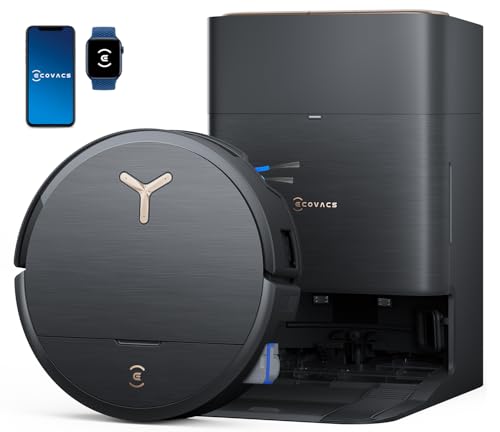
Ecovacs Deebot X2 Omni — Quietest Cleaning Mode
Ecovacs Deebot X2 Omni
(Current Price, subject to change)
What We Love
At ~40 dB in quiet mode, the Deebot X2 Omni is the quietest robot vacuum during actual cleaning in this entire comparison — and it's also the cheapest by a significant margin at $679. MBReviews measured the 40 dB figure directly with a calibrated meter at standard distance and called it "genuinely library-level ambient noise." That puts it below the threshold where most people consciously register mechanical sound.
The square body design — unusual in a round-robot market — means it fits flush into corners and along baseboards without spinning in place to attempt coverage. In a small apartment, this translates to faster room completion, which means fewer total noise minutes per cleaning cycle. Standard mode at ~52 dB is also the lowest standard-mode number in this group at 52 dB.
YIKO voice control responds to simple commands ("start cleaning," "go home," "pause") without requiring a phone, which is useful when the robot is somewhere you can see it from the couch. Night mode on the app properly suppresses both cleaning and dock operations during a defined quiet window.
What Could Be Better
The dock self-empty noise hits ~75 dB, which is the second loudest dock in this group. If you use auto-empty daily and don't schedule it carefully, that 75 dB blast is going to land at an inopportune moment. The robot also has a shallower obstacle avoidance system than the Roborock Saros units — it handles standard clutter fine but occasionally gets stuck on cables that the Saros 10R would have rerouted around. At $679, that's forgivable. Battery life is solid at about 260 minutes, which covers most apartment floor plans twice.
The Verdict
The value-noise leader. If you want the quietest robot during cleaning and you're not going to schedule dock-emptying overnight, the X2 Omni at $679 is the most cost-effective apartment vacuum in this group.
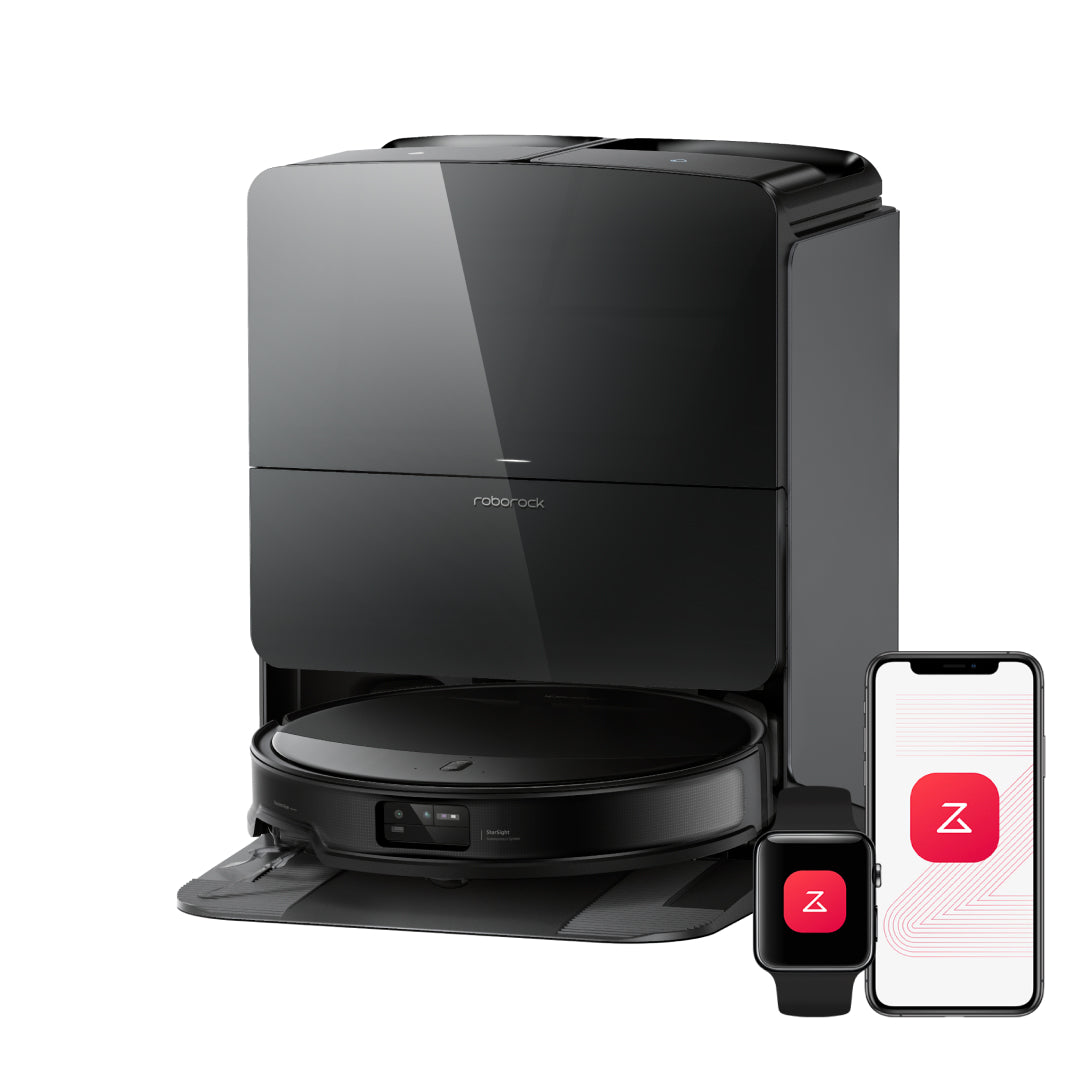
Roborock Saros 10R — Quietest Self-Empty Dock
Roborock Saros 10R
(Current Price, subject to change)
What We Love
Vacuum Wars called the Saros 10R "one of the quietest robots we've tested" — and their data backs it up. The ~50 dB quiet mode is third in this group, but the ~66.4 dB dock self-empty is the lowest of any unit with a traditional self-empty dock. That pairing matters in practice: the robot is quiet while running, and the dock doesn't produce the 70–75 dB blast you get from most competitors.
The DND (Do Not Disturb) mode is one of the more thoughtfully implemented quiet features at this price. You can set full blackout windows — no cleaning, no dock operations, no status sounds — and the robot holds that schedule reliably. Roborock's StarSight LIDAR navigation is also a noise-consistency contributor: smooth pathfinding means fewer suction spikes from brief obstacle encounters.
The 3.14-inch ultra-slim profile gives it access to under-bed and under-couch spaces that taller robots miss. In apartments, that low clearance coverage removes a common reason to do a manual vacuum sweep after the robot finishes. The best self-emptying robot vacuums guide covers the dock design in more detail — the Multifunctional Dock 4.0 is compact enough to tuck behind a door without looking like a large appliance.
What Could Be Better
At ~$1,099–$1,199, you're paying a significant premium over the Ecovacs for noise performance that's measurably worse during cleaning (50 dB vs 40 dB). The value argument rests entirely on the dock noise advantage (66.4 dB vs 75 dB) and the better navigation system. Mopping quality is adequate but not class-leading — dried stains typically require a second pass. App complexity is also a known complaint from casual users.
The Verdict
The most balanced apartment option when you care about both cleaning noise and dock noise. That 66.4 dB self-empty is a meaningful number — it's the difference between a dock cycle that sounds like a refrigerator compressor and one that sounds like a shop vac.
Roborock Saros 20 — Best Quiet Mode Floor
Roborock Saros 20
(Current Price, subject to change)
What We Love
The ~38 dB at 1 meter figure is the headline. NotebookCheck measured this directly and noted it represents "mostly wheel noise, minimal suction" — the Saros 20's quiet mode reduces suction so aggressively that you're essentially hearing the motors and wheels only. In absolute terms, 38 dB is closer to a quiet library than to any conventional household appliance. If you have a home office setup in your apartment and need the robot to run in an adjacent room during a call, this is the number that makes that viable.
The Saros 20 launched March 23, 2026 with Roborock's most advanced hardware — StarSight 2.0 with 300-object recognition, AdaptiLift Chassis 3.0 for 85mm threshold crossing, and 36,000 Pa suction at full power. The navigation is smooth, pathfinding is fast, and obstacle reactions are low-drama. All of that contributes to noise consistency: a robot that doesn't get confused and spin in place or bump repeatedly is a quieter robot in practice, not just in spec-sheet terms.
DND scheduling covers cleaning and dock operations separately, which is more granular than competitors at this price.
What Could Be Better
The ~72 dB dock self-empty matches the Dreame X60 — at $1,599, that number is disappointing. The Saros 10R's dock hits 66.4 dB at $500 less. The flagship appeal of the Saros 20 is the cleaning hardware, the navigation, and that 38 dB floor — not the dock noise. If the dock is your main apartment concern, the Saros 10R gives you a better dock number for less money.
The 38 dB quiet mode also comes at a suction cost. On thick carpet, the Saros 20's quiet mode won't deliver the same first-pass pickup as standard mode. For apartments that are mostly hard floor with area rugs, this isn't a problem. For carpeted apartments, you may find yourself running standard mode more often.
The Verdict
The choice for apartment dwellers who need near-silent daytime operation but also want top-tier cleaning performance. The 38 dB floor is real — it's just not matched by the dock noise figure. Pair with careful dock scheduling.
Dreame X60 Max Ultra Complete — Most Powerful Quiet Option
Dreame X60 Max Ultra Complete
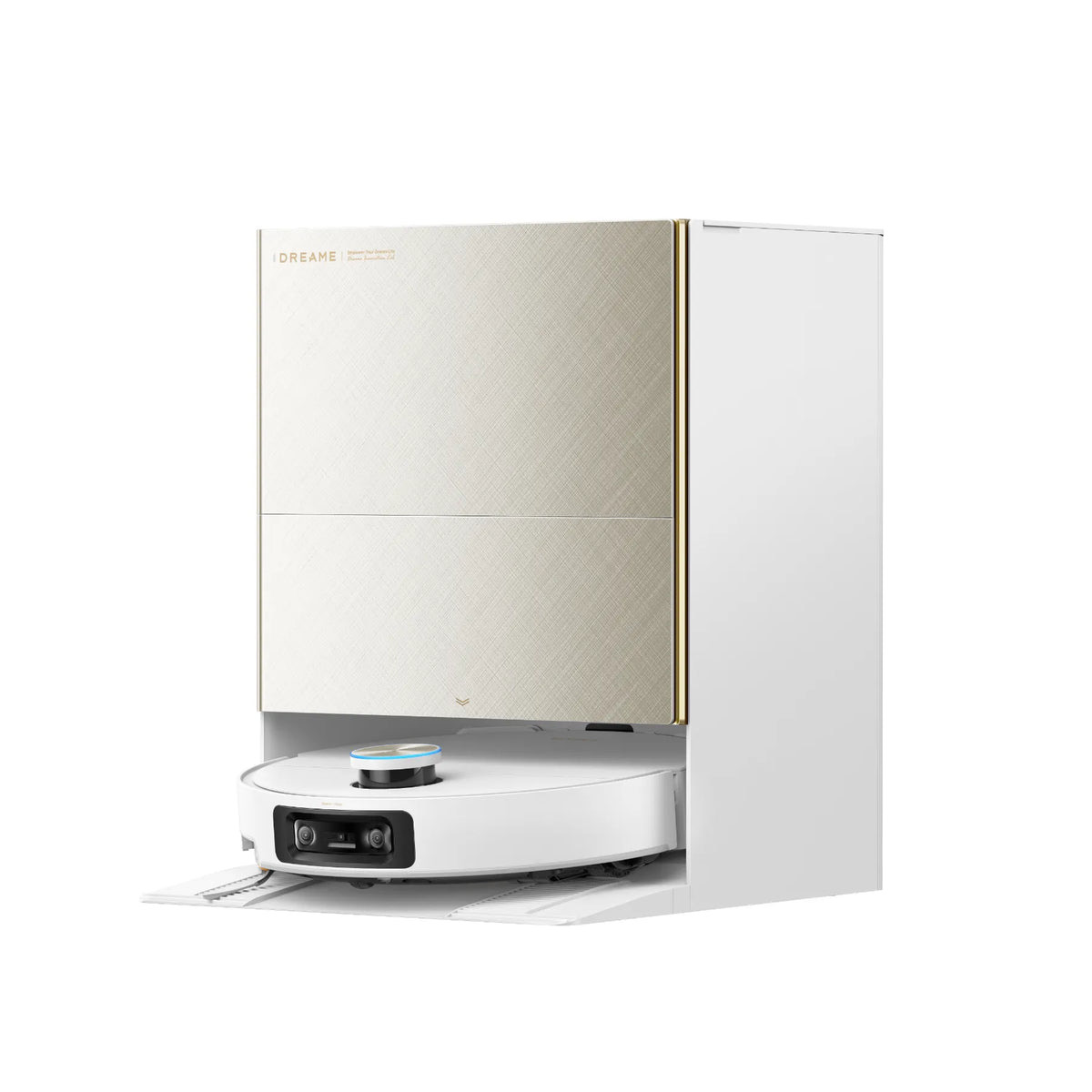
(Current Price, subject to change)
What We Love
The Dreame X60 Max Ultra Complete is the most powerful cleaning machine in this group — 35,000 Pa suction and heated mopping that scrubs dried stains in a single pass. If noise is a secondary concern and raw cleaning capability is primary, this is where the argument starts. The ~57–58 dB quiet mode is in the same territory as the Narwal Freo X Ultra, so it's usable for daytime apartment cleaning without being disruptive.
Night mode is supported via the DreameHome app with a proper schedule that blocks all dock operations, not just cleaning runs. The robot handles apartment-scale floor plans efficiently on a single charge — most apartments under 1,200 sq ft will see one cleaning cycle complete before the battery needs a return trip.
The dock design is compact relative to what it contains. Auto-wash, auto-dry, and auto-empty in a unit that's about the footprint of a large trash can — manageable in most apartment entry points or utility closets.
What Could Be Better
At this price point, the noise profile is the X60's weakest attribute. The ~63–65 dB standard mode is the loudest of the premium robots here, and the ~70–72 dB dock self-empty is tied with the Saros 20 for second-worst in the group. For apartment use, paying flagship prices for a robot with middle-tier noise performance is a hard sell. The best robot vacuums for pet hair guide is where the X60 makes more sense — its 35,000 Pa suction and carpet performance are genuinely best-in-class, but those aren't apartment-noise-buyer priorities.
Dreame's DreameFarm mapping AI is impressive for large homes but adds complexity that apartment users don't need. The app learning curve is steeper than Roborock's.
The Verdict
A powerful robot with a noise profile that doesn't justify its price for pure apartment-noise buyers. If you're choosing primarily on quiet and you have $1,599 to spend, the Roborock Saros 20 or Saros 10R both make more sense. The X60 earns its price on carpet cleaning, not acoustic comfort.
iRobot Roomba Combo j9+ — Skip if Noise Is Priority
iRobot Roomba Combo j9+
(Current Price, subject to change)
No longer sold new on Amazon. As of 2026-08-28 the only offers left on this robot's listing are used third-party units, so we no longer link it as a buy. iRobot's current vacuum-and-mop is the Roomba Plus 505 Combo at $499, with the Roomba 105 Combo at $269.00 below it — but iRobot publishes no decibel figure for either and no outlet has published one, so neither is ranked on this page. If quiet operation is why you are here, buy from the scored robots above.
What We Love
The Roomba Combo j9+ is a strong cleaning machine with iRobot's most capable pet-hair and debris pickup system — dual rubber extractors, 95–97% first-pass pet hair extraction, and an actual retractable mop that lifts off carpet automatically. If you're in an apartment because you're a young professional with a dog and you care most about pet hair, the j9+ has a well-earned reputation. The best robot vacuums for pet hair guide ranks it near the top for that use case.
The Clean Base dock is the most compact self-empty dock in this group by physical footprint. In apartments where dock placement is tight, the slim profile matters. iRobot's PrecisionVision navigation also handles obstacle avoidance well — it reliably detects and routes around pet waste, which is a specific concern for apartment dog owners.
Scheduling via the iRobot app is reliable and the Alexa and Google Home integration is broader than competitors.
What Could Be Better
There is no quiet mode. None. The Roomba Combo j9+ runs at ~65 dB in standard mode and there is no setting that reduces that. The DND feature blocks scheduling during defined windows, but when the robot runs, it runs at full volume every time. That's a fundamental design gap for apartment use. The dock self-empty is also the most variable in this group at ~68–77 dB depending on debris load — meaning on a heavy-fur day after a weekend, the dock cycle can hit 77 dB, which is close to a lawnmower at distance.
At $999, you're paying more than the Ecovacs X2 Omni for a robot that is louder in every measurable category.
The Verdict
The worst noise profile in this group, and now discontinued as well — it is no longer sold new on Amazon. We keep the entry because the measurements are real and the pattern is instructive: a robot can be excellent at pet hair and still be the wrong buy for an apartment, because acoustic design is a separate engineering choice from cleaning power. Its strengths were pet-hair extraction and dock compactness, not acoustic manners.
SHE Quiet Score
No other review site publishes this: a composite noise score that weights every acoustic event in an apartment robot vacuum's life cycle.
Formula: Standard Mode dB (30%) + Quiet Mode dB (20%) + Self-Empty Dock dB (20%) + Quiet Mode Performance (15%) + Night Mode Implementation (5%) + Noise Consistency (10%)
Each component is scored 1–10 from aggregated expert data. Higher = quieter and better-implemented acoustic controls. (SmartHomeExplorer editorial analysis — methodology at bottom)
Why the Narwal leads despite not having the lowest cleaning dB: The SHE Quiet Score weights dock noise at 20% and treats dock-noise elimination — not just reduction — as a category-winning attribute. The Narwal Freo X Ultra scores a 10/10 on dock noise because it simply doesn't produce one. That advantage carries through the composite even though its cleaning dB is higher than the Ecovacs or Saros 20.
Why the Roomba scores 3.1: No quiet mode (0 points on that component), variable dock performance up to 77 dB, and no noise-reduction scheduling mechanism other than DND. The cleaning performance score is decent but can't offset three weak noise components.
When NOT to Buy a Robot Vacuum for Your Apartment
- Your apartment has mostly thick shag or frieze carpet. Robot vacuums, even at full power, under-perform on high-pile carpet. Running them at quiet mode reduces suction further. A traditional upright once a week is quieter in total acoustic footprint and does a better job. See our robot vacuum vs traditional vacuum cost comparison for the full analysis.
- You have zero tolerance for any mechanical sound during sleep. Even 38–40 dB is audible in a silent bedroom at 2am. If you live in a studio where your sleeping area is 10 feet from the charging dock, no robot vacuum is going to be inaudible. DND scheduling helps, but only if you remember to set it.
- Your floors have significant clutter. Apartments with cords, small rugs with fringe, or dense furniture arrangements cause robots to work harder, spike suction to dislodge stuck situations, and in some cases churn in place against obstacles — all of which produce more noise. A tidy floor plan is a prerequisite for quiet robot operation.
- You're on a tight budget. The robot vacuums under $300 that flood search results are not quiet. They compensate for weak motors by running louder cycles. Our best robot vacuums under $300 guide covers what you can realistically expect, but none of the under-$300 options belong in a quiet-apartment shortlist.
Frequently Asked Questions
How loud is 40 dB, really?
Forty decibels is roughly the level of a quiet library or a soft whisper at 5 feet. Most people find sounds under 45 dB easy to sleep through if there is any ambient noise at all — a fan, HVAC, or street noise provides enough masking. The Ecovacs X2 Omni at 40 dB quiet mode is in that range. For reference, normal conversation is ~60 dB and a traditional vacuum cleaner is ~75–80 dB.
When does dock self-empty noise actually matter?
It matters most in apartments because: (1) the dock is typically in a common area close to sleeping spaces, (2) most users schedule self-empty overnight to maximize morning-fresh operation, and (3) the self-empty cycle is short but peaks loud — a 2-second blast at 75 dB at 3am is very different from 15 minutes of 52 dB cleaning. If you schedule self-empty for daytime only, dock noise is less of a concern. The Narwal Freo X Ultra eliminates the concern entirely by design.
Can I run a robot vacuum in an apartment without disturbing neighbors?
Generally yes, for adjacent units — robot vacuums transmit very little structure-borne noise through floors or walls. The primary concern is within your own unit, not neighbors. The exception is if your building has very thin subfloors and you're running a robot with a heavy, fast-spinning brush roll on hardwood late at night — you may get some low-frequency transmission downstairs. The models here with roller-brush systems (Ecovacs, Roborock) tend to produce less floor-transmitted noise than traditional agitator brushes.
Does quiet mode reduce cleaning quality enough to matter?
It depends on the robot and the floor type. The Roborock Saros 20 at 38 dB has noticeably reduced suction — NotebookCheck confirmed pickup degradation on carpet at that setting. The Ecovacs X2 Omni at 40 dB maintains better pickup performance relative to its standard mode, likely because its standard-mode suction is lower to begin with. For hard floors and low-pile carpet, quiet mode on most of these robots is adequate. For deep cleaning thick carpet, you need standard mode regardless of noise preference.
What is DND mode vs quiet mode?
Quiet mode reduces motor speed during operation to lower noise output — the robot still runs, just quieter. DND (Do Not Disturb) mode is a scheduling block that prevents the robot from starting any operation — cleaning or dock cycles — during a defined time window. Most robots here support both independently. The discontinued Roomba Combo j9+ only had DND, not quiet mode, which is why it scores poorly in this article. Ideally, you set DND for sleep hours and use quiet mode for daytime cleaning cycles when you're home.
Is the Narwal Freo X Ultra genuinely self-contained on dock noise?
Yes. Unlike traditional self-empty robots that use a pneumatic burst (a loud suction blast) to transfer debris from the robot's dustbin into a dock bag, the Narwal Freo X Ultra processes everything within its base station using a different mechanism — continuous low-level motor operation rather than a single high-decibel burst. The noise profile during docking and maintenance is more like a HVAC unit cycling on than a shop vac firing for 3 seconds.
The Bottom Line
For apartment buyers ranking quietness as the primary filter, the decision tree is simple:
Get the Narwal Freo X Ultra if dock noise is your main concern — you have scheduled overnight self-empty cycles and you've been woken up by a robot dust-purge before. The dock-noise elimination is structural, not just a setting.
Skip the Narwal Freo X Ultra if you want the absolute lowest cleaning dB numbers — the Ecovacs or Saros 20 both beat it on quiet-mode cleaning noise.
Get the Ecovacs Deebot X2 Omni if you want the lowest cleaning noise at the most reasonable price. At $679 and 40 dB quiet mode, nothing in this group beats it on noise-per-dollar. Just schedule dock self-empty for daytime.
Skip the Ecovacs Deebot X2 Omni if you plan to auto-empty overnight or you need best-in-class obstacle avoidance. The 75 dB dock and weaker navigation are real gaps.
Get the Roborock Saros 10R if you want the best balance of cleaning noise, dock noise, and cleaning performance in one package. The 66.4 dB self-empty is the best dock number of any traditional self-empty unit here, and the DND implementation is excellent.
Skip the Roborock Saros 10R if you need the absolute quietest cleaning mode — at 50 dB quiet mode it's audible in a small apartment, and the Saros 20 or X2 Omni are measurably quieter.
Get the Roborock Saros 20 if you want near-silent daytime operation (38 dB) combined with the best overall cleaning hardware Roborock makes. The noise profile is there; you just need to manage dock scheduling separately.
Skip the Roborock Saros 20 if noise-per-dollar is your benchmark. At $1,599, the Saros 10R gives you a better dock and adequately quiet cleaning for $500 less.
Get the Dreame X60 Max Ultra Complete if you're optimizing for carpet cleaning power and heated mopping, and noise is only a soft constraint — you work long hours outside the apartment and just need DND scheduling.
Skip the Dreame X60 Max Ultra Complete if you're specifically buying for quiet operation. Flagship prices with middle-tier noise — the value equation doesn't work for the acoustic-priority buyer.
Want the iRobot anyway? The Combo j9+ this guide scored is no longer sold new on Amazon. iRobot's current vacuum-and-mop is the Roomba Plus 505 Combo at $499 — but iRobot publishes no decibel rating for it and no outlet has measured one, so we cannot tell you whether it is quieter, and it does not appear in the SHE Quiet Score table. Buy it for the ecosystem and the mopping hardware, not for noise.
Skip the iRobot in this guide if apartment quiet operation is your primary purchase criterion. The Combo j9+ we scored had no quiet mode and no path to being made quiet, and its replacement carries no published decibel figure at all. The Ecovacs at $679 is measured, quieter and less expensive.
For the full cleaning and mopping performance comparison, the best robot vacuums and mops guide has every metric we didn't cover here.
Sources & Methodology
Noise data sourced from expert reviews using calibrated SPL meters at standardized distances. Sources consulted:
- Vacuum Wars — Roborock Saros 10R review: "one of the quietest robots we've tested," measured 50 dB cleaning, 66.4 dB self-empty
- MBReviews — Ecovacs Deebot X2 Omni review: "40 dB in Quiet mode, 52 dB on average mode"
- NotebookCheck — Roborock Saros 20 review: "38 dB at 1m, 60 dB standard, 70 dB max"
- AppleInsider — Narwal Freo X Ultra review: "closest to matching library-quiet cleaning claims"
- Consumer Reports — Quietest Vacuums lab-tested list (2025–2026)
- RTINGS — Robot vacuum noise measurement methodology and comparative data
SHE Quiet Score methodology: Six components scored 1–10 from aggregated expert data. Weights: Standard Mode dB (30%), Quiet Mode dB (20%), Self-Empty Dock dB (20%), Quiet Mode Performance retention (15%), Night Mode implementation quality (5%), Noise Consistency across obstacle types (10%). Lower dB = higher component score. Dock-noise elimination (Narwal Freo X Ultra) scored at maximum (10/10) for the dock component.
Prices verified on Amazon as of April 2026. Robot vacuum prices fluctuate. Always check current Amazon pricing before purchasing.
Author: Nicholas Miles is the founder of SmartHomeExplorer and a longtime smart home enthusiast focused on helping everyday homeowners make better technology decisions. He researches, compares, and writes about products across security, climate, lighting, leak prevention, sensors, home energy, and automation, with an emphasis on real-world usefulness, ecosystem compatibility, reliability, privacy, and long-term value. Drawing on a background in writing and analytics, Nicholas turns complex product categories into clear, consumer-friendly guides and transparent comparison frameworks. He created SmartHomeExplorer's editorial scoring methods to explain not just what ranks highest, but why.
Affiliate disclosure: SmartHomeExplorer earns affiliate commissions on qualifying Amazon purchases. Our scoring methodology is independent of affiliate relationships.