
EcoFlow Delta Pro 3 vs Anker SOLIX F3800 (2026)
The Anker SOLIX F3800 Plus wins whole-home readiness per dollar — 6,000W simultaneous 120/240V, the tier's 3,200W solar ceiling, and $300 under the Delta Pro 3, which counters with a 10ms UPS switchover.
This article contains affiliate links. We may earn a commission at no extra cost to you. Prices change frequently — check the current price on Amazon before buying. Learn more
The Short Answer
The Anker SOLIX F3800 Plus wins whole-home backup per dollar: 6,000W simultaneous 120/240V, the tier's 3,200W solar ceiling, a generator input, and $300 under the Delta Pro 3. The EcoFlow Delta Pro 3 counters with a 10ms switchover and 3,600W recharge on 240V — the pick for desktop and NAS households.
Featured in this Guide
Anker
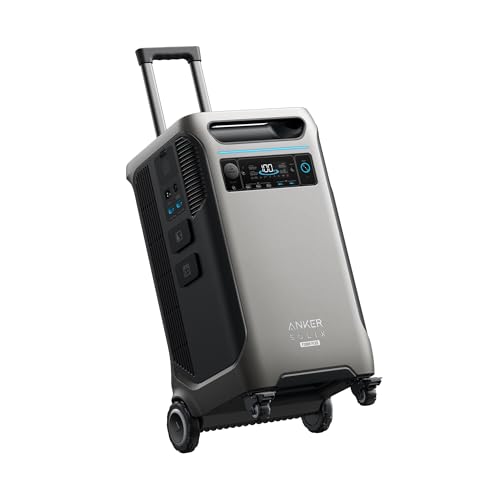
SOLIX F3800 Plus
- •6,000W simultaneous 120/240V, 3,200W solar ceiling, gas-generator input, $300 under the Delta Pro 3
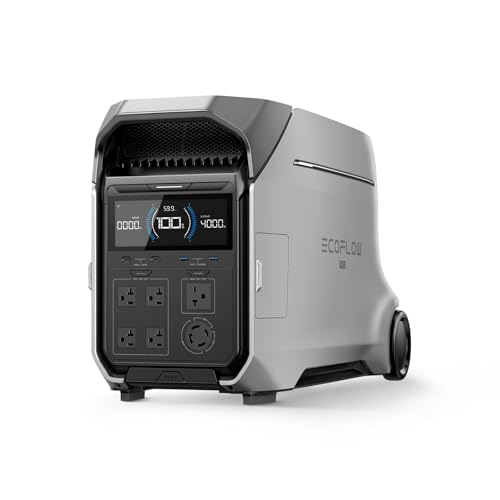
EcoFlow
DELTA Pro 3 Portable Power Station
- •10ms UPS switchover, biggest 4,096Wh base battery, 3,600W AC recharge on a 240V circuit
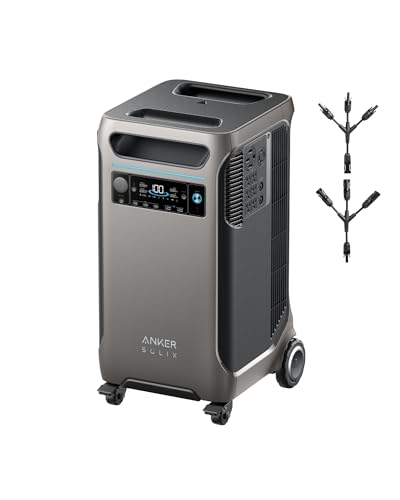
Anker
SOLIX F3800 Portable Power Station
- •Same 6,000W delivery hardware as the Plus at $1,999.99 — skip the solar headroom you do not need
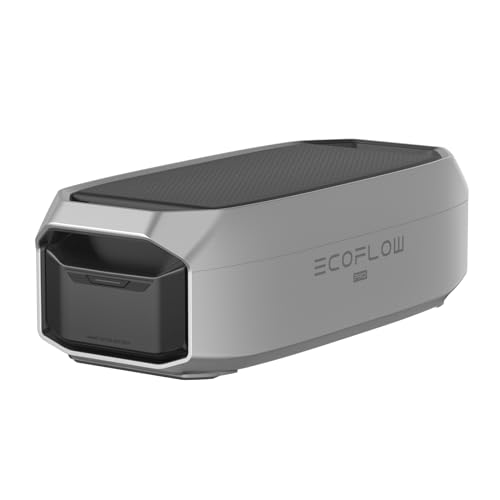
EcoFlow
DELTA Pro 3 Extra Battery (4000Wh)
- •4,000Wh add-on at roughly $475 per kWh
- •the only battery that pairs with the Delta Pro 3
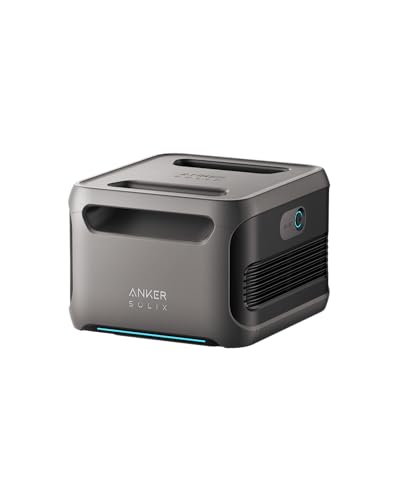
Anker
SOLIX BP3800 Expansion Battery
- •3,840Wh at roughly $443 per kWh — the lowest expansion cost in the tier, F3800 series only
Head-to-Head: Output, Expansion, Solar, and the SHE Score
Energy
Chart
 Smarthomeexplorer.com
Tap any pick to check its live price on Amazon.
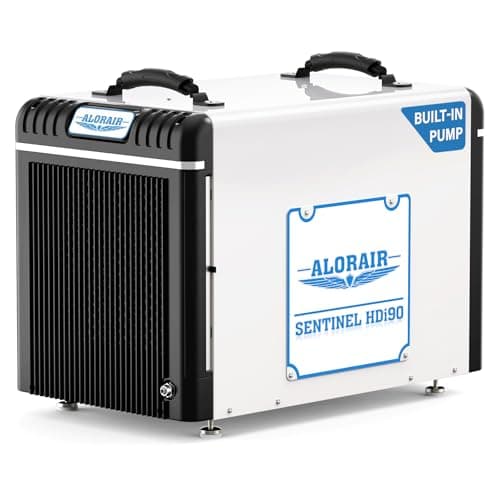
AlorAir Sentinel HDi90 Basement/Crawlspace Dehumidifier with Pump
Must BuyCheck price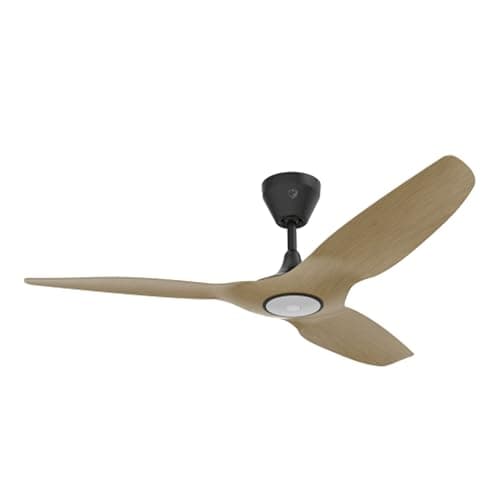
Big Ass Fans Haiku L 52-Inch Smart Ceiling Fan
Must BuyCheck price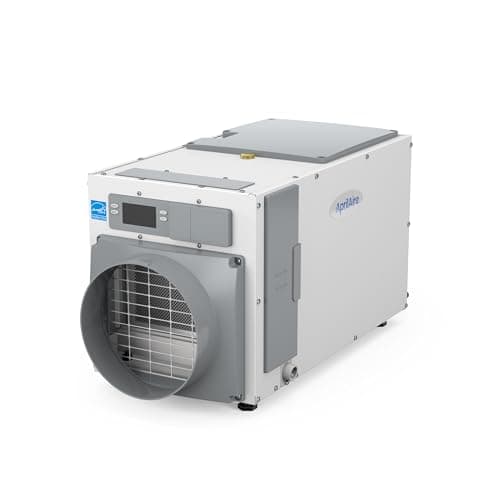
AprilAire E100 Pro 100-Pint Whole-House Dehumidifier
$2,158.33RecommendedCheck price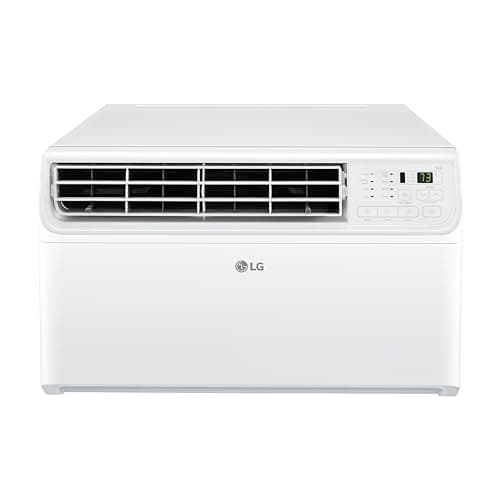
LG Dual Inverter Smart WiFi Window AC (10,000 BTU)
$499.00Must BuyCheck price
Which Flagship Backs Your Whole House?
You have narrowed to the two flagship 240V split-phase stations, so the question is no longer comparative capacity. It is which installed system backs your well pump, HVAC blower, and dryer per dollar. The EcoFlow Delta Pro 3 delivers 4,000W at 120/240V. The Anker SOLIX F3800 produces 6,000W of simultaneous 120V/240V output continuously. CNET's coverage characterizes that 240V capability as the whole-home dividing line.
In this guide we scored both ecosystems on the SHE Whole-Home Backup Readiness Score. The normalized formula combines six factors, weighted so split-phase delivery predominates. We computed expansion economics from live prices. The Anker BP3800 holds 3.84 kWh compared to the Delta Pro 3 Extra Battery's 4.0 kWh, and the LiFePO4 cells carry a 10-yr durability rating. TechRadar awarded the Delta Pro 3 a 5-star verdict and independently measured 3,600W recharge on 240V. Its 10ms switchover protects sensitive electronics that the F3800's 20ms transfer leaves marginal.
Best Overall: Anker SOLIX F3800 Plus
Anker SOLIX F3800 Plus
- 6,000W simultaneous 120V/240V runs more 240V loads at once than any rival here
- 20ms UPS switchover trails the Delta Pro 3's 10ms for sensitive electronics
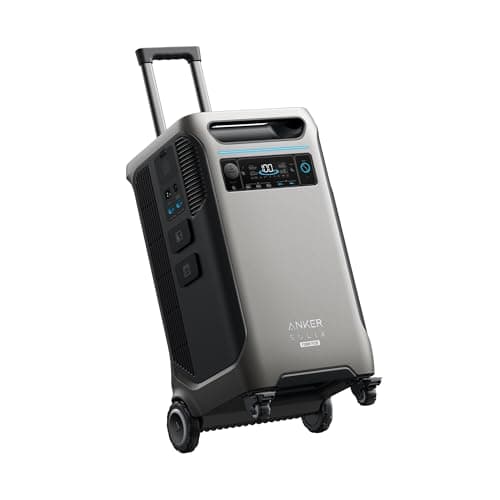
The Anker SOLIX F3800 Plus earns the top composite of 9.4 on the SHE Whole-Home Backup Readiness Score. Its 6,000W simultaneous 120V/240V output runs a well pump, HVAC blower, and a 240V dryer concurrently, which CNET's power-station coverage identifies as the genuine whole-home threshold. The normalized formula weights split-phase delivery at 25%, so that headroom dominates the score.
The Plus is the 2025 refresh, adding two advantages the base F3800 lacks. Its 3,200W solar ceiling is the highest in the tier, and a native gas-generator AC input port yields indefinite runtime when the battery drains. TechRadar confirms solar recharge is the only grid-free option during a multi-day event.
Compared to the EcoFlow DELTA Pro 3 Portable Power Station, the Plus delivers more output, more solar headroom, and a $300 price advantage — 6,000W simultaneous 120/240V against the DP3's 4,000W at $2,299.99 against the DP3's $2,599. TechRadar's category coverage and CNET's review both characterize this configuration as the right fit for buyers who will use its full 240V output capability across multiple loads simultaneously.
What We Love
- 6,000W simultaneous 120V/240V runs more 240V loads at once than any rival here
- 3,200W solar ceiling recharges fastest of the three during multi-day outages
- Native generator input enables indefinite runtime when the sun and grid are both out
- Cheapest expansion at roughly $443 per kWh via the BP3800 battery
What Could Be Better
- 20ms UPS switchover trails the Delta Pro 3's 10ms for sensitive electronics
- Trusted Reviews notes the oversized inverter wastes idle watts on small overnight loads
- At roughly 132 lbs it is a two-person object even with wheels
The Verdict
If you're a storm-belt homeowner planning 240V well-pump and HVAC coverage through a transfer switch, the Anker SOLIX F3800 Plus fits the brief without compromise. The 9.4 reflects 6,000W simultaneous 120/240V, a 3,200W solar ceiling, and a generator port — at $300 under the Delta Pro 3. For whole-home readiness per dollar, we'd point you here first.
Ready to upgrade your home?
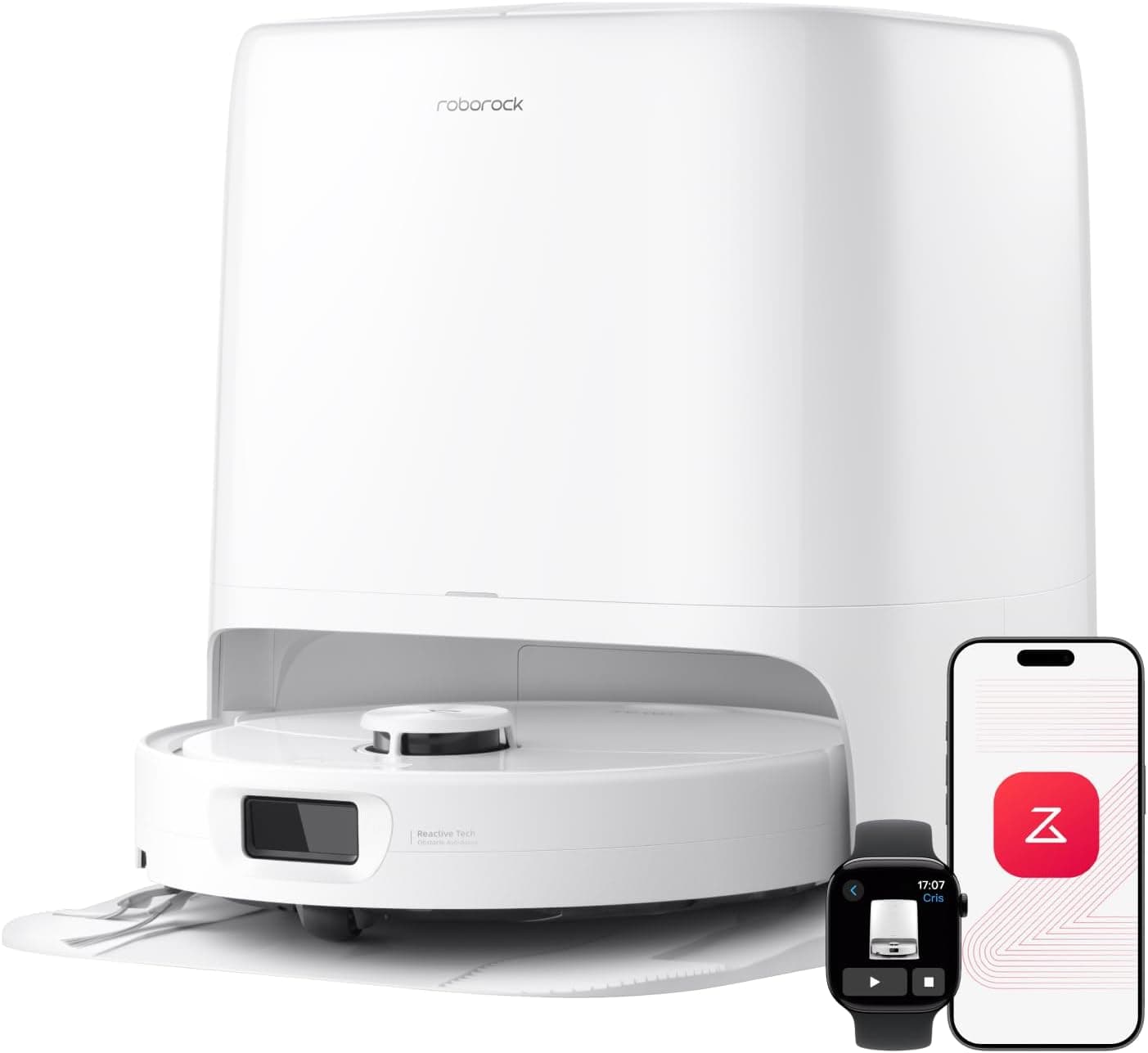
roborock Qrevo 2 Pro Robot Vacuum and Mop
See it on Amazon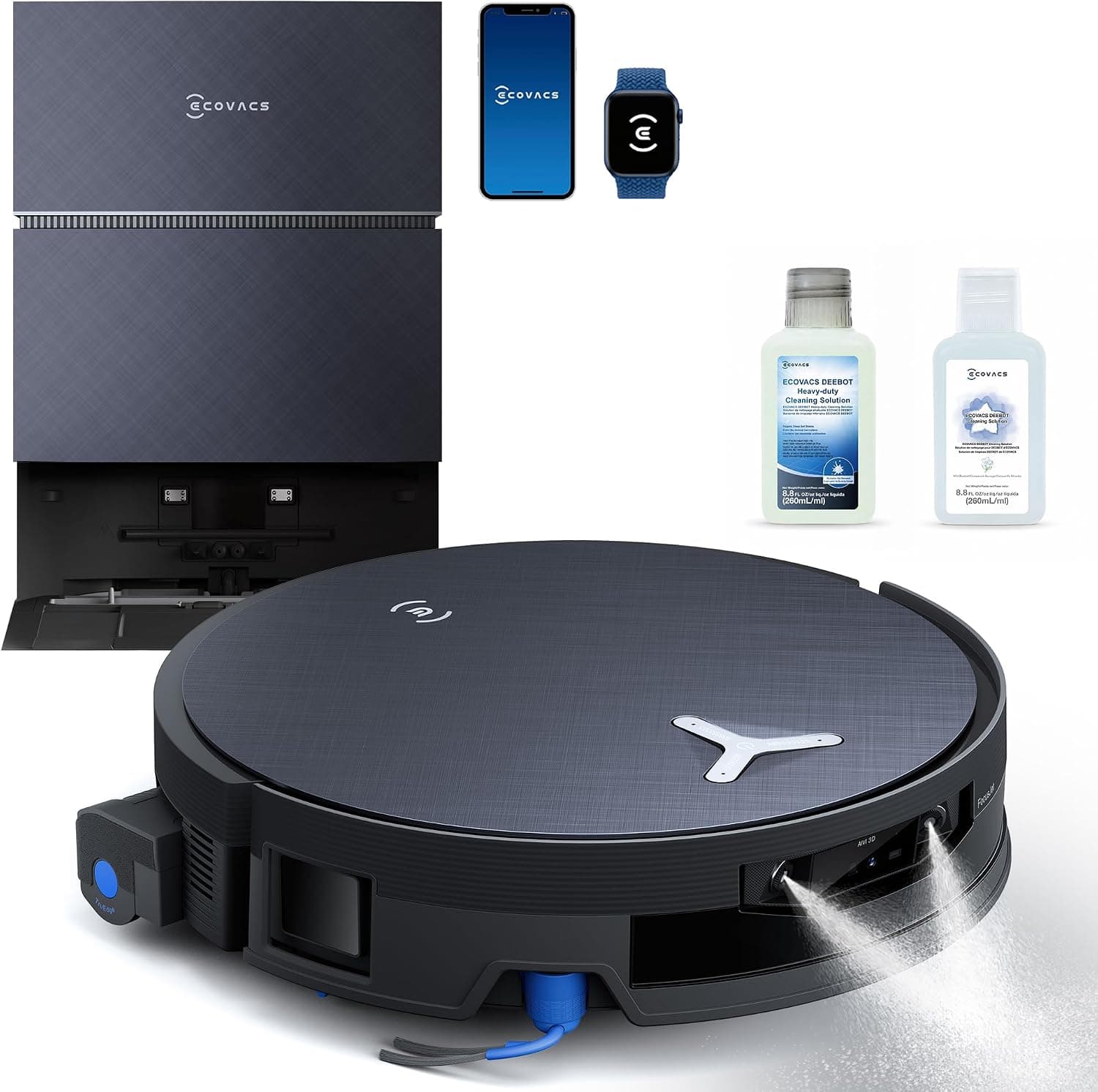
ECOVACS DEEBOT X12 PRO Omni Robot Vacuum and Mop
See it on Amazon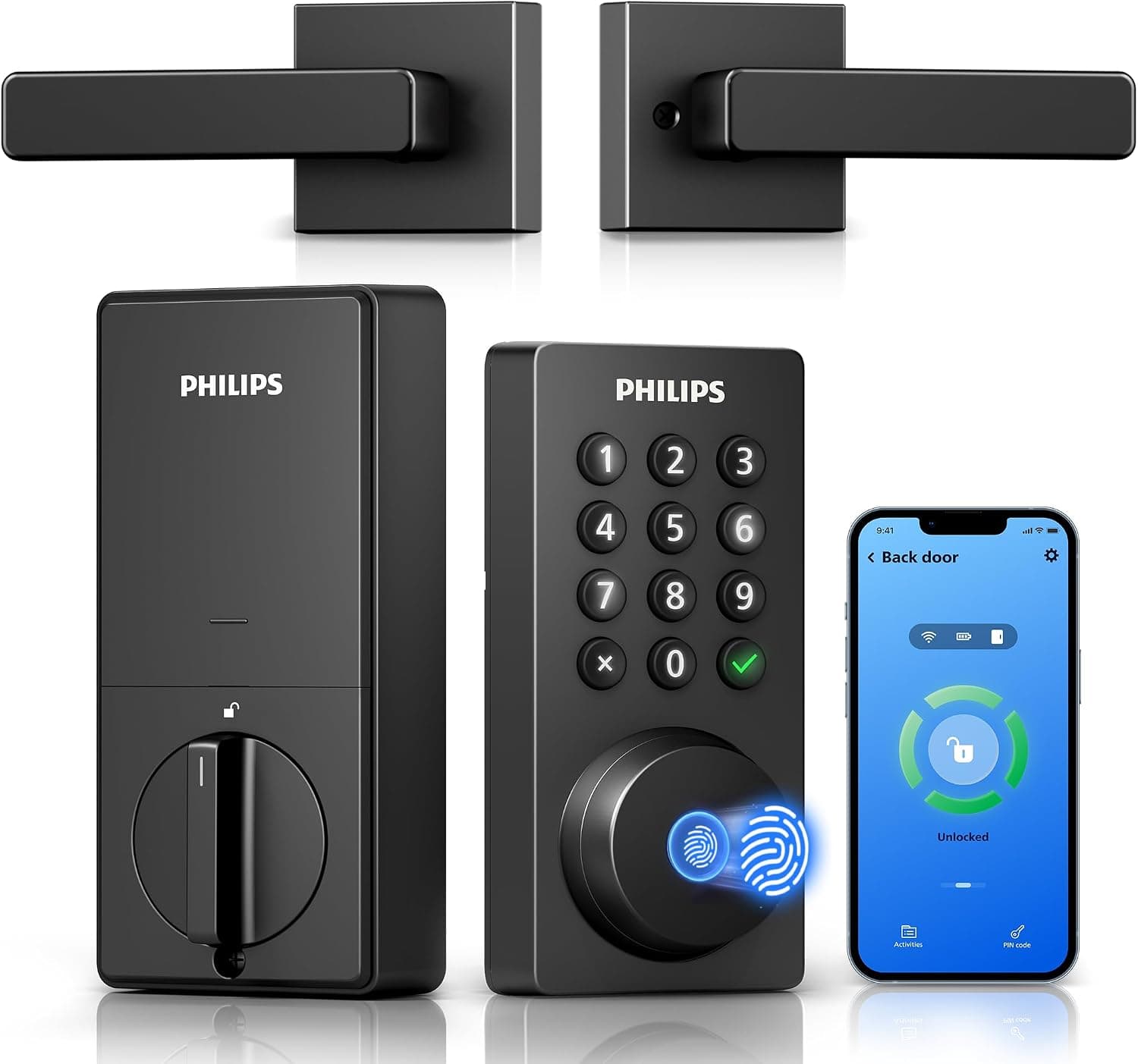
Philips Wi-Fi Keypad Deadbolt with Handle
See it on Amazon
Sponsored listings from Amazon’s Sponsored Products for Creators program, kept apart from our reviews and rankings. How we make money
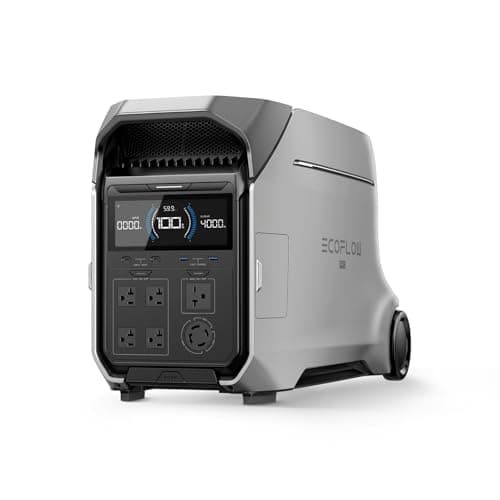
Best Power Quality: EcoFlow DELTA Pro 3 Portable Power Station
EcoFlow DELTA Pro 3 Portable Power Station
- 10ms UPS switchover protects sensitive electronics the 20ms F3800 leaves marginal
- 4,000W ceiling cannot run a 5,000W-plus stack of 240V loads the F3800 handles
(Current price, subject to change)
The EcoFlow DELTA Pro 3 Portable Power Station earns a composite of 8.7 on the SHE Whole-Home Backup Readiness Score. Its 10ms UPS switchover transfers fast enough that a desktop or NAS never reboots, an advantage CNET's coverage flags for sensitive-electronics households. The factor table weights switchover at 10%, and the Delta Pro 3 maxes it.
TechRadar measured AC recharge up to 3,600W on a 240V circuit, refilling roughly 80% in about 50 min through the Smart Home Panel 2. Combined AC plus solar reaches 7,000W. Its 4,096Wh LFP pack is the largest base battery here, and the app delivers time-of-use scheduling with per-circuit monitoring through the panel. TechRadar rated it 5 stars for that smart-home integration depth.
Compared to the Anker SOLIX F3800 Plus, the Delta Pro 3 wins on switchover speed (10ms vs 20ms), base capacity (4,096Wh vs 3,840Wh), and energy management. TechRadar's verdict and CNET's coverage of the 10ms switchover both reinforce this as the continuity pick for sensitive-electronics households, not the maximum-output pick.
What We Love
- 10ms UPS switchover protects sensitive electronics the 20ms F3800 leaves marginal
- Largest 4,096Wh base battery for the longest single-unit runtime here
- 3,600W AC recharge on 240V refills to roughly 80% in about 50 min via the panel
- Transfer Switch Pro is a cheaper entry into a panel install than a full subpanel
What Could Be Better
- 4,000W ceiling cannot run a 5,000W-plus stack of 240V loads the F3800 handles
- DP3 Extra Battery expansion runs roughly $475 per kWh against the BP3800's $443
- At 113.5 lbs it is still a two-person lift despite integrated wheels
The Verdict
If you're a work-from-home buyer running a desktop, NAS, and network gear, the EcoFlow DELTA Pro 3 Portable Power Station lines up with what you actually need. The 8.7 reflects the 10ms switchover and 3,600W recharge on 240V — TechRadar gave it 5 stars. You give up raw inverter headroom to the F3800, but for power quality this is the steadier pick — no need to overthink it.
Check price for the EcoFlow DELTA Pro 3 Portable Power Station →
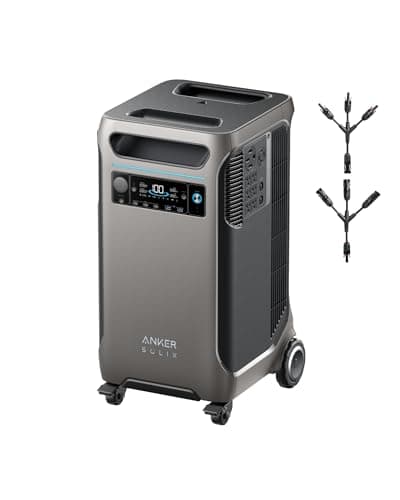
Best Value Entry: Anker SOLIX F3800 Portable Power Station
Anker SOLIX F3800 Portable Power Station
- Same 6,000W simultaneous 120V/240V delivery hardware as the Plus at $1,999.99
- 2,400W solar ceiling is the lowest of the three stations for grid-free recharge
(Current price, subject to change)
The Anker SOLIX F3800 Portable Power Station earns a composite of 8.35 on the SHE Whole-Home Backup Readiness Score. The split-phase delivery factor is identical to the Plus: 6,000W simultaneous 120V/240V from the same NEMA 14-50 and L14-30 hardware, which CNET's coverage characterizes as genuinely whole-home capable. At $1,999.99 it undercuts the Delta Pro 3 by $600, the most affordable entry into split-phase backup.
The BP3800 expansion battery runs approximately $443 per kWh — cheapest in the tier. Its solar ceiling is 2,400W, the lowest of the three stations; TechRadar documents that solar headroom as the meaningful differentiator during extended grid interruptions. The single-stack expansion ceiling reaches 26.9kWh before additional base units become necessary.
Compared to the Anker SOLIX F3800 Plus, the base unit delivers identical 6,000W hardware at $300 less. TechRadar's coverage notes the solar ceiling as the meaningful differentiator between the two F3800 variants. The Plus earns its premium solely through the 3,200W solar ceiling and the generator port — skip those upgrades if neither applies to your setup.
What We Love
- Same 6,000W simultaneous 120V/240V delivery hardware as the Plus at $1,999.99
- NEMA 14-50 outlet charges a Level 2 EV directly with no adapter
- Cheapest base price in this comparison — $600 under the Delta Pro 3
- BP3800 expansion at roughly $443 per kWh, the lowest expansion cost here
What Could Be Better
- 2,400W solar ceiling is the lowest of the three stations for grid-free recharge
- No native gas-generator input — the Plus adds that for $300 more
- 20ms switchover, same caveat as the Plus for sensitive desktop gear
The Verdict
If you've decided the solar headroom and generator port do not apply to you, the Anker SOLIX F3800 Portable Power Station is a sensible pick for that setup. The 8.35 reflects the same 6,000W simultaneous 120/240V delivery as the Plus at $1,999.99 — you keep the headline output and NEMA 14-50 EV outlet while saving $300. It's the path of least friction into the 240V tier.
Check price for the Anker SOLIX F3800 Portable Power Station →
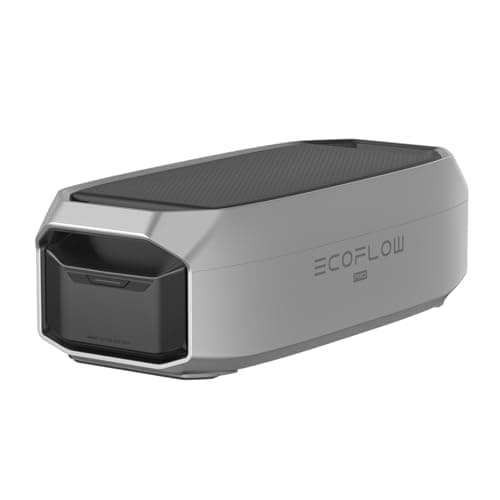
Best EcoFlow Expansion: EcoFlow DELTA Pro 3 Extra Battery (4000Wh)
EcoFlow DELTA Pro 3 Extra Battery (4000Wh)
- Adds 4,000Wh — the largest single expansion increment in this comparison
- Roughly $475 per kWh sits above the BP3800's $443 per kWh rate
(Current price, subject to change)
The EcoFlow DELTA Pro 3 Extra Battery (4000Wh) earns a composite of 7.75 on the SHE Whole-Home Backup Readiness Score, scored as a system component. That number means it adds substantial capacity, and the host Delta Pro 3 handles all 240V delivery through its own inverter. The formula scores the split-phase factor as pass-through accordingly.
On its own expansion economics it scores well: $1,899 for 4,000Wh works out to roughly $475 per kWh, and its 11-year lifespan claim edges Anker's 10-year figure. It inherits the Delta Pro 3's 10ms switchover and 2,600W solar ceiling because it recharges through the host's MPPT. TechRadar's Delta Pro 3 coverage notes that integrated expansion keeps the whole stack on one app and one panel, which simplifies the install.
Compared to the Anker SOLIX BP3800 Expansion Battery, this battery inherits EcoFlow's faster switchover and richer app. CNET's coverage makes the same point we do: the better expansion buy simply follows whichever base station you already own.
What We Love
- Adds 4,000Wh — the largest single expansion increment in this comparison
- Inherits the Delta Pro 3's 10ms switchover and deep app energy management
- 11-year lifespan claim edges the Anker battery's 10-year figure
- Plug-and-play onto the host with no separate panel to install
What Could Be Better
- Roughly $475 per kWh sits above the BP3800's $443 per kWh rate
- Pass-through only — it adds capacity but no inverter or output of its own
- Locked to the Delta Pro 3; zero cross-compatibility with Anker hardware
The Verdict
If you've committed to the Delta Pro 3, the EcoFlow DELTA Pro 3 Extra Battery (4000Wh) is the only battery that pairs with it — no need to overthink it. The 7.75 reflects 4,000Wh of added runtime at roughly $475 per kWh, inheriting the host's 10ms switchover. The expansion decision is the brand decision, so this is the right add-on once you're in the EcoFlow ecosystem.
Check price for the EcoFlow DELTA Pro 3 Extra Battery (4000Wh) →
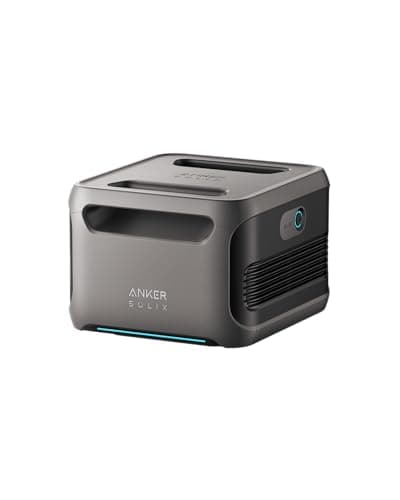
Cheapest Per kWh: Anker SOLIX BP3800 Expansion Battery
Anker SOLIX BP3800 Expansion Battery
- Roughly $443 per kWh — the lowest expansion cost in the entire tier
- Pass-through only — it adds capacity but no inverter or output of its own
(Current price, subject to change)
The Anker SOLIX BP3800 Expansion Battery earns a composite of 7.3 on the SHE Whole-Home Backup Readiness Score, scored as a system component. That number means it leads the expansion-economics axis: $1,699.99 for 3,840Wh works out to roughly $443 per kWh, the lowest rate in the tier. The factor table maxes its expansion-economics score at 10 for that reason — $443/kWh undercuts the DP3 Extra Battery's $475/kWh by $32 per kWh, a gap that compounds across multiple batteries over a 10-year ownership horizon. TechRadar's F3800 coverage and CNET's power-station analysis both identify the platform's expansion economics as a genuine long-term strength.
Like the EcoFlow battery, it adds capacity through the host F3800's inverter, so the split-phase factor scores as pass-through. It inherits the host's 20ms switchover and solar ceiling because it recharges through the host's MPPT. A 26.9kWh single-stack ceiling on an F3800-series host accommodates several batteries before a second base unit becomes necessary. CNET's power-station coverage treats that stacking flexibility as a genuine advantage for capacity-hungry households.
Compared to the EcoFlow DELTA Pro 3 Extra Battery (4000Wh), this battery wins outright on price per kWh. The EcoFlow option inherits a faster switchover instead, so the expansion decision follows the base station you already own.
What We Love
- Roughly $443 per kWh — the lowest expansion cost in the entire tier
- Stacks up to a 26.9kWh single-stack ceiling on an F3800-series host
- Plug-and-play onto an F3800 or F3800 Plus with no separate panel
- Cheapest path to extending the F3800's 6,000W system runtime
What Could Be Better
- Pass-through only — it adds capacity but no inverter or output of its own
- Inherits the F3800's 20ms switchover, not the Delta Pro 3's 10ms
- Locked to the F3800 series; zero cross-compatibility with EcoFlow hardware
The Verdict
If you've shortlisted the F3800 or F3800 Plus, the Anker SOLIX BP3800 Expansion Battery is a sensible pick for that setup. The 7.3 reflects 3,840Wh of added runtime at roughly $443 per kWh — the cheapest expansion in the tier and the only battery that pairs with the F3800 series. Once you're in the Anker ecosystem, this is the path of least friction for more runtime.
How We Score: SHE Whole-Home Backup Readiness Score
SHE Whole-Home Backup Readiness Score
Score Formula
(240V Split-Phase Delivery × 0.25) + (Expansion Economics × 0.20) + (Panel Integration × 0.20) + (Solar Input Ceiling × 0.15) + (Switchover Speed × 0.10) + (App Energy Management × 0.10)Score Factors
- 240V Split-Phase Delivery (25%)Native 240V split-phase output wattage plus outlet hardware. 6,000W continuous with simultaneous 120V/240V delivery plus NEMA 14-50 and L14-30 outlets tops the scale; 4,000W at 120/240V from a single L14-30R scores 8; expansion batteries contribute no inverter capacity, so they score as pass-through. The category's defining factor, weighted highest.
- Expansion Economics (20%)Street dollar-per-kWh of the brand's expansion battery plus the documented system ceiling. Computed from live Amazon prices: BP3800 is $1,699.99 ÷ 3.84kWh ≈ $443/kWh; DP3 Extra is $1,899 ÷ 4.0kWh ≈ $475/kWh. Lower cost-per-kWh with a higher documented ceiling scores higher; single-stack ceilings that require a second base unit are penalized.
- Panel Integration (20%)Dedicated automatic-transfer-switch home panel availability and outage flexibility. A dedicated panel with 240V panel-side fast charging or a lower-cost transfer-switch alternative scores 9; a dedicated panel plus native gas-generator input scores 9; a dedicated panel alone scores 8. Expansion batteries integrate only through the host station.
- Solar Input Ceiling (15%)Maximum PV input the station accepts, a proxy for recharge speed during multi-day outages. 3,200W tops the scale, 2,600W mid, 2,400W lowest among the stations. Expansion batteries inherit the host's value because they recharge through the host's MPPT.
- Switchover Speed (10%)UPS transfer time when grid power drops. 10ms is safe for desktop PCs and NAS gear and tops the scale; 20ms is fine for fridges and pumps but marginal for sensitive electronics. Expansion batteries inherit the host station's value.
- App Energy Management (10%)App-side energy management depth. Time-of-use charge scheduling plus backup-reserve control plus per-circuit monitoring through the brand panel scores 9; charge/discharge scheduling with energy stats where per-circuit control needs the panel scores 8. Expansion batteries inherit the host station's value.
SHE Whole-Home Backup Readiness Score — Ranked
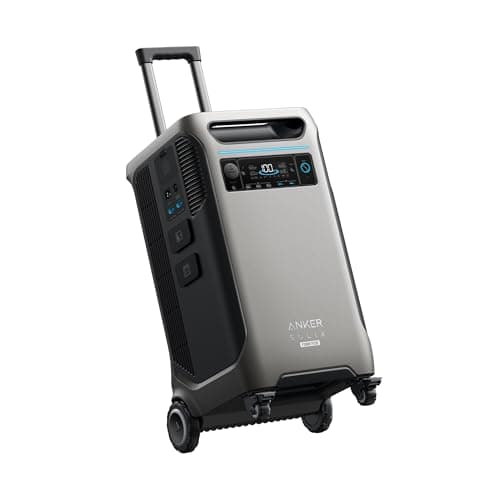
Anker SOLIX F3800 Plus
SHE Whole-Home Backup Readiness Score9.4/10$2,299.99 — 6,000W simultaneous 120/240V, tier-high 3,200W solar, generator input, $443/kWh expansion
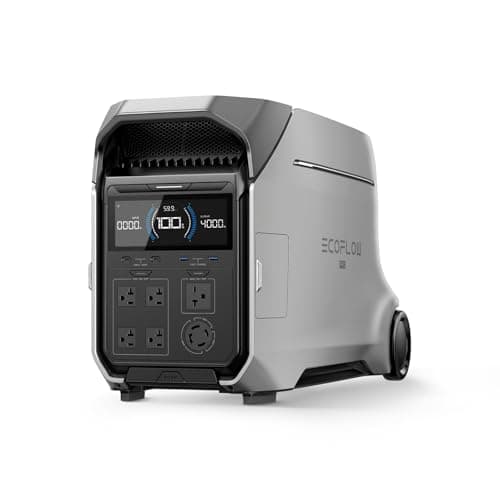
EcoFlow DELTA Pro 3 Portable Power Station
SHE Whole-Home Backup Readiness Score8.7/10$2,599 — 10ms switchover, largest 4,096Wh base battery, 3,600W AC recharge on 240V
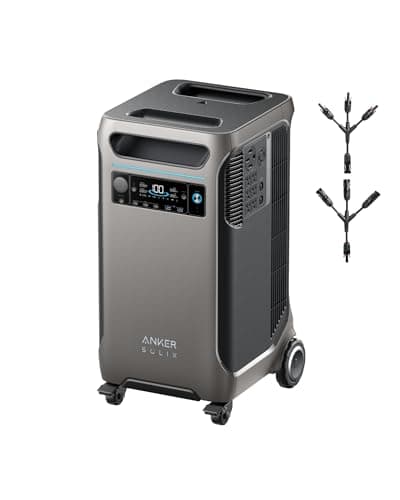
Anker SOLIX F3800 Portable Power Station
SHE Whole-Home Backup Readiness Score8.3/10$1,999.99 — same 6,000W delivery as the Plus; 2,400W solar, 26.9kWh single-stack ceiling
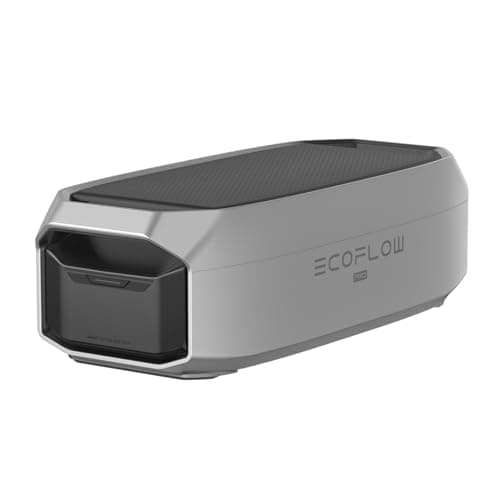
EcoFlow DELTA Pro 3 Extra Battery (4000Wh)
SHE Whole-Home Backup Readiness Score7.8/10$1,899 — 4,000Wh expansion at roughly $475/kWh; pass-through, Delta Pro 3 only
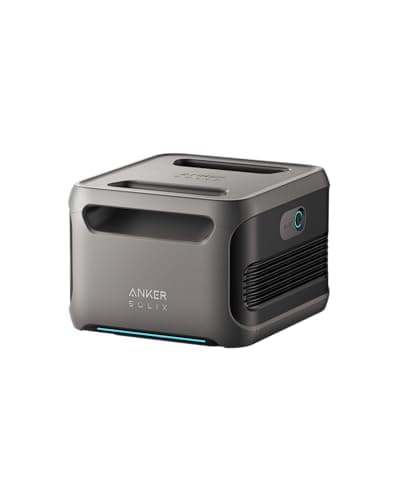
Anker SOLIX BP3800 Expansion Battery
SHE Whole-Home Backup Readiness Score7.3/10$1,699.99 — 3,840Wh expansion at roughly $443/kWh, cheapest in the tier; F3800 series only
Ecosystem Lock-In: The Expansion Decision Is the Brand Decision
The most consequential consideration before purchasing is that the expansion batteries do not interoperate across brands. The Anker BP3800 pairs exclusively with an F3800-series host, and the EcoFlow DP3 Extra Battery pairs exclusively with the Delta Pro 3. Consequently, your base-station selection predetermines your lifetime expansion expenditure. We computed both rates from live prices. The BP3800 registers approximately $443/kWh against the DP3 Extra Battery's $475/kWh. That differential compounds considerably across multiple batteries over a 10-yr ownership horizon.
Both manufacturers sell a dedicated home panel that integrates an automatic transfer switch with a critical-loads subpanel, and both panel installations require professional electricians — neither is DIY. EcoFlow's Smart Home Panel 2 enables 3,600W panel-side fast charging plus per-circuit monitoring, and a lower-cost Transfer Switch Pro provides the cheaper entry point. Anker's SOLIX Home Power Panel integrates with the station, and the F3800 Plus incorporates a native gas-generator AC input for indefinite multi-day operation. CNET's coverage of installed backup systems characterizes panel-side fast charging versus generator input as the two pathways to outage endurance. The ceilings carry an honest qualification: the F3800's single-stack configuration tops at 26.9kWh, and attaining the claimed 53kWh or EcoFlow's 48kWh figure necessitates multiple base units, not batteries independently.
Runtime calculation is fundamentally arithmetic. A 3,840Wh F3800 powering a 500W refrigerator-plus-router combination yields approximately 7.7 hours before inverter losses. The identical load on the 4,096Wh Delta Pro 3 yields about 8.2 hours. Trusted Reviews characterizes the F3800's oversized inverter as inefficient at lower loads, so diminutive overnight draws squander idle watts. That represents a genuine tradeoff if you continuously run a minimal load overnight. Match the configuration to your actual consumption profile, then permit the expansion economics to determine the brand.
| Product | Simultaneous 120/240V | NEMA 14-50 | Dedicated Home Panel | Generator Input | 10ms Switchover | Own Inverter |
|---|---|---|---|---|---|---|
| Anker SOLIX F3800 Plus | ✓ | ✓ | ✓ | ✓ | ✕ | ✓ |
| EcoFlow DELTA Pro 3 Portable Power Station | ✕ | ✕ | ✓ | ✕ | ✓ | ✓ |
| Anker SOLIX F3800 Portable Power Station | ✓ | ✓ | ✓ | ✕ | ✕ | ✓ |
| EcoFlow DELTA Pro 3 Extra Battery (4000Wh) | ✕ | ✕ | ✓ | ✕ | ✓ | ✕ |
| Anker SOLIX BP3800 Expansion Battery | ✓ | ✓ | ✓ | ✕ | ✕ | ✕ |
When NOT to Buy
Neither station is automatically the correct decision. If your backup goal is just keeping a fridge, router, and a few lights alive, a sub-$1,500 station from our Best Smart Home Backup Power Systems 2026 hub costs far less and needs no transfer switch. The 240V split-phase tier earns its premium only when you genuinely need to run a well pump, central HVAC blower, dryer, or EV charger through a panel. If none of those loads apply, you are paying for inverter headroom that sits idle. And if you cannot budget the electrician install a transfer-switch panel requires, both systems still run as plug-in stations — just without the whole-home automatic cutover that defines this tier.
Who Should Buy What
Who Should Buy What
| If you are… | Recommended pick |
|---|---|
Storm-belt whole-home planner You want 240V well-pump and HVAC coverage through a transfer switch with the most output, solar headroom, and a generator safety net for multi-day outages | Anker SOLIX F3800 Plus |
Work-from-home continuity buyer You run a desktop, NAS, and network gear and need a 10ms switchover plus per-circuit visibility and time-of-use scheduling | EcoFlow DELTA Pro 3 Portable Power Station |
EV-owning suburbanite on a budget You want the F3800's full 6,000W delivery and a NEMA 14-50 outlet for outage-time Level 2 charging at the lowest entry price | Anker SOLIX F3800 Portable Power Station |
EcoFlow owner extending runtime You already run a Delta Pro 3 and need the only compatible expansion battery to add 4,000Wh of capacity | EcoFlow DELTA Pro 3 Extra Battery (4000Wh) |
Anker owner minimizing cost You run an F3800 or F3800 Plus and want the cheapest expansion battery per kWh in the tier to extend system runtime | Anker SOLIX BP3800 Expansion Battery |
Frequently Asked Questions
Can the EcoFlow Delta Pro 3 run a whole house?
Through a transfer switch and the Smart Home Panel 2, the Delta Pro 3 can back up a critical-loads subpanel at 120/240V — but within a 4,000W budget. That comfortably covers a well pump, refrigerator, furnace blower, and lighting circuits running together. What it cannot do is run a 5,000W-plus combination of large 240V loads simultaneously, which is where the Anker F3800's 6,000W output pulls ahead. Size your critical loads to the 4,000W ceiling first, and have an electrician wire the panel.
Can the Anker SOLIX F3800 charge an EV?
Yes. The F3800 and F3800 Plus both include a NEMA 14-50 outlet. That is the same connector a Level 2 home charger uses, so you can plug an EV in directly with no adapter. During an outage that means the station doubles as backup Level 2 charging. Real-world range added depends on the car's onboard charger and the station's remaining capacity. A 3,840Wh pack adds only a modest top-up, not a full charge, so treat it as outage insurance rather than a daily charging solution.
F3800 vs F3800 Plus — what actually changed?
The F3800 Plus is the 2025 refresh. It keeps everything the base F3800 does: 3,840Wh, 6,000W simultaneous 120V/240V, and the NEMA 14-50 outlet. It then adds two things, a higher 3,200W solar ceiling (up from 2,400W) and a native gas-generator AC input port for indefinite multi-day runtime. At $2,299.99 it runs $300 over the $1,999.99 base unit. If you will recharge off solar during long outages or want generator backup, the Plus is worth it. Otherwise the base F3800 delivers identical output for less.
Do I need an electrician for the Smart Home Panel 2 or Home Power Panel?
Yes. Both the EcoFlow Smart Home Panel 2 and the Anker SOLIX Home Power Panel are automatic-transfer-switch subpanels that connect to your main electrical panel. That is licensed-electrician work in every jurisdiction. EcoFlow's lower-cost Transfer Switch Pro is a cheaper hardware entry point but still requires professional installation. The stations themselves are plug-and-play out of the box. Only the whole-home panel integration needs an electrician, so budget the install cost when you compare the two systems.
Which recharges faster during an outage?
It depends on your recharge source. Off solar alone, the F3800 Plus leads with a 3,200W ceiling, ahead of the Delta Pro 3's 2,600W and the base F3800's 2,400W. Off AC on a 240V circuit, the Delta Pro 3 leads. TechRadar measured 3,600W, refilling roughly 80% in about 50 minutes through the Smart Home Panel 2, and up to 7,000W combined AC plus solar. For a multi-day grid-down event the F3800 Plus's solar ceiling and generator input matter most. For a quick grid-up top-up the Delta Pro 3 wins.
Are the expansion batteries cross-compatible between brands?
No. The Anker BP3800 pairs only with an F3800-series station, and the EcoFlow DP3 Extra Battery pairs only with the Delta Pro 3 — there is zero cross-compatibility. That makes your base-station choice your lifetime expansion-cost choice. We computed both rates from live prices: the BP3800 is roughly $443 per kWh and the DP3 Extra Battery roughly $475 per kWh. Over multiple batteries that gap compounds, so factor expansion cost into the initial brand decision rather than treating it as a later add-on.
Bottom Line
Get the Anker SOLIX F3800 Plus if you want maximum 240V output, the highest solar ceiling, and a generator-input safety net at the lowest whole-home cost.
Get the EcoFlow DELTA Pro 3 Portable Power Station if you run sensitive electronics that need a 10ms switchover and want the largest base battery plus the deepest energy management.
Get the Anker SOLIX F3800 Portable Power Station if you want the F3800's full 6,000W delivery and EV-charging outlet at the lowest entry price without the Plus's upgrades.
Get the EcoFlow DELTA Pro 3 Extra Battery (4000Wh) if you own the Delta Pro 3 and need its only compatible expansion battery to add runtime.
Get the Anker SOLIX BP3800 Expansion Battery if you own an F3800-series station and want the cheapest expansion battery per kWh in the tier.
For whole-home readiness per dollar the Anker SOLIX F3800 Plus is the pick — 6,000W simultaneous 120/240V, the tier's highest solar ceiling, and $300 under the Delta Pro 3. Choose the EcoFlow DELTA Pro 3 Portable Power Station instead if a 10ms switchover for sensitive electronics matters more than raw output. Skip the 240V tier entirely if you only need to keep a fridge and router alive — a cheaper station from our hub does that for far less.
Sources & Methodology
Methodology: SHE Whole-Home Backup Readiness Score — Formula: (240V Split-Phase Delivery × 0.25) + (Expansion Economics × 0.20) + (Panel Integration × 0.20) + (Solar Input Ceiling × 0.15) + (Switchover Speed × 0.10) + (App Energy Management × 0.10). Factors: 240V Split-Phase Delivery (25%): Native 240V split-phase output wattage plus outlet hardware. 6,000W continuous with simultaneous 120V/240V delivery plus NEMA 14-50 and L14-30 outlets tops the scale; 4,000W at 120/240V from a single L14-30R scores 8; expansion batteries contribute no inverter capacity, so they score as pass-through. The category's defining factor, weighted highest. | Expansion Economics (20%): Street dollar-per-kWh of the brand's expansion battery plus the documented system ceiling. Computed from live Amazon prices: BP3800 is $1,699.99 ÷ 3.84kWh ≈ $443/kWh; DP3 Extra is $1,899 ÷ 4.0kWh ≈ $475/kWh. Lower cost-per-kWh with a higher documented ceiling scores higher; single-stack ceilings that require a second base unit are penalized. | Panel Integration (20%): Dedicated automatic-transfer-switch home panel availability and outage flexibility. A dedicated panel with 240V panel-side fast charging or a lower-cost transfer-switch alternative scores 9; a dedicated panel plus native gas-generator input scores 9; a dedicated panel alone scores 8. Expansion batteries integrate only through the host station. | Solar Input Ceiling (15%): Maximum PV input the station accepts, a proxy for recharge speed during multi-day outages. 3,200W tops the scale, 2,600W mid, 2,400W lowest among the stations. Expansion batteries inherit the host's value because they recharge through the host's MPPT. | Switchover Speed (10%): UPS transfer time when grid power drops. 10ms is safe for desktop PCs and NAS gear and tops the scale; 20ms is fine for fridges and pumps but marginal for sensitive electronics. Expansion batteries inherit the host station's value. | App Energy Management (10%): App-side energy management depth. Time-of-use charge scheduling plus backup-reserve control plus per-circuit monitoring through the brand panel scores 9; charge/discharge scheduling with energy stats where per-circuit control needs the panel scores 8. Expansion batteries inherit the host station's value.
Expert review sources used in this analysis:
- SmartHomeExplorer aggregates expert review data and manufacturer specifications to produce consensus-based buying guidance, and we do not perform first-party product testing
- For this comparison we drew output ratings, battery capacities, solar ceilings, switchover times, and outlet hardware from manufacturer documentation
- We then corroborated them against TechRadar's 5-star Delta Pro 3 review, which confirmed the 2,600W solar maximum, 3,600W AC recharge on 240V, and 7,000W combined charging
- Trusted Reviews' SOLIX F3800 review flagged the low-load inverter inefficiency
- Expansion economics were computed directly from live Amazon prices divided by listed Wh capacity
- The BP3800 yields roughly $443 per kWh and the DP3 Extra Battery roughly $475 per kWh
- Amazon prices and availability were verified 2026-06-10
- The SHE Whole-Home Backup Readiness Score weights 240V split-phase delivery, expansion economics, panel integration, solar input ceiling, switchover speed, and app energy management from aggregated specs
- No first-party measurements were conducted.
Nicholas Miles is the founder of SmartHomeExplorer and a longtime smart home enthusiast focused on helping everyday homeowners make better technology decisions. He researches, compares, and writes about products across security, climate, lighting, leak prevention, sensors, home energy, and automation, with an emphasis on real-world usefulness, ecosystem compatibility, reliability, privacy, and long-term value.
Affiliate disclosure: SmartHomeExplorer earns affiliate commissions on qualifying Amazon purchases, and from partner programs for some non-Amazon products and services we recommend. Our scoring methodology is independent of affiliate relationships.