
Best Zigbee and Thread USB Coordinators 2026
The SONOFF Dongle Plus MG24 wins — newest actively-developed Silabs silicon with a real dedicated-Thread path, where battle-proven CC2652P sticks dead-end on Thread.
This article contains affiliate links. We may earn a commission at no extra cost to you. Prices change frequently — check the current price on Amazon before buying. Learn more
The Short Answer
The SONOFF Dongle Plus MG24 wins because its EFR32MG24 silicon remains actively developed, incorporates maximum memory headroom, and operates as a dedicated Zigbee or Thread radio. For placement-flexible builds, the SMLIGHT SLZB-06M PoE coordinator is the upgrade, while the economical ZBDongle-E stays the value pick.
Featured in this Guide
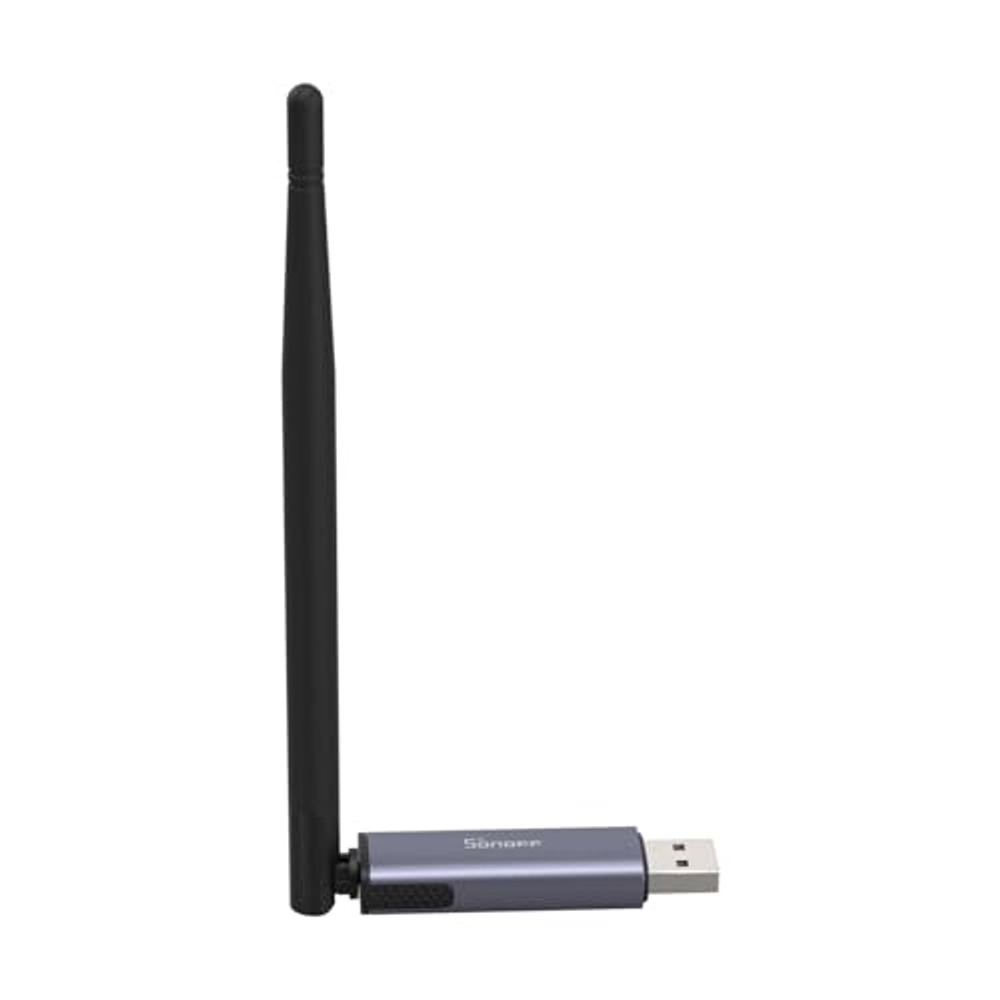
SONOFF
Zigbee 3.0 USB Dongle Plus MG24 (Thread & Zigbee)
- •Newest EFR32MG24 silicon, biggest memory headroom, +20 dBm with 3 dBi antenna, real Thread path, HA auto-discovery
SMLIGHT
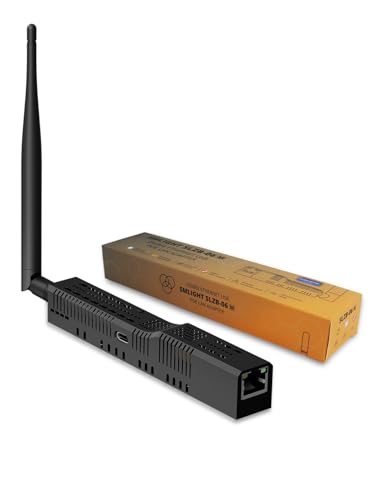
SLZB-06M Zigbee 3.0 Ethernet/USB/WiFi PoE Coordinator
- •PoE placement freedom, web UI, firmware-switchable Zigbee or Thread
- •the coordinator you never touch again
SONOFF
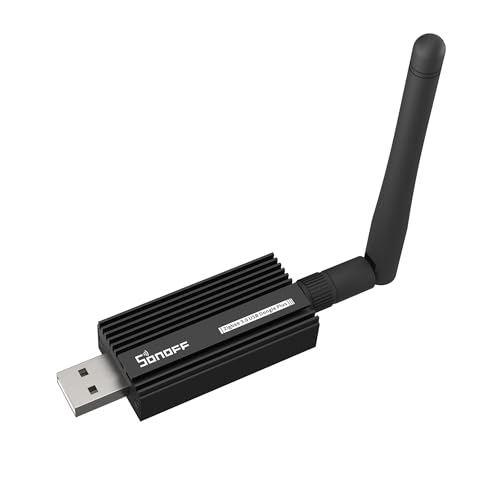
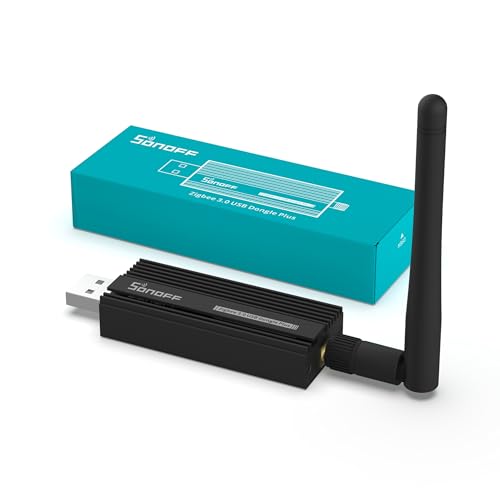
Zigbee 3.0 USB Dongle Plus-E (ZBDongle-E)
- •$26.99 EFR32MG21 stick that ran HA setups for two years
- •re-flashable to OpenThread later
SONOFF
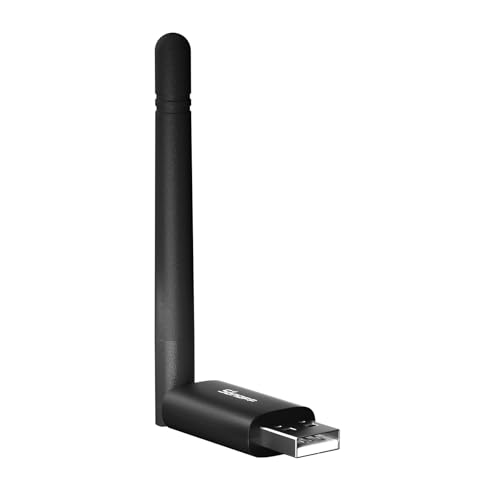
Zigbee 3.0 & Thread Dongle Lite (EFR32MG21)
- •$24.90 list dedicated Thread RCP for the two-dongle architecture HA now recommends
SMLIGHT
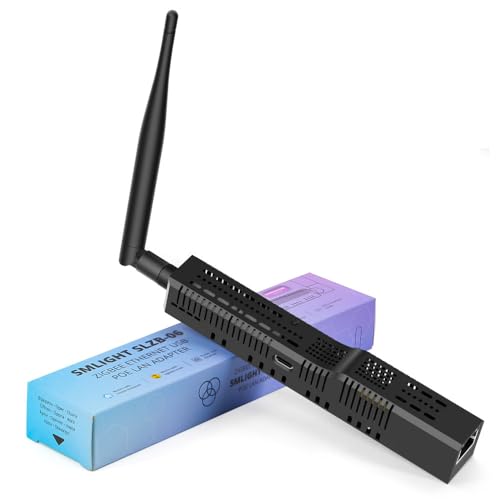
SLZB-06
- •PoE placement freedom, web UI, firmware-switchable Zigbee or Thread
- •the coordinator you never touch again
SONOFF
Zigbee 3.0 USB Dongle Plus (ZBDongle-P)
- •Highest direct-child spec at ~50, CC2652P stability
- •buy only when Thread is irrelevant
Head-to-Head: Silicon, Thread, Placement, and the SHE Score
Smart Hubs
Chart
 Smarthomeexplorer.com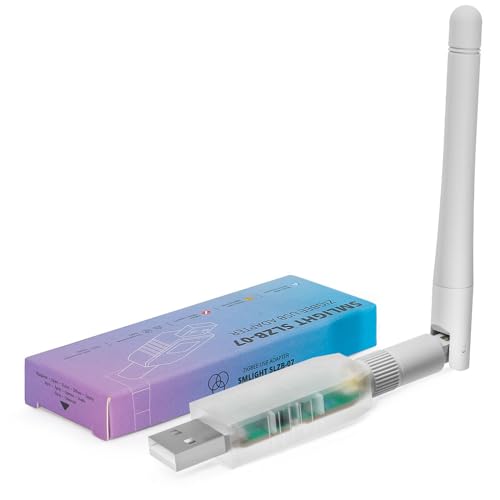
Tap any pick to check its live price on Amazon.
EcoFlow DELTA Pro 3 Portable Power Station
RecommendedCheck price
Anker SOLIX F3800
Good ValueCheck price
PETKIT Purobot Ultra
Must BuyCheck price
Synology DS925+ 4-Bay NAS
Must BuyCheck price
ASUS RT-BE96U
RecommendedCheck price
PetSafe ScoopFree SmartSpin
RecommendedCheck price
Which Radio Do I Plug Into Home Assistant?
You already operate Home Assistant, or you intend to. The decisive question is which raw radio coordinator you plug in to form the mesh. In this roundup we evaluated eight USB and PoE coordinators on 2026 reality: silicon generation, a documented Thread path, placement flexibility, and pairing ease. The transformative shift is Thread. Home Assistant deprecated the experimental multiprotocol firmware, so the recommended architecture is now two dedicated radios, an installation typically completed in 10 min. CNX Software characterizes this as the new normal.
We weight one composite, the SHE Coordinator Capability Score, across five factors. Silicon trajectory carries the dominant 0.25 coefficient. The EFR32MG24 delivers double the flash and roughly 4x the RAM of the MG21, normalized to the highest tier. TI CC2652P remains Zigbee-only because TI discontinued SDK development, restricting Thread readiness. That determination differentiates the field; match the coordinator to a 5-yr ownership horizon.
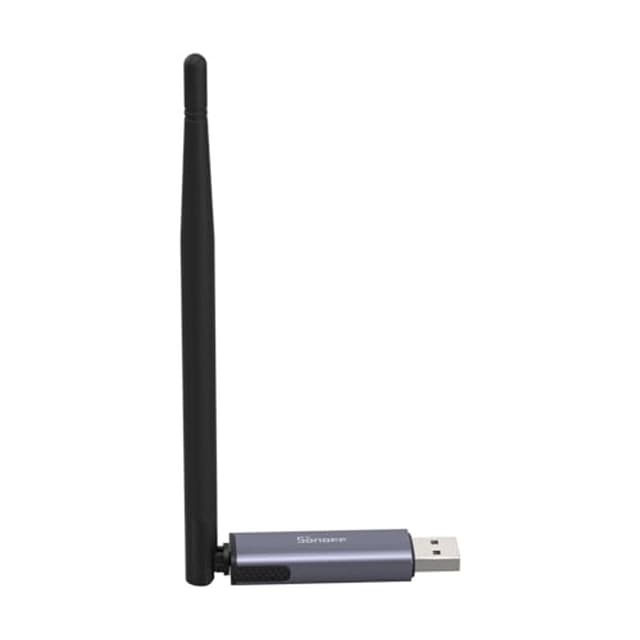
Best Overall: SONOFF Zigbee 3.0 USB Dongle Plus MG24 (Thread & Zigbee)
SONOFF Zigbee 3.0 USB Dongle Plus MG24 (Thread & Zigbee)
- Newest actively-developed Silabs silicon — the 2026 sweet spot per CNX Software
- USB stick lives at the host — use the cable to escape USB3 interference
(Current price, subject to change)
The SONOFF Zigbee 3.0 USB Dongle Plus MG24 (Thread & Zigbee) earns the top composite of 8.9 on the SHE Coordinator Capability Score. Its silicon-trajectory factor scores 95 of 100 because the EFR32MG24 represents current, actively-developed Silabs silicon. CNX Software's January 2026 hands-on confirms Home Assistant auto-discovers the dongle for ZHA, Zigbee2MQTT, or OpenThread configuration. The chip incorporates roughly 1.5x the flash and 4x the RAM of the EFR32MG21, which SmartHomeScene measures as +100% flash and +300% RAM. That headroom enables very large networks the older sticks strain to accommodate continuously.
Because the MG24 is native Zigbee and Thread silicon, it produces a definitive answer to the multiprotocol predicament. You operate it as a dedicated Zigbee radio today, then introduce a second MG24 as a dedicated Thread radio when Matter-over-Thread gear arrives. The high-power radio pairs with a 3 dBi external antenna, and CNX Software reports a vendor reach claim approaching 656 ft in clear line of sight. Configuration completes in roughly 5 min once HA auto-discovers it, comfortably within a 5-yr replacement horizon.
Compared to the SONOFF Zigbee 3.0 USB Dongle Plus-E (ZBDongle-E), the MG24 delivers a newer SDK and far more memory at a $9 premium. The ZBDongle-E remains the value pick, but the MG24 is the one that yields the longest runway.
What We Love
- Newest actively-developed Silabs silicon — the 2026 sweet spot per CNX Software
- 1.5 MB flash / 256 KB RAM is +100% flash and +300% RAM over the EFR32MG21
- Real dedicated-Thread path: run it as your Zigbee radio or your Thread radio
- Home Assistant auto-discovers it for ZHA, Zigbee2MQTT, or OpenThread setup
What Could Be Better
- USB stick lives at the host — use the cable to escape USB3 interference
- No web management UI like the PoE SMLIGHT coordinators
- Newest silicon means a shorter community track record than the ZBDongle-E
The Verdict
If you are starting a Home Assistant build and want one radio you will not replace when Matter-over-Thread gear arrives, the SONOFF Zigbee 3.0 USB Dongle Plus MG24 (Thread & Zigbee) fits the brief without compromise. The 8.9 reflects the newest silicon, the biggest memory headroom, and a genuine Thread path. At $35.90 it undercuts older mid-tier sticks too.
Check price for the SONOFF Zigbee 3.0 USB Dongle Plus MG24 (Thread & Zigbee) →
Ready to upgrade your home?
roborock Qrevo 2 Pro Robot Vacuum and Mop
See it on Amazon
roborock F25 Ultra Steam Wet Dry Vacuum Mop
See it on Amazon
Philips Wi-Fi Keypad Deadbolt with Handle
See it on Amazon
Sponsored listings from Amazon’s Sponsored Products for Creators program, kept apart from our reviews and rankings. How we make money
Best Premium / Large Network: SMLIGHT SLZB-06M Zigbee 3.0 Ethernet/USB/WiFi PoE Coordinator
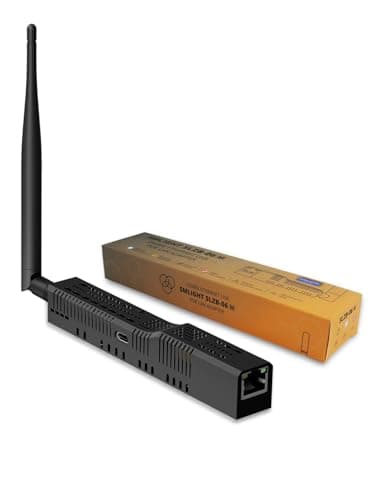
SMLIGHT SLZB-06M Zigbee 3.0 Ethernet/USB/WiFi PoE Coordinator
- PoE places the radio anywhere on the LAN, away from USB3 and Wi-Fi interference
- At $72.99 it costs roughly 2.7x a value USB stick
(Current price, subject to change)
The SMLIGHT SLZB-06M Zigbee 3.0 Ethernet/USB/WiFi PoE Coordinator earns a composite of 8.5 on the SHE Coordinator Capability Score, the second-highest determination here. Its network-reach factor scores 96 of 100 because PoE positions the radio anywhere on the LAN. CNX Software's 2026 coordinator coverage notes that this circumvents the USB3 ports radiating 2.4 GHz interference adjacent to a server. The integration-ease factor scores 94: a web management interface delivers remote OTA updates plus one-click Zigbee or Thread mode switching, which SmartHomeScene characterizes as SMLIGHT's ZHA-first provisioning approach.
On EFR32MG21 silicon the coordinator operates one protocol simultaneously rather than the MG24's native dual-stack, so its Thread-readiness factor registers 75. The vendor specification documents up to 200 compatible devices, and optoelectronic isolation between USB and Ethernet preserves the signal pathway. Because it survives host migrations transparently, this is the coordinator you provision once. Initial configuration through the web interface runs roughly 10 min.
Compared to the SMLIGHT SLZB-06, the 06M swaps TI CC2652P for Silabs silicon. That trade buys a real Thread path the CC2652P version simply cannot deliver.
What We Love
- PoE places the radio anywhere on the LAN, away from USB3 and Wi-Fi interference
- Web management UI with remote OTA and one-click Zigbee/Thread mode switching
- First-class ZHA and Zigbee2MQTT support on mature EmberZNet silicon
- Optoelectronic isolation between USB and Ethernet for a clean signal path
What Could Be Better
- At $72.99 it costs roughly 2.7x a value USB stick
- EFR32MG21 runs one protocol at a time, not native dual-stack like the MG24
- Adds a network dependency the USB sticks do not have
The Verdict
If you run a 50-to-200-device mesh and want the radio off your server entirely, the SMLIGHT SLZB-06M Zigbee 3.0 Ethernet/USB/WiFi PoE Coordinator lines up with what you actually need. The 8.5 reflects PoE placement freedom, a web UI, and firmware-switchable Zigbee or Thread. It is the coordinator you set up once and never touch again, even across host migrations.
Check price for the SMLIGHT SLZB-06M Zigbee 3.0 Ethernet/USB/WiFi PoE Coordinator →
Best Value: SONOFF Zigbee 3.0 USB Dongle Plus-E (ZBDongle-E)
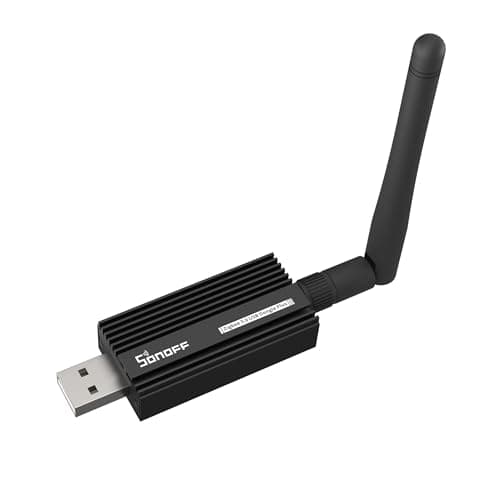
SONOFF Zigbee 3.0 USB Dongle Plus-E (ZBDongle-E)
- $26.99 for the stick that ran HA setups for over two years
- SONOFF spec lists ~30 direct children, below the ZBDongle-P's ~50
(Current price, subject to change)
The SONOFF Zigbee 3.0 USB Dongle Plus-E (ZBDongle-E) earns a composite of 7.6 on the SHE Coordinator Capability Score, the value benchmark of this guide. Its silicon-trajectory factor scores 78 because the EFR32MG21 represents mature, actively-developed Silabs silicon incorporating the EmberZNet stack. SmartHomeScene observes this coordinator was the default Zigbee recommendation for a 2-yr stretch, functioning immediately with ZHA and the Zigbee2MQTT ember driver. That reliability record produces a low-risk first radio.
The Thread-readiness factor scores 80 because official OpenThread RCP firmware exists. You re-flash the coordinator to operate Zigbee or Thread, one protocol simultaneously. CNX Software corroborates the high-power radio and external whip antenna. The constraint is mesh headroom: SONOFF's specification documents roughly 30 direct children, and SmartHomeScene observes routers extend the network considerably in practice. Initial configuration runs about 5 min.
Compared to the SONOFF Zigbee 3.0 USB Dongle Plus MG24 (Thread & Zigbee), the ZBDongle-E gives up newer silicon and memory headroom but saves $9. For most first builds that is the right value trade.
What We Love
- $26.99 for the stick that ran HA setups for over two years
- EFR32MG21 is actively-developed Silabs silicon with mature EmberZNet
- Official OpenThread RCP firmware — re-flash to Thread later
- +20 dBm radio with an external whip antenna for solid reach
What Could Be Better
- SONOFF spec lists ~30 direct children, below the ZBDongle-P's ~50
- USB stick lives at the host — use the extension cable to escape USB3
- MG21 carries less memory headroom than the newer MG24
The Verdict
If you want a proven first radio without overspending, the SONOFF Zigbee 3.0 USB Dongle Plus-E (ZBDongle-E) is a sensible pick for that setup. The 7.6 reflects mature Silabs silicon, an external antenna, and a documented Thread re-flash path. At $26.99 it is the value default, and you can always promote it to a dedicated Thread radio later.
Check price for the SONOFF Zigbee 3.0 USB Dongle Plus-E (ZBDongle-E) →
Best Mini Coordinator: SMLIGHT SLZB-07 Zigbee 3.0 / Thread Mini USB Coordinator
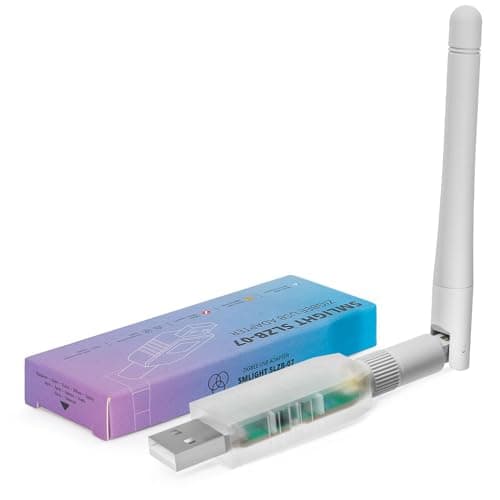
SMLIGHT SLZB-07 Zigbee 3.0 / Thread Mini USB Coordinator
- Mini USB form factor for a tidy rack or NUC footprint
- Compact antenna trades reach for the small footprint
(Current price, subject to change)
The SMLIGHT SLZB-07 Zigbee 3.0 / Thread Mini USB Coordinator earns a composite of 7.6 on the SHE Coordinator Capability Score, tied at the value tier. Its integration-ease factor scores 92 because SMLIGHT's web-based firmware tooling delivers remote updates and a documented Thread or Matter switch. SmartHomeScene frames this web-first provisioning as the trait that separates SMLIGHT sticks from pre-flashed-only rivals. The mini USB form factor produces the tidiest footprint here for a NUC or rack build.
On EFR32MG21 silicon it runs one protocol at a time, so the Thread-readiness factor scores 82. CNX Software notes the documented firmware switch is the real differentiator versus a fixed-firmware stick. The trade-off is reach, since the compact antenna scores the network-reach factor at 62 against the external-whip USB sticks. First setup over the web tooling runs roughly 8 min.
Compared to the SONOFF Zigbee 3.0 & Thread Dongle Lite (EFR32MG21), the SLZB-07 adds a full management UI the bare Dongle Lite lacks. That yields easier ongoing maintenance for a small premium.
What We Love
- Mini USB form factor for a tidy rack or NUC footprint
- Web-based firmware tooling with remote updates from SMLIGHT
- Documented Thread/Matter firmware switch on EFR32MG21 silicon
- First-class ZHA and Zigbee2MQTT support
What Could Be Better
- Compact antenna trades reach for the small footprint
- MG21 carries the usual 96 KB RAM ceiling, less headroom than MG24
- Runs one protocol at a time, not native dual-stack
The Verdict
If you want SMLIGHT's web tooling in a stick that disappears behind a NUC, the SMLIGHT SLZB-07 Zigbee 3.0 / Thread Mini USB Coordinator checks the boxes that matter for a tidy build. The 7.6 reflects firmware-switchable Zigbee or Thread plus remote updates on a mini footprint. Just budget reach for the compact antenna against the external-whip USB sticks.
Check price for the SMLIGHT SLZB-07 Zigbee 3.0 / Thread Mini USB Coordinator →
Best Budget Thread Second Radio: SONOFF Zigbee 3.0 & Thread Dongle Lite (EFR32MG21)
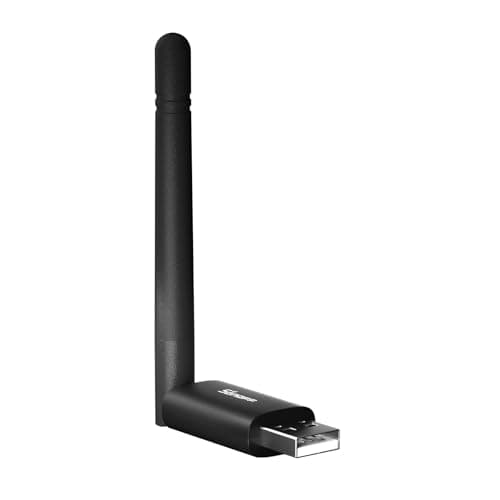
SONOFF Zigbee 3.0 & Thread Dongle Lite (EFR32MG21)
- $24.90 — the cheapest entry here and the obvious second radio
- Compact antenna gives the lowest reach in this roundup
(Current price, subject to change)
The SONOFF Zigbee 3.0 & Thread Dongle Lite (EFR32MG21) earns a composite of 7.1 on the SHE Coordinator Capability Score. Its Thread-readiness factor scores 80 because the EFR32MG21 reconfigures to either Zigbee or Thread. CNX Software positions it as the obvious dedicated secondary radio, and its economical price makes the two-dongle architecture affordable. Home Assistant's multiprotocol deprecation produced this precise scenario: a separate dedicated Thread RCP rather than one overloaded coordinator.
The constraint is reach, because the compact antenna registers the network-reach factor at 55, the lowest determination in this guide. It includes an extension cable to circumvent USB3 interference, which CNX Software identifies as standard practice for any USB-A radio adjacent to a server. There is no documented large-network specification, so the formula categorizes it as a secondary radio rather than a primary mesh coordinator. Initial configuration runs about 6 min.
Compared to the SONOFF Zigbee 3.0 USB Dongle Plus-E (ZBDongle-E), the Dongle Lite costs $2 less but trades away reach and headroom. The ZBDongle-E is the better primary; the Lite is the better second radio.
What We Love
- $24.90 — the cheapest entry here and the obvious second radio
- Flashable to either Zigbee or Thread for the two-dongle architecture
- EFR32MG21 is actively-developed Silabs silicon
- Ships with an extension cable to escape USB3 interference
What Could Be Better
- Compact antenna gives the lowest reach in this roundup
- No web management UI like the SMLIGHT sticks
- No published large-network claim — sized as a second radio
The Verdict
If you already run Zigbee and need a dedicated Thread radio after HA deprecated multiprotocol, the SONOFF Zigbee 3.0 & Thread Dongle Lite (EFR32MG21) is the path of least friction. The 7.1 reflects a flashable Zigbee or Thread radio at the lowest price here. It is built to be the second dongle, so judge it as a Thread RCP, not your primary mesh.
Check price for the SONOFF Zigbee 3.0 & Thread Dongle Lite (EFR32MG21) →
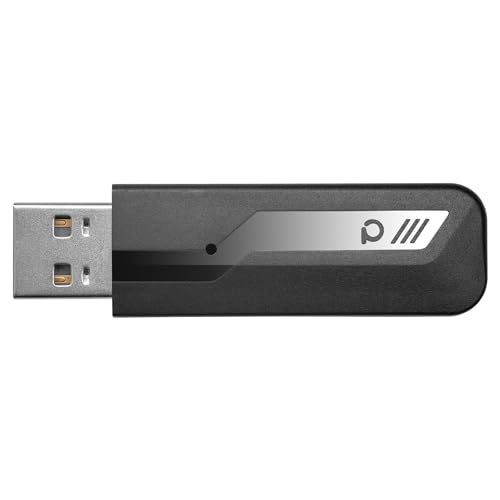
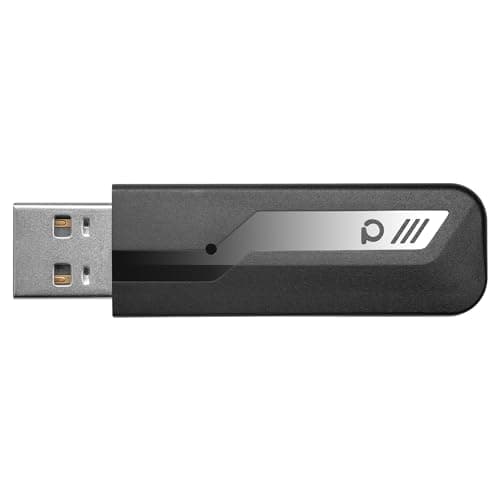
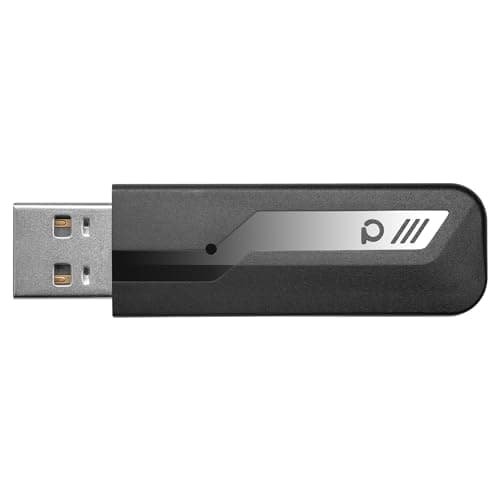
Best for deCONZ / Phoscon: Phoscon ConBee III Universal Zigbee 3.0 USB Gateway
Phoscon ConBee III Universal Zigbee 3.0 USB Gateway
- Bundles the maintained deCONZ and Phoscon app ecosystem
- At $42.63 it is the priciest USB-only option for MG21-class silicon
(Current price, subject to change)
The Phoscon ConBee III Universal Zigbee 3.0 USB Gateway earns a composite of 7.0 on the SHE Coordinator Capability Score. Its silicon-trajectory factor scores 76 because it runs the same actively-developed EFR32MG21 class that powers a $27 ZBDongle-E stick. SmartHomeScene notes the premium buys the deCONZ and Phoscon software ecosystem plus Dresden Elektronik's long support history, not faster silicon. It operates 100% local with no cloud, and also runs under ZHA, Zigbee2MQTT, and ioBroker.
The Thread-readiness factor scores 60, because the Phoscon-first stack leaves the dedicated Thread RCP path under-documented relative to SONOFF and SMLIGHT firmware. CNX Software corroborates that gap. Phoscon claims up to 30 m indoor and 200 m outdoor range from its stick-style internal antenna. First setup through the Phoscon app runs roughly 10 min.
Compared to the SONOFF Zigbee 3.0 USB Dongle Plus-E (ZBDongle-E), the ConBee III shares the silicon but costs $16 more. That premium buys ecosystem and support, which is the deCONZ loyalist's actual purchase.
What We Love
- Bundles the maintained deCONZ and Phoscon app ecosystem
- 100% local operation with no cloud dependency
- Dresden Elektronik's long support history behind it
- Also runs under ZHA, Zigbee2MQTT, and ioBroker
What Could Be Better
- At $42.63 it is the priciest USB-only option for MG21-class silicon
- Phoscon-first stack leaves the dedicated Thread path under-documented
- Internal antenna trails the external-whip sticks on reach
The Verdict
If you are a ConBee II veteran who wants the maintained successor with the Phoscon app, the Phoscon ConBee III Universal Zigbee 3.0 USB Gateway is a sensible pick for that setup. The 7.0 reflects ecosystem value over raw specs — same MG21 class as a $27 stick, with the extra paying for deCONZ software and Dresden Elektronik's support history.
Check price for the Phoscon ConBee III Universal Zigbee 3.0 USB Gateway →
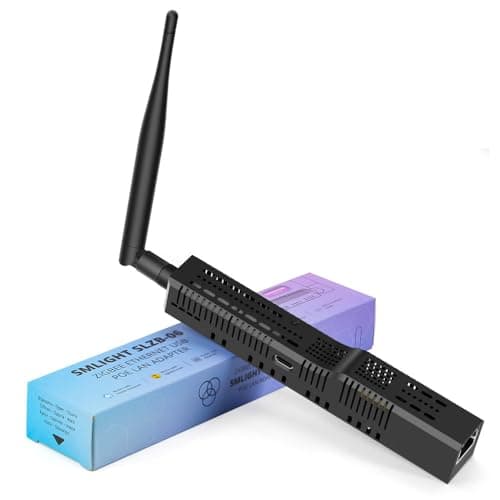
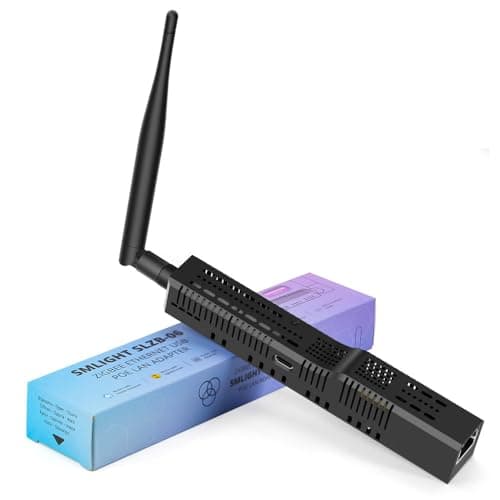
Best Zigbee-Only PoE Coordinator: SMLIGHT SLZB-06
SMLIGHT SLZB-06
- PoE placement freedom anywhere on the LAN
- CC2652P has no maintained Thread firmware path for HA
(Current price, subject to change)
The SMLIGHT SLZB-06 earns a composite of 6.9 on the SHE Coordinator Capability Score. Its network-reach factor scores 95 and its integration-ease factor 92, because the PoE coordinator positions anywhere on the LAN with a web management interface and remote OTA updates. CNX Software observes that placement advantage relocates the radio away from the USB3 interference that compromises server-mounted coordinators. The vendor specification documents up to 200 compatible devices.
The decisive limitation is Thread, and the formula does not soften it. On TI CC2652P silicon the Thread-readiness factor registers merely 25, because no maintained Thread firmware pathway exists for Home Assistant. SmartHomeScene observes TI discontinued active SDK development for this chipset. That restriction handicaps an otherwise capable coordinator. Initial configuration through the web interface runs roughly 10 min.
Compared to the SMLIGHT SLZB-06M Zigbee 3.0 Ethernet/USB/WiFi PoE Coordinator, this version shares the chassis but uses Zigbee-only silicon. At the identical $74.99 price the 06M is the smarter buy unless Thread is genuinely irrelevant.
What We Love
- PoE placement freedom anywhere on the LAN
- Web management UI with remote OTA
- CC2652P is battle-proven with Zigbee2MQTT
- Vendor spec of up to 200 devices
What Could Be Better
- CC2652P has no maintained Thread firmware path for HA
- TI stopped active SDK development for the CC2652P
- At $74.99 it costs the same as the Thread-capable 06M
The Verdict
If you want PoE placement for a strictly Zigbee mesh and Thread is irrelevant, the SMLIGHT SLZB-06 is a sensible pick for that setup. The 6.9 reflects excellent placement and integration held back by a Thread dead-end. At the same $74.99 as the 06M, only choose this if you are certain you will never want Thread.
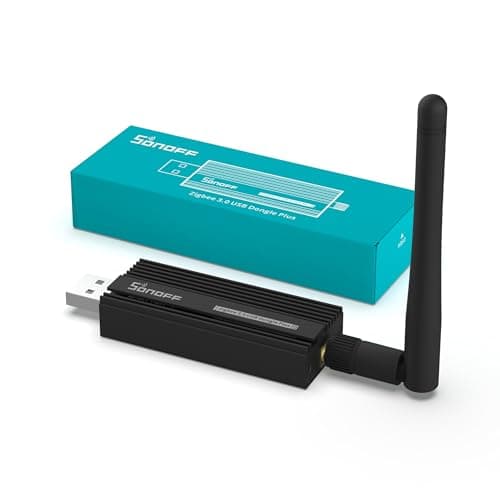
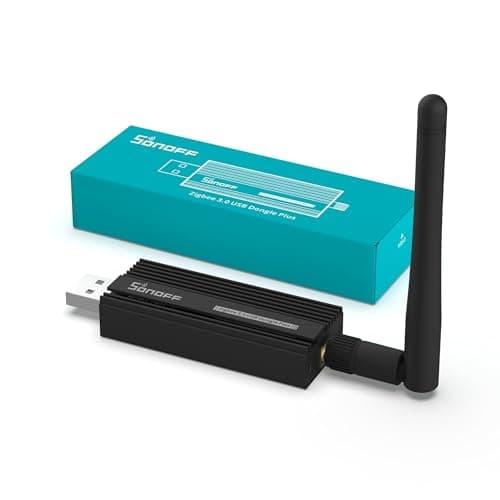
Best Zigbee-Only Legacy Mesh: SONOFF Zigbee 3.0 USB Dongle Plus (ZBDongle-P)
SONOFF Zigbee 3.0 USB Dongle Plus (ZBDongle-P)
- Highest direct-child spec of the USB sticks at ~50
- CC2652P has no maintained Thread firmware path for HA
(Current price, subject to change)
The SONOFF Zigbee 3.0 USB Dongle Plus (ZBDongle-P) earns a composite of 6.1 on the SHE Coordinator Capability Score, the entry determination here. Its mesh-headroom factor scores 70 because SONOFF's specification documents roughly 50 direct children, the highest of the USB coordinators, and up to 200 compatible devices with routers. SmartHomeScene characterizes the CC2652P as the battle-proven Zigbee2MQTT classic the stack was originally architected around. The high-power radio and external antenna deliver dependable reach.
The ceiling is Thread, and the formula evaluates it honestly. On TI CC2652P silicon the Thread-readiness factor is restricted to 25, because no maintained Thread firmware pathway for HA exists. CNX Software observes TI discontinued active SDK development for the chipset, establishing this as a Zigbee dead-end. Initial configuration runs about 5 min.
Compared to the SONOFF Zigbee 3.0 USB Dongle Plus MG24 (Thread & Zigbee), the ZBDongle-P costs more yet gives up the newer SDK and the entire Thread path. It makes sense only for a strictly Zigbee, router-poor legacy mesh.
What We Love
- Highest direct-child spec of the USB sticks at ~50
- CC2652P is the battle-proven Zigbee2MQTT classic
- +20 dBm radio with external antenna for solid reach
- Up to 200 devices with routers per SONOFF spec
What Could Be Better
- CC2652P has no maintained Thread firmware path for HA
- TI stopped active SDK development for the chip
- MG24 sticks cost less and add a real Thread path
The Verdict
If you run a router-poor Zigbee2MQTT legacy mesh and Thread is off the table, the SONOFF Zigbee 3.0 USB Dongle Plus (ZBDongle-P) checks the boxes that matter for that workload. The 6.1 reflects the highest direct-child spec and TI stability, held down by no Thread path. Buy it only when you are certain you will never need a Thread radio.
Check price for the SONOFF Zigbee 3.0 USB Dongle Plus (ZBDongle-P) →
How We Score: SHE Coordinator Capability Score
SHE Coordinator Capability Score
Score Formula
(Silicon Generation & Firmware Trajectory × 0.25) + (Thread/Matter Readiness × 0.20) + (Network Reach & Placement Flexibility × 0.20) + (Mesh Headroom × 0.15) + (Platform Integration Ease × 0.20)Score Factors
- Silicon Generation & Firmware Trajectory (25%)Chipset family plus SDK development status, weighted highest. EFR32MG24 (actively-developed Silabs SDK, 1.5 MB flash / 256 KB RAM) tops the scale; EFR32MG21 (actively-developed, mature EmberZNet, 96 KB RAM ceiling) sits mid; TI CC2652P trails because TI has stopped active SDK development. Normalized from datasheets and aggregated 2026 coordinator coverage.
- Thread/Matter Readiness (20%)Documented path to run the device as a dedicated Thread RCP radio, the architecture Home Assistant recommends after deprecating multiprotocol firmware. Native Zigbee+Thread silicon scores highest; EFR32MG21 with official flashable OpenThread RCP scores high; CC2652P with no maintained Thread path is capped at 25/100.
- Network Reach & Placement Flexibility (20%)TX power plus antenna type plus host-placement freedom. A PoE/Ethernet coordinator placeable anywhere on the LAN away from USB3 interference tops the scale; a +20 dBm USB stick with external whip antenna sits mid (with a gain bonus for a spec'd 3 dBi antenna); a compact internal antenna trails. All eight transmit at +20 dBm.
- Mesh Headroom (15%)Vendor-stated device capacity plus on-chip memory headroom for large networks. A 200+ device claim with large flash/RAM (MG24: 1.5 MB / 256 KB) scores highest; a 200-device claim on MG21 or CC2652P memory sits mid; no published large-network claim or ~30 direct children scores lowest.
- Platform Integration Ease (20%)How painlessly the radio joins ZHA or Zigbee2MQTT. A web management UI with remote OTA and one-click mode switching tops the scale; Home Assistant auto-discovery with pre-flashed firmware sits high; pre-flashed firmware with no UI sits mid; primary support via a separate stack like deCONZ trails.
SHE Coordinator Capability Score — Ranked
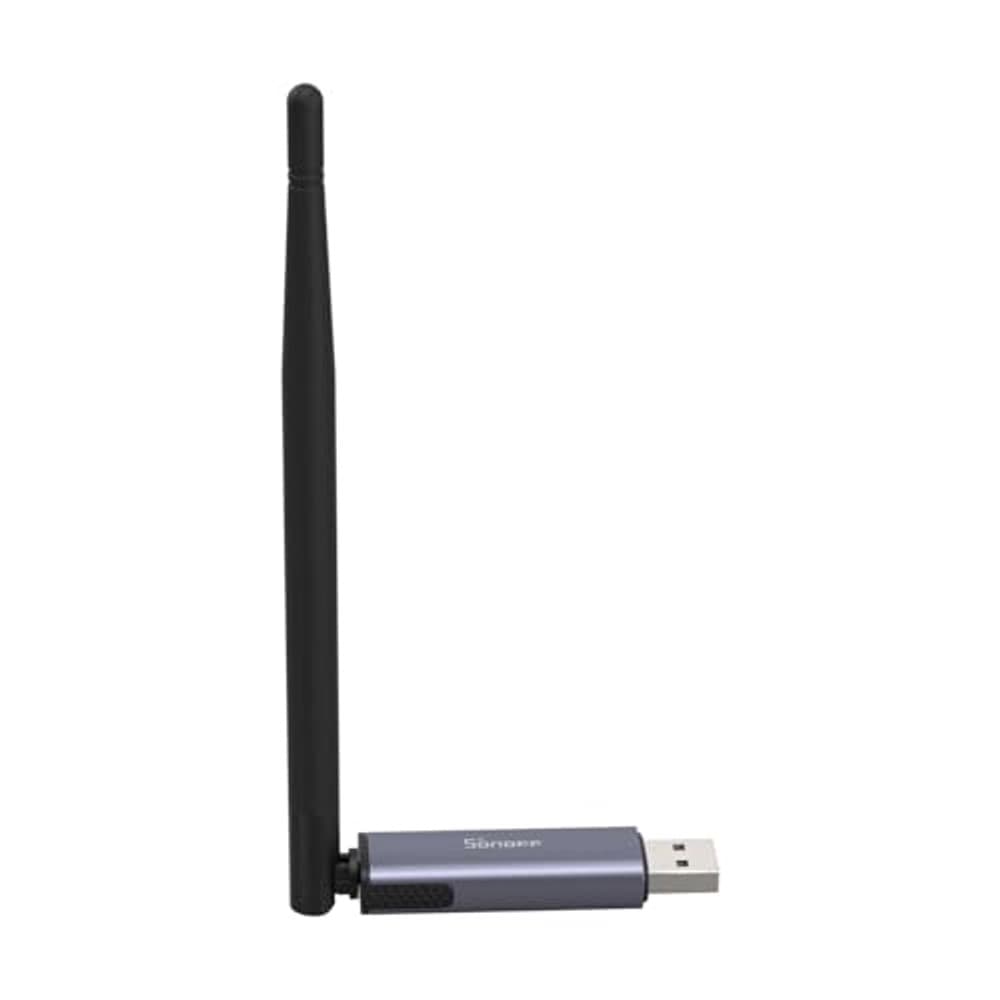
SONOFF Zigbee 3.0 USB Dongle Plus MG24 (Thread & Zigbee)
SHE Coordinator Capability Score8.9/10$35.90 — newest EFR32MG24 silicon, 1.5 MB / 256 KB headroom, real dedicated-Thread path, HA auto-discovery
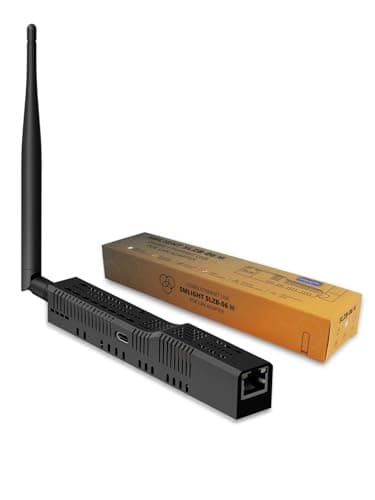
SMLIGHT SLZB-06M Zigbee 3.0 Ethernet/USB/WiFi PoE Coordinator
SHE Coordinator Capability Score8.5/10$72.99 — PoE placement, web UI, firmware-switchable Zigbee or Thread; the set-and-forget coordinator
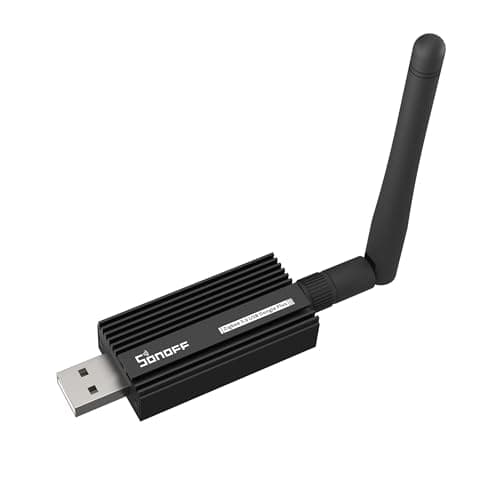
SONOFF Zigbee 3.0 USB Dongle Plus-E (ZBDongle-E)
SHE Coordinator Capability Score7.6/10$26.99 — proven EFR32MG21 value stick with a documented OpenThread re-flash path; ~30 direct children
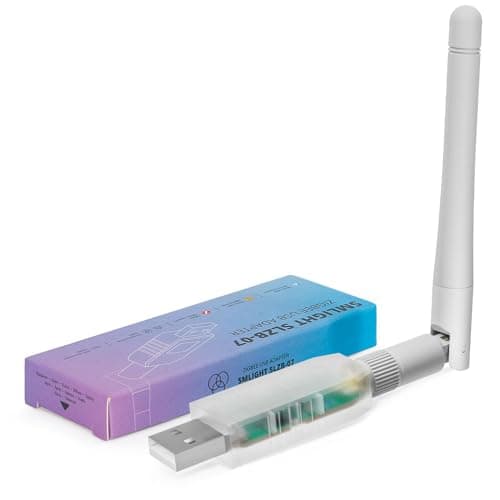
SMLIGHT SLZB-07 Zigbee 3.0 / Thread Mini USB Coordinator
SHE Coordinator Capability Score7.6/10$34.99 — mini USB with web firmware tooling and a documented Thread/Matter switch; compact antenna
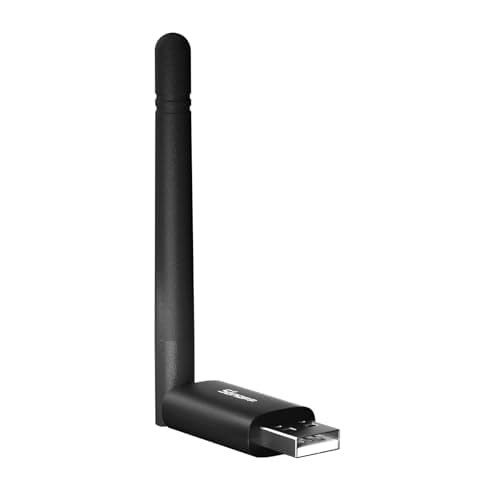
SONOFF Zigbee 3.0 & Thread Dongle Lite (EFR32MG21)
SHE Coordinator Capability Score7.1/10$24.90 — cheapest entry, flashable Zigbee or Thread; the dedicated Thread second radio
Phoscon ConBee III Universal Zigbee 3.0 USB Gateway
SHE Coordinator Capability Score7.0/10$42.63 — deCONZ/Phoscon ecosystem on MG21 silicon; ecosystem premium over raw specs
SMLIGHT SLZB-06
SHE Coordinator Capability Score6.9/10$74.99 — PoE placement and web UI on CC2652P; strong reach but a Thread dead-end at 25/100
SONOFF Zigbee 3.0 USB Dongle Plus (ZBDongle-P)
SHE Coordinator Capability Score6.1/10$39.99 — highest ~50 direct-child spec on CC2652P; Zigbee-only, no maintained Thread path
Why You Need Two Radios for Zigbee and Thread
The single most consequential consideration before purchasing is that one coordinator cannot accommodate both protocols simultaneously anymore. Home Assistant deprecated the experimental multiprotocol firmware that operated Zigbee and Thread concurrently, citing technical limitations and a degraded user experience. CNX Software reports the recommended 2026 architecture is now two dedicated radios: one Zigbee coordinator plus one Thread RCP dongle. That establishes a documented Thread pathway as a first-class purchasing criterion, and it differentiates the marketplace along chipset boundaries. The differentiation is unambiguous. EFR32MG24 silicon operates native Zigbee or Thread, EFR32MG21 reconfigures to either individually, and TI CC2652P remains Zigbee-only without any maintained Thread firmware pathway for HA.
That chipset differentiation is the foundation underneath the entire guide. The TI CC2652P is the most battle-proven silicon for Zigbee2MQTT, which was originally architected around TI radios. However it constitutes a Thread dead-end, and SmartHomeScene observes TI discontinued active SDK development for the chipset. Silicon Labs is where firmware development is progressing continuously. The EFR32MG21 incorporates a mature EmberZNet stack approaching its memory ceiling, whereas the EFR32MG24 delivers roughly 1.5x the flash and 4x the RAM. CNX Software articulates the practical principle plainly: select CC2652P only when Thread is irrelevant, otherwise purchase Silabs. Both the SMLIGHT SLZB-06 and the SONOFF Zigbee 3.0 USB Dongle Plus (ZBDongle-P) register the minimum Thread-readiness determination for precisely this reason.
Placement is the other dimension, and it differentiates USB coordinators from PoE coordinators. A USB coordinator costs approximately half as much but resides beside the server, where USB3 ports radiate 2.4 GHz interference that degrades the mesh continuously. The remediation is the bundled extension cable, which every USB recommendation here includes. A PoE coordinator like the SMLIGHT SLZB-06M Zigbee 3.0 Ethernet/USB/WiFi PoE Coordinator positions the radio anywhere on the LAN and survives host migrations transparently, although it introduces a network dependency. CNX Software's analysis converges on the same weighting we apply: match the coordinator to your build. Consult the Best Zigbee Hubs for the Home 2026 sibling guide if you prefer an app-based Zigbee hub instead, and our Best AI Smart Home Hubs 2026 hub if you are still selecting the controller that orchestrates the entire residence. The economical Thread-ready configuration pairs a primary Zigbee coordinator with a Dongle Lite serving as the dedicated Thread radio.
| Product | Zigbee | Thread Path | ZHA | Zigbee2MQTT | PoE/Ethernet | Web UI |
|---|---|---|---|---|---|---|
| SONOFF Zigbee 3.0 USB Dongle Plus MG24 (Thread & Zigbee) | ✓ | ✓ | ✓ | ✓ | ✕ | ✕ |
| SMLIGHT SLZB-06M Zigbee 3.0 Ethernet/USB/WiFi PoE Coordinator | ✓ | ✓ | ✓ | ✓ | ✓ | ✓ |
| SONOFF Zigbee 3.0 USB Dongle Plus-E (ZBDongle-E) | ✓ | ✓ | ✓ | ✓ | ✕ | ✕ |
| SMLIGHT SLZB-07 Zigbee 3.0 / Thread Mini USB Coordinator | ✓ | ✓ | ✓ | ✓ | ✕ | ✓ |
| SONOFF Zigbee 3.0 & Thread Dongle Lite (EFR32MG21) | ✓ | ✓ | ✓ | ✓ | ✕ | ✕ |
| Phoscon ConBee III Universal Zigbee 3.0 USB Gateway | ✓ | ✕ | ✓ | ✓ | ✕ | ✓ |
| SMLIGHT SLZB-06 | ✓ | ✕ | ✓ | ✓ | ✓ | ✓ |
| SONOFF Zigbee 3.0 USB Dongle Plus (ZBDongle-P) | ✓ | ✕ | ✓ | ✓ | ✕ | ✕ |
When NOT to Buy
A raw USB or PoE coordinator is not automatically the correct decision. Suppose you do not operate Home Assistant or Zigbee2MQTT and prefer not administering firmware and networking personally. Then an app-based hub from our Best Zigbee Hubs for the Home 2026 sibling guide constitutes the lower-effort alternative. Those finished hubs relinquish the no-cloud, no-lock independence of a raw radio for turnkey convenience. And if you already operate a functional ConBee II or an older ZBDongle maintaining your current mesh, a same-class upgrade rarely justifies itself. The exception is a specific requirement for the Thread pathway. Match the coordinator to the installation, and skip the PoE premium whenever a USB coordinator on an extension cable already reaches your devices reliably.
Who Should Buy What
Who Should Buy What
| If you are… | Recommended pick |
|---|---|
First Home Assistant build You want one radio that will not need replacing when you add Matter-over-Thread gear, with HA auto-discovery out of the box | SONOFF Zigbee 3.0 USB Dongle Plus MG24 (Thread & Zigbee) |
Large mesh, placement-flexible You run 50-200 devices and want the radio off your server on PoE, with a web UI and firmware-switchable Zigbee or Thread | SMLIGHT SLZB-06M Zigbee 3.0 Ethernet/USB/WiFi PoE Coordinator |
Value-first first radio You want the lowest-risk, lowest-cost actively-developed Silabs stick with a documented OpenThread re-flash path | SONOFF Zigbee 3.0 USB Dongle Plus-E (ZBDongle-E) |
Matter/Thread early adopter You already run Zigbee and need a cheap dedicated Thread RCP radio after HA deprecated multiprotocol firmware | SONOFF Zigbee 3.0 & Thread Dongle Lite (EFR32MG21) |
Zigbee-only legacy mesh You run a router-poor Zigbee2MQTT mesh that leans on direct children and Thread will never matter | SONOFF Zigbee 3.0 USB Dongle Plus (ZBDongle-P) |
Frequently Asked Questions
What is the most stable chip for Zigbee2MQTT today?
Both silicon families are stable for Zigbee2MQTT, but they trade differently. TI CC2652P (SONOFF ZBDongle-P, SMLIGHT SLZB-06) is the battle-proven classic Z2M was originally built around, with the highest direct-child spec. Silicon Labs EFR32MG21 and the newer EFR32MG24 (ZBDongle-E, Dongle Plus MG24) are where active SDK development is happening, and the MG24 adds far more memory headroom. For a new build the MG24 is the safest long-term pick; for a router-poor legacy mesh that will never use Thread, the CC2652P ZBDongle-P still holds up.
Can one dongle do both Zigbee and Thread at the same time?
Not well anymore. Home Assistant deprecated the experimental multiprotocol firmware that ran Zigbee and Thread on one radio, citing technical limitations and a worse user experience. The recommended 2026 architecture is two dedicated radios: one Zigbee coordinator plus one Thread RCP dongle. A single stick can run either protocol — EFR32MG24 natively, EFR32MG21 by re-flashing — but you pick one at a time. Budget a second radio like the $24.90 SONOFF Dongle Lite for Thread.
Do USB 3.0 ports interfere with my Zigbee coordinator?
Yes. USB 3.0 ports radiate 2.4 GHz noise that degrades the Zigbee mesh when a coordinator stick is plugged in right next to them. Every USB pick in this roundup ships with an extension cable for exactly this reason — move the radio away from the server and any USB3 ports. The alternative is a PoE Ethernet coordinator like the SMLIGHT SLZB-06M, which places the radio anywhere on the LAN, away from interference entirely.
How many devices can a Zigbee coordinator handle?
It depends on silicon and routers. The SONOFF ZBDongle-P supports roughly 50 direct children and up to 200 devices with routers per SONOFF's spec, the highest direct-child count of the USB sticks. The ZBDongle-E lists about 30 direct children. PoE coordinators (SLZB-06, SLZB-06M) claim up to 200 devices, and the EFR32MG24 carries the most flash and RAM for very large networks. Routers extend any mesh, so direct-child limits matter most in router-poor, sensor-heavy setups.
SONOFF ZBDongle-E vs ZBDongle-P — which should I buy?
The ZBDongle-E uses Silicon Labs EFR32MG21 silicon with an official OpenThread re-flash path, so it can become a Thread radio later. The ZBDongle-P uses TI CC2652P, which has no maintained Thread path but supports more direct children (~50 vs ~30) and is the long-proven Zigbee2MQTT classic. Buy the ZBDongle-E ($26.99) if you want a Thread future; buy the ZBDongle-P ($39.99) only for a router-poor Zigbee-only legacy mesh. For a fresh build, the newer MG24 stick beats both.
USB stick or PoE Ethernet coordinator — what is the difference?
USB sticks ($25-43) plug straight into your Home Assistant host and cost about half as much, but they live next to the server where USB3 interference can degrade the mesh; the bundled extension cable mitigates that. PoE coordinators ($73-75) like the SLZB-06M place the radio anywhere on the LAN with a single cable for power and data, survive host migrations, and add a web management UI — at the cost of a network dependency. Pick PoE for big, placement-sensitive meshes; pick USB for simpler single-box builds.
Bottom Line
Get the SONOFF Zigbee 3.0 USB Dongle Plus MG24 (Thread & Zigbee) if you want the newest actively-developed silicon, the most memory headroom, and a real dedicated-Thread path for a future-proof first radio.
Get the SMLIGHT SLZB-06M Zigbee 3.0 Ethernet/USB/WiFi PoE Coordinator if you run a large mesh and want PoE placement freedom, a web UI, and firmware-switchable Zigbee or Thread.
Get the SONOFF Zigbee 3.0 USB Dongle Plus-E (ZBDongle-E) if you want the lowest-risk value stick with a documented OpenThread re-flash path.
Get the SONOFF Zigbee 3.0 & Thread Dongle Lite (EFR32MG21) if you already run Zigbee and need the cheapest dedicated Thread RCP second radio.
Get the SONOFF Zigbee 3.0 USB Dongle Plus (ZBDongle-P) if you run a router-poor Zigbee-only legacy mesh and Thread will never matter.
The right call for most new Home Assistant builds is the SONOFF Zigbee 3.0 USB Dongle Plus MG24 (Thread & Zigbee) — newest silicon, biggest headroom, and a genuine Thread path at $35.90. For a placement-sensitive big mesh, the SMLIGHT SLZB-06M Zigbee 3.0 Ethernet/USB/WiFi PoE Coordinator is the set-and-forget upgrade. Skip a raw coordinator entirely if you do not run Home Assistant or Zigbee2MQTT — an app-based hub from our sibling guide is the lower-effort path.
Sources & Methodology
Methodology: SHE Coordinator Capability Score — Formula: (Silicon Generation & Firmware Trajectory × 0.25) + (Thread/Matter Readiness × 0.20) + (Network Reach & Placement Flexibility × 0.20) + (Mesh Headroom × 0.15) + (Platform Integration Ease × 0.20). Factors: Silicon Generation & Firmware Trajectory (25%): Chipset family plus SDK development status, weighted highest. EFR32MG24 (actively-developed Silabs SDK, 1.5 MB flash / 256 KB RAM) tops the scale; EFR32MG21 (actively-developed, mature EmberZNet, 96 KB RAM ceiling) sits mid; TI CC2652P trails because TI has stopped active SDK development. Normalized from datasheets and aggregated 2026 coordinator coverage. | Thread/Matter Readiness (20%): Documented path to run the device as a dedicated Thread RCP radio, the architecture Home Assistant recommends after deprecating multiprotocol firmware. Native Zigbee+Thread silicon scores highest; EFR32MG21 with official flashable OpenThread RCP scores high; CC2652P with no maintained Thread path is capped at 25/100. | Network Reach & Placement Flexibility (20%): TX power plus antenna type plus host-placement freedom. A PoE/Ethernet coordinator placeable anywhere on the LAN away from USB3 interference tops the scale; a +20 dBm USB stick with external whip antenna sits mid (with a gain bonus for a spec'd 3 dBi antenna); a compact internal antenna trails. All eight transmit at +20 dBm. | Mesh Headroom (15%): Vendor-stated device capacity plus on-chip memory headroom for large networks. A 200+ device claim with large flash/RAM (MG24: 1.5 MB / 256 KB) scores highest; a 200-device claim on MG21 or CC2652P memory sits mid; no published large-network claim or ~30 direct children scores lowest. | Platform Integration Ease (20%): How painlessly the radio joins ZHA or Zigbee2MQTT. A web management UI with remote OTA and one-click mode switching tops the scale; Home Assistant auto-discovery with pre-flashed firmware sits high; pre-flashed firmware with no UI sits mid; primary support via a separate stack like deCONZ trails.
Expert review sources used in this analysis:
- SmartHomeExplorer aggregates expert review data and manufacturer specifications to produce consensus-based buying guidance
- We do not perform first-party product testing
- Chipset specifications, TX power, antenna gain, device-capacity claims, and pricing are drawn from SONOFF, SMLIGHT, and Phoscon manufacturer documentation
- They are corroborated against coordinator and Matter/Thread coverage from CNX Software and SmartHomeScene, plus the Home Assistant multiprotocol-deprecation notice
- Amazon prices and availability verified 2026-06-09
- The SHE Coordinator Capability Score weights silicon generation and firmware trajectory, Thread/Matter readiness, network reach and placement flexibility, mesh headroom, and platform integration ease from aggregated specs and reviewer reports
- No first-party measurements were conducted.
Nicholas Miles is the founder of SmartHomeExplorer and a longtime smart home enthusiast focused on helping everyday homeowners make better technology decisions. He researches, compares, and writes about products across security, climate, lighting, leak prevention, sensors, home energy, and automation, with an emphasis on real-world usefulness, ecosystem compatibility, reliability, privacy, and long-term value.
Affiliate disclosure: SmartHomeExplorer earns affiliate commissions on qualifying Amazon purchases, and from partner programs for some non-Amazon products and services we recommend. Our scoring methodology is independent of affiliate relationships.